Dog Video - K-ARTIST

Dog Video

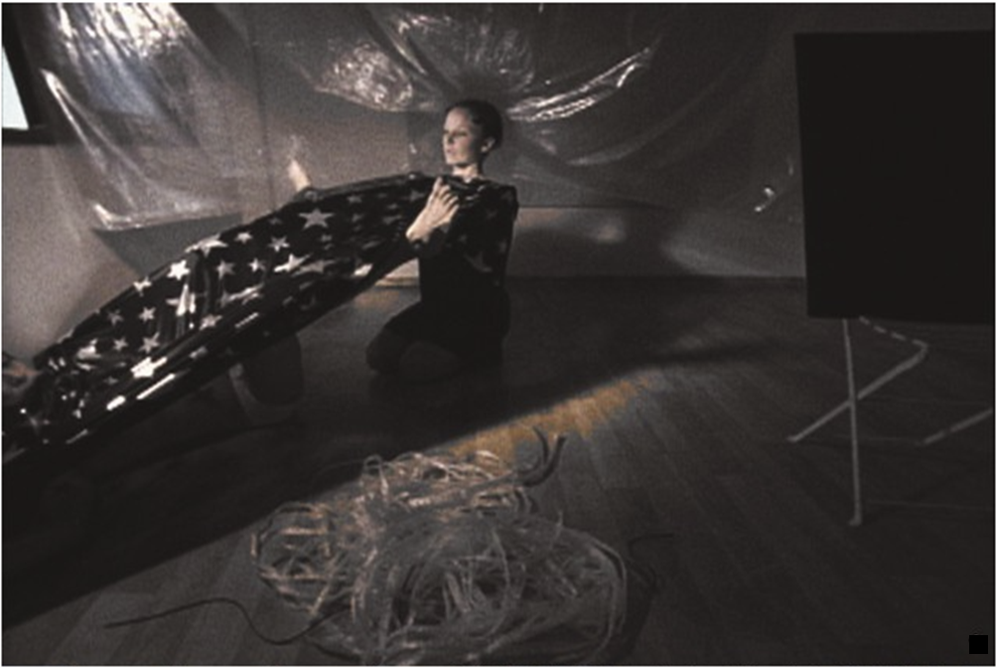
2006
About The Work

Sung Hwan Kim has showcased a diverse range of works, incorporating various media such as film, video, drawing, music, architecture, and literature into installations, performances, radio dramas, and books. By utilizing these complex media, Kim develops a unique form of visual storytelling, gaining significant recognition both domestically and internationally.
 
Kim focuses on the space, history, language, and culture of a specific era referred to as the ‘present,’ exploring how social systems and educational institutions relate to the way we think and receive information. His works, often incorporating elements of biography, science fiction, folklore, mythology, and collective memory, create metaphors that address historical and social issues.
 
He unravels the diverse and complex layers embedded in history and the way they are transmitted through his own poetic lens. By borrowing from literary texts and journalistic records, he reconstructs these into new forms of storytelling, shaping them into multi-layered visual structures across various media. In doing so, he creates a narrative web that infiltrates the psychological and cognitive dimensions of the audience, generating possibilities for alternative communication.

Solo Exhibitions (Brief)

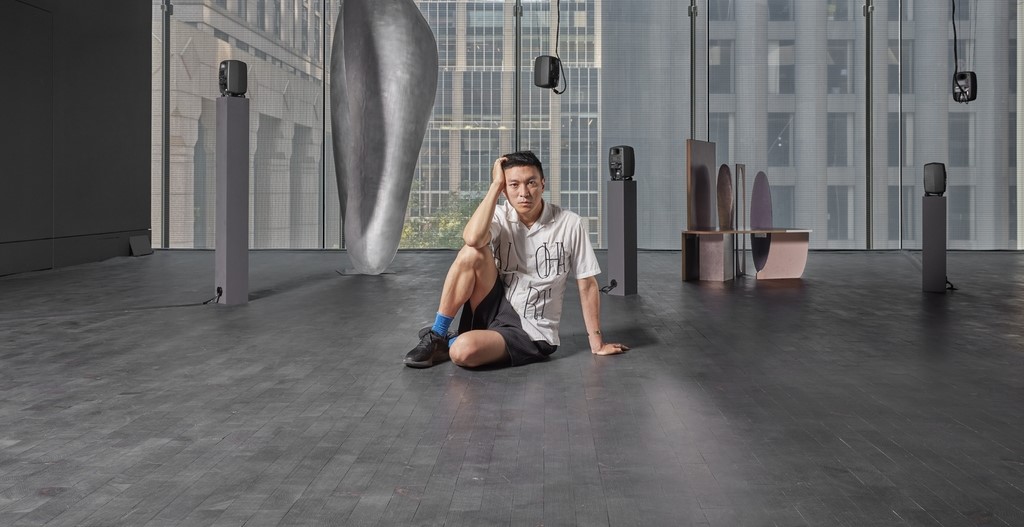
Kim has held solo exhibitions at various venues including Seoul Museum of Art(2025), Museum of Modern Art (New York, 2021), daadgalerie (Berlin, 2018), The Tanks at Tate Modern (London, 2012), Kunsthalle Basel (Basel, 2011). 

Group Exhibitions (Brief)

Kim has participated in group exhibitions including the Hawaiʻi Triennial 2022 and 57th Venice Biennale (2017).

Awards (Selected)

 Kim is the winner of the Hermès Korea art prize (2007), the Prix de Rome (2007), and, with dogr, the Karl-Sczuka-Förderpreis (2010) for the radio work one from in the room.

Residencies (Selected)

Kim has participated in residency programs in various cities, including Berlin and New York, as well as at the Rijksakademie in Amsterdam.

Works of Art

Unique Form of Visual Storytelling

Originality & Identity

Sung Hwan Kim’s practice begins as a narrative experiment that reads the present through “figures of speech.” In his first exhibition in Korea, 《A-DA-DADA》(Total Museum of Art, 2003), the works A-DA-DA(2002) and her(2003) reveal stuttering, error, and slippage as fundamental conditions of communication, probing generational and cultural ruptures in the diaspora. From the stance that “an individual work is also a social product,” the artist juxtaposed contemporaneous references within the gallery to stage scenes in which personal and collective narratives are mutually translated.

His work unfolds around narrativity and performativity. The commissioned video Washing Brain and Corn(2010) for the Seoul International Media Art Biennale cross-edits autobiographical memory, events from modern and contemporary Korean history, and a literary motif (Rilke) to trace the internalization of “education” and “ideology.” Narration that moves between English and Korean makes visible the fact that the transmission of history always passes through the channel of otherness.

In his 2014 solo exhibition 《Life of Always a Mirror》(Art Sonje Center), particularly in the video Temper Clay(2012), the motifs of “mirror,” “transposition,” and “division” displace the family/authority/property-distribution narrative into the terrain of modern and contemporary Korean history, expanding the politics of story into the politics of place and architecture.

Subsequently, Love before Bond(2017), presented at the Venice Biennale, re-signifies the gestural language of race, migration, and discrimination through a “montage of texts” (from Korean news articles to Shakespeare’s sonnets).

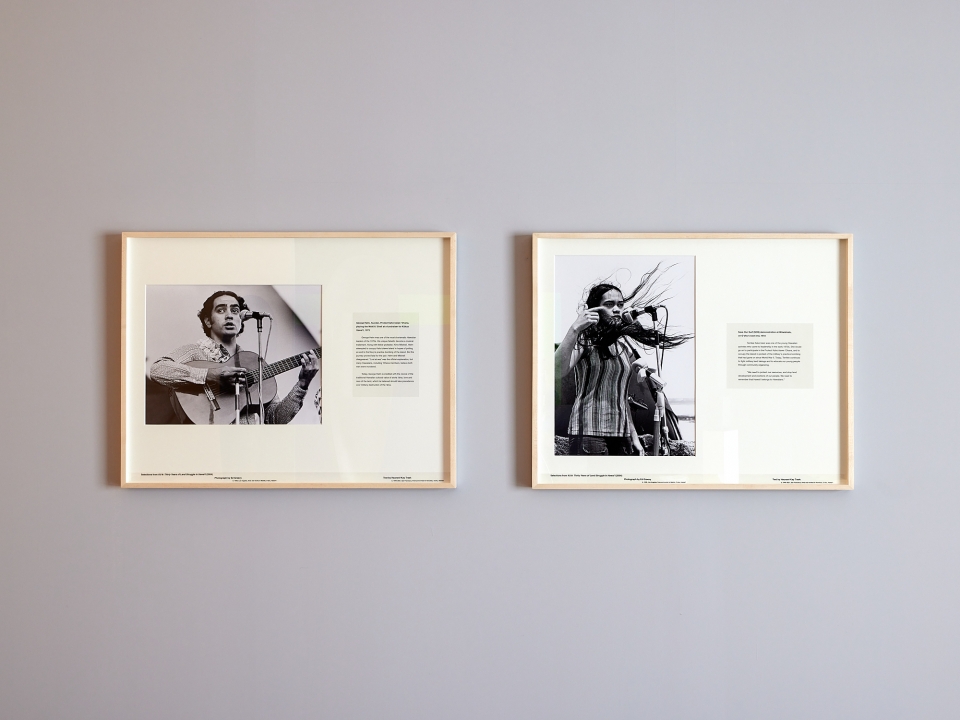
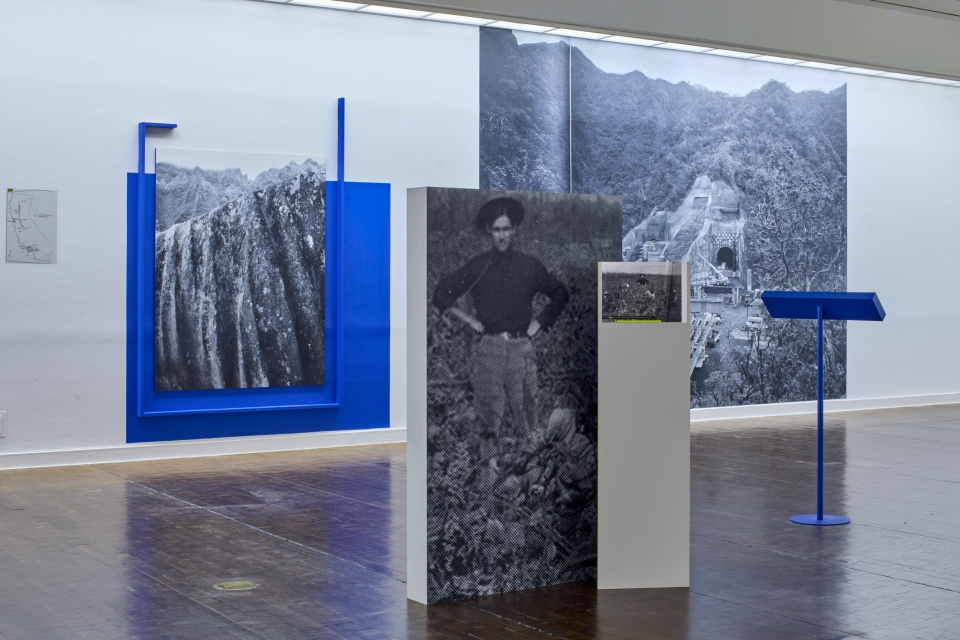
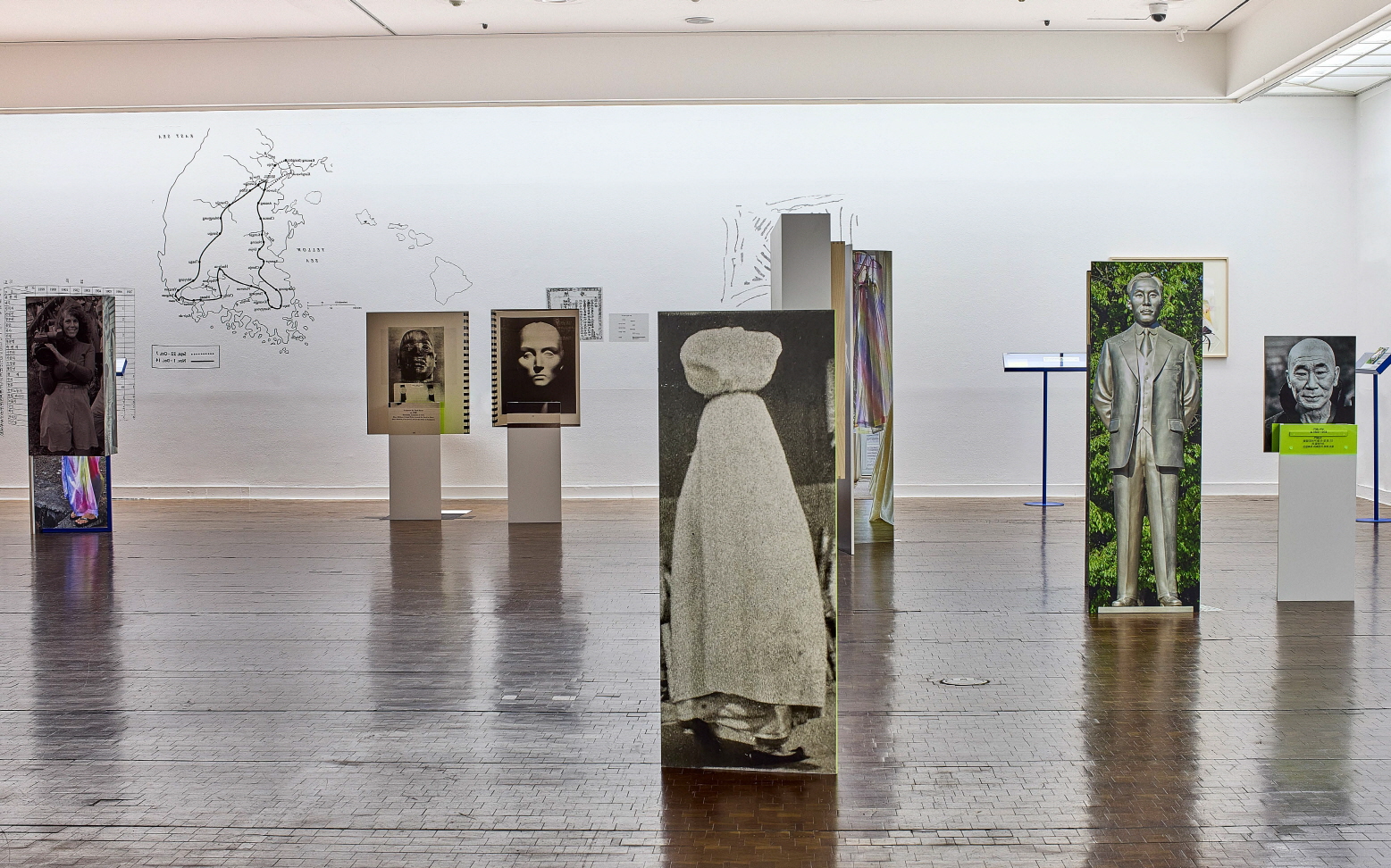
Most recently, as part of the ‘Pyohaerok’(2017–) series, Hair is a piece of head(2021) reads Hawai‘i as a conceptual terrain of boundary, passage, and anchorage, converting the sensation of drifting into an ethics of present subjectivity.

Style & Contents

Kim composes a “field of editing” that horizontally braids video, radio play, book, installation, and performance. In the early work A-DA-DA, a “stuttering speech-camera” unsettles dialogue, point of view, and acting, aligning content (the narrative of rupture) with form (stuttering as figure).

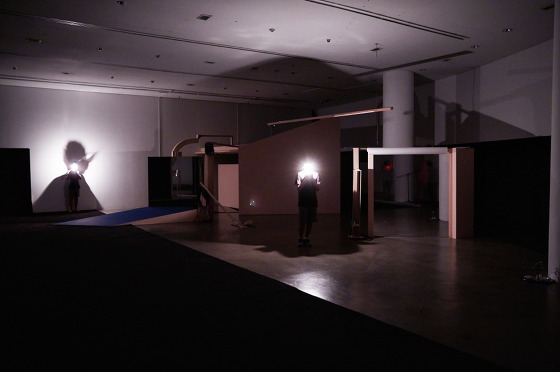
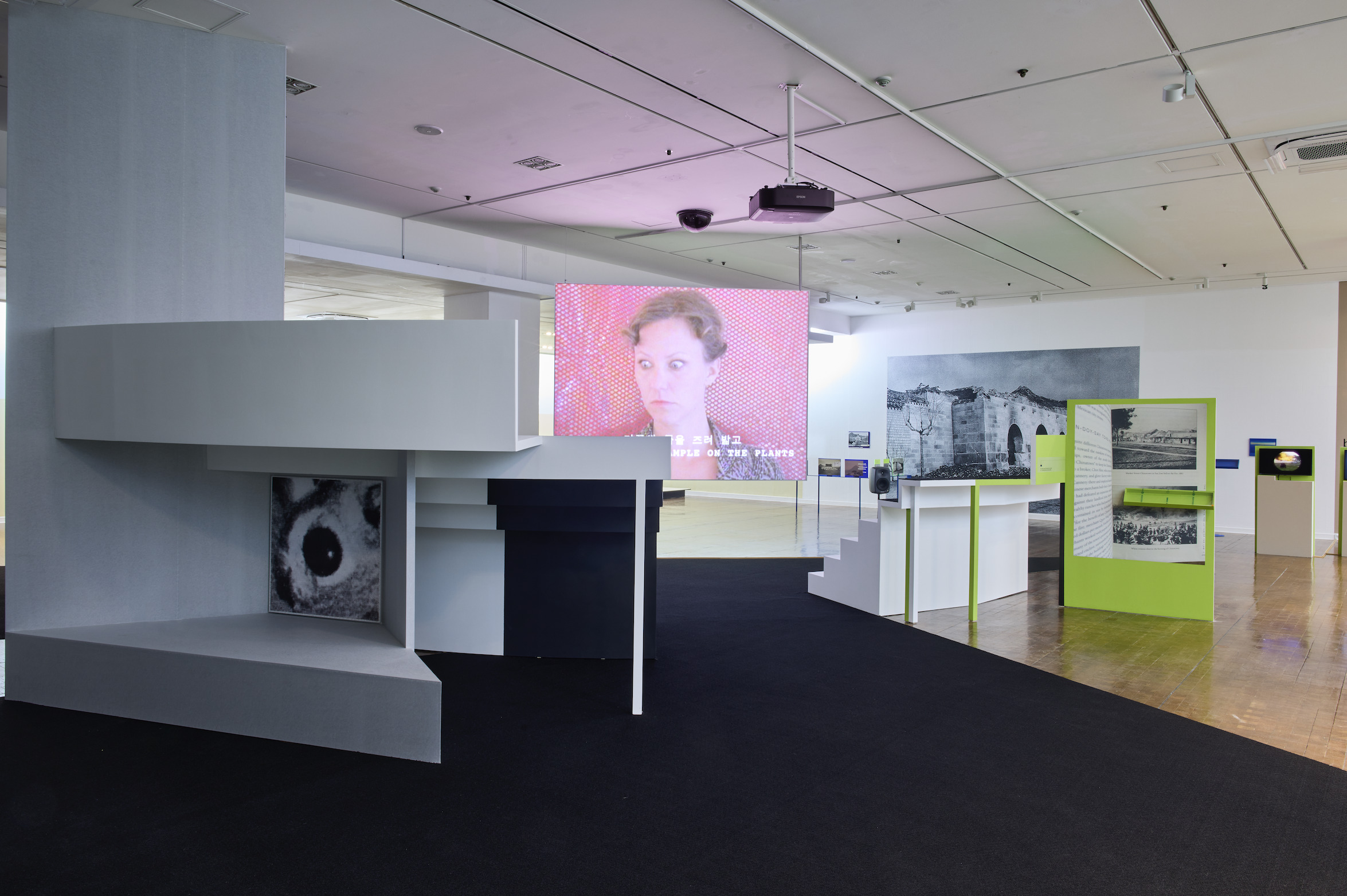
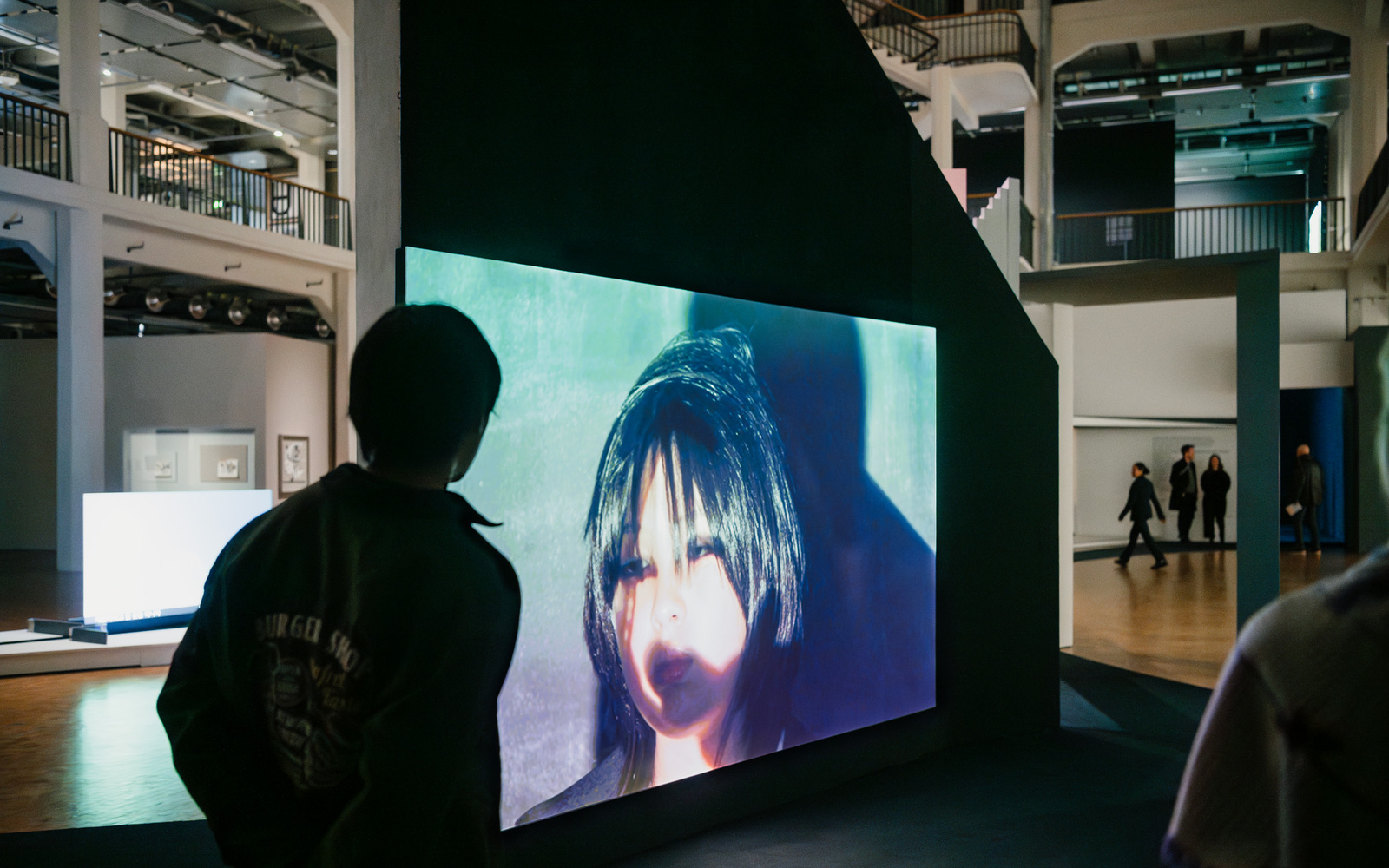
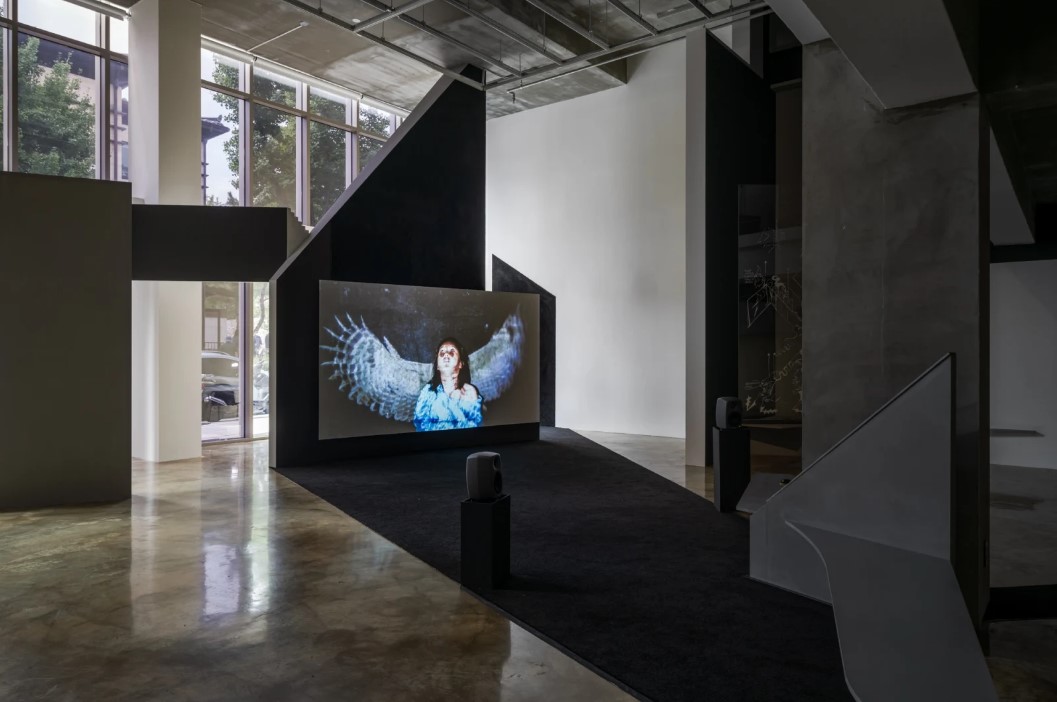
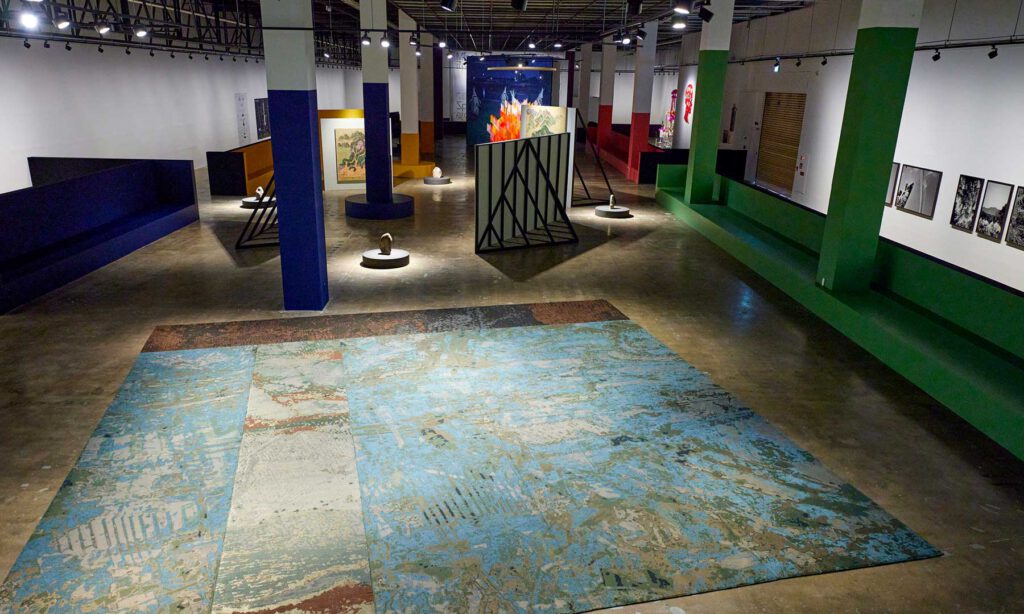
Washing Brain and Corn expands into radio play and publication, and in his 2012 solo exhibition at The Tanks (Tate Modern) is recomposed as an immersive installation incorporating architecture, lighting, and sound. There, the visitor’s movement operates like an editing timeline, turning viewers from consumers of a “finished cut” into participants in an “editing process.”

In the exhibition 《Life of Always a Mirror》, which experimented across video, drawing, installation, and performance, displaced entry points, multiple levels, and maze-like circulation establish the equation “form = content.” The segmentation of the narrative referenced by the title work Temper Clay(King Lear/modern Korean history) is transformed into spatial partition and reflection (mirror structures), as the architecturality of installation replaces the syntax of narrative.

Love before Bond treats text as a variable medium by shaking “authorship” itself through a collage of quotation, excerpt, and recitation, while Hair is a piece of head realizes a form of “cognitive editing” that troubles the archive/fiction boundary through the juxtaposition of metaphorical scenes and documentary photographs. The artist also collaborates with the musician (dogr); the design of rhythm, breath, and rests thereby reinforces the time-structure of the narrative at a sensory level. 

Topography & Continuity

Kim’s originality lies in a narrative-architectural editing that takes “untranslatability” as its engine. His method of condensing stutter/omission/blank—generated as one moves across the boundaries of language, history, and place—into the core of form yields a rare aesthetic consistency within Korea’s contemporary fields of video and installation.

The trajectory extends from a “field of texts” to a “field of space,” and then to a “geo-political field.” What begins as ruptures in communication (early 2000s) expands into an isomorphy of story and space (early–mid 2010s), and more recently is organized as a multi-media research system around migration, boundary, and drift (‘Pyohaerok,’ 2017–).

The artist redefines the exhibition as both an “educational device” and an “editing room,” inviting audiences as co-authors through the parallel operation of archive and fiction and the rhythmic coupling of music/performance. Having engaged with leading museums and international biennials—such as Tate Modern and the Museum of Modern Art, New York—Kim has sustained and been recognized for experiments in “narrative-installation” across diverse artistic contexts beyond Korea.

Works of Art

Unique Form of Visual Storytelling

Articles

Exhibitions