Grounded
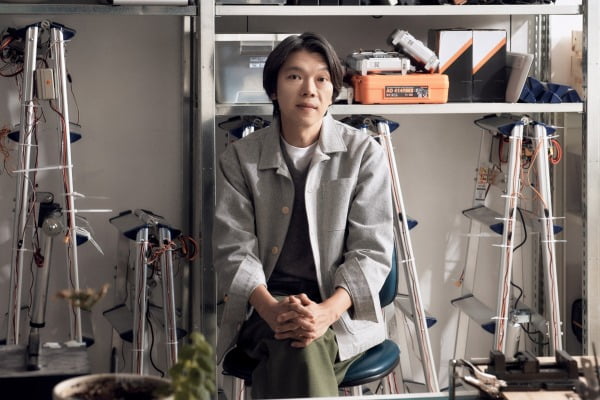
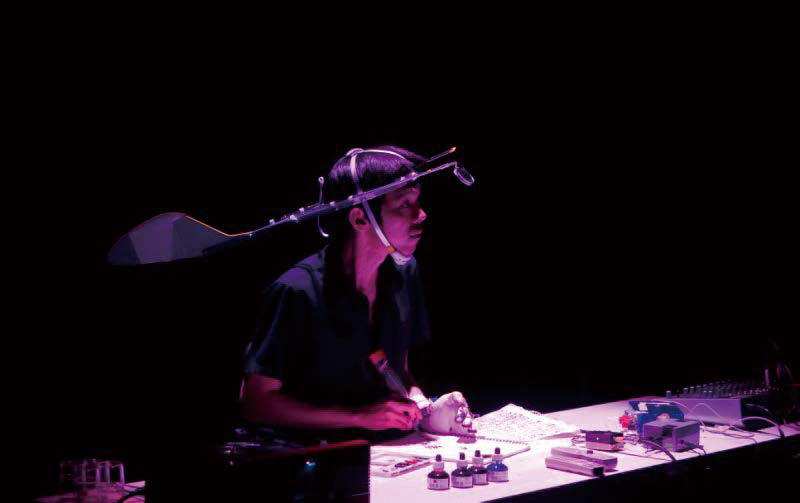
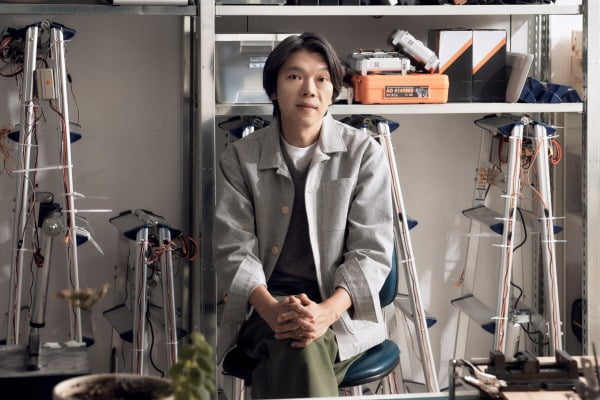
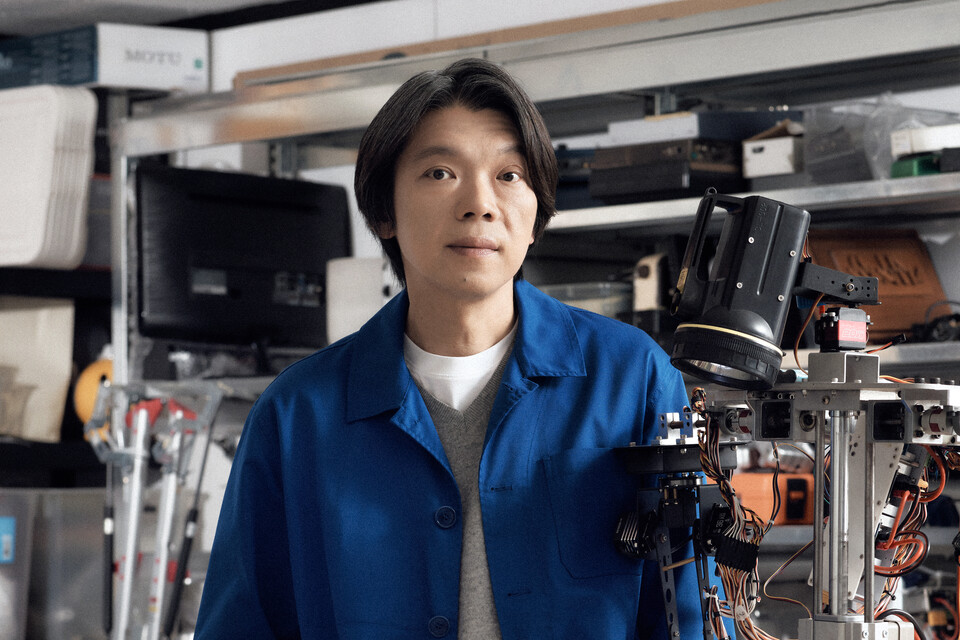
in hardware engineering (STEIM, Netherlands) and stagecraft, Kwon designs
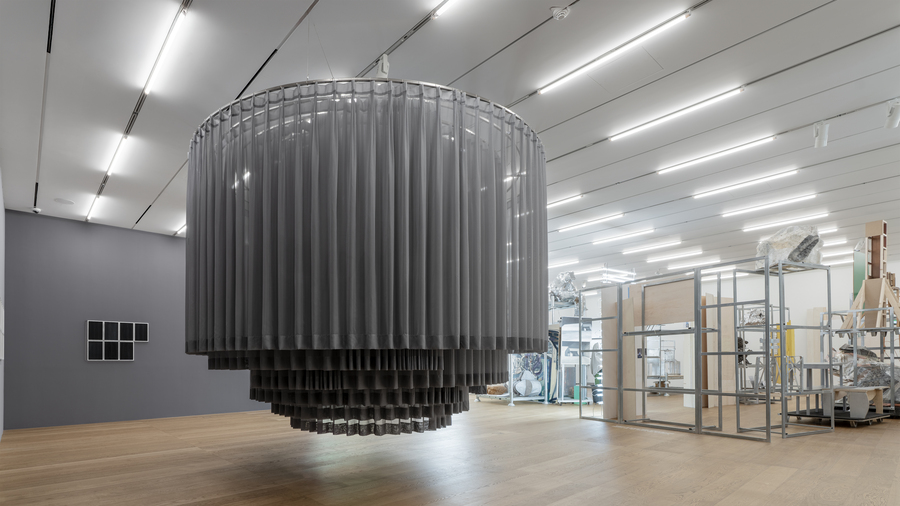
“apparatuses around sound.” The face projection in This Is
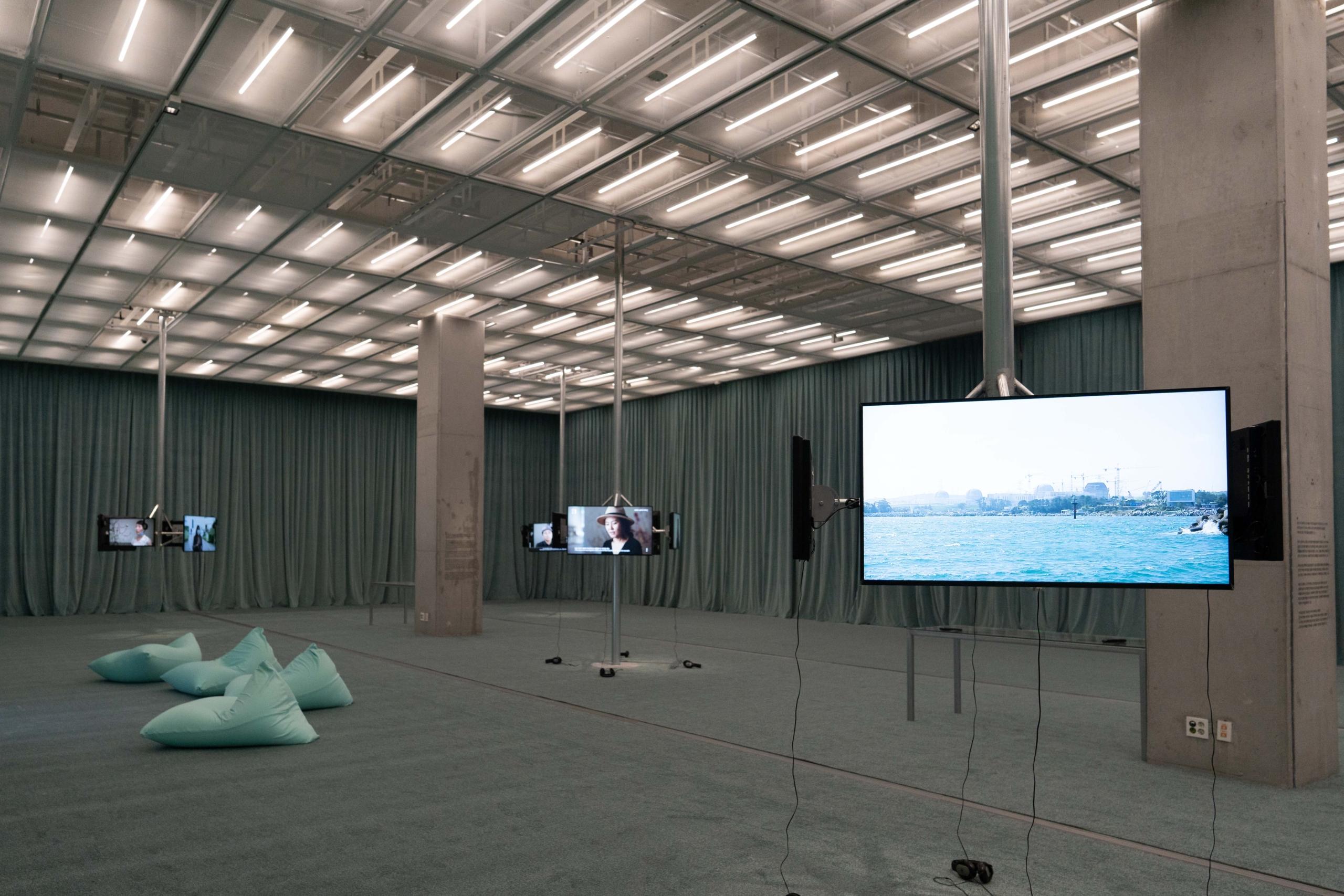
Me and the steam screen, aerial speakers, and hybrid piano
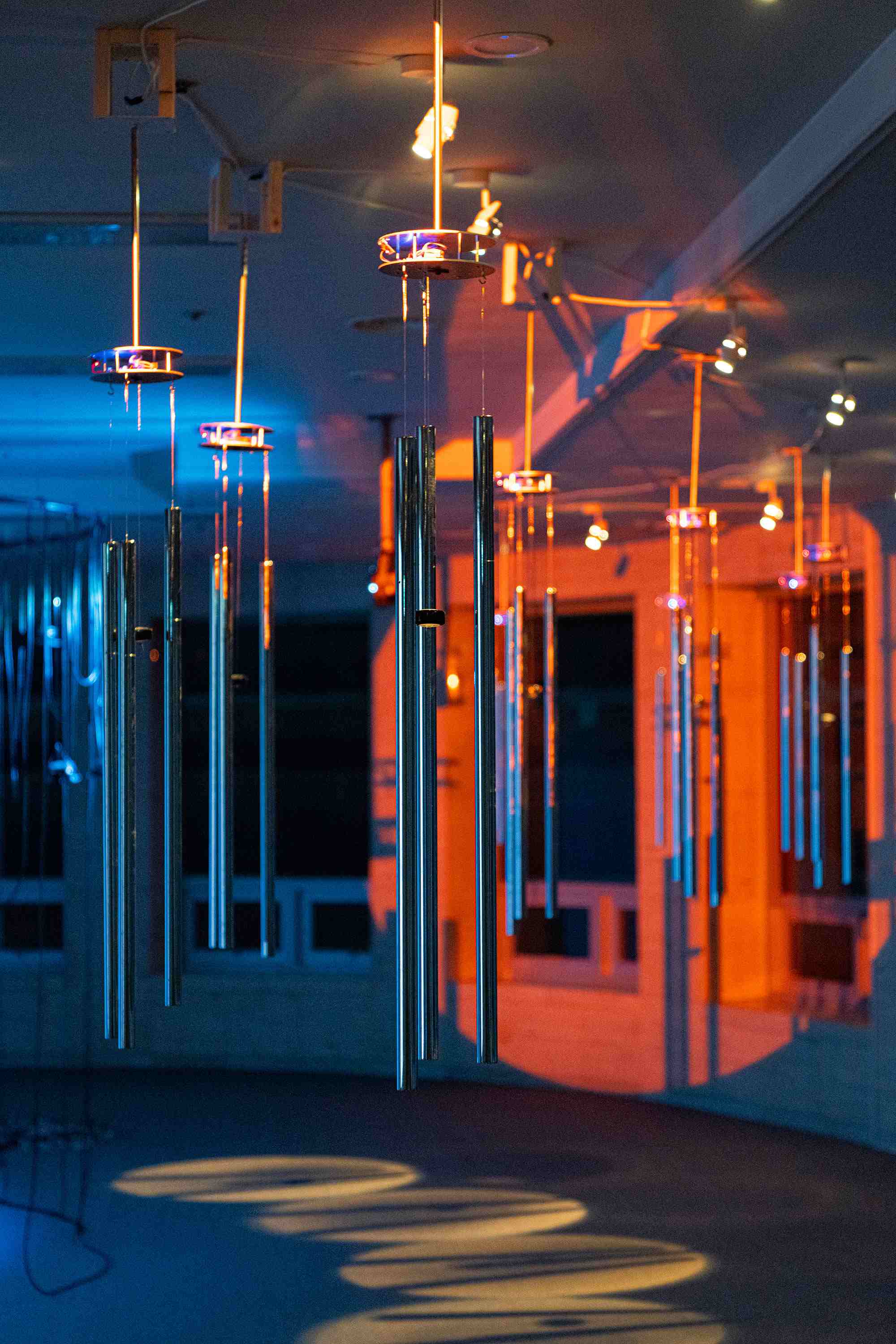
in Another Moon Another Life expose how one sonic
source changes form as it passes through different media. Content arises from
how the apparatus is used; the apparatus, in turn, rewrites how audiences use
their senses.
“Sound
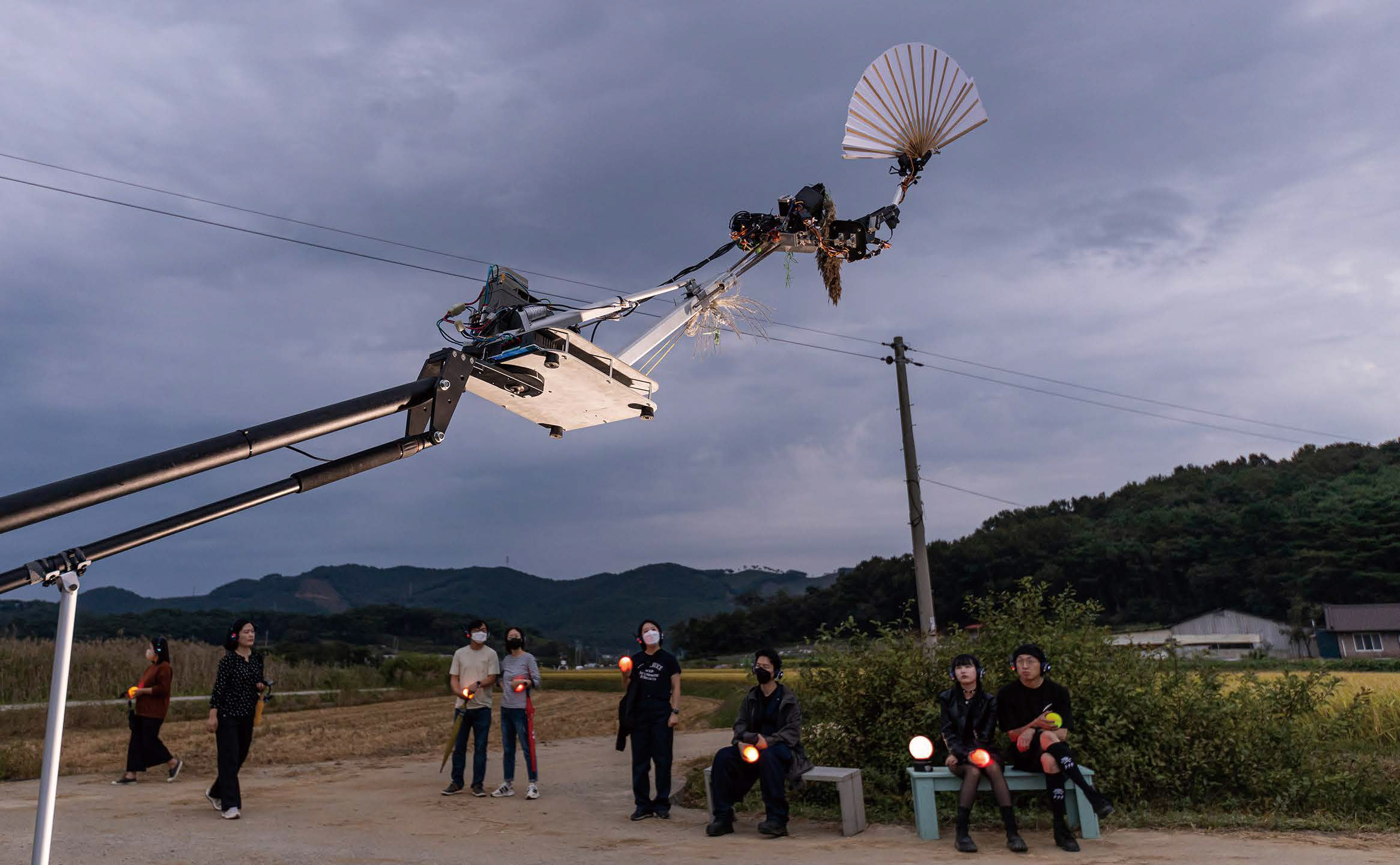
walk” is his signature way to turn specs into story. The ‘Forest of Subtle
Truth’ series used LPS-based headphones to call zone-specific sounds; its
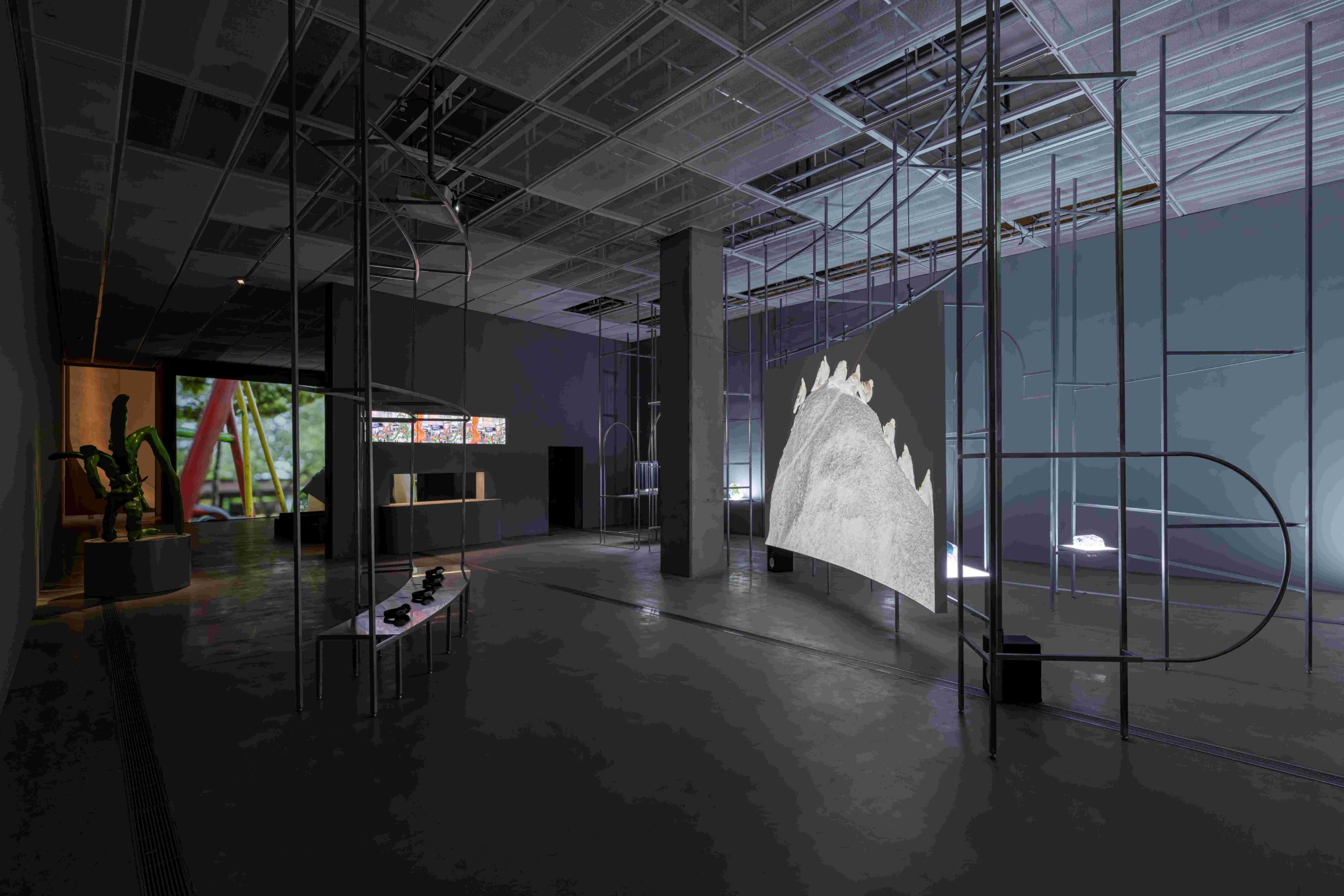
extension, From Cheongju to Kyiv, expanded MMCA
Cheongju’s plaza into “audio AR” via GPS-RTK and spatial audio mapping. Without
screens, audiences steer “playback” by walking, turning, and tilting their
heads—listening itself is the core procedure.
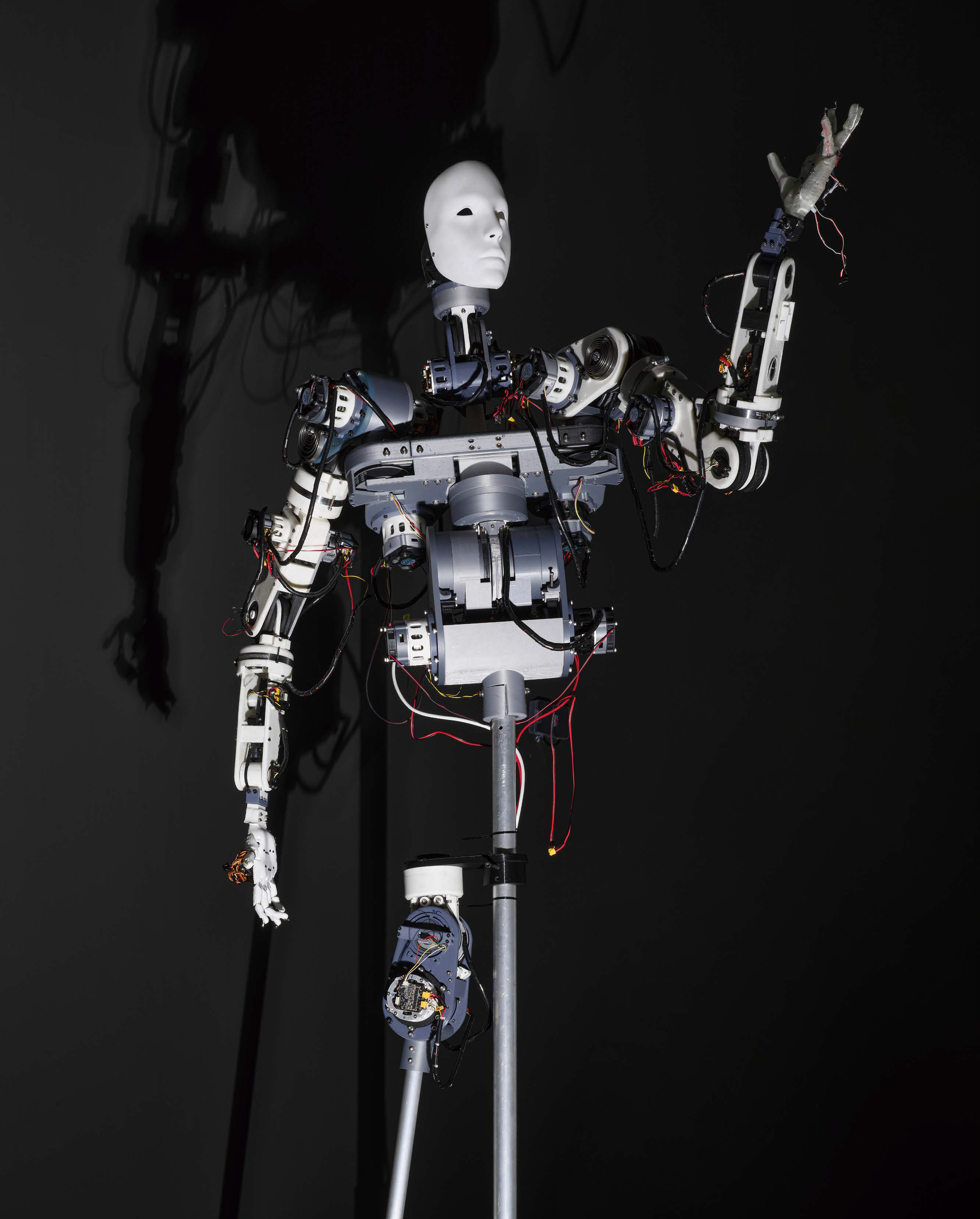
Robot
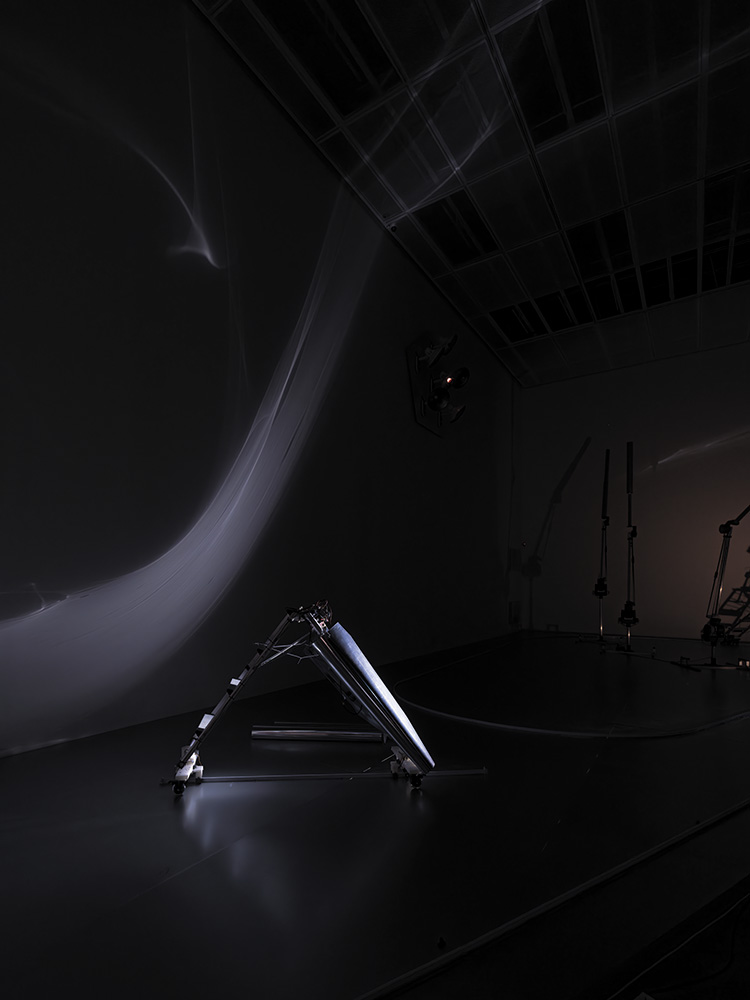
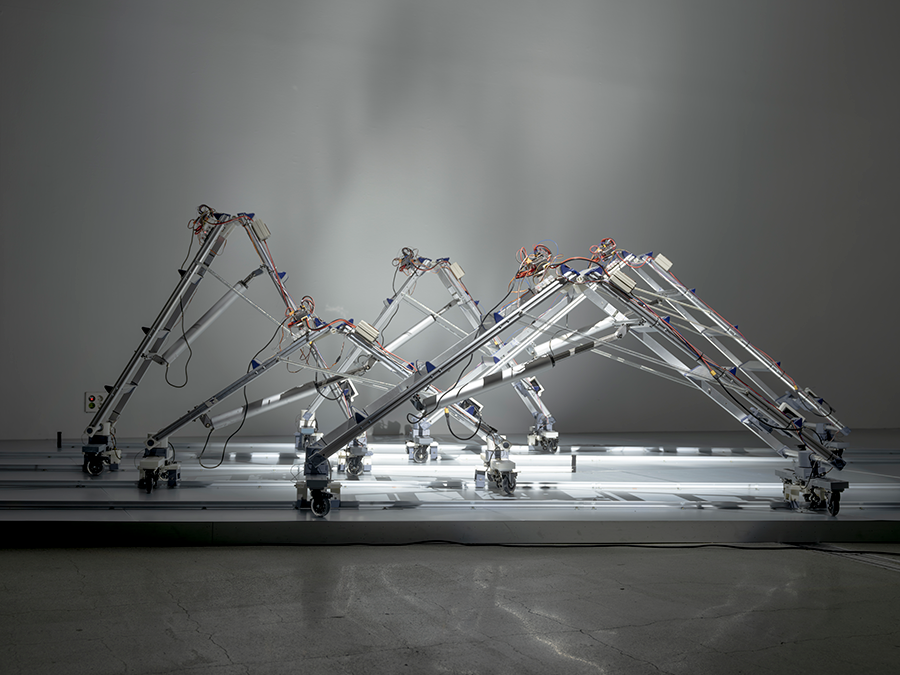
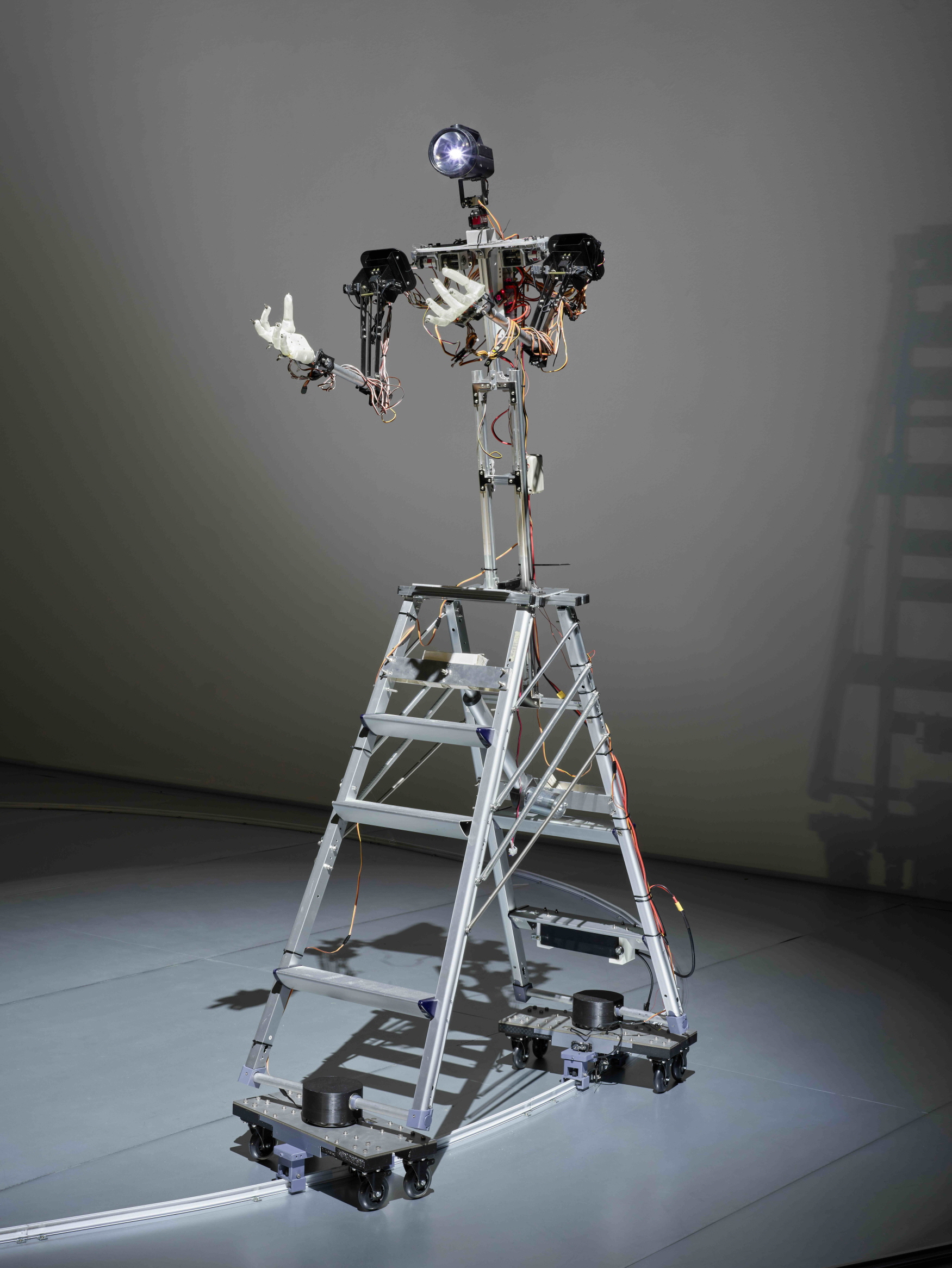
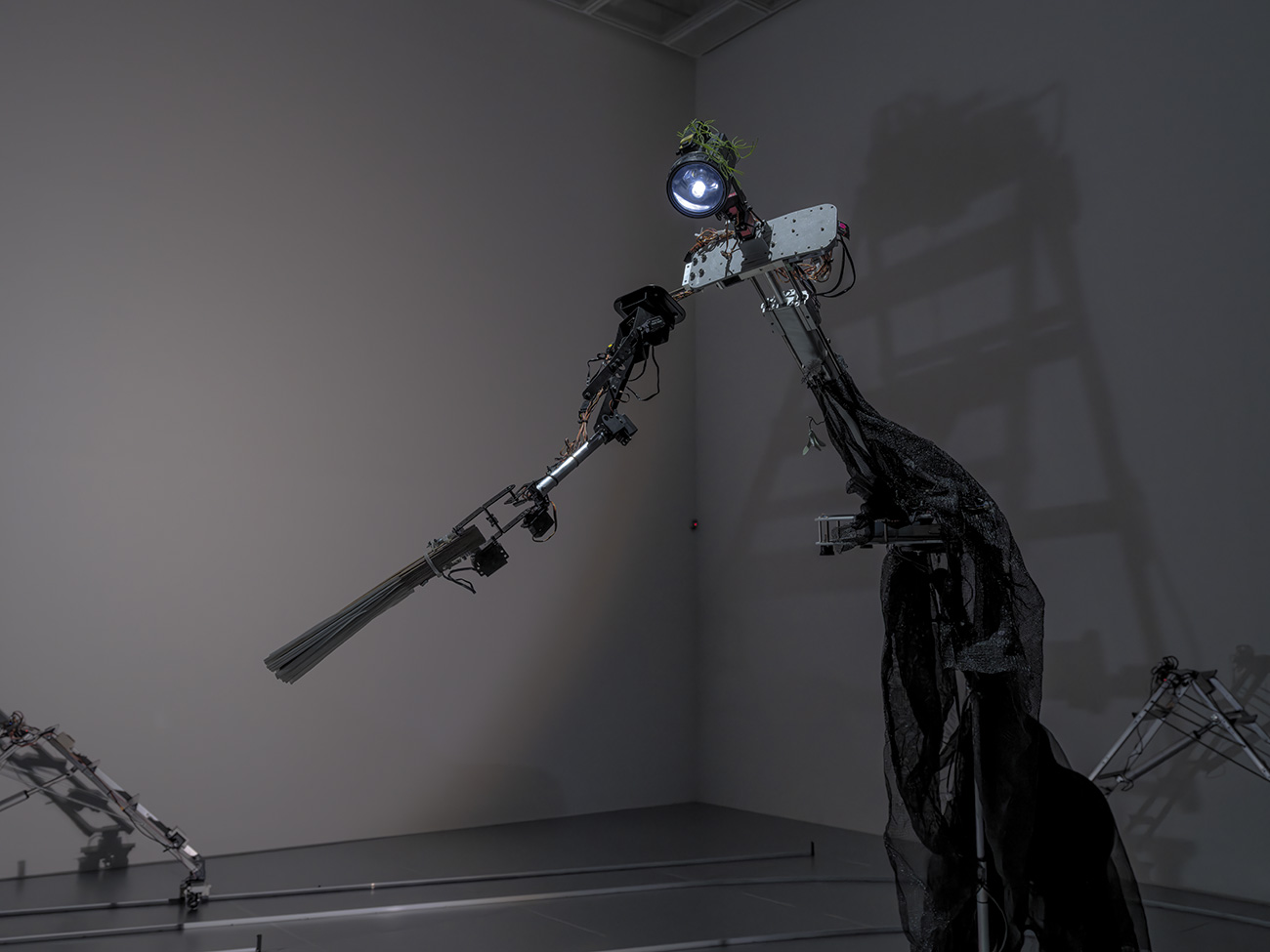
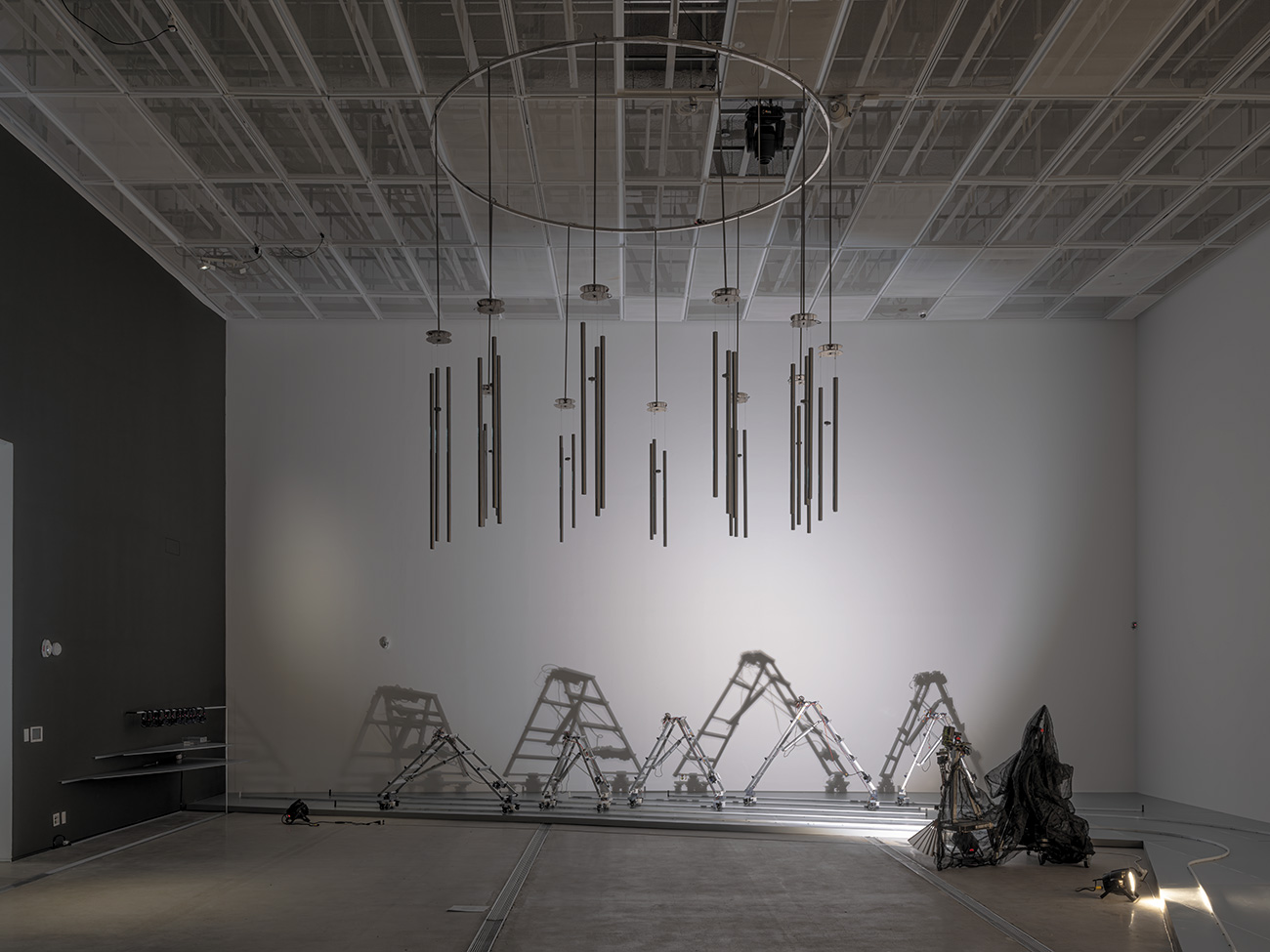
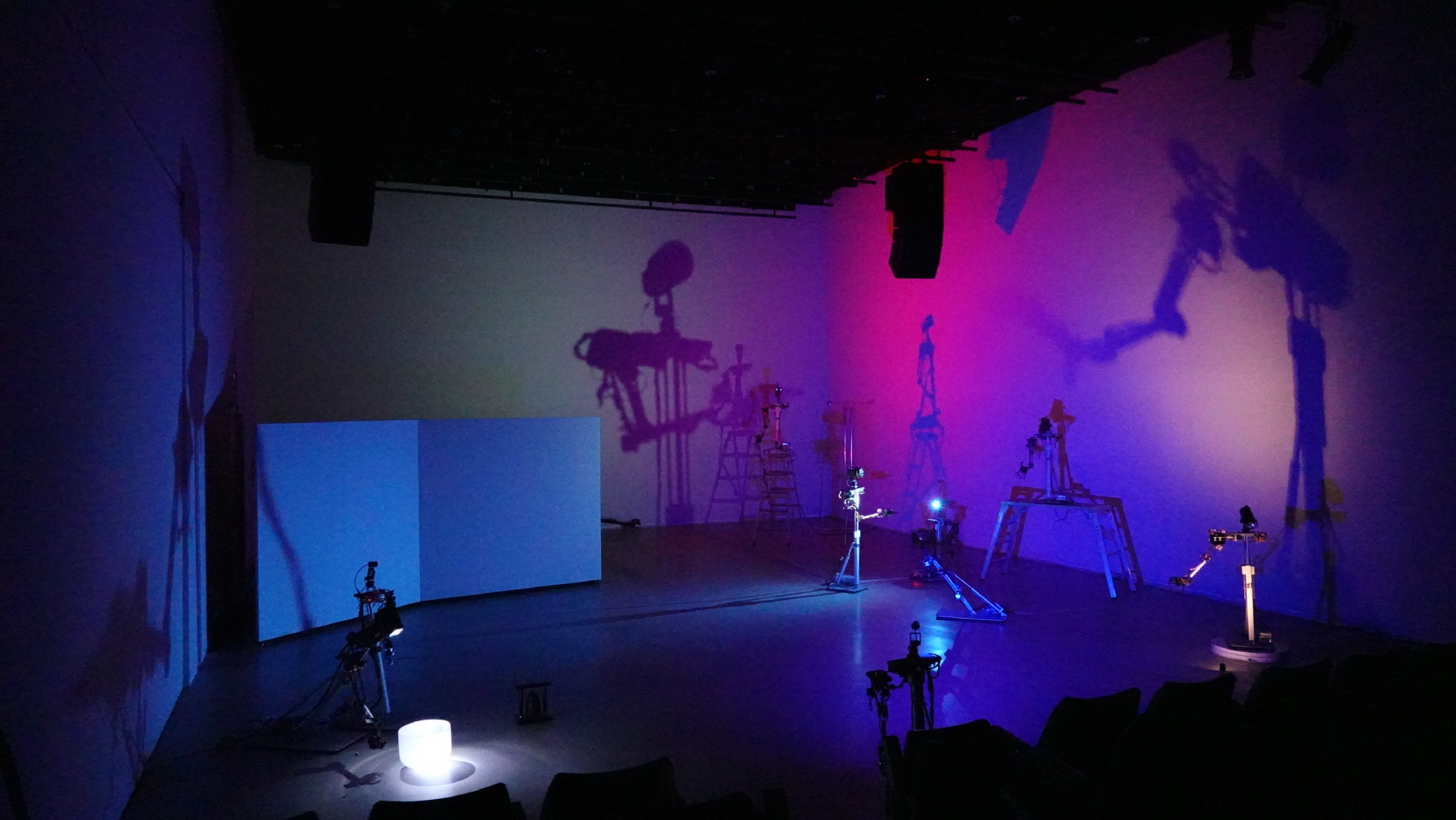
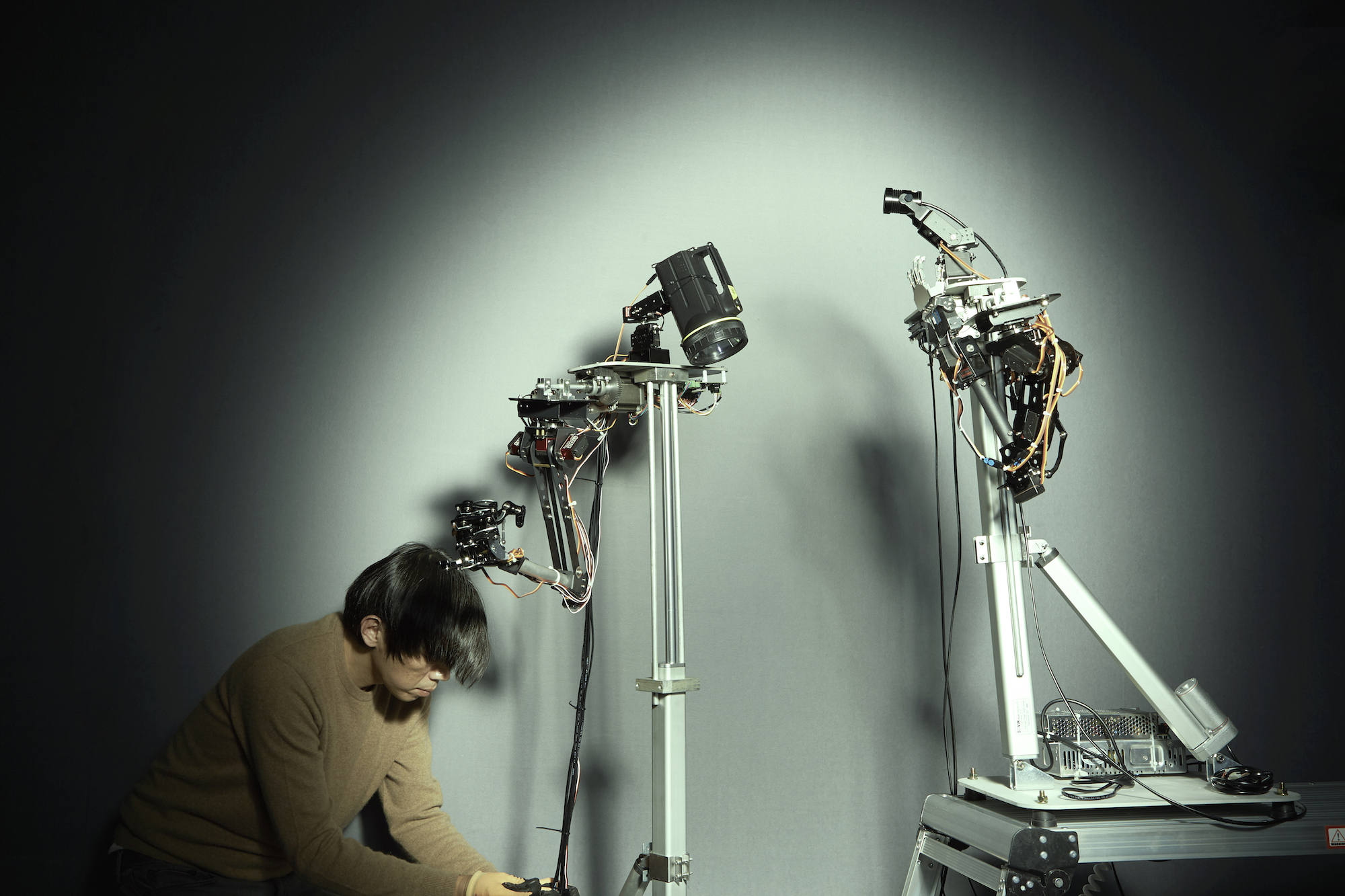
theater forms a second axis. In 《Club Golden Flower》, robots assembled from
tripods, ladders, and flashlights flood the stage with the material interplay
of light, shadow, and motion. In Lyrics of Cheap Android 2 (Robot
Nocturne) and Robot Crossing a Single Line Bridge,
lighting, sound, and machine blocking are theatrically refined, yet the robots’
movements stay purposefully inefficient and awkward—formally refusing
efficiency becomes the work’s content.
The same
grammar adapts to audience and context, as in the children’s show 《Neverland Soundland: Sound Walk》(Busan
Museum of Art, Children’s Gallery, 2021), where a spatial-audio gallery, a
pyeongyeong-inspired installation, and the participatory Gesture
of Song recast advanced technique as play and learning. In
short, Kwon moves between “high-tech” and “low-tech materiality,” “theater” and
“outdoor walk,” making listening and relation-building the final output.