Ochetuji Ladderbot - K-ARTIST

Ochetuji Ladderbot

2022 
Mixed media 
Dimensions variable
About The Work

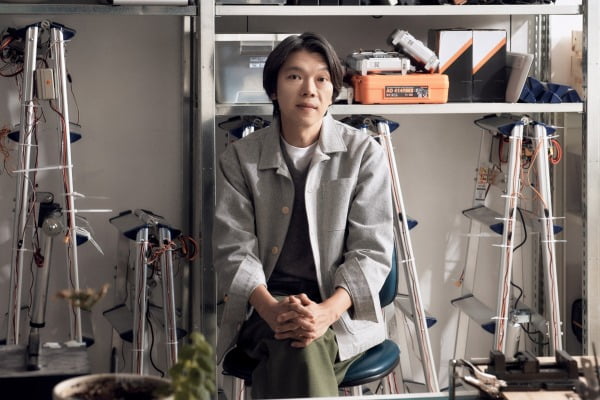
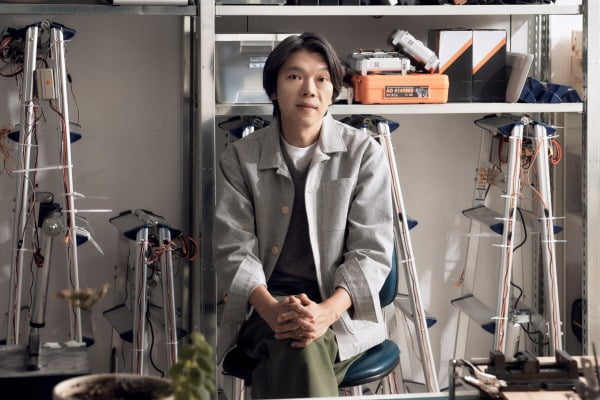
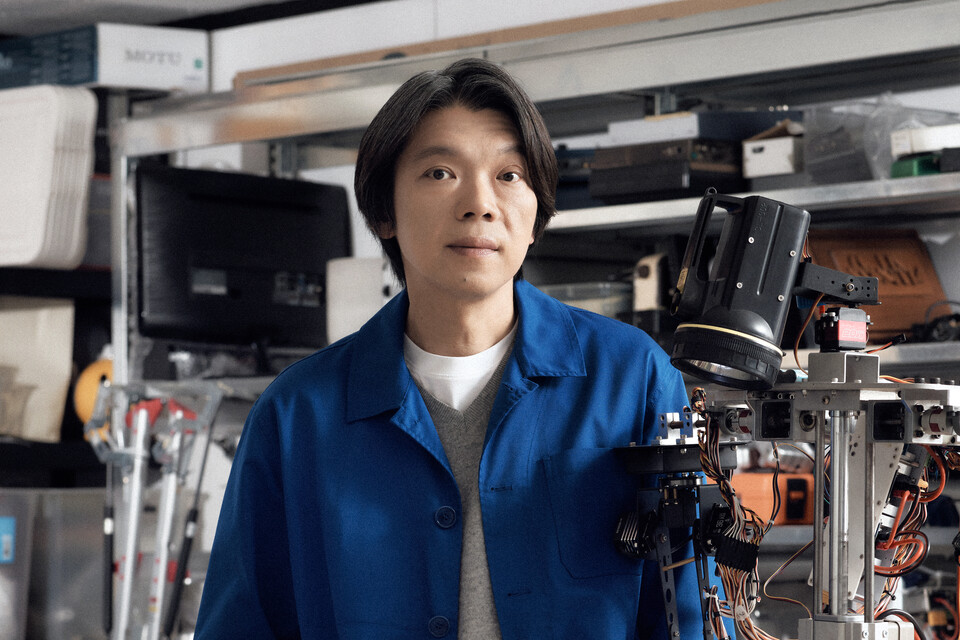
Byungjun Kwon works around “sound” and “robot” to ask how contemporary sensing can be reconnected to society.
 
His practice maps onto four through-lines: (1) advancing large-site audio AR—city-scale spatial audio with citizen-listening programs; (2) touring formats for low-power, low-cost robot theater—localizing narratives with regional technicians and artisans; (3) hybrid presentation across museum, theater, and public space—designing “viewing routes” that include walking, pausing, and waiting; and (4) education- and archive-linked sound collections—long-term listening records around refugeehood, war, migration, and redevelopment.
 
Kwon’s work, Byungjun Kwon explores how we might live together with others and how we might move forward. In doing so, he uses technology in a way that subverts the logic of capitalism, highlighting its role as a medium that reflects both society and the individual. His works encourage empathy and understanding, leading us to imagine a community of solidarity.

Solo Exhibitions (Brief)

Starting with his first solo exhibition, 《A little one to have all》 (LIG Art hall, Seoul) in 2010, Kwon has held solo shows at various venues including Alternative Space LOOP (Seoul, 2018), Platform L (Seoul, 2020), and Busan Museum of Art (Busan, 2021). 

Group Exhibitions (Brief)

Kwon has also participated in numerous group exhibitions at major institutions such as the 10th Seoul Mediacity Biennale, Seoul Museum of Art (Seoul), Ilmin Museum of Art (Seoul), Hiroshima Museum of Contemporary Art (Japan), and Arko Art Center (Seoul).

Awards (Selected)

Kwon was named the winner of the “2023 Korea Artist Prize,” co-hosted by the National Museum of Modern and Contemporary Art, Korea (MMCA) and SBS Foundation.

Works of Art

"Sound" and "Robots"

Originality & Identity

Having studied ArtScience at the Royal Conservatoire The Hague and begun as a musician in the early 1990s, Byungjun Kwon works around “sound” and “robot” to ask how contemporary sensing can be reconnected to society. Early-2010s projects expand sound into visual, tactile, and spatial perception.

In This Is Me(2013), he turns his own face into a screen, overlaying others’ images to stage the erasure of individual identity; in Another Moon Another Life(2014), water, wind, steam, light, and sound interlock to awaken layered sensory awareness. Here, sound is no longer ear-bound information but a medium that travels through body and space to form relations.

From 2017 onward, the messages of “otherness” and “solidarity” sharpen. The ‘Forest of Subtle Truth’(2017–2019) series equips audiences with location-aware headphones for a walking “sound tour,” where one hears Yemeni refugees’ songs, Gyodong Island’s border soundscape, and lullabies from multicultural families—making attentive listening to the periphery part of one’s route.

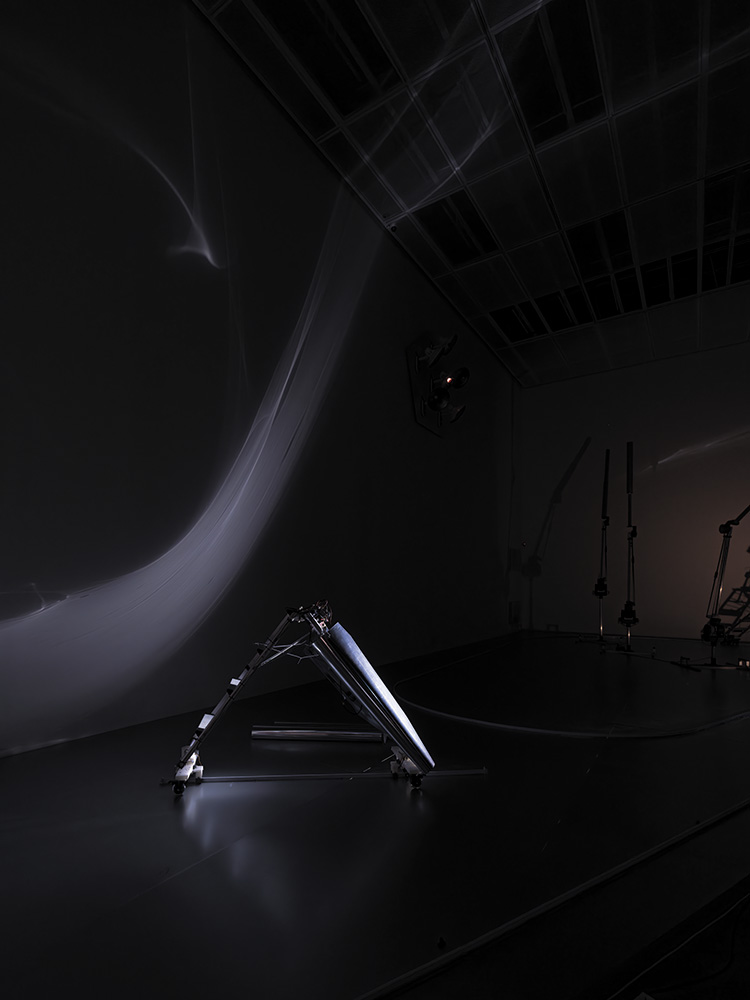
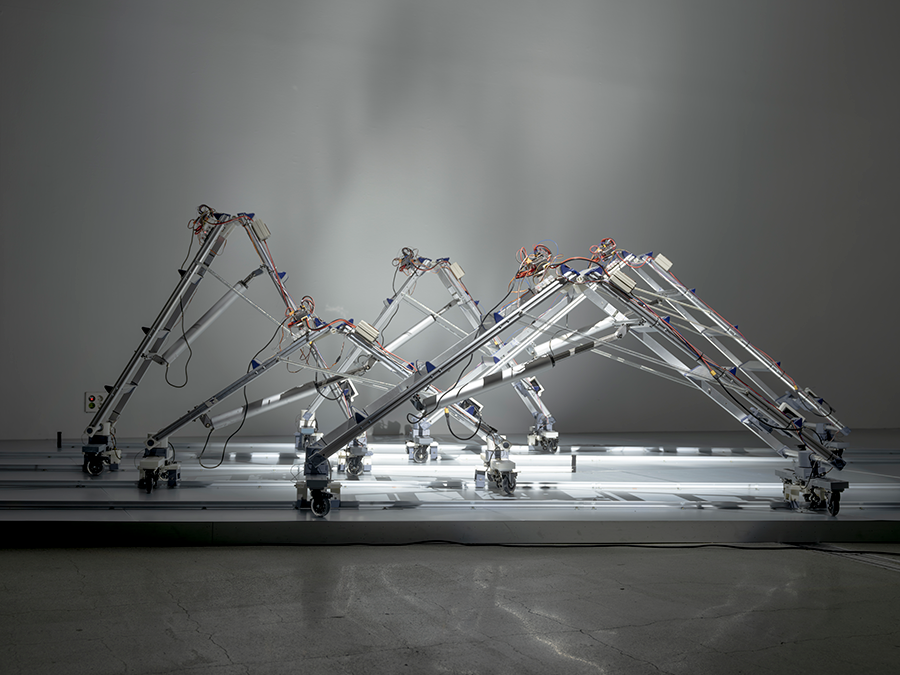
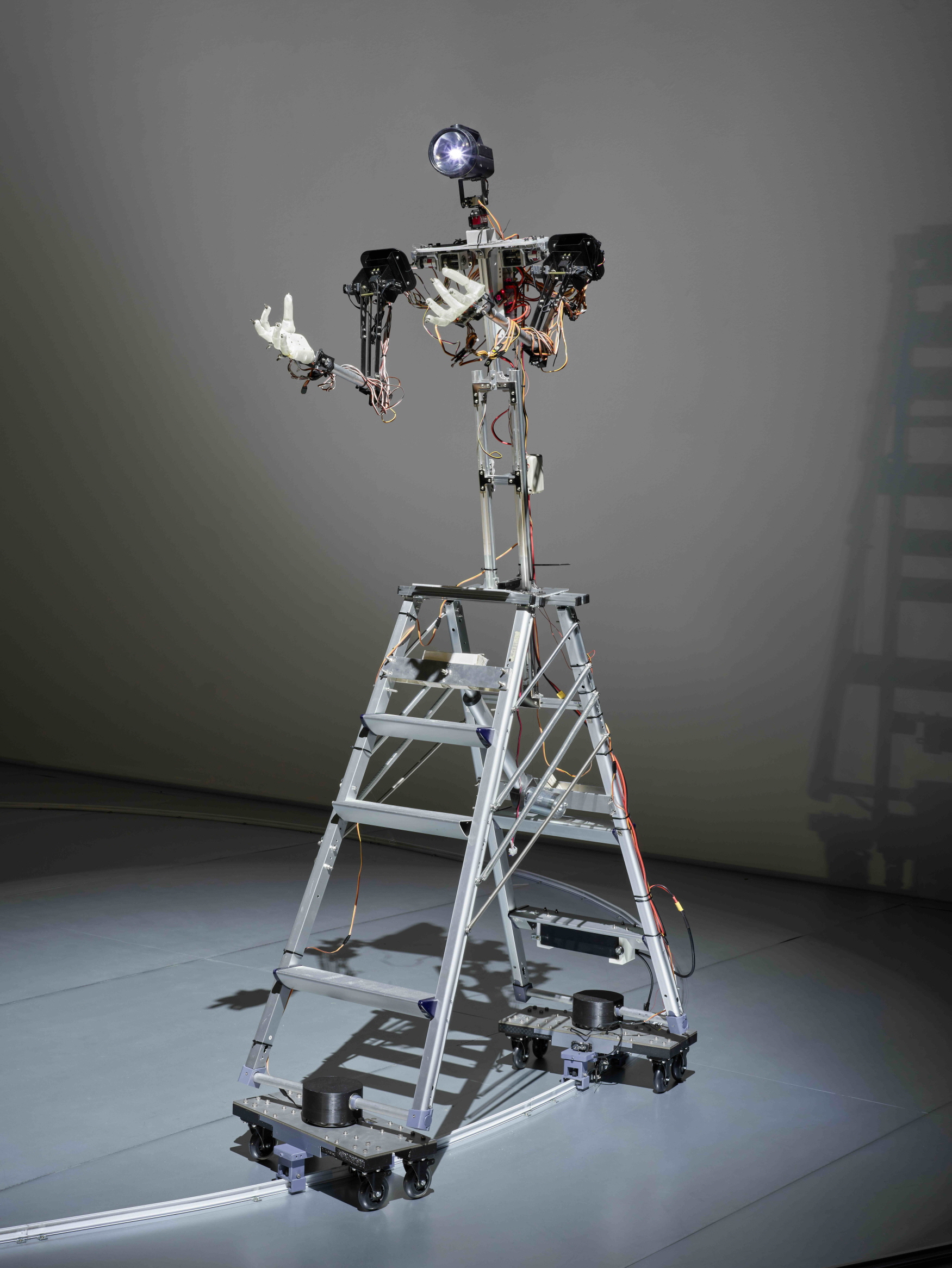
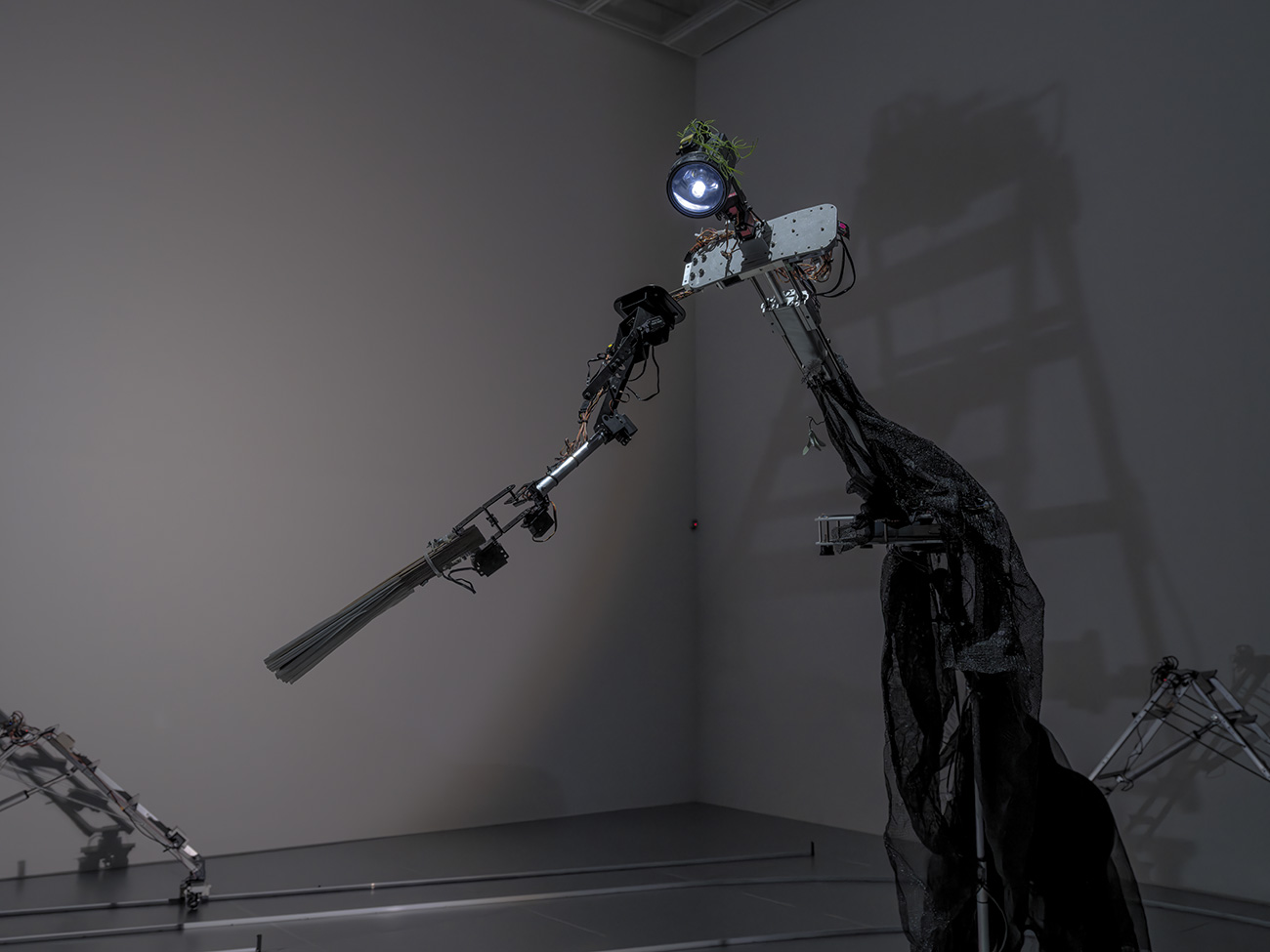
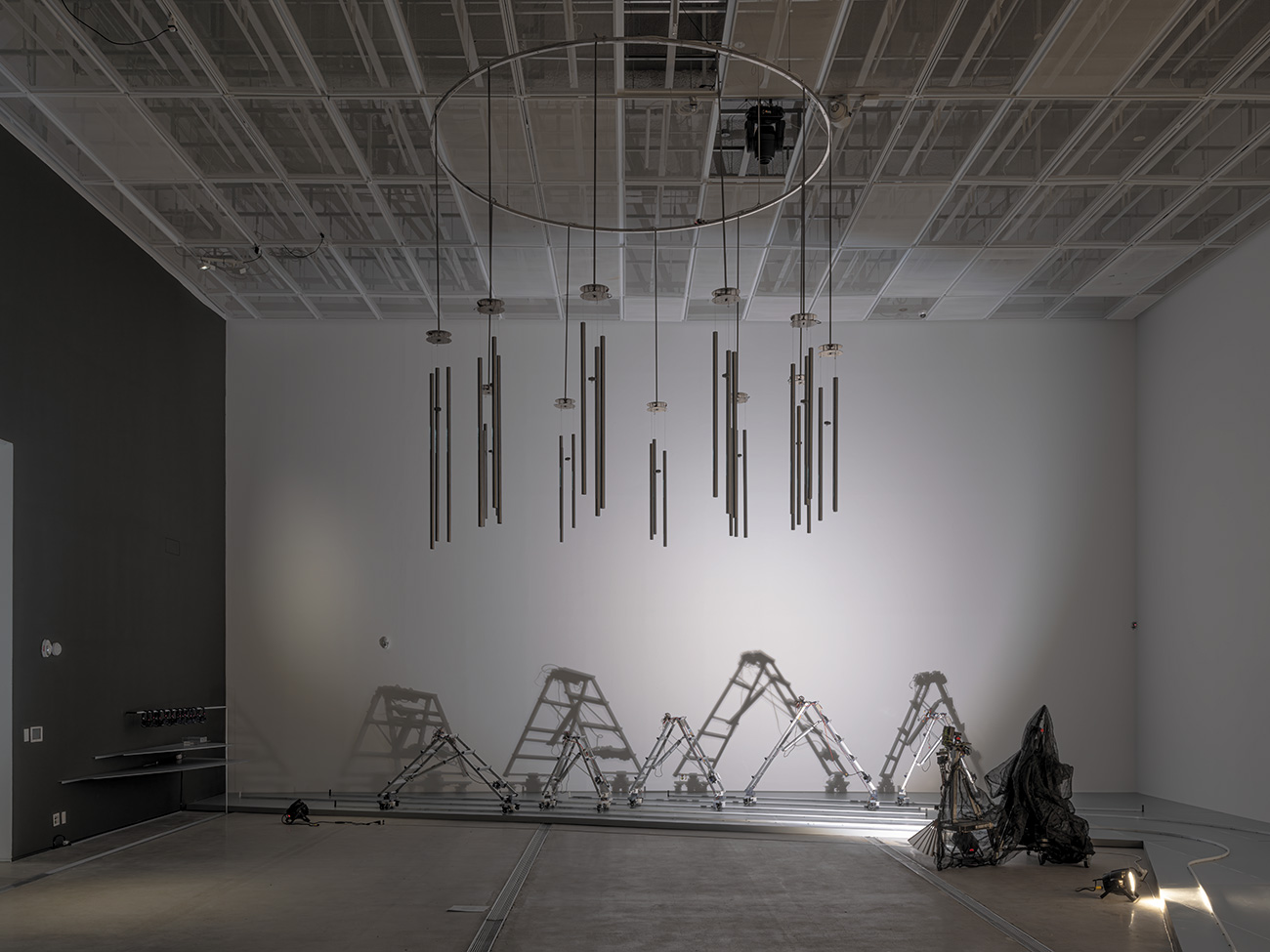
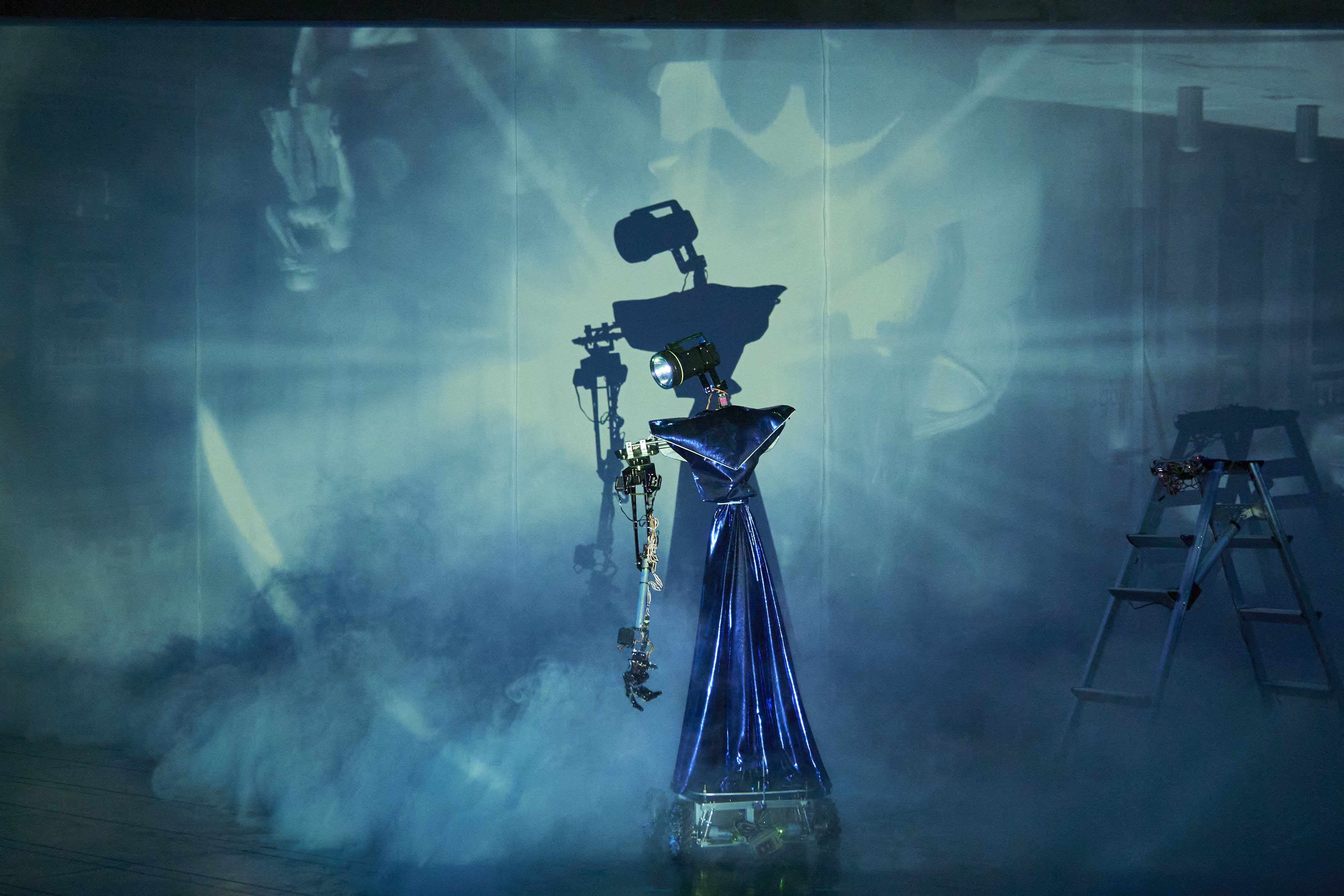
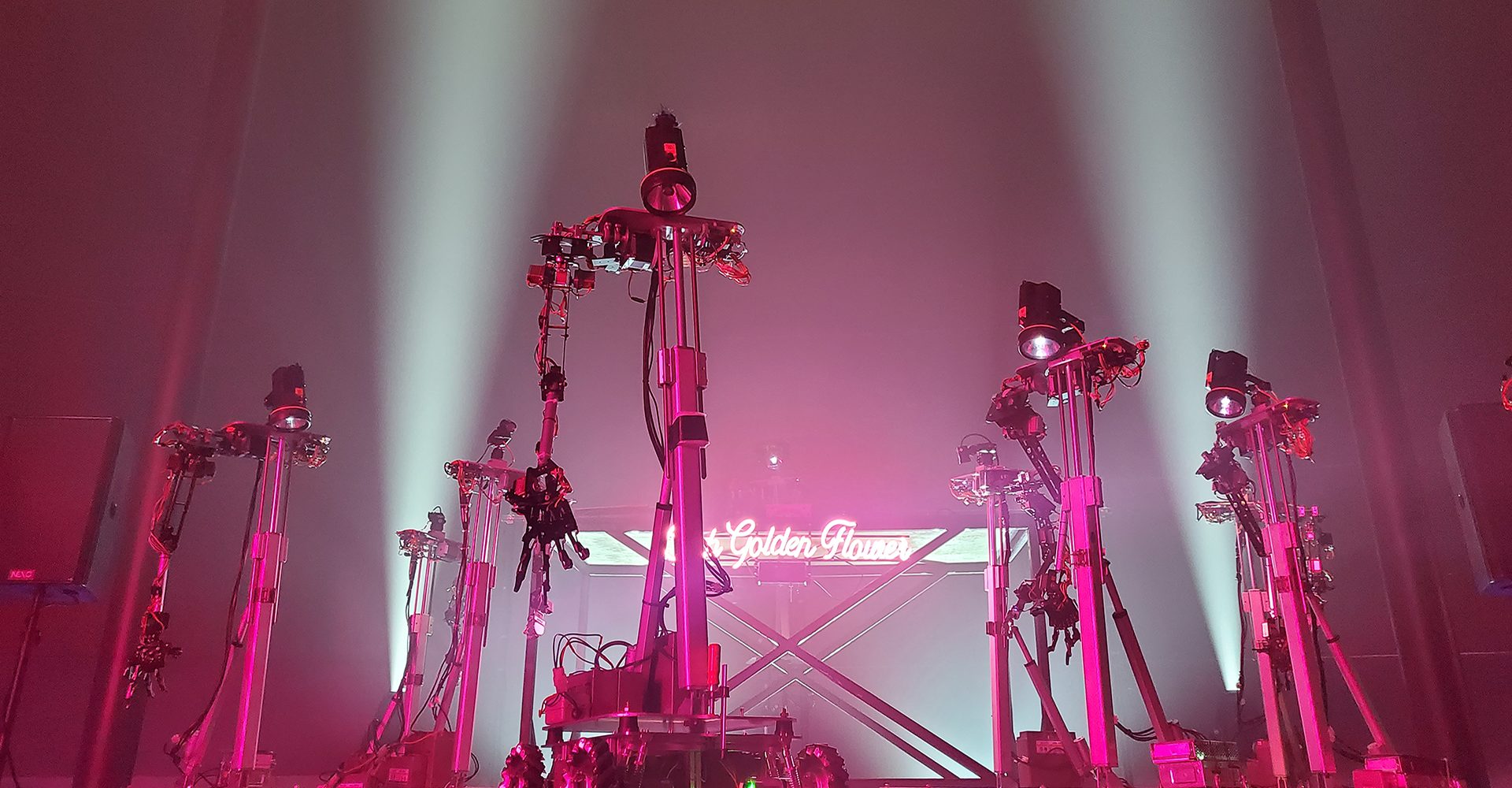
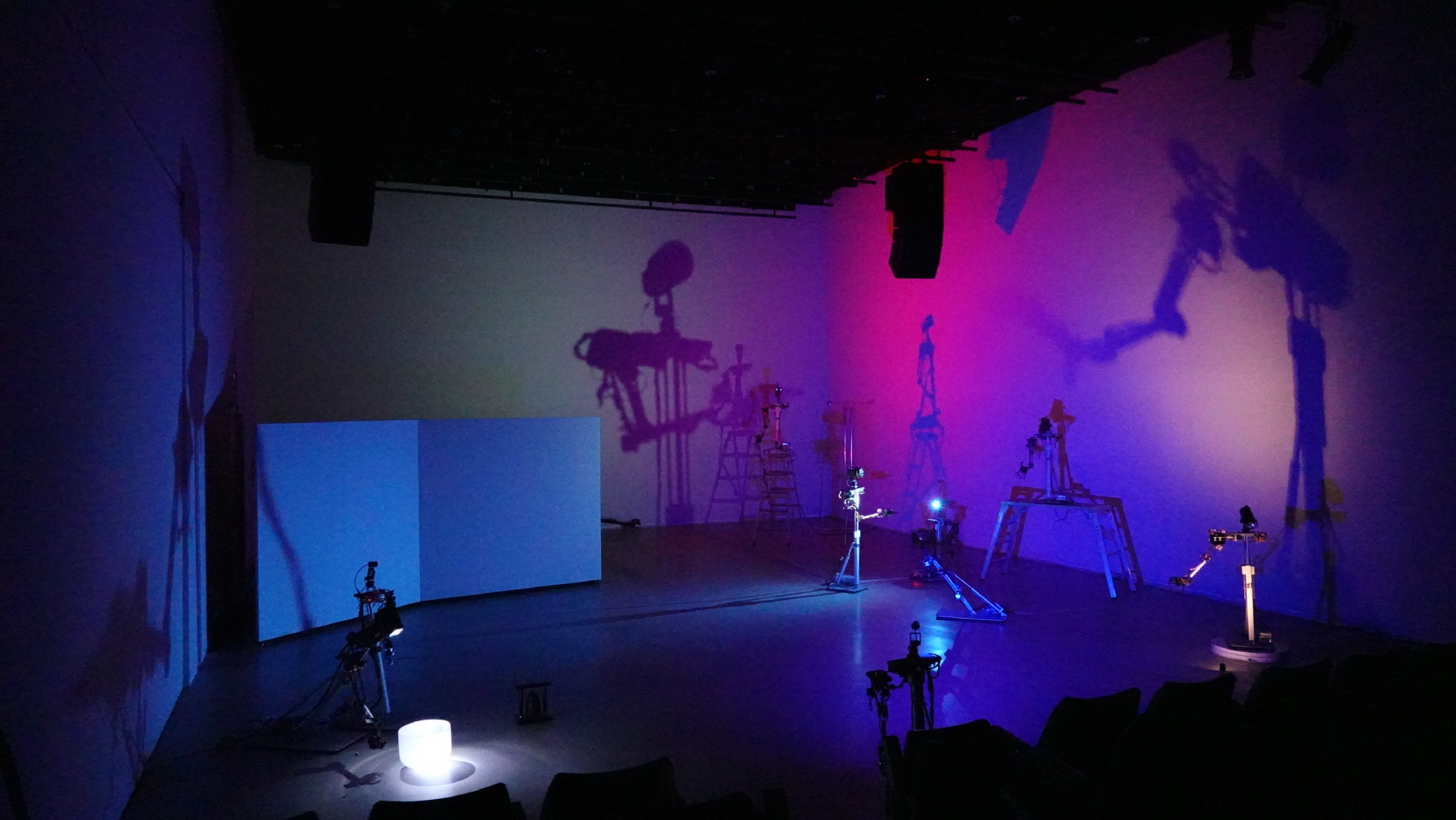
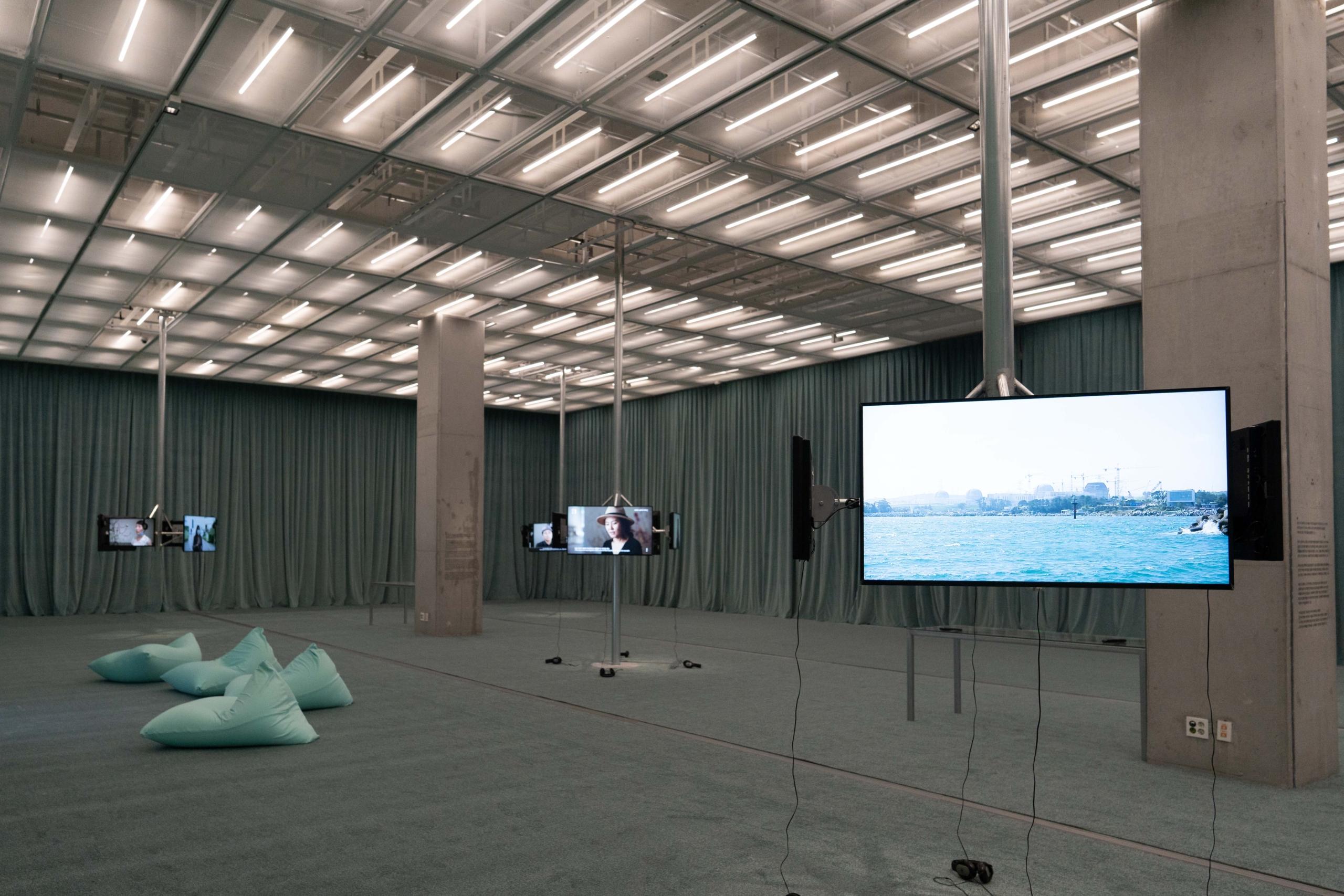
In the solo exhibition 《Club Golden Flower》(Alternative Space LOOP, 2018–2019), the one-armed “GF” robots appear as unfamiliar others and social mirrors. When they cast light toward one another so two shadows meet and become “two arms,” lack is symbolically completed by solidarity.
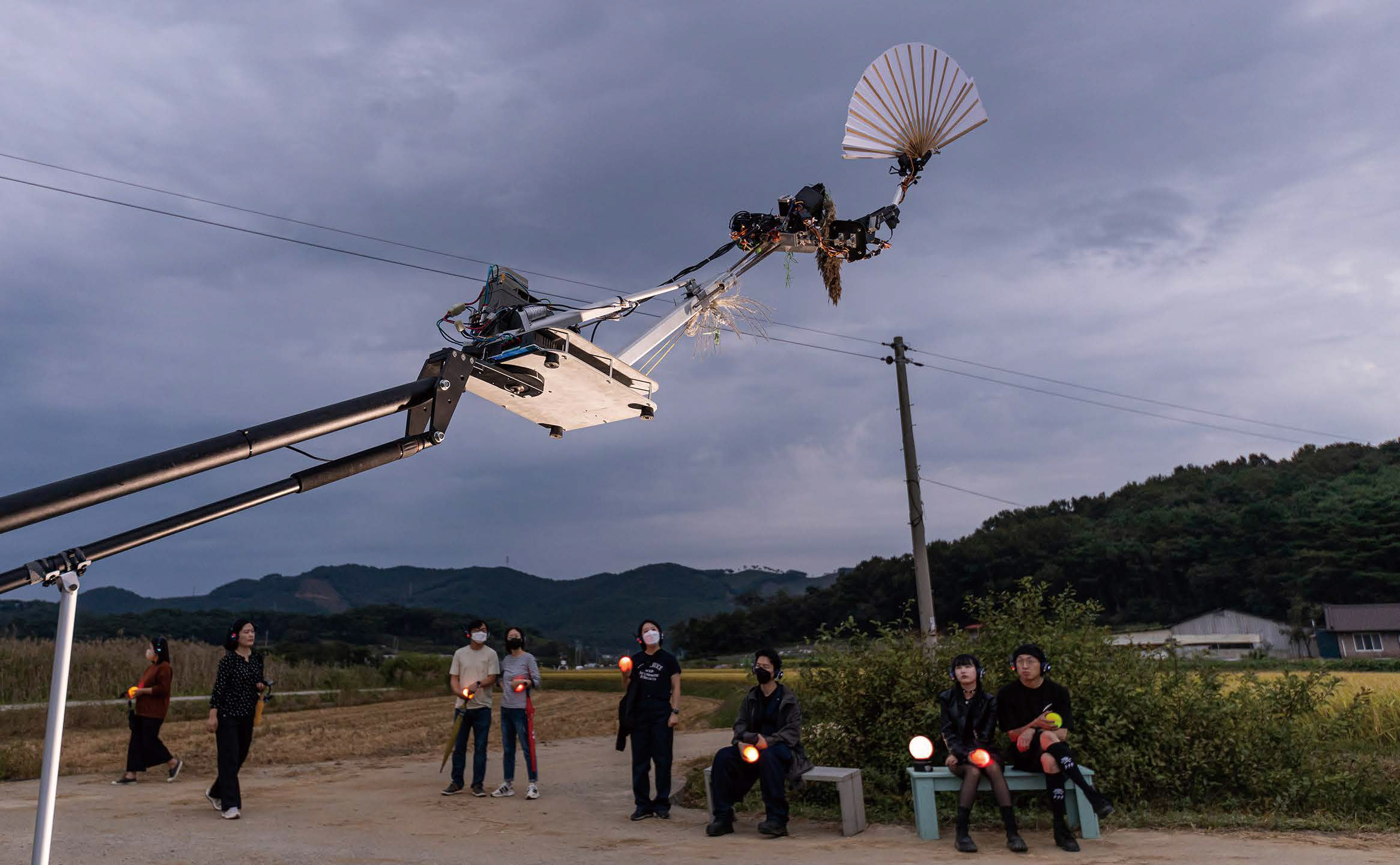
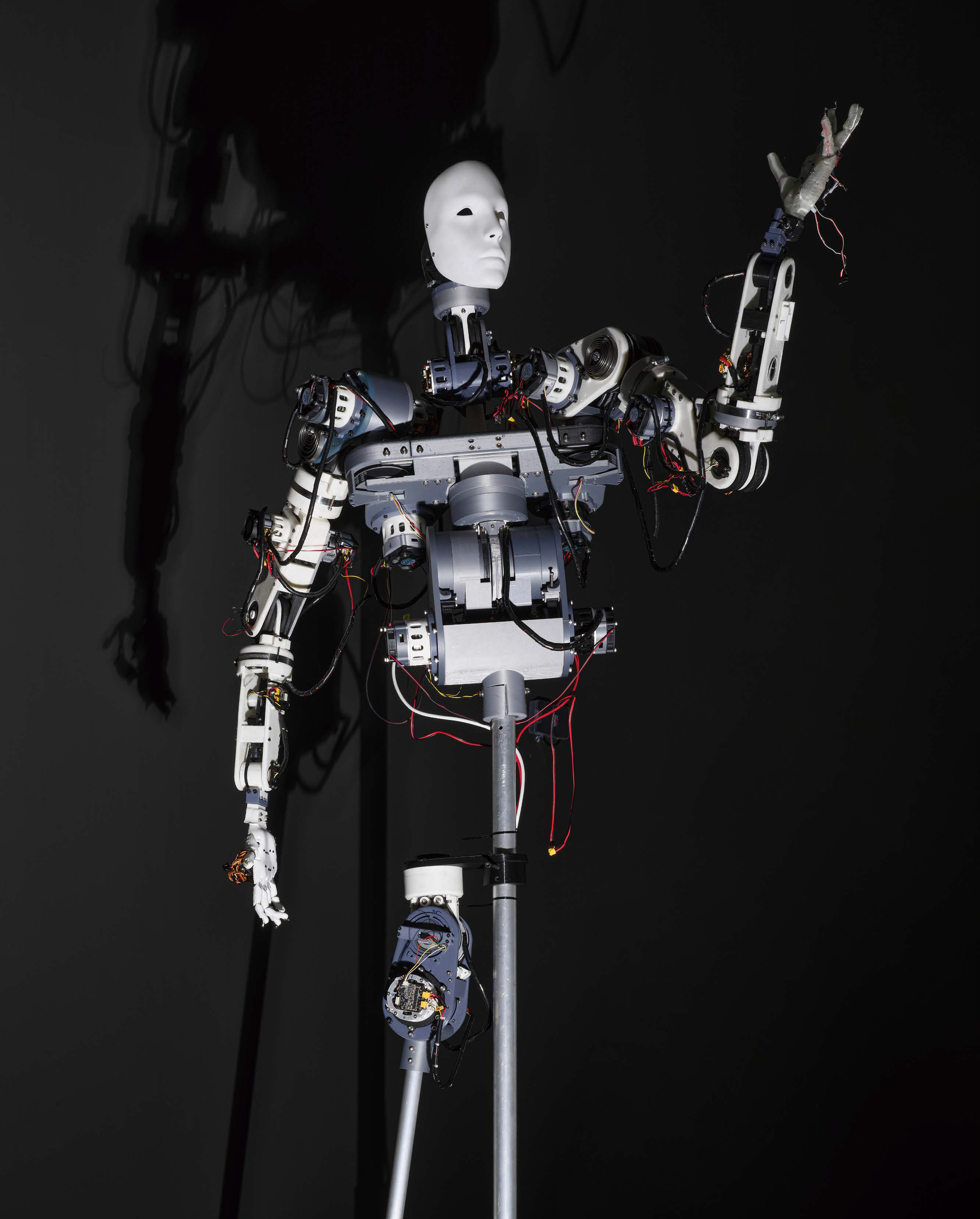
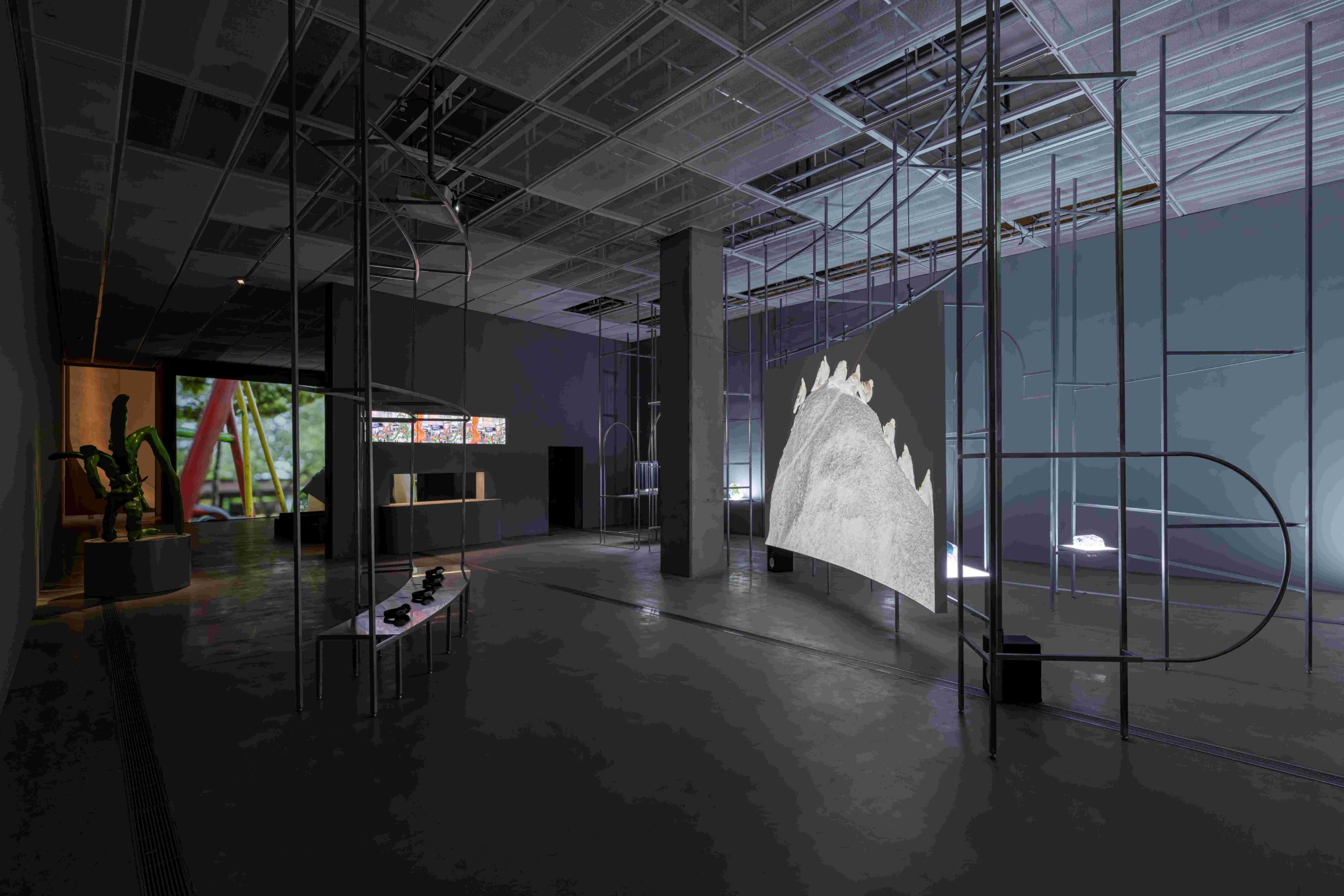
This thread expands in Lyrics of Cheap Android 2 (Robot Nocturne)(2020) and the MMCA Korea Artist Prize work Robot Crossing a Single Line Bridge(2023). Kwon’s robots aren’t built for utility. A robot that performs a fan dance (Nael Performing the Fan Dance, 2021) or repeats five-limb prostrations and wall meditation sidesteps value-by-use, recalling a sensibility of living-with—hesitation, waiting, accompaniment.

Meanwhile, at the MMCA Cheongju project 《Urban Resonance》(2022), From Cheongju to Kyiv(2022) renders the Ukraine war’s “distant tragedy” present through sound by layering peaceful past soundscapes with Korean demolition noise, shifting others’ fear into embodied experience. For Kwon, technology is not spectacle but a translator of social sensibility.

Style & Contents

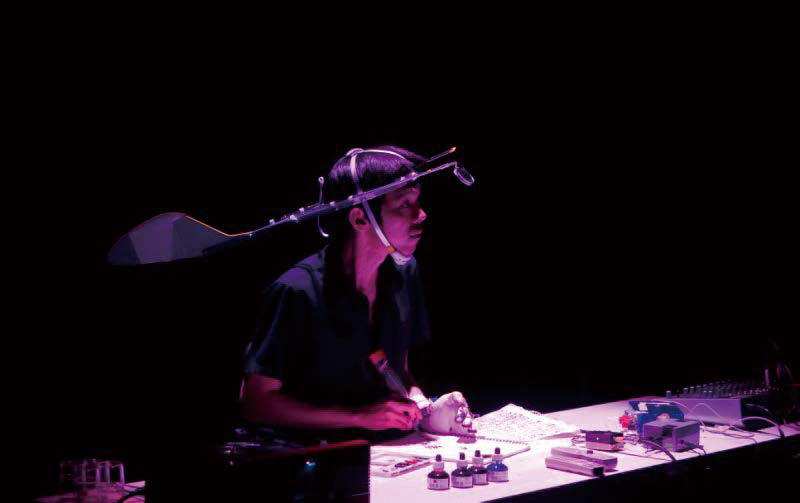
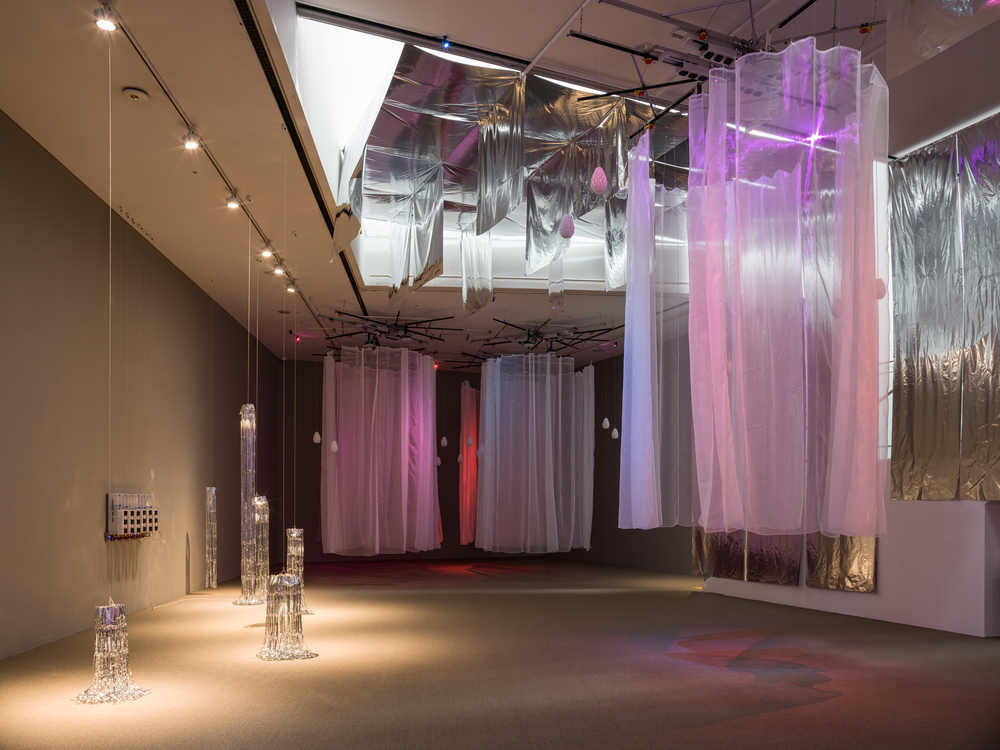
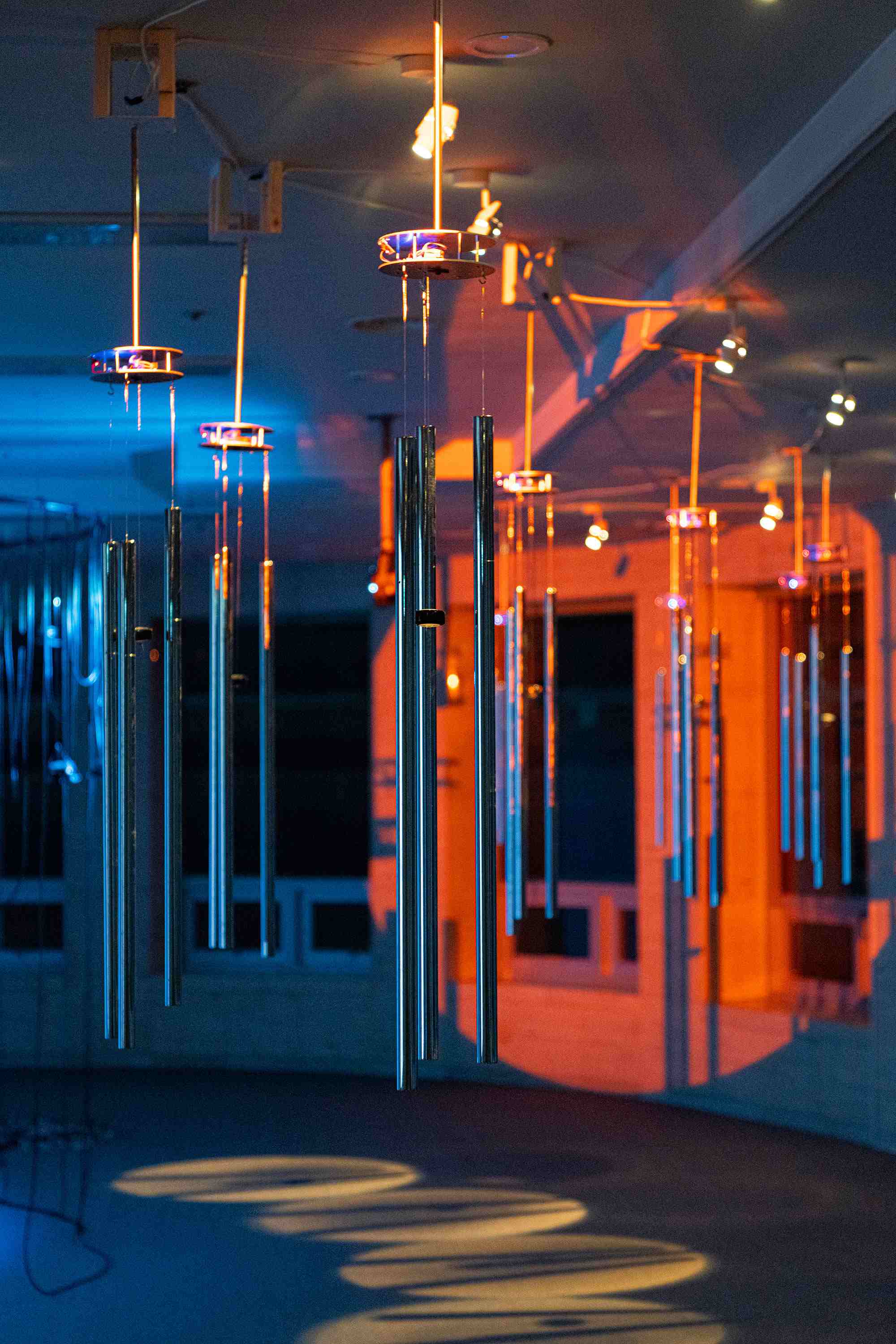
Grounded in hardware engineering (STEIM, Netherlands) and stagecraft, Kwon designs “apparatuses around sound.” The face projection in This Is Me and the steam screen, aerial speakers, and hybrid piano in Another Moon Another Life expose how one sonic source changes form as it passes through different media. Content arises from how the apparatus is used; the apparatus, in turn, rewrites how audiences use their senses.

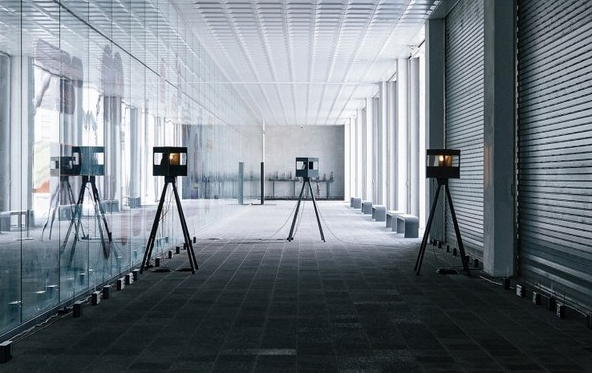
“Sound walk” is his signature way to turn specs into story. The ‘Forest of Subtle Truth’ series used LPS-based headphones to call zone-specific sounds; its extension, From Cheongju to Kyiv, expanded MMCA Cheongju’s plaza into “audio AR” via GPS-RTK and spatial audio mapping. Without screens, audiences steer “playback” by walking, turning, and tilting their heads—listening itself is the core procedure.

Robot theater forms a second axis. In 《Club Golden Flower》, robots assembled from tripods, ladders, and flashlights flood the stage with the material interplay of light, shadow, and motion. In Lyrics of Cheap Android 2 (Robot Nocturne) and Robot Crossing a Single Line Bridge, lighting, sound, and machine blocking are theatrically refined, yet the robots’ movements stay purposefully inefficient and awkward—formally refusing efficiency becomes the work’s content.

The same grammar adapts to audience and context, as in the children’s show 《Neverland Soundland: Sound Walk》(Busan Museum of Art, Children’s Gallery, 2021), where a spatial-audio gallery, a pyeongyeong-inspired installation, and the participatory Gesture of Song recast advanced technique as play and learning. In short, Kwon moves between “high-tech” and “low-tech materiality,” “theater” and “outdoor walk,” making listening and relation-building the final output.

Topography & Continuity

Kwon occupies a rare position in Korean contemporary art, spanning sound art, robot theater, and site-specific performance. He deploys technology not for optimization or showmanship but to stage listening, slow movement, and encounters with otherness.

‘Forest of Subtle Truth’ series and From Cheongju to Kyiv articulate a social ethic of listening, while Robot Crossing a Single Line Bridge and related robot works propose imaginaries of solidarity. His selection as the final laureate of 《Korea Artist Prize 2023》 underscores this relevance.

His practice maps onto four through-lines: (1) advancing large-site audio AR—city-scale spatial audio with citizen-listening programs; (2) touring formats for low-power, low-cost robot theater—localizing narratives with regional technicians and artisans; (3) hybrid presentation across museum, theater, and public space—designing “viewing routes” that include walking, pausing, and waiting; and (4) education- and archive-linked sound collections—long-term listening records around refugeehood, war, migration, and redevelopment.

Across this expanding arc, the constants are “technology that dodges utility” and “narratives completed by the audience.” Treating technology as a medium for being-with rather than mere use, Kwon’s work is well positioned to sustain presence across biennales, festivals, and urban projects worldwide.

Works of Art

"Sound" and "Robots"

Articles

Exhibitions

Activities