Green Flash - K-ARTIST

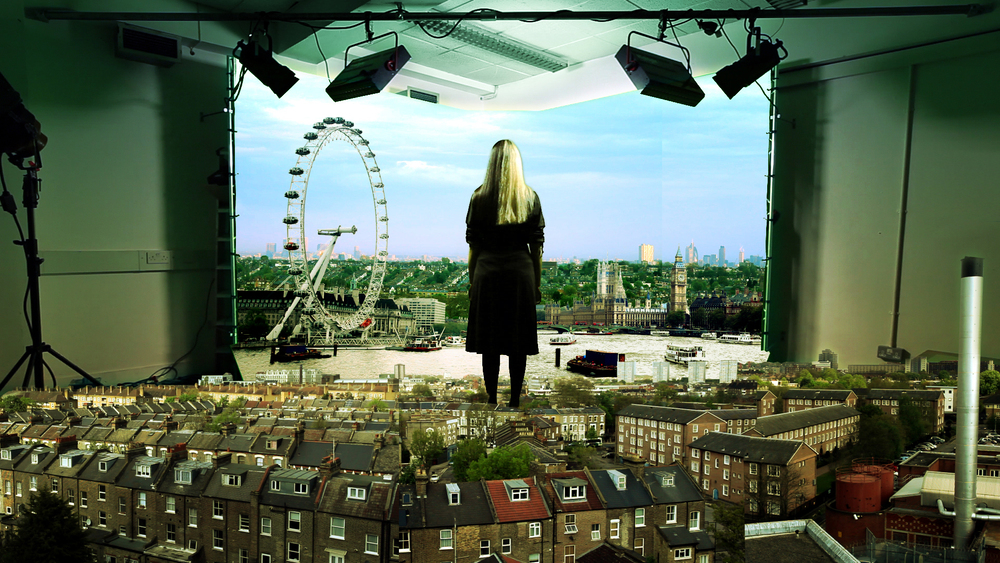
Green Flash

2020
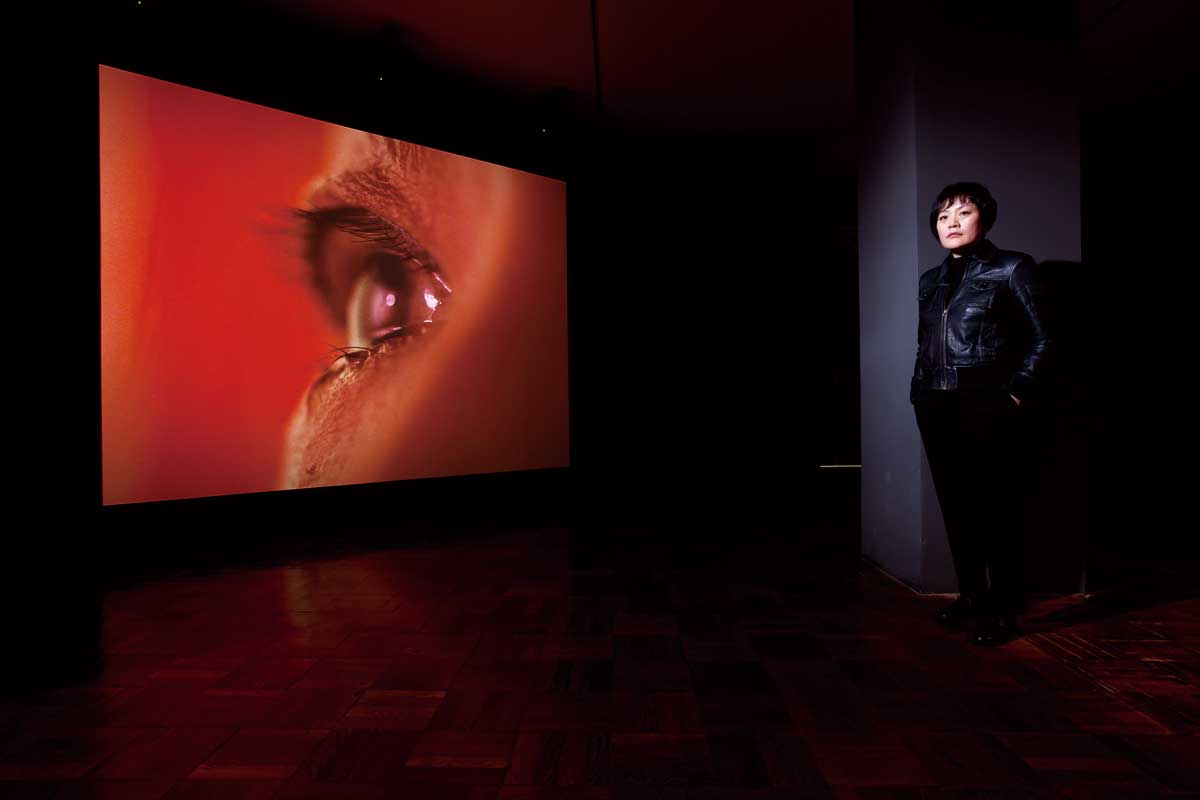
6 Channel FHD Video, 6 Channel Sound in a Circular Space
6min 30sec
About The Work

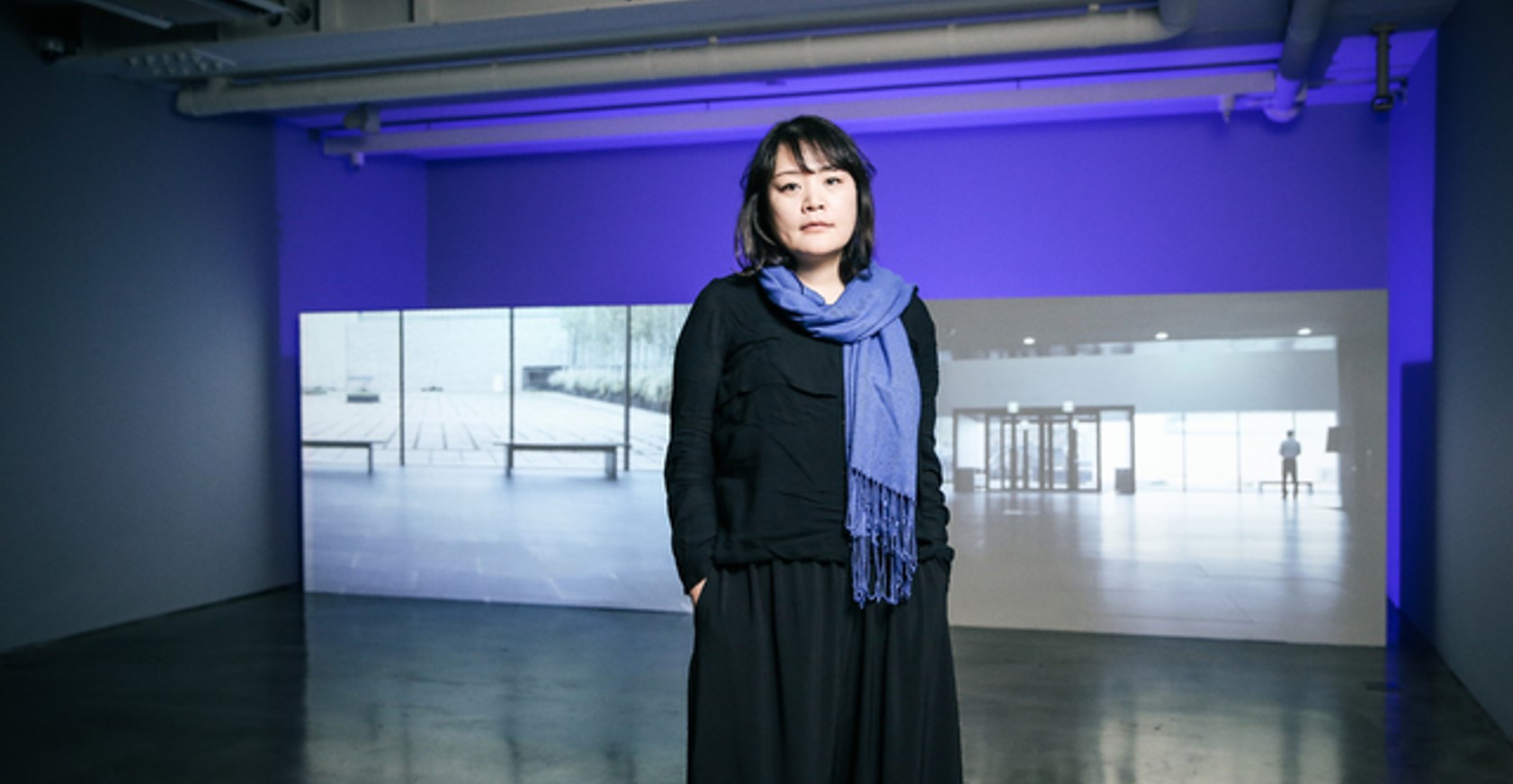
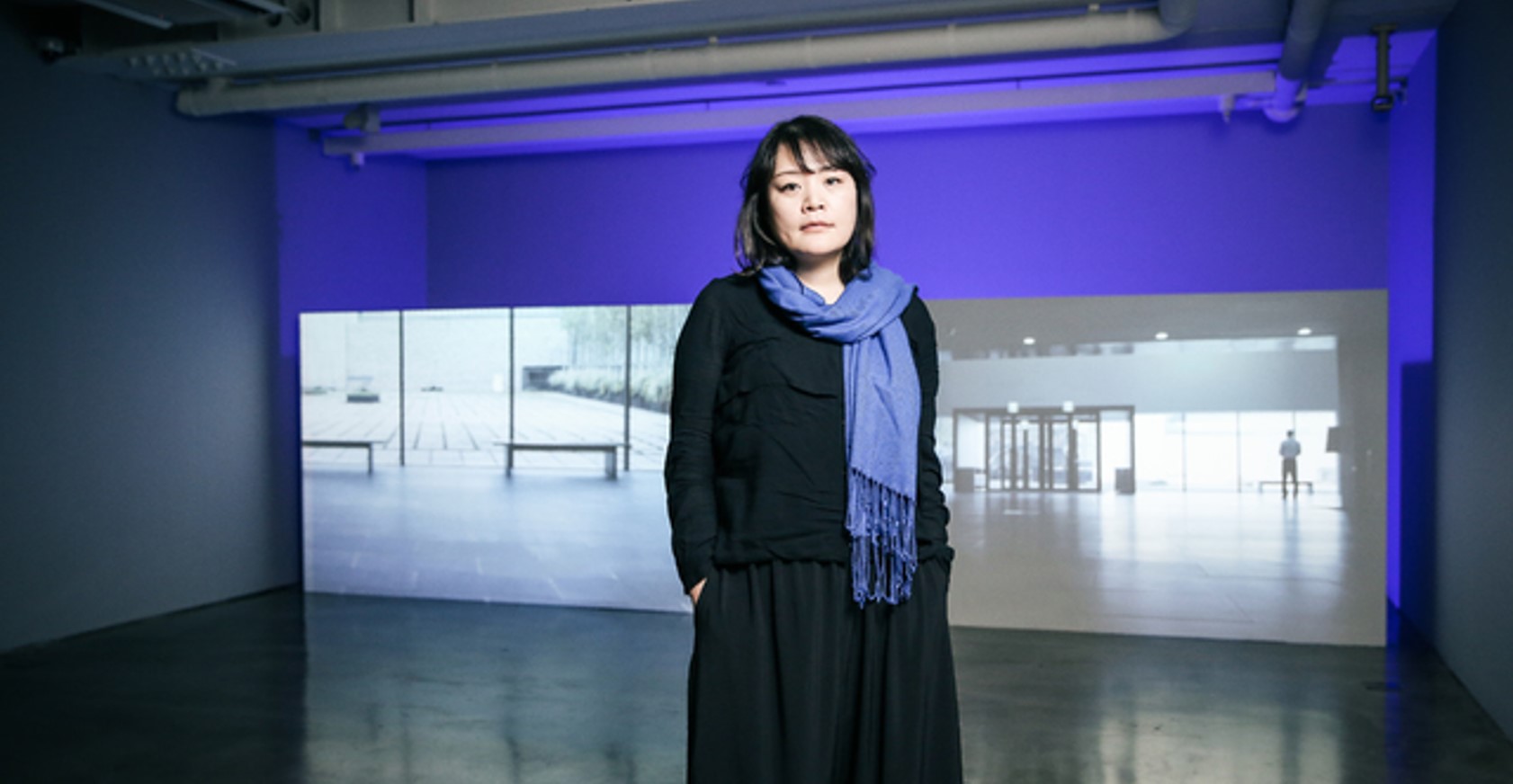
Sejin Kim explores the lives of individuals within the complex, multifaceted structures of contemporary society through film techniques that blend cinema and documentary, as well as through sound and video installations, creating a multisensory experience.

The artist focuses on the alienation, isolation, anxiety, and loneliness that inevitably arise as “anonymous individuals” within systems resist or adapt to societal regulations. Recently, Kim has delved into the diverse networks emerging within digital environments, continuing to reveal the uncertain and fluid structures of today’s world.

Solo Exhibitions (Brief)

Sejin Kim has held solo exhibitions in various museums including SONGEUN, Prisma Gallery, Istanbul (2015), Culture Station Seoul 284(2014), Art Center Nabi, Kumho Museum of Art(2006).

Group Exhibitions (Brief)

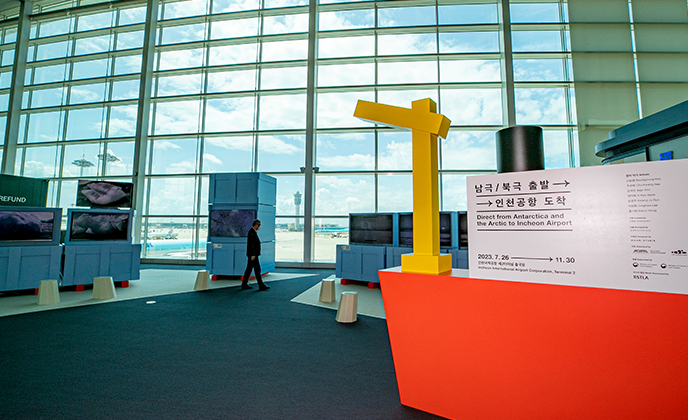
Sejin Kim has participated in group exhibitions at the National Museum of Modern and Contemporary Art, Seoul (2024), Osaka Art Museum (Osaka, 2024), Gwangju Media Art Platform (2024), Incheon International Airport (2023), Art Gallery of Western Australia (Perth, 2022), Morel House (London, 2022), Busan Museum of Art (2022), F1963 (Busan, 2018), Buk-Seoul Museum of Art (2017), and Total Museum of Contemporary Art (2017).

Awards (Selected)

Sejin Kim has received several awards, including the 16th SongEun Art Award (2017) from the SongEun Art and Cultural Foundation and the 4th Daum Artist Award (2025) from the Park Geonhi Foundation.

Residencies (Selected)

Sejin Kim has participated in several residency programs, including the White Block Cheonan Art Residency (Cheonan, 2023–2025), Delfina Foundation Residency Program (London, 2020), King Sejong Station Residency in Antarctica (2018), Seoul Museum of Art Nanji Residency (Seoul, 2018), and MMCA Goyang Residency (Goyang, 2008–2017).
Works of Art

'Anonymous Individual' Within Complex Social Systems

Originality & Identity

Sejin Kim’s practice focuses on the existential figure of the “anonymous individual” embedded in complex social systems. The core of her work lies in the emotional responses—resistance, adaptation, alienation, anxiety, and solitude—that emerge from structural control surrounding modern life. This thematic awareness is clearly present in her early work, Take a Photo(2002), where she questions the authority of historical memory and collective narrative, subverting the concept of history as a fixed image through the temporality of moving image.

From the mid-2000s, her subject matter expanded to include feelings of isolation, repetition, and loss experienced by anonymous beings under contemporary conditions such as urbanization, night labor, and migration. Works like Night Watch(2006), Victoria Park(2008), and Night Workers(2009) document the hardship of "living" within the capitalist urban space through a multilayered lens.

Later, Kim shifts toward a diasporic perspective, focusing on the figure of the outsider in unfamiliar environments. In Sleeping Sun(2012), the self is embodied as an alien being, transforming the experience of the foreigner into a fictional narrative, revealing the fractures between institutional frameworks and identity. This thematic trajectory extends more concretely to global migration narratives in works like Proximity of Longing(2016).

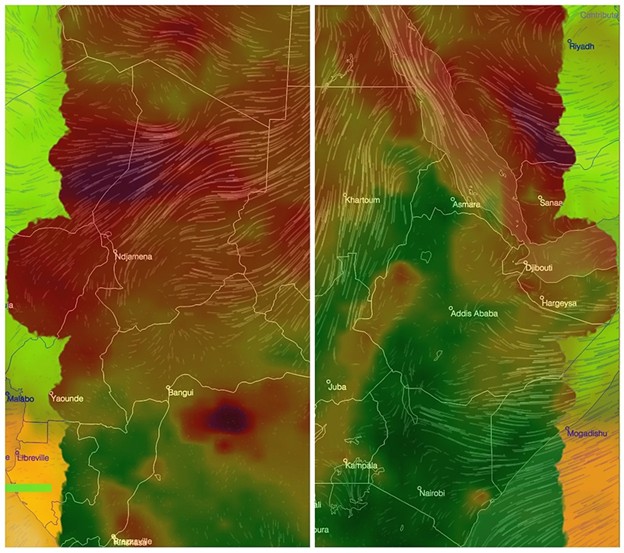
In her more recent works, including 2048(2019), Messenger(s)(2019), and Mosaic Transition(2019), Kim turns her attention to the blind spots of human-constructed information systems and technological progress. Through her critical lens, landscapes of transnational migration, climate crisis, data error, and technological belief are reconstructed as conditions of contemporary existence.

Style & Contents

From the beginning, Kim’s formal experimentation has consistently crossed cinematic language with documentary realism. Commemorative Photo(2002) uses the temporality of video disguised as still image to construct a message through form itself, functioning as a conceptual departure point for her later media experiments.

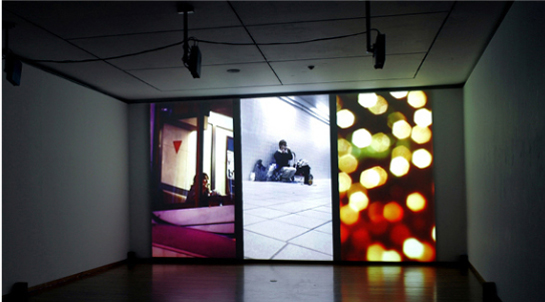
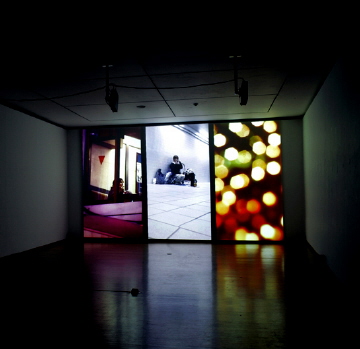
In works that depict the lives of anonymous urban dwellers, such as Night Watch(2006) and Night Workers(2009), Kim employs multi-channel video, multi-screen compositions, and layered sound design to simultaneously disperse and focus sensory experience. Her use of non-linear spatial structures and split-screen editing guides viewers’ movement while constructing a cinematic narrative around ambiguous emotional states.

After Sleeping Sun(2012), narrative intervention becomes more prominent. Blending fiction and reality, presence and simulation, this work narrates a transformed self—as an alien female subject—obeying commands within a futuristic cityscape, fantastically exploring issues of identity, surveillance, and compliance. This continues in Proximity of Longing(2016), which unfolds across three episodes, each structured through a hybrid of docu-fiction using found footage, animation, subtitles, and voice-over, culminating in a multilayered “visual narrative.”

2048(2019) merges actual footage shot during her residency in Antarctica with CG-based virtual landscapes in a fake documentary format, visually composing future scenarios of science, technology, and global governance. Meanwhile, Mosaic Transition(2019) formally reconstructs the structures through which digital images misfunction and shape reality, employing big-data visualization interfaces, fragmented screens, and digital noise soundscapes.

Topography & Continuity

Sejin Kim began her artistic practice in the late 1990s and has continued to produce media-based works into the 2020s. Her sustained trajectory positions her as a generational bridge between the early video art pioneers—following the legacy of artists like Park Chan-kyong and Nam June Paik—and a younger generation of media artists such as Yangachi, Gayoung An, and Moojin Brothers.

Kim has established herself as a leading figure in the landscape of contemporary media art by constructing “borderline narratives” that traverse documentary and fiction, reality and fabrication, technology and emotion. Since the beginning of her career, she has consistently explored the theme of the “anonymous individual within social systems,” transforming this inquiry into a sensorial and complex audiovisual structure that reveals her distinct artistic originality.

In the 1990s - early 2000s, Kim focused on capturing suspended moments of individuals within layers of history and urbanity. Since the mid-2010s, her work has evolved to explore fictionalized narratives based on global migration, otherness, and cultural borders—probing existential conditions outside Western-centric perspectives. Her more recent works pose meta-questions about digital infrastructure and universal human structures, intersecting the blind spots of techno-society with emotional responses.

Kim organically integrates various media such as kinetic sculpture, multi-channel video, and sound installations, yet consistently centers her practice on visualizing “the conditions of invisible beings.” This trajectory has demonstrated remarkable expansiveness across platforms—ranging from museums and airports to biennales—establishing her as a media artist with both political acuity and emotional sensitivity in the global contemporary art scene.

Looking ahead, Sejin Kim is expected to further develop her narrative experimentation across time and space, focusing on globally pressing themes such as digital ecologies, climate crisis, and transnational migration—refining the aesthetic juncture where visibility meets invisibility, and where technology meets affect.

Works of Art

'Anonymous Individual' Within Complex Social Systems

Exhibitions

Activities