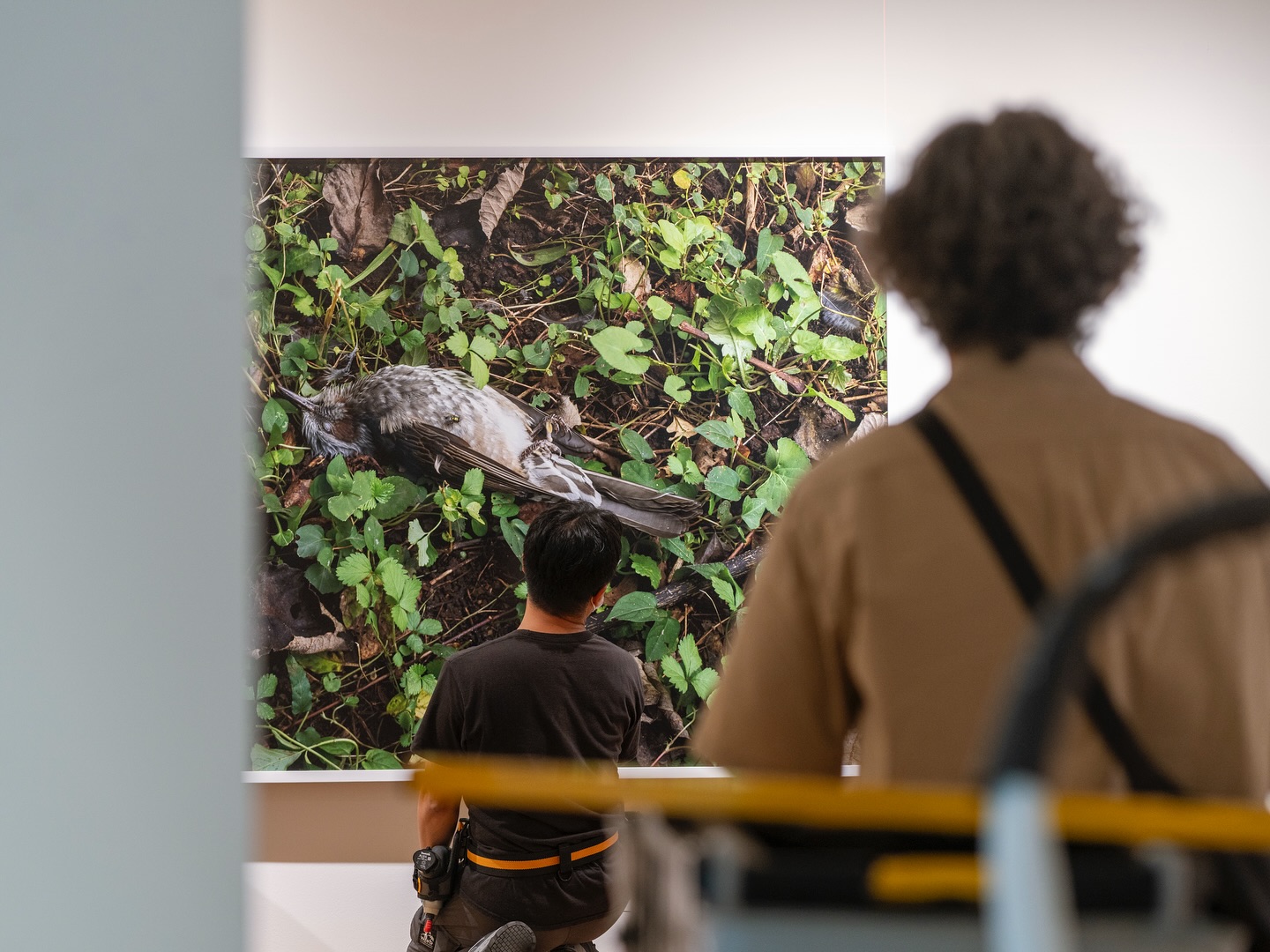

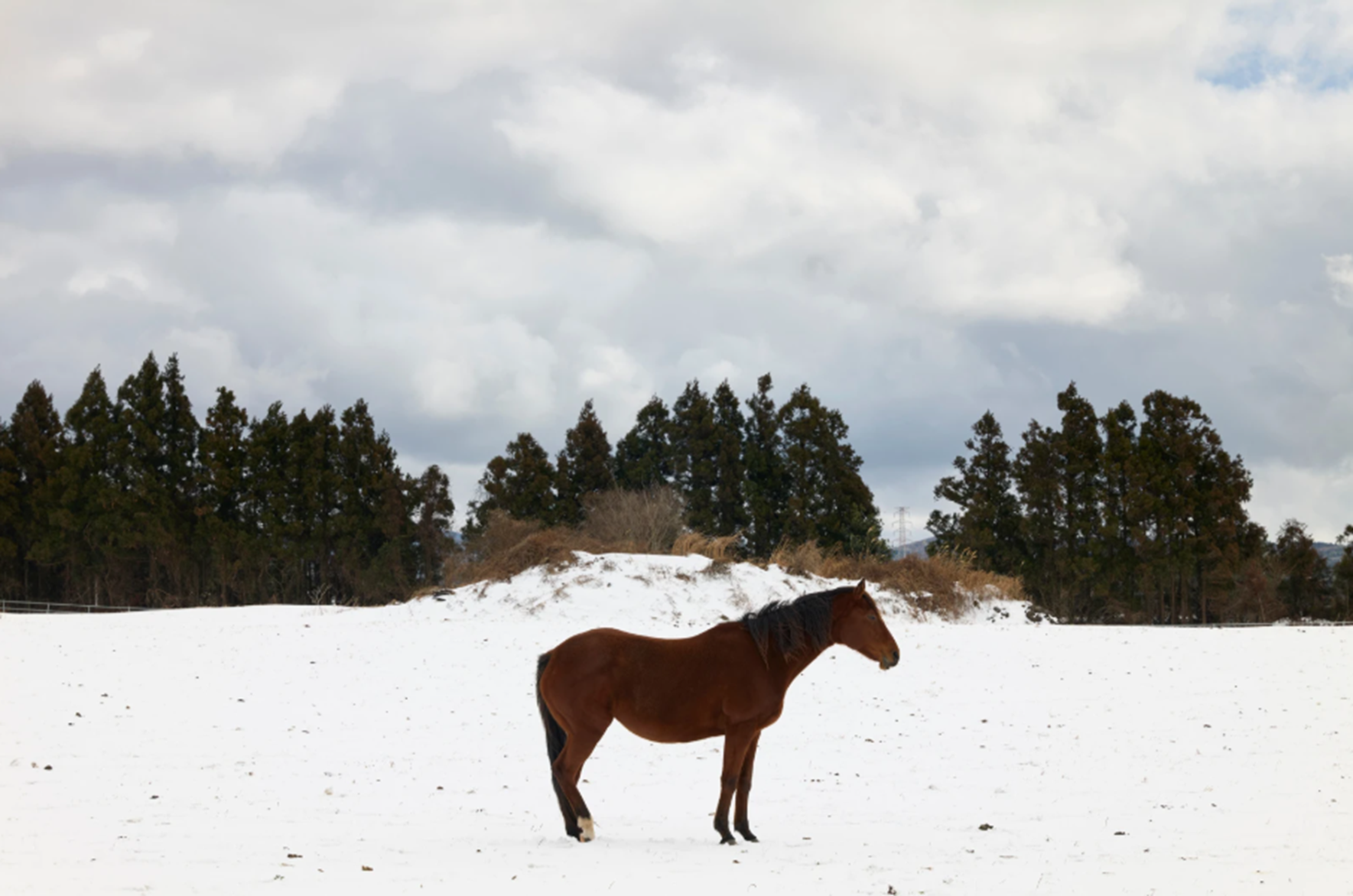
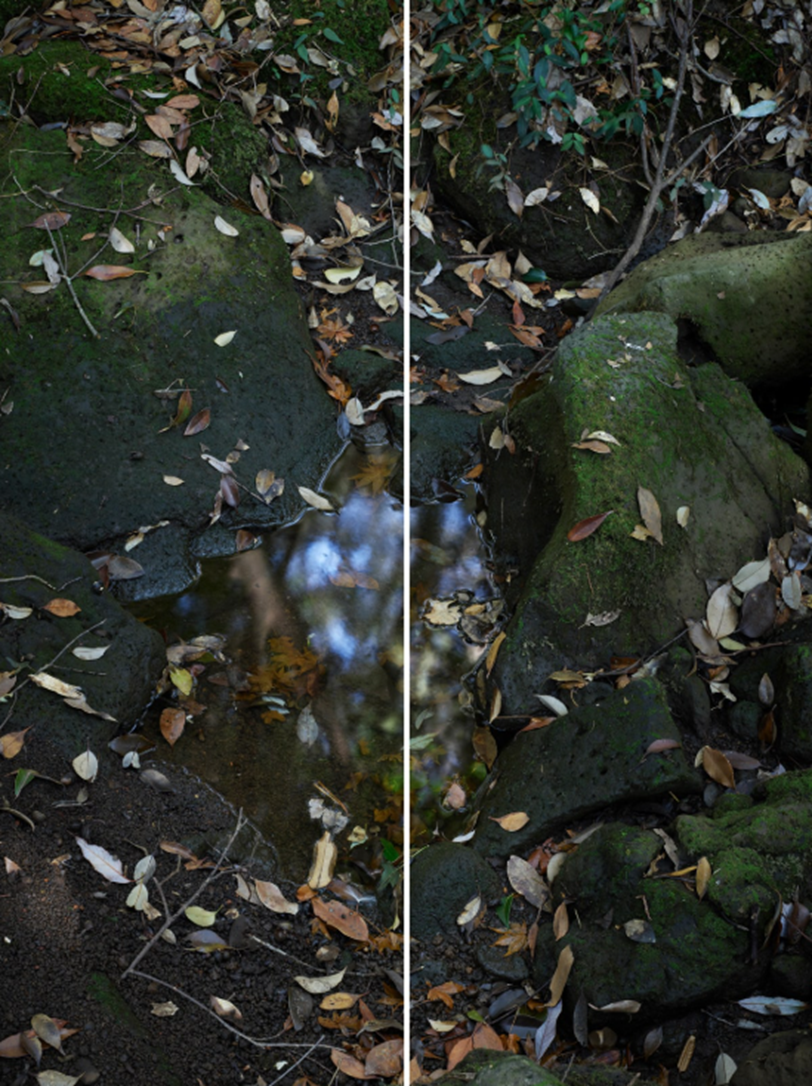
Untitled #01 from the series Rose is a rose is a rose - K-ARTIST

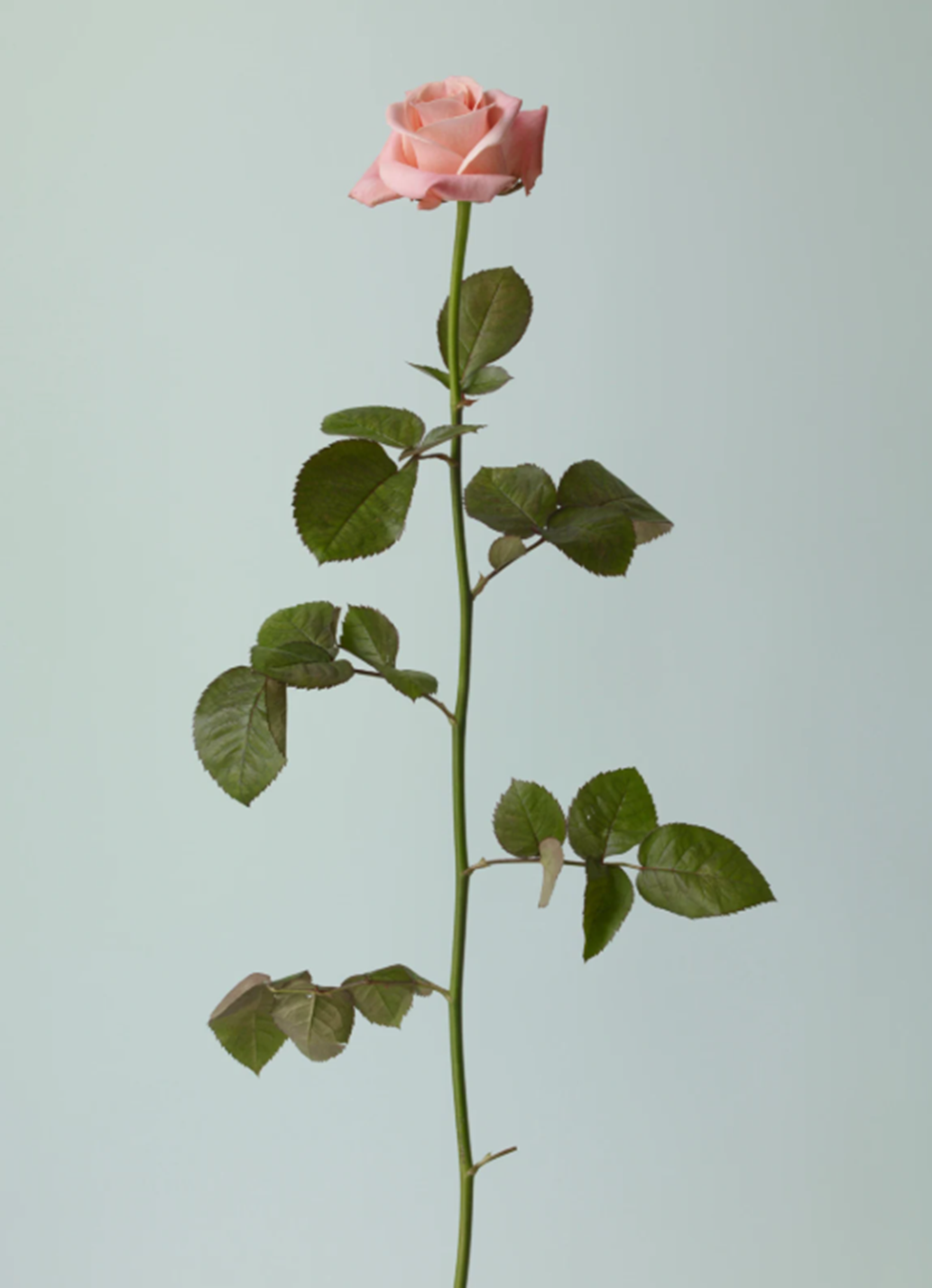
Untitled #01 from the series Rose is a rose is a rose

2016
Archival pigment print
108 x 78 cm
About The Work

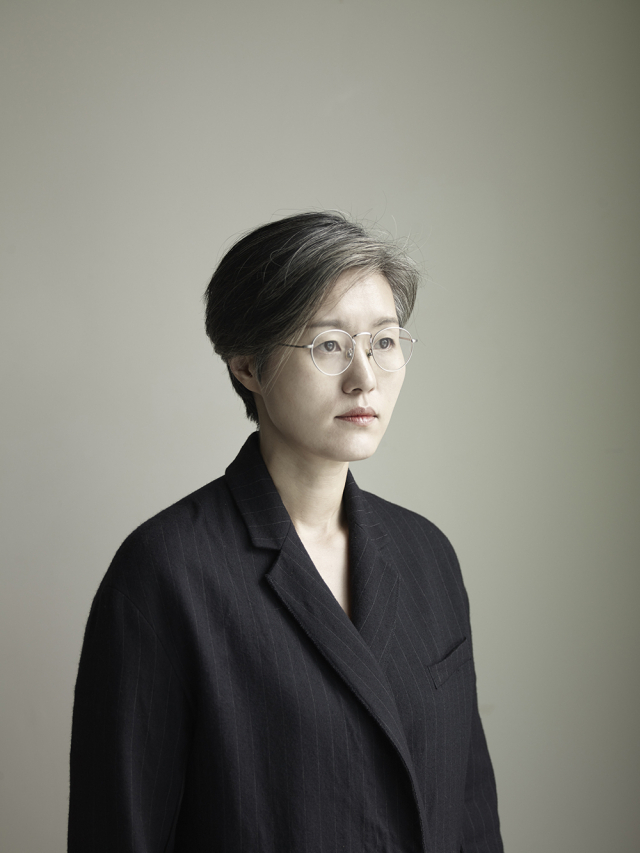
Chung Heeseung has consistently explored the relationship between the essence of a object and its image through the medium of photography, focusing on the gap that emerges between the two.
 
Furthermore, the artist has delved into the limitations and possibilities revealed in the process of translating an object into an image. Chung works with everyday objects, the human body, and spaces, amplifying the materiality of the photographic medium. At the same time, she incorporates text to examine the relationship between image and language as imperfect tools of communication.
 
Chung Heeseung has experimented with the limitations and possibilities of photography as a medium, expanding the visual act of "seeing" into an experience of communication. The artist goes beyond simply producing photographic images, rearranging them according to the exhibition context and combining them with texts or music, creating various variations that transform the objects within the images into a state of infinite potential, where they cannot be clearly defined.

Solo Exhibitions (Brief)

Chung Heeseung has presented several solo exhibitions, including 《Wilder》 (Gallery Baton, 2025), 《Faraway, so close》 (GoEun GIBSON Museum of Photography, 2025), 《Copier》 (Shindo Cultural Space, 2020), 《Rose is a Rose is a Rose》 (Perigee Gallery, 2016), 《Chung Heeseung》 (PKM Gallery, 2014), 《Improper Metaphors》 (Art Sonje Center, 2013), and 《Still Life》 (DOOSAN Gallery, New York, 2012).

Group Exhibitions (Brief)

She has also participated in numerous group exhibitions, such as 《Threshold》 (Chapter II, 2025), 《Maniera》 (DOOSAN Gallery, 2023), 《Brilliant Cut》 (Gallery Baton, 2023), 《The Images》 (HITE Collection, 2023), 《The Season I Meet Myself》 (Daegu Art Museum, 2022), 《Super Fine: Light Photography》 (Ilmin Museum of Art, 2021), 《Collection_Open Hacking Mining》 (Seoul Museum of Art, 2021), 《MMCA Artist of the Year 2020》 (National Museum of Modern and Contemporary Art, 2020), and the 12th Gwangju Biennale 《Imagined Borders》 (Gwangju, 2018).

Awards (Selected)

Chung has established herself as a leading figure in contemporary Korean photography, winning the 11th Daum Prize (2012) and the SongEun Art Award (2011). In 2020, she was selected as a finalist for the Korea Artist Prize at the National Museum of Modern and Contemporary Art, Korea.

Residencies (Selected)

Chung’s works are included in MMCA, Korea, Seoul Museum of Art, Gyeonggi Museum of Modern Art, Daegu Art Museum, Amore Pacific Museum of Art in Korea and University of the Arts London, UK, etc.

Works of Art

The Relationship between the Essence of the Object and its Image

Originality & Identity

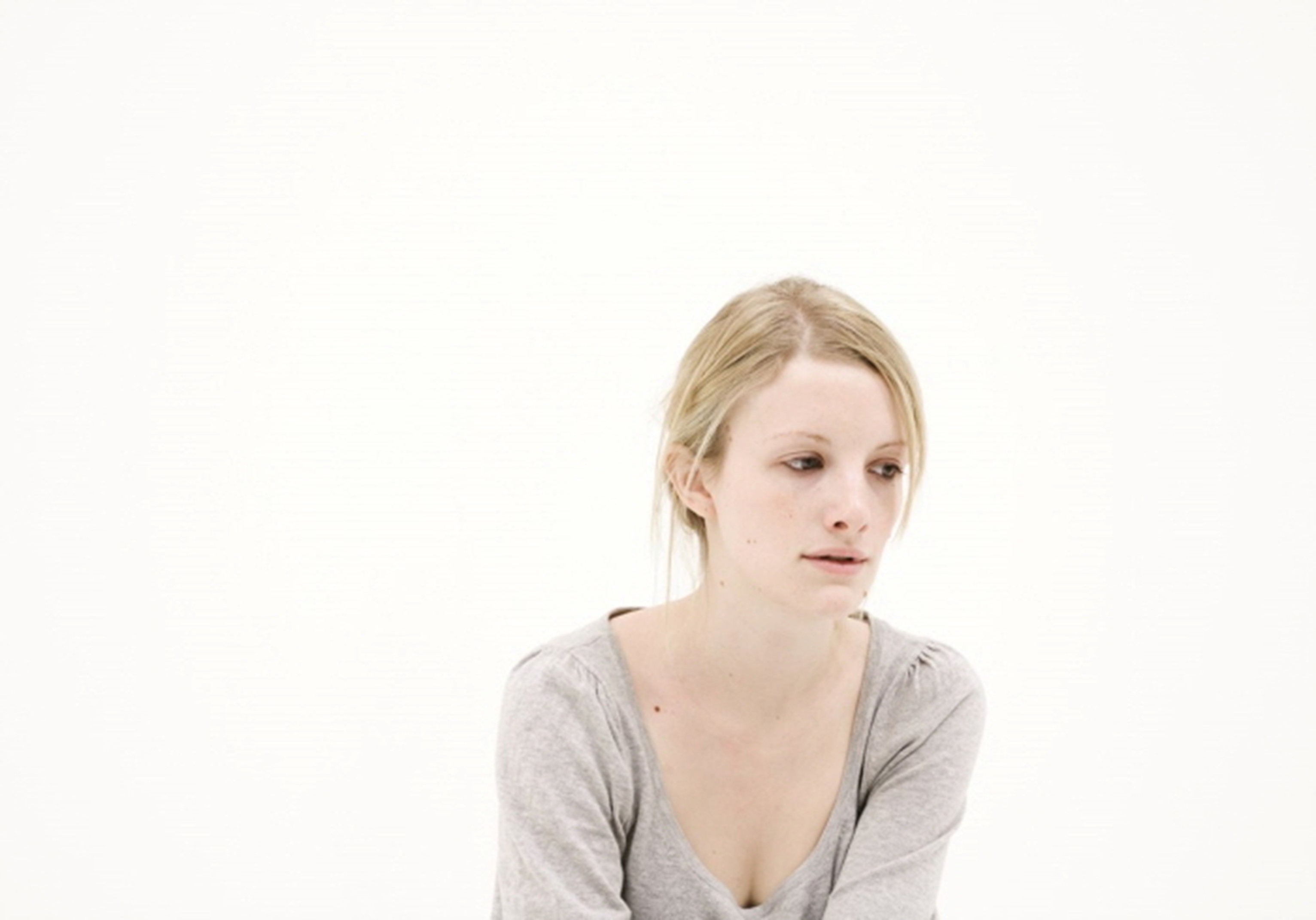
Chung Heeseung’s early works begin by capturing the gap between the subject and the image—that is, the difference between what is “seen” and what remains “unseen.” In her first solo exhibition 《Persona》(Gallery Wa, 2008), the ‘Persona’(2007) series examines the relationship between “Mask” and “Face” through the repeated photographing of actors’ expressions. These early works experiment with how the subtle vibrations between social masks and inner expressions can be translated into images, gradually revealing the artist’s growing interest in what photography cannot fully capture—emotion, psychology, and interiority.

In the ‘Still Life’(2009–2013) series, she explored how the original meaning of everyday objects gradually peels away through long-term observation and repeated photography, allowing the image to transform into an independent entity. This reflects her understanding that an image can truly exist on its own only when the function, symbolism, and intention associated with the subject have been removed.

Since the 2010s, this potentiality of the image has expanded into layers of place and time. The solo exhibition 《Inadequate Metaphors》(Art Sonje Center, 2013) directly confronted photography’s inherent incompleteness and its representational limits, exploring an image state stripped of intention and metaphor. In the work Remembrance has a rear and front(2018), presented at the 《12th Gwangju Biennale》(2018), she visualized the gap between “memory” and “present” by engaging with intangible elements such as temporal rupture, atmosphere, and traces embedded in a historically charged site.

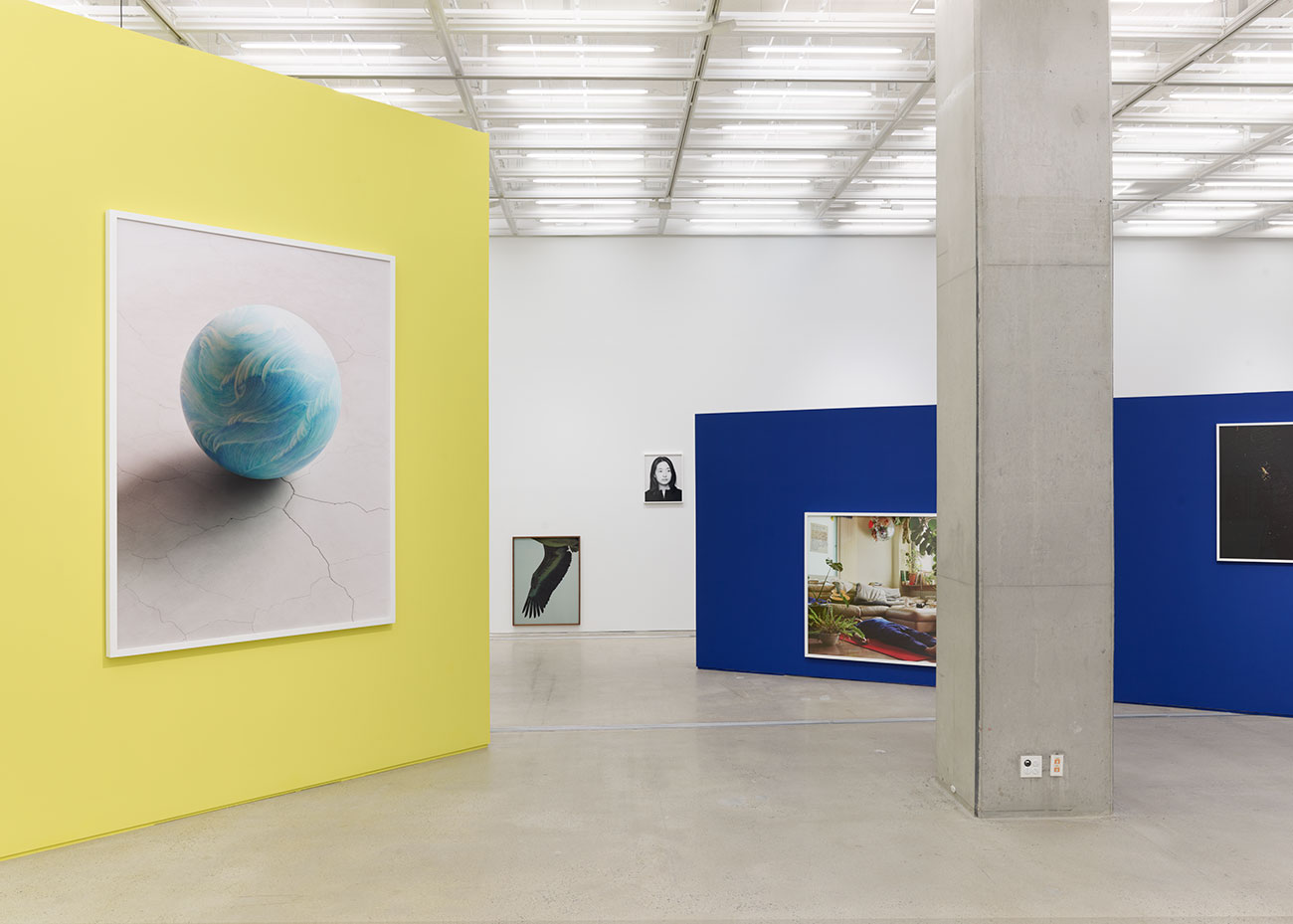
Her recent works expand into the realms of nature, existence, and perception. The ‘Wilder’ and ‘Faraway, so close’ series from 《Wilder》(Gallery Baton, 2025), as well as Landless, foreground the question “Can photography think?” and attempt to contemplate the contingency, indeterminacy, and unpredictability of nature through images. Here, the artist erases the hierarchy between the human subject and the photographed object, expanding photography into a field of perception, thought, and immersion through the experience of “losing one's way.”

Style & Contents

Chung Heeseung’s formal experiments have consistently revealed the fundamental characteristics of photography—mechanical recording, objectivity, and repetition. In the ‘Persona’ series, the mechanical act of photographing actors during their monologues captured accidental facial expressions through repeated recording, while in Reading (2010), she visualized the gap between text and image by translating the interaction between language and emotion into photographic form.

In the ‘Still Life’ series, she combined improvisation with mechanical repetition by observing and photographing the same object for more than two weeks. Through this process, the object loses its “objecthood” and transforms into an unfamiliar image, allowing the artist to examine how an image exists independently when intention is removed. This approach develops further in 《Inadequate Metaphors》, a project that explores a “non-linguistic state” of photography in which meaning, metaphor, and symbols cease to function.

At the 2018 Gwangju Biennale, her formal experiments engaged with site-specificity. Remembrance has a rear and front uses a narrow and elongated vertical format, along with contrasts between interior/exterior and the textures of abandoned architecture—walls, cracks, and light—to expand the way photography can convey layers of time. This marks a formal approach in which atmosphere, sentiment, and historical resonance actively shape the image, rather than mere documentation.

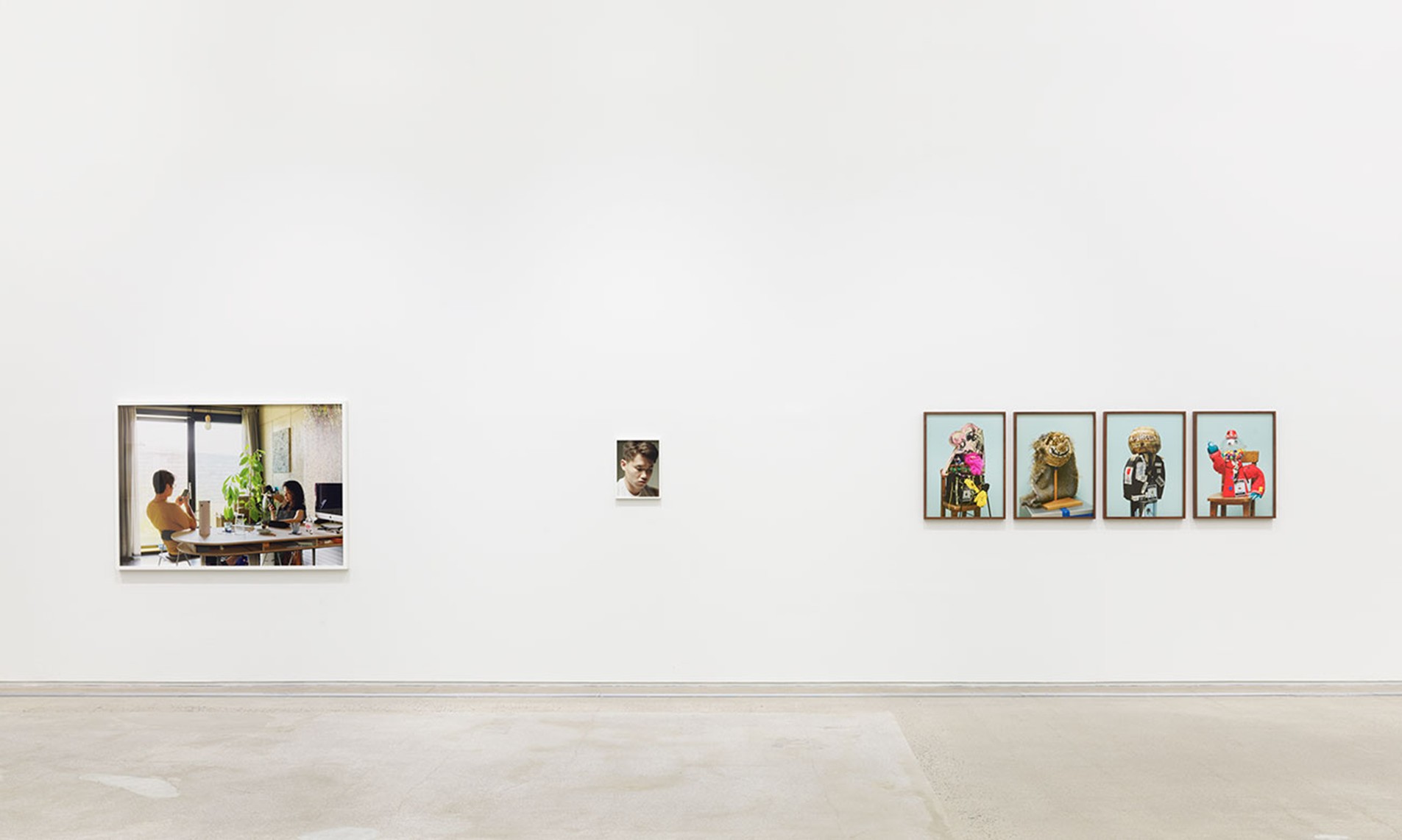
In 《Korea Artist Prize》(MMCA, 2020), her representative works Dancing together in a sinking ship(2020) and Poetry for Alcoholics and Angels(2020) expand into sequence-based installations combining photography, text, and sound. By employing spatial arrangement, viewer pathways, and sound, she constructs a mode of encountering images as an “experience” rather than a process of “reading.”

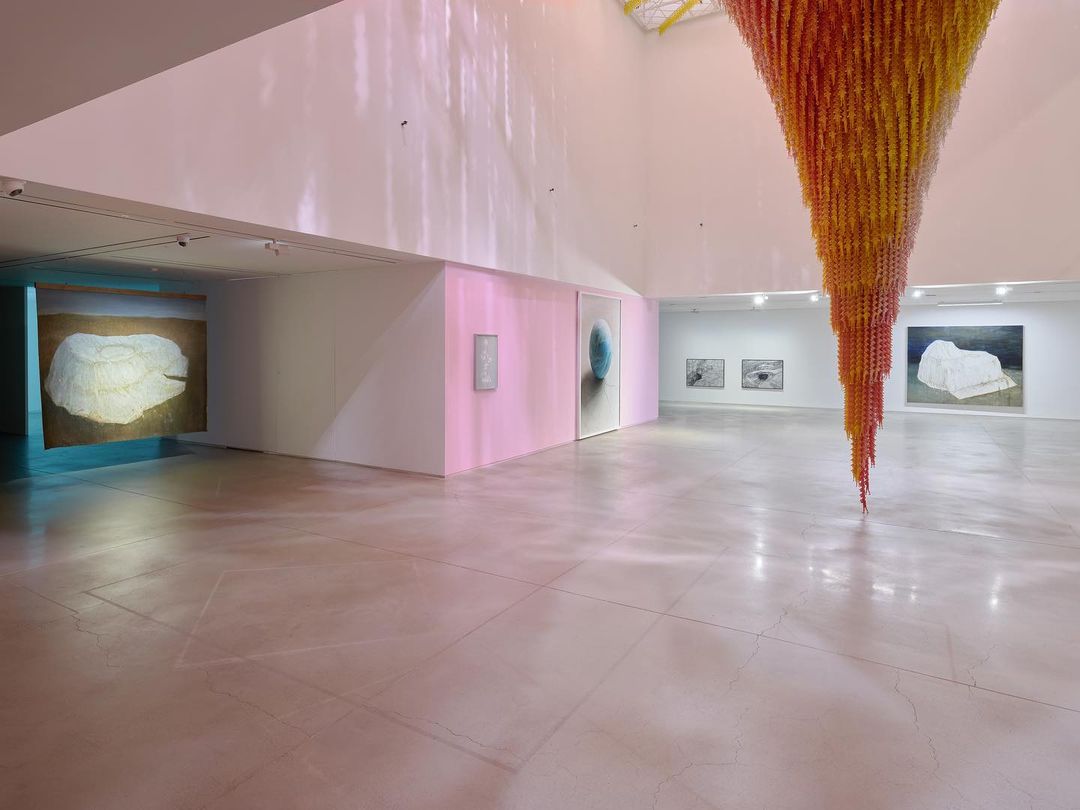
In the recent solo exhibition 《Wilder》(2025) at Gallery Baton, the ‘Wilder’ and ‘Faraway, so close’ series further expand formal experimentation by integrating natural and environmental elements. Large prints exceeding two meters in height are split into two panels with a uniform 1cm gap, a device that visually accentuates the difference between the photograph’s symbolism and reality. ‘Faraway, so close’ embraces the full contingency of time, weather, and environment, departing from the controlled conditions of studio photography.

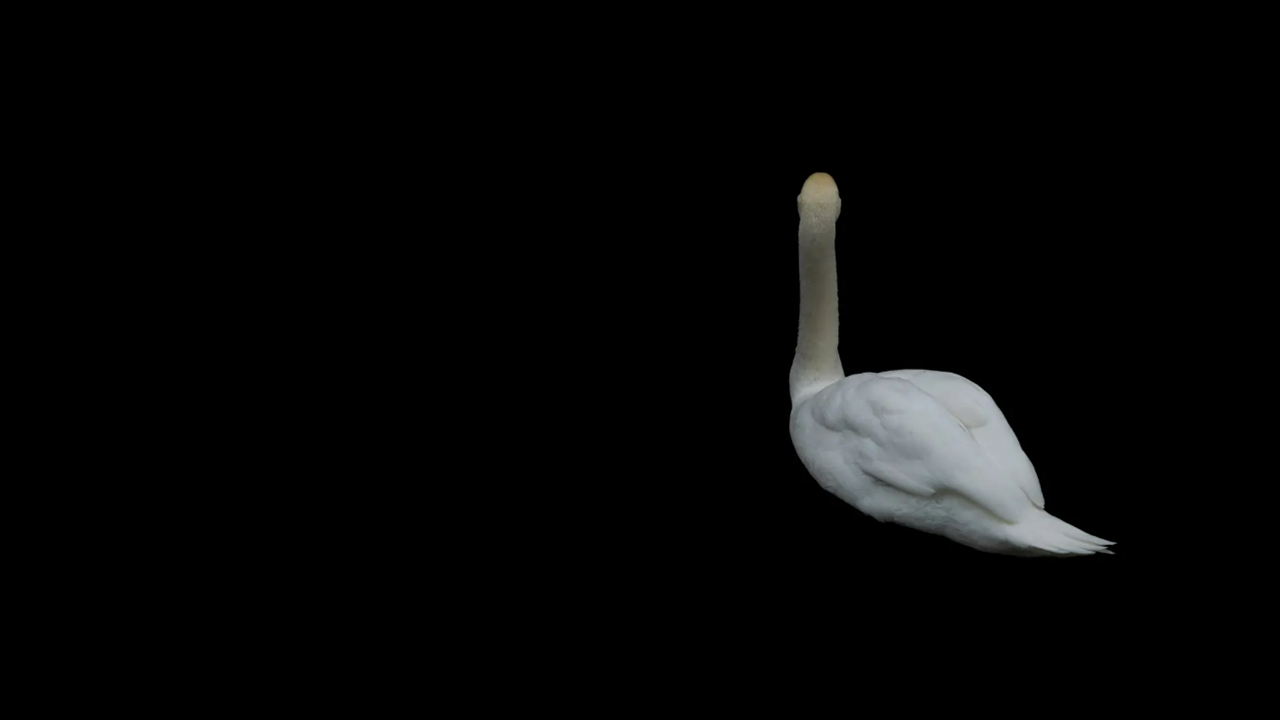
The video work Landless occupies a hybrid space between photography and moving image, capturing the movements of existence with a slow, contemplative gaze and showing how photography expands through interactions with movement, time, and sound.

Topography & Continuity

Chung Heeseung has consistently explored the gap between the subject and the image, as well as the limits and possibilities of photography as a medium, within the landscape of contemporary Korean photography. Her work moves beyond representational conventions, expanding into the layers of perception, time, language, and place, marking a significant shift within Korean contemporary photography. The subtle psychological dimensions seen in ‘Persona’ and Reading, the expansion of material and conceptual concerns in ‘Still Life’ and 《Inadequate Metaphors》, and the spatial-historical depth of Remembrance has a rear and front all support her ongoing inquiry into “thinking through photography.”

She also occupies a distinct position in her treatment of photography not as a fixed image unit, but as a linguistic system composed through arrangement, sequencing, and spatial experience. The integration of photography, text, and music in MMCA’s 《Korea Artist Prize》(2020), as well as the divided large-scale panels, gaps, and contingency embraced in 《Wilder》, further establish her identity as an artist who “arranges and composes images.”

Her artistic world continues to expand into the layers of nature, environment, and existence, encouraging viewers to perceive the image not as a signifier of fixed meaning, but as an assemblage of ever-changing presences. In today’s image-saturated culture, this highlights photography’s potential to move beyond documentation and function as a site of sensory and philosophical experience.

Looking ahead, Chung Heeseung’s work possesses significant potential for further expansion based on its distinctive quality of “photographic thought.” Site-specific projects, experiments grounded in natural contingency, and hybrid forms involving photography, video, and text—especially recent works such as ‘Wilder’—indicate a trajectory toward redefining contemporary photography through the convergence of nature, perception, and thought. The question she continually raises—“Can photography think?”—is expected to remain a meaningful discourse on the global stage.

Works of Art

The Relationship between the Essence of the Object and its Image

Exhibitions

Activities