13332244 - K-ARTIST

13332244

2020
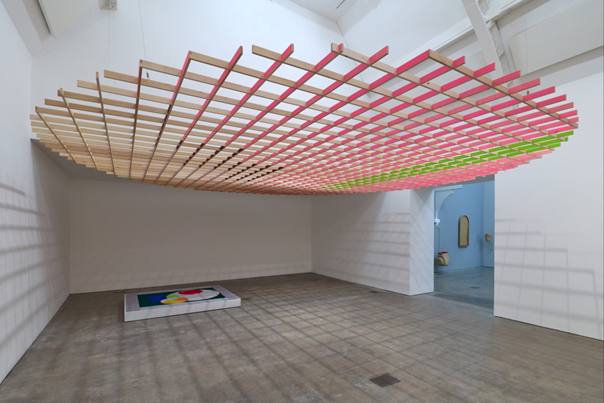
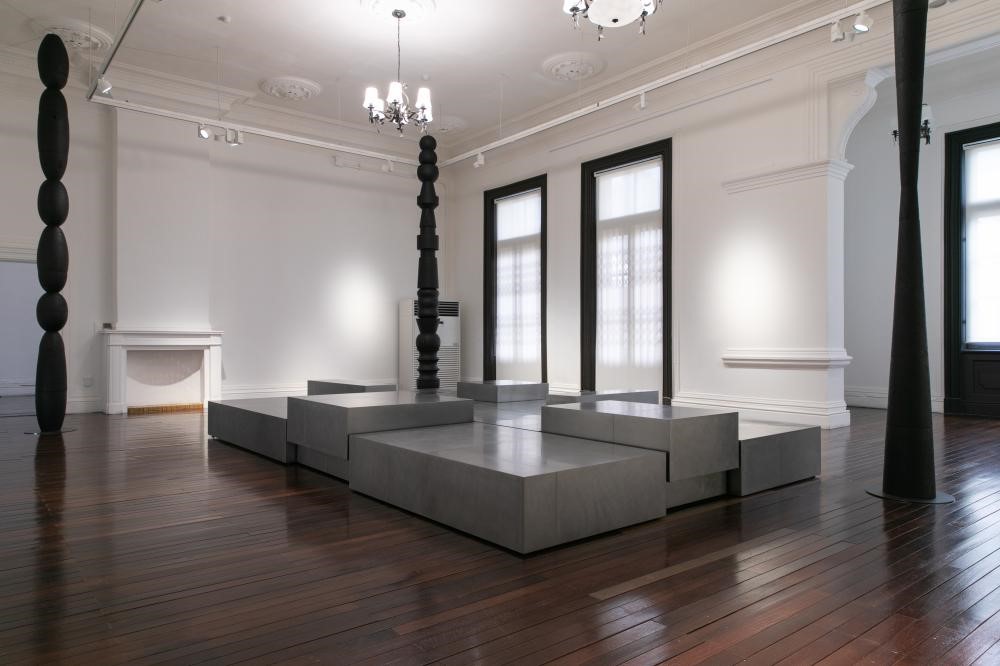
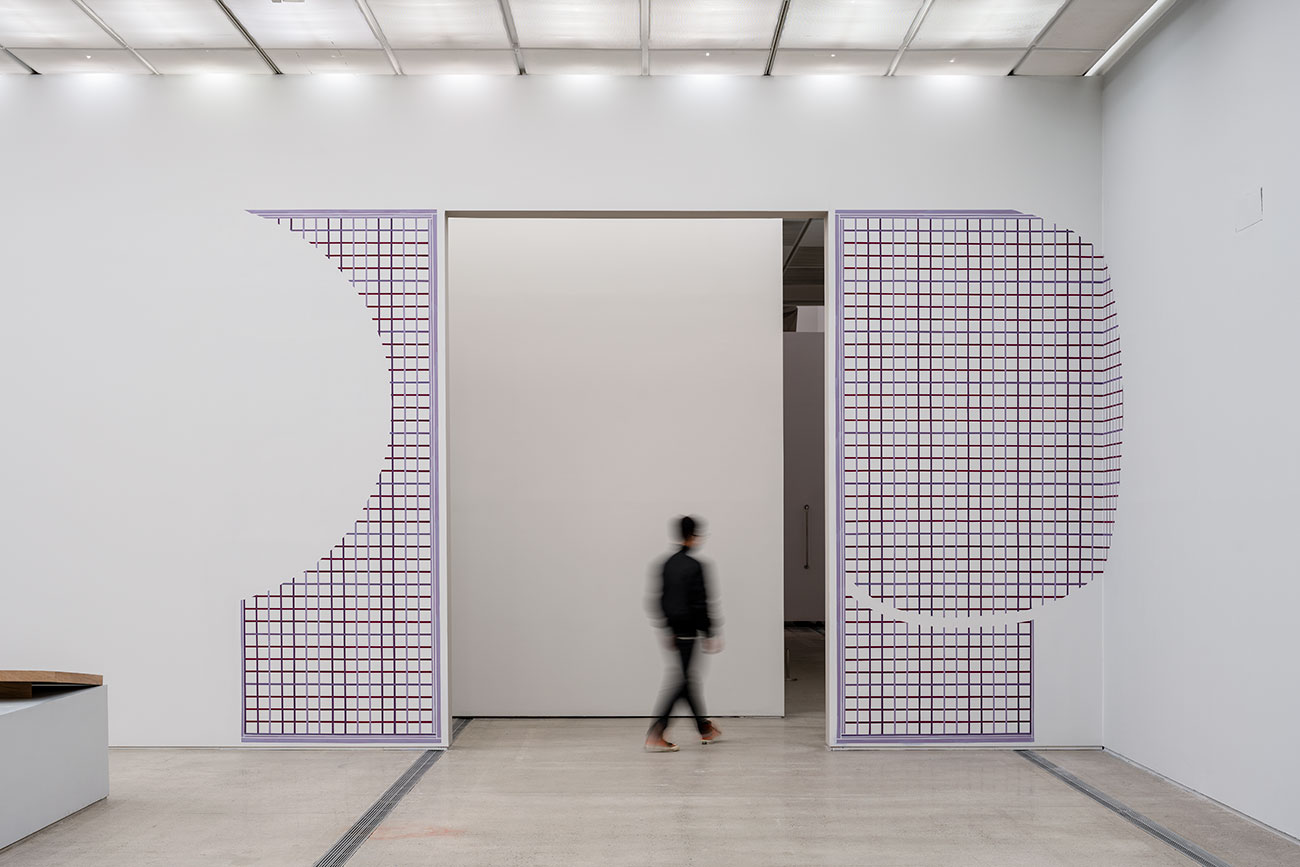
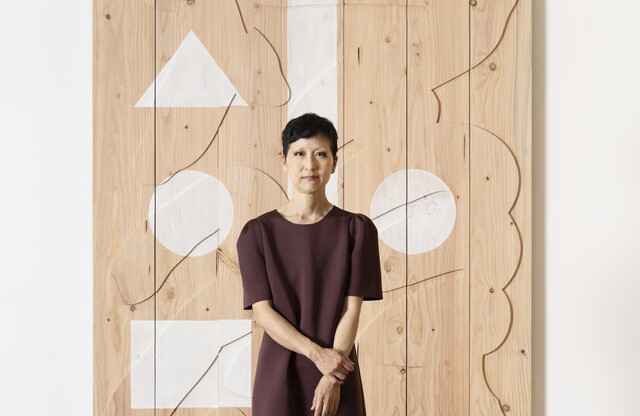
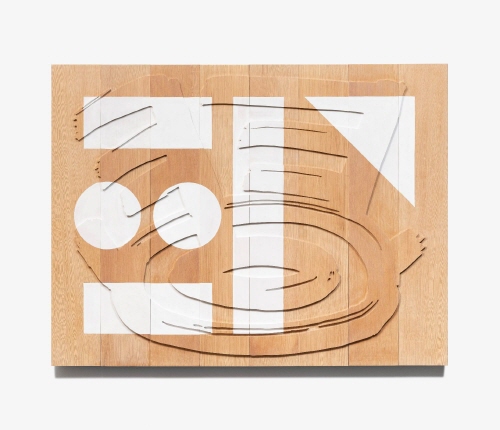
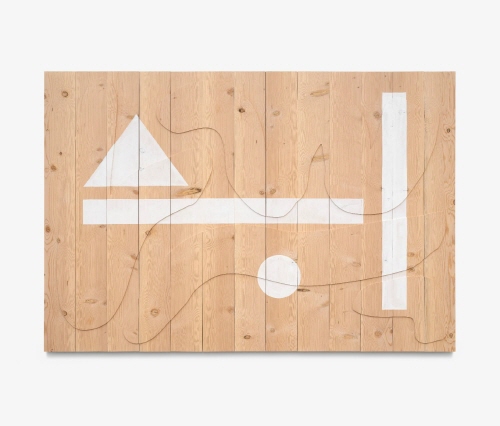
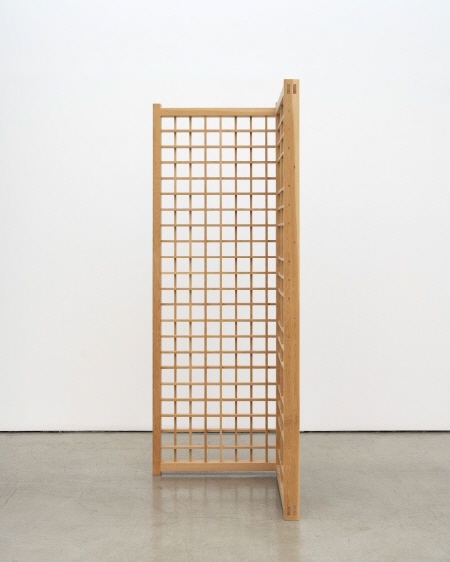
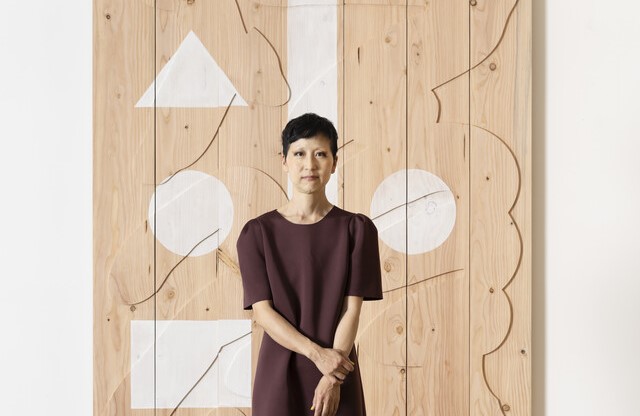
Douglas-fir
210 x 10 cm each
About The Work

Seulgi Lee has expressed her interest in objects, language, and nature closely connected to human life through her own distinctive visual language. She employs a wide range of materials, including everyday objects, and showcases works spanning various genres such as installation, sculpture, painting, and performance.
 
In particular, Lee incorporates traditional and folk elements, such as crafts and folk songs, to create works that mediate the life and culture of communities with the reality that unfolds before our eyes. To this end, the artist has engaged in ongoing collaborations with craft artisans from diverse cultural backgrounds. Through this process, the “languages” of these makers—gradually disappearing, much like the traditional cultures of our time—have also become a central focus of her practice.

Lee turns her attention to “language” as a medium that carries the memory and culture of communities. She researches traditional folk songs passed down within specific regions and their contexts, reinterpreting them through contemporary forms such as music, installation, sculpture, and video. Her work not only mediates between past and present, but also emerges as a woven constellation in which diverse artistic genres and cultural elements are interlaced.

In this way, Seulgi Lee has woven a hybrid world by connecting the past and present through everyday objects, blending fine art with craft, tradition with modernity, and the linguistic with the visual. Her works serve as a medium that links the reality before our eyes with another world, evoking what is forgotten in daily life and offering an opportunity for reflection.

Solo Exhibitions (Brief)

Seulgi Lee has held solo exhibitions at major institutions in Korea and internationally, including Gallery Hyundai in Seoul, Ssamzie Space in Seoul, Mimesis Art Museum in Paju, Galerie Jousse Entreprise in Paris, and La Criée art centre in Rennes.

Group Exhibitions (Brief)

Seulgi Lee has participated in major international exhibitions and institutions, including the Busan Biennale, Gwangju Biennale, Manifesta 13, the National Museum of Modern and Contemporary Art, Palais de Tokyo, Musée des Arts Décoratifs, and CRAC Alsace.

Awards (Selected)

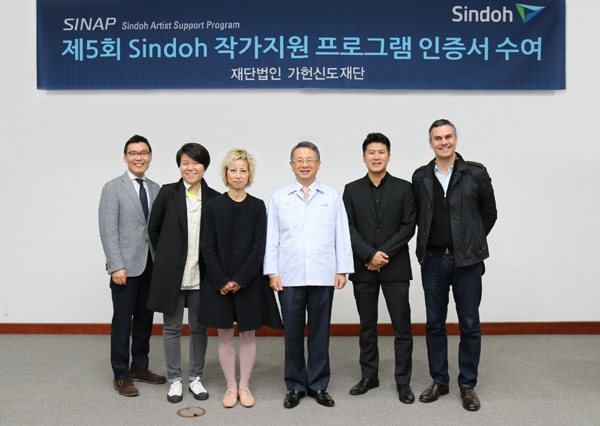
Seulgi Lee is a recipient of the Korea Artist Prize (2020) and the Sindoh Art Prize (2015).

Residencies (Selected)

She has participated in artist residencies at the Gyeonggi Creation Center (2009) and Ssamzie Space (2004).

Collections (Selected)

Seulgi Lee’s works are held in the collections of Mimesis Art Museum, the Centre National des Arts Plastiques (CNAP), FRAC Île-de-France (Le Plateau), the National Gallery of Victoria, the Seoul Museum of Art, the Suwon Museum of Art, and the Musée Cernuschi.
Works of Art

Art Mediating Tradition and Culture in the Present

Originality & Identity

Seulgi Lee’s practice originates from an anthropological interest in everyday objects, language, and vernacular culture. Rather than focusing on objects as fixed entities, she investigates the layers of time, collective memory, and linguistic structures embedded within them. In particular, she engages with systems of shared language—such as proverbs, folk songs, and oral traditions—and translates them into visual and spatial forms. Through this process, her work moves beyond the representation of specific cultures, instead revealing perceptual and cognitive frameworks that traverse different regions and historical contexts.

Working between Korean and French linguistic environments, Lee develops a sensibility grounded in the coexistence of familiarity and estrangement. Language in her work is not merely a tool for communication, but a material system that includes sound, rhythm, ambiguity, and slippage of meaning. As seen in the work DONG DONG DARI GORI, etymological associations, homonyms, and phonetic rhythms operate as key conceptual devices, constructing a grammar that allows unfamiliar meanings to emerge from familiar forms.

Another central axis of Lee’s practice is translation, understood not as a simple transfer between languages but as a broader process of transformation across cultural, material, and sensory systems. Her collaborations with artisans—such as quilt-makers in Tongyeong and basket weavers in Oaxaca—function as practical modes of translation, through which disappearing languages, techniques, and communal memories are brought into the present and reconfigured. Rather than preserving or reproducing tradition, Lee rearticulates it within a contemporary visual language.

Ultimately, Lee’s work does not assert a fixed identity or a singular cultural origin, but instead reveals a fluid identity formed through the intersection of multiple temporalities, geographies, and languages. By linking past and present, locality and globality, and individual and collective experience, her practice destabilizes familiar systems of meaning and invites viewers to reconsider the structures through which objects and language are understood.

Style & Contents

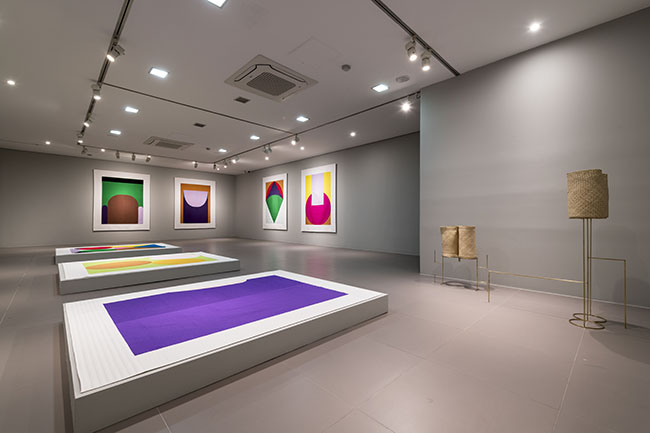
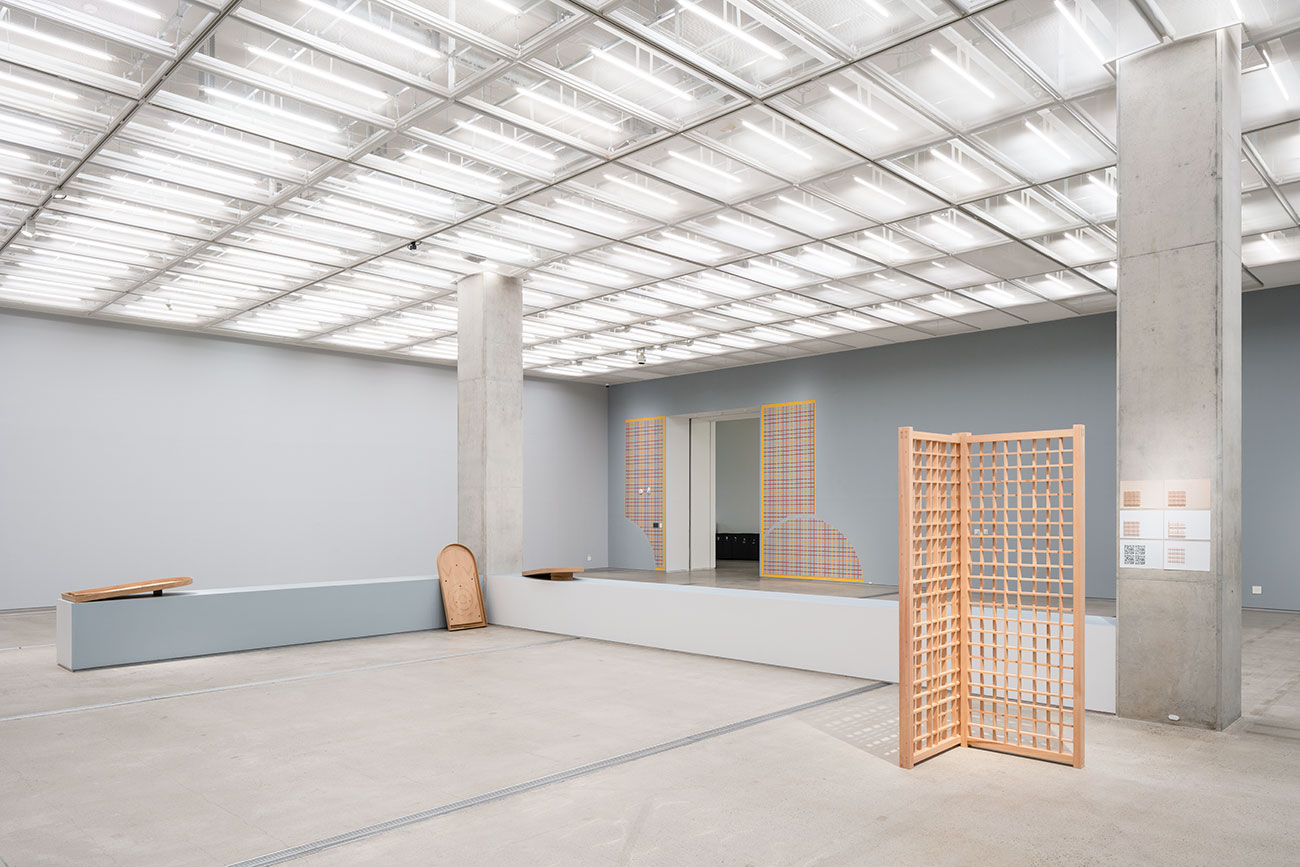
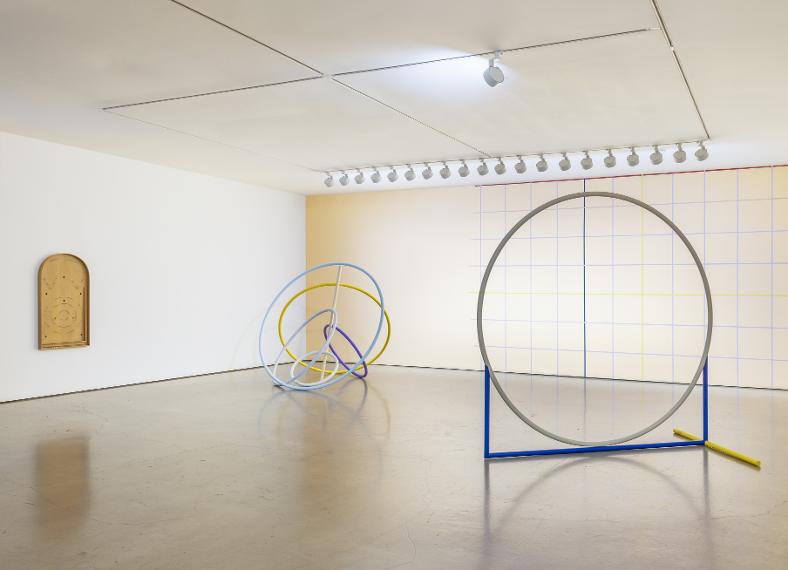
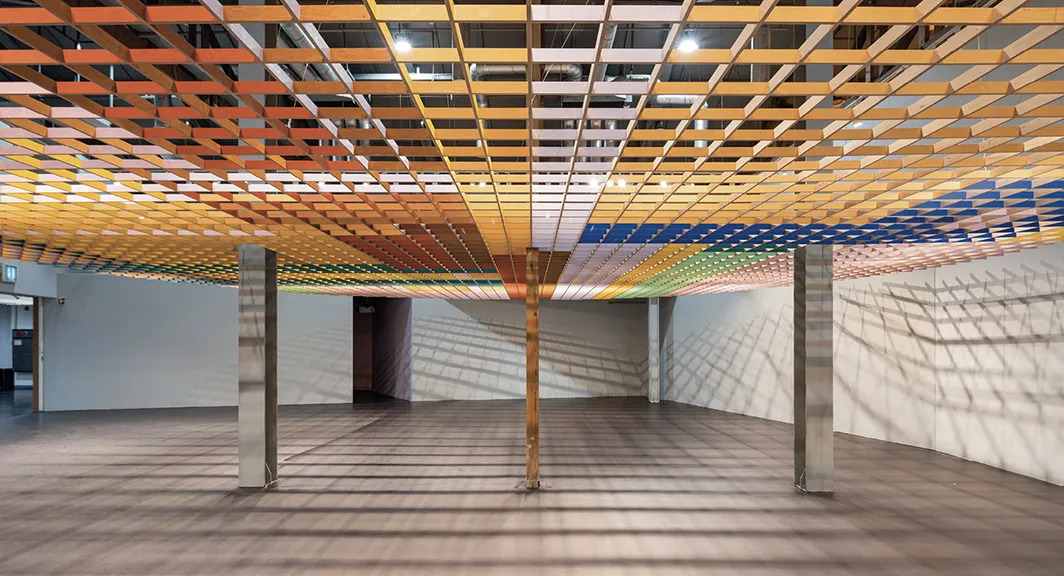
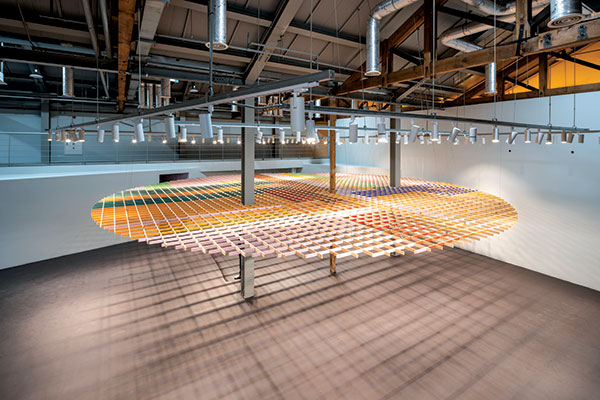
Seulgi Lee’s practice unfolds across a wide range of media—including sculpture, installation, video, and sound—yet at its core lies a sustained inquiry into craft techniques and materiality. She actively adopts the forms and methods of traditional handicrafts, such as quilted blankets, baskets, and tamis (sieves), reconfiguring them within a contemporary sculptural language. Rather than merely referencing or reproducing craft traditions, her work incorporates the temporality, repetition, and bodily rhythm embedded in these processes as essential formal elements.

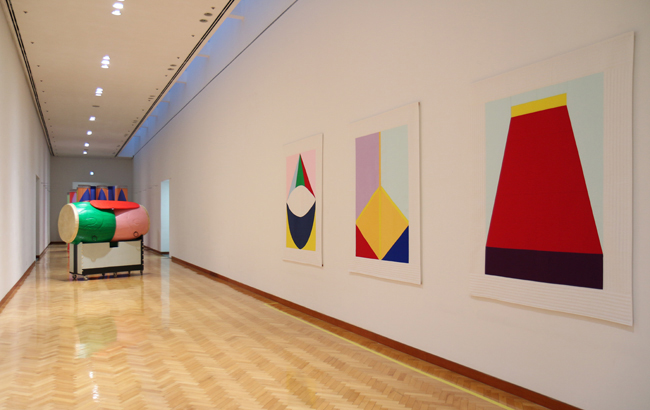
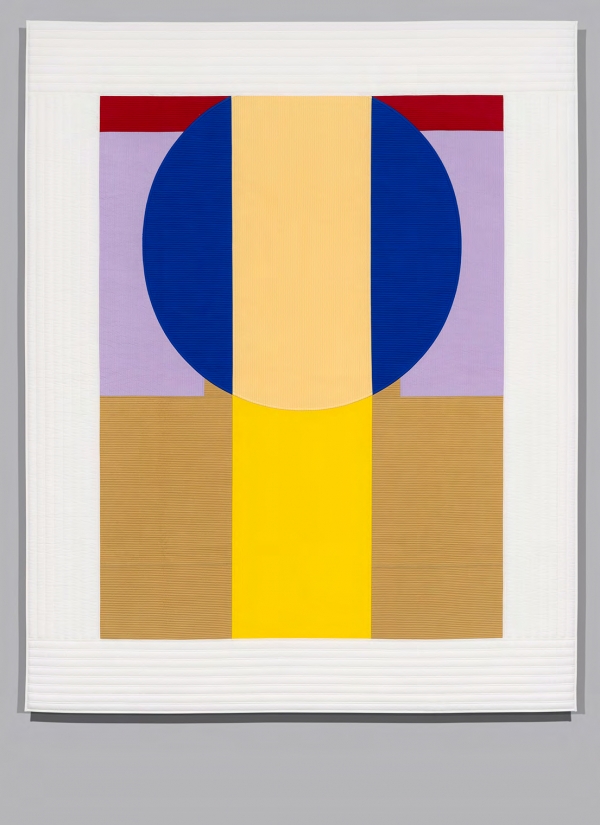
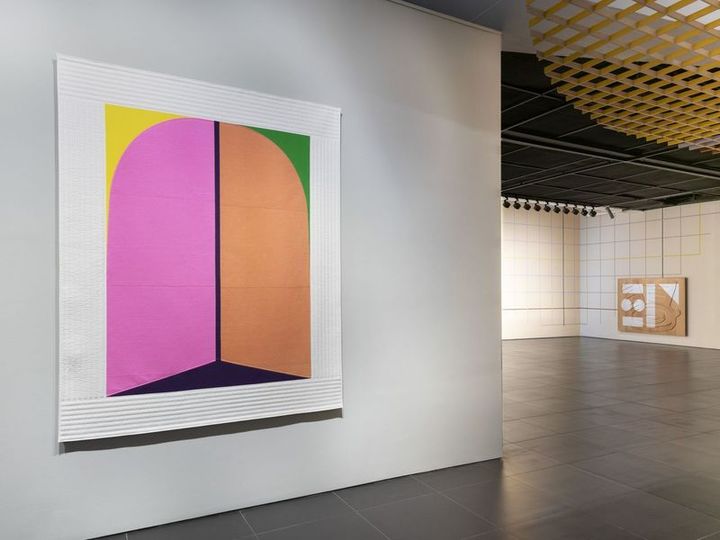
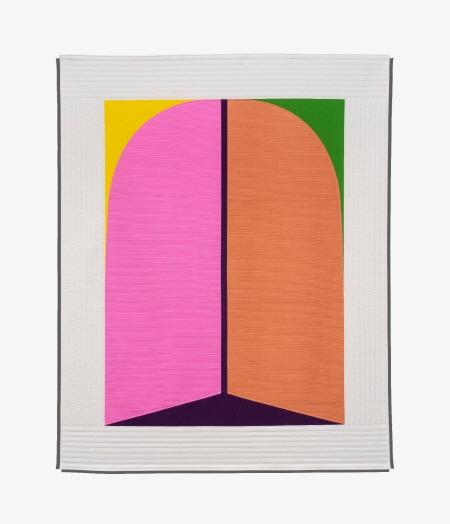
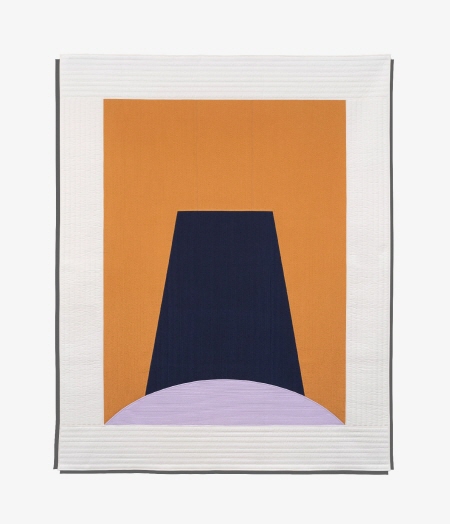
Her series—expanding under designations such as ‘U’, ‘W’, and ‘O’—demonstrate a close interrelation between form and content. In ‘Blanket Project: U’, for instance, the geometric compositions recall abstract painting, yet each work contains a linguistic narrative derived from proverbs, activated through its title. This structure, in which visual abstraction intersects with verbal meaning, invites viewers to both see and read the work, dissolving the boundary between form and content.

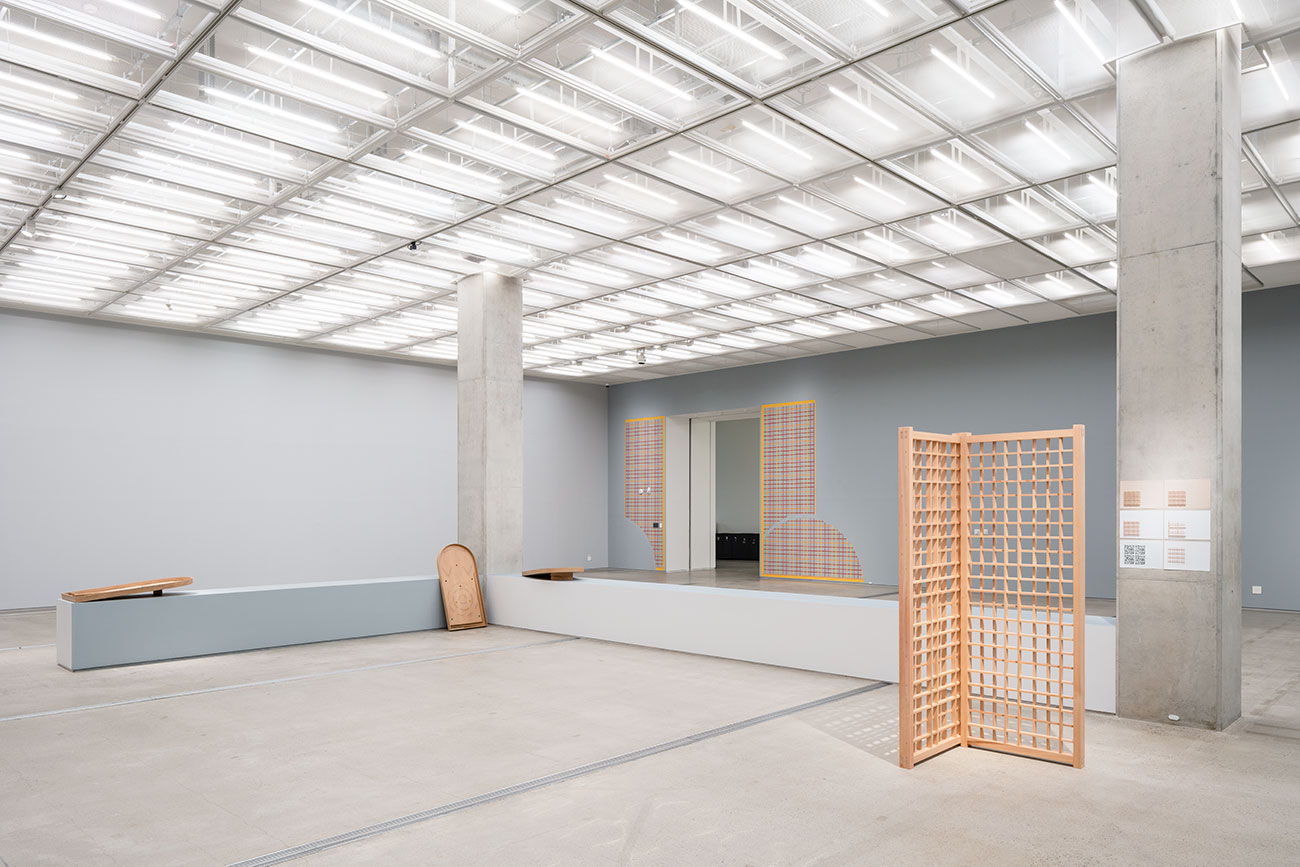
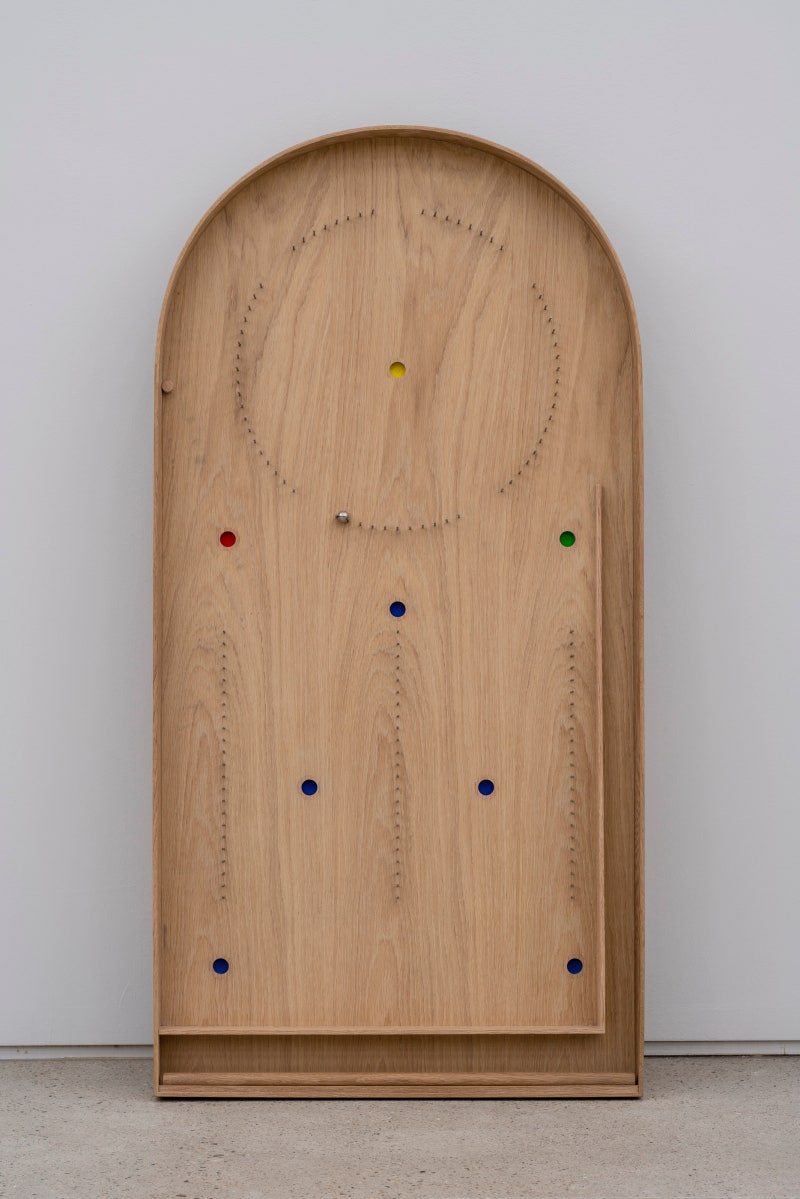
Lee’s works also operate within a productive tension between functionality and non-functionality. Objects such as baskets, blankets, and game devices evoke their original uses, while simultaneously transforming into sculptural structures within the exhibition space. Works such as the ‘Bagatelle’ pieces function both as playable devices and as sculptural forms, opening a space between use and contemplation, participation and observation. In this way, the artwork extends beyond a purely visual object into a framework that involves bodily engagement and action.

Ultimately, Lee’s formal language is less a fixed outcome than an open structure generated through processes and relationships. The combination and transformation of diverse materials, techniques, and cultural elements do not culminate in a closed form, but rather produce a field in which meanings continue to emerge. Her practice thus fluidly traverses the boundaries between sculpture and craft, art and design, tradition and contemporaneity, proposing new ways of thinking about material and form in contemporary art.

Topography & Continuity

Seulgi Lee’s practice is not confined to a fixed medium or formal language, but unfolds over time through recurring and evolving conceptual frameworks. Series such as ‘U’, ‘W’, and ‘O’ function both as individual projects and as interconnected constellations, sharing core concerns with language, craft, and community. Rather than existing as isolated bodies of work, they form an expanding topography that accumulates and transforms across time.

Collaboration is another key element of continuity in her practice. Her ongoing work with artisans—from quilt-makers in Tongyeong to basket weavers in Oaxaca and craftspeople in Morocco—extends beyond singular projects to establish a network of relationships across different regions and cultures. These collaborations operate not merely as modes of production, but as long-term engagements that reactivate disappearing techniques, languages, and collective memories in the present.

Lee’s sustained inquiry into the relationship between language and image also constitutes an important axis of continuity. What begins as an interest in everyday objects and language gradually expands into collective linguistic systems such as proverbs, folk songs, and oral traditions, which are then translated into sculptural and spatial forms. This process does not converge toward a single resolution, but instead unfolds as a cyclical structure in which meanings are continuously rearticulated across different media and contexts.

Ultimately, Lee’s work can be understood not as a series of finished outcomes, but as an ongoing process of renewal and expansion. Each project operates independently while remaining in dialogue with previous works, becoming reactivated in new contexts. Through this dual structure—maintaining core concepts while allowing transformation over time—her practice explores the dynamic relationship between constancy and change in contemporary art.

Works of Art

Art Mediating Tradition and Culture in the Present

Articles

Exhibitions