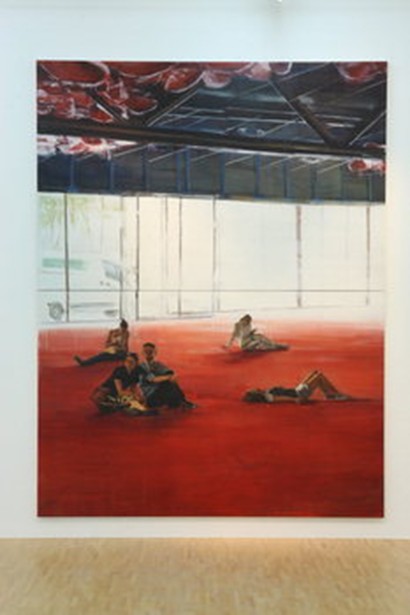
The Piano Already Has Experiences - K-ARTIST

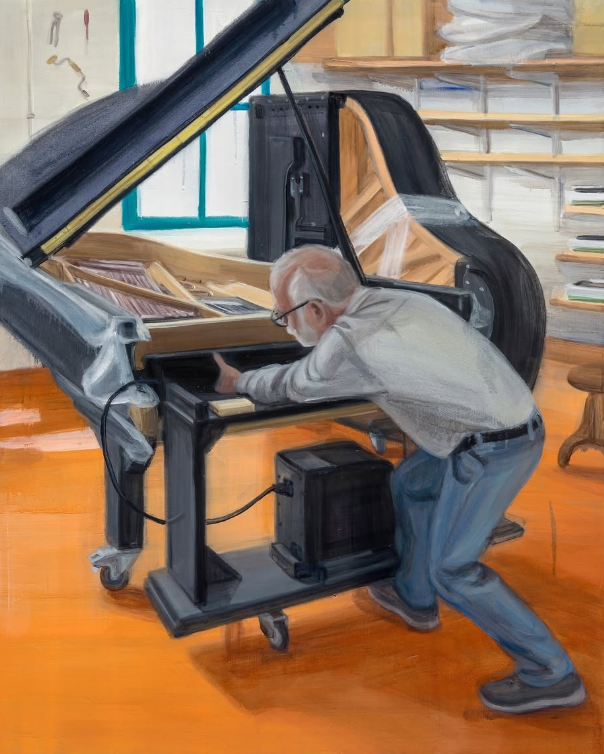
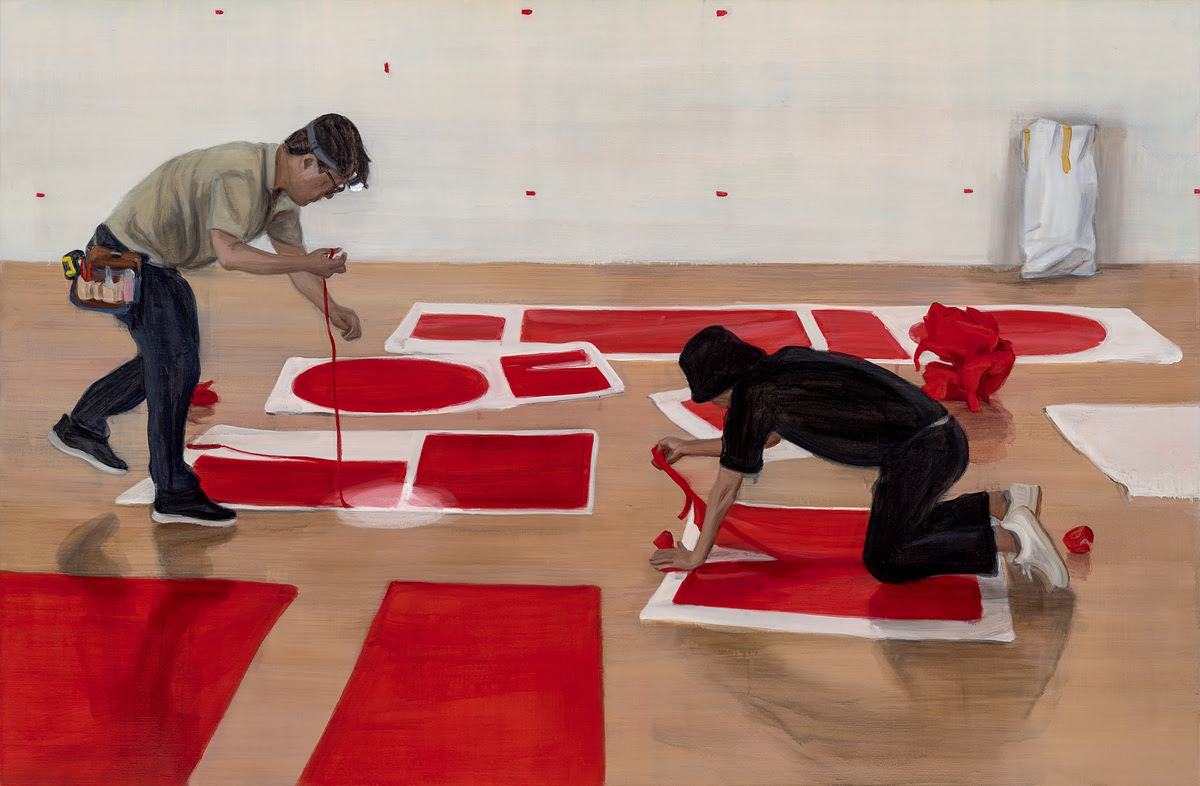
The Piano Already Has Experiences

2024
Oil on linen
100 x 80 cm
About The Work

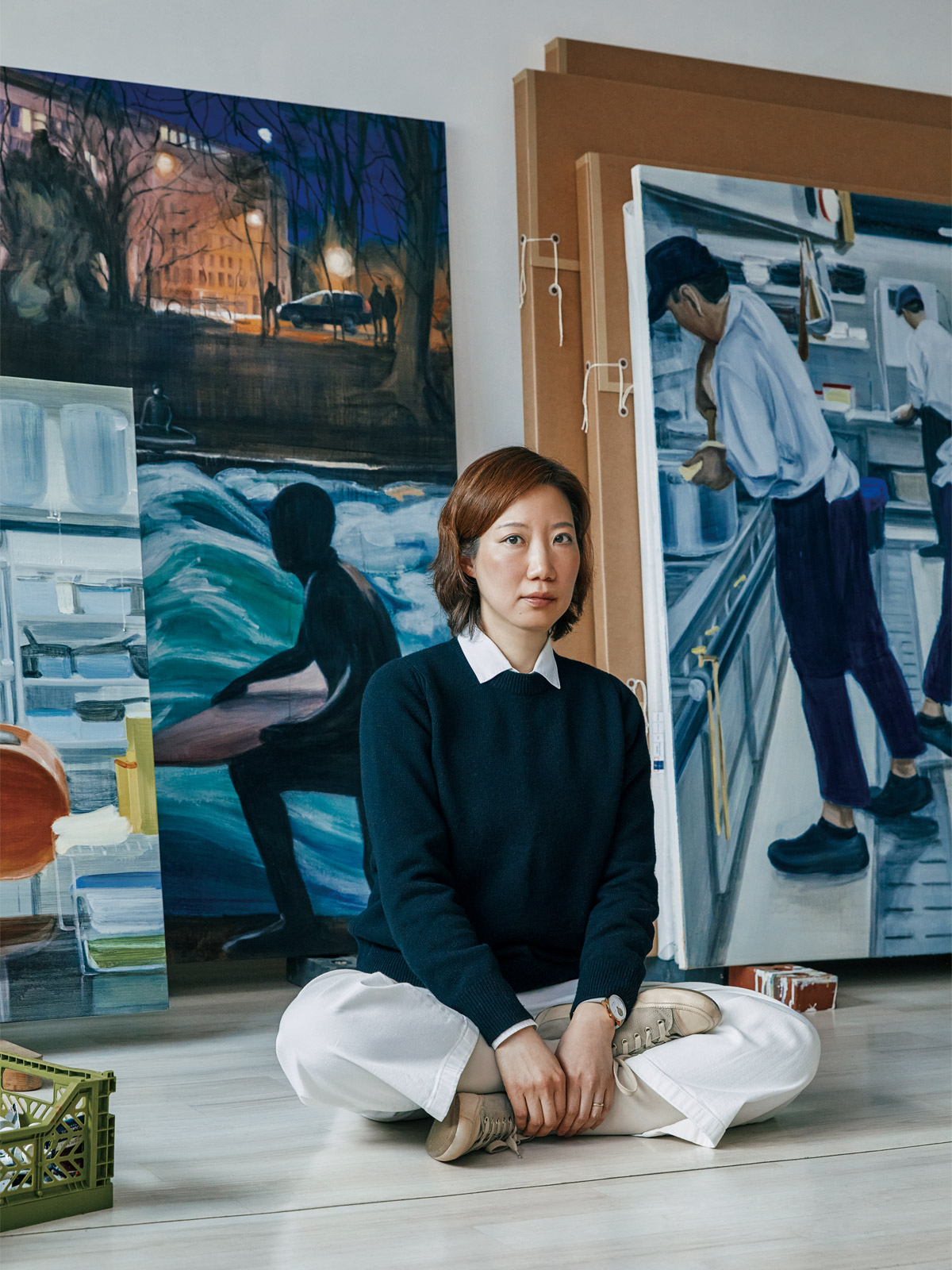
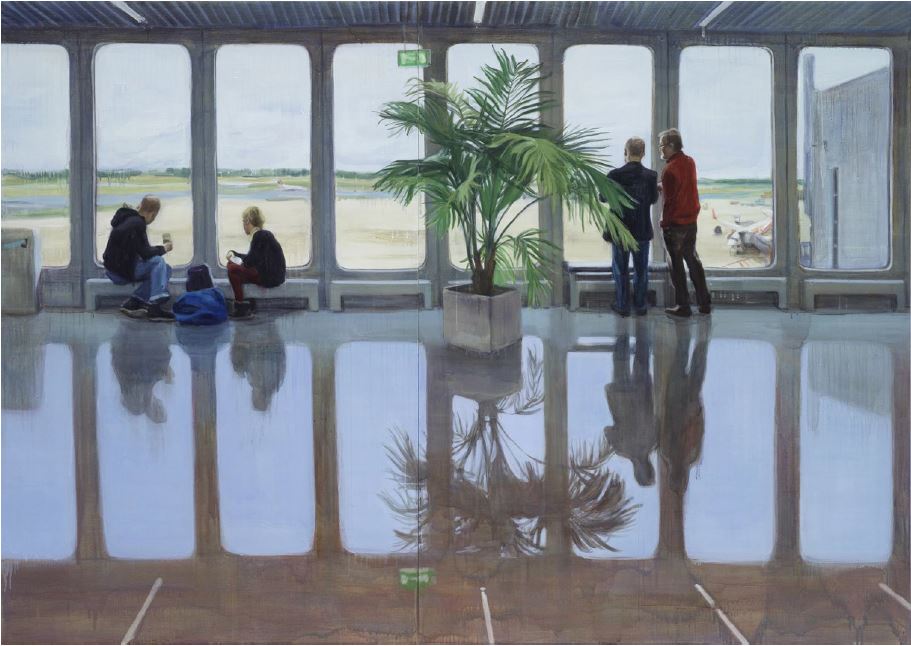
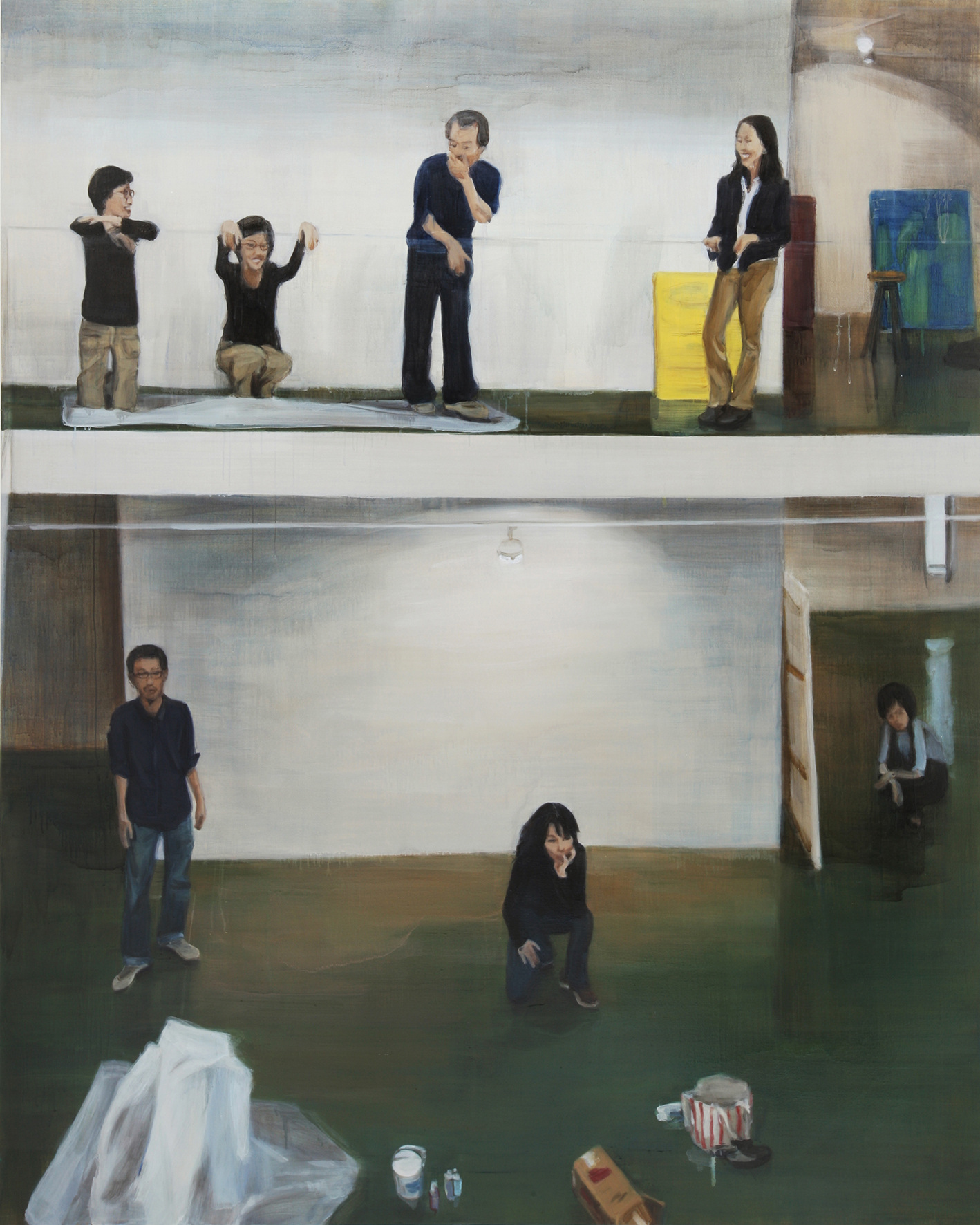
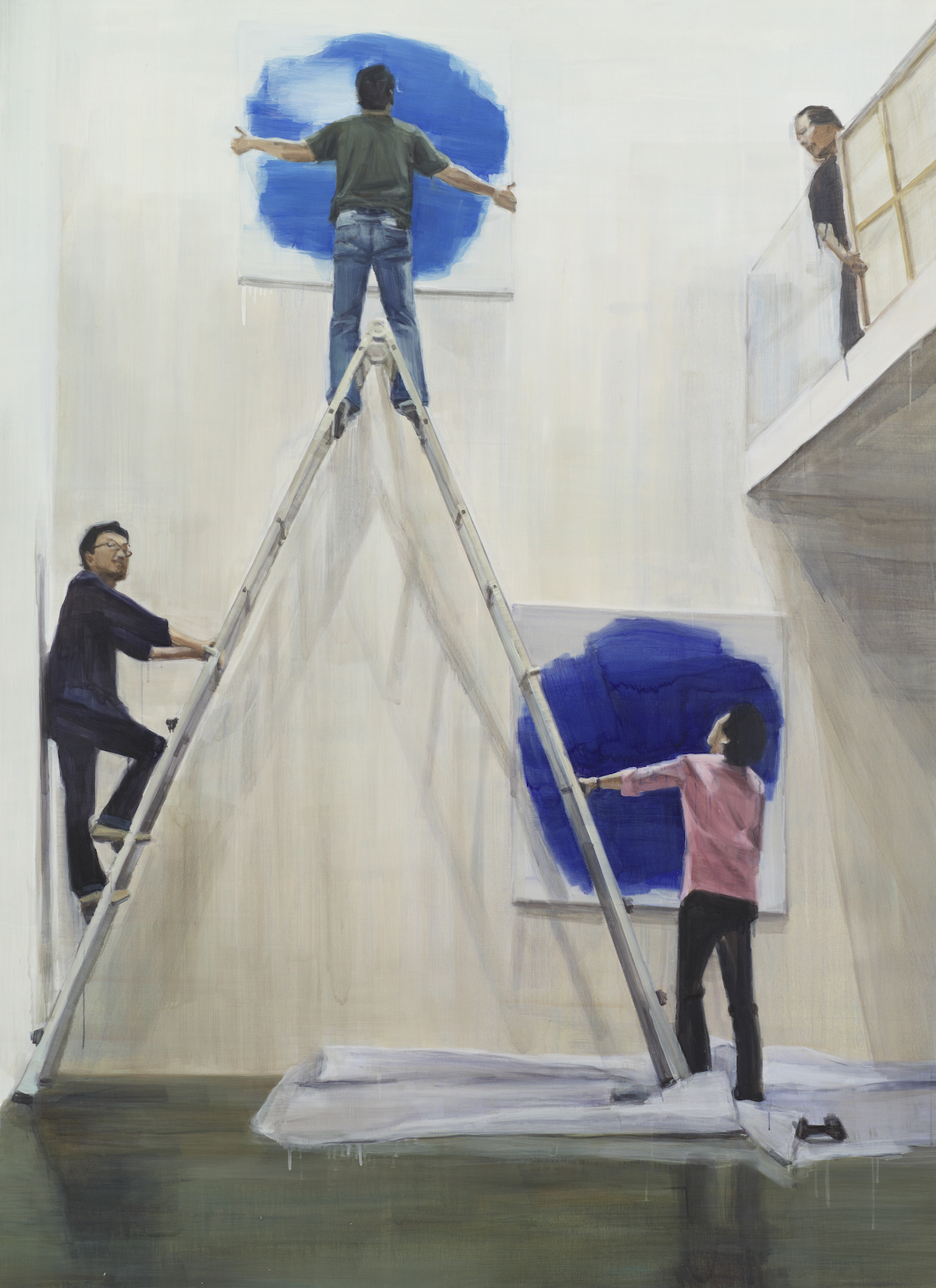
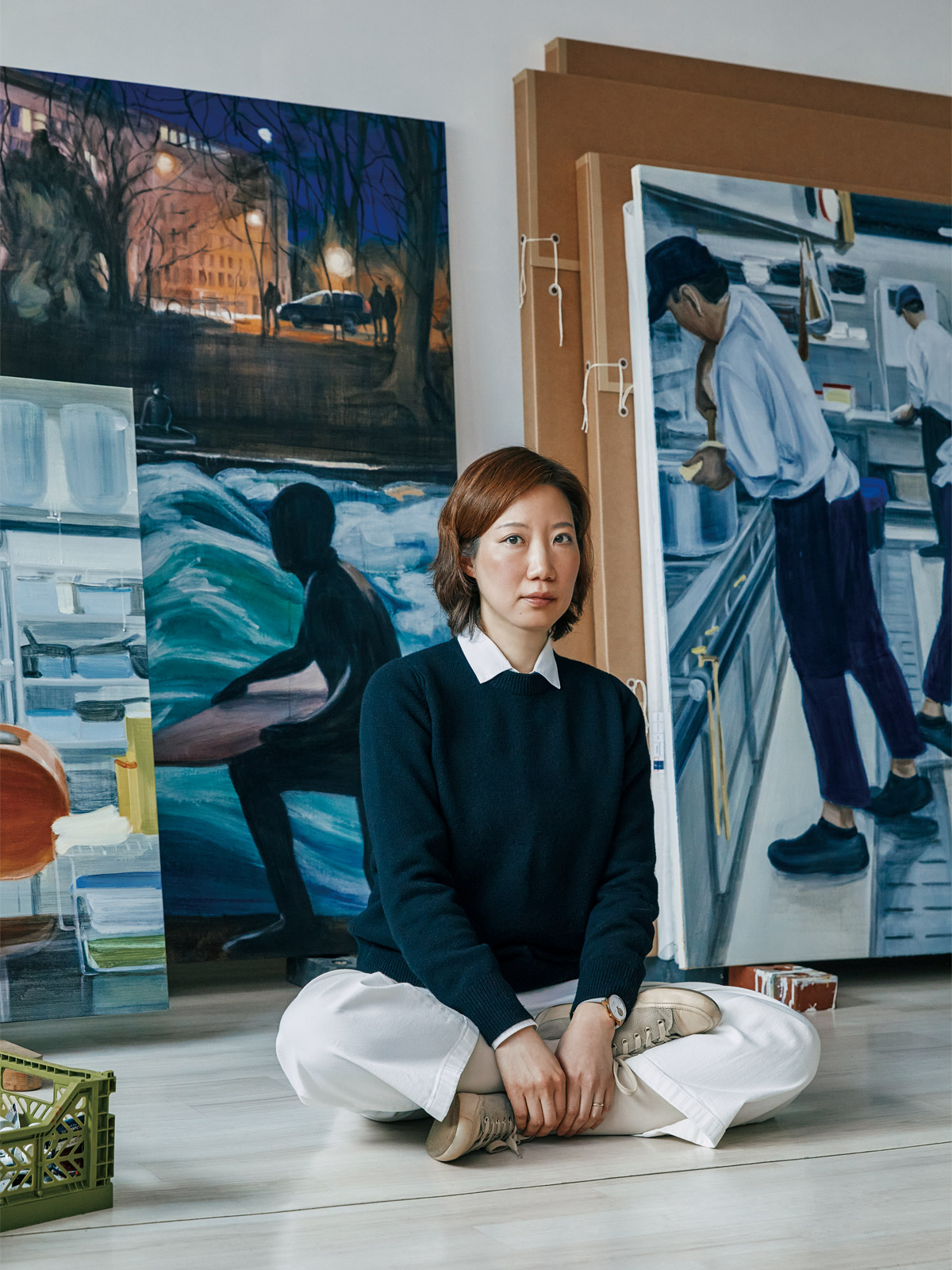
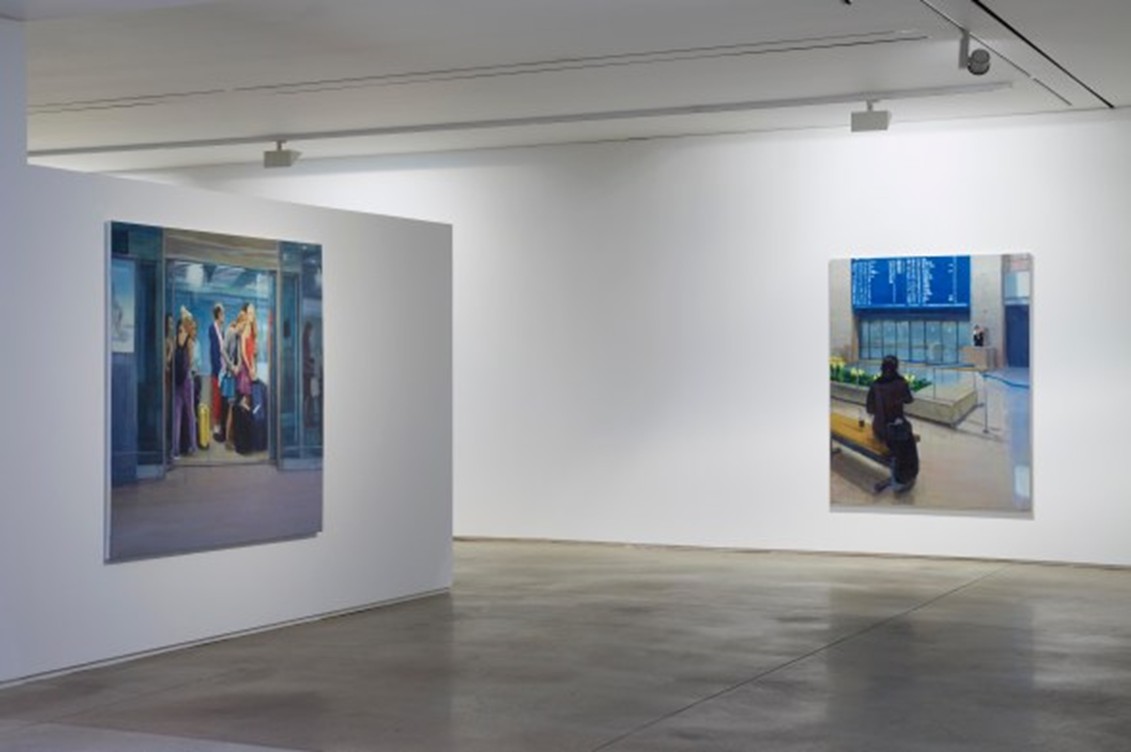
Jina Park captures countless fleeting moments of everyday life through photography and reconstructs them into paintings. She focuses on everyday places where something is happening, such as the scenes of museums preparing for exhibitions, the strangers at airports, and the backstage of film sets. Jina Park's work begins with carrying a camera in everyday life, recording serendipitous, fleeting moments as snapshots. For her, the function of photography lies in seizing accidental scenes that might otherwise escape the naked eye, preserving images in a "state of transition."
 
Park defines painting as "both image and material," and she has consistently focused on the unique materiality of the painting. The chance moments recorded through photography are later layered over time onto the canvas through the materiality of paint, acquiring a new temporality and physicality in the process.

Solo Exhibitions (Brief)

Park’s major solo exhibitions include “Human Lights” (2021) at Kukje Gallery, Busan; “People Gathered Under the Lights” (2018) at Hapjungjigu, Seoul; “Neon Grey Terminal” (2014) at HITE Collection, Seoul; and “Snaplife” (2010) at Sungkok Art Museum, Seoul.

Group Exhibitions (Brief)

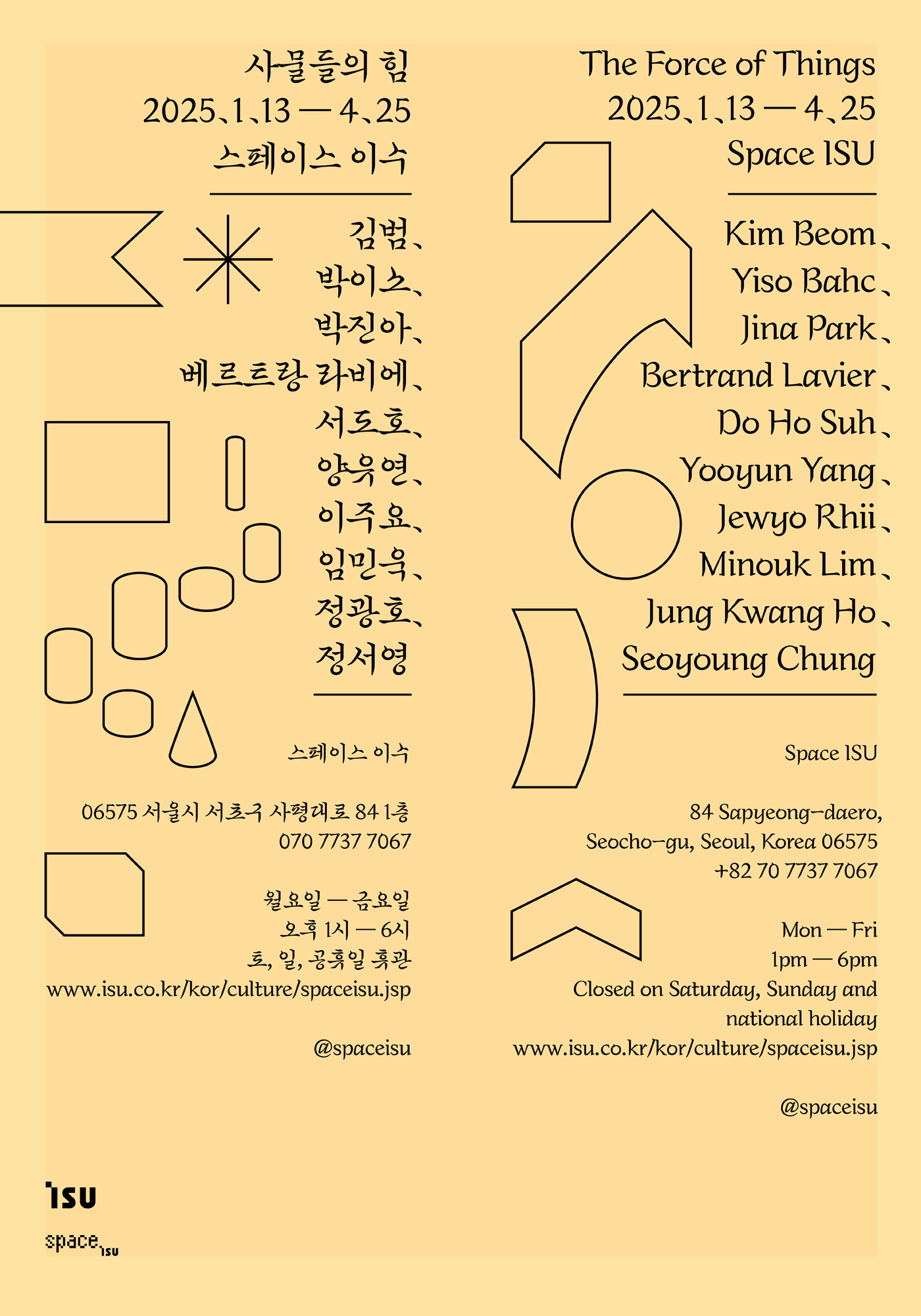
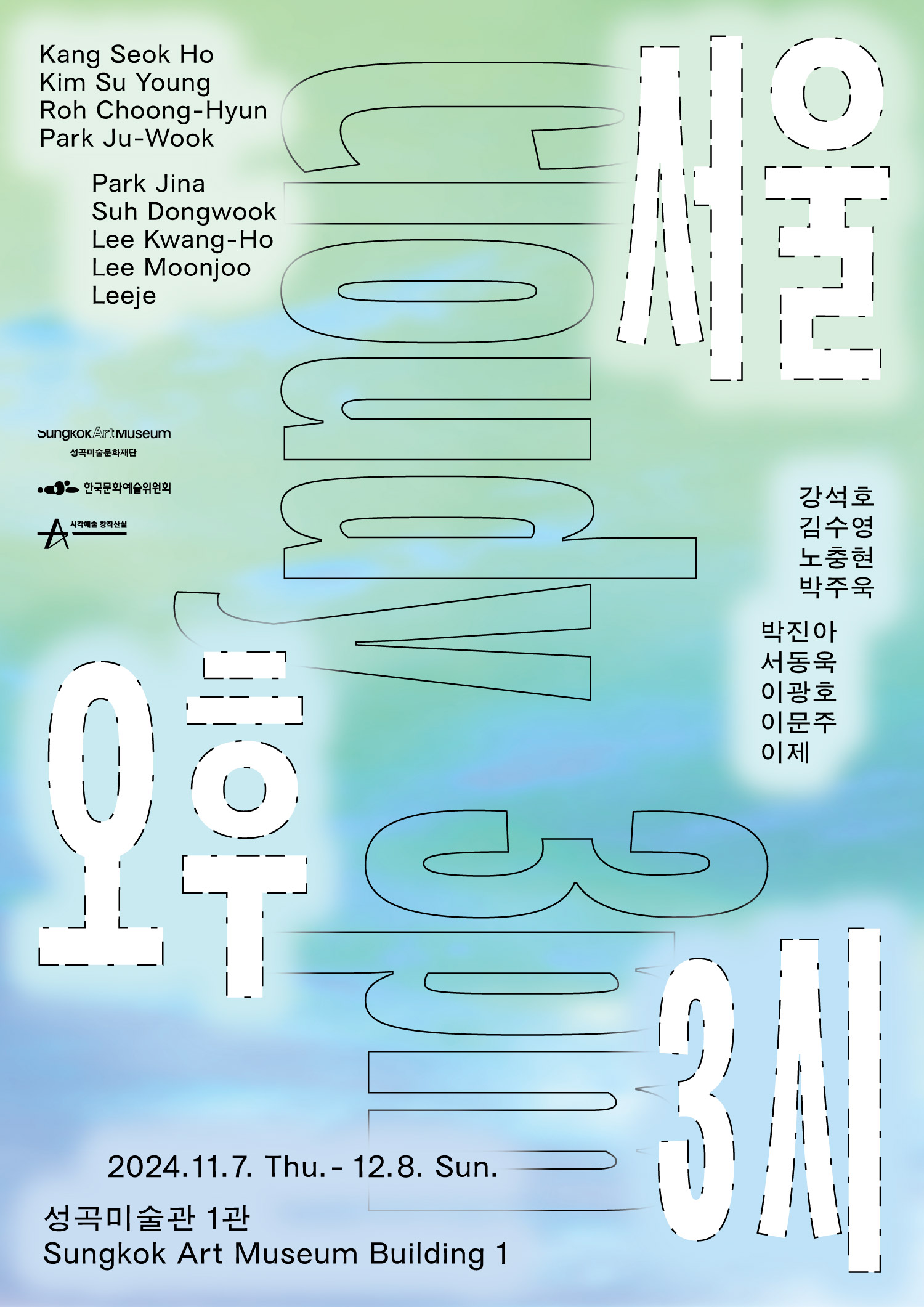
Park has also participated in numerous group exhibitions and events, including Sungkok Art Museum (2024), Busan Museum of Art (2023), Seoul National University Museum of Art (2023), Daegu Art Museum (2022), Incheon Art Platform (2021), Museum SAN (2020), SeMA Storage (2019), Plateau (2015), plan.d. produzentengalerie e.V., Düsseldorf (2015), National Museum of Modern and Contemporary Art, Korea (2015), ARKO Art Center (2014), and Gwangju Biennale (2008).

Awards (Selected)

In 2010, Park was nominated as one of the finalists for the Hermès Foundation Art Prize (Missulsang).

Collections (Selected)

Park’s works are in the permanent collections of the Seoul Museum of Art; National Museum of Modern and Contemporary Art, Korea; Daegu Art Museum; and Kumho Museum of Art, among others. 

Works of Art

Fleeting Fragments of Everyday Life

Originality & Identity

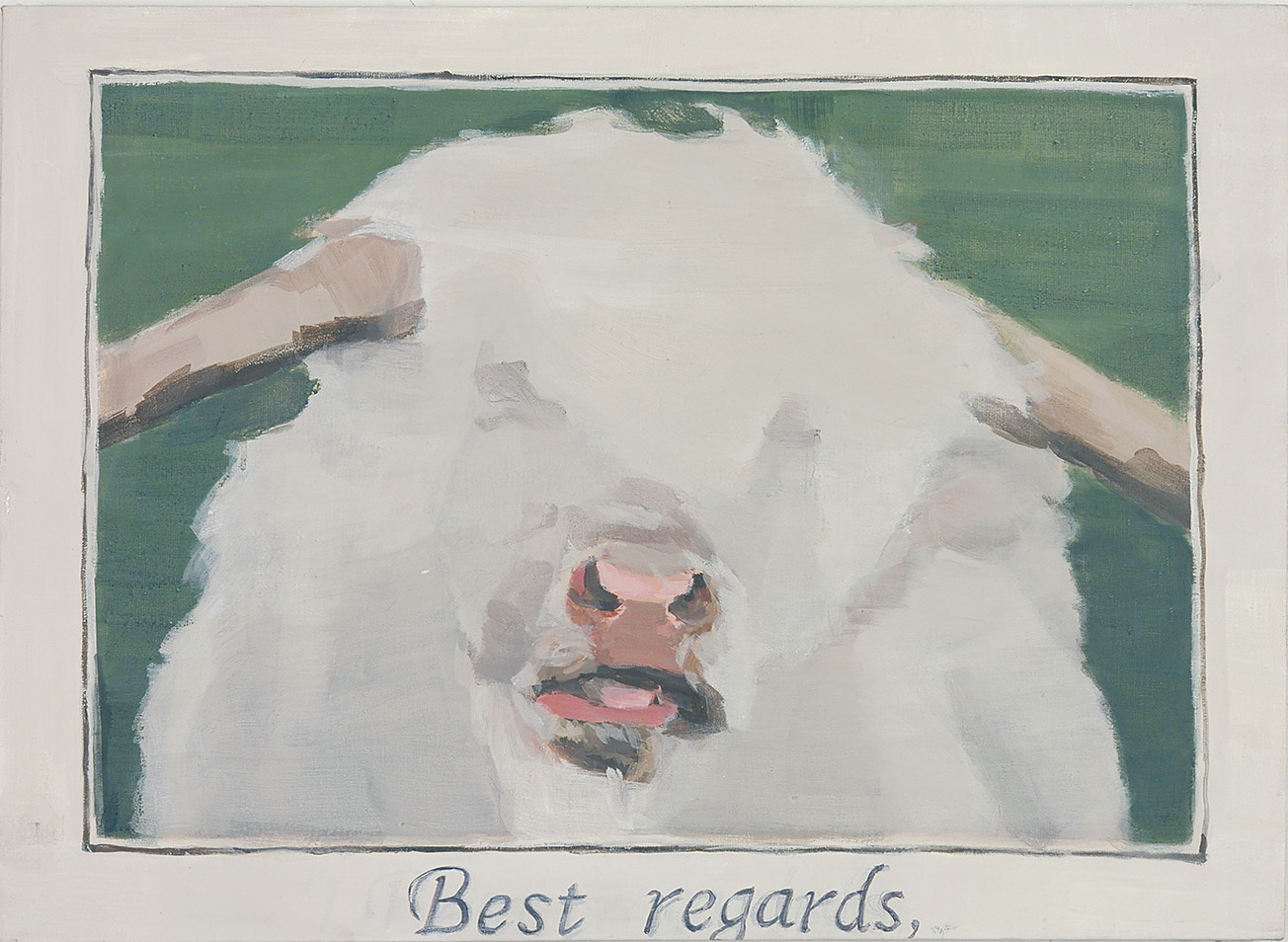
Jina Park explores the latent significance embedded in ordinary moments by capturing unposed, fleeting scenes of daily life and reconstructing them through painting. Her works often begin with snapshots or found images—fragments of everyday existence—and transform them into quiet yet emotionally resonant narratives. Early paintings such as Best regards(2002) and Garden(2005) reflect this introspective gaze, focusing on familiar settings and understated human relationships.

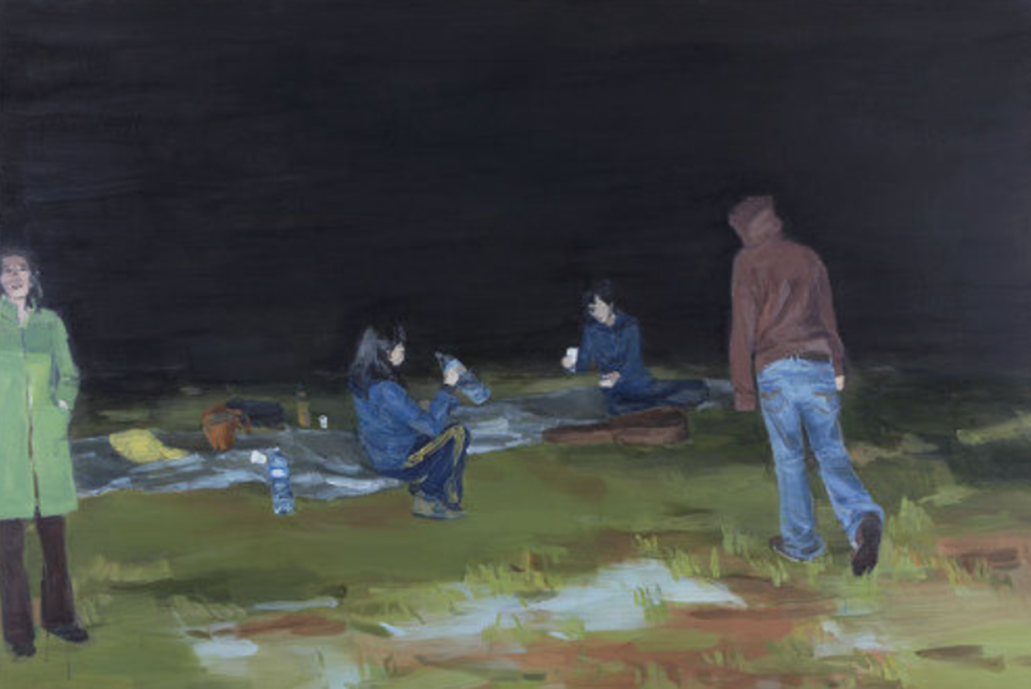
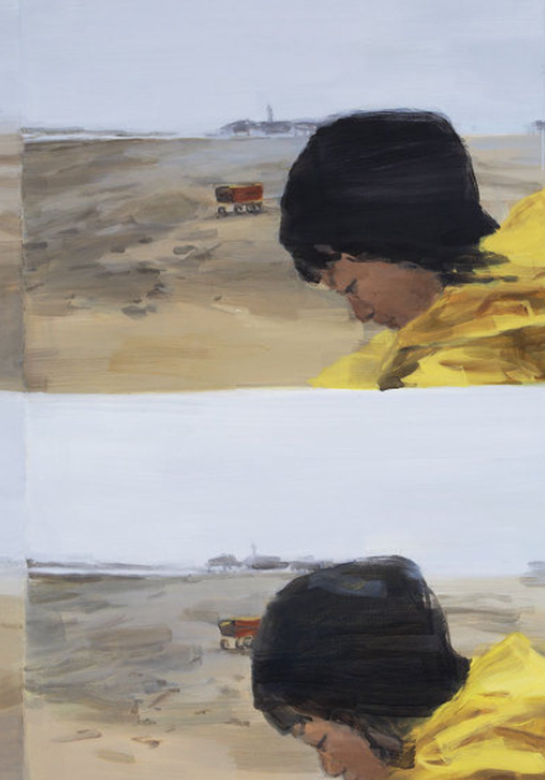
Over time, her focus shifts outward from the personal to the public, with growing attention to anonymous figures and the spaces they inhabit. The ‘Moontan’ (2007–) and ‘Lomography’ (2004–2007) series exemplify this shift, using artificial lighting and split-sequence formats to detach from realism and invoke a pictorial sensitivity. These works underscore her philosophical inquiry into the threshold between the everyday and the extraordinary, between serendipity and structure.

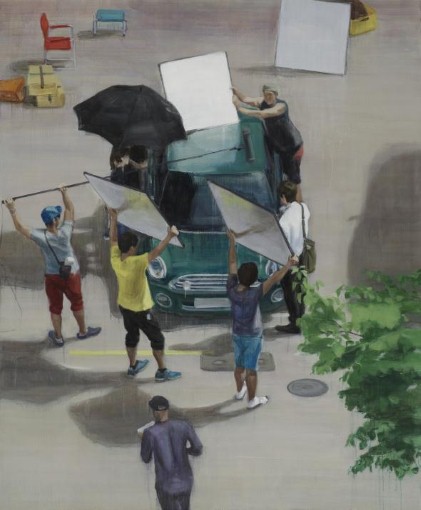
From the 2010s onward, Park increasingly turns to labor sites such as museums, airports, and film sets, capturing ephemeral gestures rather than defining narratives. Works like Crew(2015) and Summer Shooting(2015) present rehearsal and production scenes from a detached vantage point, highlighting transient interactions within structured environments. Rather than portraying characters, Park isolates gestures and bodily postures as markers of presence within broader systems of work and time.

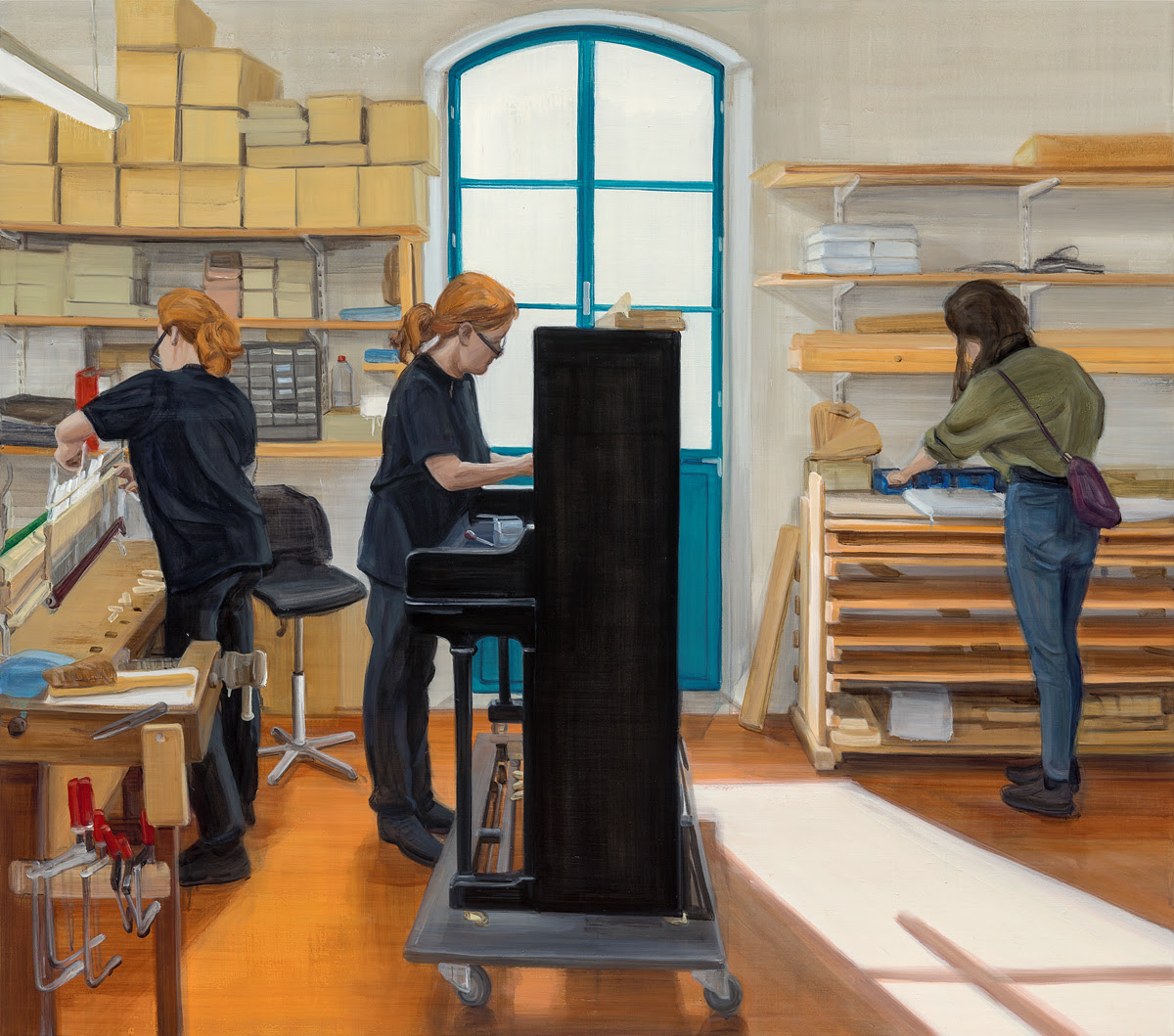
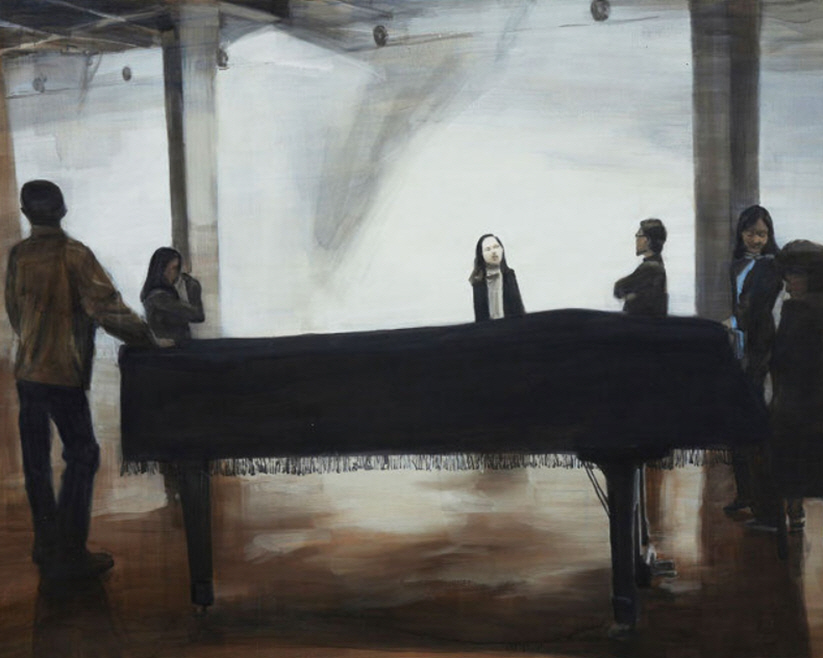
In her recent works, Jina Park continues to focus on unseen scenes—sites of labor behind the stage, inside kitchens, and within exhibition halls. In her latest solo exhibition 《Rock, Smoke, and Pianos》 (2024, Kukje Gallery, Seoul), she connects three distinct spaces—art museum galleries, restaurant kitchens, and piano factories—through the metaphors of “rock,” “smoke,” and “piano.”

Each of these sites shares a common characteristic: they are spaces of invisible labor, situated behind boundaries marked “authorized personnel only.” Park transforms meaningless gestures, hazy memories, and backgrounded scenes from these spaces into sensory paintings, reinterpreting their narrative potential. While maintaining a deliberate distance as an observer, she subtly conveys the density of time and the emotional temperature embedded within these environments, deepening the thematic complexity of her work.

Style & Contents

Park defines painting as both “image and material,” and her work exemplifies a hybrid language where photographic immediacy and painterly tactility coexist. The ‘Lomography’ series uses four-lens film cameras to capture sequential movement, translated into paintings that compress multiple temporalities within a single surface.

In works like View to the Runway(2013) and Summer Shooting, compositional distortions and flash-induced lighting effects further dissolve realism into a layered visual field.
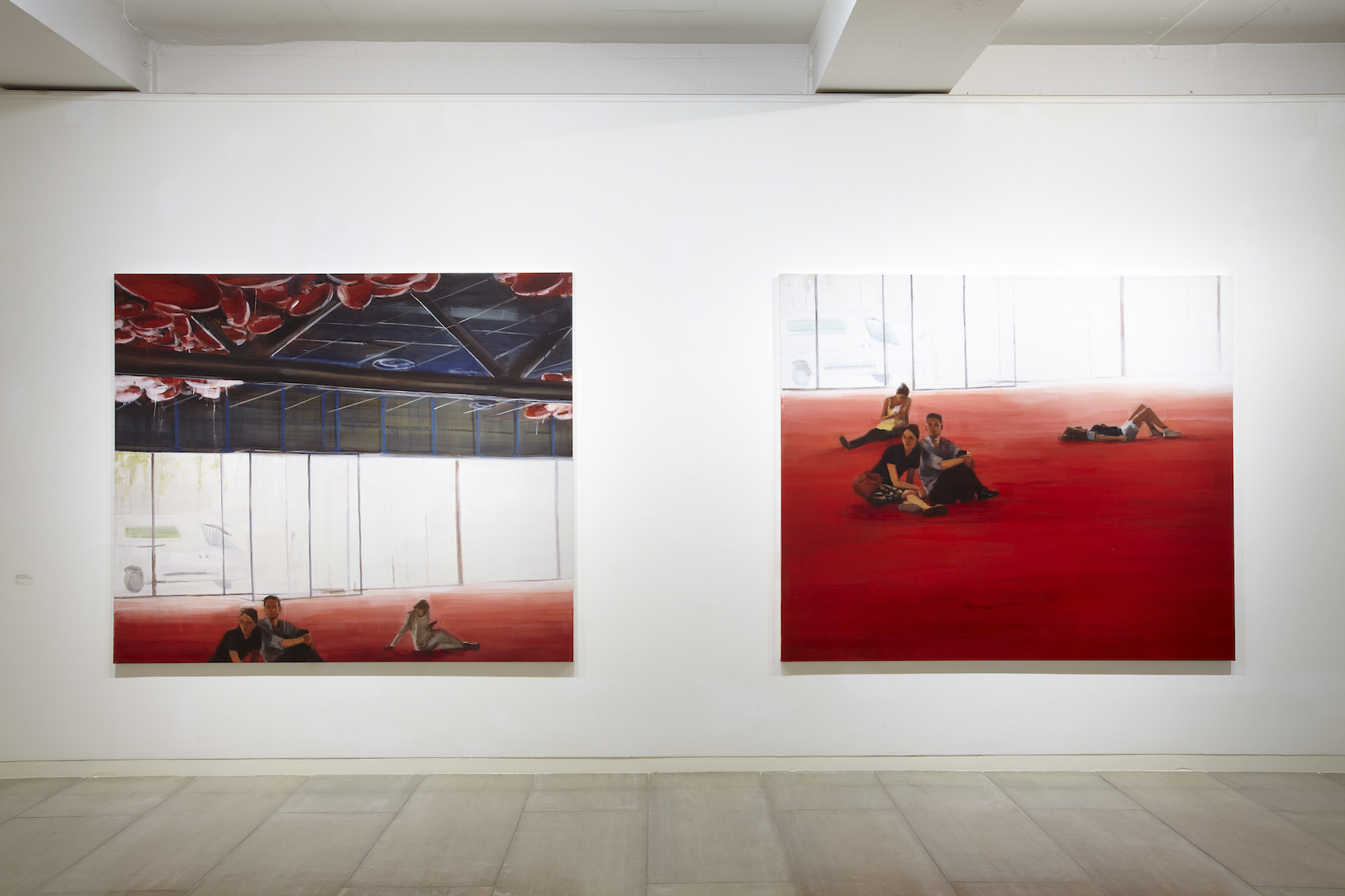
Rather than delving into the psychology of her subjects, Park renders anonymous figures with a landscape-like detachment. In large group scenes such as Discussion(2016), she uses bird’s-eye perspectives and non-hierarchical arrangements to negate focal dominance. Simple, repetitive gestures—raising a hand, bending a head—are elevated not for symbolic weight but for their affective subtlety, structuring the emotional tone of the entire scene.

Color, brushwork, and surface texture in her paintings serve to reveal the instability of the moment. In View to the Runway, foggy hues and spatial flattening reflect the disorientation of liminal transit zones.

The emotional undercurrents of nocturnal time are evident in the Moontan series and the solo exhibition 《Human Lights》 (2021, Kukje Gallery, Busan), where artificial light transforms figures into stage-like silhouettes. Park’s refusal to present painting as a mimetic medium reinforces its potential as a sensory, material event.

Topography & Continuity

Since the early 2000s, Jina Park has consistently approached painting as a medium that transforms incidental moments into enduring material impressions. Her sustained interest in unposed gestures, blurred boundaries, and layered compositions articulates a distinct painterly language rooted in “respect for the ordinary.”

Park’s mode of documentation—non-theatrical, observational, and affectively restrained—has remained constant even as her subject matter expanded from personal settings to broader social spaces.

Her compositional devices—overlapping figures, absence of centralized focus, repeated postures—signal a deep engagement with the medium’s structure rather than narrative content. From intimate early works to complex scenes in 《People Gathered Under the Lights》 (2018, Hapjungjigu, Seoul) and 《Rock, Smoke, and Pianos》 (2024), Park balances temporal density with spatial flatness, allowing her paintings to operate as both record and reflection.

With works in the permanent collections of leading Korean institutions such as the National Museum of Modern and Contemporary Art, Seoul Museum of Art, and Daegu Art Museum, Park occupies a critical position in the field of contemporary Korean painting. Her continued exploration of the painterly potential to document, abstract, and evoke ephemeral human experiences positions her practice for broader international resonance—particularly in dialogues concerning labor, memory, and the poetics of the everyday.

Works of Art

Fleeting Fragments of Everyday Life

Articles

Exhibitions

Activities