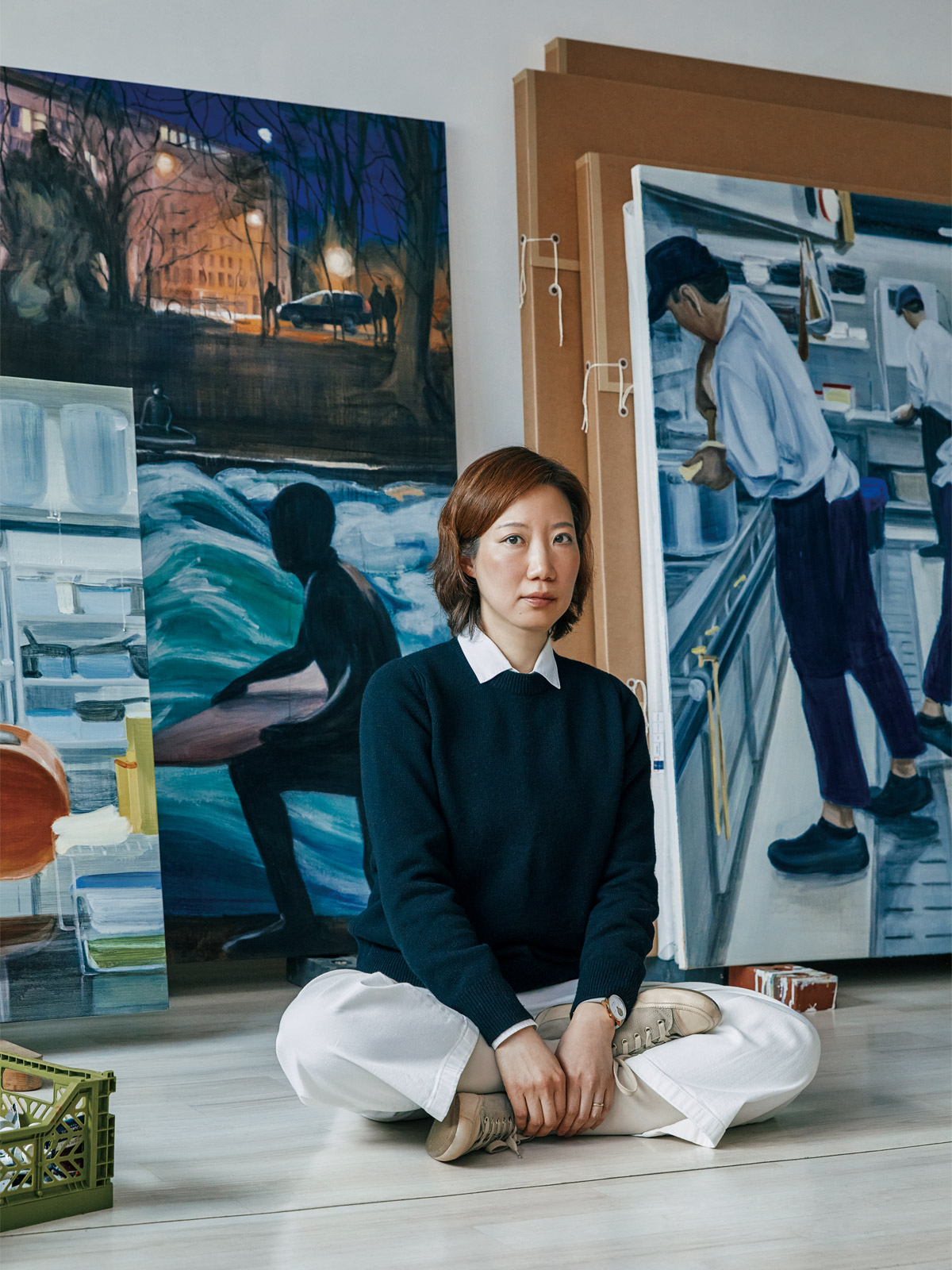
Jina Park
explores the latent significance embedded in ordinary moments by capturing
unposed, fleeting scenes of daily life and reconstructing them through
painting. Her works often begin with snapshots or found images—fragments of
everyday existence—and transform them into quiet yet emotionally resonant
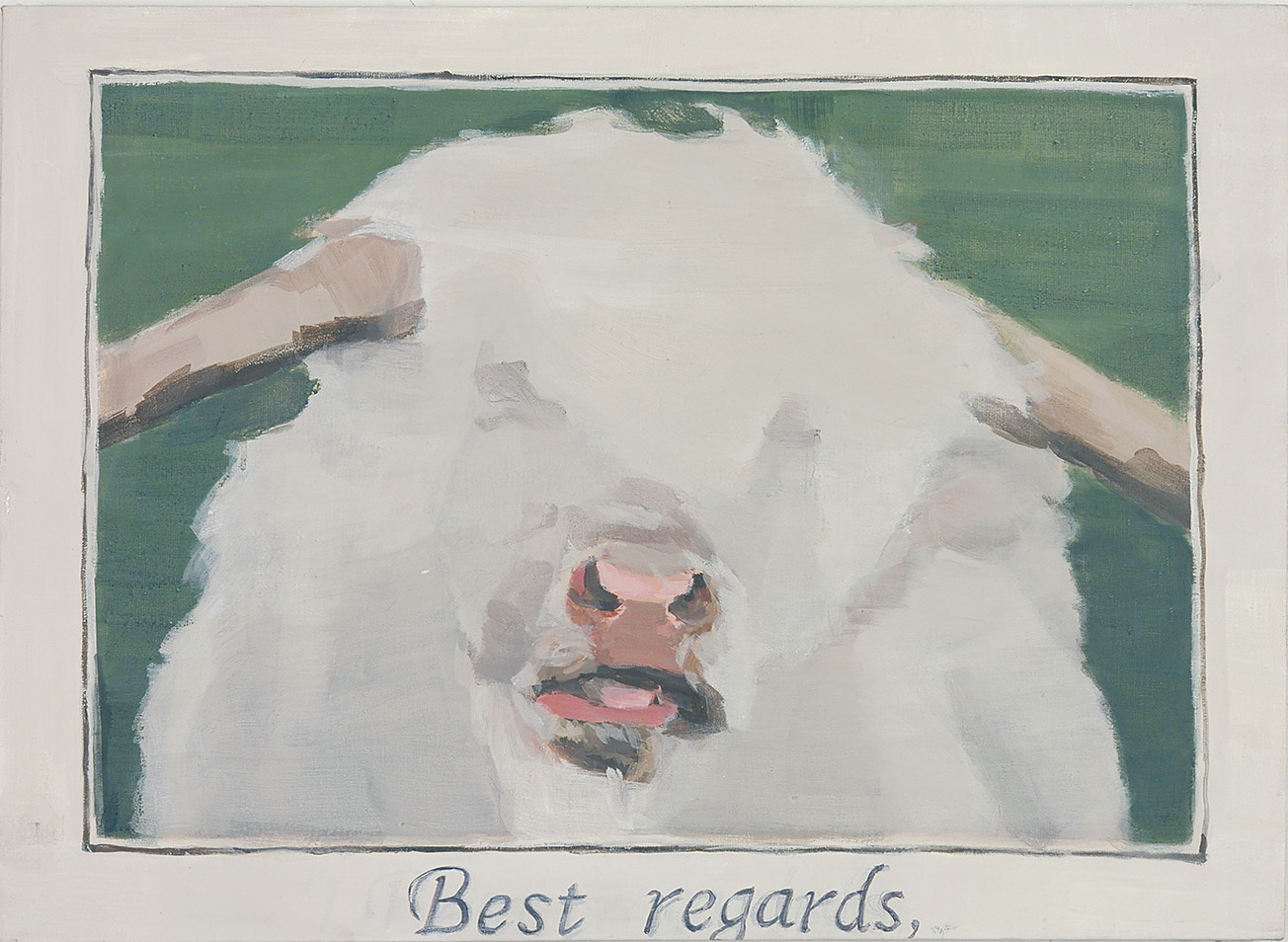
narratives. Early paintings such as Best regards(2002) and Garden(2005)
reflect this introspective gaze, focusing on familiar settings and understated
human relationships.
Over time,
her focus shifts outward from the personal to the public, with growing
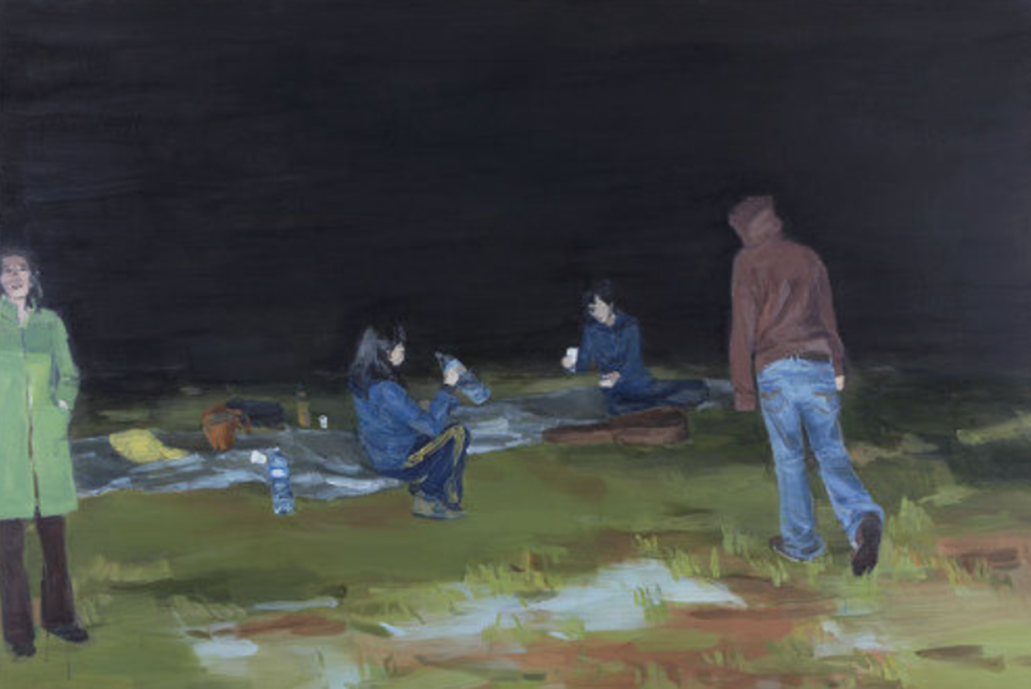
attention to anonymous figures and the spaces they inhabit. The ‘Moontan’
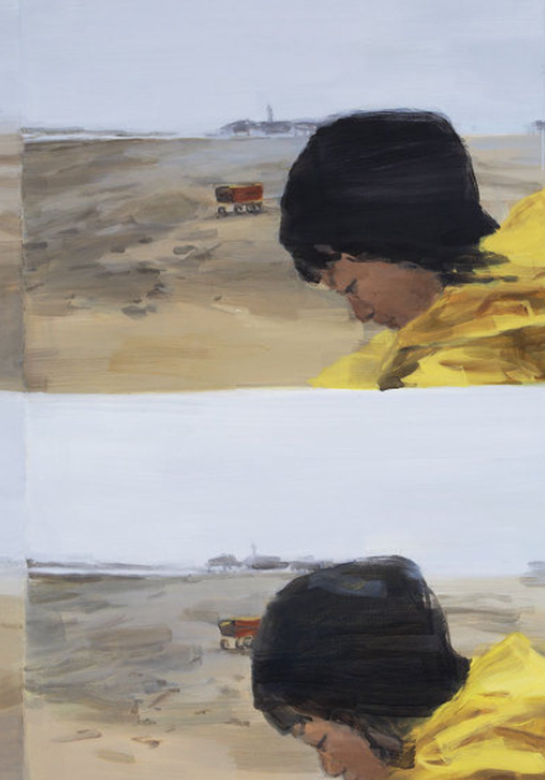
(2007–) and ‘Lomography’ (2004–2007) series exemplify this shift, using
artificial lighting and split-sequence formats to detach from realism and
invoke a pictorial sensitivity. These works underscore her philosophical
inquiry into the threshold between the everyday and the extraordinary, between
serendipity and structure.
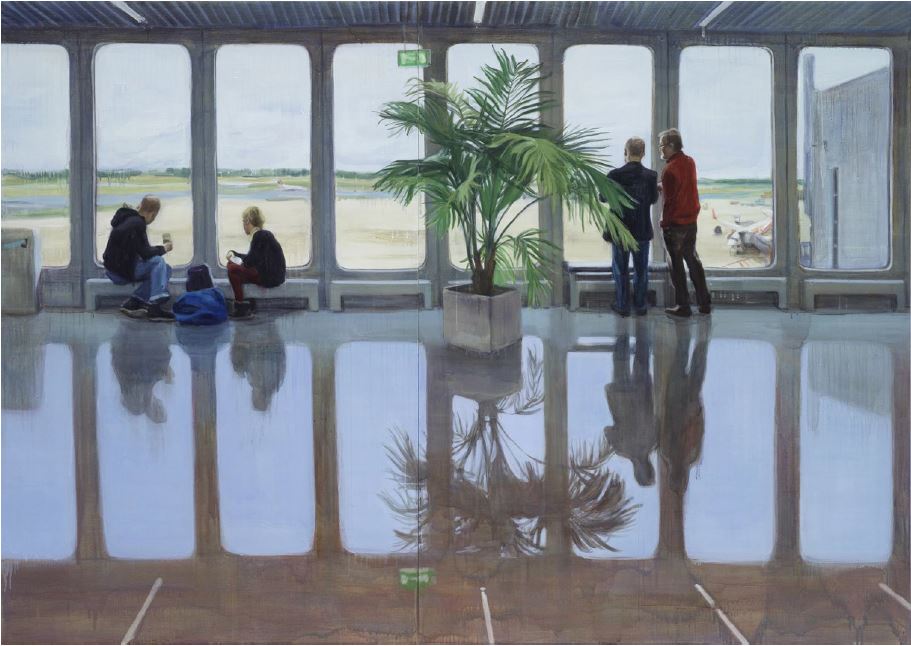
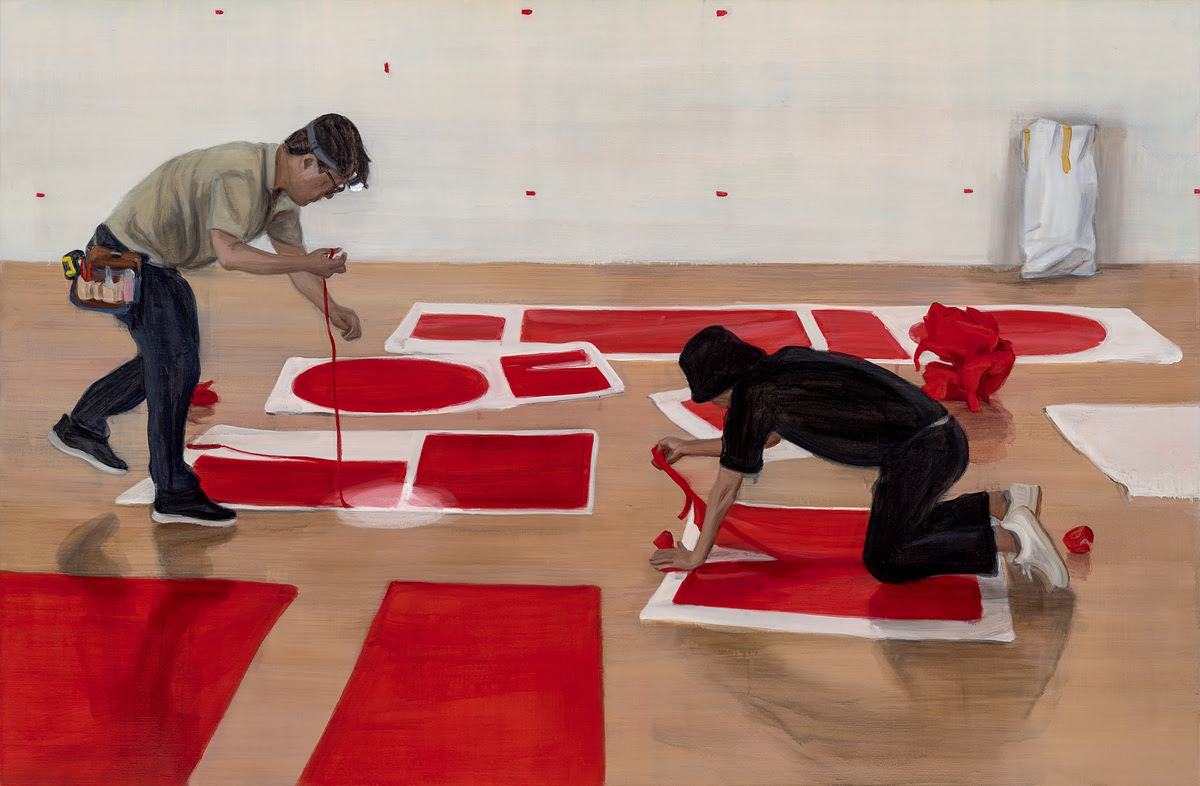
From the
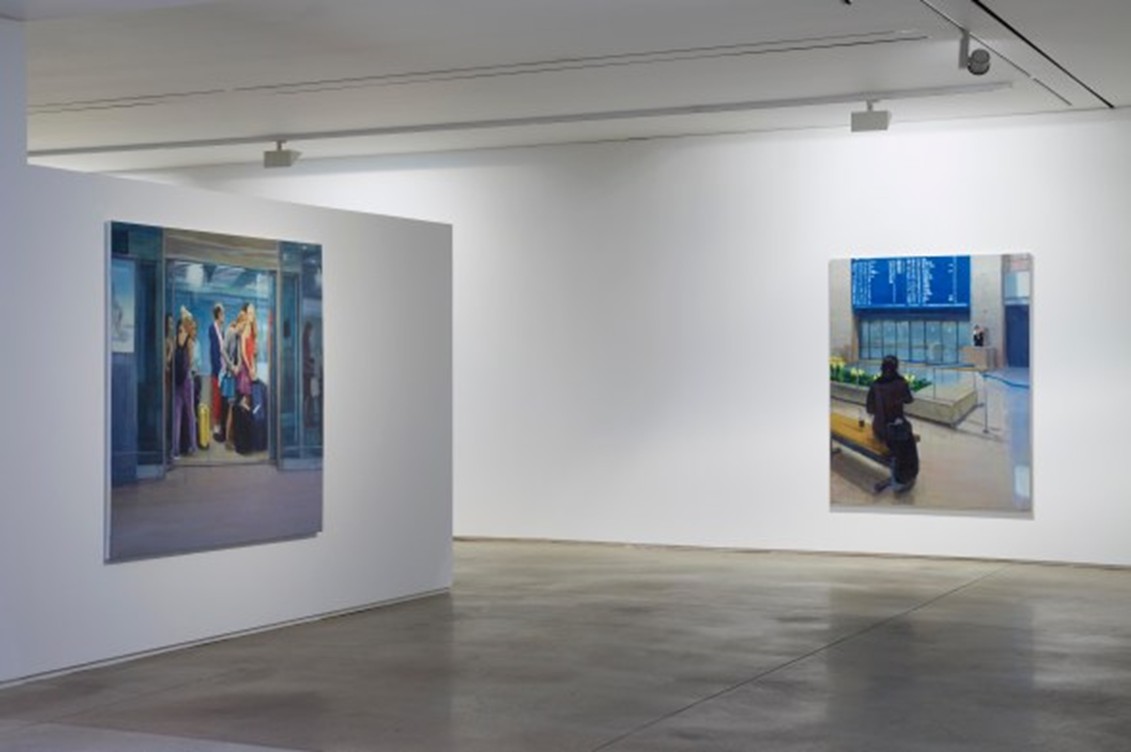
2010s onward, Park increasingly turns to labor sites such as museums, airports,
and film sets, capturing ephemeral gestures rather than defining narratives.
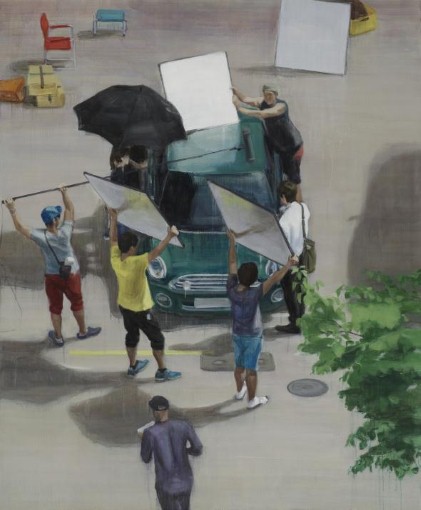
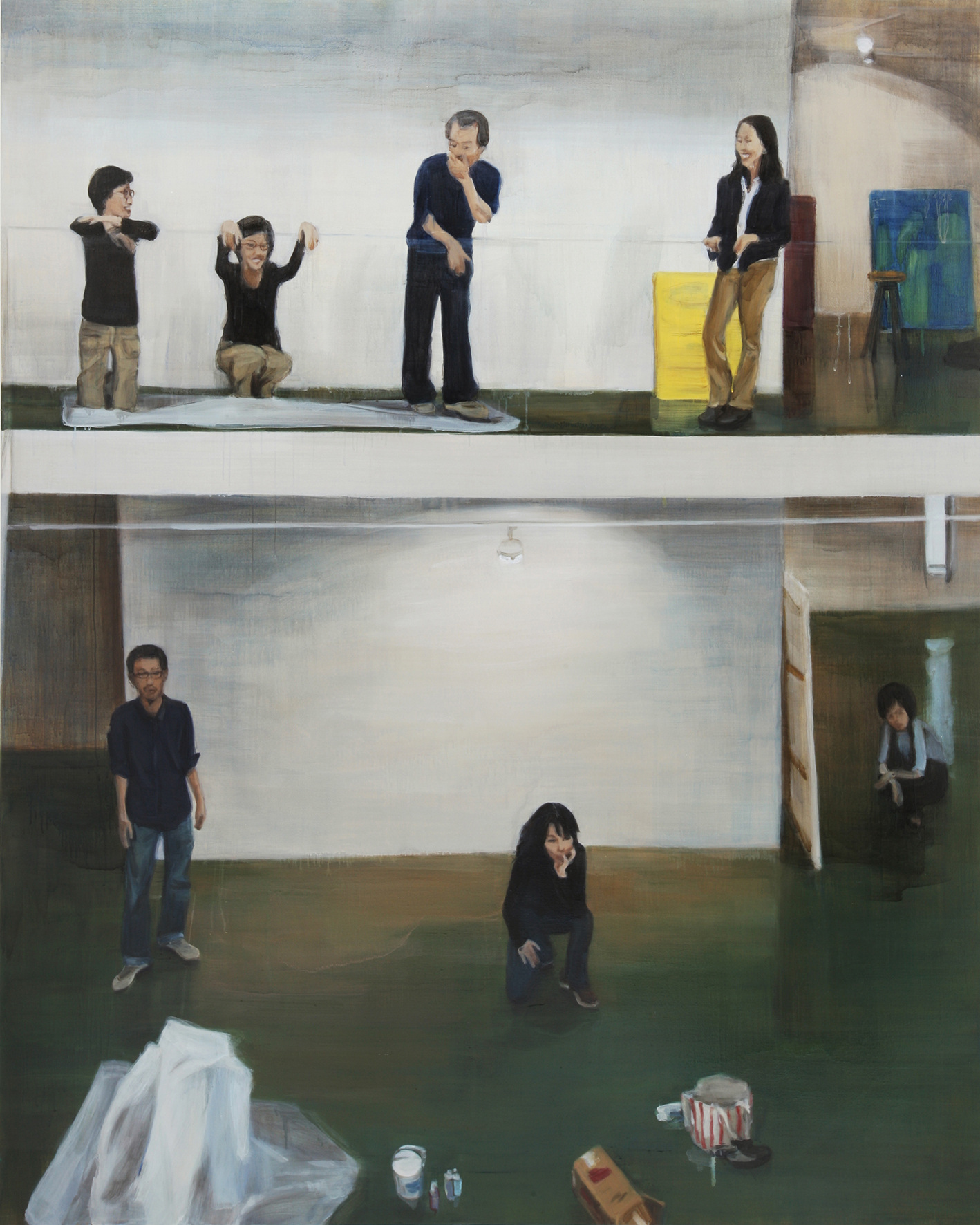
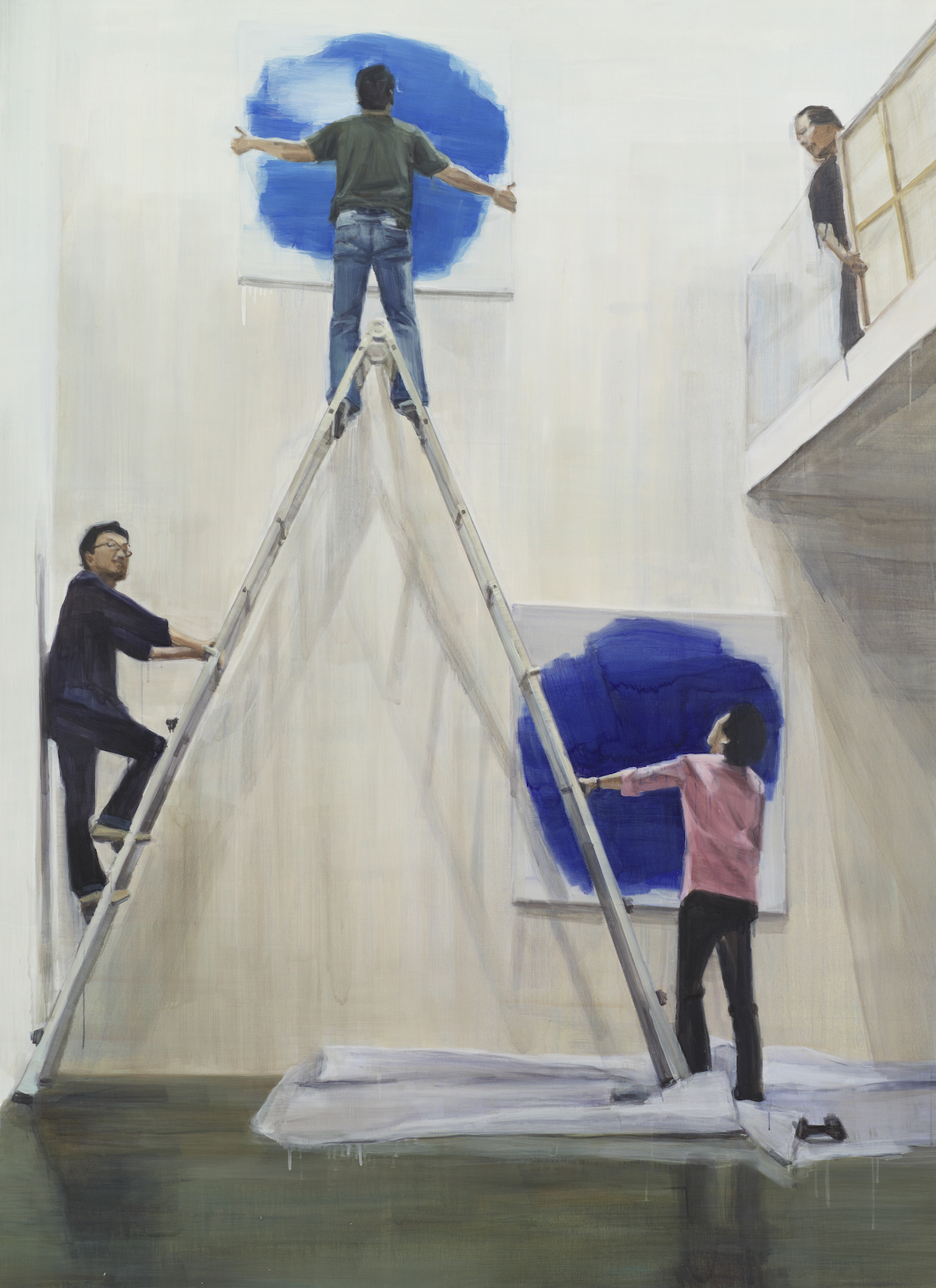
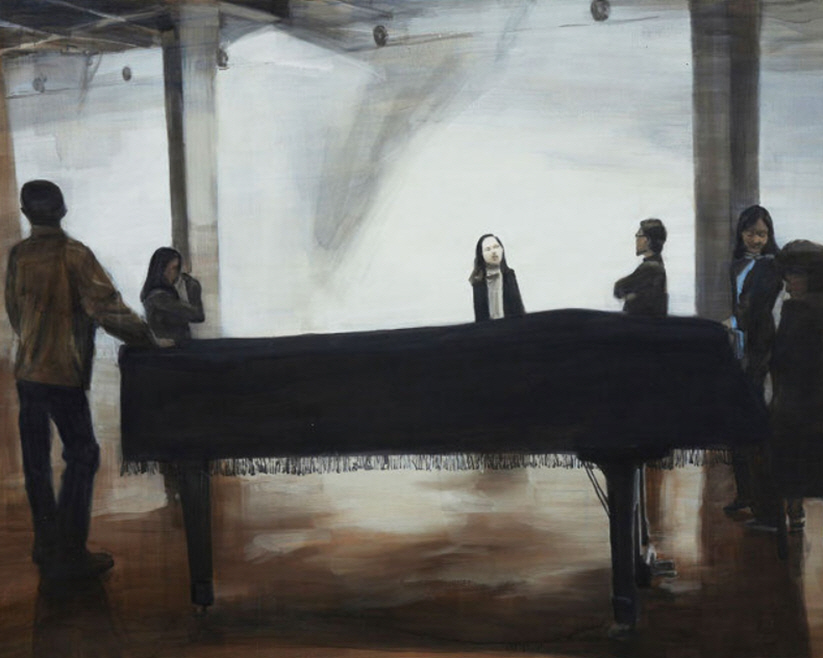
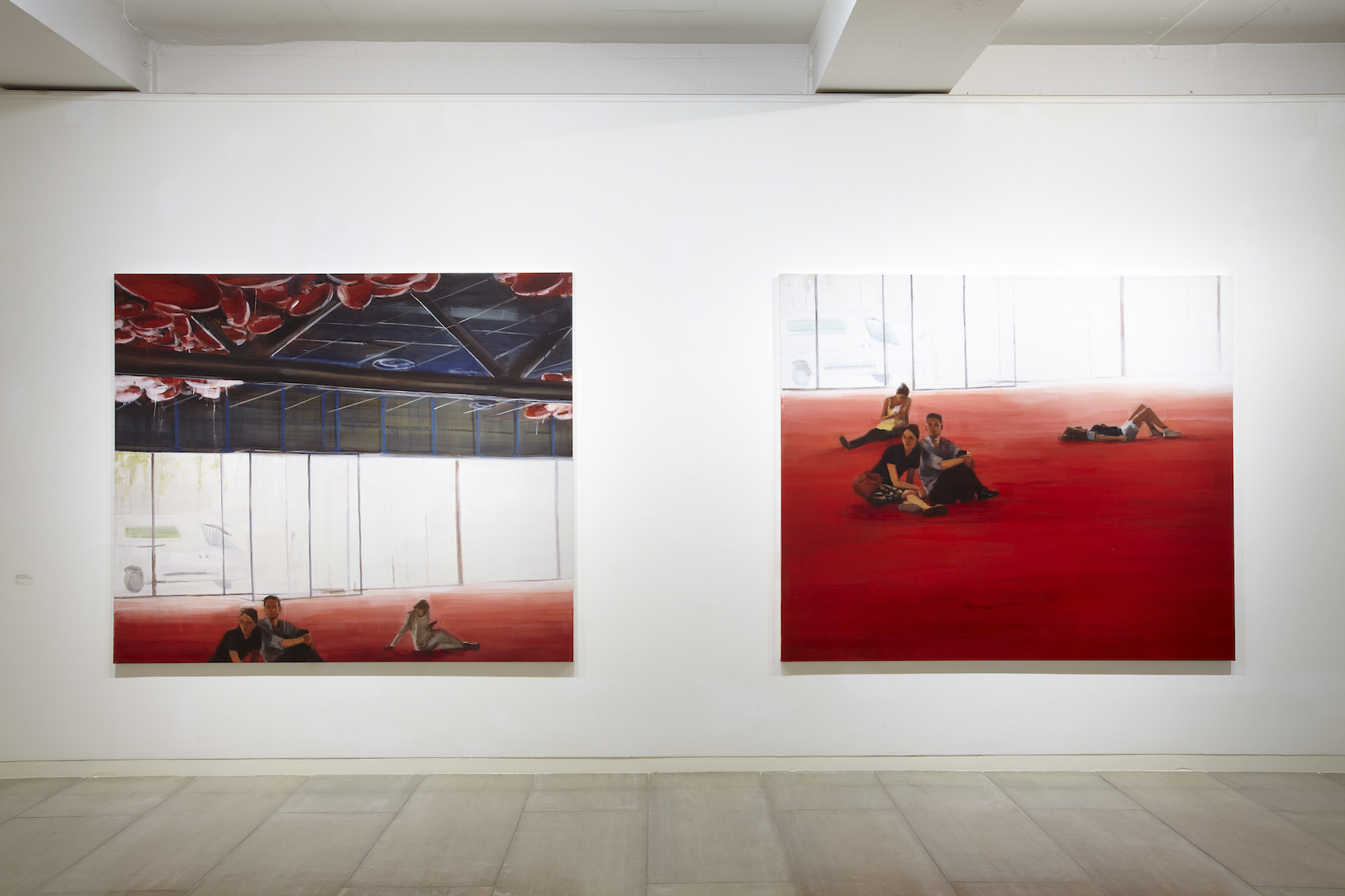
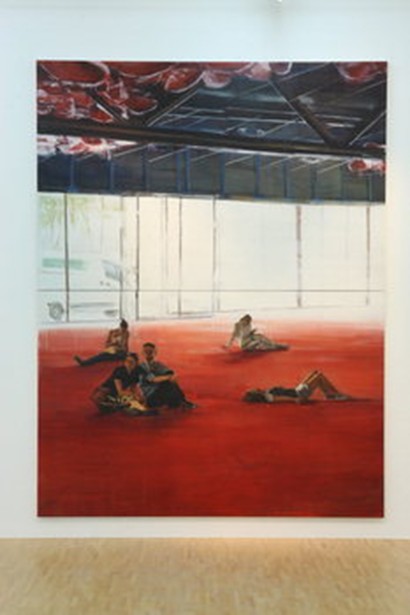
Works like Crew(2015) and Summer Shooting(2015)
present rehearsal and production scenes from a detached vantage point,
highlighting transient interactions within structured environments. Rather than
portraying characters, Park isolates gestures and bodily postures as markers of
presence within broader systems of work and time.
In her
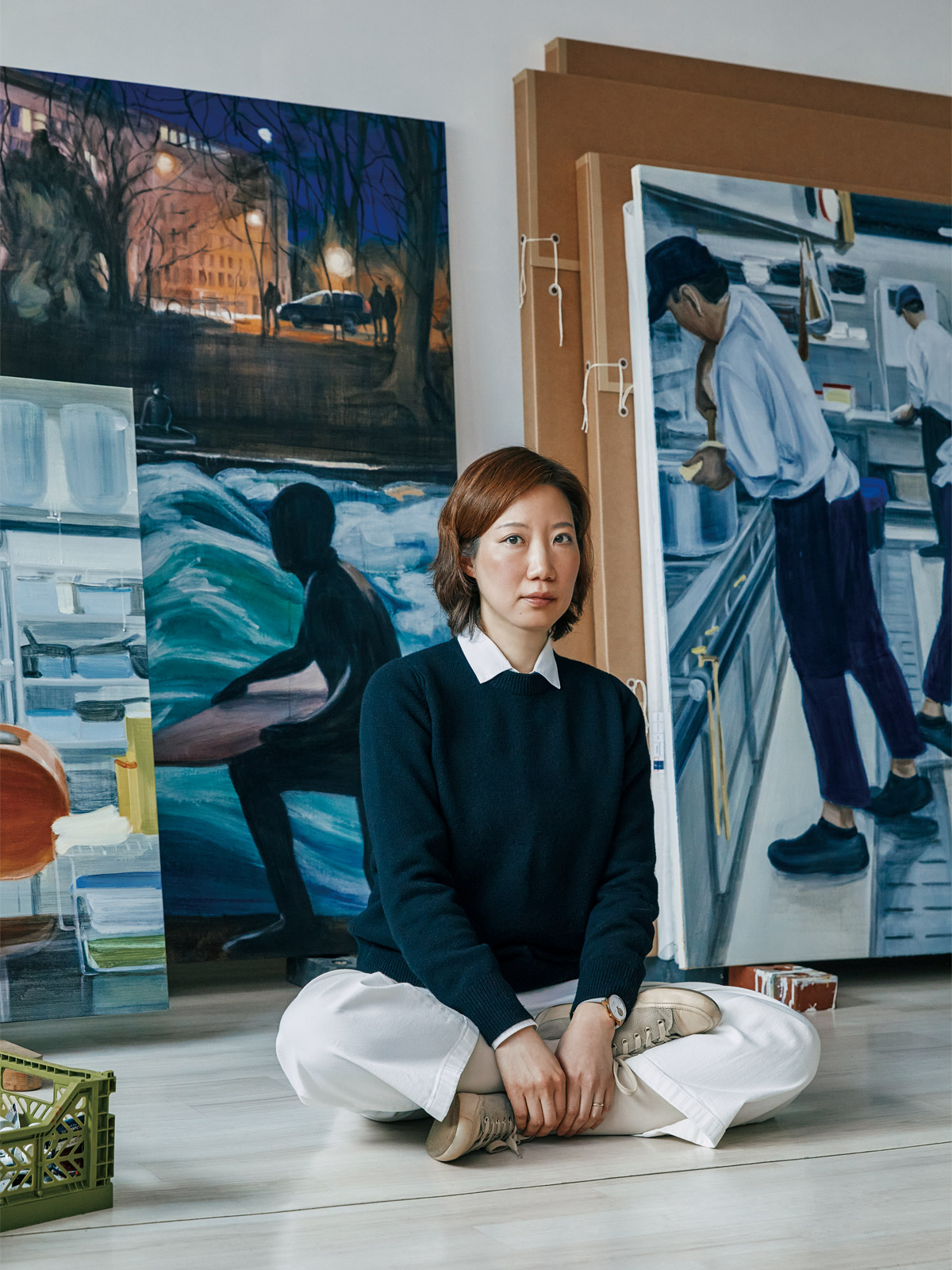
recent works, Jina Park continues to focus on unseen scenes—sites of labor
behind the stage, inside kitchens, and within exhibition halls. In her latest
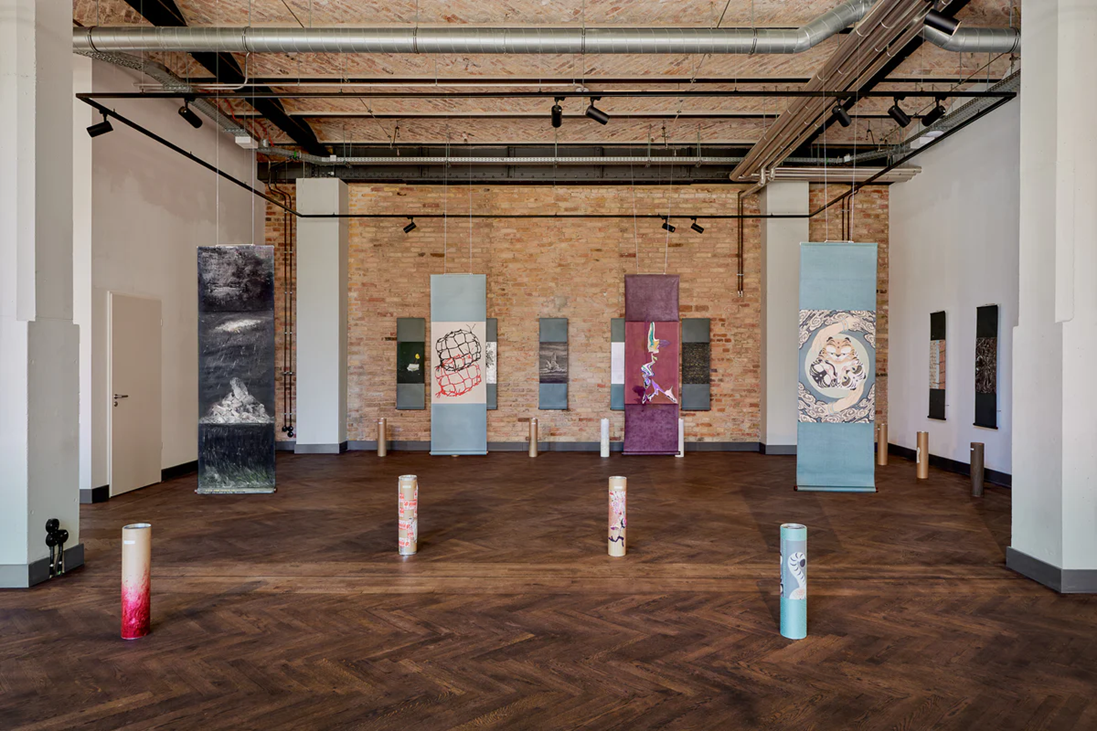
solo exhibition 《Rock, Smoke,
and Pianos》 (2024, Kukje Gallery, Seoul), she connects
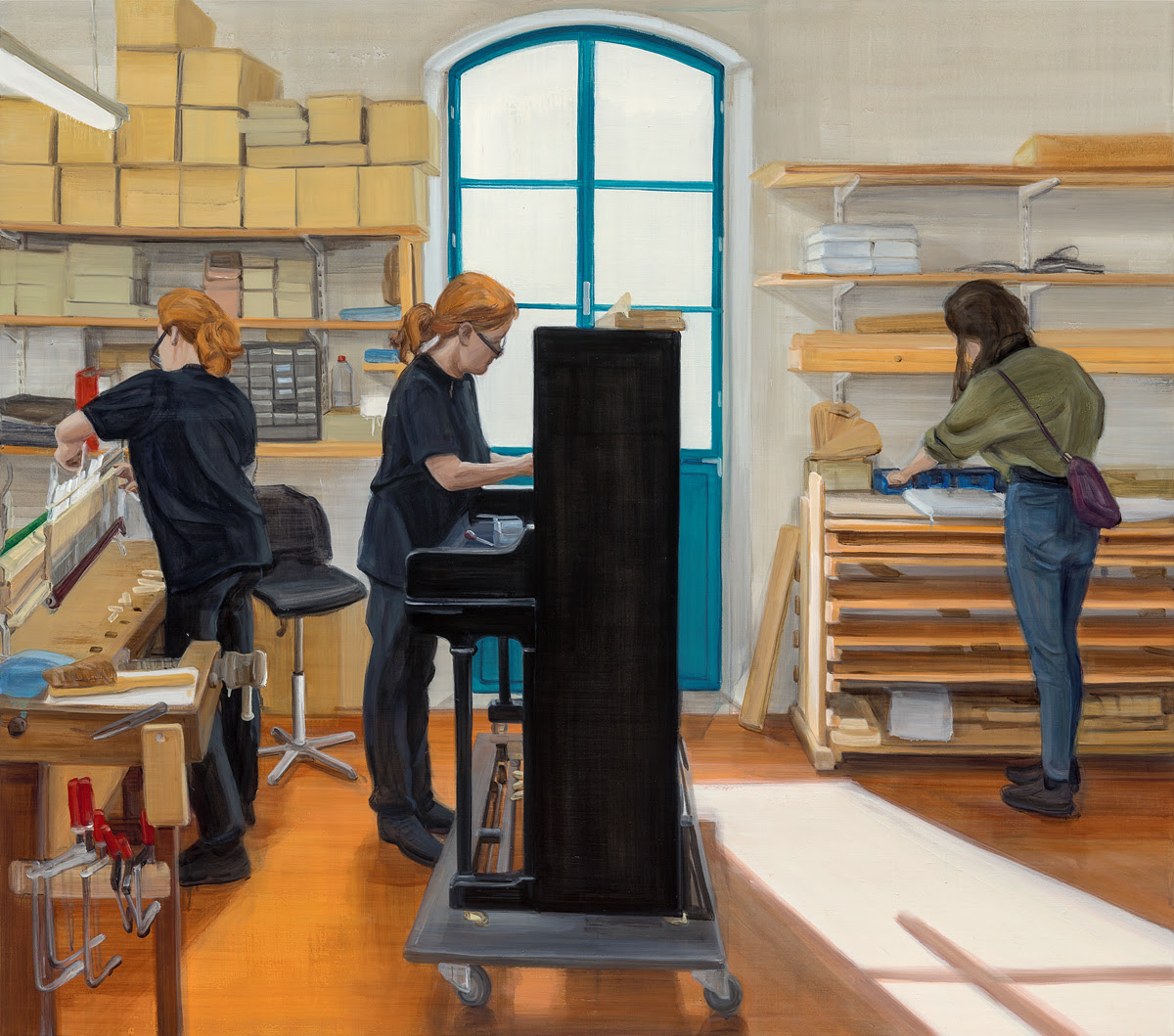
three distinct spaces—art museum galleries, restaurant kitchens, and piano
factories—through the metaphors of “rock,” “smoke,” and “piano.”
Each of
these sites shares a common characteristic: they are spaces of invisible labor,
situated behind boundaries marked “authorized personnel only.” Park transforms
meaningless gestures, hazy memories, and backgrounded scenes from these spaces
into sensory paintings, reinterpreting their narrative potential. While
maintaining a deliberate distance as an observer, she subtly conveys the
density of time and the emotional temperature embedded within these
environments, deepening the thematic complexity of her work.