Ladder - K-ARTIST

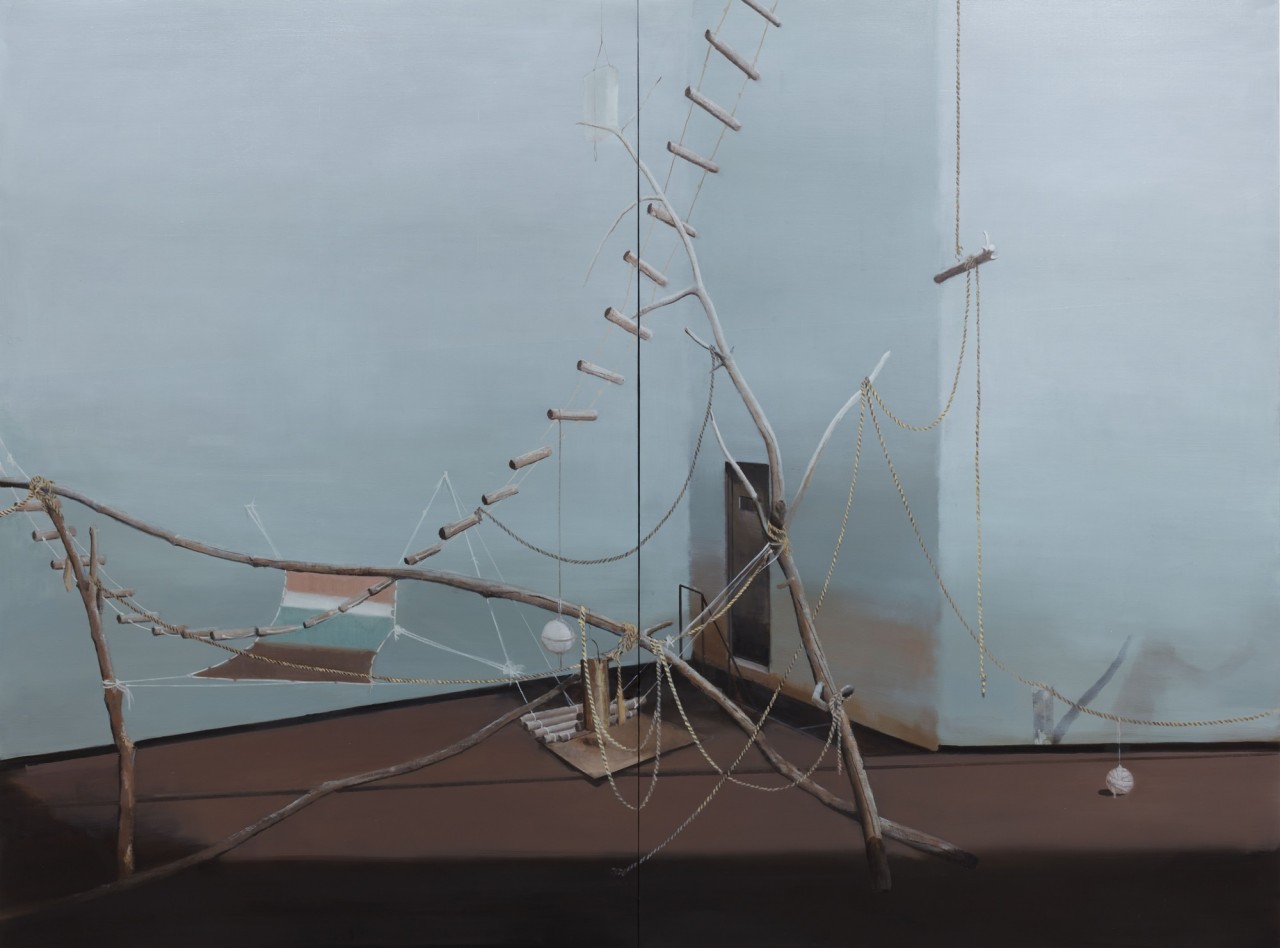
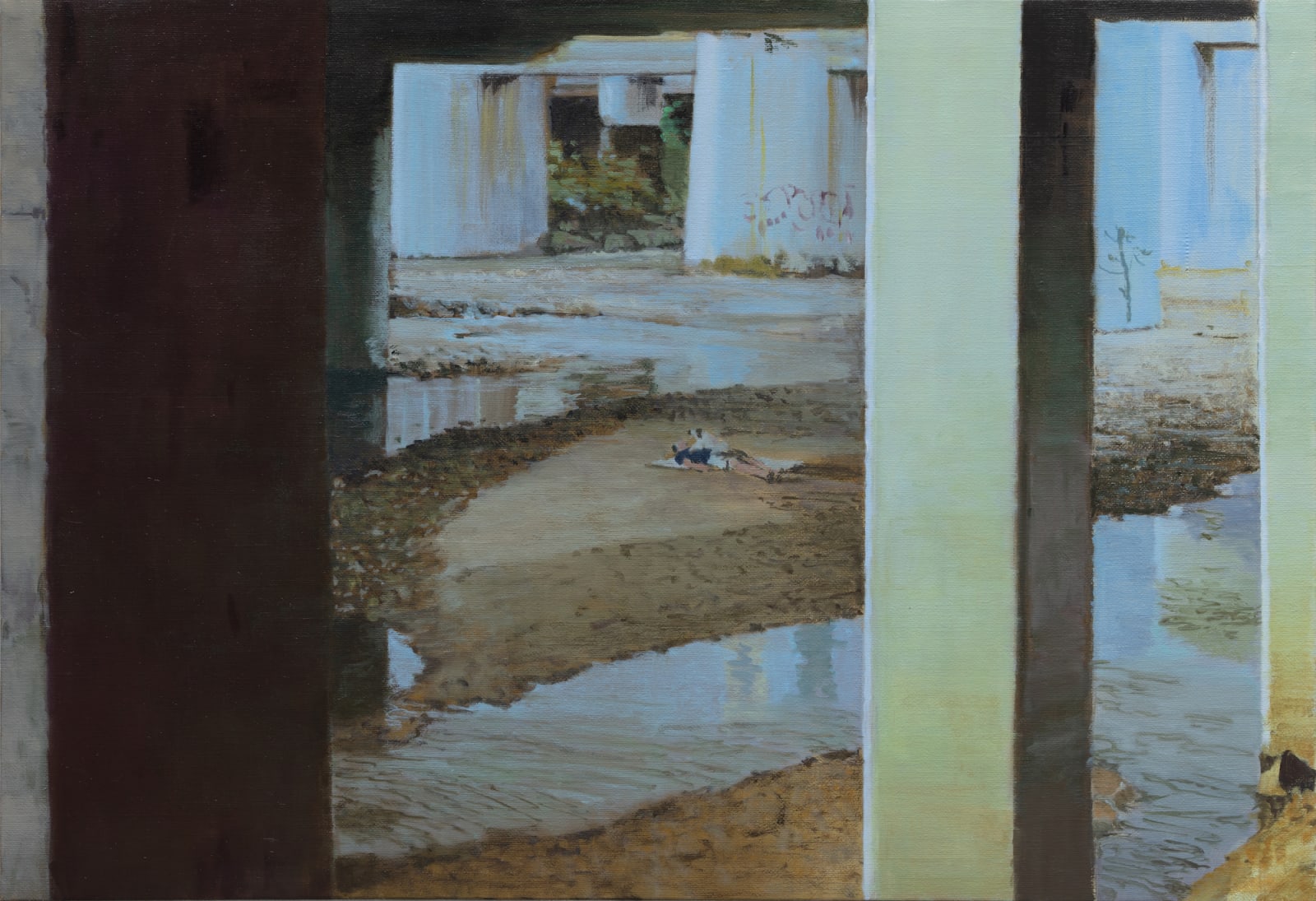
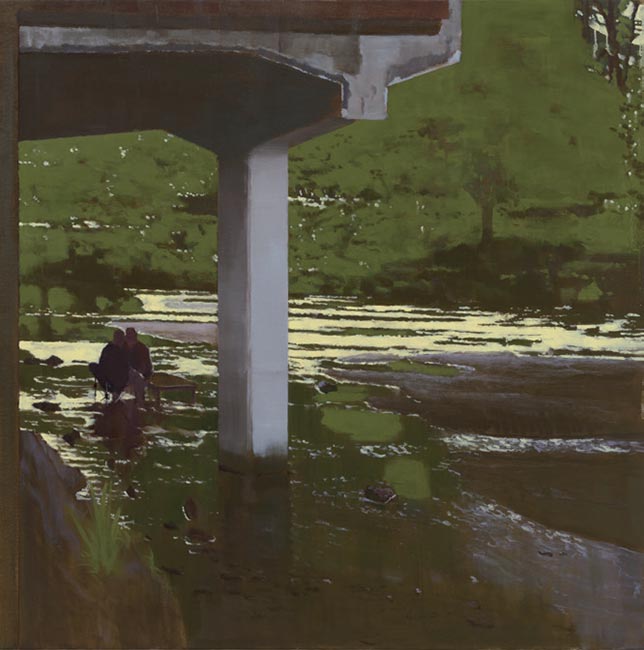
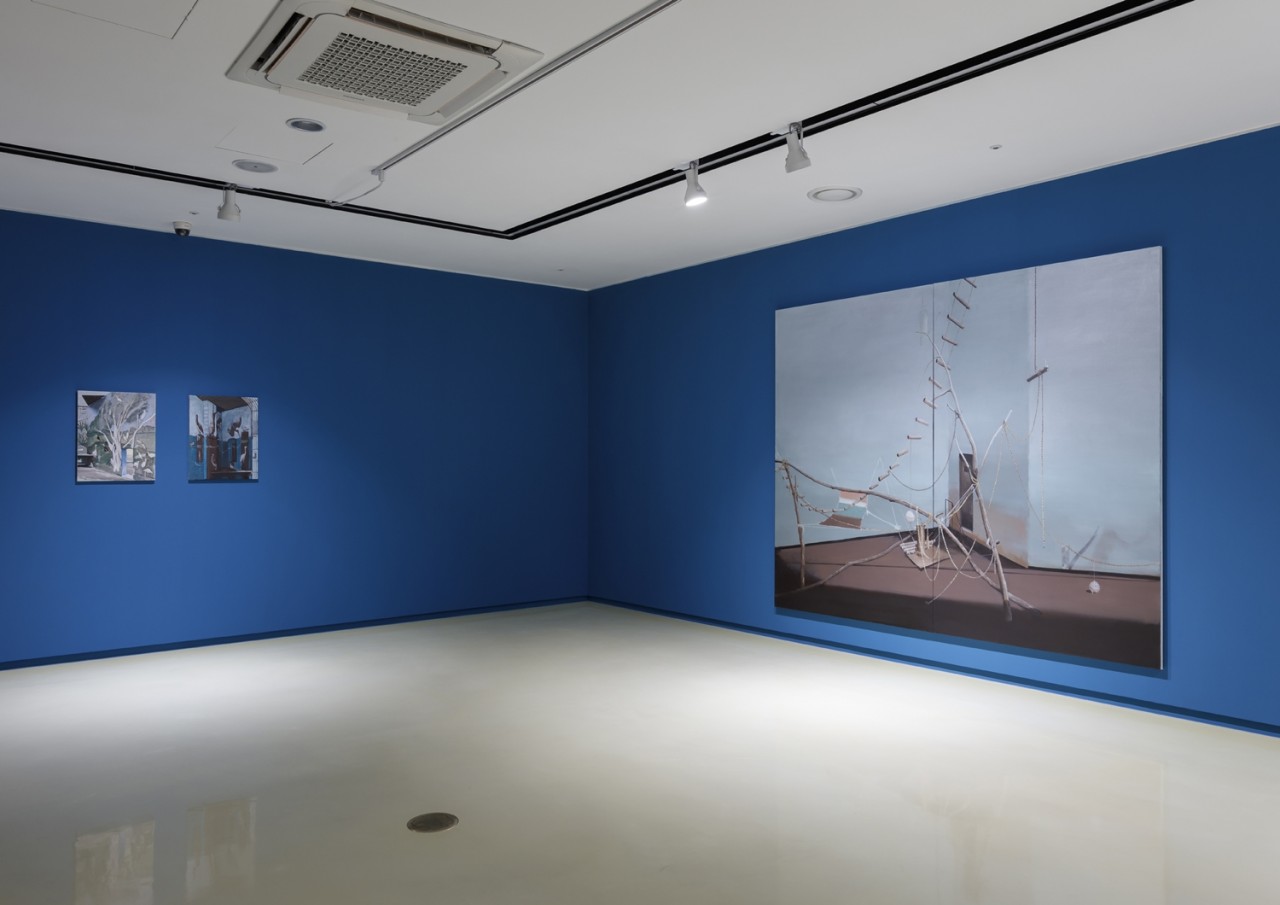
Ladder

2016
Oil on canvas
194 x 261 cm
About The Work

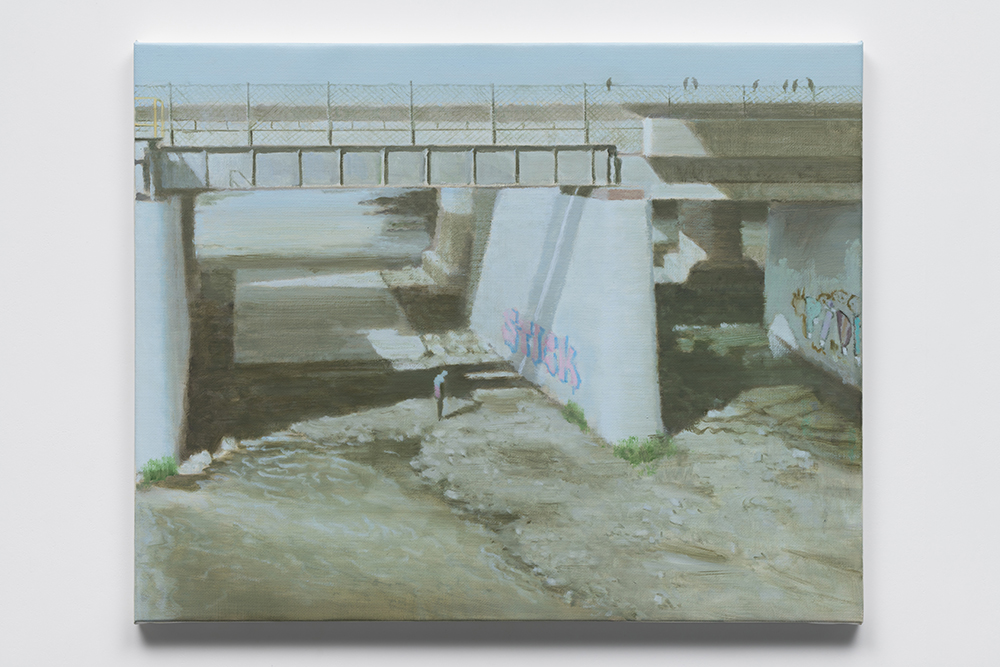
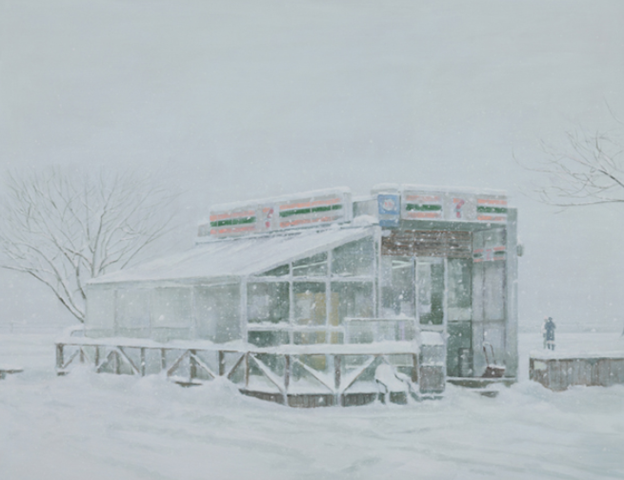
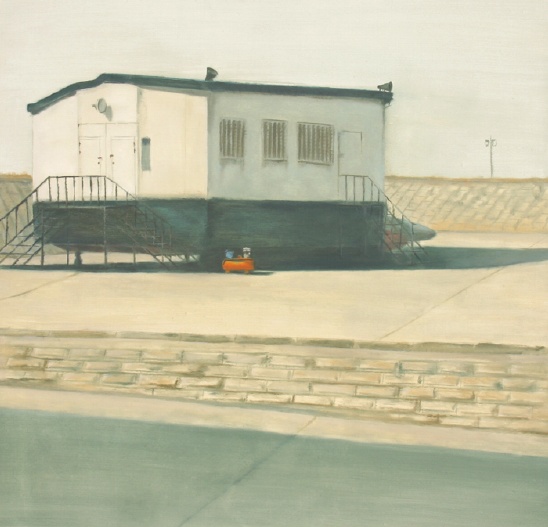
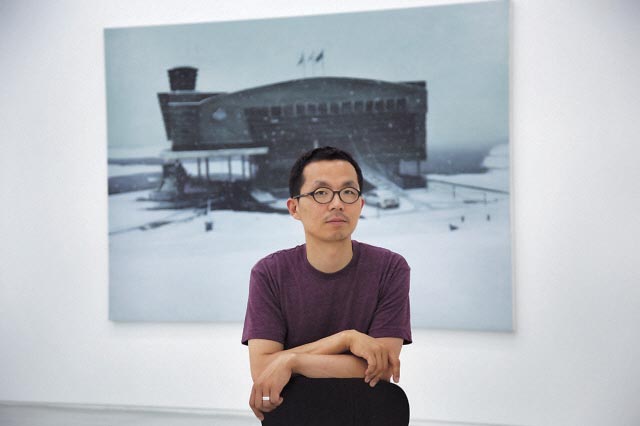
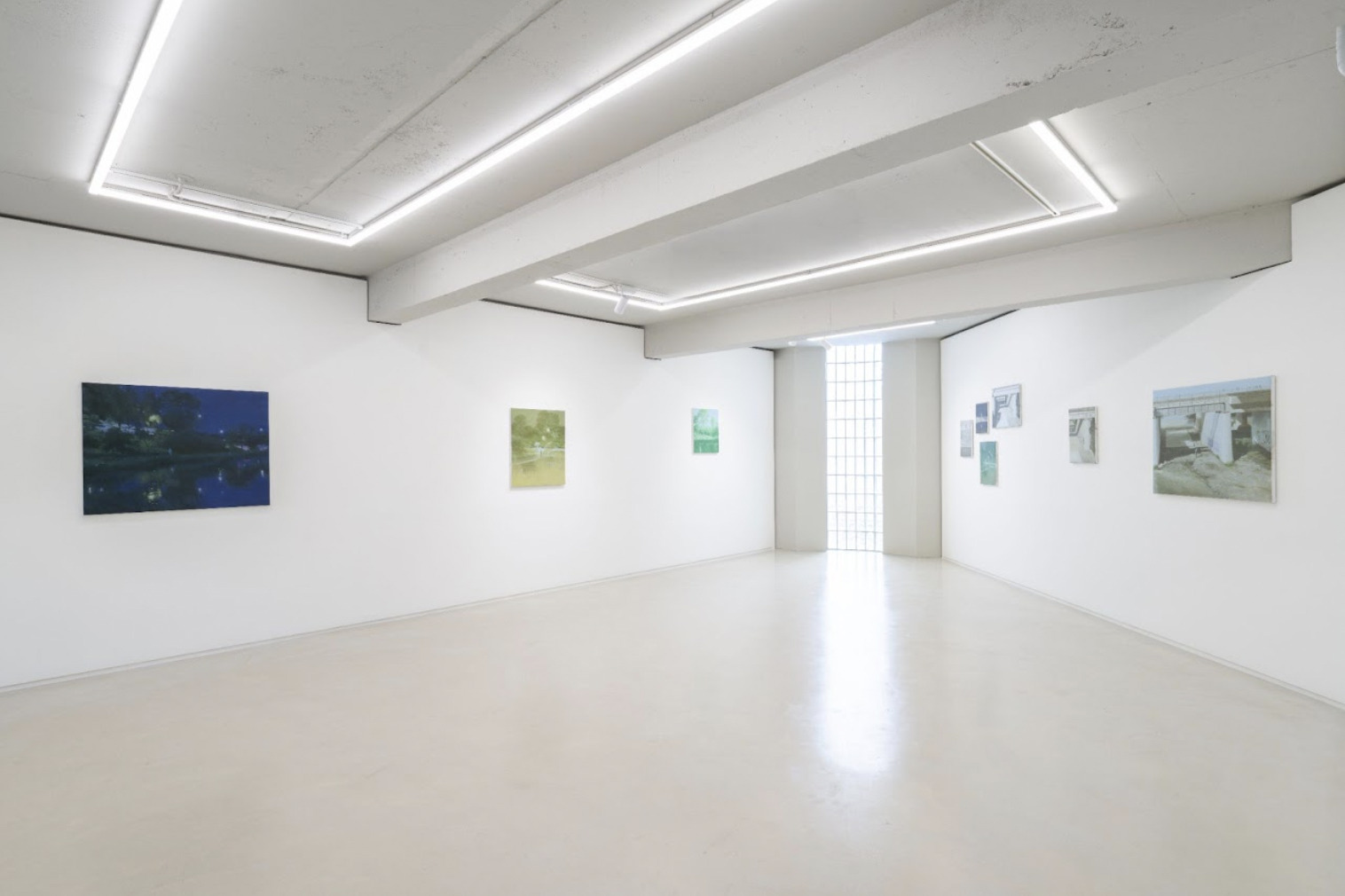
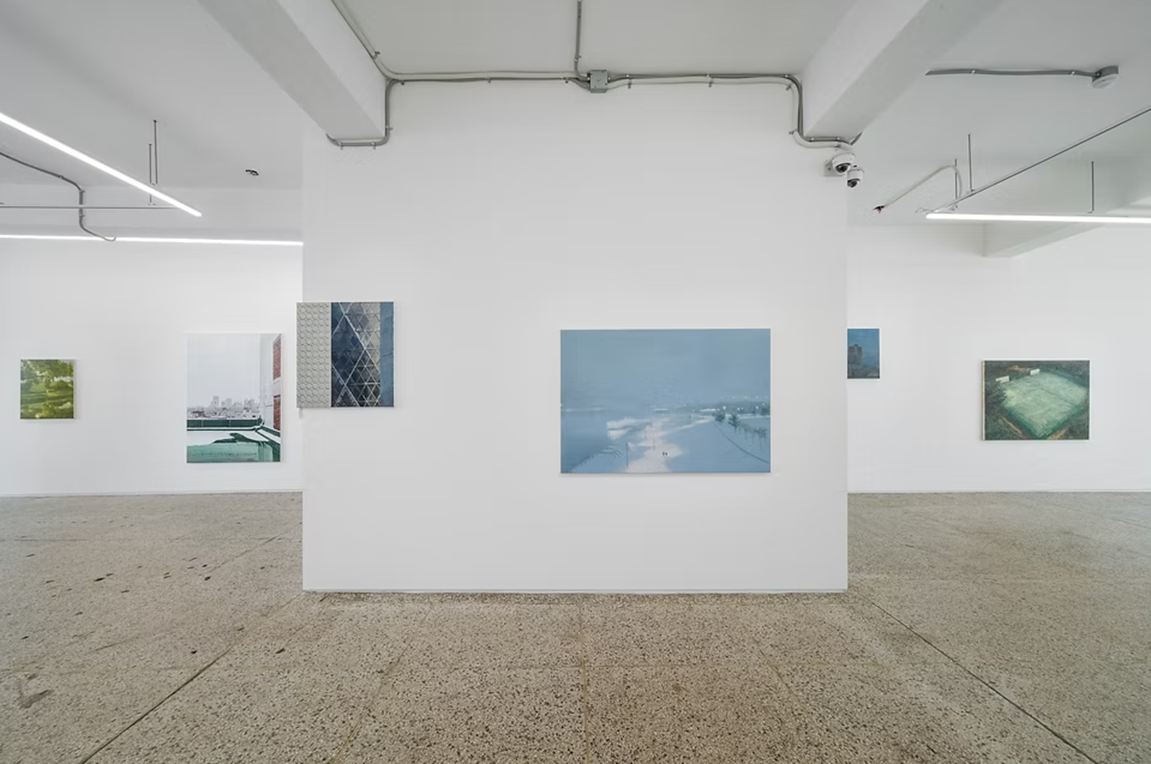
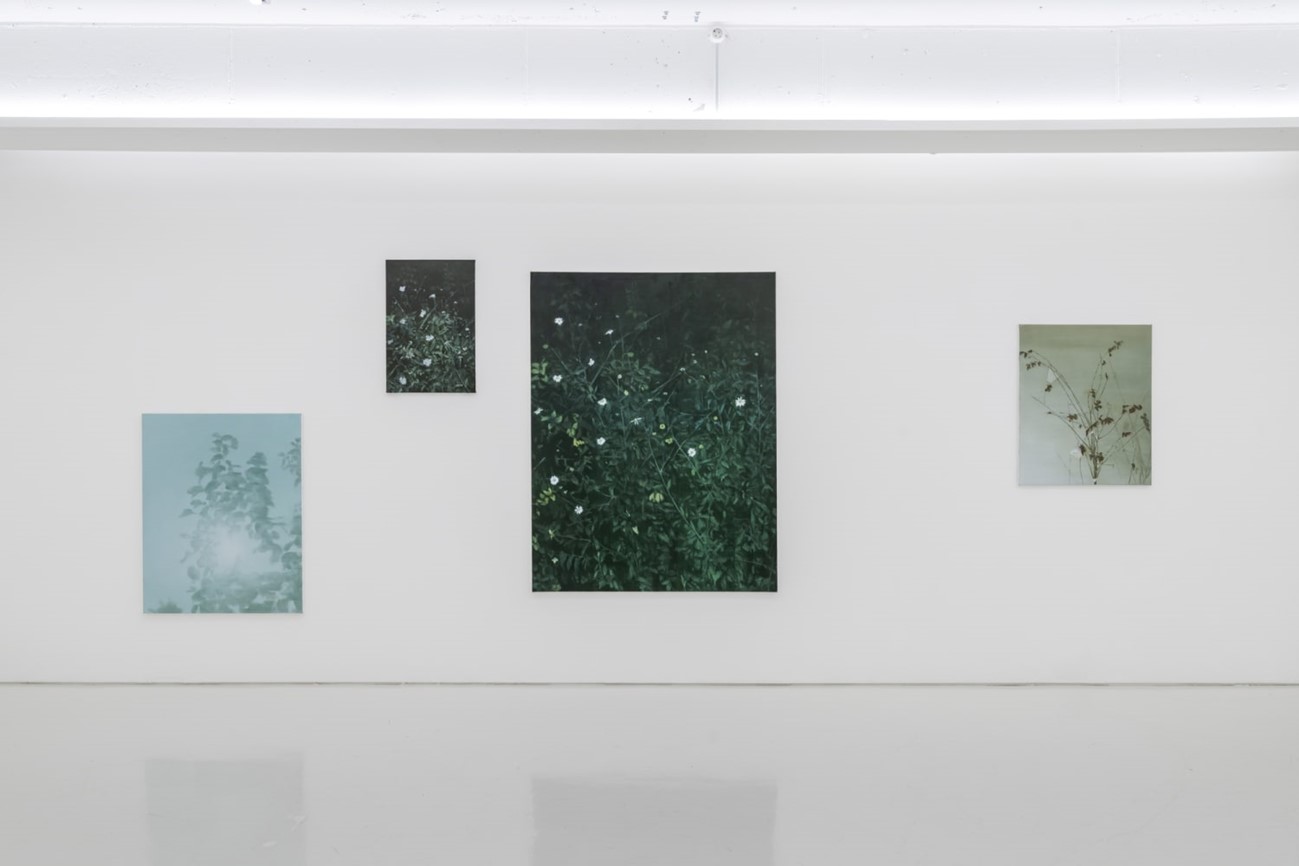
Roh Choong-hyun captures and engages with familiar scenes from our everyday lives, translating them onto canvas through his unique painterly language. He begins by photographing landscapes he observes directly from where he stands, then reinterprets these images through the medium of painting. His paintings, while portraying landscapes with a subdued and unassuming tone, often stir fragments of our memories or evoke a profound emotional resonance.

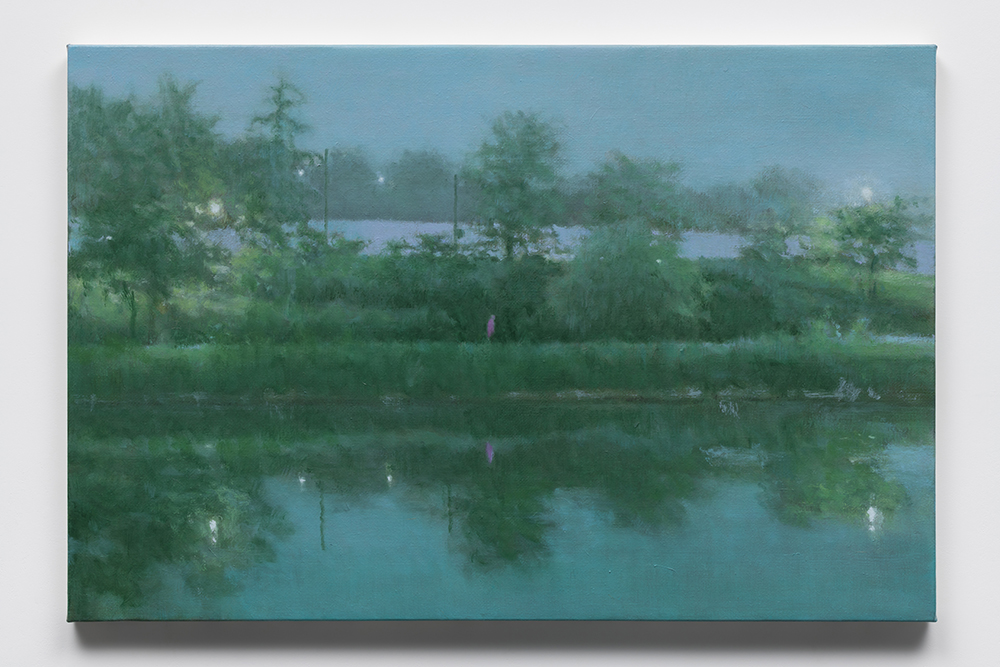
Rather than focusing on distant or extraordinary landscapes, he finds connection in the everyday, ordinary places such as Han River Park, zoos, and Hongjecheon Stream, where he observes and resonates with the human aspects of these environments. His paintings carry a dry and tranquil atmosphere, yet they also convey a warm, humanistic perspective and a sense of warmth toward the landscapes of life.

Solo Exhibitions (Brief)

His solo presentation has opened at several recognized galleries such as Sang-up Gallery (2023), Chapter II (2021), Willing N Dealing (2020), Perigee Gallery (2017), Gallery Soso (2015) and Kukje Gallery (2013).

Group Exhibitions (Brief)

He has also participated in numerous group exhibitions at multiple leading art establishments including Project Space Sarubia (2024), Nook Gallery (2023), Ilmin Museum of Art (2023), Gallery Soso (2021), National Museum of Modern and Contemporary Art (2021), Nook Gallery (2020), Buk-Seoul Museum of Art (2018), Seoul Museum of Art – South Seoul (2018) and Chapter II (2017). 

Residencies (Selected)

He was selected by the Mongin Art Center Residency Program in 2010.

Works of Art

The Warmth of Ordinary Life’s Landscapes

Originality & Identity

Roh Choong Hyun has long focused on everyday urban spaces—such as the Han River Park, zoos, and the Hongjecheon stream—to capture the emotional resonance and traces of lived experience embedded within the landscapes of life. His ‘Prosaic Landscape’ (2005–) series is a representative body of work that persistently documents desolate, overlooked spaces within the city, particularly the barren stretches of Han River Park.

These scenes function not merely as depictions of place, but as devices that reflect on emotional undercurrents and prompt viewers to contemplate the human condition within familiar but neglected environments. Works like The Rainy Season(2008) and A Night in the Reservoir(2013) layer sensory memory over physical impressions of place, inviting viewers into a stratified emotional experience.

Beginning in 2006, his ‘Zari’ series constructs a paradox of place by depicting vacant zoo enclosures, thereby asserting presence through absence. In paintings like Horn(2006) and Circus(2006), Roh foregrounds the artificial and ambiguous character of modernity by removing the animals—the protagonists—from the frame, thus highlighting the performative absurdity of these man-made environments.

His solo exhibition 《Closed-door Room》(2009, Project Space Sarubia) expands this inquiry into social and political realms, translating historically repressive sites into the conceptual framework of the “closed room.” Roh's paintings, therefore, are not simply landscapes to be seen—they are visual reflections on memory, emotion, and the lived spatial experience of the human subject.

Style & Contents

Roh captures subtle ruptures and emotional residues within urban environments, translating them into sensorial landscapes through his signature use of blurred textures and thinned paint.

His practice begins with digital photographs he takes himself, which serve not as direct blueprints but as mnemonic tools—means to re-enter a space emotionally and conceptually. Rather than adhering to the precise perspective or realism of photography, he overlays his paintings with misty layers, evoking a softened visual field where memory and mood intertwine.

In works such as Circus and Waiting for Godot(2006), Roh features unoccupied zoo enclosures populated by inoperative props—hula hoops, tires, water bottles—that gesture toward absence and irony. These motifs are rendered with near-photographic clarity, yet their compositional role lies in intensifying the emotional vacuum they represent.

In 《Closed-door Room》, he appropriates photographs of historical sites of authoritarianism (e.g., prisons, surveillance facilities), and through a process of repetitive drawing and erasure, converts them into painterly meditations. The exhibition’s inclusion of cement walls physically inserted into the gallery space extends this gesture beyond the canvas, integrating painting’s spatial and thematic concerns into the physical site itself. Roh's hybrid methodology—blending space, time, and memory with emotional and political subjectivity—positions his painting as a form of embodied historical reflection.

Topography & Continuity

Roh Choong Hyun’s practice contributes a vital axis to contemporary Korean painting by foregrounding the interplay between everyday life, memory, and emotional affect. Since the early 2000s, he has moved beyond the binaries of ‘Dansaekhwa’ and ‘Minjung Art’ by establishing a distinctive figurative vocabulary rooted in photographic translation and affective observation. His paintings reframe the relationship between cityscape and self—not through overt dramatization, but through the careful calibration of visual softness, spatial ambiguity, and emotional resonance.

His recent works, such as those depicting seasonal changes along the Han River or summer nights by the Hongjecheon stream, reveal an intensified pursuit of subtle sensorial textures. As the artist himself notes, his focus lies less on portraying a “specific place” and more on conveying the “emotion felt in that place.” This approach functions as a key aesthetic strategy that transposes the emotional quality of a space into the language of painting. Through thin layers of color and minimal brushwork, his softly blurred, transparent surfaces construct a perceptual field that resonates less with vision than with emotional breath.

Works of Art

The Warmth of Ordinary Life’s Landscapes

Articles

Exhibitions

Activities