
Enlarging My Right Hand with Gauntlet 1, Canis D Animatus(muscle attachment) - K-ARTIST

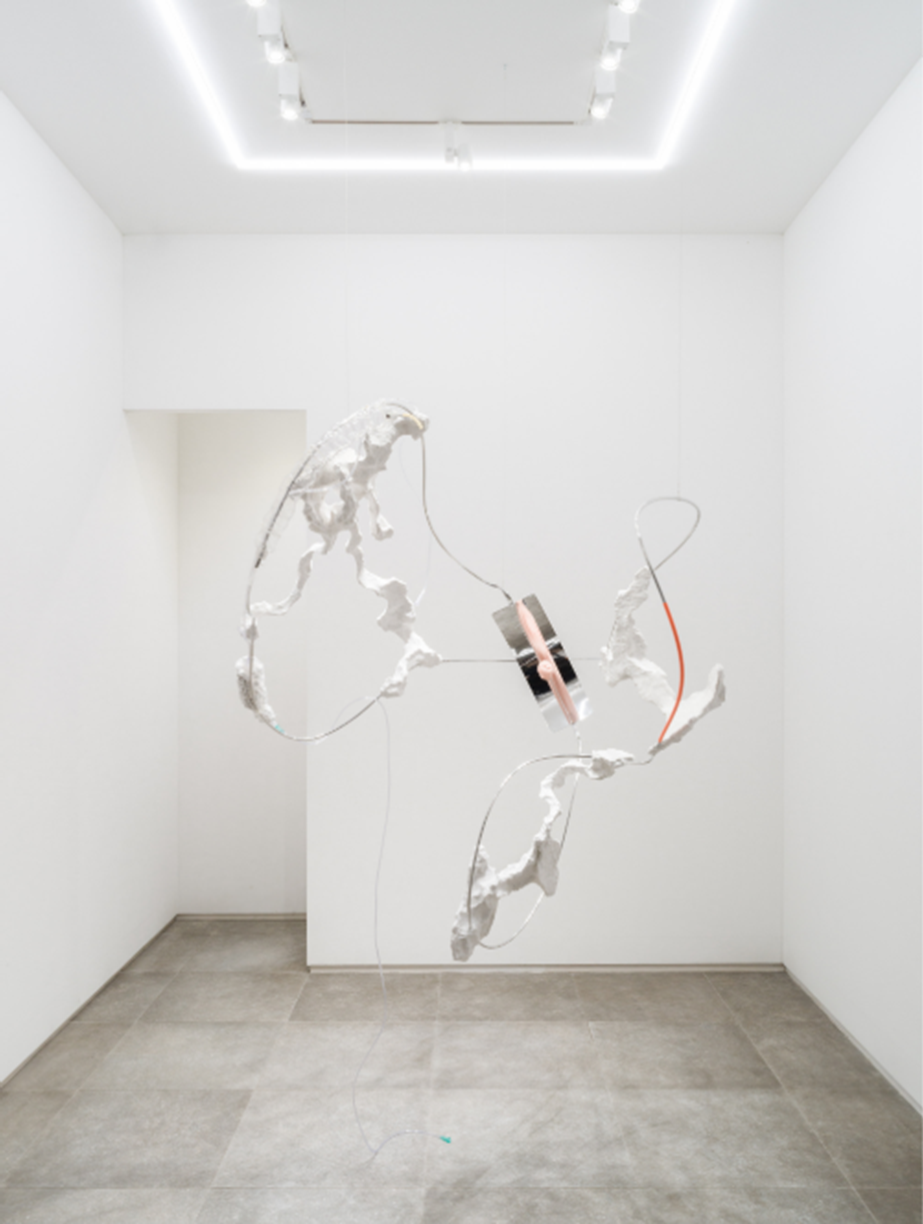
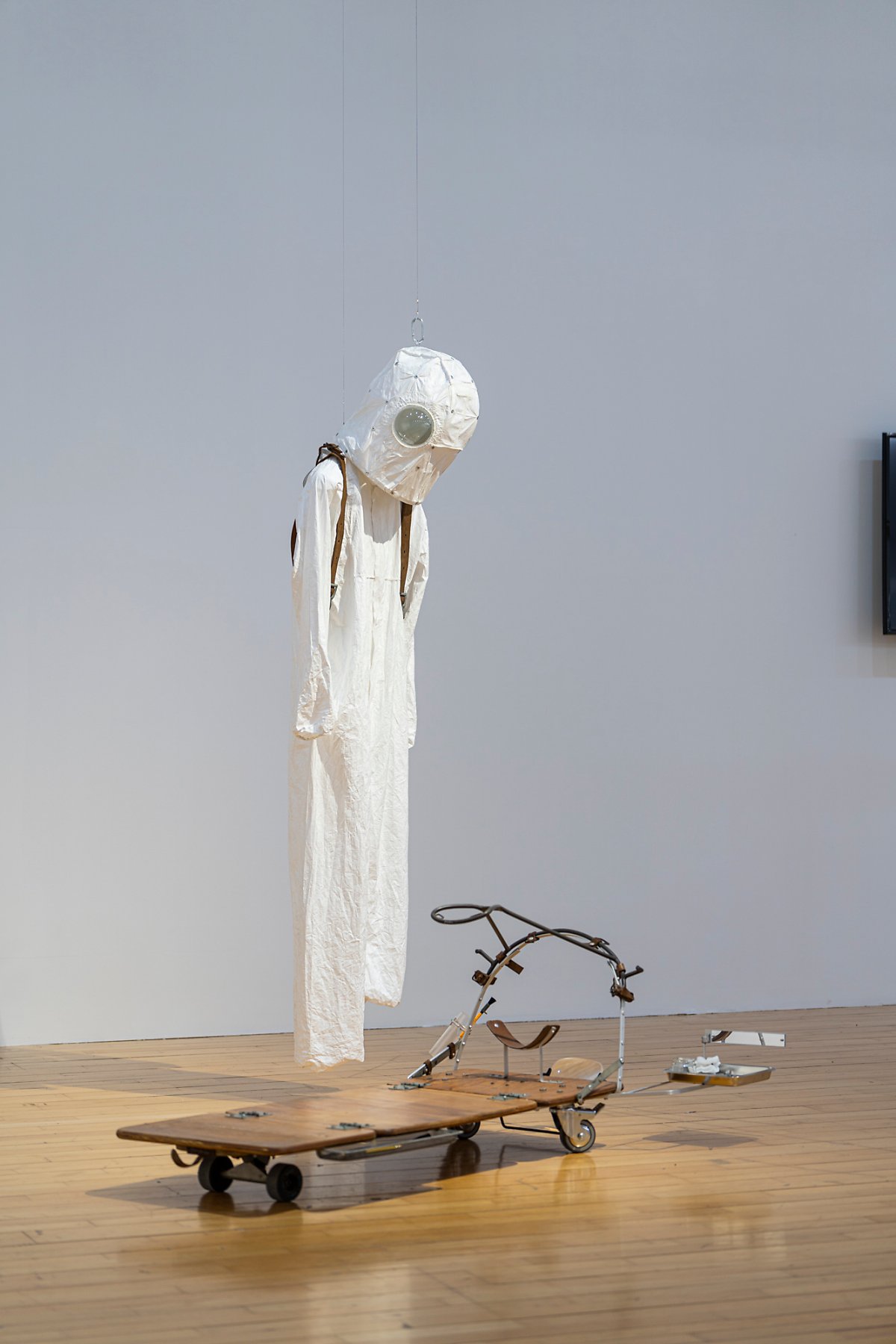
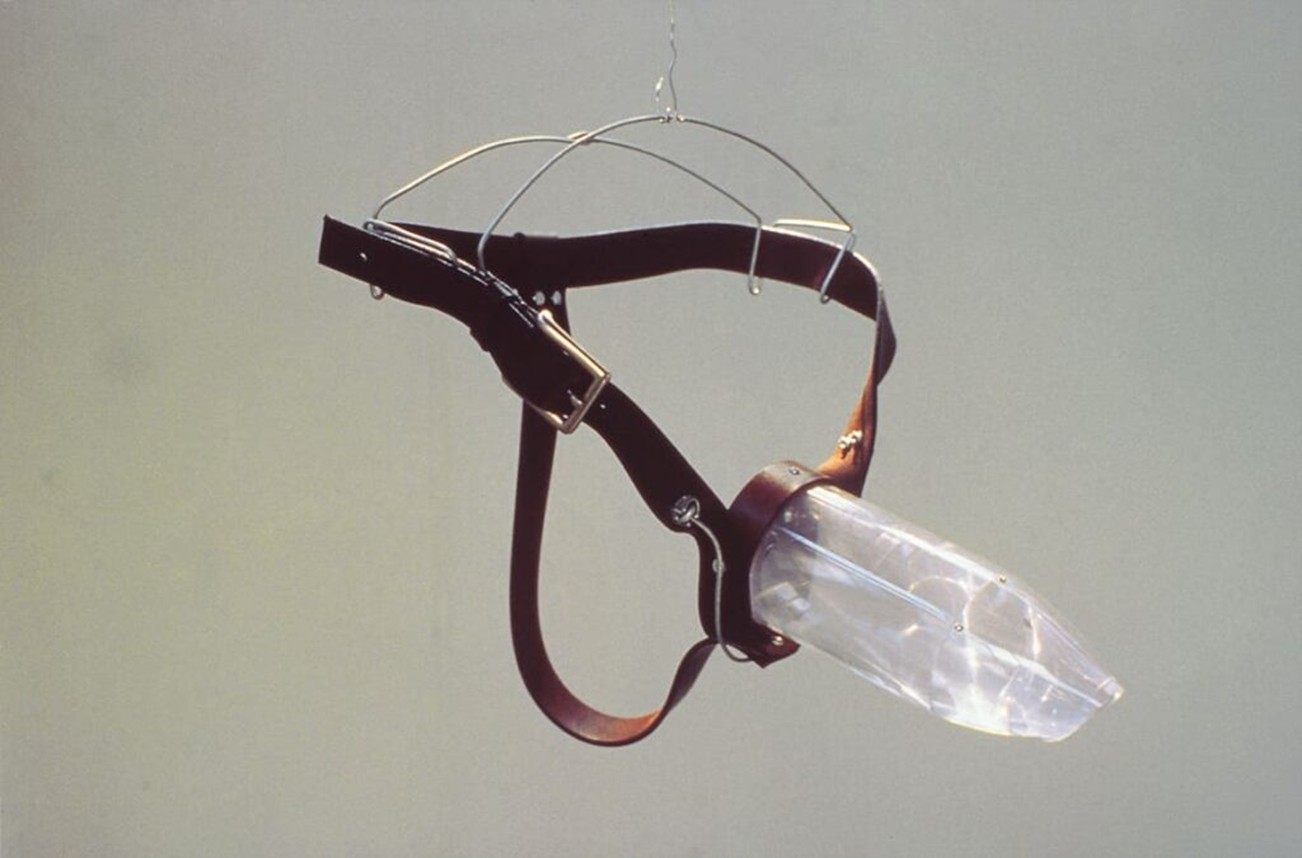
Enlarging My Right Hand with Gauntlet 1, Canis D Animatus(muscle attachment)

2015
Resin, Glass, Oil paint
139 x 96 x 44.5cm
About The Work

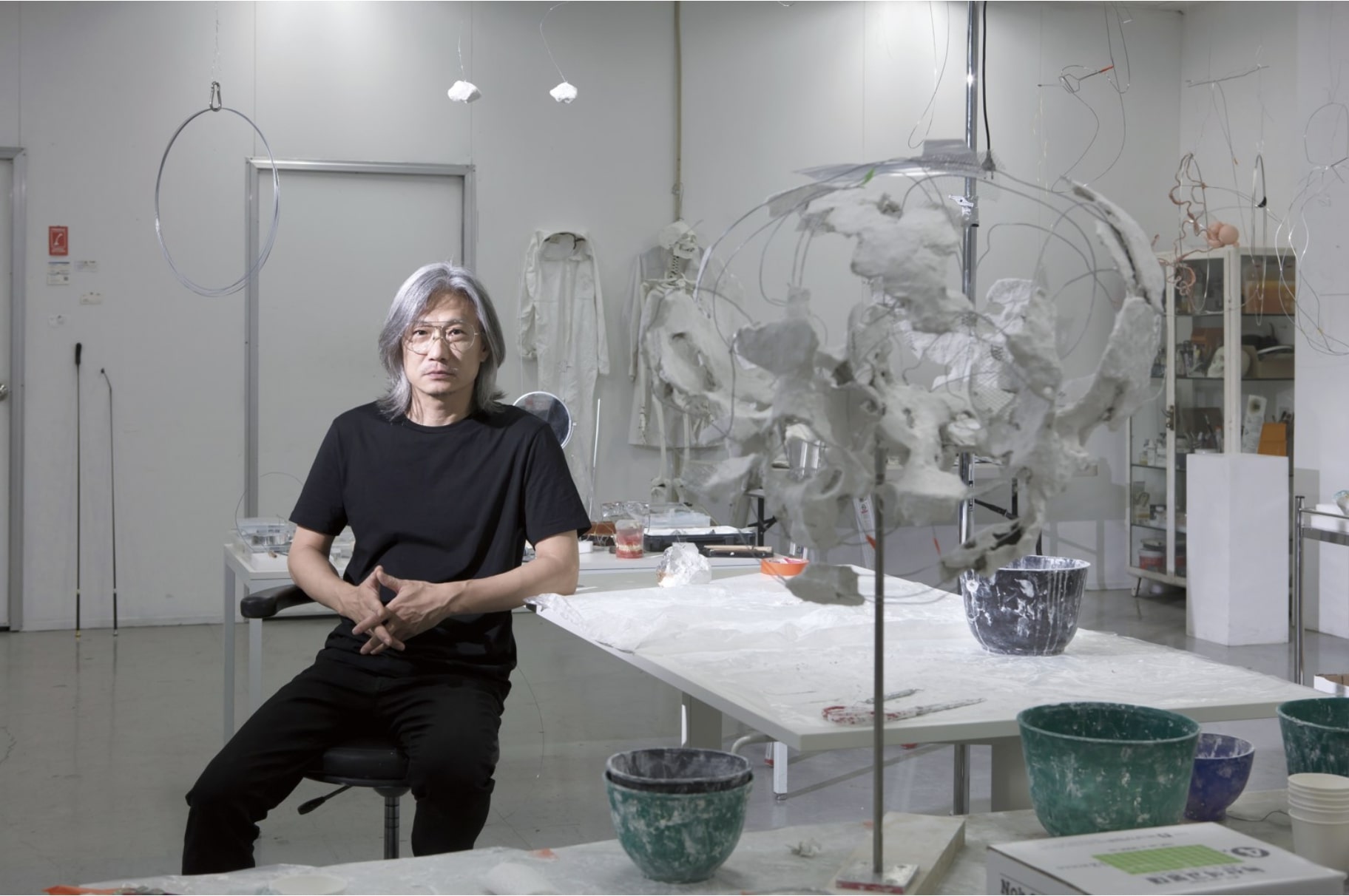
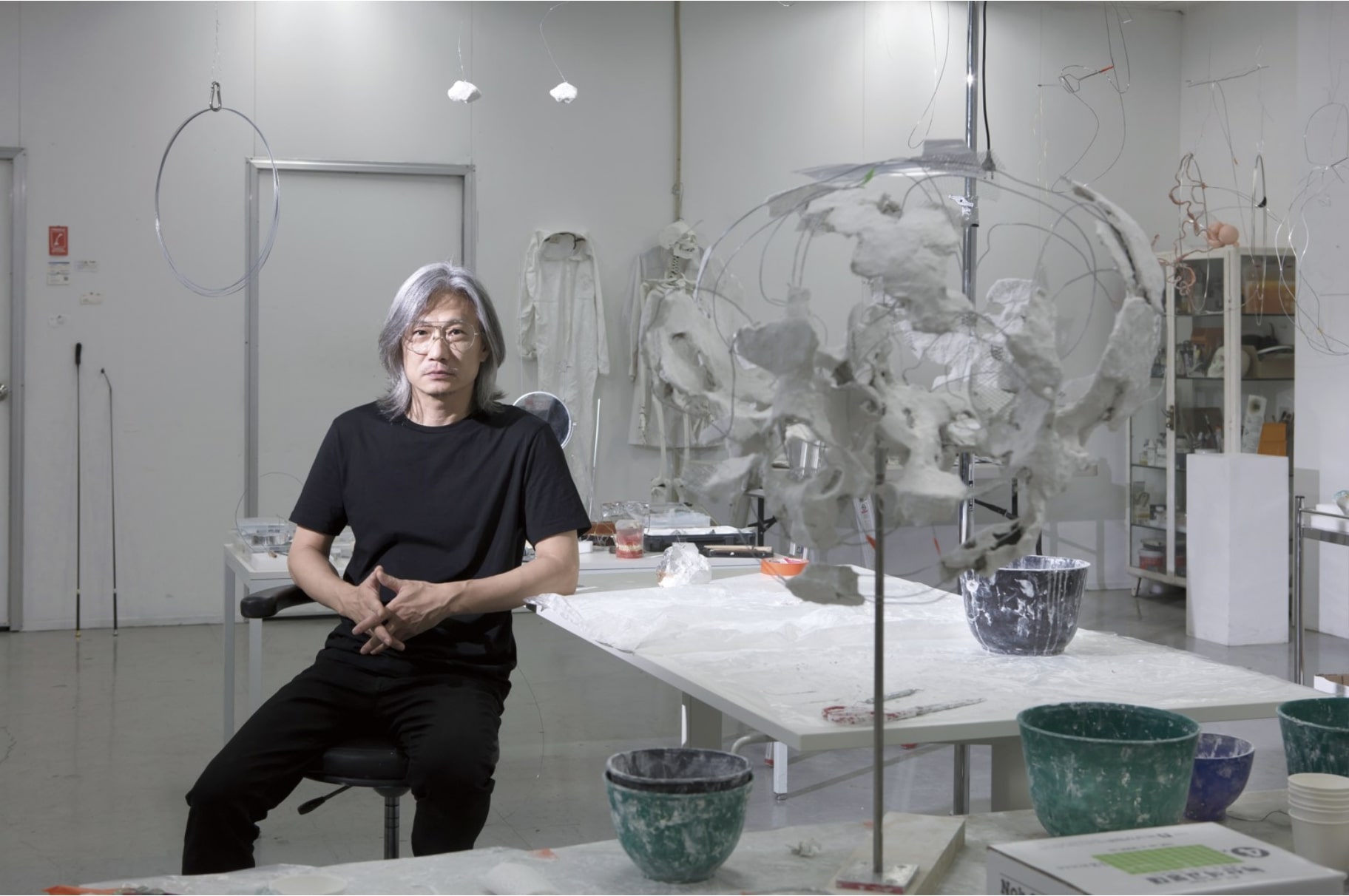
Hyungkoo Lee has been producing a diverse body of work on the theme of the ‘body’ for the past 20 years. He positions the body not as an object to be represented but as a comprehensive site of research encompassing sensation, machinery, fiction, and internal structure. The artist has been experimenting with the transformation, distortion, and expansion of the body by mobilizing scientific fields such as anatomy along with his artistic imagination.
 
His work may look like a scientist's experiment, but it is an artistic experiment that mobilizes the artist's imagination and curiosity, which is why he often describes himself as a 'pseudo-scientist'.  For Lee, the body is an open field that is endlessly redefined and reconfigured.
 
The Experiments with the body stem from the artist's curiosity to perceive and understand the world in a different way. His interest in the human body, from his own to the bodies of other species and fictional creatures on Earth, stems from his desire to understand and know more about himself, others, and the world.

Solo Exhibitions (Brief)

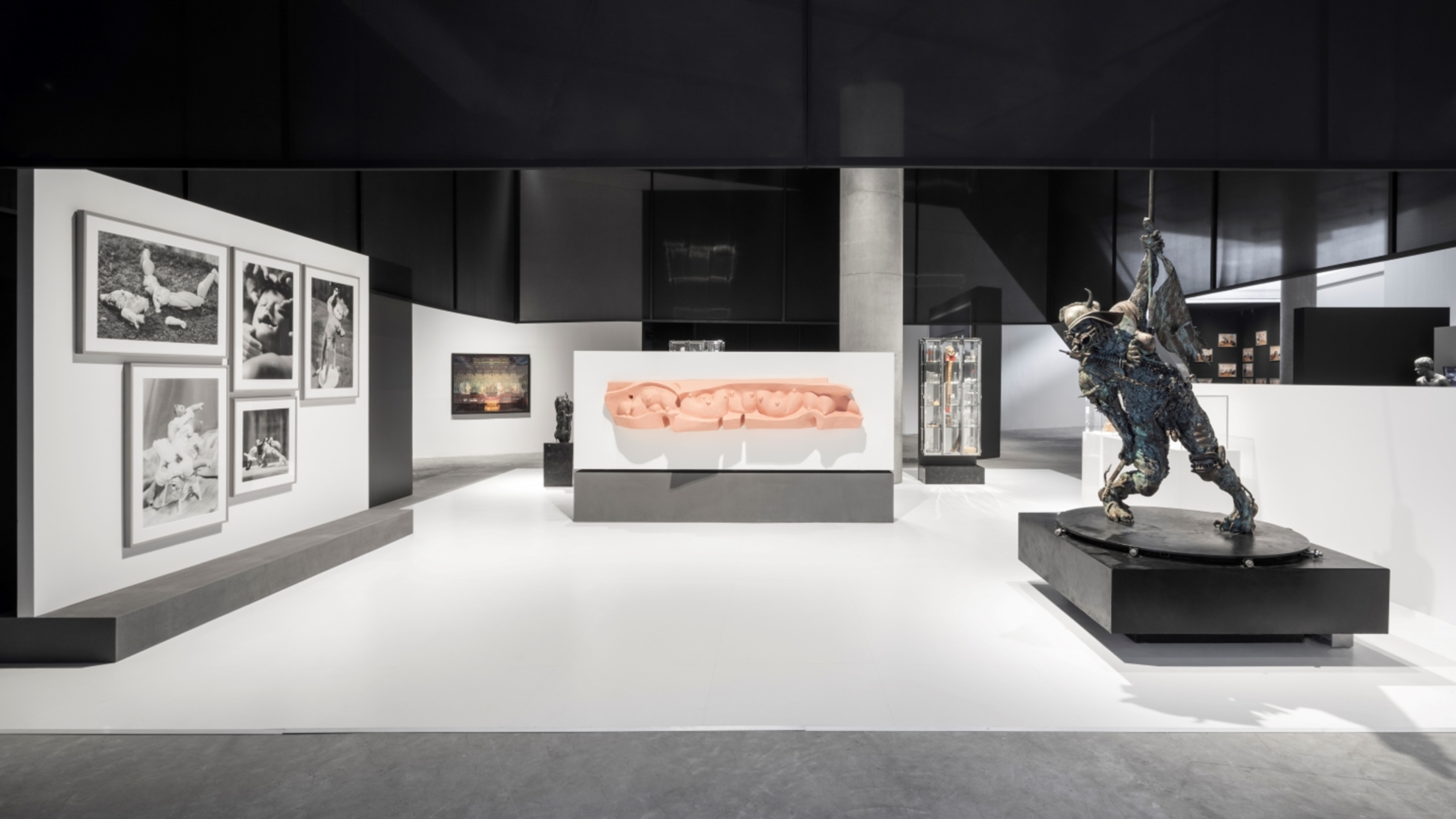
Hyungkoo Lee has held solo exhibitions at Busan Museum of Art (2022, Busan); P21 (2019, Seoul); Perigee Gallery (2015, Seoul); the Polytechnic Museum (2015, Moscow); DOOSAN Gallery (2010, Seoul); the Natural History Museum Basel (2008, Basel); and Arario Gallery (2008, New York). And, he had the first solo exhibition in the Korean Pavilion at the 52nd Venice Biennale (2007).

Group Exhibitions (Brief)

Lee has participated in numerous group shows including those held at the Jeonbuk Museum of Art (2020, Wanju); the Aram Nuri Arts Center (2019, Goyang); the Holden Gallery (2018, Manchester); the Donuimun Museum Village (2018, Seoul); the Buk-Seoul Museum of Art (2018, Seoul); the Daejeon Museum of Art (2018, Daejeon); the National Museum of Modern and Contemporary Art, Korea (2017, Seoul); Vestfossen Kunstlaboratorium (2016, Vestfossen); Daegu Art Museum (2015, Daegu); Choi & Lager Gallery (2015, Cologne); and PLATEAU, Samsung Museum of Art (2014, Seoul).

Awards (Selected)

Lee received the Joan Mitchell Foundation Award (2002, New York) and the 39th Korean Culture and Arts Award: Today’s Young Artist Award – Fine Arts (2007). He was also selected as Artist of Tomorrow by the Sungkok Art Museum in 2004.

Residencies (Selected)

Lee has participated in several residency programs, including the Ssamzie Studio Program (2003) and the Doosan Residency New York (2009).
Works of Art

The Transformation, Distortion, and Expansion of the Body

Originality & Identity

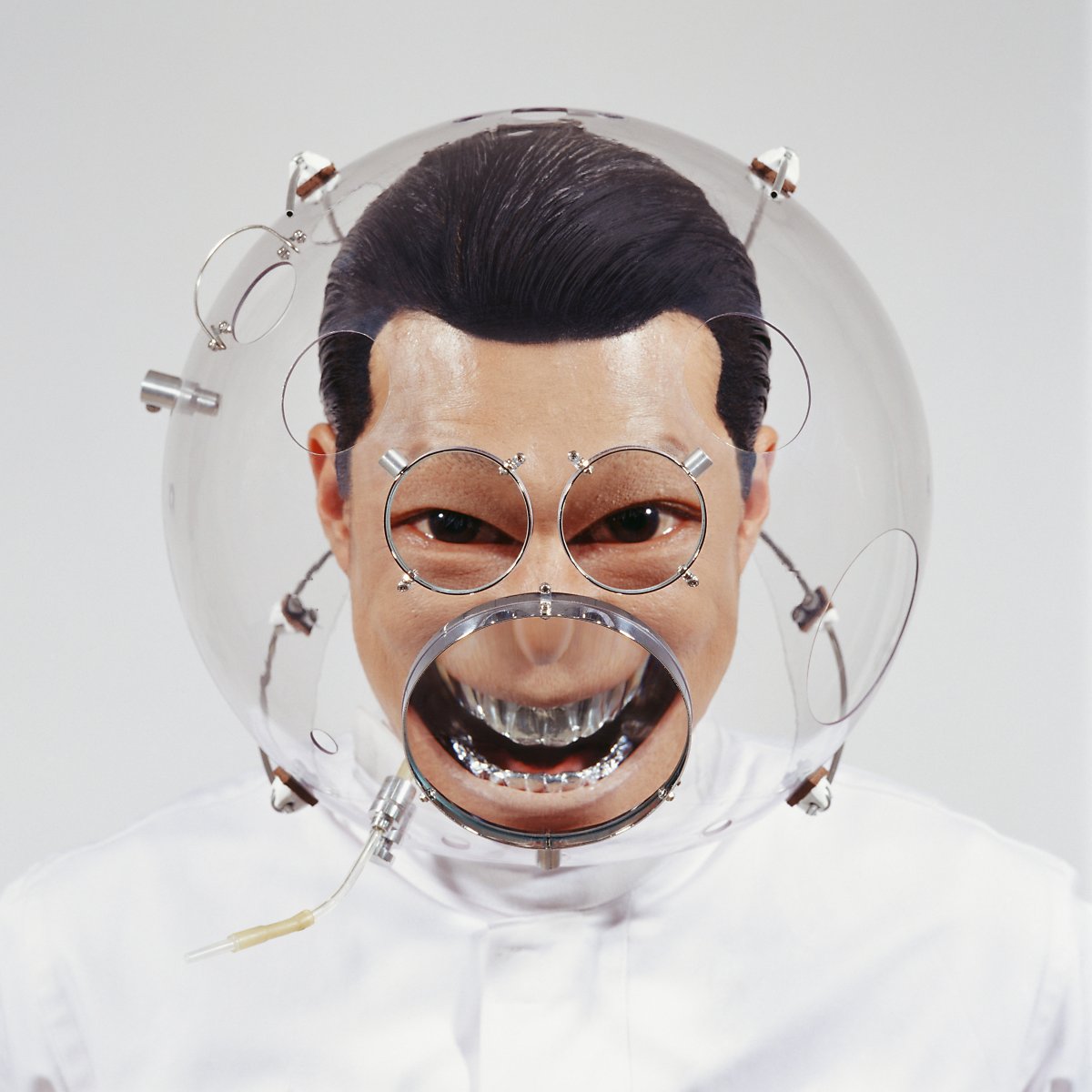
Over the past two decades, Hyungkoo Lee has expanded his artistic practice around the theme of the “body.” In his early series ‘The Objectuals,’ the artist began from bodily experiences shaped by racial and cultural differences, creating devices that transform the body into any desired shape or scale. In works such as Altering Facial Features with H-WR(2007), the process of producing a visually exaggerated, entirely different body is not merely an act of distortion; rather, it raises questions about the standards that define the body—Western beauty ideals, physiognomic criteria, and normative bodily expectations. Through this process, the body emerges not as a purely biological entity but as a cultural construct that is constantly adjusted and reinterpreted.

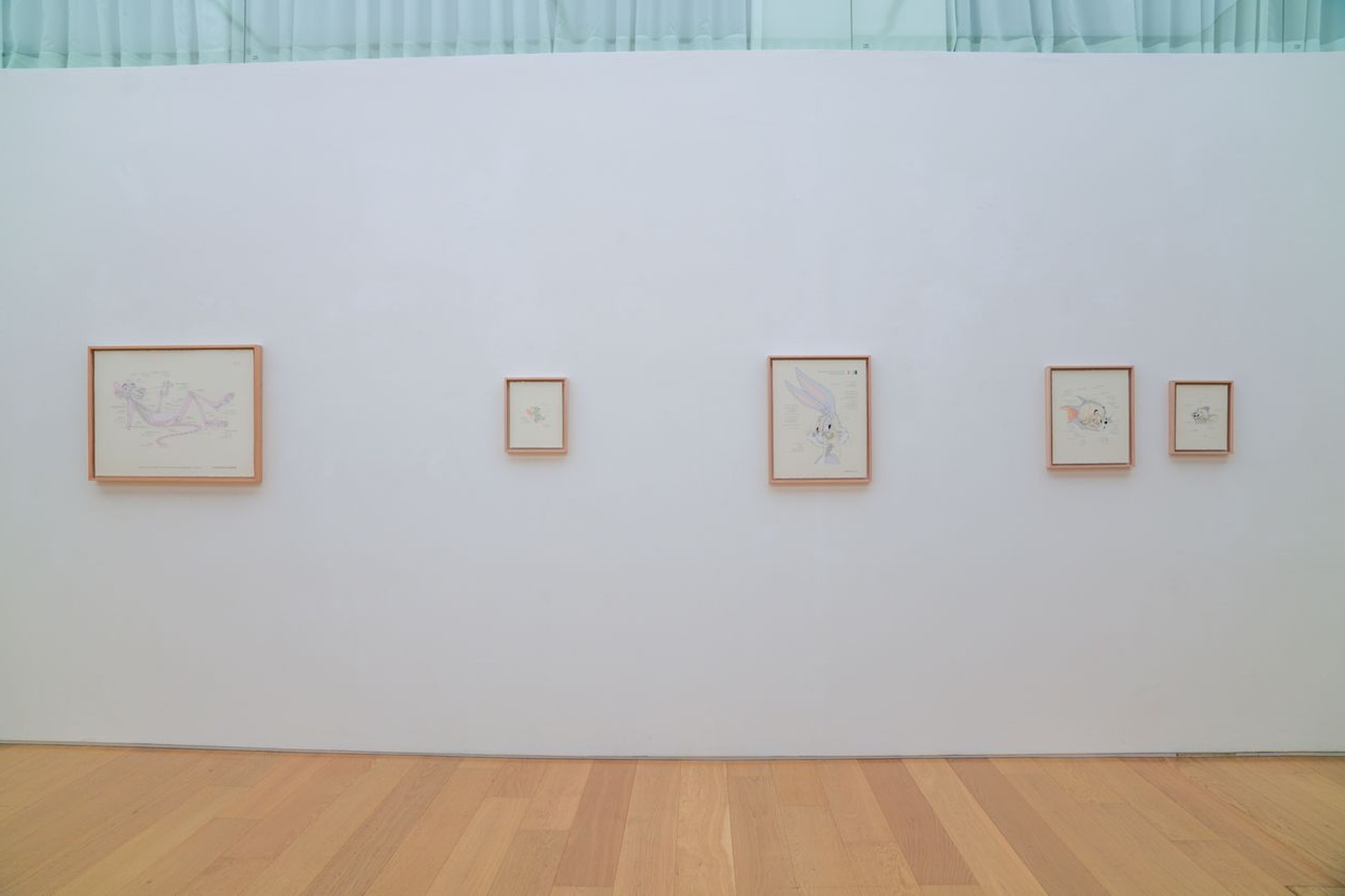
The conceptual inquiry of ‘The Objectuals’ soon expands to the boundary between fiction and reality. From enlarged eyes and exaggerated facial proportions, the artist began to associate these forms with cartoon characters and posed an imaginative question: “If these beings existed in real life, what kind of skeletal structure would they have?” Combining anatomical research with this speculative approach, he developed the ‘ANIMATUS’ series. Works such as Felis Animatus & Leiothrix Lutea Animatus (2009) and Canis D Animatus(2015) reveal the paradox of reconstructing a fictional character’s body as a biological entity, making the imaginary appear real. Here, the body functions as a medium that connects the real and the non-real.

The artist’s attention then shifts from external bodily form to how sensory organs construct the world. The ‘Eye Trace’ series, along with devices such as Fish Eye Gear(2010) and Mirror Canopy(2010), attempts to imitate or reconstruct the visual structures of animals in order to acquire “another body’s viewpoint.” This approach understands the body as central to perceiving the world and explores how movement, sight, and perception influence one another. Grounded in the question, “Is what I see the correct form?”, the artist proposes the possibility of viewing the world from another’s perspective.

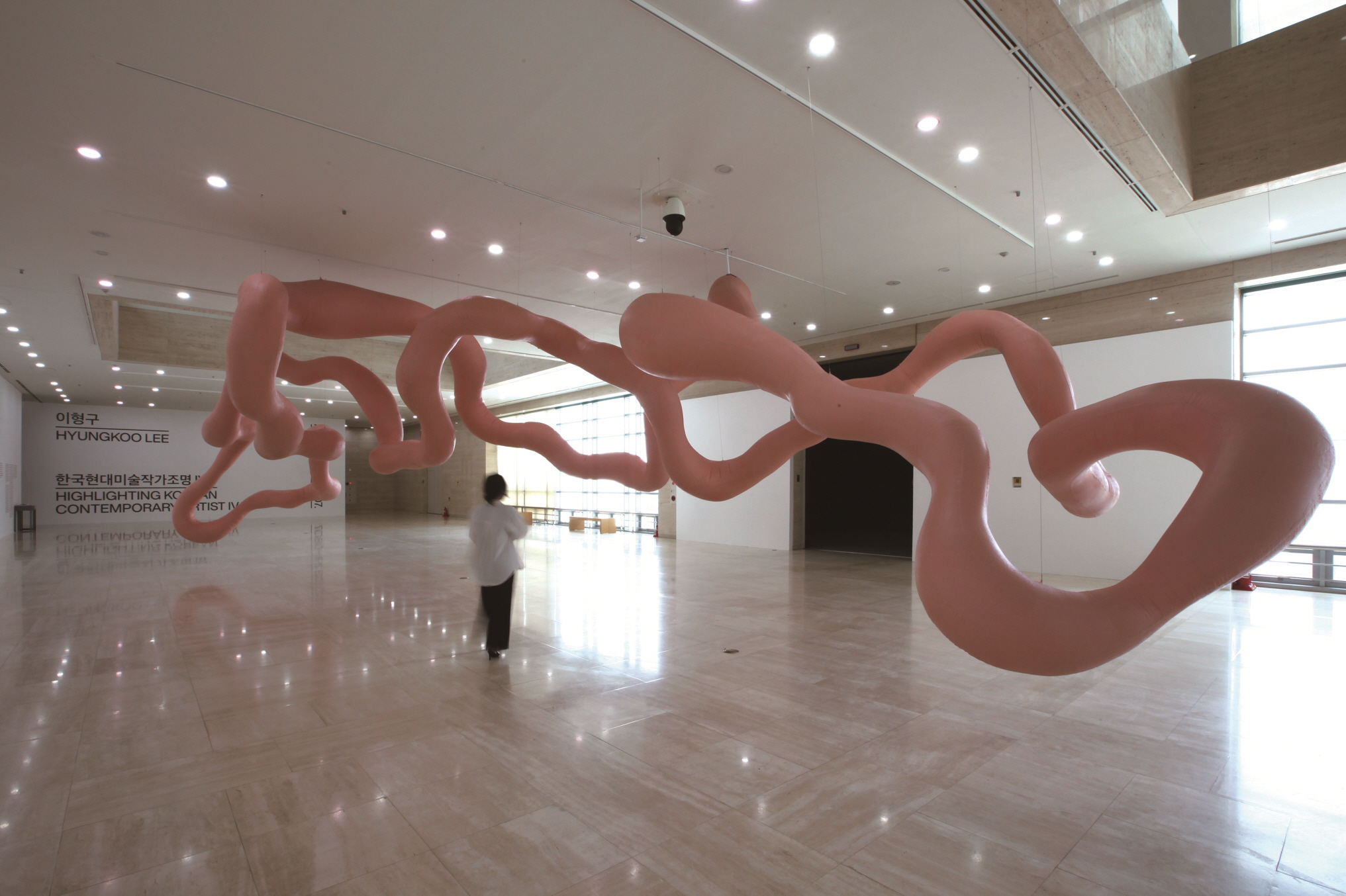
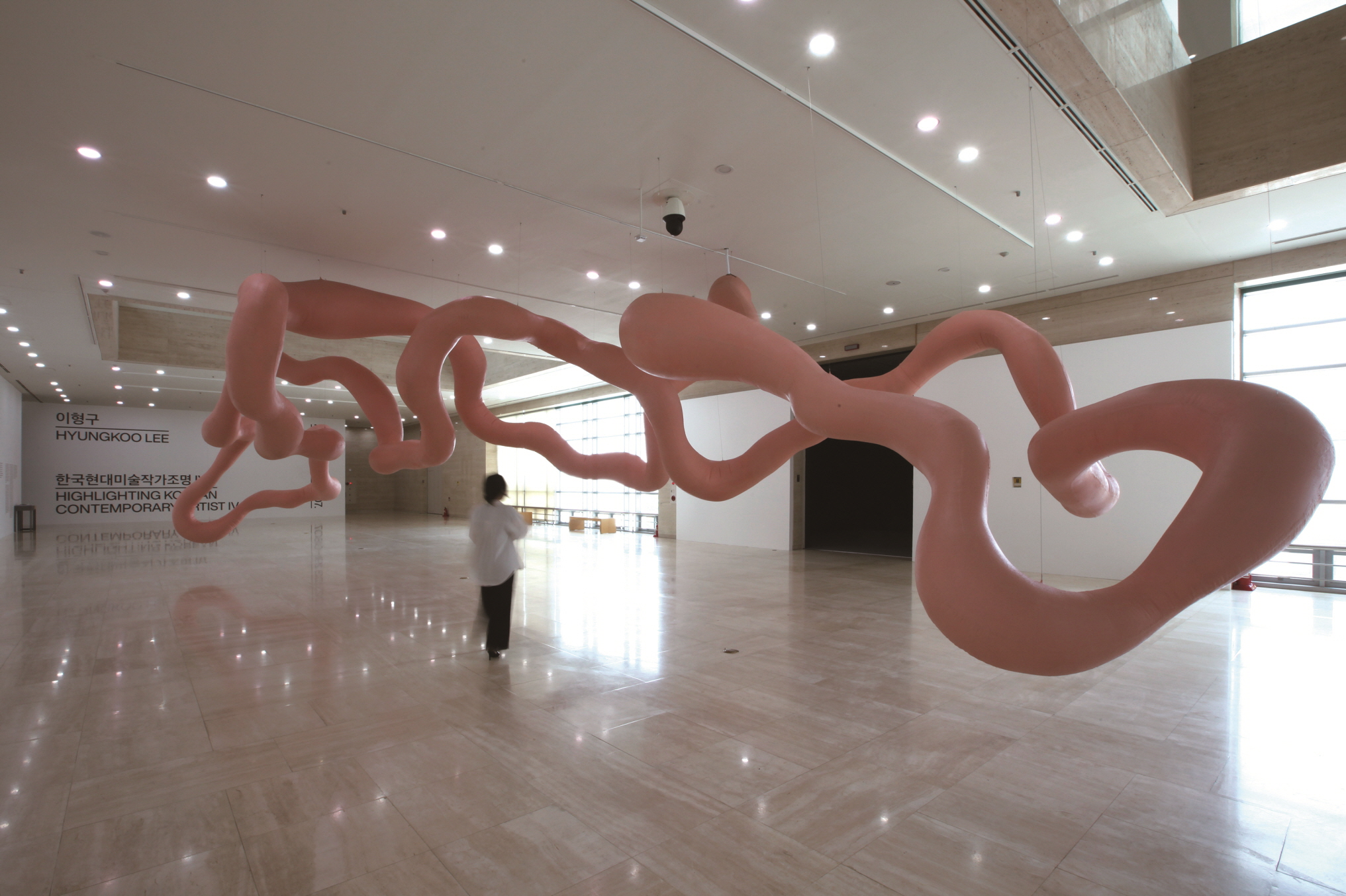
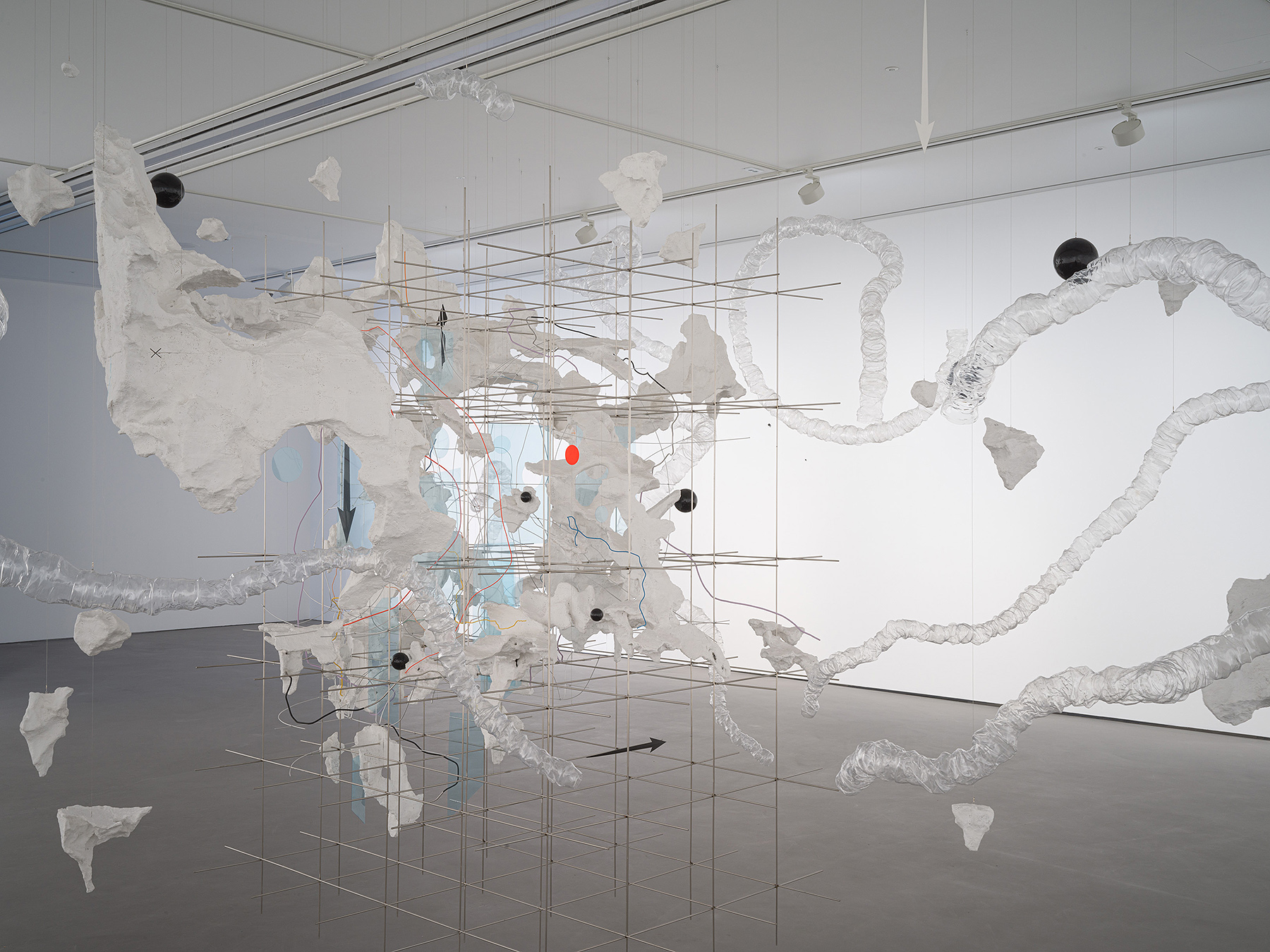
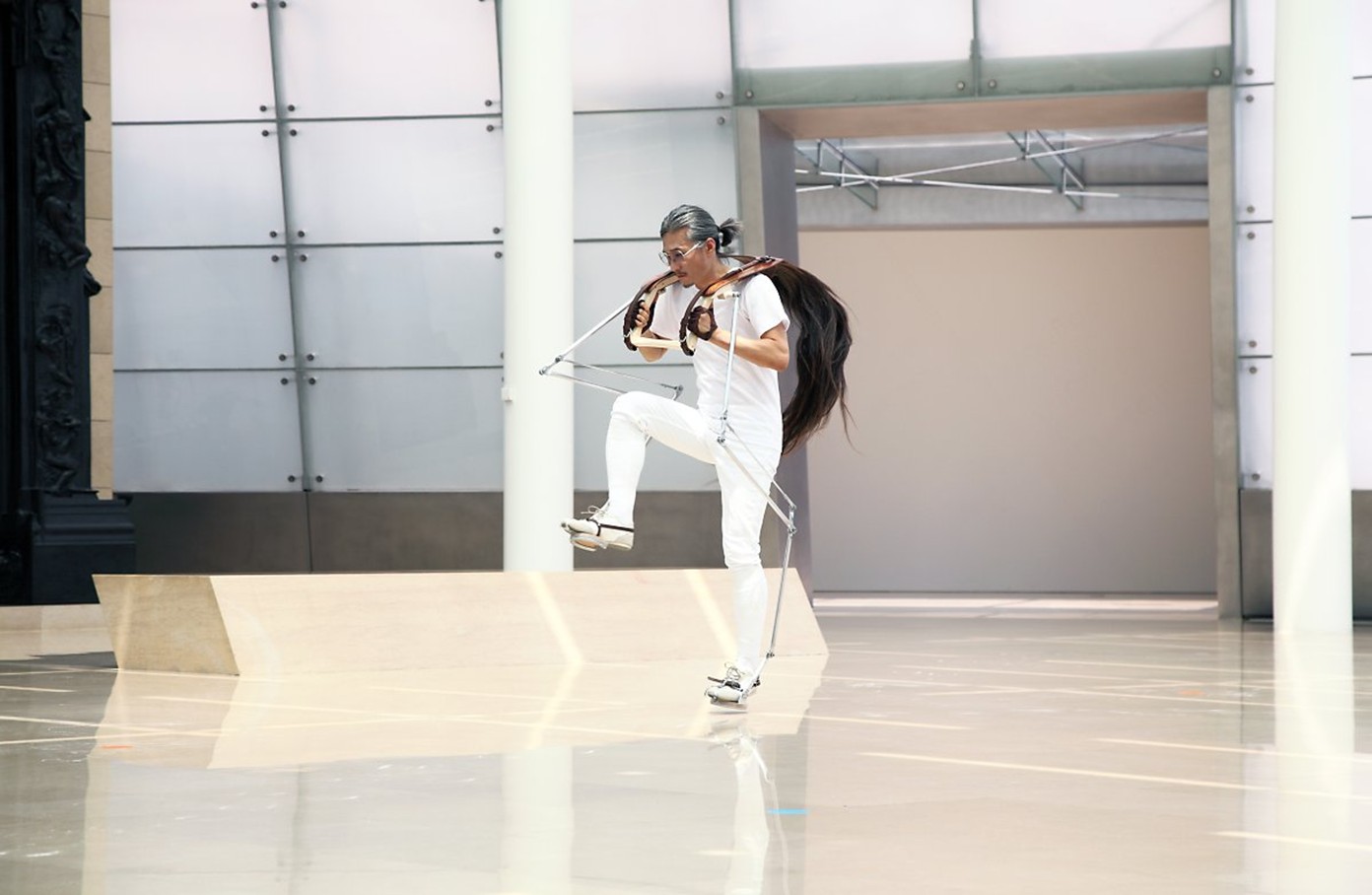
Ultimately, these bodily experiments lead to seeing the body as a multilayered and expandable field of perception. In MEASURE (2014), presented at the Busan Museum of Art, he applied the posterior bodily structure and movement of a horse to his own body. In the ‘X’ series, first introduced at his solo exhibition at P21, he explored microscopic landscapes where bone, flesh, and foreign materials intersect, revealing the body as a complex composite rather than a single fixed form. Works like X variation(2021) and Pink Vessel(2022) expand the body into a world that includes internal chemical and sensory operations, rather than remaining an object observed from the outside. For Lee, the body is an open field that is endlessly redefined and reconfigured.

Style & Contents

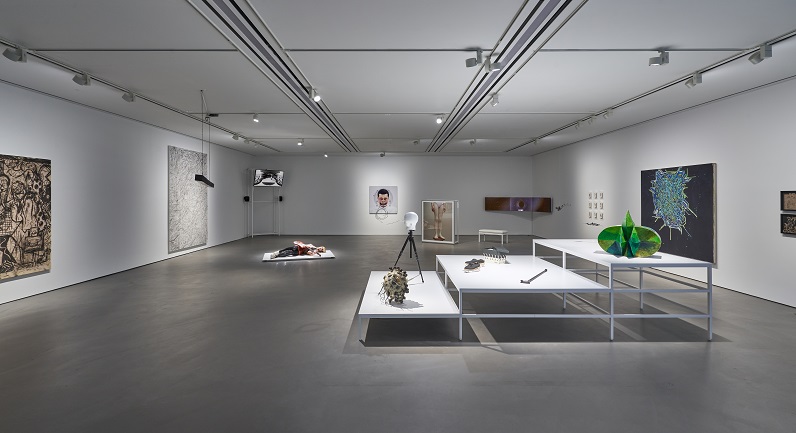
From the outset, Hyungkoo Lee has expanded his treatment of the “body” through diverse media, including sculpture, devices, drawing, and video. In ‘The Objectuals,’ he used functional materials such as optical film, lenses, and helmets to exaggerate or deform specific body parts, realizing external bodily variations through mechanical apparatuses. This period centers on experiments that alter the body’s exterior, combining technical structure with sculptural humor.

By the time of the ‘ANIMATUS’ series, the artist significantly broadens his formal vocabulary through anatomical inquiry. By combining resin, aluminum sticks, stainless steel wires, and springs, he reconstructs cartoon characters’ skeletons as sculptural forms with strong structural integrity. These works merge realistic depiction with imagination, and the method of expressing facial gestures—using bones instead of muscles—demonstrates how the artist translates fictional bodily structures into sculptural language.

‘Eye Trace’ and ‘MEASURE,’ which address perception and sensation, signal a shift from device-based sculpture to bodily performance and video. In Fish Eye Gear (2010), he wore a suit with a fisheye-like structure and walked through space; in ‘MEASURE,’ he recreated horse movements by attaching a mechanism modeled on the horse’s posterior structure to his own body. These works formally articulate “perceiving the world through the body,” where devices, movement, and sensory experience become the central narrative rather than static sculptural form.

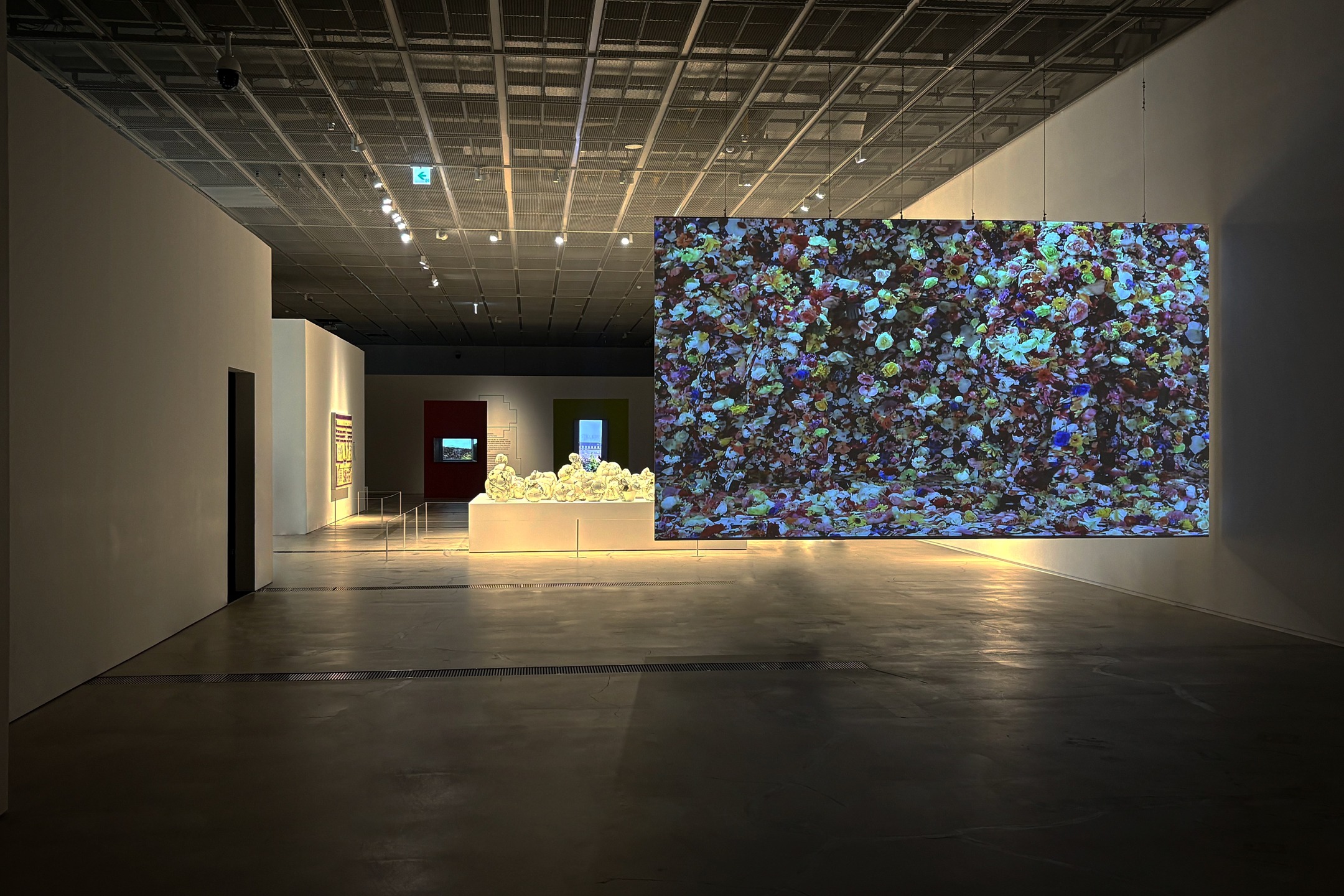
The ‘X’ series and Chemical (2021–) mark a significant moment of formal transformation. Departing from earlier device-based external modifications, the artist combines heterogeneous materials—polyurethane foam, papier-mâché, metal components, transparent PVC sheets, and styrofoam—to construct an abstract sculptural language of the body’s interior. X variation/ interweaves microscopic bodily structures with metaphorical landscapes, generating sensory imagery through material combinations rather than realistic representation. In addition, installation formats such as those in 《CHEMICAL VOLUME》 (P21, 2021), where sculptures float in space or shift visually depending on the viewer’s movement, reflect the artist’s recent tendency to expand the body into a cosmic or microcosmic realm.

Topography & Continuity

Hyungkoo Lee’s work has approached the “body” in ways rarely seen in contemporary Korean art. He positions the body not as an object to be represented but as a comprehensive site of research encompassing sensation, machinery, fiction, and internal structure. From the external modification devices of ‘The Objectuals’ to the anatomical imagination of ‘ANIMATUS,’ the perceptual shifts in ‘Eye Trace’ and 〈MEASURE〉, and the microscopic internal structures of ‘X’ and ‘Chemical,’ this trajectory demonstrates the artist’s persistent engagement with the norms, sensations, structures, and temporalities that surround the body.

Notably, the ‘ANIMATUS’ series—which anatomically reconstructs fictional characters—and the ‘Eye Trace’ series—which allows viewers to experience animal vision through devices—are considered significant deviations from traditional representational body sculpture within Korean art, establishing an expanded sculptural language. Works such as X variation and Pink Vessel, which reinterpret the body’s interior as an abstract structure, have also come to define new approaches to bodily form.

The artist’s ongoing experiments with media and form suggest that his sculptural language will continue to expand. By archiving extensive research materials across anatomy, biology, archaeology, astronomy, and chemistry, he cultivates a foundation for further extending the concept of the body into more layered territories of sensation, technology, and materiality. As demonstrated in the recent exhibition 《Highlighting Korean Contemporary Artist IV》 (Busan Museum of Art, 2022), his work is already shaping a new chapter in contemporary explorations of bodily form.
His concept of “expanding the body,” which moves across fiction, sensation, and internal structure, has already garnered significant attention internationally. Since his solo presentation at the Korean Pavilion of the Venice Biennale (2007), his installation-based works and series have continued to reinforce his distinctive sculptural language within global art discourse. Lee’s work will continue to renew the sensory, imaginative, and material possibilities of the body, offering new perspectives on how the body can be understood and experienced.

Works of Art

The Transformation, Distortion, and Expansion of the Body

Exhibitions

Activities