The Moon Is Rising - K-ARTIST

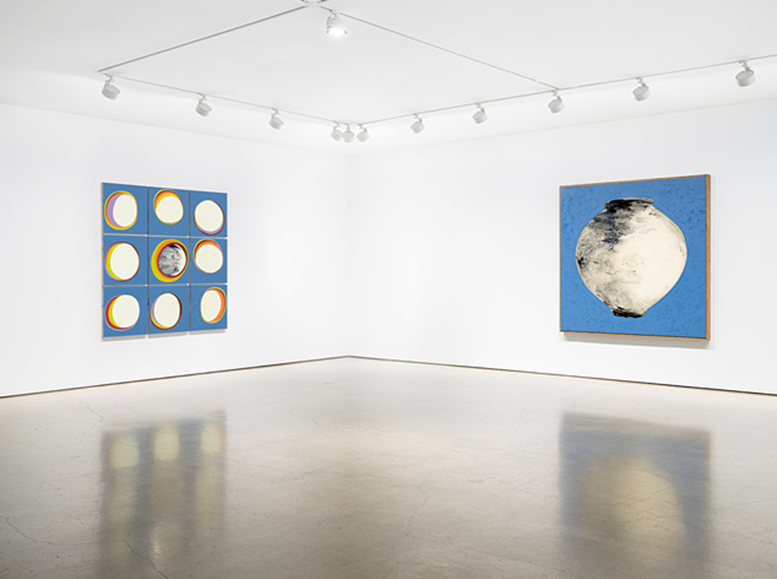
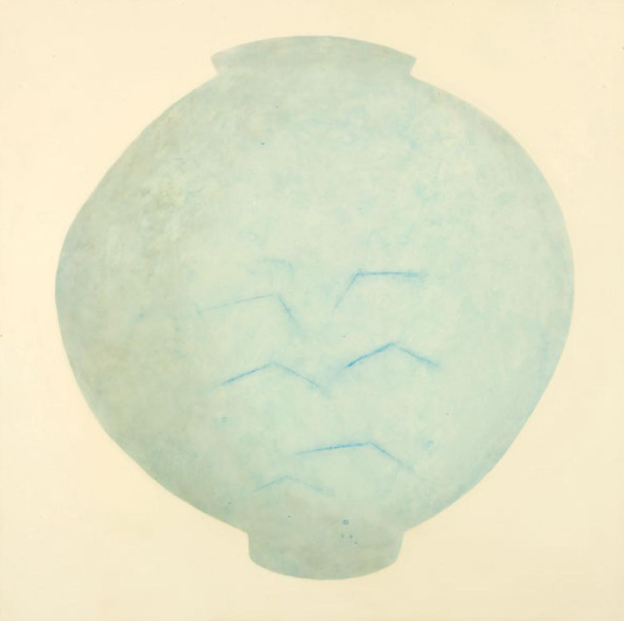
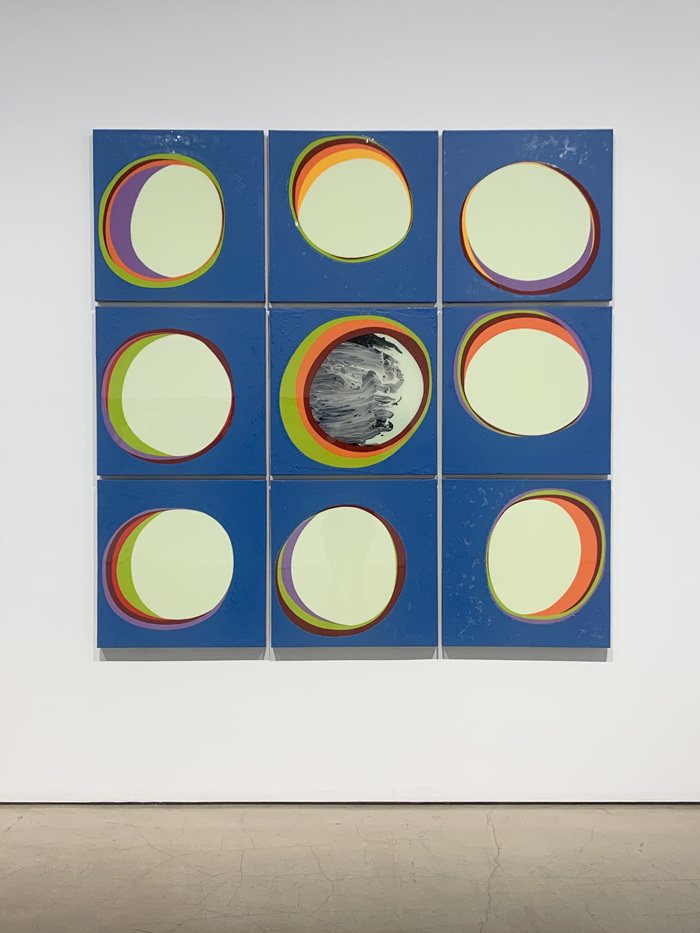
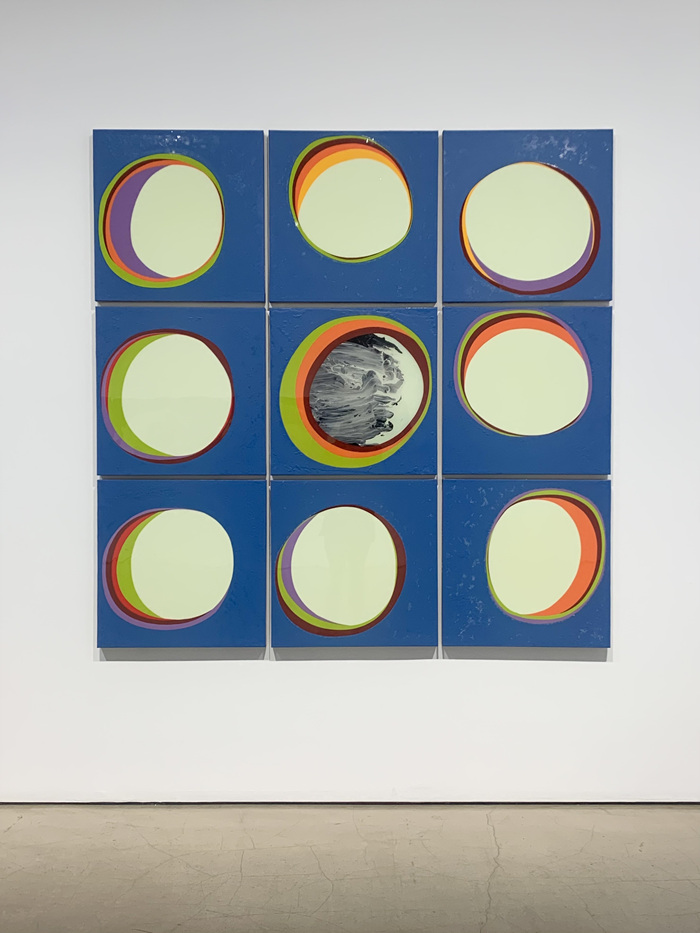
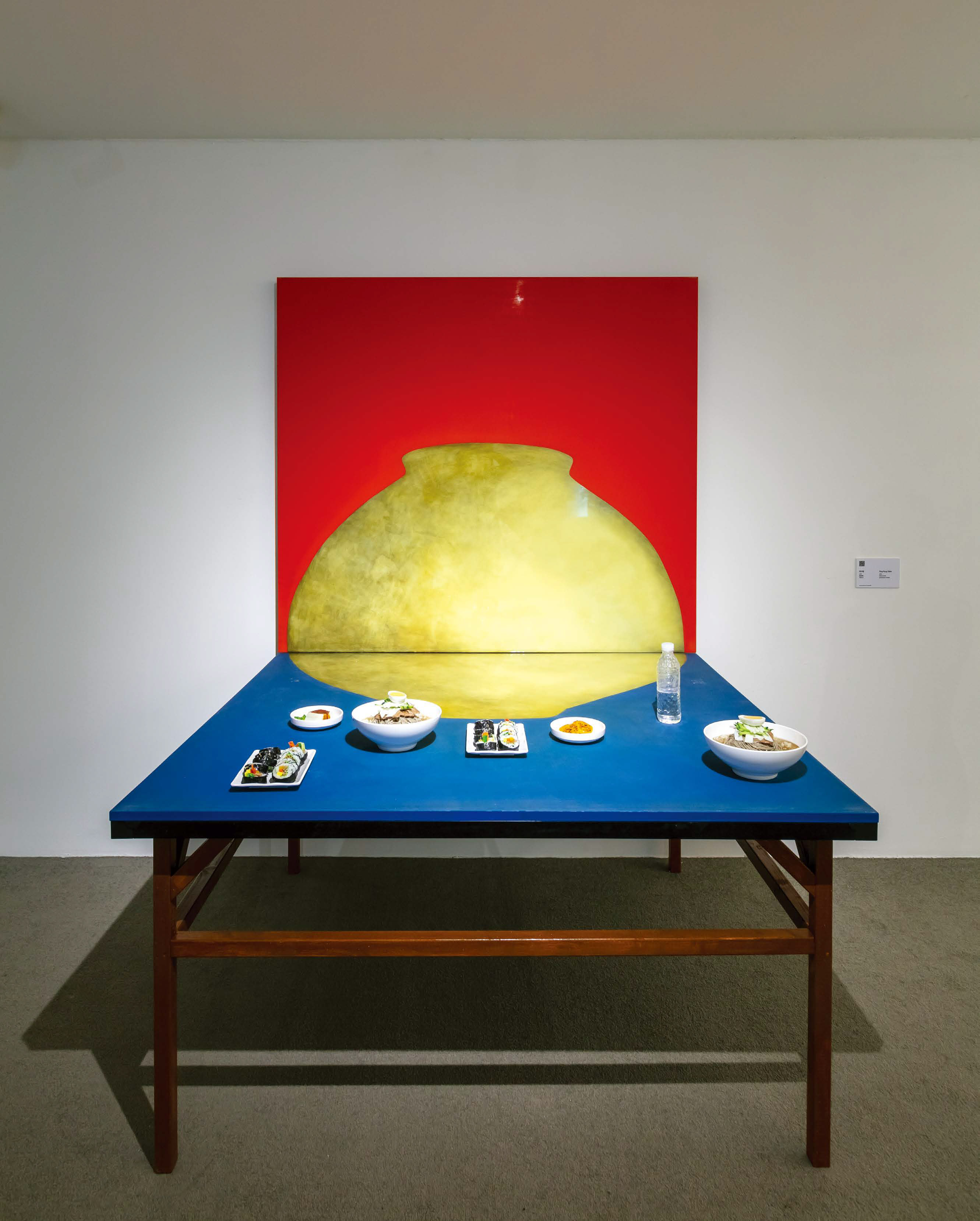
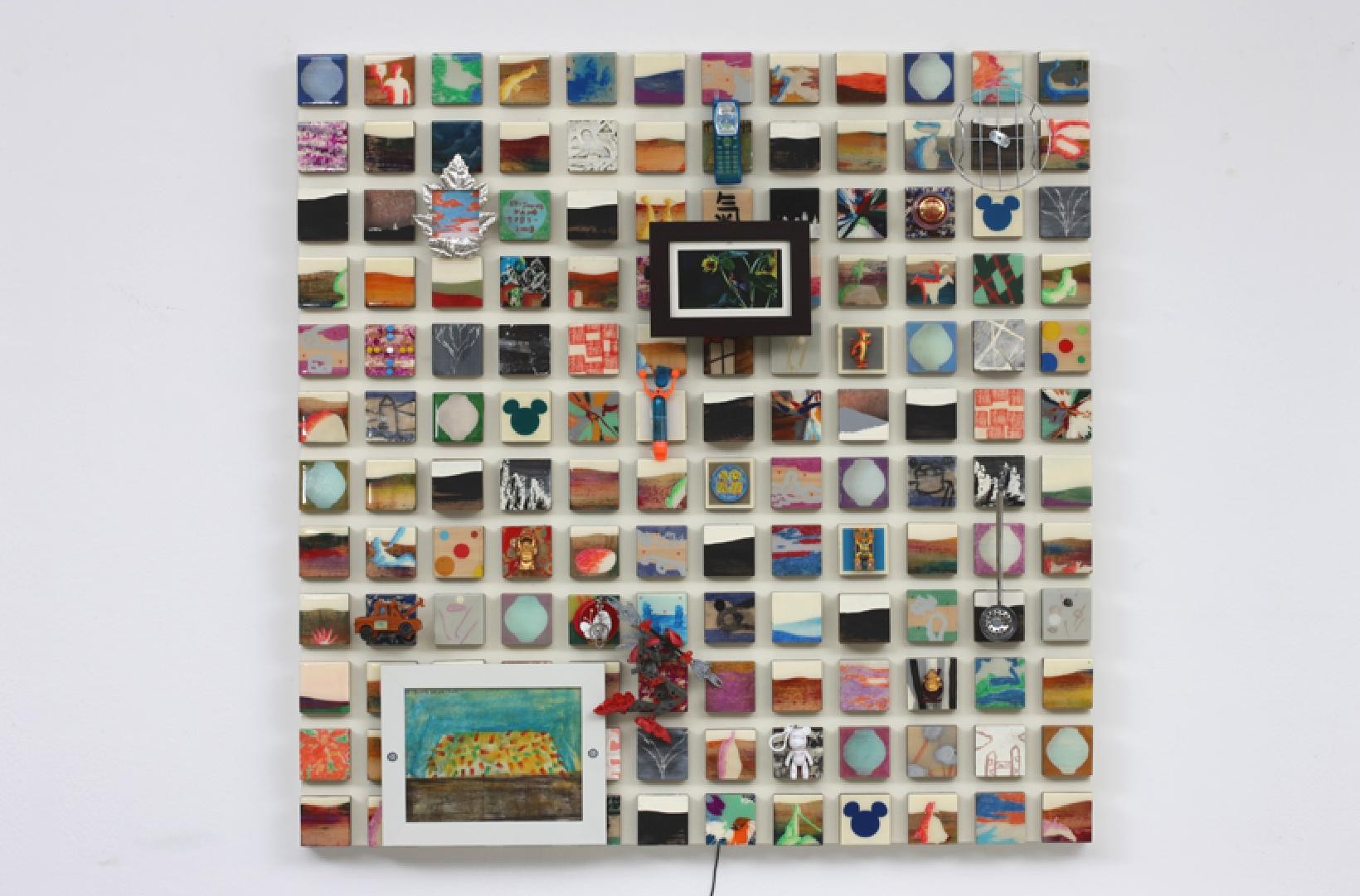
The Moon Is Rising

2022
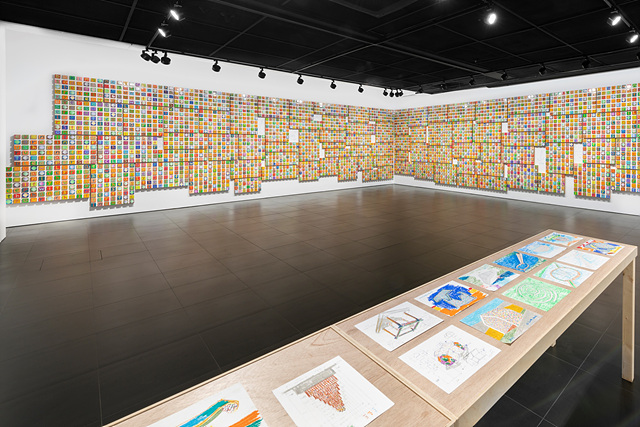
Acrylic on linen
Each 60 × 60 × 4 cm
About The Work

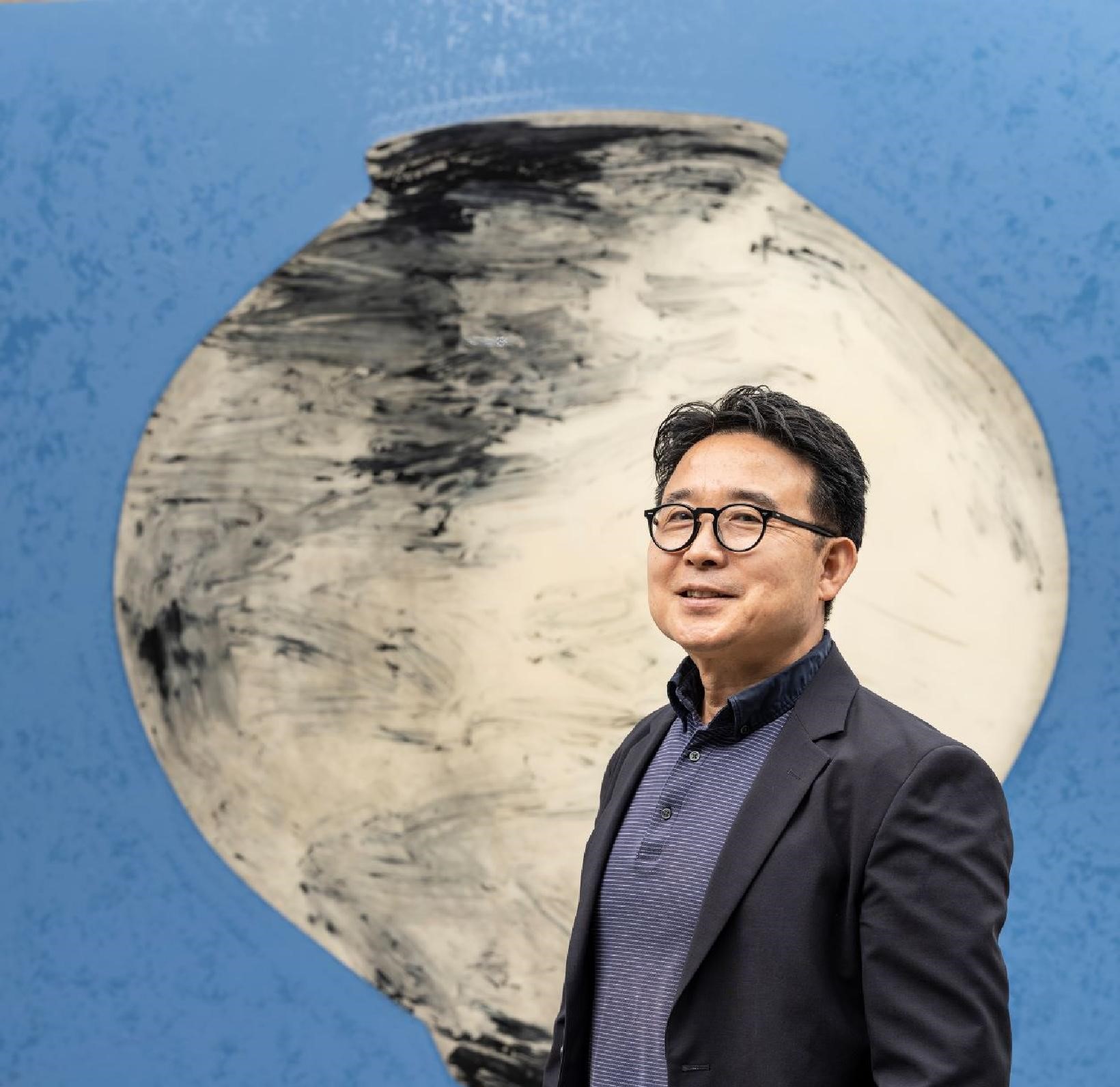
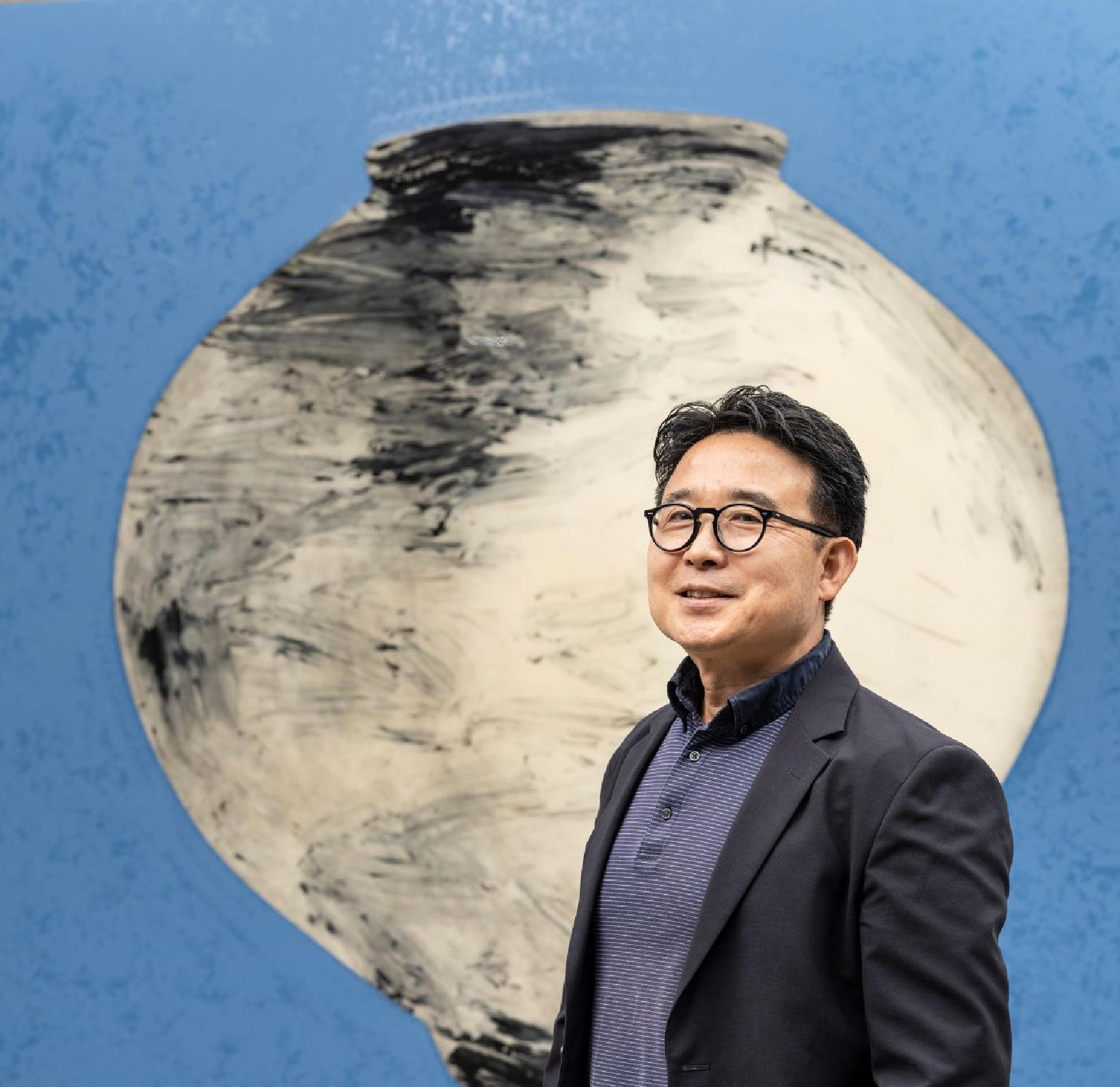
Ik-Joong Kang embeds messages of "communication and harmony," "unity and connection" in his art. His work began during his studies abroad when he carried small canvases, filling them with various texts, symbols, and drawings that captured his daily life. Kang later expanded these small canvases into large-scale installations, evolving into major public art projects that connect and integrate diverse elements.
 
Just like the Hanguel, where scattered consonants and vowels come together to form a single letter, Kang brings together the precious stories of individuals scattered around the world to create a place of harmony and understanding. Kang says that his role as an artist is to connect different or disconnected things through art.
 
He gathers different voices and connects them into a single work, which is then shown and read by many people in public spaces, creating new connections. In this way, Kang’s work revitalizes the sense of connectedness by making it intuitive and easy to understand others and coexistence.

Solo Exhibitions (Brief)

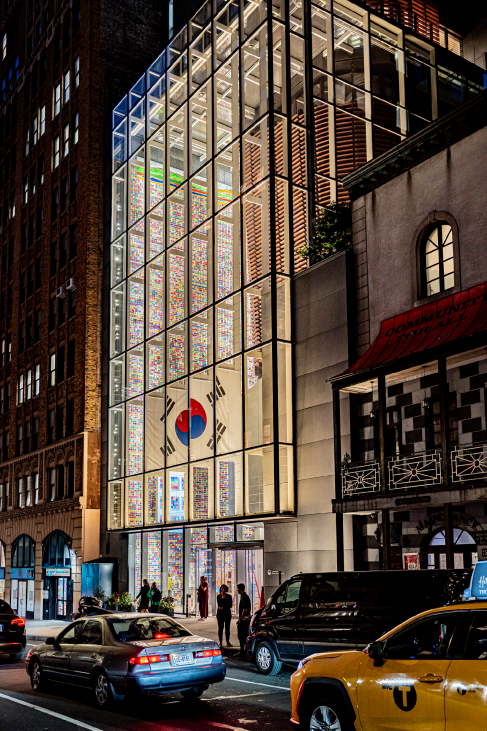
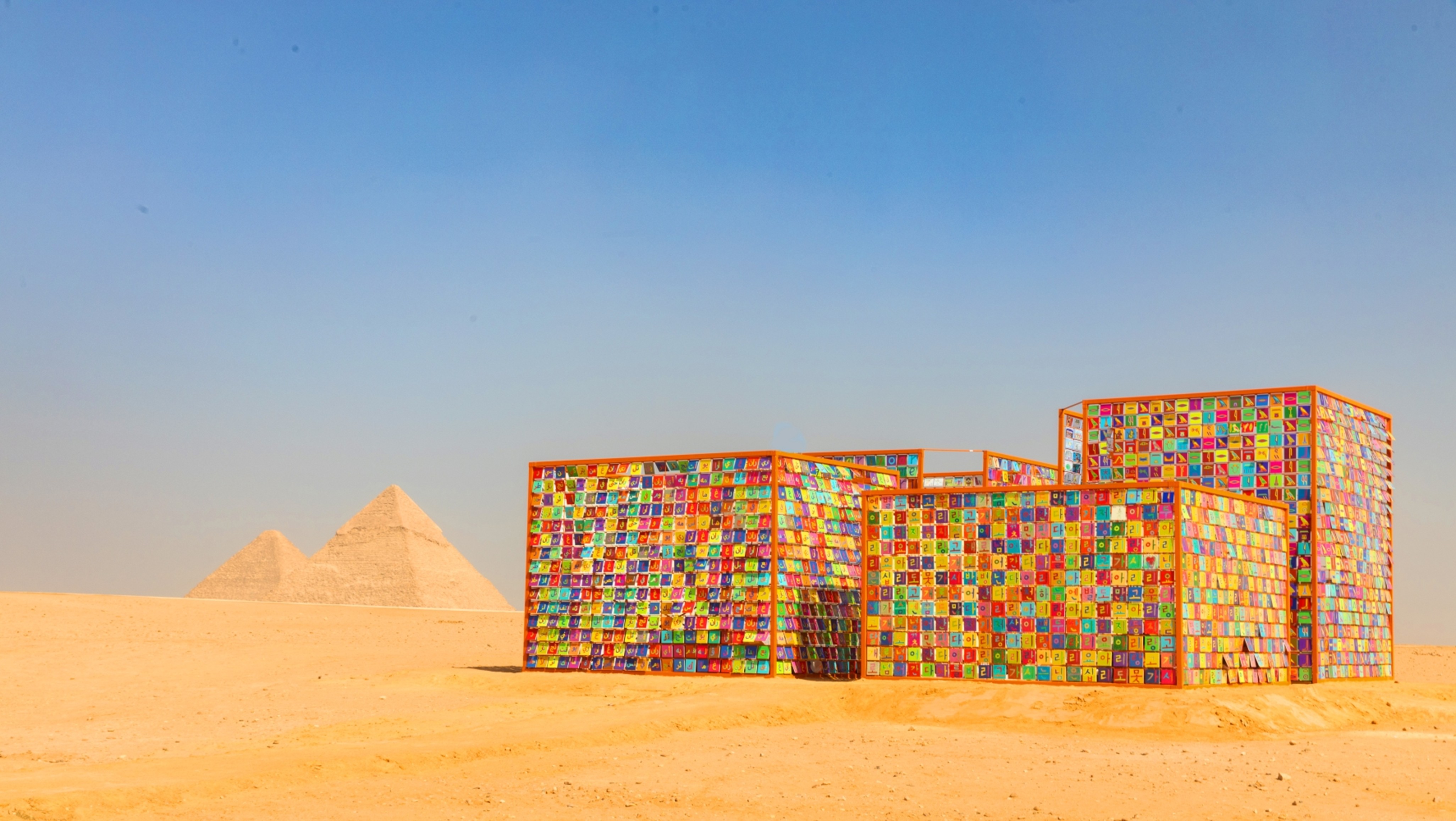
Kang has presented major solo exhibitions and public art projects across Korea, the United States, and Europe since the late 1980s. Notable solo exhibitions and projects include 《Four Temples, Forever Is Now》(The Great Pyramid of Giza, Cairo, 2024), 《Hangeul Wall and 40-Year Retrospective Exhibition》(New York Korean Cultural Center, New York, 2024), 《Journey Home》(Cheongju Museum of Art, Cheongju, 2024), 《The Moon is Rising》(Gallery Hyundai, Seoul, 2022), and 《Gwanghwamun Arirang》(Gwanghwamun Square, Commissioned by the Republic of Korea, Seoul, 2020).

Internationally, Kang has held solo exhibitions such as 《Moon Jars》(National Gallery of Art, Sofia, 2017), 《Floating Dreams》(River Thames, London, 2016), 《The Moon Jar》(Robilant and Voena Gallery, London, 2016), 《Floating Moon Jars and Mountain and Wind》(Museum of Modern Art, Kuwait, 2015), and 《25 Wishes》(Korean Gallery, The Metropolitan Museum of Art, New York, 2010).

Group Exhibitions (Brief)

Kang has participated extensively in major group exhibitions at national museums, international biennials, and leading global institutions since the 1980s. Notable exhibitions include 《MMCA Collection: Korean Contemporary Art》 (National Museum of Modern and Contemporary Art, Seoul, 2025-2026), 《Every Island is a Mountain》 (Palazzo Malta, Venice, 2024), 《The Art of Our Time: Master Pieces from the Guggenheim Collections》 (Guggenheim Museum, Bilbao, 2015), 《Contemporary Korean Ceramics》 (Victoria and Albert Museum, London, 2017), and 《Reshaping Tradition: Contemporary Ceramics from East Asia》 (USC Pacific Asia Museum, Pasadena, 2015). He has also been invited to major international biennials, including the Venice Biennale (1997), the Gwangju Biennale (1997, 2004), and the Buenos Aires International Biennale (National Museum of Arts, Buenos Aires, 2002).

Awards (Selected)

Kang received the Special Merit Award at the 47th Venice Biennale in 1997, along with the Louise Comfort Tiffany Foundation Fellowship and the Ellis Island Medal of Honor. He was also awarded the Korean Art and Culture Award (Presidential Award) in 2012 and the Sejong Cultural Award in 2021, marking significant recognition of his contributions both internationally and in Korea.

Awards (Selected)

Kang’s work has been included the collections on numerous major art institutions in Korea and abroad, including the Guggenheim Museum (New York); the British Museum (London); the Whitney Museum of American Art (New York); the Museum of Contemporary Art, Los Angeles; the Museum of Fine Arts Boston; the Museum Ludwig (Cologne); the National Museum of Modern and Contemporary Art, Korea (Seoul); the Seoul Museum of Art; the Gyeonggi Museum of Modern Art (Ansan), and the Leeum Museum of Art (Seoul).
Works of Art

Communication and Unity, Harmony and Connection

Originality & Identity

Ik-Joong Kang’s artistic practice has consistently unfolded around the concept of “connection.” Small records that began with the artist’s personal daily life gradually expanded into structures that link individuals, society, and ultimately the world. Throughout his work, the themes of “communication and harmony” and “unity and connection” remain constant. This approach has developed into an inquiry into the role art can play within society, traversing personal experience and collective memory, as well as locality and universality.

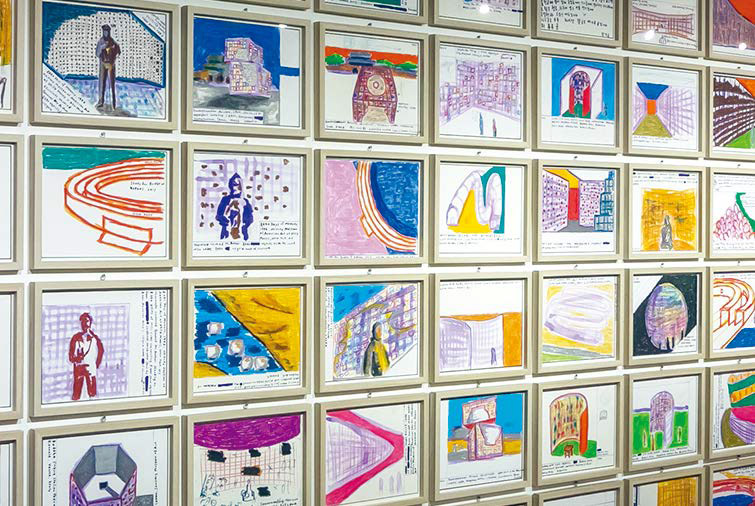
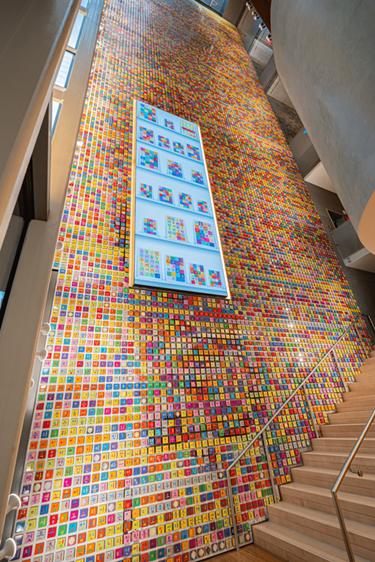
The starting point of Kang’s early practice lies in the “3-inch” canvas works he produced during his years of study in New York. Created on subways and buses, these small-scale works functioned as records that simultaneously captured the everyday life of an immigrant, cultural dissonance, sensitivity to language, and memories of both homeland and elsewhere. Through the juxtaposition of text, symbols, and images, these works operated as private narratives while forming a visual language in which different times and places overlap.

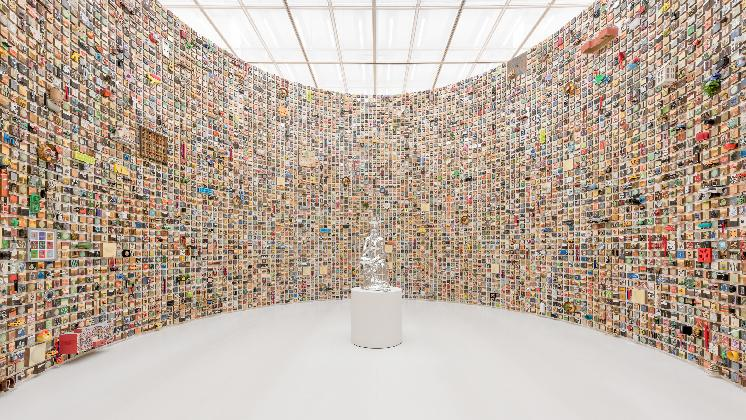
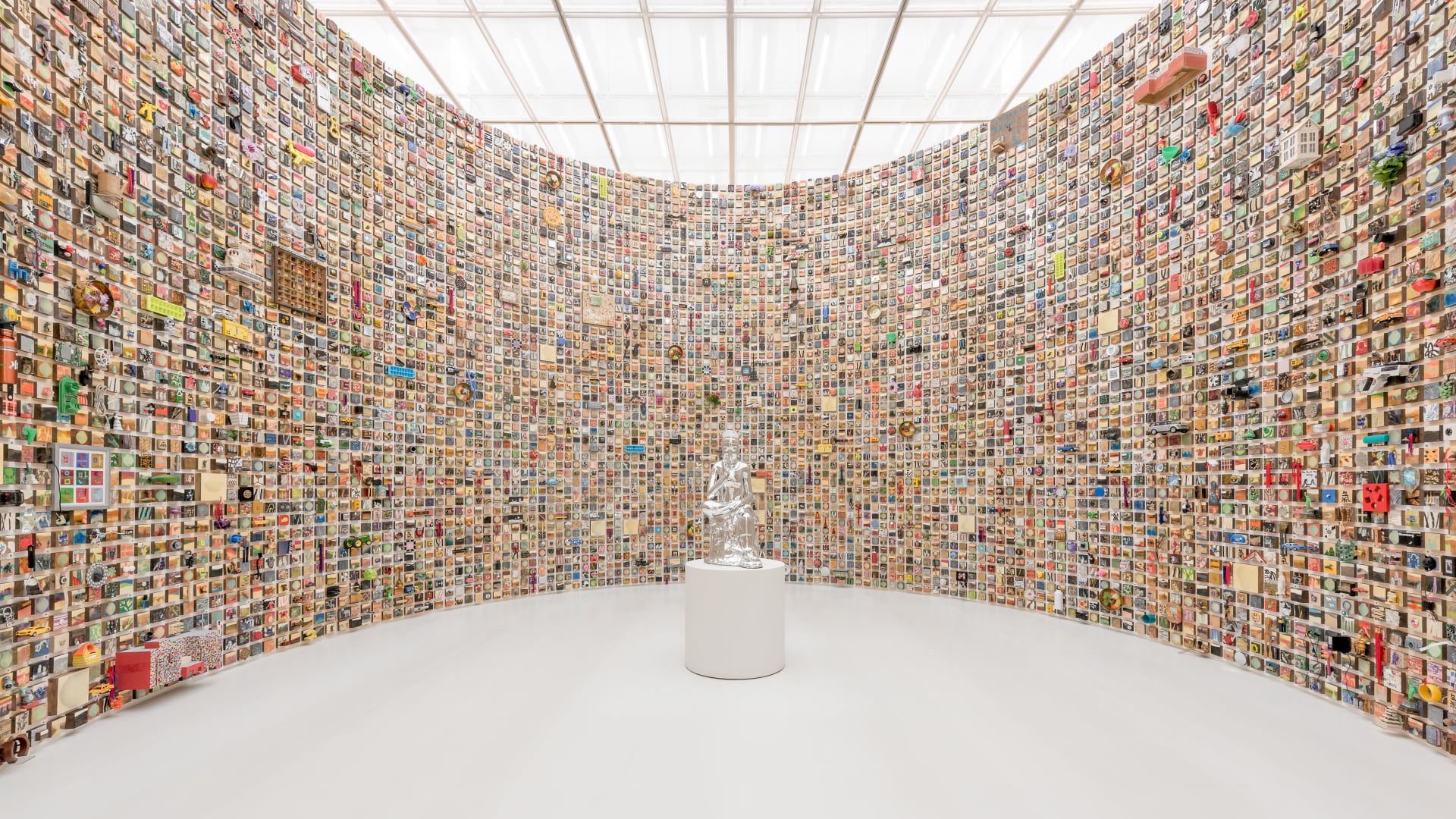
This accumulation reaches a significant turning point in Samramansang (1984–2014). Composed of tens of thousands of 3-inch works, this large-scale installation visualizes the “world as a whole” that Kang has continually explored, with individual images interconnected to form a cosmic structure. Here, ‘samramansang’ signifies not a simple aggregation, but a relational world in which difference and diversity coexist.

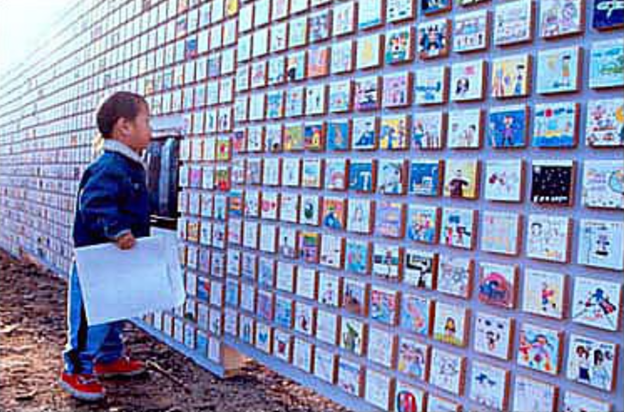
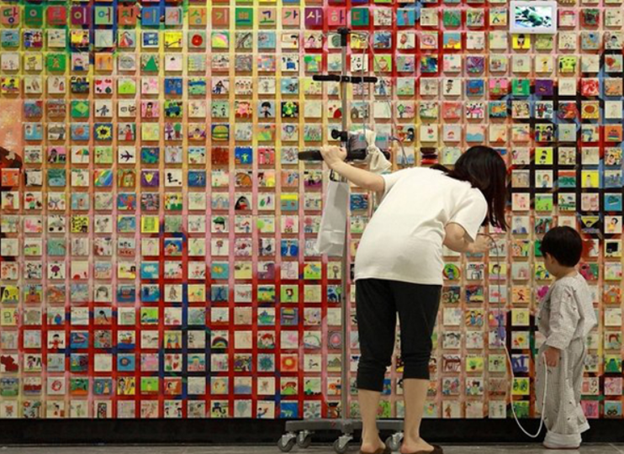
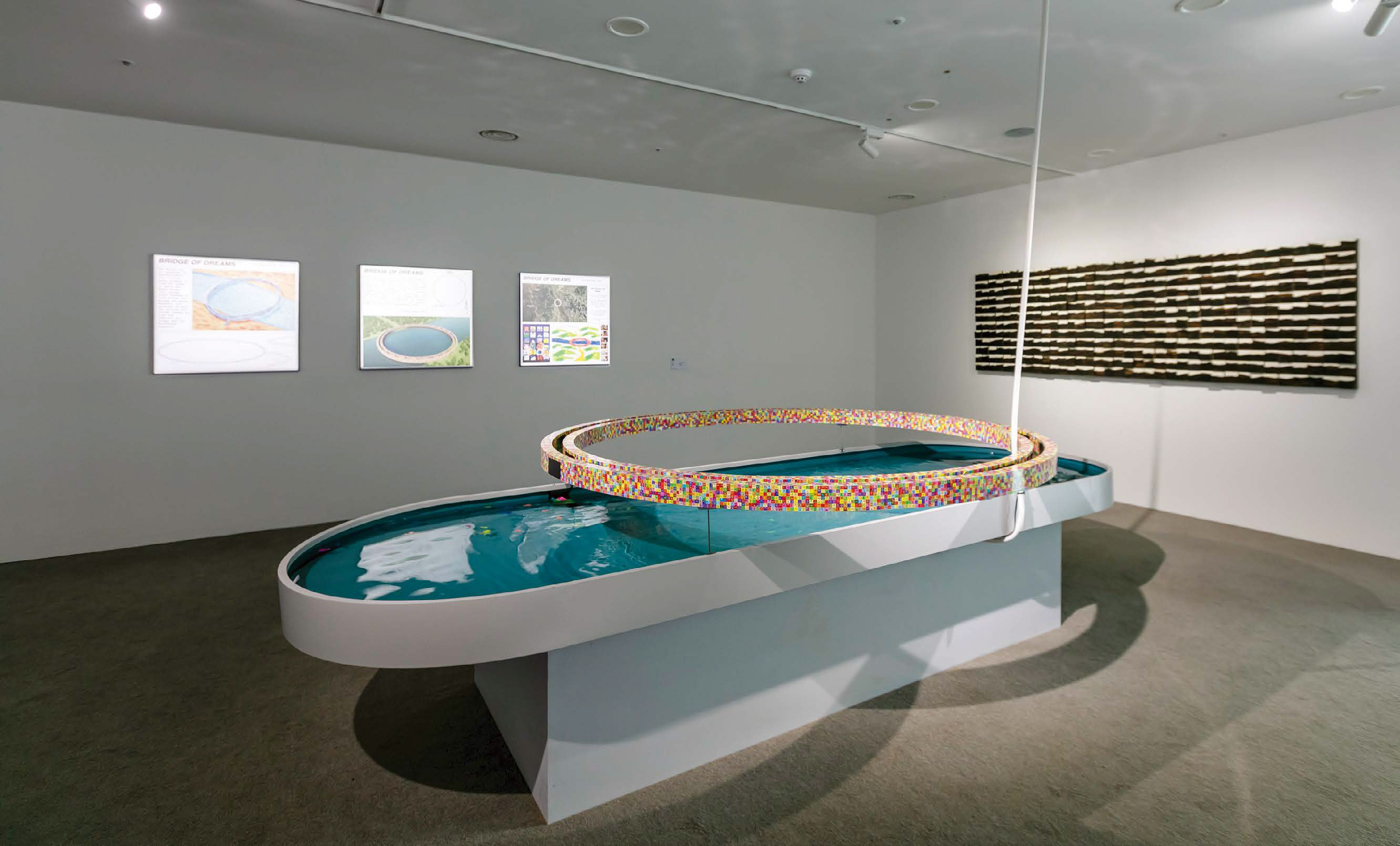
Subsequently, Kang expanded his thematic focus beyond personal records toward collecting and connecting the stories of others. Participatory public art projects such as 100,000 Dreams (1999), Floating Dreams (2016), and Hangeul Wall (2024) function as platforms that visualize individual voices through art, while offering spaces to reflect on coexistence and peace amid historical realities such as division, migration, and war.

Style & Contents

Kang’s work emphasizes a formal structure based on the repetition and aggregation of small units. The 3-inch canvas was defined as the minimum unit that could be produced while in motion, and this physical condition enabled both density and continuity in his practice. Works such as Samramansang and 1,000 Drawings (1985–2024) exemplify how this method, accumulated over time, became a distinctive sculptural and visual language.

Over time, Kang expanded this structure across a range of media, including panels, objects, painting, installation, and video. In 100,000 Dreams, drawings by children were combined with video to create a large-scale multimedia installation that transformed individual dreams into a collective narrative. Participation and collection thus became central methodologies within his practice.

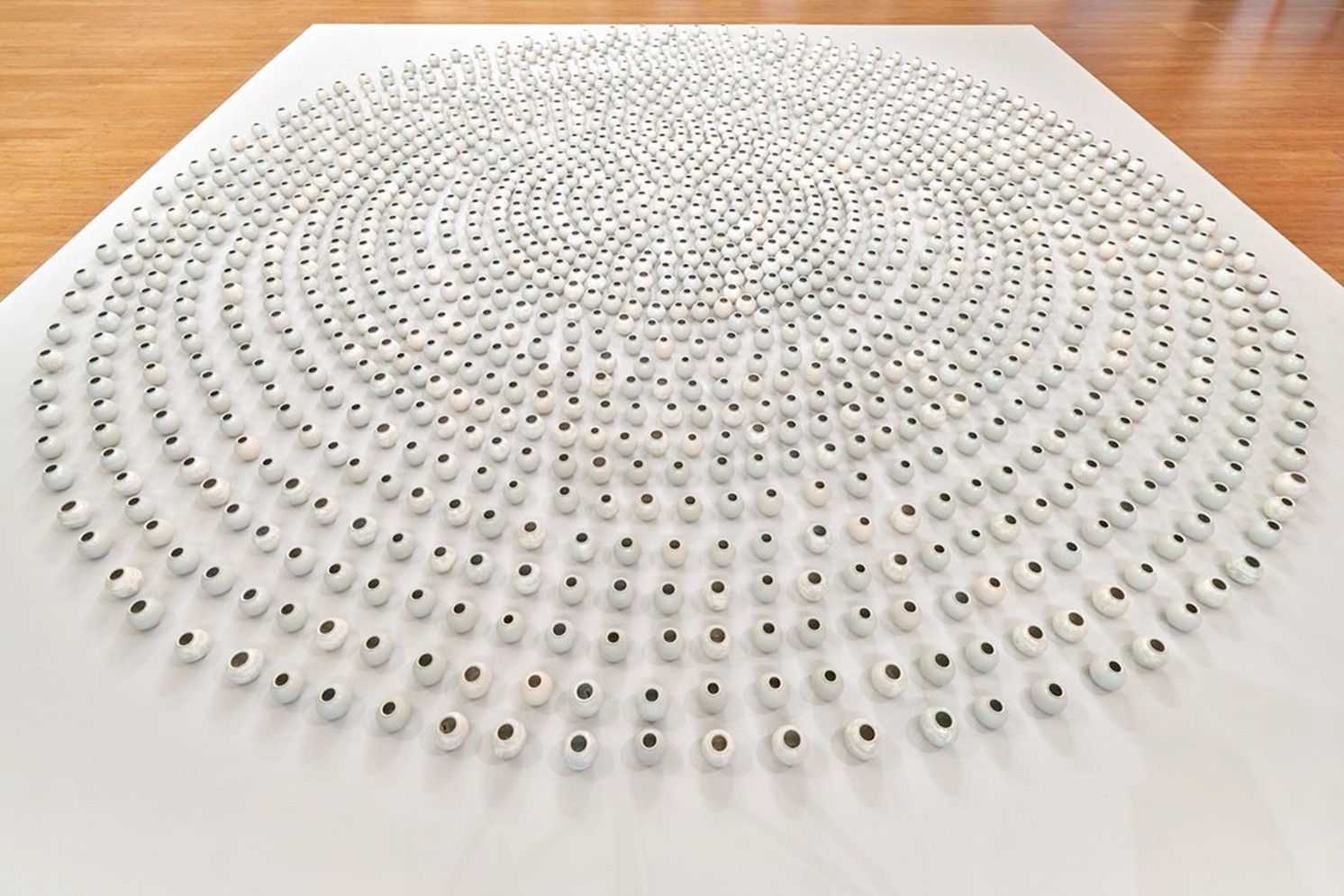
From the early 2000s onward, the motifs of the moon jar and Hangeul emerged as major axes in his work. In pieces such as 1,392 Moon Jars (2008–2010), Moon Jar (2018–2022), and The Moon Is Rising (2022), the moon jar symbolizes inclusion and coexistence through its structure—completed only when its upper and lower halves are joined. This form serves as a sculptural embodiment of Kang’s enduring interest in the union of what is separated.

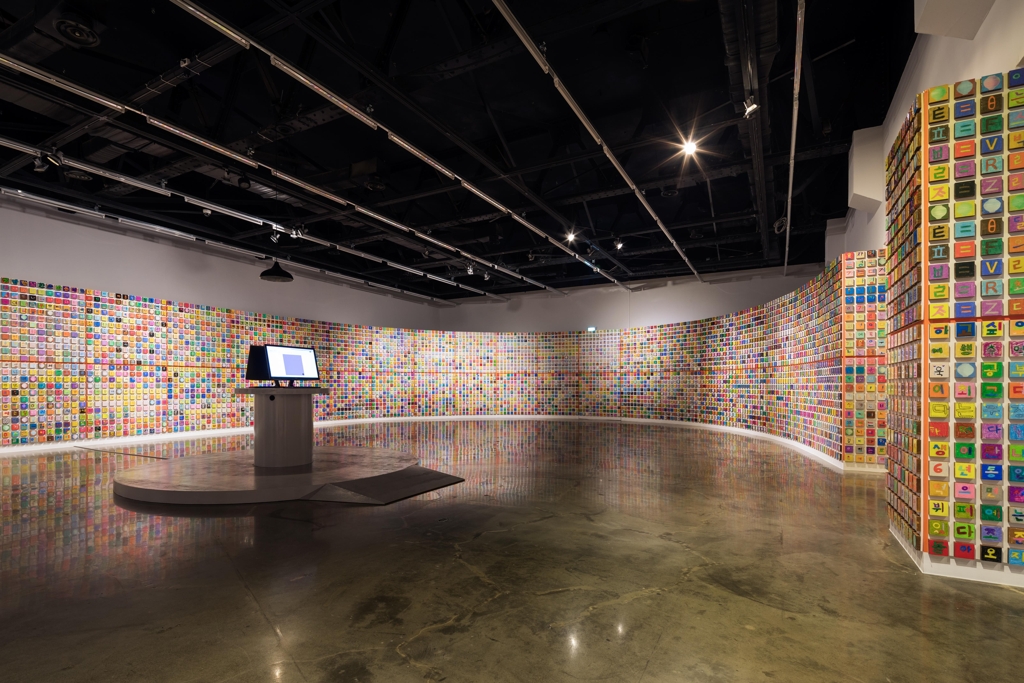
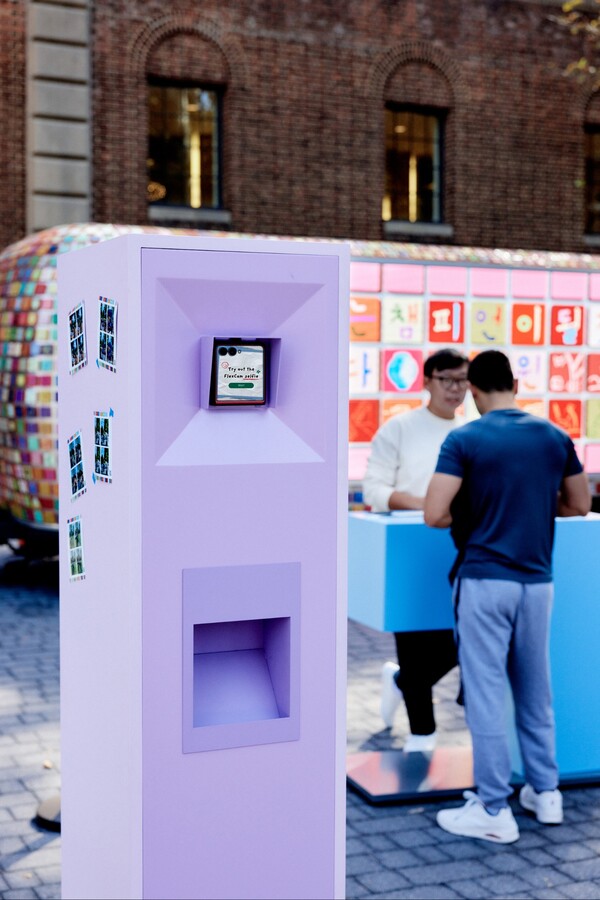
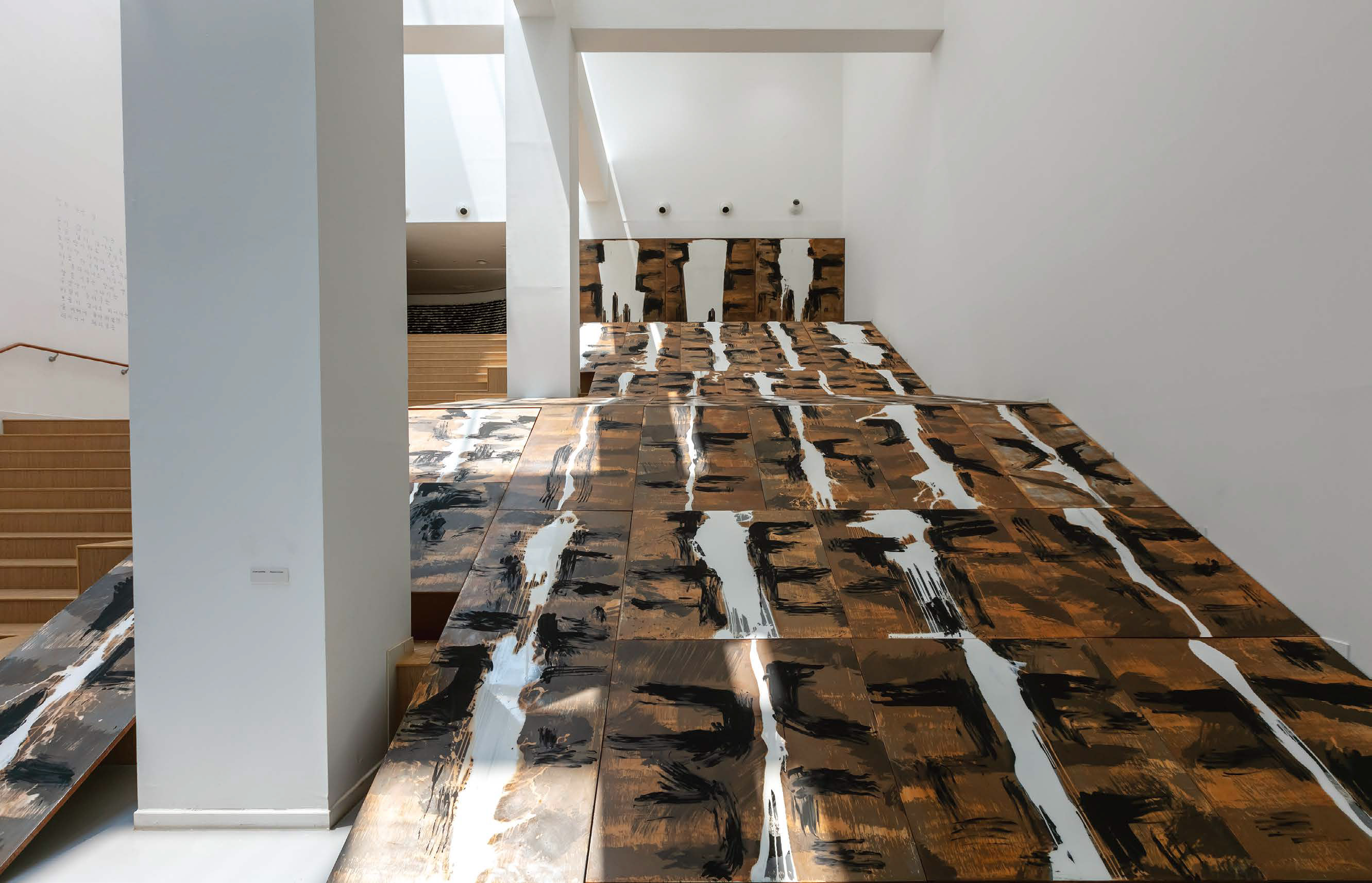
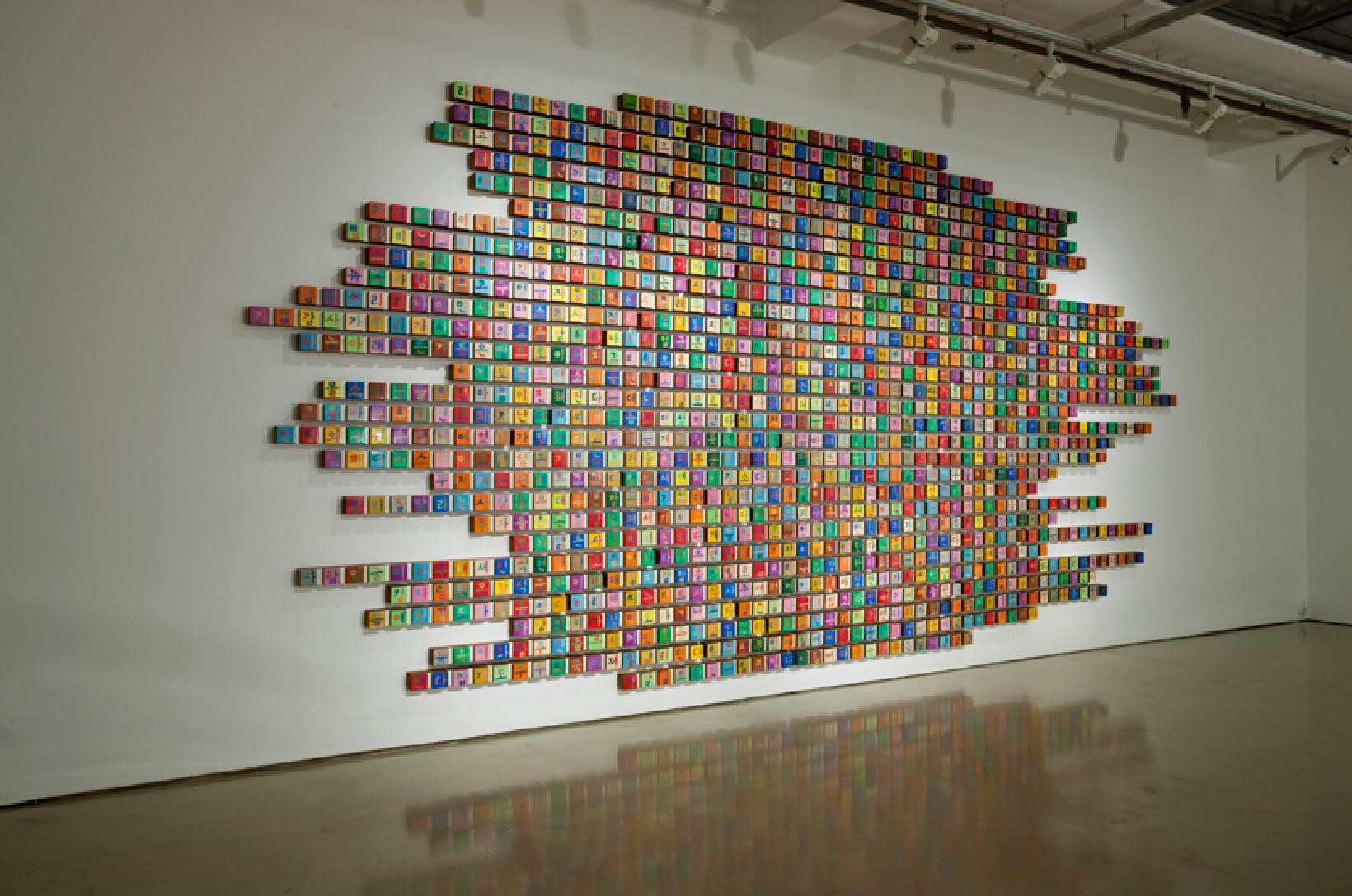
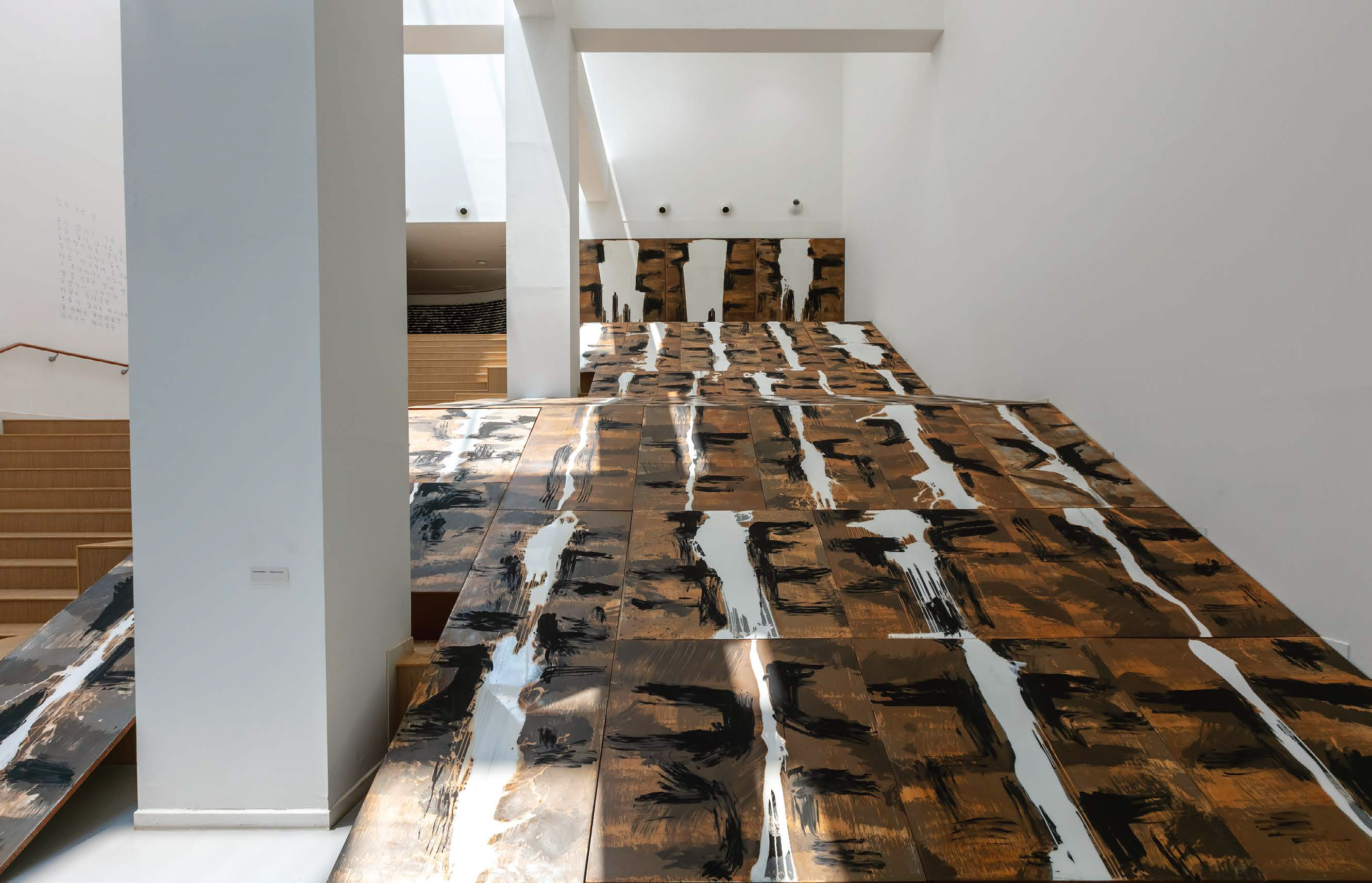
Works engaging with Hangeul likewise demonstrate a close interrelation between form and concept. In projects such as Things I Know (2017) and Hangeul Wall, the structure of Hangeul—where consonants and vowels combine to create meaning—is expanded into a collective text formed by the languages and experiences of many individuals. Spanning painting, installation, and digital platforms, these works actively reflect contemporary modes of communication.

Topography & Continuity

From small-scale paintings to large-scale public art projects, Kang’s practice can be read as an ongoing experiment in how art organizes and mediates social relationships. Rather than adhering to a single medium or genre, his work has been sustained through structures that flexibly adapt to different contexts and sites.

Methods of participation, collection, aggregation, and installation have persisted—albeit in varied forms—from the 1980s to the present. The modular structure that began with the 3-inch canvases expanded to include children’s drawings, the memories of displaced individuals, and the written statements of citizens, functioning as a conduit that connects individuals and collectives, the local and the global.

The recent Hangeul Wall project marks an important turning point by extending participation worldwide through a digital platform. By integrating online and offline formats beyond physical installation, the project proposes new possibilities for public art and demonstrates how Kang’s practice continues to adapt to contemporary conditions.

Looking ahead, Kang’s work is likely to further expand in response to evolving technologies and media, while maintaining its core emphasis on public engagement and participation. Long-term projects such as Bridge of Dreams on the Imjin River suggest that his practice remains oriented toward spaces that are yet to be connected. His commitment to public art on a global scale is expected to continue as an open-ended process of linking fragmented worlds.

Works of Art

Communication and Unity, Harmony and Connection

Articles

Exhibitions