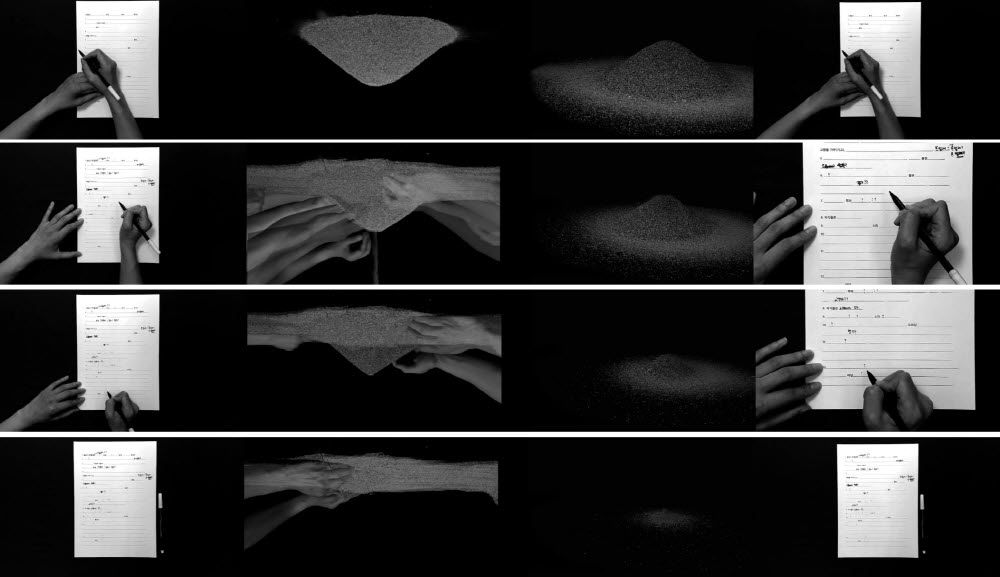
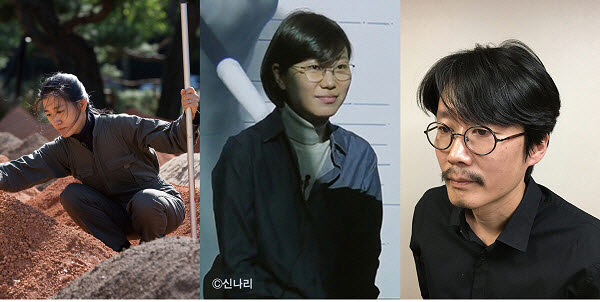
Woojin Kim works across video, installation, performance, and drawing, transforming materials gathered through research and interviews into audiovisual experiences. Although her practice begins with actual events and personal testimonies, she reconstructs the collected material through repetition, juxtaposition, and reenactment to establish new contexts.
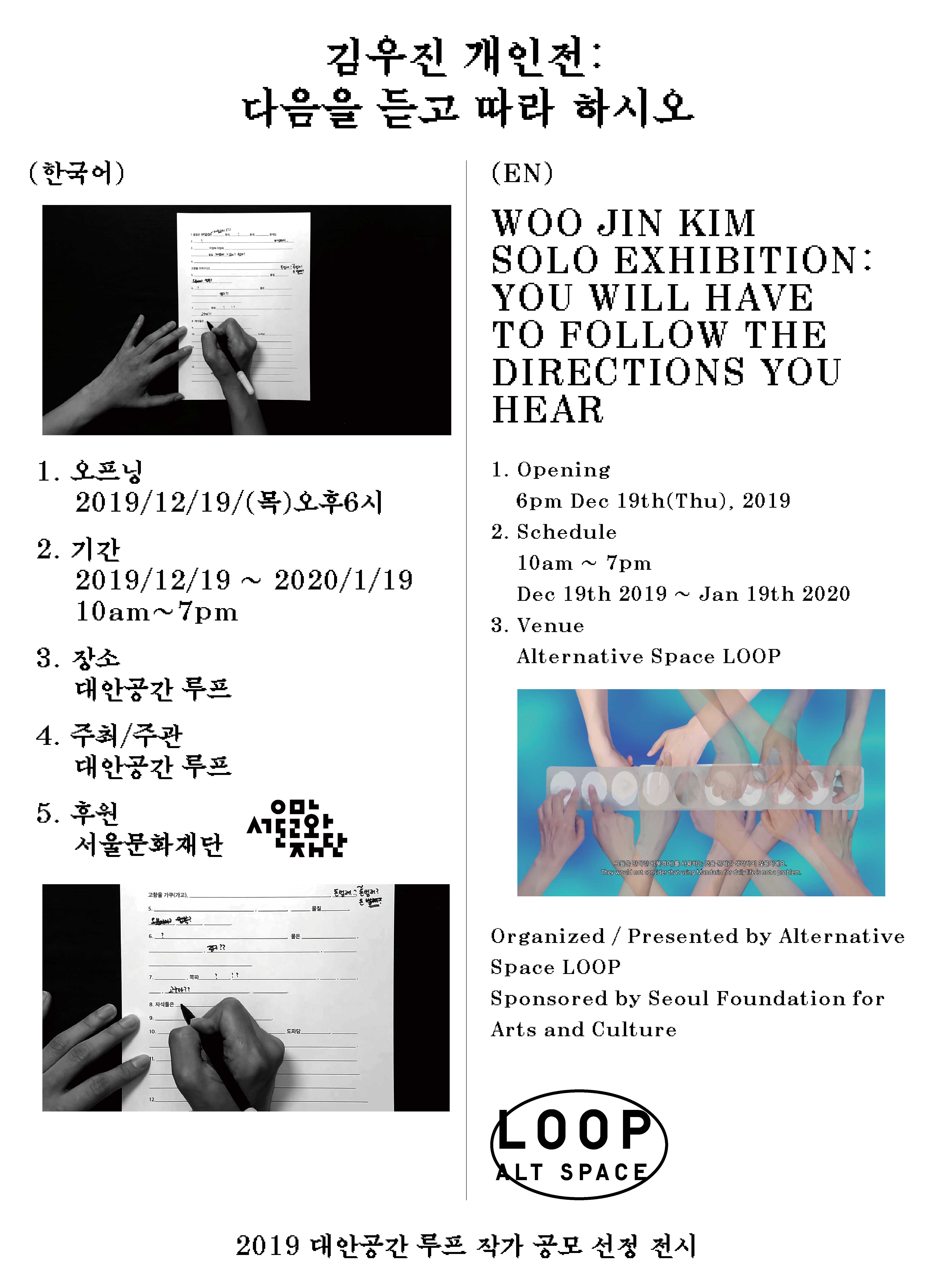
By intersecting images, voices, and texts distributed across multiple screens, Kim encourages viewers to discover meaning through the relationships between different sources of information. Her compositions often depart from linear narratives, revealing similarities and differences between events that occurred across distinct times and locations.
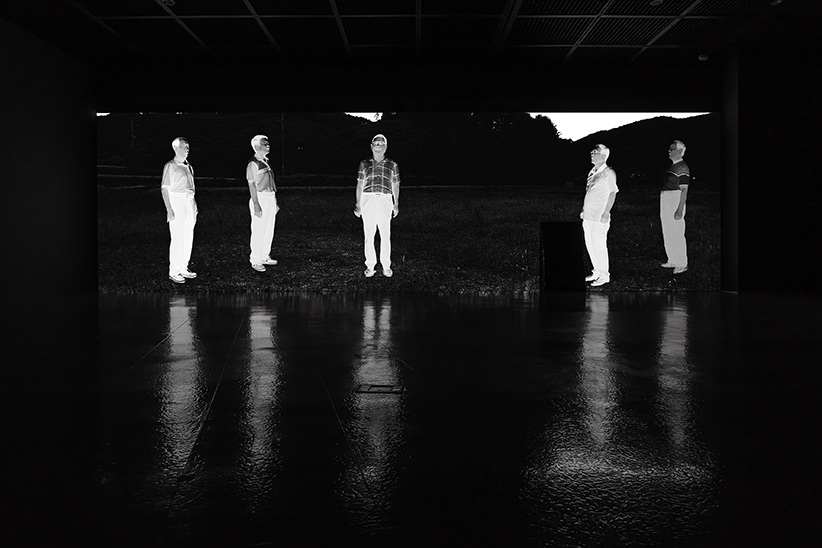
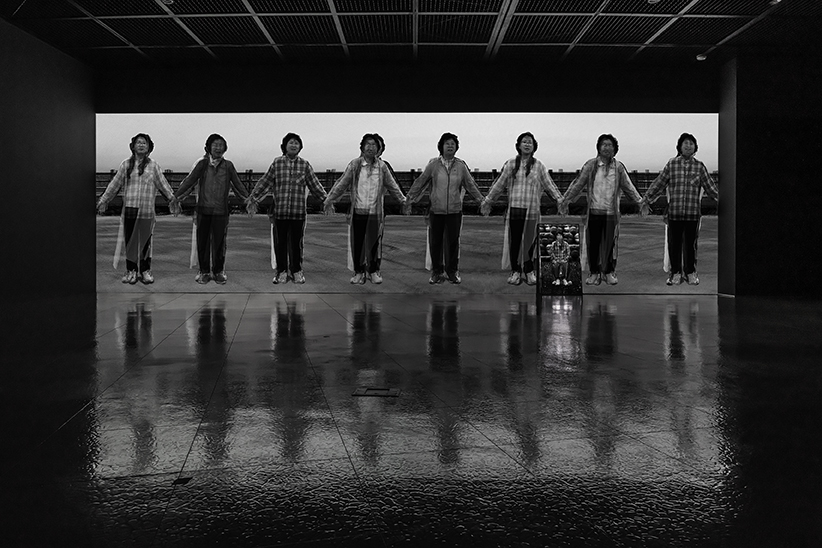
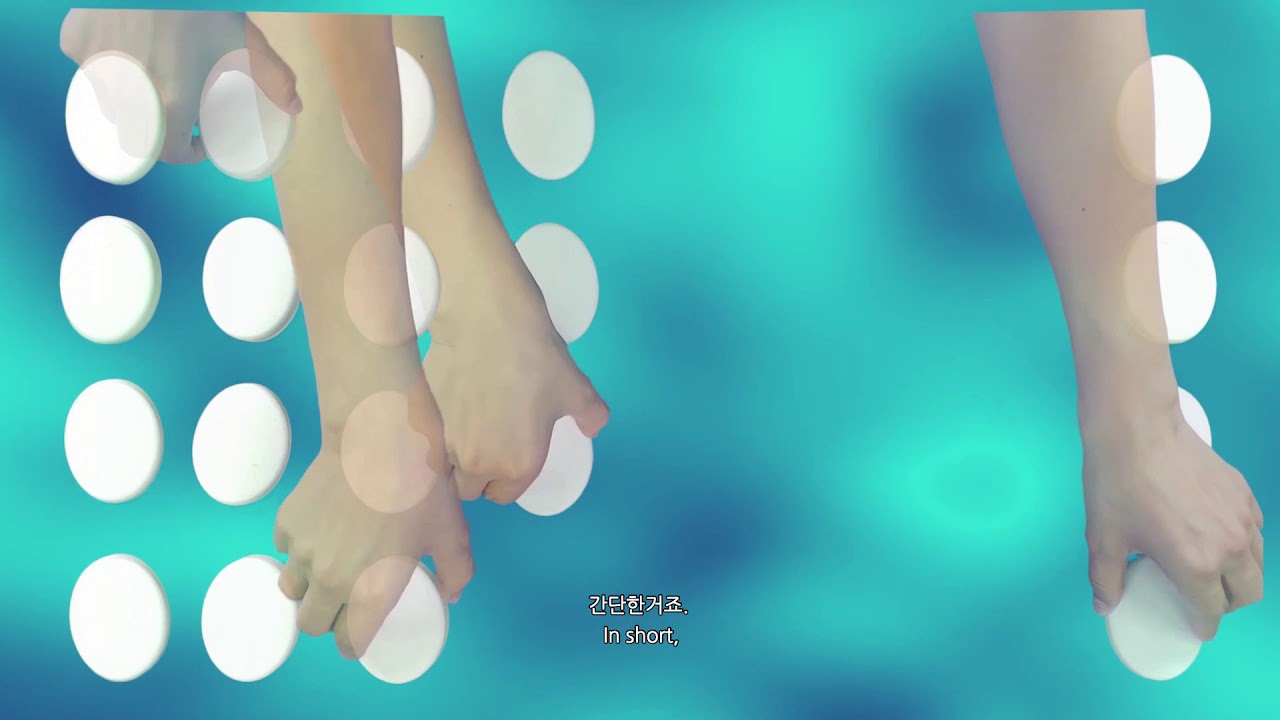
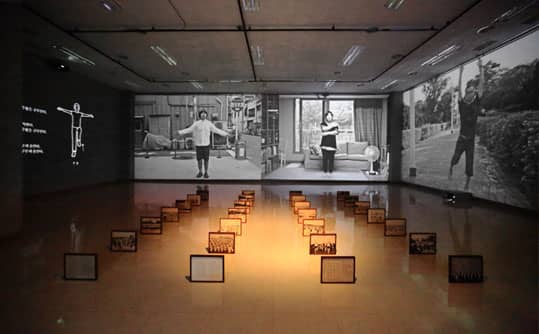
Her early works prominently feature the recording and editing of repetitive bodily movements. Brave New Exercise: Memorized Movements (2016) reconstructs collective calisthenics movements collected in Korea, Japan, Taiwan, and other regions through multi-channel video, arranging gestures performed by different individuals into seemingly continuous sequences. Kim also demonstrates the movements herself or adopts the format of instructional manuals that viewers can follow, making embodied memories visually perceptible.
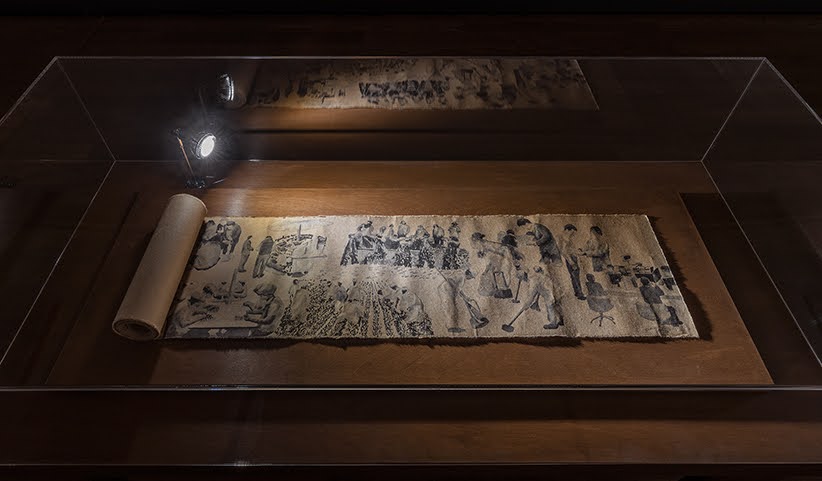
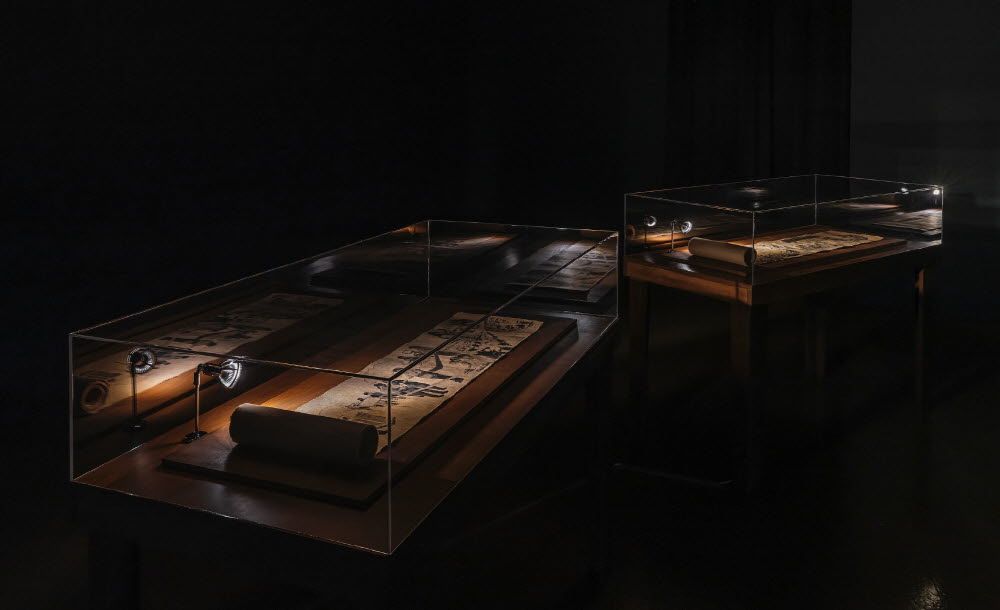
Alongside these videos, she recreates historical photographs of collective calisthenics using coffee and ink, arranging the drawings in orderly formations that correspond to the repetitive movements on screen. The combination of moving images, drawings, and spatial arrangements emphasizes the visual patterns produced by collective discipline.
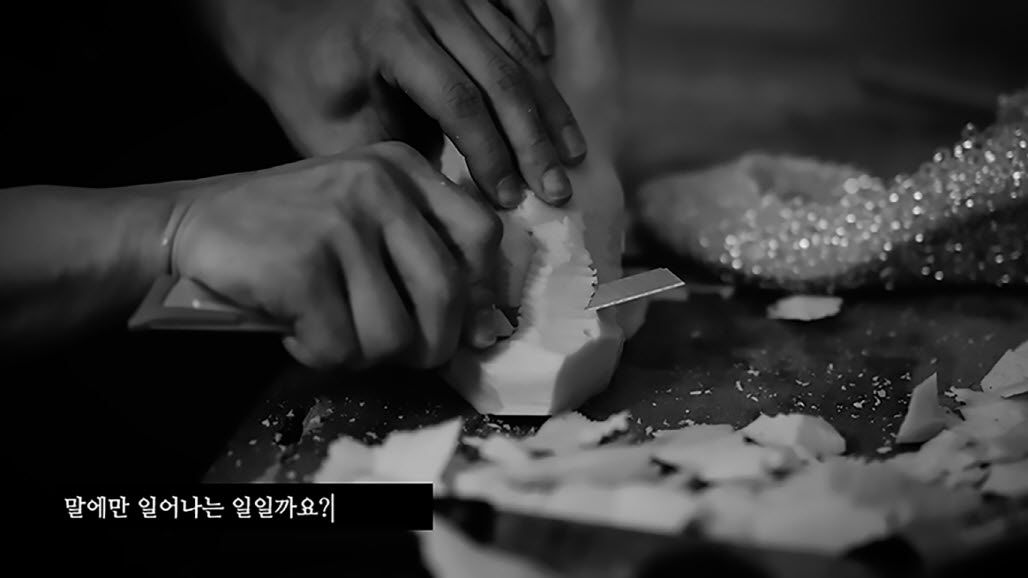
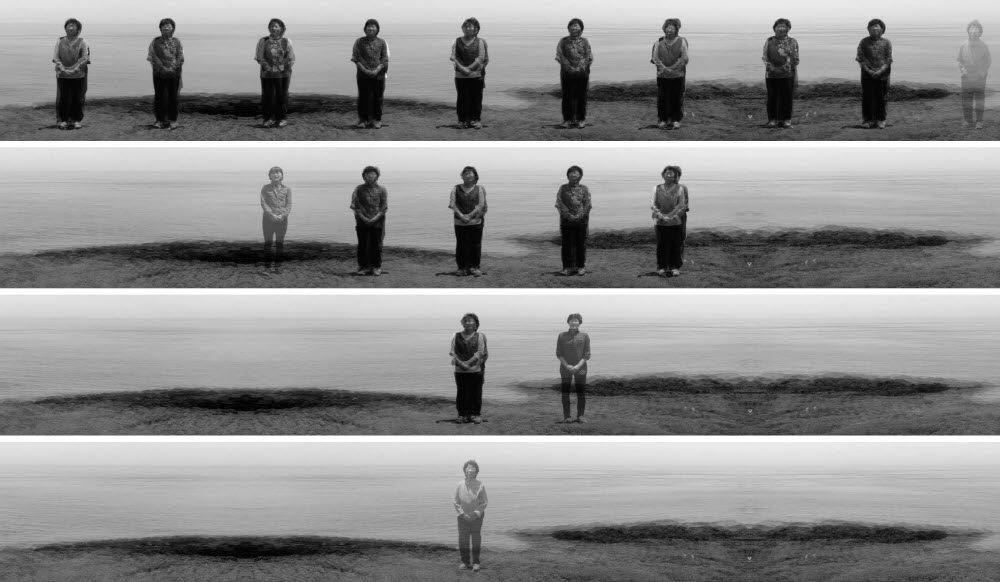
In the 'Memories Project', Kim further develops her use of interviews and archival materials in video production. She overlays recorded voices, documentary footage, and symbolic imagery, employing repetition, fade-outs, and sound effects to evoke the sensory experience of disappearing memories. In The Perfect Harmony (2019), the gradual disappearance of female divers from the screen, accompanied by their work songs, conveys an accumulating sense of absence.
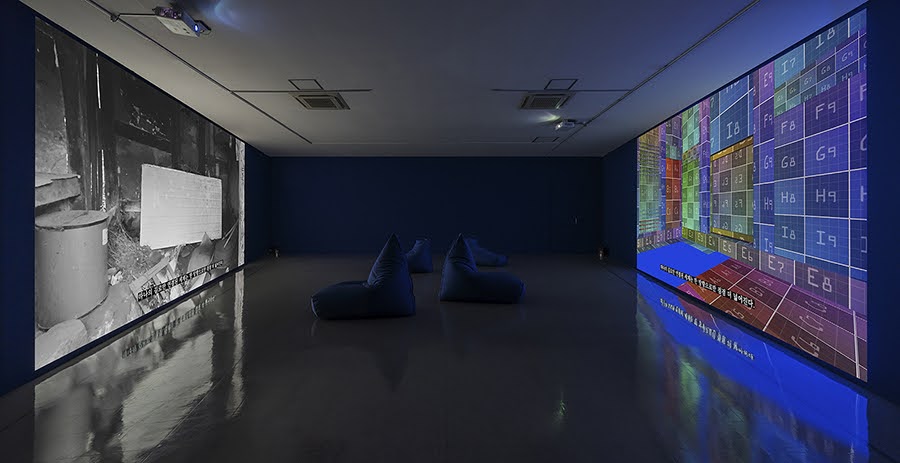
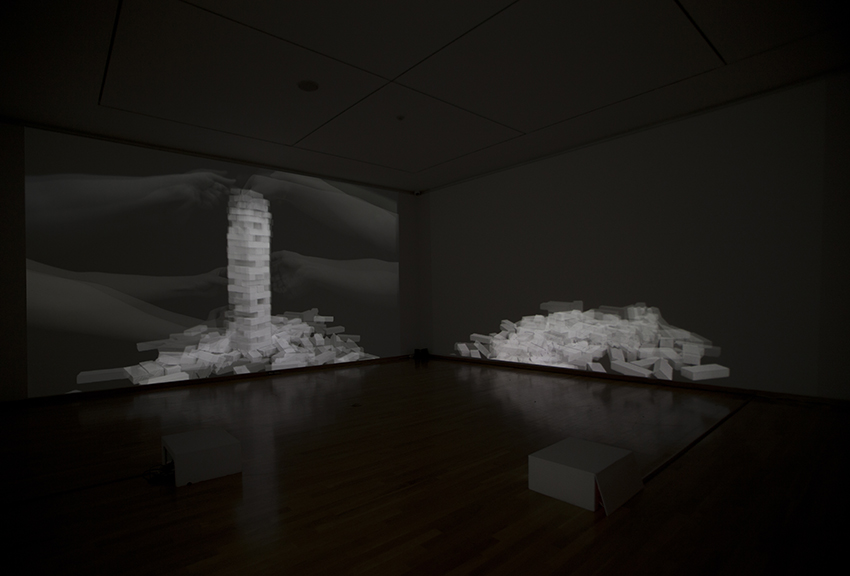
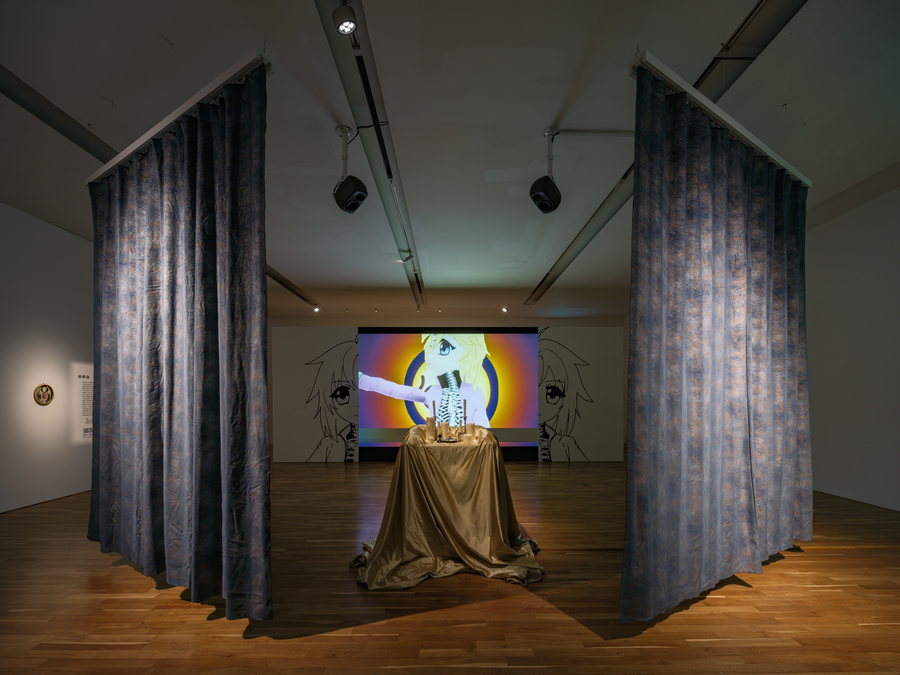
The Ghost, Sea and Möbius Loop (2022) juxtaposes footage of an abandoned house with a digitally reconstructed virtual space across two screens. Moving between documentation and representation, reality and simulation, Kim visualizes the disappearance of individual memories. Her multi-screen installations encourage viewers to actively examine the relationships between images and narratives.
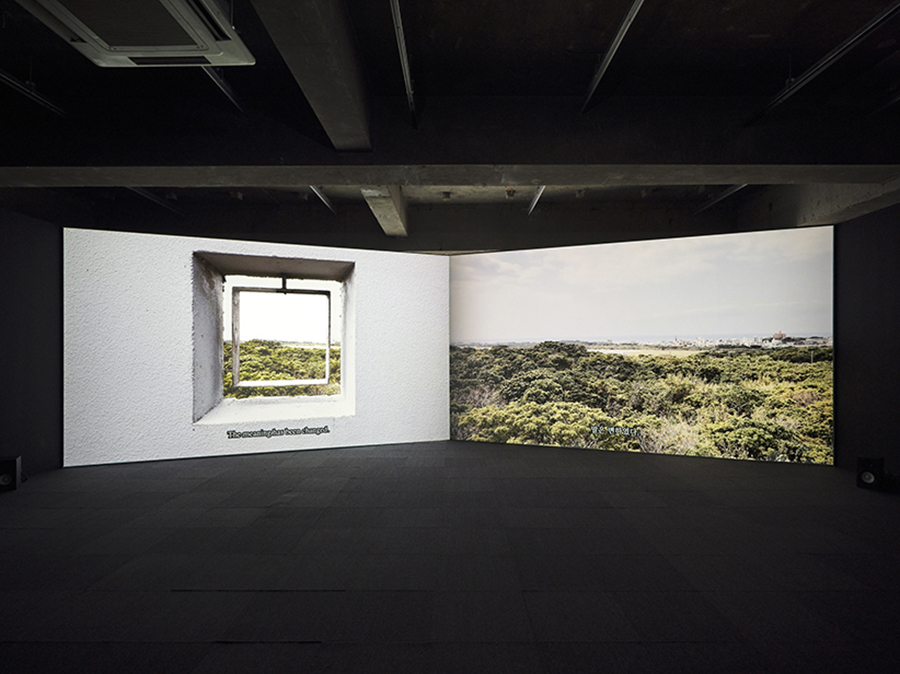
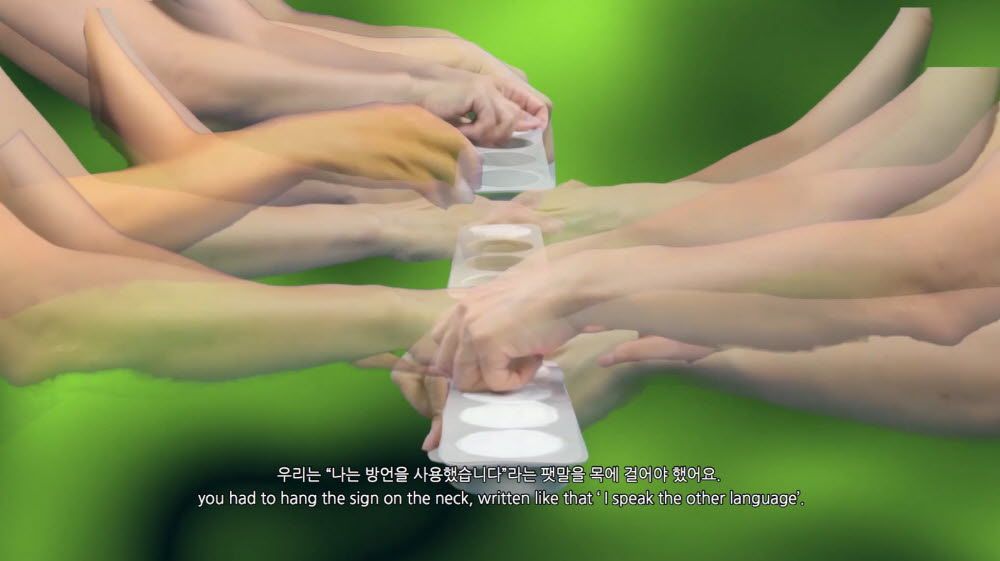
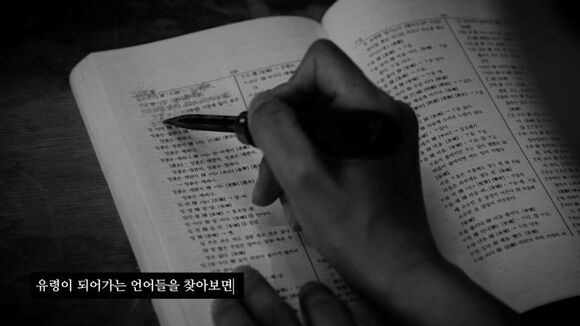
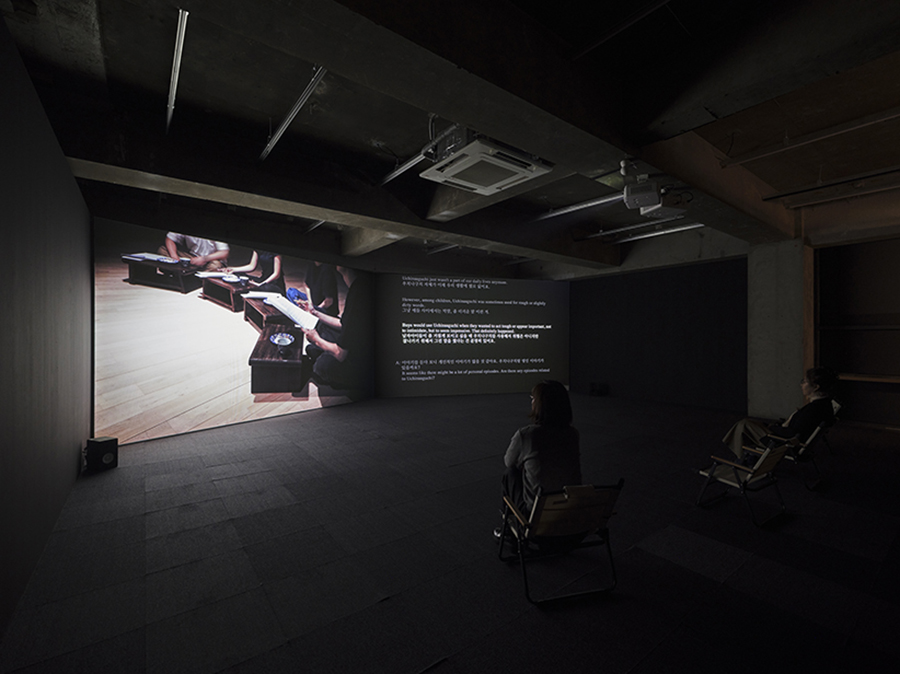
More recently, Kim has expanded her formal vocabulary through theatrical staging and experimental recording devices. And I Decided to Make a Short Play: Part U (2024–2025) features actors performing a script based on actual interviews, incorporating the original interviewees' voices to blur the boundaries between fact and fiction. The gradual transition to black and white, together with speech that remains untranslatable through AI systems, renders linguistic disappearance through audiovisual means.
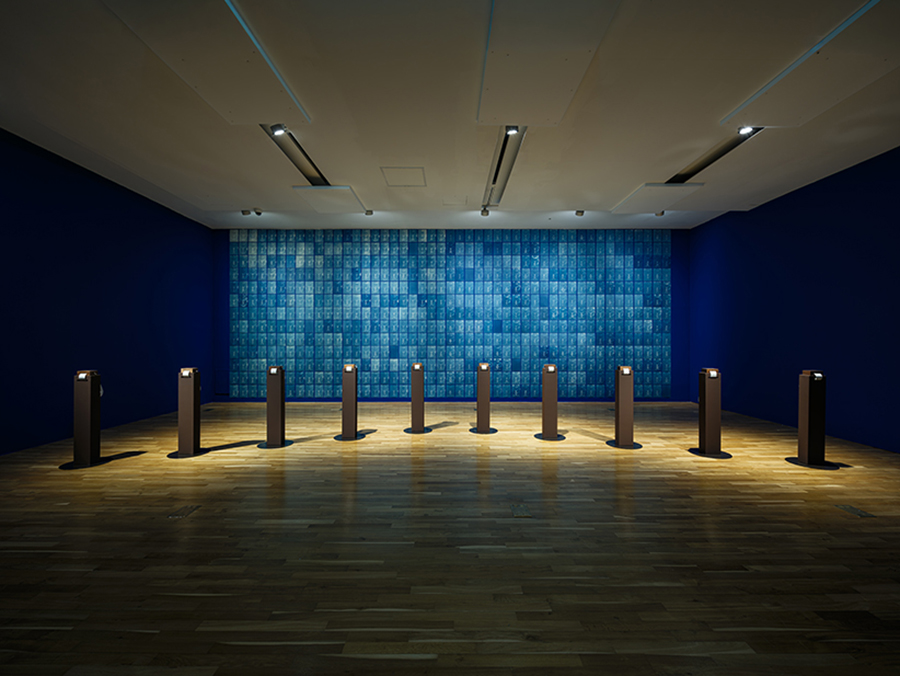
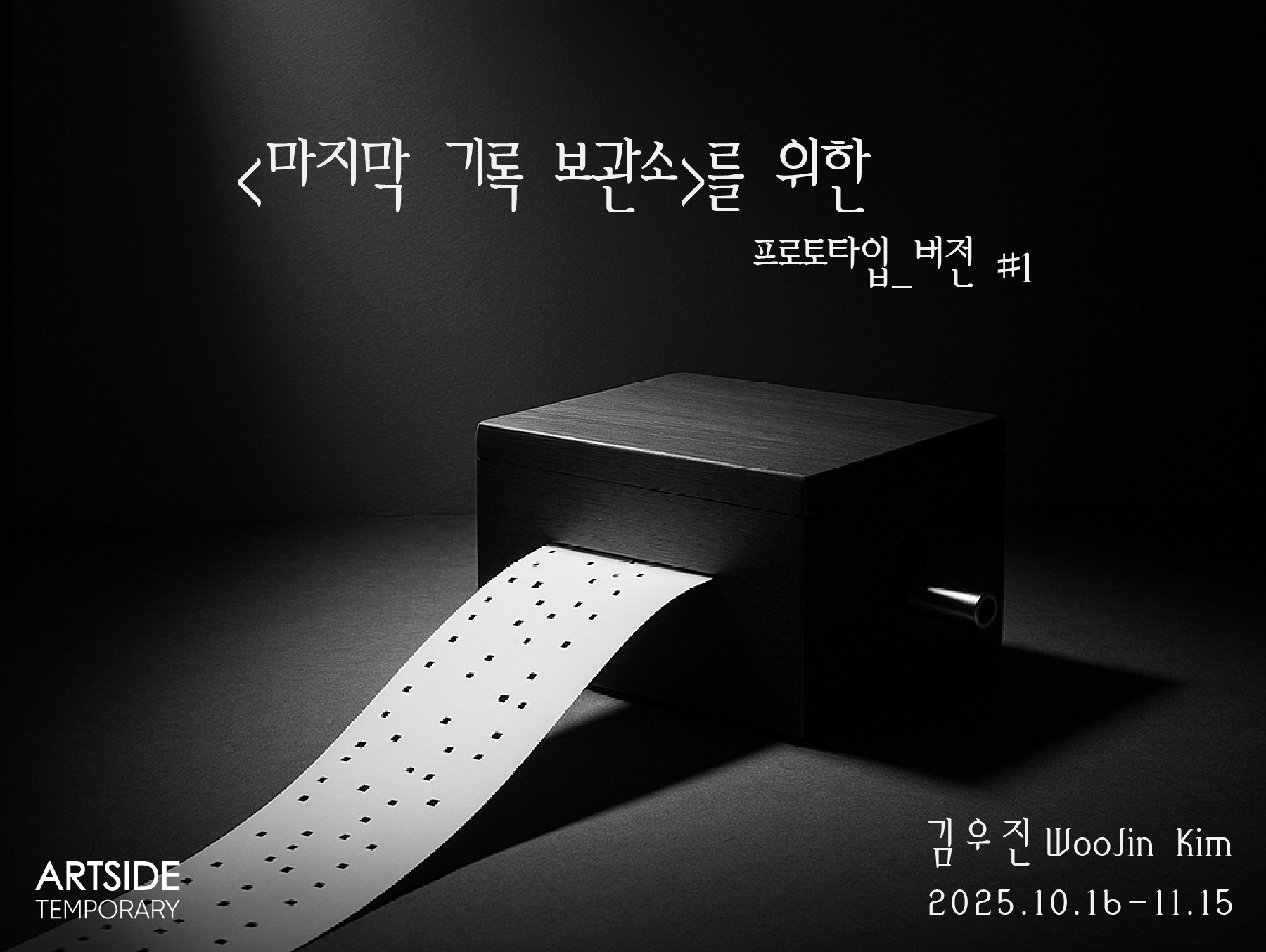
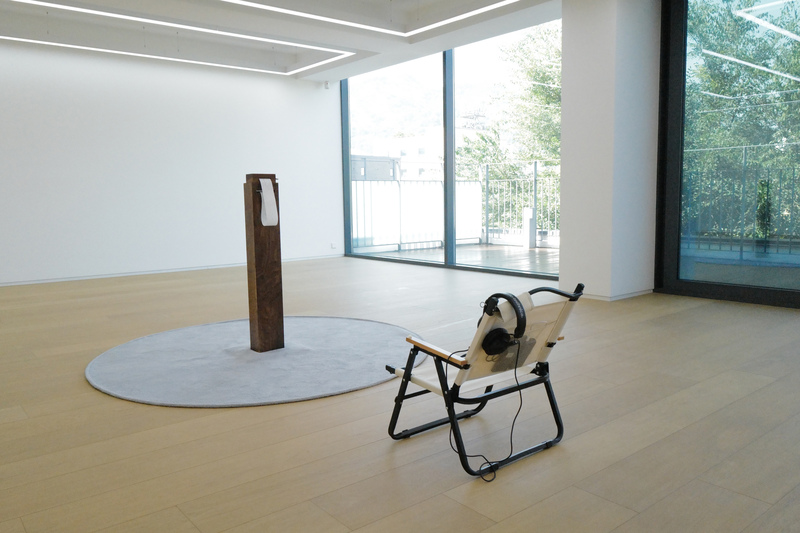
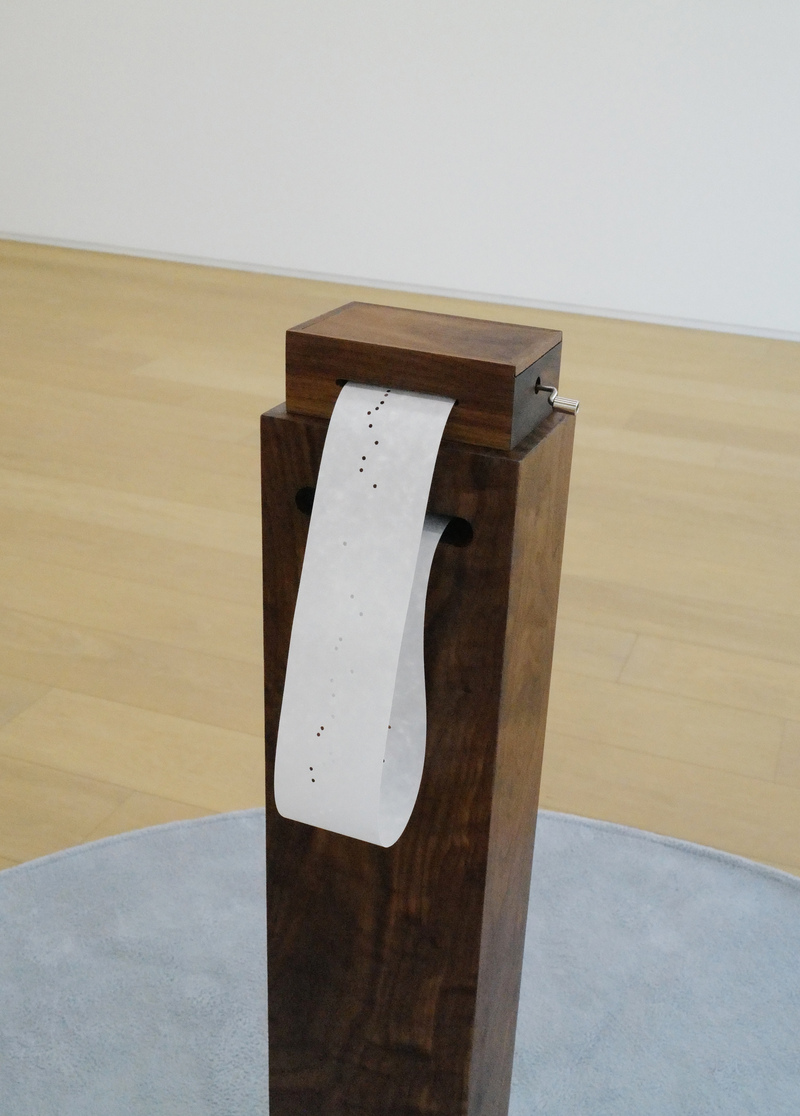
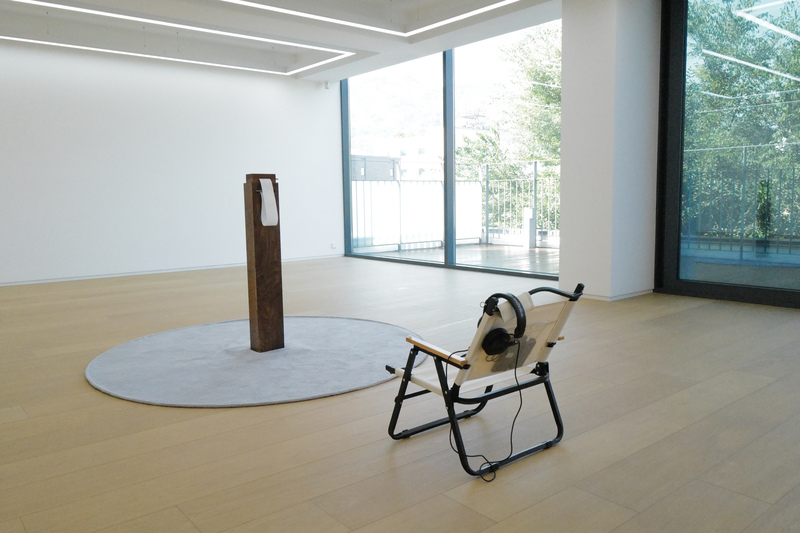
In the 'The Last Archive' series (2025), Kim experiments with transforming pronunciation and sound into physical records using cyanotype and mechanical music boxes. By combining the International Phonetic Alphabet, Morse code, and principles of musical notation, she investigates ways of preserving language through visual and auditory signs, extending her predominantly digital video practice into analog recording media.