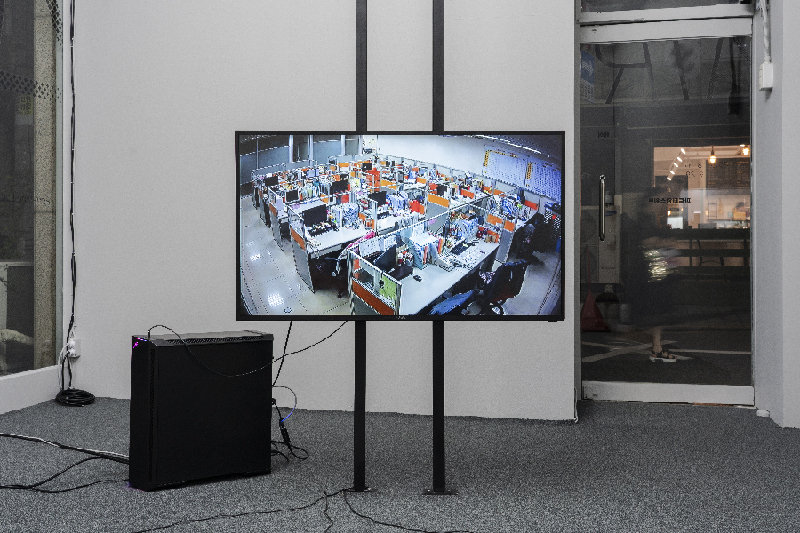
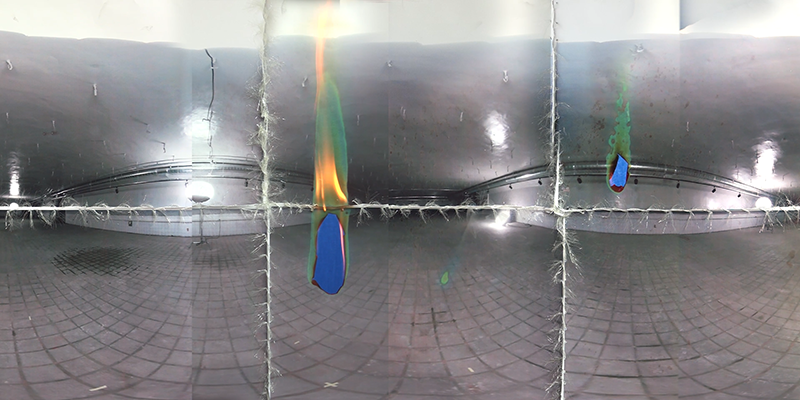
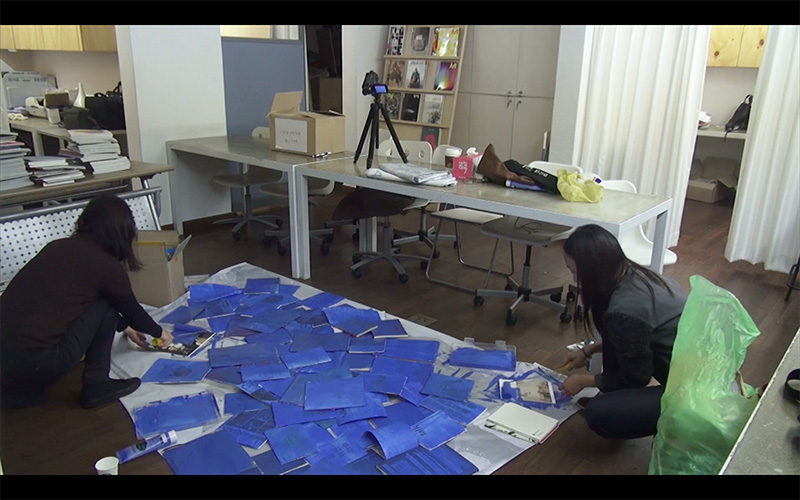
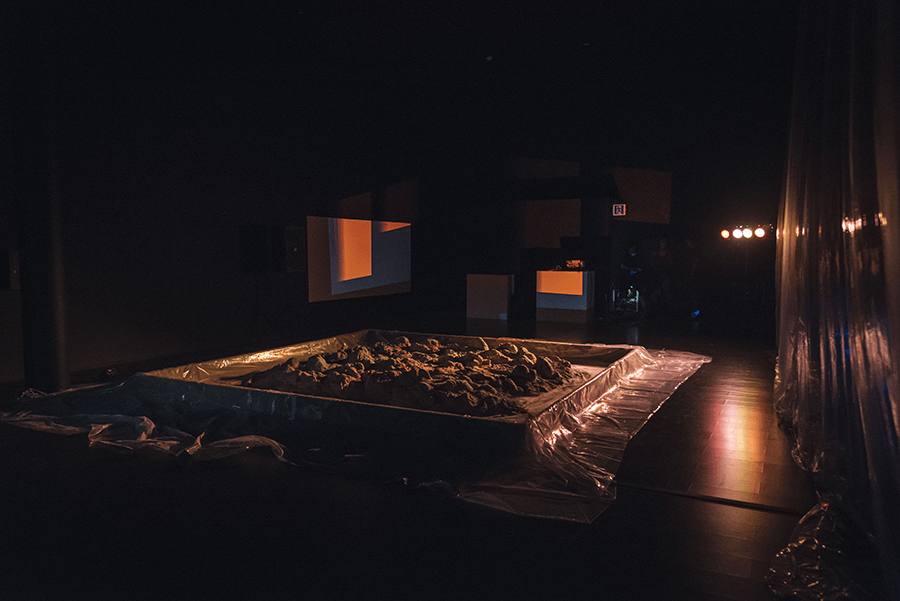
Part-time Suite's People, the Next People (2017, single-channel HD video, color, sound, 25 min. 14 sec., commissioned by the Seoul Museum of Art) demonstrates the forms in which Minjung Art can be discussed in a contemporary context, or the media through which it can be repeated.
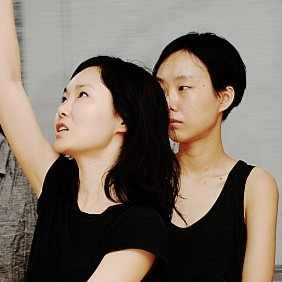
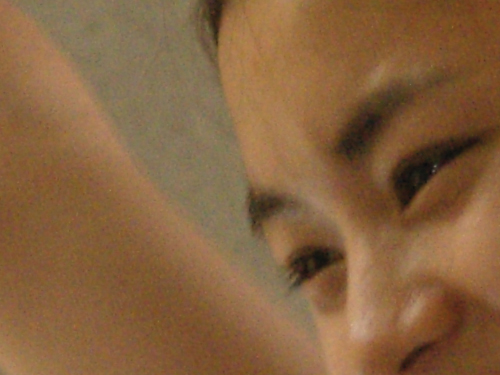
Throughout the video, children visit a public square, sing the labor movement song 'Dongjiga' (Song of Comrades), and perform samulnori, appropriating forms associated with the democratization movement of the 1980s. The gaze that seems to emerge from these children frequently falls downward or becomes dizzying and unstable.
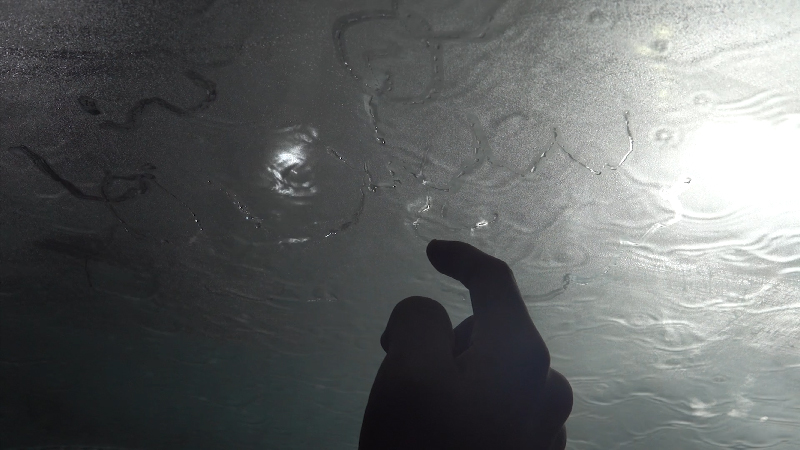
The filming, which emphasizes their aimlessness, can be understood as an echo of their wandering actions. The technology, which exceeds them both physically and temporally, deliberately positions itself not as a means of observing them but as a tactile presence that reaches toward them, opening up the possibility of a powerlessness that prevents complete mastery or comprehension. This sense of disorientation is further realized through rough editing.
In this process, People, the Next People embraces the affective force of history as a form of performative play in the present, as historical forms are passed on to a new generation. It is precisely the use of such disorderly filming and editing that allows us to recognize this play not so much as the performance of children acting out assigned roles, but as the result of their own creative and autonomous accomplishments.
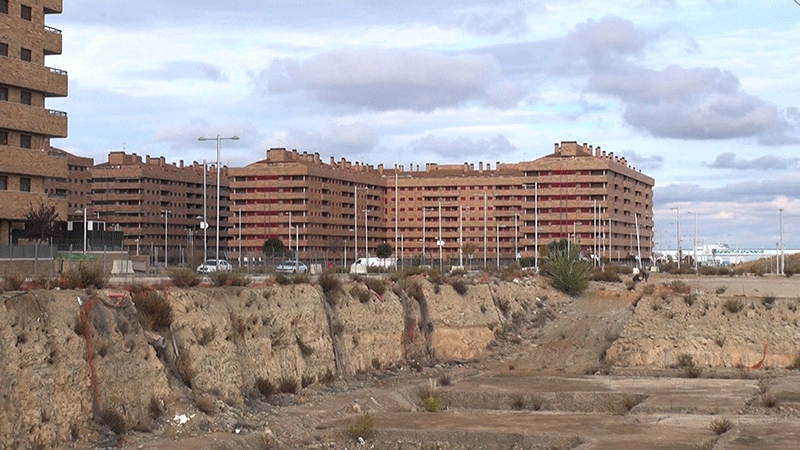
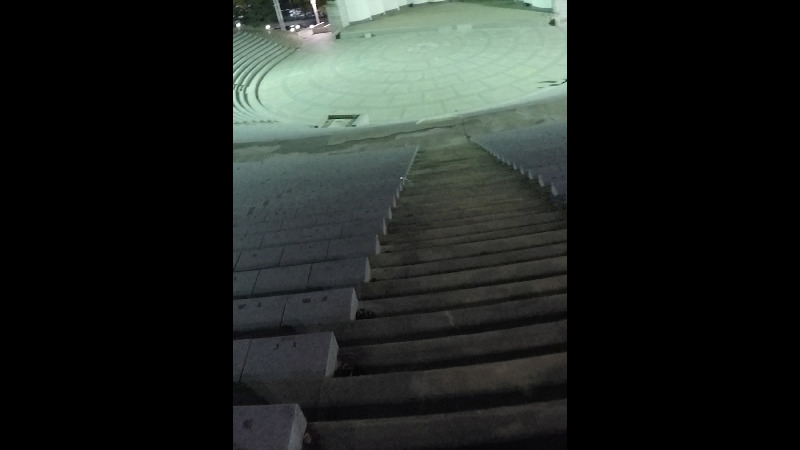
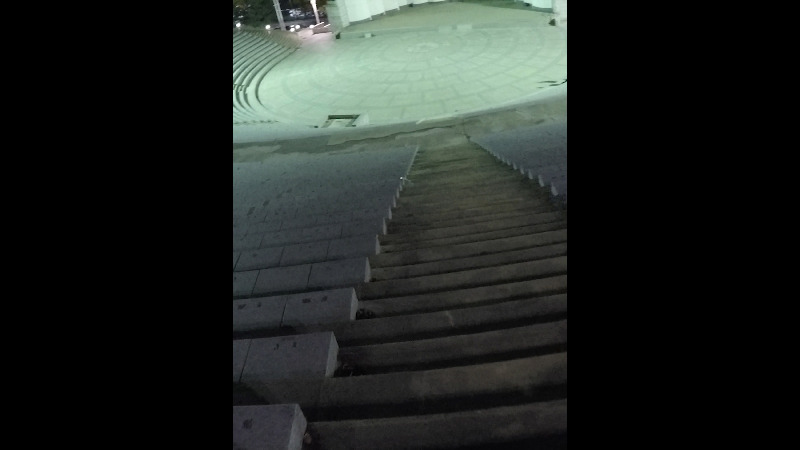
Certain impulses emerge between playful activities carried out according to a few simple rules. Numerous works by Oh Yoon, a prominent figure in Minjung Art, are incorporated into the video, becoming materials for appropriation as well. For instance, the public square is replaced by an empty landscape, captured through the equally empty act of filming with a smartphone—what remains is not a witness to meaning but an empty gesture after meaning has disappeared.
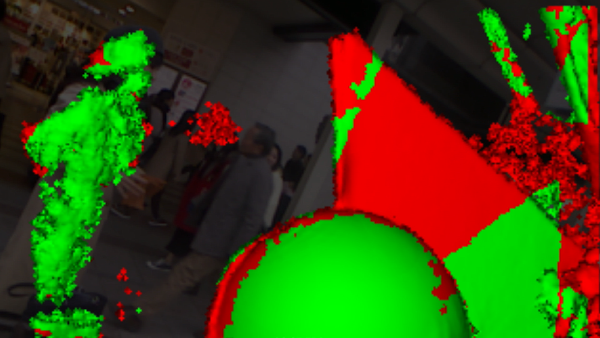
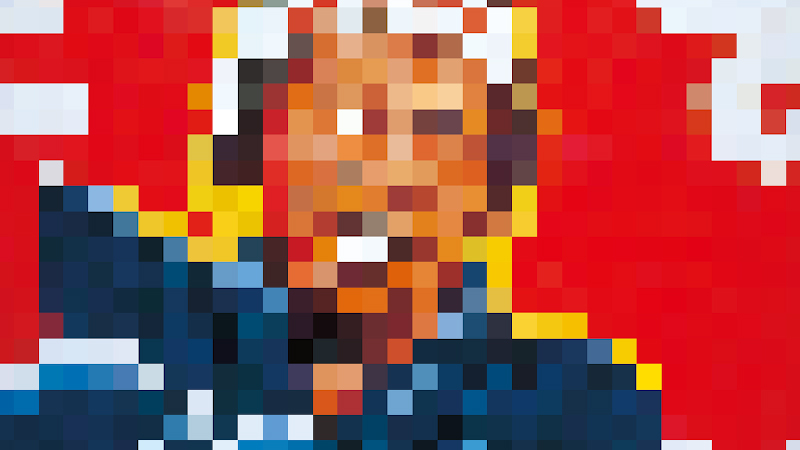
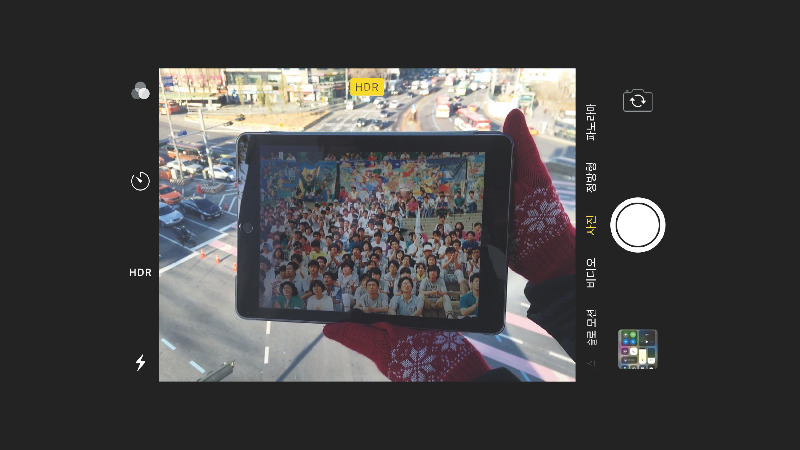
Meanwhile, a scene in which a painting depicting a group photograph is displayed on a smartphone and then filmed again becomes a demonstration of the smartphone camera's—specifically, the iPhone's—ability to recognize the painted faces as multiple human subjects.
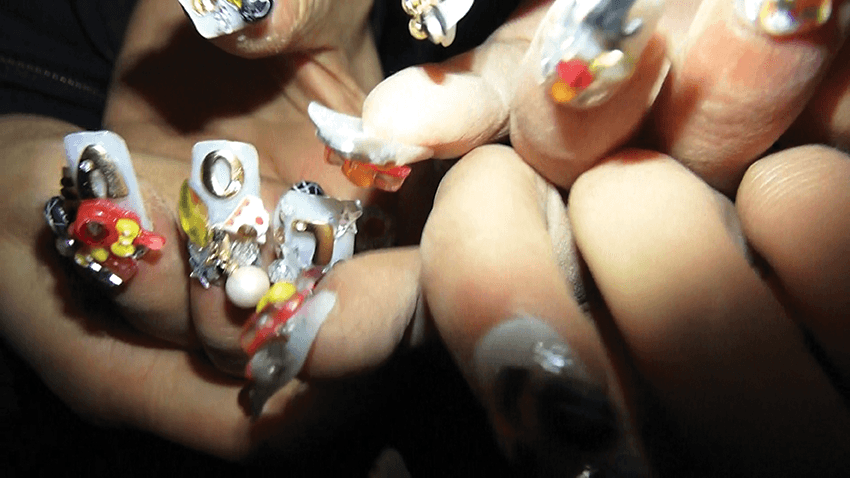
Ultimately, the objectification of the camera as a subject capable of recognizing something extends from the tactile nature of the way actions are captured. In other words, the camera positions itself within an intermingling of bodies, between those bodies, or between bodies and the site itself.
Rather than making the subject visible, or observing from a purely physical distance those who occupy the space left by the subject's erasure—those who have lost meaning or remain unrecognized and are thus designated as non-subjects—People, the Next People approaches the empty gestures of these subjects through what may be their own gaze, or through the presumed relationships of filming and being filmed among them (although it is difficult to determine whether this interpretation is accurate).
In doing so, the work shifts the position of its gaze unstably, or barely manages to establish a gaze from an unstable vantage point.
Nevertheless, the phenomenological allegory of the wandering subject ultimately turns toward the present through the bodies of the children. Between the absent forms of history and the forms yet to come that will never be inscribed in history, and between the reality of painting and the reality of the children's bodies, the artist's presence—embodied invisibly, unlike the two preceding forms of reality, which appear only fragmentarily and indeterminately—stands in for the majority of viewers encountering the work in the present.
Following the artist, who functions as a mediator by appropriating the past while allowing it to exist within the actions of contemporary individuals, a history that remains adrift is transmitted through the bodies of the future as a history of performance, as tangible material.