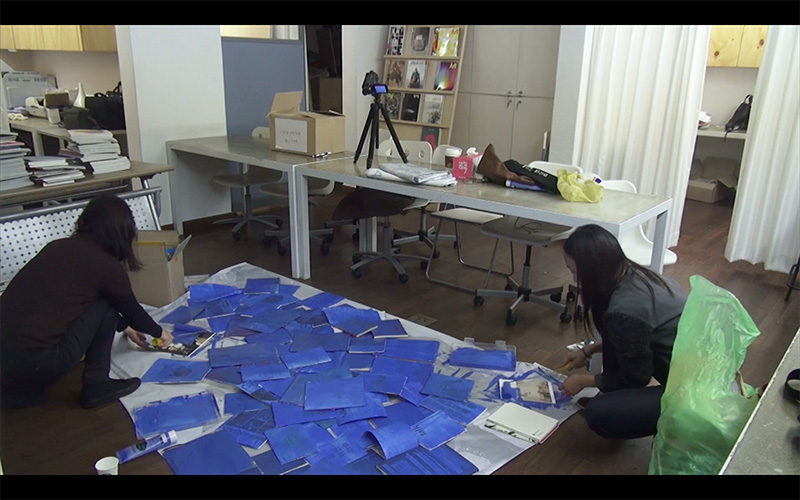
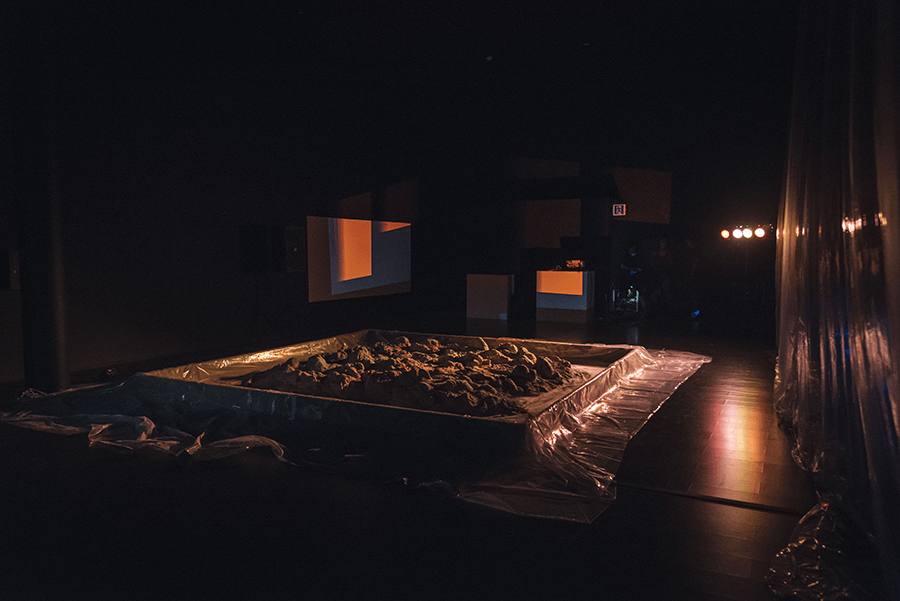
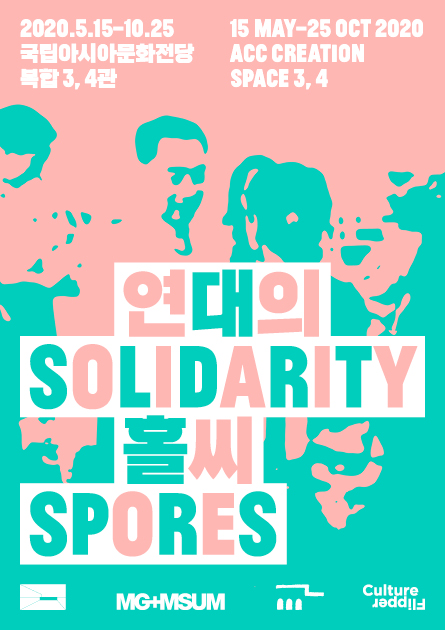
Part-time Suite works across performance, video, installation, music, and publishing, adopting flexible forms according to the subject and site of each project. In their early practice, the collective temporarily occupied vacant buildings and urban lots, transforming them into spaces for artistic production and exhibition.
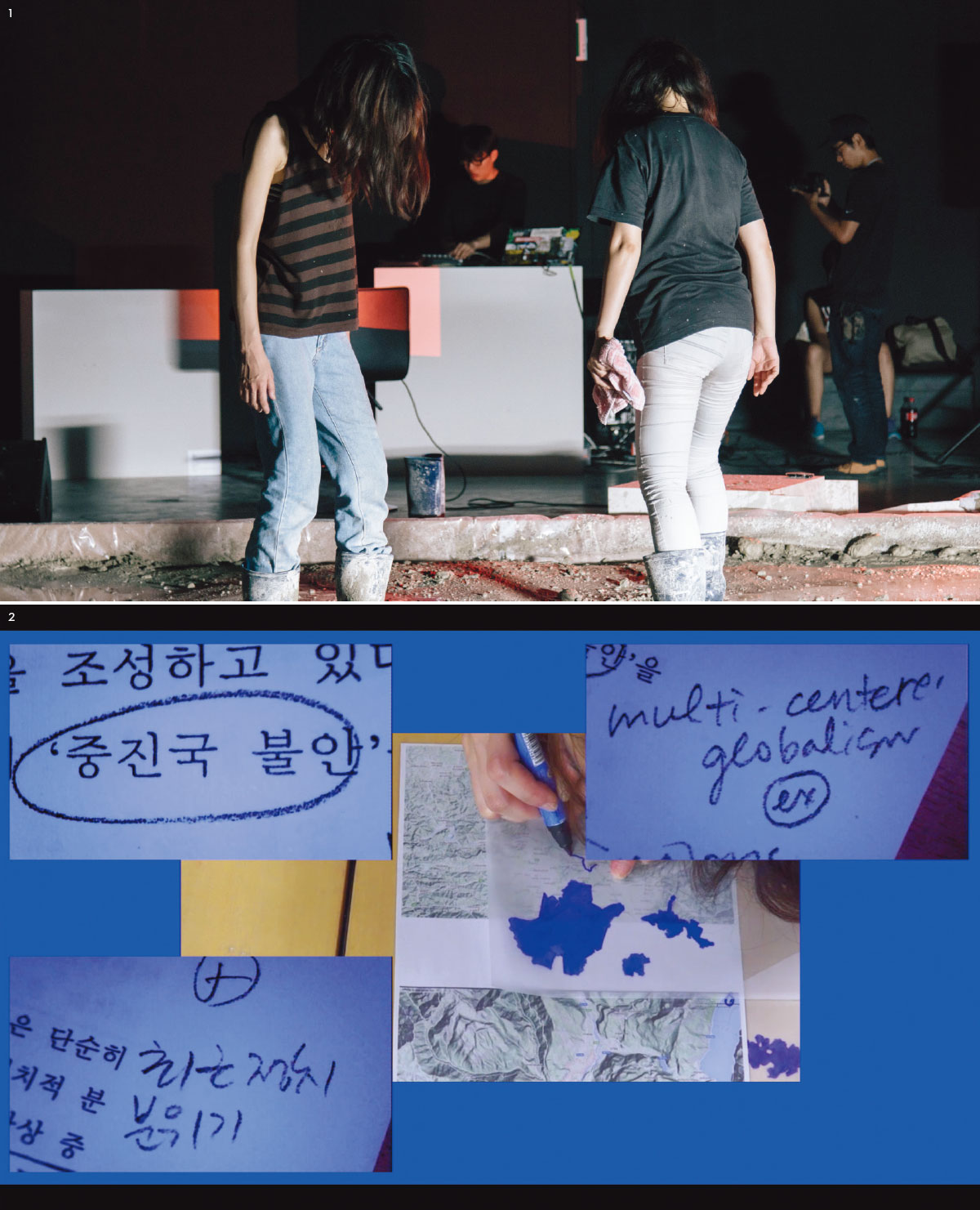
Following Under Interior (2009) and Off-Off-Stage (2009), Loop the Loop (2009) extended the boundaries of the exhibition space into the city by inviting viewers to collect maps at DOOSAN Gallery and travel to the rooftop of a nearby building. This approach demonstrates how the collective incorporates the constraints of a given site into the work itself, creating new spatial experiences through the movement and participation of viewers.
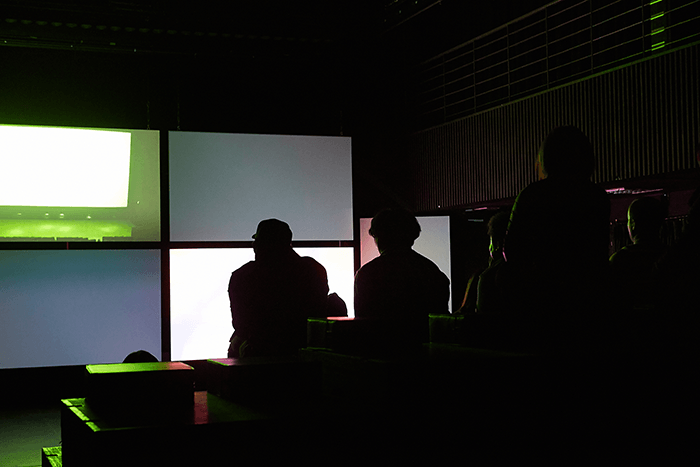
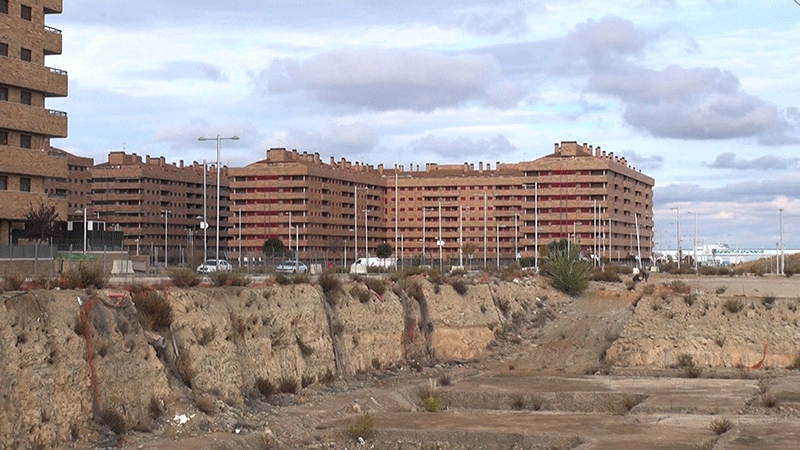
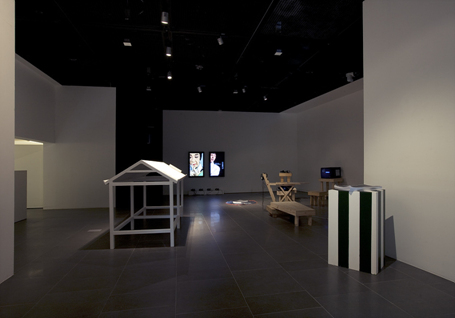
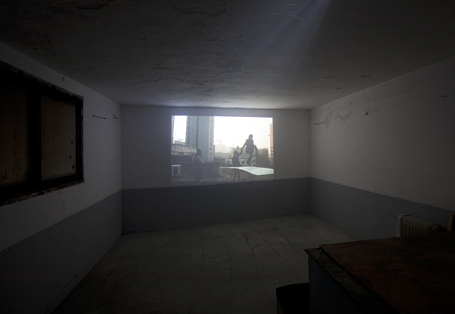
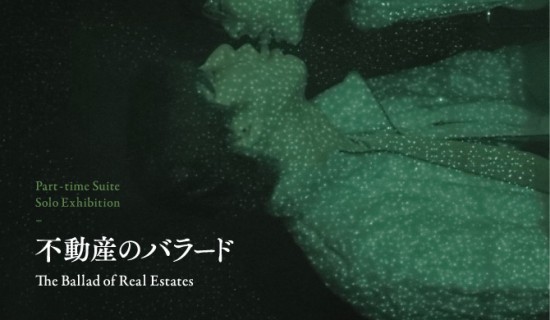
The integration of video and music also plays a significant role in Part-time Suite's practice. Formed in 2010, their project band Part-time Suite Sound expanded music into both an independent artistic activity and a means of expression connected to their visual practice. The 'The Ballad of Real Estates' series (2015–2016) combines footage of ghost towns, squatted sites, and abandoned development projects in Spain and South Korea with music composed by the collective.
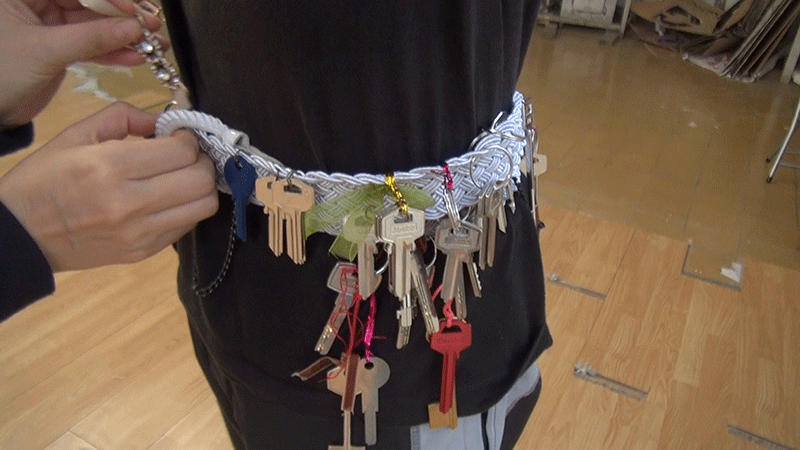
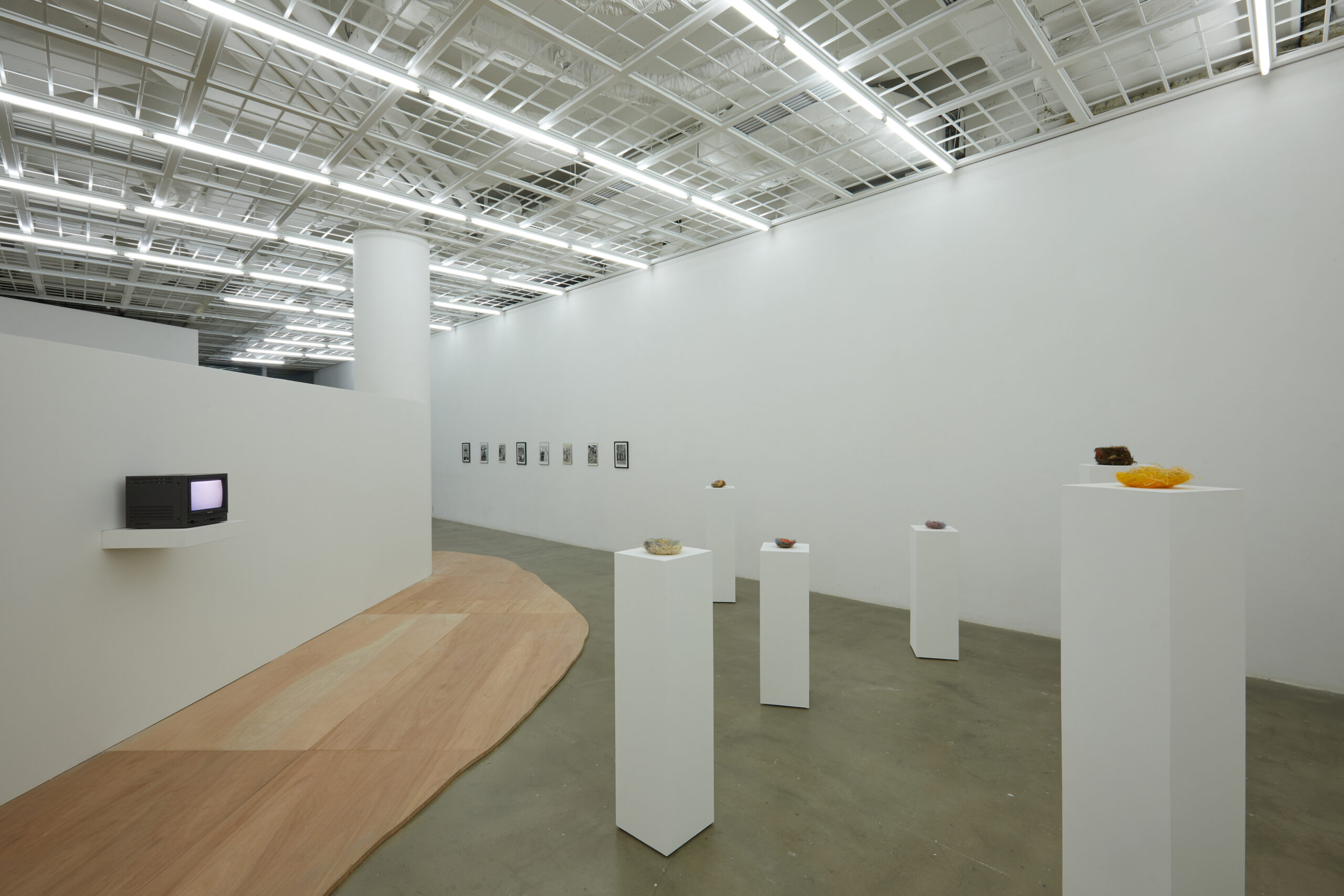
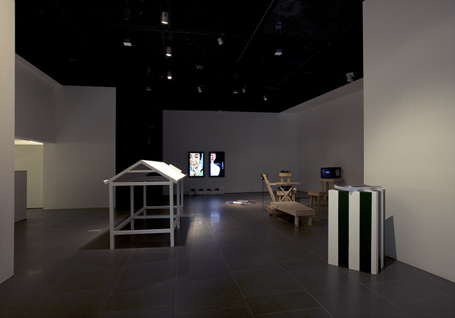
In particular, The Ballad of Real Estates (2015) brings together two-channel video, sound, and objects such as a belt holding numerous keys, juxtaposing the landscapes and emotional atmospheres of different spaces. By layering recorded realities with music and the symbolic presence of objects, the collective imbues documentary images with lyrical and sometimes paradoxical sensibilities.
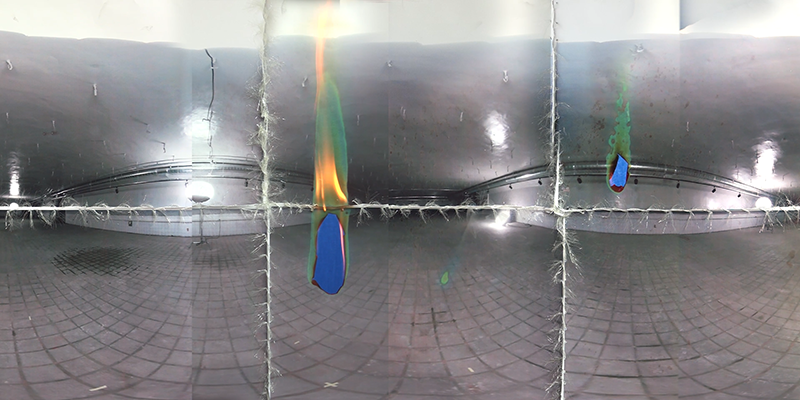
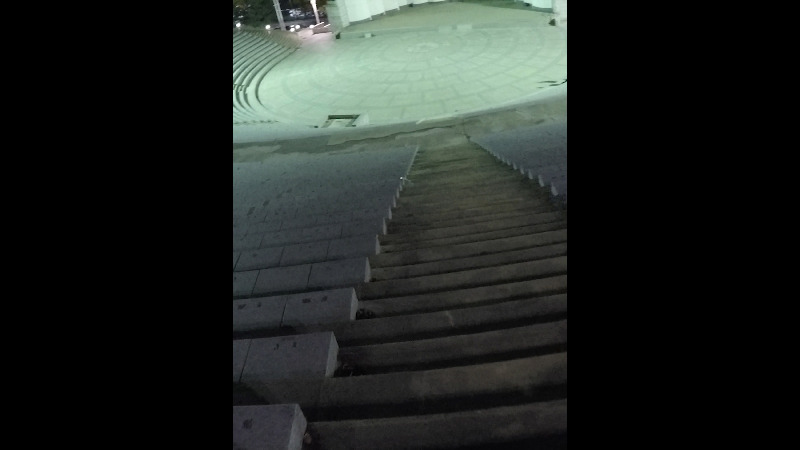
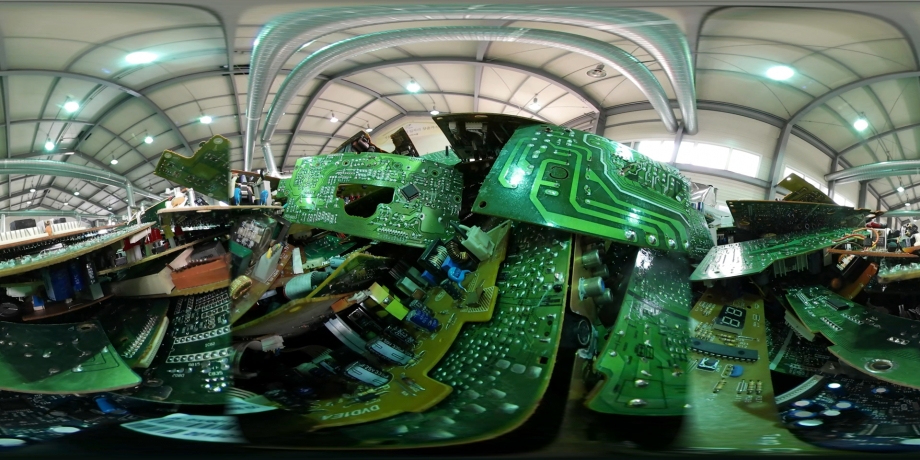
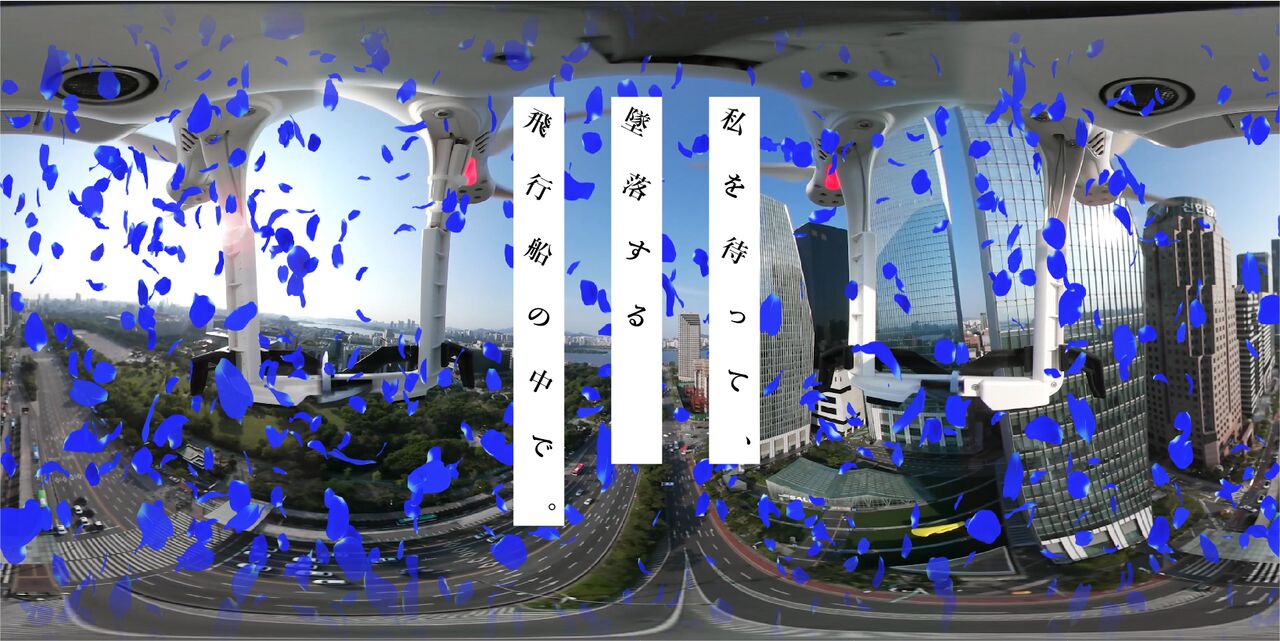
Part-time Suite has subsequently explored the possibilities of digital media, experimenting with visual perspectives and viewers' sensory experiences. Wait for Me in a Crashing Airship (2016) employs a 360-degree camera and a VR head-mounted display to create an immersive experience in which viewers seem to encounter ruins and underground spaces firsthand, while simultaneously exposing the paradox of their own bodily absence within virtual reality.
In People, the Next People (2017), images associated with Minjung Art and the democratization movement of the 1980s are juxtaposed with children's performative actions, smartphone screens, and online broadcasts. Unstable camera movements and rough editing render visible the distance between historical imagery and contemporary digital culture, making the very processes through which images are produced and received an integral part of the work.
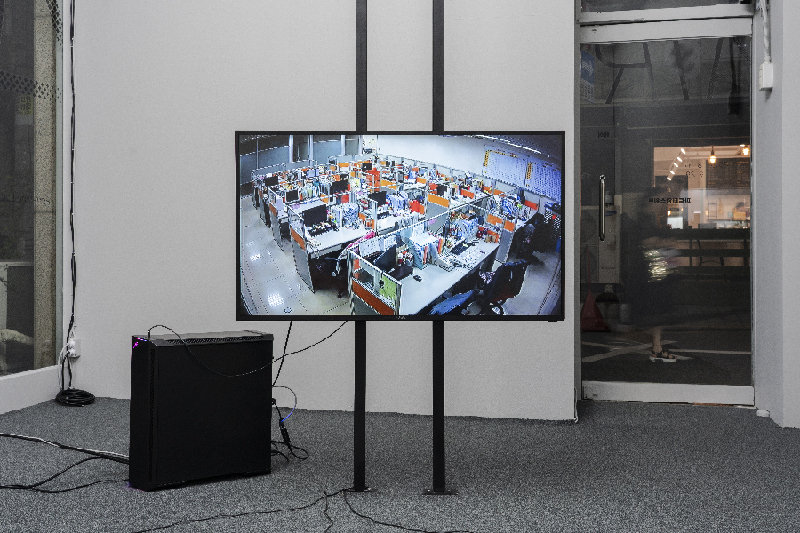
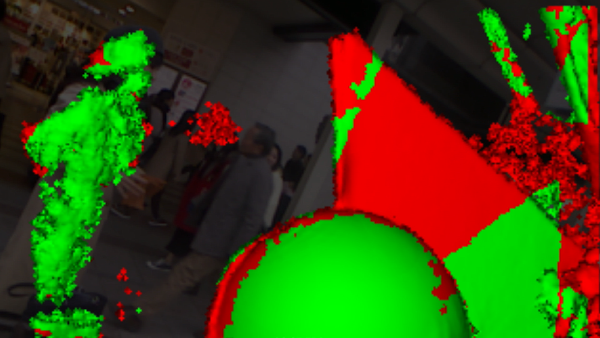
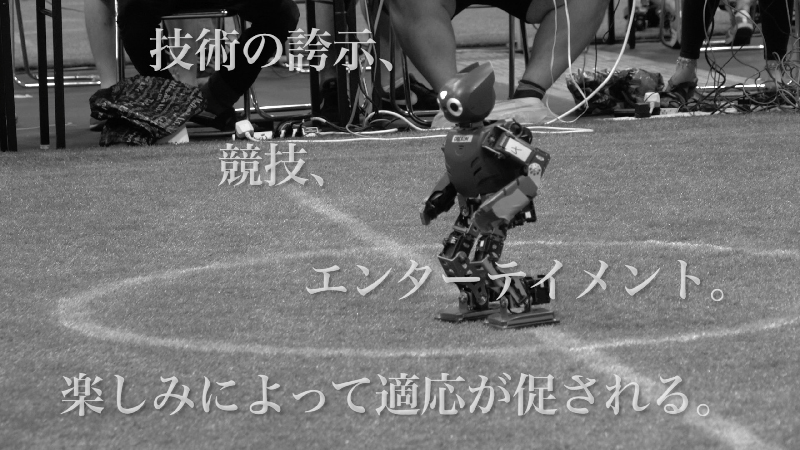
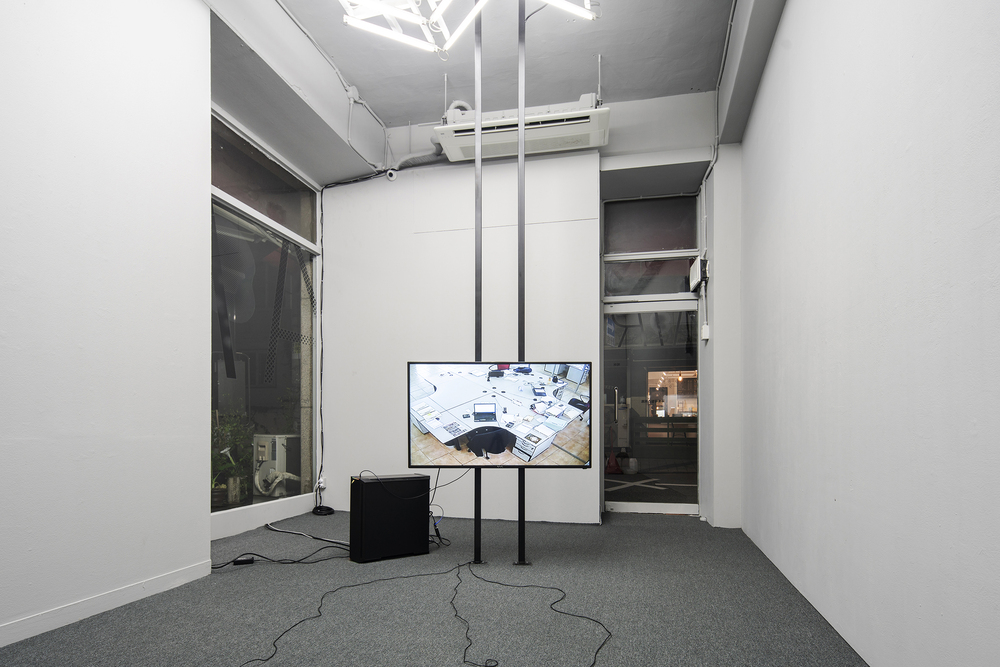
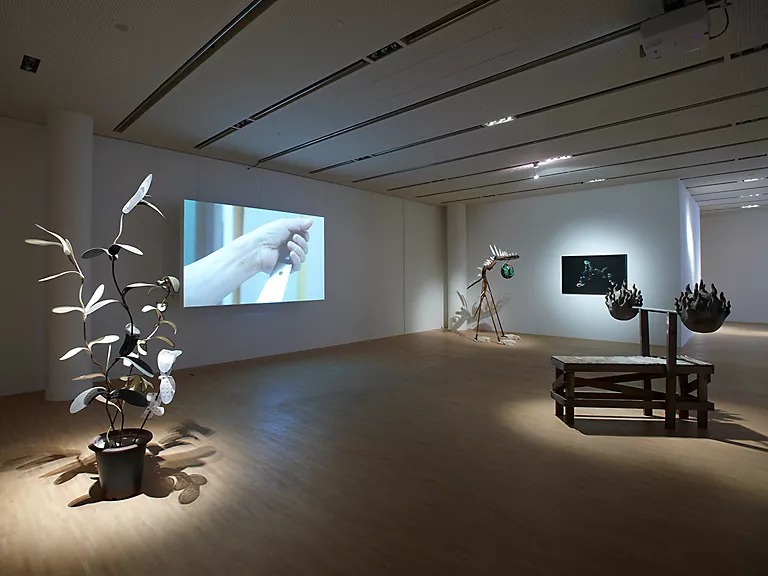
These formal experiments expanded toward real-time imagery and computer vision technologies in the solo exhibition 《AIR》 (2019). Neighbors ver.1.1 brings together live feeds from IP cameras installed inside and outside the exhibition space, publicly accessible webcams, and real-time computer vision monitoring, generating an unpredictable flow of images.
Presented alongside it, Auto confronts bodily and sensory actions with the operations of machines that measure and track them, revealing tensions between automation and autonomy. Rather than treating media simply as tools for transmitting images, Part-time Suite incorporates the conditions under which technologies operate, along with the contingencies and sensory experiences they produce, into the structure of their works.
Through this approach, the collective has developed a visual language that moves fluidly across the boundaries between documentation and fiction, reality and virtuality, and human agency and machine processing.