Sejin
Song’s practice begins at the boundary where the individual and the collective
meet. In his early work, he found this issue within the very process of working
with glass. Glassblowing involves a craft discipline that demands particular
forms and standards of completion while also requiring collaboration among
several people.
Song understood this as analogous to the processes through
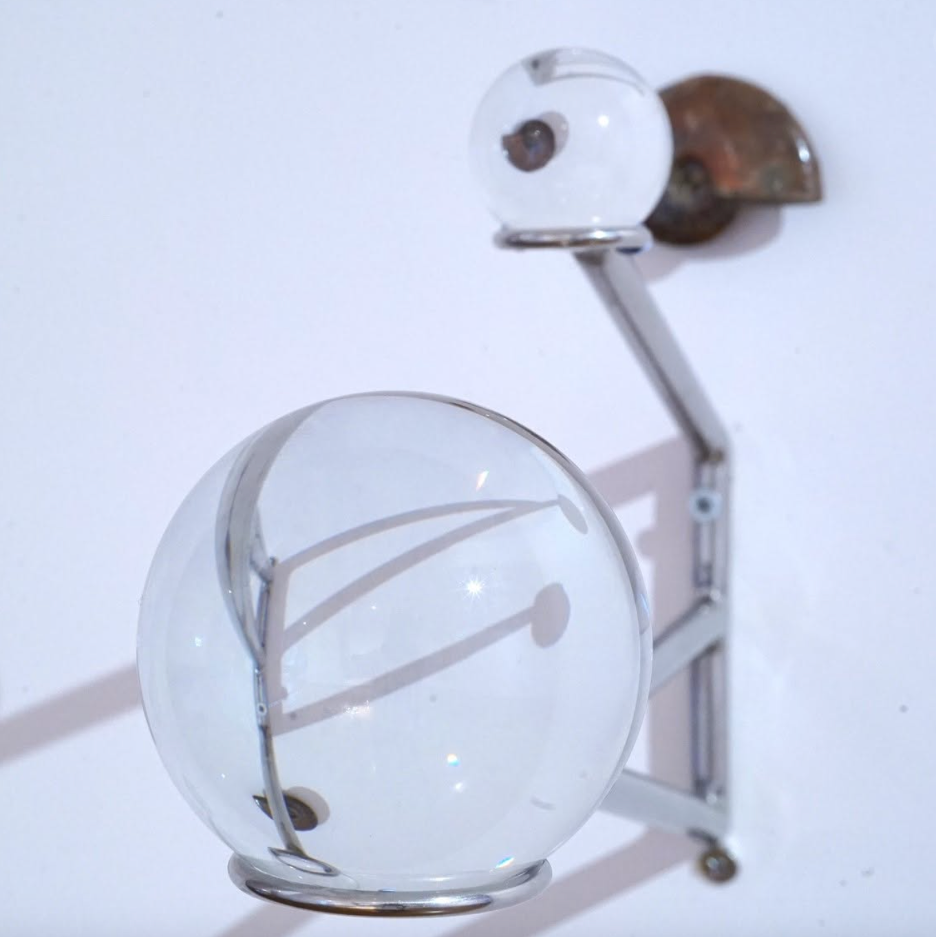
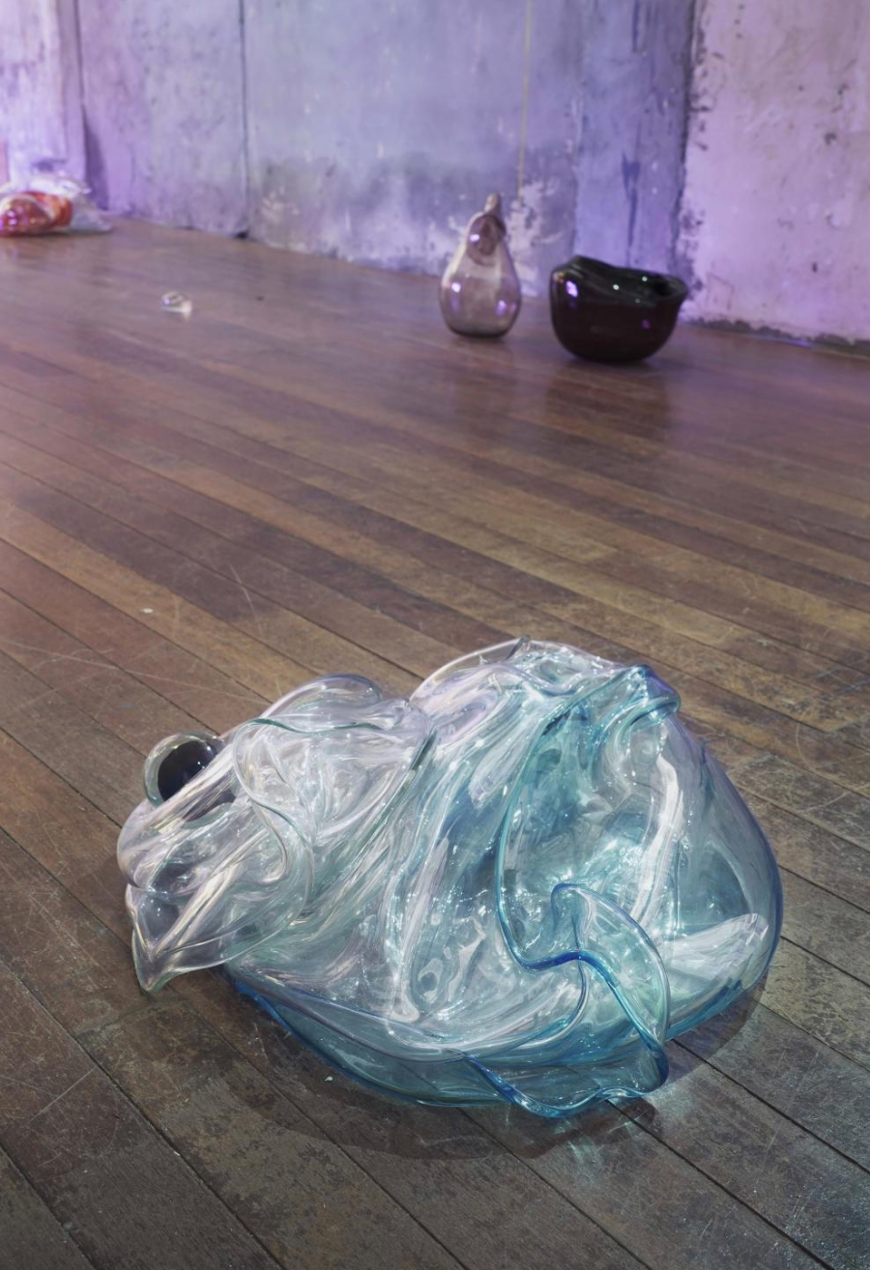
which individuals are standardized and socialized. In the ‘Inhale’(2017–2019)
series, he performs glassblowing alone despite its conventional reliance on
collaboration, then stacks and remelts the completed vessels to deliberately
disrupt prescribed forms and norms.
The cracks produced as different pieces of
glass contract and fuse are not merely material failures, but traces of
different entities colliding and entering into new relations. From this period
onward, “difference” in Song’s work becomes not an error to be eliminated, but
an important clue for revealing the relationship between individuals and
collectives.
This
interest expands from glass into video and performance, extending toward
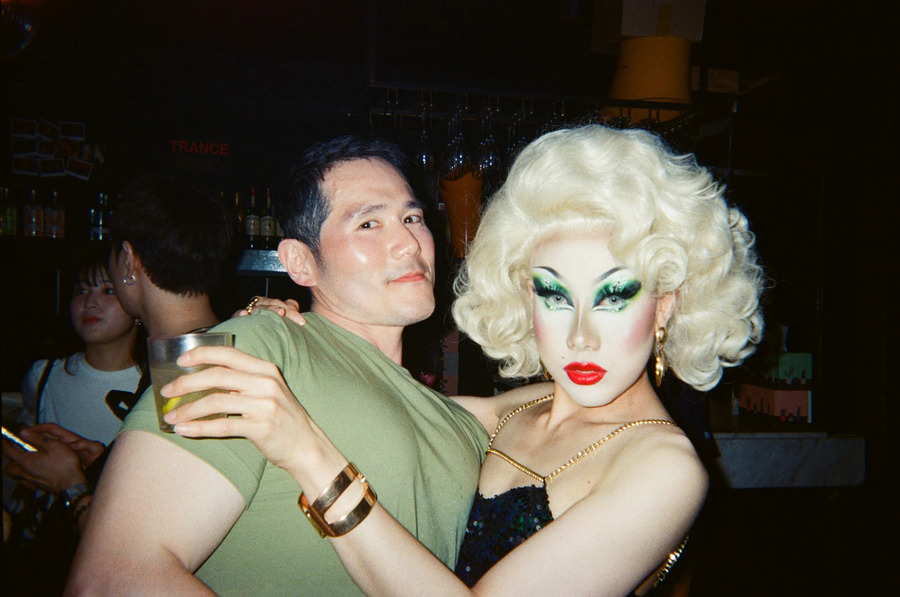
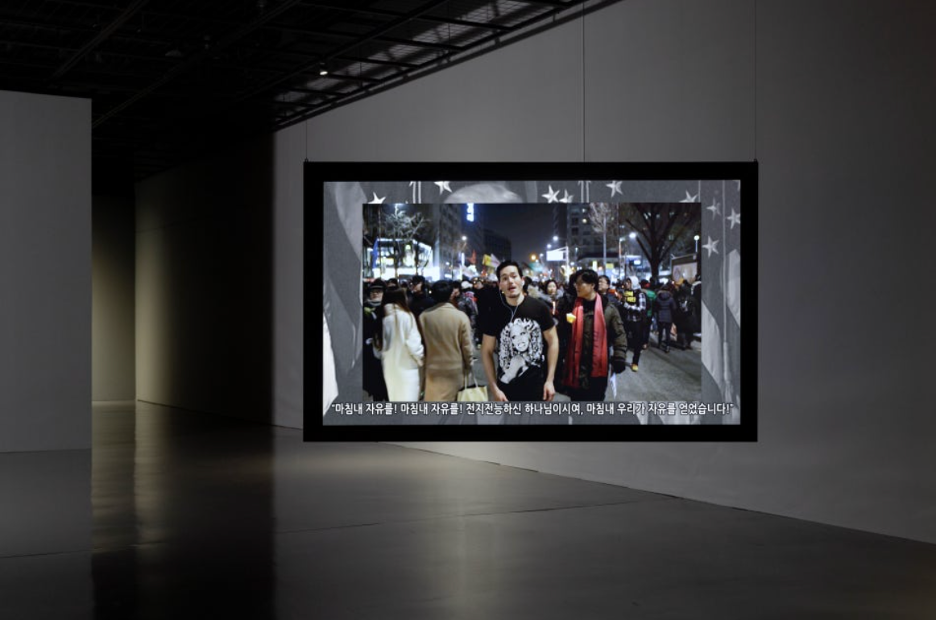
questions of gender, race, politics, gaze, and power. In Lip-Sync For
Your Life(2016), Song performs drag within the collective political
space of a presidential impeachment rally, simultaneously revealing solidarity
and conflict among the state, the collective, and the individual. Martin Luther
King Jr.’s speech, images of Donald Trump, and drag culture intersect within
the same work, showing that gender, race, and political ideology are not
separate issues but multiple standards through which society is constituted.
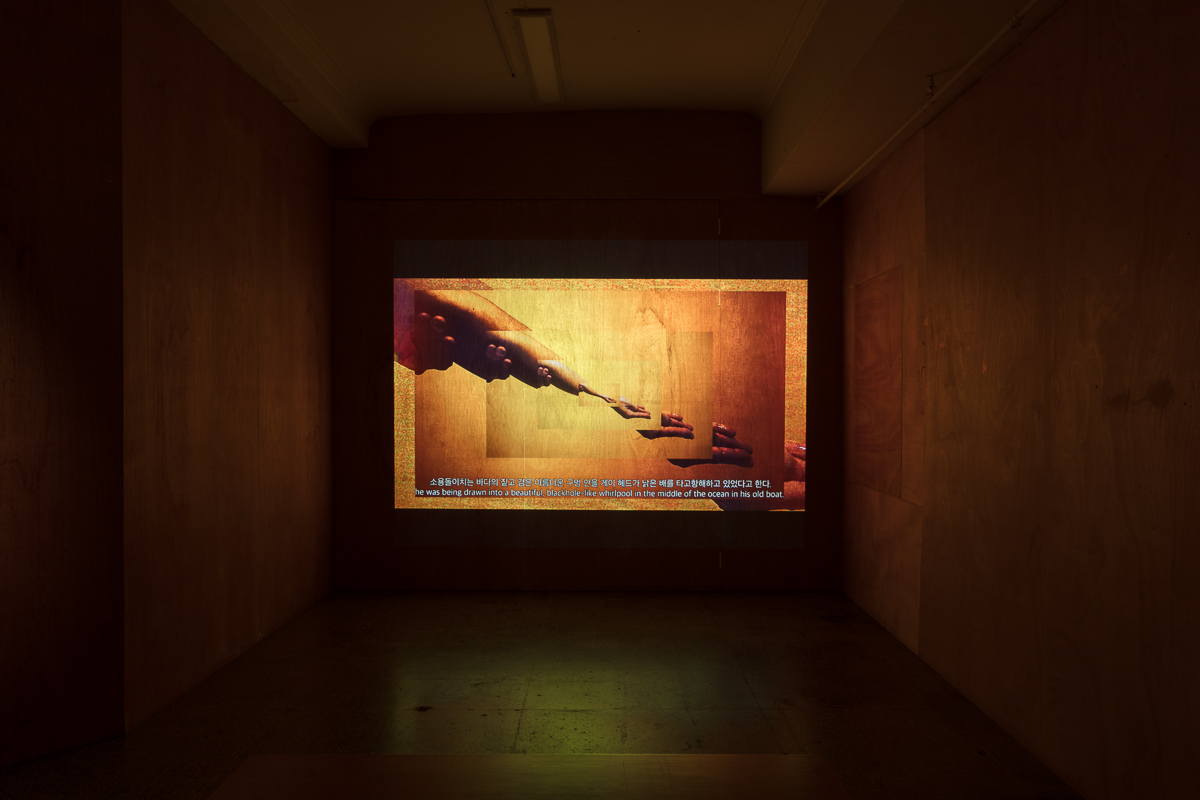
Later, in Timid mate Gay Head said to his daughter Martha one day
while affixing postage stamps to envelopes as a part-time job(2019),
Song addresses the boundaries between language and non-language, human and
nonhuman, mainstream and marginal through a character who loses the ability to
speak human language. At this point, his interest expands from direct conflict
between the individual and the collective toward the question of how beings
positioned between boundaries can be perceived and communicate.
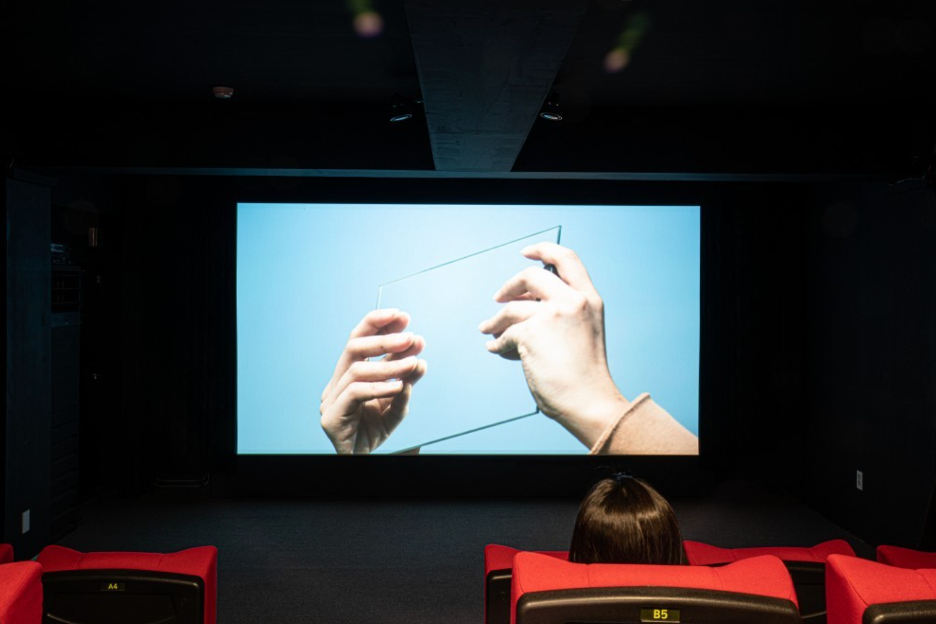
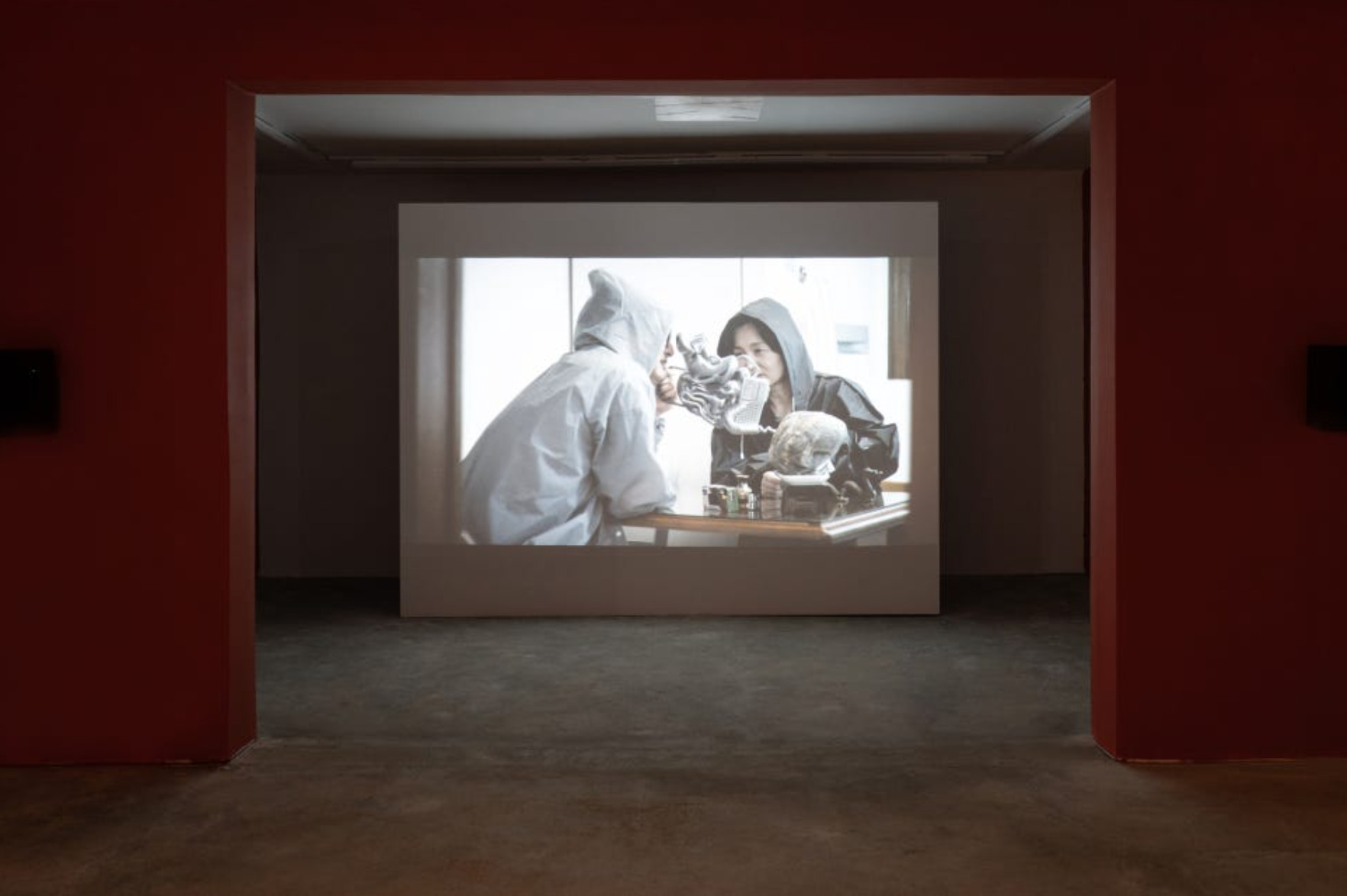
Till
Death Do Us Part (Ongoing Project for 10 Years)(2021) extends these
concerns into the power relations of the camera and the gaze. In this long-term
project based on the narrative of Faust, the work features
an actor unable to read a script in front of the camera, a figure unafraid of
others’ gazes, and a performer required to move a mirror according to the
director’s instructions.
Song reveals not only what happens during filming but
also what occurs in front of and behind the production process, examining the
hierarchy that naturally forms between “the one who looks” and “the one who is
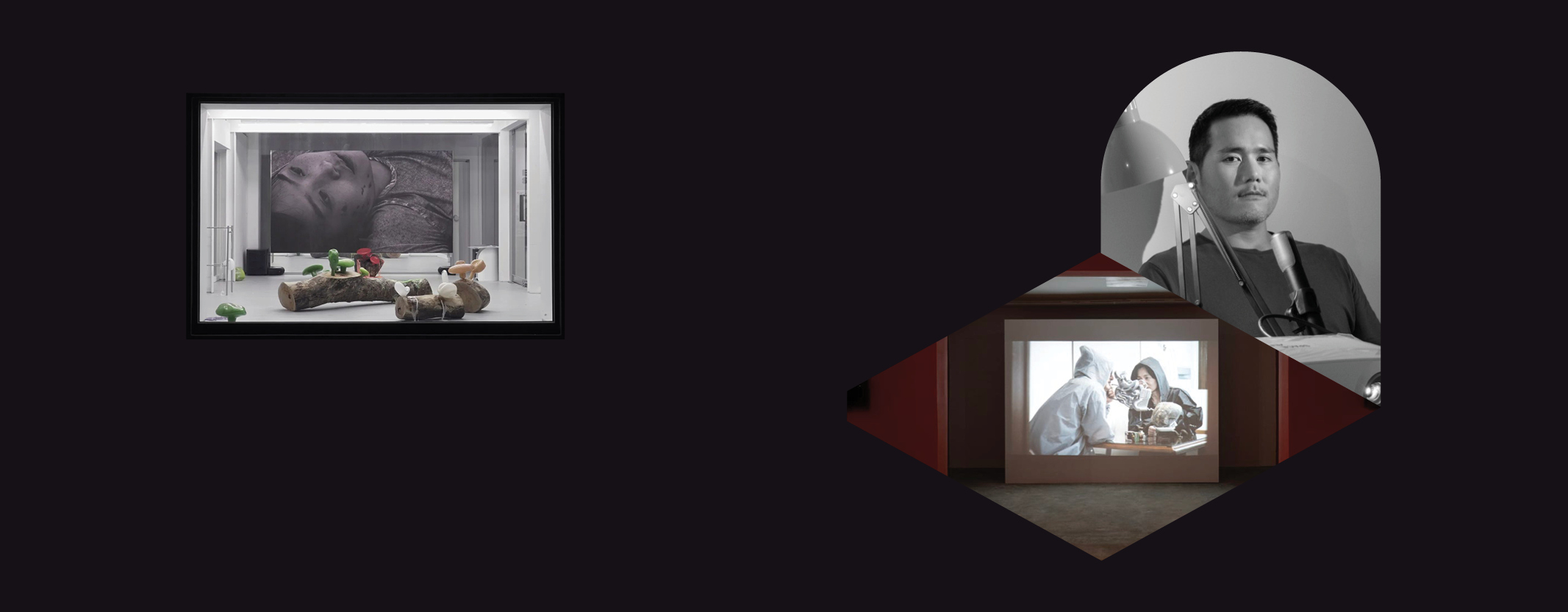
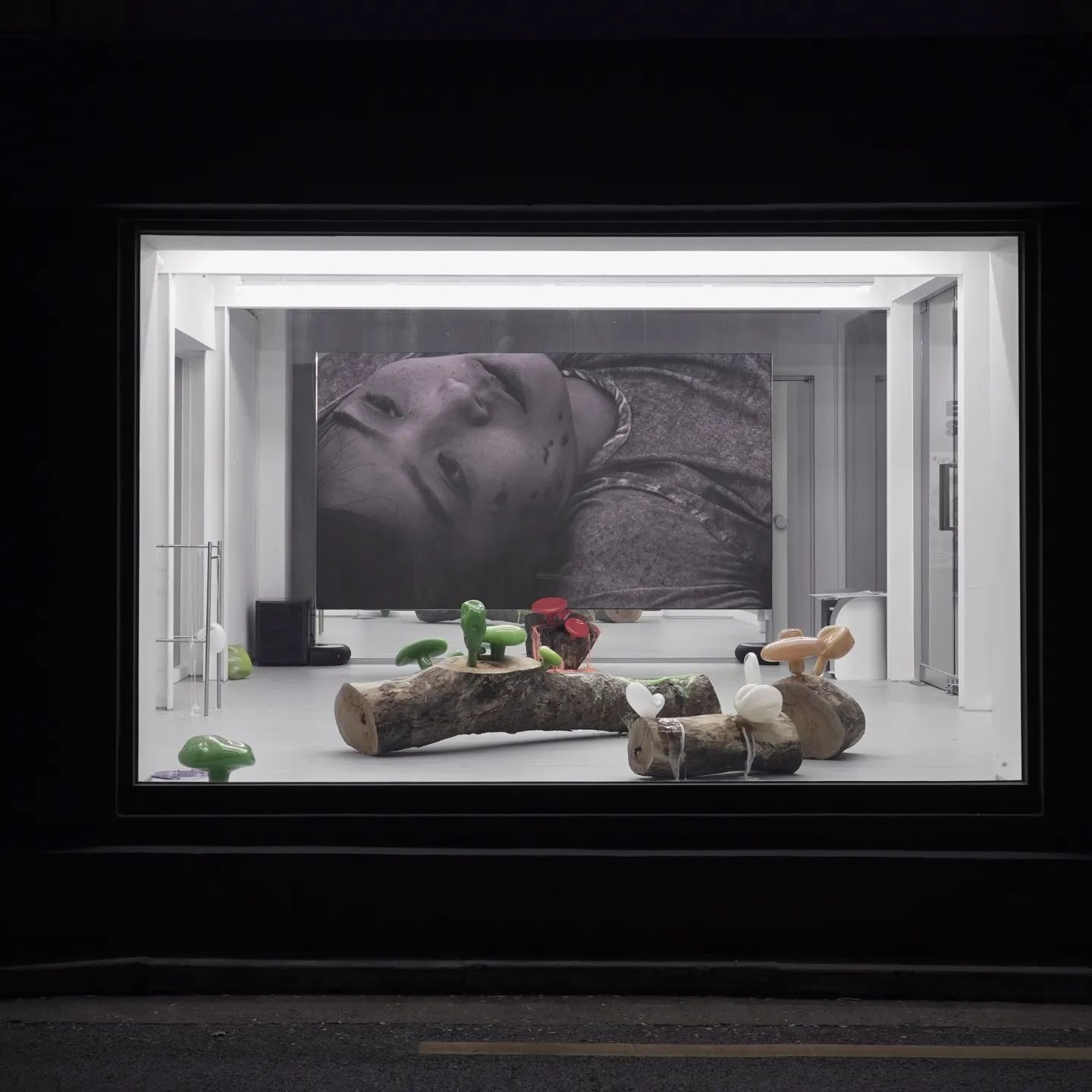
looked at.” In the solo exhibition 《Mutualism》(Elephant Space, Seoul, 2022), his
attention expands again toward memory and information. Individual experience
does not exist independently, but is continuously revised and refracted as it
becomes entangled with social memory, online information, and fake news.
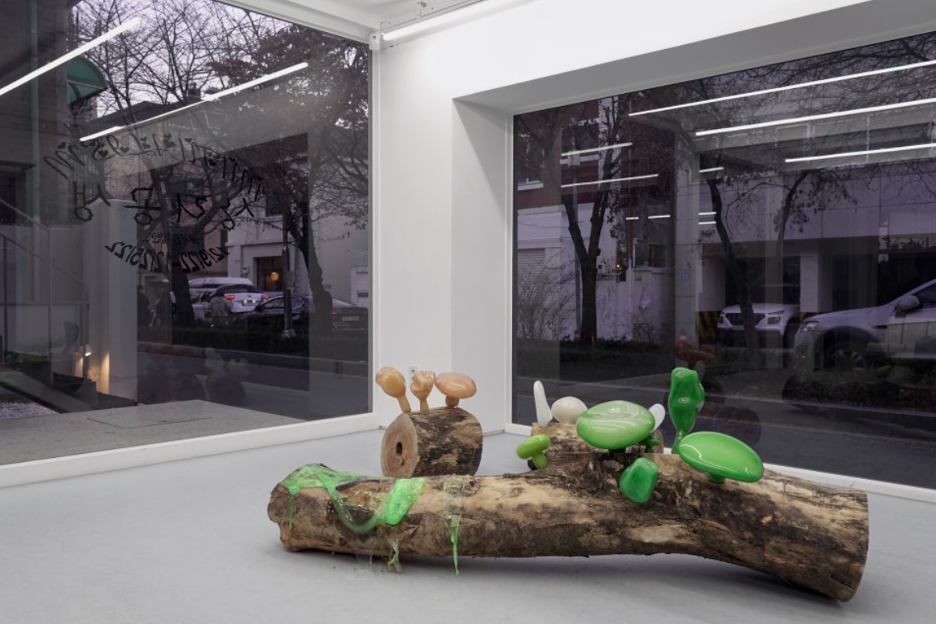
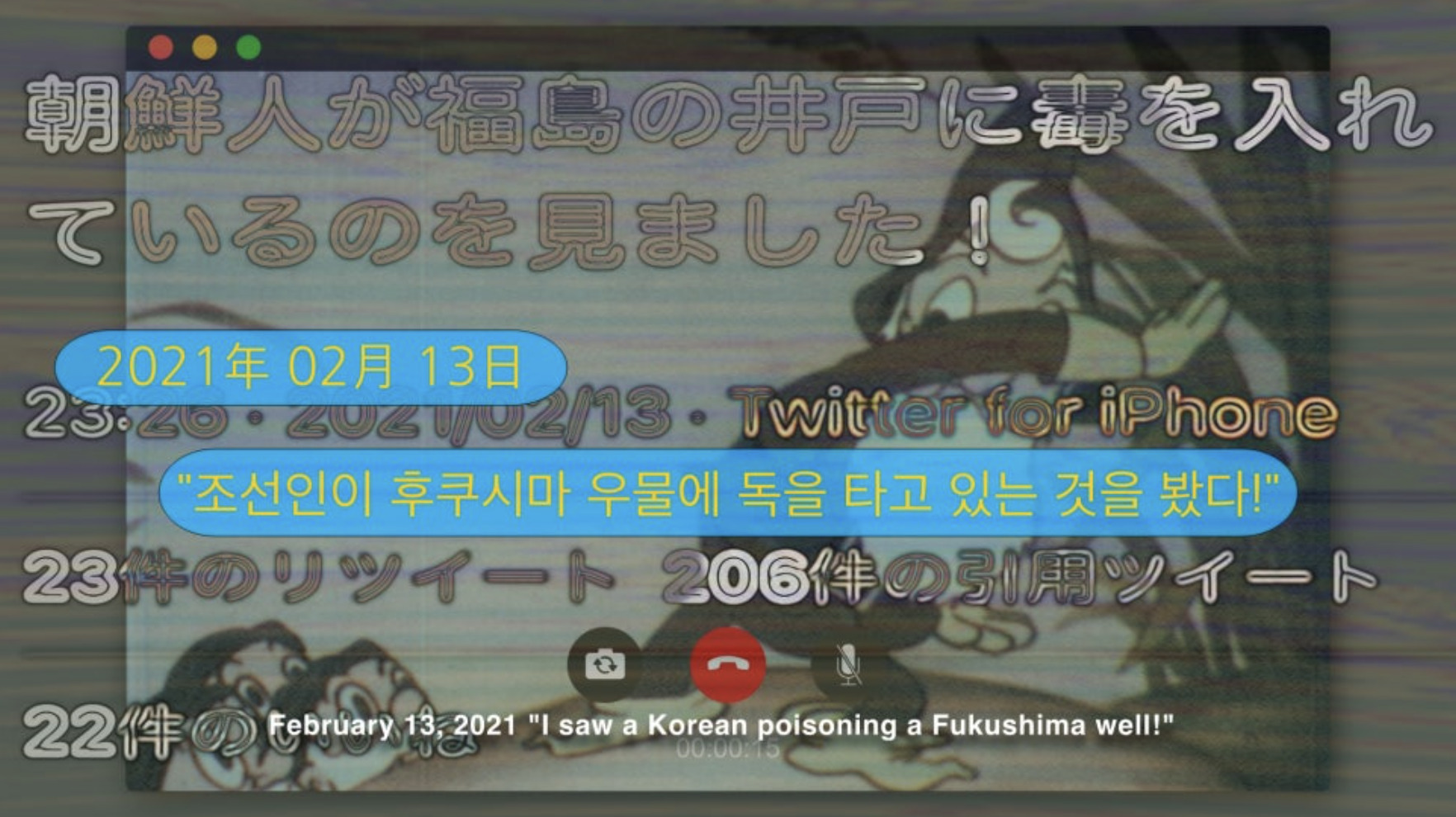
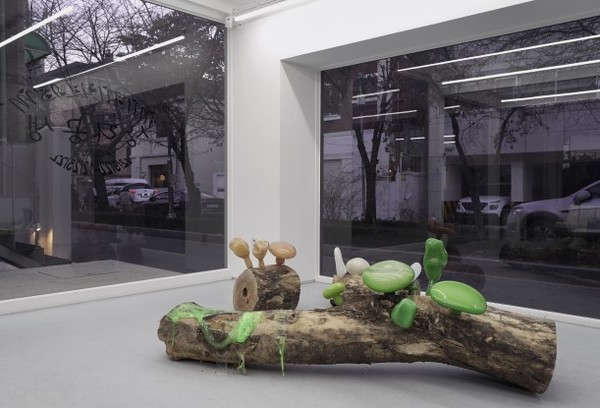
Mushroom and Meditation(2022) connects the rumors that
triggered the massacre of Koreans after the Great Kantō Earthquake with the spread of mycorrhizal networks, the internet,
age spots on the skin, and memories remaining in the body, viewing the
circulation of information and memory as a single network.
From 2023
onward, Song’s interest in memory and information becomes directly connected to
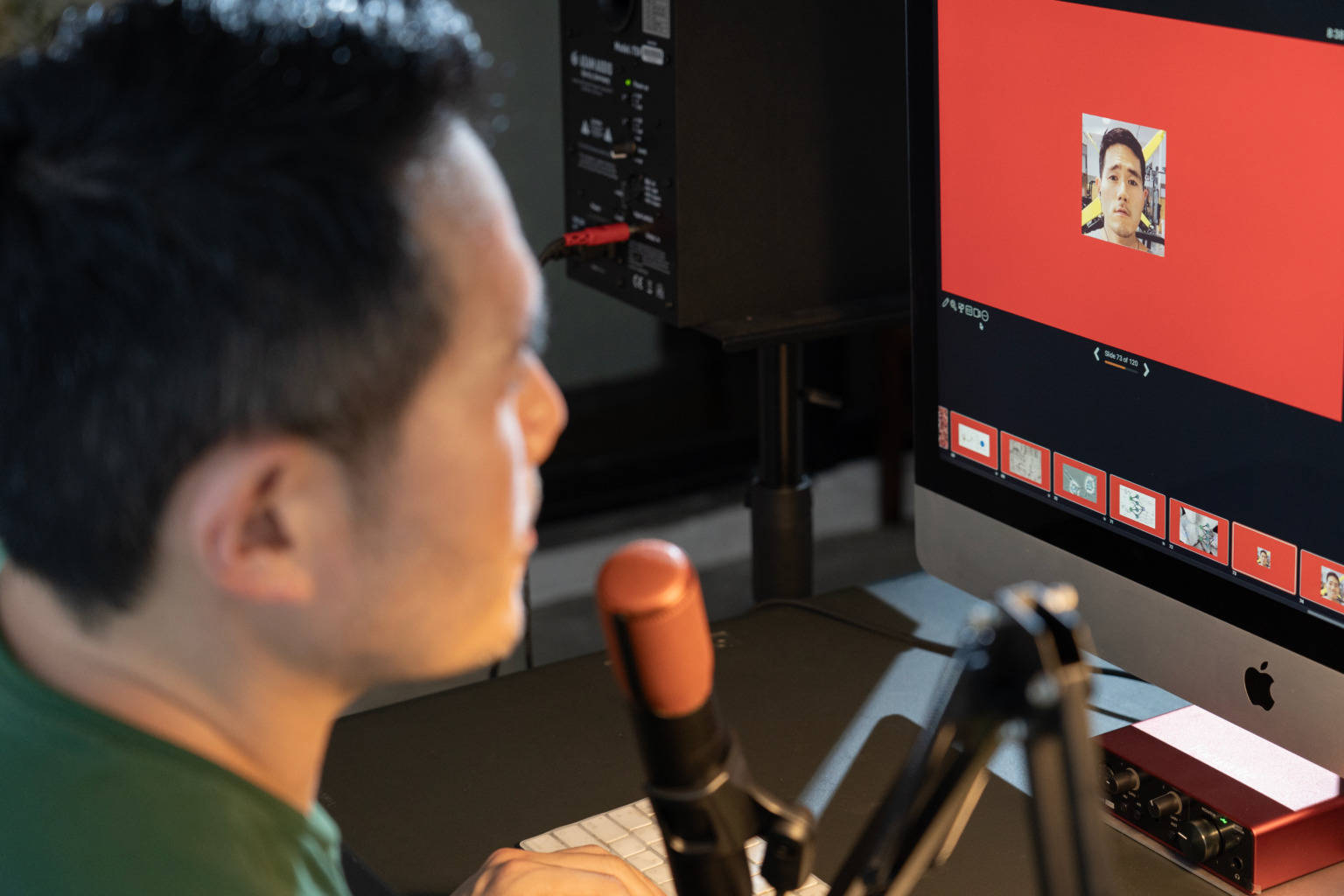
bodily aging and AI technology. Aged Technology(2023) begins
with the artist’s own experience of tinnitus and juxtaposes bodily malfunction
with outdated systems of classification embedded in data-training technologies.
Song focuses on the fact that although AI may appear to be neutral technology,
it can reproduce historically accumulated biases concerning gender, race, and
the body within datasets and classification systems.
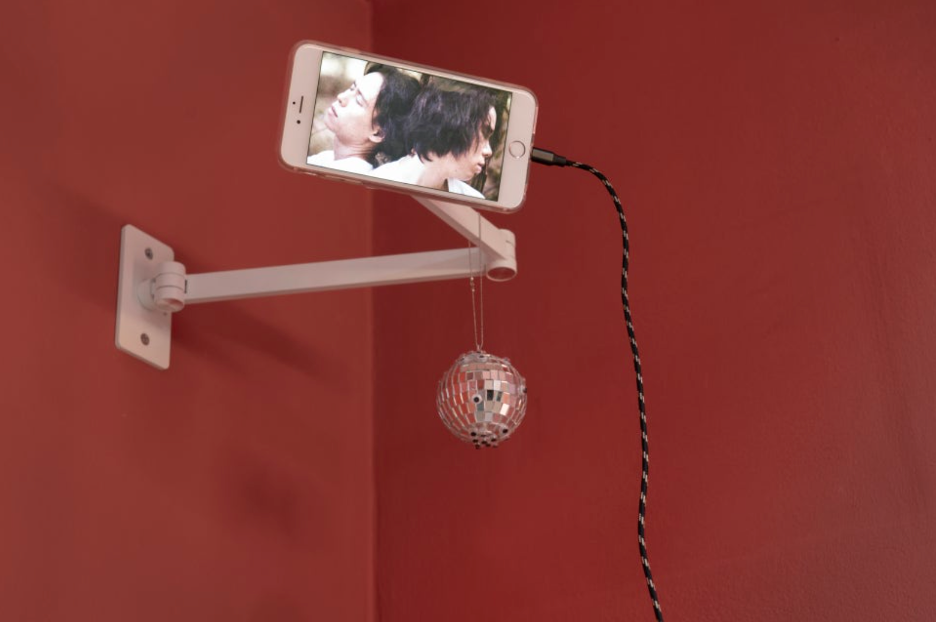
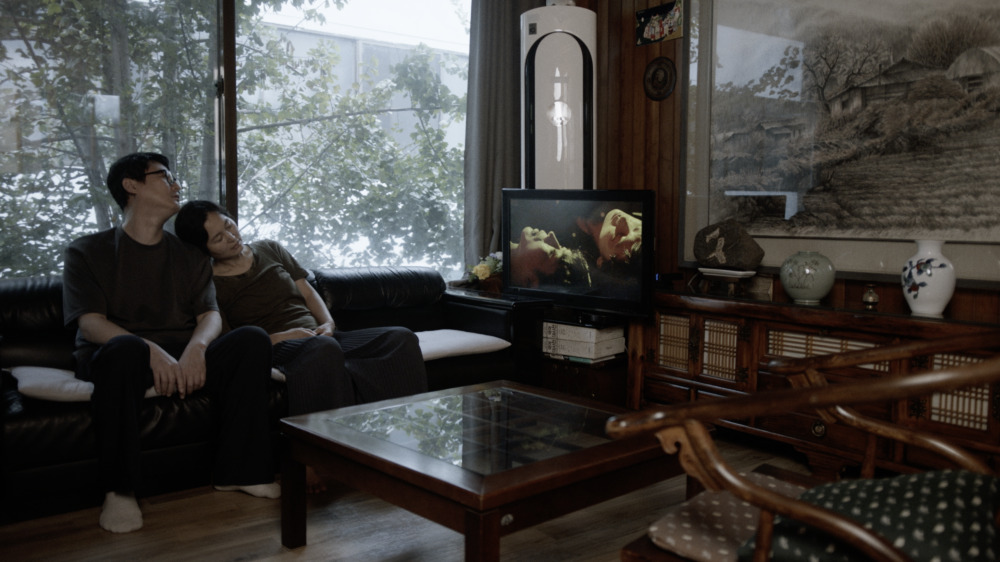
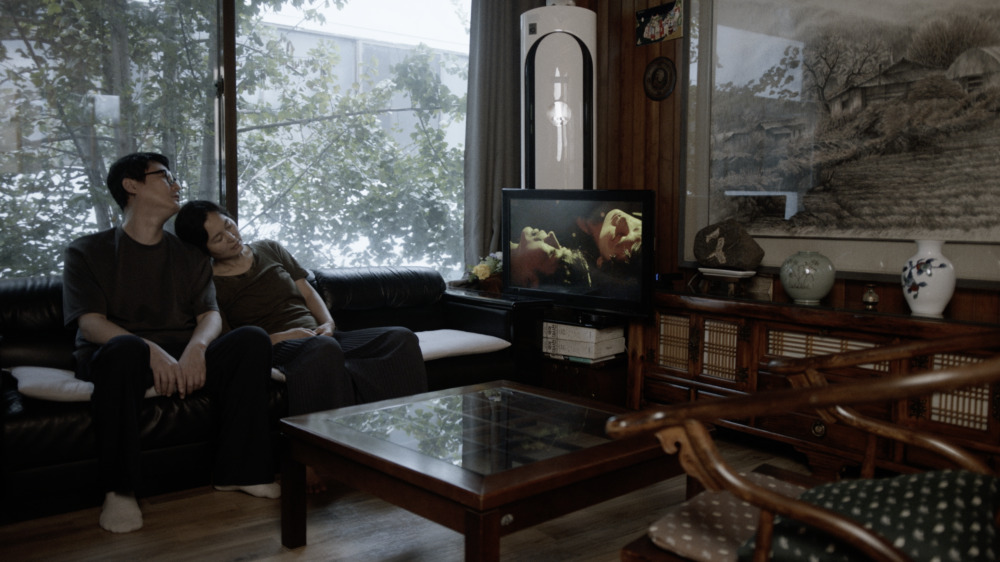
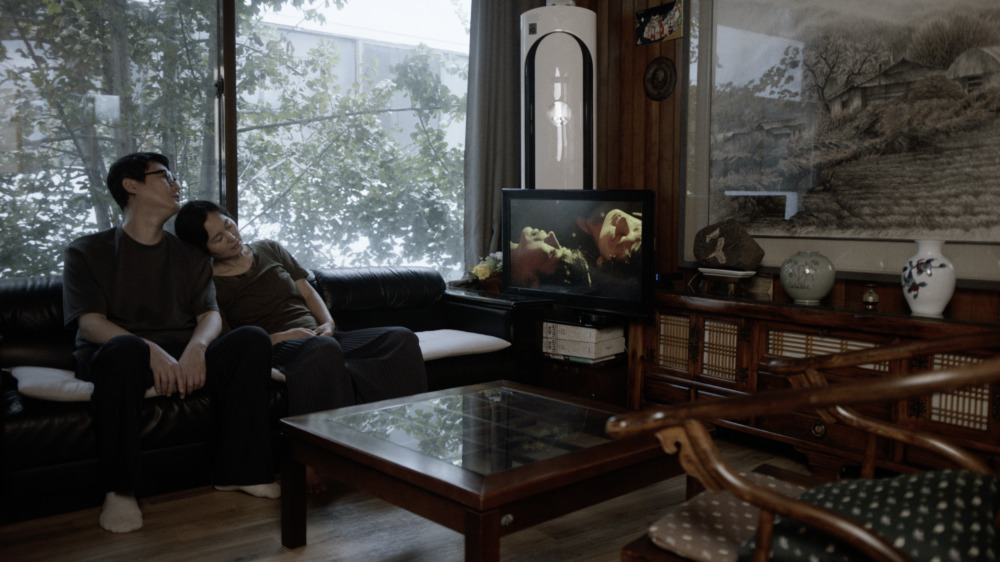
Created in the same year,
Work(2023) approaches this issue through the science-fiction
premise of time travelers in the year 2065 and the personal experience of
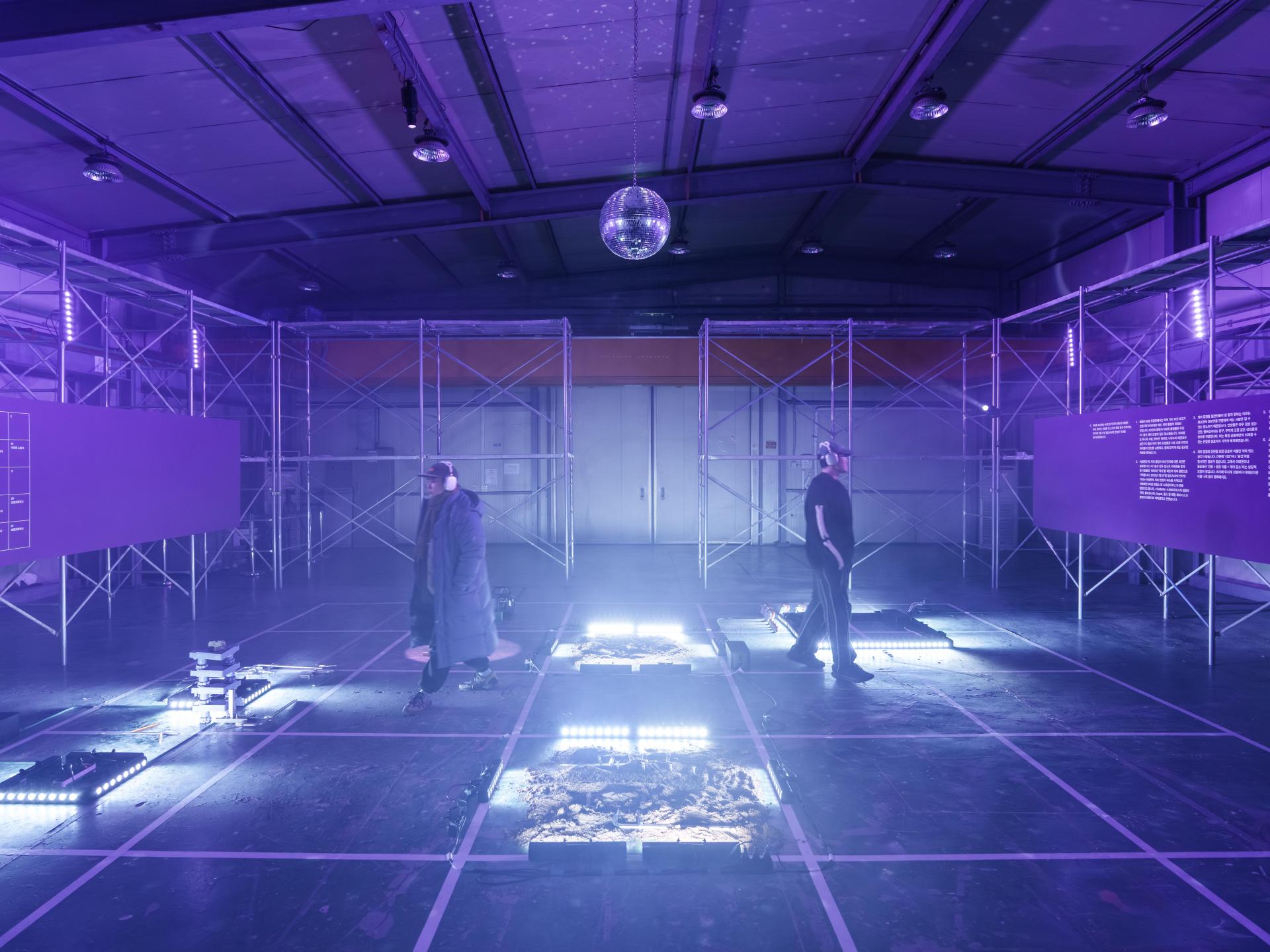
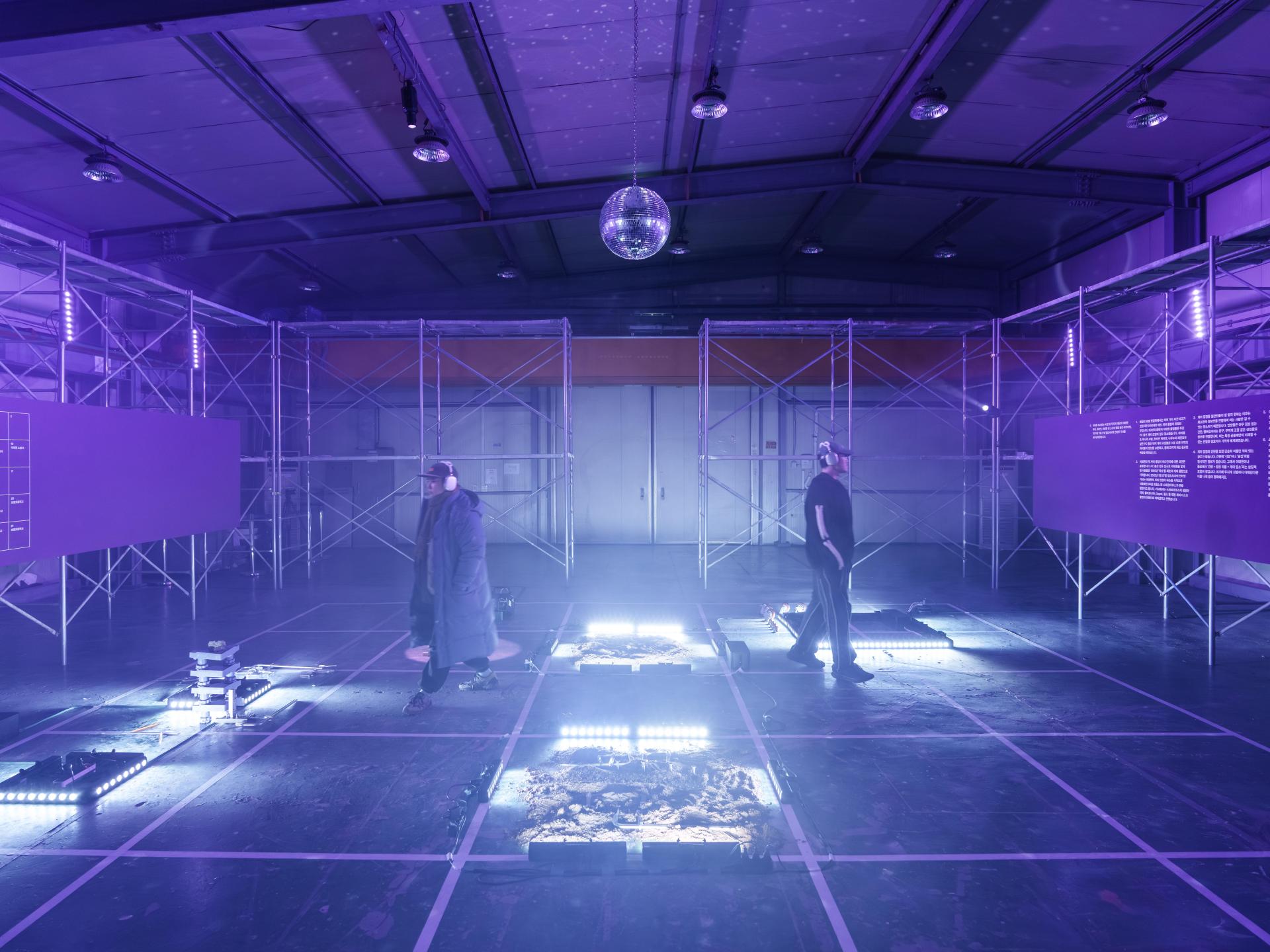
tinnitus following a breakup. Later, in 《Aged Technology》(Seoul Art Space Geumcheon,
Seoul, 2024) and Aged Technology: Denial and
Inability(2024), Song imagines a future AI unable to reconstruct
parts of Itaewon omitted from official records, suggesting that those who were
never recorded may disappear again within future technologies.
For Song, the
question of technology ultimately leads to a social question: what information
is recorded, who performs the classification, and what remains categorized as
normal or abnormal.