Jesse Chun
works across moving image, drawing, sound, sculpture, installation, and
performance, yet these media are connected by a shared method of breaking down
and reorganizing language. In her early practice, existing linguistic
mechanisms embedded within institutions became important materials.
In the
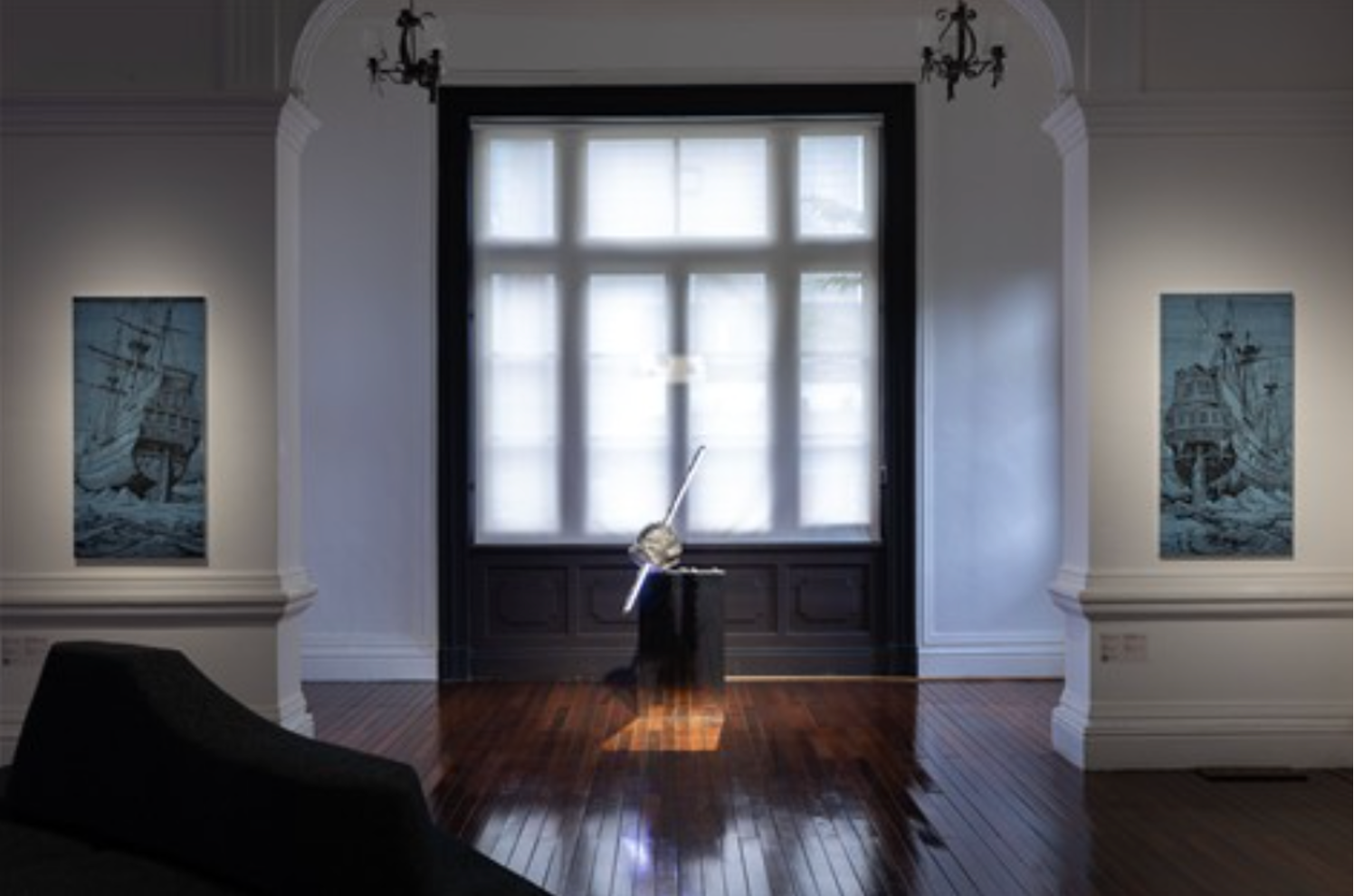
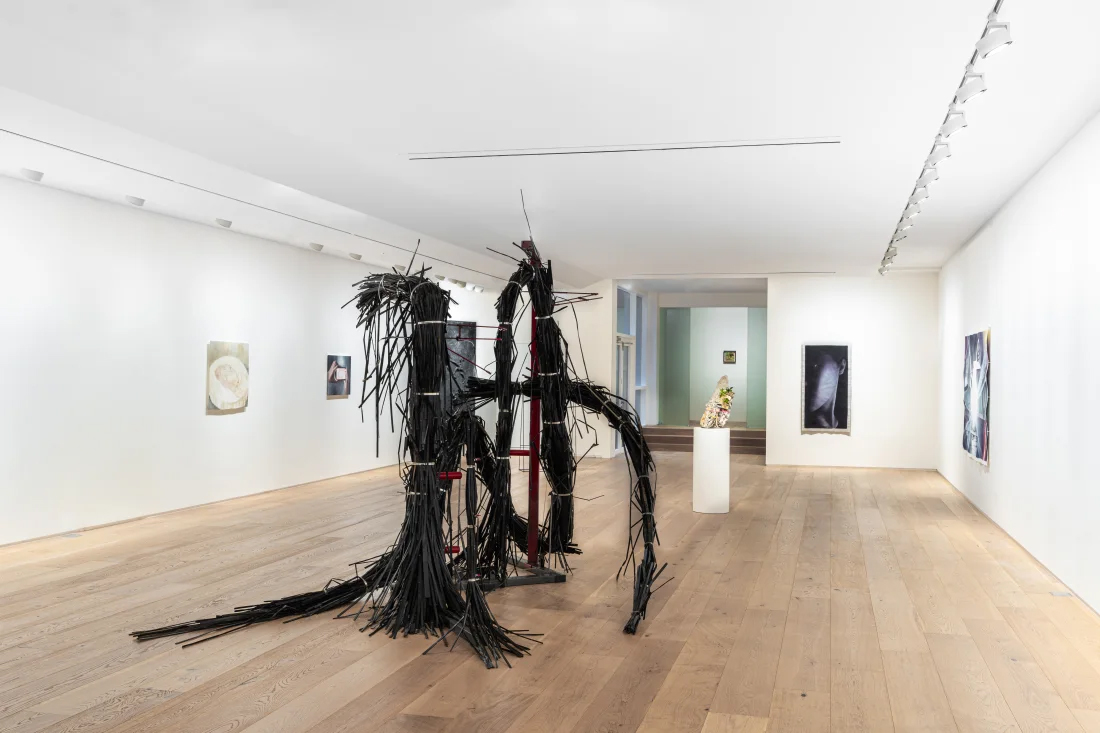
group exhibition 《DOOSAN Art LAB
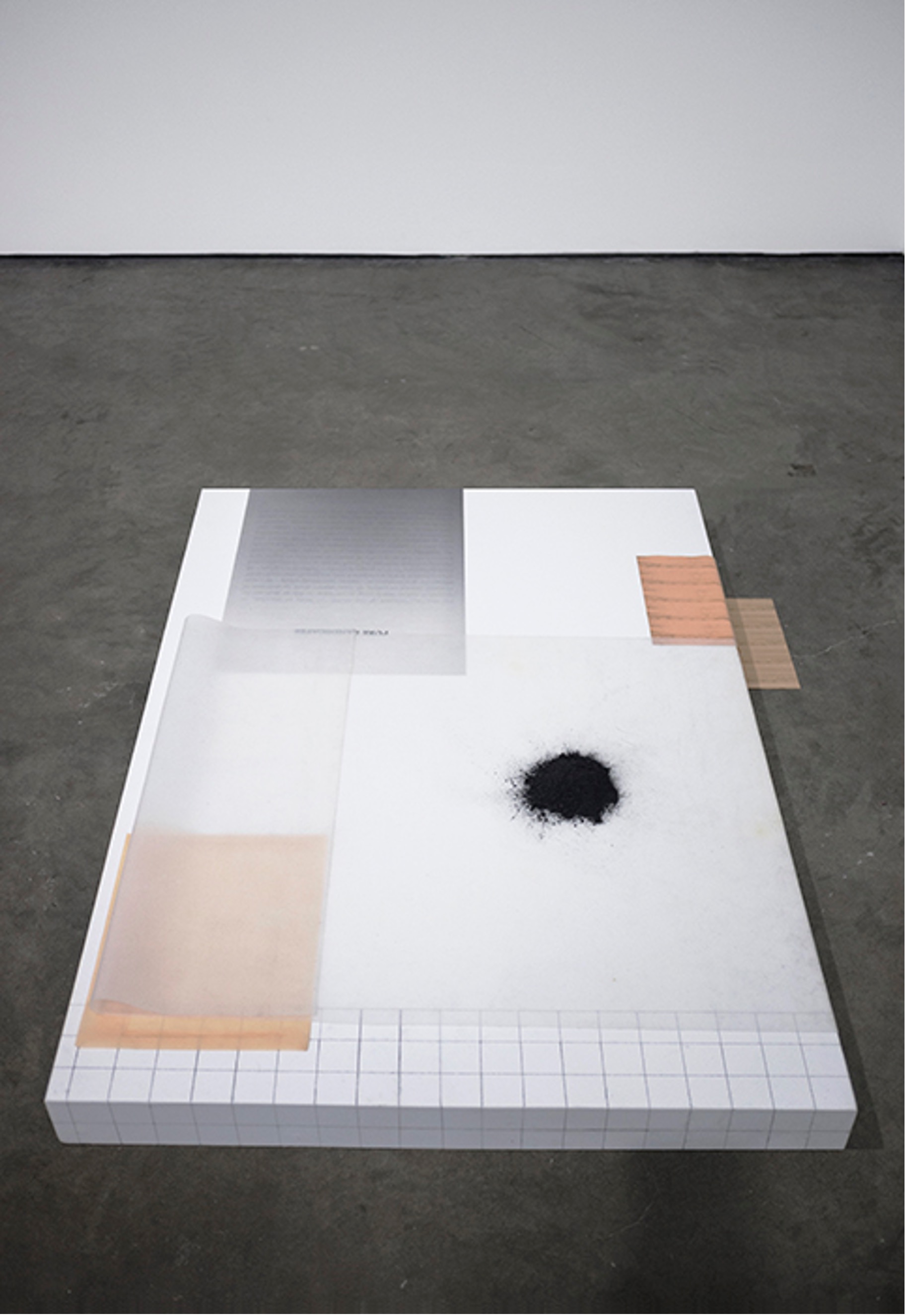
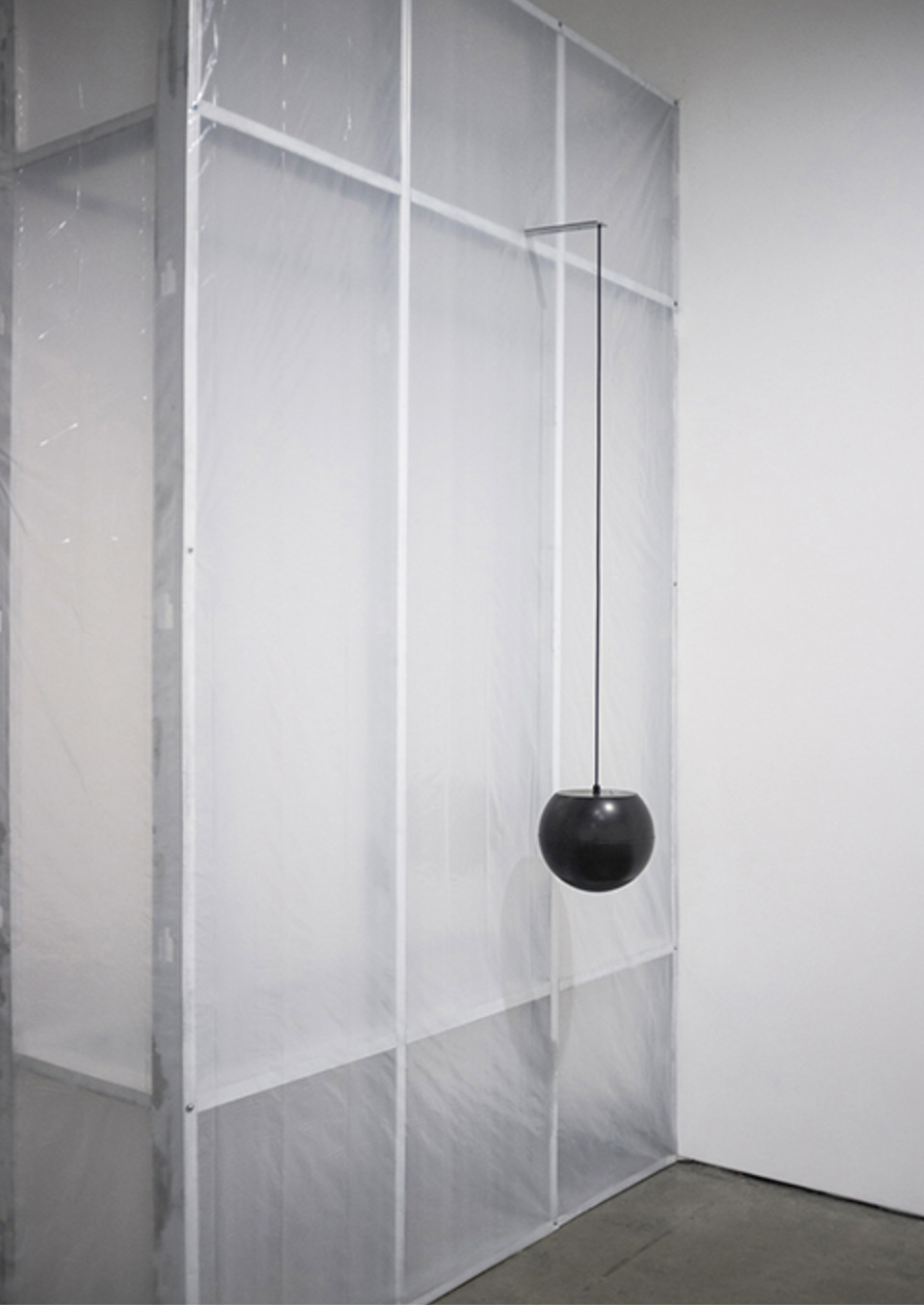
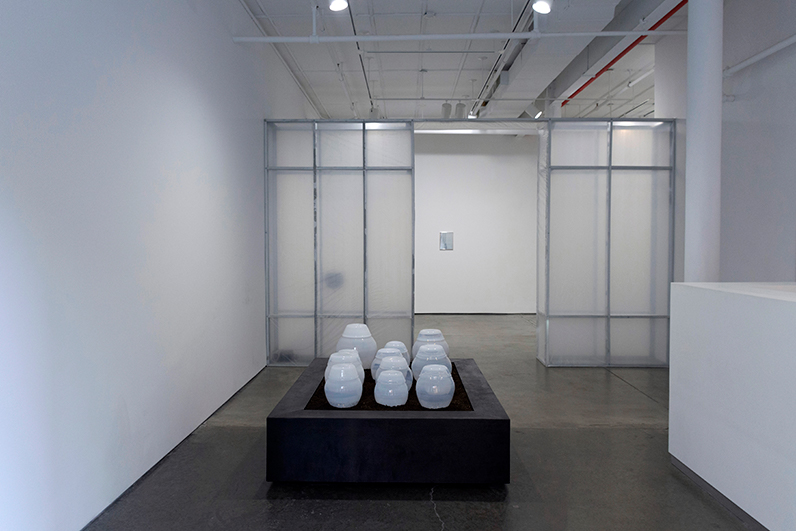
New York 2020: stain begins to absorb the material spilled on》(DOOSAN Gallery New York, New York, 2020), Chun used English
pronunciation audio, airport speakers, bureaucratic watermarks, graphite, and
other materials to transform institutional systems of reading and
authentication into visual and sonic forms.
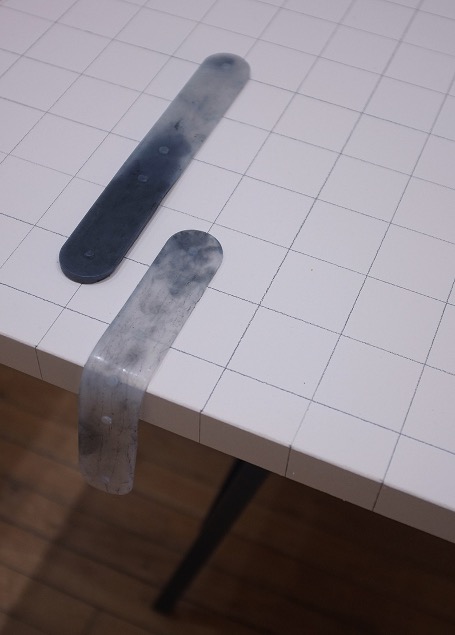
By manipulating alphabet
construction toys into limp abstract shapes rather than proper letters, or
fragmenting pronunciation lessons until they approached silence, she directly
disrupted the rules of language at the level of material and form.
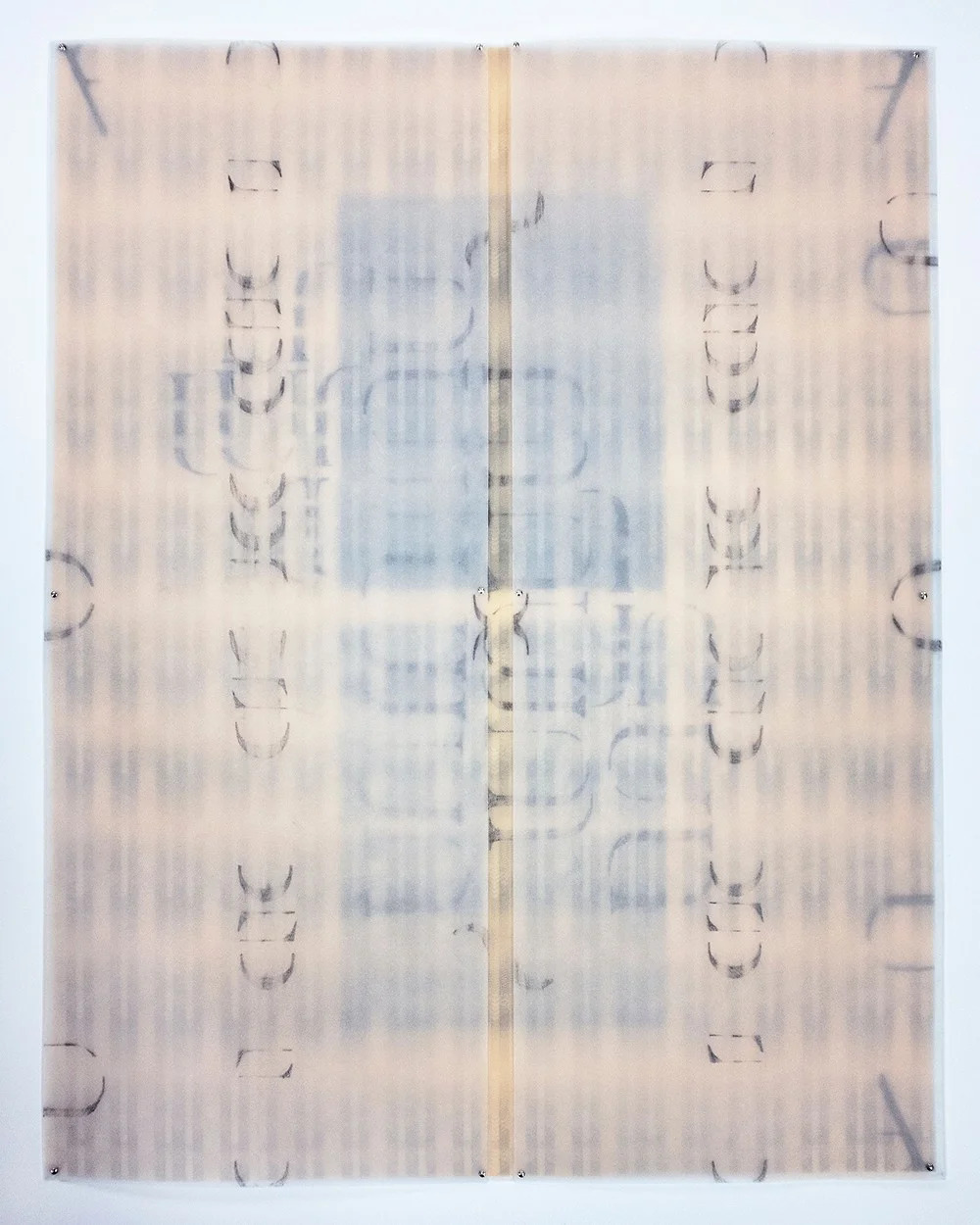
Her
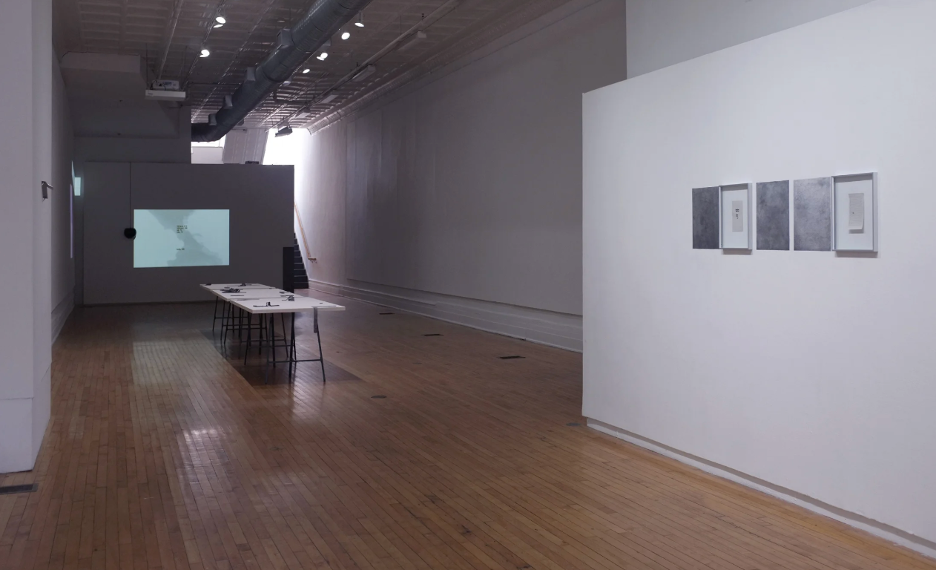
drawings later evolved from images to be viewed into “scores” that could be
performed and interpreted. Score for unlanguaging no.
082721(2021) moves between legibility and abstraction through
repeated and layered Roman alphabet stencils, graphite, pigment, and
watermarks. Chun does not fix these drawings as completed images, but instead
opens them up to other artists, who are invited to “translate” them freely.
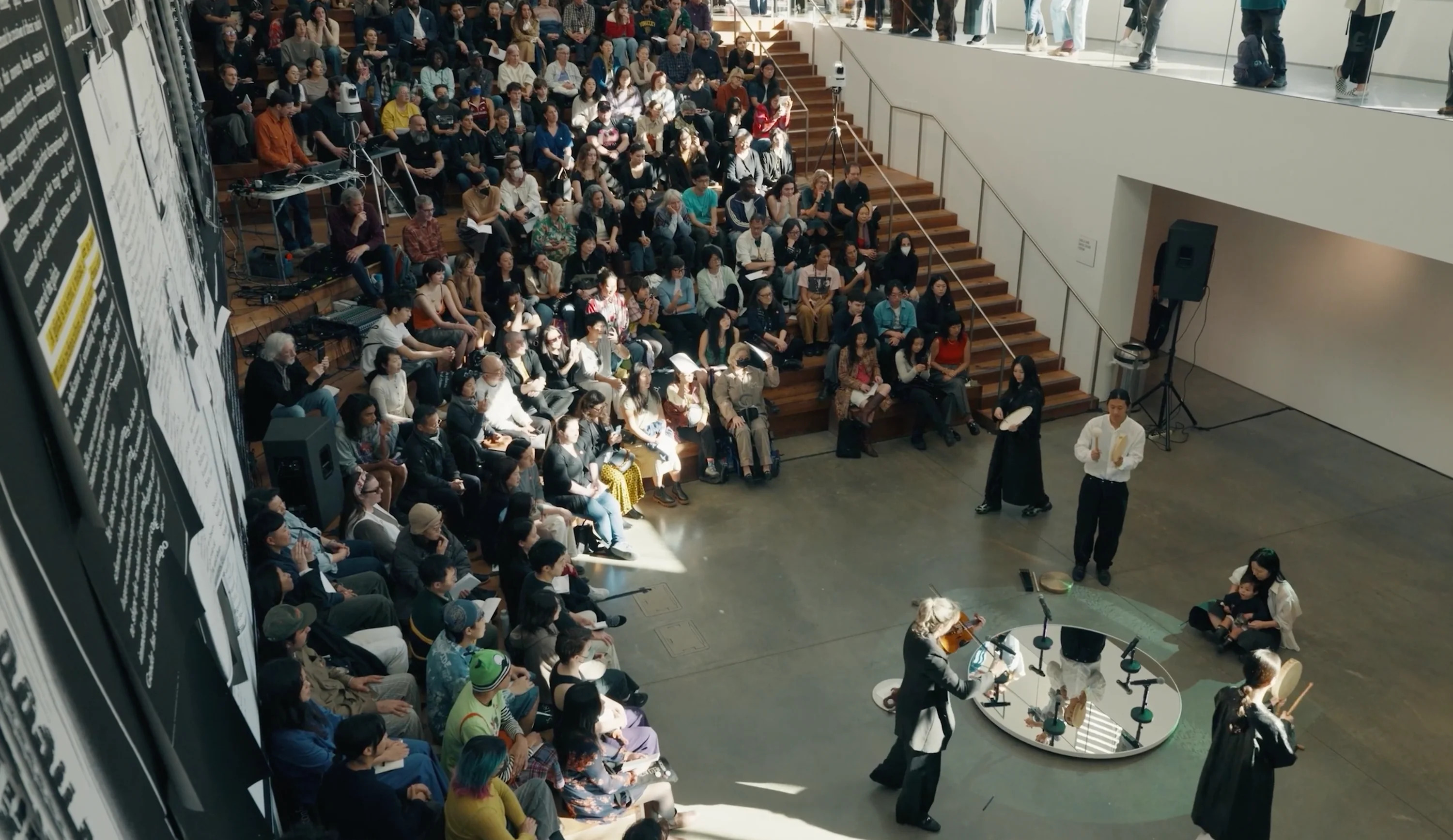
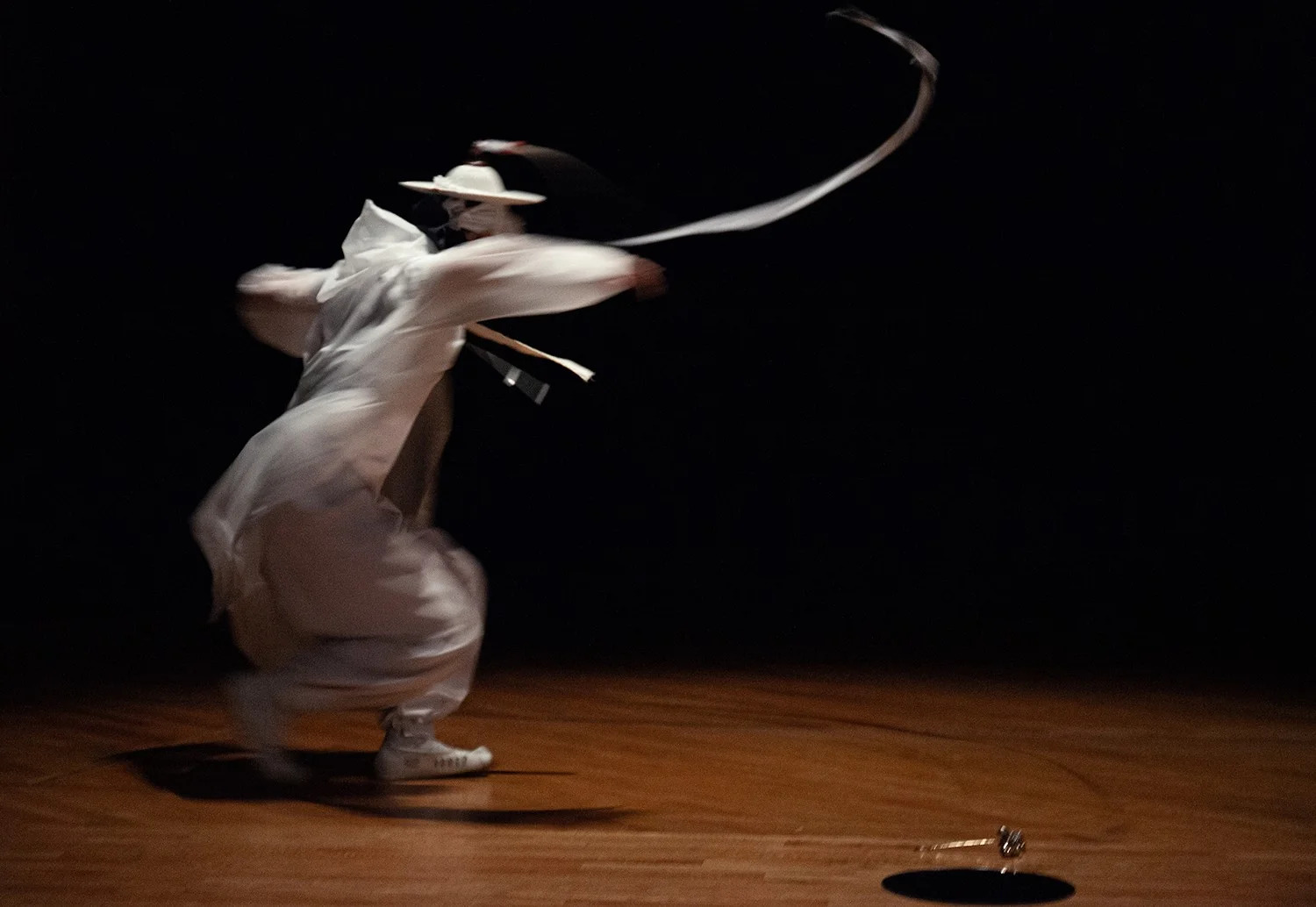
In
Score for unlanguaging (천지문 and Cosmos): Activation(2024), Chun collaborated with
Korean folk performance artists Yeonhee to transform the drawing into a
performance of movement, sound, and breath. Presented in the group exhibition 《Tongue of Rain》(Art Sonje Center, Seoul,
2024), the work demonstrates how visual signs can be rewritten into entirely
different temporalities and sensations as they pass through another person’s
body.
In her
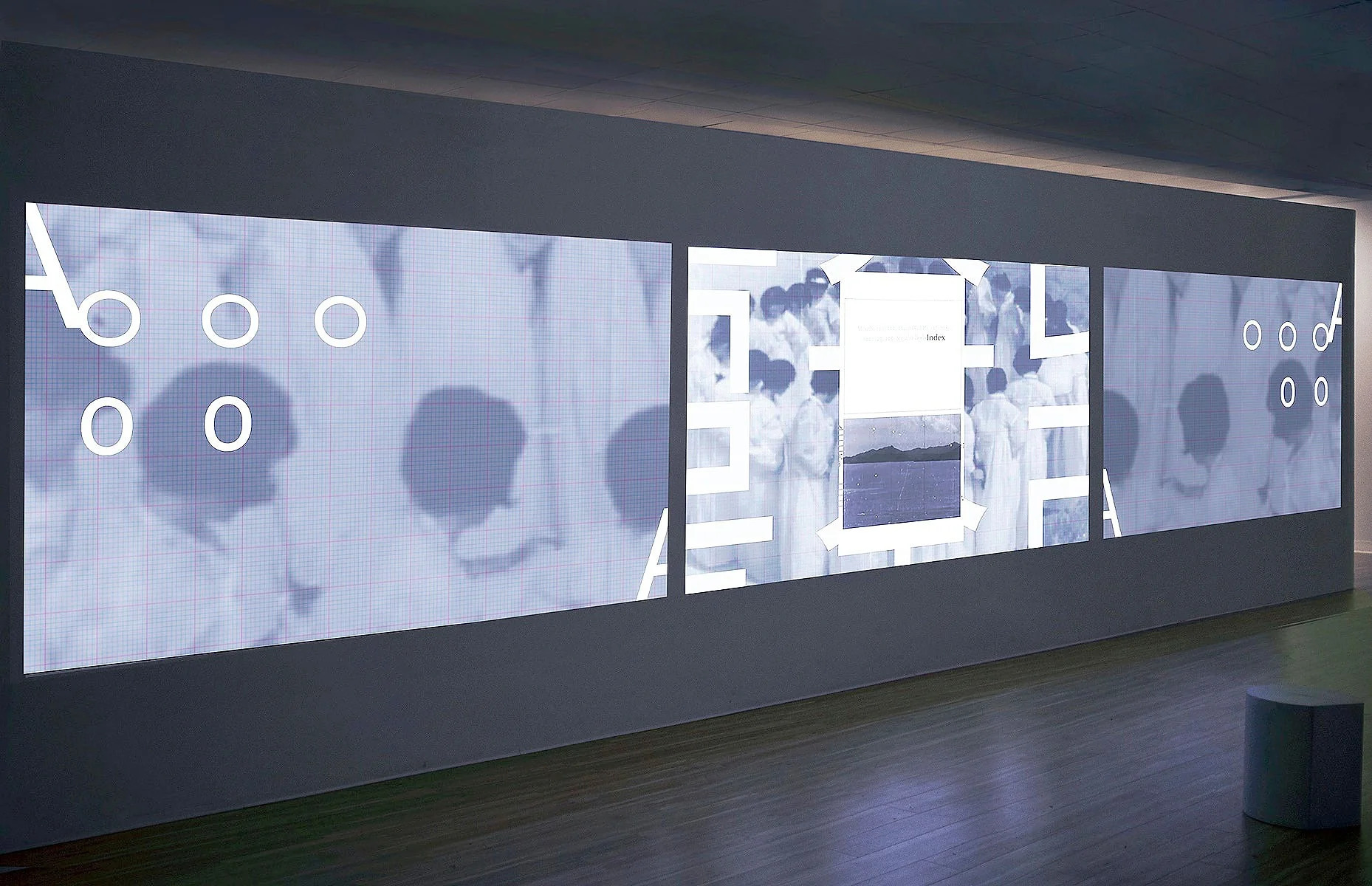
moving-image works, the instability of language expands into the structures of
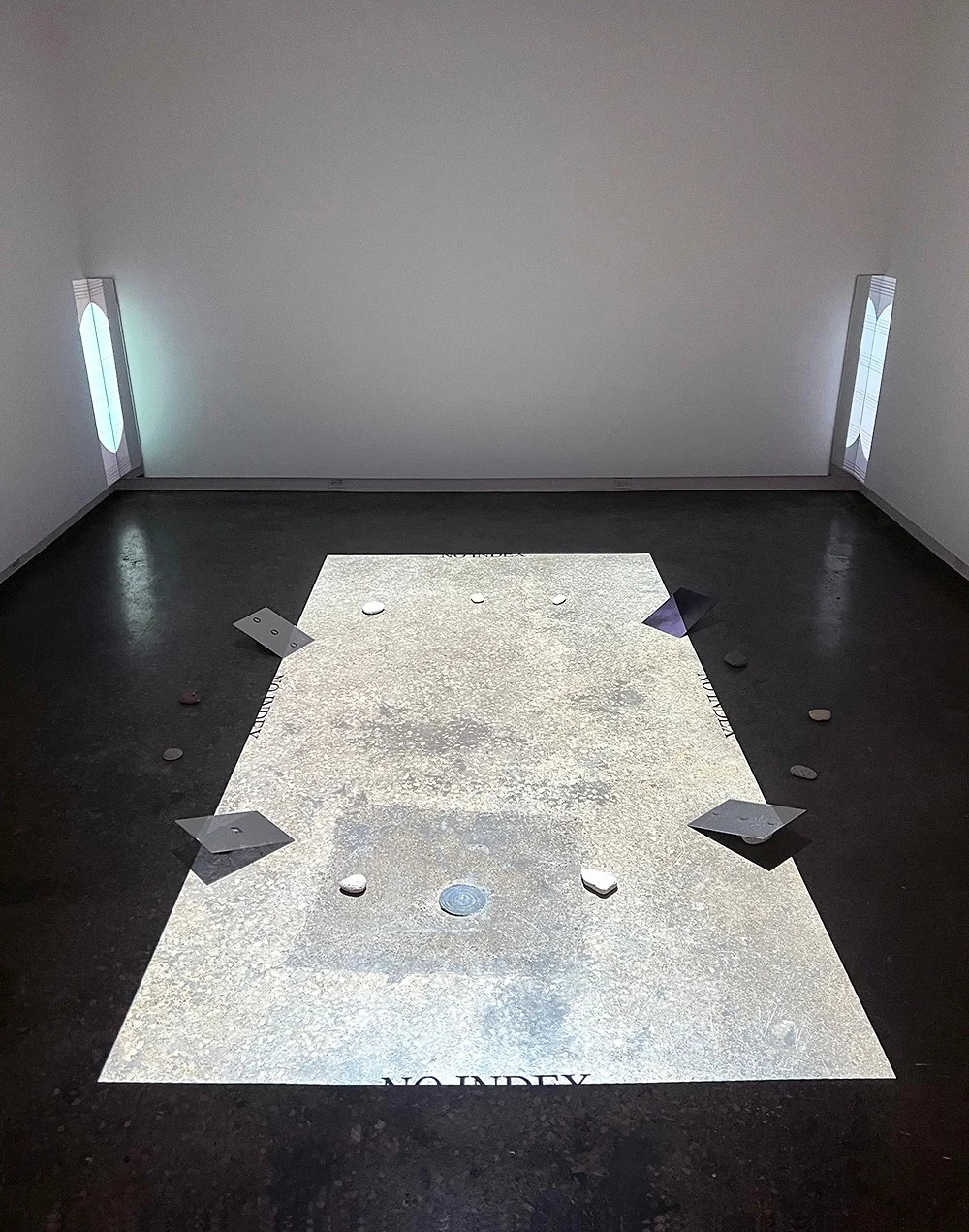
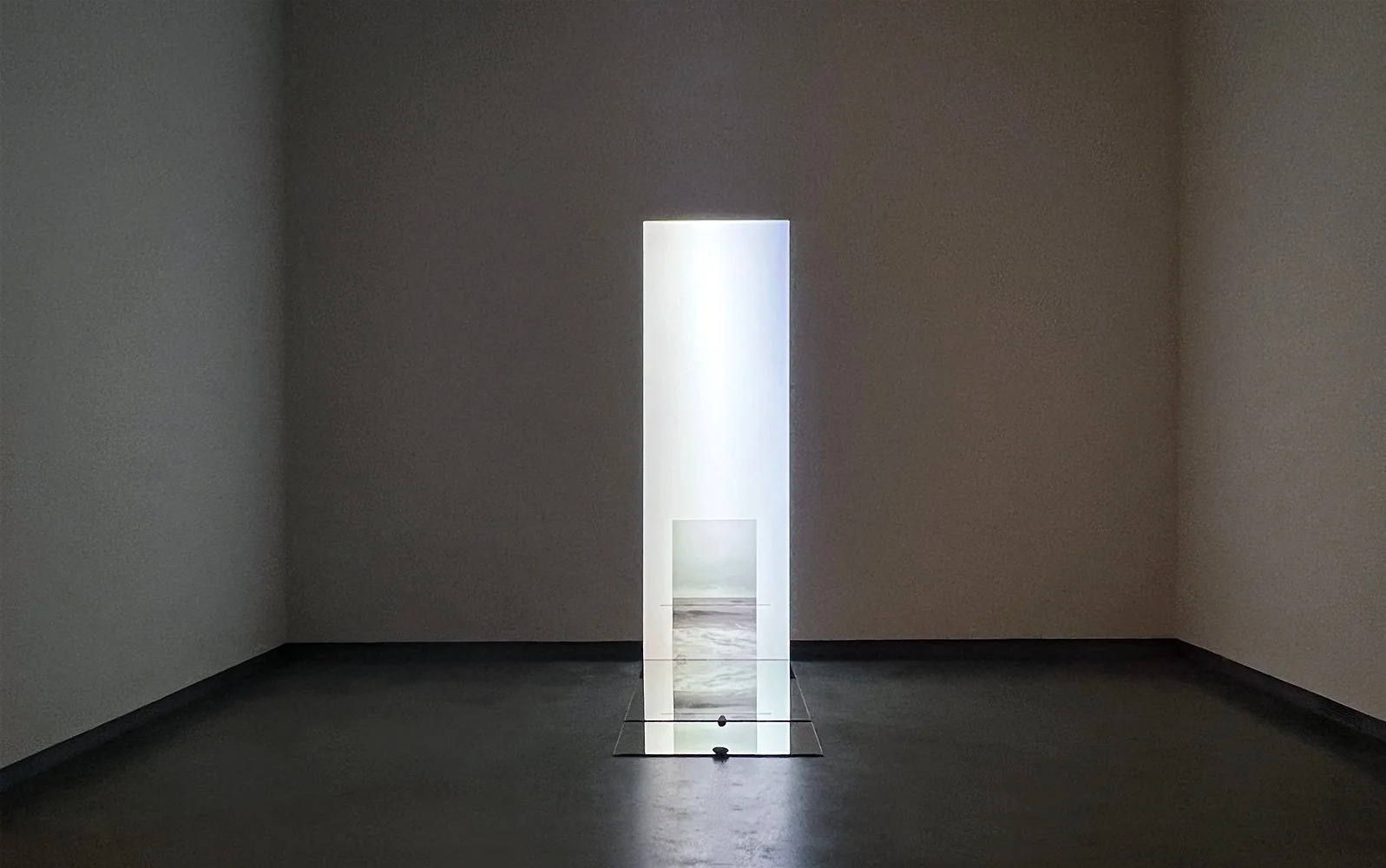
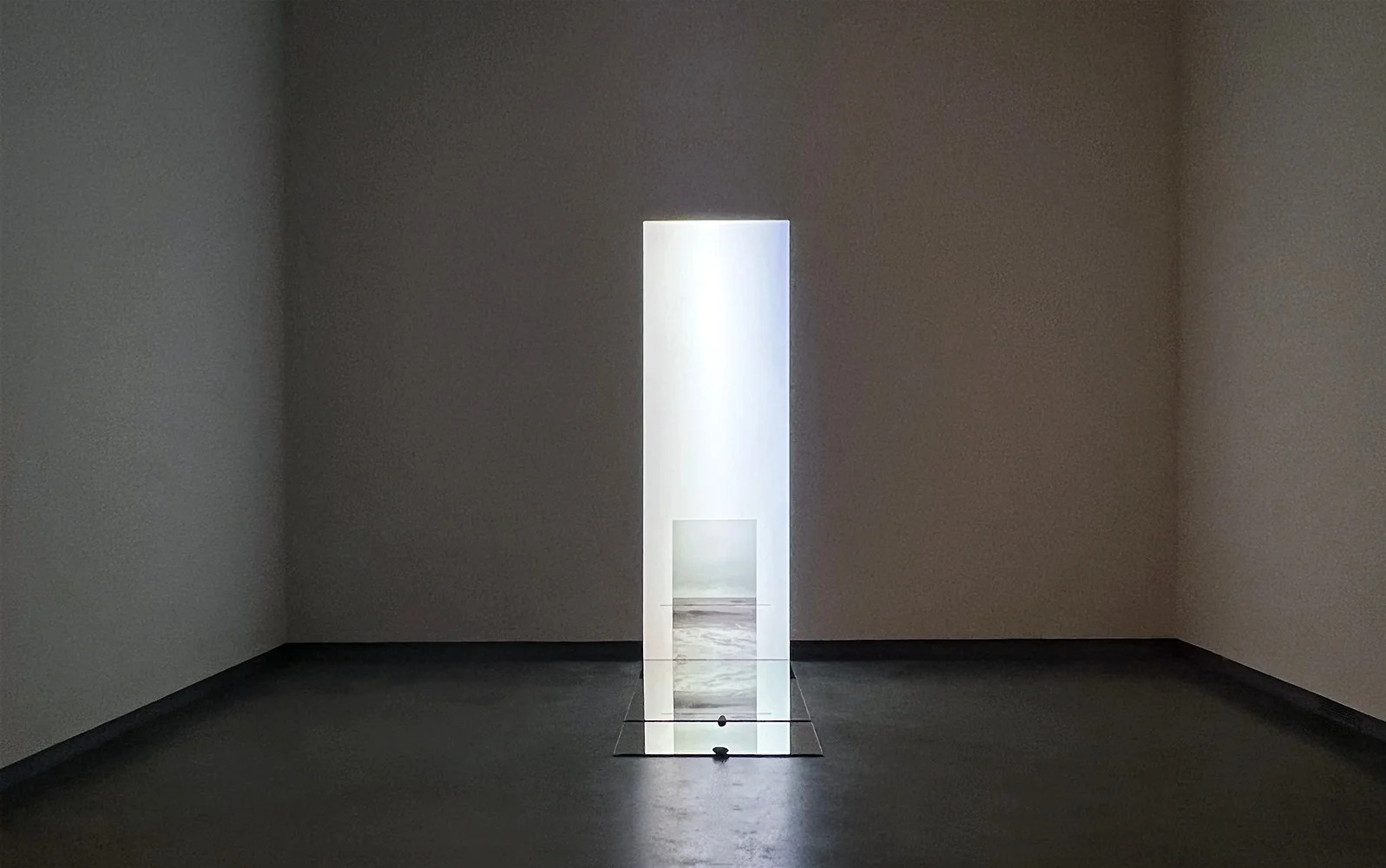
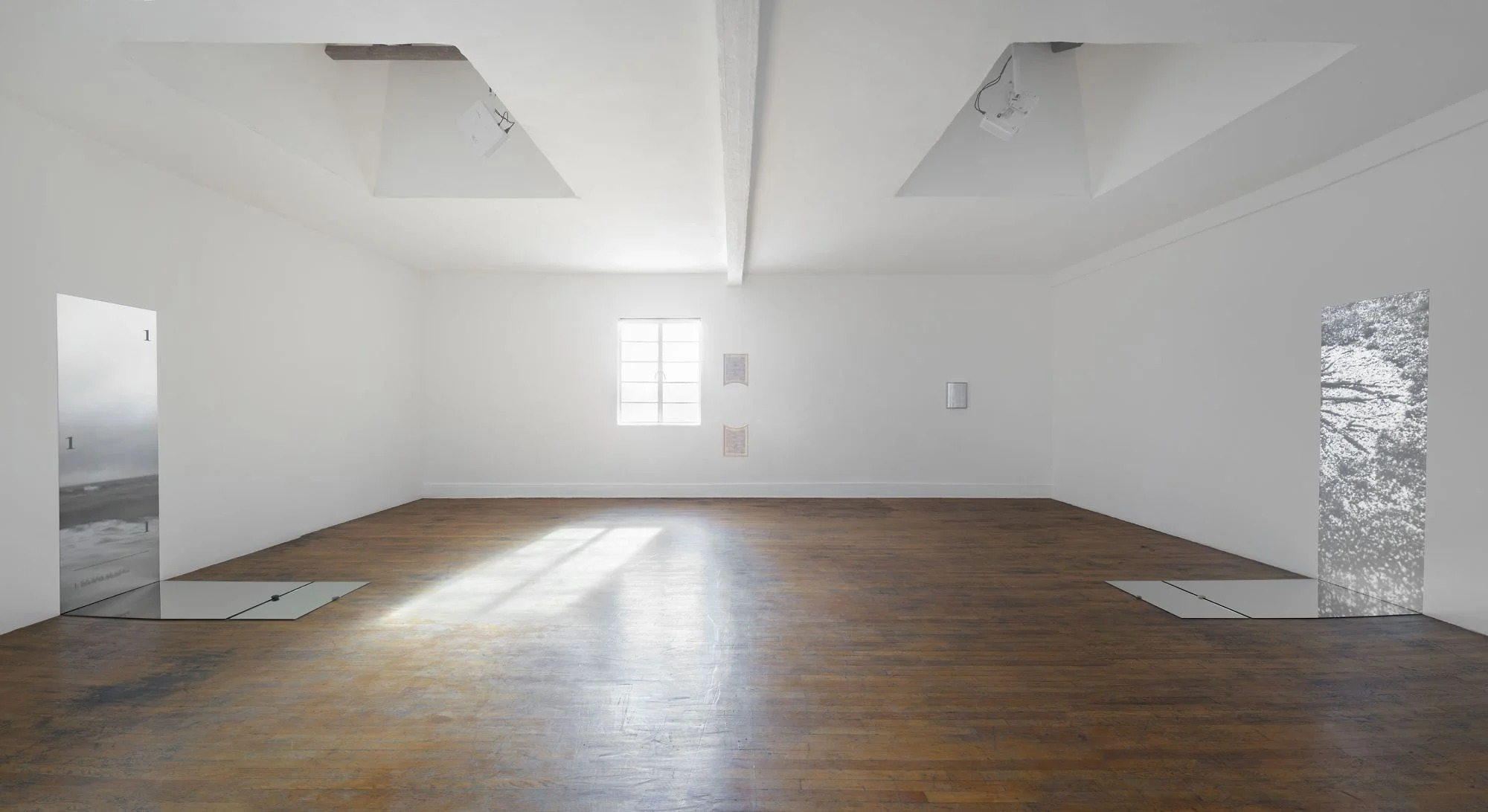
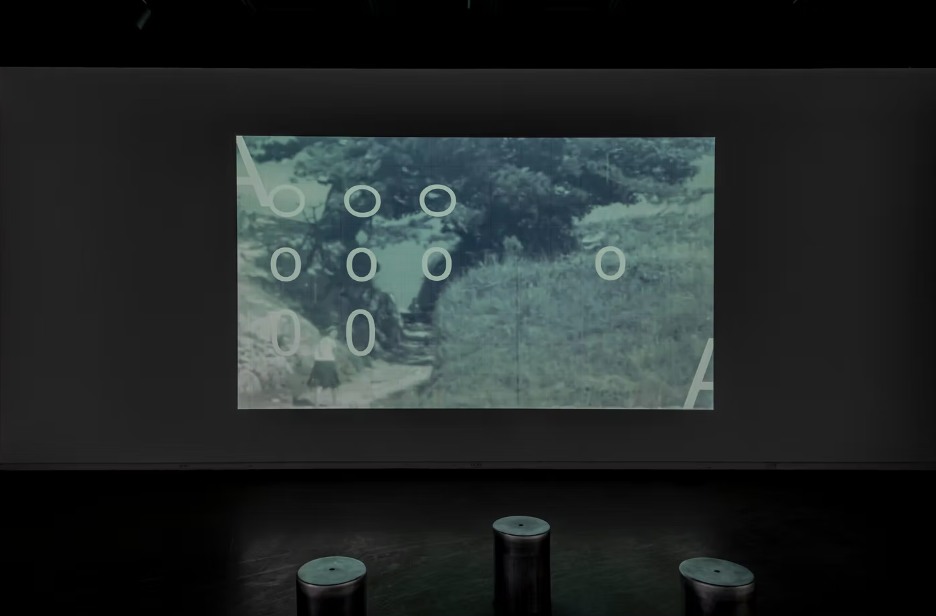
space and time. 시: sea
(2565)(2022) combines black-and-white moving image, mirrors, rocks,
and silence to construct the video itself as a sculptural space, emphasizing
the rhythms produced by mistranslation and fragmented text rather than a clear
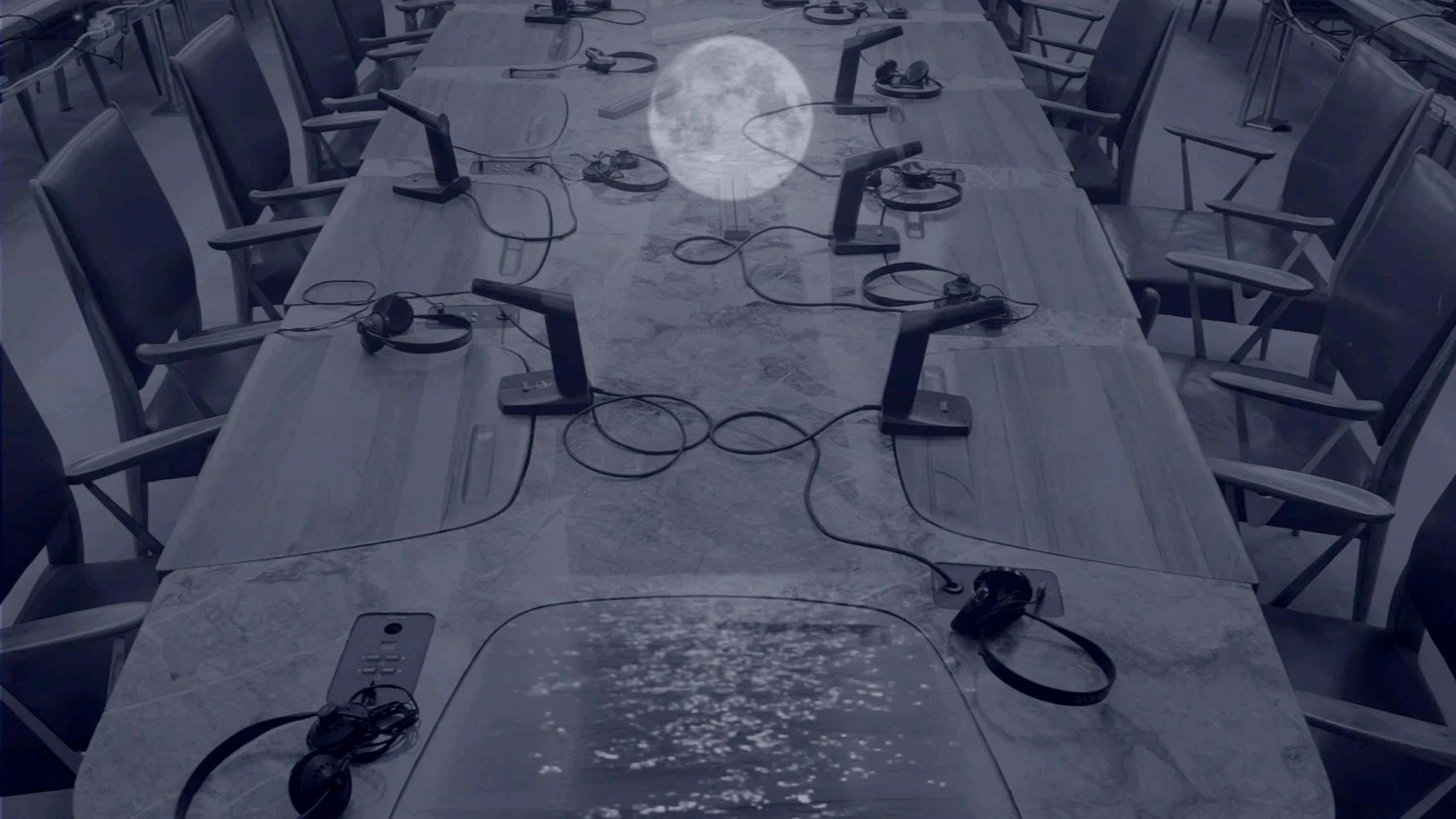
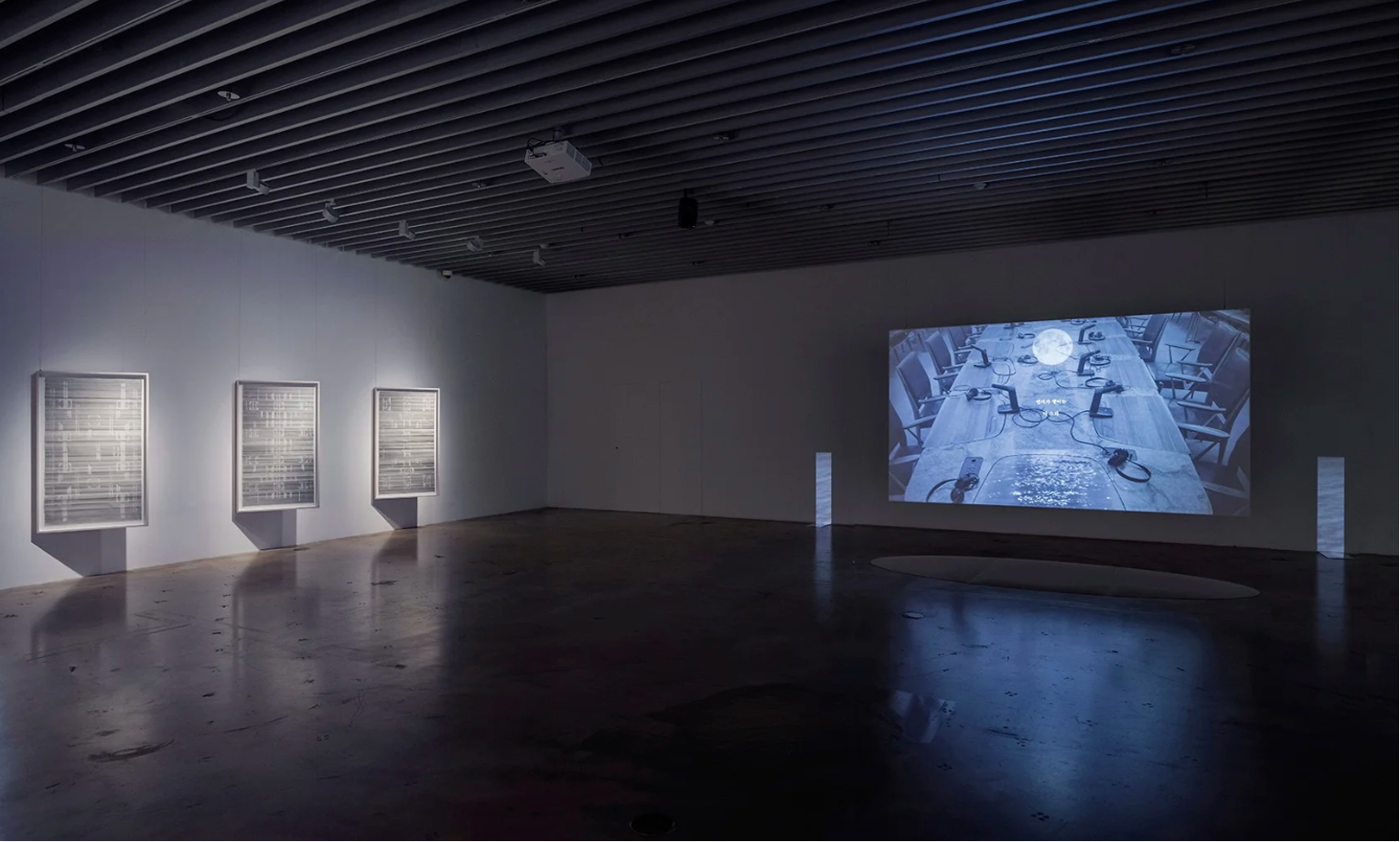
narrative. In O dust, Chun films the interpretation booths,
microphones, empty conference rooms, and Intangible Cultural Heritage archives
at UNESCO headquarters, juxtaposing “officially translated language” with the
memories that remain outside of it.
The voice of a French interpreter, Chun’s
own voice, multilingual texts, and murmurs overlap to create a moving-image
grammar that cannot be fully reduced to a single language. In Chun’s films,
translation functions less as a process of accurately delivering information than
as an editing method through which different times and voices fall out of
alignment and generate new meanings.
In Chun’s
recent hanji and performance works, these experiments with language become
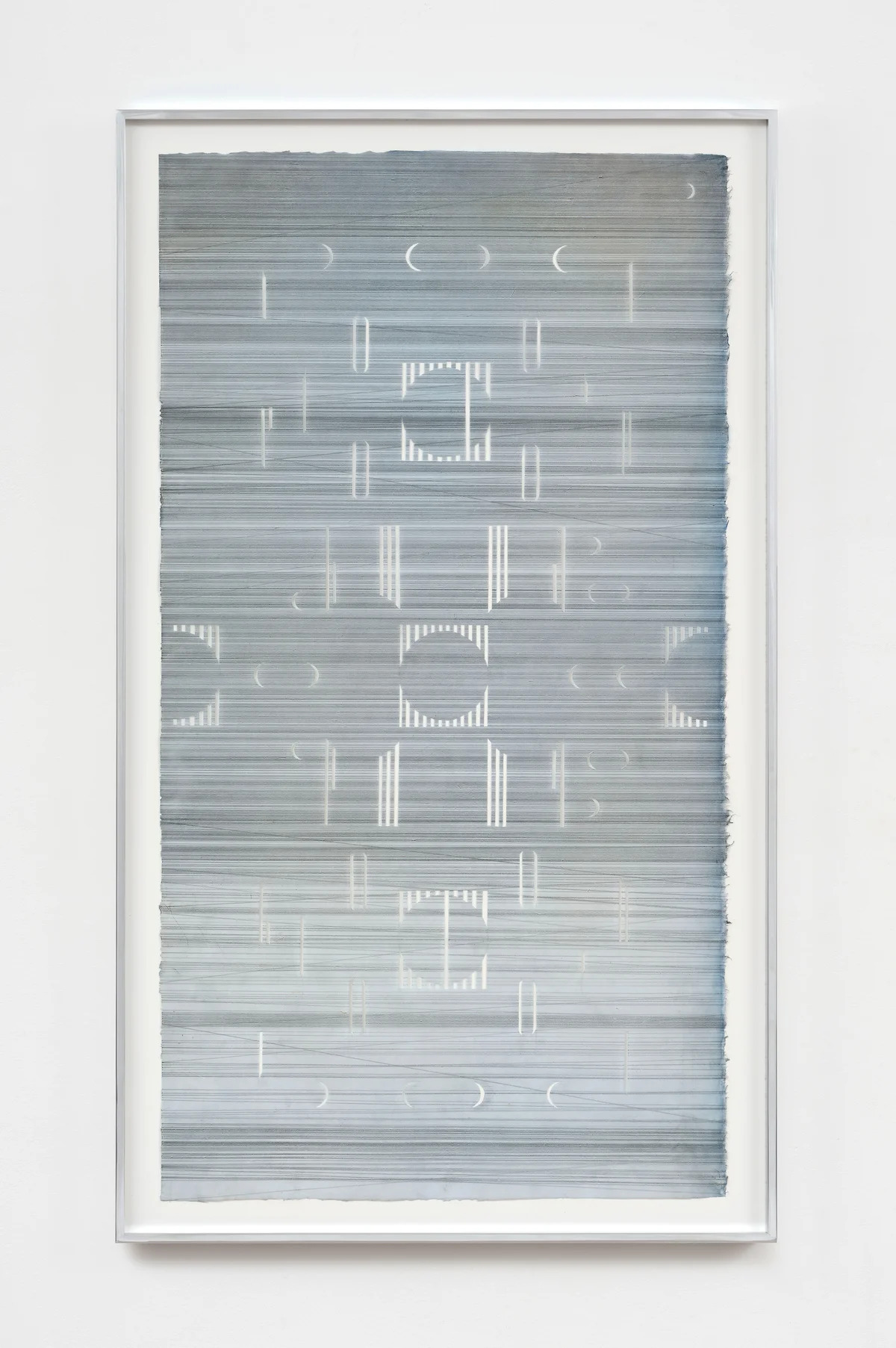
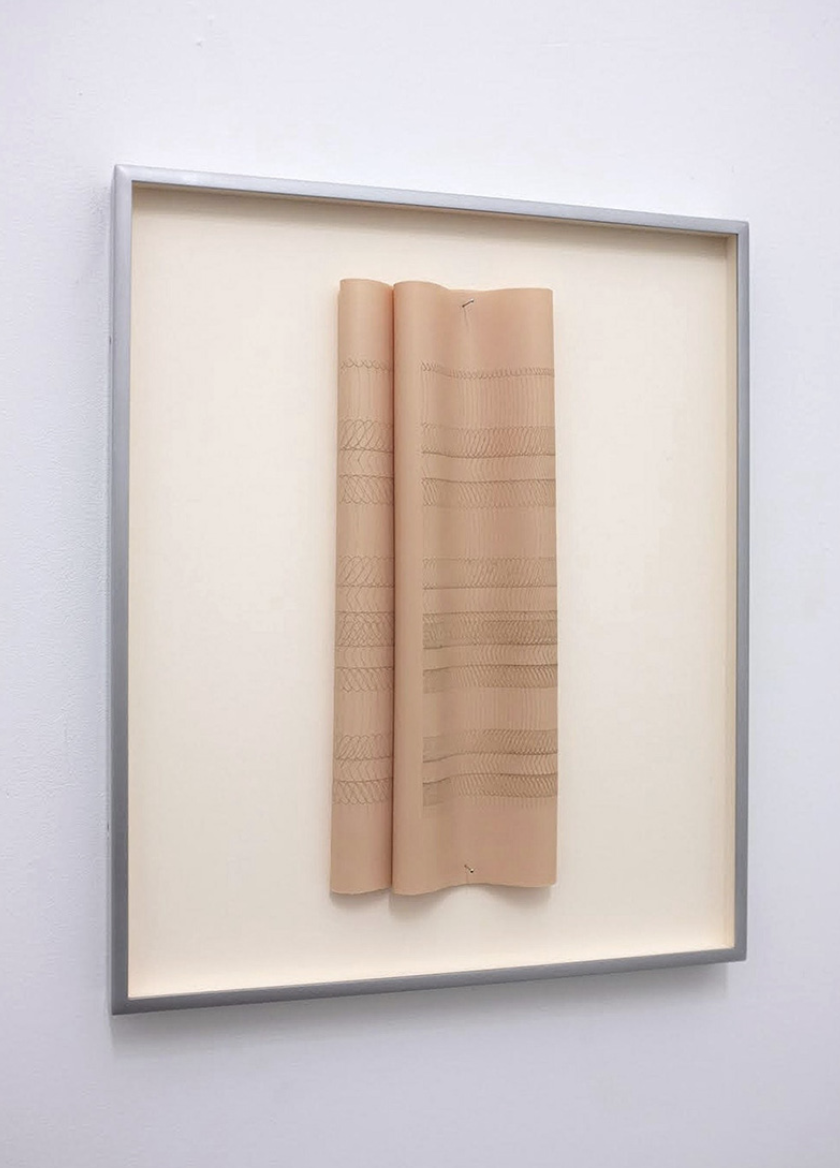
increasingly embodied and performative. 시: concrete poem (no. 041924)(2024) is made by drawing
countless graphite lines on lacquered hanji and meticulously cutting them by
hand, transforming signs that hover between Korean and English, such as O and ㅇ, together with their surrounding voids, into an abstract writing
system. The remaining paper, the removed spaces, and the shadows created
between them all become part of the work.
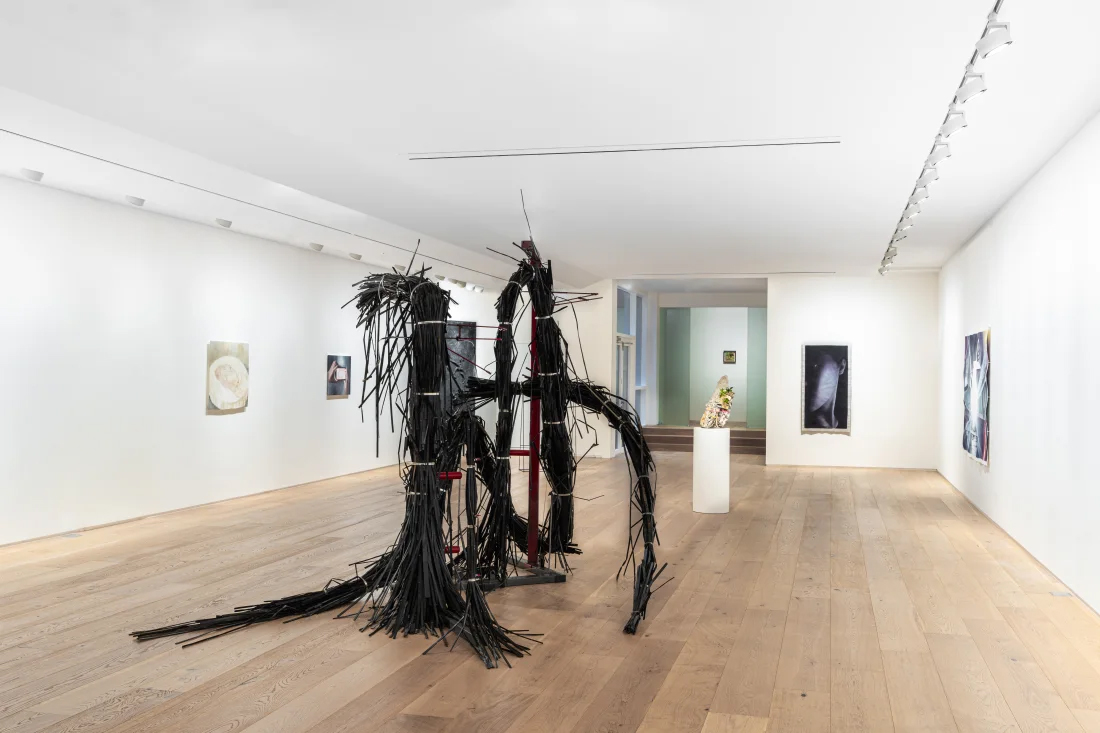
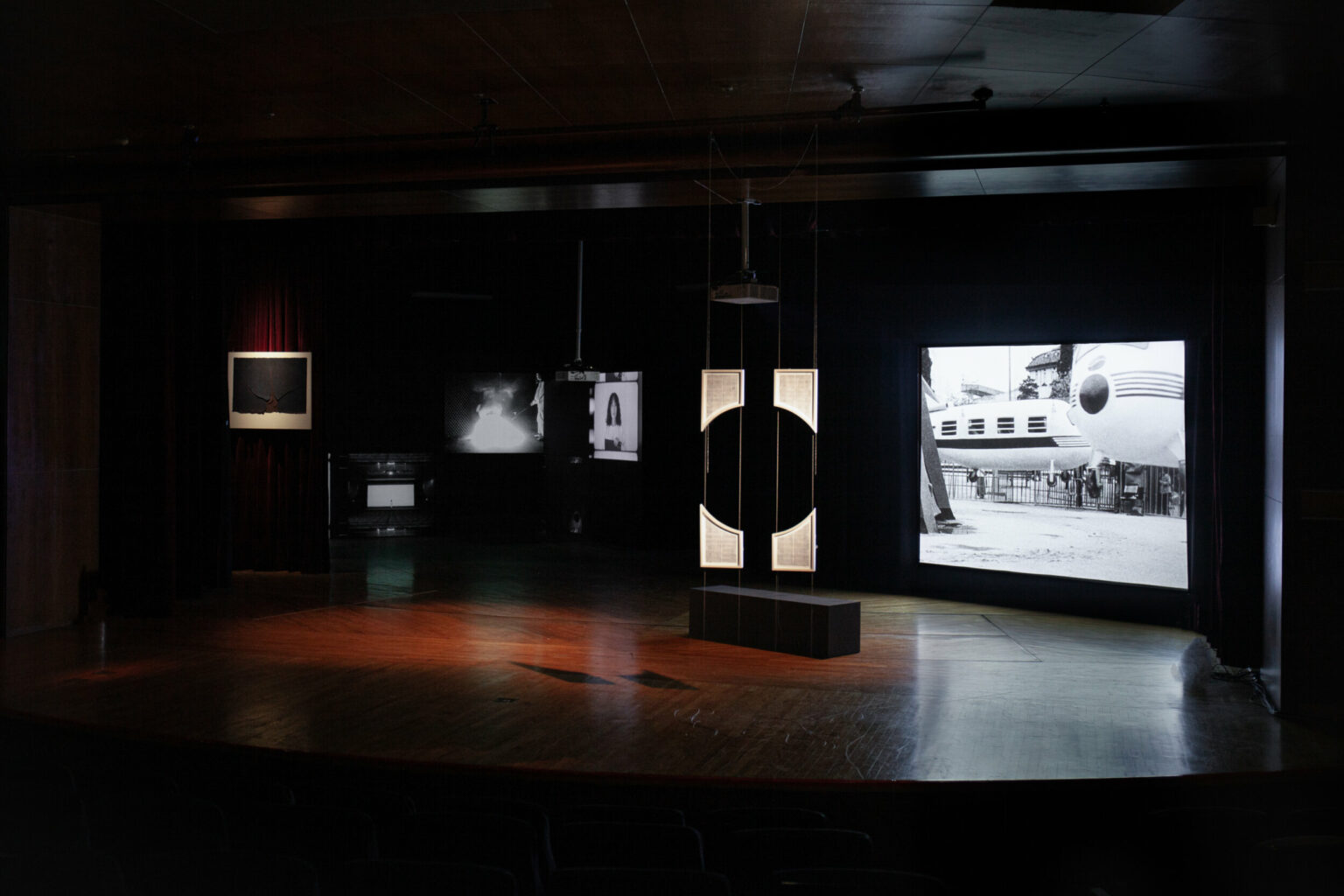
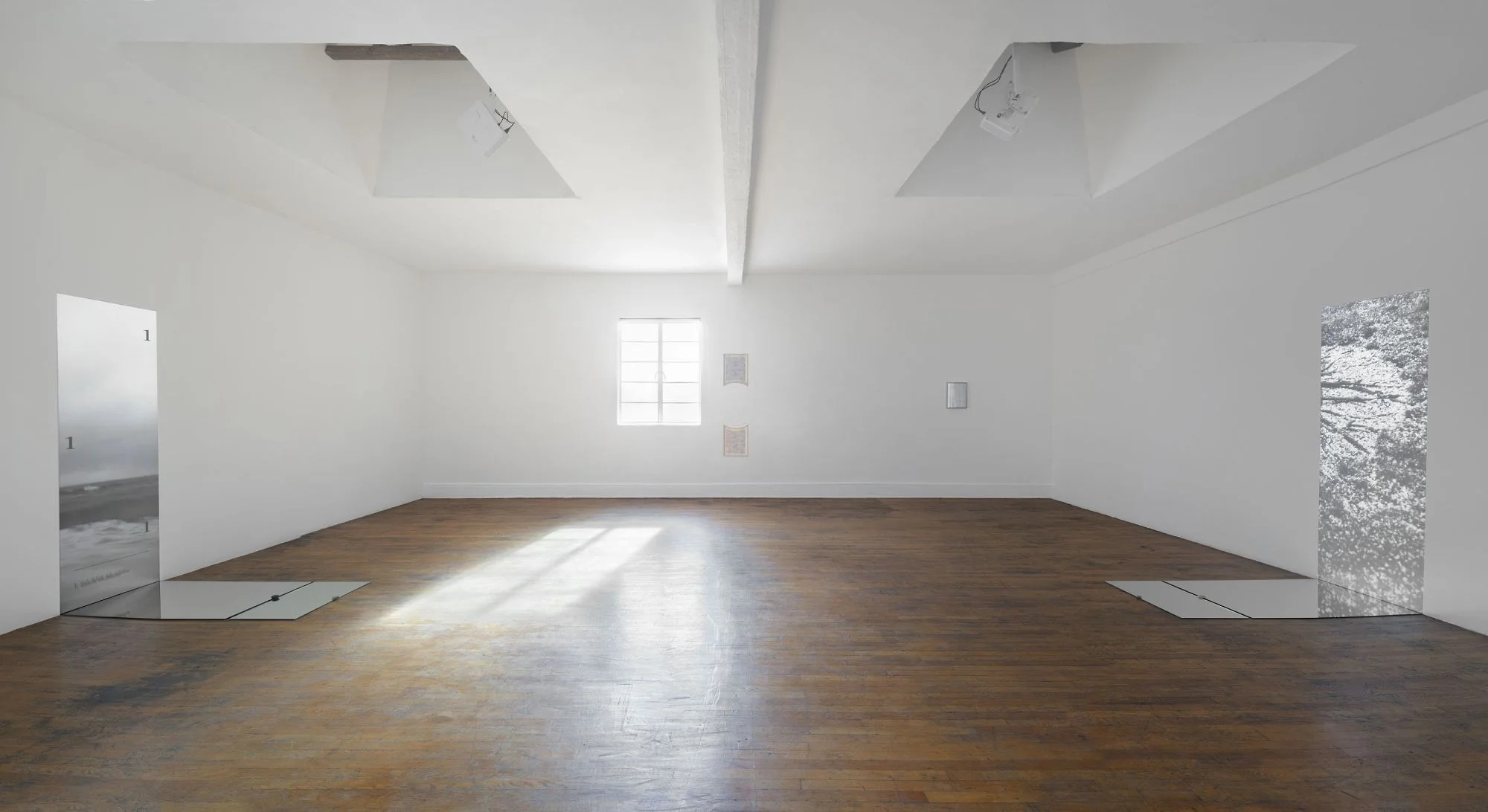
In the solo exhibition 《밤, 낮, 달, 비, Speaking in Tongues》(Commonwealth and
Council, Los Angeles, 2024), these hanji works were presented alongside
moving-image sculptures, suspended drawings, and sound, allowing language to
expand from something read into a sensory force that activates the entire
space. In Chun’s recent performances, these scores and signs are further
combined with other artists’ voices, music, and improvisation, allowing the
work to be activated anew each time rather than arriving at a single finished
form.