Sejin Song (b. 1984) explores the boundaries between the individual and society, collecting instances of gender and racial bias and informational errors embedded in visual culture, while examining the standards and forms of discrimination inherent in technologies that employ optical devices. He also investigates the role of media’s technical properties and time in the formation of collective memory.
 
In particular, Song examines how media disseminates, connects, and repeats not only spaces, political and historical events, but also personal narratives such as rumors. He reconfigures these dynamics through a near-futuristic lens using various media, including video, installation, and performance.


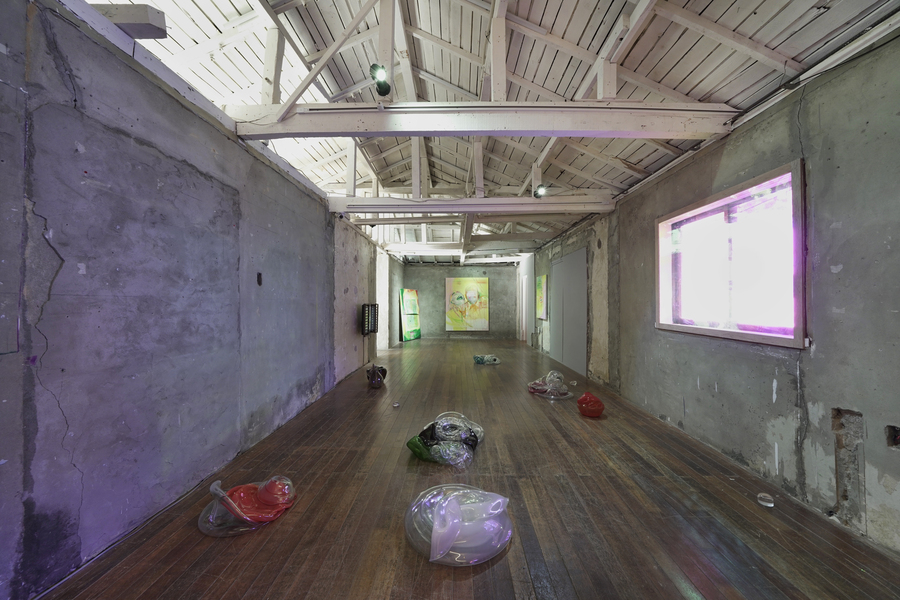
Installation view of 《Cut off the Bed》 (Art Space Pool, 2019) © Art Space Pool

In his early work, Sejin Song explored points of tension between the individual and the collective through glass. While studying glass sculpture, he came to view the act of working with glass itself as a process of standardization and socialization.
 
For Song, creating a perfect form through centrifugal force and breath embodied the process of standardization, while the collaboration of two or three people required for glassblowing constituted a process of socialization.


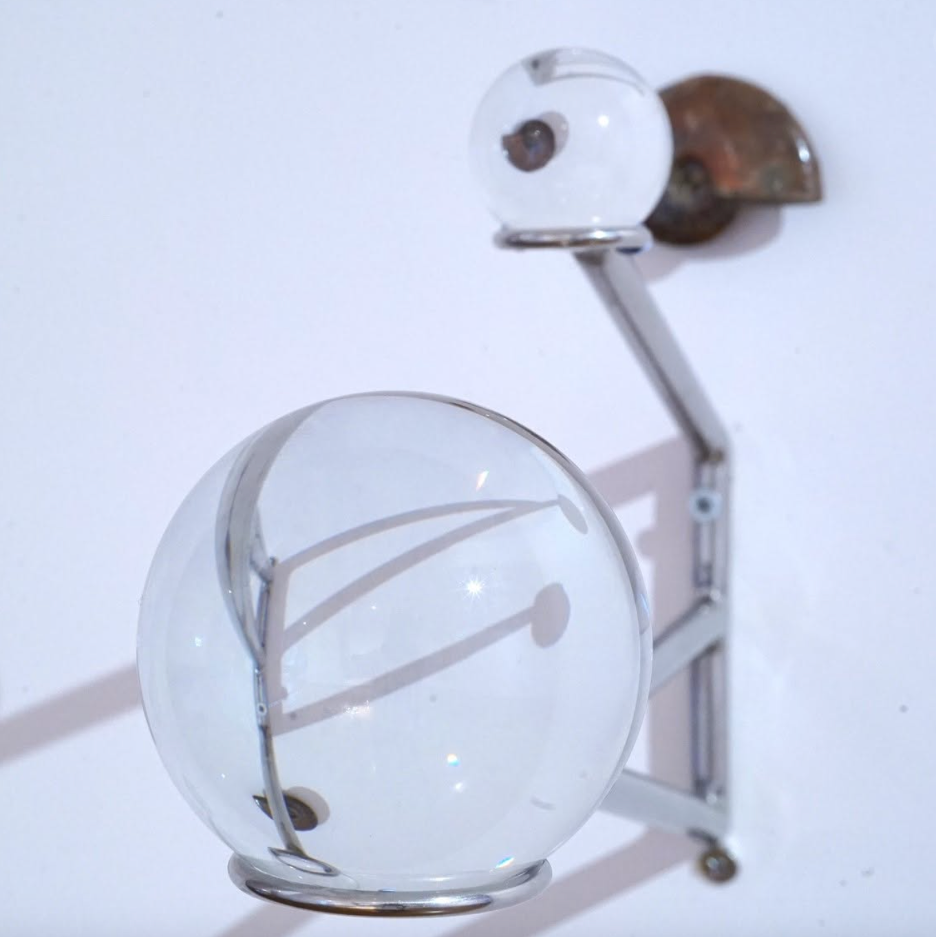
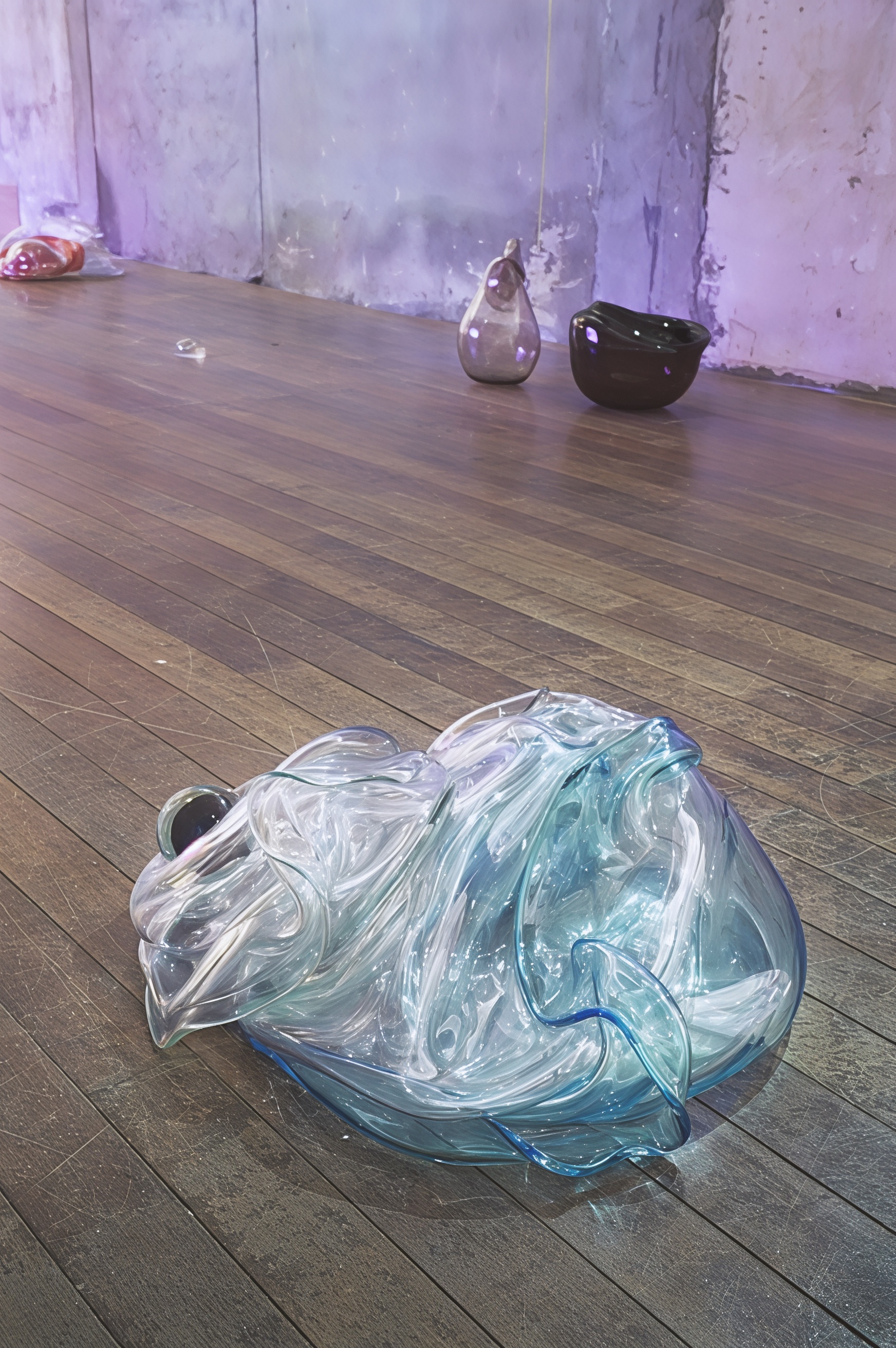
Sejin Song, ‘Inhale’ Series, 2017-2019, Glass, Dimensions variable. Installation view of 《Cut off the Bed》 (Art Space Pool, 2019) © Art Space Pool

Sejin Song’s ‘Inhale’ series (2017–2019) dismantles the processes of self-standardization and socialization engendered by the apprenticeship system in glassmaking studios.
 
Song independently performs glassblowing, a technique that typically requires collaboration, and stacks the resulting vessels into tower-like structures before slowly melting them at a low temperature. The resulting works depart from standardized forms and conventional notions of finish, taking on new shapes.
 
The cracks that emerge during the process are caused by the contraction and fusion of different pieces of glass, revealing points at which diversity collides and is reorganized. Both the production process and its results defy the conventions of traditional craft, embodying the artist’s personal act of resistance.


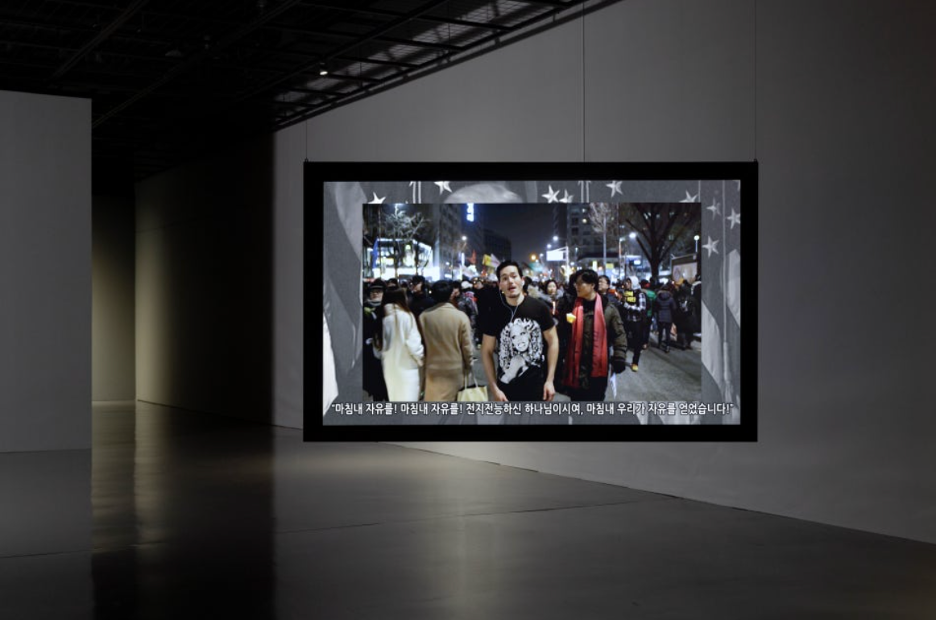
Sejin Song, Lip-Sync For Your Life, 2016, Single-channel video, 6min 28sec. © Sejin Song

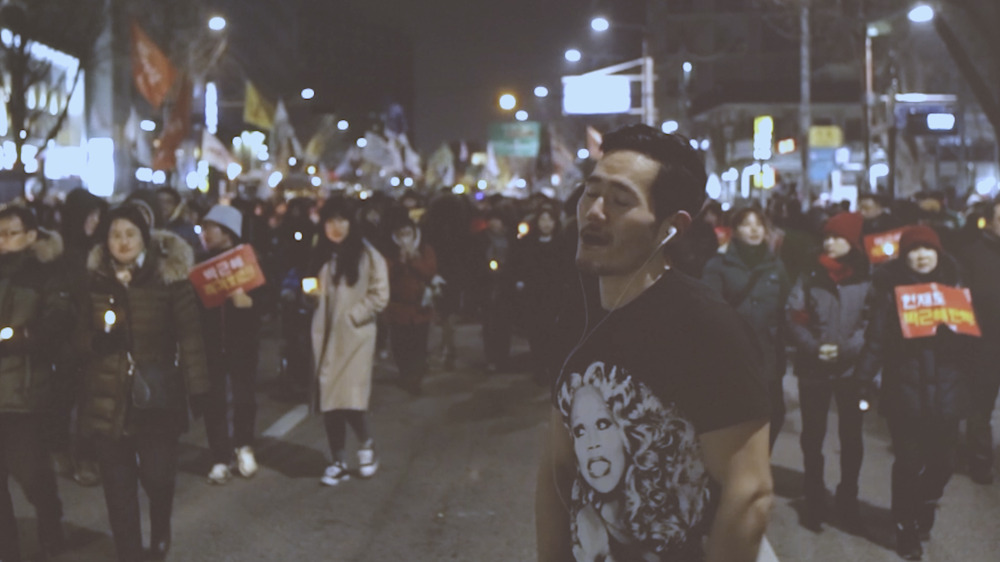
The tensions between the individual and the collective that Song explored through his glass works later became a starting point for his video practice. For example, Lip-Sync For Your Life (2016) identifies points of conflict between the individual and the collective, visualizing a political sphere in which value judgments remain uncertain.
 
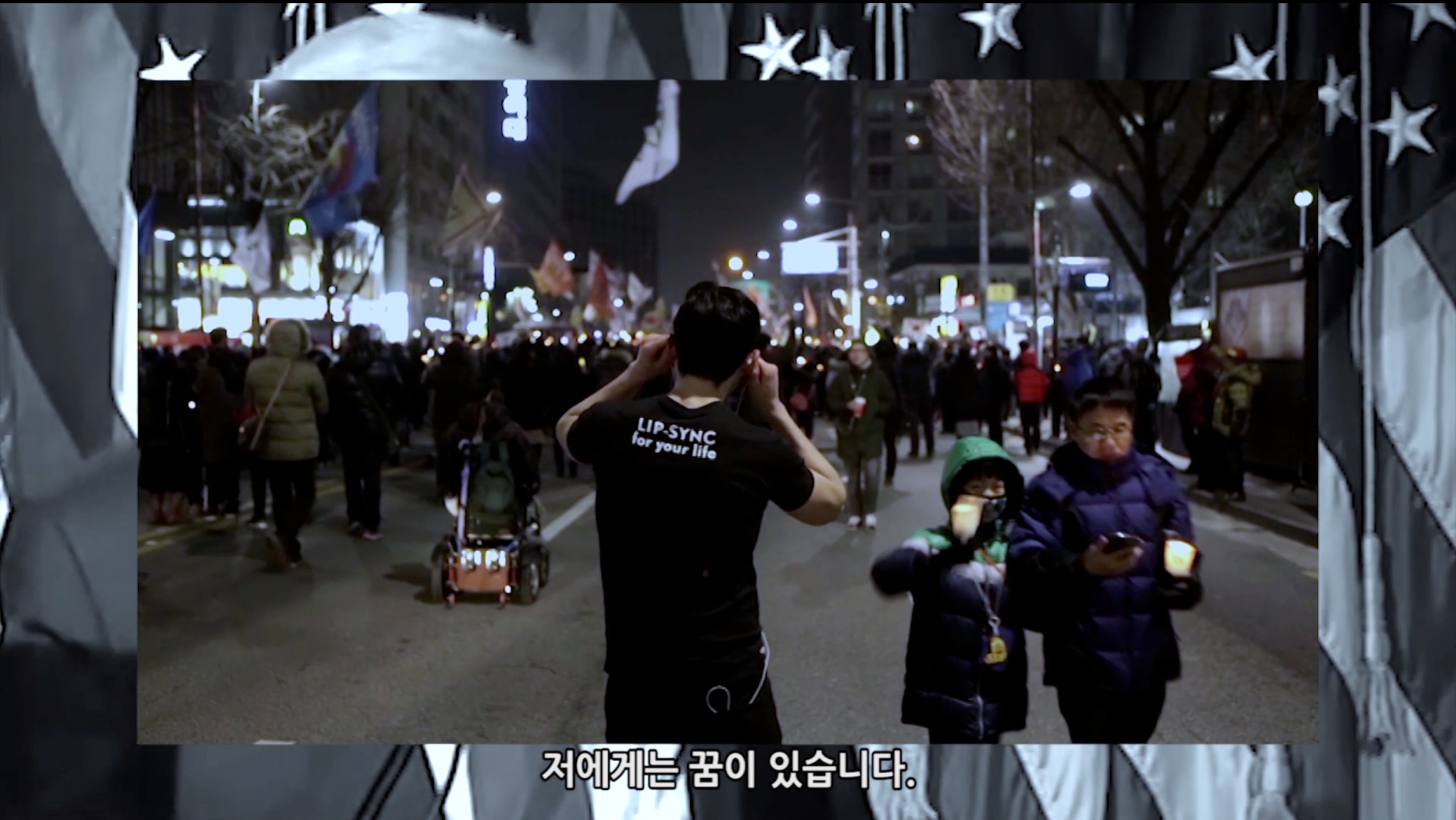
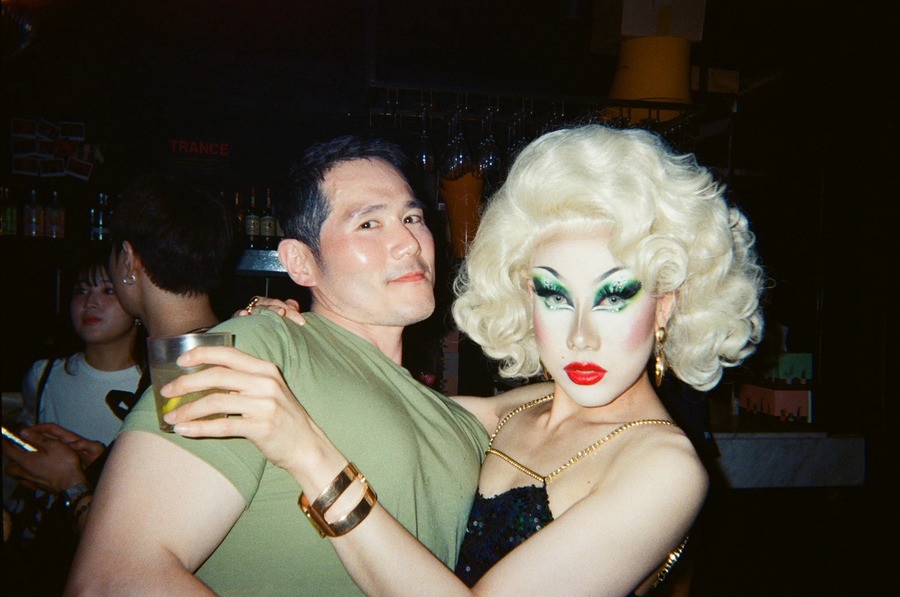
Amid the crowds dispersing after a presidential impeachment rally, Song performs a lip-sync wearing a T-shirt printed with the face of drag queen RuPaul and the phrase “LIP-SYNC for your life”—the title of the work and the name of a lip-sync battle in the drag queen reality show in which contestants compete to avoid elimination.


Sejin Song, Lip-Sync For Your Life, 2016, Single-channel video, 6min 28sec. © Sejin Song

Through a solo drag performance staged amid a collective protest against the state, alongside footage of rally participants watching the performance, the work brings into view the contradictory relationships between the state, the collective, and the individual—solidarity and resistance, coexistence and disconnection—while highlighting the persistence of individual resistance.
 
The audio of Martin Luther King Jr.’s speech, which plays alongside the performance video, and footage of a speech by Donald Trump further reveal the multilayered relationships among the diverse ideologies and values that shape society, including those related to gender, race, and political affiliation.


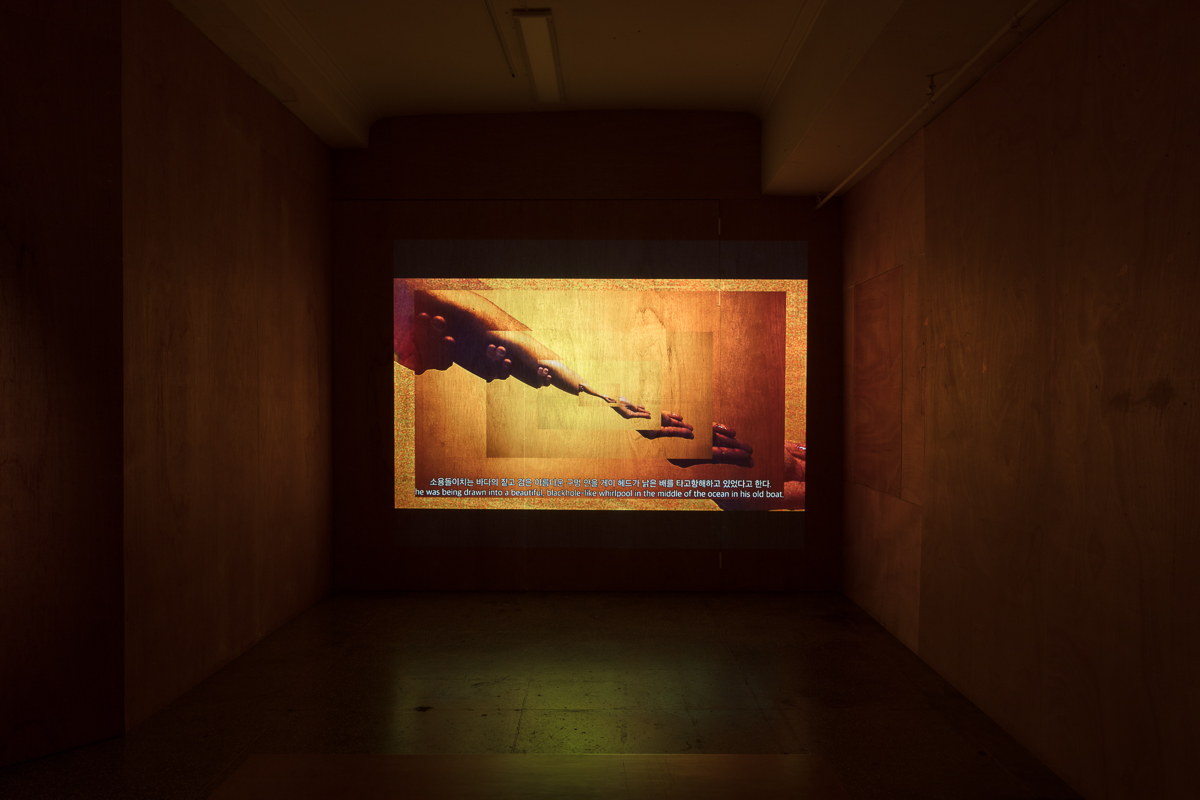
Sejin Song, Timid mate Gay Head said to his daughter Martha one day while affixing postage stamps to envelopes as a part-time job, 2019, Single-channel video, 4K, 8min 11sec. © Sejin Song

In his subsequent video works, Sejin Song moved beyond straightforward performance to place greater emphasis on narrative. For example, Timid Mate Gay Head Said to His Daughter Martha One Day While Affixing Postage Stamps to Envelopes as a Part-Time Job (2019) is a fictional video built around a multilayered narrative set on Martha’s Vineyard, an island in the United States.
 
The story unfolds when Martha loses her tongue while affixing postage stamps and becomes unable to speak human language. Sign language and text thus become the primary means of communication.
 
The video calls for a reconsideration of how we perceive and sense unfamiliar entities situated at the boundaries between language and non-language, human and nonhuman, and mainstream and marginal.
 
Structured around a dual framework, the work uses gaps rather than conflict as a metaphor for differences between groups, prompting viewers to reconsider the position of the individual within the boundaries that emerge across various relationships.


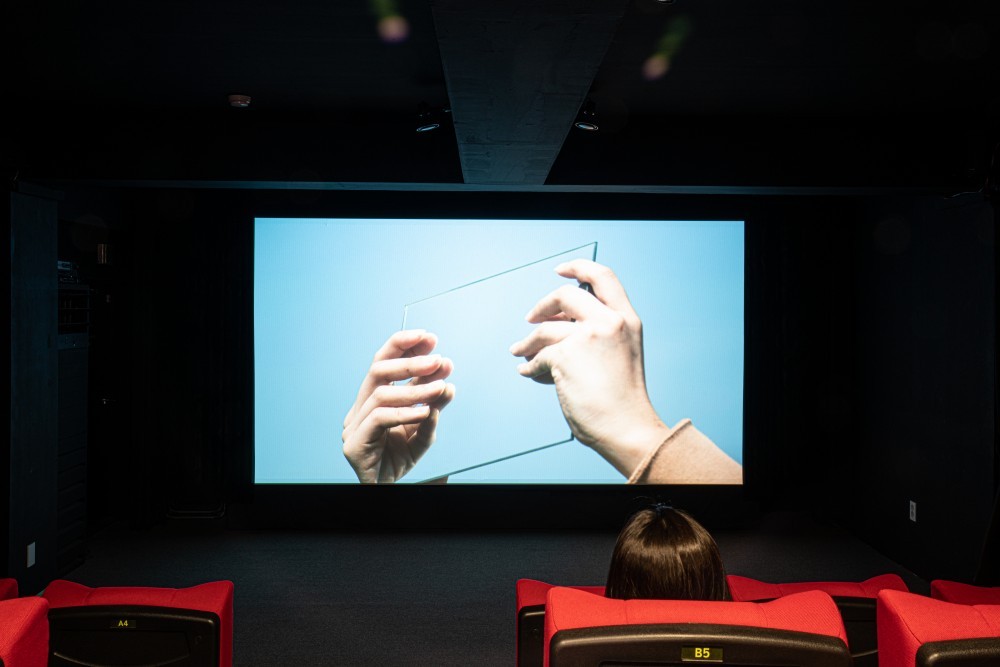
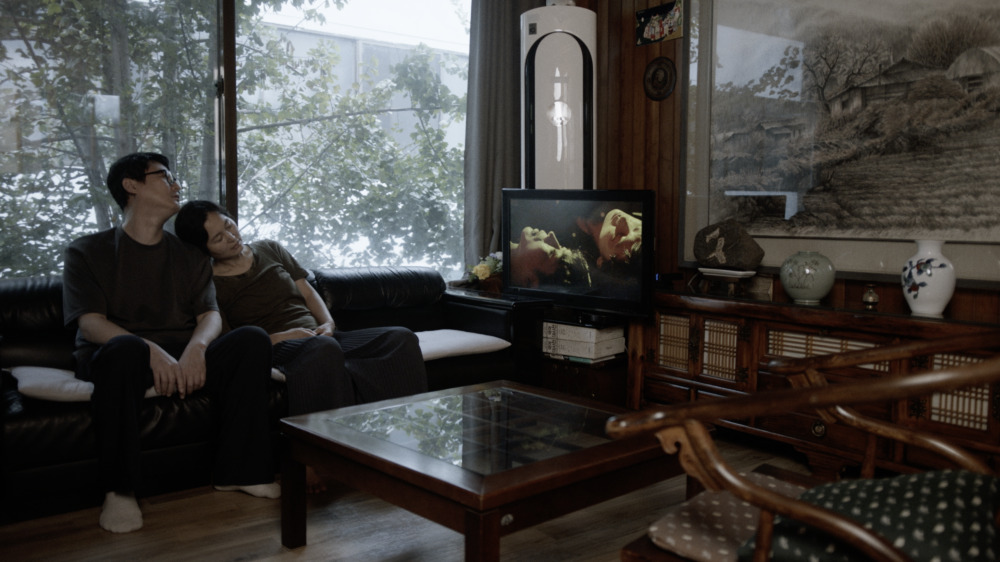
Sejin Song, Till Death Do Us part(ongoing project for 10years), 2021, FHD video, 34min 53sec. © Sejin Song

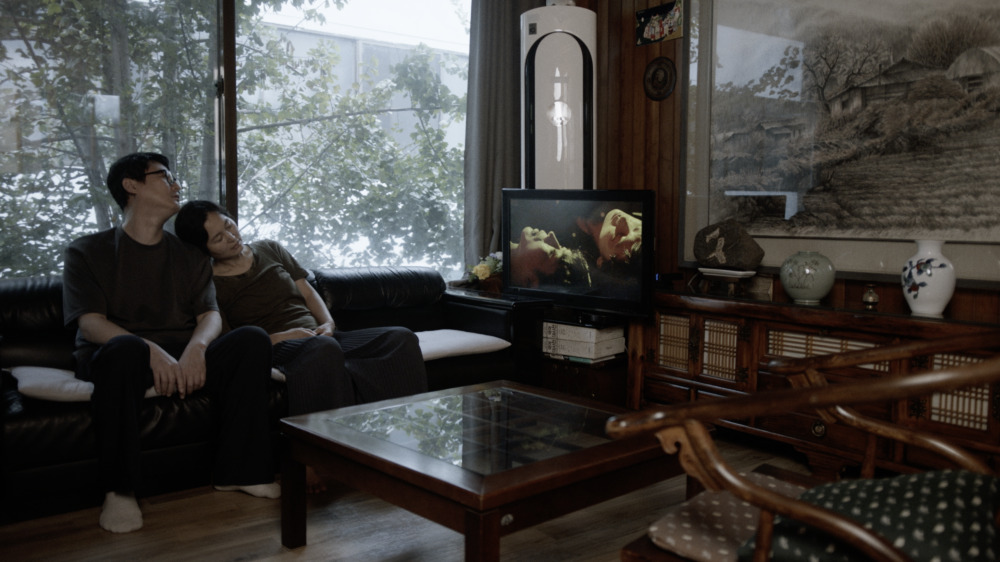
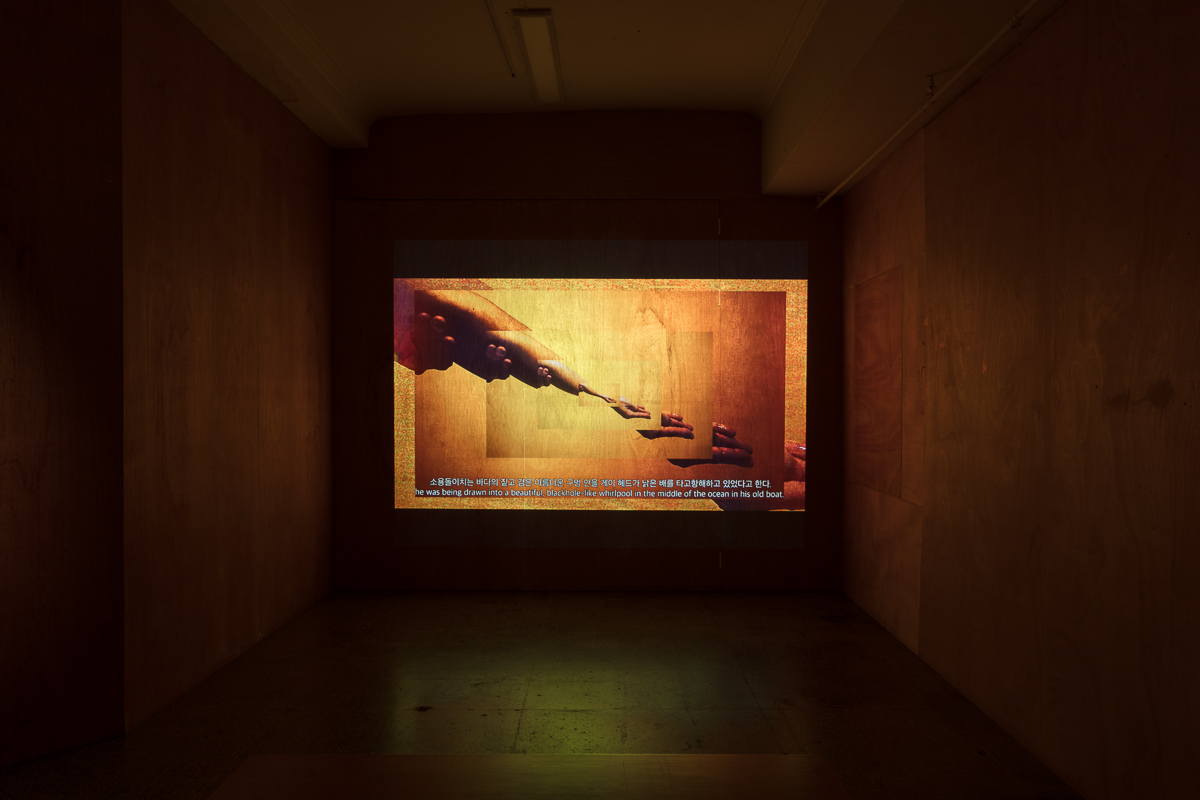
Sejin Song’s narrative-based practice expanded into a long-term project through the video Till Death Do Us Part. Conceived as a ten-year project, the work is a video reimagined through the narrative of Faust.
 
Presented in 2021, Till Death Do Us Part (Ongoing Project for 10 Years) brings together short works produced throughout the project as part of an ongoing effort to develop them into a feature-length film.
 
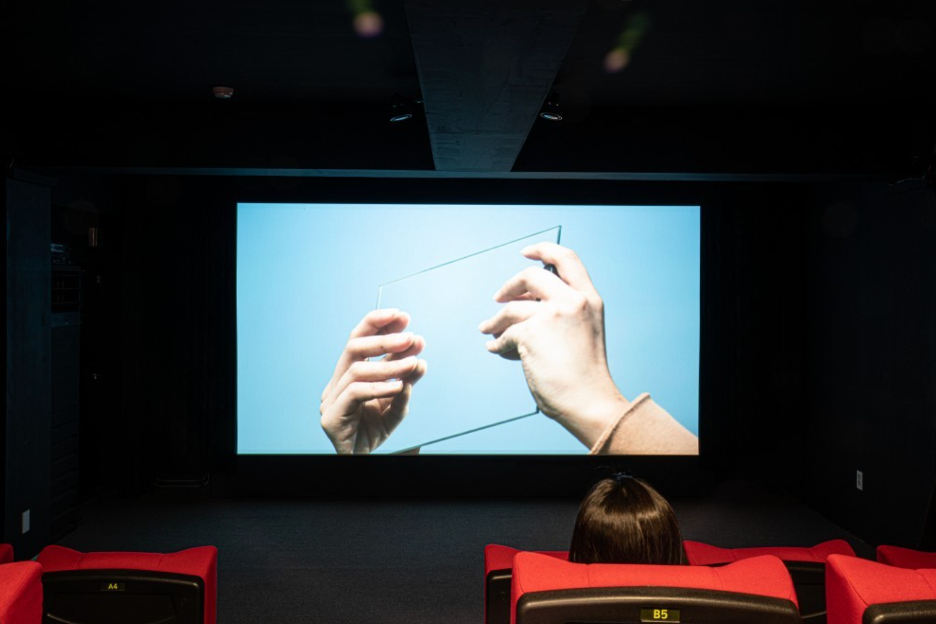
The video features a female actor who becomes unable to read her script at an audition out of fear of the camera and others’ gazes; Chaewon, who is unafraid of being watched and aspires to form an idol group; and a performer who must move a mirror at the director’s instruction.
 
By directly and indirectly revealing what takes place both in front of and behind the camera during production, Song examines the power dynamics that emerge between the camera and the performer.
 
With no predetermined ending, the project continues to evolve. The short works produced over approximately three years have been edited into a mid-length video running around 40 minutes.


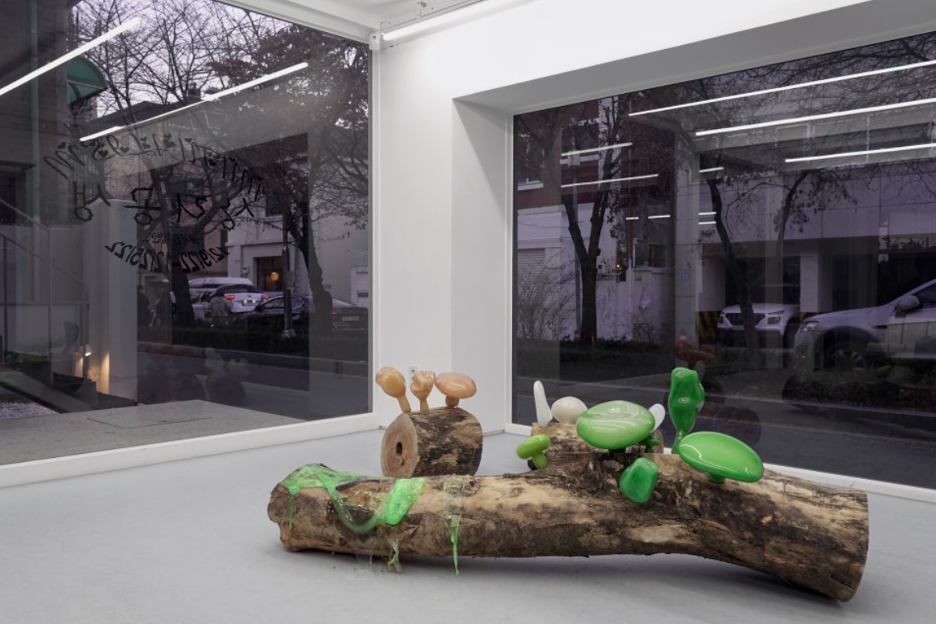
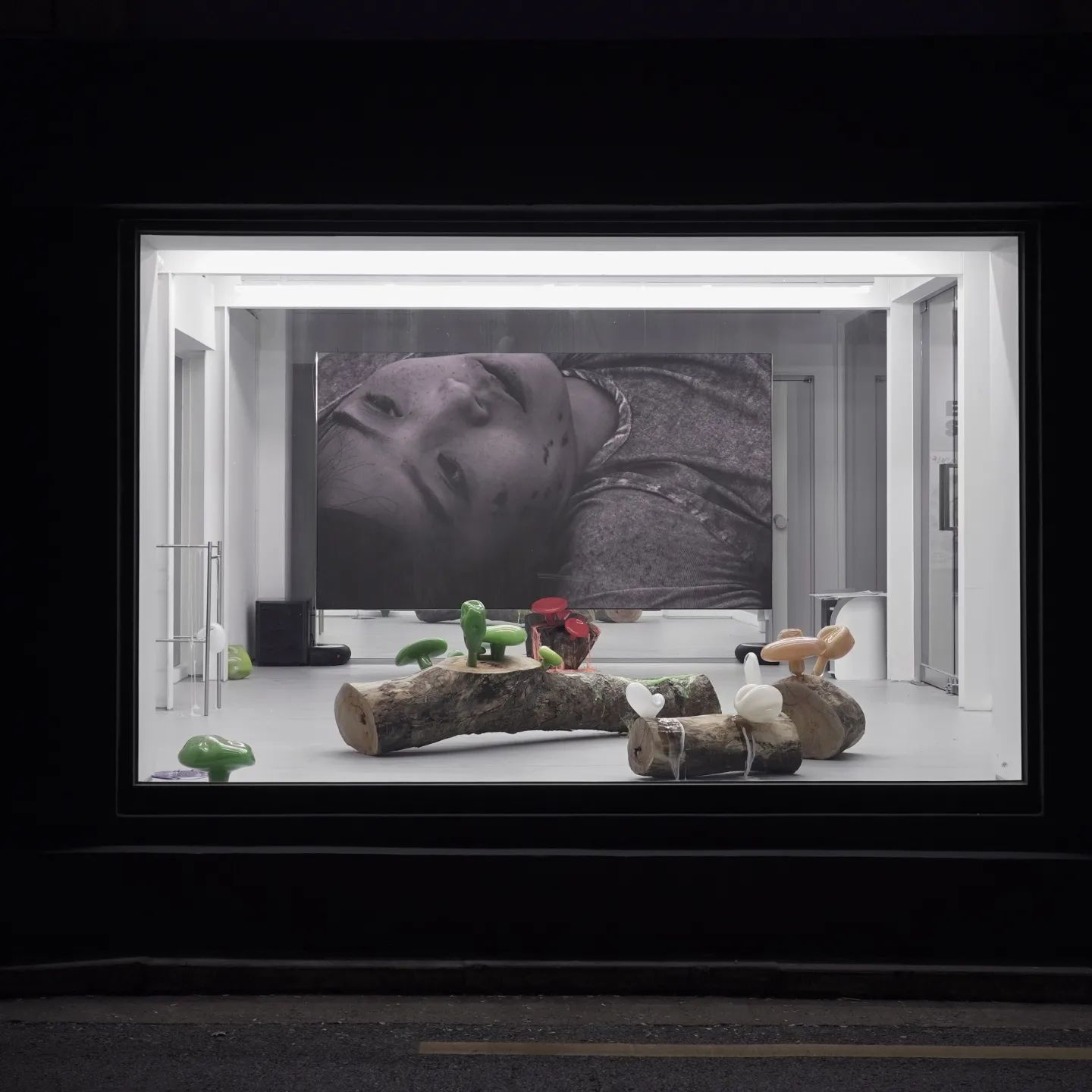
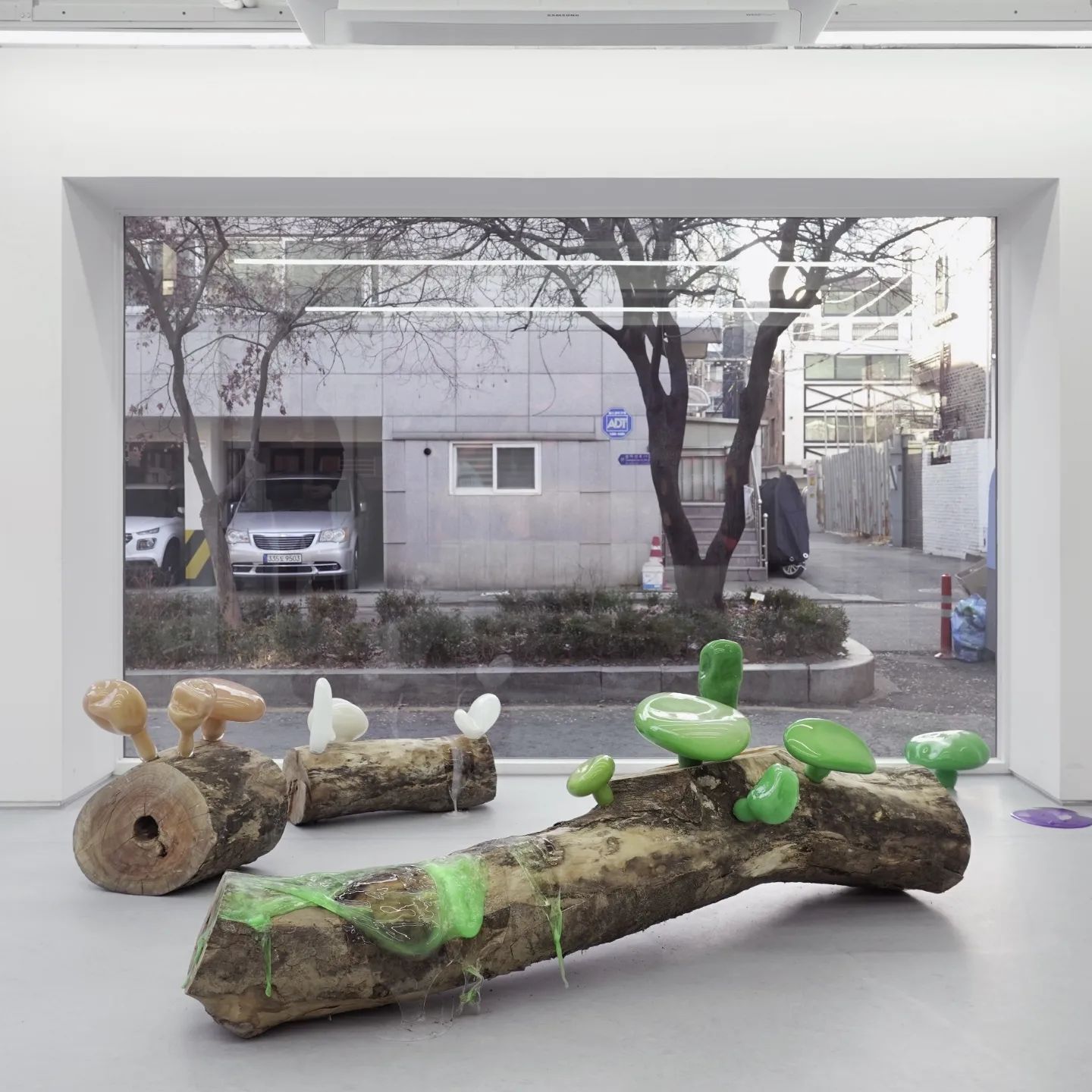
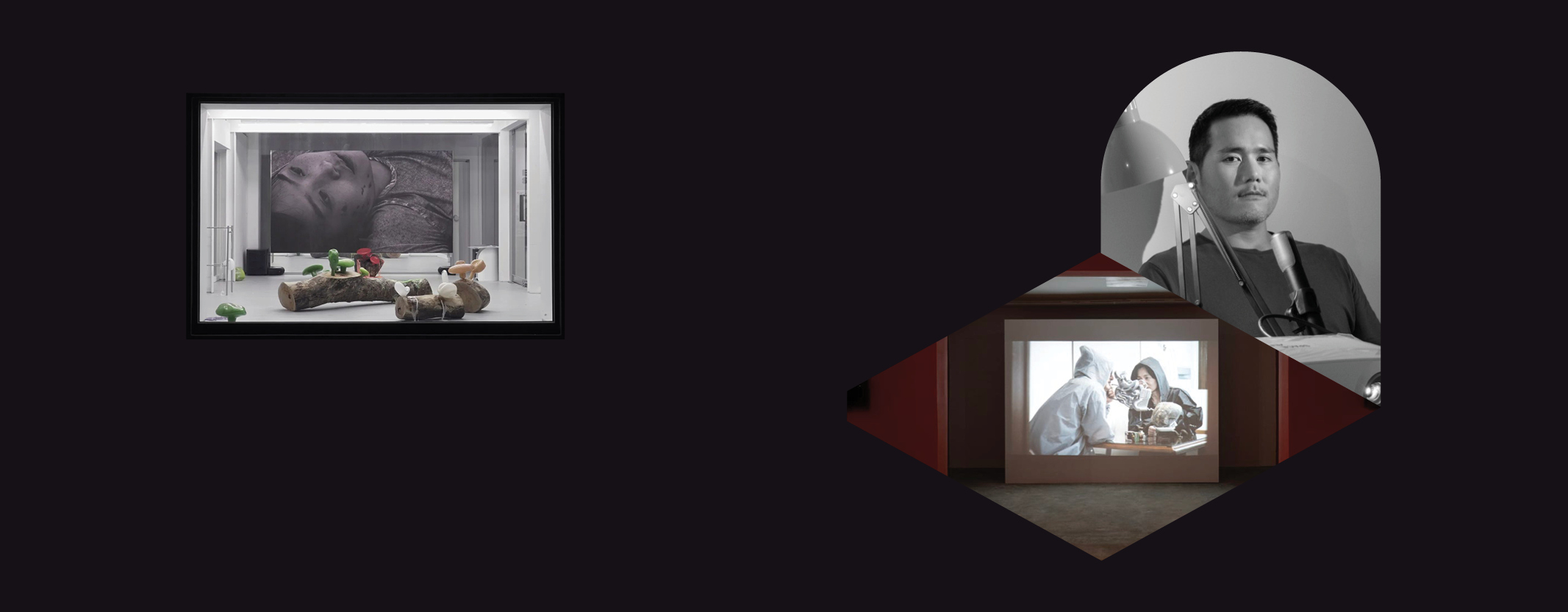
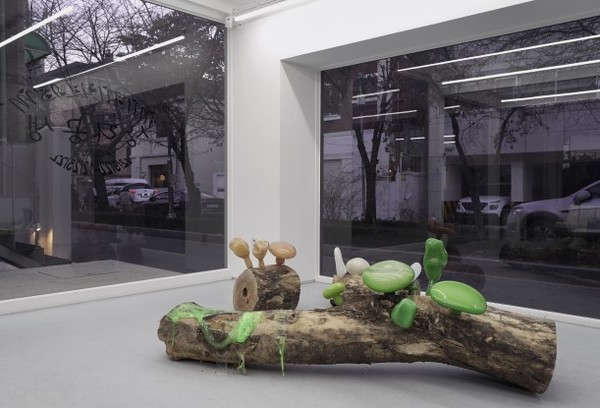
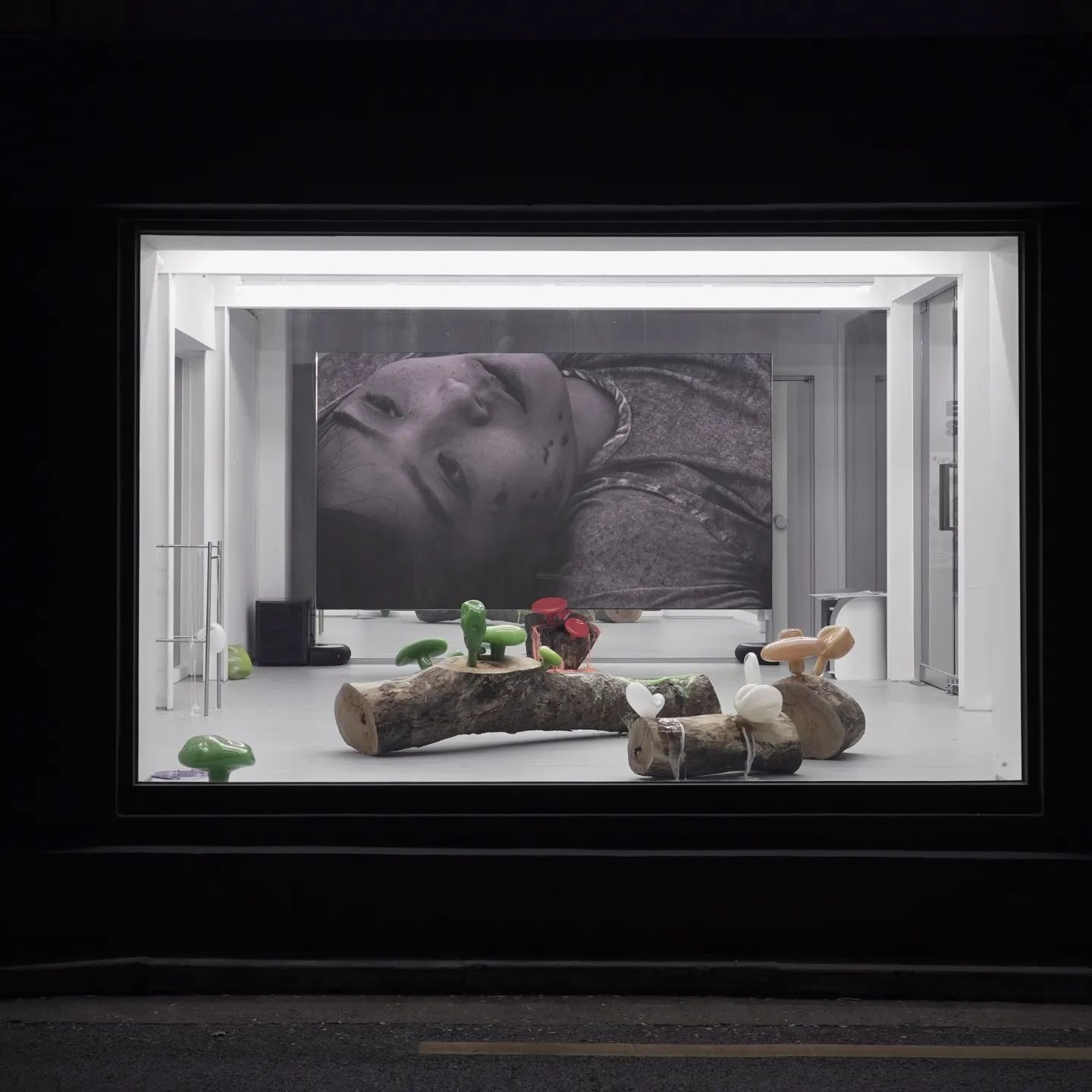
Installation view of 《Mutualism》 (Elephant Space, 2022) © Elephant Space

His 2022 solo exhibition 《Mutualism》 draws inspiration from relationships between different organisms that mutually benefit from one another, exploring the ambiguous boundary between individual and collective memory. Through video and glass, the artist delves into the phenomenon in which personal experiences and memories are generated, transmuted, and percolated by fake news from society and online.
 
Through his video work and glass sculptures, Sejin Song questions the relationship between individual memories that remain like traces on the body and information from an unknown source that manipulates and refracts them. 《Mutualism》 is an experience of finding where material and non-material, experience and non-experience, meet.


Sejin Song, Mushroom and Meditation, 2022, Single-channel video, 25min 58sec. © Sejin Song

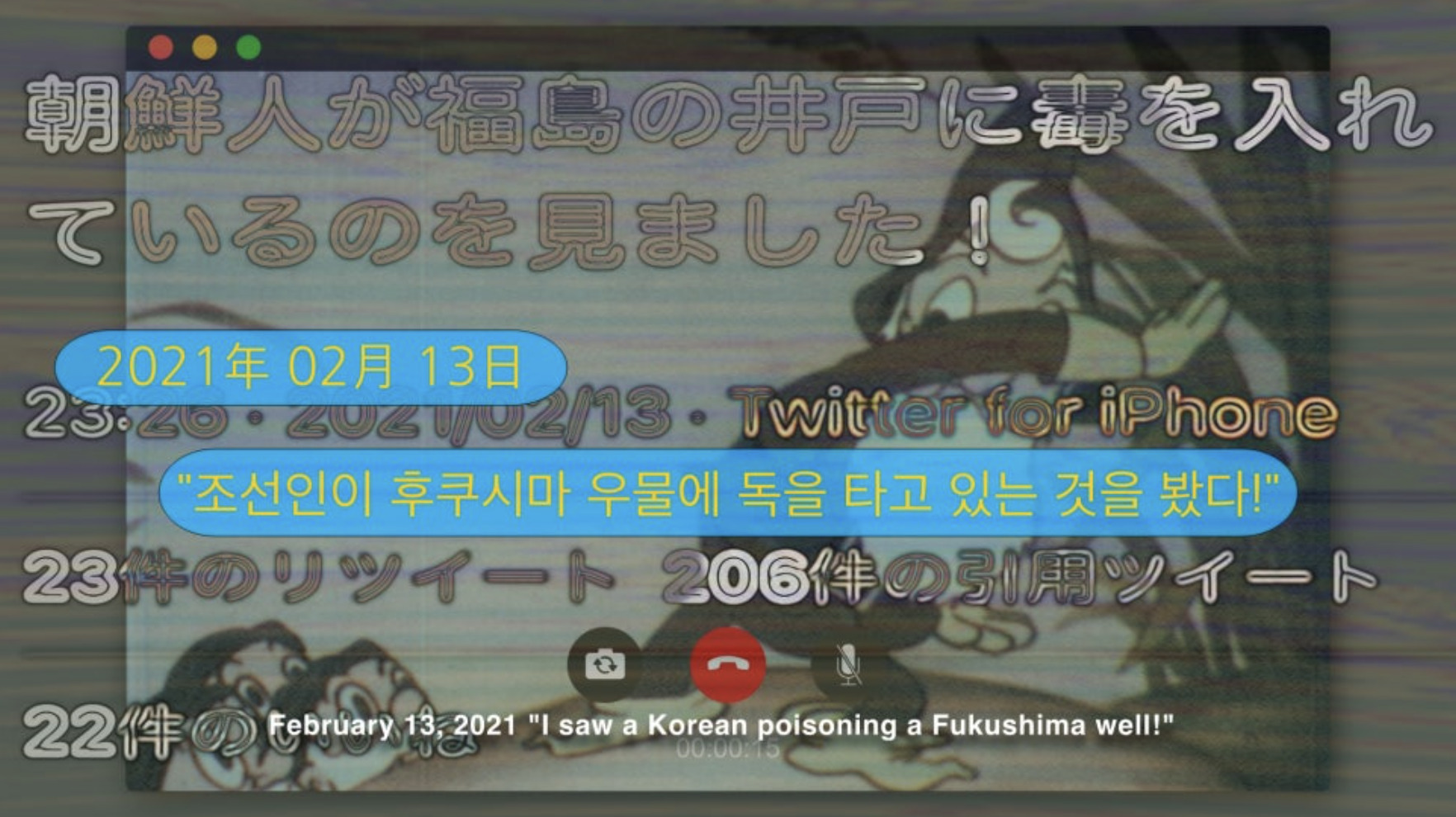
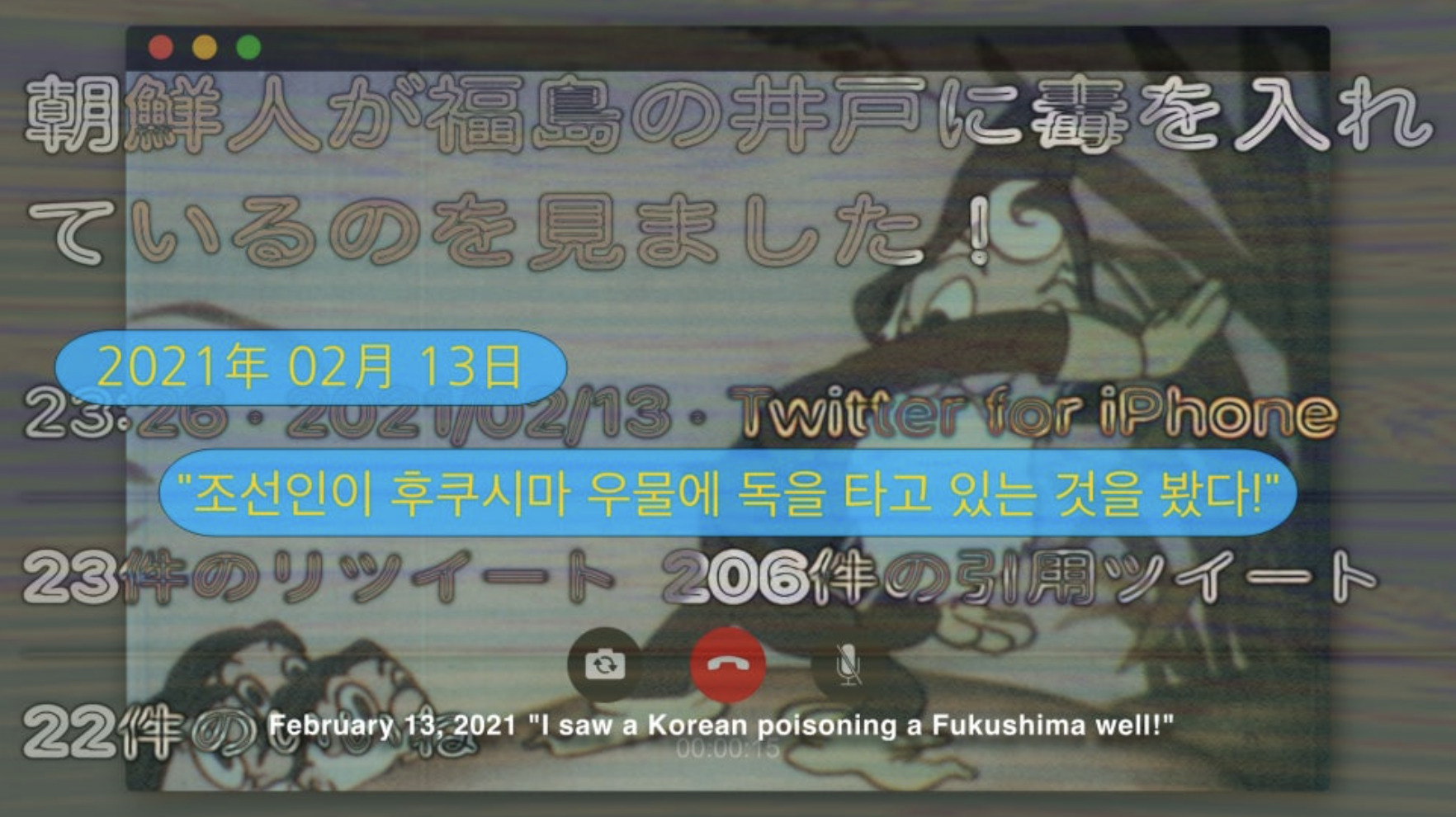
The video Mushroom and Meditation (2022) draws a connection between the 1923 Great Kantō Earthquake, during which false reports that Koreans were planning an uprising led to the massacre of innocent Koreans, and the diffuse spread of mycorrhizal networks formed by fungi.
 
The network connecting these two phenomena extends to the internet, age spots on the body, and personal bodily memories. Through comparison and metaphor, the video weaves together elements that appear unrelated, seeking points of intersection between the visible and invisible forces that shape the individual.


Installation view of 《Mutualism》 (Elephant Space, 2022) © Elephant Space

Meanwhile, Song’s glass works swell/Mushroom (2022) and shrink/Breath (2022) seek points of connection between the acts of blowing air into and drawing it out of glass and the expansion and contraction of the human body.
 
swell/Mushroom (2022) traces memories inscribed in the artist’s body through the reproductive process of mushrooms, which remain hidden within mycorrhizal networks until environmental conditions allow them to emerge aboveground and disperse their spores. The work connects the properties of glass, which forms an interior space as air is blown into it, with the swollen growth of mushrooms and the artist’s personal bodily memories.
 
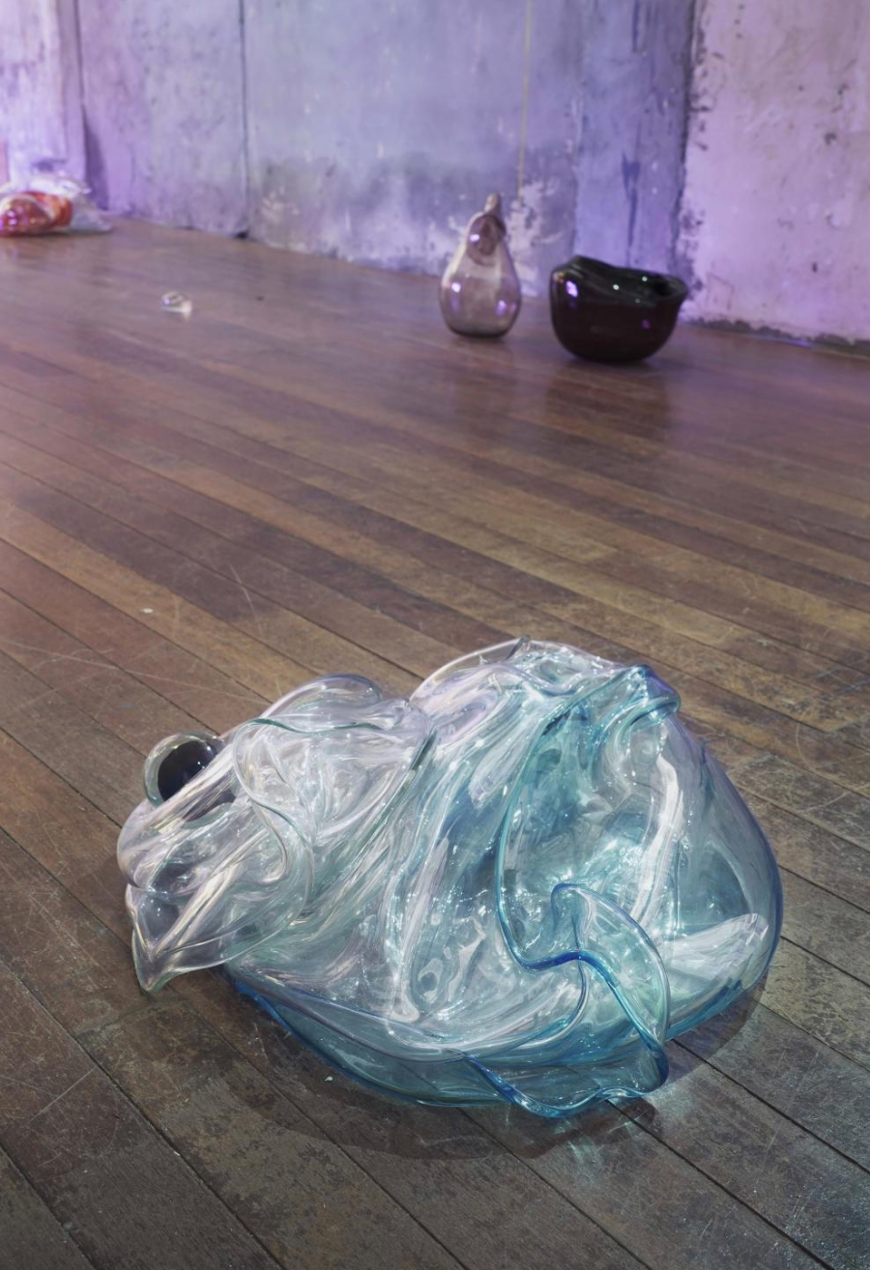
In contrast, shrink/Breath (2022) takes shape as air is drawn out of the glass, creating a form that appears to melt and collapse. The work reflects the artist’s experience of memories and emotions pouring out in moments of exhalation during periods of solitude.


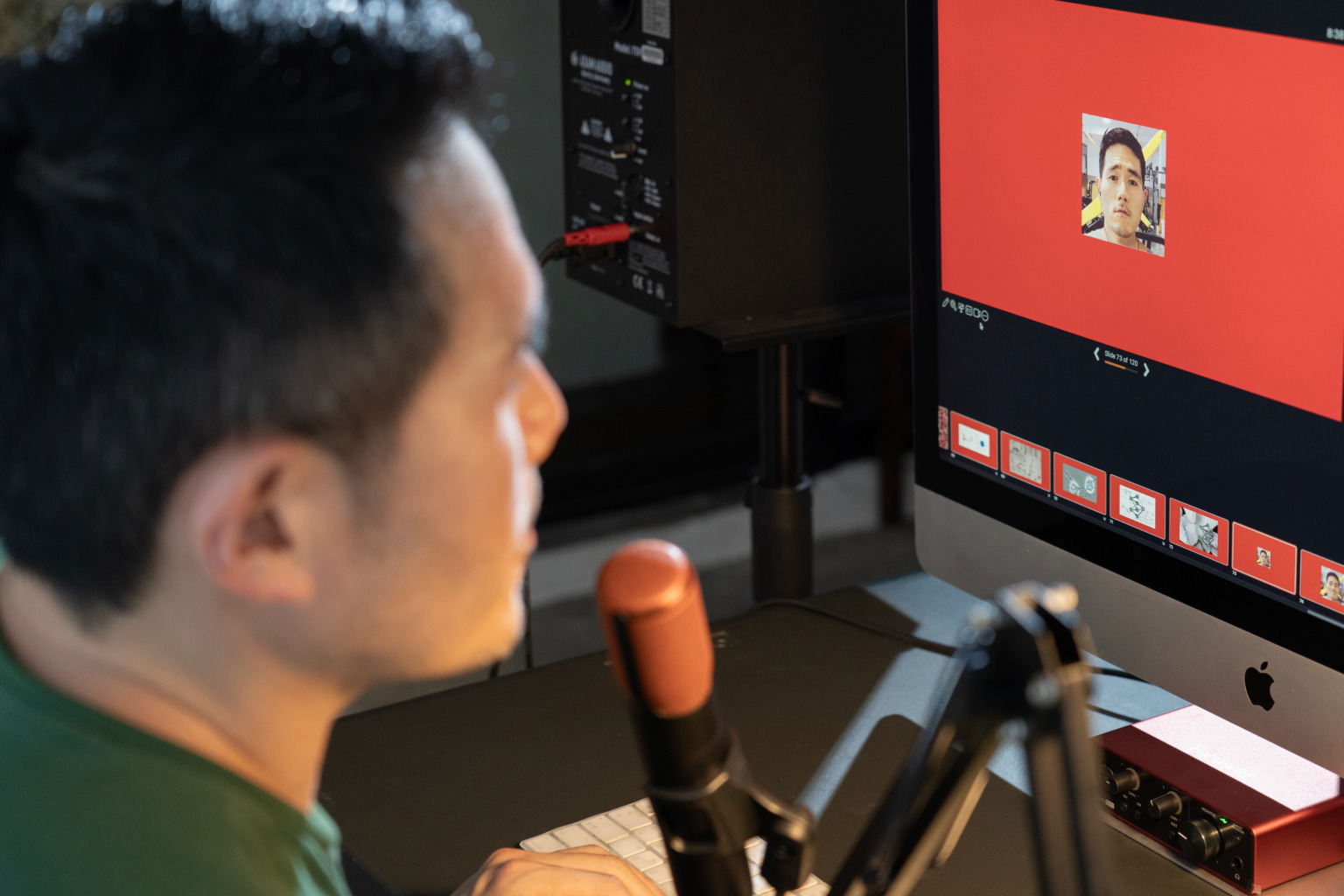
Sejin Song, Aged Technology, 2023, Performance (single-channel video), 36min 4sec. © Sejin Song

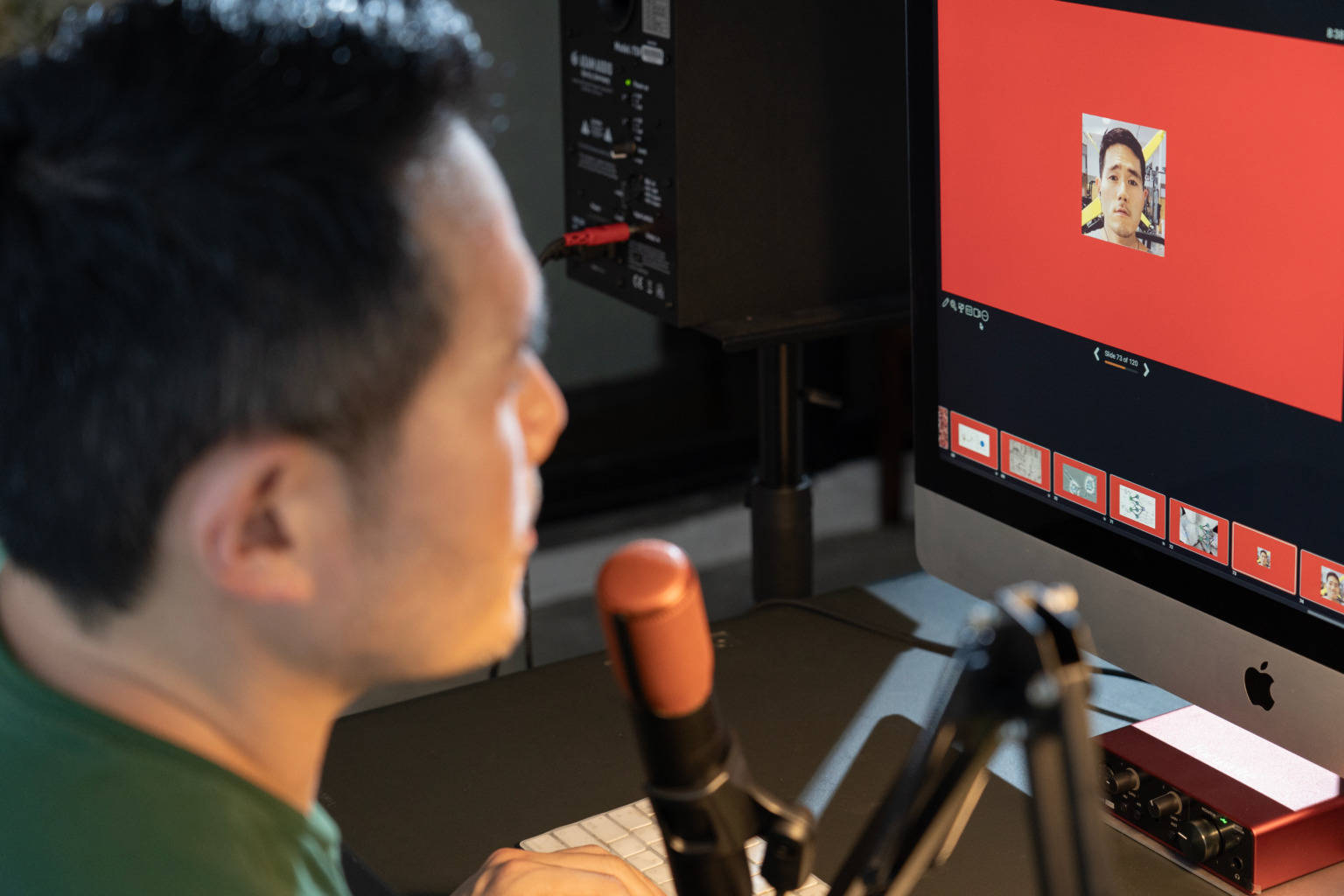
In 2023, Sejin Song presented the lecture-performance Aged Technology, which explores the relationship between bodily aging and the “aging” of data, prompted by his own experience of tinnitus. Based on extensive research, the work draws a parallel between tinnitus, a symptom associated with aging, and advanced technological systems that classify and train data according to outdated standards.
 
Song likens tinnitus—an internal malfunction of the brain’s memory system that is difficult to cure and causes chronic suffering—to the outdated standards and classification systems embedded in AI technologies. Rooted in deep-seated prejudice, these standards produce “intentional errors” that lead to oppression and exclusion.


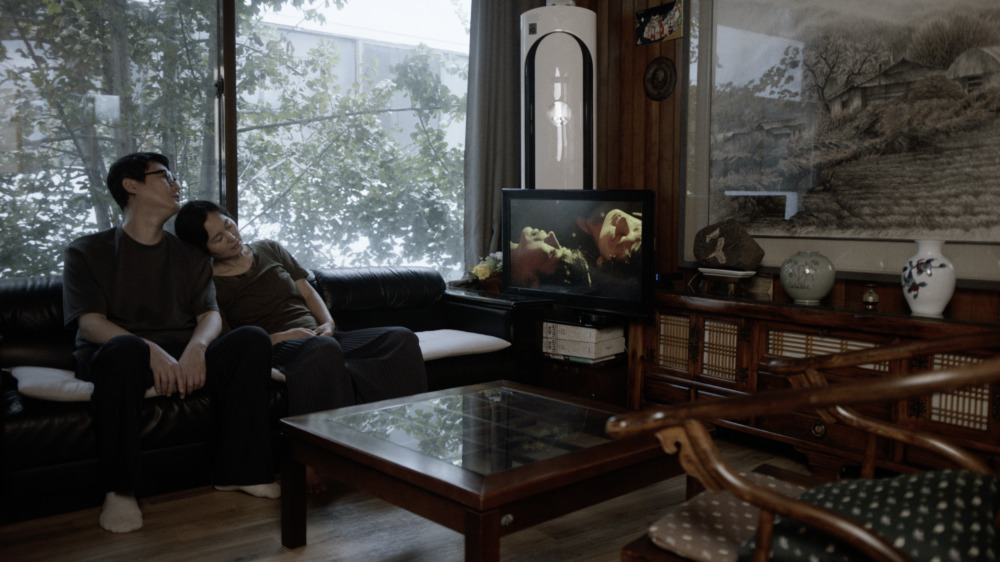
Sejin Song, Work, 2023, Single-channel video, 22min 5sec. © Sejin Song

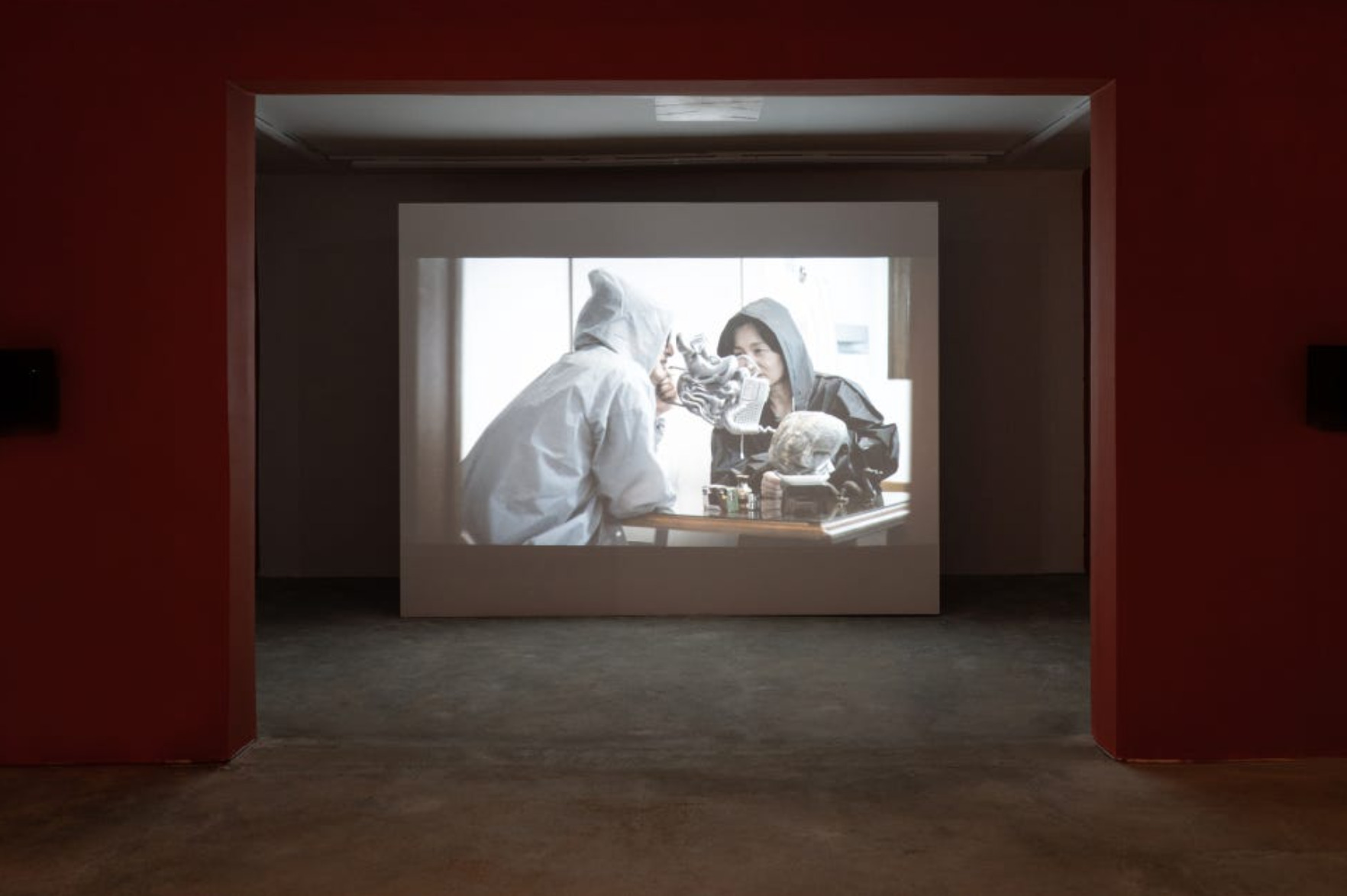
Released the same year, the video Work (2023) indirectly explores the arbitrary combinations of images, photographs, language, and sound that Song encountered through extensive research for Aged Technology.
 
This research examined how the classification of datasets for AI training involves the political intervention of classifiers who categorize data through language. In Work, the protagonist’s tinnitus, which begins after a breakup, serves as a metaphor for these arbitrary combinations.


Sejin Song, Work, 2023, Single-channel video, 22min 5sec. © Sejin Song

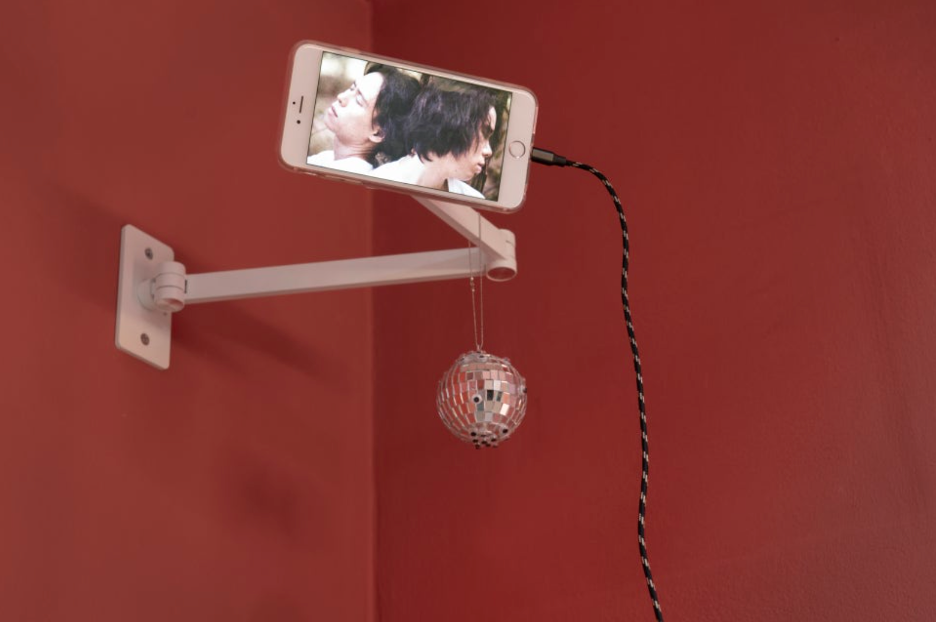
Work is a science fiction video set in the year 2065, depicting a conversation between two illegal time travelers. Beginning with tinnitus, a “signal” generated by the brain when its ability to transmit sound is impaired, the work explores the connection between two distinct worlds: actual sounds and tinnitus.
 
Through tinnitus, the two characters interfere with the points of intersection between different worlds and temporalities, moving across the boundaries between sound and tinnitus, and thus between reality and memory.
 
For Song, tinnitus functions as a medium for exploring not only a physical phenomenon but also the relationship between human memory, identity, and time. Moving between the rewriting of the past from the present and the reflection of the present through recollections of the past, the work uses tinnitus to metaphorically express the encounter and separation of two distinct worlds.


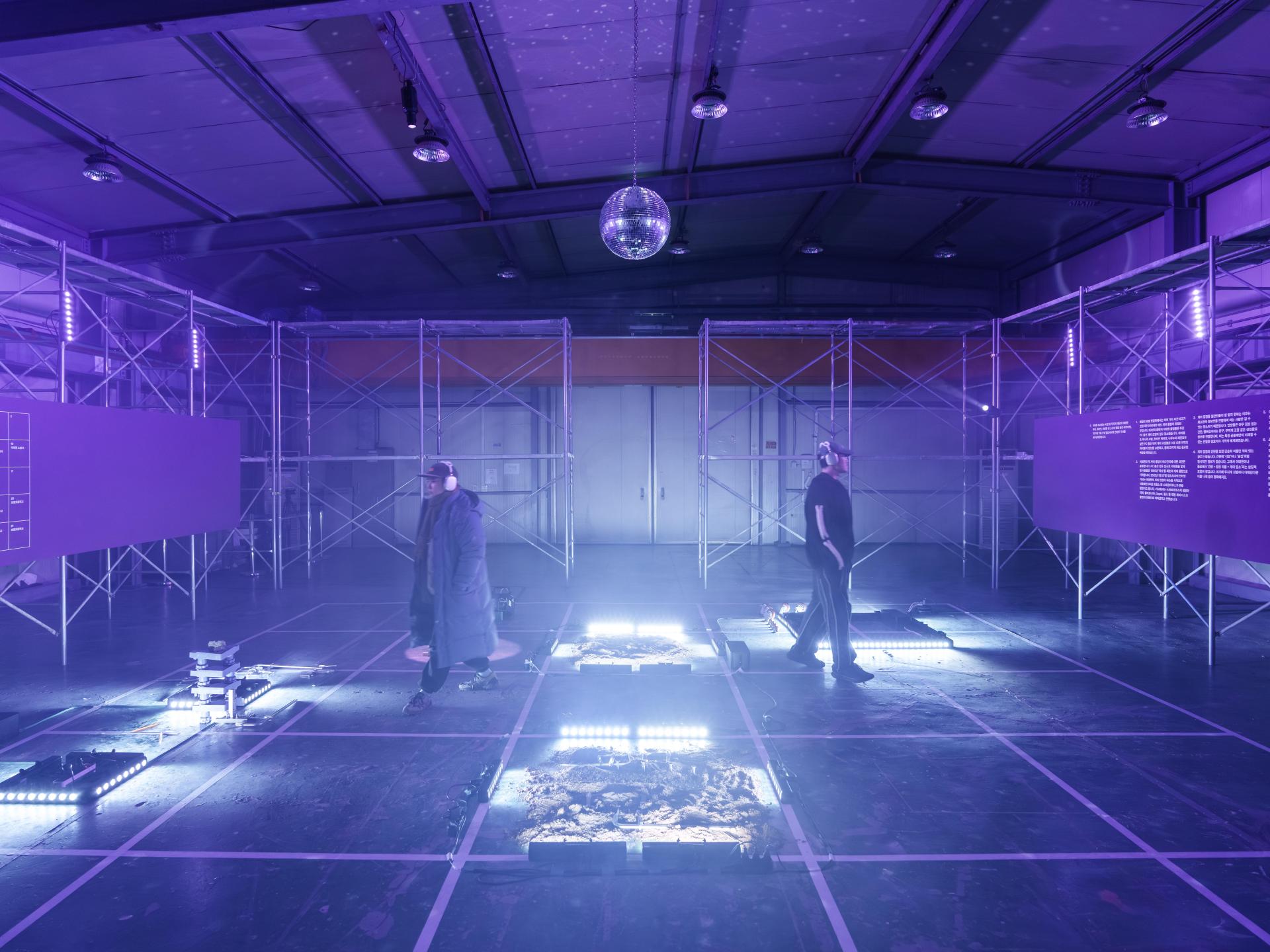
Sejin Song, Aged Technology: Denial and Inability, 2024, Performance. Exhibition view of 《Aged Technology》 (Seoul Art Space Geumcheon, 2024) © Sejin Song

In 2024, Aged Technology expanded into a broader project through Song’s solo exhibition of the same title. Incorporating various forms, including performance, video, and text, the project examines technology, records, and the memories and materials selected or erased within specific spaces from the perspectives of marginalized groups.
 
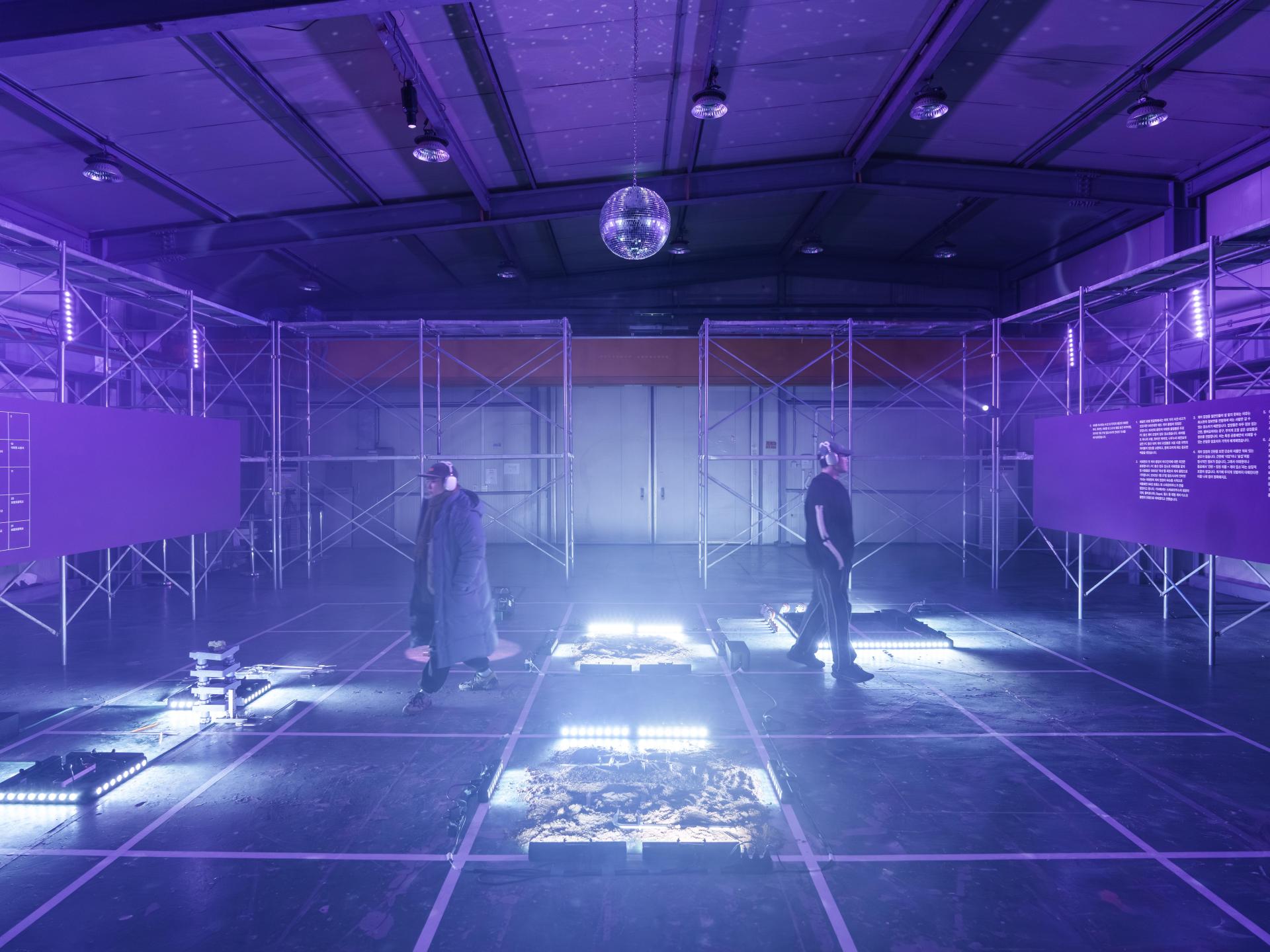
Among these, Aging Technology: Denial and Inability (2024) deals with the process of restoring Itaewon, which was destroyed by a massive fire in 2024. However, the task of fully restoring Itaewon is not easy. In particular, Zones 14 and 15 of Itaewon, for which almost no official records remain, still remain empty spaces on the Itaewon restoration map of 2054, 30 years after the fire.


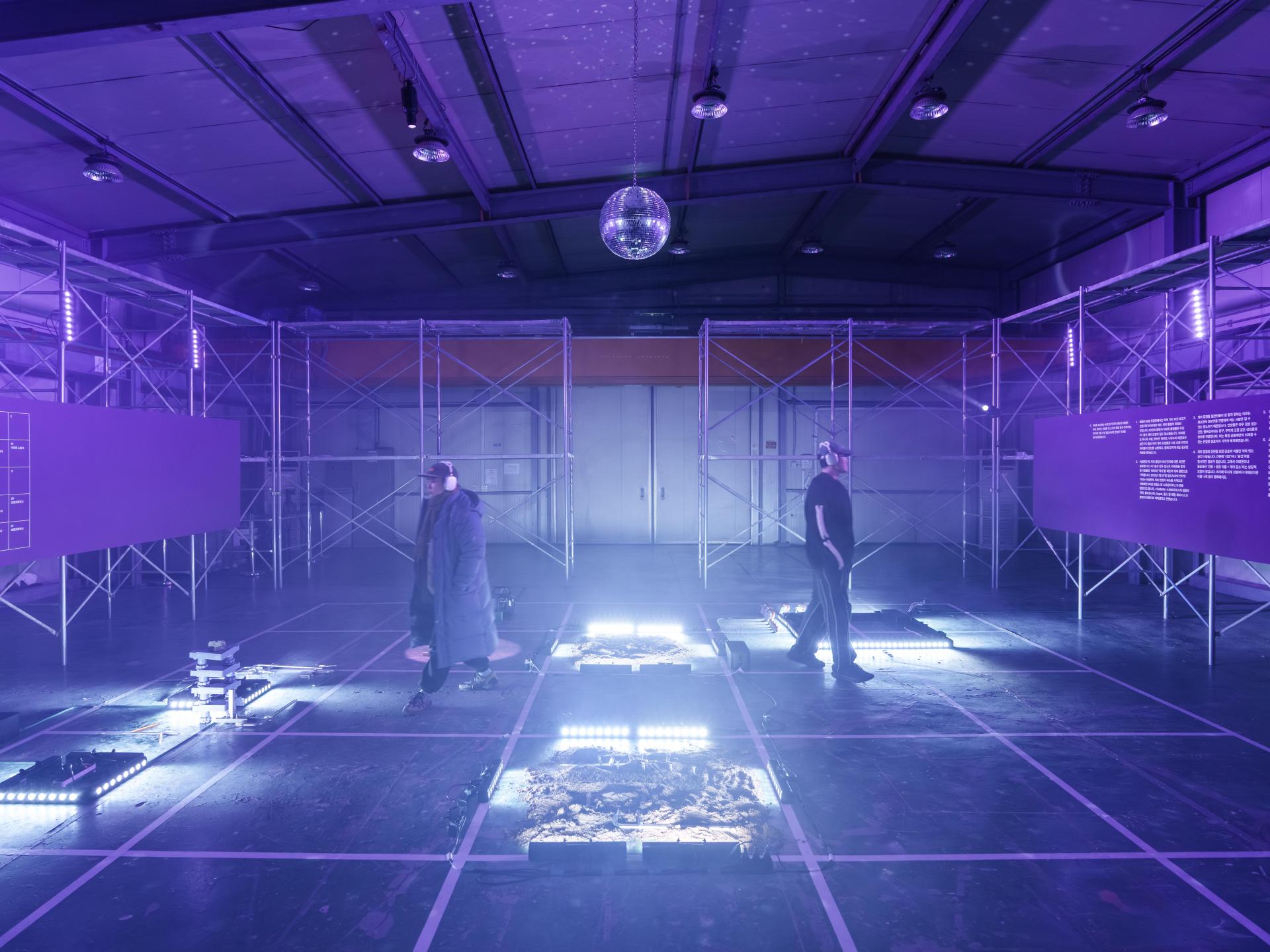
Sejin Song, Aged Technology: Denial and Inability, 2024, Performance. Exhibition view of 《Aged Technology》 (Seoul Art Space Geumcheon, 2024) © Sejin Song

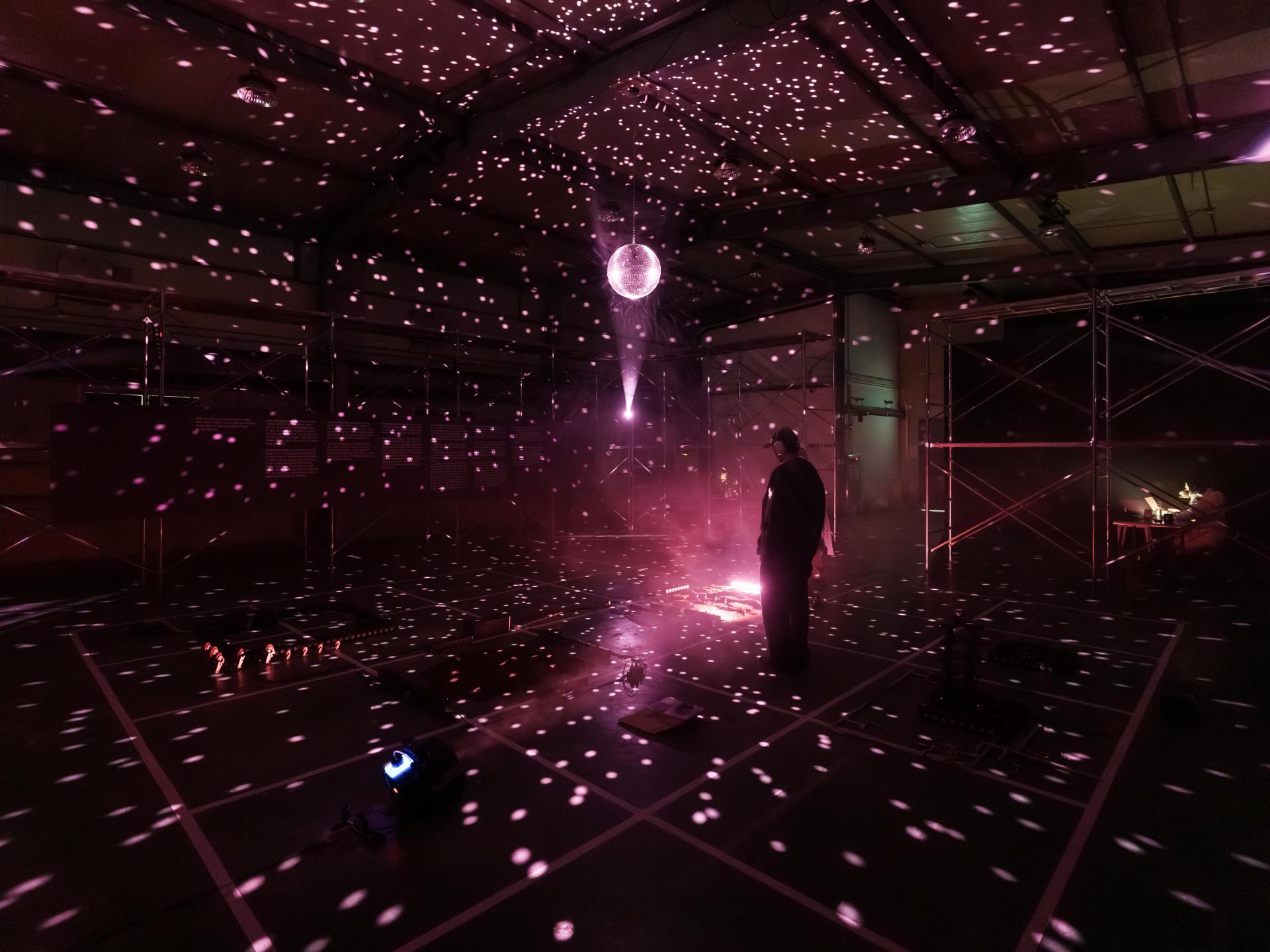
Starting from the inherent limitations of artificial intelligence that predicts the future through selected past data, and the imagination of the future that such technology will create, this performance proceeds with two audience members and two performers matched one-on-one.
 
The audience moves along a map of Itaewon divided into 25 zones on the stage, alternately listening to public data and oral histories of Itaewon delivered by the performer's voice through Bluetooth headphones. Hearing different stories in the same space, the audience experiences the gap between memory and record.


Sejin Song, Passing Present and Preserving Past, 2024, Single-channel video, 4K, 7min 47sec. © Sejin Song

In this way, Sejin Song interprets contemporary technology as a mechanism that both reflects individual and collective memories and experiences and shapes the society in which we live. He focuses on how technology, at a societal level, selects, erases, and refracts individual memories, time, and identity, revealing the processes behind these operations through various media.
 
His practice thus illuminates not only the relationship between technology and society from a macro perspective, but also the points of friction among individuals living in diverse ways within that society, bringing to light the multilayered, micro-level relationships that constitute it.

“I think of my current process as one of completing a note. The process of collecting is like doodling, while the process of exhibiting is about turning those doodles into a note that can be easily read.
 
I continue to work in the hope that, in the note that will eventually be completed, viewers will enter the boundary between me and my work and create new meanings within it.” (Sejin Song, interview with White Block Residency)


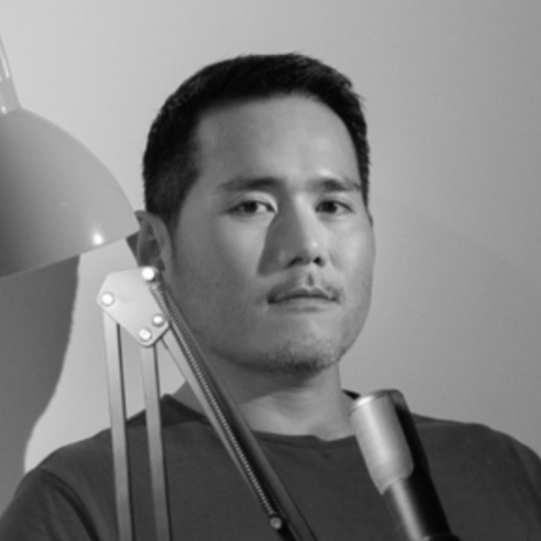
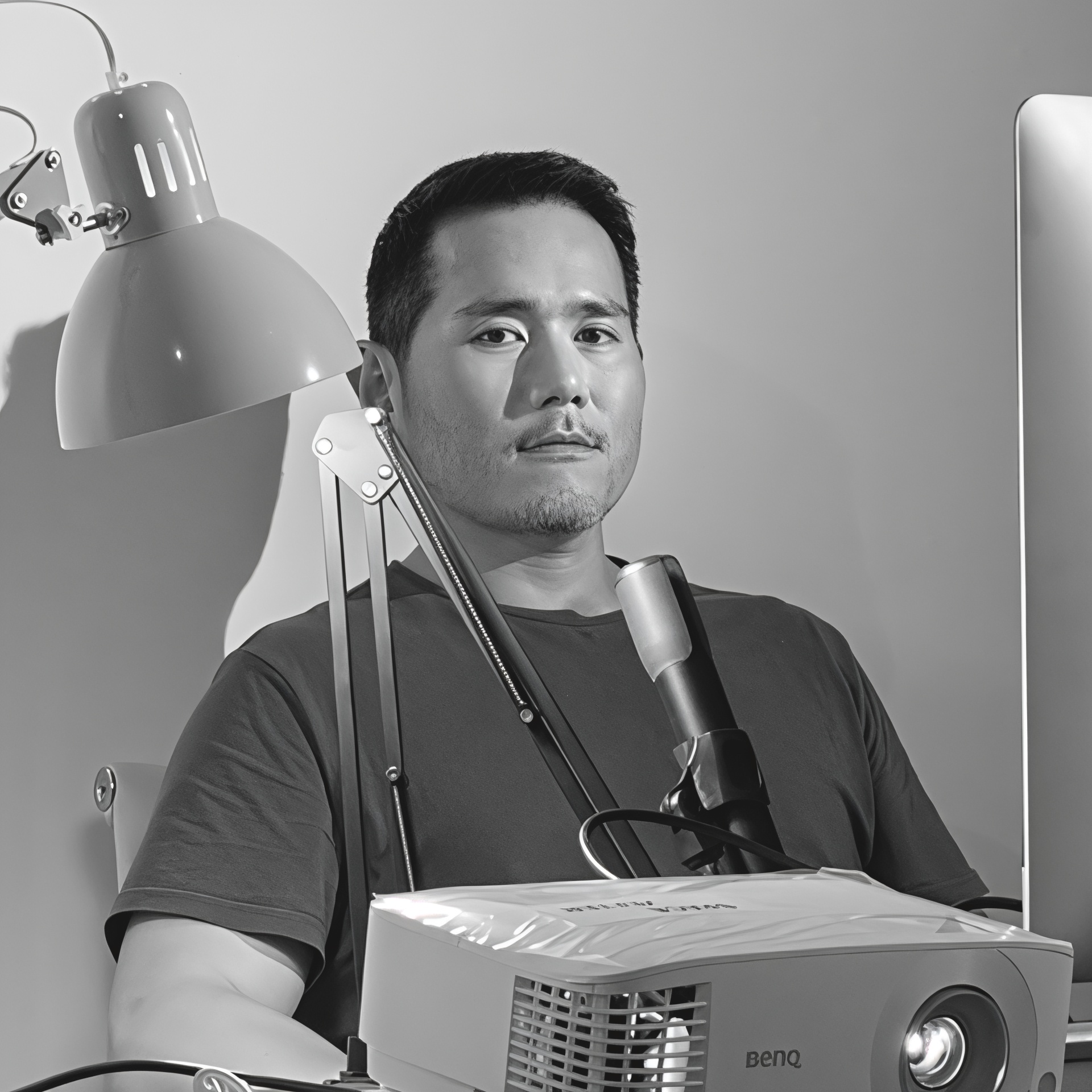
Artist Sejin Song © Seoul Arts Awards

Sejin Song graduated from the Department of Fine Arts at Korea National University of Arts and received an MFA in Glass Art from the same university. His recent solo exhibitions include 《Aged Technology》 (Seoul Art Space Geumcheon, Seoul, 2024), 《Behind》 (SPACE ÆFTER, Seoul, 2023), and 《Mutualism》 (Elephant Space, Seoul, 2022).
 
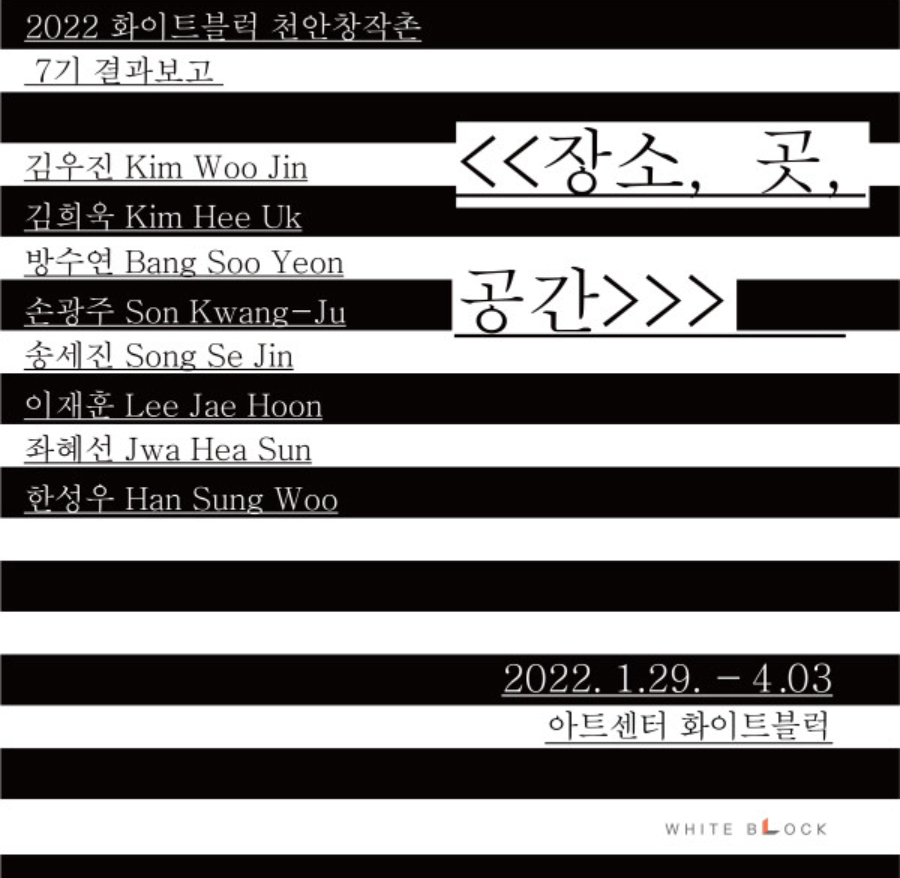
He has also participated in numerous group exhibitions, including 《Spectrosynthesis Seoul》 (Art Sonje Center, Seoul, 2026), 《Far, Far Side of the World》 (Korean Cultural Center in Japan, Tokyo; Korean Cultural Center in Hong Kong, Hong Kong; Korean Cultural Center in Osaka, Osaka, 2024), 《Foreverism: Endless Horizons》 (Ilmin Museum of Art, Seoul, 2024), 《To You, I Say》 (MMCA Residency Goyang, Goyang, 2023), 《Place, Site, Space》 (Art Center White Block, Paju, 2022), and 《The Society of Individuals》 (Busan Museum of Contemporary Art, Busan, 2021).
 
Song has participated in residency programs at Seoul Art Space Geumcheon (2024), MMCA Residency Goyang (2023), SeMA Nanji Residency (2022), and White Block Residency (2020–2021). His works are held in the collections of institutions, including the Busan Museum of Contemporary Art and Art Center White Block.

References