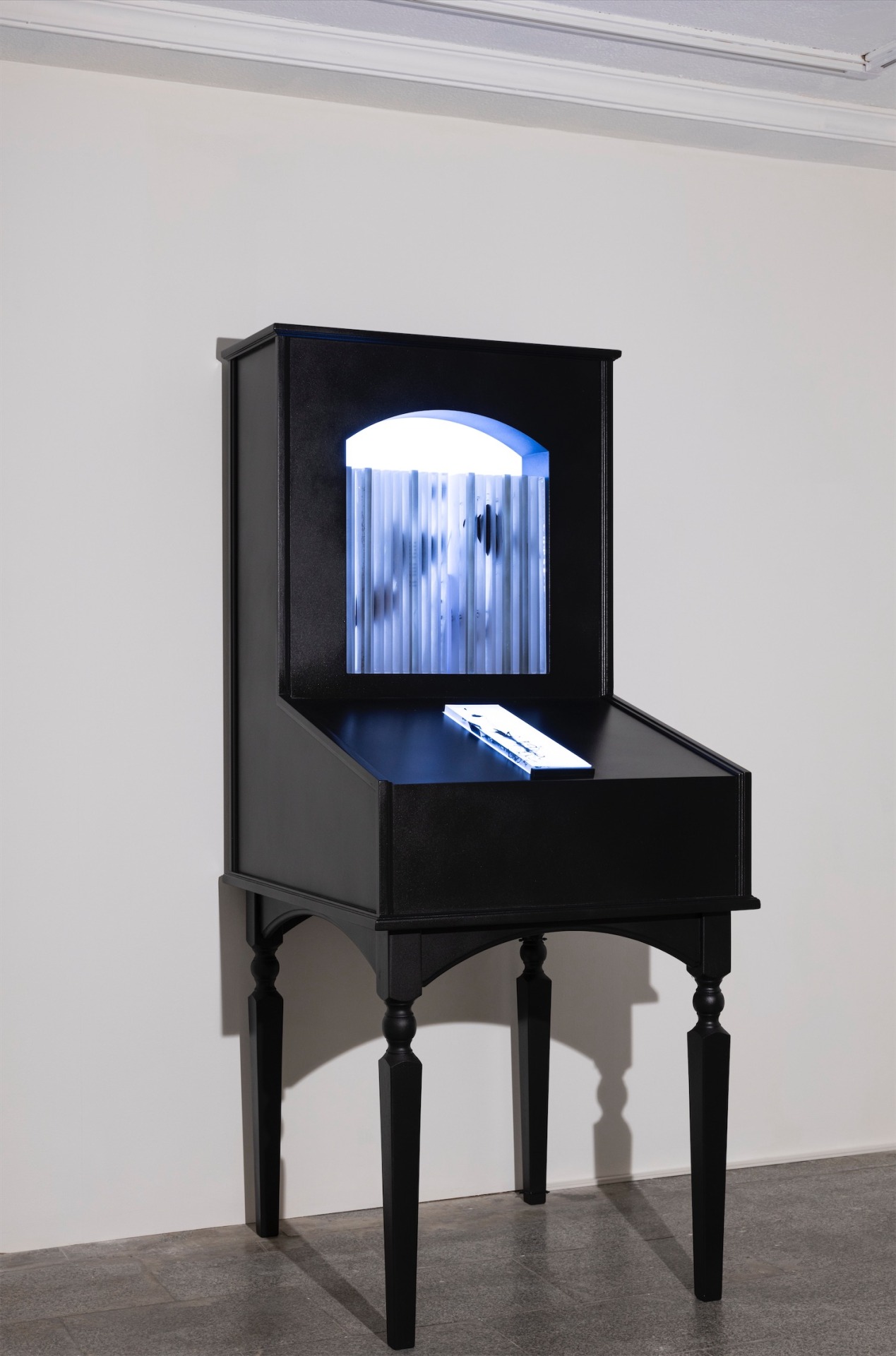
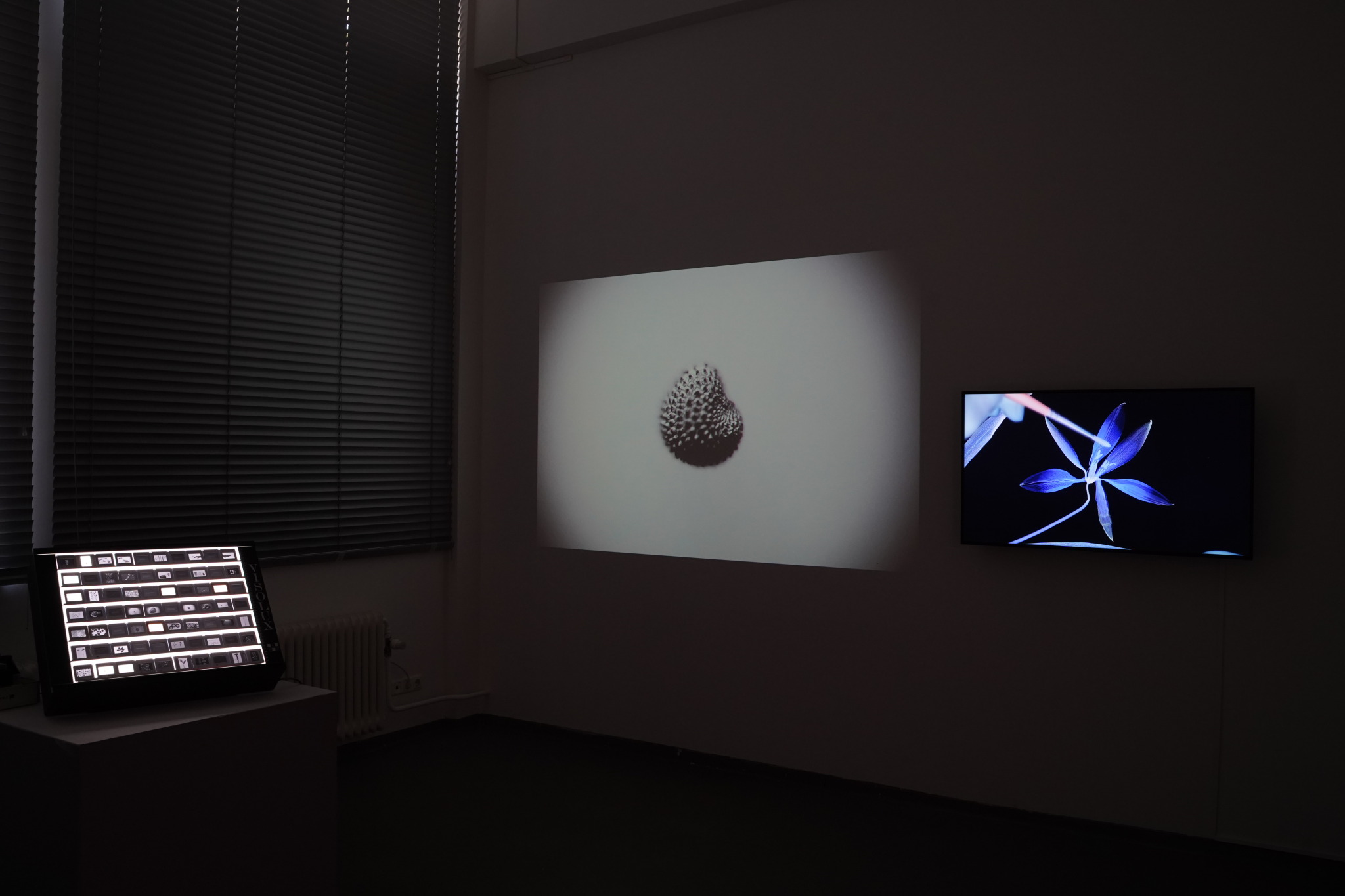
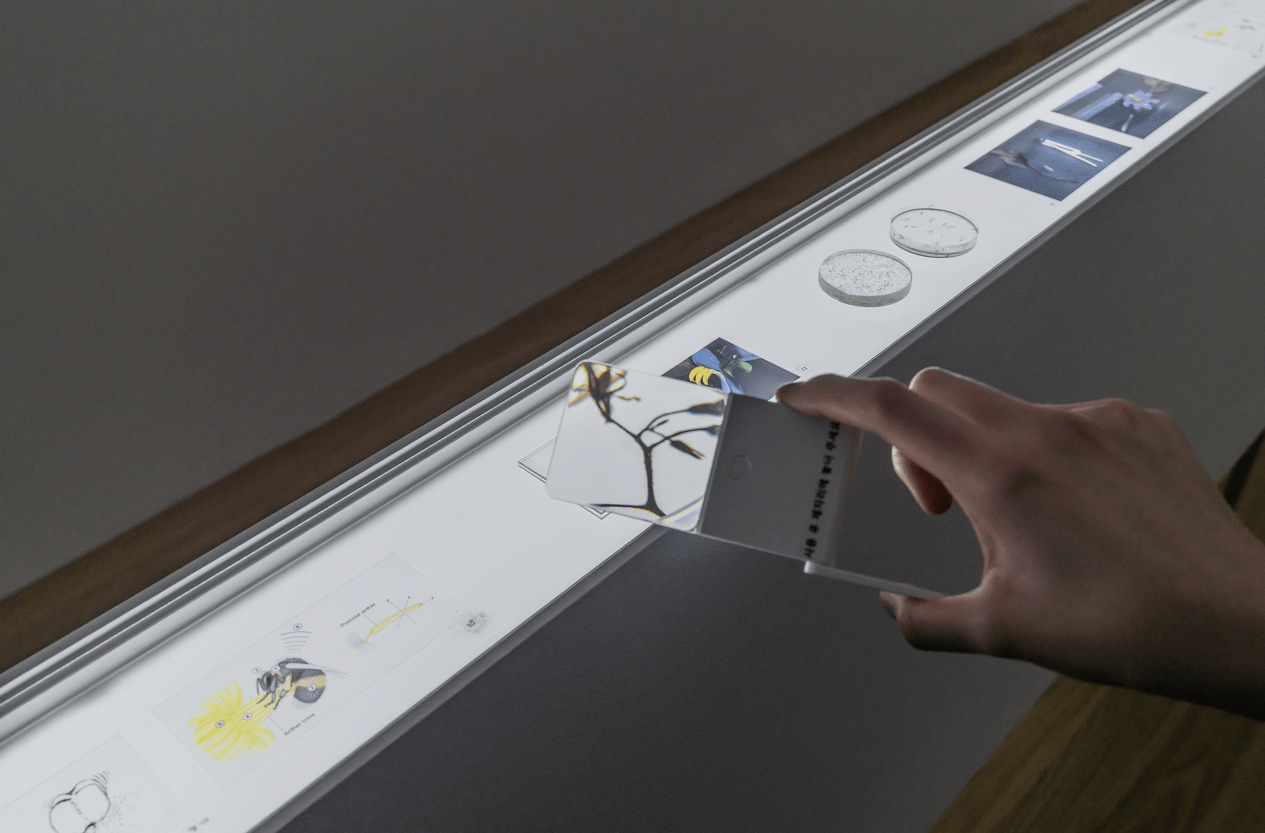
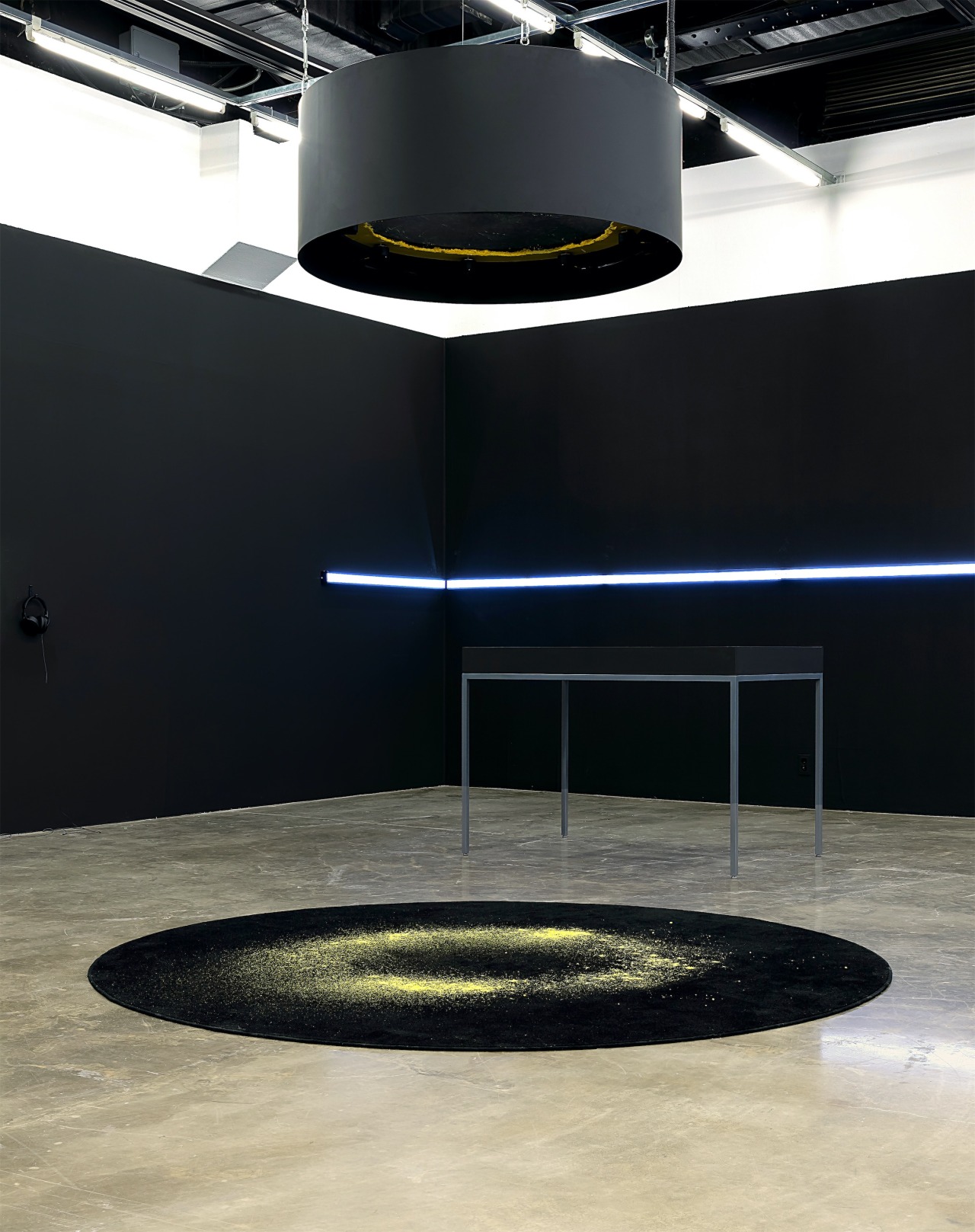
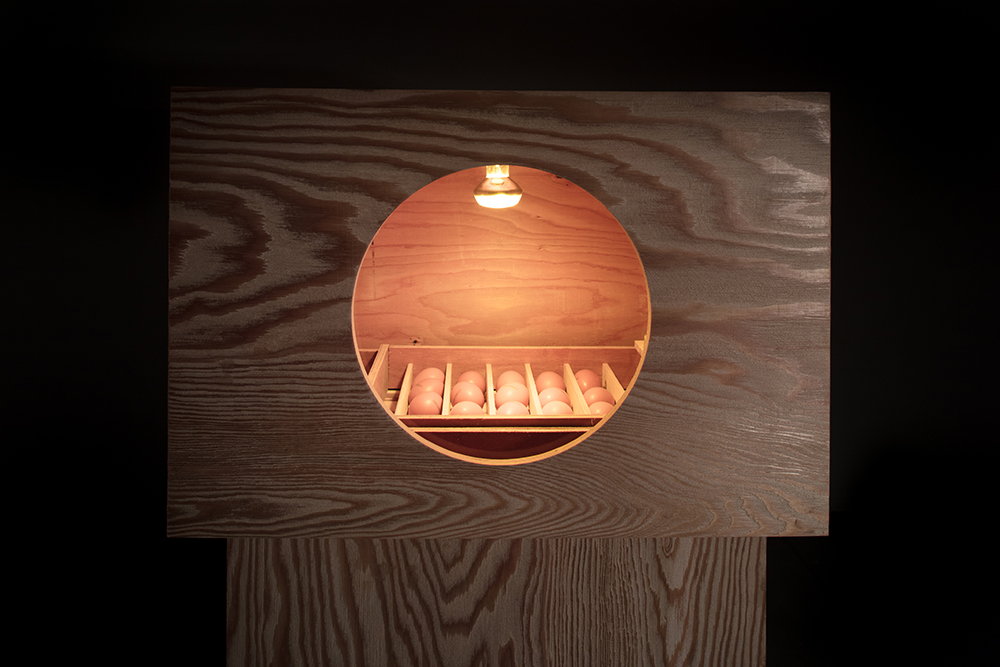
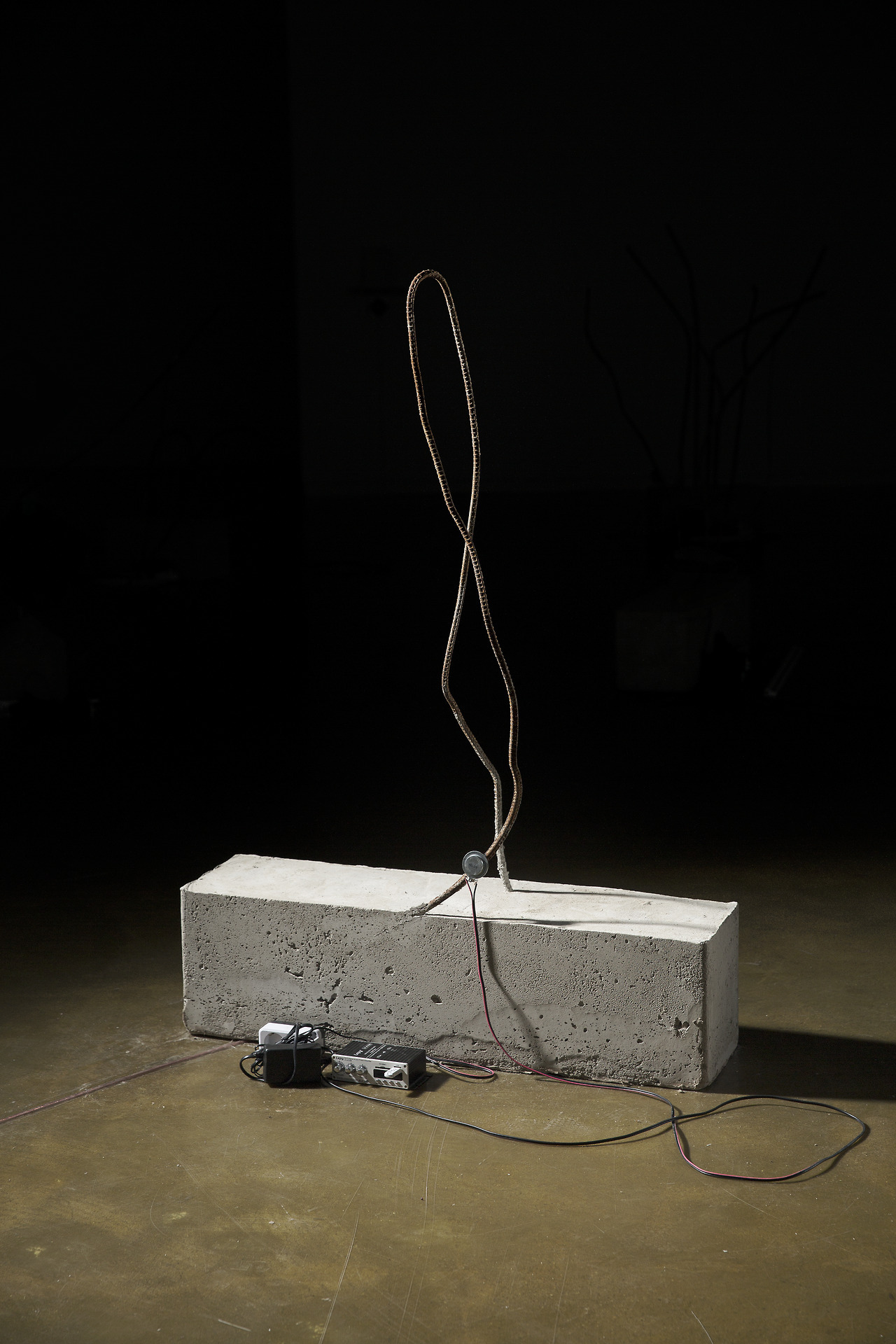
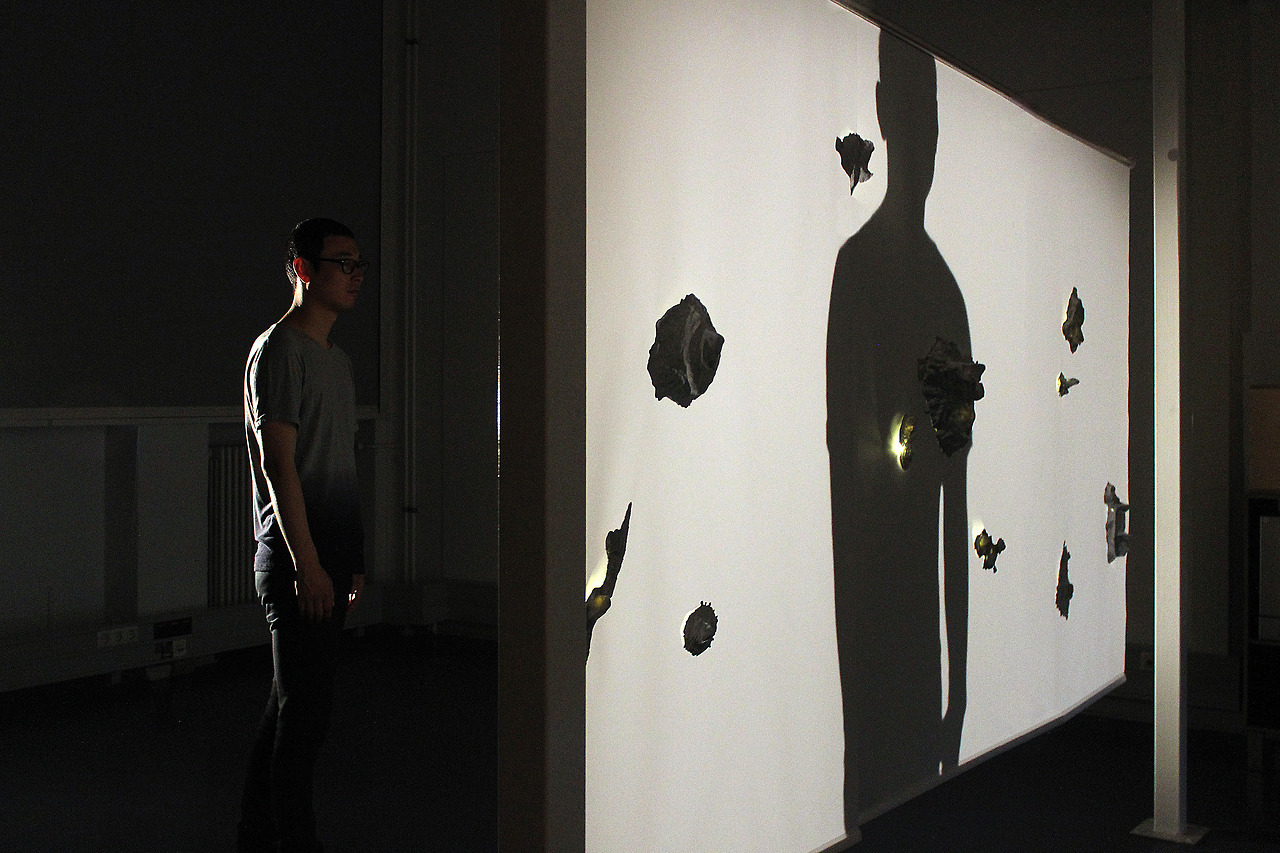
One of the most distinctive features of Hye Joo Jun’s practice is
the way she traces large social issues through very small clues. The history of
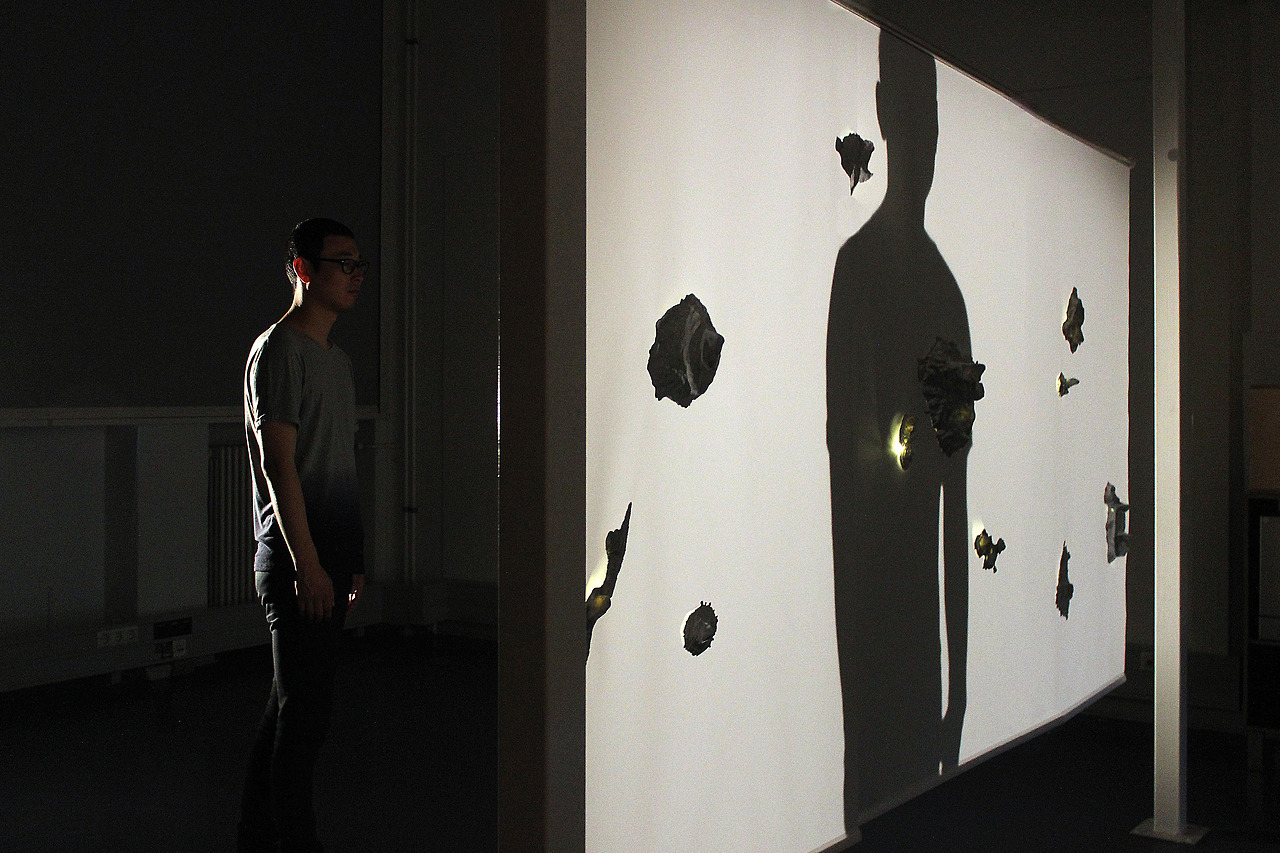
war begins with bullet marks, the memory of a city with rebar and a single
person’s voice, nuclear technology and energy industries with yellow powder,
and military control with waves that are inaudible or difficult to locate.
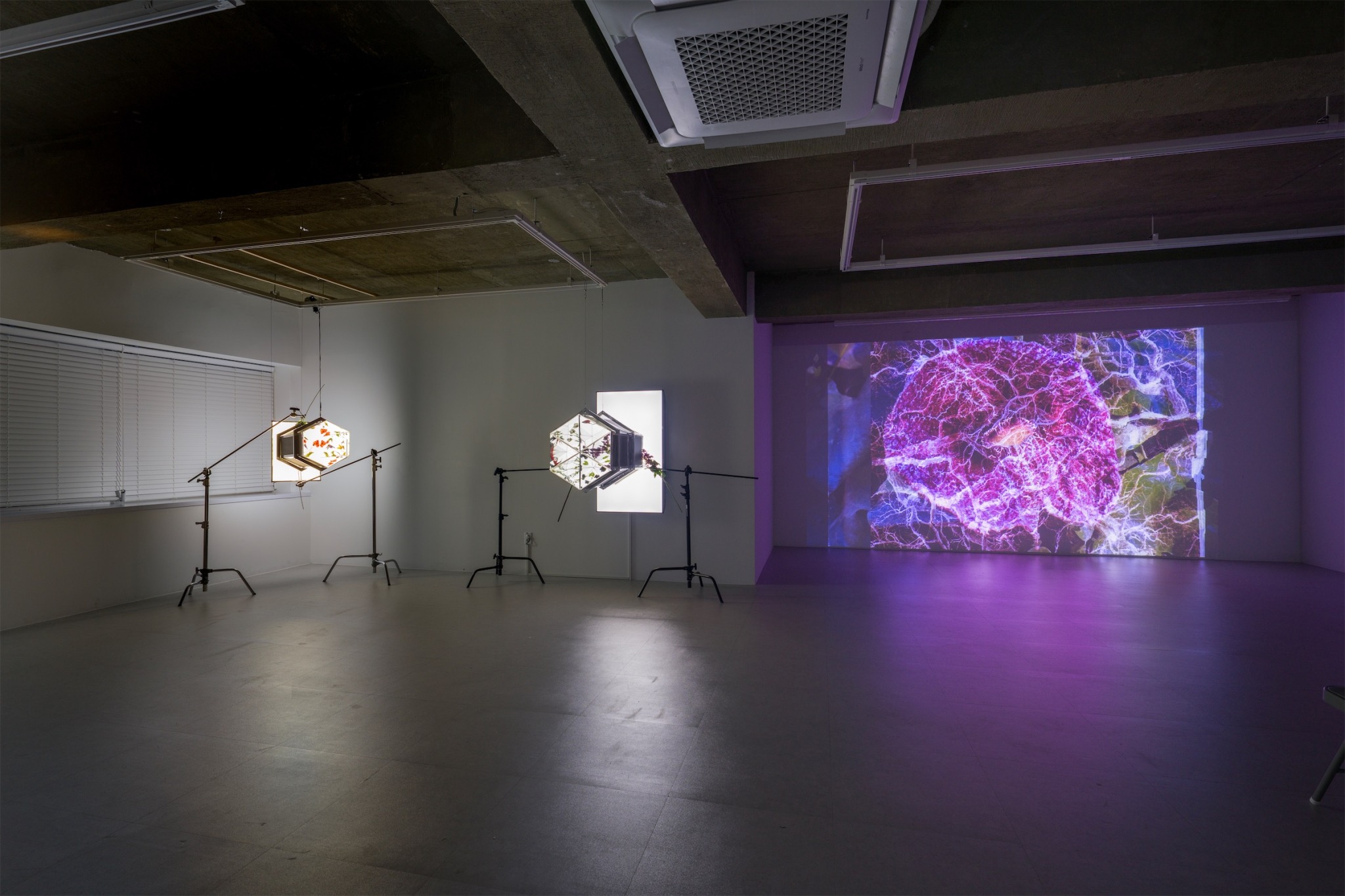
More
recently, her attention has moved toward even smaller entities such as pollen,
mold, dust, mycelia, and plant reproduction, yet the issues contained within
them have grown broader. She reads cross-border resource movement, agriculture
and capital, biotechnology, military technology, the environment, and the body
as parts of a single network. This structure, in which her social and historical
perspective expands as the scale of her subjects becomes smaller, is a defining
characteristic of her work.
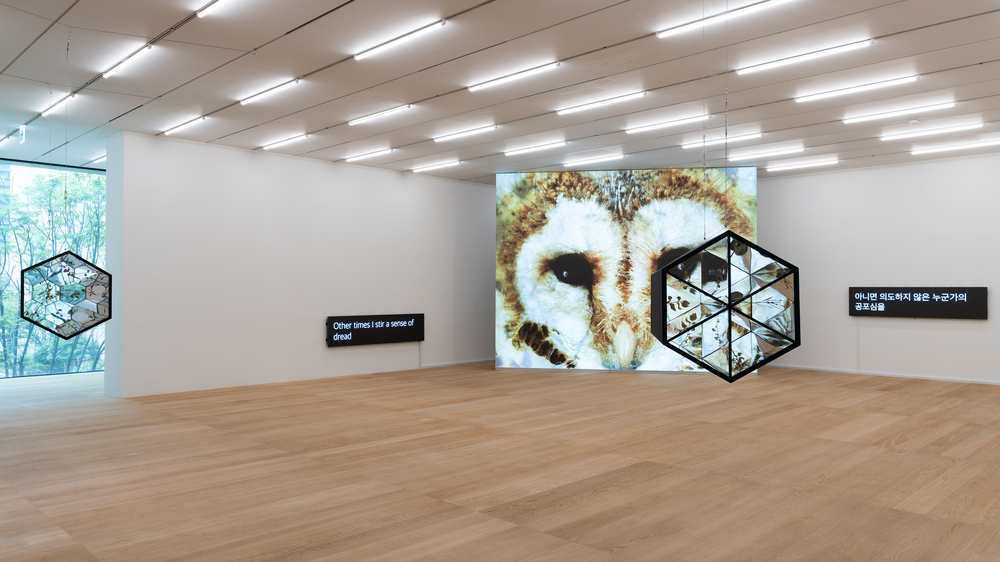
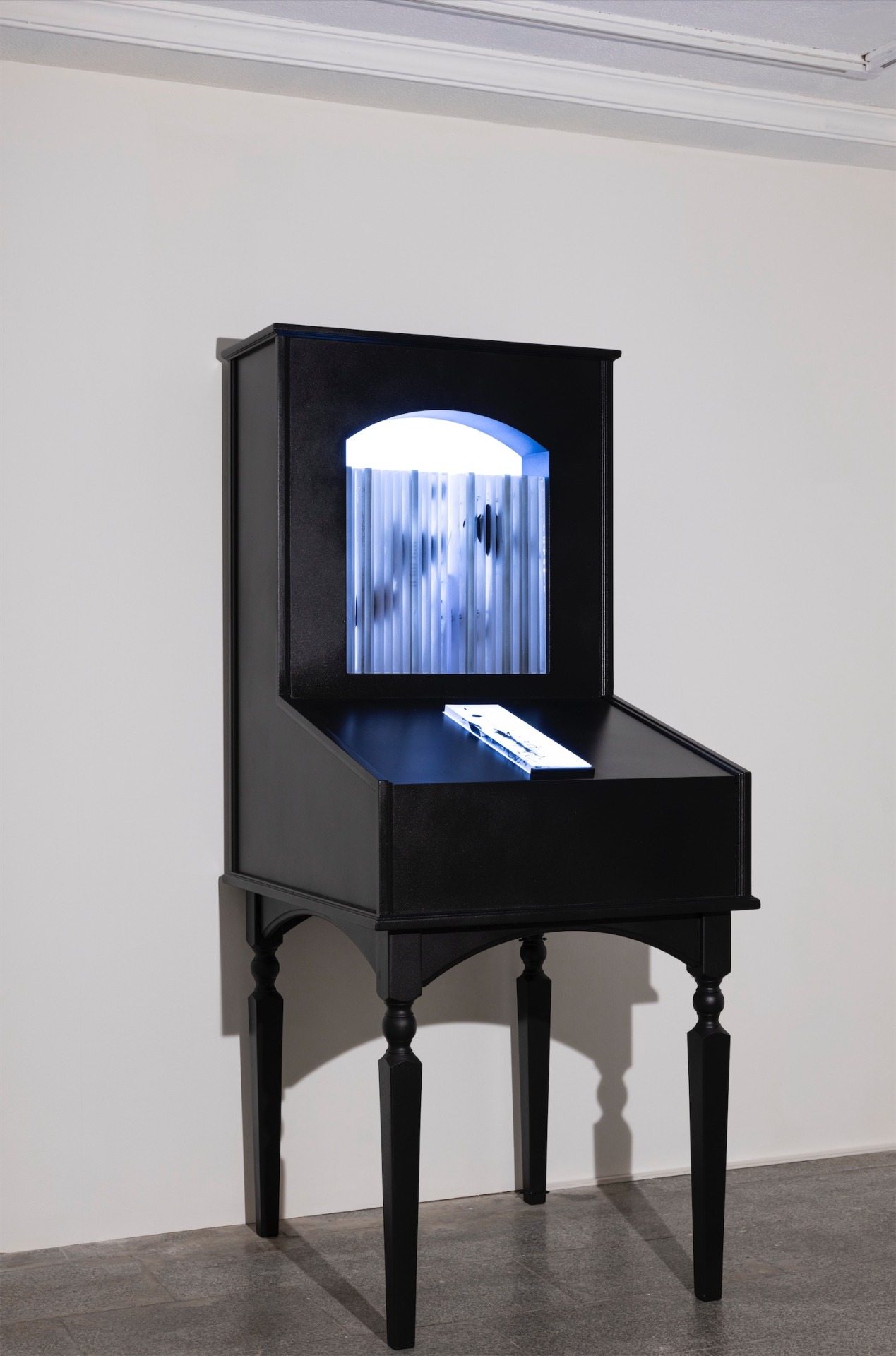
Compared with other research-based practices, Jun places
particular emphasis on translating information into sensory experience rather
than stopping at explanation. Pollen physically falls through vibration, rebar
transmits stories when held in the hand, and waves from directional speakers
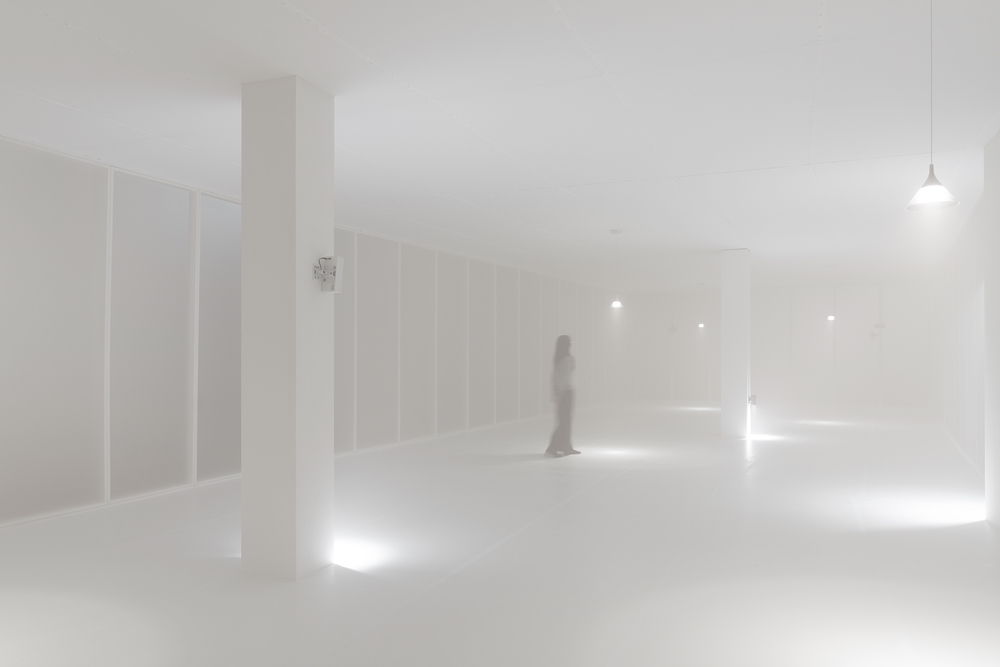
pass directly through the body. More recently, fog, humidity, and the
circulation of air have also become part of the work itself.
Her archive is
therefore less an accumulation of objective data than a starting point for asking
how invisible relationships might be physically felt. This is also why
scientific observation, historical research, sound, and installation are
combined within a single work. Her practice allows seeing and reading,
researching and sensing, to move continuously back and forth rather than remain
separate.
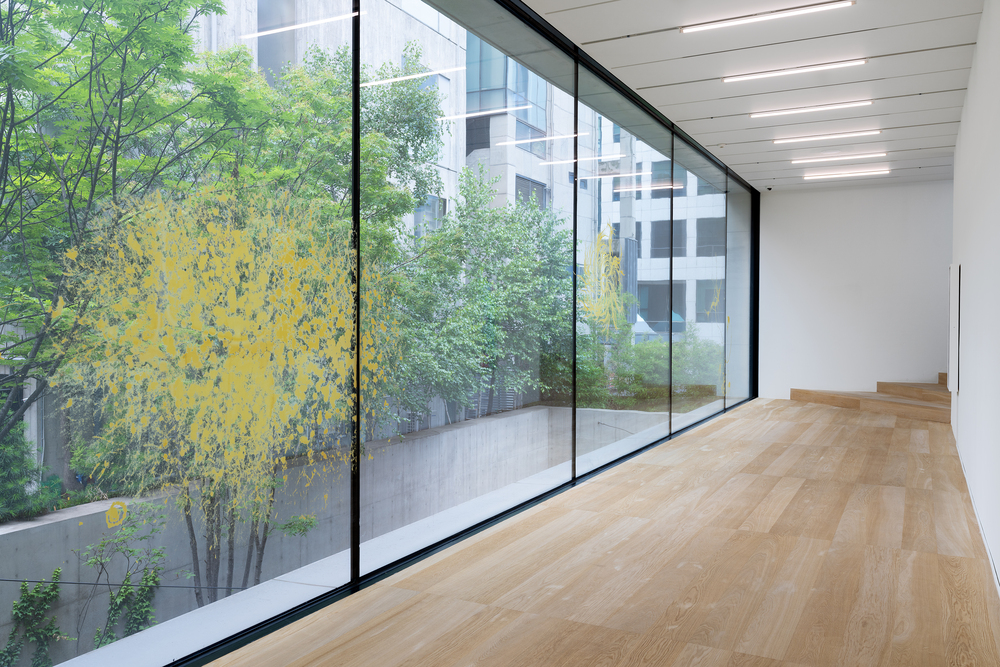
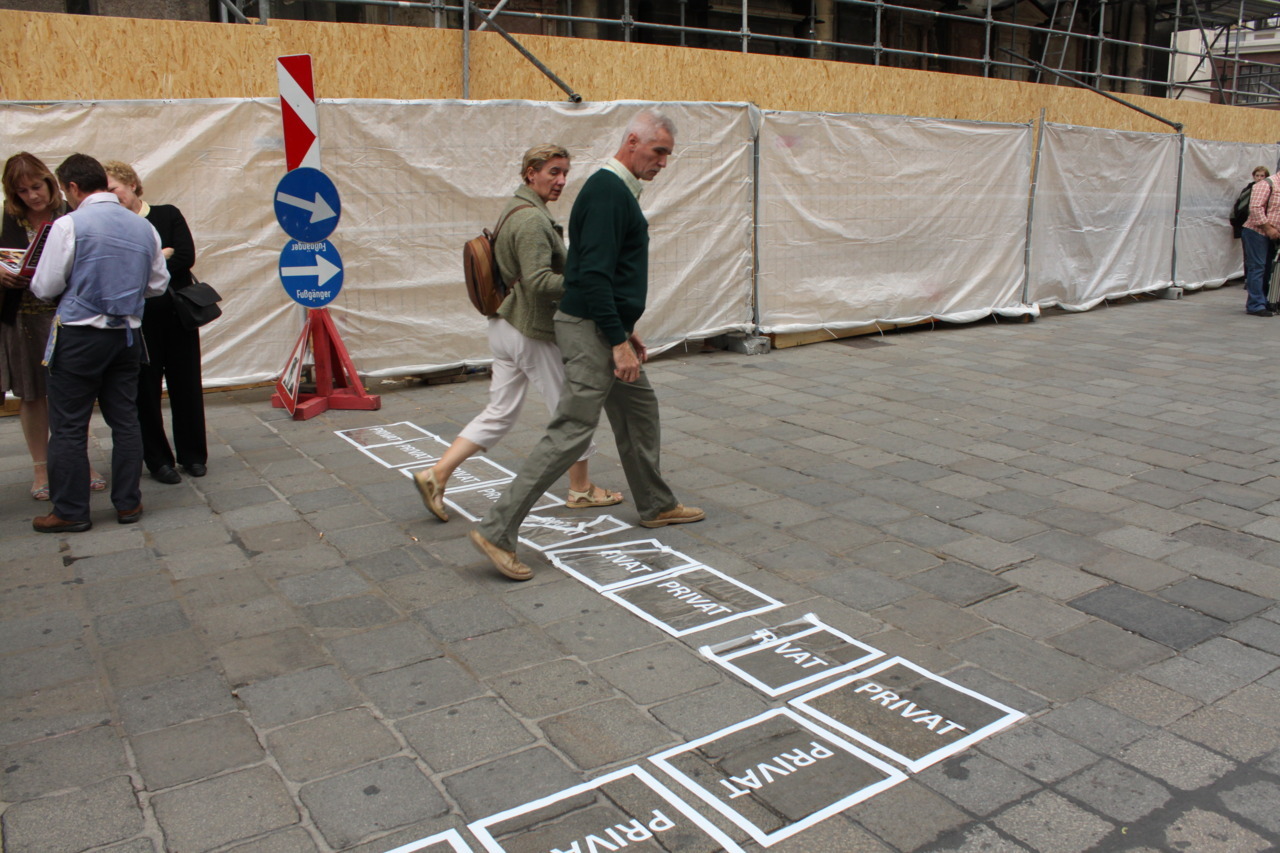
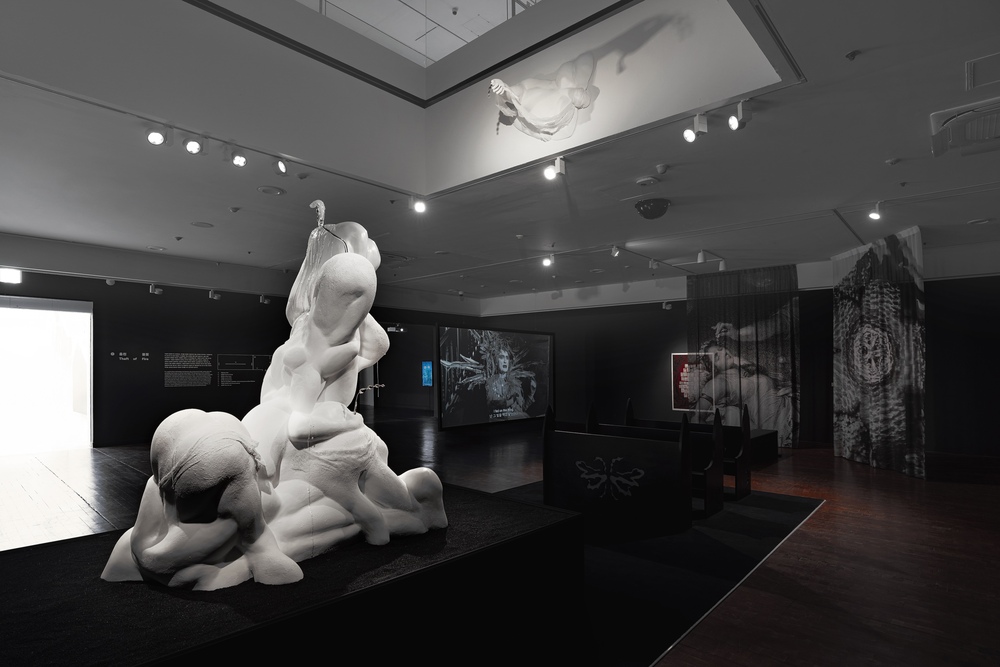
Viewed over a longer trajectory, her sustained interest in
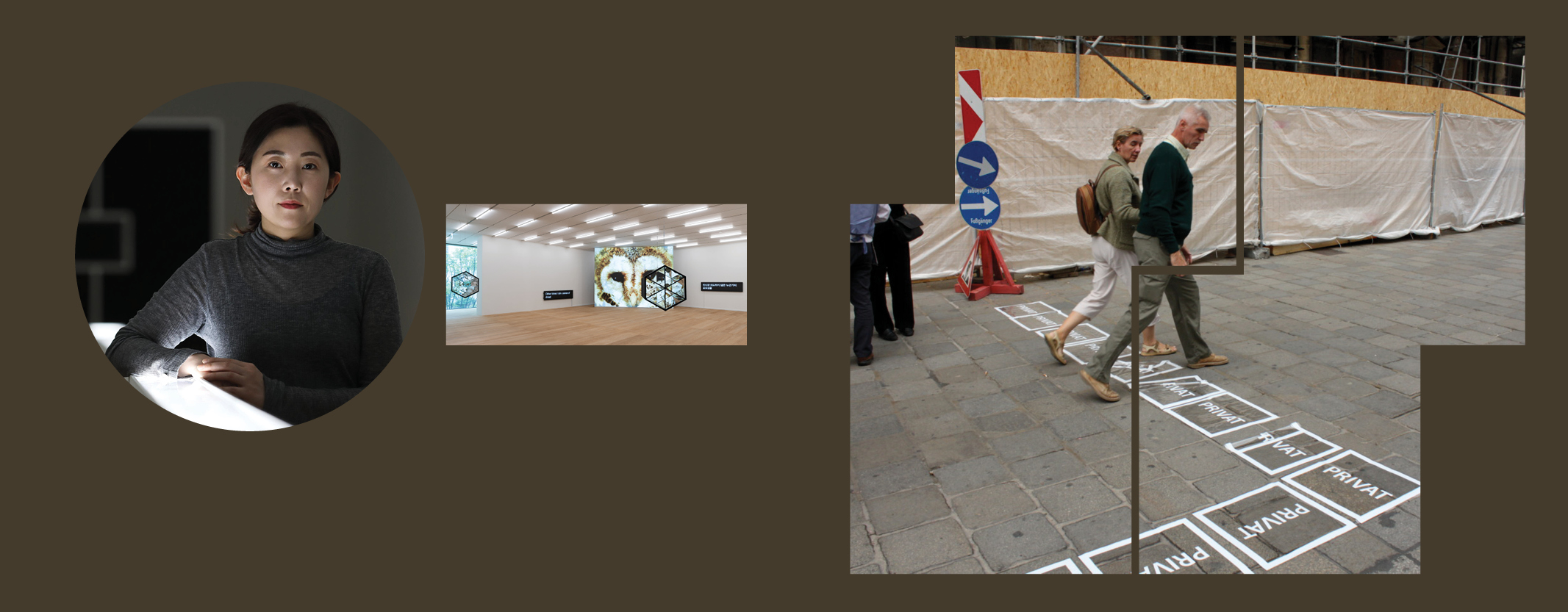
“boundaries” is equally clear. Her early works dealt with boundaries between
public and private space, tourist and resident, past and present; later, this
expanded toward nature and the artificial, safety and danger, life and
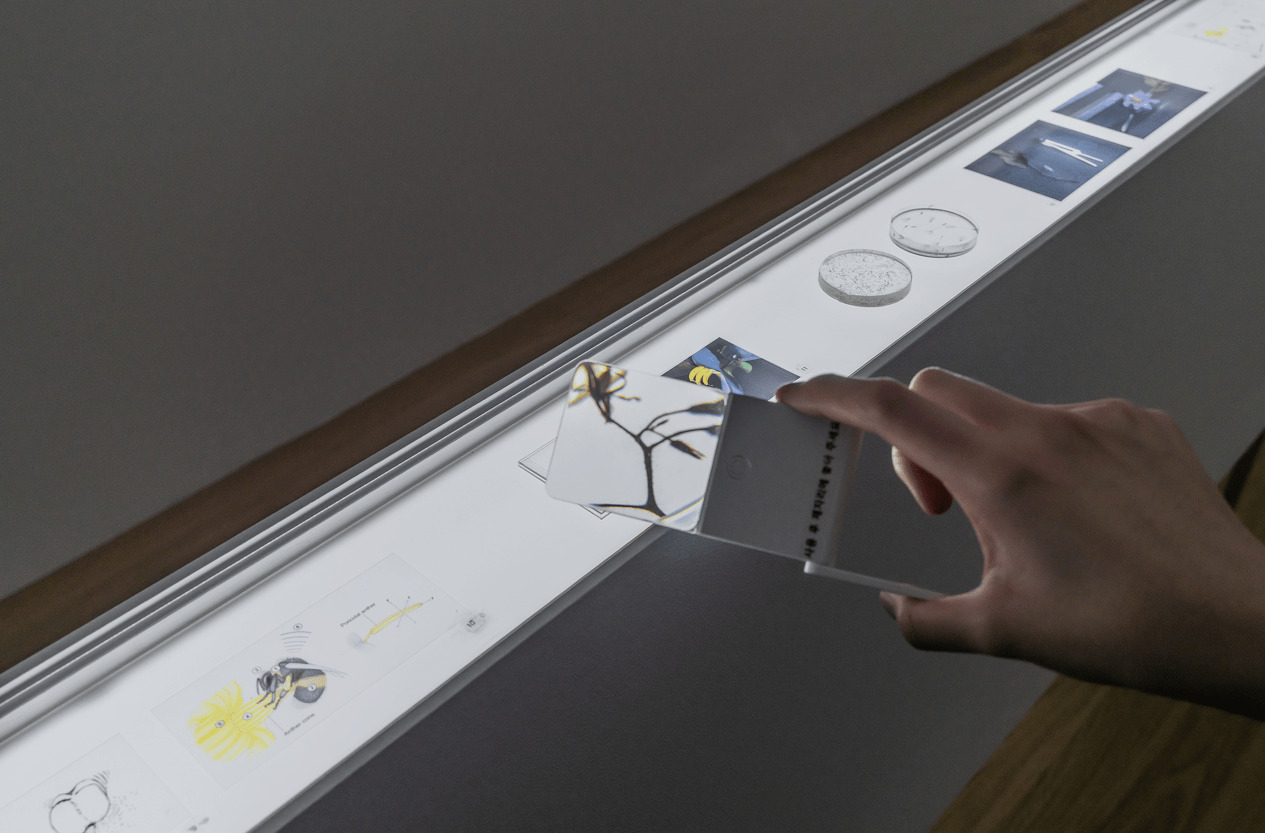
technology. More recently, 《Endoskopeia》 demonstrates that the inside and outside of the body, as well as
the interior and exterior of architecture, are in fact continuously connected
through the movement of air and particles.
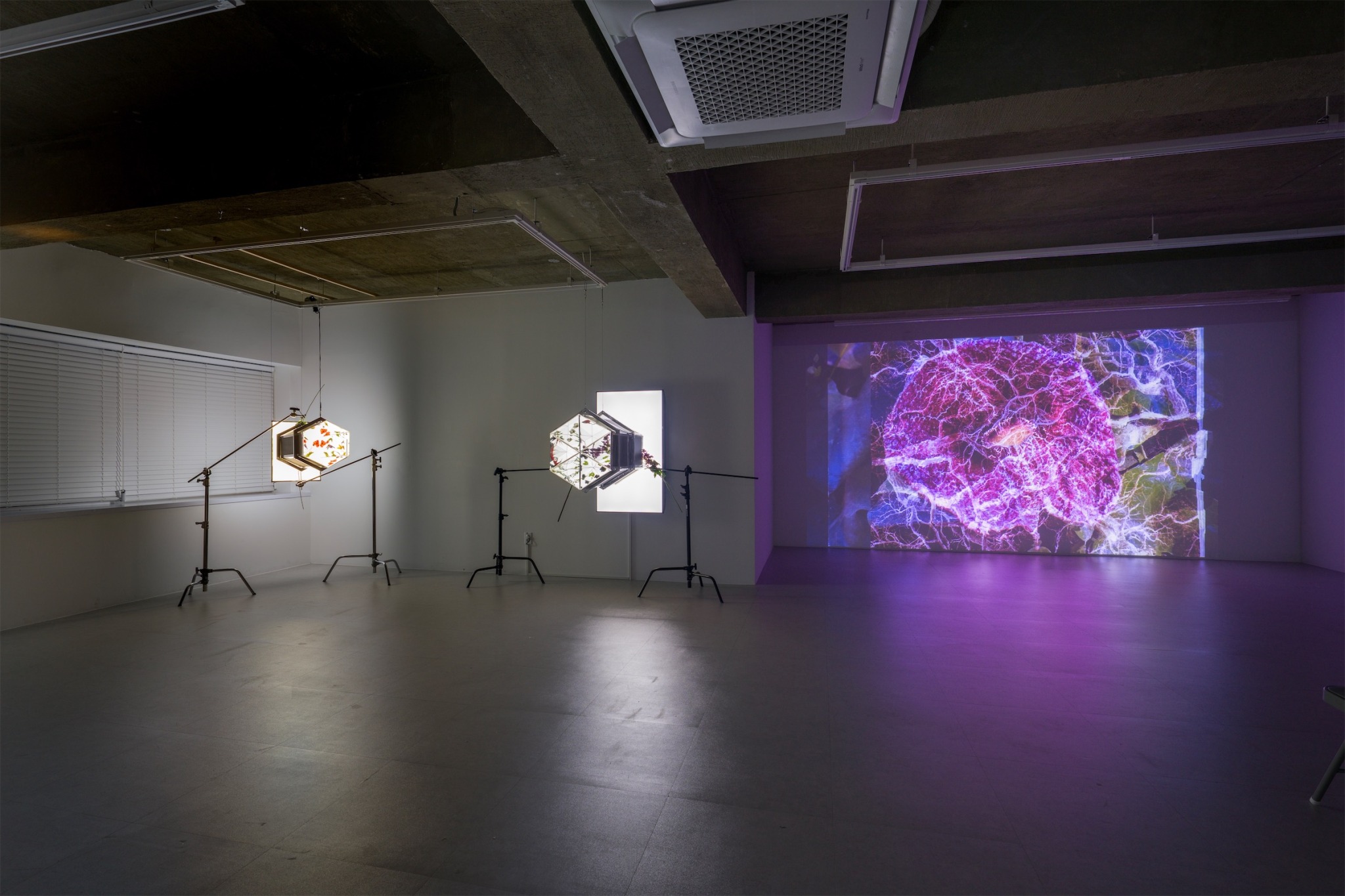
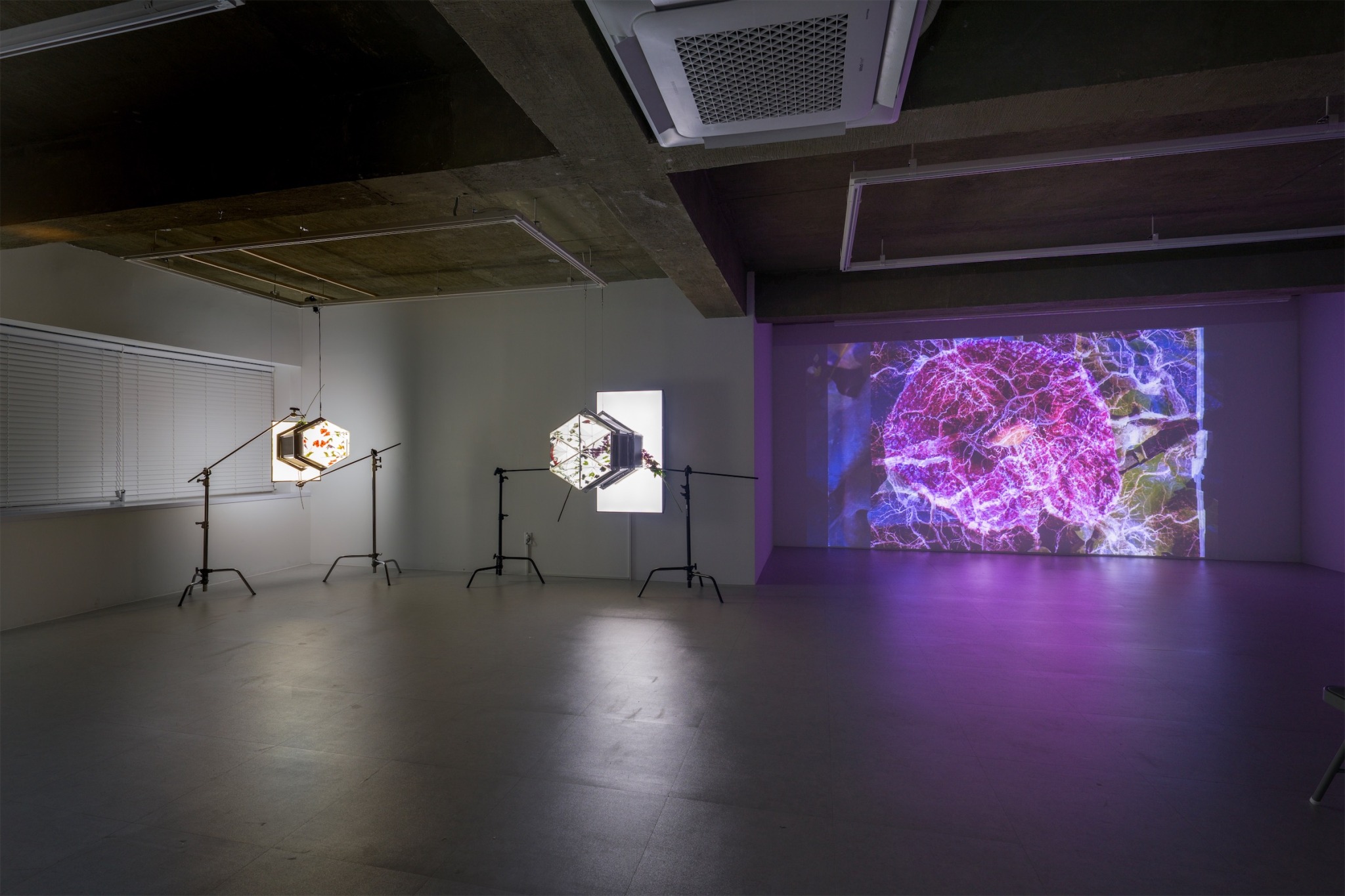
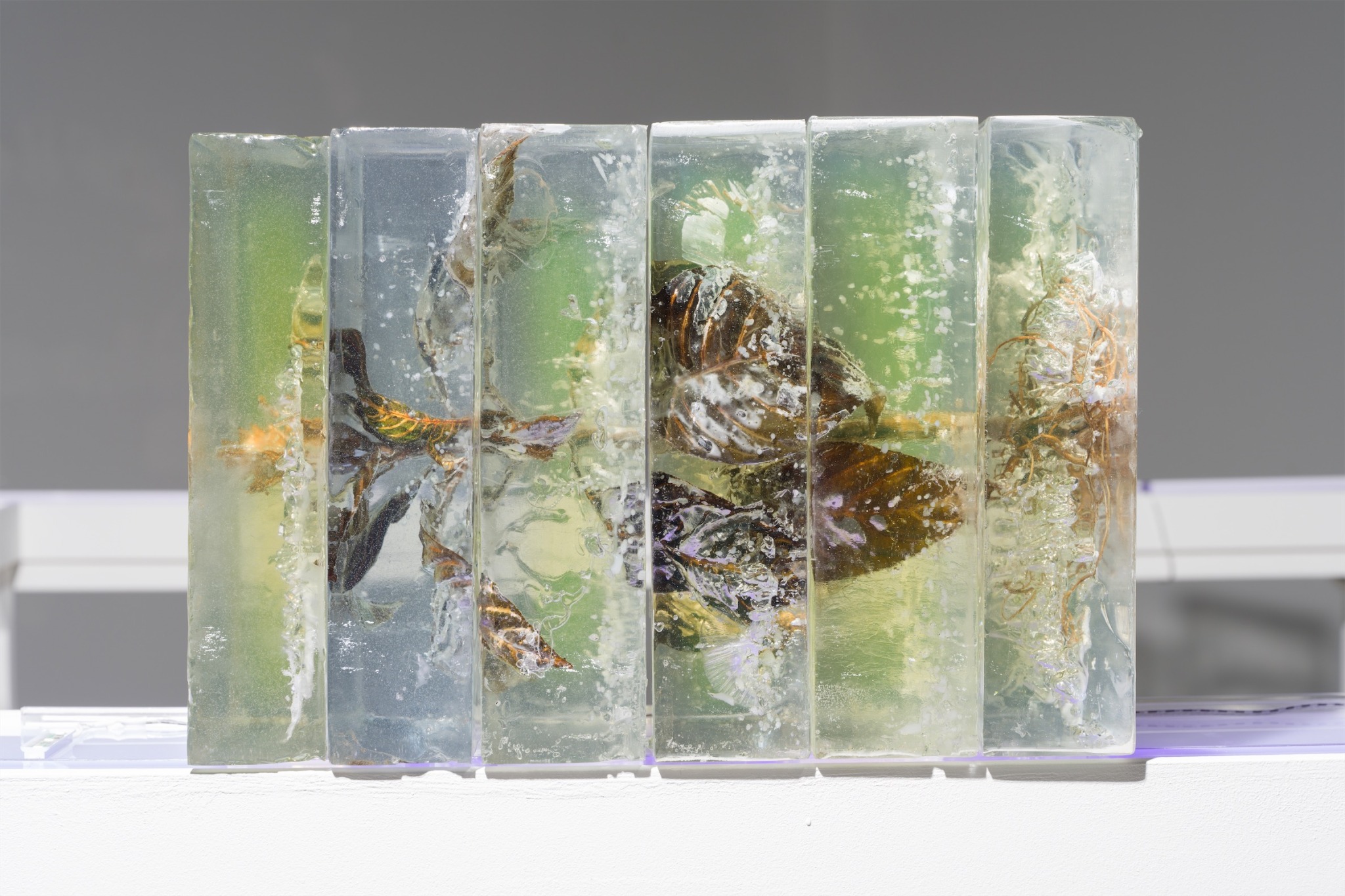
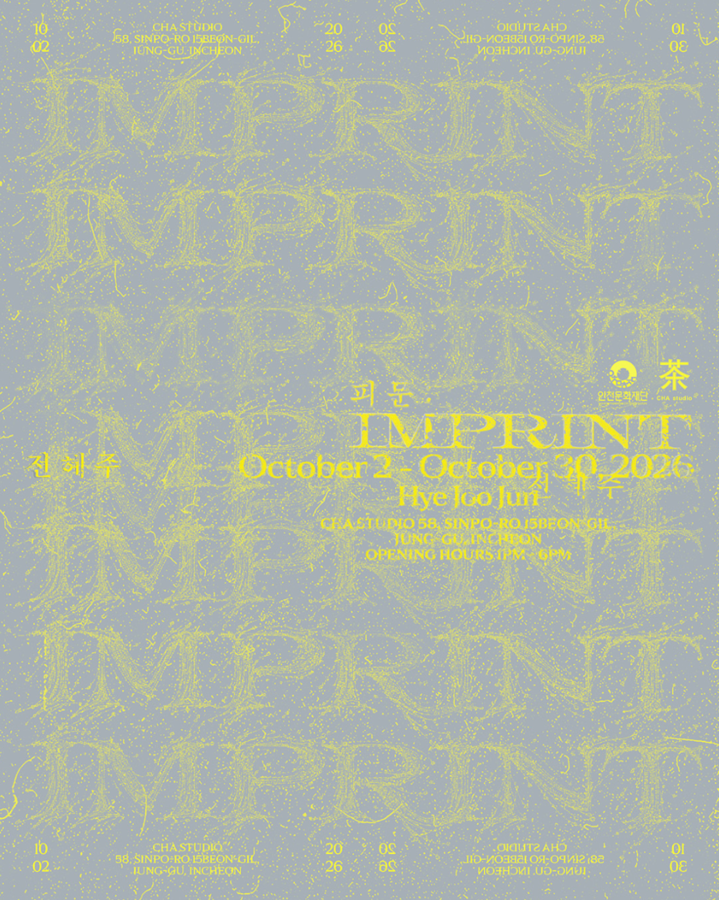
In 《IMPRINT》, rather than looking directly inside, Jun reads the time life has
passed through in its outermost skin and patterns. Instead of clearly
separating what is inside from outside, natural from artificial, her work has
deepened toward an interest in states of movement, mixture, and transformation
occurring between them.
Hye Joo Jun studied at the Hochschule für Gestaltung Offenbach am
Main and the Berlin University of the Arts, and has participated in
international research and residency environments including Olafur Eliasson’s
Institute for Spatial Experiments and the Jan van Eyck Academie.
She received
the Grand Prize of the 22nd SONGEUN Art Award in 2023 and has participated in
major exhibitions in Korea and abroad, including the 15th Gwangju Biennale 《PANSORI, a Soundscape of the 21st Century》(Gwangju
Biennale Exhibition Hall, Gwangju, 2024), 《LAYERED
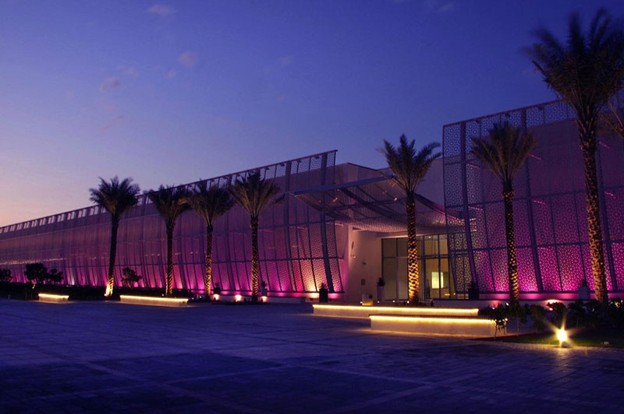
MEDIUM: WE ARE IN OPEN CIRCUITS》(Manarat Al Saadiyat,
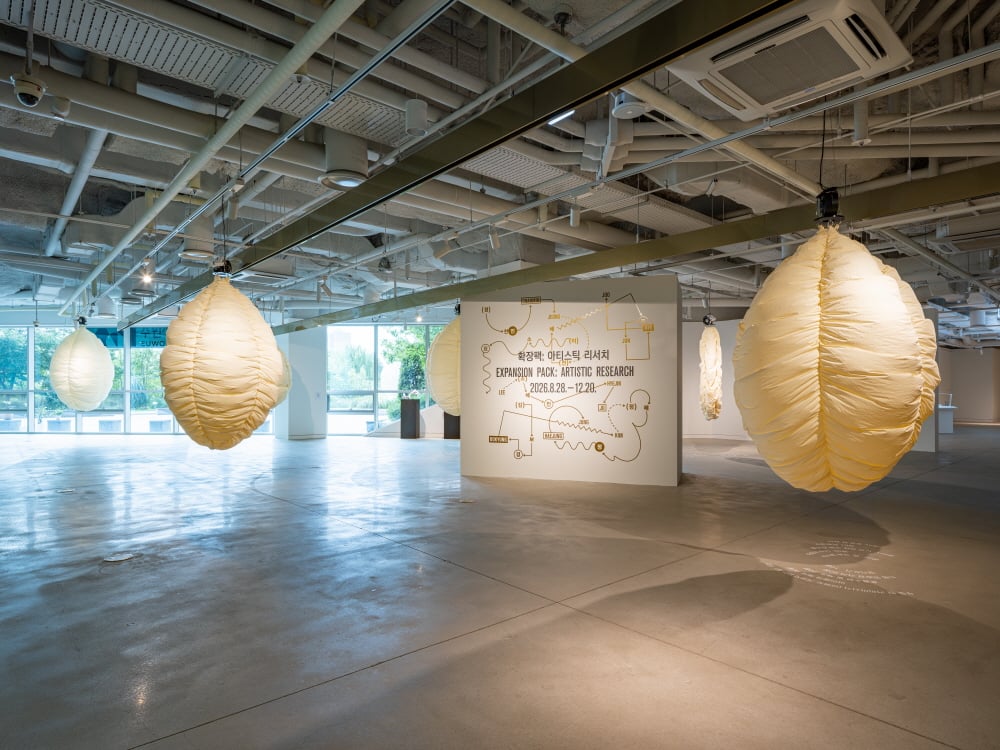
Abu Dhabi, 2025), and 《AMOR EX MACHINA》(Seoul Museum of Art, Seoul, 2026). The inclusion of her work in 《Expansion Pack: Artistic Research》(Suwon Art
Space Gwanggyo, 2026) within the context of “artistic research” also reflects
this trajectory clearly.
As her observations have moved from the surface of the
city toward microscopic particles and ecology, biopolitics, and the interior of
the body, Jun’s practice appears likely to continue not by remaining fixed to a
particular subject or medium, but by locating subtle connections between
seemingly distant historical, ecological, and technological phenomena and
translating them into environments that can be physically sensed.