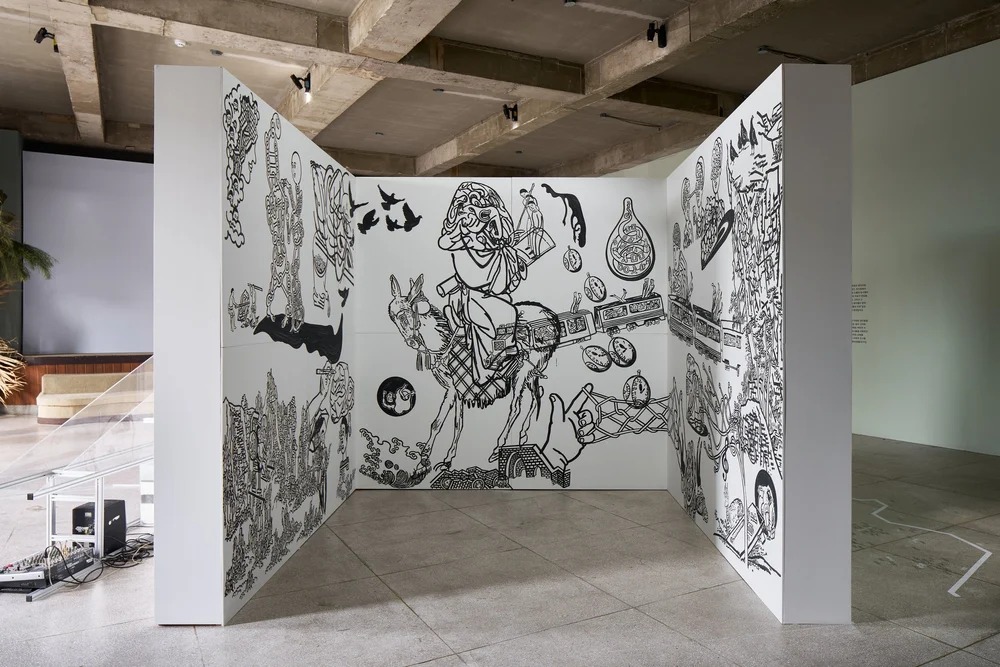
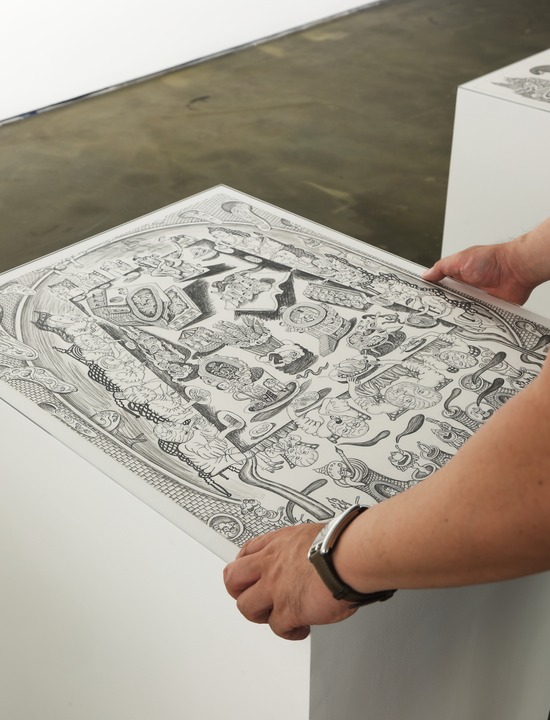
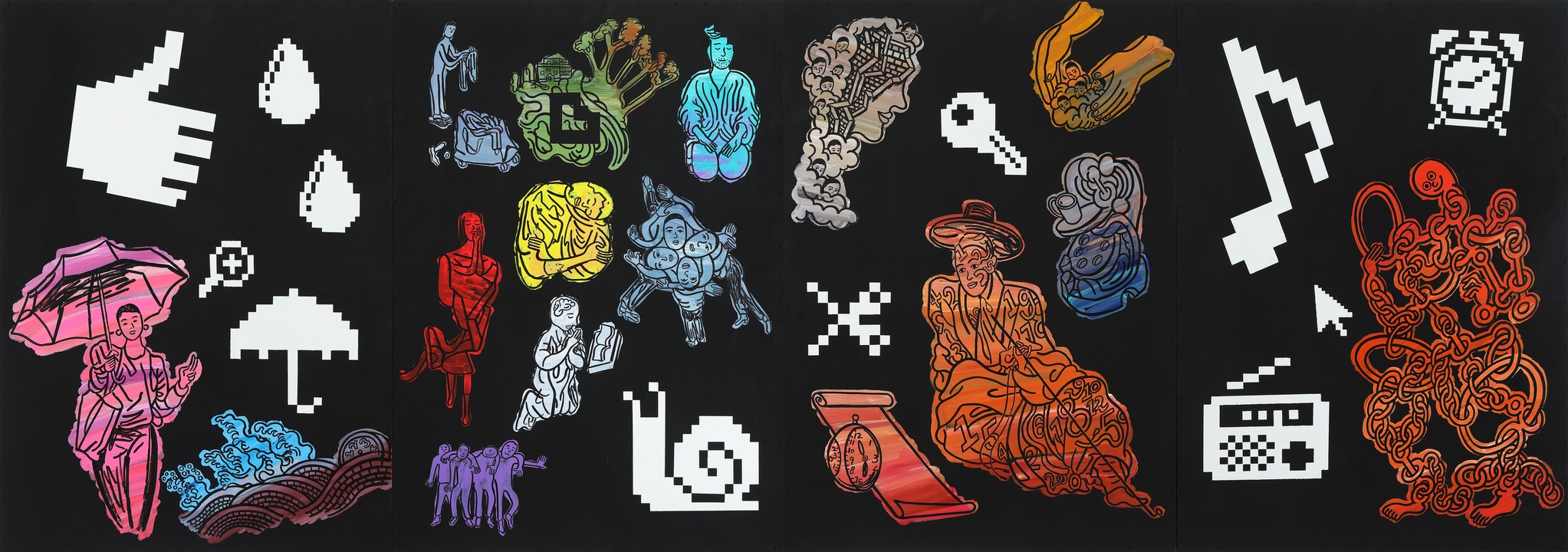
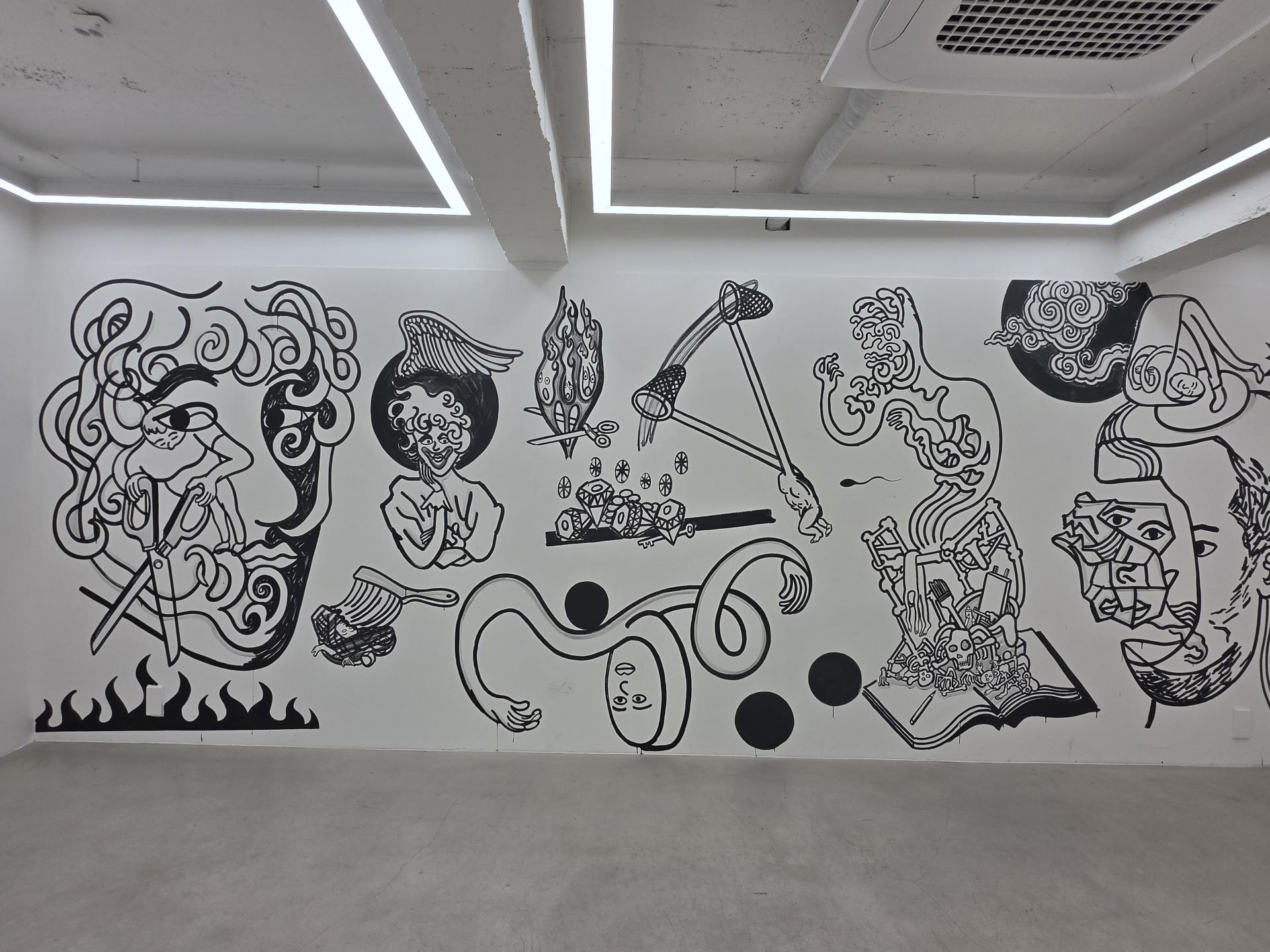
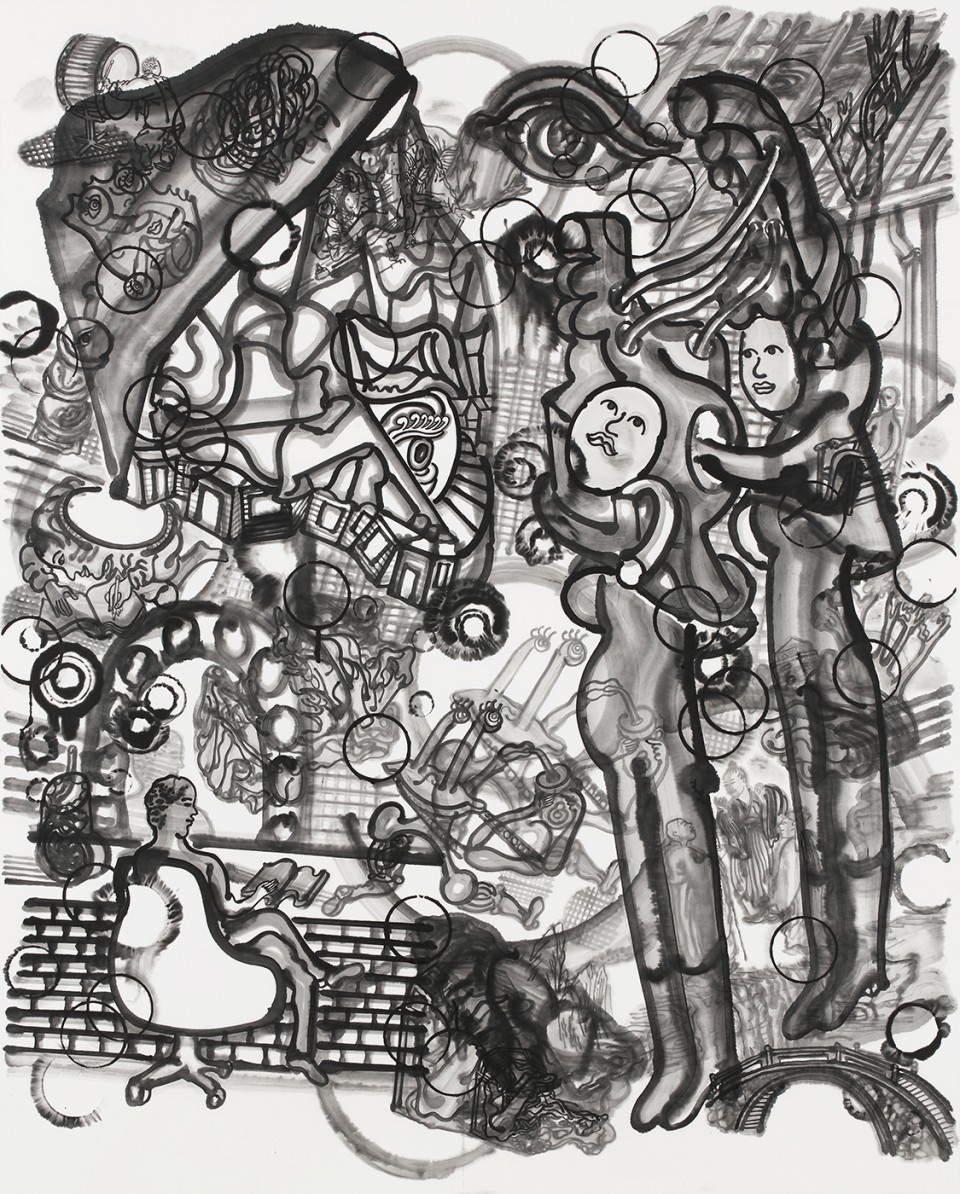
Eunhyung Kim’s practice begins with the translation and reconnection of different senses, temporalities, and cultural images through drawing. Music becomes imagery, scenes from performances are transformed into drawings and murals, and historical paintings are carried into contemporary narratives.
In this process, original contexts are reshaped through the artist’s memories, experiences, and imagination, generating new narratives. From his early automatic drawings to visual interpretations of music and performance and reinterpretations of Joseon-period painting, this approach has remained central to his practice. Drawing serves as Kim’s primary means of rearranging existing images and personal sensations while examining how meaning shifts between contexts.
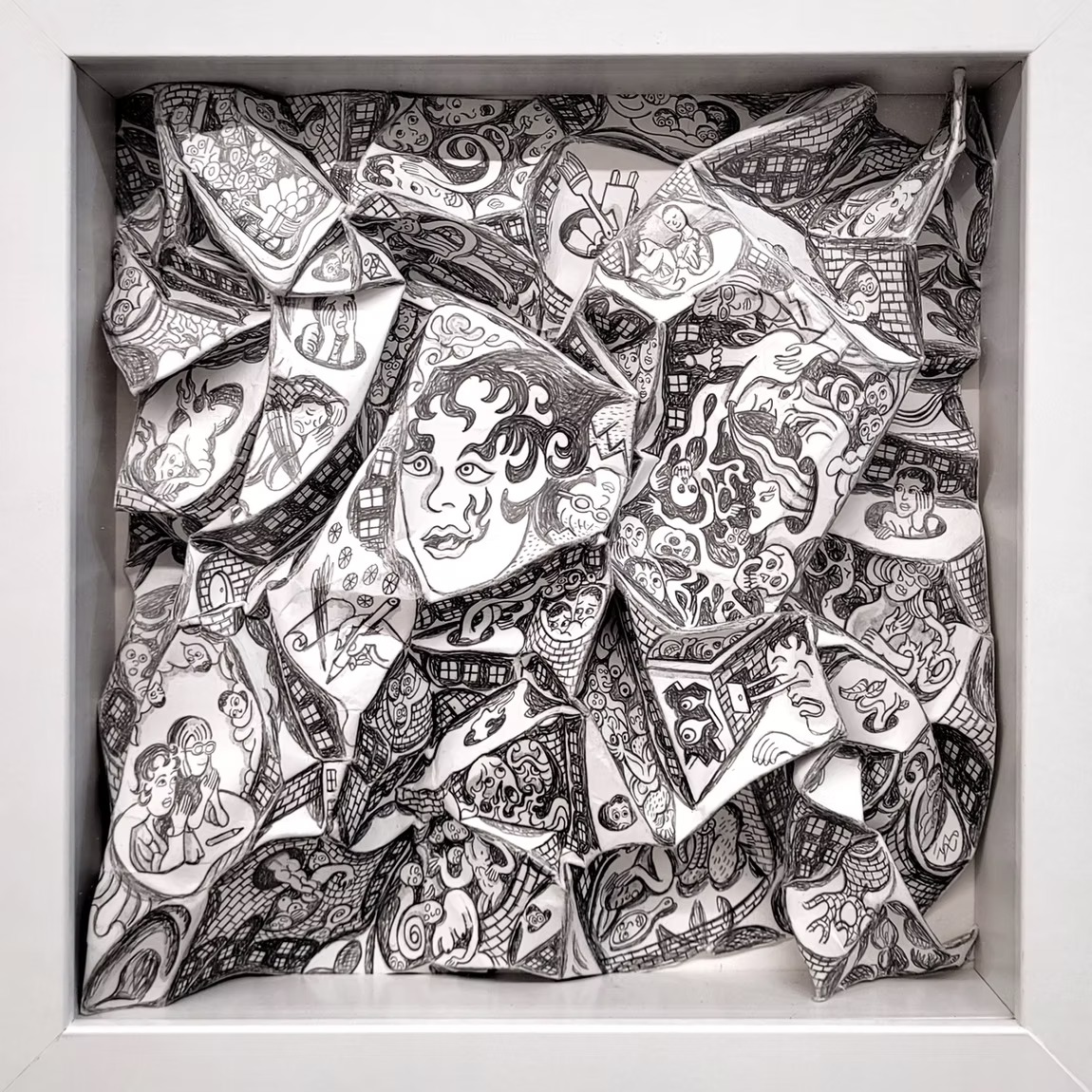
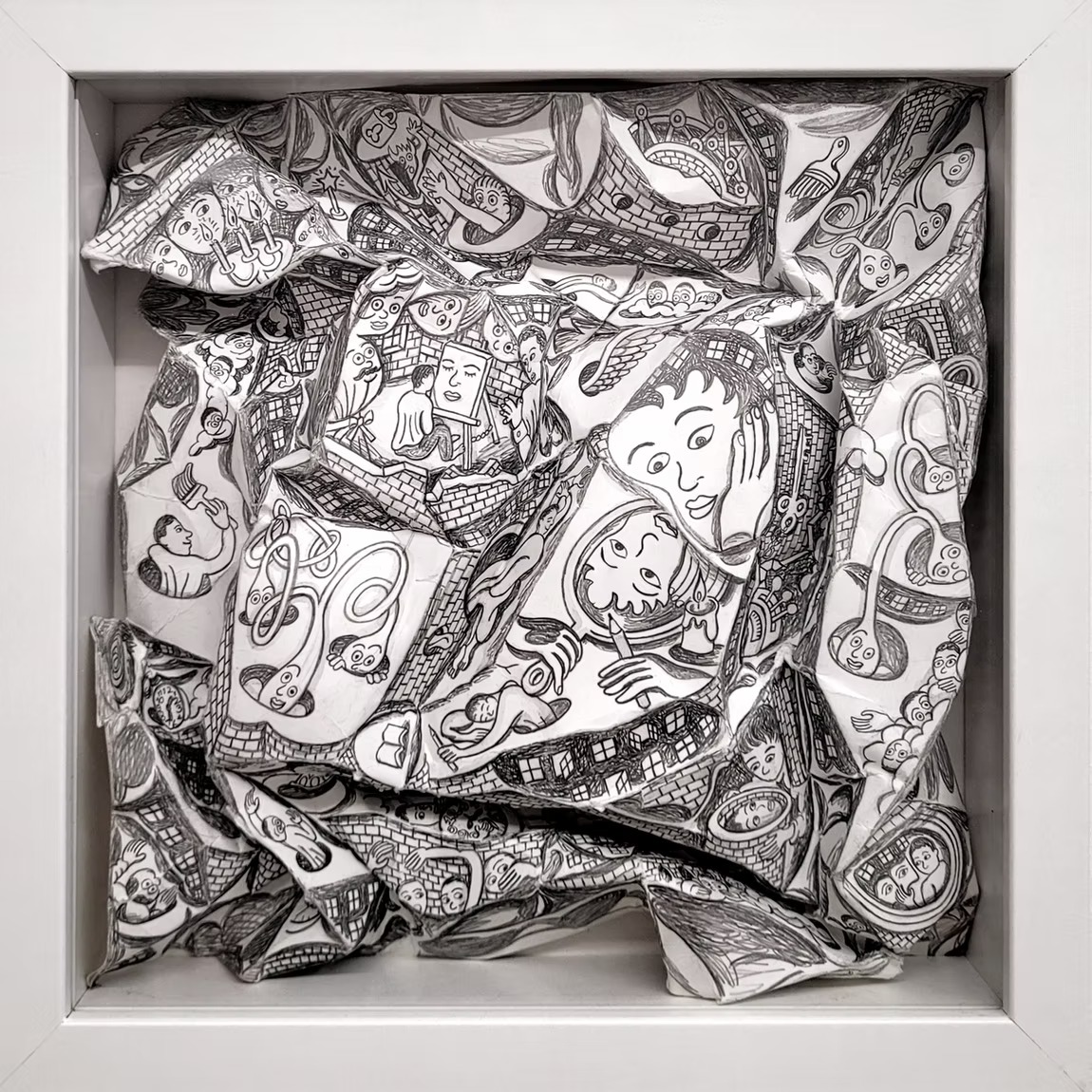
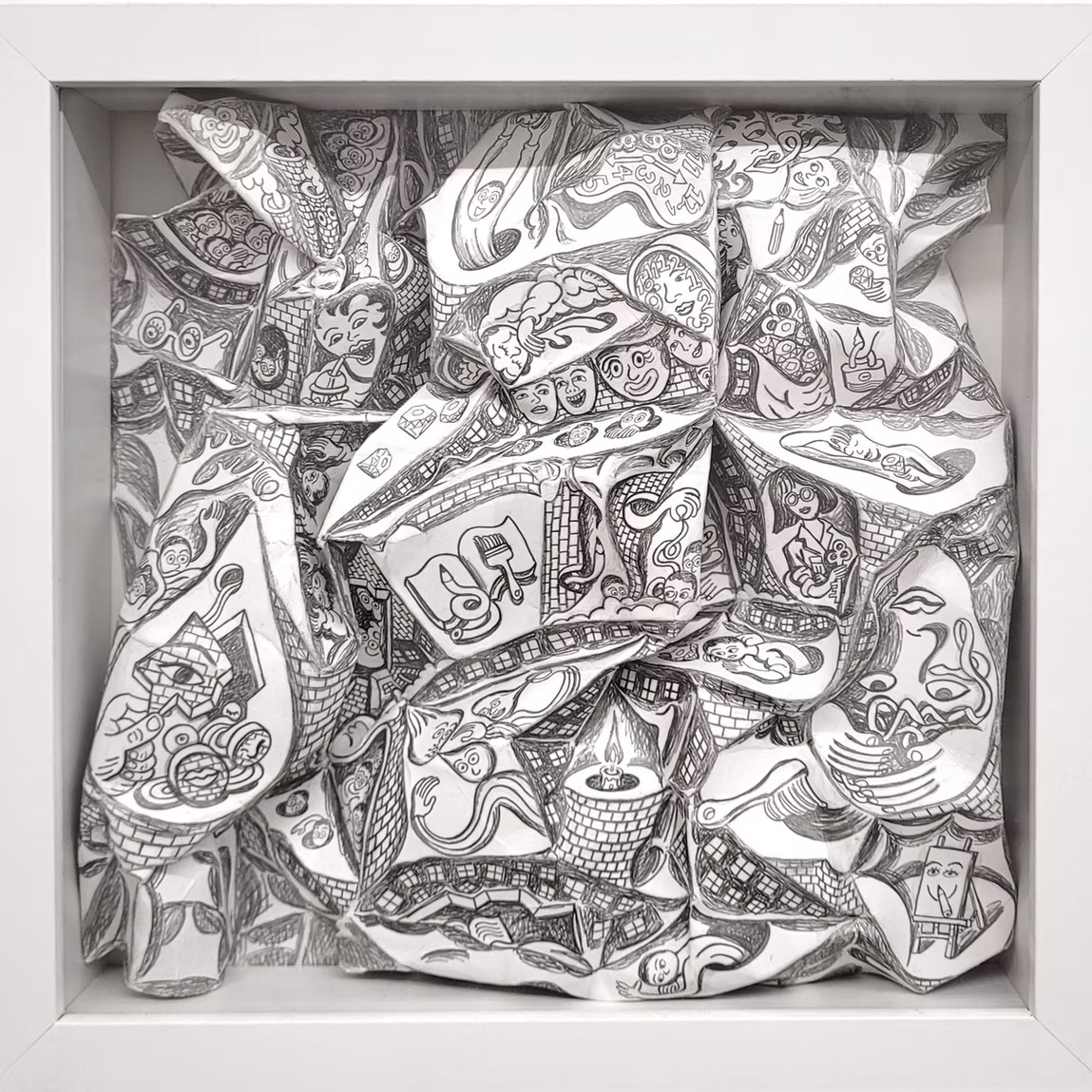
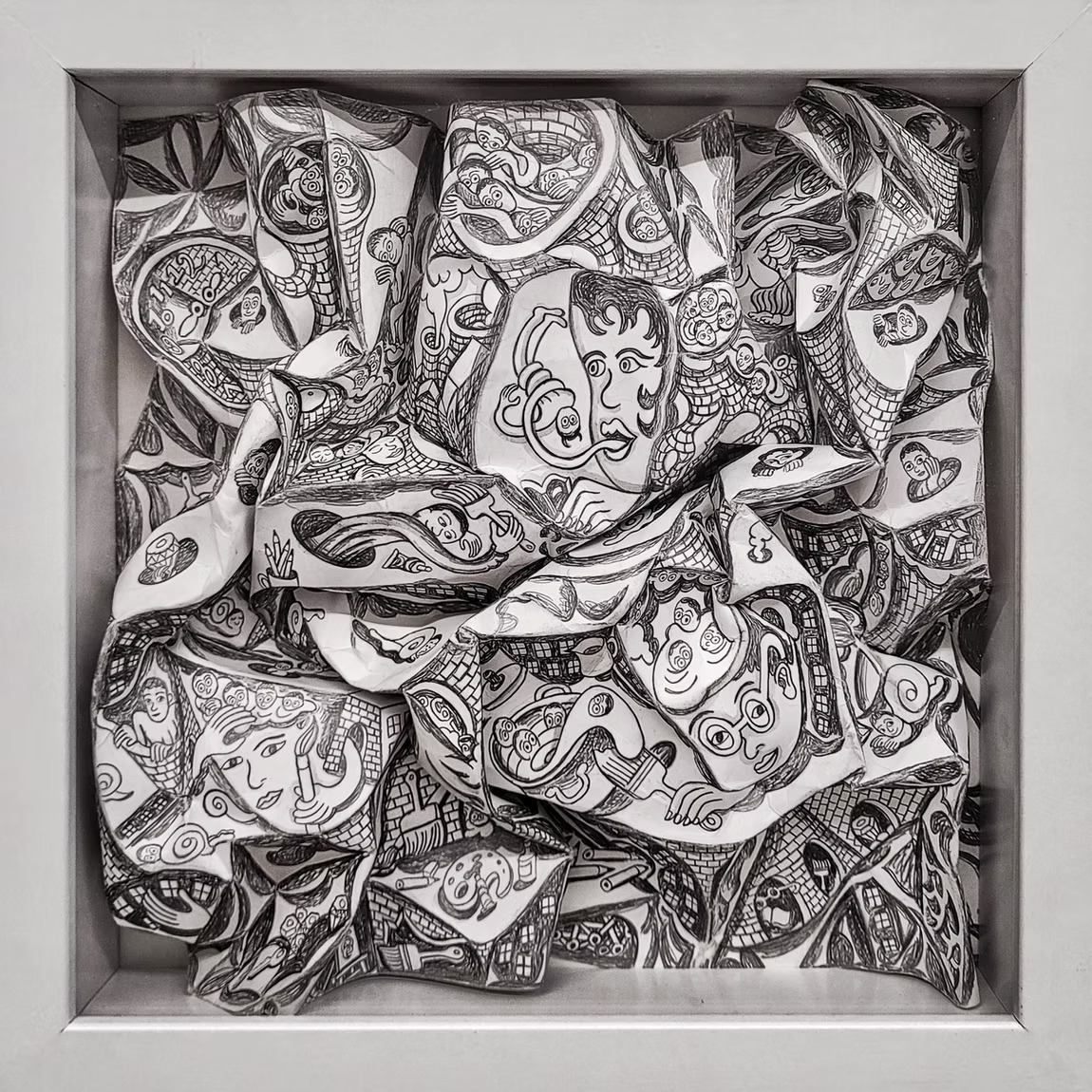
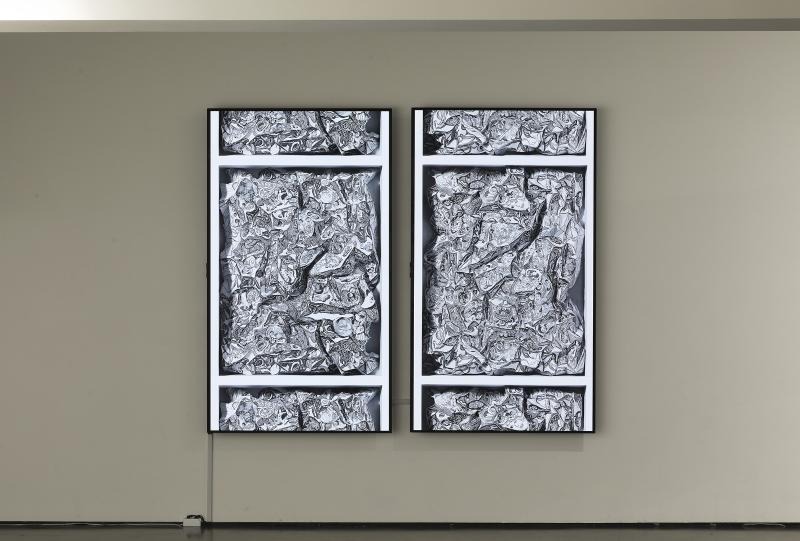
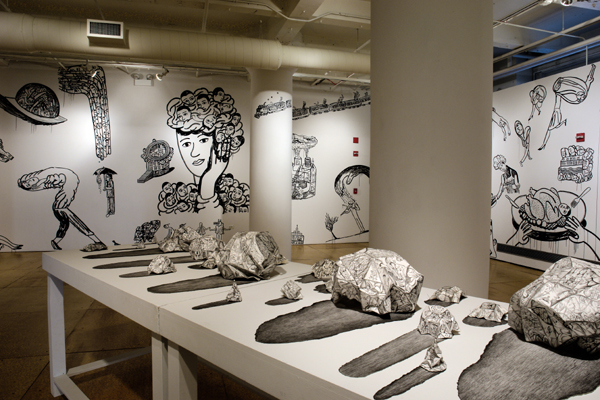
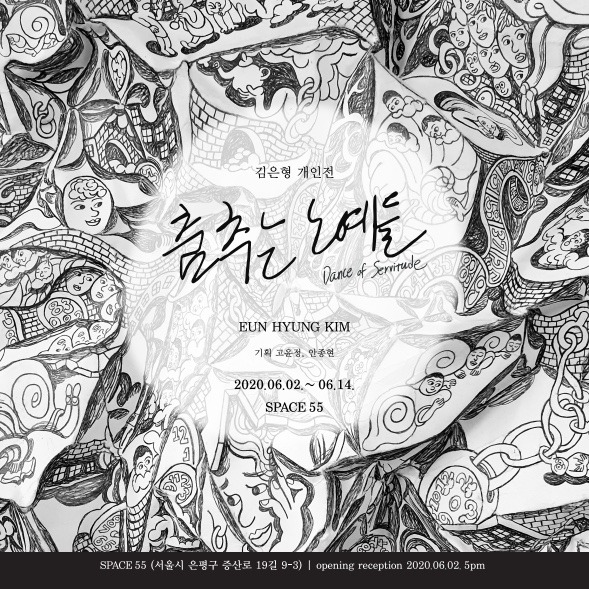
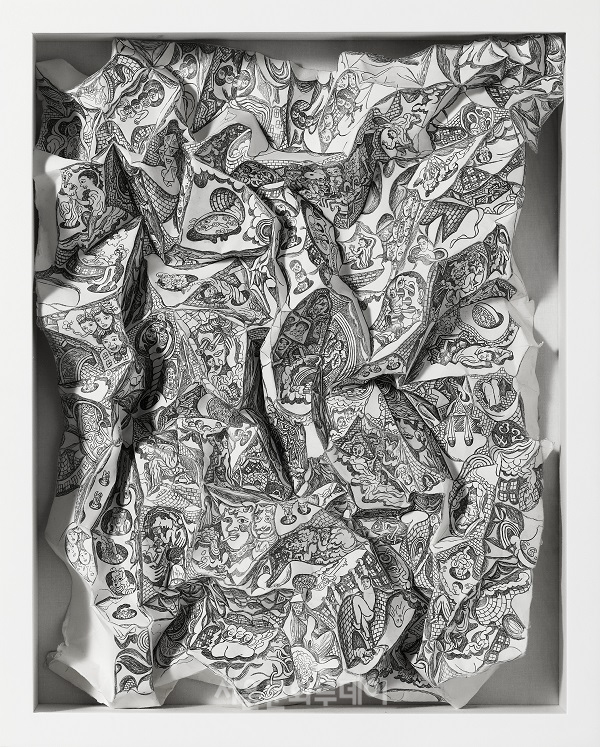
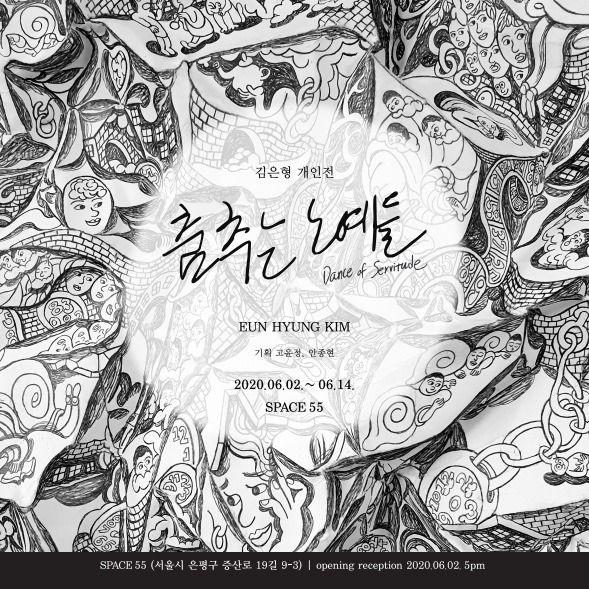
The ‘Brain-Planet’ series turns this process inward. Kim crumples a sheet of paper into a brain-like form and continuously fills it with memories, everyday experiences, imagined scenes, and whatever passes through his mind. He describes this accumulation of imagery as a simultaneous process of recording and emptying the mind. The paradox of achieving emptiness through excessive accumulation recurs throughout his later work.
Memories emerge as fragments from different temporalities, which Kim repeatedly rearranges in order to examine his identity and his relationships with others. Early criticism likewise interpreted his drawings as a means of bringing memories suspended between consciousness and the unconscious into view and reconsidering personal experience through relationships with others and society.
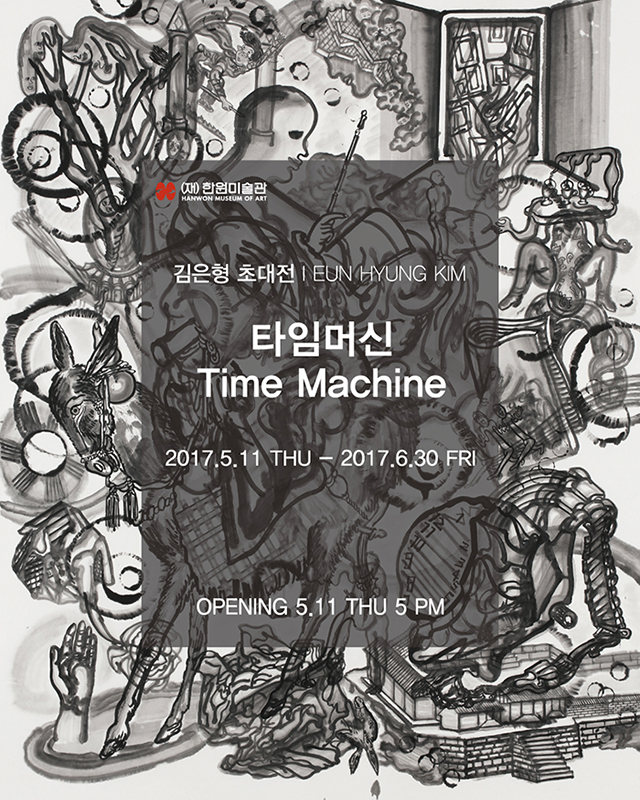
Kim’s engagement with music, Joseon-period painting, literature, and other existing cultural sources is closely related to the East Asian concept of fang (倣), the creative reinterpretation of an earlier work. He connects opera and classical music with imagery drawn from Joseon paintings of figures and everyday life, adding contemporary events and personal imagination to images originating in different periods.
In works such as The Elixir of Love and Alien SEX, fragments of earlier works reappear within newly constructed narratives, allowing viewers to form their own readings through visual clues and humor even without detailed knowledge of the original sources. Central to this practice is the way images change meaning as they move between periods, cultures, and interpreters. Kim himself has emphasized his interest in how the same cultural image can acquire different meanings depending on who encounters and interprets it.
More recently, this structure of translation and transformation has expanded into language and artificial intelligence. In the 2023 OCI Museum of Art exhibition 《Tales of the Barber-Curator》, Kim used ChatGPT and image-generating AI to produce fiction, poetry, and imagery, integrating them with ink painting, drawing, and animation to connect tradition, the present, and the future.
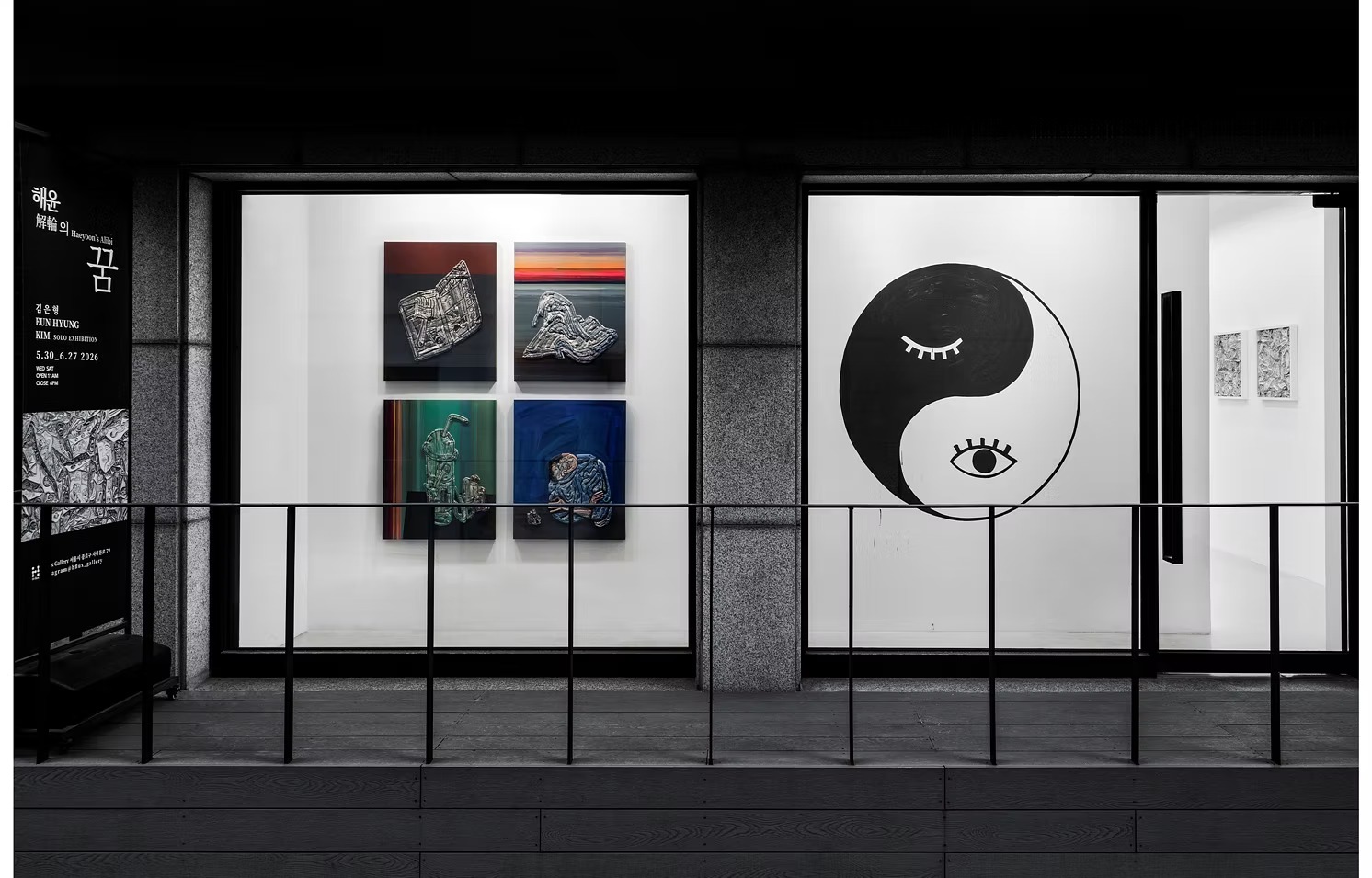
In 《Haeyoon’s Alibi》 in 2026, he further developed a cyclical method in which text generates images and images in turn call for new text, addressing the disappearance, transformation, and return of memories and emotions through the themes of conjuration, alchemy, healing, and reincarnation.
AI extends his longstanding concerns with automatism, accumulation, and translation into the digital environment. Across these developments, Kim has built a distinctive practice by continuously connecting and reorganizing heterogeneous elements ranging from personal memory and historical imagery to performance, language, and technology.