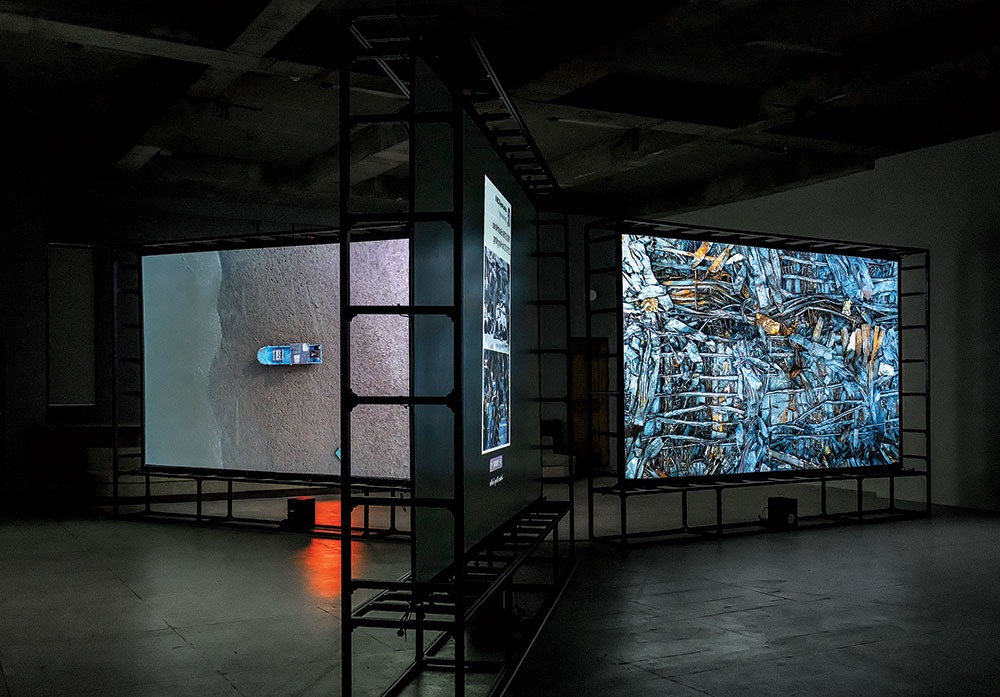
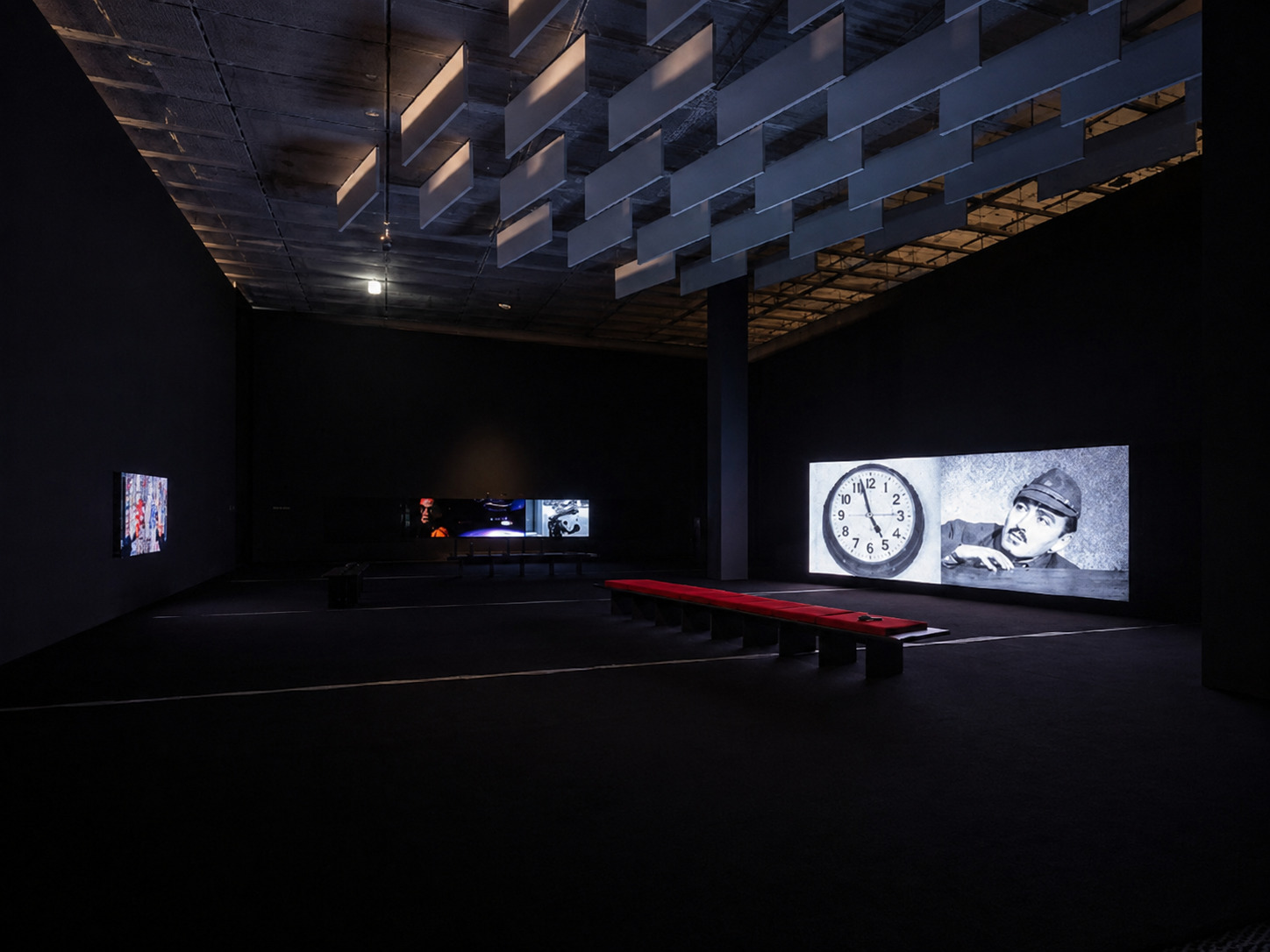
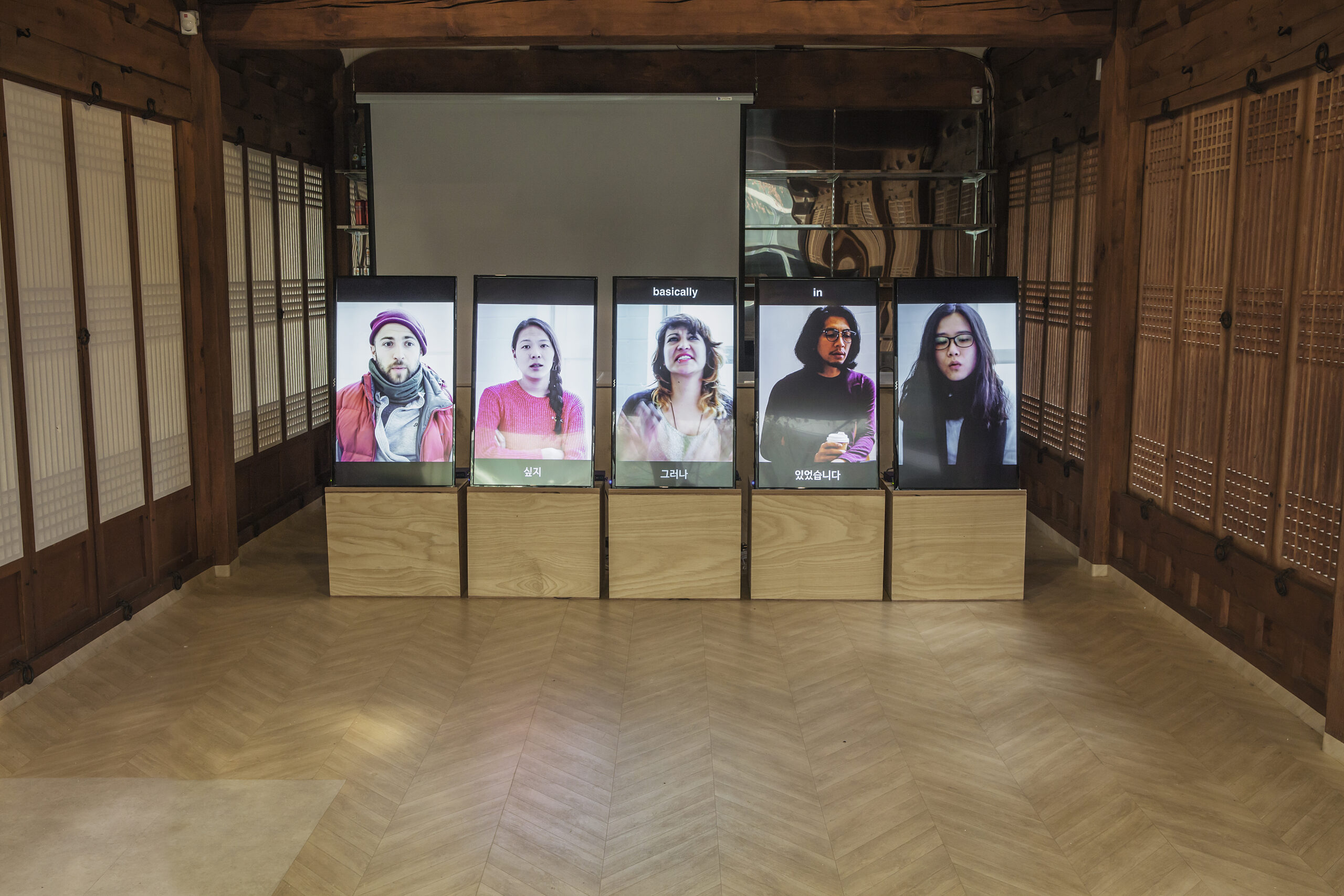
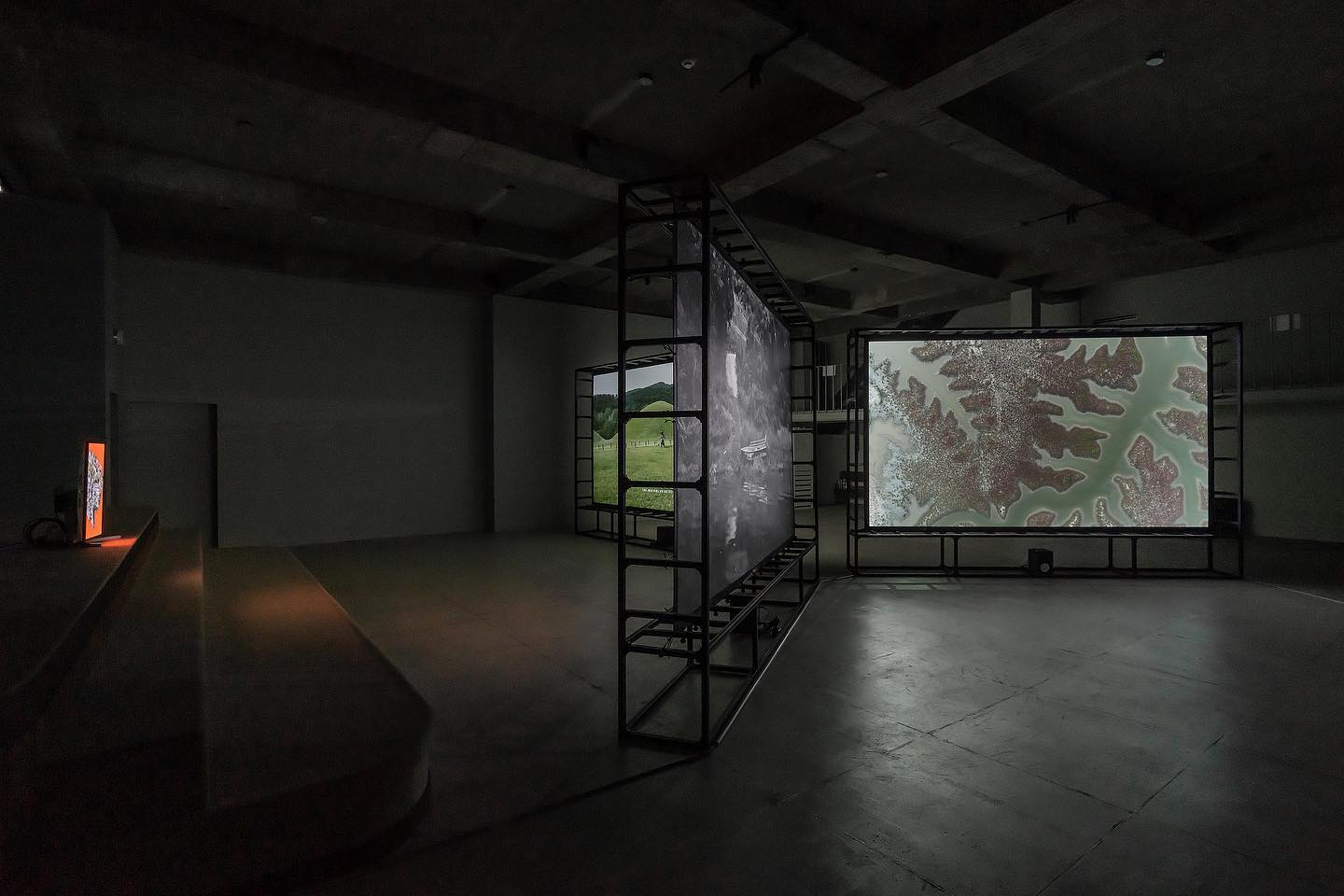
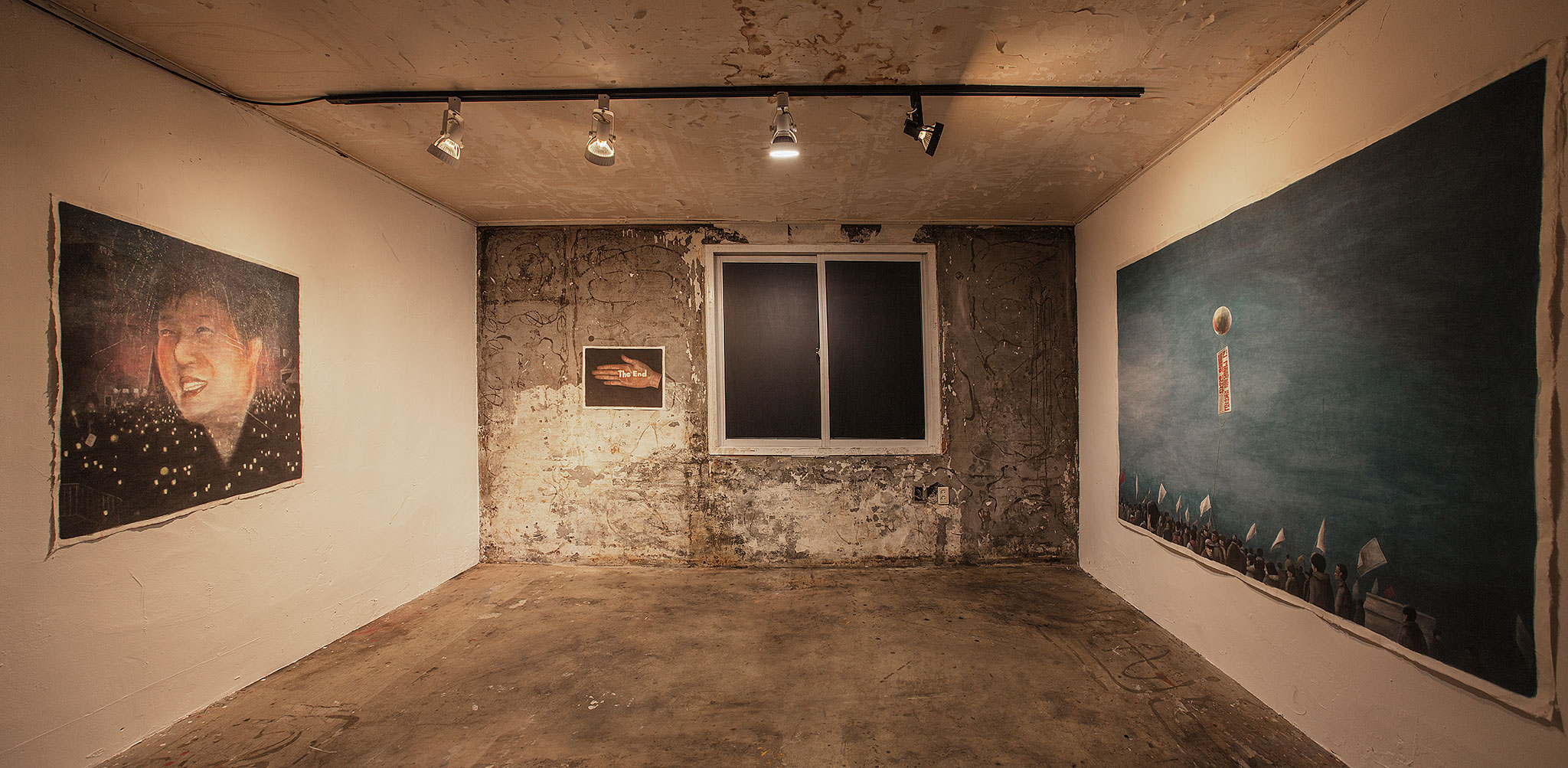
Art Sonje Center presents《2017 Art Sonje Project #8 LEE Jungwoo – Shot Blank》 in Art Sonje Project Space and Parallex Hanok from December 12th, 2017 to January 14th, 2018.
The artist LEE Jungwoo pays attention to the mechanism of creation and consumption of ‘fictional awareness’ in today’s society. He defines fictional awareness as unsubstantial images which dominate the reality after transformed, distorted and exaggerated through the media, both social and mass media, in the national, historical, cultural or political context. It is difficult to ascertain the truth of the images.
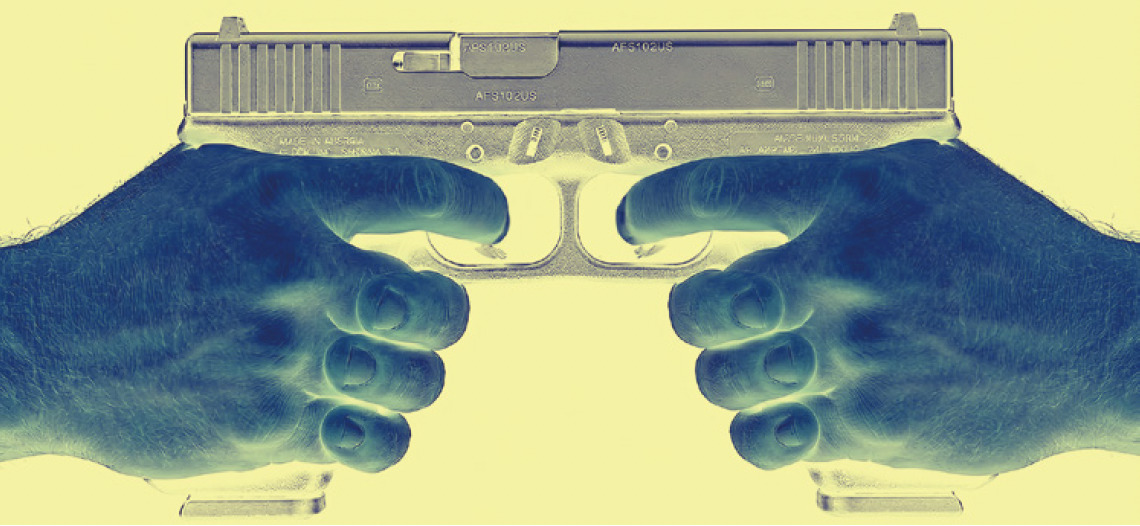
This is because they develop meaning in themselves out of the original context after going through the process of creation, consumption and reproduction. The artist proposes fictional awareness, which is selected and introduced, based on his own experience and knowledge, to understand the substances of the images. ‘Shot Blank’, the title of this exhibition, is from blanks, the gun cartridges which contain explosive but do not contain a bullet.
Thus, they are relatively safe although they have possibilities of causing fatalities and severe injuries when fired at very close ranges. In the exhibition, ‘Shot Blank’, the artist questions the methodology of image-making and its strategy of use in media, which creates the images of especially ‘horror’ particularly in order to run and sustain a social system efficiently, and fictionality created by fabricated images without substances.
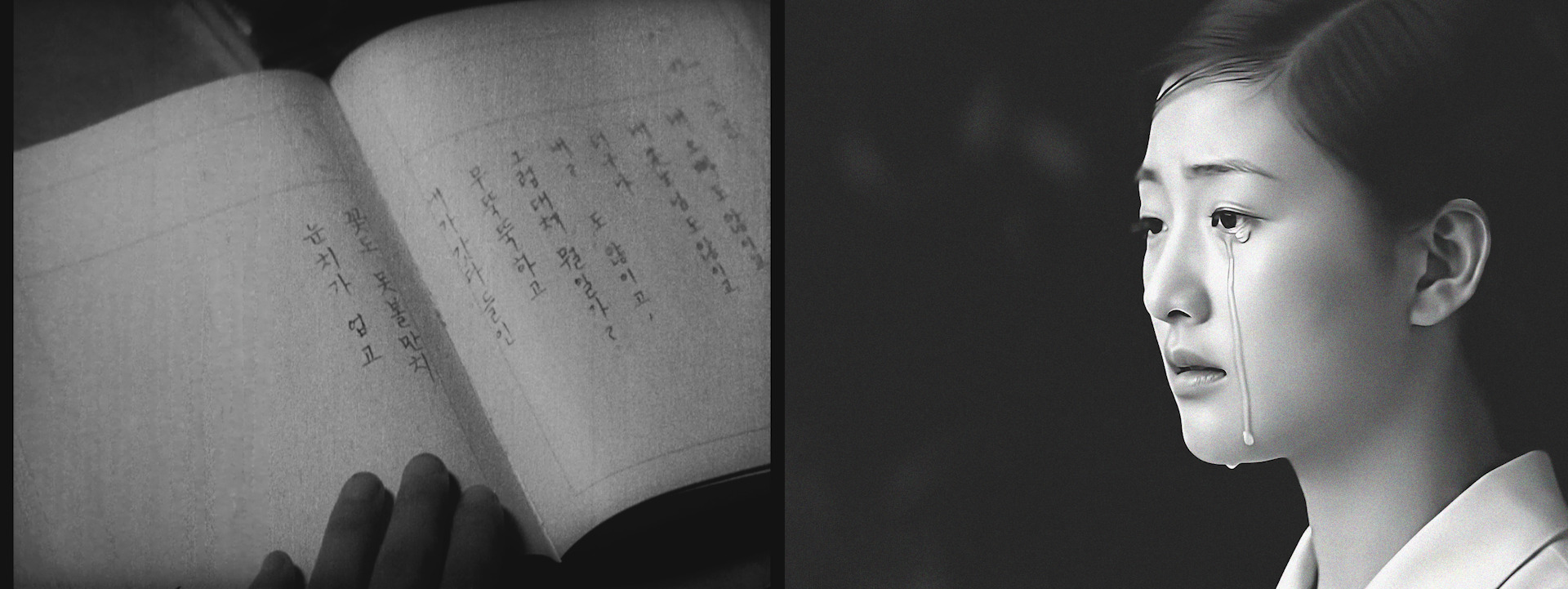
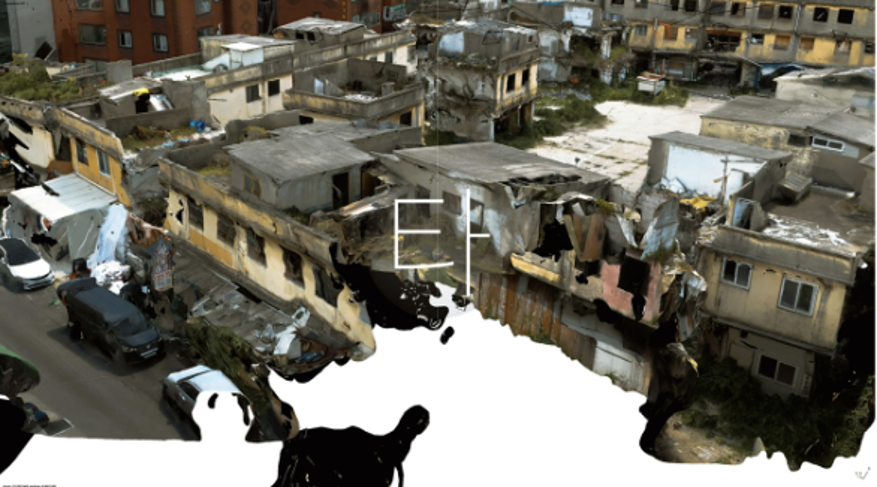
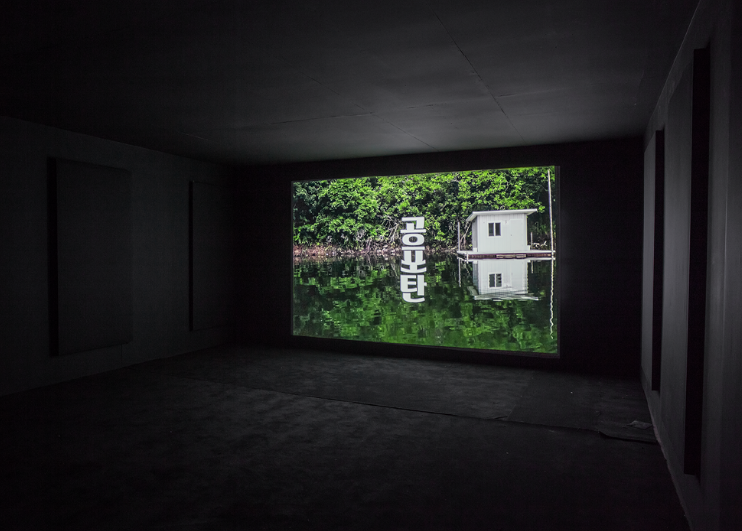
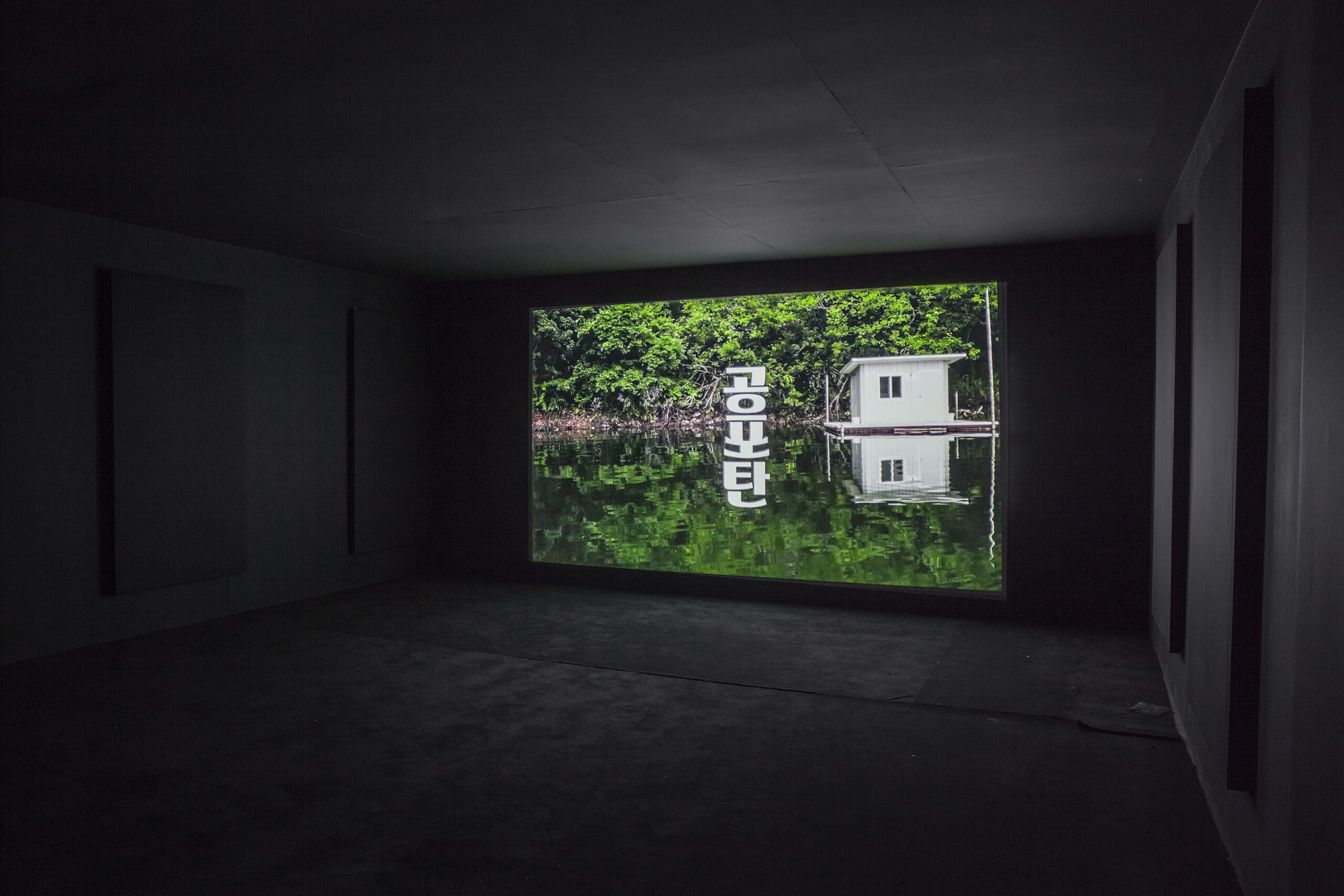
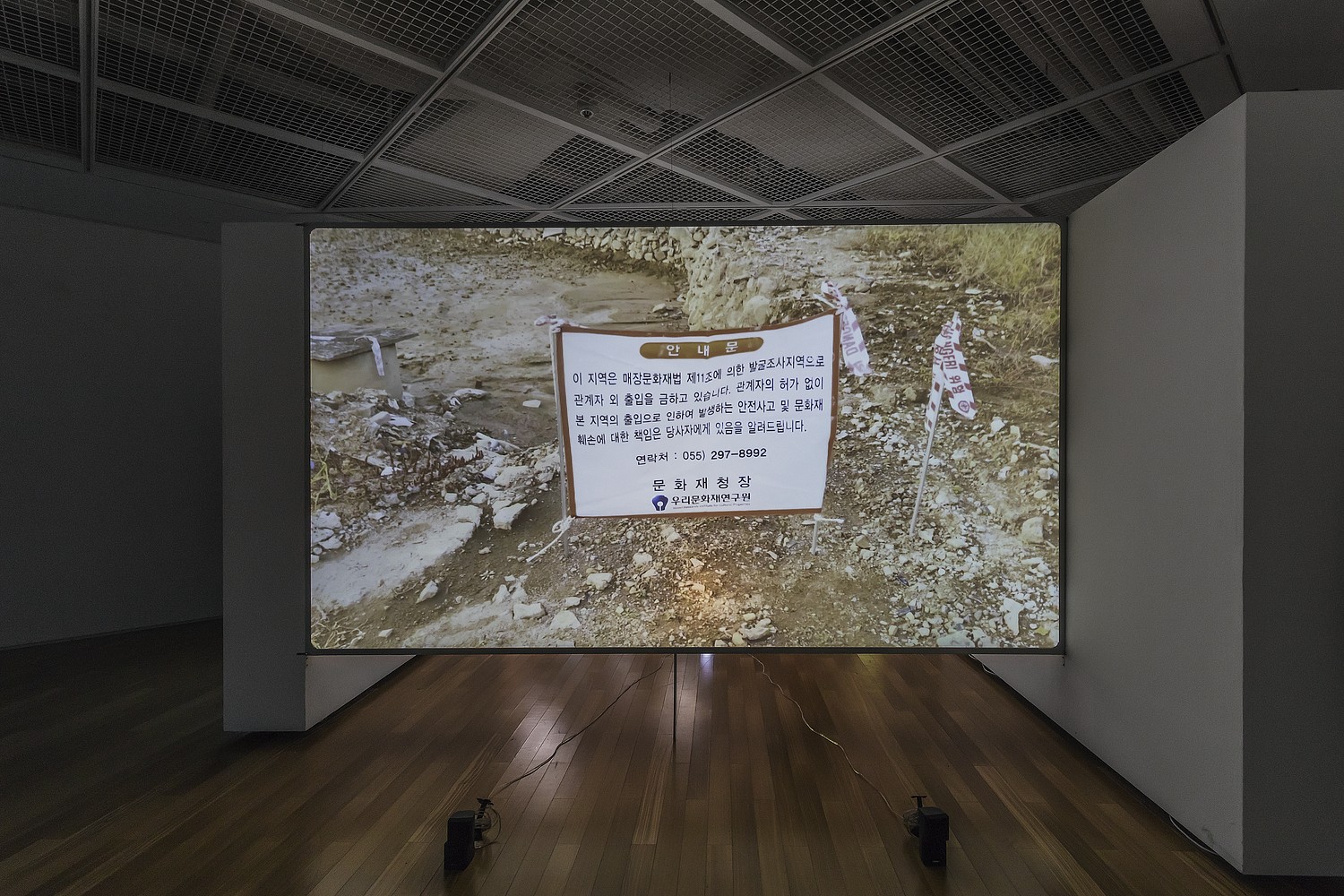
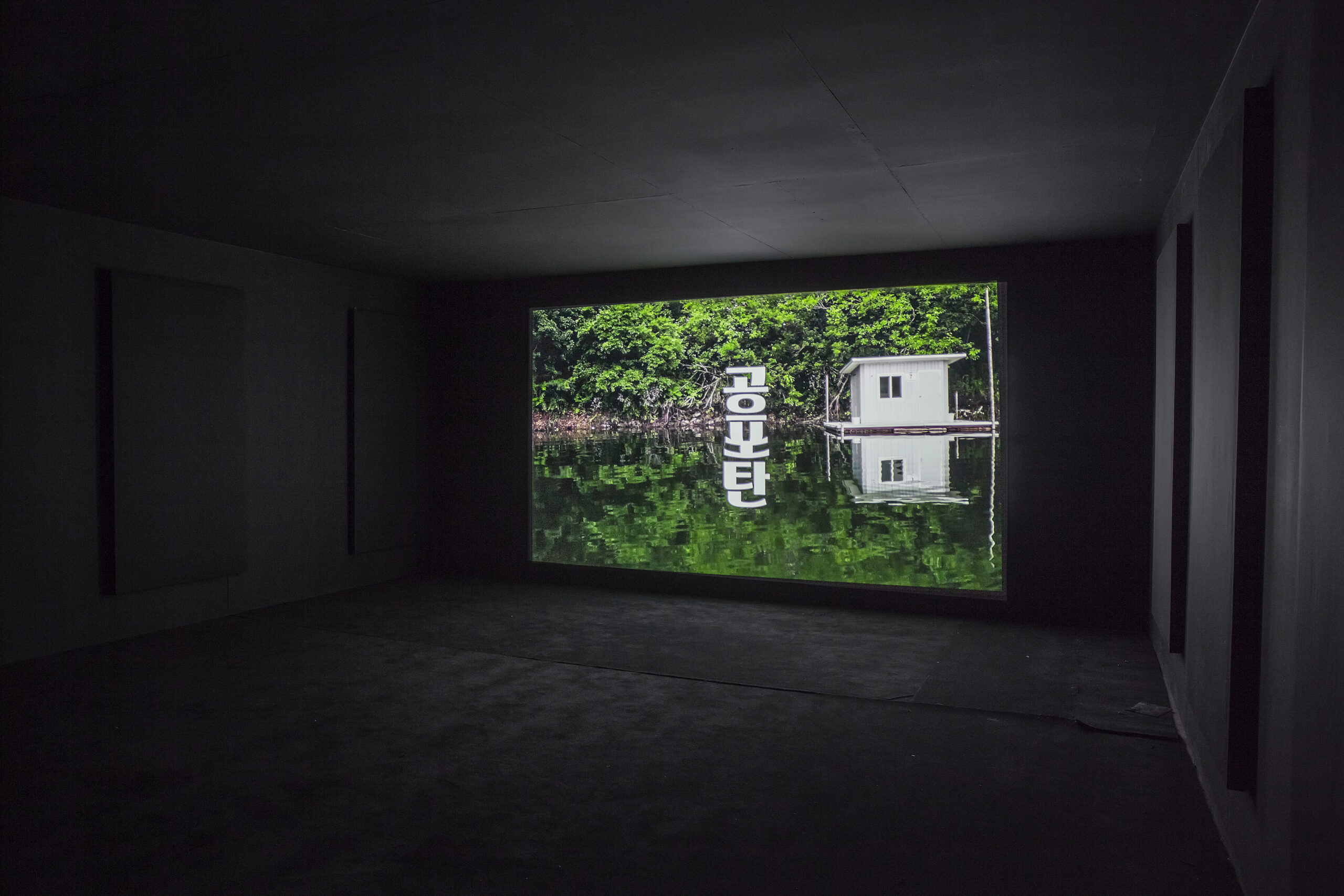
Above all, the work, Shot Blank, the same title as that of the exhibition, borrows the mechanism and the structure for producing a sensation of horror in film production. Through the use of the location hunting archive for horror films, superficial impressions of specific places from the archive make the setting fit for a different narrative from its original context in daily lives.
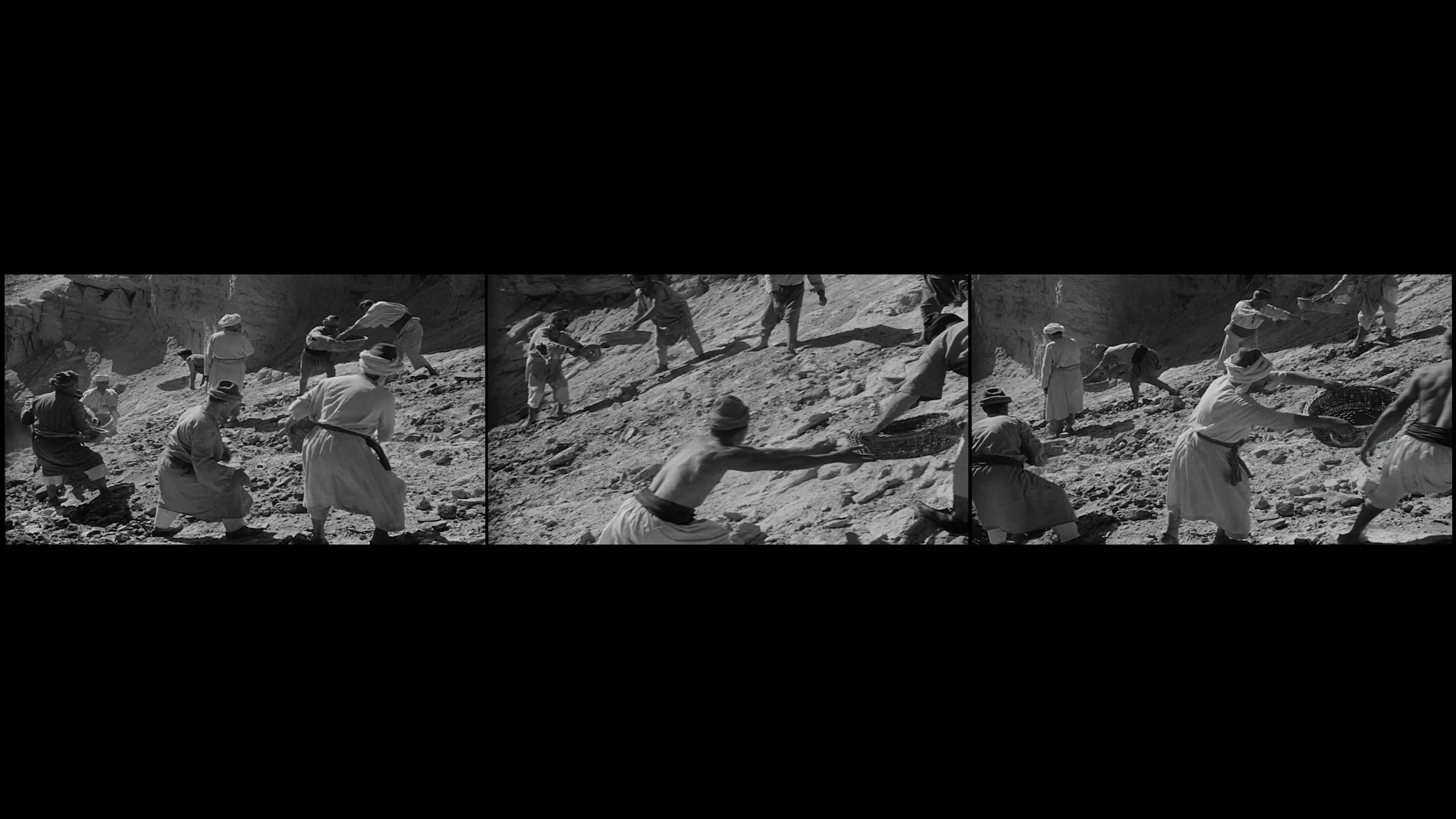
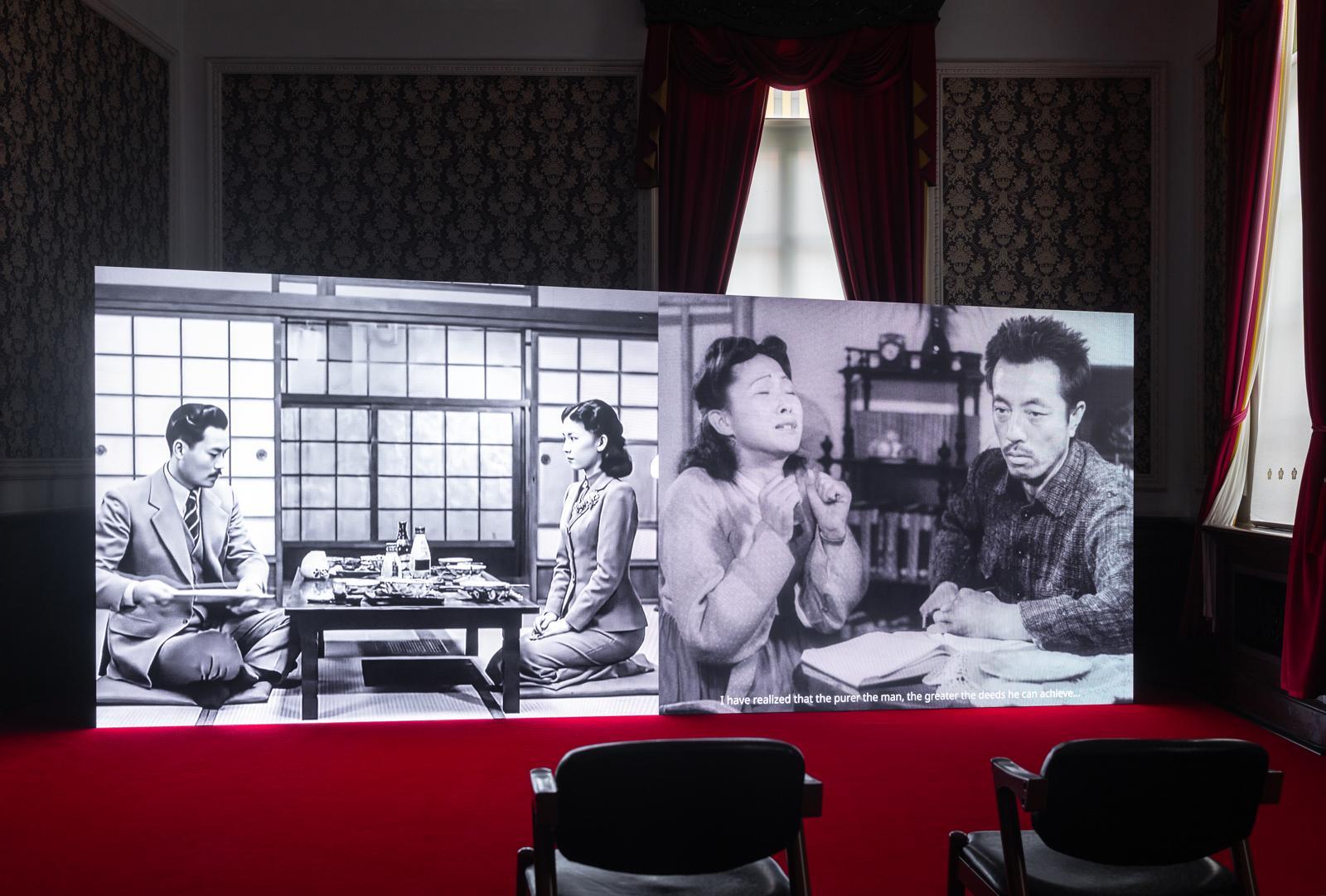
In addition, the setting has an atmosphere of a mysterious tension and agitation thanks to a combination of the images of the places and the background sounds and lines of Korean major horror films such as ‘The Maid’ (Kim Gi-yeong, 1960), ‘A Public Cemetery of Wolha’ (Gweon Cheol-hui, 1967), ‘Suddenly in Dark Night’ (Go Yeong-nam, 1981), and so on.
A unique and typical structure of Korean horror films – generating tension by an outsider’s intervention in a specific relationship or place, cinematic sound effects which are familiar today, and etc. – and the subtitles of cries or monologue plunge the audience into unsubstantial horror.
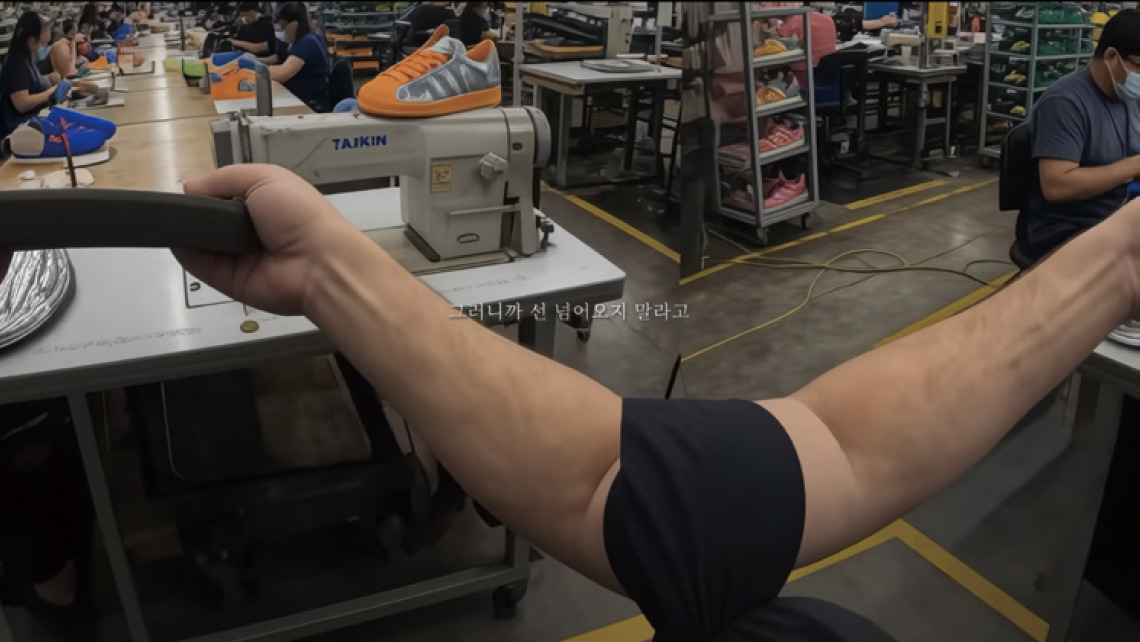
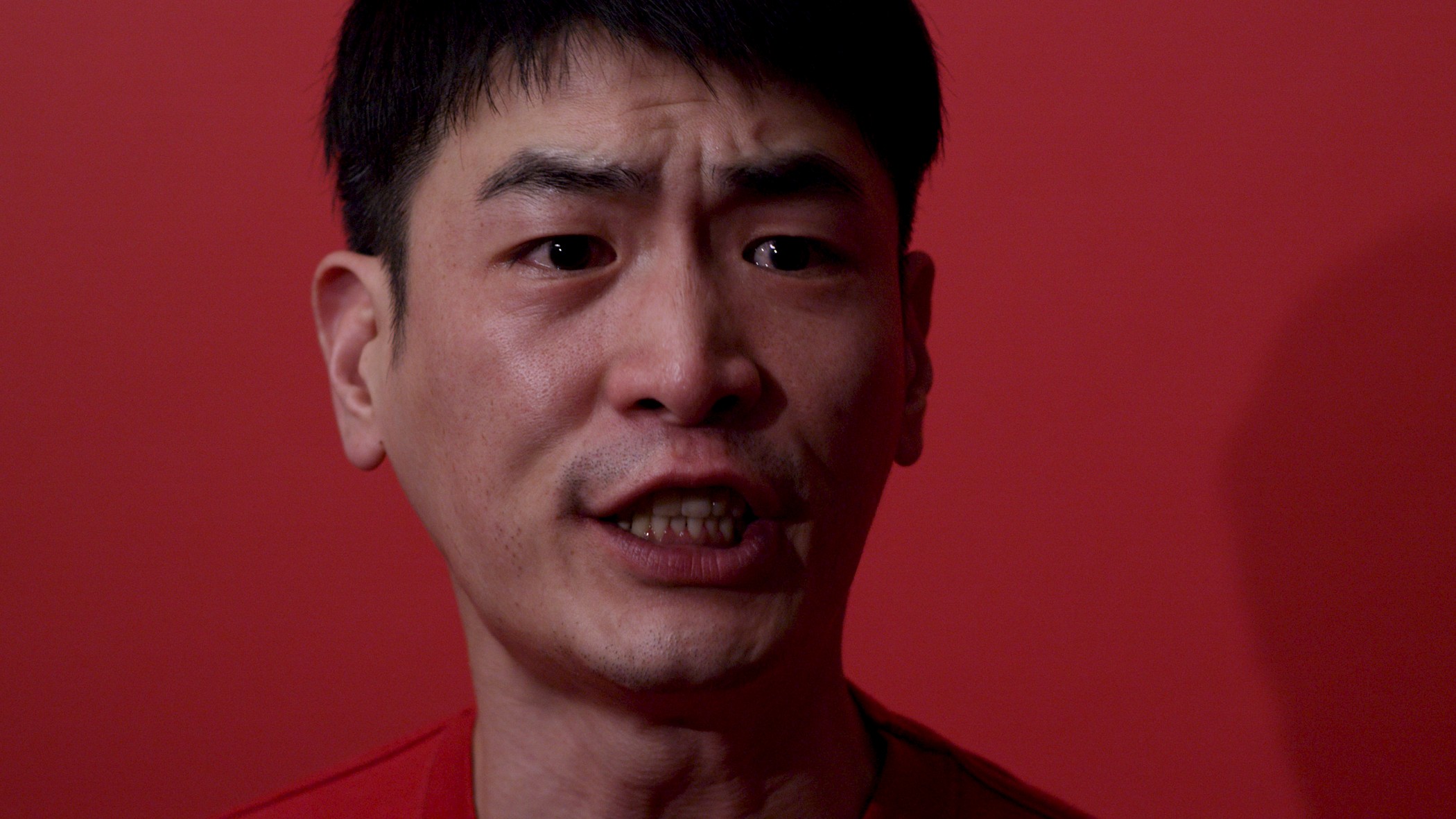
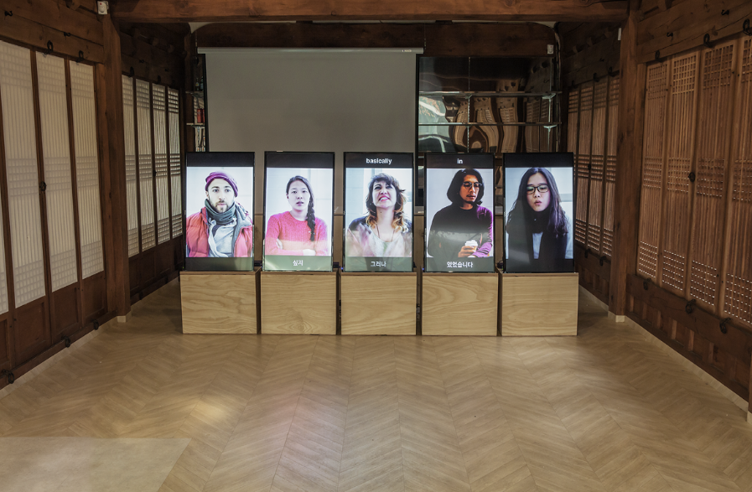
Another work, titled Open Your Eyes, also borrows the mechanism in film production, using cinematic devices for horror such as sound, scenarios, production design and special effects makeup, and a point of view in films. By doing so, this work raises a question of similarities in image creation methods between reality and filmmaking. In a film, the decision on a point of view is exclusive to the director.
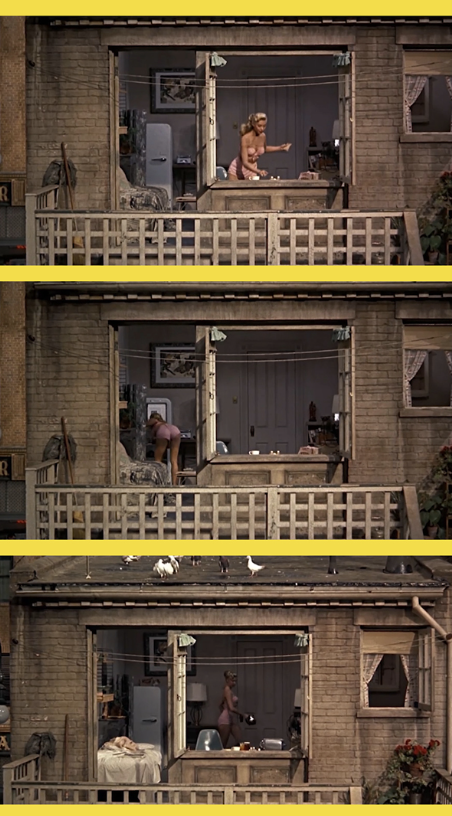
In other means, the director subjectively decides the viewers’ point of view through a figure’s perspective; generally, the main character in the third person. The viewers empathize with the figure from the figure’ perspective to be absorbed in the film. On this account, the artist utilizes a point of view shot to give the introduction scene a sense of a rhythmical movement. He applies a voyeuristic view as well by putting a scene of a Hitchcock film.
More importantly, viewers can experience changing positions through the work. From the beginning throughout the middle of the work, viewers identify themselves with the main character as they watch the work from the character’s point of view. Yet, at the end of the work, they are deprived of the ownership of the viewpoint and become the object.
In parallel with it, interviews with the experts who create cinematic effects for film in this video work draws a more distinct line between reality and fiction, which makes the audience ask themselves questions: “When you see or recognize something, is this really from your own perspective or someone else’s?”, “When you see an image, can you grasp its context and discern the truth beyond it?” and so on.