What
consistently runs through Youngkak Cho’s practice is an interest in systems
themselves. He does not stop at presenting technology through futuristic
imagery or the spectacle of advanced devices, but examines what kinds of rules
technologies create and how humans come to behave within them. Early on, he
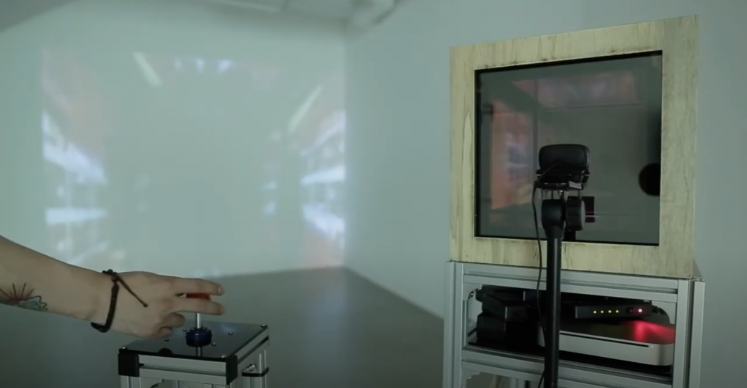
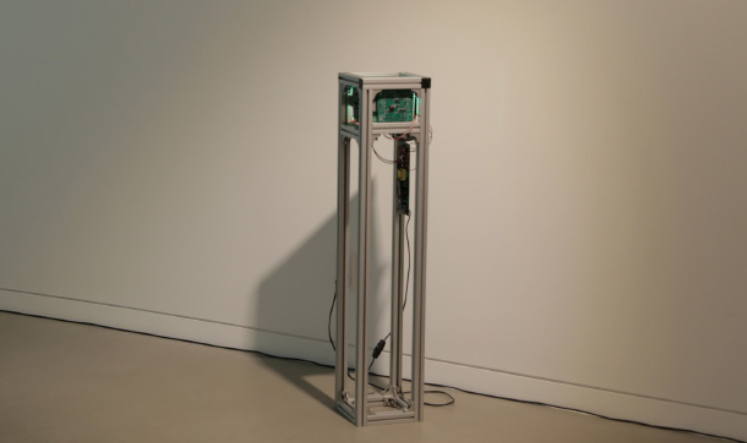
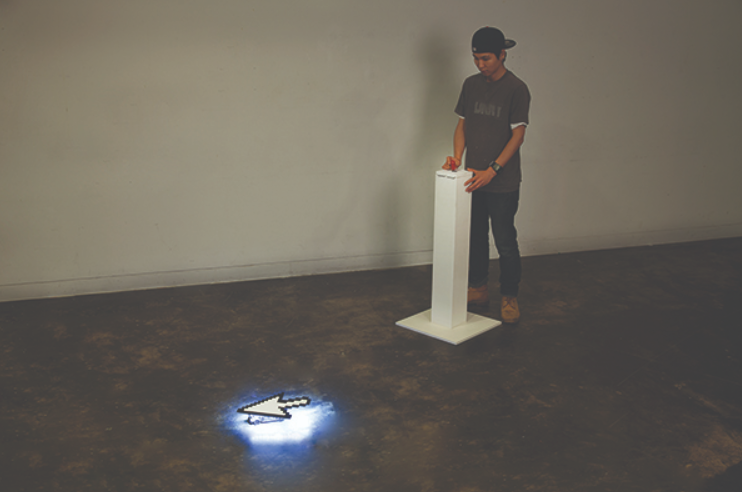
addressed these concerns through small interfaces such as buttons, cursors, and
signal systems; later, his focus expanded toward larger social structures
including online memes, AI, robotics, remote communication, labor systems, and
logistics networks.
The artist’s recurring position that he does not seek the
collapse of systems but instead approaches their gaps clearly illustrates this
continuity. Rather than directly solving problems or providing answers, he
creates moments in which systems cease to operate smoothly, allowing viewers to
perceive them anew.
While
contemporary media art using technology often focuses on the visual
possibilities of new technologies or on oppositions between humans and
machines, Cho is more concerned with reconstructing the social structures that
already exist alongside technology. His connection of familiar, sometimes
seemingly lightweight cultural elements—memes, advertisements, workplaces,
delivery and logistics, feng shui, and superstition—with AI and robotics is
characteristic of this approach.
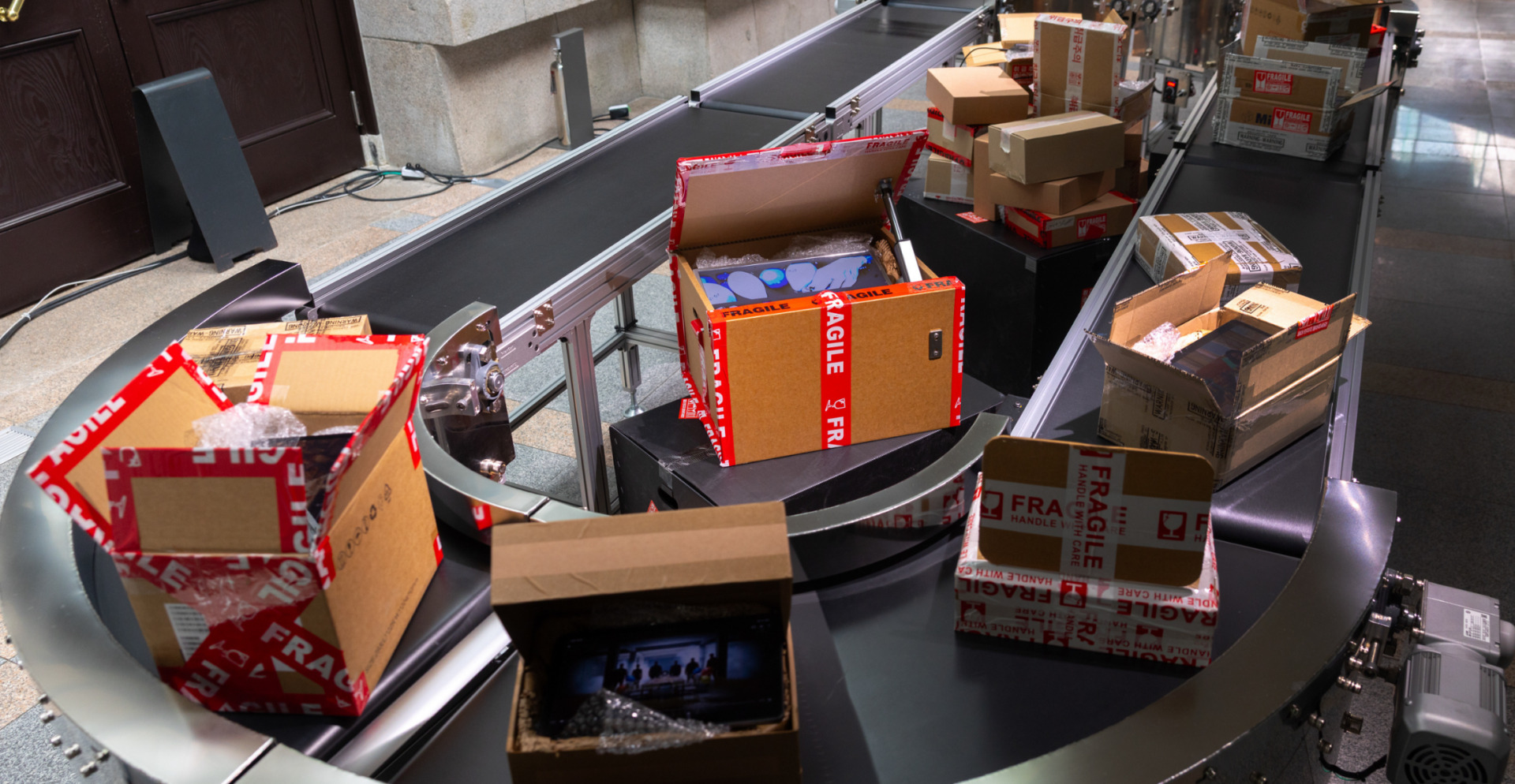
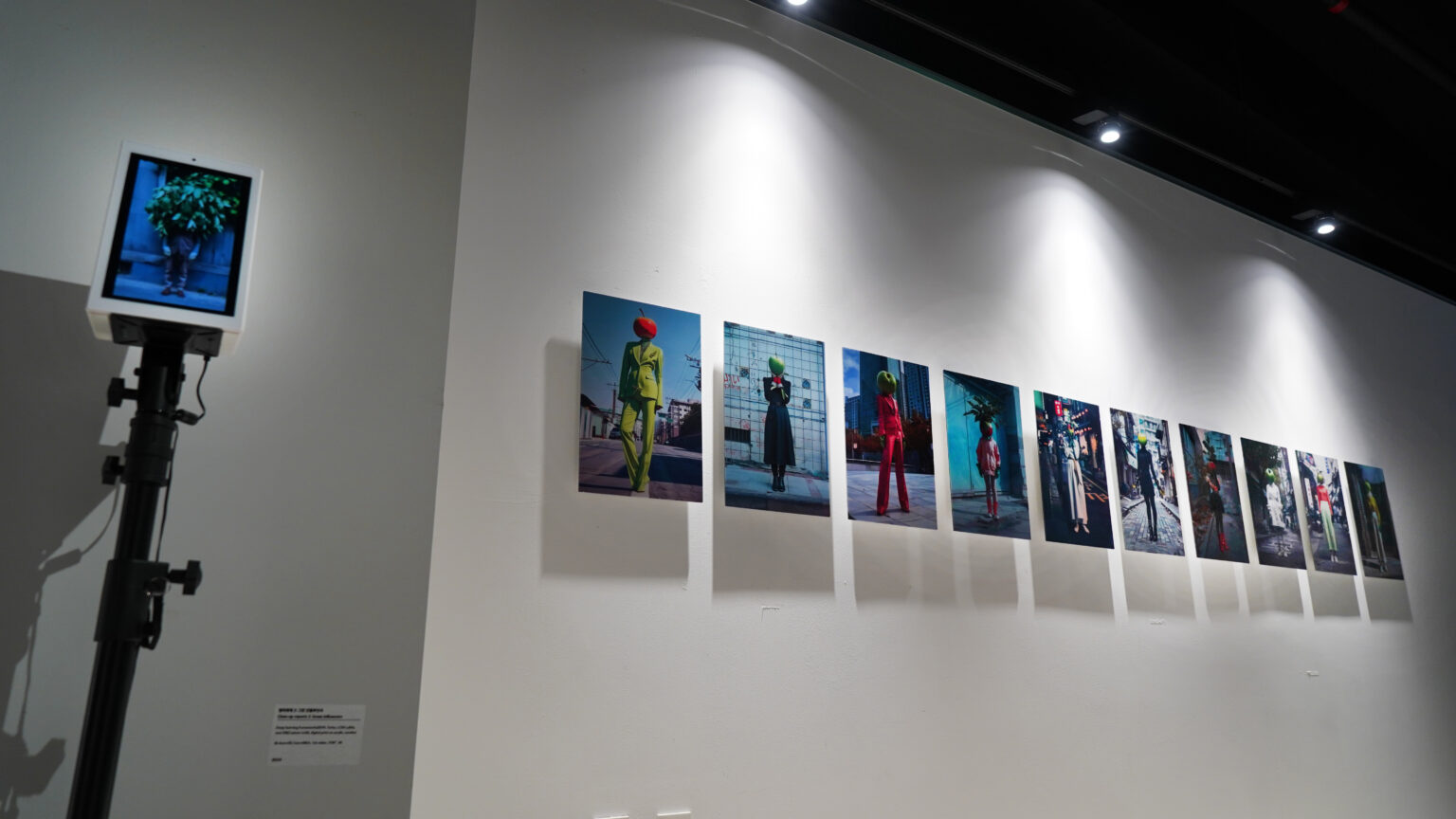
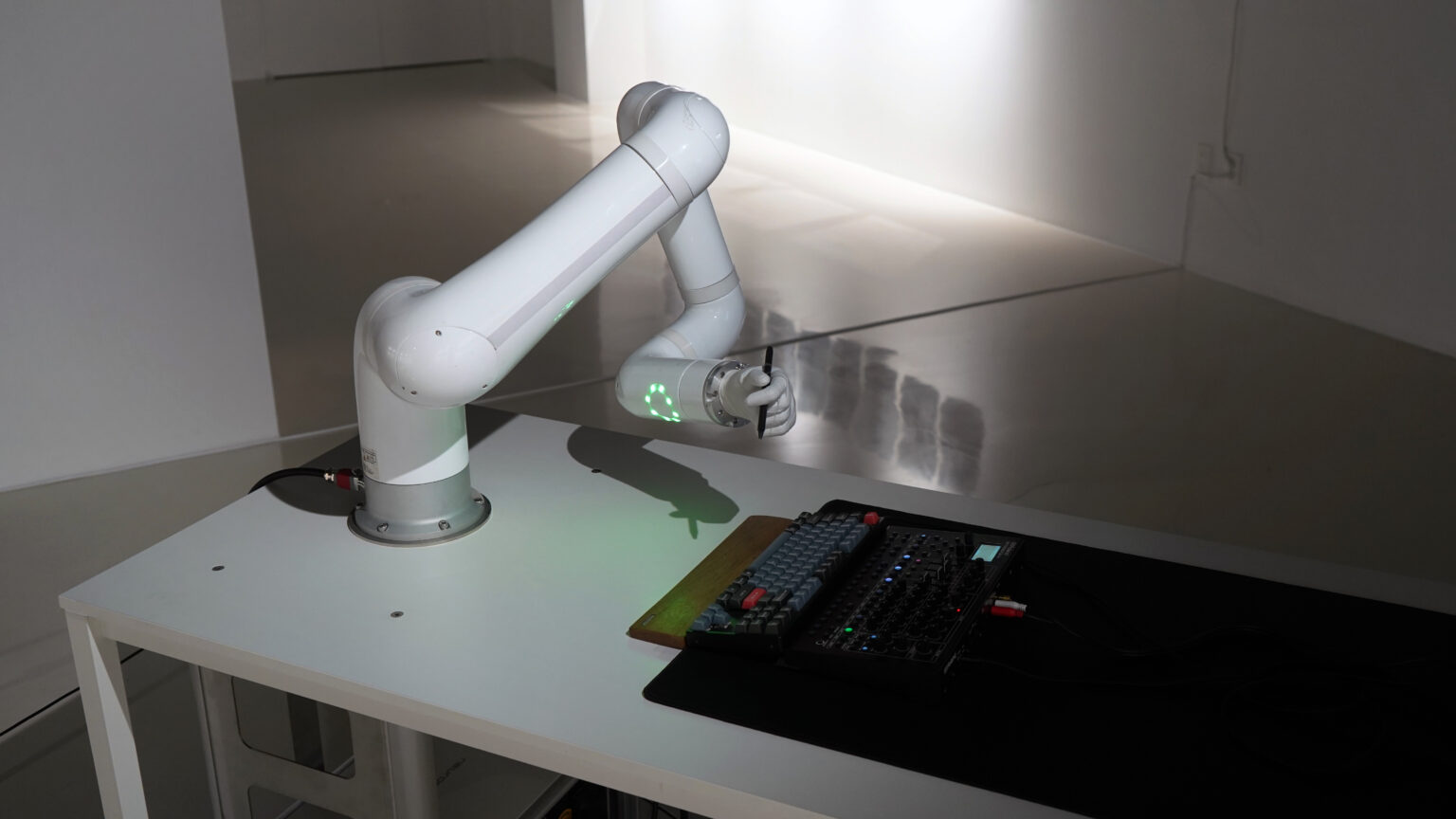
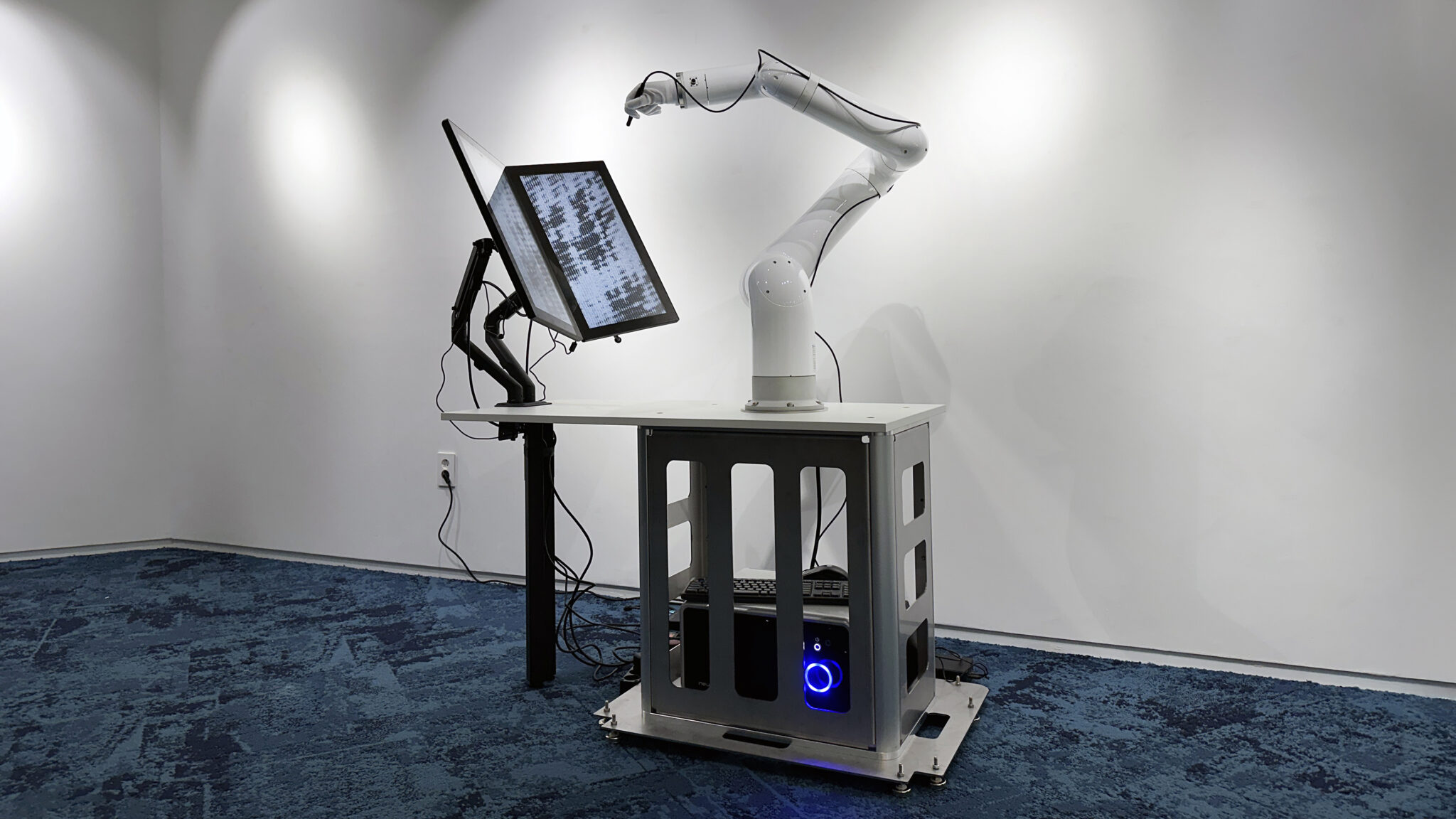
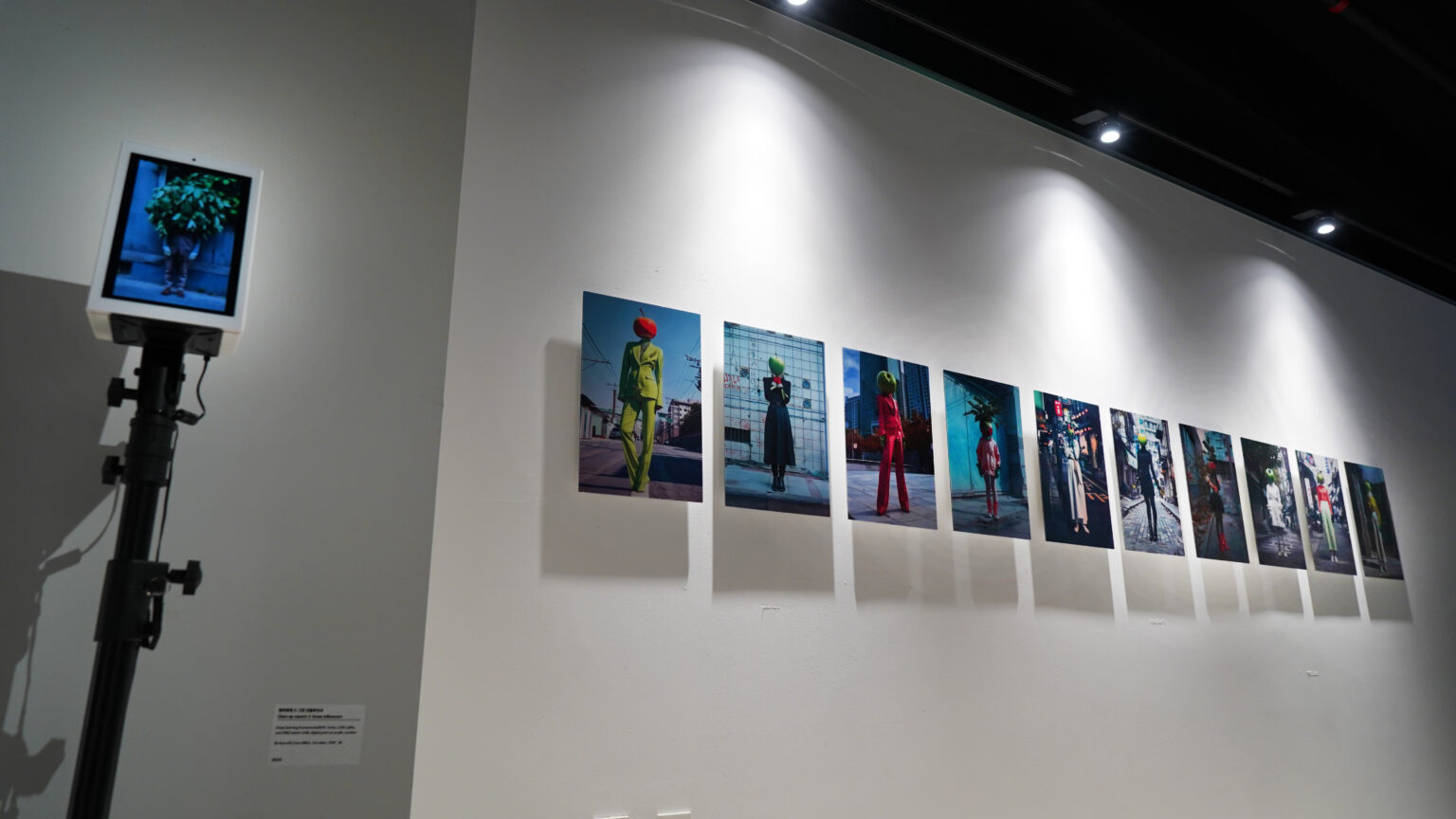
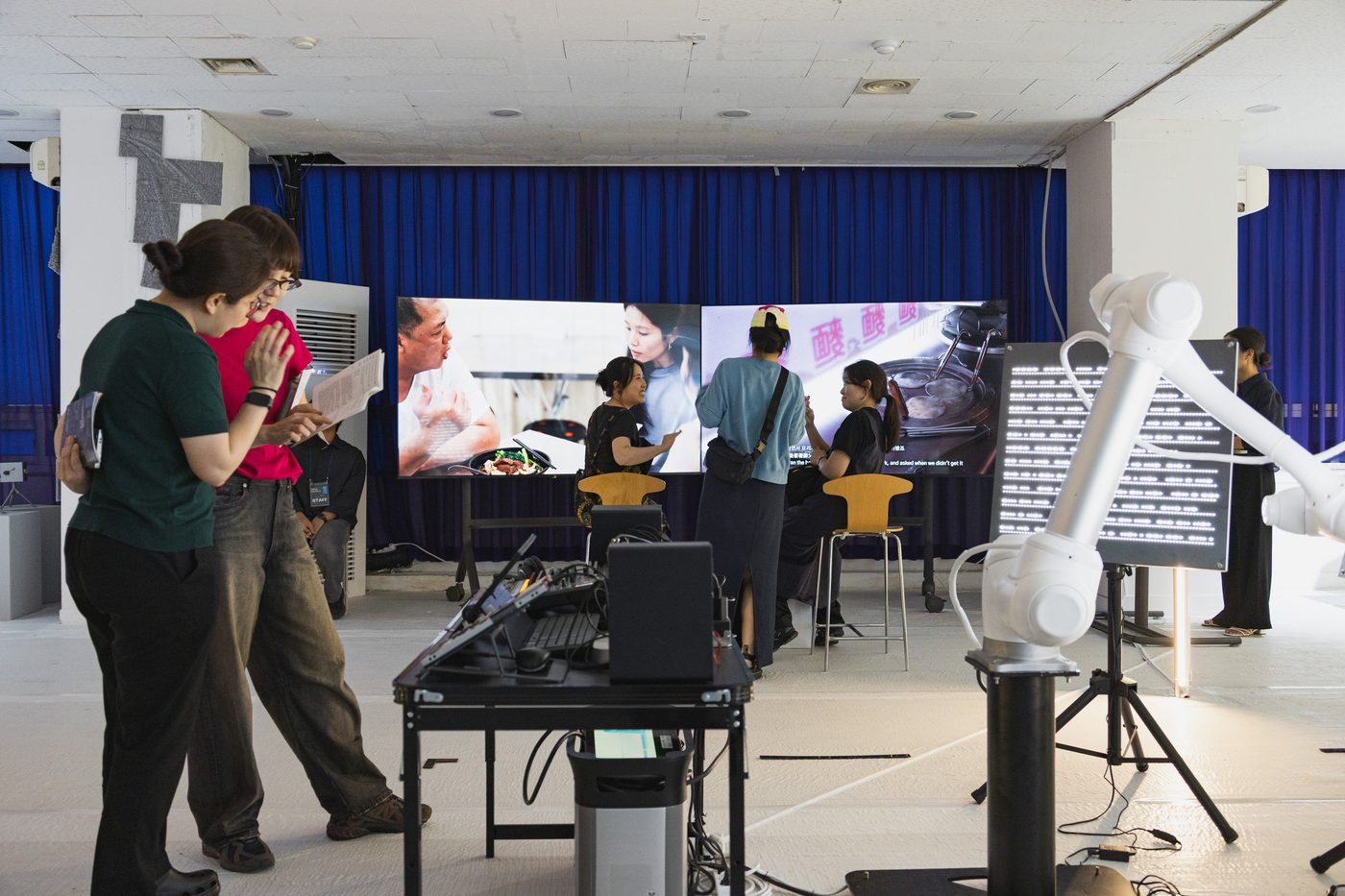
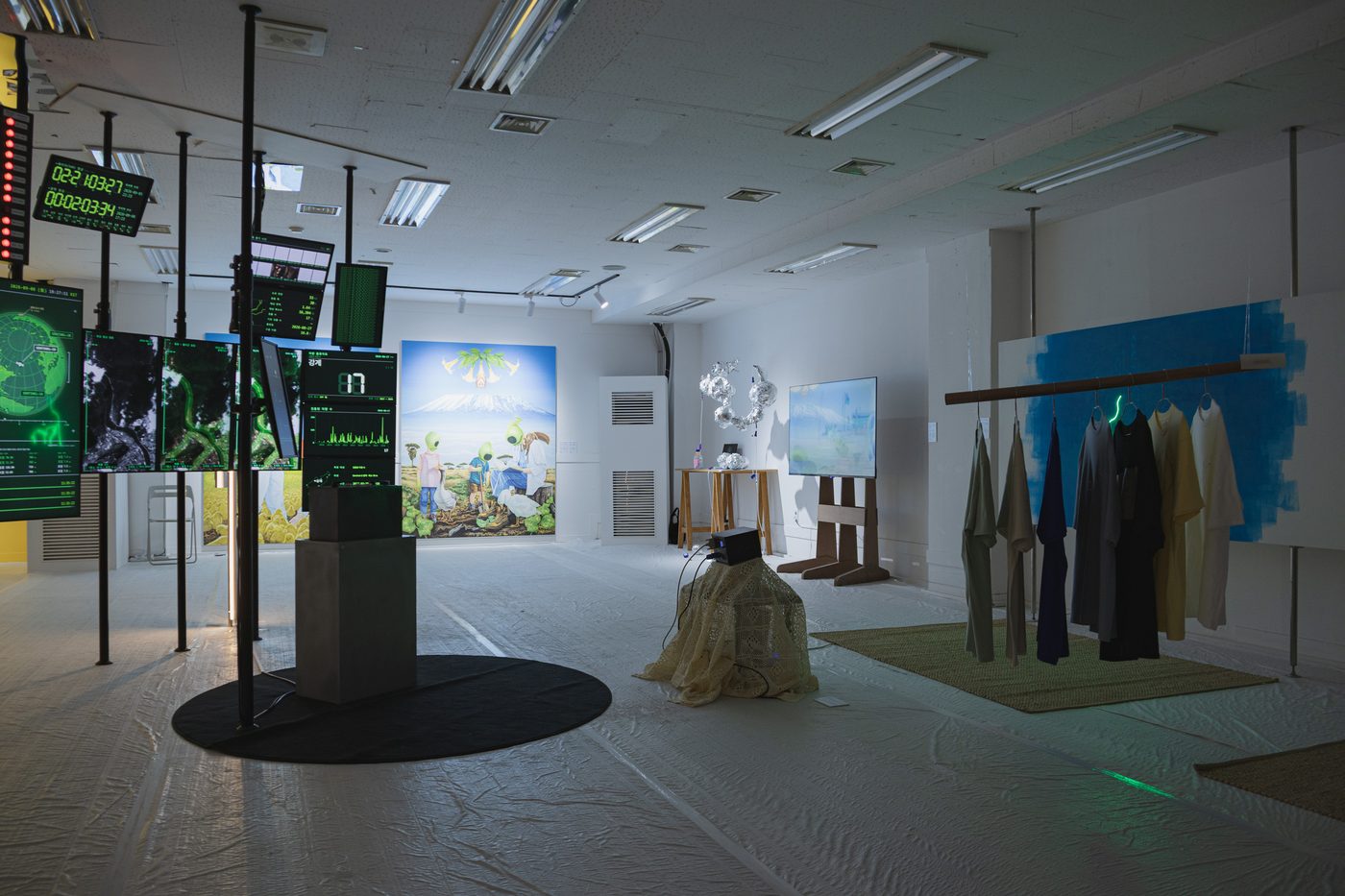
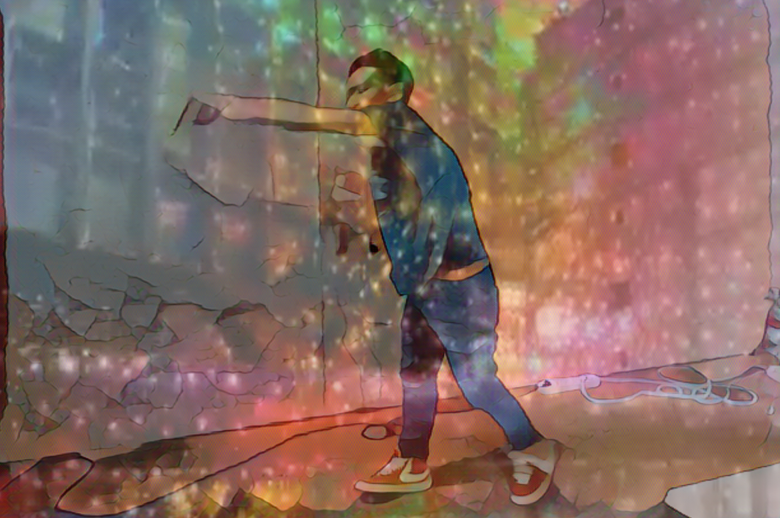
Just as data technology and feng shui painting
intersect in Close-up Reports 2: Green Influencers, and an
automated logistics system continuously reproduces human beliefs and desires in
Unnamed Company: Sweet Talk, his works reveal how irrational
human emotions and cultural habits persist within technologies commonly
regarded as rational and objective. In Cho’s practice, errors and disjunctions
are not simply failures, but important clues that illuminate the structures of
the systems in which we live.
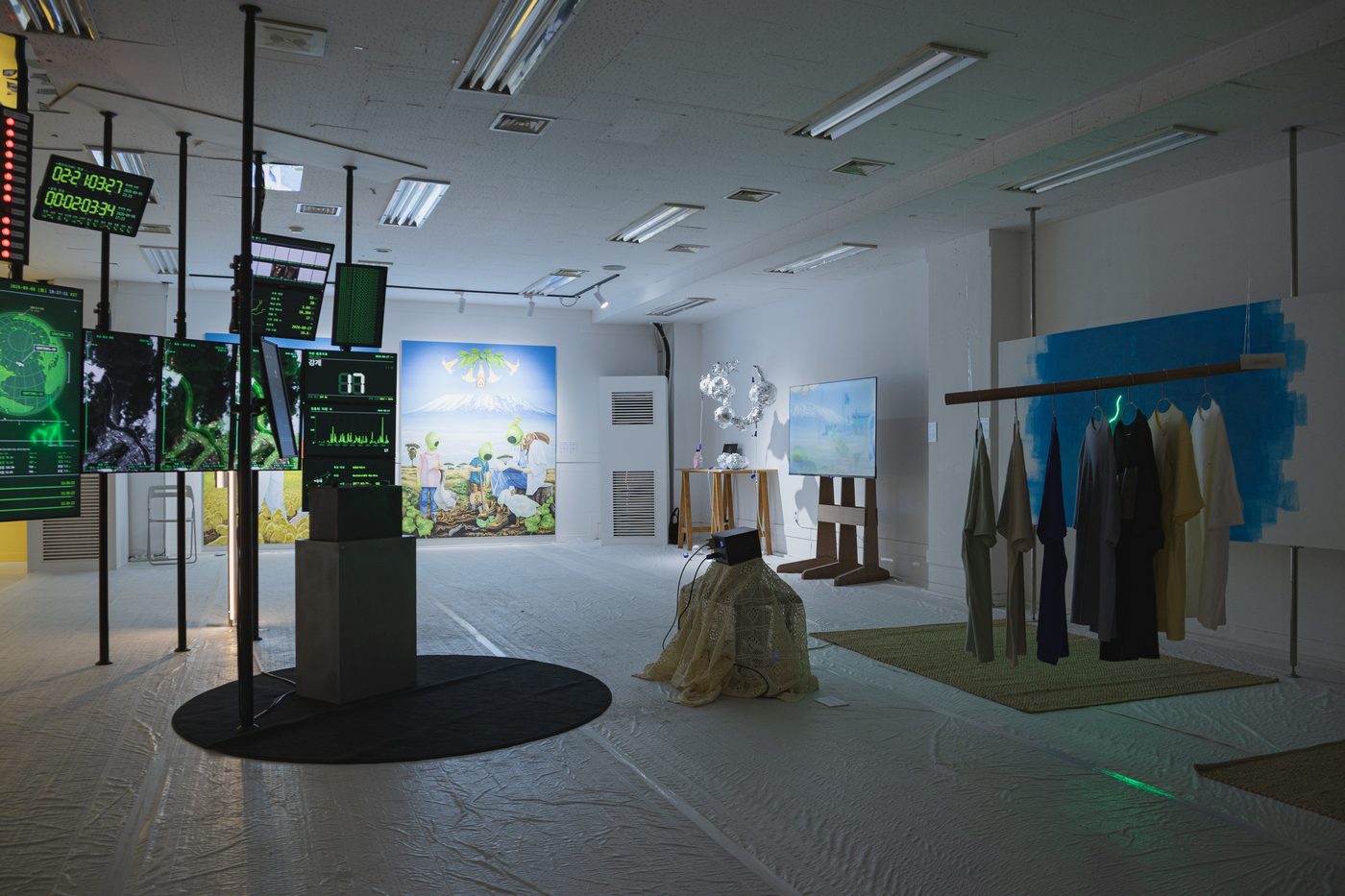
His
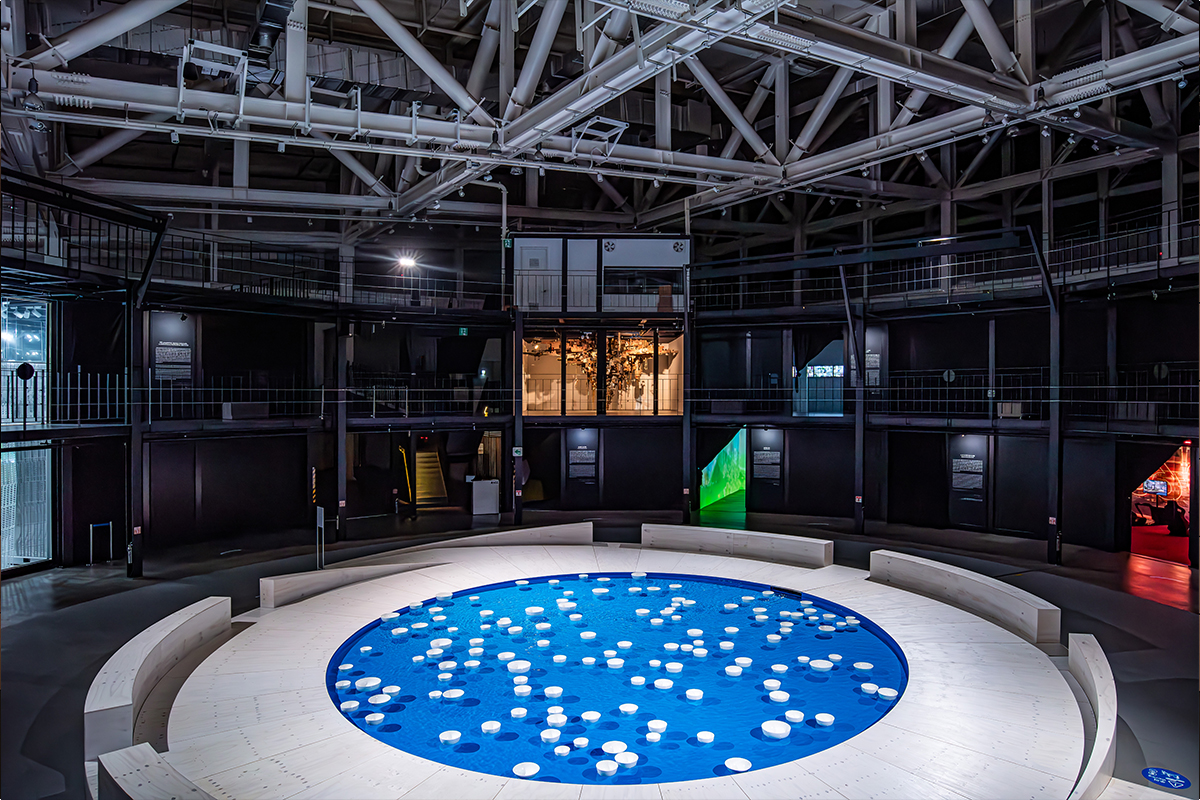
recent participation in the 2026 Art & Technology City exhibition 《Doing Anthropology: Are Humans We?》(Jongdo
Building, 2026) shows how these concerns are expanding beyond the relationship
between humans and technology toward environmental conditions, nonhuman beings,
and planetary contexts. Rather than relying on the conventional distinction in
which technology is treated as a tool of the human, his recent work asks what
the ‘human’ means within networks in which humans, AI, natural environments,
data, and artificial objects mutually define one another.
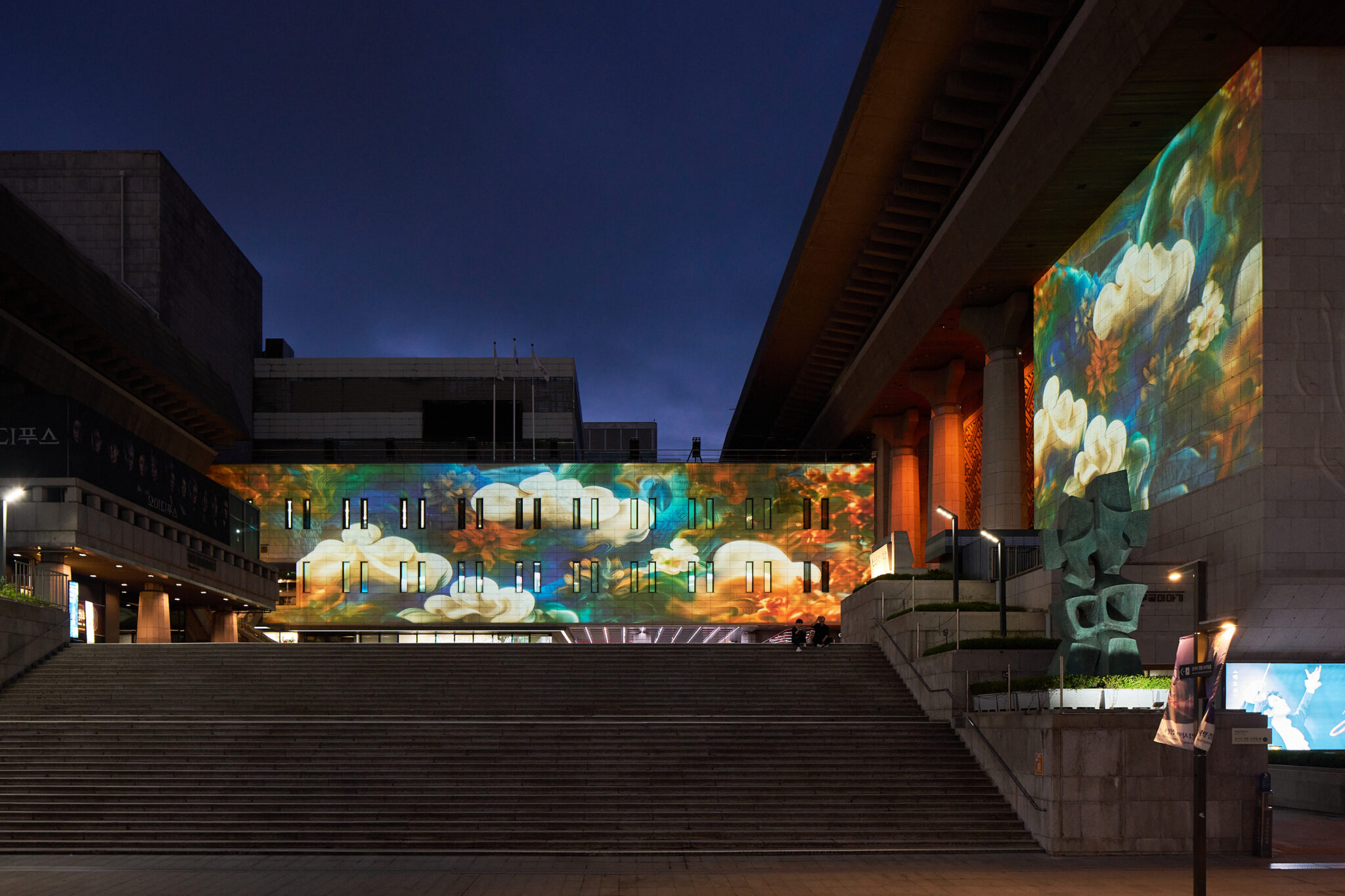
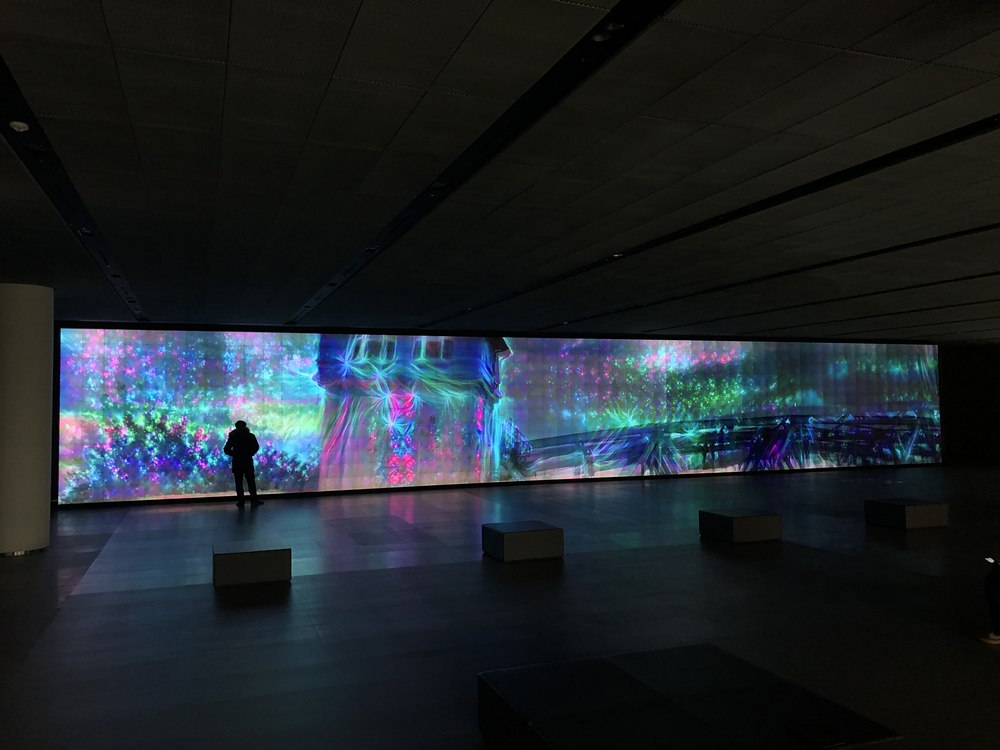
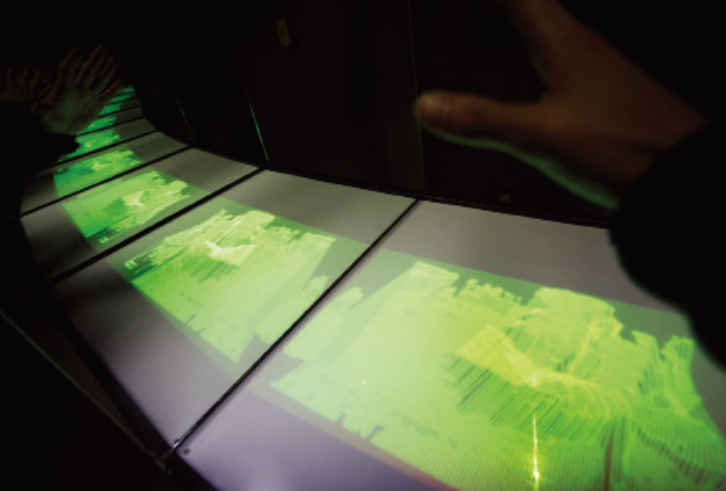
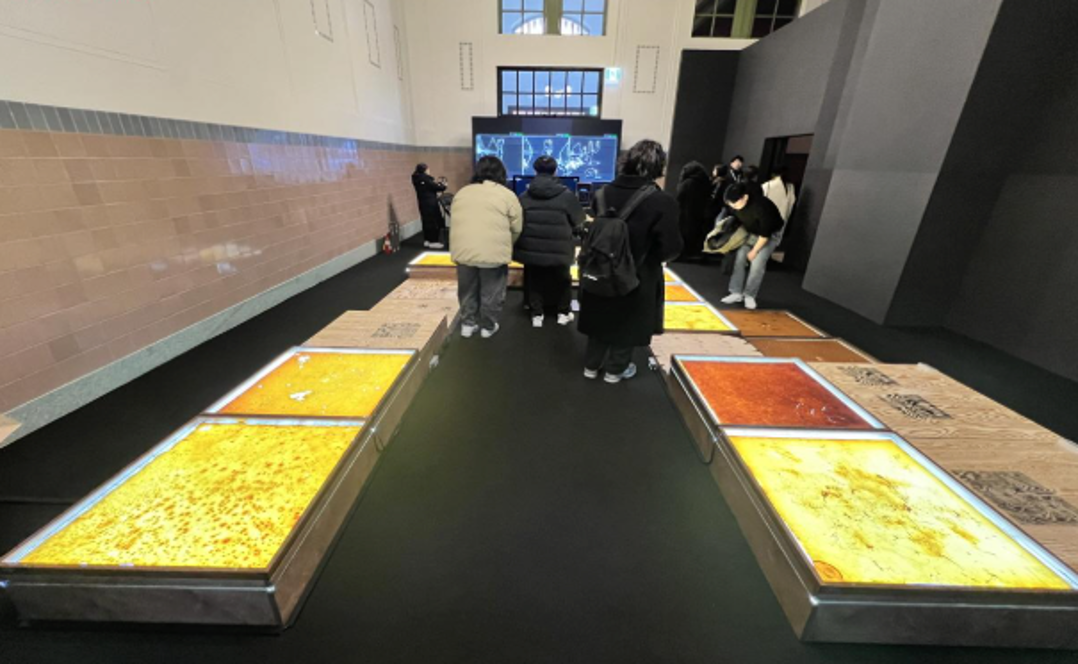
Works using climate
data such as The Weather Dancheong, as well as the hybrid
plant-human figures of the ‘Close-up Reports’ series, are closely connected to
this shift. If the ‘interface’ in his early work marked the boundary where
humans and machines met, that boundary has now expanded into a broader field
where humans, nature, artificial objects, and environments intersect.
Cho
has participated in numerous residencies in Korea and abroad, including the Ars
Electronica Residency (2018), and has presented his work at venues and events
including the Hermitage Museum, National Taiwan Museum of Fine Arts, Tokyo
Photographic Art Museum, and Ars Electronica Festival. As technologies are
replaced at an increasingly rapid pace, what appears most significant in his
practice is less any particular technology itself than the relationships and
rules it produces, and the small errors that arise within them.
Looking at the
trajectory from interfaces to social systems and further toward environments
entangling human and nonhuman actors, Cho’s work seems poised to continue
evolving not by simply following each new technology as it appears, but by
examining how changing technologies reorganize long-standing human desires,
beliefs, and relationships.