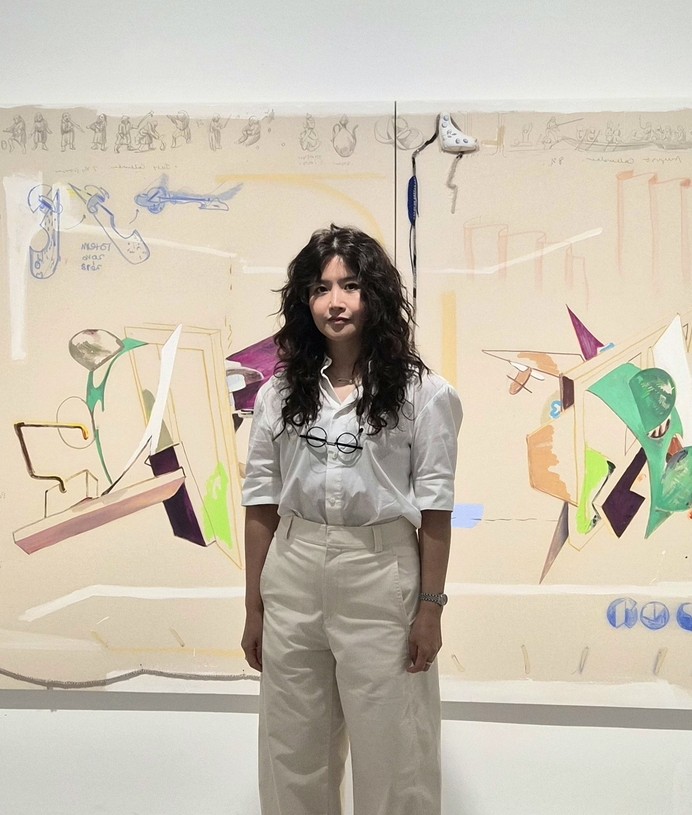
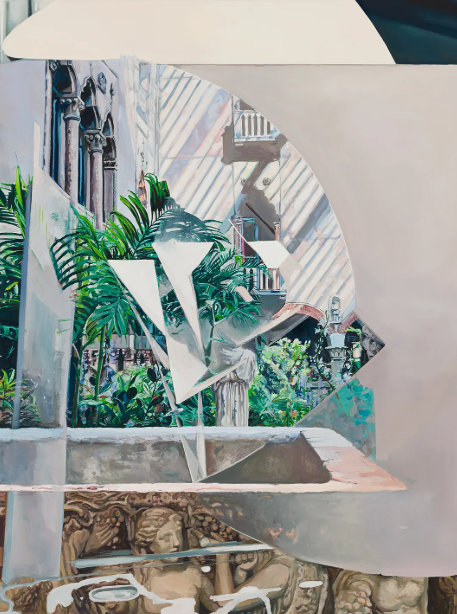
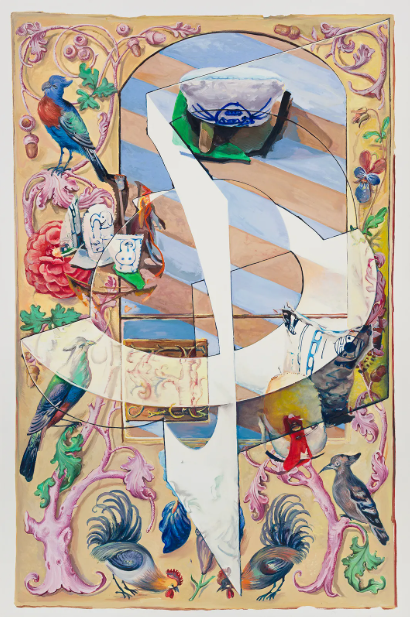
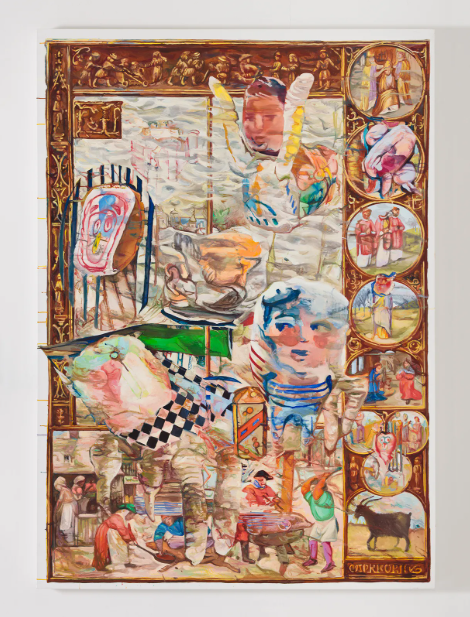
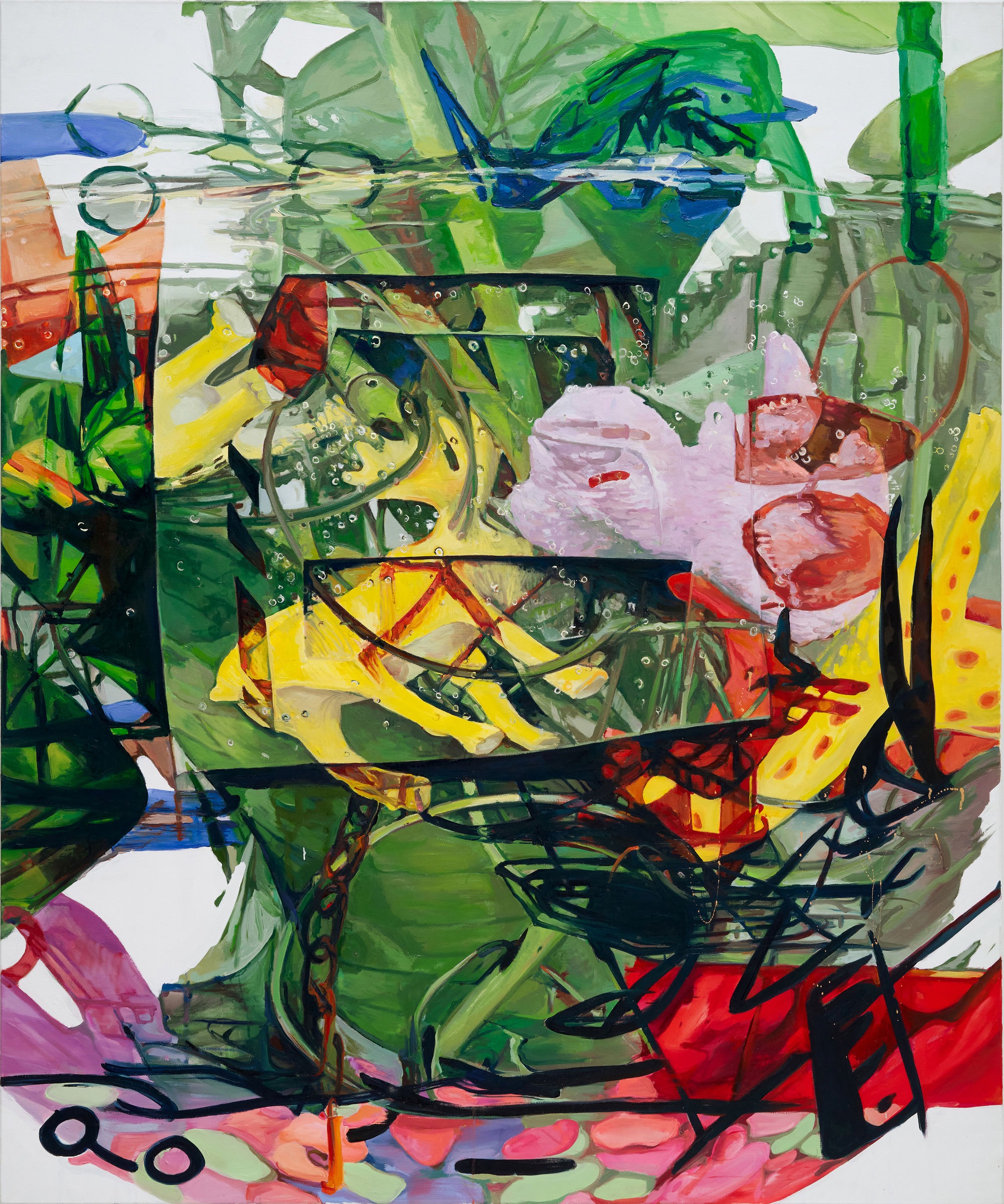
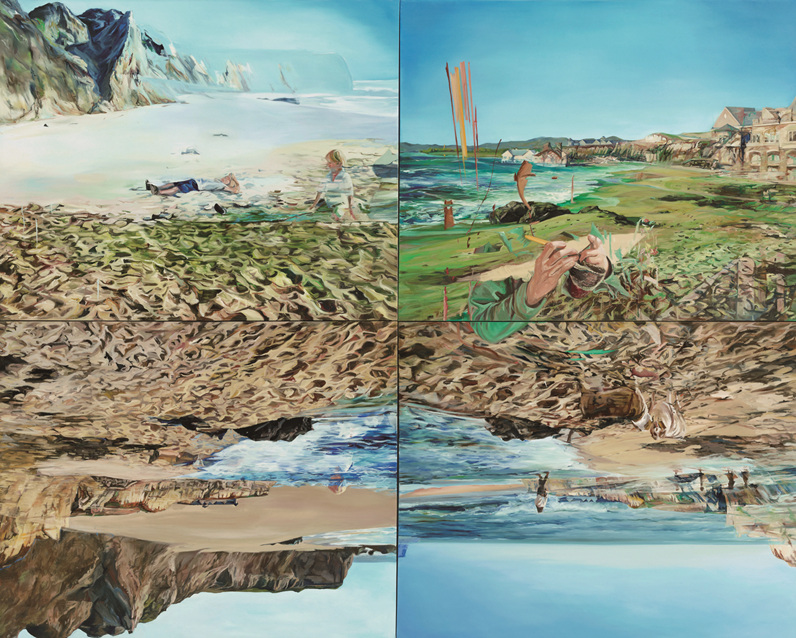
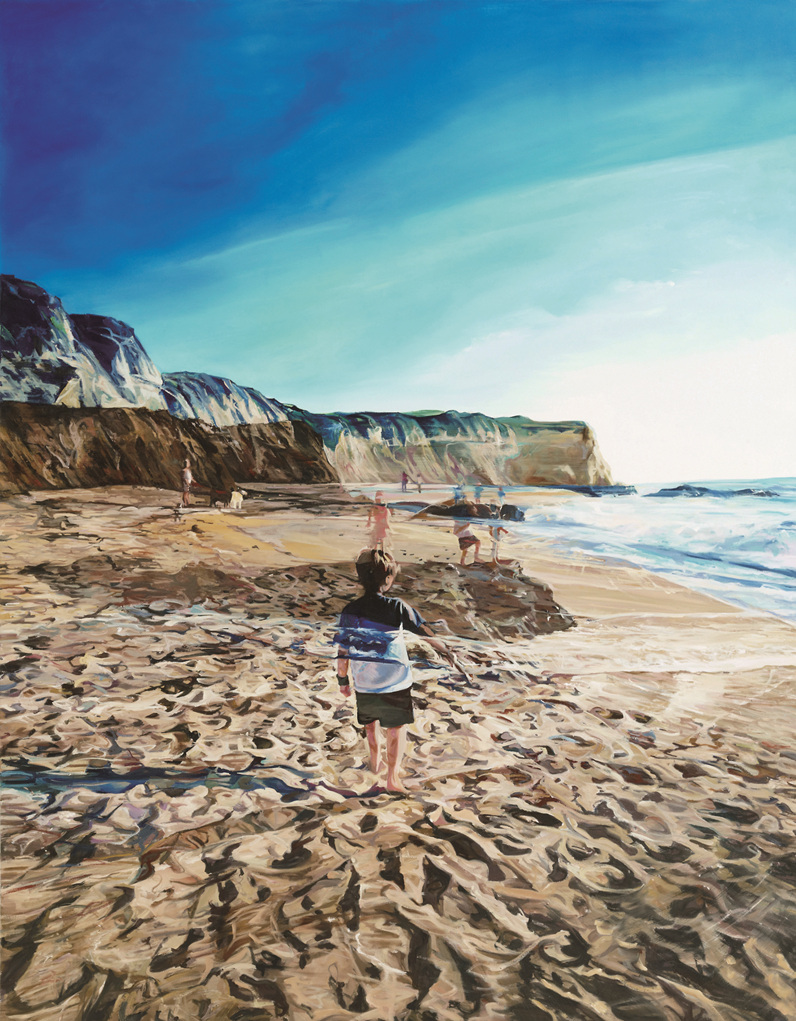
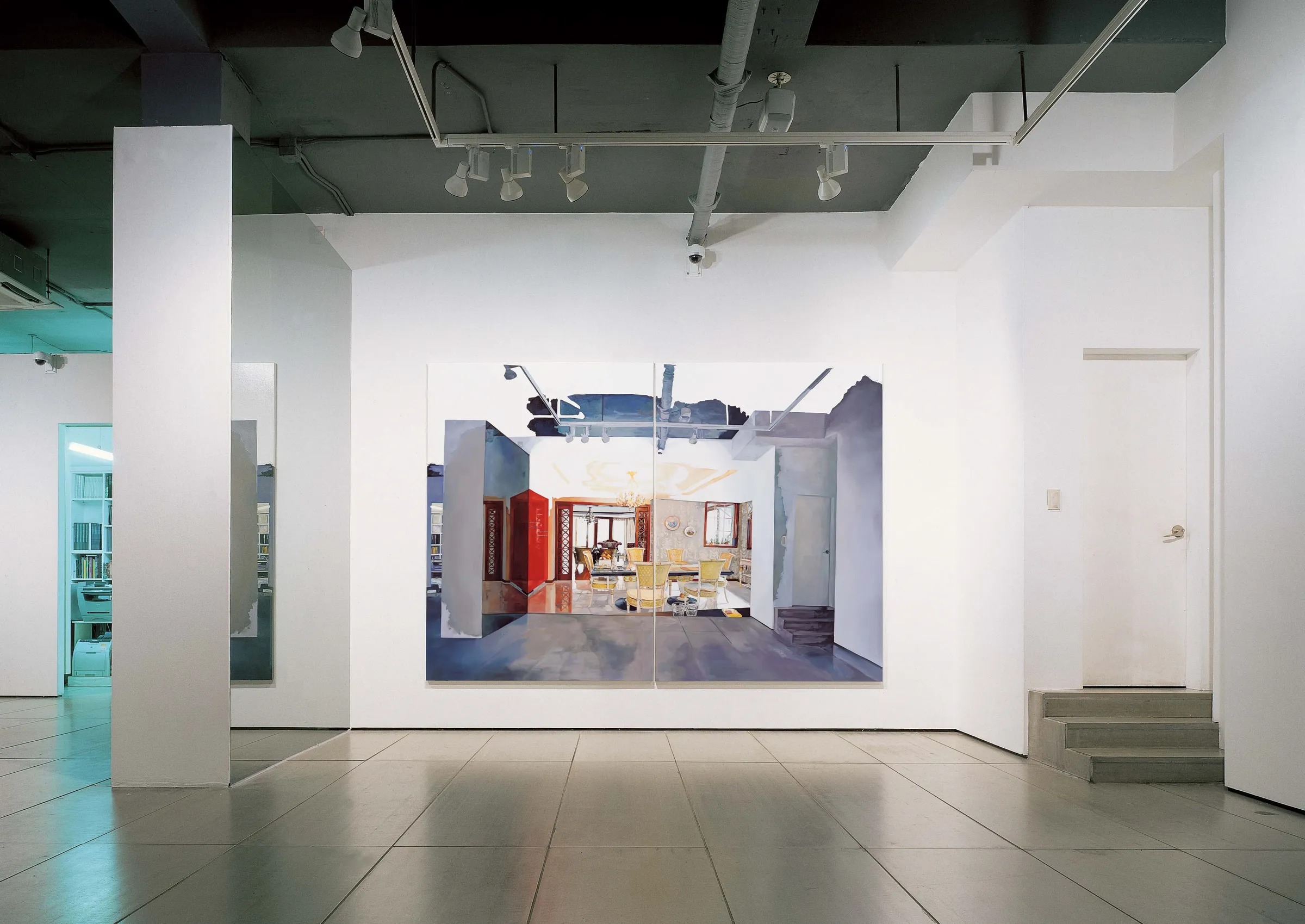
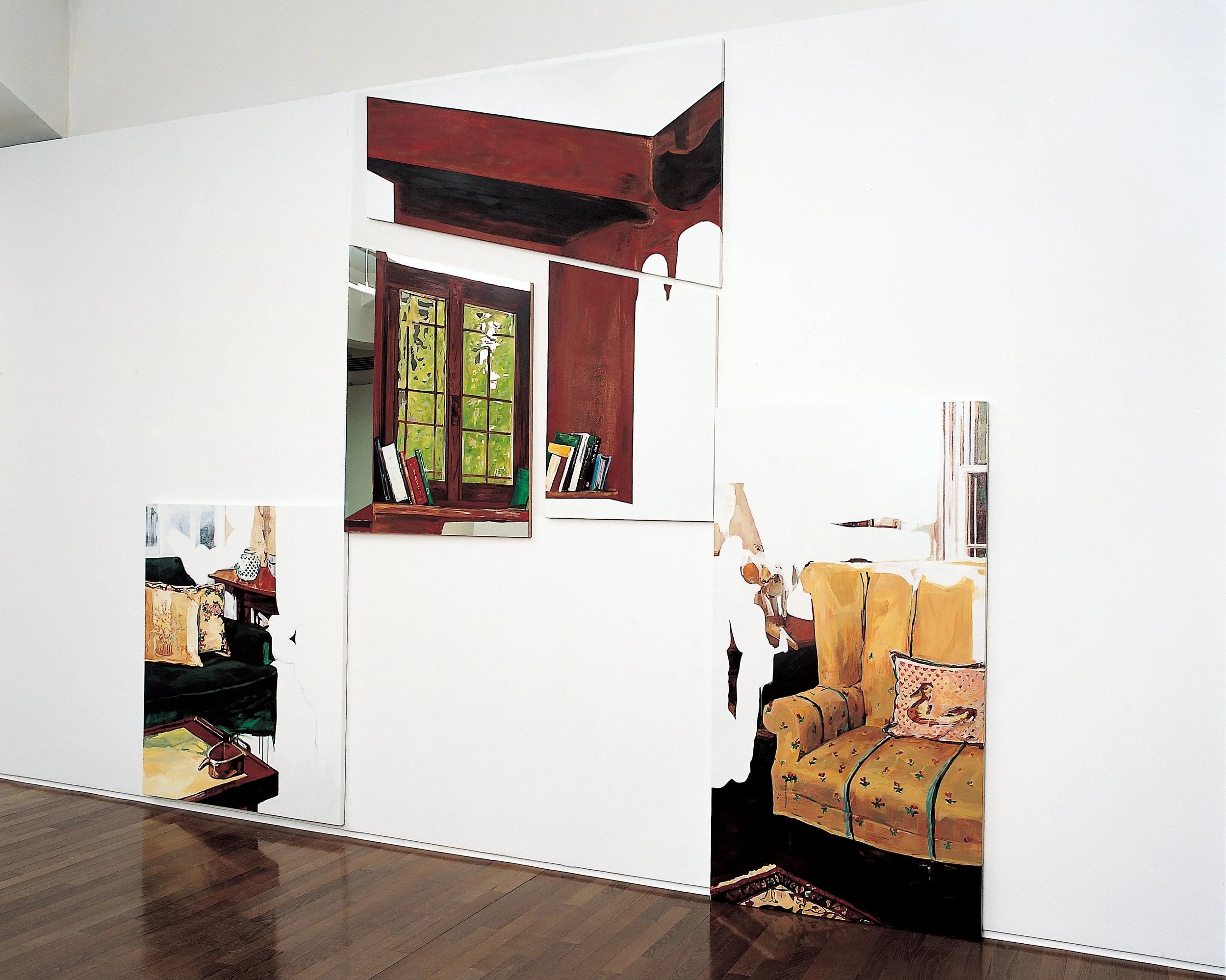
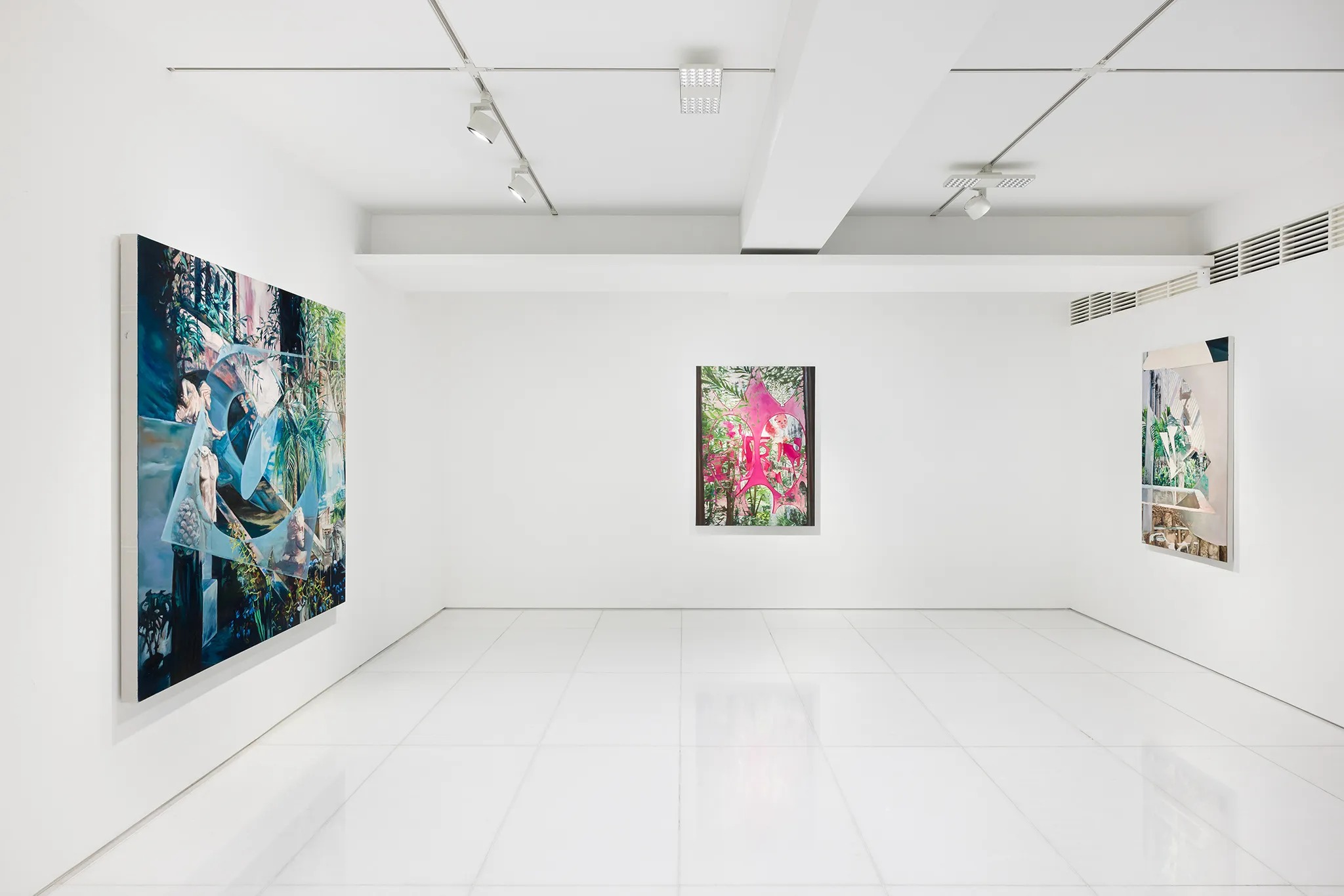
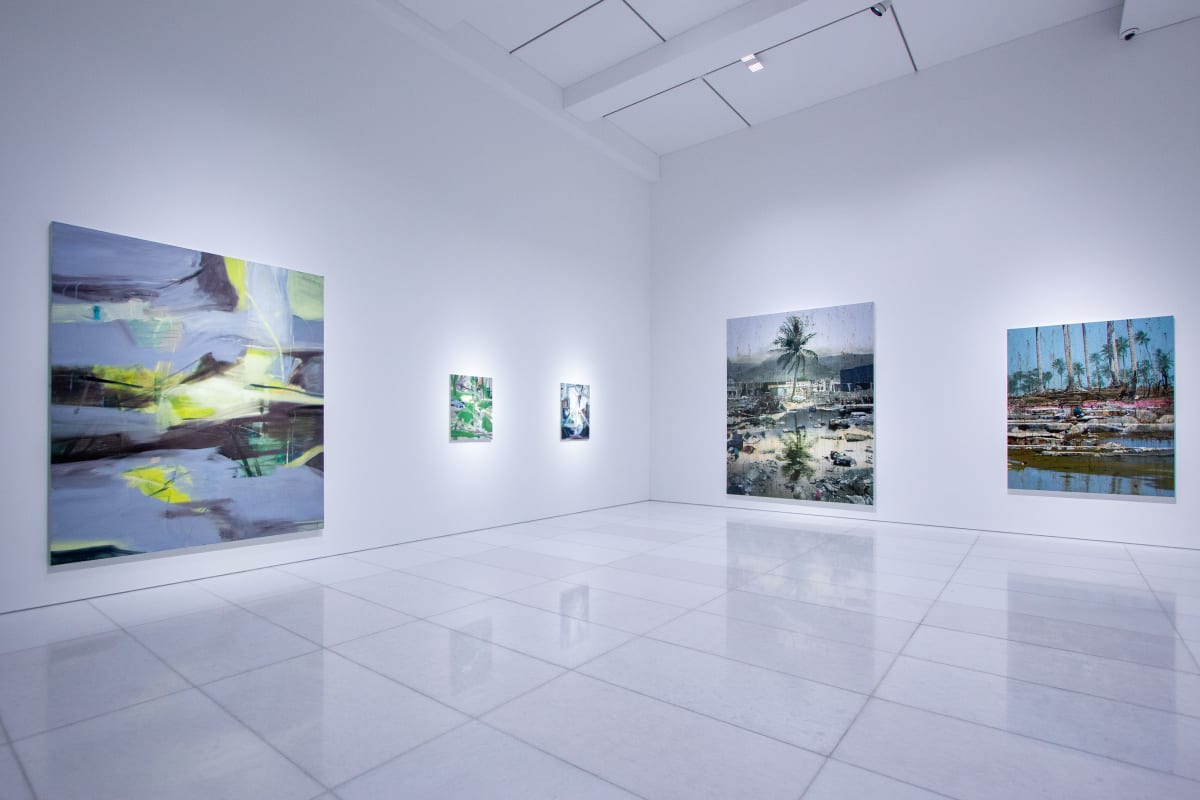
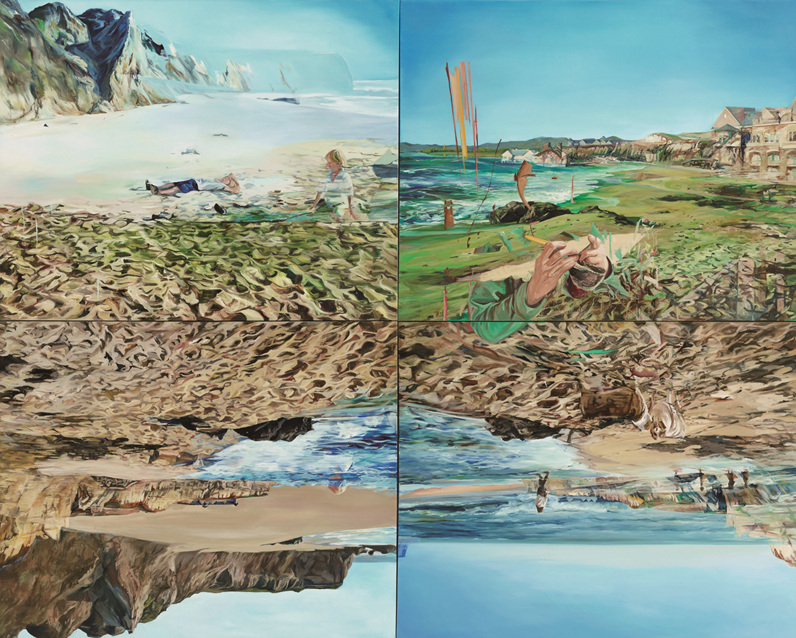
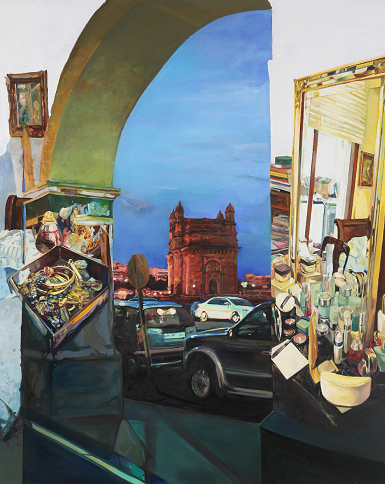
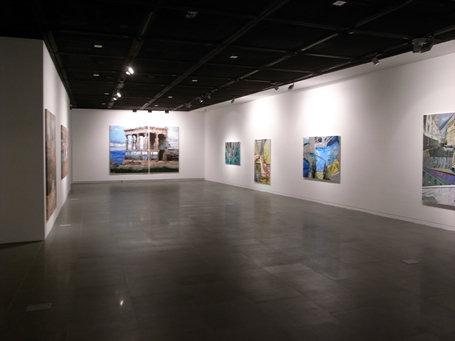
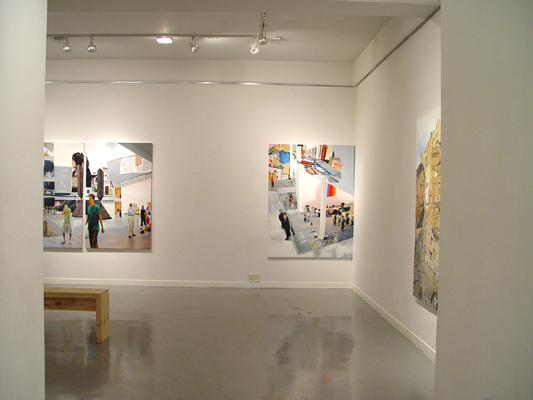
LEE Jihyun’s paintings originate in the combination of images drawn from different times and spaces within a single pictorial field. In her early works, public architecture such as the Colosseum, the Parthenon, and museums was interwoven with private spaces and personal objects, including closets, dressing tables, and studios, producing landscapes that could not exist in reality.
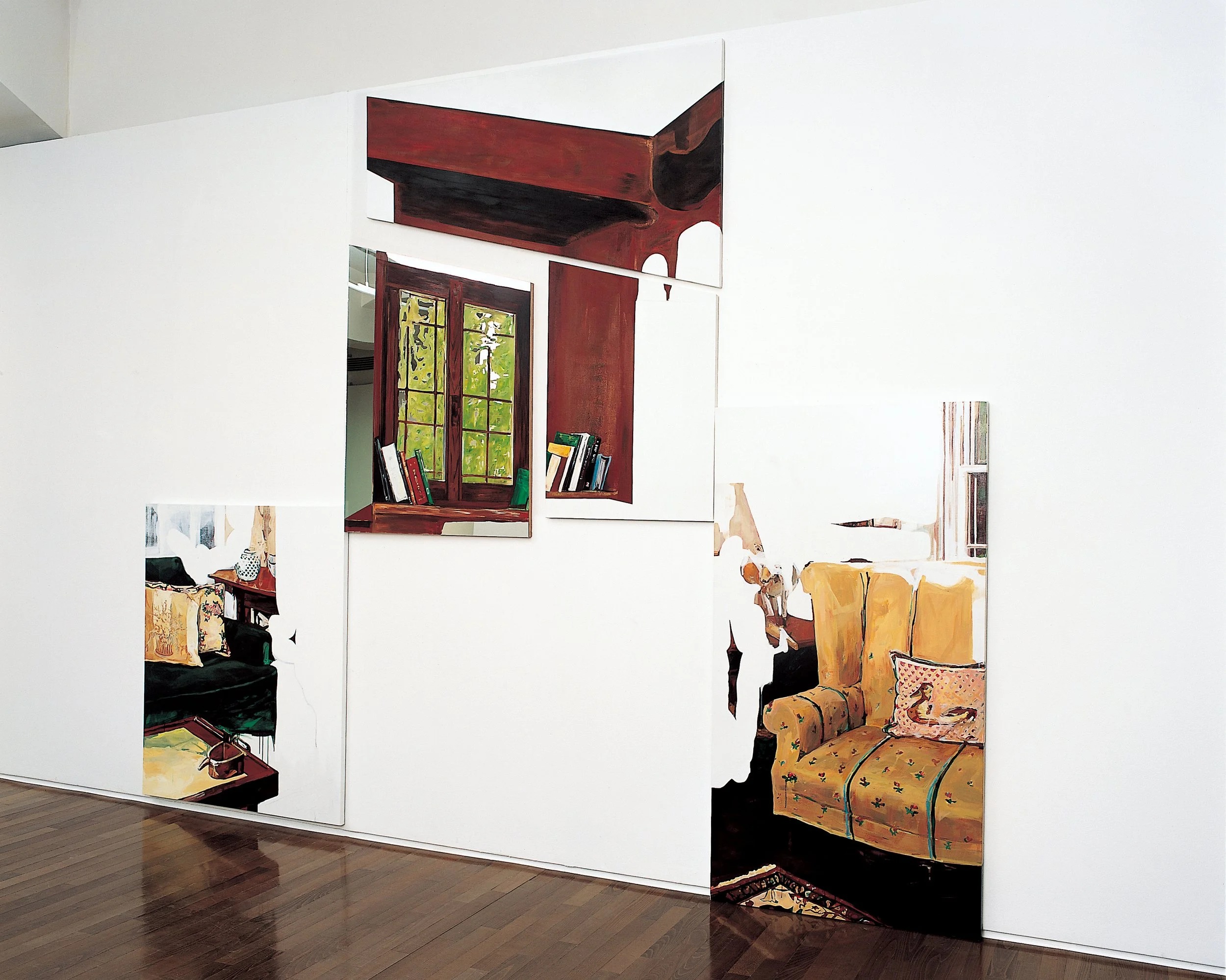
Differences in scale, perspective, and viewpoint intersect across the canvas, prompting the viewer to move between images and gradually reconstruct their spatial relationships. Rather than allowing these juxtapositions to remain as collage-like effects, LEE uses oil paint and brushwork to bring disparate images into continuity on the same painted surface.
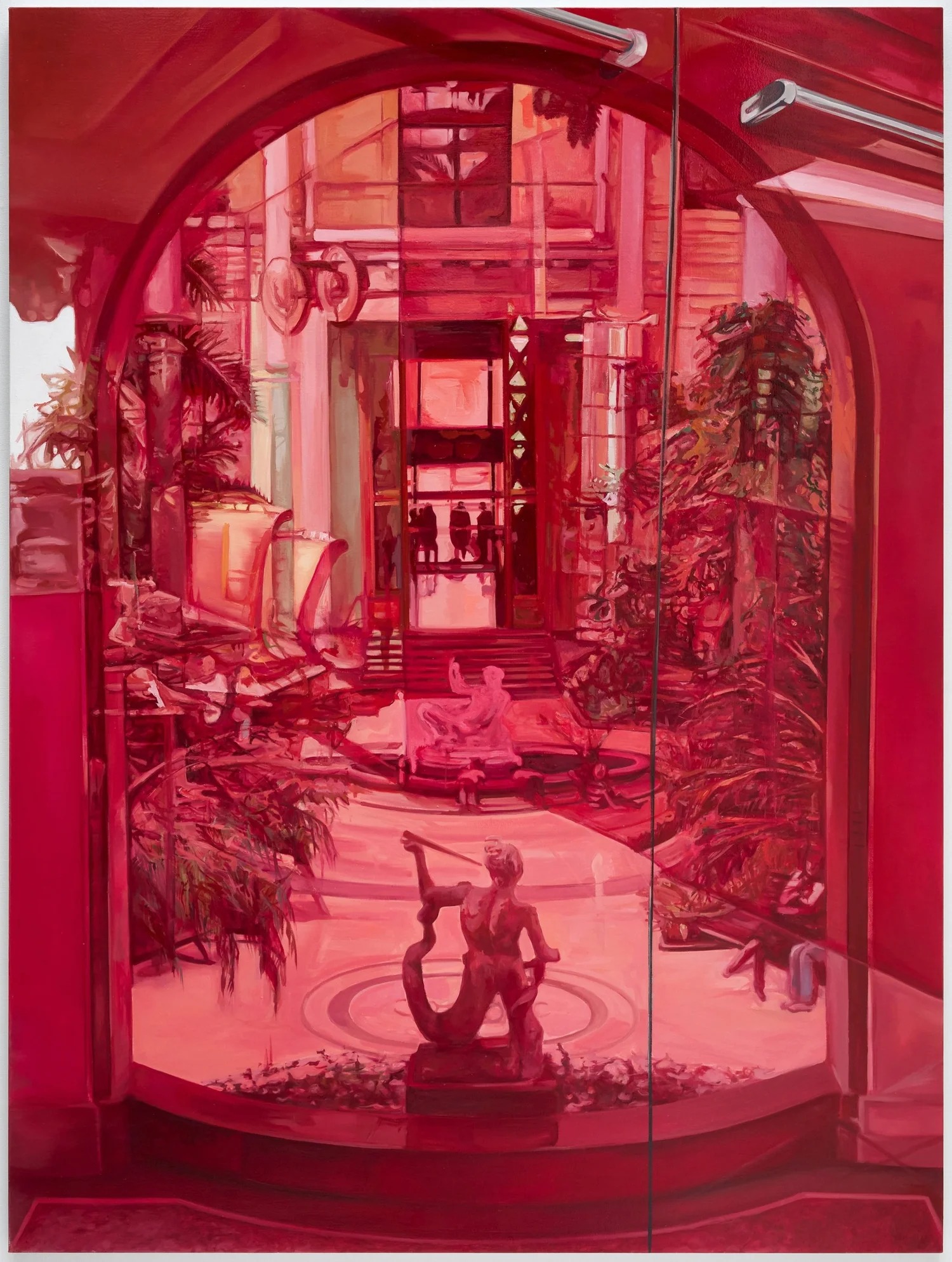
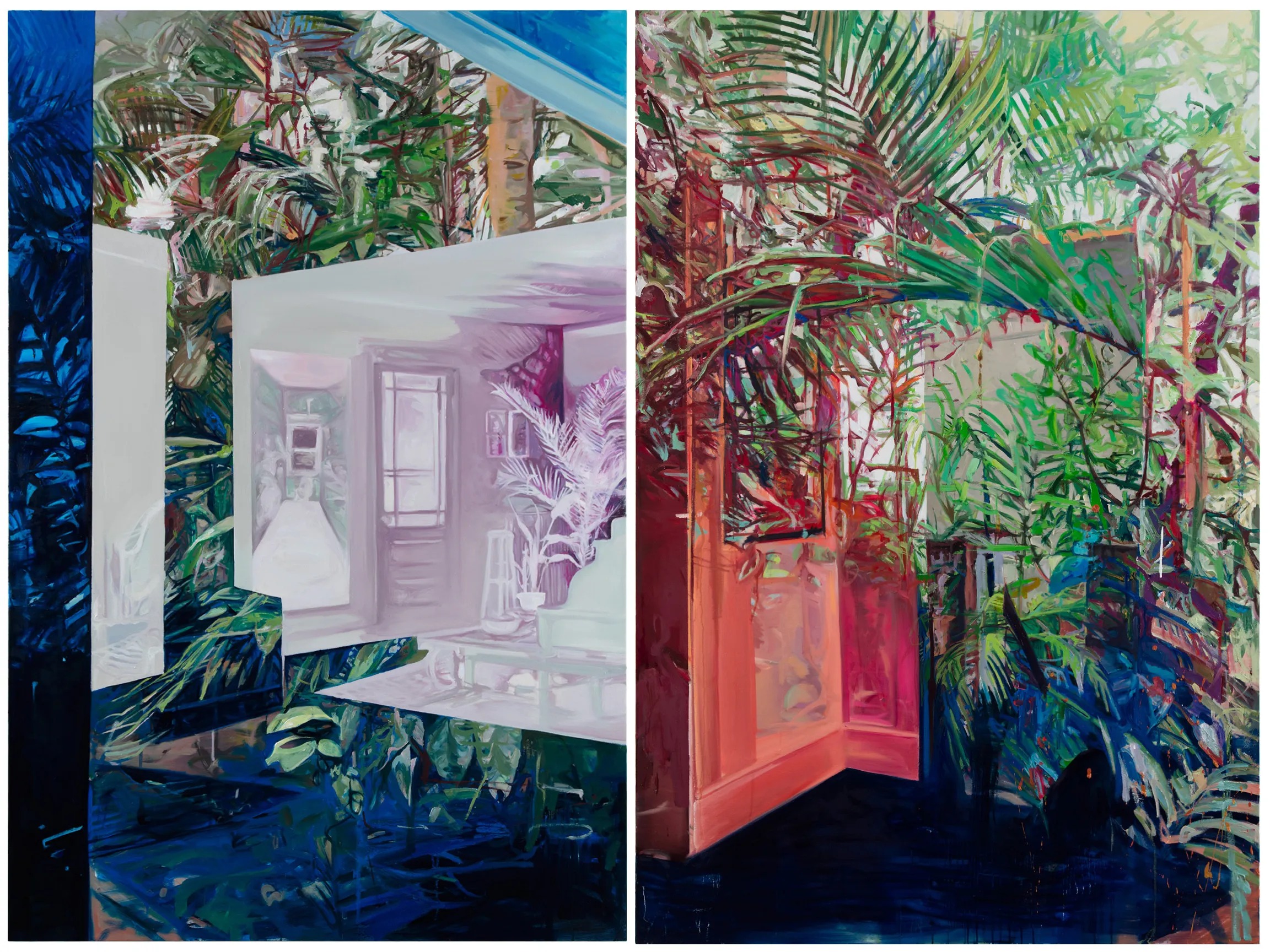
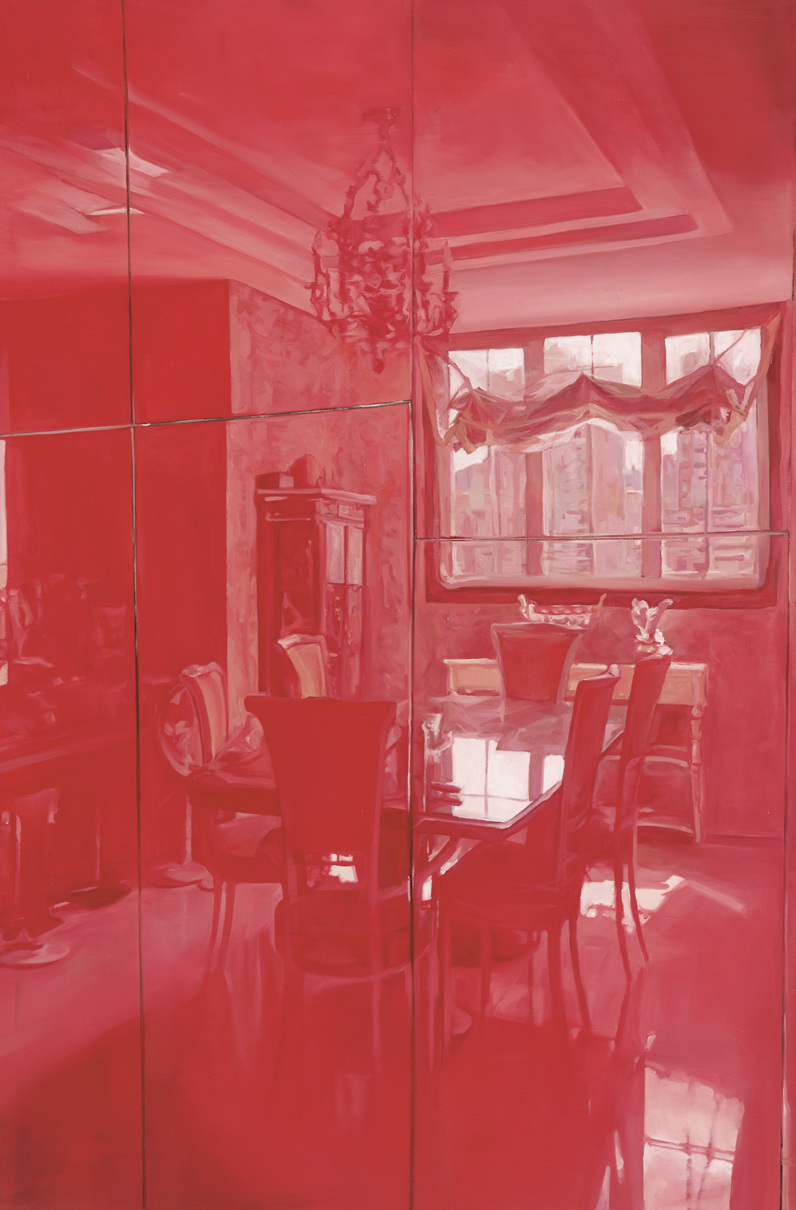
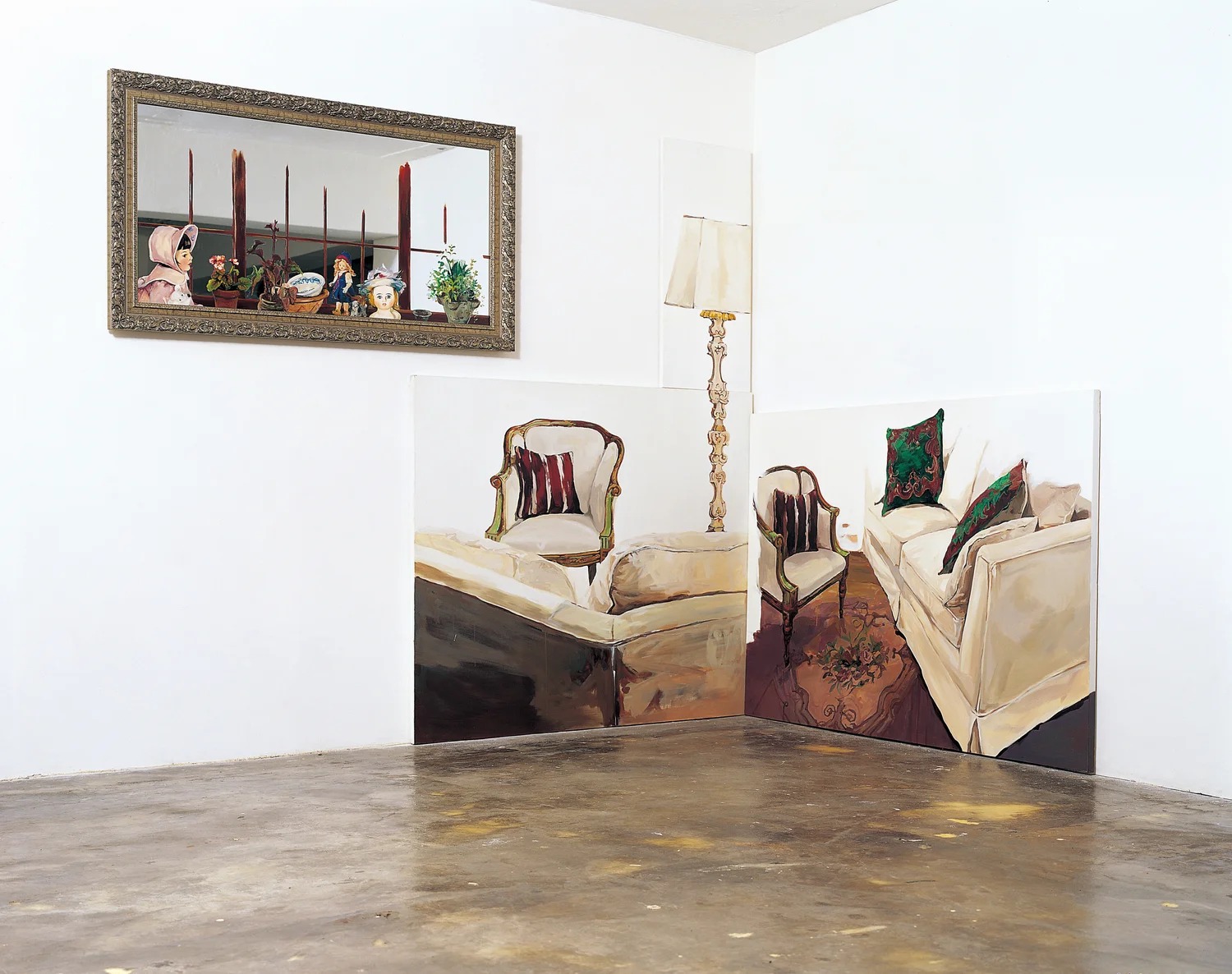
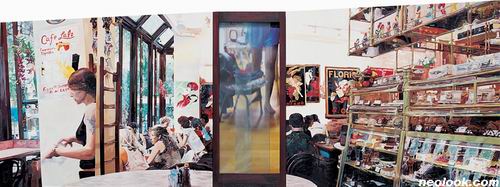
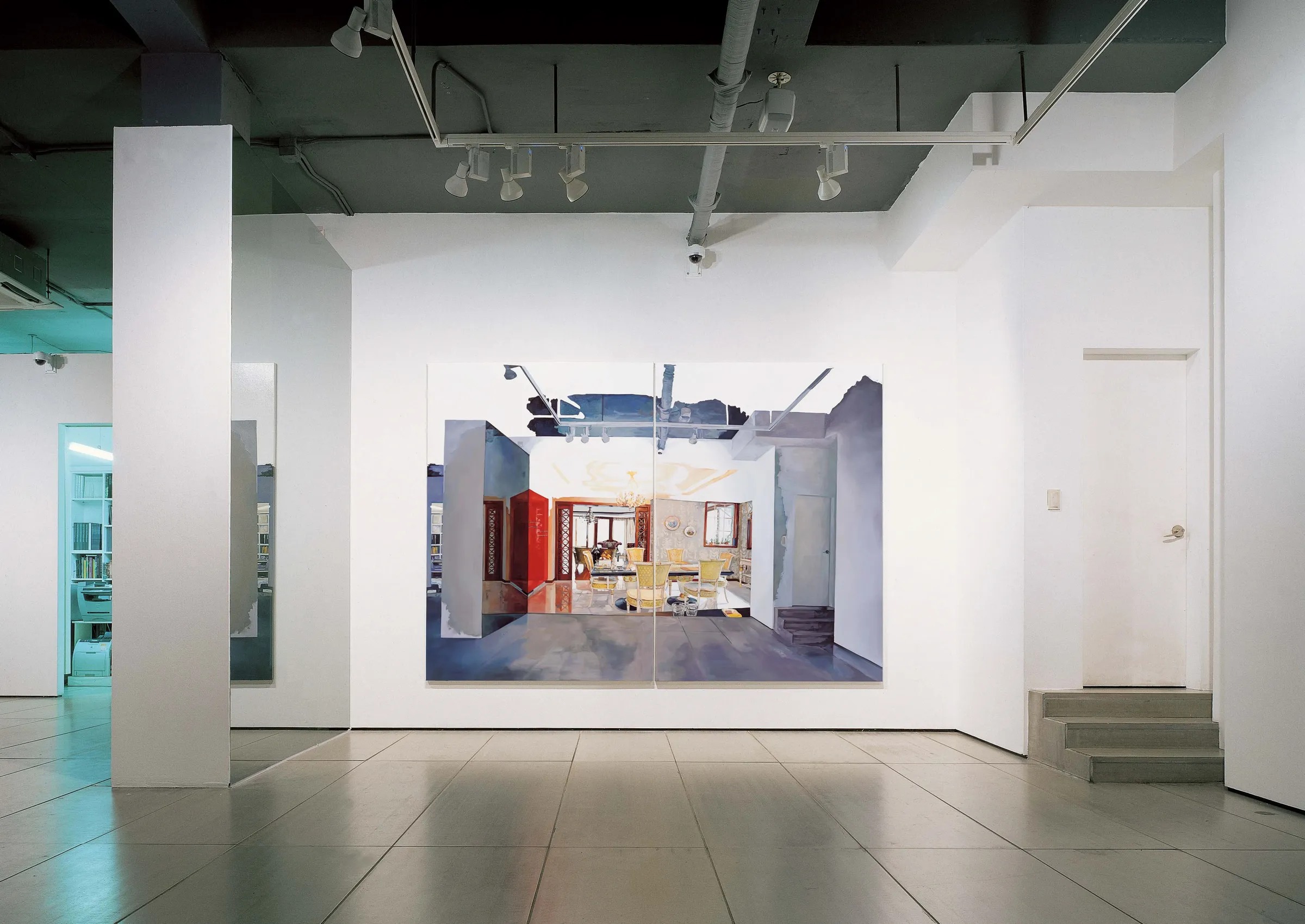
Windows, frames, mirrors, and reflective surfaces have continually mediated this construction of space. Paintings appear within paintings, while reflections overlap with depicted and actual spaces, destabilizing the distinction between inside and outside the image. Structures first explored in works such as Window II and Café Lalo + Studio later expanded into installation-based experiments in which the actual gallery wall and a black mirror were represented again within the painting.
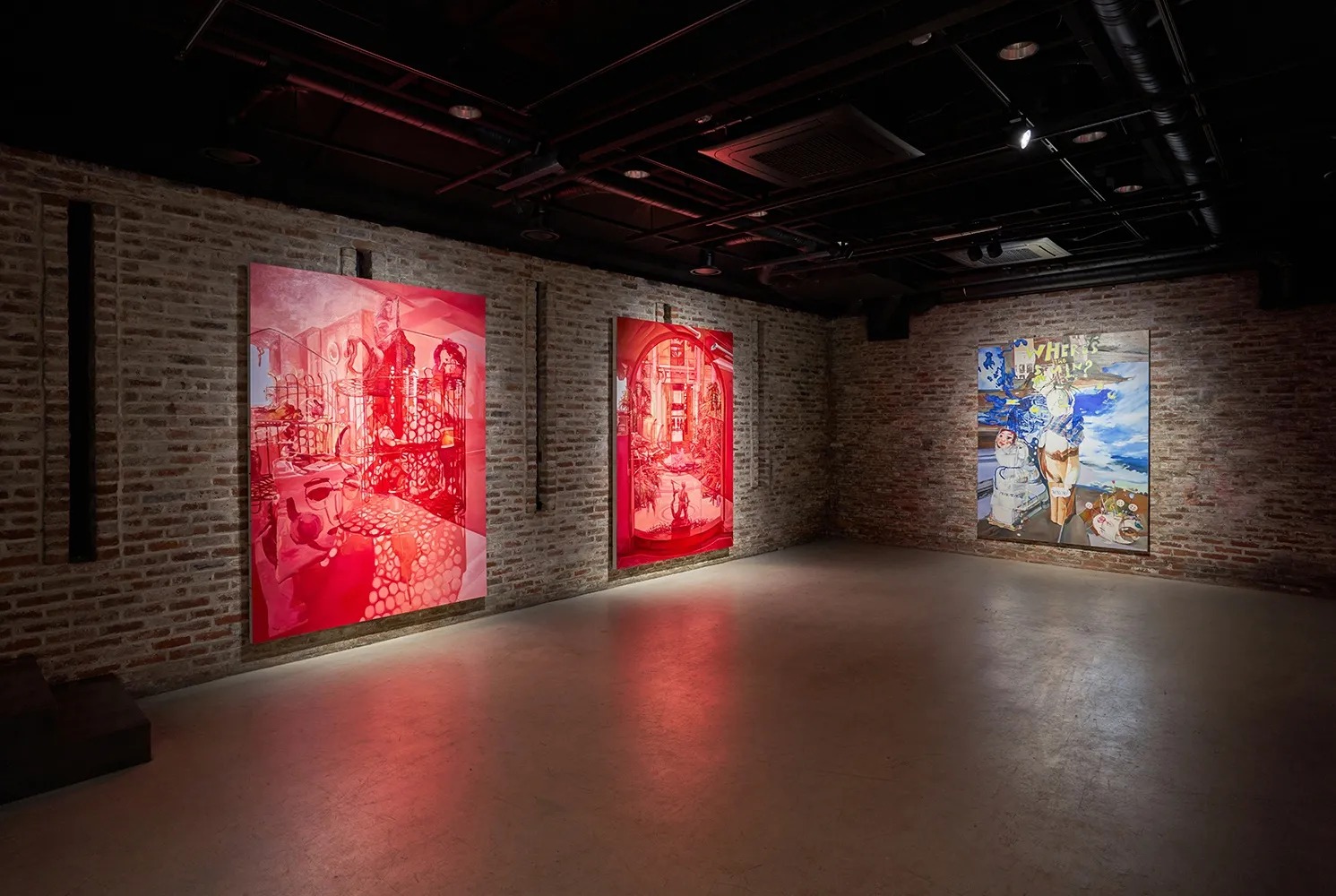
Similar principles of reflection and framing continue in the 'Red Scene' works of the 2020s. Red cabinet surfaces, arches, and metal frameworks alternately draw the viewer’s gaze inward and push it outward, allowing foreground and background, physical space and remembered scenes, to merge.
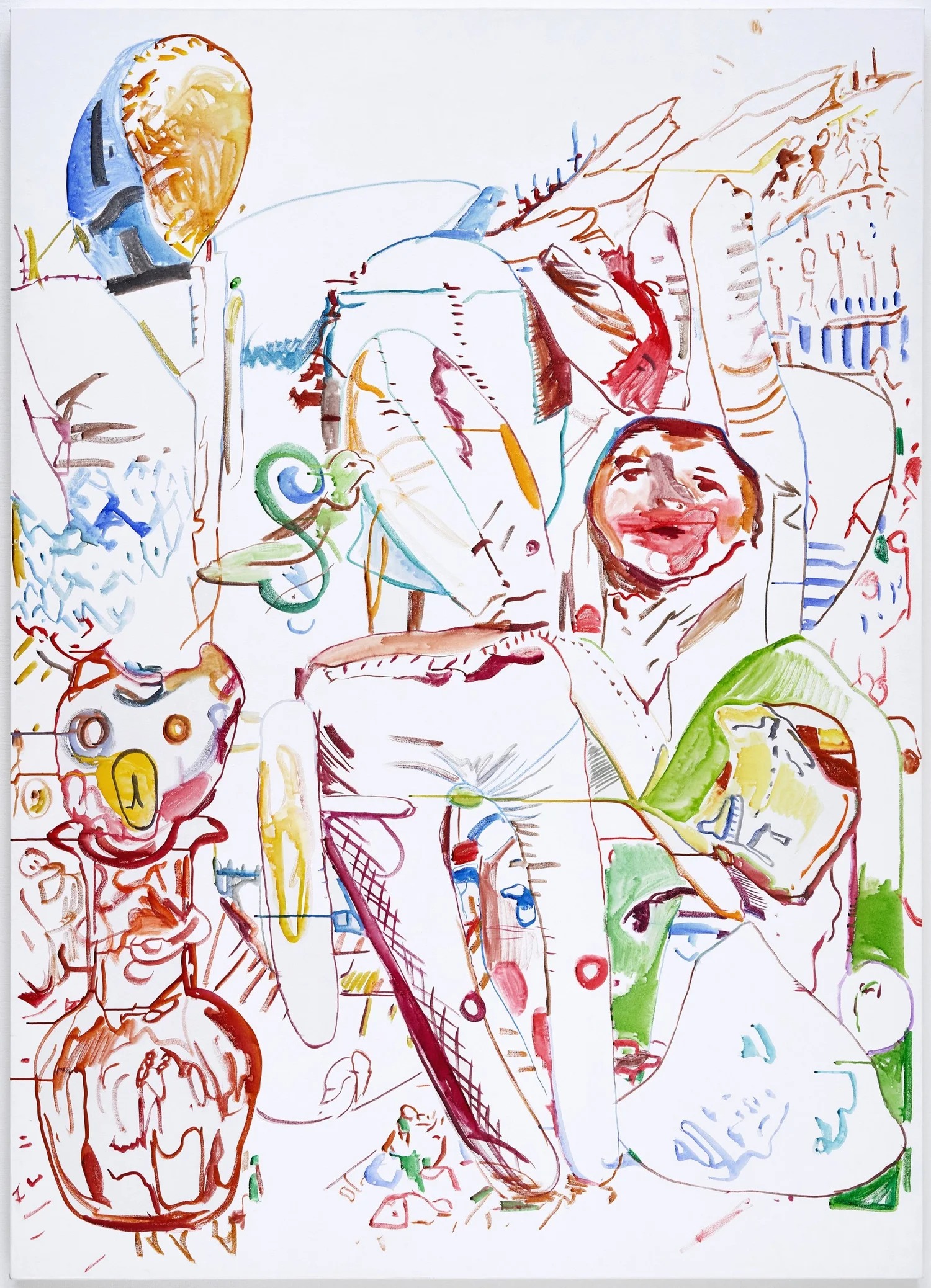
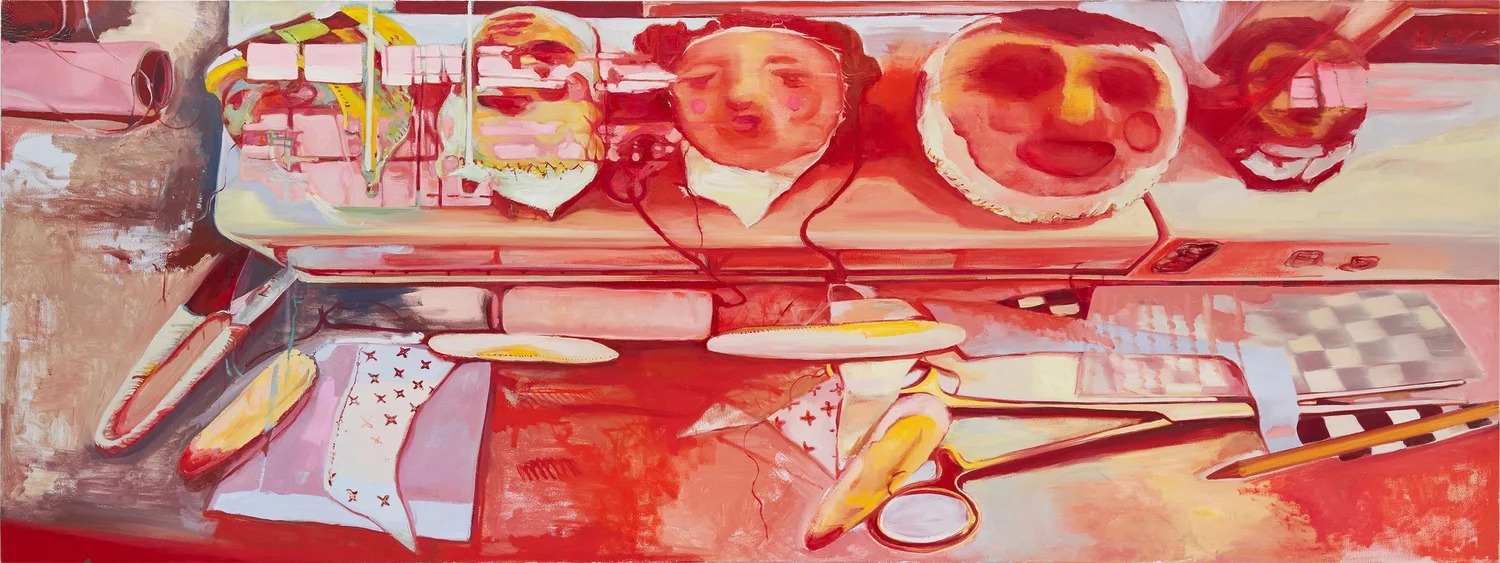
The 'Fantasma' series, begun around 2012, introduced a different pace and density into LEE’s practice. Made on small canvases, these works rapidly record thoughts and images as they arise, following the movement of memory and association rather than a predetermined composition.
Critics have described 'Fantasma' as occupying a space between oil painting and drawing, combining the immediacy of her early drawings with the accumulated experience of her mature painting practice. Images and motifs generated through these smaller works subsequently migrate into larger paintings, where they are transformed, repeated, and connected across different bodies of work.
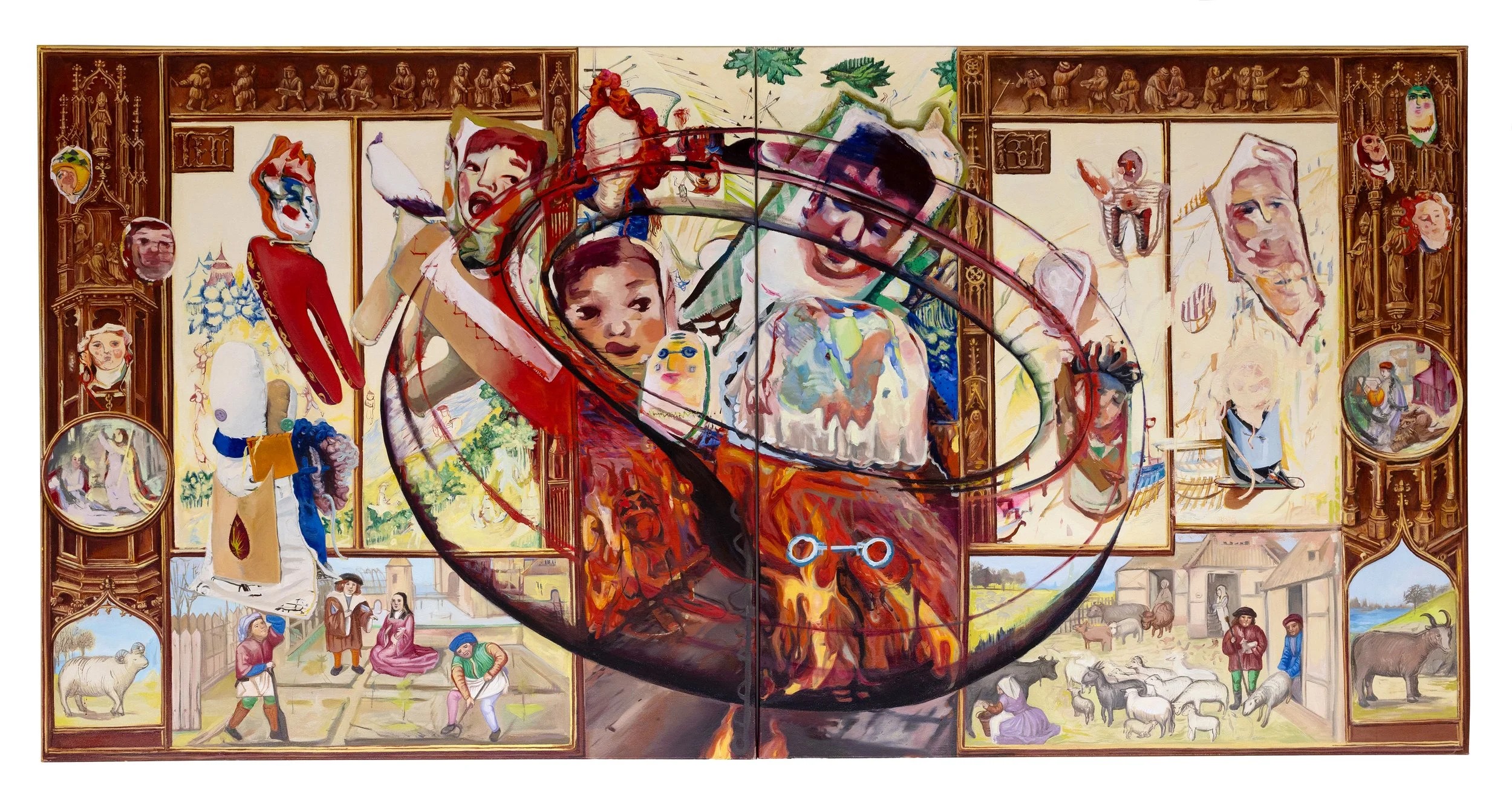
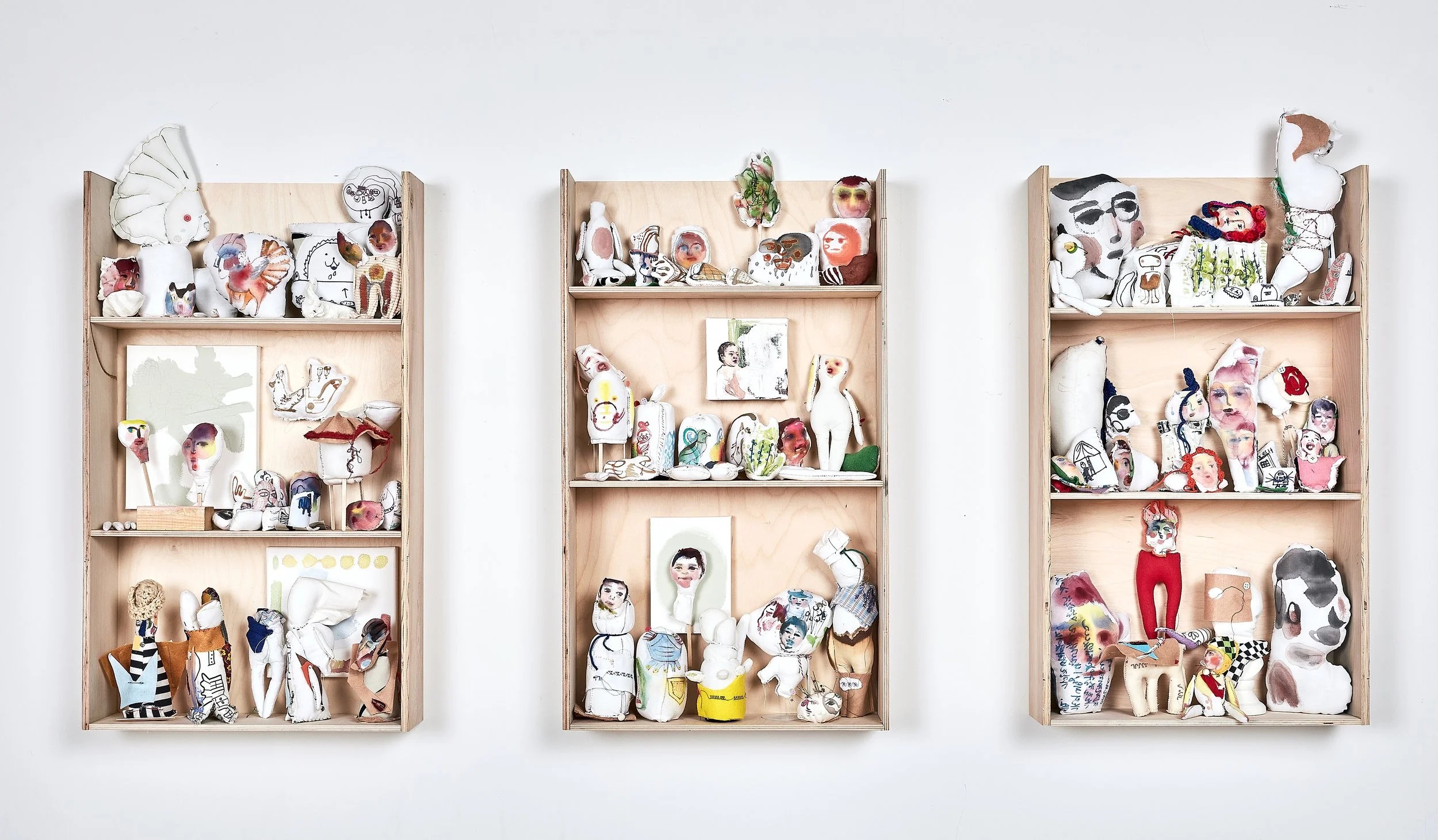
Since 2017, LEE has further expanded her practice through dolls, objects, video, sound, and installation. In Re-portal, painting was combined with a wooden structure, moving image, soft sculpture, and sound, while later works incorporated handmade cloth dolls and objects collected from everyday life.
In the 'Red Scene' series, these intimate objects reappear as imagery in large-scale oil paintings, while the dominant red palette and the bleeding watercolor surfaces of the dolls create sensory correspondences across different media. A 2021 critical text likewise identifies the combined presentation of objects, sculptural experiments, works on paper, and large oil paintings as an important development in her practice.
For LEE, this expansion of media has remained closely tied to painting, providing different materials and scales through which images and memories can emerge, circulate, and return to the painted surface.