Who canonized the formation of
history and whose bodies are yet to be written about as part of that history?
This exhibition explores the history of modernization in East Asia through the
lens of gender and the agency of tradition. Questioning the canon of the
heterosexual male as much as it questions the West, this is also an argument
over the many boundaries and borders of modernity that are carved into today’s
aporia.
In particular, in its critical understanding of the problems of the
modernization process in Asia, this exhibition investigates how tradition is
invented and generated in close relation to modernity, and explores the
emancipatory potential of tradition in Asia through a perception of gender
complexity that goes beyond the canon of Western modernity.
Constructing a
genealogy of queer performance in Korean society, and examining the notion of
queering and its aesthetics, for the past ten years siren eun young jung has
based her work on yeoseong gukgeuk, a fast waning genre of Korean
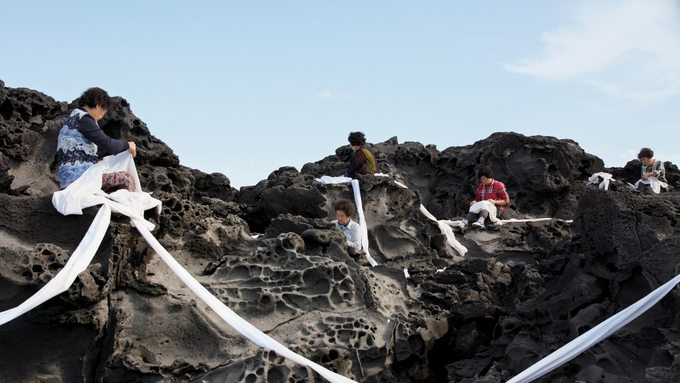
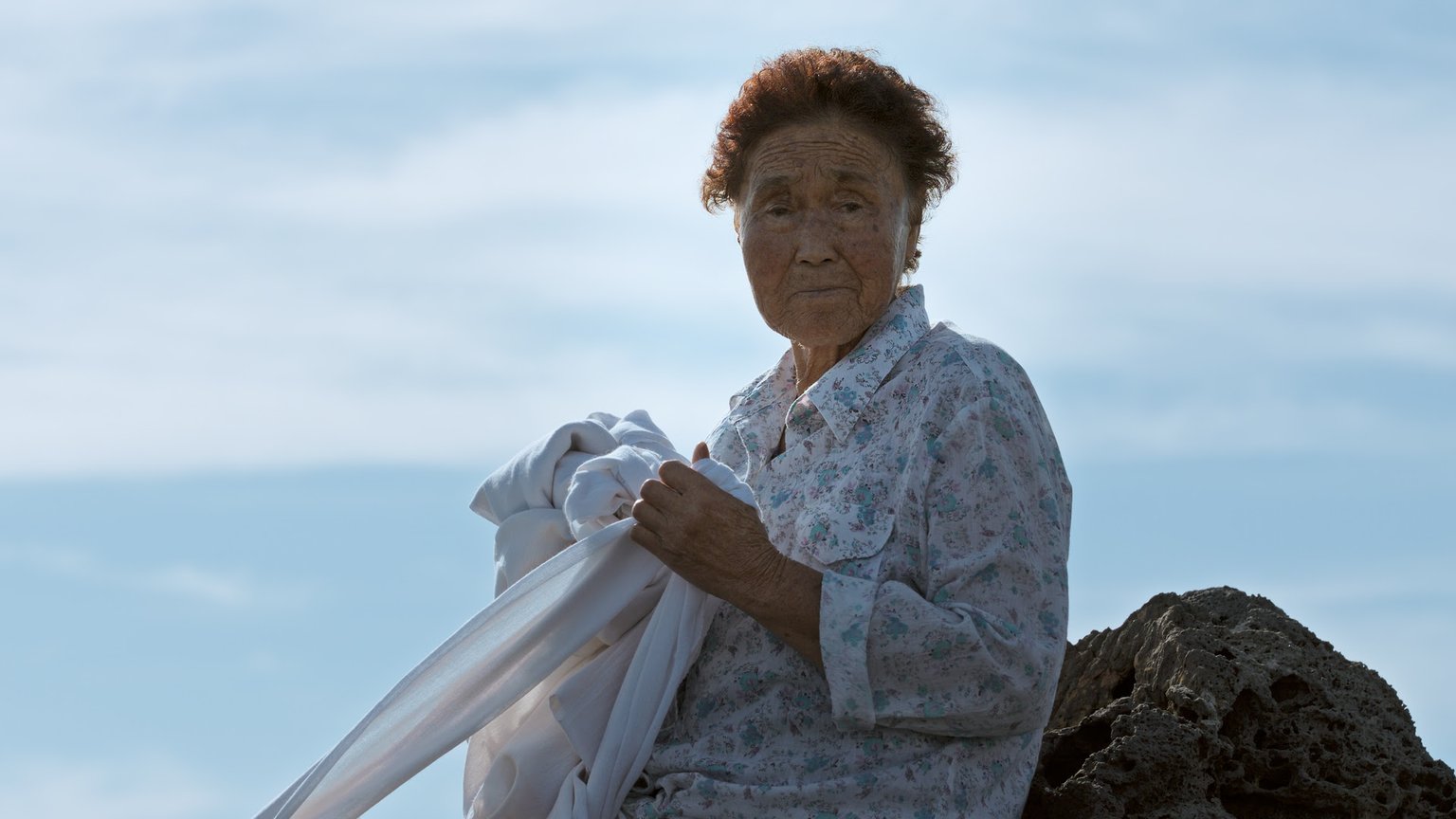
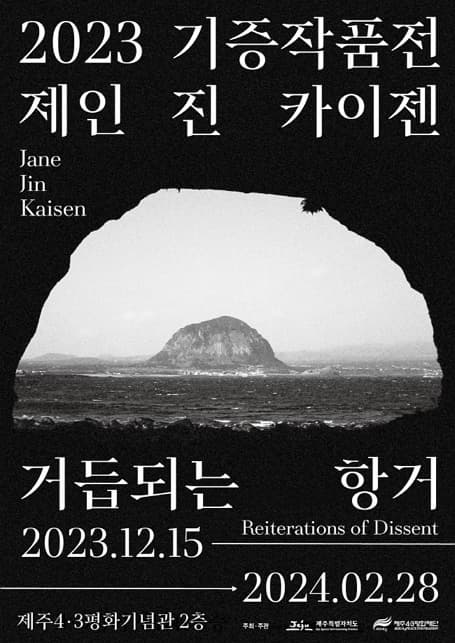
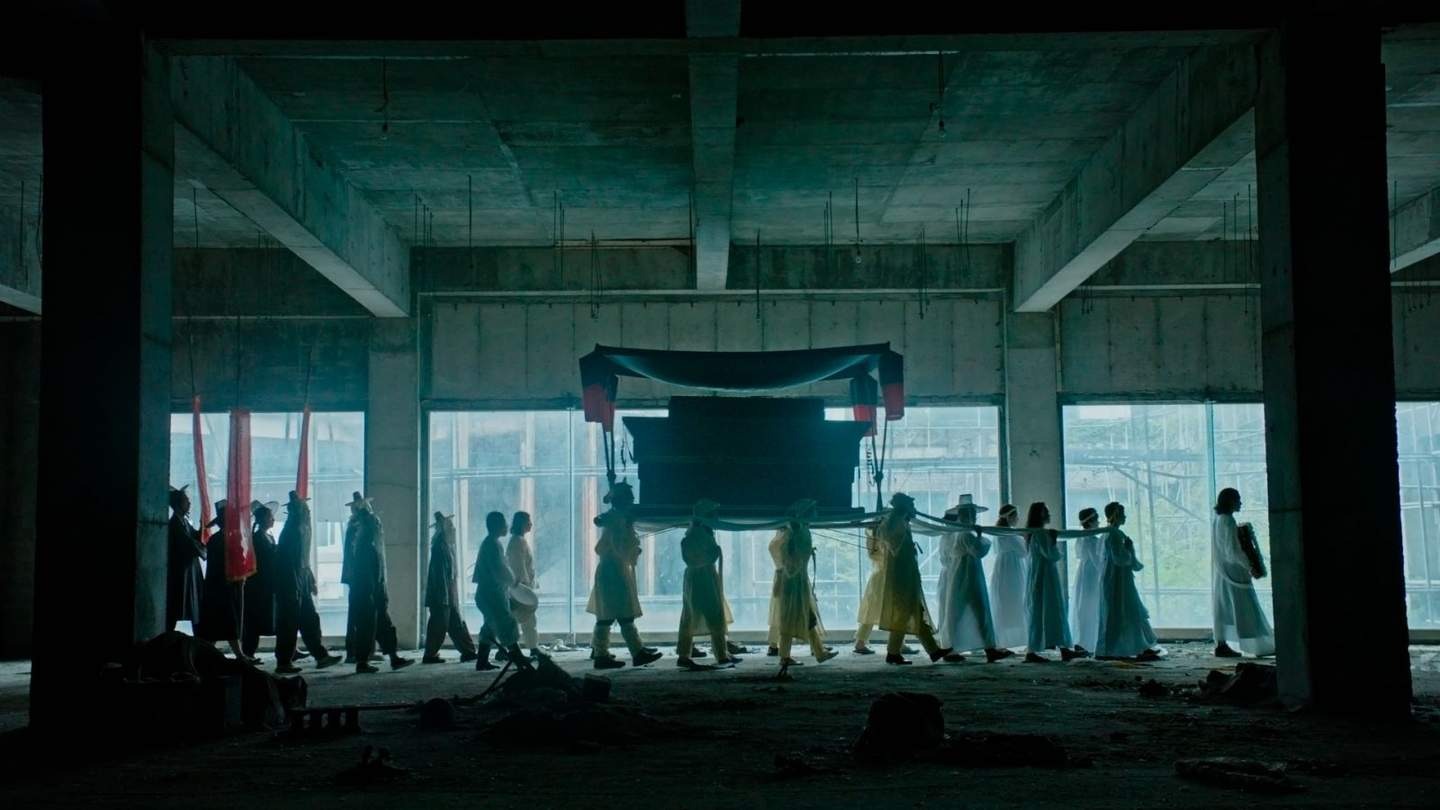
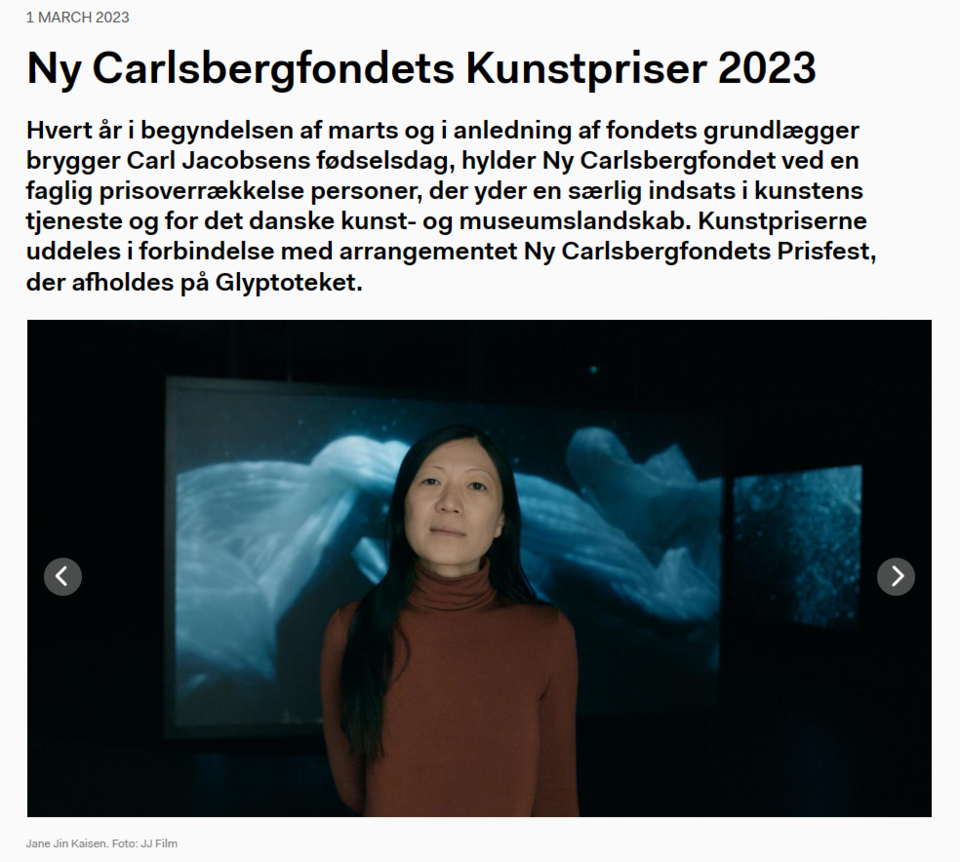
traditional theater that features only women actors. Jane Jin Kaisen interprets
the Bari myth, a story of a daughter who was ousted from her community, as a
new potential of escaping borders and separation, and as a liminality
interrupting West’s colonial-modern. Hwayeon Nam explores the work of the
twentieth-century choreographer and dancer Choi Seung-hee, who embraced a grand
ambition for East Asian dance and constantly collided with modern borders as
she generated modern inventions while struggling with ideologies and notions of
nation.
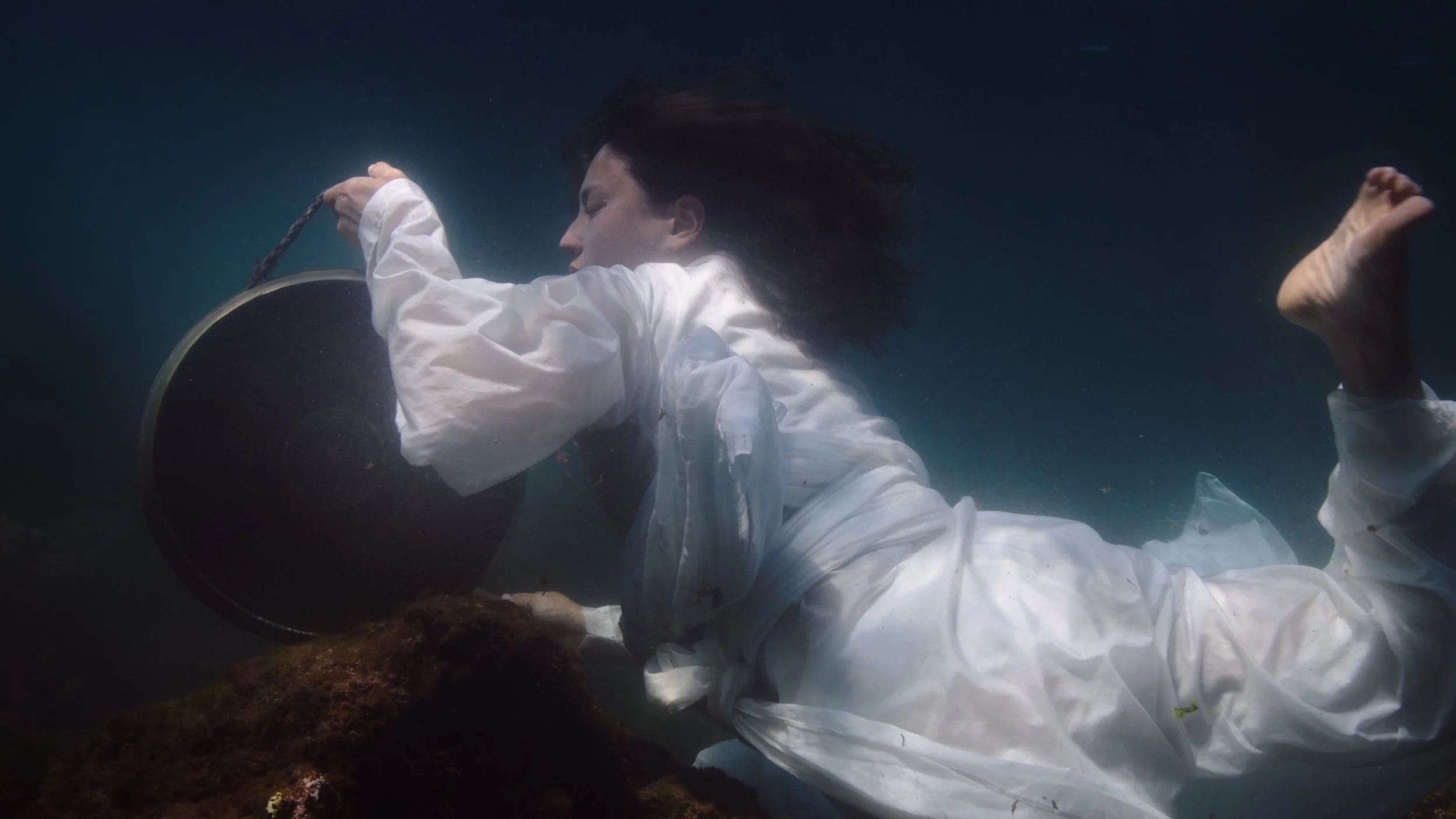
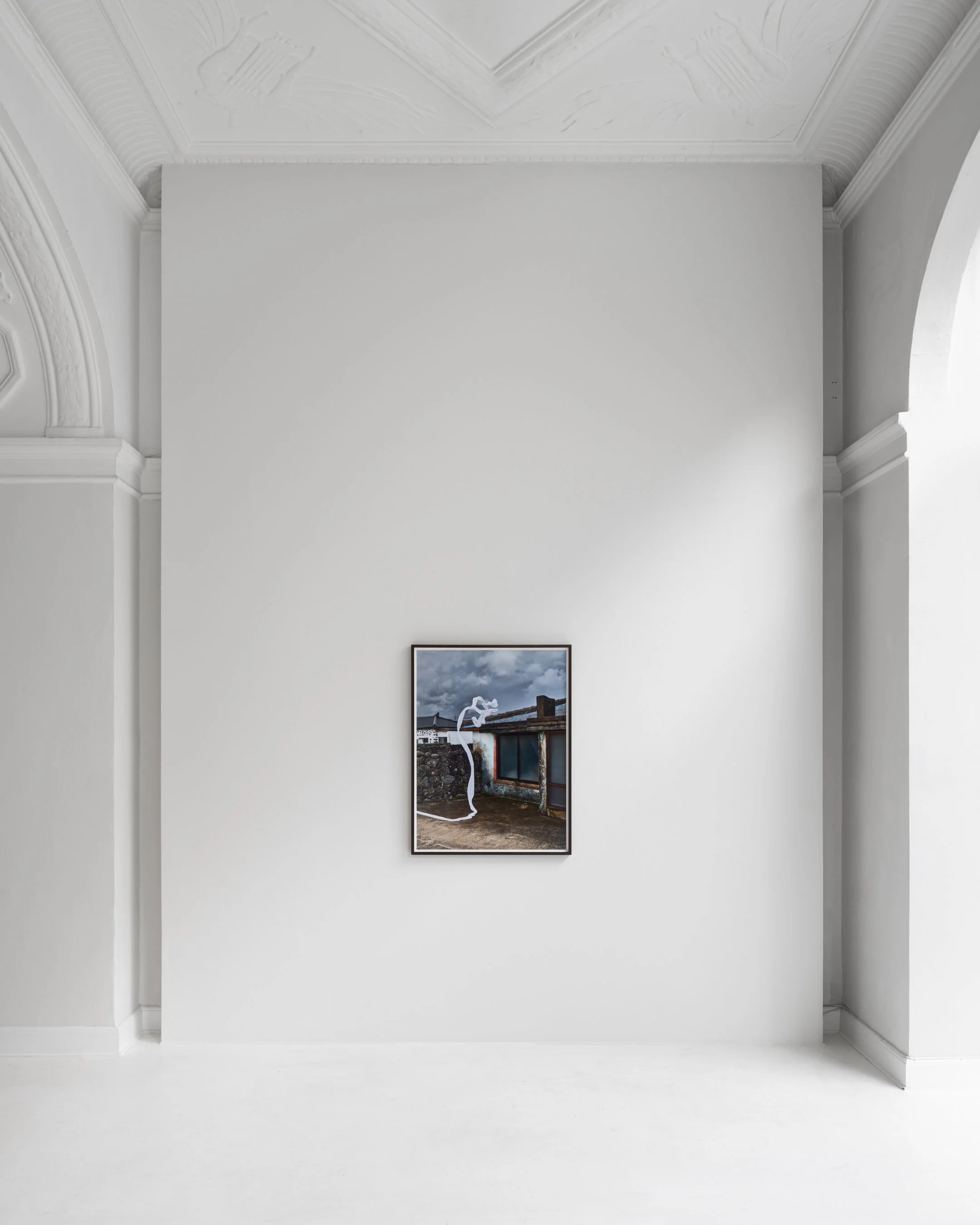
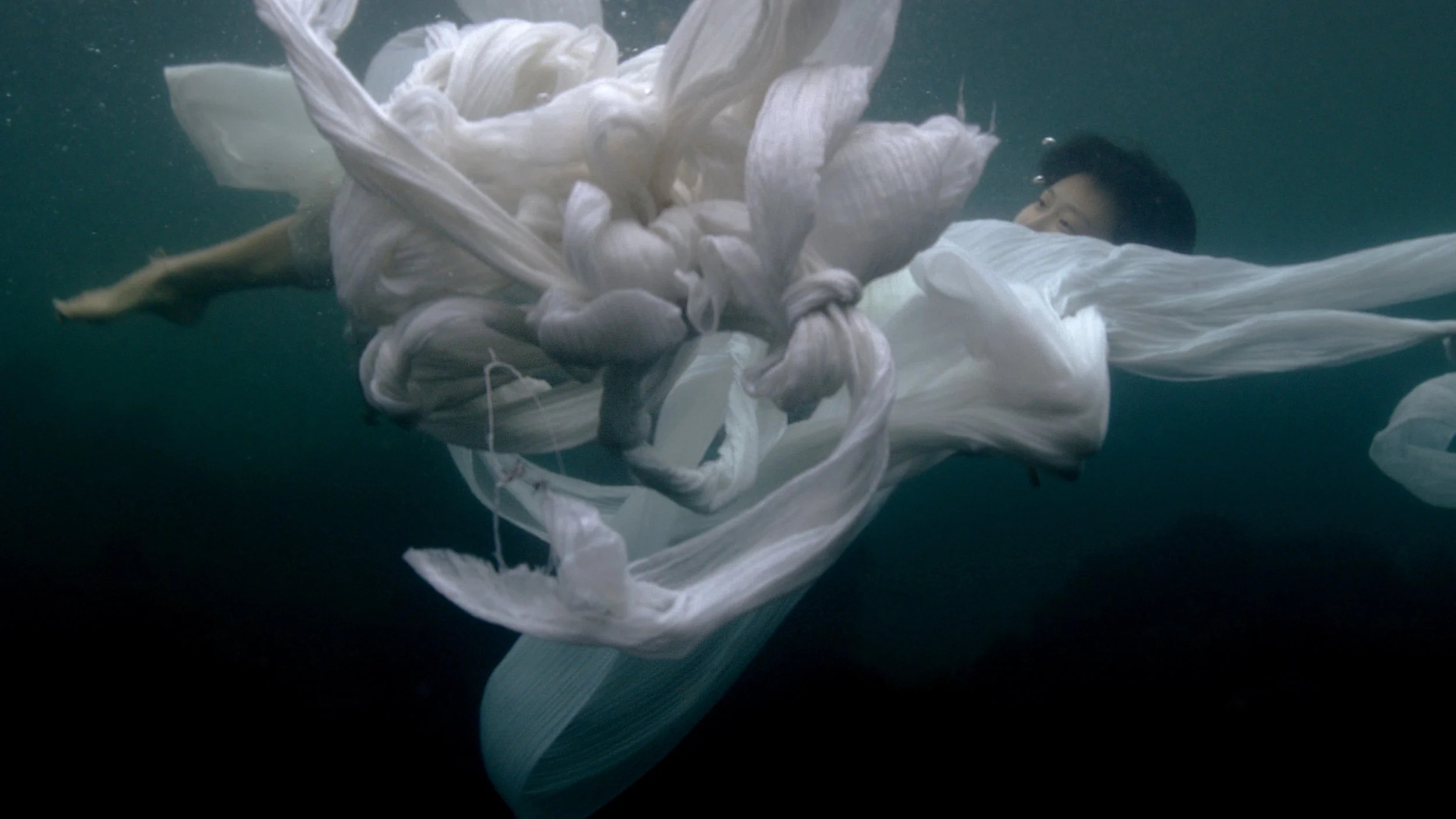
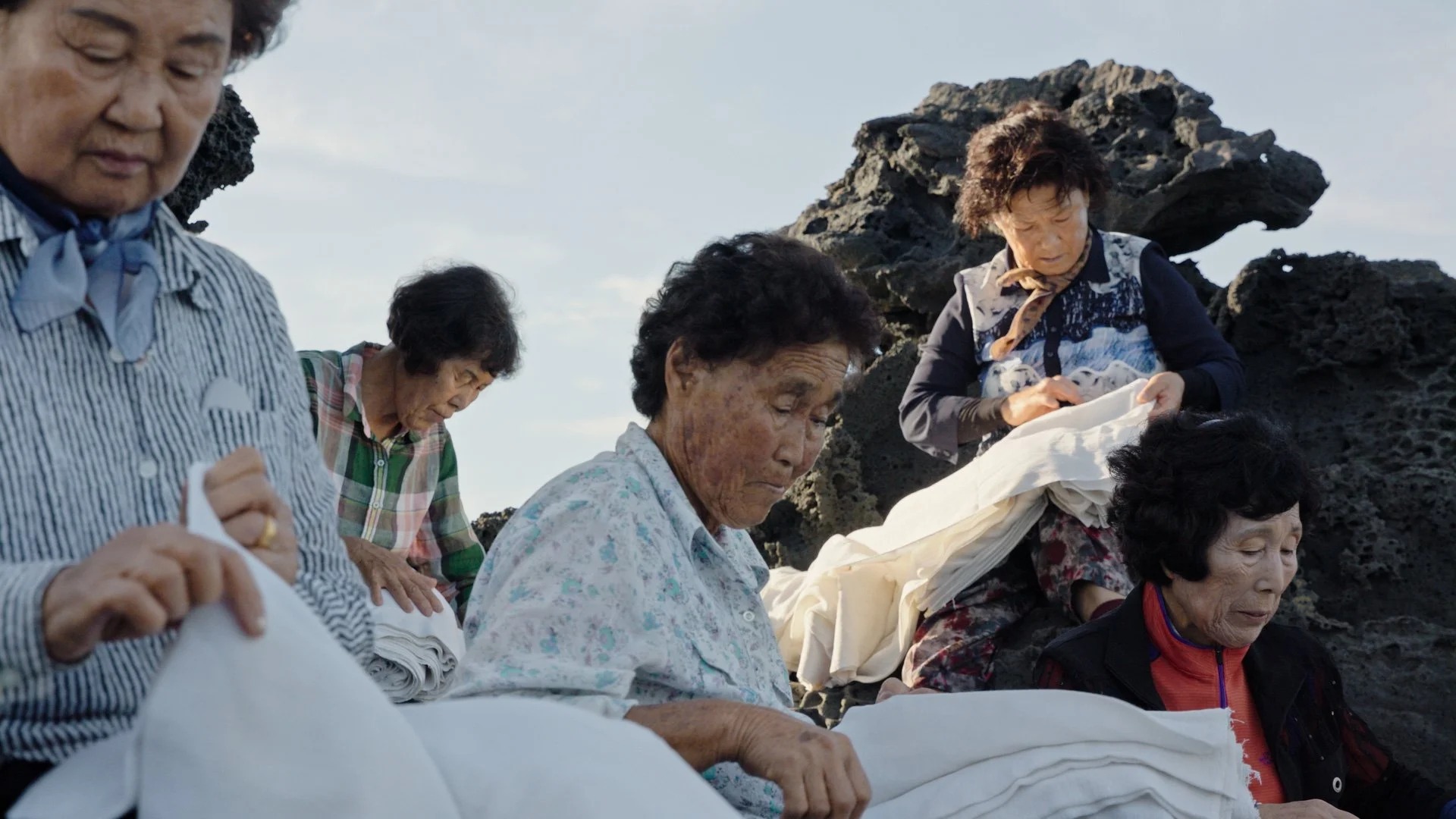
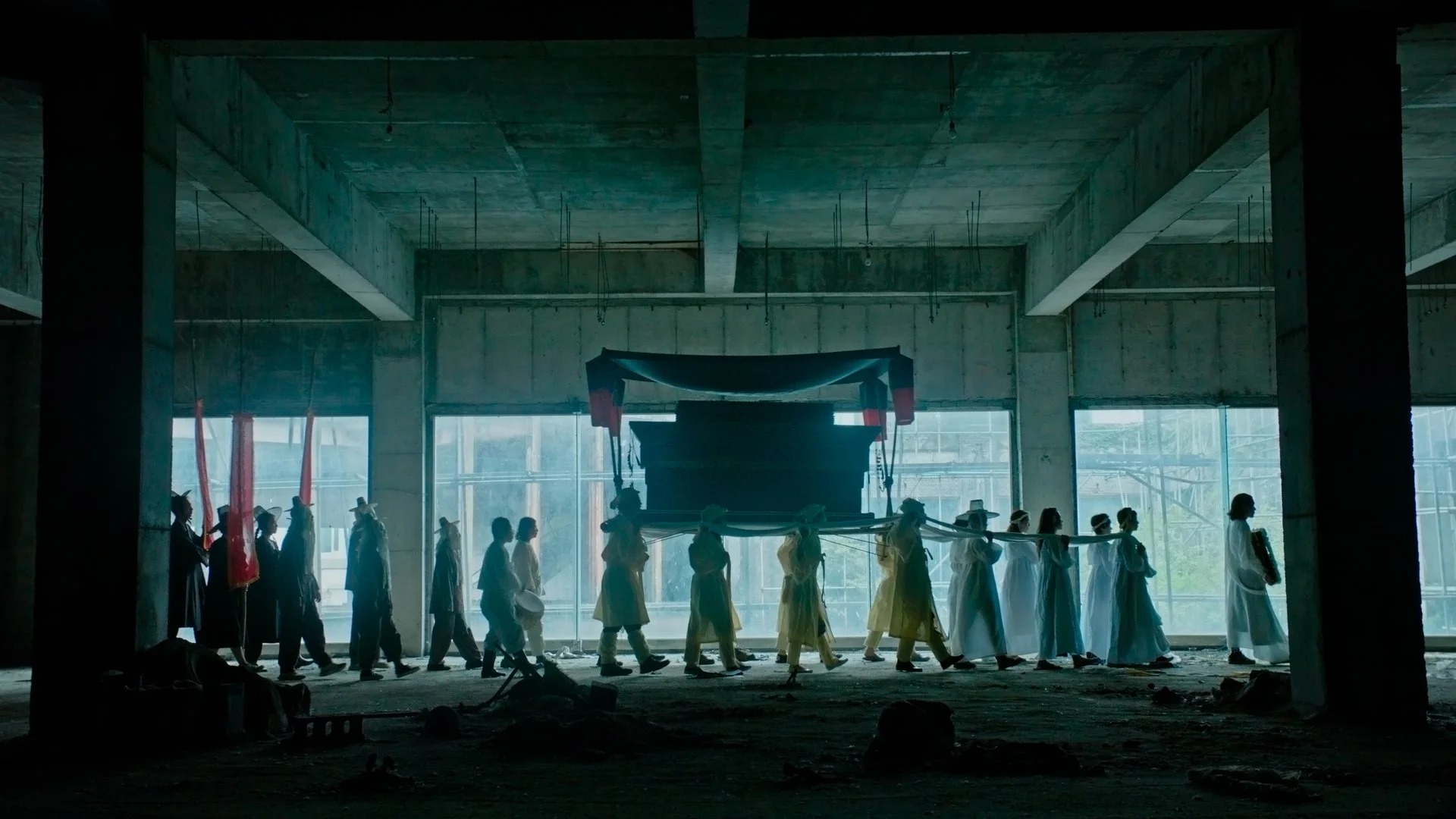
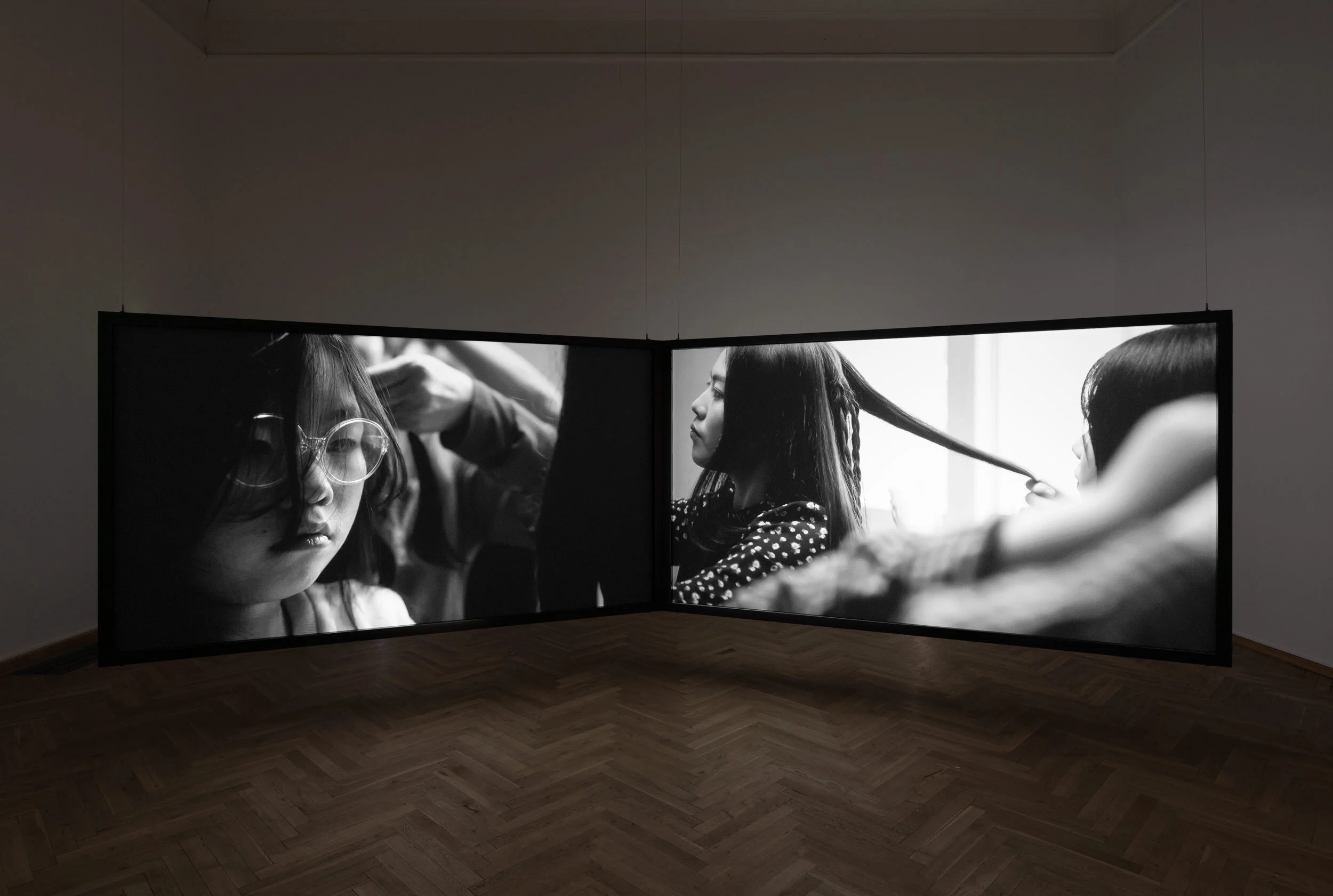
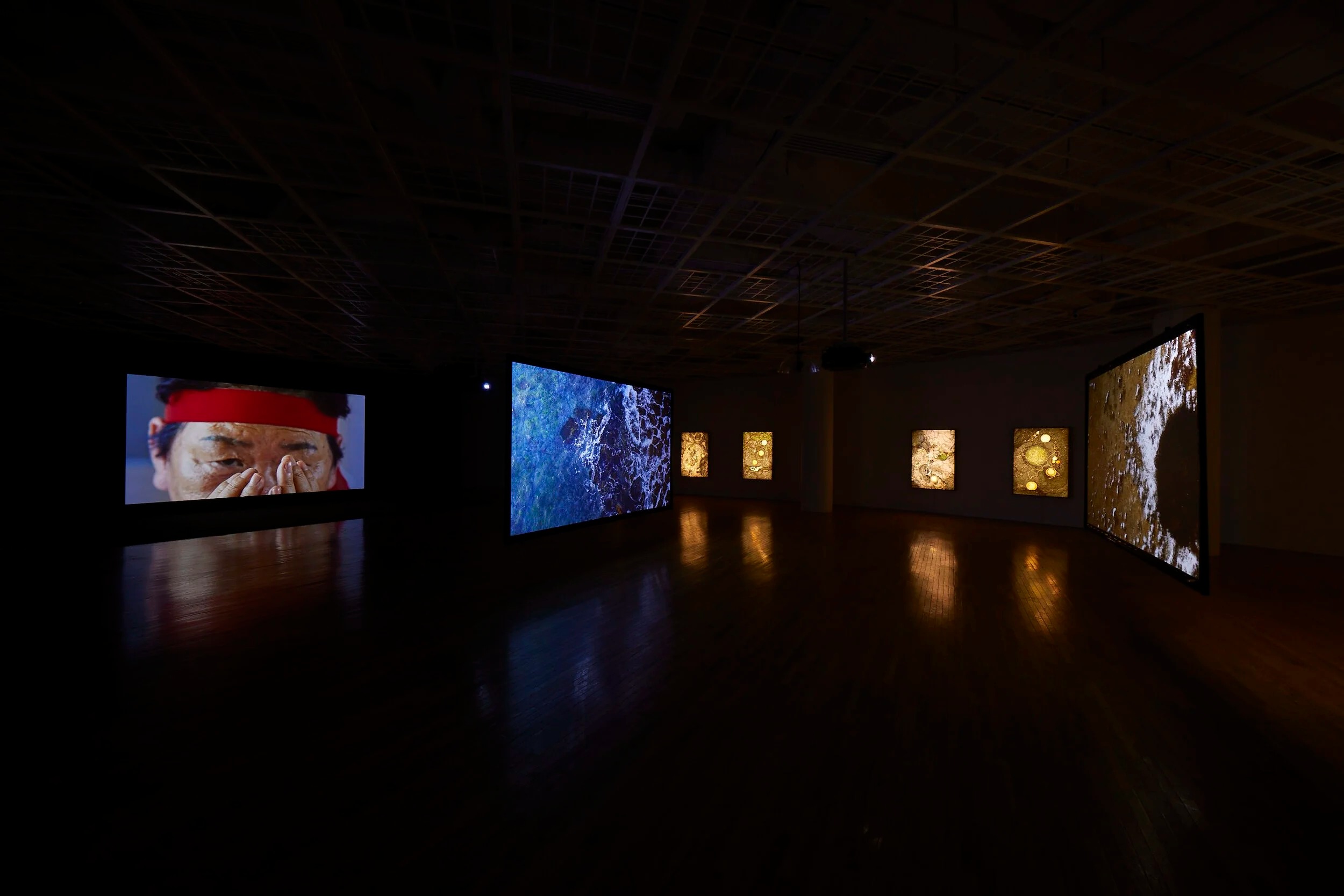
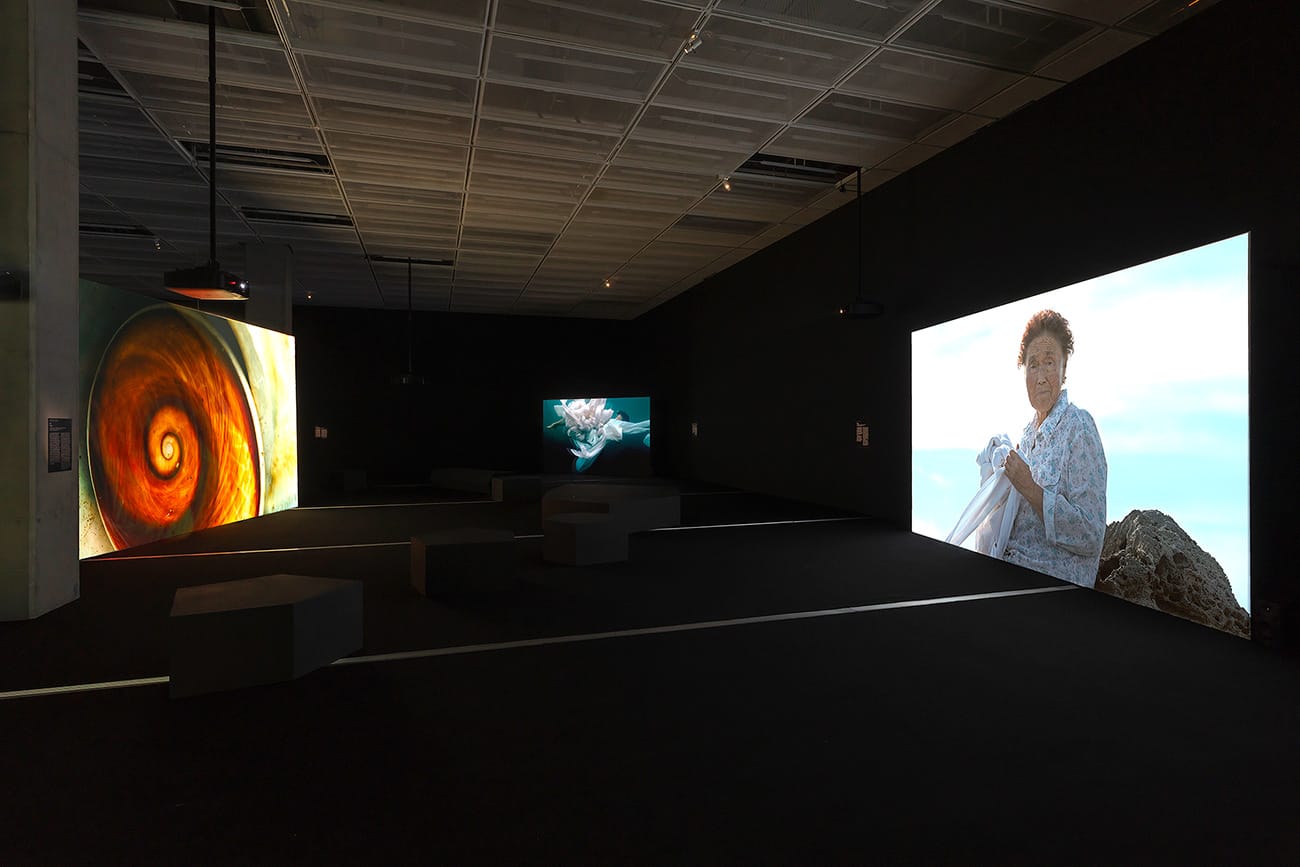
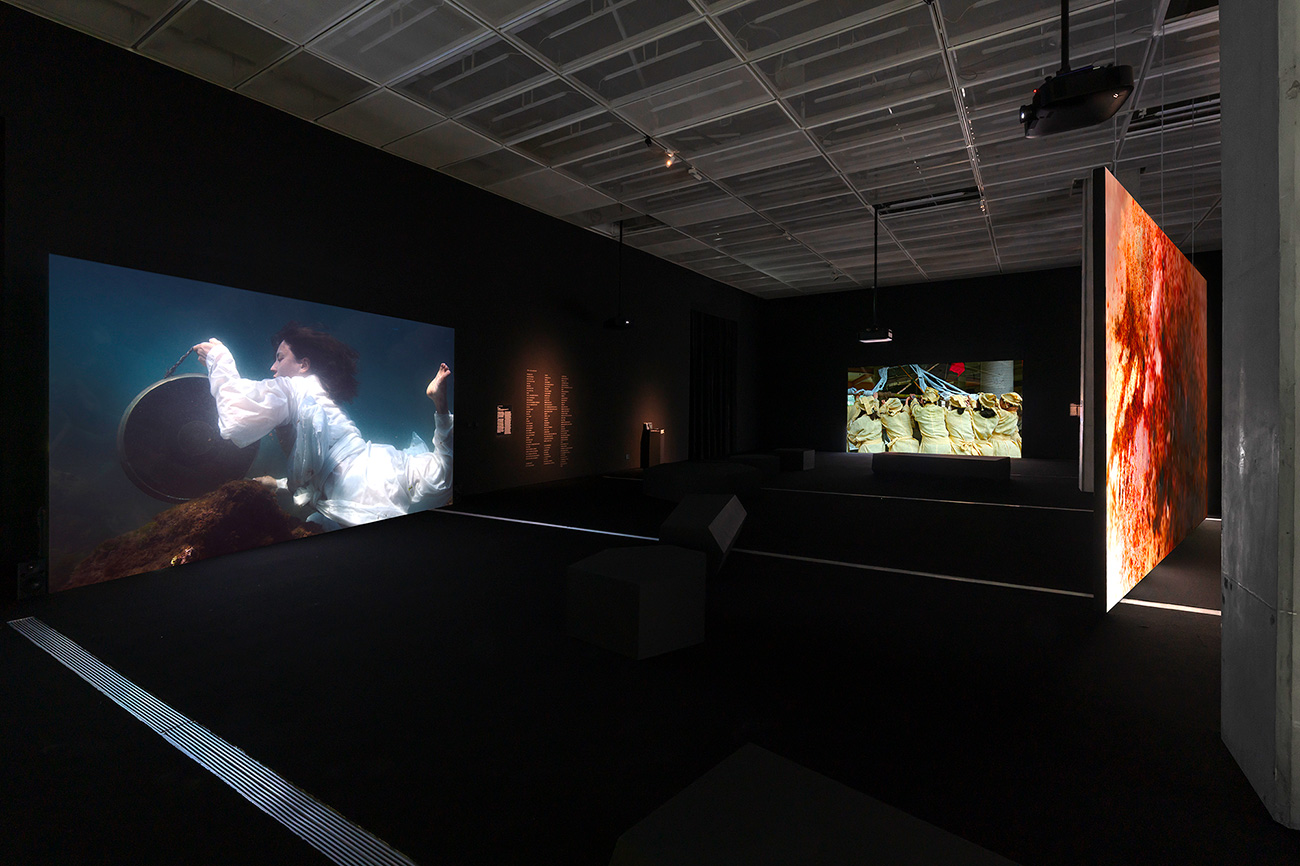
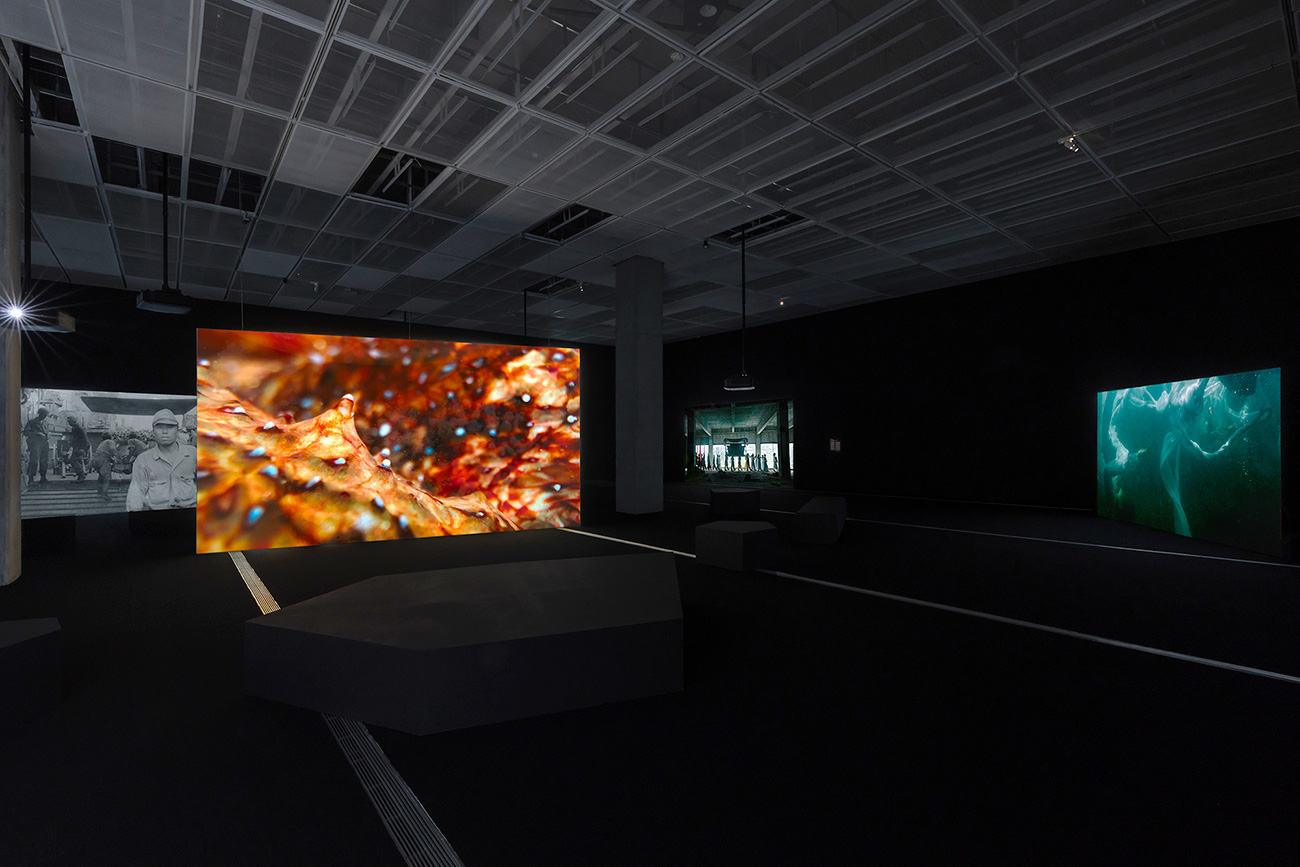
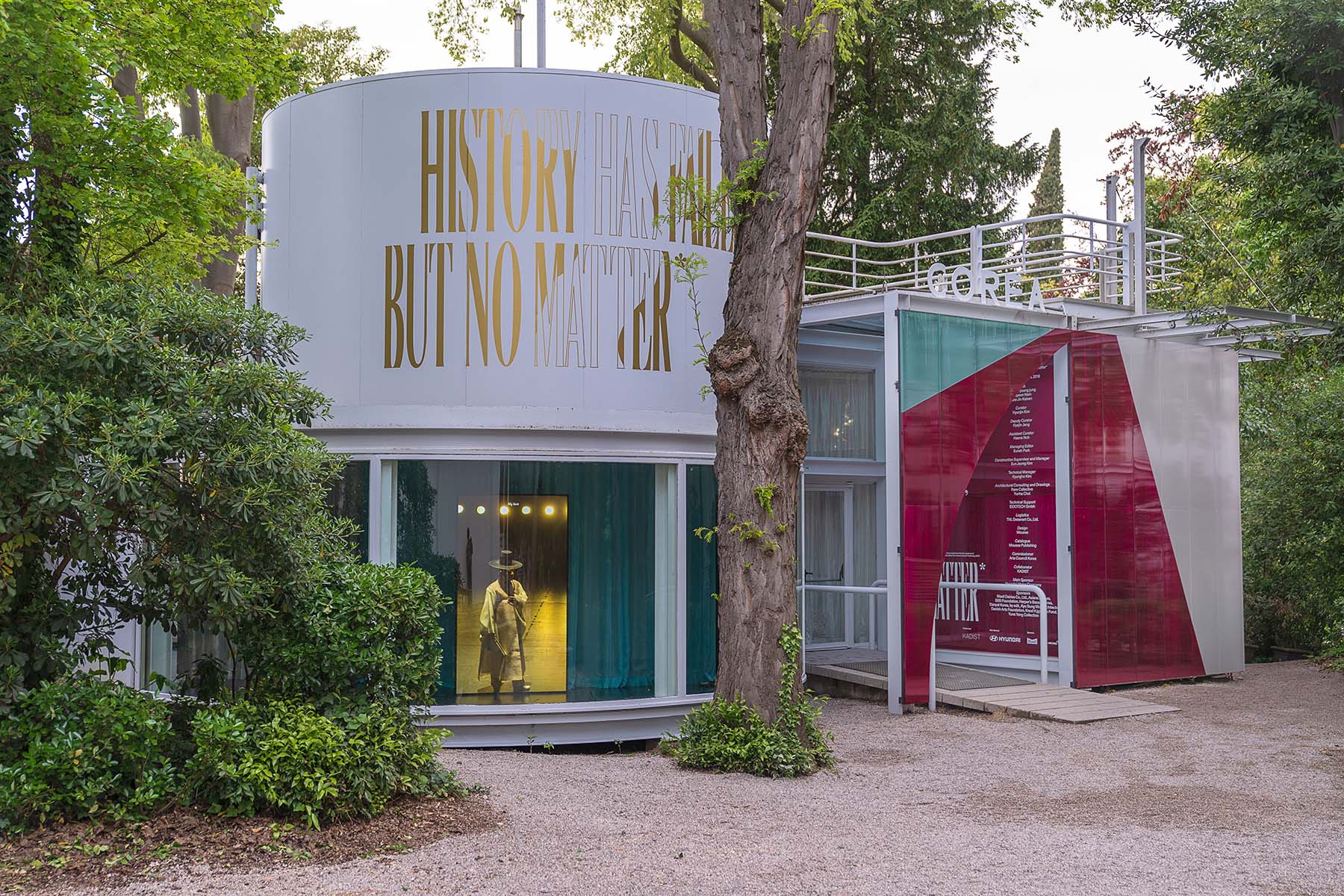
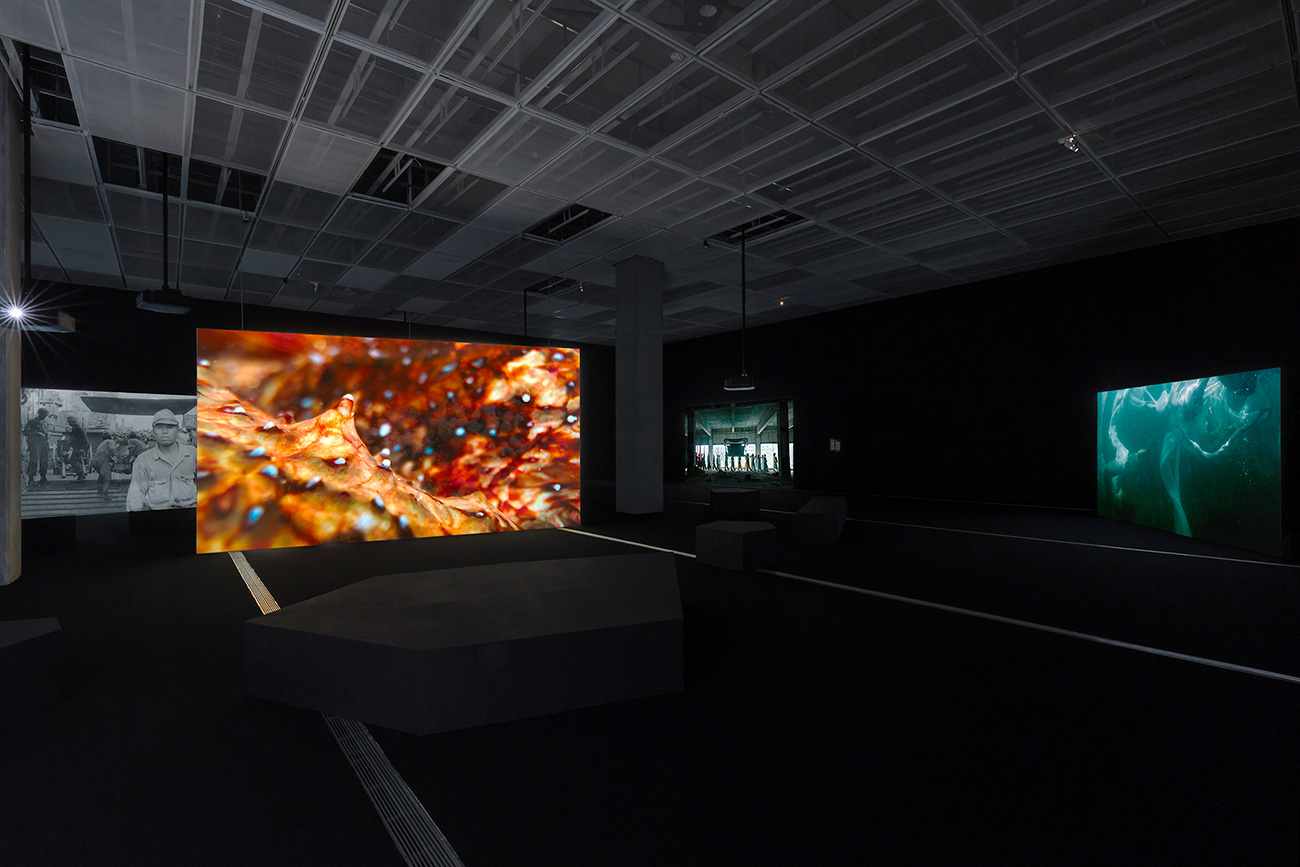
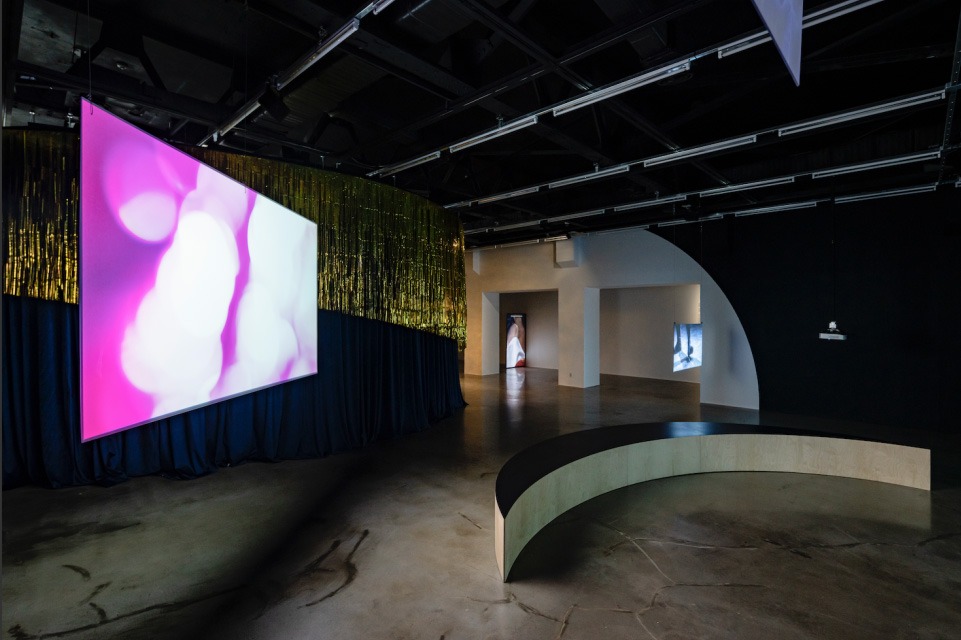
In the work of these three artists—presented in the Korean Pavilion for
the 58th Venice Biennale within the exhibition 《History Has Failed Us, but No Matter》—“tradition”
serves as a significant medium throughout the process of digging into,
researching, discovering, rethinking, and finally interrupting the modality of
the East Asian modernization that has been in pursuit of Western modernity.
Generating a complex narrative assemblage of historical interventions, the
three artists in this exhibition seek to resist and create ruptures in the
logic of systems and power, and they are keen to question how the development
of civilization, violence of convention, and the norms of such history take
place in our times.
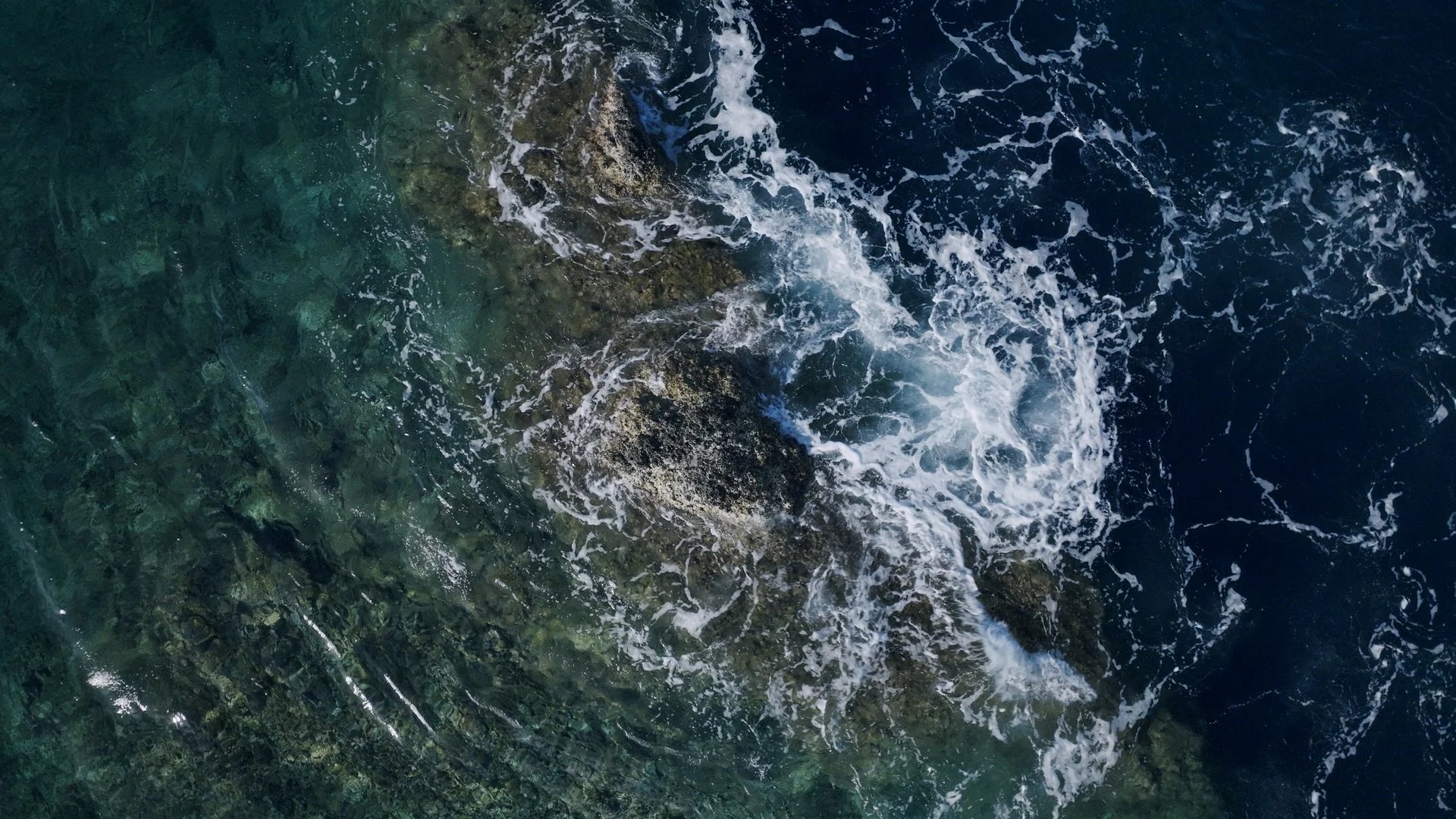
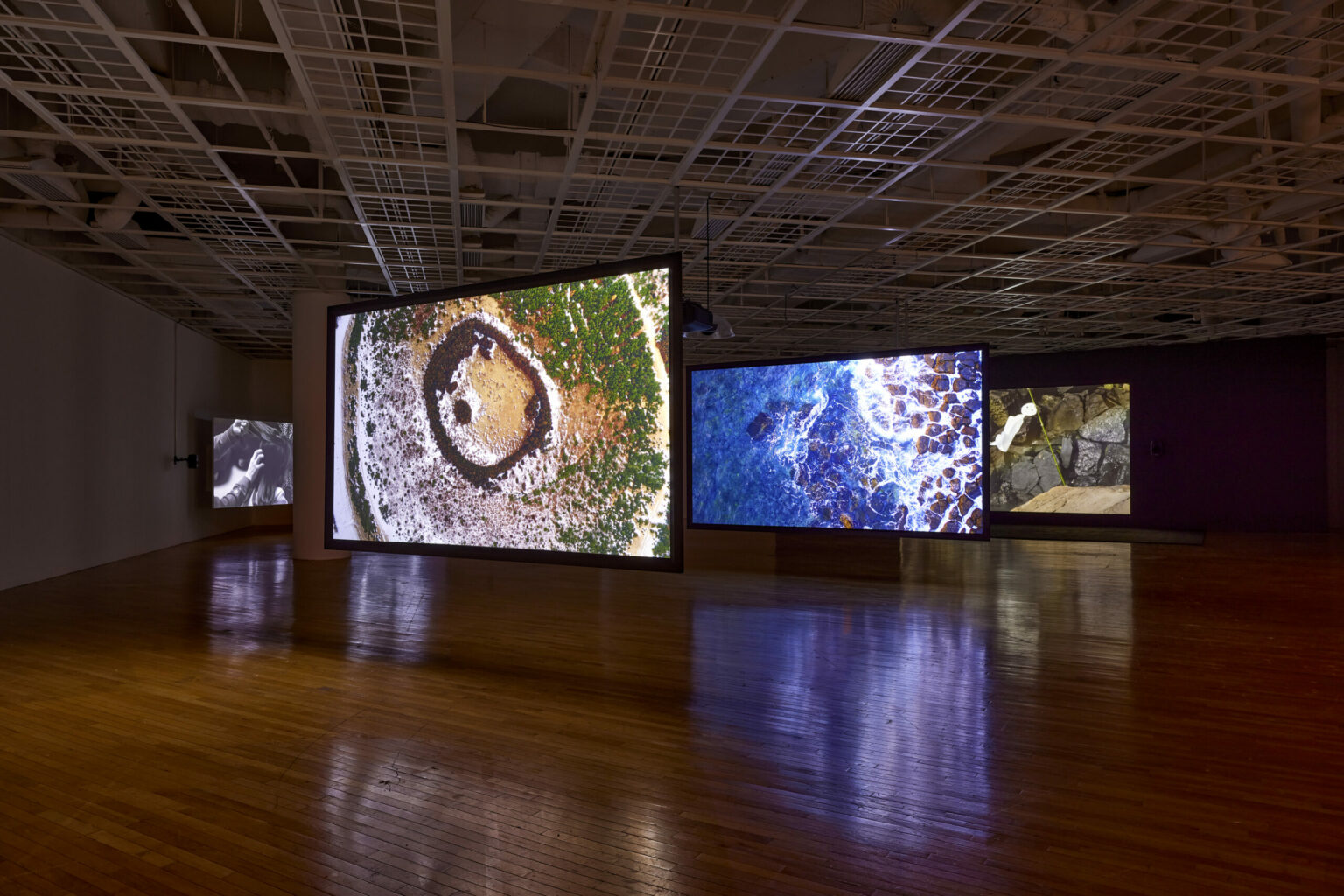
Saturated with the performance of tactile knowledge and the
experiences of affect that are manifested through the sounds, rhythms, waves,
series of scattered images and bodily movements, the exhibition attempts a
space for the veiled, the forgotten, the exiled, the condemned, and the
silenced. Here, they murmur, sing, cry, pause, laugh, express, move, and dance,
and finally speak out loud. “History has failed us, but no matter.”
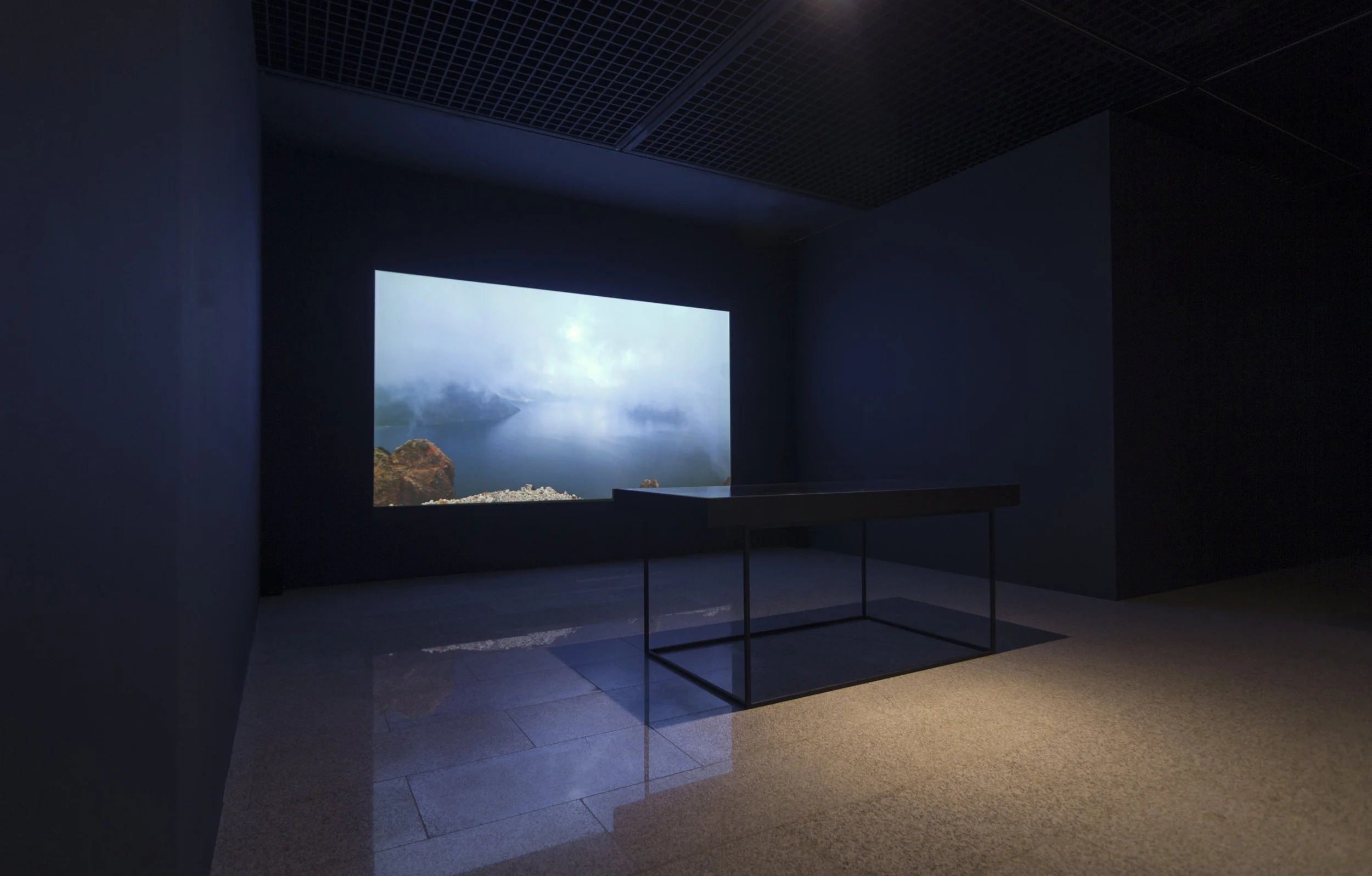
In previous works such as Orbital Studies, Imjingawa, and A Garden in Italy, Hwayeon Nam investigated the methodologies of how movement conveys the various facets of an object by investigating it via archives. Her new work, Dancer from the Peninsula, focuses on the history of dancer Choi Seung-hee (1911–1969), specifically the period after 1941 when she defected to North Korea, and how her art mirrors the trajectory of her own life and that of the mid twentieth century.
After touring around Europe, North America, and Latin America, Choi declared her ambition to invent a uniquely modern East Asian dance, one that transcended the boundaries of Joseon (Korea). Japan initiated the Pacific War in December 1941, the year that Choi returned to Korea and it was during this period that she performed for Japanese soldiers in China as a part of their morale-boosting campaign. At the same time she announced new works inspired by classical Japanese musical drama noh (能) and Japanese court dance bugaku (舞楽).
Living mostly in China during the war, she stressed the importance of modernizing Peking opera and the need to establish a new modern East Asian dance. Bridging these complex cultural positions, she had many names: not only was she Joseon’s Choi Seung-hee and Japan’s Sai Shoki (the Japanese pronunciation of Choi Seung-hee), she was also an internationally acclaimed dancer. During these tumultuous times, she witnessed the independence of Korea and the collapse of Japan in Beijing; in 1946, Choi defected to North Korea.
The works that Choi Seung-hee produced after 1941 remain the cornerstone of her legacy, forming the basis for both the creation of East Asian dance and what later developed into North Korean dance-drama. The context of this period complicates Choi Seunghee’s legacy, but Dancer from the Peninsula does not focus on the conditions surrounding her life or judge her as a person.
Rather, it focuses on her art and her research at the time, exploring the process through a framework of outside forces, aspirations as an artist, individual will to survive, and multiple bodies that have split in the collision of two contrasting timeframes—both the imminent tomorrow and the remote future that her ideals were headed toward.
It also presents the trajectory of her life as the contour of an abstract and contradictory space that she dreamt of and ran toward, but could never reach. Is it possible for Choi Seung-hee to yet again be mobilized, not as an historical figure, but as an artistic force, not as the narrated past, but refracted through an ontology of the present?