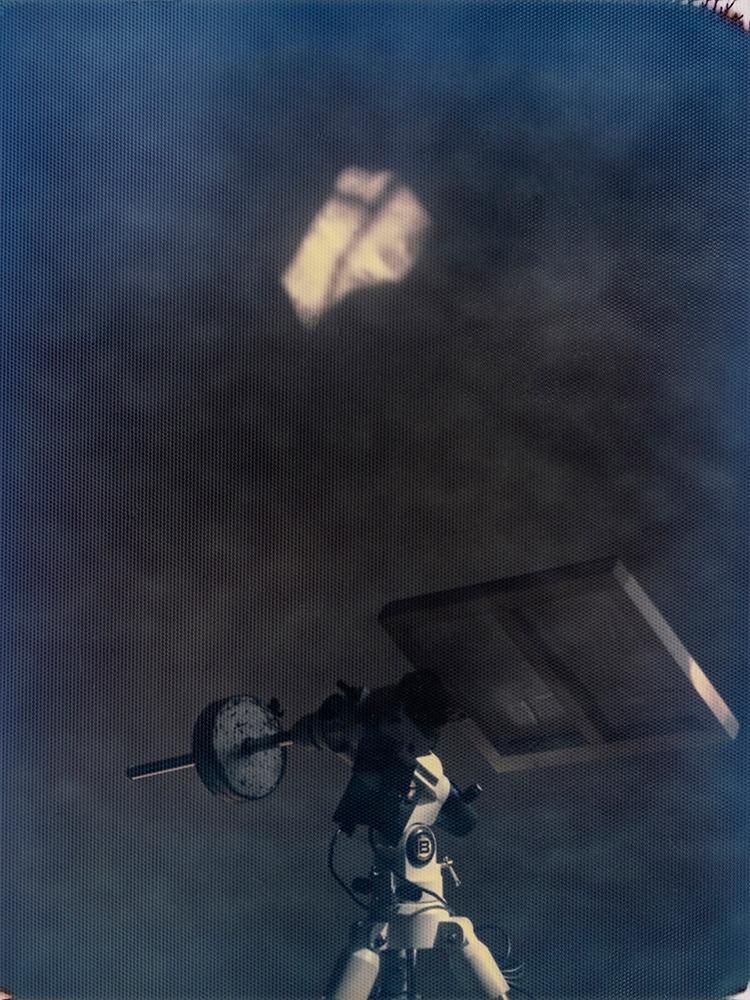
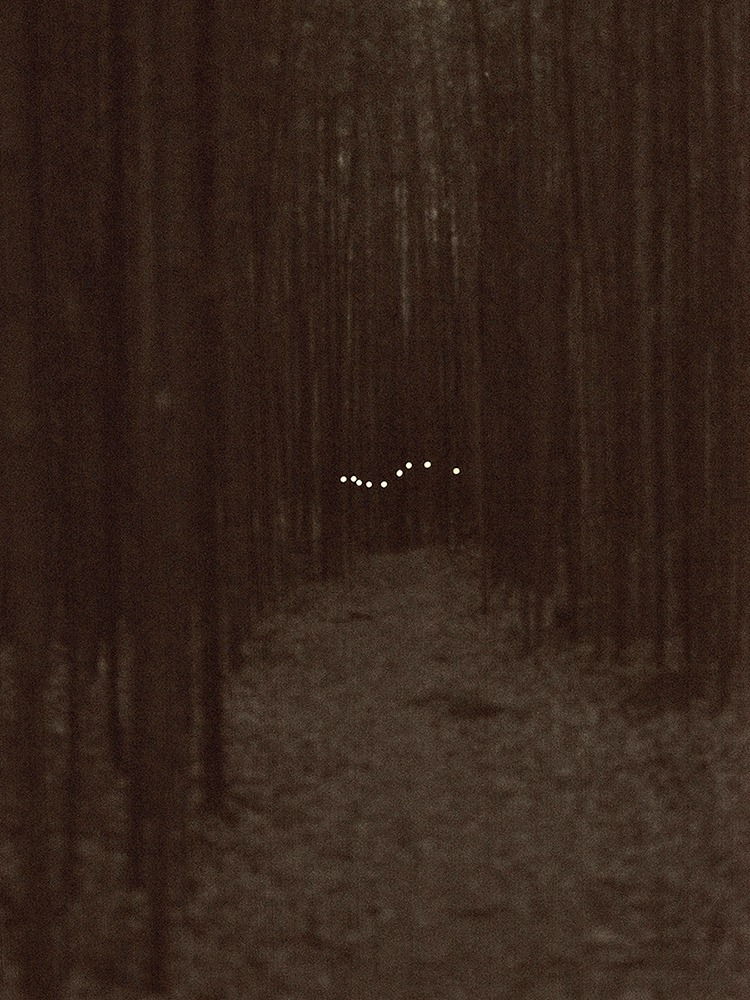
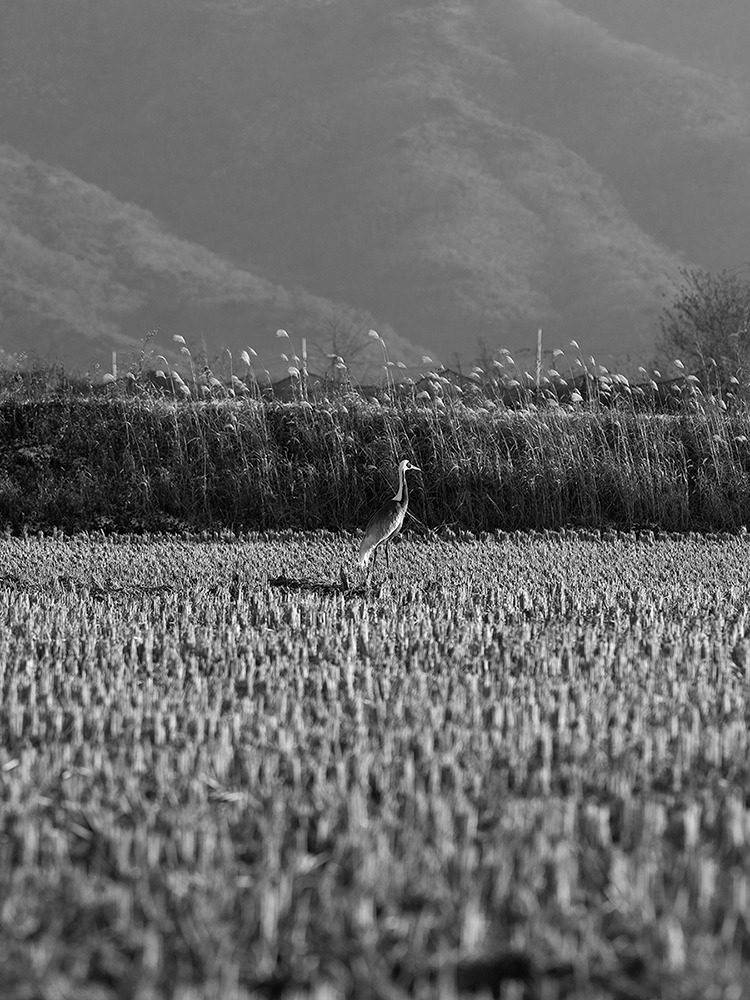
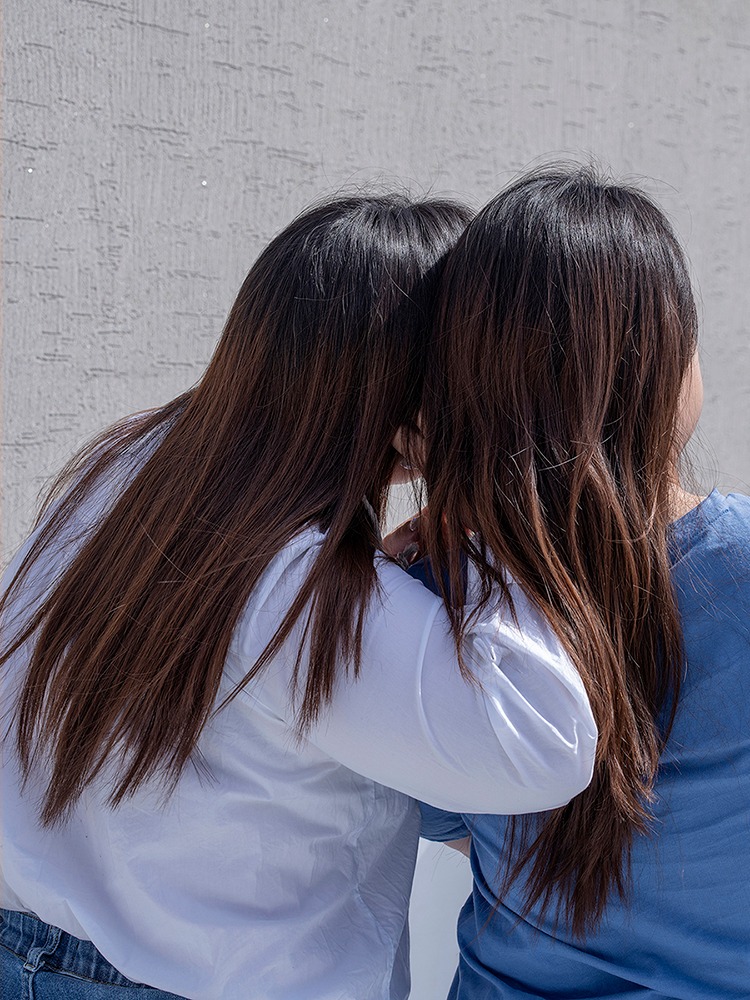
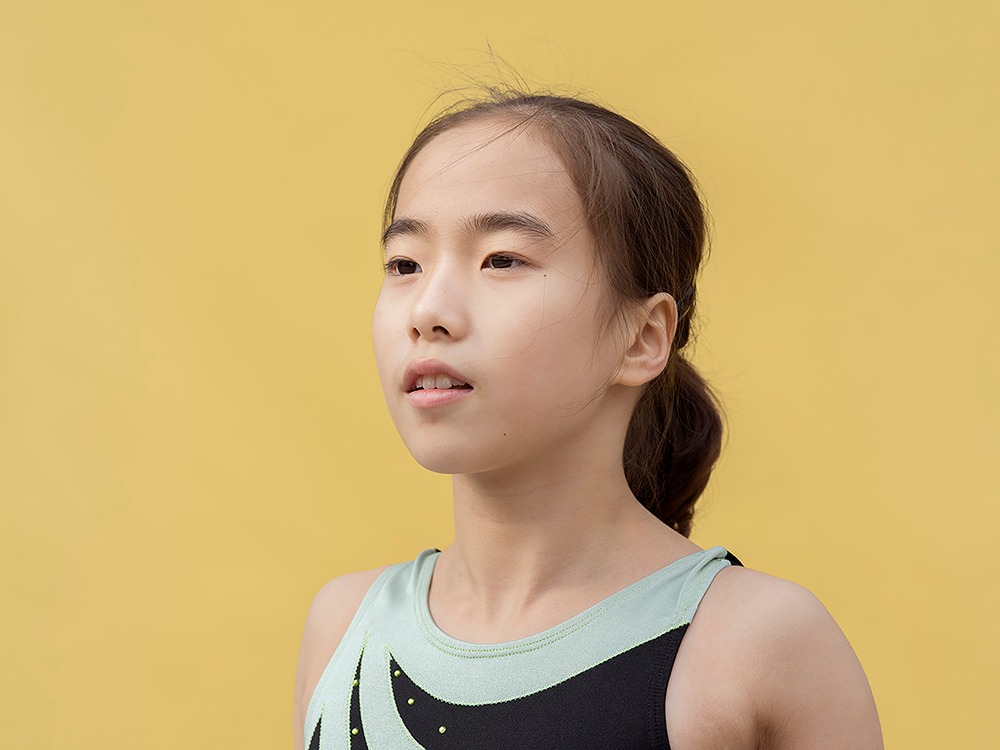
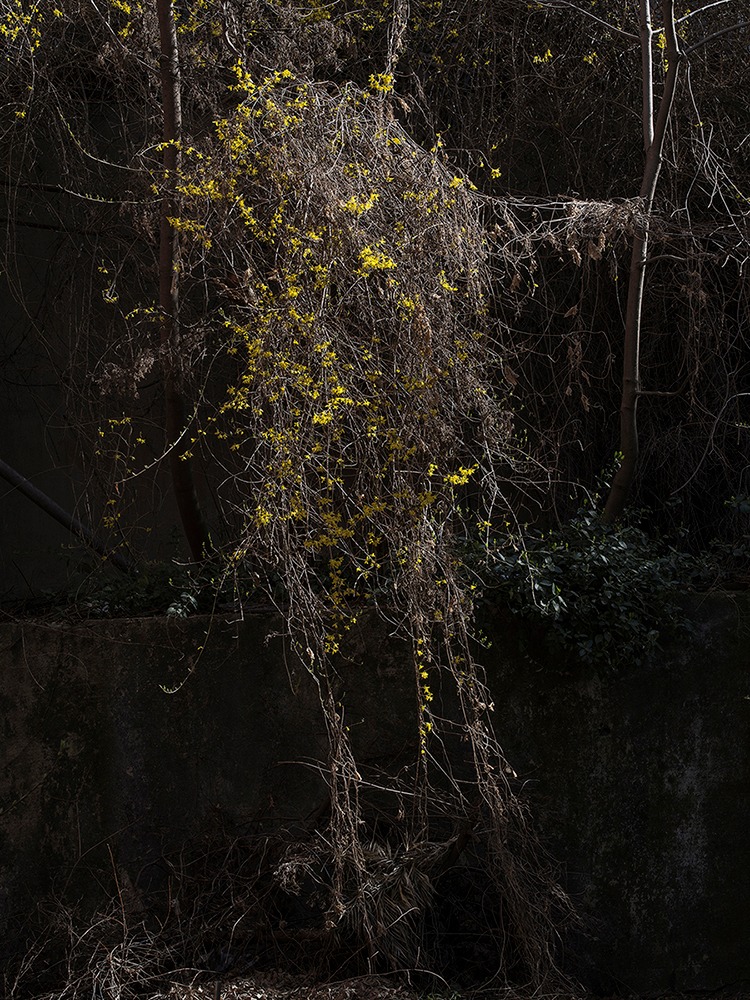
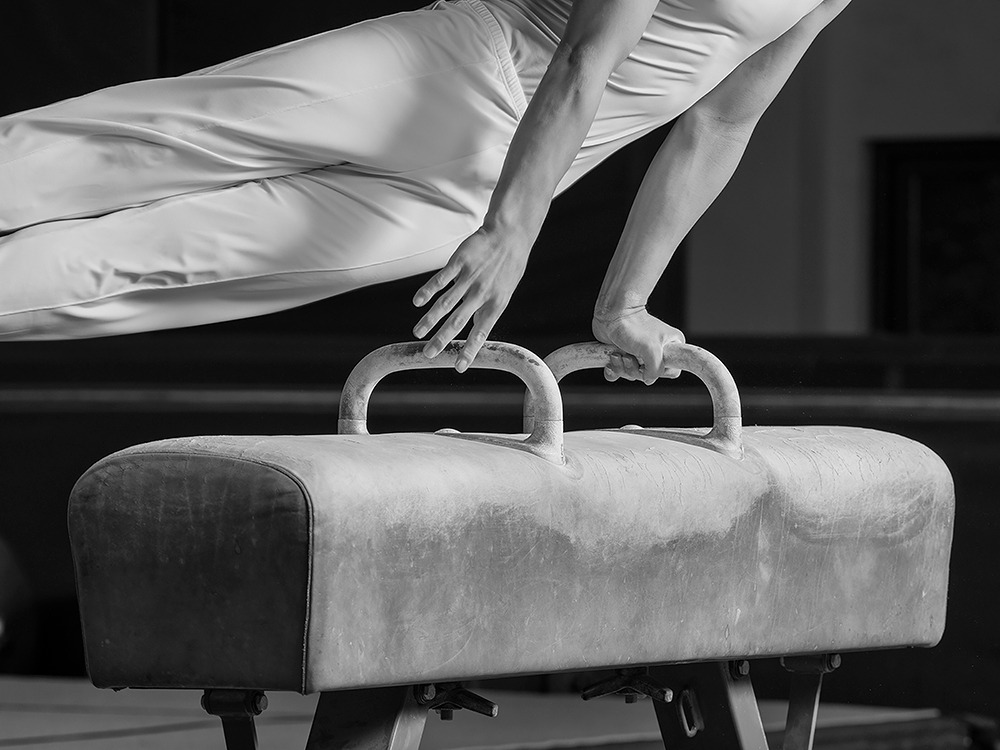
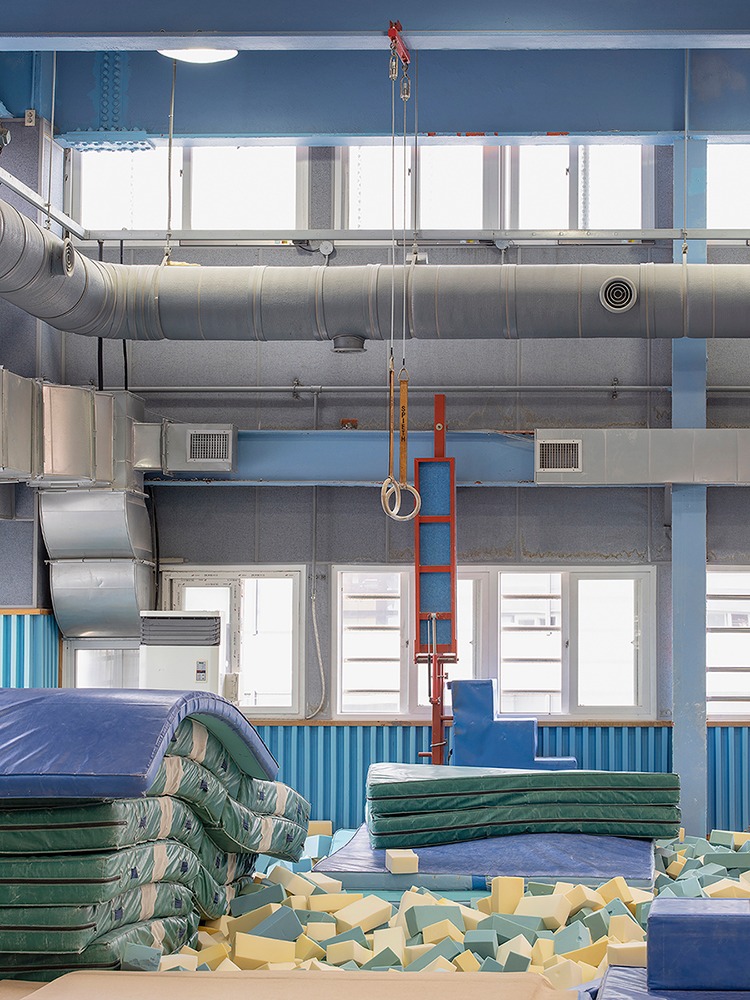
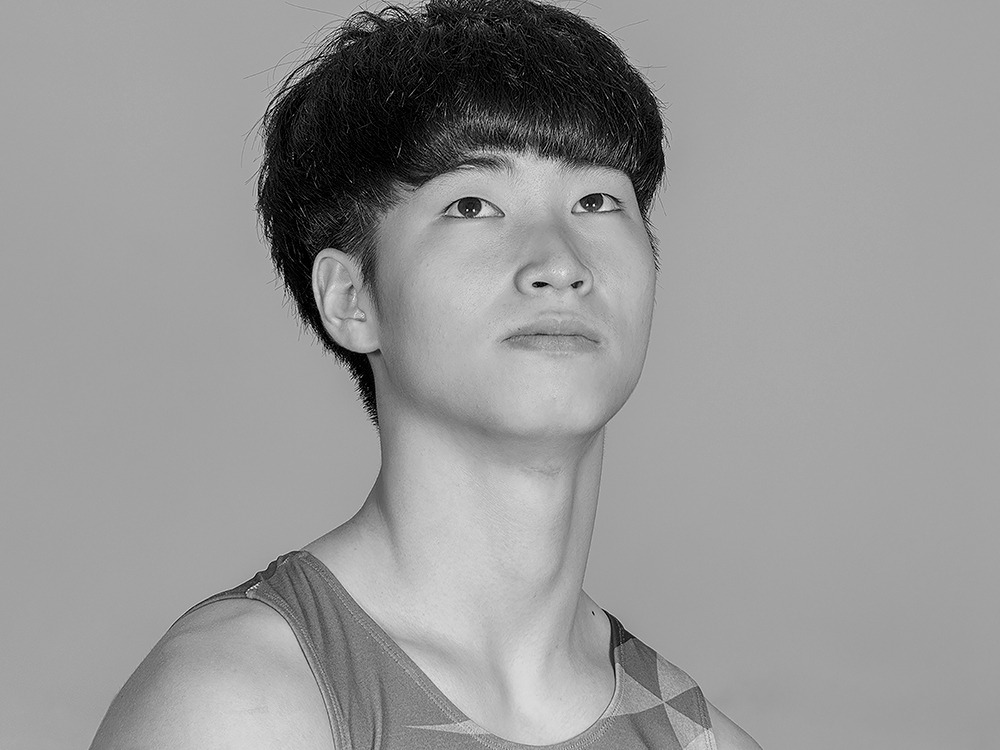
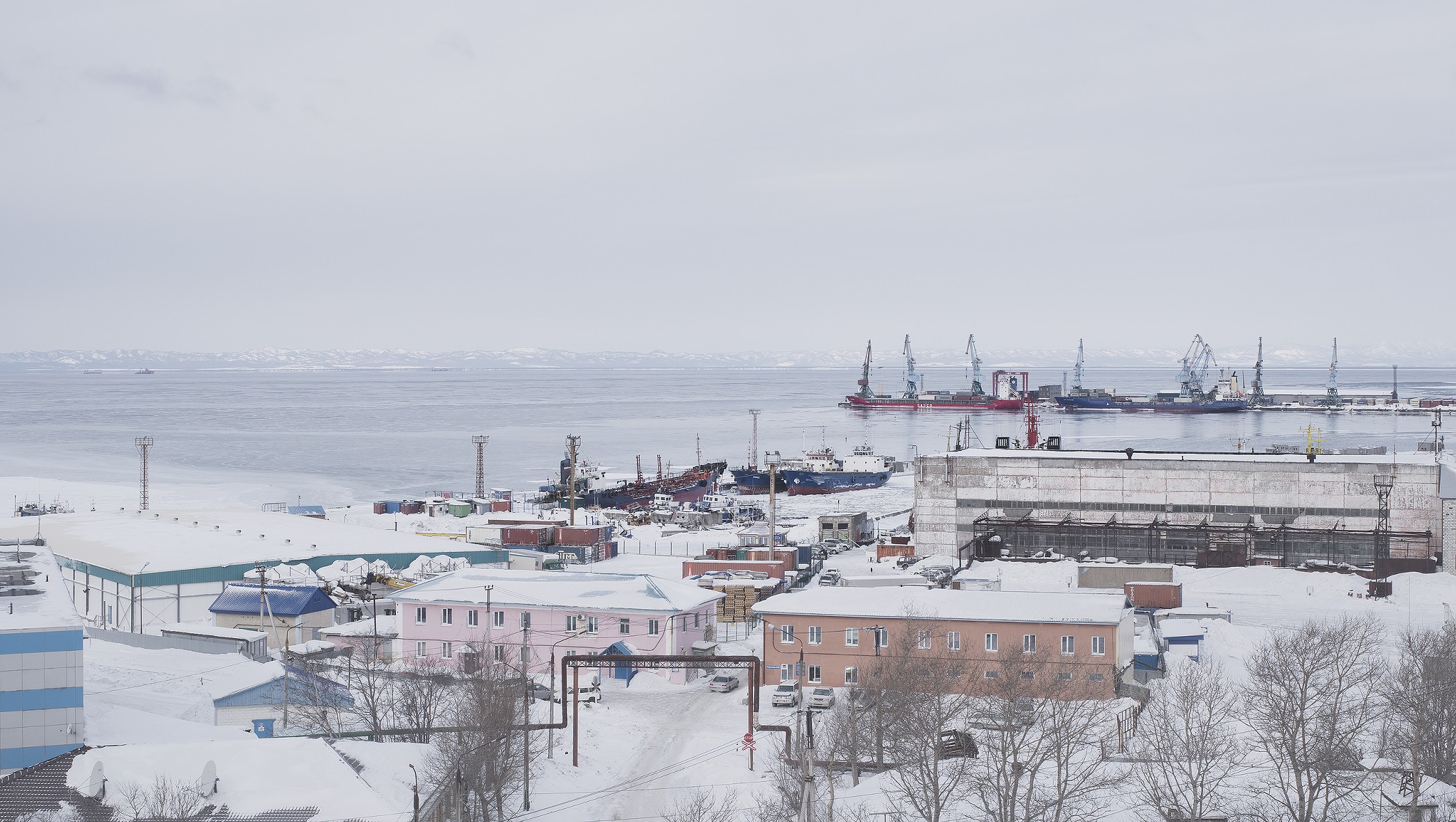
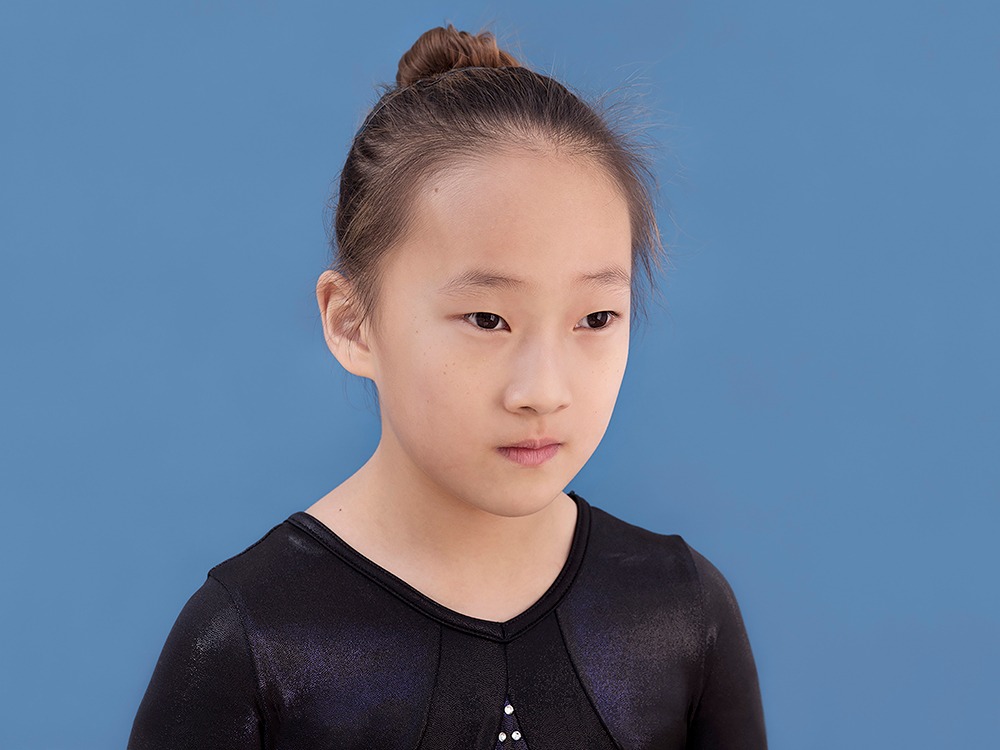
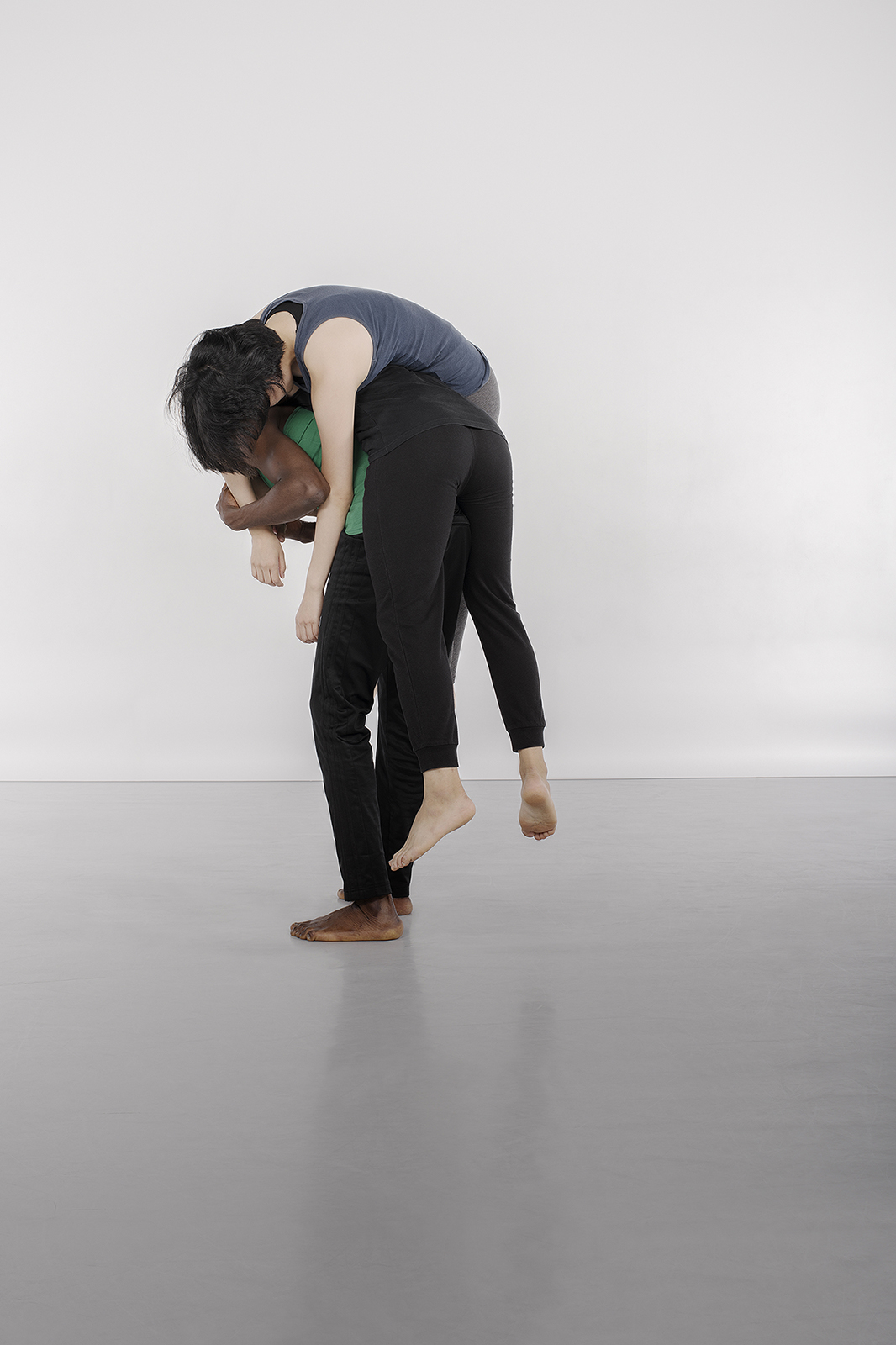
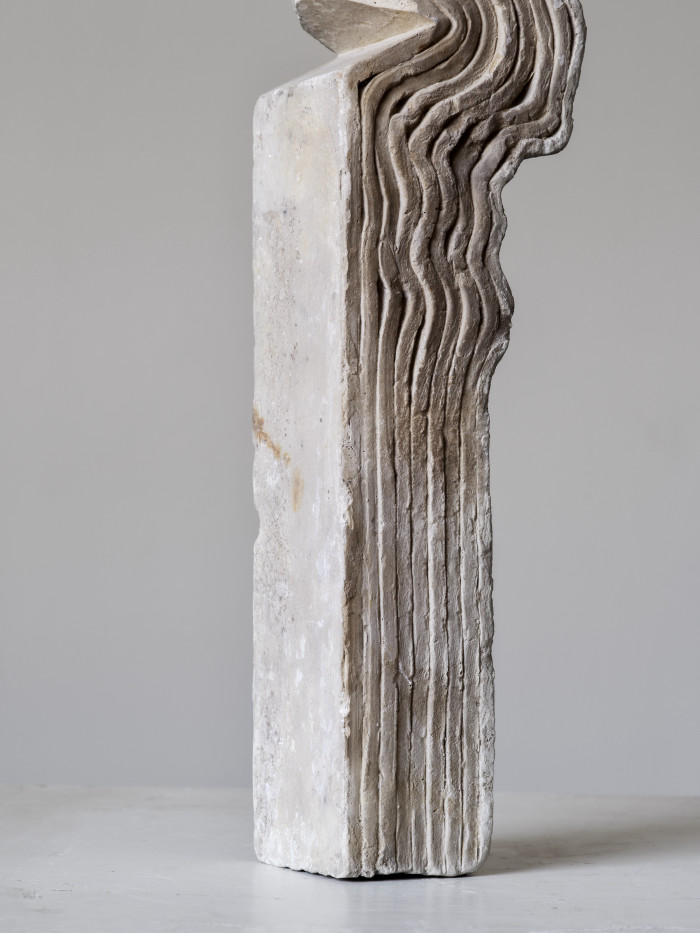
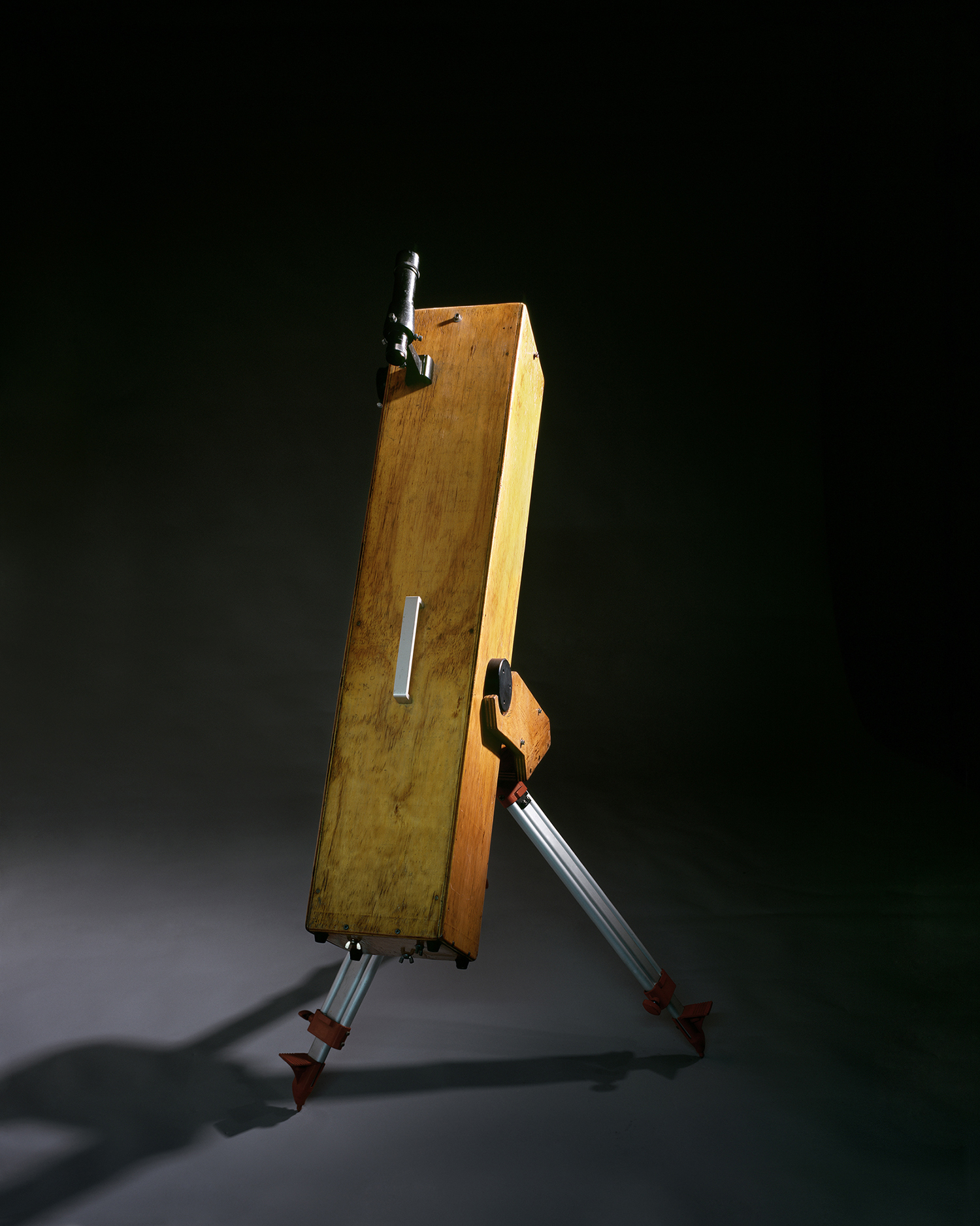
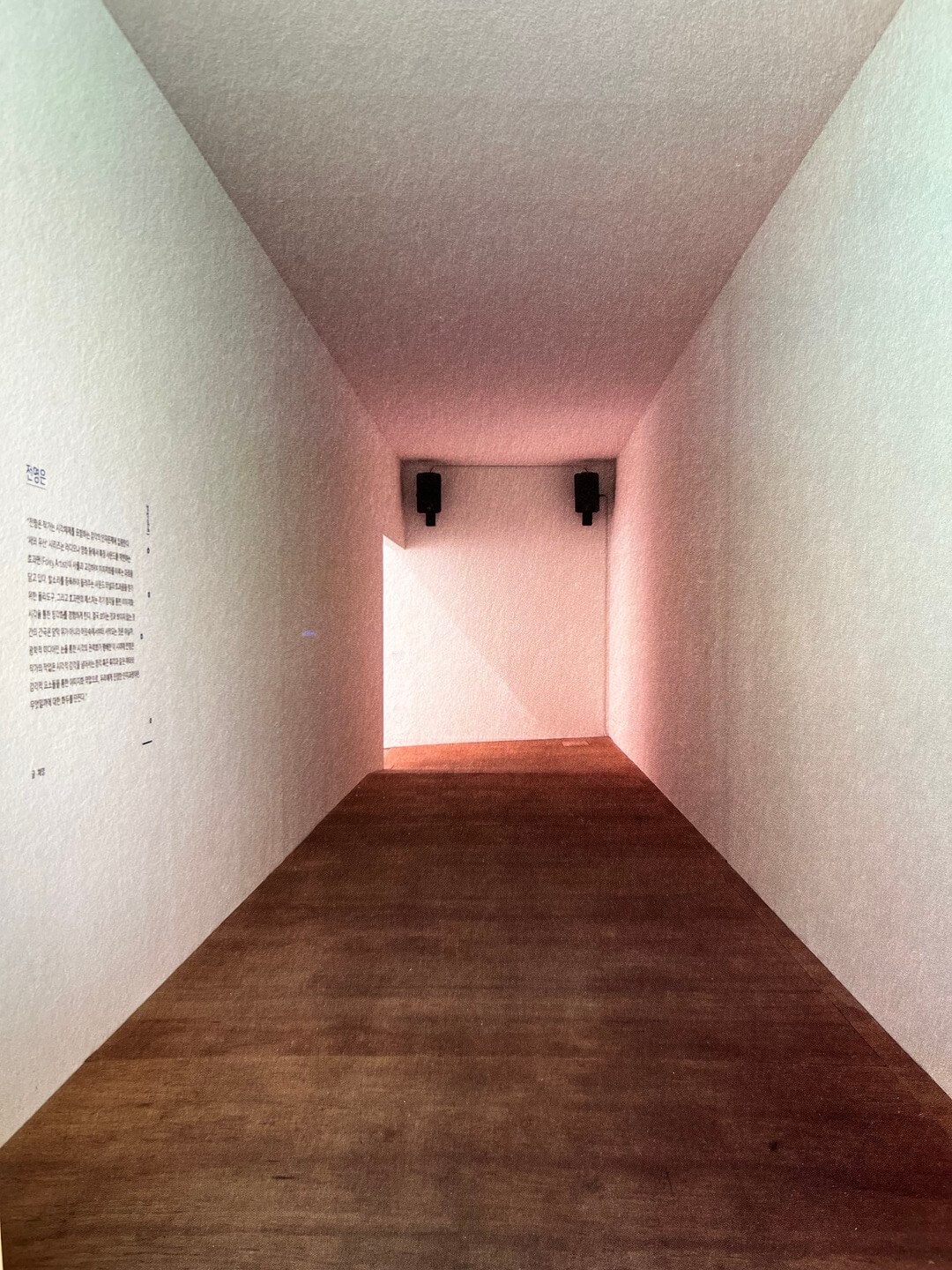
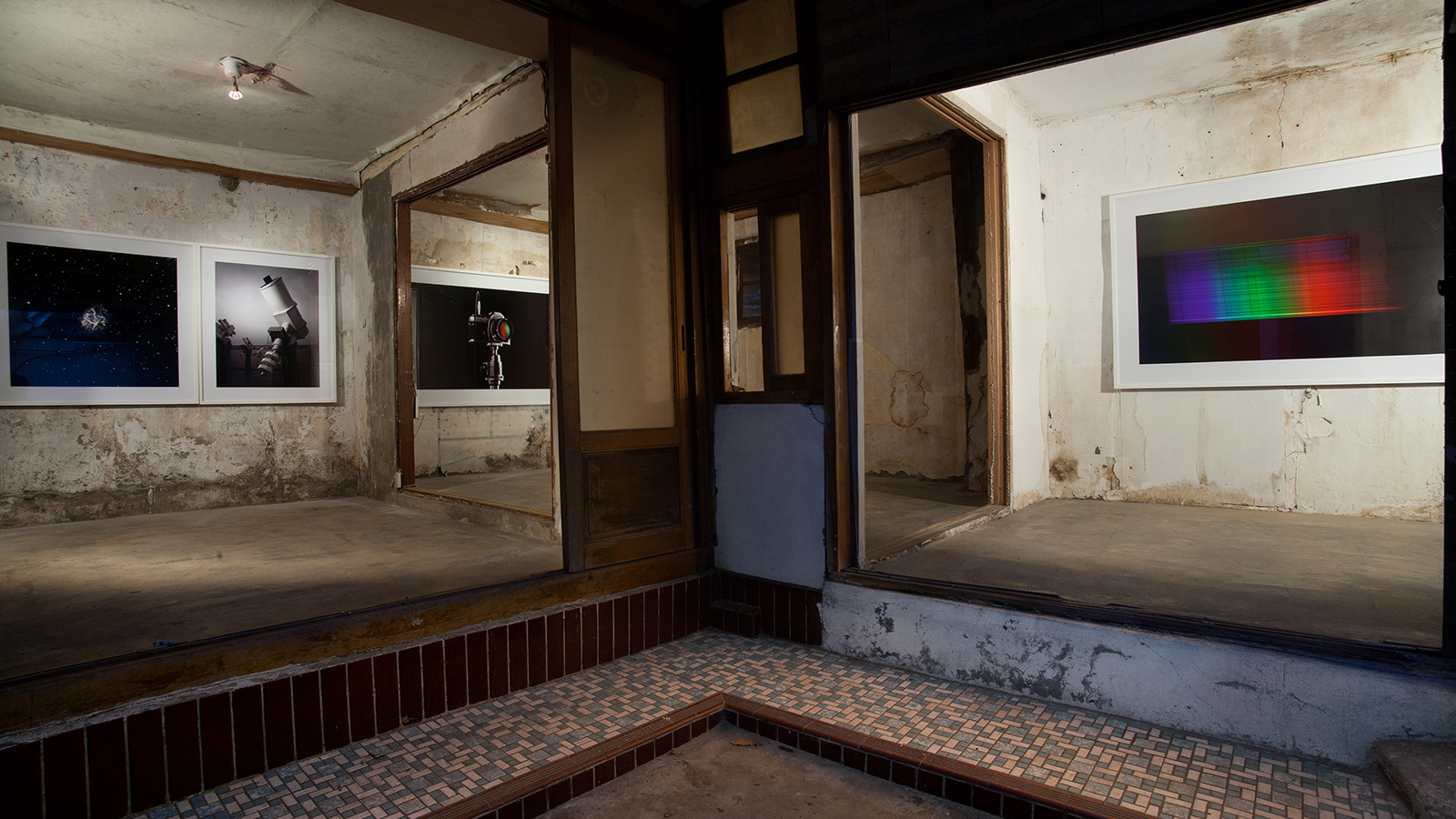
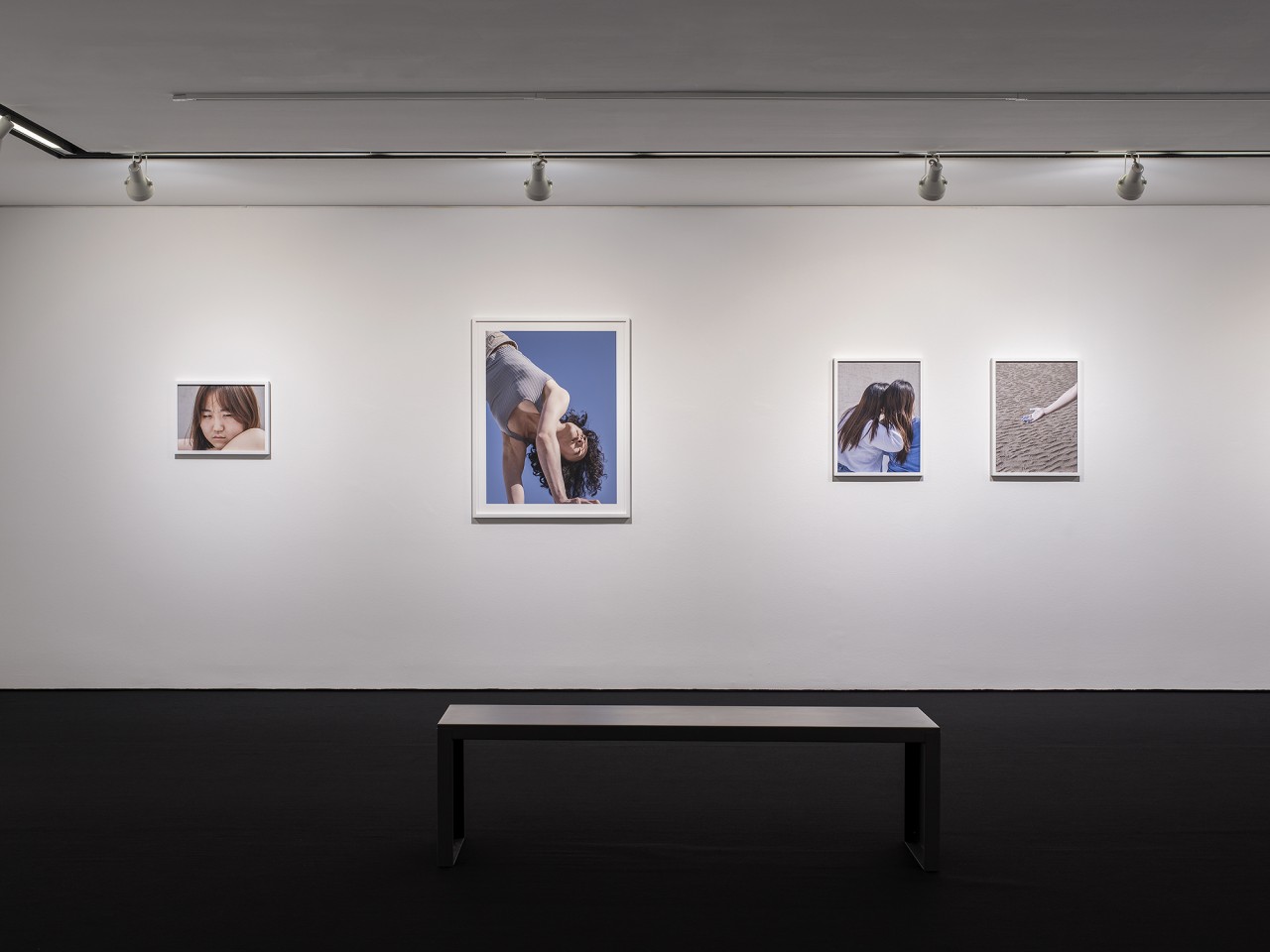
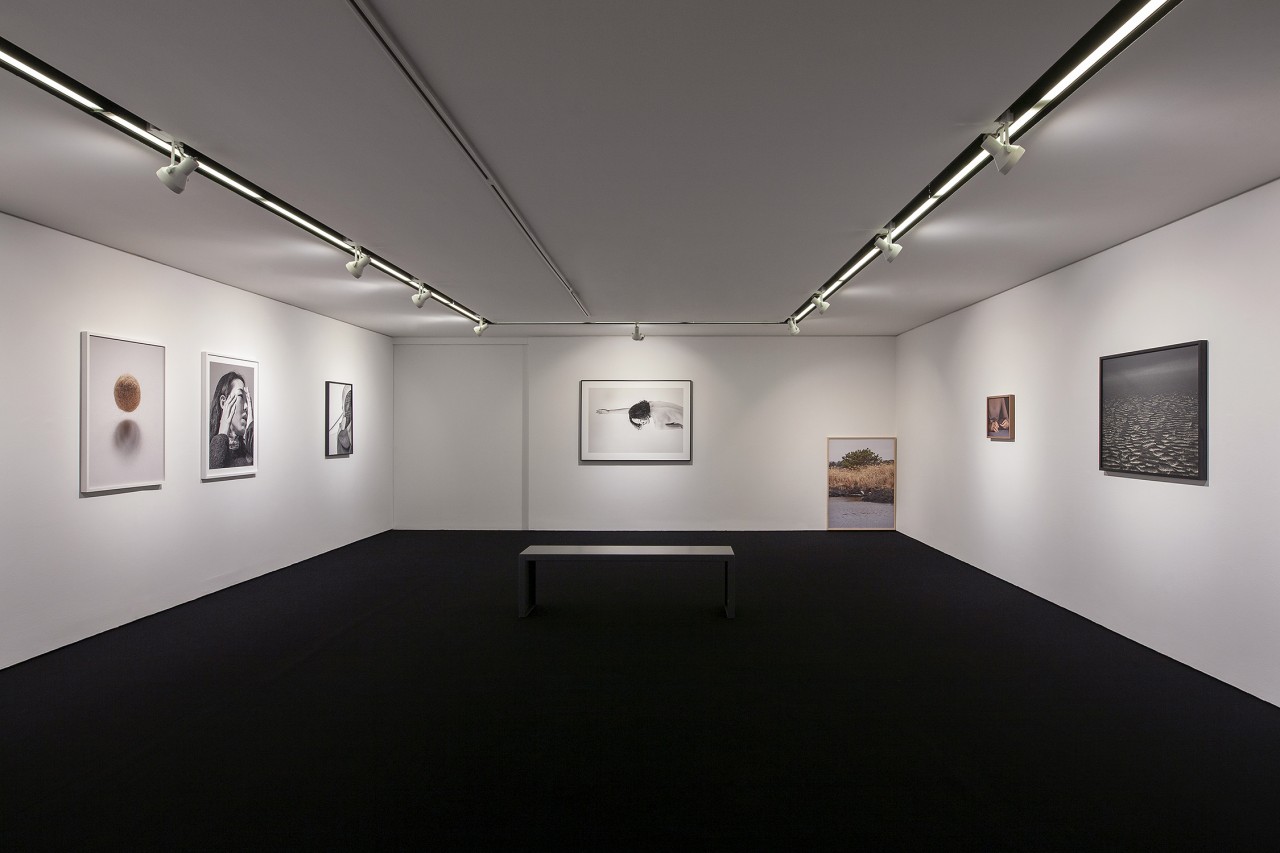
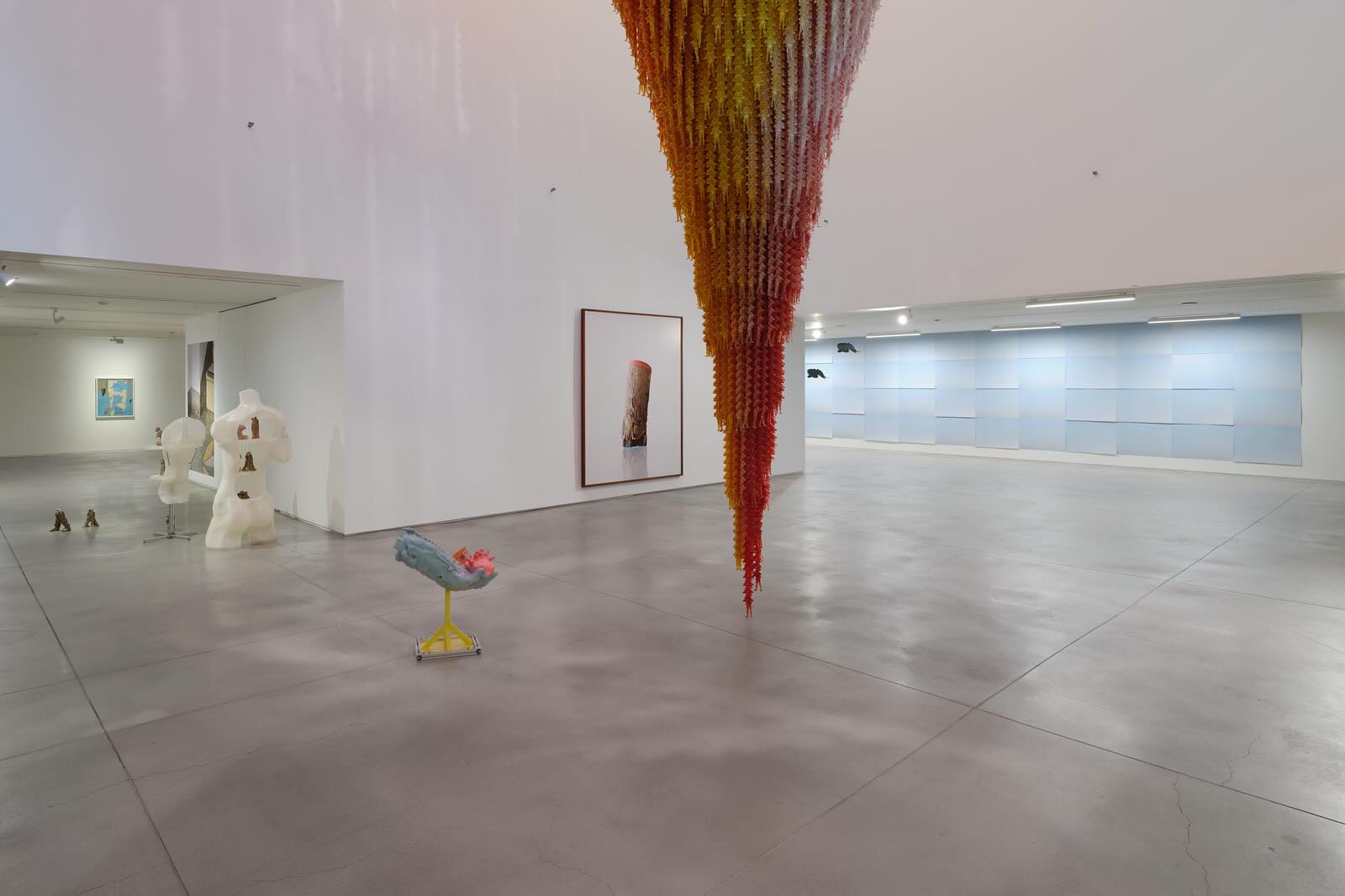
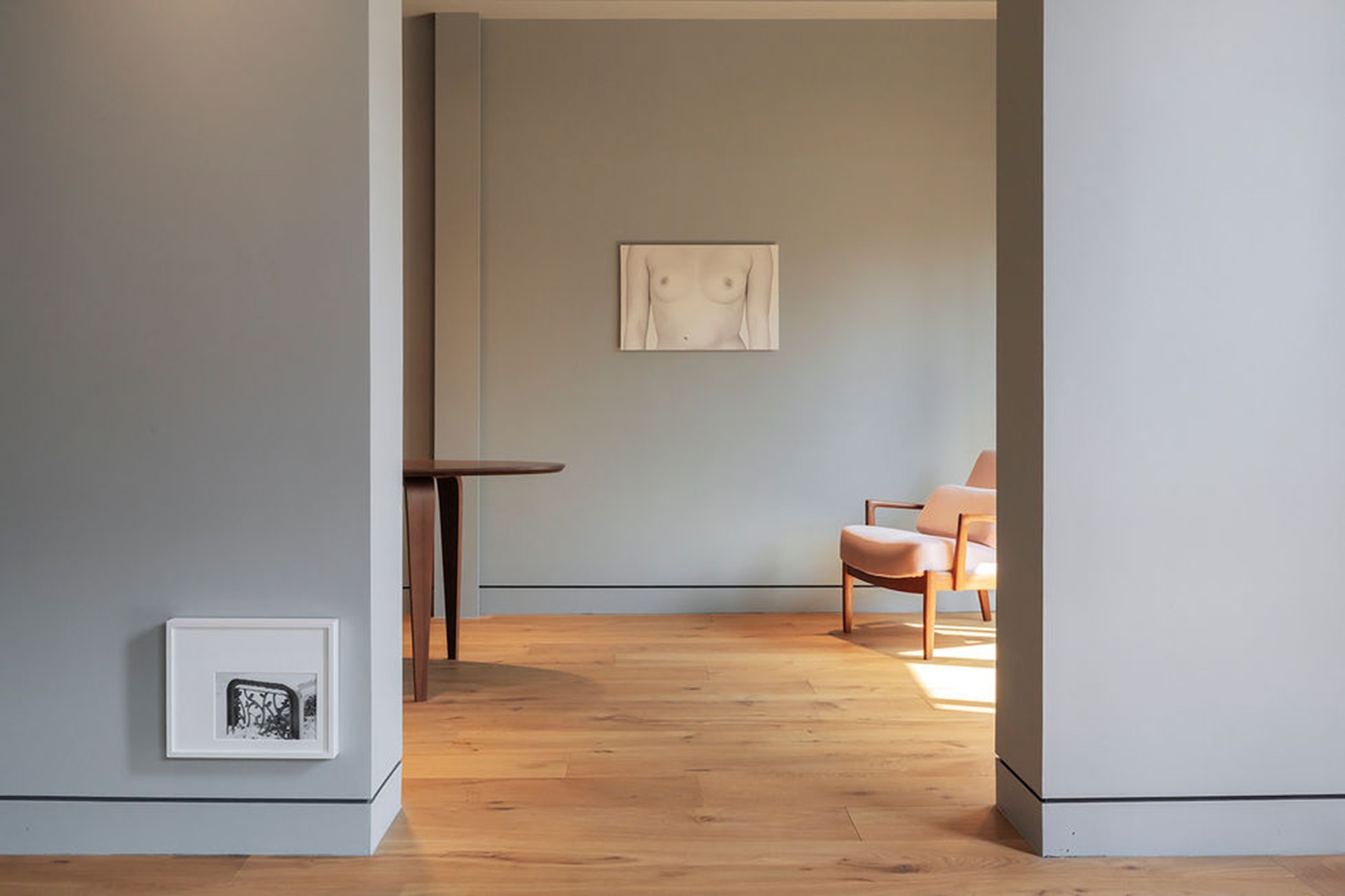
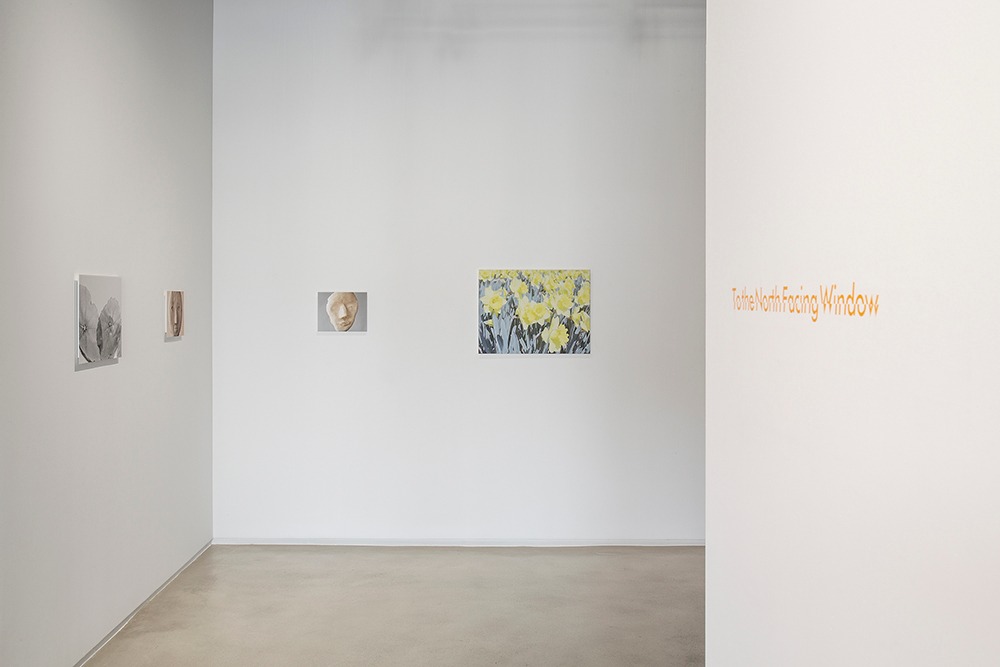
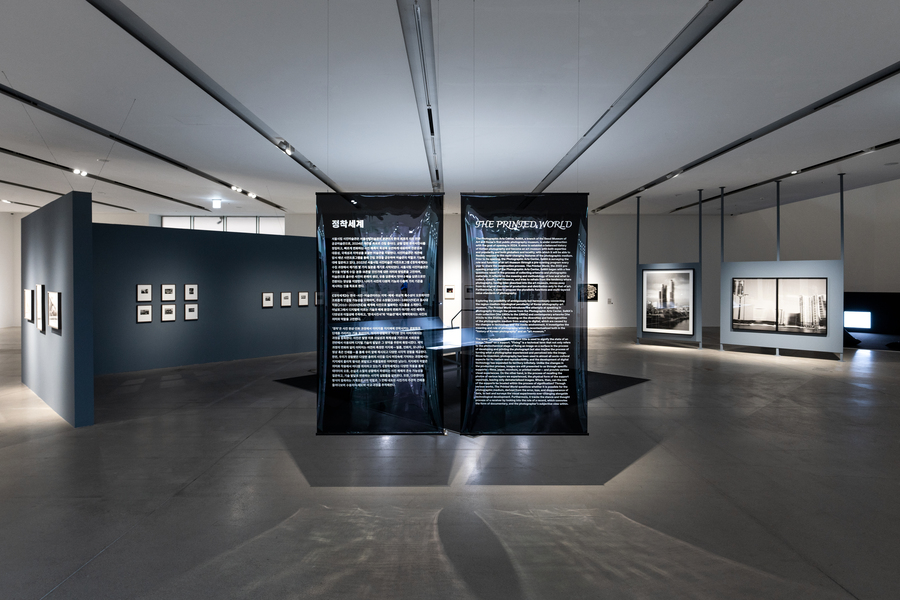
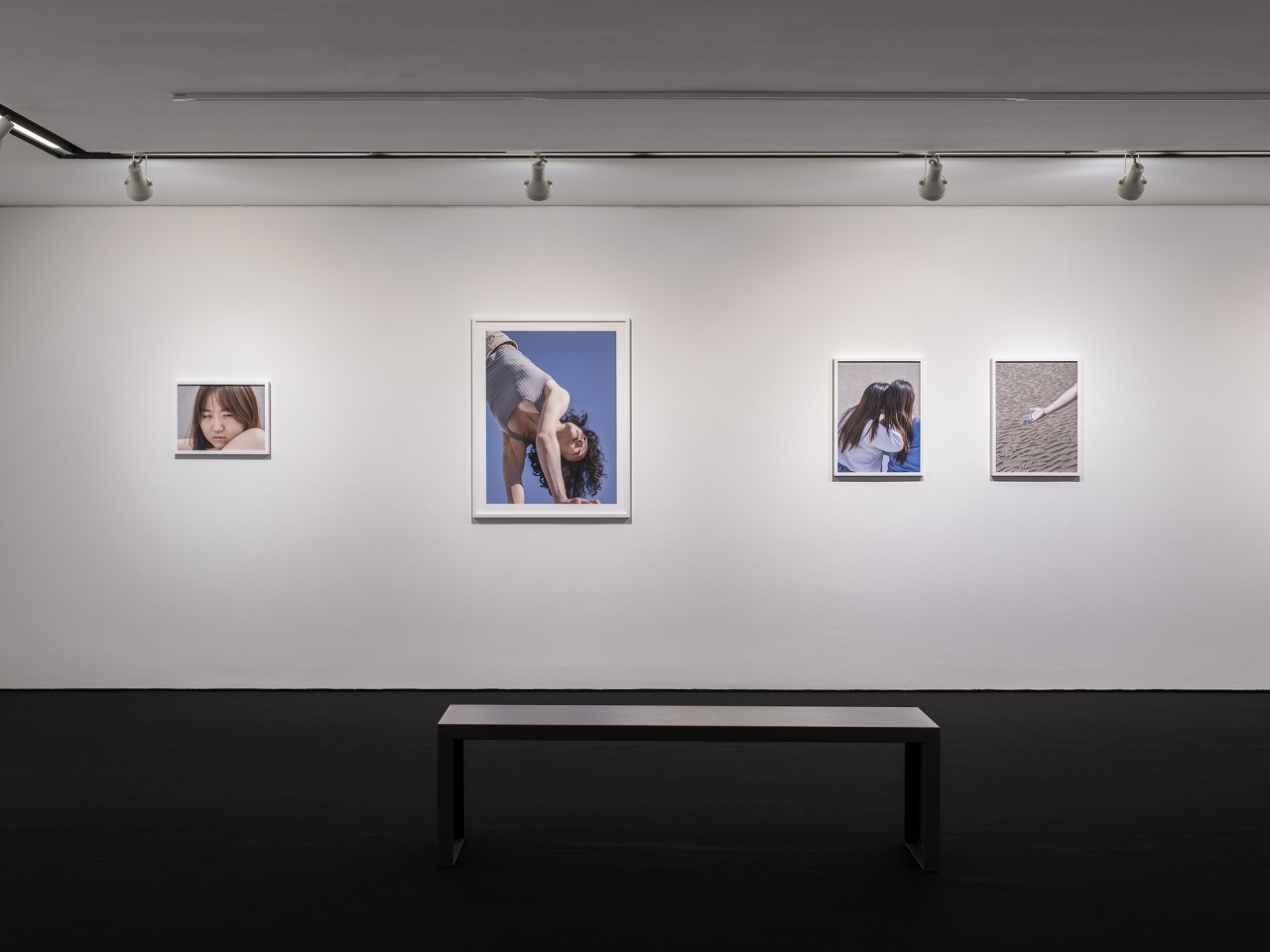
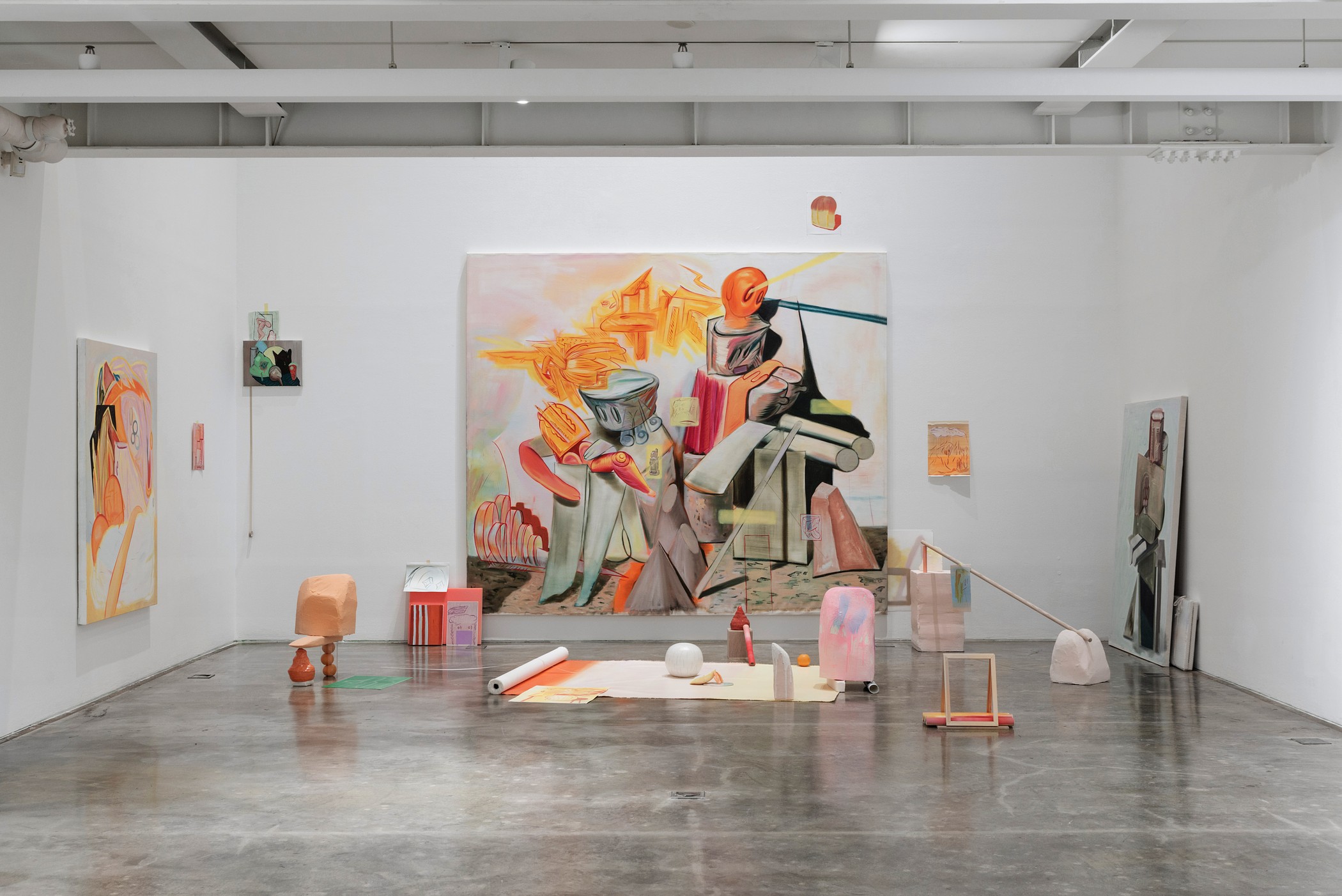
Installation view of 《Winter in My Arms》 © Perigee Gallery

Space You and I Inhabit

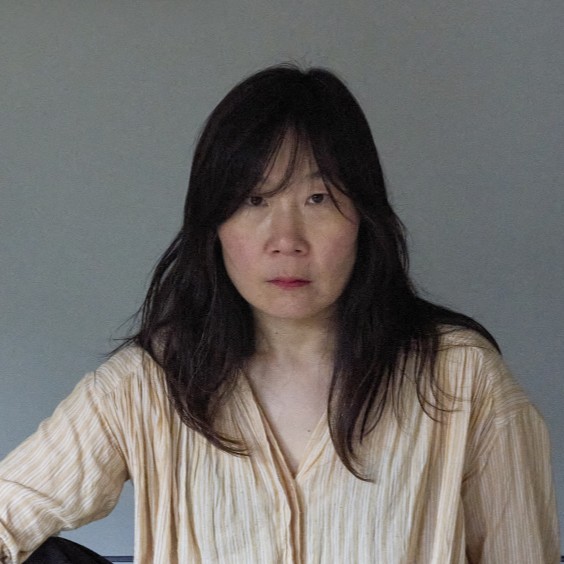
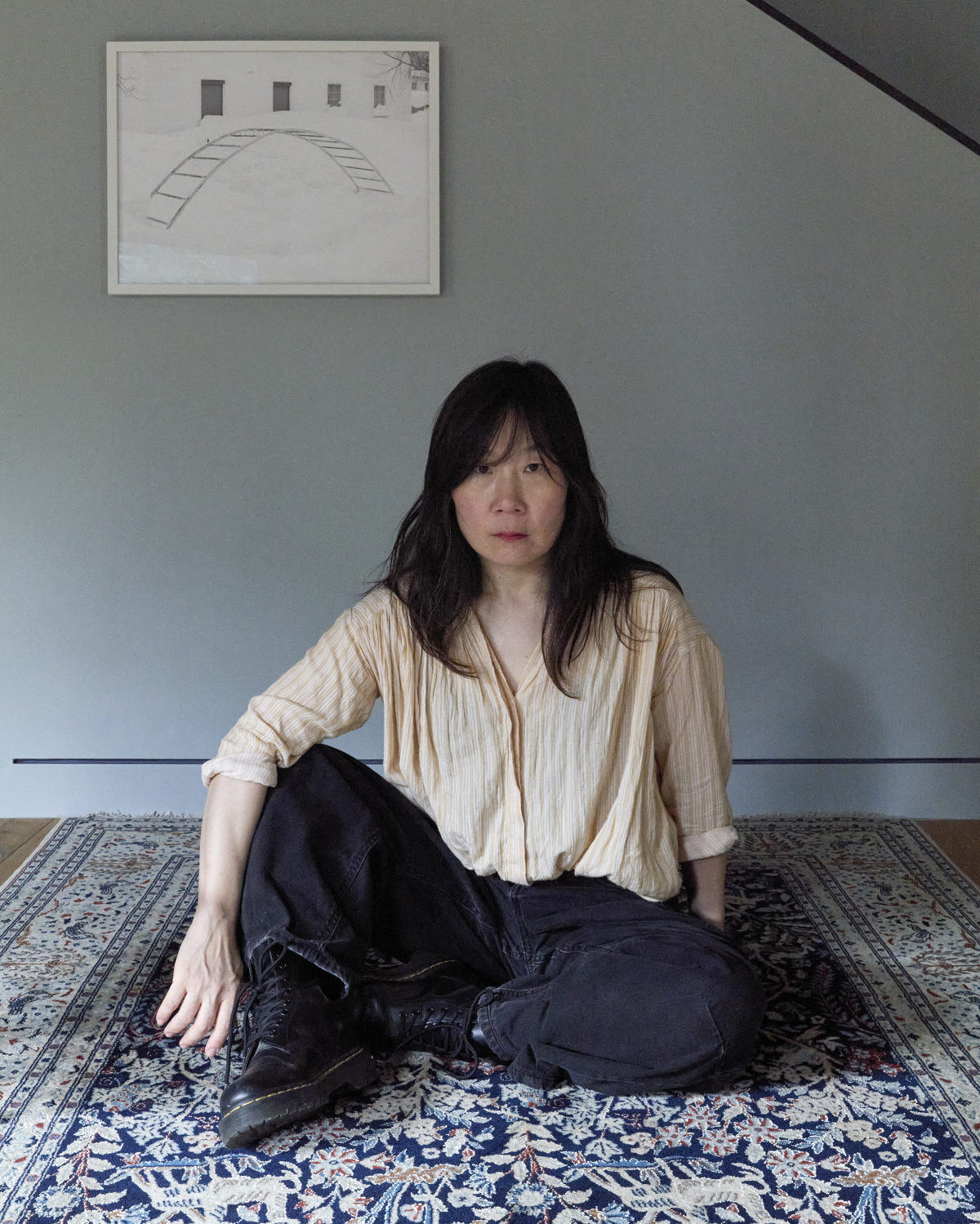
Eun Chun keeps questioning what the artist sees through the objects she faces. Chun has done photographic works capturing elements found in a specific object in connotative form and unveiling its multipronged meanings. To the artist, this work is not a photograph as an outgrowth but is an action of featuring what naturally appears in the process of closing the distance as she becomes accustomed to a variety of people, things, and scenes.

Accordingly, her work shows her perception of time as a space. This exhibition 《Winter in My Arms》 brings together a wide array of figures, objects, and animals. What does the artist try to touch on with them that do not seem to correlate at first sight? Each piece is titled with the months from January to December and the exhibit title includes the word ‘winter’.

It’s somewhat vague if she adopts such titles for their original meaning referring to a certain period of time or sees them as objects with some physical property. Regardless, this exhibition has a time-related title and will begin in spring. So, why did the artist underline time? The stream of time that is almost palpable is most typically a seasonal change in the atmosphere.

The changing seasons, however, do not begin or end with a clear distinction, but occur as if indistinctly seeping into each other. While a season is obviously a temporal distinction of the year, it is usually remembered as a spatial experience of a scene. Therefore, the titles used for the works on display at this exhibition suggest that the artist reconstructs what she perceives in her surroundings, seeing the past time of one year as a space.

There are of course a variety of factors that enables this perception. Perceiving something in this way is to become aware of others, centering oneself and taking a look around. This is revealed in the situation in which we share something we have relations with in the deepest part of our lives in the past, present, and future. This also emerges in a space-time consisting of a diversity of things and beings.

The subjects Chun comes across are in this space and time mainly figures, things, and natural scenes. The changed circumstance in which direct contact and meeting decreased due to COVID 19 has probably been an element to modify her ideas on meeting and relationships with others. We can bring figures among objects she has created into focus.

This is required to be in communion with objects through interaction and conversation, be they are figures or things, in order to represent them in one’s works. It also takes time to do this. In effect, it is hard to clearly capture an object in portrait photography and to purely unveil its hidden meaning. This is why taking a photograph of a specific subject enables one to have his or her subjective perspective or leaves only a sense felt through oneself.
Therefore, it is also probably impossible to separate a subject from oneself when taking a photograph. The pieces on display at this exhibition demonstrate some aspects different from portraits. Any elemental impressions of a figure such as his or her character, profession, or emotional state cannot be found in these works. It is also hard to say that her work is a momentary expression of feelings sparked by her new experience.

What’s quite visible in her work are the clear images of figures, but her pieces also show scenes packed with immaterial, invisible elements like light. The light that is naturally revealed yet concealed in figures or things, is conspicuous throughout her works. As the fact that she made the months from January to December the titles of her pieces suggests, we notice the people tinged with the light filling the space at that time.

As in her previous work ‘Le repos incomplet’, this is similar to finding in some objects traces of other beings that came in contact with them. As light is naturally cast over some object in her works, her work shows the flow of air, covering the two-dimensional space in the entire photograph.

Light in her work is thus the most fundamental factor we can feel with our senses, playing a role in renewing things that are not yet manifested while leaving some traces in us. Her portrait photographs can be seen as a process of visualizing a diversity of vibrations and flows running through herself, others, and the world. Her other pieces featuring various scenes are not so different from this.


Installation view of 《Winter in My Arms》 © Perigee Gallery

Let’s examine the layout of works in this exhibition. All works on show seem not to have a close connection but feel fragmentary to some extent. This layout, however, is similar to the way we reconstruct our experiences. Things we contact are sometimes loosely or sometimes precisely connected to one another through the passage of time, or are engendered fragmentarily, motivated by some continuous and temporary occasions.

This composition also seems influenced by some invisible factors such as weather and atmosphere while at times being derived from any specific narrative. What she pays attention to is not a specially highlighted object but a space of temporal images. Accordingly, what we have to read in her works is not information on a person’s job, age, sex, character, or her friendship with him or her but the air she generated, namely the flow of air in that space.

We need to experience this with the senses innate in each viewer to feel this. This is her intention to intersect the different zones of time in the venue and to communicate with the viewers through new spatial experiences. The artist does not narrow the distance between herself and the subject of her photography. As she has communicated with her objects while keeping a proper distance, what matters is that the viewer feels his or her own distance from her work.

As reviewed up to now, the artist takes notice of the moment things of different space and time come across each other and the process of widening and narrowing of distance between objects. Of course, this can be seen as a common approach employed to grasp objects. All the same, her critical view here is how the camera can capture invisible emotions and marks of exchanges hidden behind the objects.

That’s why the camera frame excludes incomprehensible things or things that cannot be found. As mentioned above, our seemingly autonomous, extant subjectivity is formed through a variety of relations. This is a story pertaining to things that are not directly associated with us, comprising other life forms or non-live things. The world we inhabit is not fixed as an outgrowth but is composed of processes.

The movement of bringing about something new results temporarily in a connection between ‘I’ and ‘you’ in human relations. Her photographs that seem to capture and document this process let us know the process that some images occur naturally in the relation between object and artist. What she tries to capture in her shots of her surrounding people and objects is things that are included or not included in those pictures.

This is to recover the horizontal relation with those things that are beyond the camera frame rather than perceive the artist herself. A thing as an object is also another subject that exists and creates meanings, irrespective of the subject of the artist herself. In this sense, what she tries to showcase through her works at this exhibition is not any meaning generated from a narrative pertaining to an interconnected complicated relationship but any space-time based on each factor’s meaningful subjectivity.
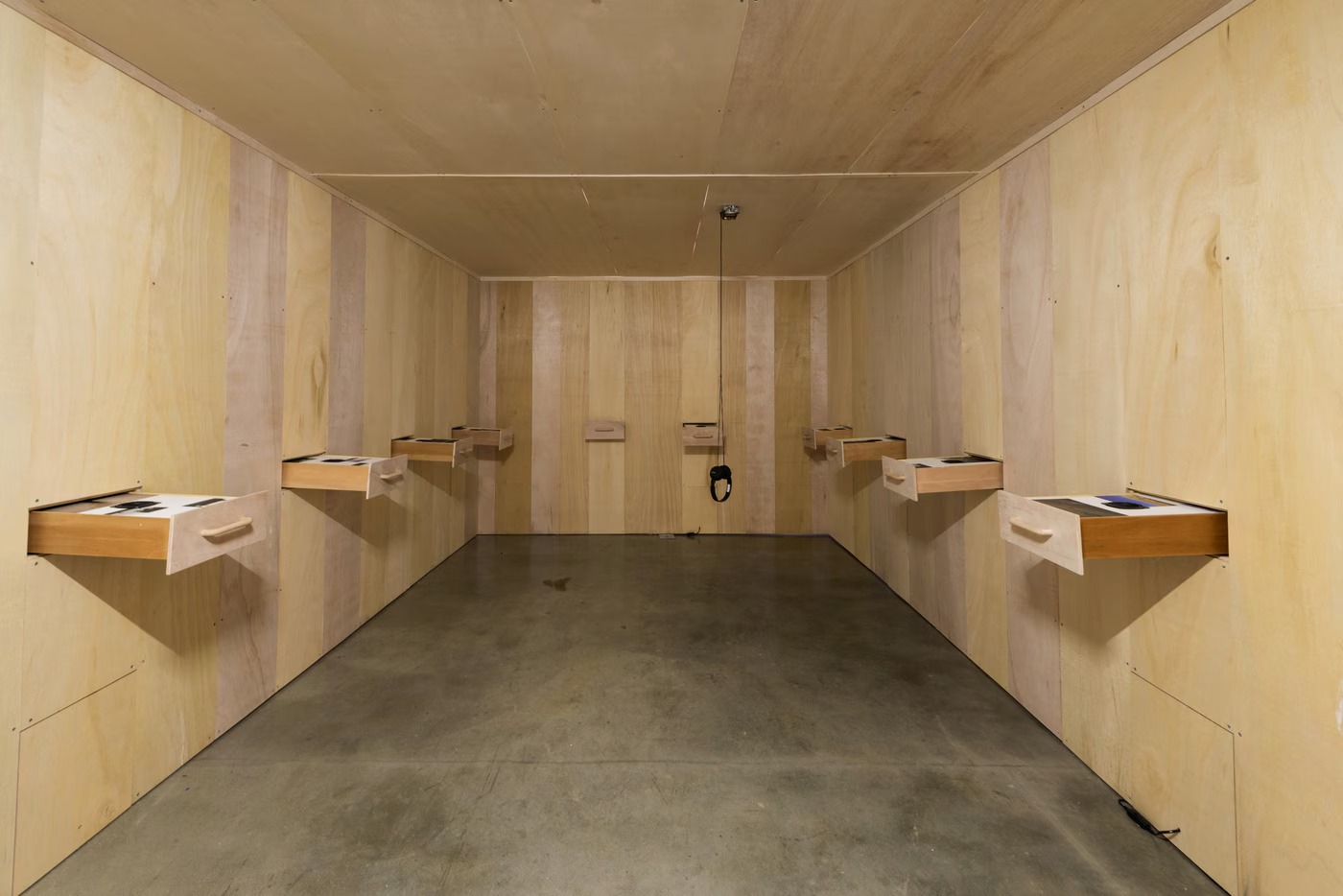
This can be seen as a process in which things triggered by objects or others are tangled and see them as equal subjects. To the artist, this object as an equal subject can be a thing, animal, or plant with which any verbal communication is impossible. She forges the space-time condensed with non-visual sensations so as to bring everything related entirely to herself to a horizontal position.

Any interactive experience engendered continuously through this process is not her perception of the difference from an external object in her photographic work but a temporary moment she is connected to her subjects at the same level from which they look at each other. Her two-dimensional photograph has been turning into a dynamic and static three-dimensional space that makes all these possible in this way.

The works on display at this exhibition are the traces of her tireless concerns about how to enter into a relation with a host of things Chun has faced and how to capture them in photographs and generate meanings. Chun has endeavored to express our senses for the unknown, invisible, and uncapturable in photography without resting heavily only on the sense of sight.

And she reconstructs this as a space-time of relations in which a diversity of individuals such as humans, things, and nature separated from ‘herself, are connected at some point and influence one another regardless of any distance, be it close or far. Therefore, her fixed objects are not merely the results but the pieces of fluid and temporary images.

So the important thing in this exhibition is to bring about the relation or opportunity newly created in accordance with how the viewers experience the pieces. What makes it possible is not a narrative relation between some object and the artist but the sense gained in the space packed with traces of the relations that spread out on the horizon brimming with vitality and positivity.

This exhibition demonstrating her artistic journey over one year is hoped to be an experience leaving marks in each viewer’s space and time from the horizontal point of view.

References