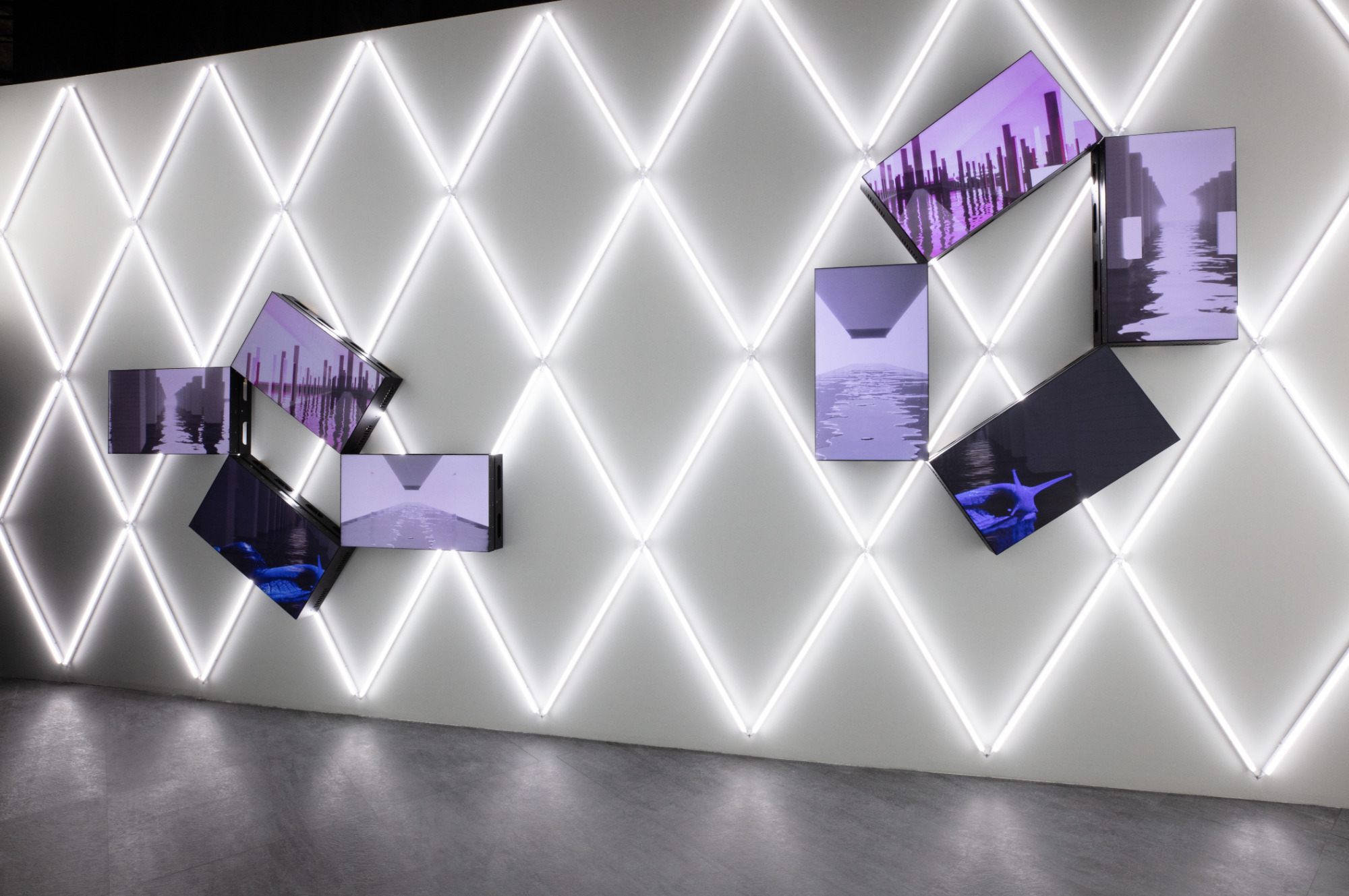
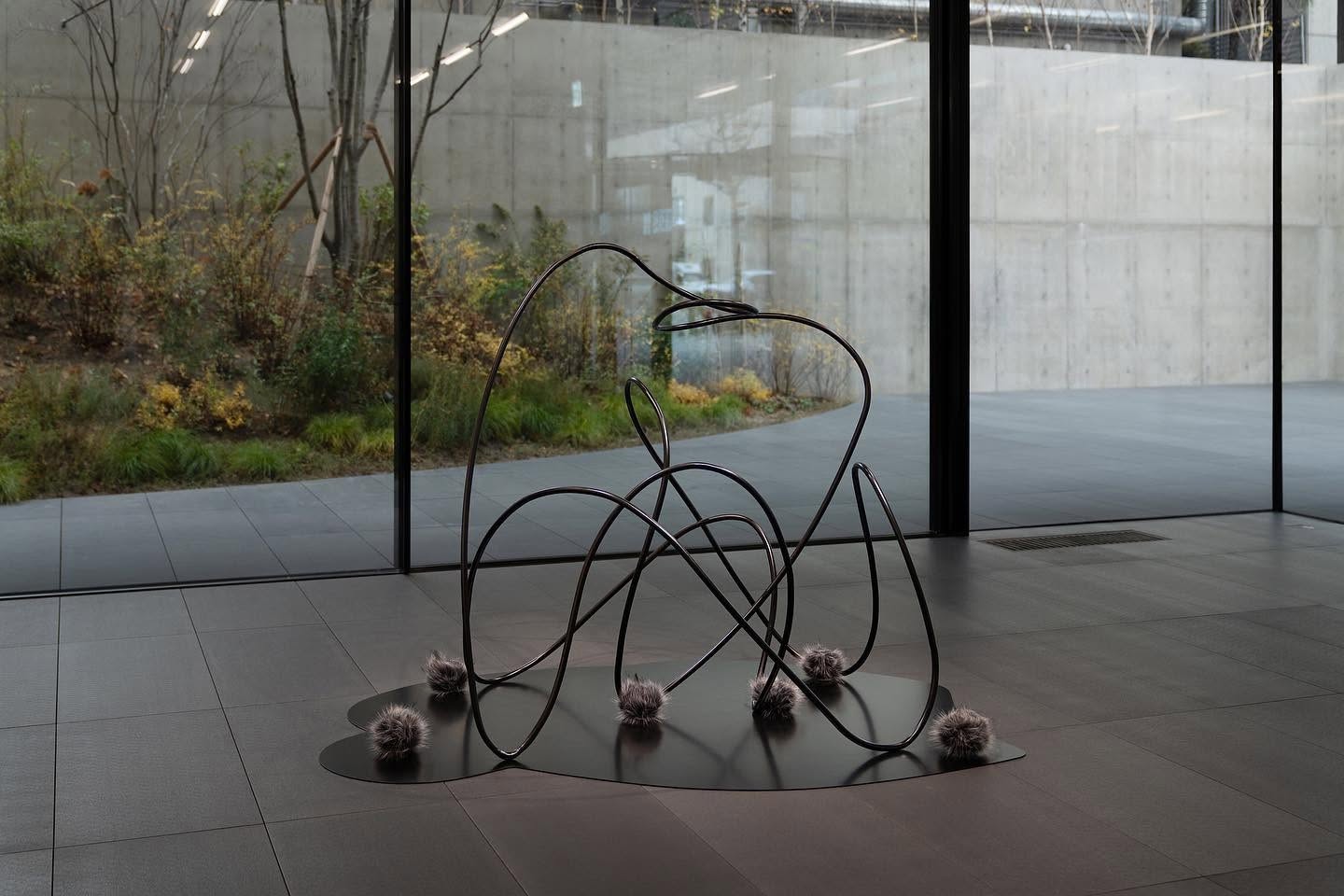
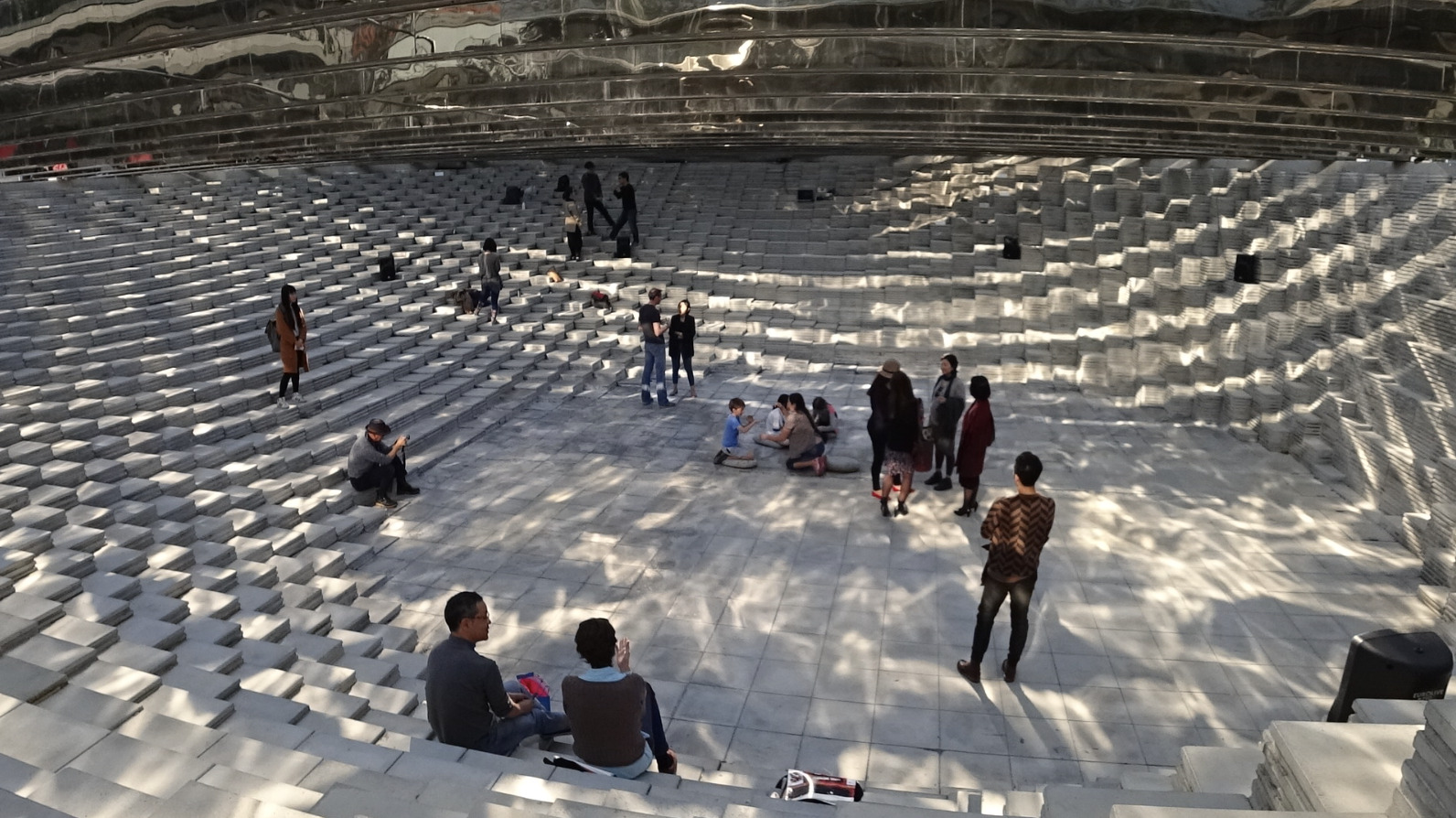
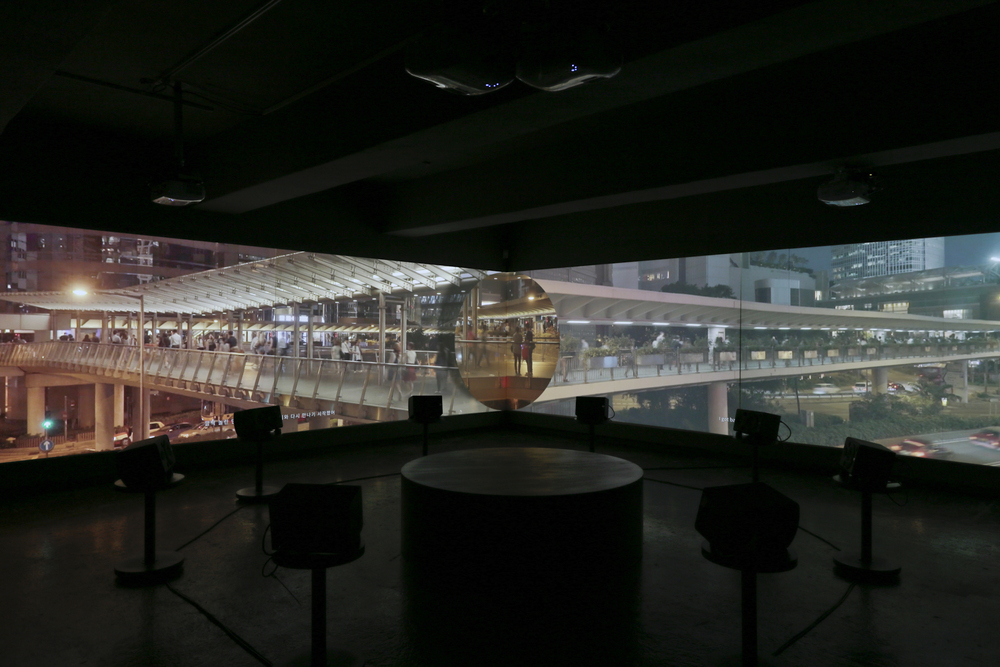
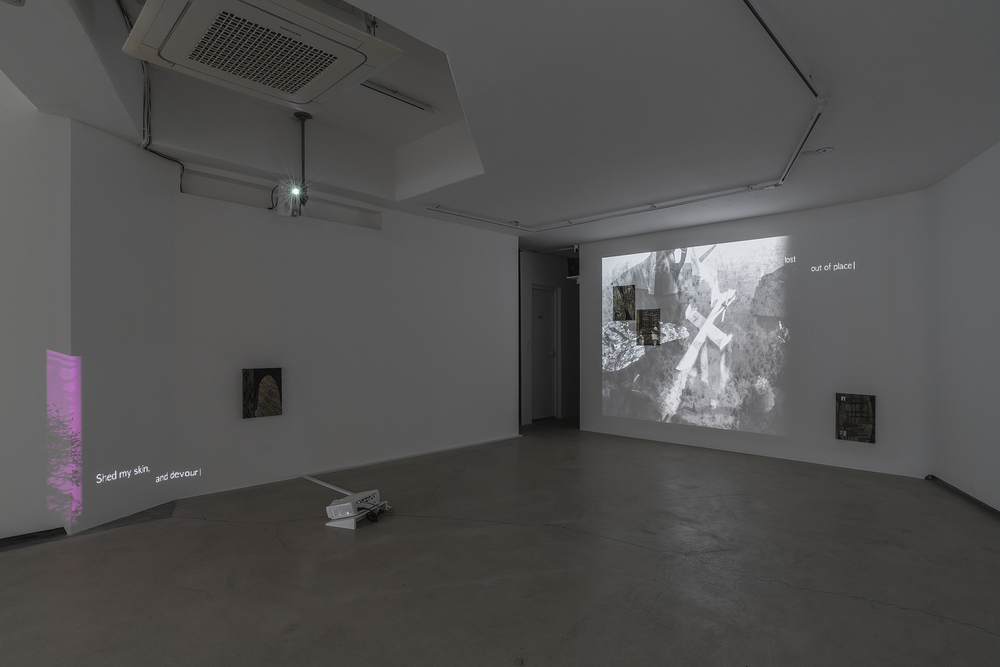
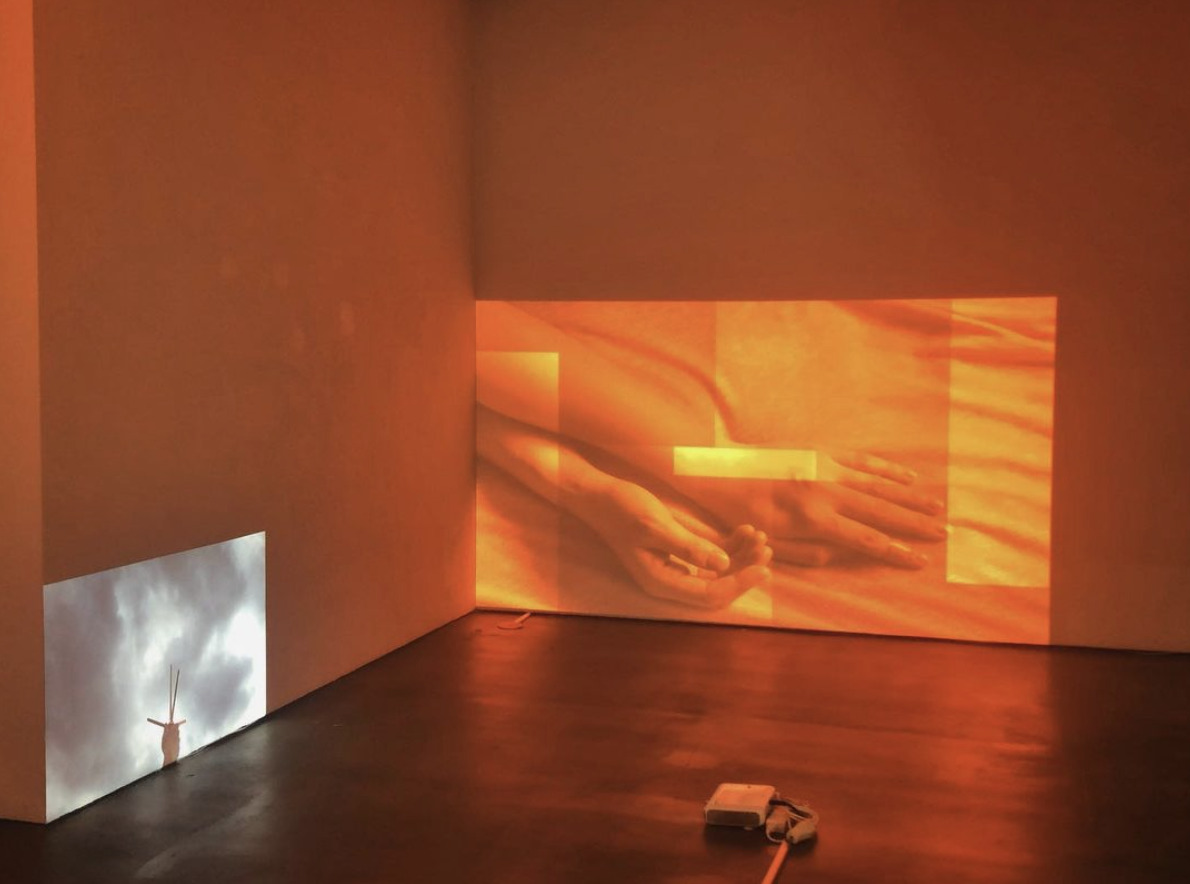
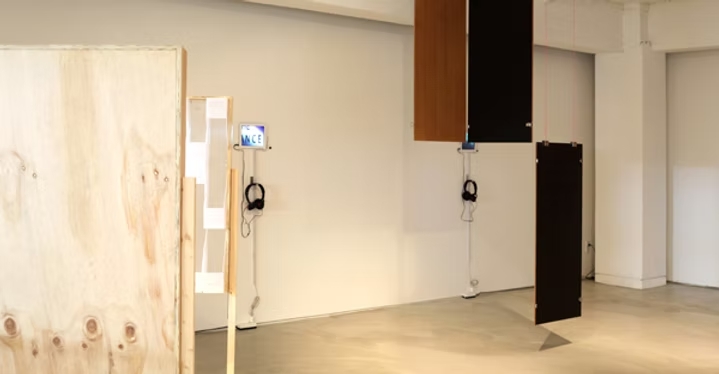
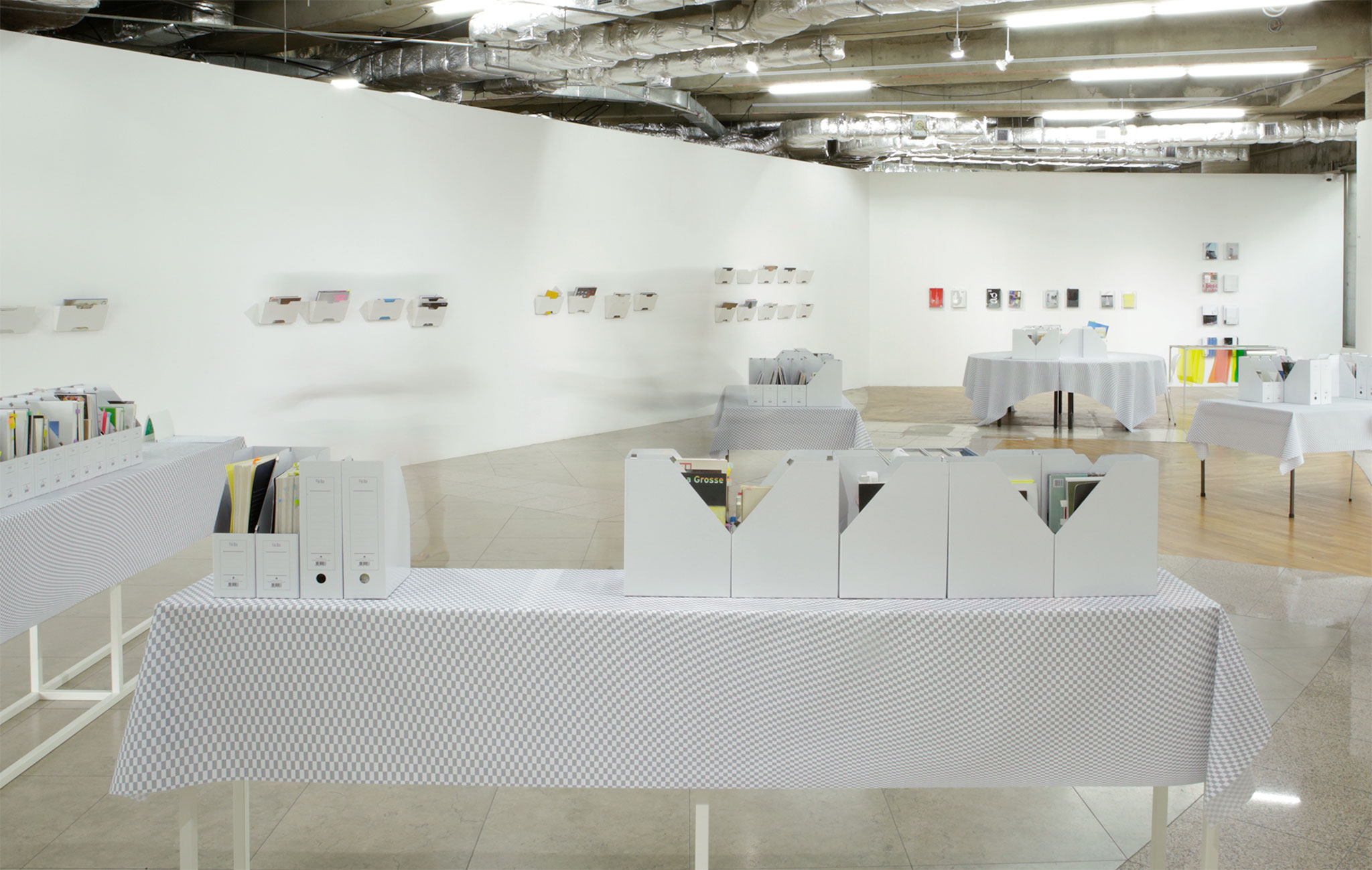
What remains most consistent in Daum Kim’s practice is not any
particular medium, but the way he understands the “interface.” Across the
internet, exhibition spaces, anonymous online communities, real-estate
structures, sound, and painting, he has treated different subjects as
boundaries at which two realms come into contact.
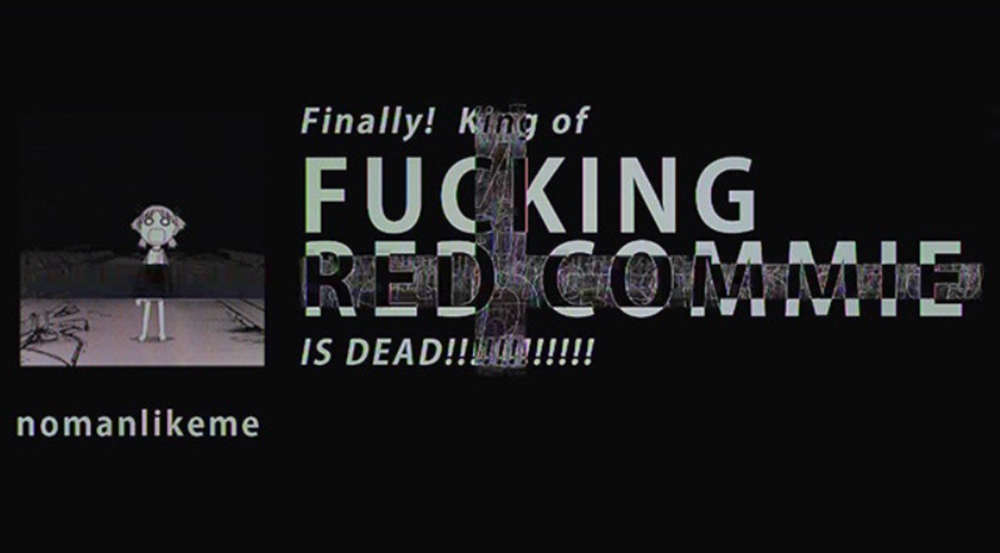
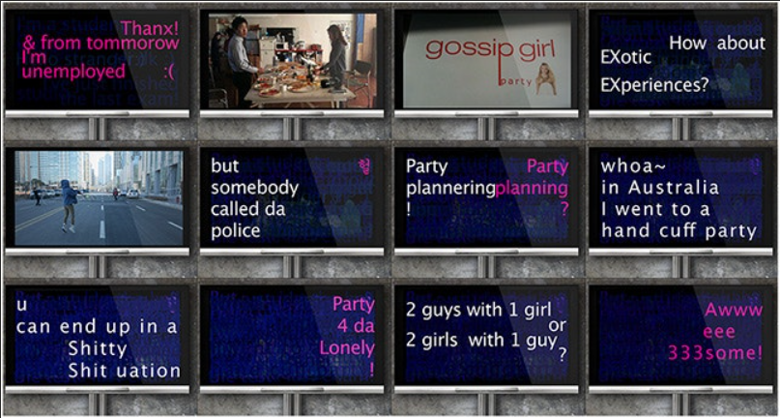
In the early works, text
exchanged between unseen individuals functioned as an interface; later, the
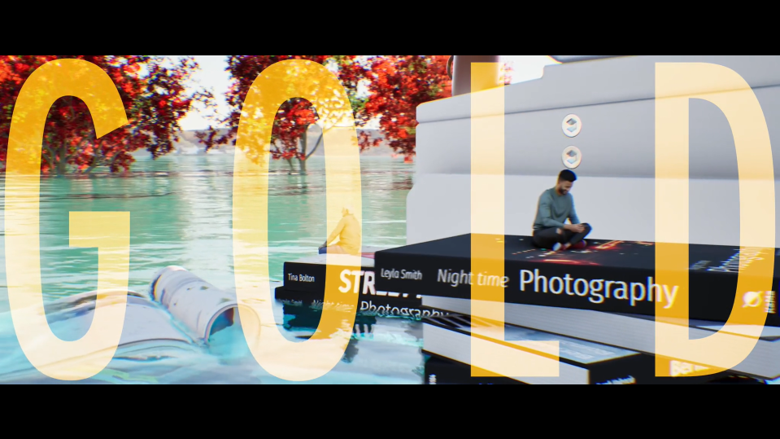
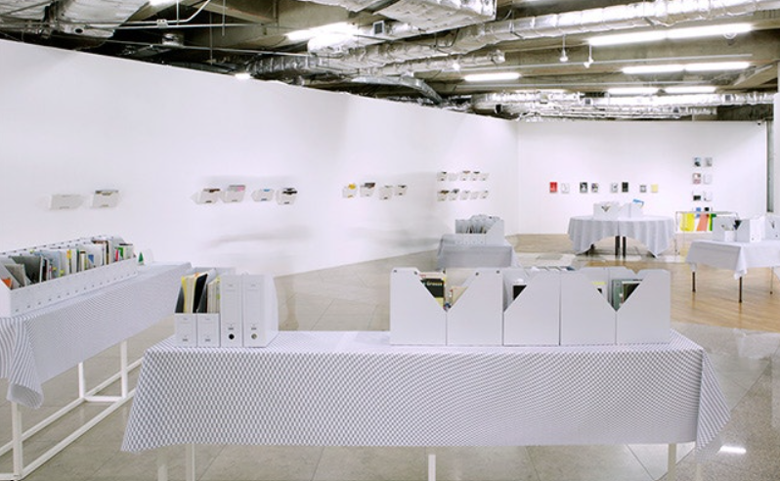
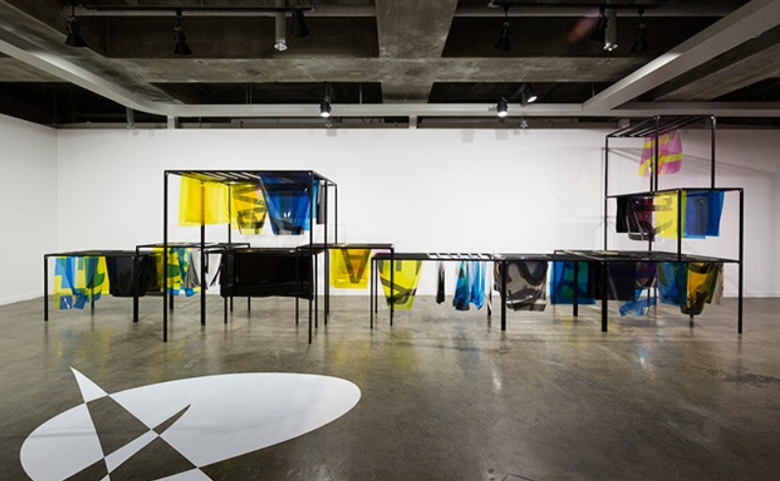
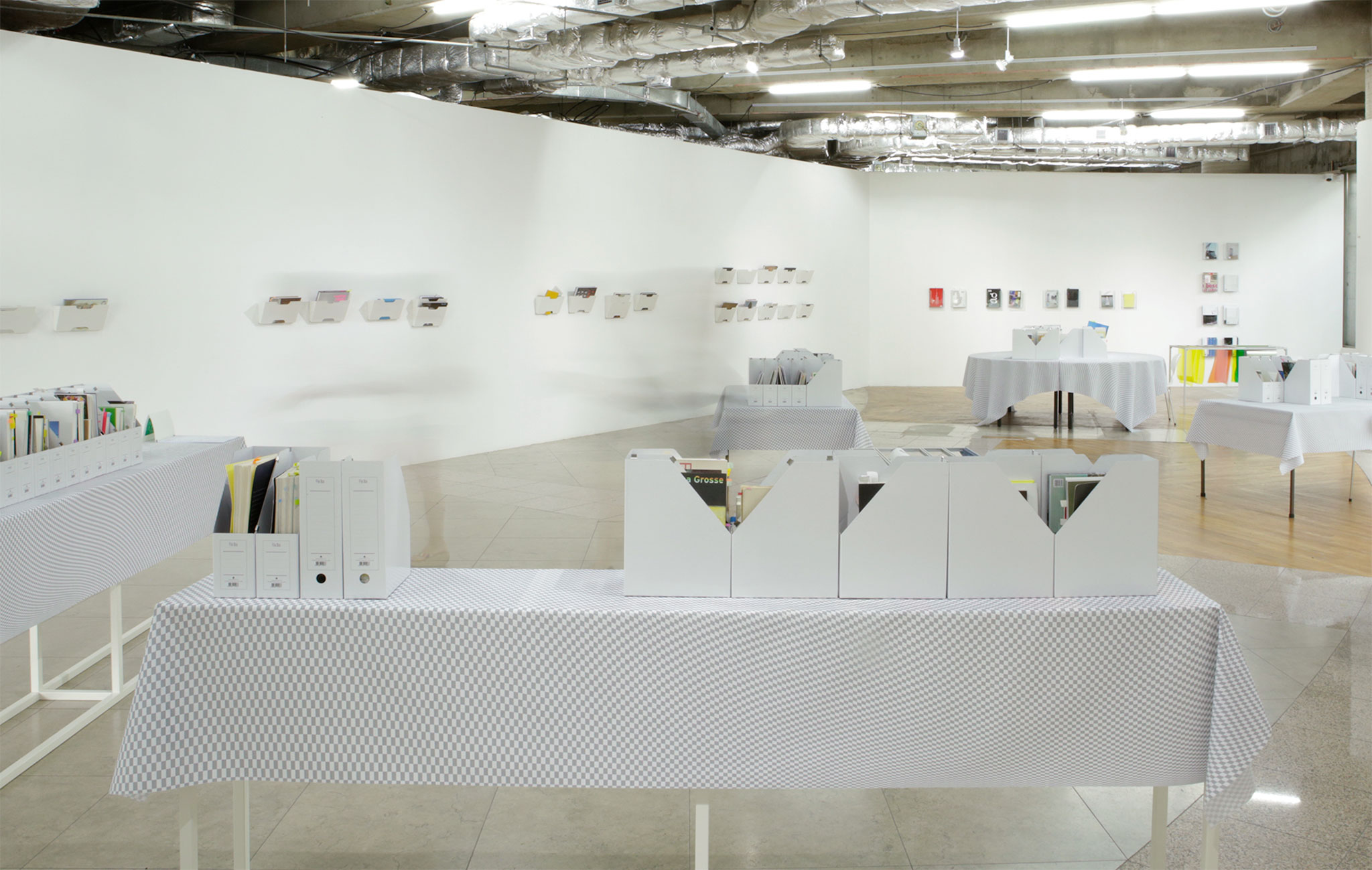
same idea expanded to encompass the arrangement of books, the exhibition space,
acoustic devices that block or transmit sound, blind land that can only be reached
by crossing another person’s property, and the emotional distance between
reality and the ideal.
His subjects have therefore shifted considerably without
loosening the coherence of the practice. The recurring question—where do
relationships take place, and what do they leave behind?—has continued to be
reformulated through different forms.
While many practices dealing with digital environments or social
relations foreground online imagery or the screen itself, Kim remains more
persistently concerned with how media actually operate between people. In his
social-media works, the central issue was less the visual language of the
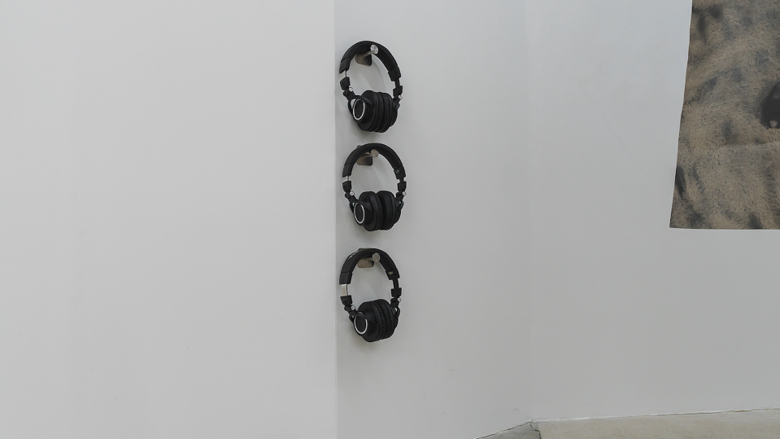
screen than anonymity, distance, and the accumulation of memory; in his sound
works, what mattered was less music itself than the conditions under which a voice
is blocked, transmitted, or amplified.
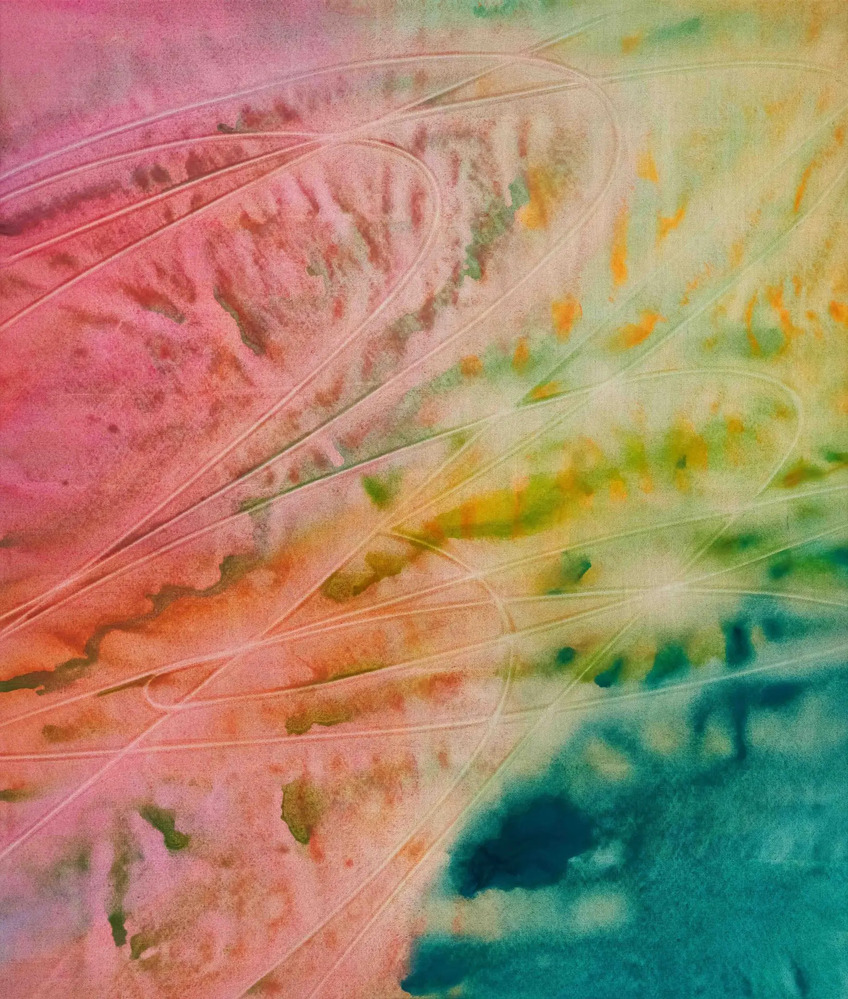
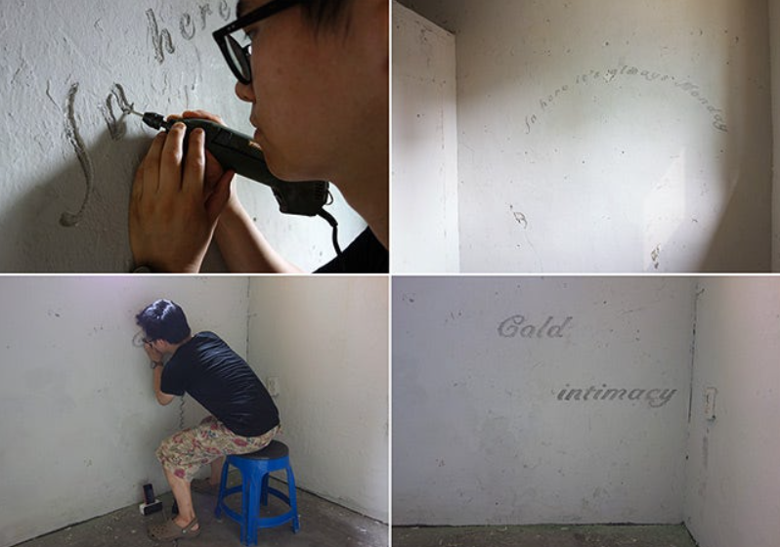
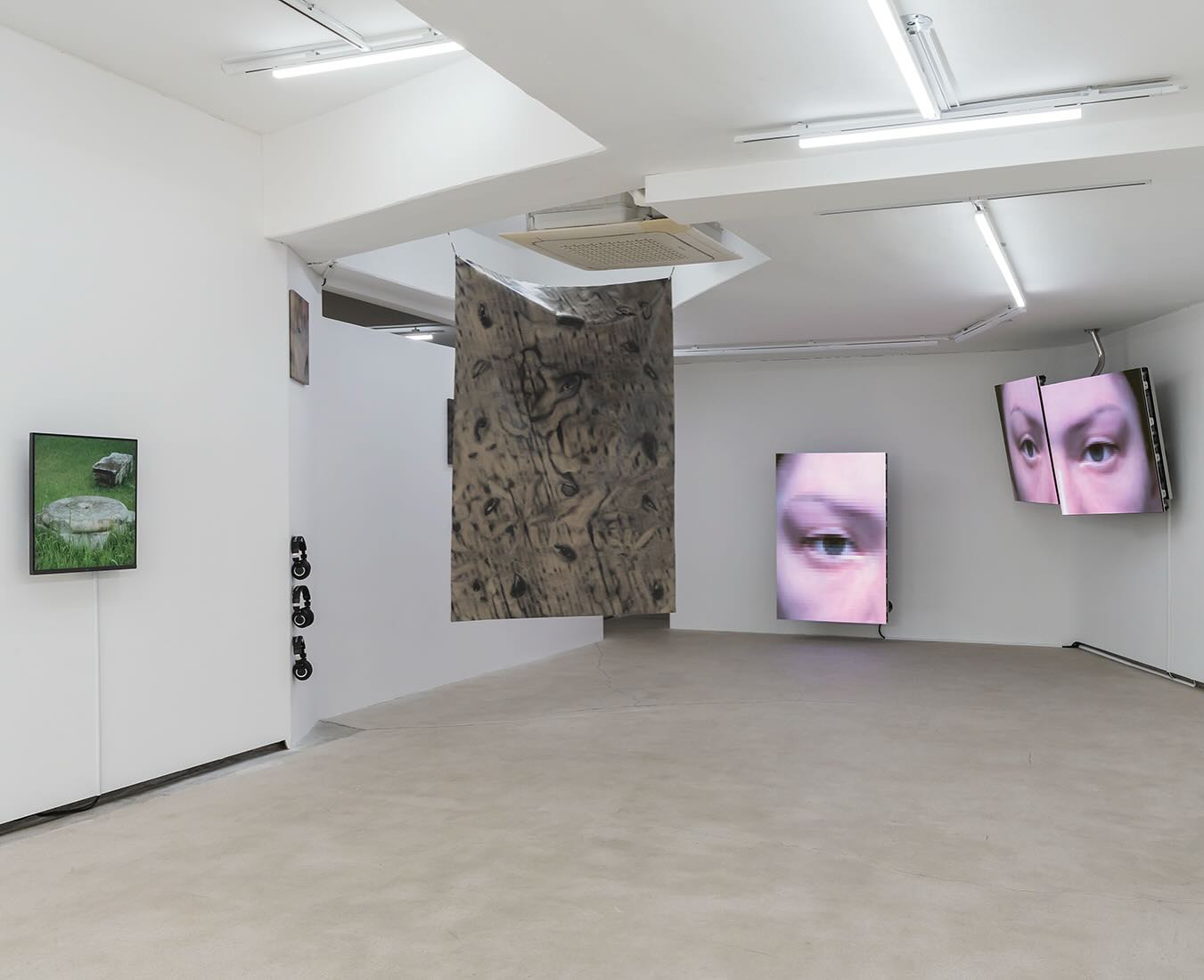
Even in his recent paintings, he does
not represent images so much as translate sound, vibration, and emotion into
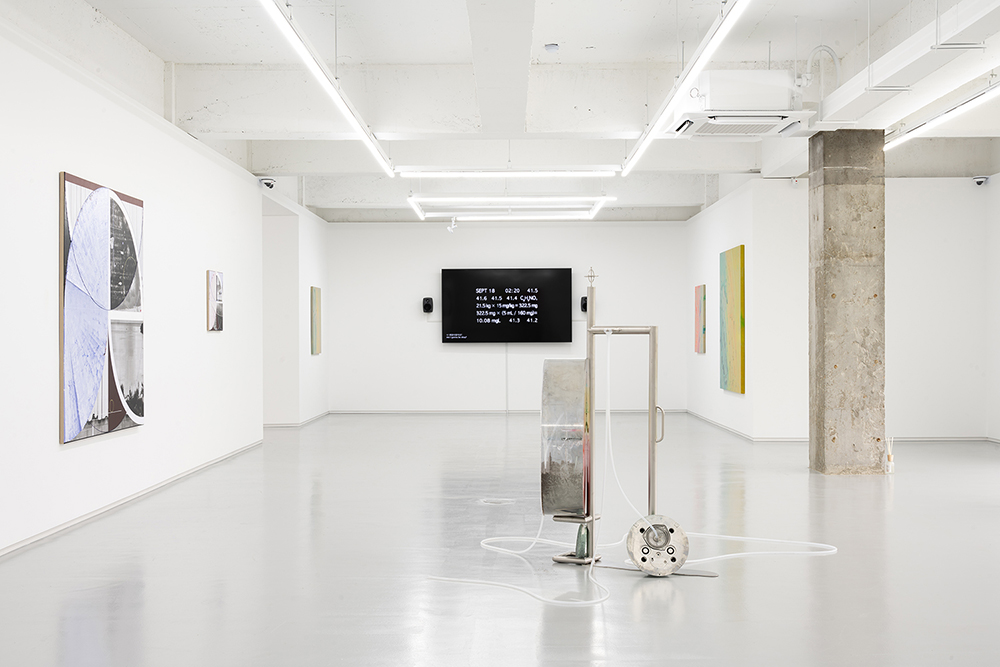
density of paint and surface. Video, installation, sound, and painting
therefore do not function as isolated genres in his work, but as different
sensory systems through which the same questions are repeatedly transformed.
This also allows him to connect private experience with social structures
without reducing the individual to a mere example of a larger discourse.
From this perspective, his recent interest in emotion and painting
broadens rather than narrows the scope of the interface. A gaze once directed
toward online others, gallery audiences, anonymous workers, and urban spaces
has moved inward toward caregiving, the gap between reality and the ideal, and
forms of melancholy transmitted through media.
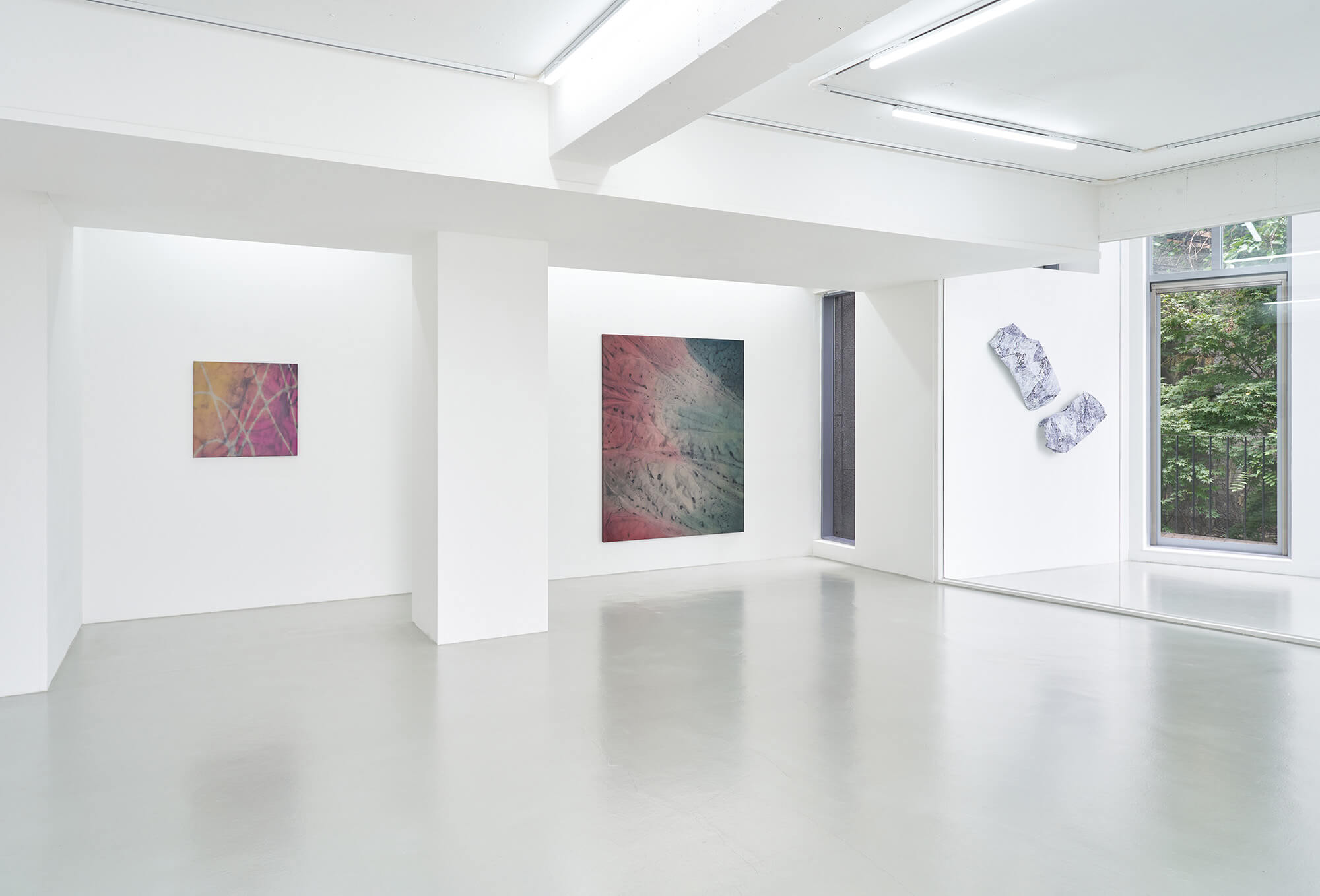
In 《Melancholia》(Primary Practice, 2025),
media-mediated depression is addressed not as a purely private emotion but as a
shared and circulated social sensation, while the 'Measure' series leaves
traces of emotions shaped through the entanglement of external and internal
conditions as if they could be measured. The earlier question of the boundary
between the individual and society therefore remains intact, but shifts toward
examining how external relationships settle within the body and become feeling.
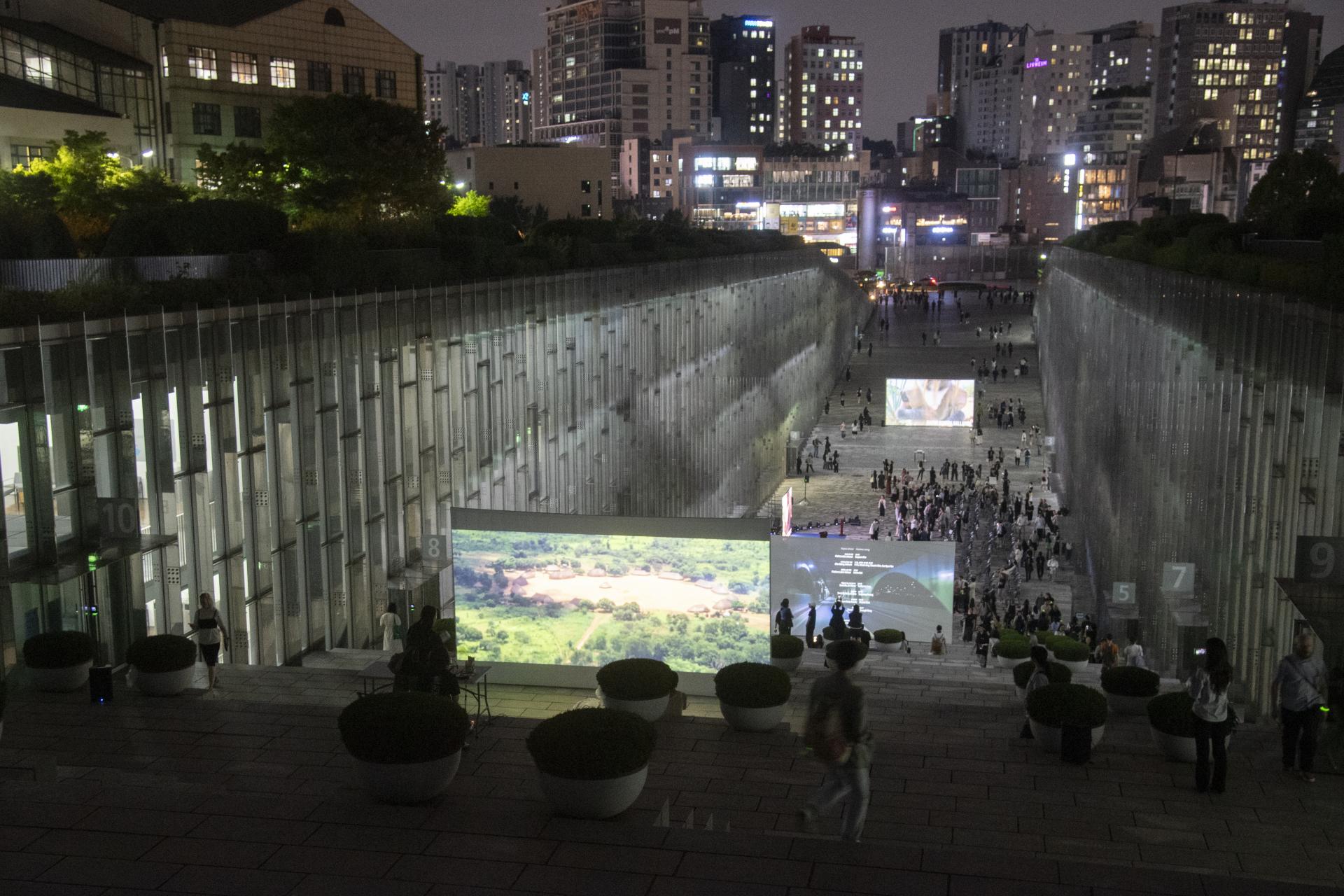
Kim has participated in exhibitions including the 12th Gwangju
Biennale’s 《The Art of Survival:
Assembly, Sustainability, Shift》(Asia Culture Center,
2018), exhibitions at Nam June Paik Art Center and the National Museum of
Modern and Contemporary Art, Korea, and Frieze Film 2023. He has also taken
part in residency programs including Seoul Art Space Geumcheon and MMCA
Residency Goyang, and his work is held in the collection of the Seoul Museum of
Art.
The broader relevance of his practice lies less in the specificity of any
single Korean social context than in the way he addresses widely shared
experiences such as digital relationships, mobility, caregiving, and the
circulation of emotion through the structural idea of the “in-between” and the
“interface.” His sustained practice of translating relational traces across
video, sound, installation, and painting leaves ample room for these questions
to continue shifting in response to new media and changing conditions of
everyday life.