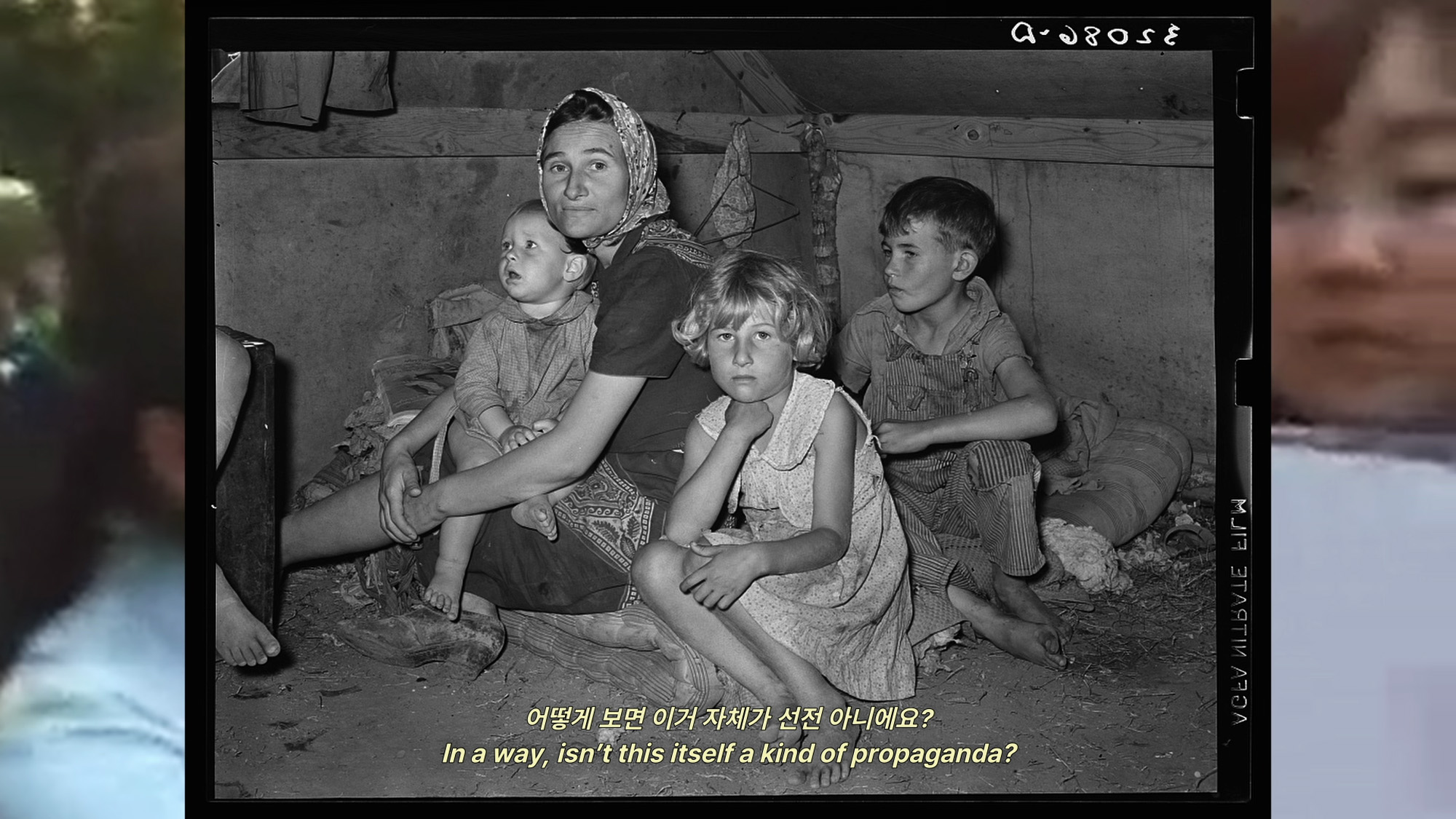
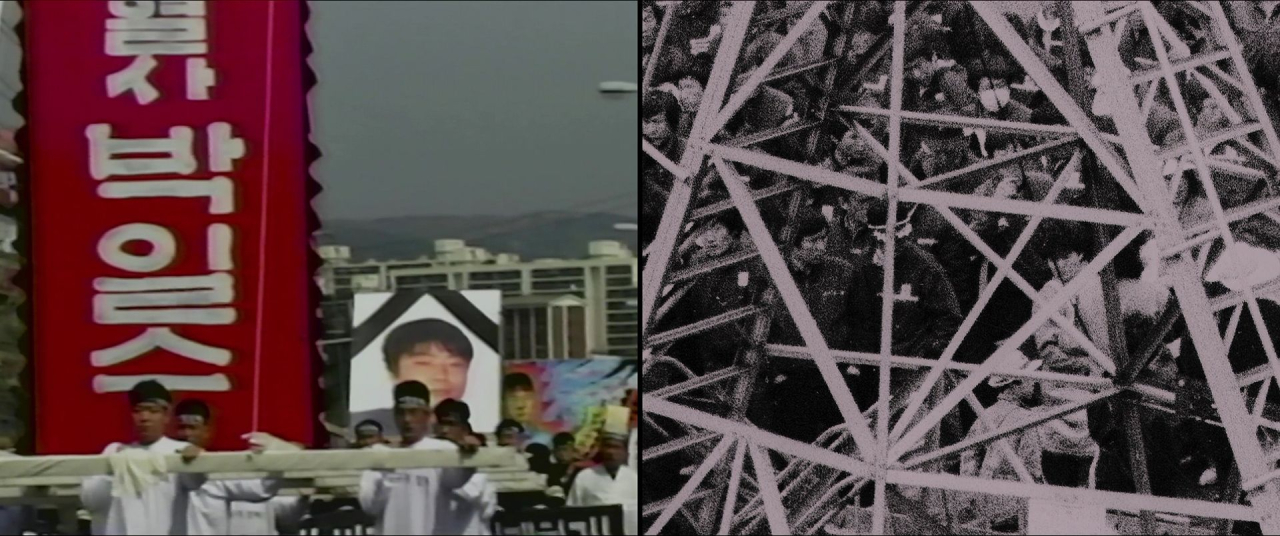
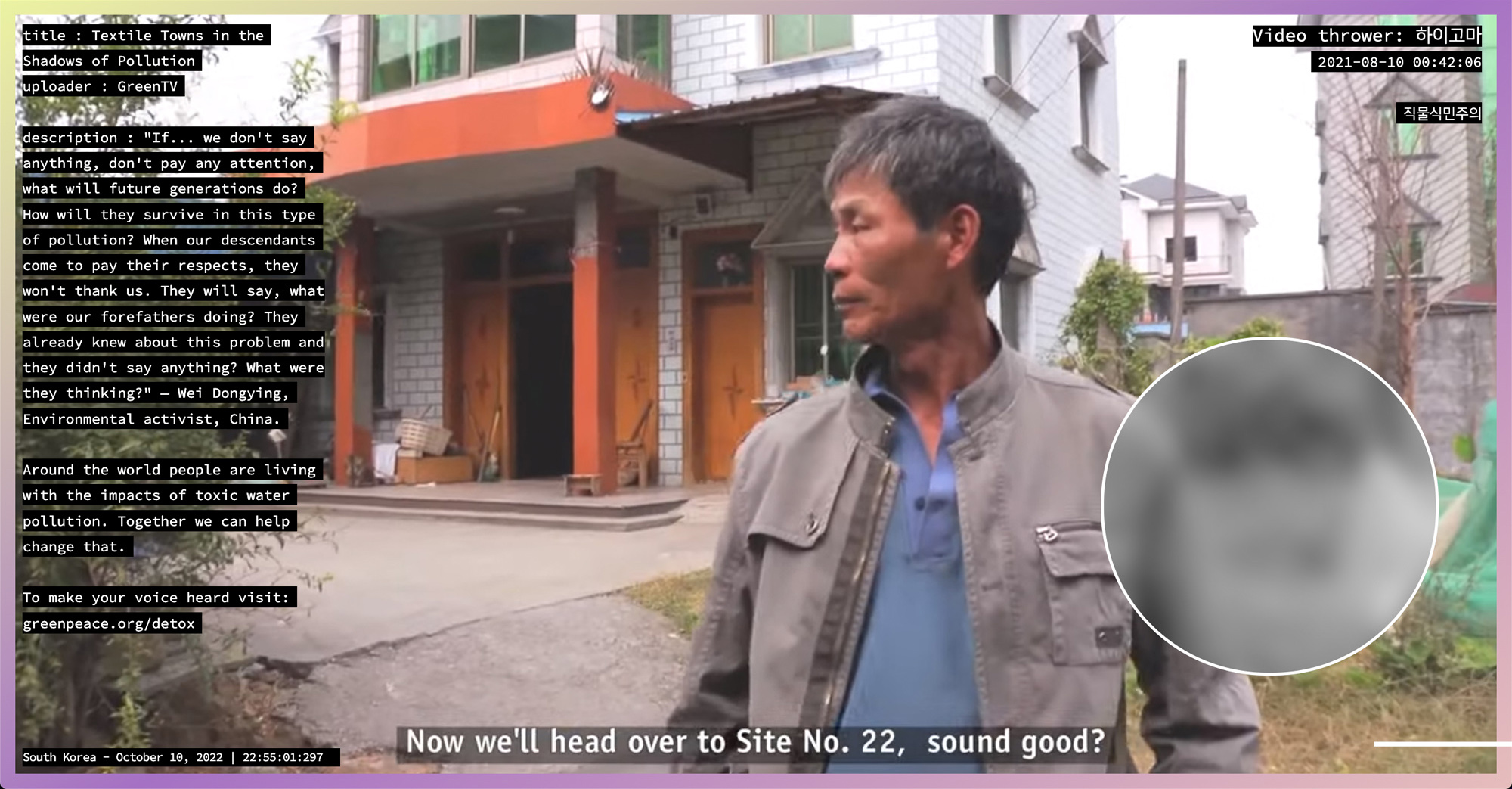
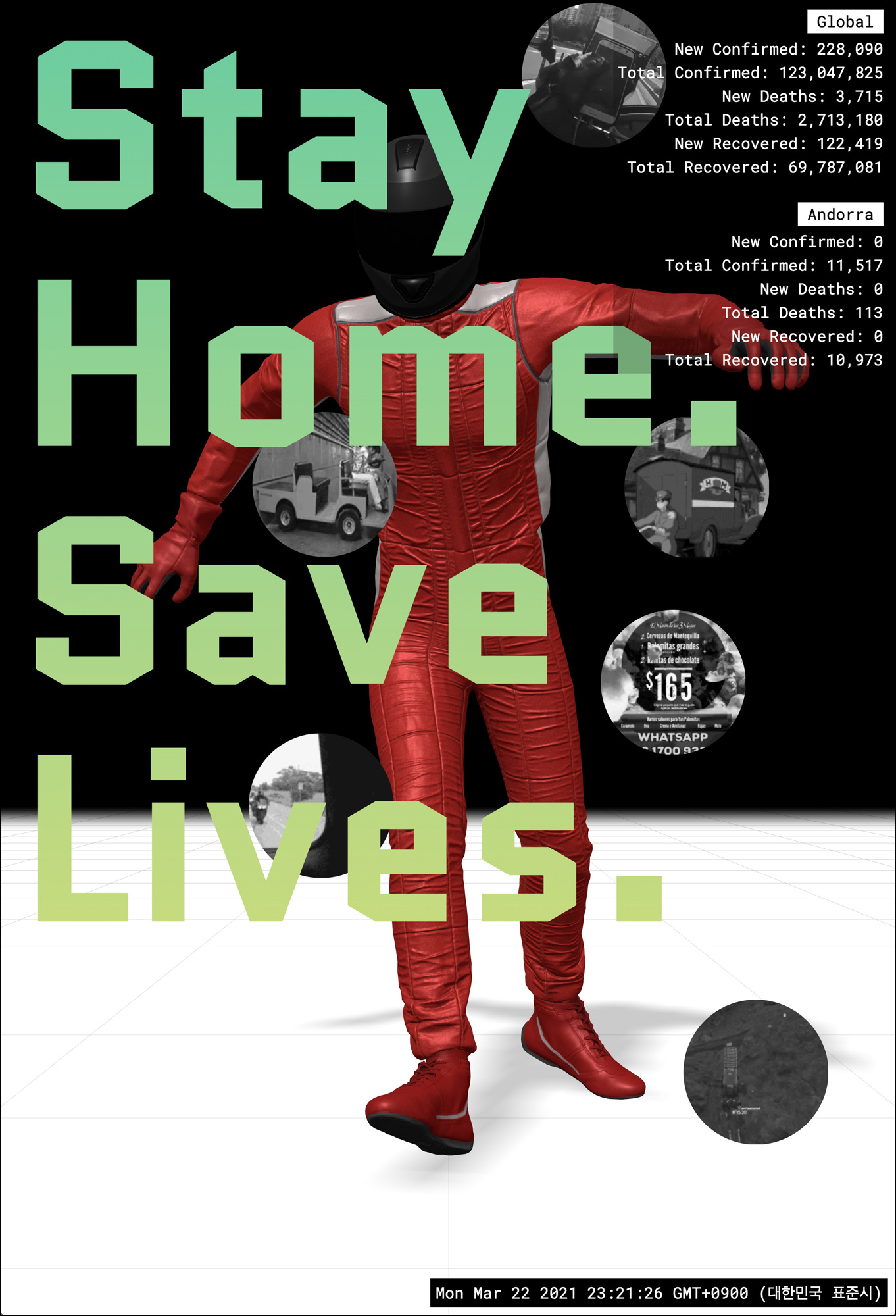
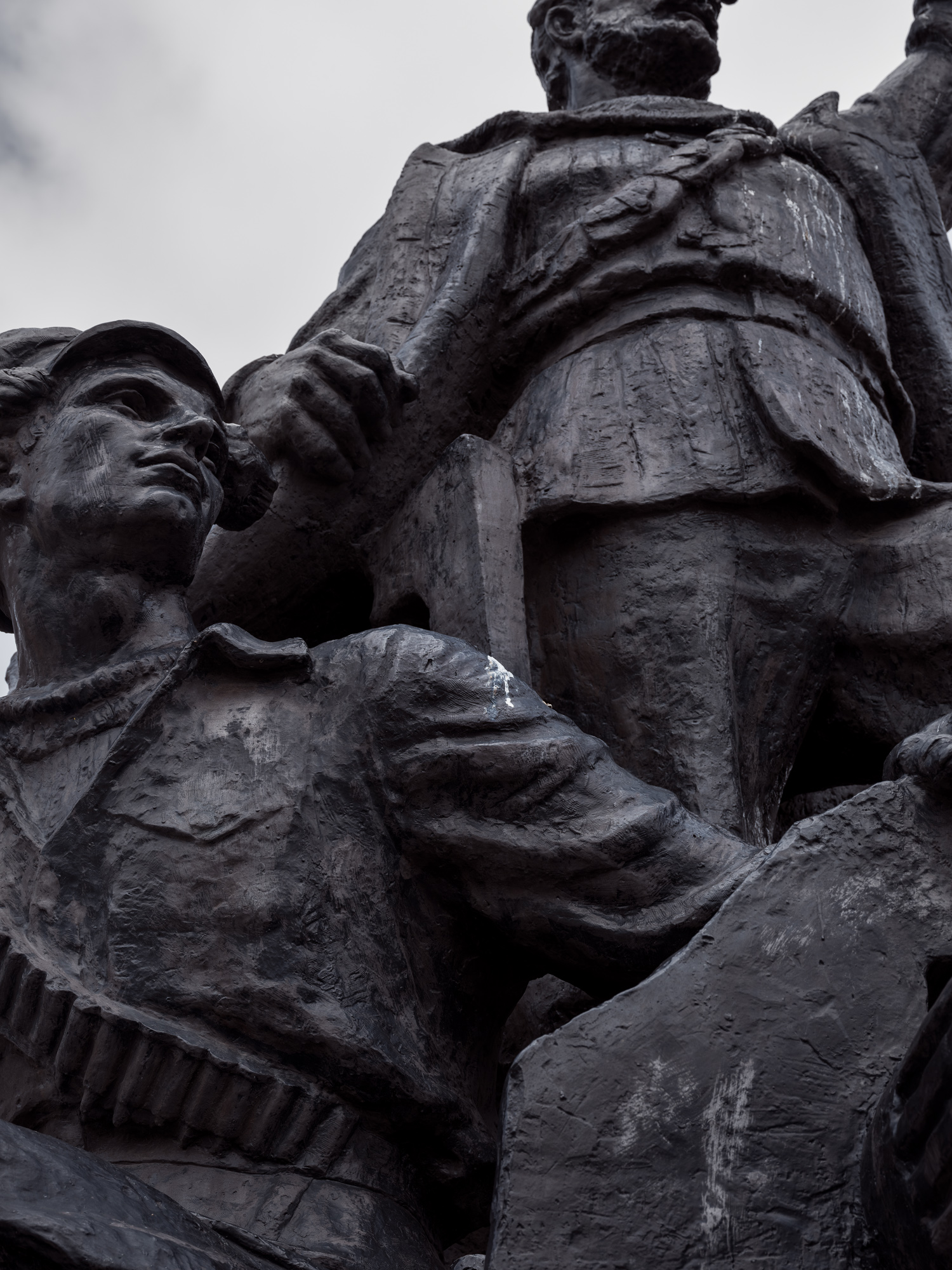
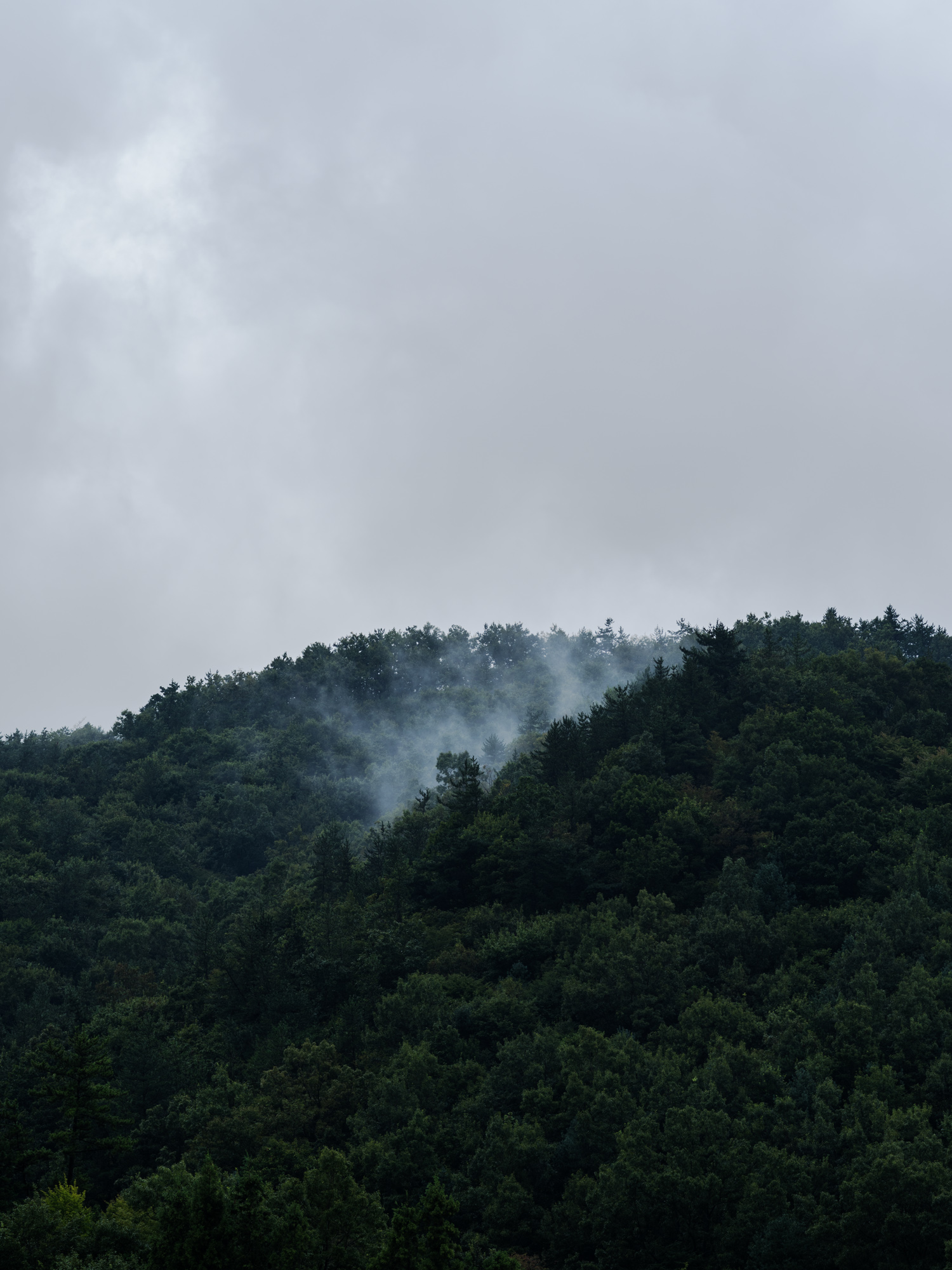
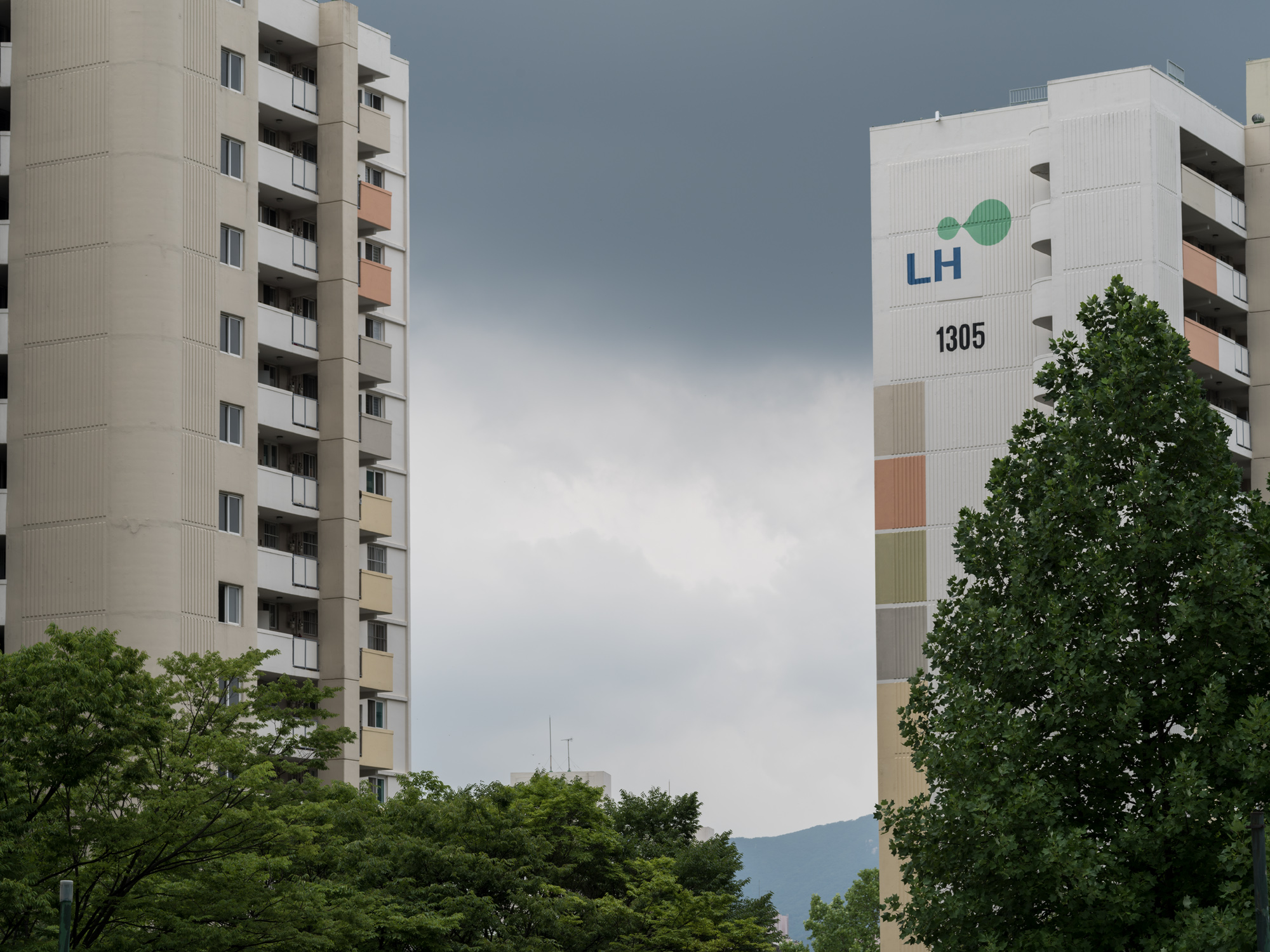
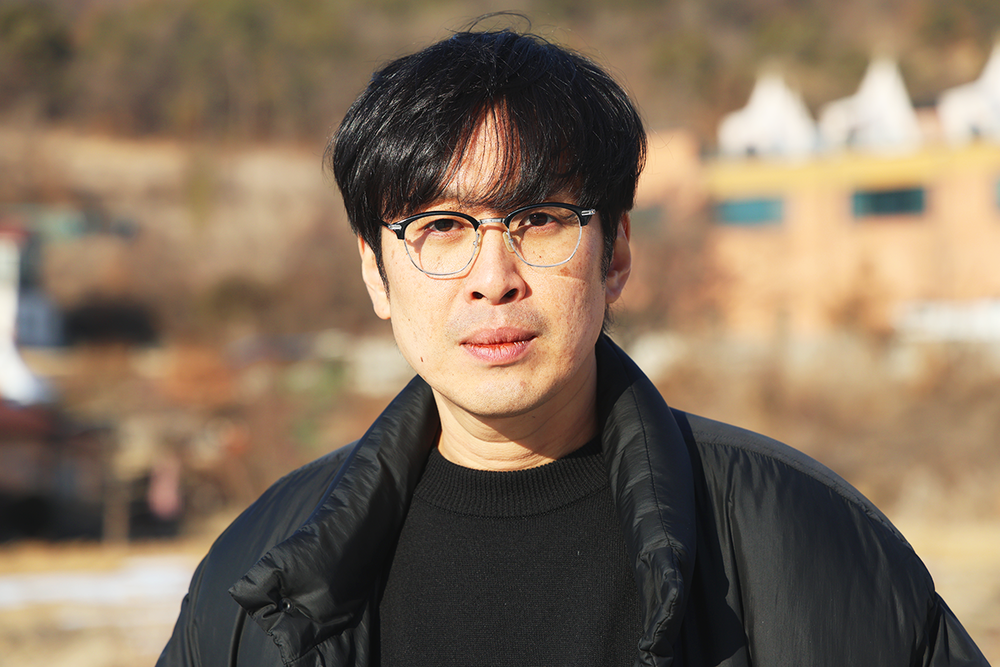
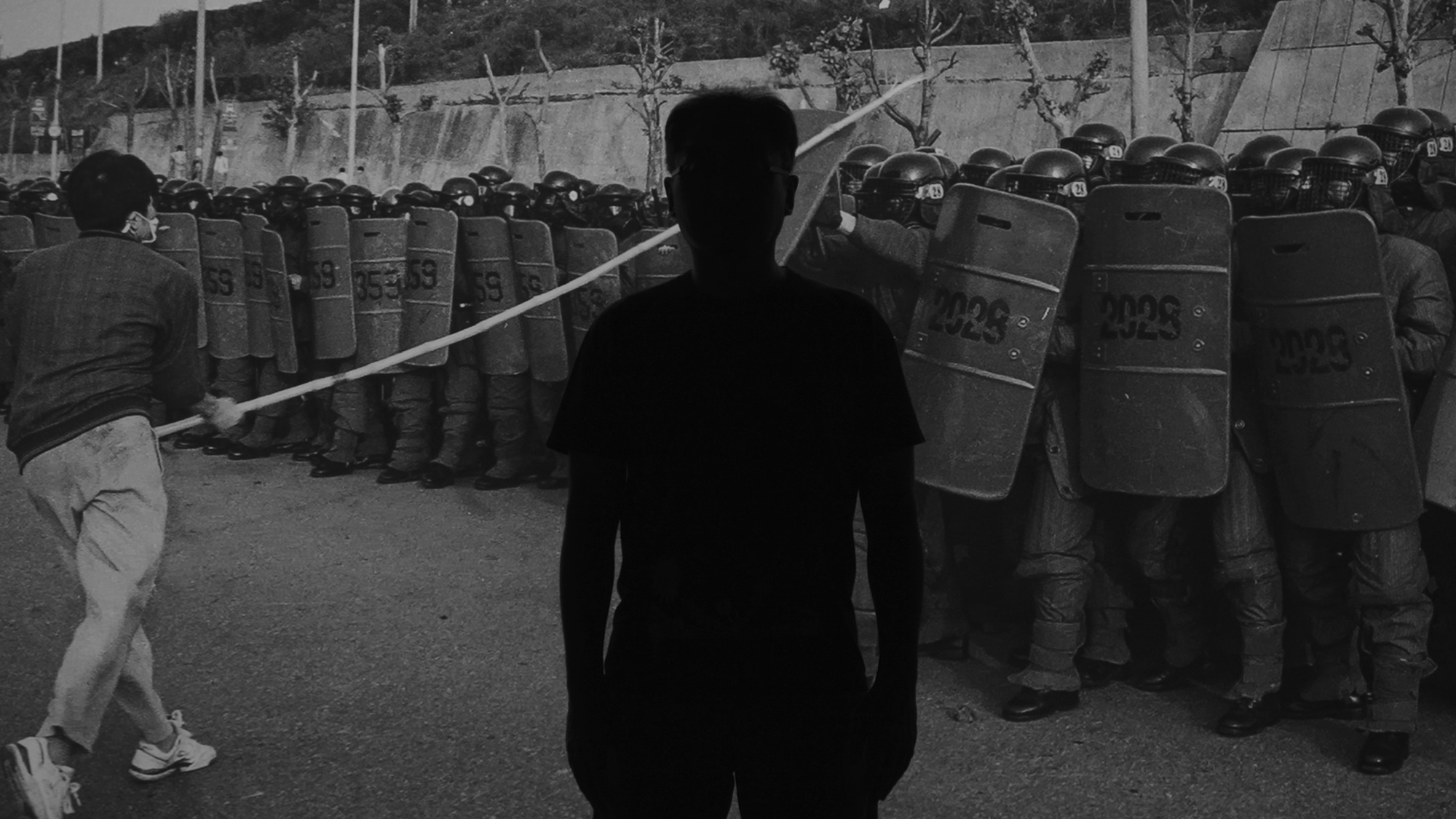
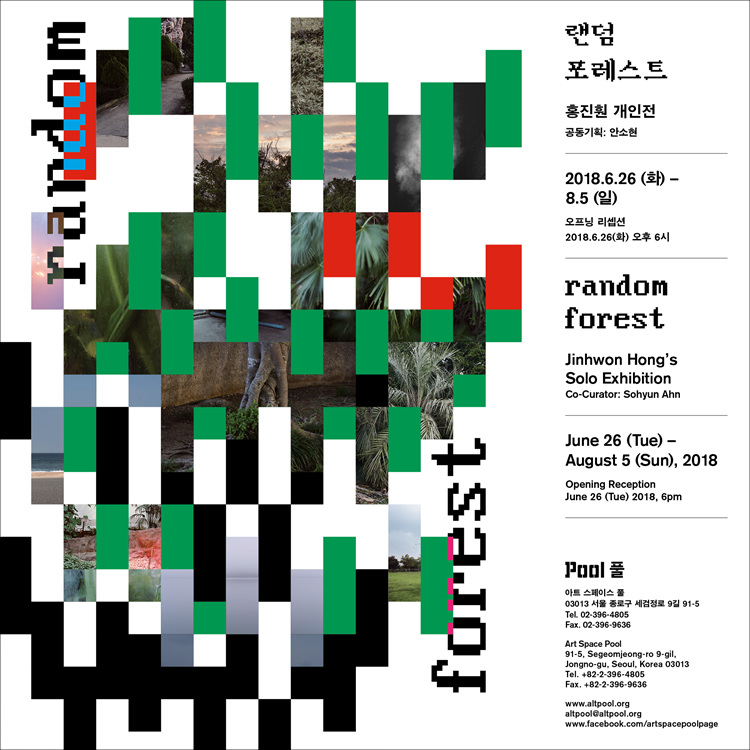
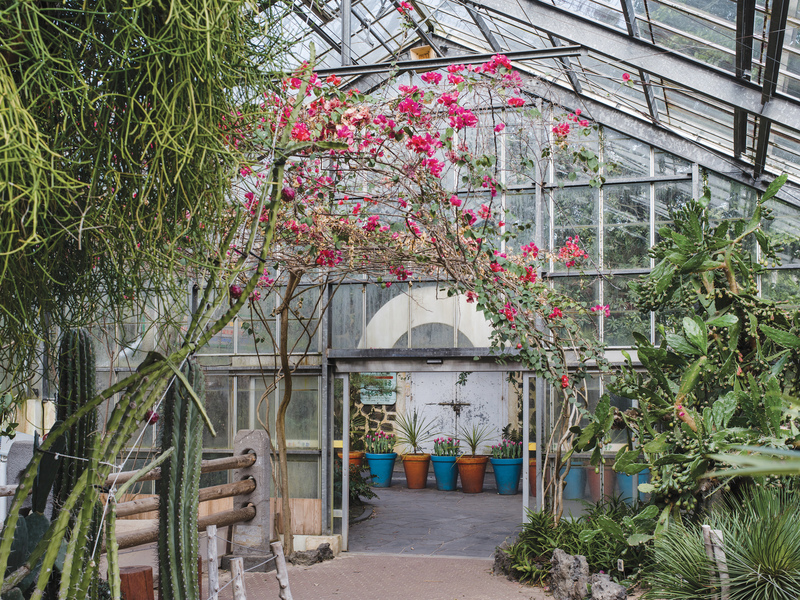
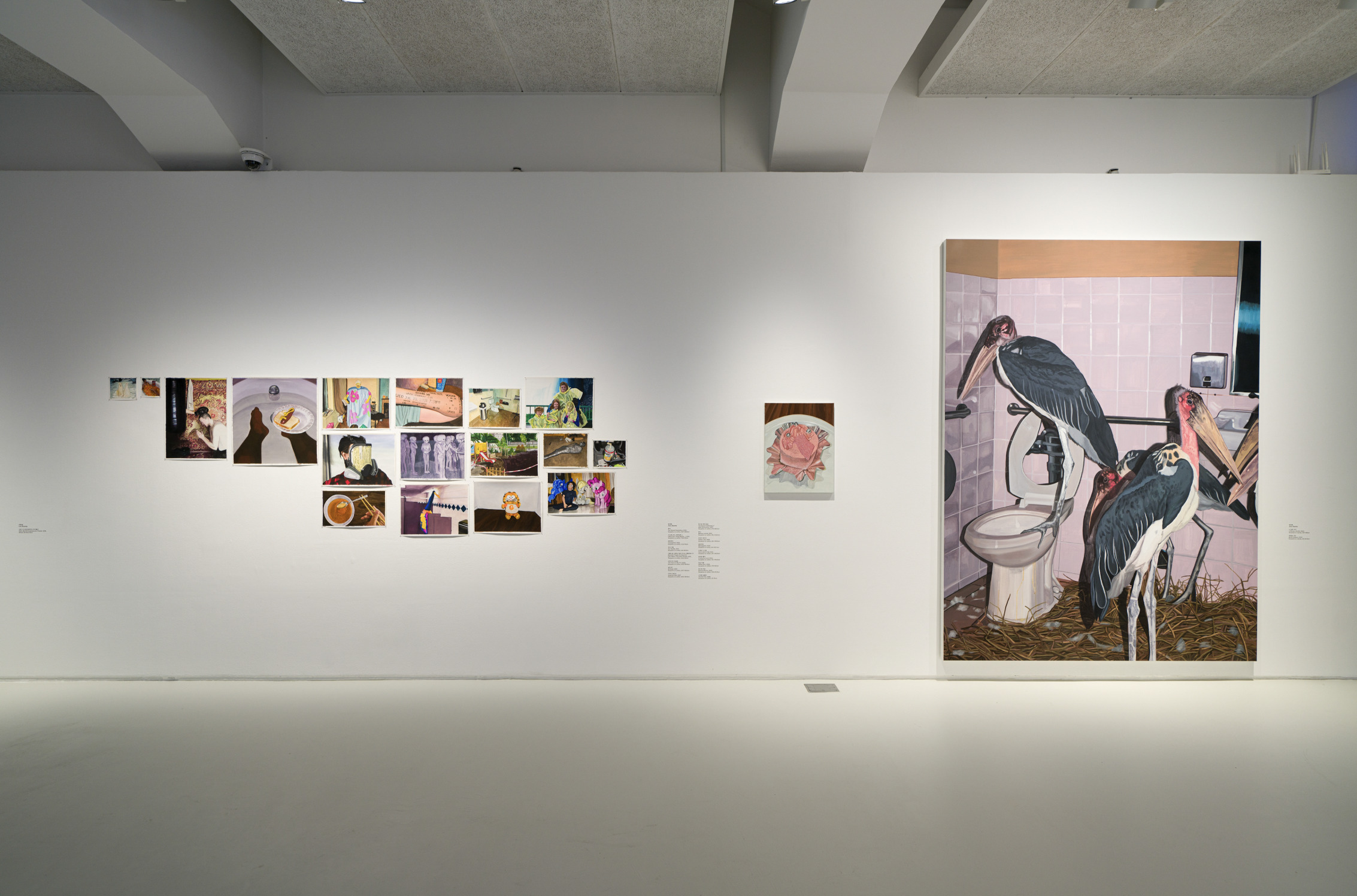
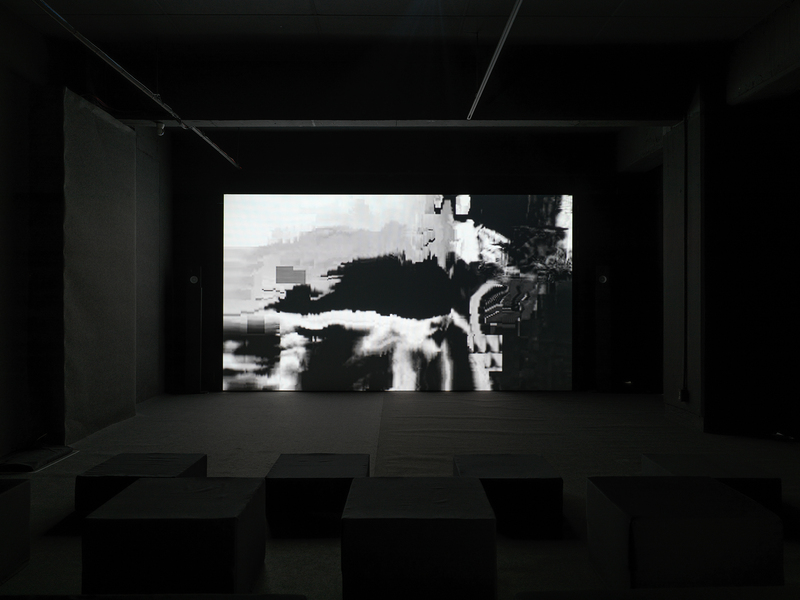
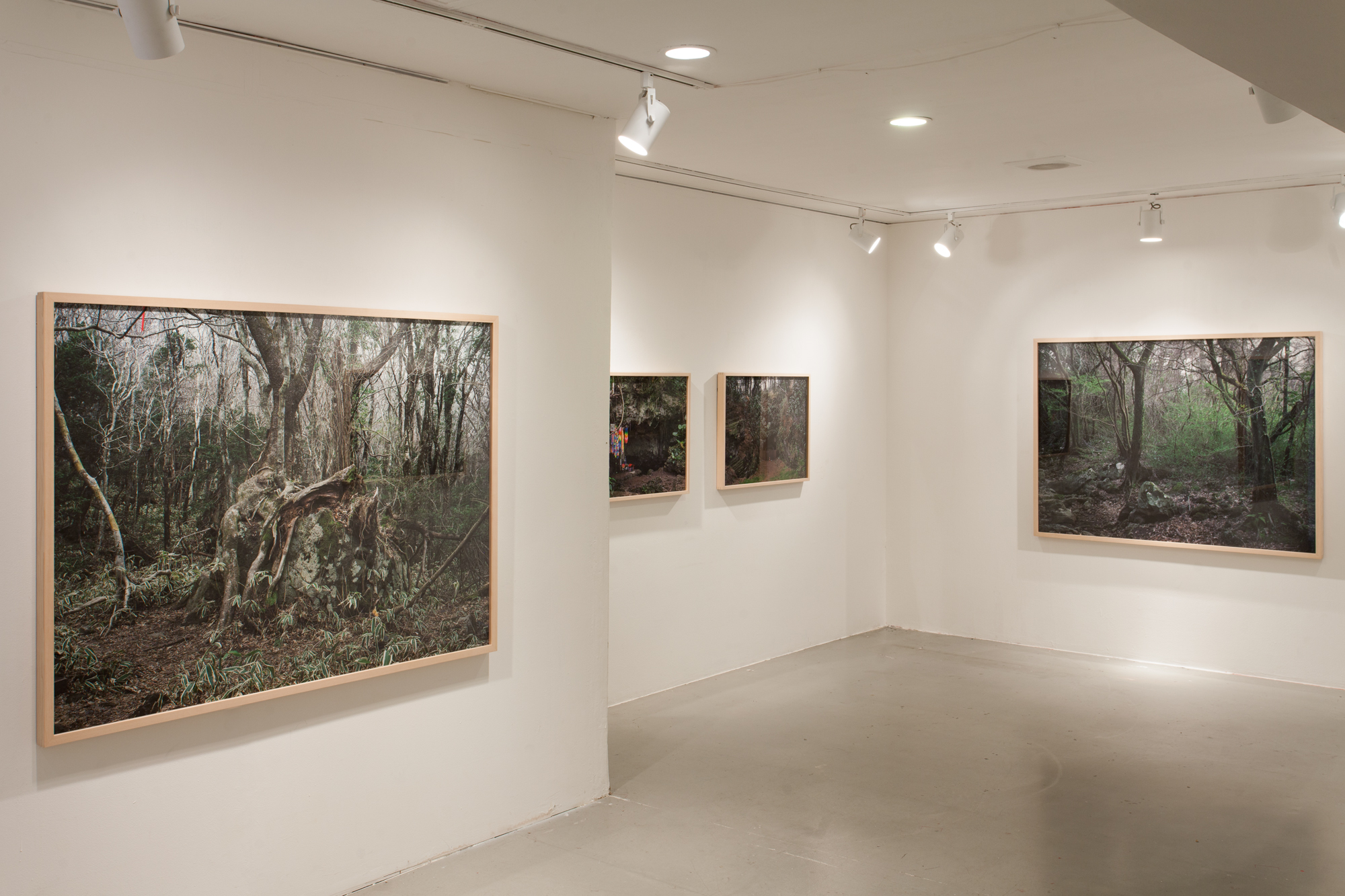
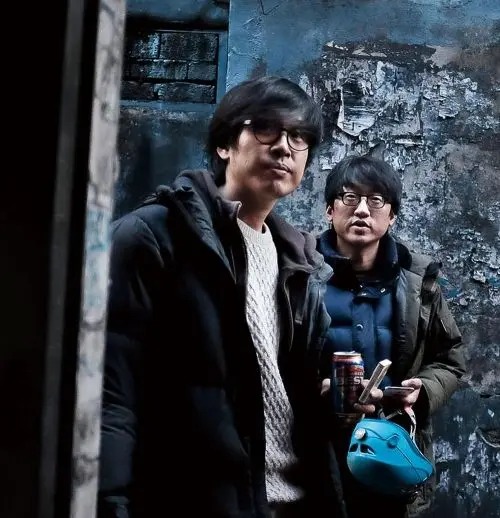
Poster image of 《Random Forest》 © Art Space Pool

Photographs Without the Photographer

One thing I do not want to read into these photographs is “Hong Jin-hwon.” The presence of the photographer often affects the way a photograph is read. Viewers naturally overlay their own gaze with that of the photographer and may identify with the photographer’s attitude or emotions. The photographer’s presence and actions thus contribute to weaving the meaning of a photograph, but they can also limit how it is read.

In fact, there is always a gap between every photographic image and reality. The image recorded by the photographer through the camera is not the same as the scene the photographer witnessed or remembers. Nor can the reality to which a photograph points be said to be identical with the photograph itself.

A photographic image has already been selected and cropped; the photographer’s memory is distorted and riddled with gaps; and no matter how detailed an explanation of a photograph may be, it can never contain complex reality in its entirety. Even so, because “the photographer saw it,” we bind these discontinuous things together as though they were “the same.” The photographer’s presence covers over the countless gaps between the photographic image and reality.

Like most so-called “on-site” photographers, Hong Jin-hwon readily acknowledges the limitations of photography. He says that photography is a form of violence and that it is difficult for it to convey reality in its entirety. Yet he continues to take photographs. He has said that there are many photographs he has not shown, and cannot show.

If so, then as the photographs accumulate, so too must a sense of futility, and it seemed precarious, as though he were building a burial mound out of images. It occurred to me that the hard drives photographers stubbornly refuse to empty might be what keeps them going. Perhaps because of this self-deprecating persistence, it was difficult to subject their photographs to dispassionate criticism.

Rather than reading the photographic images themselves, I found myself asking where the photographers had gone and why, feeling indebted on the one hand and relieved on the other that a photographer had been present in places I had not been able to reach. The phantom sour smell of sweat-soaked shoulder straps interfered with my reading of the images.

So, in this text written for Hong Jin-hwon’s solo exhibition, I have decided to erase the photographer Hong Jin-hwon, just as he erases people from his photographs. I have decided not to identify with him. I will not imagine what he might have been seeing in a particular place, follow his desolate gaze, or enter into his emotions. In short, I have decided to lower the temperature of my gaze.

And in order to be influenced by his thoughts as little as possible, I will refer to him simply as “the photographer” (because sometimes merely repeating a name can evoke a certain affect). What remains now is nothing but images, photographic images. To keep one’s feet planted in the image and read the photograph coldly: that is what I intend to do here.


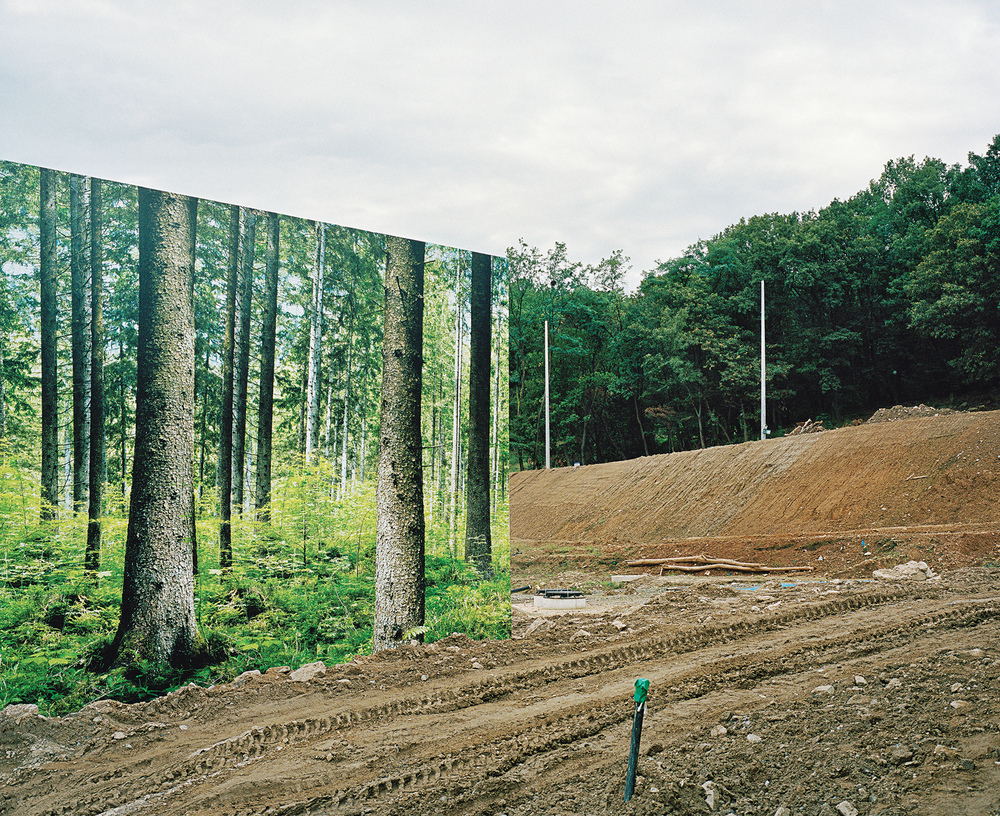
Hong Jin-hwon, Nobody Answer #009 Hanlim Park, Jeju, 2016, Pigment print, 60 x 80 cm © Hong Jin-hwon

Atlas of Absence (不在圖鑑)

We have a habit of thinking of photographs as stepping stones: the moment we see one, we step onto it and leap beyond it toward reality. Where is this place? Who is that person? What happened there? The answers are usually supplied by the text attached to the photograph—its title or description.

Text, with a powerful magnetic pull, fastens the photographic image to reality, and this is often said to be the very power of photography. But since I am trying to erase the photographer, I decided to set aside his texts for a moment and remain a little longer with the photographic image itself, before it has completely adhered to reality. Or, even after the image has attached itself to reality, I decided to examine what happens within the image.

Is the image merely a piece of metal being drawn toward reality, or does it possess a magnetism of its own that amplifies reality’s pull? Or does it resist that pull and generate an even greater impact at the moment it finally collides with reality?

In this exhibition, my interest was in classifying the “photographer’s” photographs as images. Because, at this point, the image is not (yet) subordinate to text, the result becomes an image-centered classificatory list—an atlas (圖鑑).

If one were to identify the most pronounced sensation in the “photographer’s” photographs, it would be a “sense of absence.” Most of the landscapes contain no people; when people do appear, only their backs are visible; and the overcast skies and extremely still compositions create the feeling that something is missing.

A representative example is a photograph made by repeatedly shooting a busy district of Seoul one thousand times in order to erase people and cars (31). Yet apart from such exceptional cases, strictly speaking, the mere absence of something does not automatically produce a sense of absence. Since every photograph necessarily selects a limited subject and only what falls within the frame, there is no such thing as a photograph that photographs “nothing.”

Therefore, when we sense that something is missing from a photograph of “something,” there must be something “more” within it that makes us feel that absence. In the “photographer’s” works, I found several devices that generate this sense of absence. Classifying the photographs according to those devices, then, forms a kind of atlas of absence.


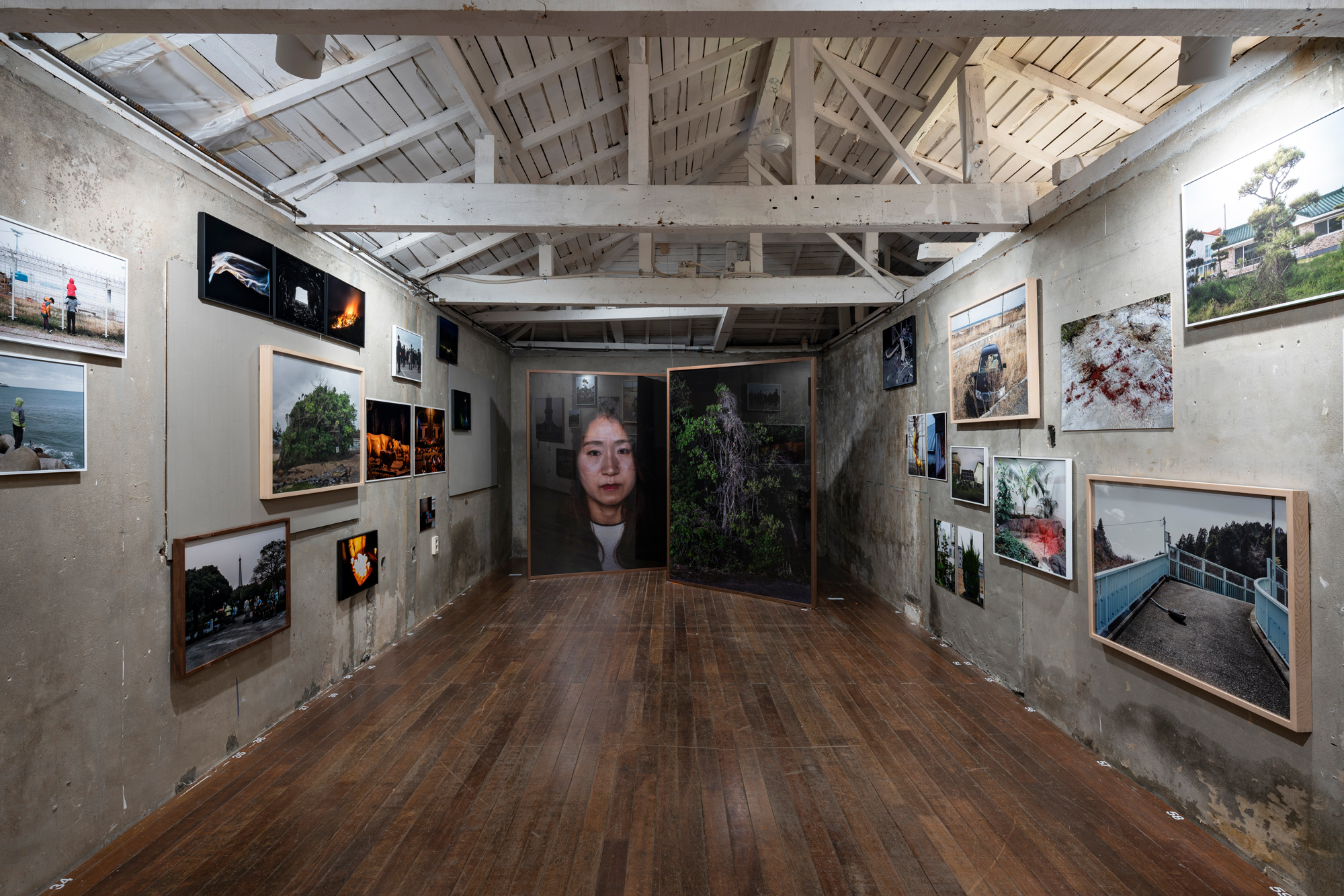
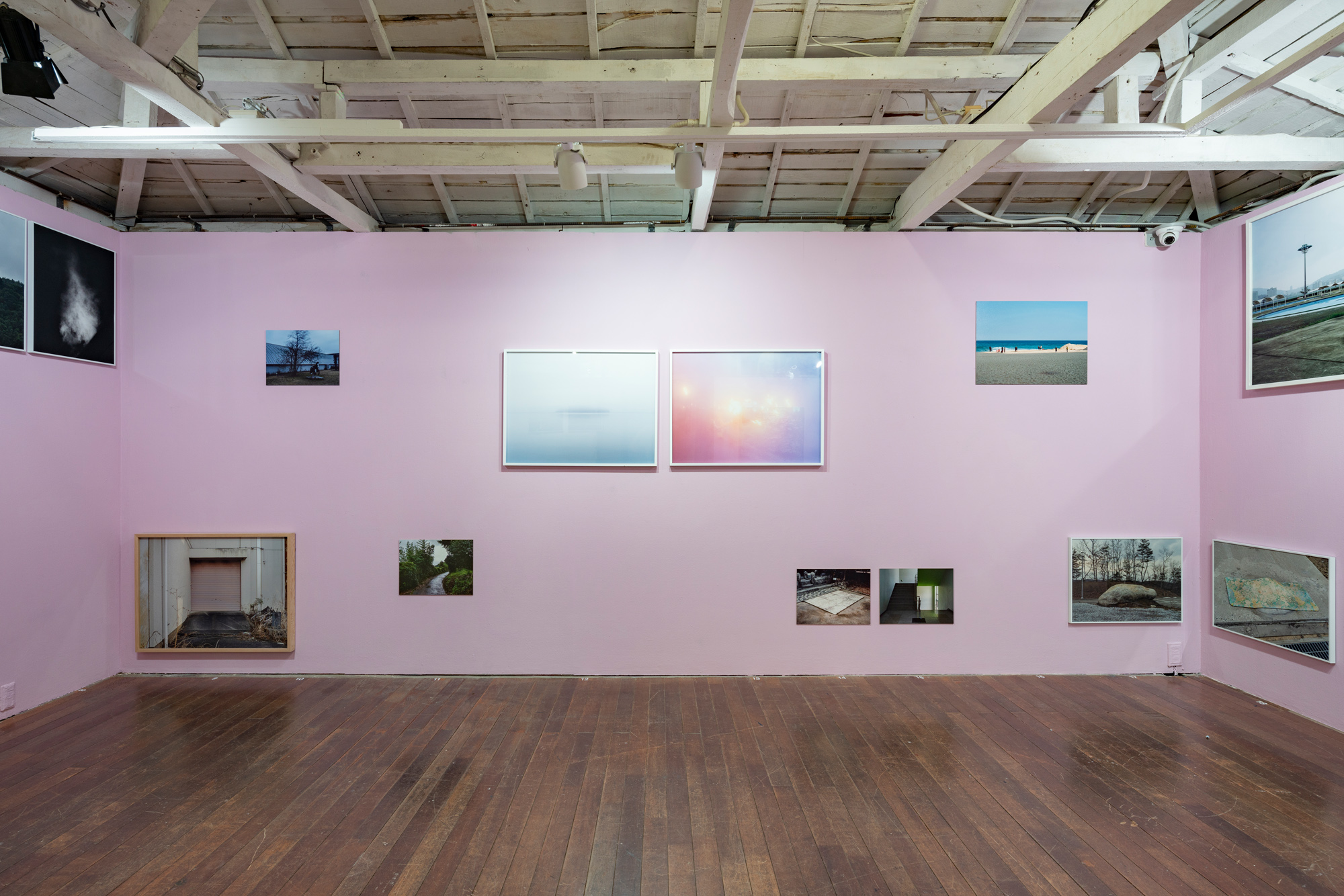
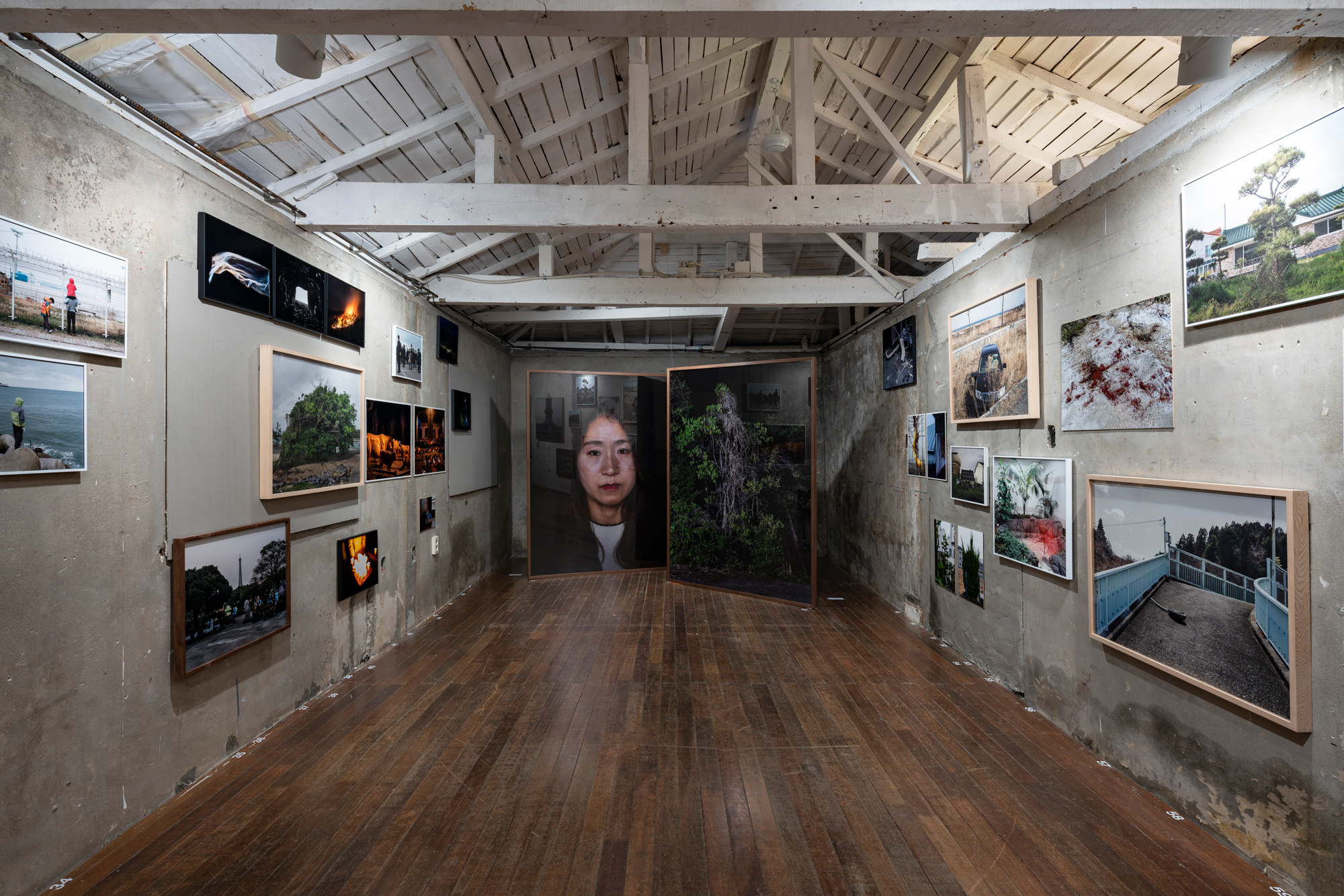
Installation view of 《Random Forest》 © Art Space Pool

The first device is the subject itself, or the context in which it is situated. One photograph shows a pile of neatly folded bedding, undisturbed, inside a room (22). It naturally evokes the sense that “no one came.” The photograph’s dim, cold quality of light intensifies that feeling. But it does not end there.

The moment one reads the text explaining that this was the intended destination for the school trip of second-year students from Danwon High School who became victims of the Sewol ferry disaster, what unsettles the viewer is precisely the stillness of the photograph. When an immense event that cannot possibly be recalled without emotional disturbance is recorded in an image of extreme stillness, one that even appears indifferent, a kind of resistance is produced.

This resistance frequently appears in photographs of trees and thickets as well. The impassiveness of plants bearing almost no artificial markers—or their slight, barely perceptible strangeness—suddenly becomes uncanny the moment the tragedy of the place is recognized, and the plants turn into mute witnesses.

The sense of absence in the photographs taken in Boseong, Jeollanam-do, however, has a slightly different texture (45). The light of a streetlamp illuminating a spot on an empty road, and the sheen revealed by moisture on an equally deserted concrete country lane, point like spotlights on a stage to the place of something that “should be there but is not.”

Rather than creating a contrast with the weight of reality outside the photograph, these images generate a sense of absence by hollowing out a portion from within the photographic image itself. Moreover, once we learn that these scenes were part of the everyday route traveled by the late farmer Baek Nam-gi, the photographs do not foreground their distance from reality but settle naturally onto that reality.

The second device is the betrayal of visual habit. The photograph of a swimming pool along the Han River (19) is deliberately unaccommodating. It was taken from a viewpoint in which the upper and lower edges of the pool’s outline lie so flat and close together that its form is difficult to grasp. A small puddle on the concrete ground in the foreground appears almost like the protagonist. This flattened landscape emphasizes nothing in particular.

Yet our eyes do not approach this nondescript photograph from a neutral point. We live in an age when everyone takes photographs and everyone knows how to make them stand out. Our eyes have already been trained on striking images, but this photograph offers none of that. What we read instead is deliberate restraint or subtraction.

The photograph crosses the first threshold of meaning precisely because our eyes, shaped by the experience of having seen countless photographs and accustomed to images that make already prominent scenes even more prominent, encounter something withdrawn. By betraying the habits—the inertia—and expectations ingrained in our vision, this receding image creates a sense of absence.


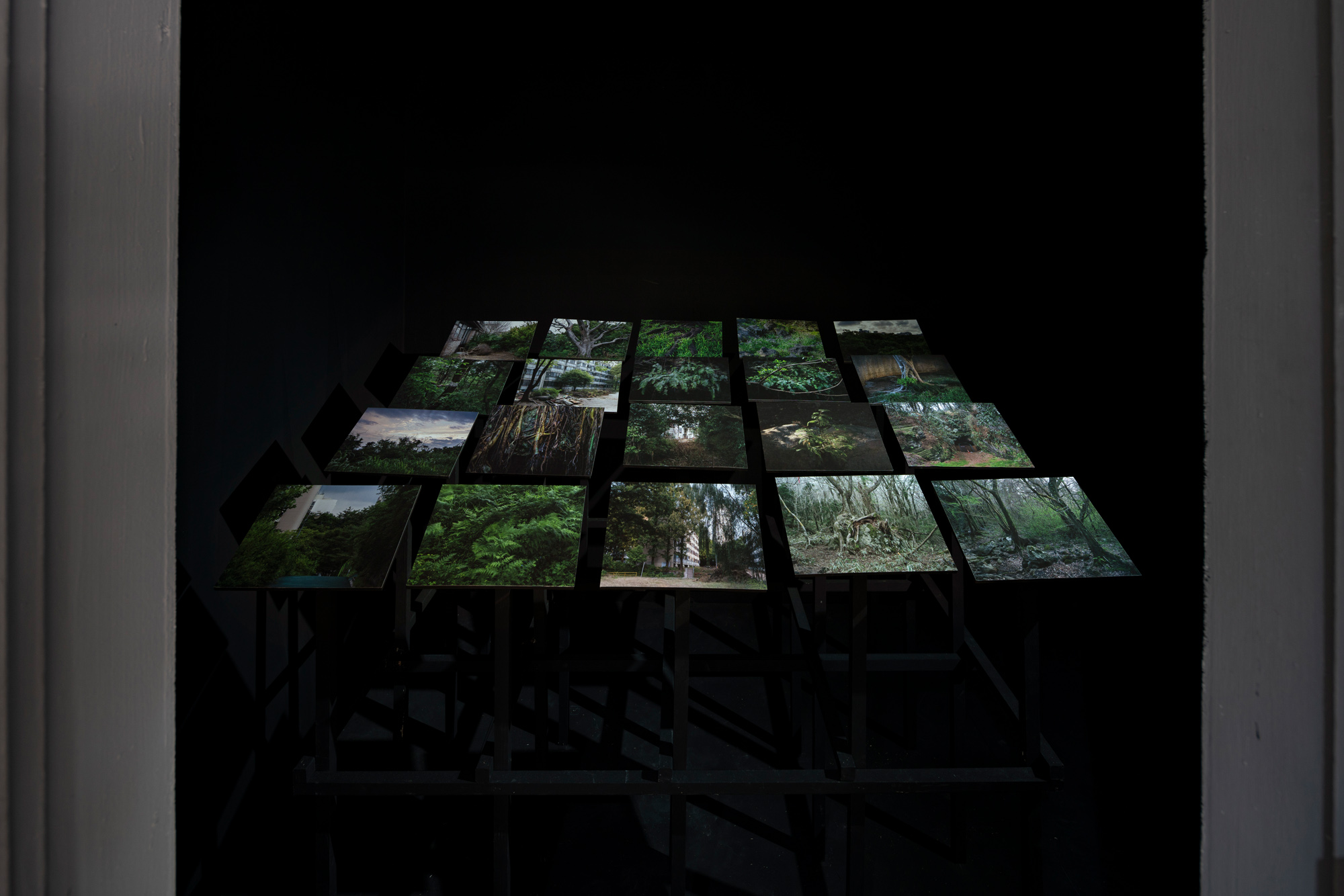
Installation view of 《Random Forest》 © Art Space Pool

The third device is visual effect—color, light, tone, and so on. The photograph taken at Hallim Park on Jeju Island (1) depicts an ordinary botanical garden. What stands out, if anything, are the red flowers in the foreground and the flowerpots in complementary colors arranged alternately in the background.

Even the phrase “stands out” feels excessive, because these objects are so ordinary that one could easily pass them by unnoticed, and because the photograph contains not even the slightest premonition of any event yet to occur. What is unsettling, however, is that this variegated colorfulness somehow does not belong with the hazy, subdued tone of the photograph as a whole; the photograph’s tone prevents the bright and cheerful mood that the colors of the flowers and pots might ordinarily evoke from fully emerging.

The viewer, held within that tonal restraint, learns that this place was intended to be a destination on Danwon High School’s school trip, and at that moment the image drops the students’ absence before us with a heavier impact than it could have produced in a more natural state.

More entries could continue to be added to this atlas of absence. The sensations of absence that a single photographic image can generate through its subject, its relation to reality, and its internal visual structure remain inexhaustible.

At this point, however, I want to shift our attention to the exhibition itself. What happens when a photograph of absence occupies the same space as another photograph of absence—that is, when it enters the context of an exhibition?


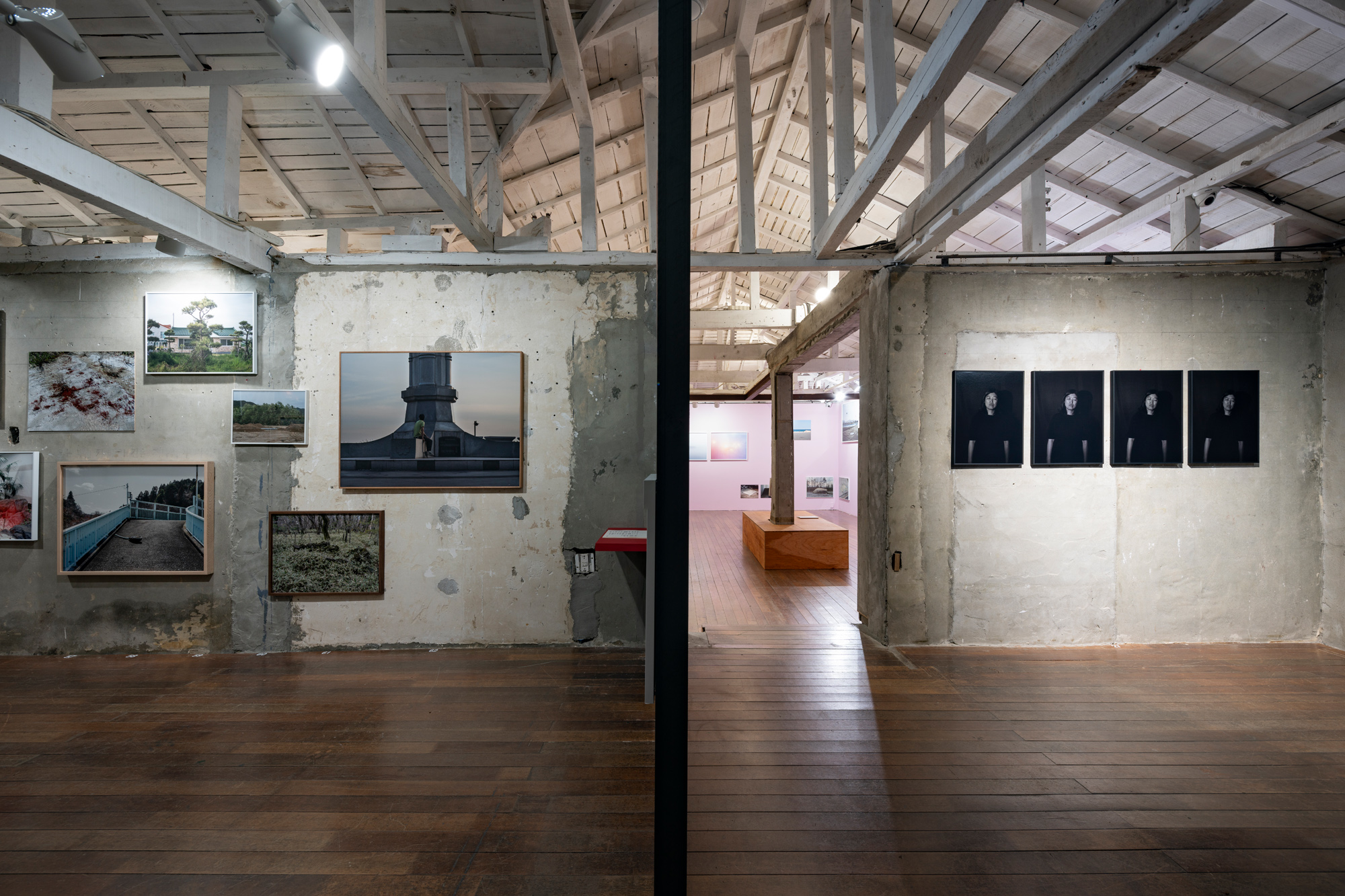
Installation view of 《Random Forest》 © Art Space Pool

Random Forest

The “photographer” proposed “Random Forest” as the title of the exhibition. The term originally refers to a method in machine learning that enhances communicative effectiveness through quantitative increase and chance, without imposing strict constraints. In other words, it describes an algorithm that randomly diversifies the types of decision trees and increases their number in order to achieve greater consistency, likening the process to individual trees gathering to form a forest.

The term seemed well suited to an exhibition that asks what kinds of meaning might emerge when the “photographer’s” various images are brought together regardless of series, and how photographs might be read “again.” Yet the title soon generated further questions. In an exhibition, does communication necessarily mean achieving coherence?

Should an exhibition allow viewers to grasp a consistent meaning without discrepancy, or should it instead lead outward toward more questions? Most of the “photographer’s” images were made in response to clearly identifiable social events, yet they do not point directly to those events or allow them to be recognized at a glance. Can these photographs, which record reality without explaining it, be made to speak through an exhibition? Each exhibition space consists of several experiments grounded in such questions.

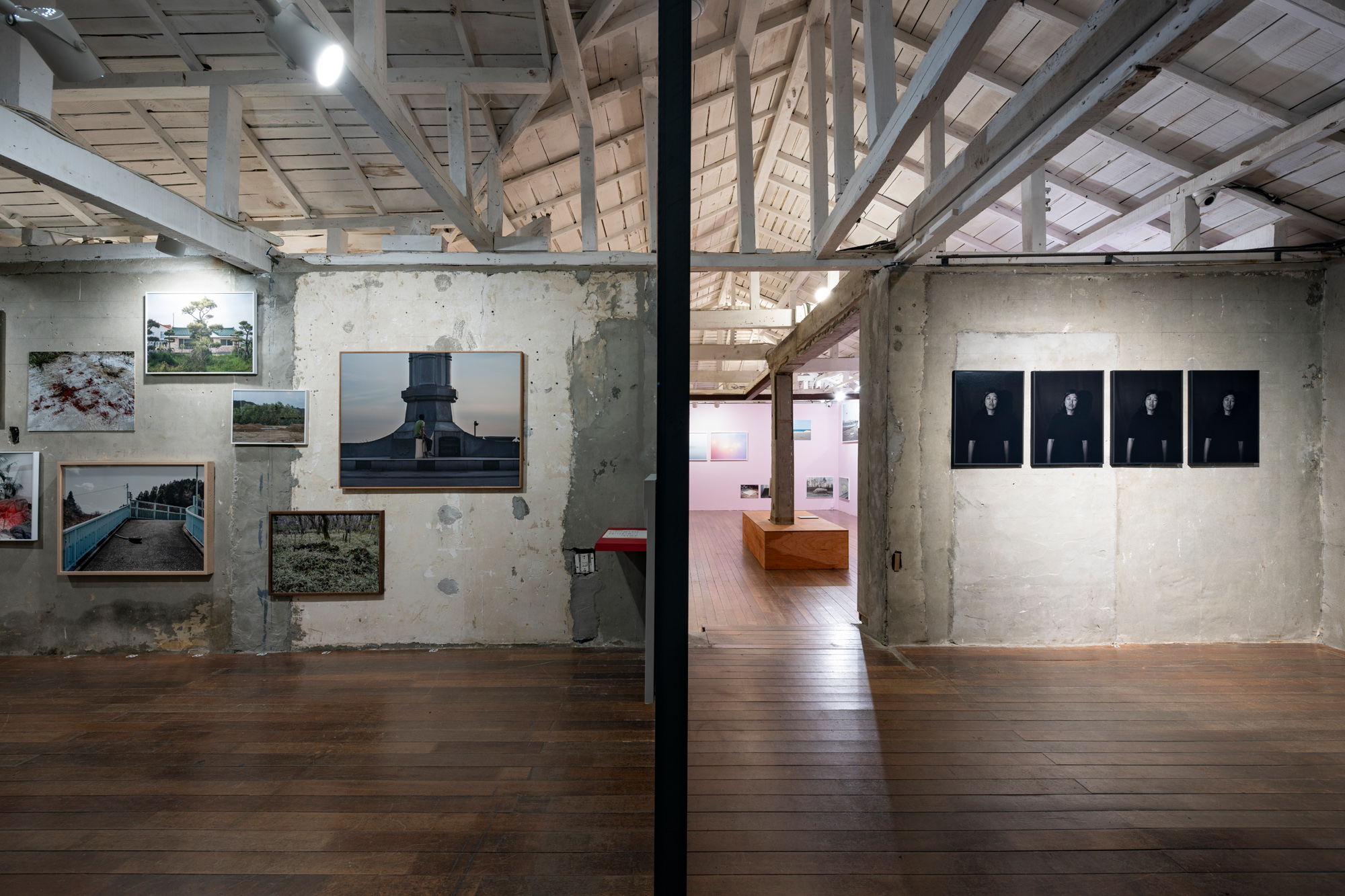
The photographs in the first room seem unlikely to readily speak about the realities to which they refer. It is not difficult to identify what has been photographed, but it is difficult to discern a common theme from the images alone. Each photograph contains very little information, nor does it reveal any readily legible emotion.

Yet when these scattered images are gathered in a single space, there are still certain elements that can be held in common. First, the familiar sense of absence fills the photographs, along with extremely subtle forces connected to that absence—forces that are subdued but cannot quite be said to be nonexistent.

Such forces can be extracted from the slightly swollen belly of a yellow dog, a form on a hazy sea that is only marginally less hazy, moderately exotic plants in a humid greenhouse, or two legs barely distinguishable from the rippling water. This difference can only be described as a minute intensity; if one were to give it an intentionally unfamiliar name, it might be called a kind of “slightness,” something close to “littleness” in English.

Or, in philosophical terms, it approaches “haecceity,” or “thisness.”[2] Photographic entities that do not stand out yet linger in the eye—clusters of minute differences that are clearly distinct from ordinary scenes, though it is difficult to explain exactly why—fill this pink room. Later, when we encounter in another room the texts identifying the real events to which these images refer, those events feel comparatively much heavier.

In the first room, we could move lightly from one image to another, but once the weight of the events becomes known, we may feel an immense discrepancy between image and reality, perhaps even a sense of betrayal. That discrepancy may be intensified precisely because we had been unable to attach words to the photographic images.

The “photographer” once asked of his own photographs, “Could there be meaning in how unrelated this landscape and that fact appear to be?” This “appearance of unrelatedness” may simply be another expression for the great drop between “thisness” and “heaviness.”

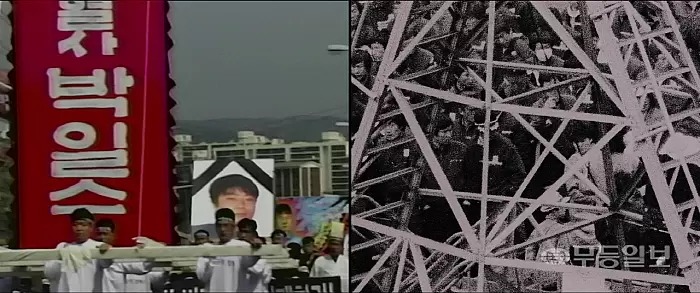
The hundreds of photographs placed on the long piece of furniture in the same room constitute a spectrum that allows us to experience that very drop in finer gradations. All taken at or near the sites of protests against the Miryang transmission towers, the photographs begin with utterly ordinary images of trees, move through landscapes of the village, continue into scenes of protest and confrontation, and finally culminate in intense records of forced eviction.

Yet the spectrum still leads us toward questions rather than answers. From where to where can something be called the “site”? Between an ordinary tree standing motionless at a protest site and a banner bearing militant protest slogans, which offers an entry point toward truth? Photography draws reality toward itself, but can that immediately amount to truth?

The vast spectrum fails to become a single answer and remains instead as an equally vast field of questions. Yet perhaps what brings the viewer of photographs closer to reality is not an answer, but a question.


Installation view of 《Random Forest》 © Art Space Pool

As one moves from the bright room into the dark one, the photographs no longer seem to whisper with subtle intensity but rather to cry out. The deserted landscapes of Fukushima, where trees have grown into strange forms and cars have been abandoned (30, 32, 53, 55, 58); the people who gathered in connection with the Sewol ferry disaster (34, 36, 40, 42); landscapes destined to disappear through development or left behind in awkward forms (28, 41, 56, 57, 59, 60); and scenes of protest or funerals (43, 49, 50, 63) all read like shrill voices of warning.

Yet however much their voices may have changed, the “photographer’s” images are rarely direct oratory about reality or complete propositions in themselves. Rather than claiming that a fragment of reality cut out by photography can stand in for the whole, these images seem to emphasize photography’s partiality and limitations, focusing not on comprehensive views that would allow the situation to be fully understood but on fragments of particular scenes.

Moreover, on closer inspection, many of the photographs reveal a sense of absence in ways not so different from those in the first room. Why, then, do they read so differently?

There are four nearly identical black-and-white portrait photographs (27). A perceptive viewer who has acquired a sensitivity to “thisness” in the first room may notice minute changes in movement and consciousness among them. Such changes become perceptible only through the repeated act of moving to adjacent photographs and then returning. In a small, pitch-dark room, trees and thickets seem to murmur among themselves (29).

Each plant appears entirely ordinary on its own, yet once they form a cluster, strange reflections and unfamiliar shapes begin to emerge, and artificial elements such as location, surrounding buildings, and boundary markings gradually add to the sense of strangeness. These plants were photographed at different sites of tragedy: Jeju 4·3, Okinawa, the Miryang transmission tower protests, the redevelopment site in Sanggye-dong, and Boseong, where farmer Baek Nam-gi lived.

Yet as though the morphological grotesqueness of the cluster itself were proof of the ubiquity of tragedy, the viewer forgets the “lack of relation” among these events. In the middle of a long, ominous room, two large photographs loom. Apart from their proximity and scale, there is no connection between them, yet these simple elements compel us to read the two images in the same way.

Because of the face, the tree acquires an expression like a portrait; because of the light reflected on the tree, our attention is drawn to the reflected light on the face. Once the accompanying text is read, we bind together the face marked by the unjust death of someone with whom the subject had shared an intimate life (47) and an invasive tree species that penetrated and killed a tree at the protest camp against the construction of the Miryang transmission towers (48).

Only then do we realize that the intensity of the photographs mentioned above is being affected by these two portraits. The photographs lining both walls stand like iron filings around two powerful magnets. Each image, in turn, acquires a magnetism of its own, joining with adjacent photographs to produce a distinct voice.

I tried to erase the photographer and remain within the photographic images for as long as possible. These images could be classified according to the ways they produced a sense of absence; they could be grouped solely through subtle gradations of force; and they could change their voices through proximity to neighboring photographs.

The process resembled the way a computer, without presupposing human intention, randomly combines images and allows meaning to emerge. Paradoxically, however, reading the images eventually returns us to the photographer. To read “thisness” in a photographic image is, in the end, to listen to the photographer’s most minute voice and to regard his modulation of force itself as a meaningful act.

Likewise, to read the effects of collecting, classifying, and arranging photographs is to understand not only the act of taking photographs but also the acts of combining and reconstructing them as significant. And so, somewhat futilely—though fortunately, given that this is a text for a solo exhibition—we return to Hong Jin-hwon.

He repeatedly photographs what is absent, backs turned to the camera, and sites of tragedy flattened into landscapes, rendering them quiet and subdued; yet by re-editing those photographs, printing them anew, reclassifying them, and exhibiting them, he creates contours of meaning. As Hong has often said, for him the acts of the photographer and the curator cannot be separated.

To read his photographs, one must follow not only the trajectory of his image-making but also the processes of exhibition-making and programming. The more coldly one reads the images, the more clearly one encounters the photographer’s heated trajectory: the experience of reading Hong Jin-hwon’s photographs might be condensed into precisely that paradox.  

References