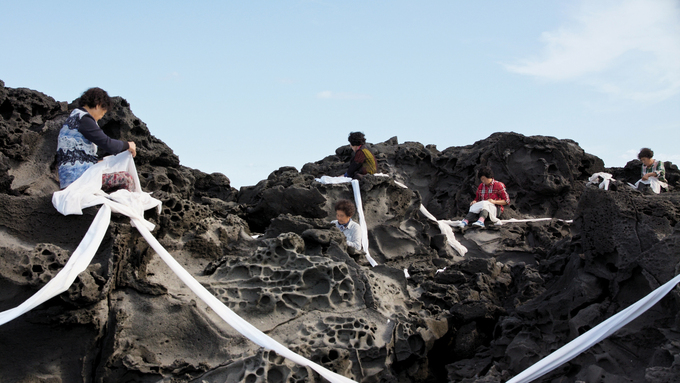
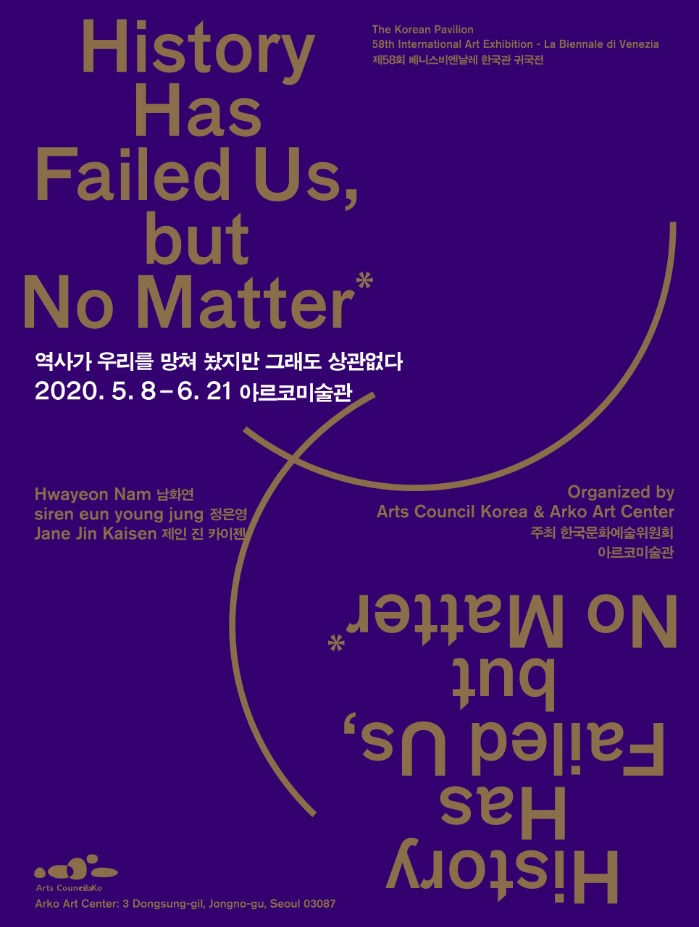
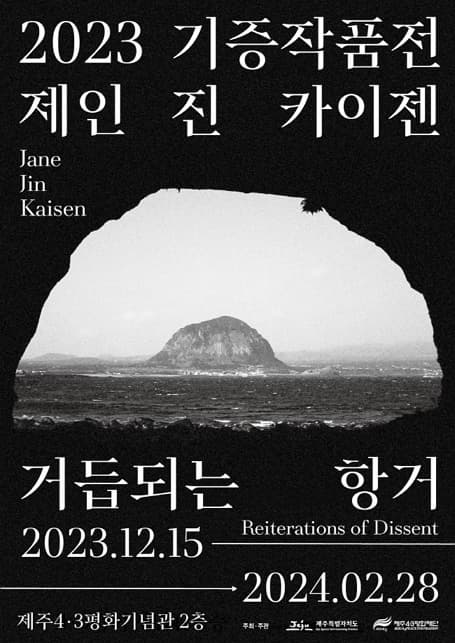
Poster image of 《History Has Failed Us, but No Matter》 © ARKO Art Center

Who has defined the norms of historical narration, and who has yet to become part of that history? What can we see when a critical gender consciousness intervenes in the firmly layered histories of East Asian modernization?

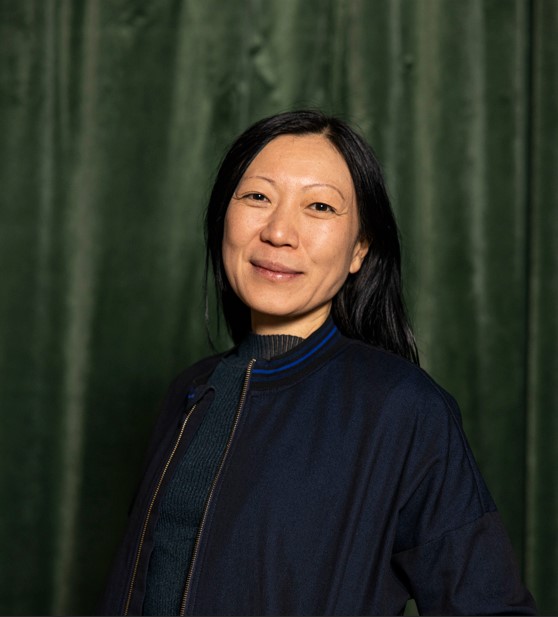
《History Has Failed Us, but No Matter》, the homecoming exhibition of the Korean Pavilion at the 58th International Art Exhibition of the Venice Biennale, poses these questions through the work of three artists: Hwayeon Nam, siren eun young jung, and Jane Jin Kaisen. The exhibition presents the histories and contemporary realities of modernization in Korea and East Asia from multiple perspectives through an intersectional gender lens.

Arts Council Korea served as commissioner, with artistic director Hyunjin Kim (Lead Regional Curator for Asia at KADIST) overseeing the exhibition, and Hwayeon Nam, siren eun young jung, and Jane Jin Kaisen participating as the representative artists.

While national pavilions in Venice commonly adopt a format centered on introducing artists from their respective countries, the 2019 Korean Pavilion instead foregrounded a strong curatorial narrative and the practices of three artists distinguished by rigorous research and performative elements. At the time of its opening, this approach was met with a highly positive response from both art professionals and general audiences.


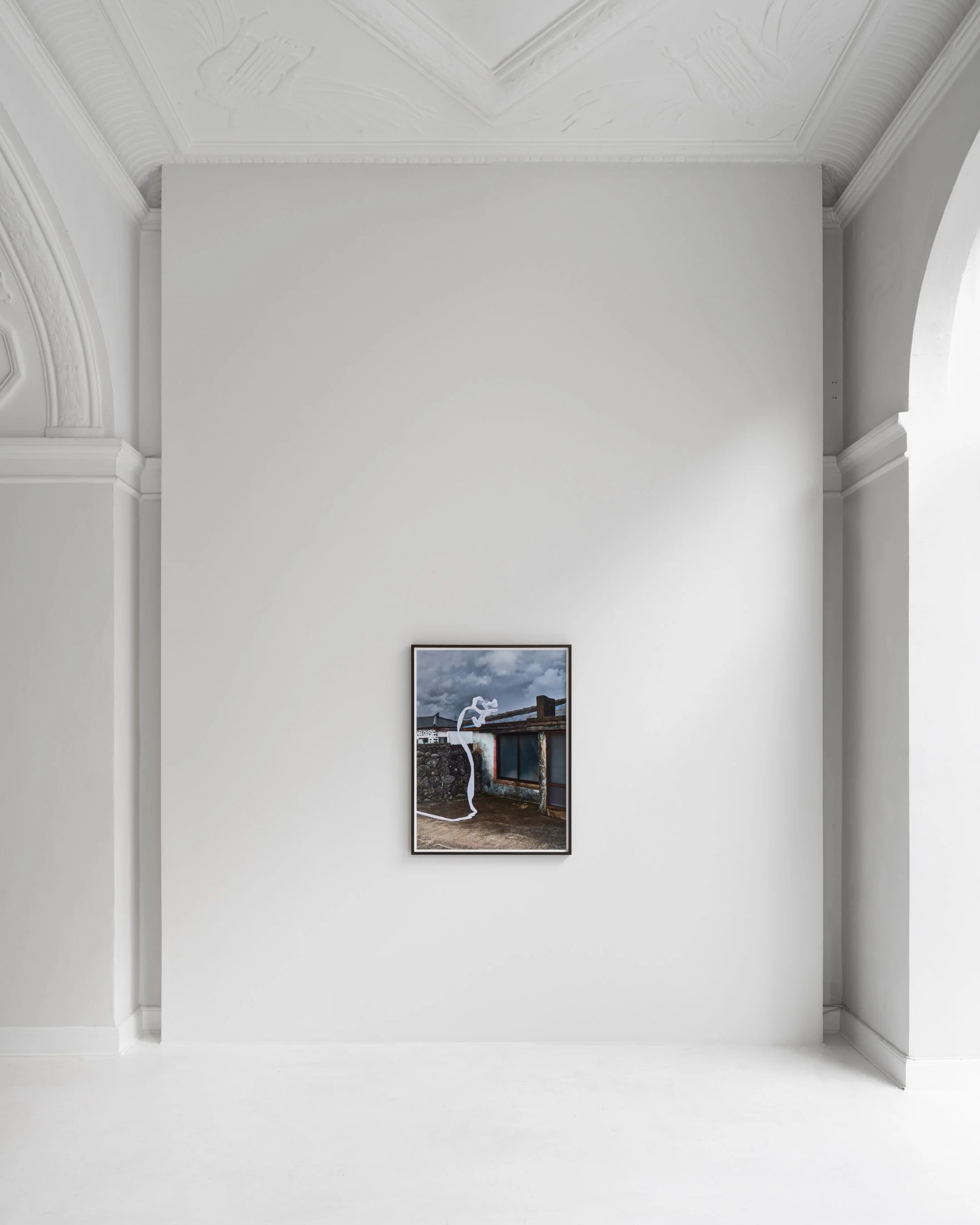
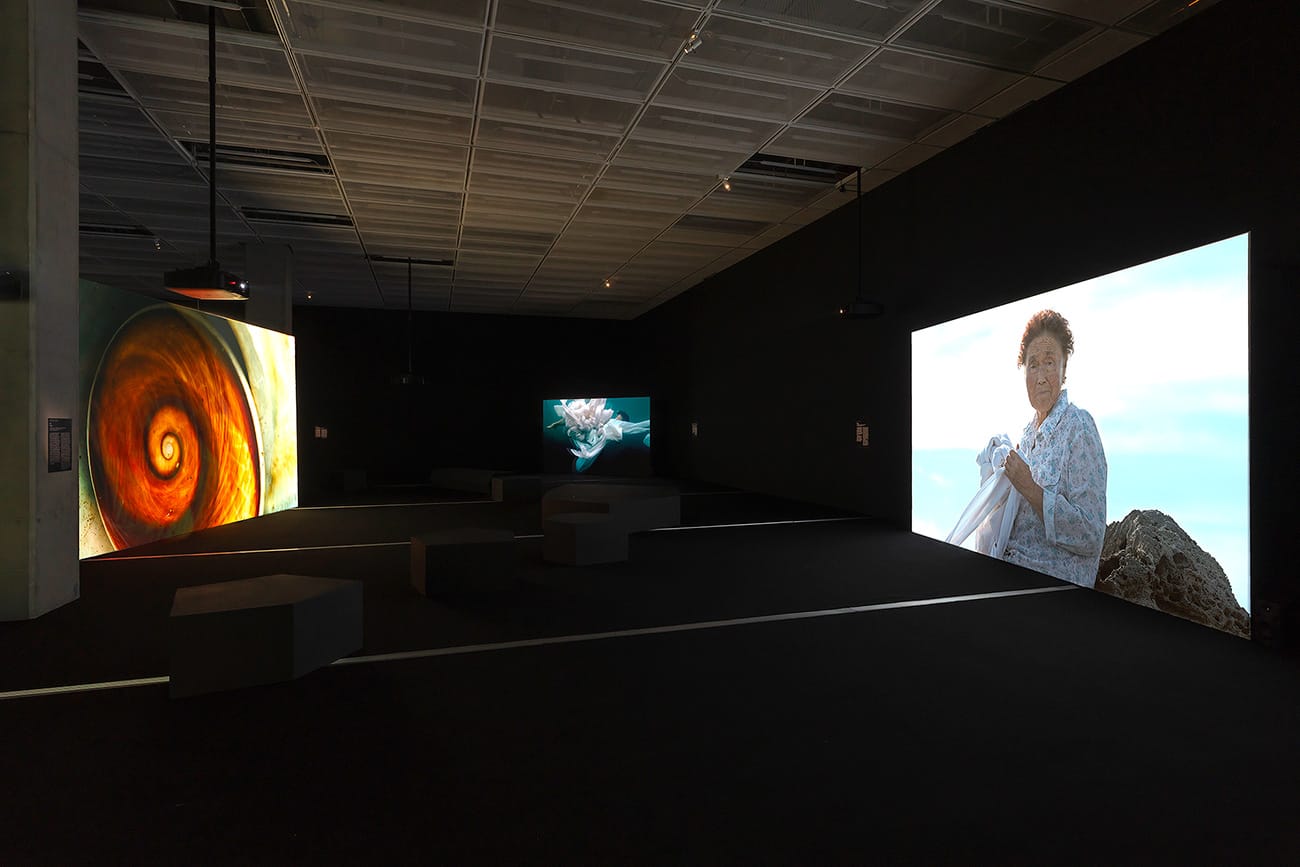
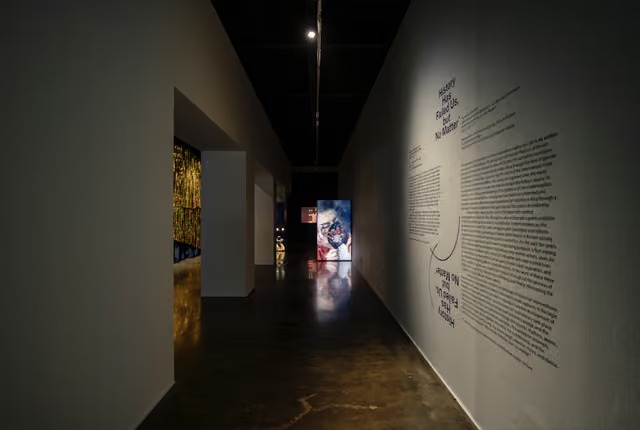
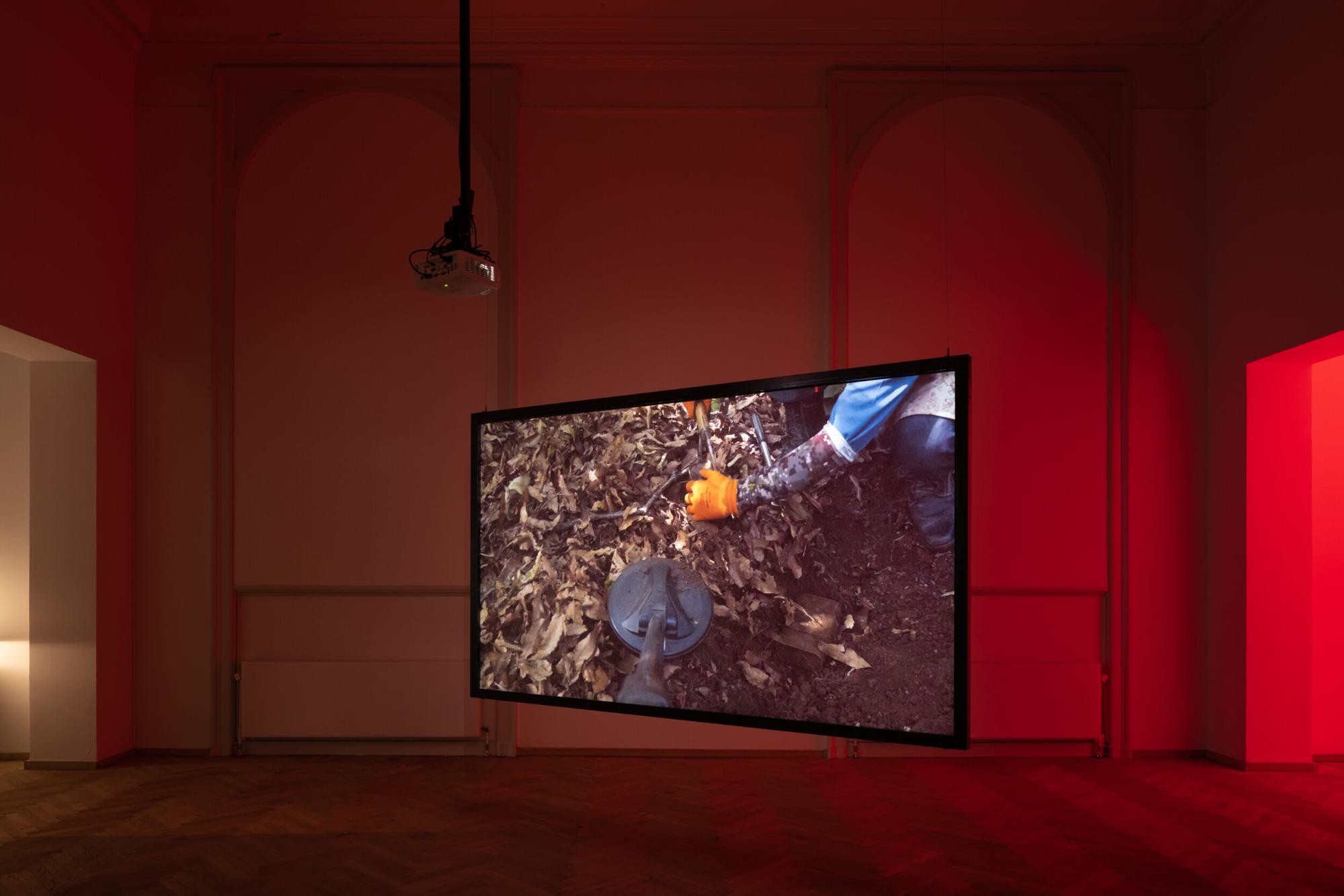
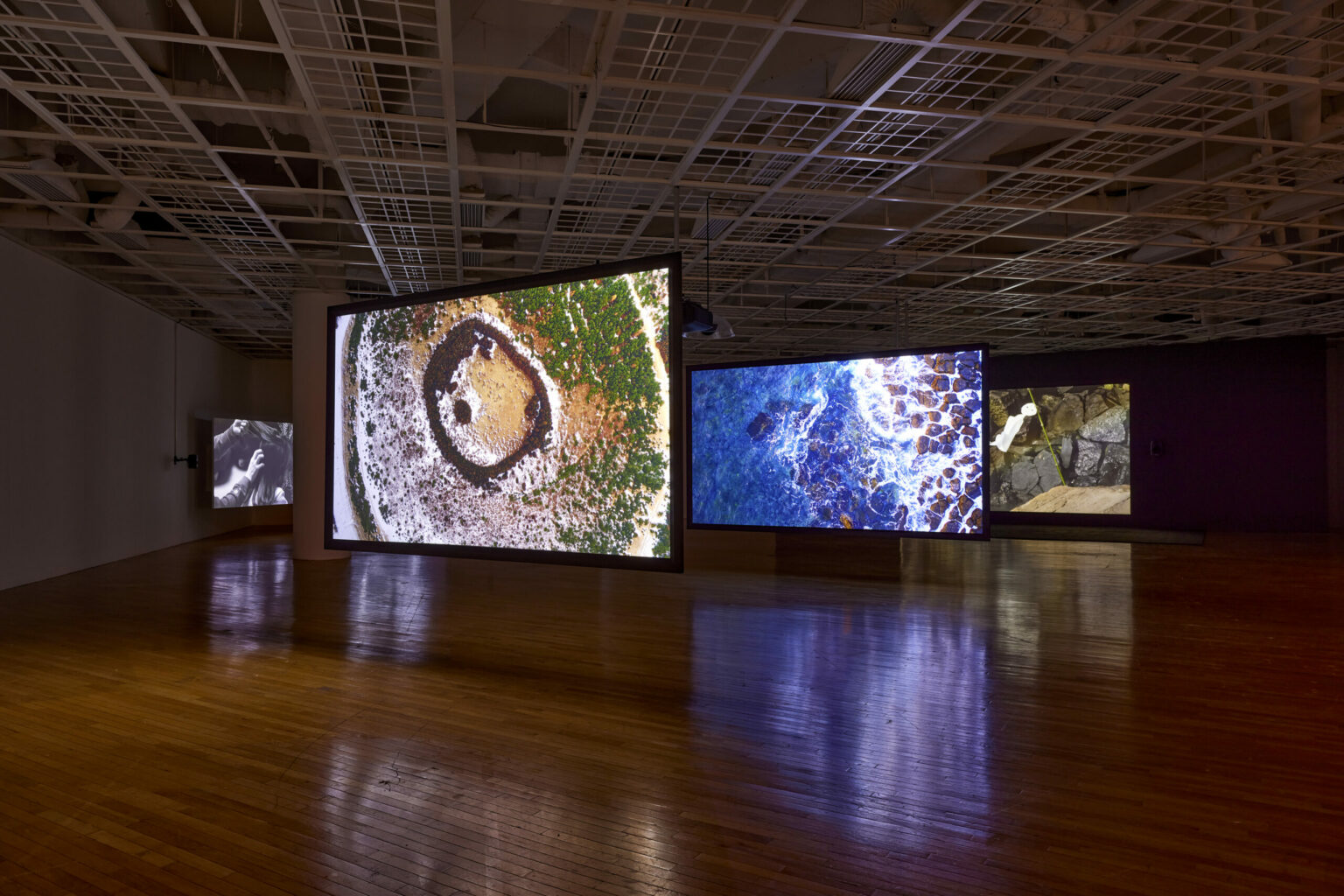
Installation view of 《History Has Failed Us, but No Matter》 © ARKO Art Center

The exhibition title, 《History Has Failed Us, but No Matter》, is taken from the opening sentence of Min Jin Lee’s 2017 novel Pachinko, notable for its dynamic portrayal of Zainichi Korean diaspora in East Asia and of subaltern women living through the turbulent history of the first half of the twentieth century.

In relation to the context of each work, the title evokes oppression and hardship imposed by “History,” understood as a history narrated by men, while also embodying the resolve to struggle with the world regardless, and the self-assurance of diverse subjects.

The exhibition emphasizes gender diversity as a vital force in contemporary visual art, enabling existing histories to be read and produced from multiple new perspectives.

At the same time, insofar as it critically questions Western-centered modernity through practices of knowledge production in visual art, it asks whether the “canon” that must be critically recognized and reconsidered within East Asia is itself constituted by heterosexual male narratives.


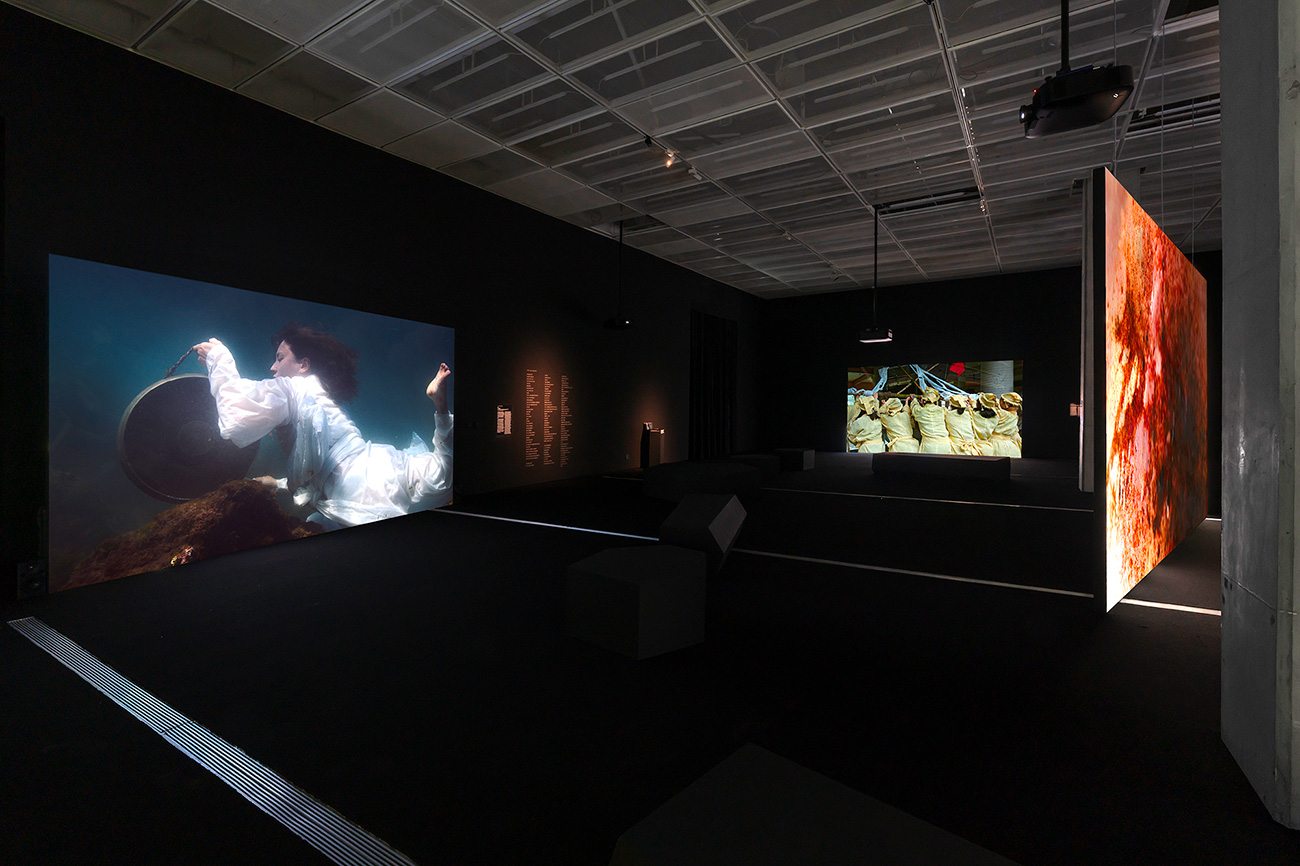
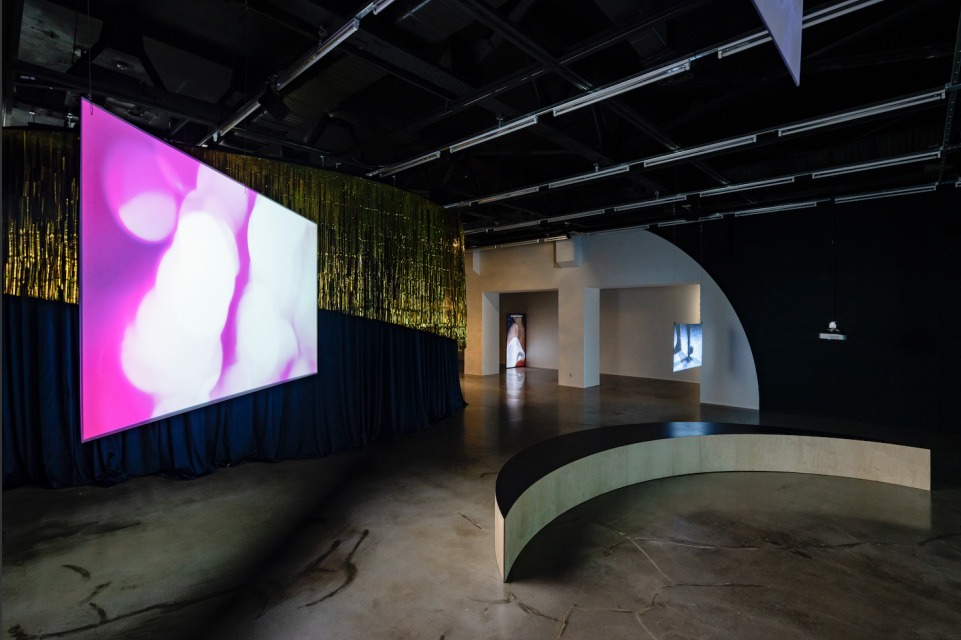
Installation view of 《History Has Failed Us, but No Matter》 © ARKO Art Center

Through research-based works by the three artists, the exhibition dynamically excavates the long historical strata of modernization in Korea and East Asia and their present-day manifestations.

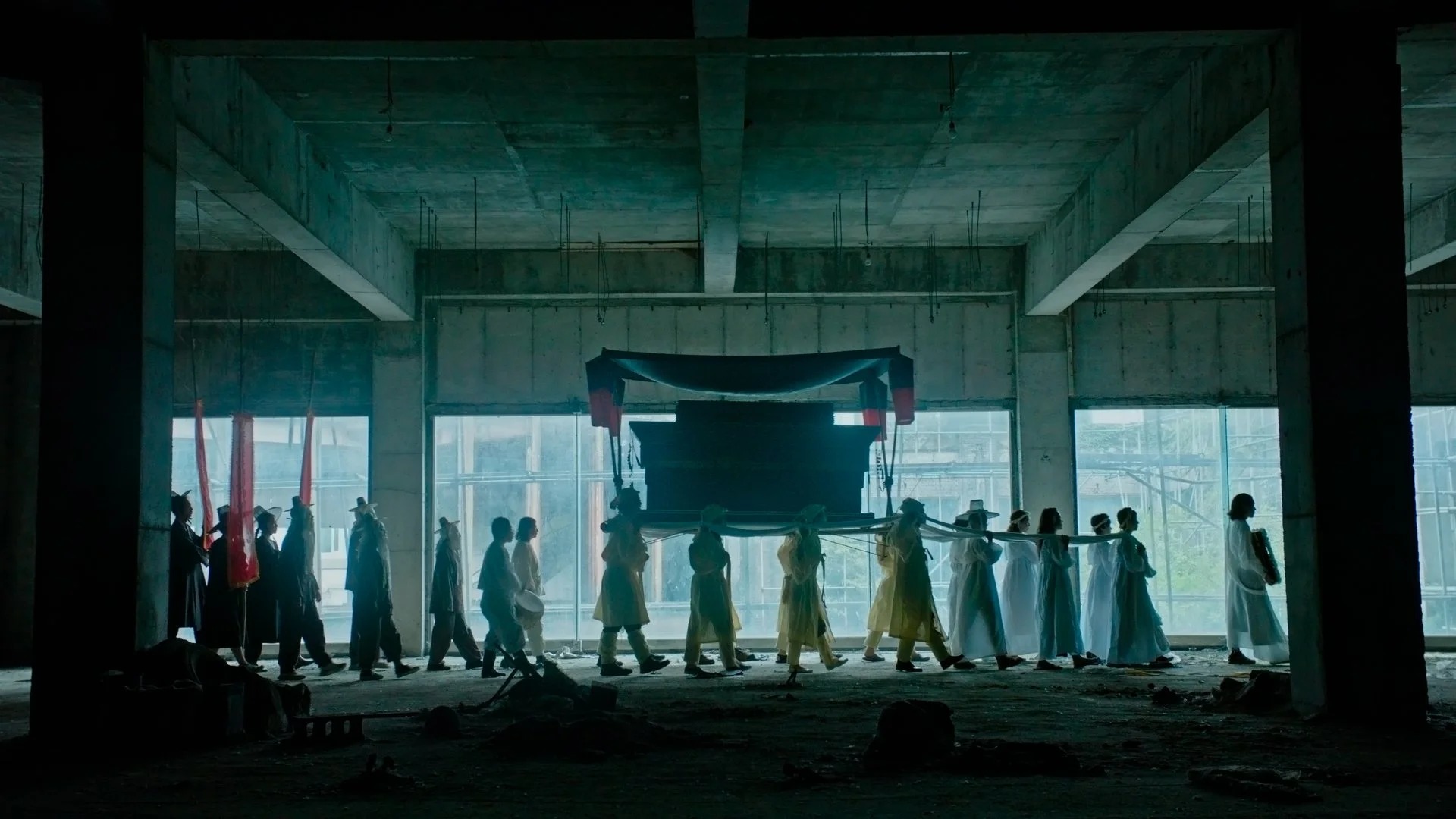
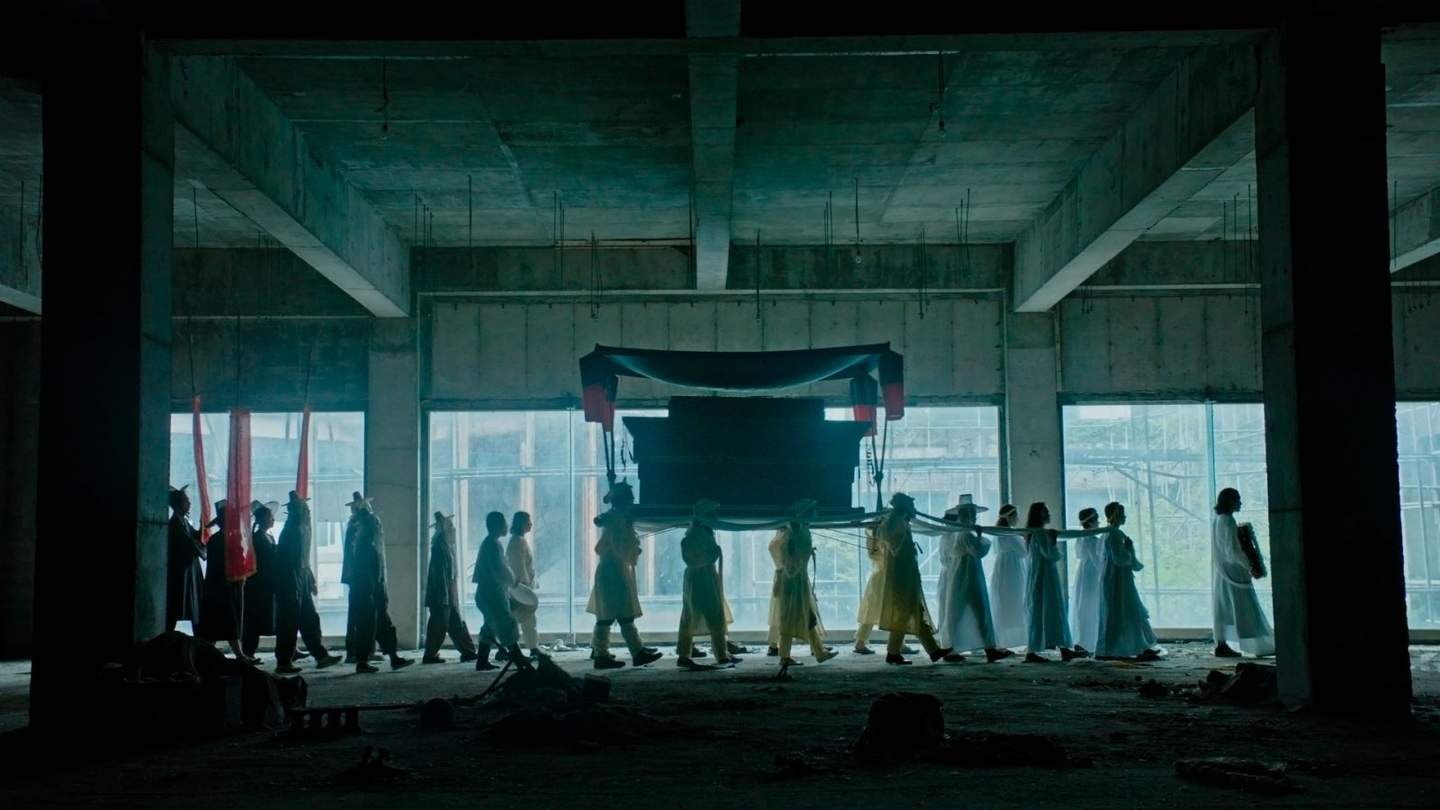
In Gallery 1 of ARKO Art Center, Hwayeon Nam presents the new work Dancer from the Peninsula (2019), which reflects on the dance and unconventional life trajectory of modern woman artist Choi Seung-hee as she confronted and escaped nationalism amid colonialism and the Cold War.

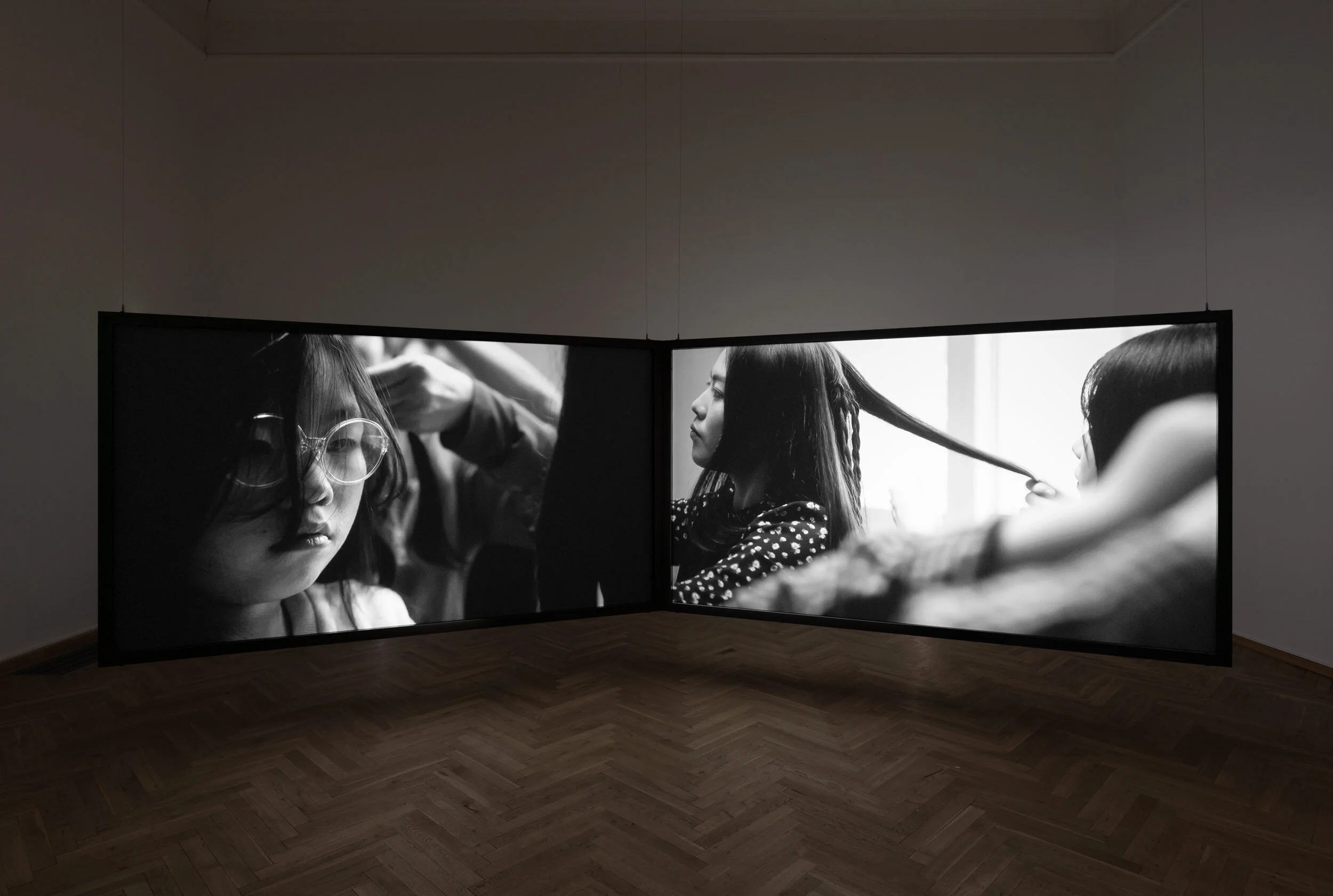
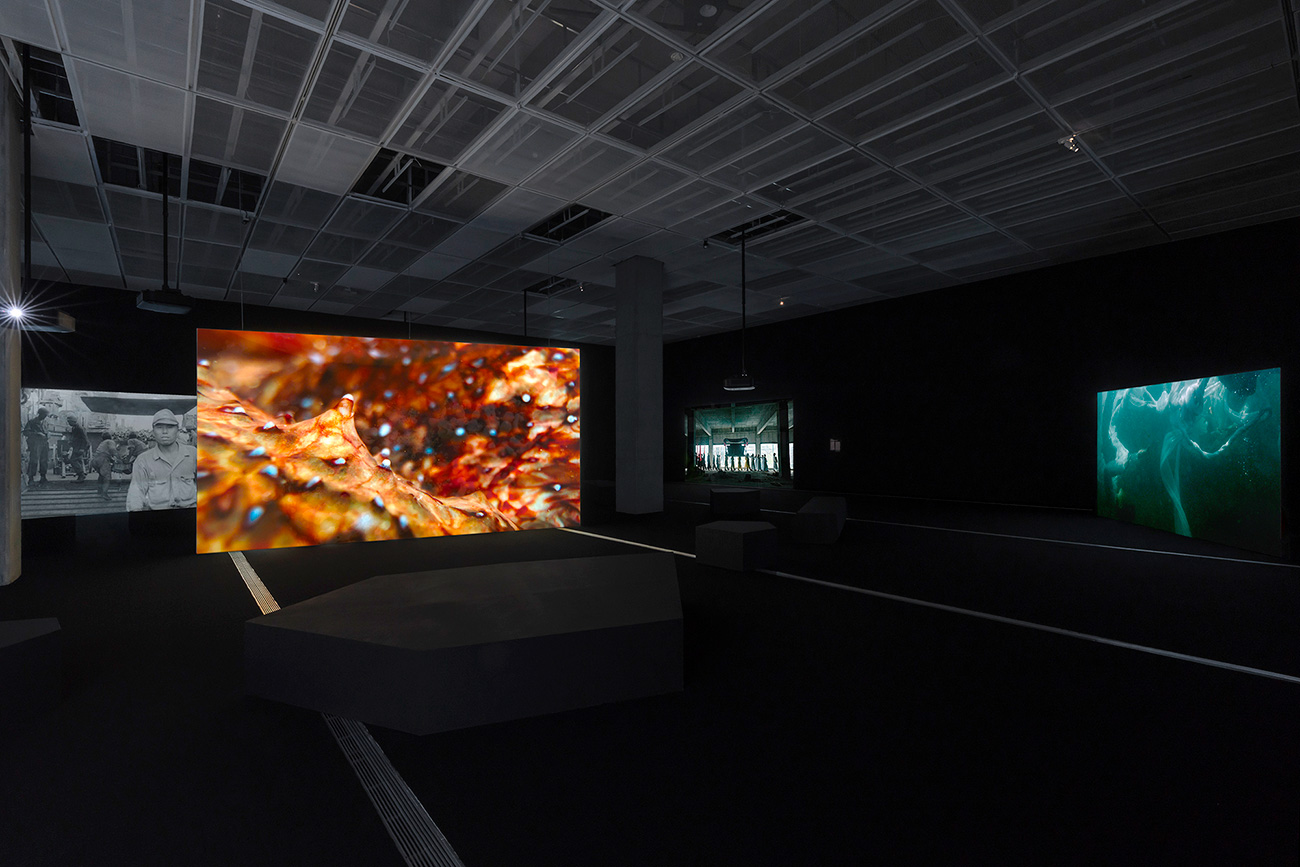
siren eun young jung presents A Performing by Flash, Afterimage, Velocity, and Noise (2019), a sensorial multichannel video installation exploring the queer aesthetics and politics of performance through Lee Deung-woo, one of the most accomplished surviving yeoseong gukgeuk male-role performers, and a younger generation of performers who continue that lineage.

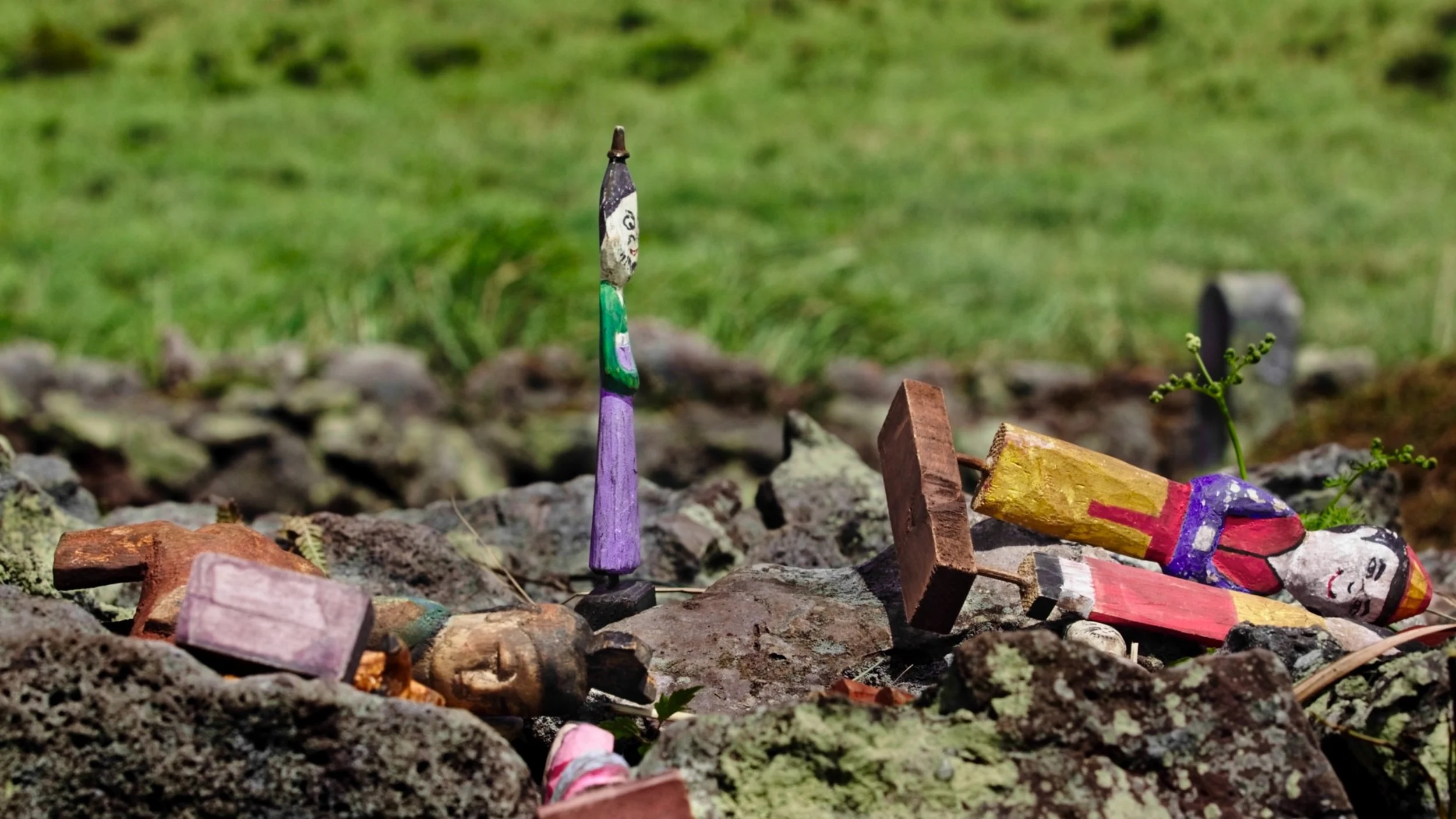
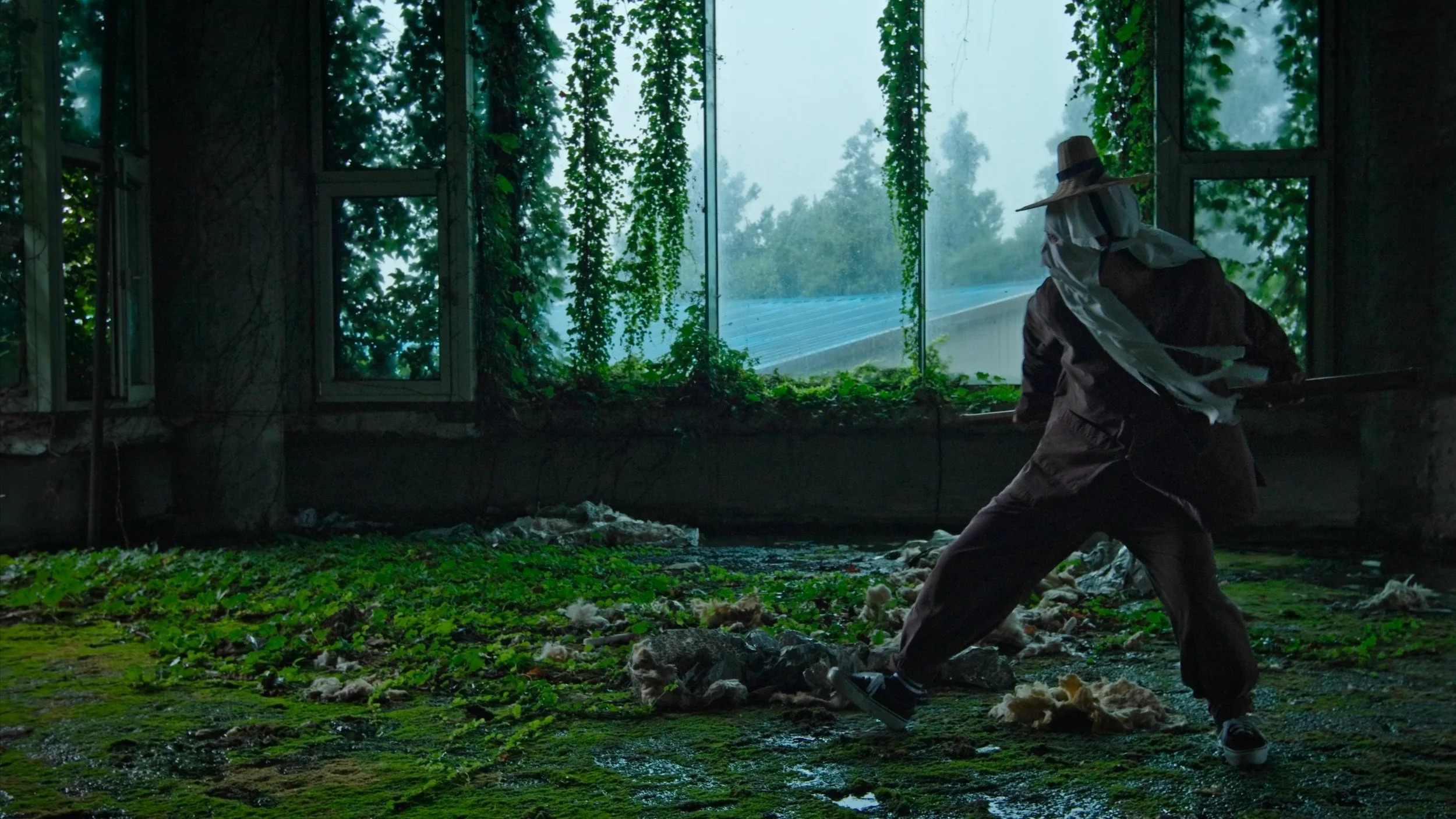
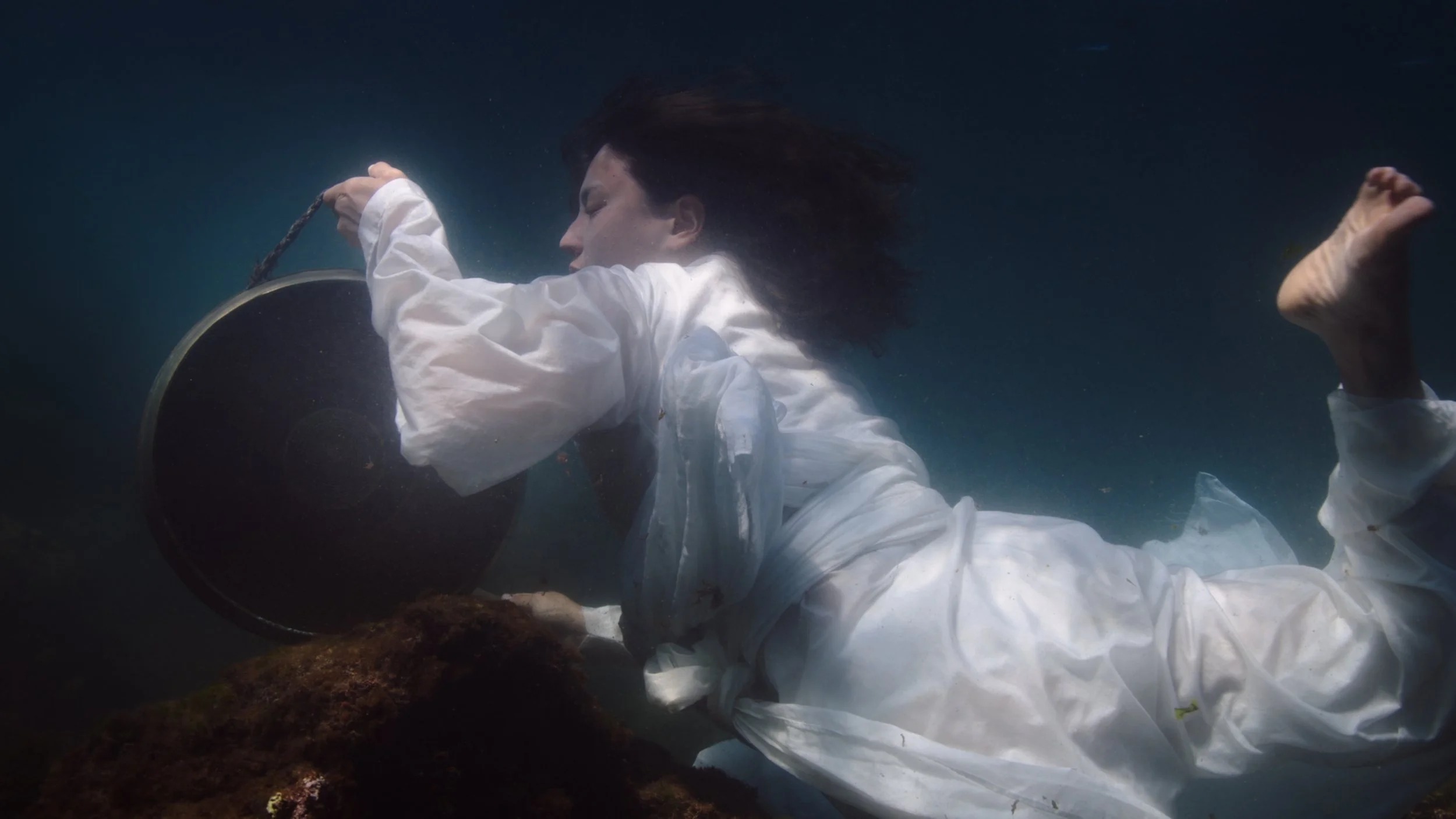
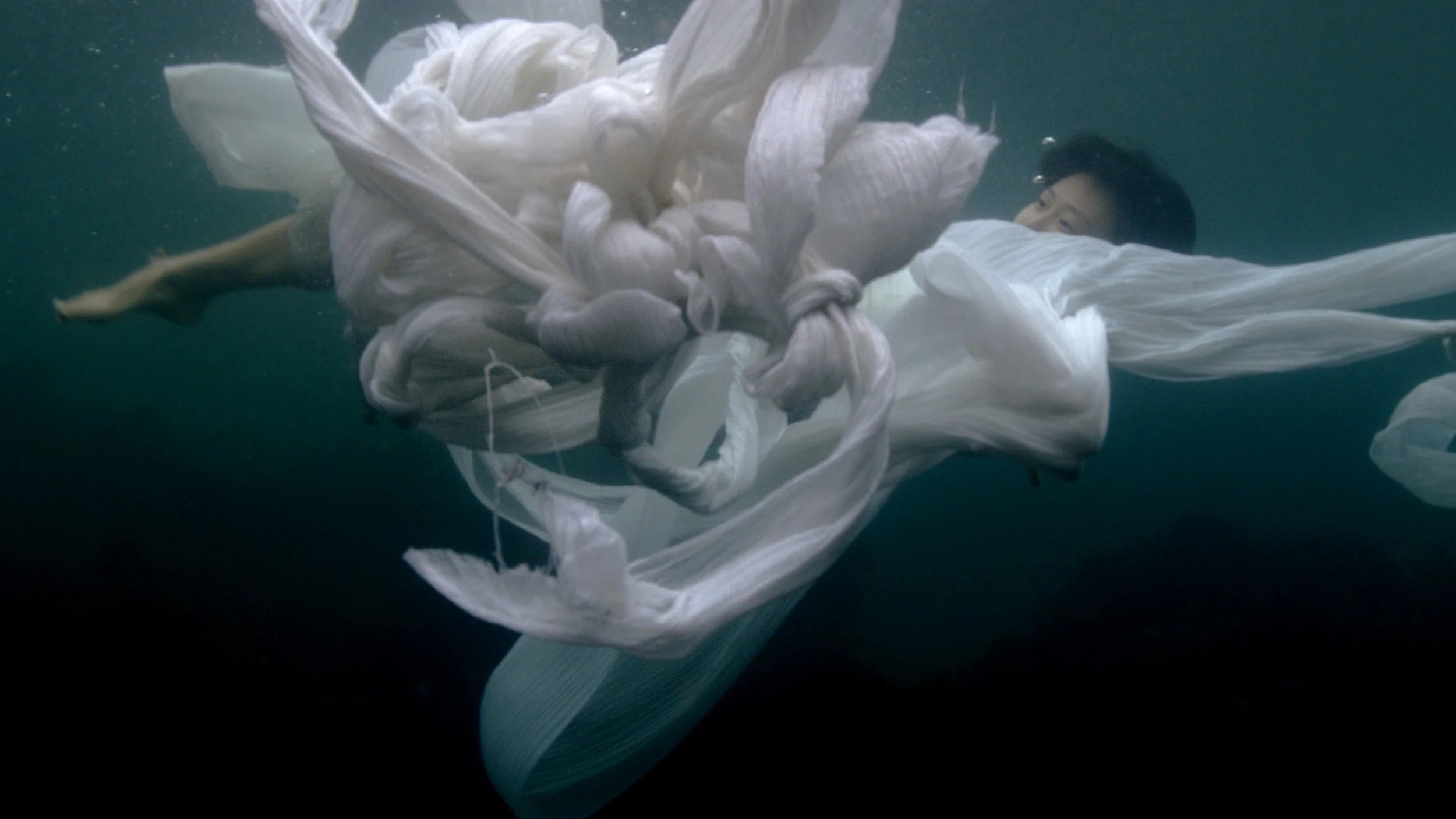
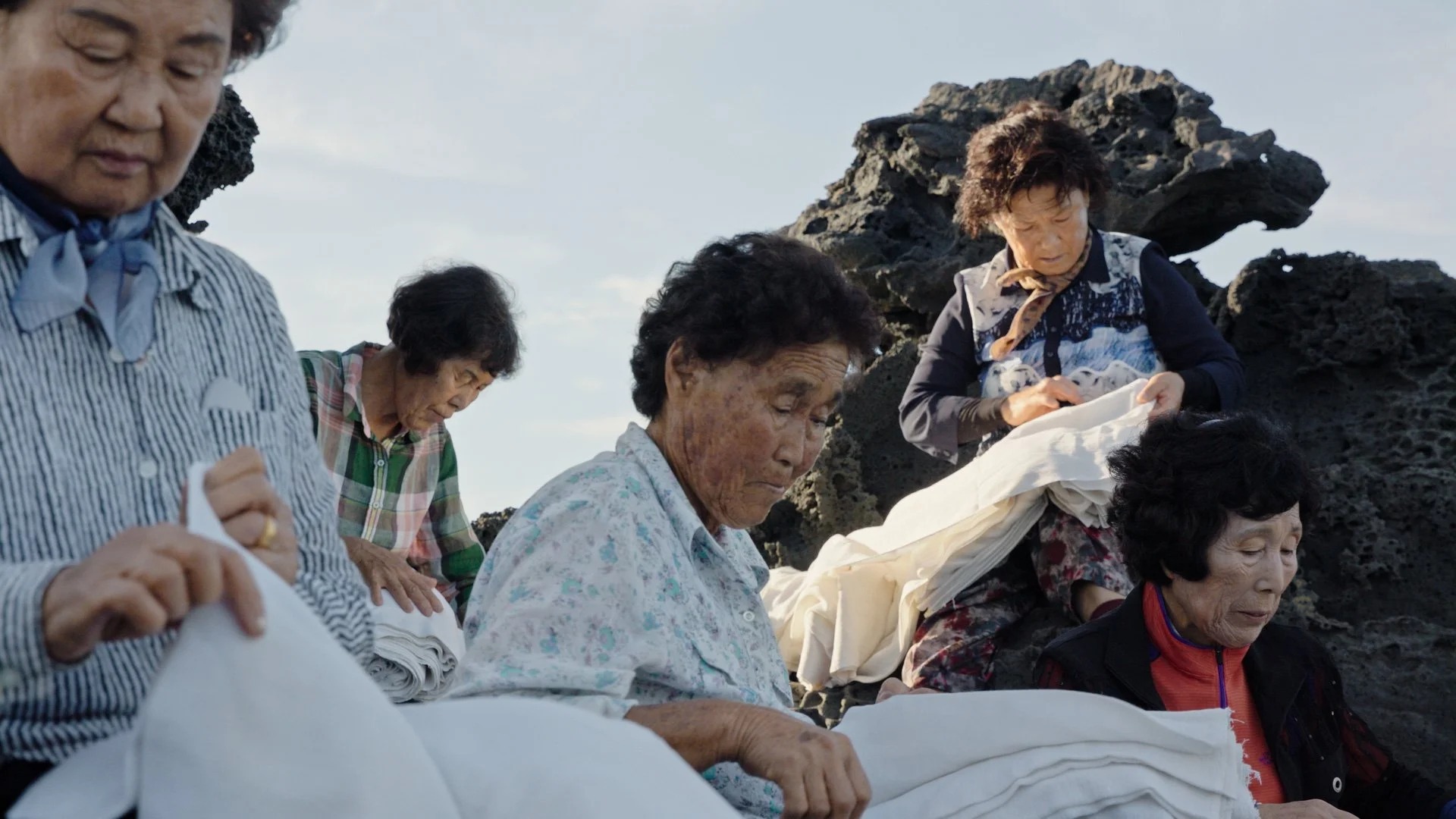
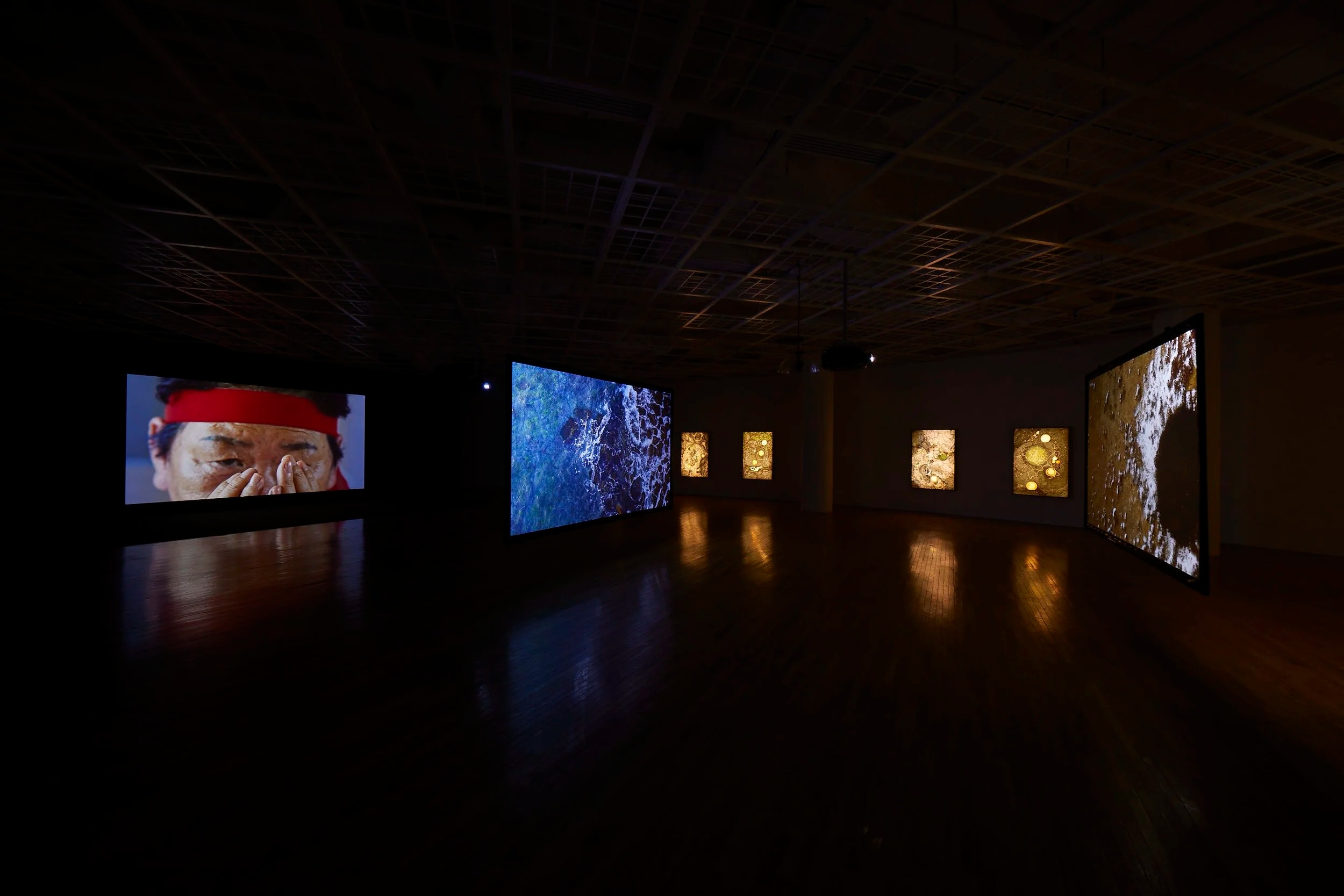
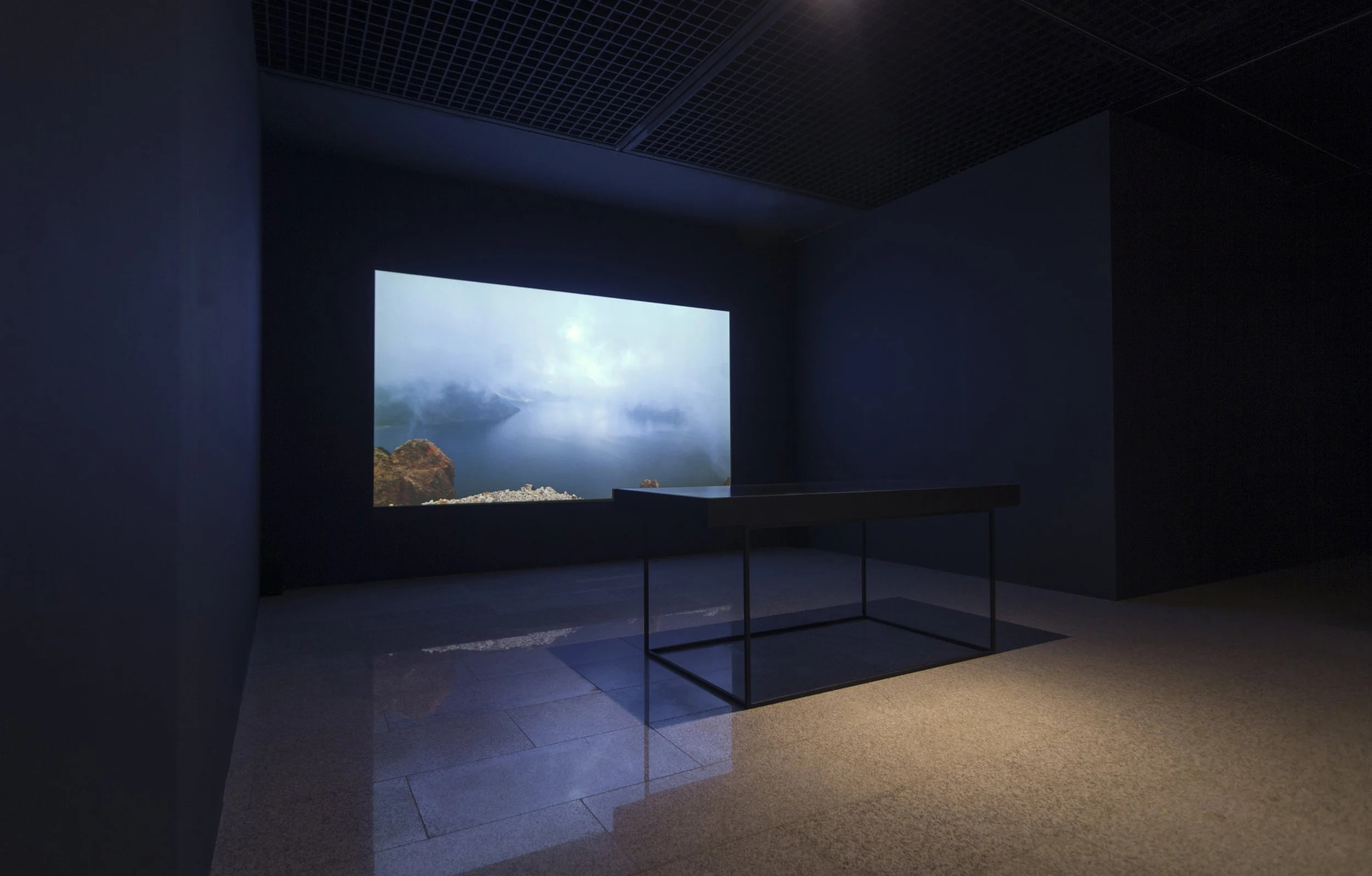
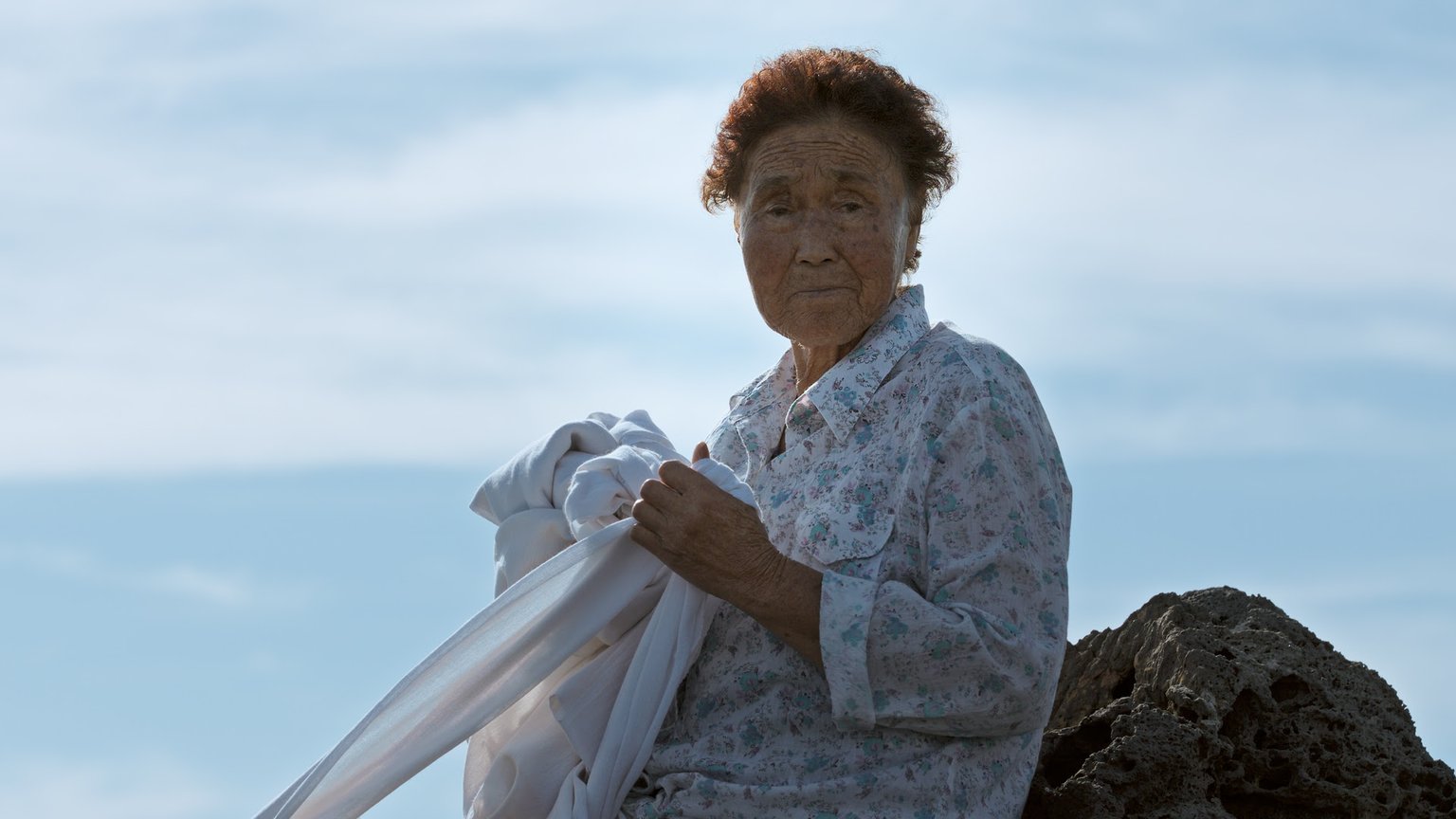
In Gallery 2, Jane Jin Kaisen presents the new work Community of Parting (2019), which actively interprets the myth of Bari as an archetype of female diaspora within processes of modernization while contemplating questions of separation and borders.

Following the conclusion of the Venice exhibition in late November 2019, the exhibition was scheduled to open at ARKO Art Center in Seoul on March 5, but was temporarily postponed due to the COVID-19 pandemic. Reopening on April 24, the exhibition revisits an installation approach initially developed for the physically constrained Korean Pavilion in Venice, where the artists sought to minimize sound interference while creating a tactile and finely calibrated audiovisual environment.
Through streamlined curtain lines and structural installations accommodating multiple elements, the spatial design guided visitors while pursuing an interconnected and mutually open circulation in which all spaces flowed into one another, allowing visitors to find their way again even after losing their sense of direction.
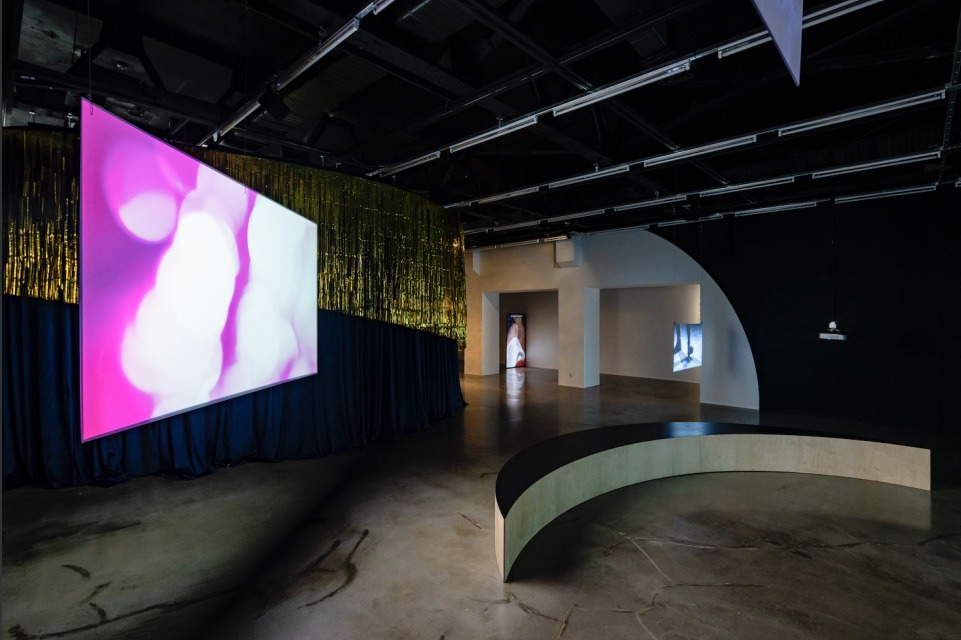
In the more spacious galleries of ARKO Art Center, where the homecoming exhibition is being held, visitors can encounter more expansive, immersive, and sensorial video installations. In Gallery 1, the works of Hwayeon Nam and siren eun young jung are installed adjacent to one another. For Nam’s installation, the streamlined wooden and steel structure used in Venice has been boldly removed and replaced with a five-channel, full-scale screen projection.

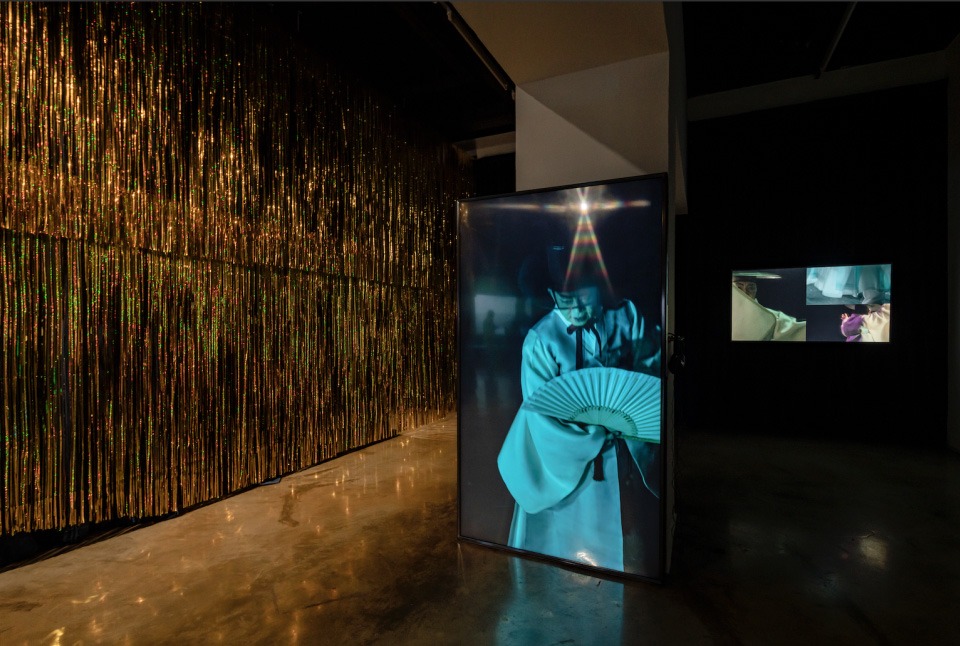
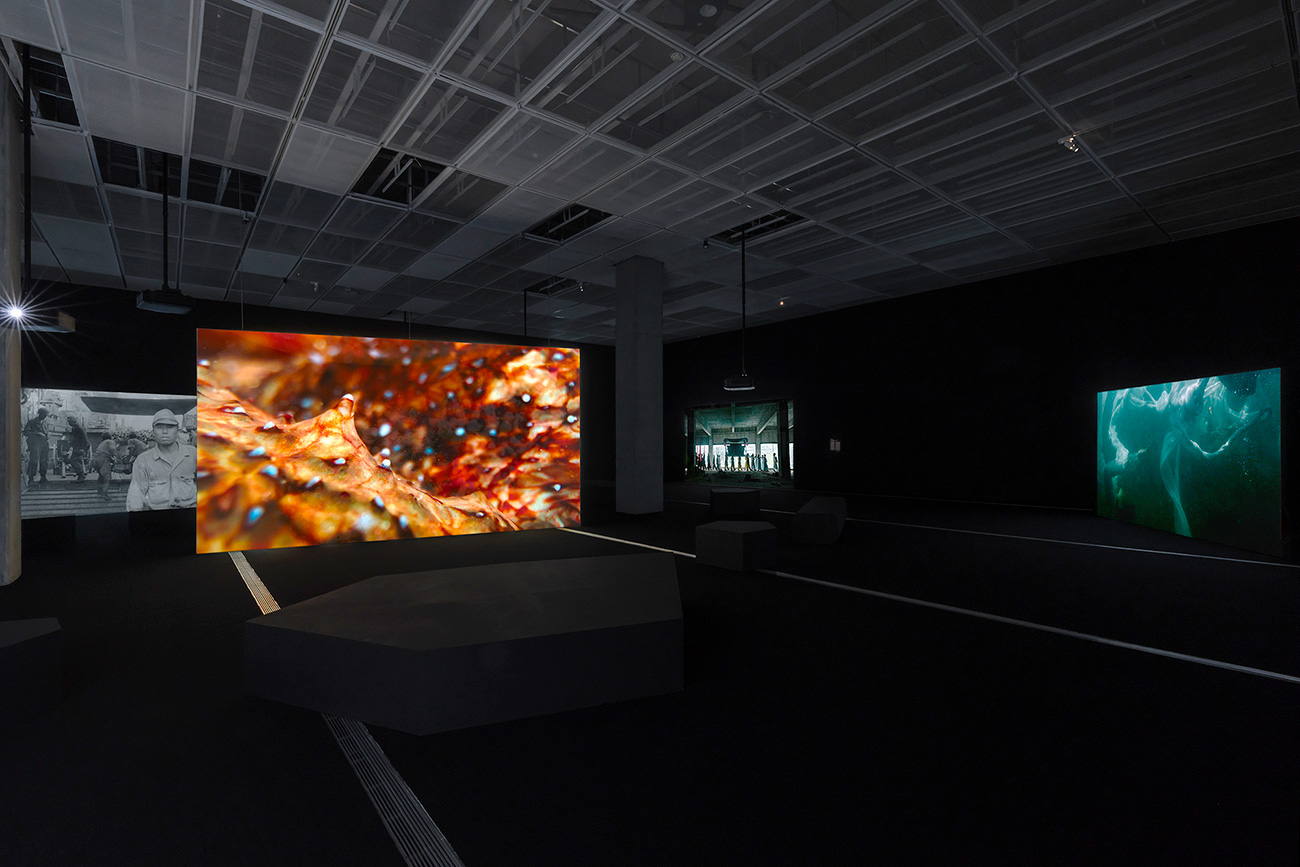
Focusing her research on Choi Seung-hee’s life and work after 1941, the five screens form a new installation in which compelling visual encounters and variations unfold with remarkable fluidity. In the neighboring space, siren eun young jung’s work is presented within a large curved enclosure layered with velvet curtains and shimmering fringes, where three screens allow the performing body, sensory experience, and queer aesthetics to be encountered with greater immediacy.

Performance videos featuring Lee Deung-woo are positioned along the entrance to the curved space, guiding viewers through an imagined genealogy of queer performance. In this exhibition, jung’s three-monitor installation is viewed with wired headphones, while the three-channel video installation enclosed by curtains is experienced through wireless headphones.

Within this space, viewers can surrender themselves to the powerful electronic beats and sounds flowing through the headphones, moving to the rhythm or even dancing. In this way, the first-floor gallery becomes a space for sensorially experiencing “the dynamism produced by the intersection of diverse performative elements such as the body, dance, gut rituals, movement, choreography, and rhythm, as well as moving-image works in which light and glitter collide alluringly and come vividly to life.”


Installation view of 《History Has Failed Us, but No Matter》 © ARKO Art Center

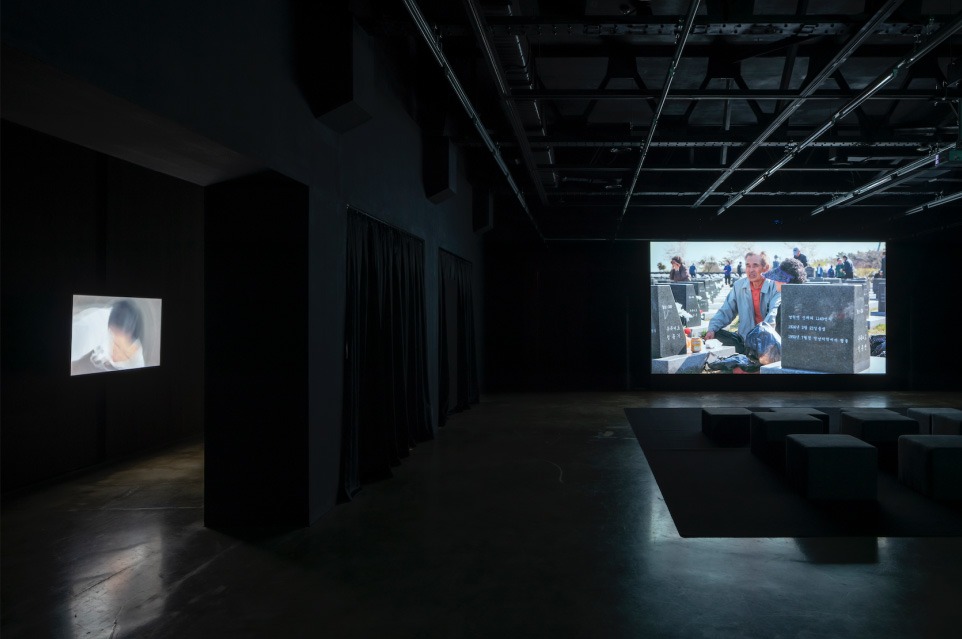
Gallery 2 has been arranged like a cinema for Jane Jin Kaisen’s two-channel video installation. The entire second floor has been transformed into a single large black-box space, allowing viewers to immerse themselves for approximately one hour and twenty minutes in Kaisen’s delicate moving-image language and Bari-gut performance, through which she revisits the Bari myth to address the diaspora and social death of East Asian women.

The homecoming exhibition of the Korean Pavilion at the 58th Venice Biennale rereads the history of East Asian modernization over the past century through a critical gender consciousness, illuminating those who have been hidden, forgotten, abandoned, or subjected to condemnation as dynamic agents of new narratives. In doing so, the exhibition becomes a serious yet compelling field of visual storytelling.


Installation view of 《History Has Failed Us, but No Matter》 © ARKO Art Center

Hyunjin Kim, the artistic director who curated the exhibition, explains, “At the Korean Pavilion of last year’s Venice Biennale, we sought to present an exhibition interweaving moving bodies, sound, rhythm, and captivating moving-image languages. At ARKO Art Center, we wanted to actively engage the space in order to further expand the scale and sensory experience and create an even more dynamic exhibition.”

She further explains the curatorial background of the homecoming exhibition: “In recent years, the field of rereading, rewriting, and reimagining the history of modernization through the languages and imagination of visual art has continued to expand, and I believe that gender diversity is a crucial force capable of driving this process in more innovative directions.

Contemporary visual art, which continuously seeks to produce new ruptures in the world, can offer richer and more dynamic visual narratives through a critical gender consciousness that enables us to reflect more deeply on the Western-centered and male-centered frameworks that have defined the histories of the past century.”

The homecoming exhibition of the Korean Pavilion at the 58th Venice Biennale will be held at ARKO Art Center in Daehangno from April 24 through June 7 (scheduled). The exhibition dates may be subject to change in accordance with social distancing measures related to COVID-19, and updated information will be available on the museum’s website.

*The exhibition title is taken from the opening sentence of Min Jin Lee’s novel Pachinko and is used with the author’s permission.

References