Individual Identity, Women’s Gender Roles
The process of becoming someone’s parent cannot be known in advance before one experiences how much change it demands of a person’s life. When I once interviewed an Italian artist, I could not forget what she said about the time of childbirth and childcare: “When I returned to this world, I felt as though I had become an alien.” The world remains the same, but the artist’s own life has changed so greatly.
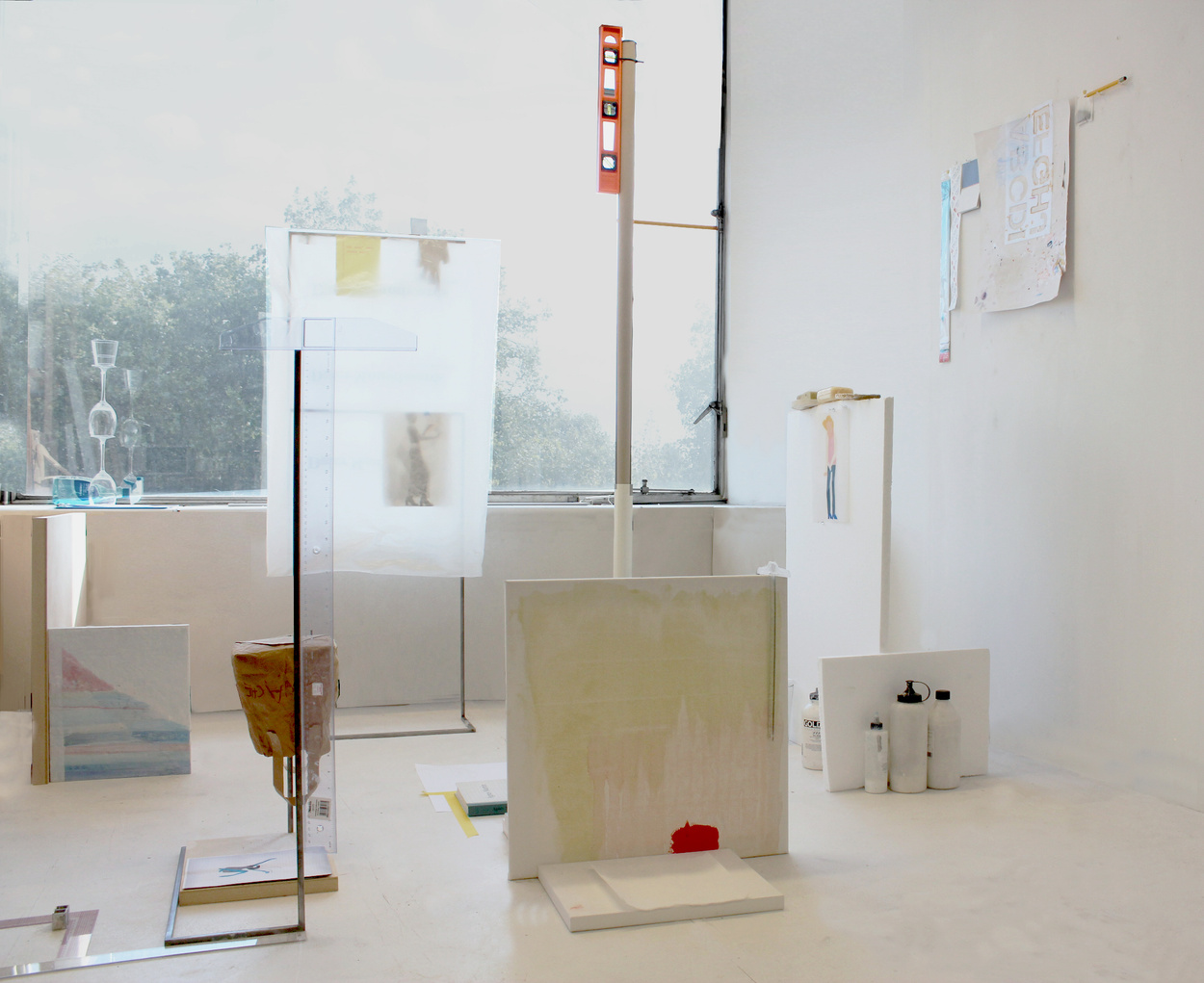
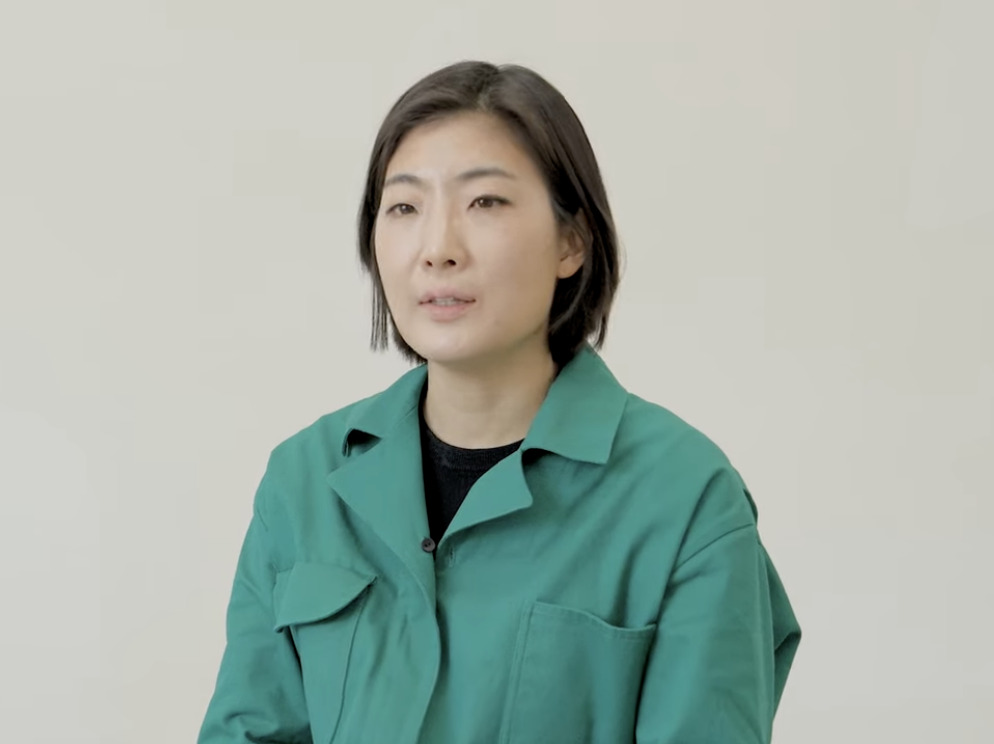
As we become parents and accept that world through such change, we silently accept major transformations in order to raise one living being, and we build one step of life. Jangyeun Jun also spoke about “the unfamiliar time when she returned to the studio after a long time,” after a period of disconnection from work during childcare in the United Kingdom.
In the process of raising life, women’s time and space are swept into moments of confusion. Only after meeting a child and facing that time can one fully realize that an enormous amount of effort, will, and strength is required for identities other than “mother” to remain intact through pregnancy, childbirth, and childcare.
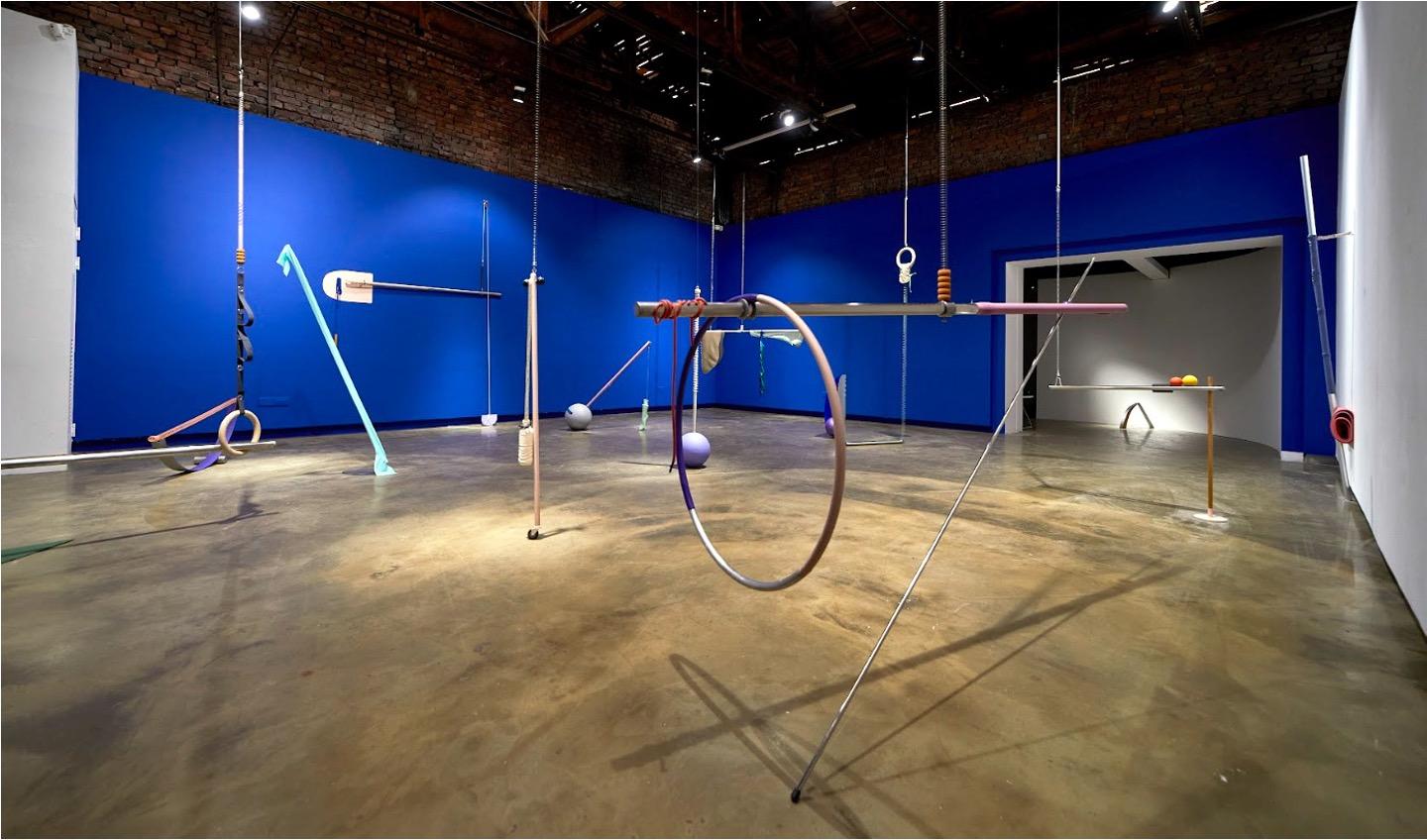
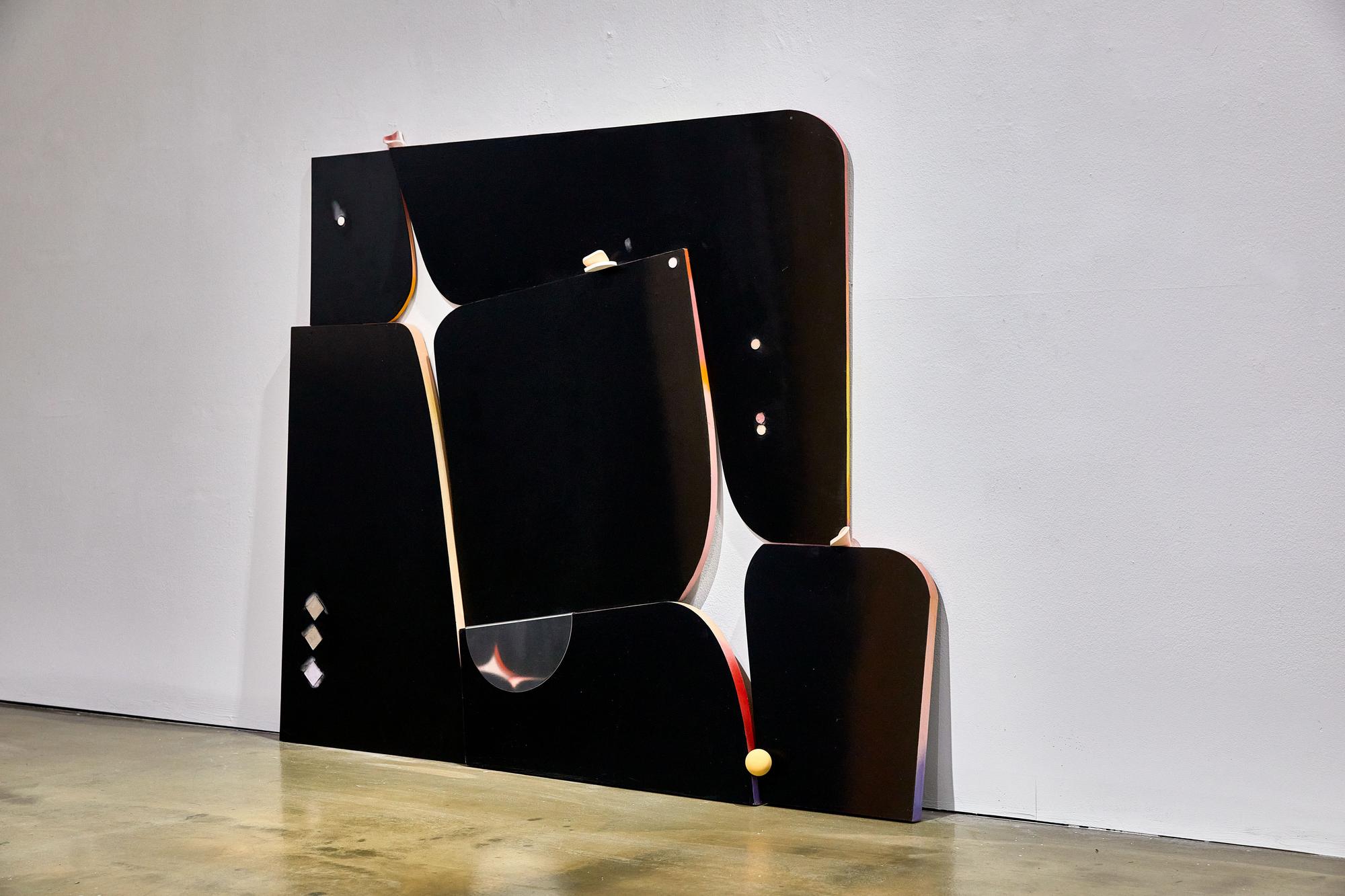
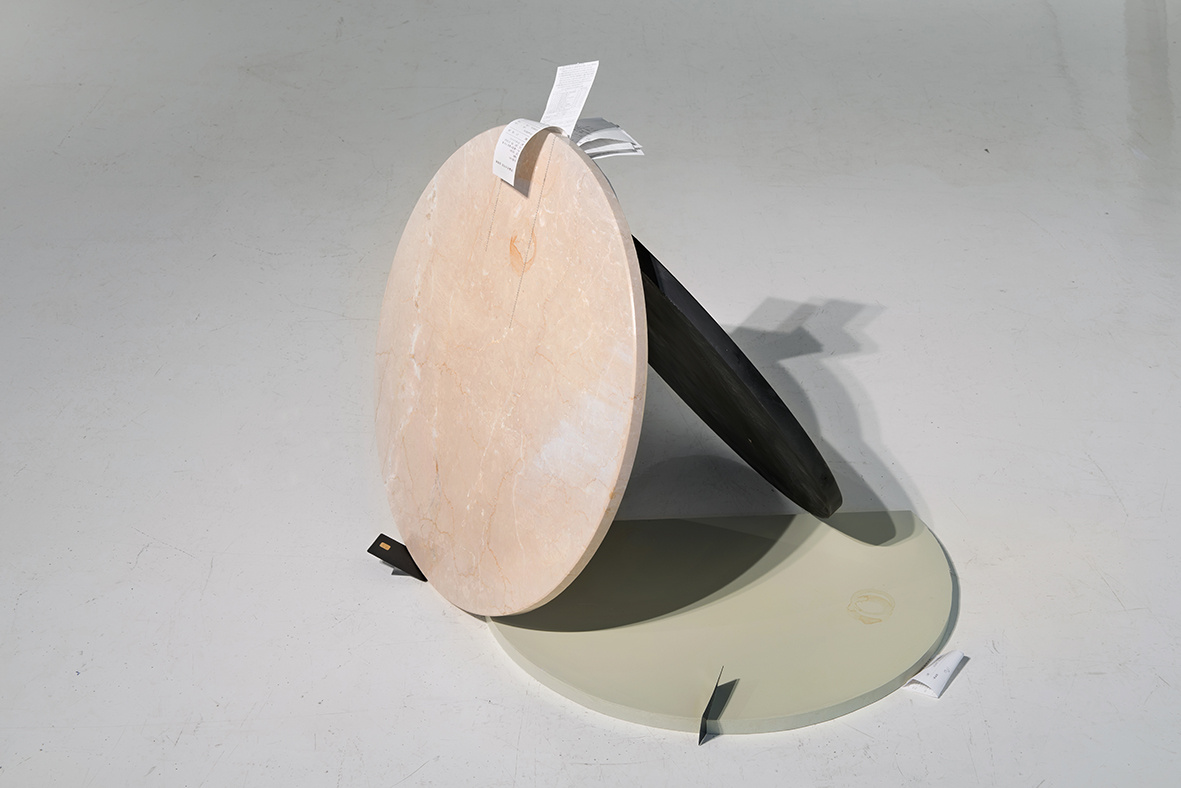
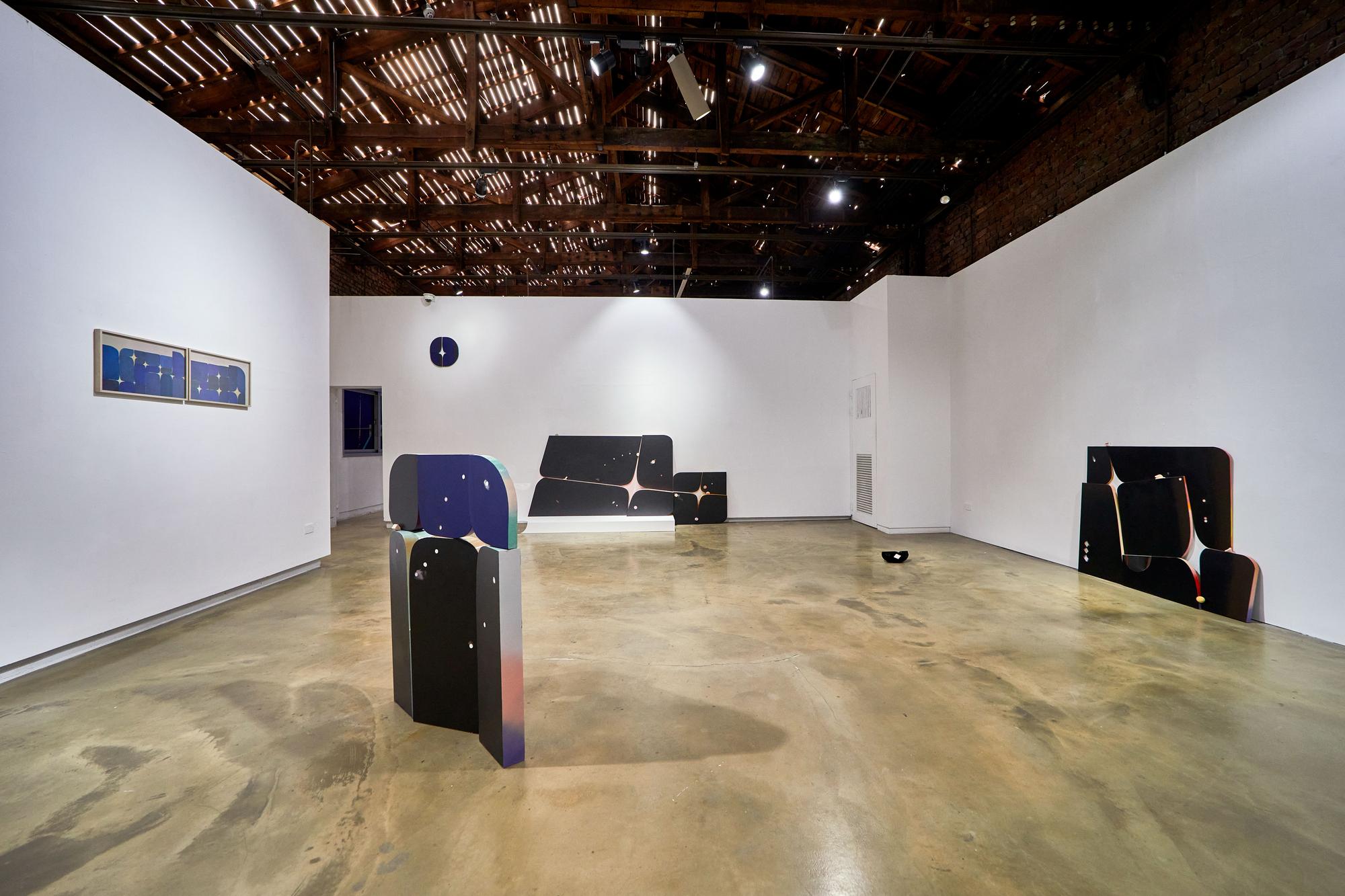
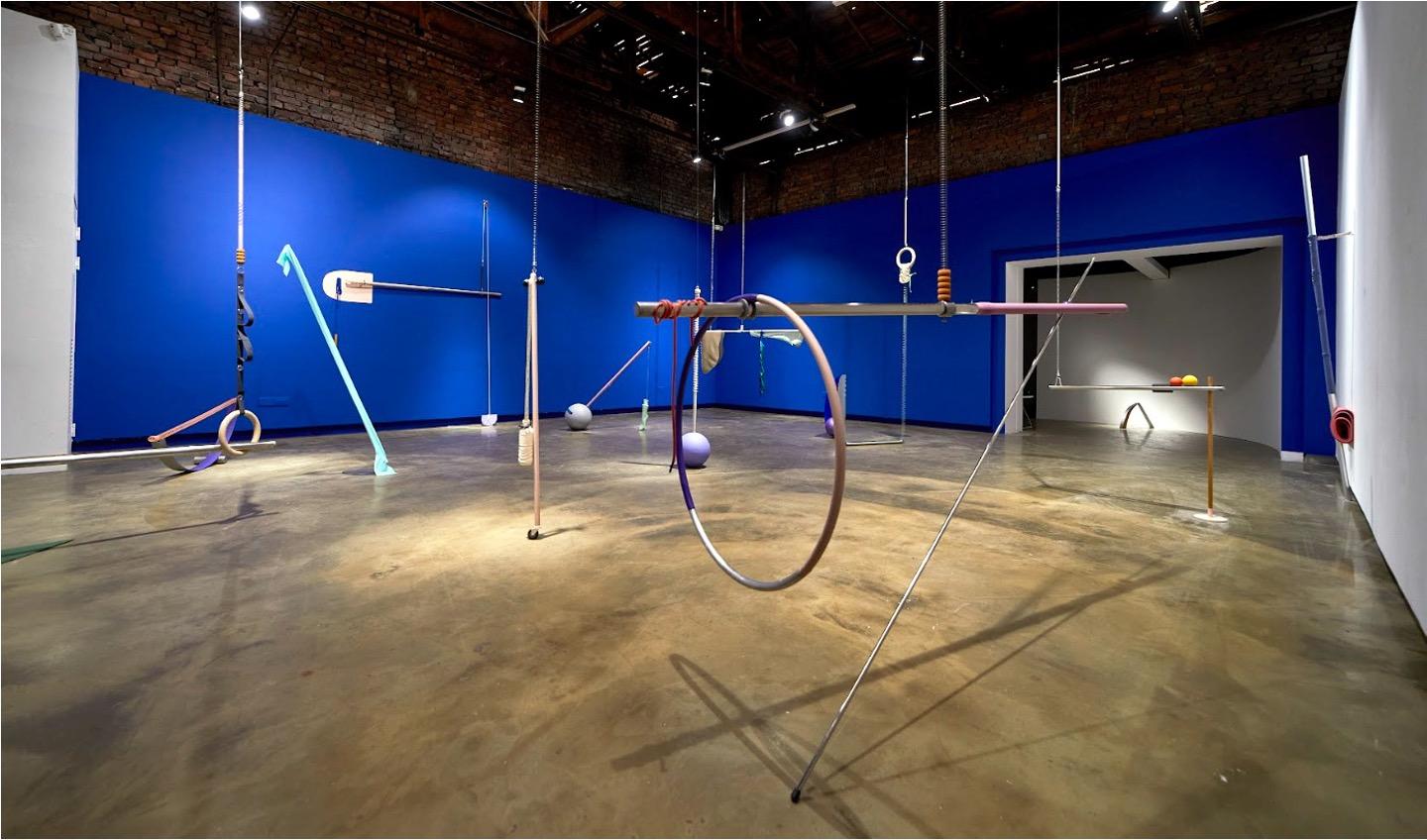
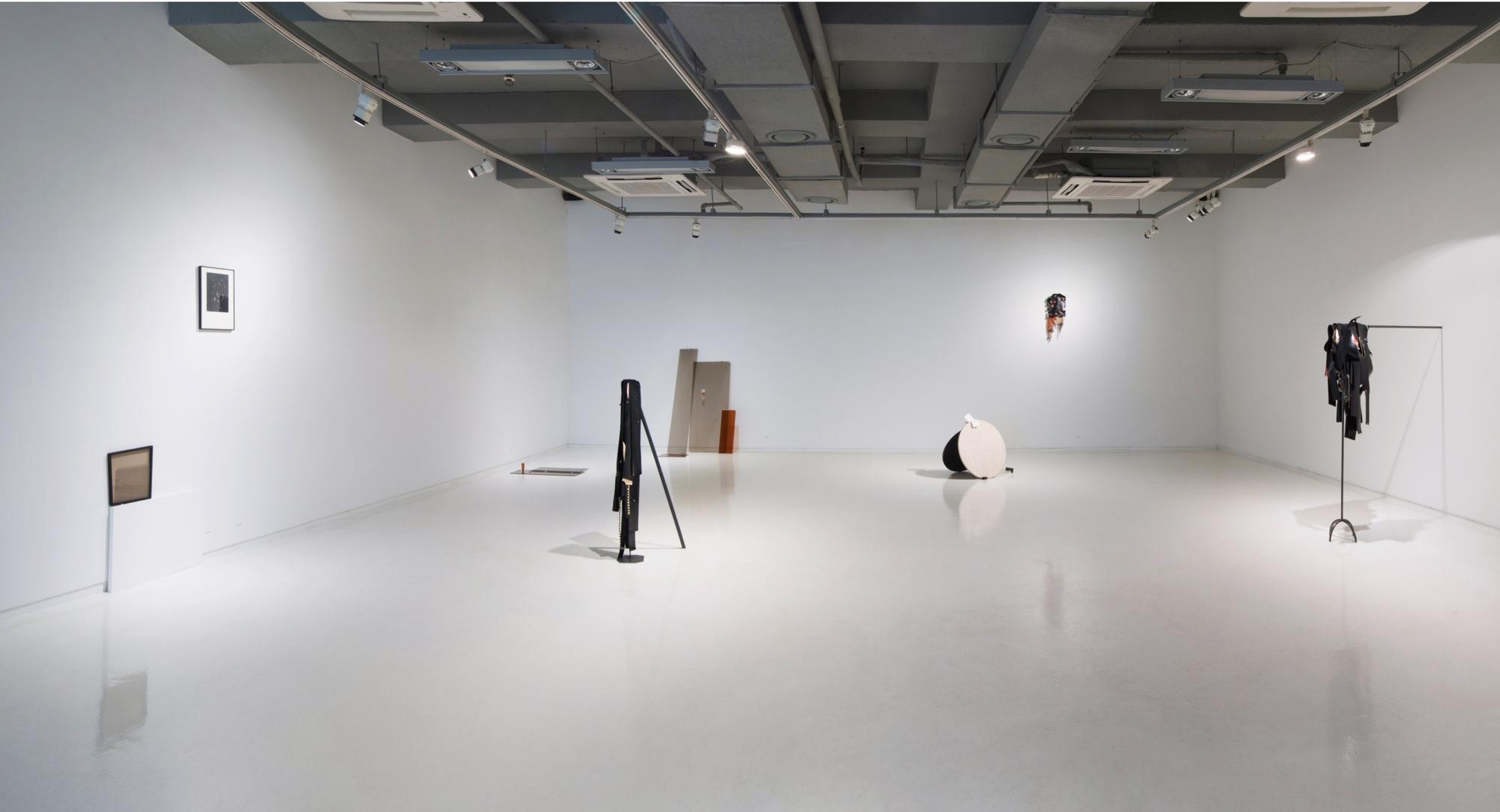
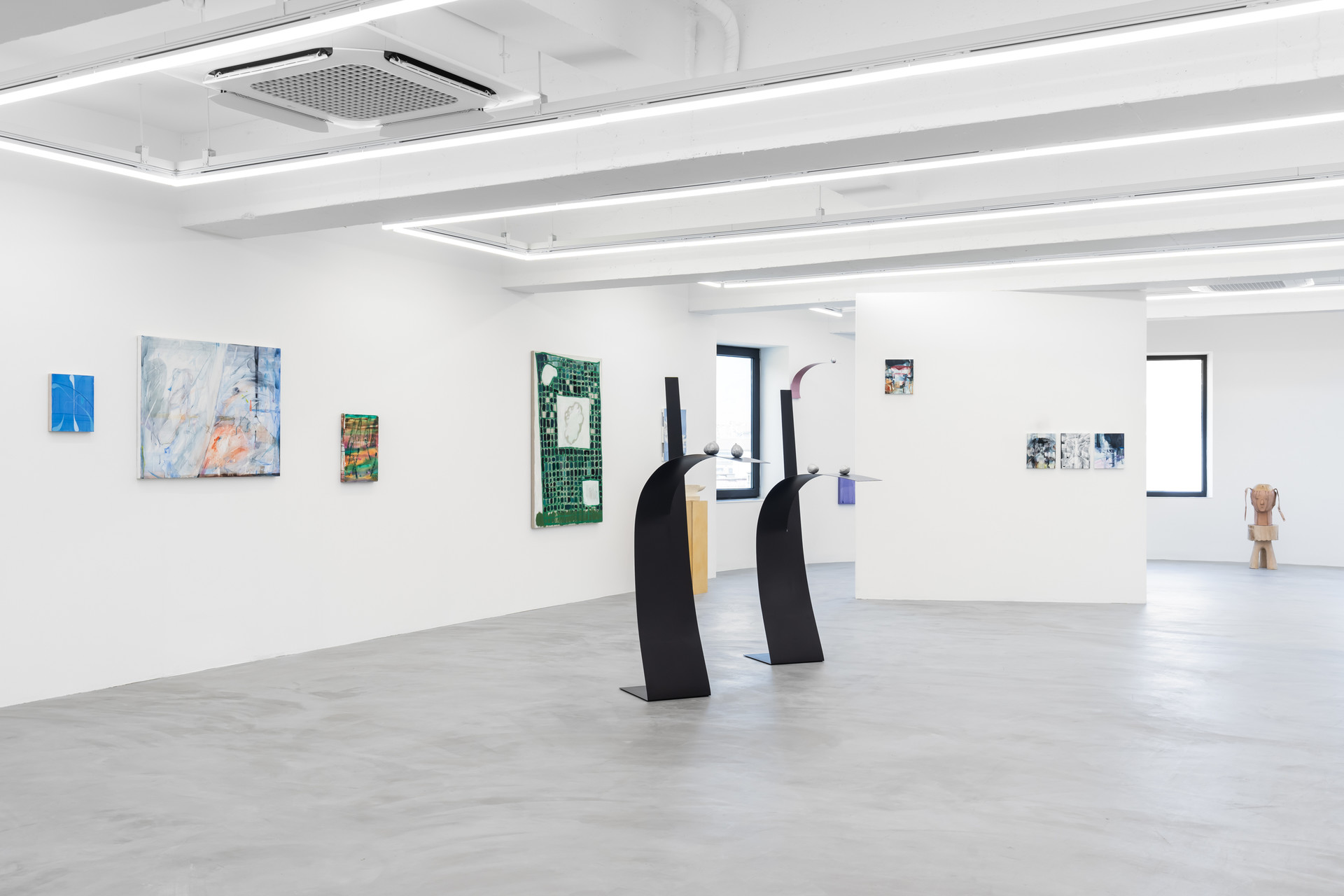
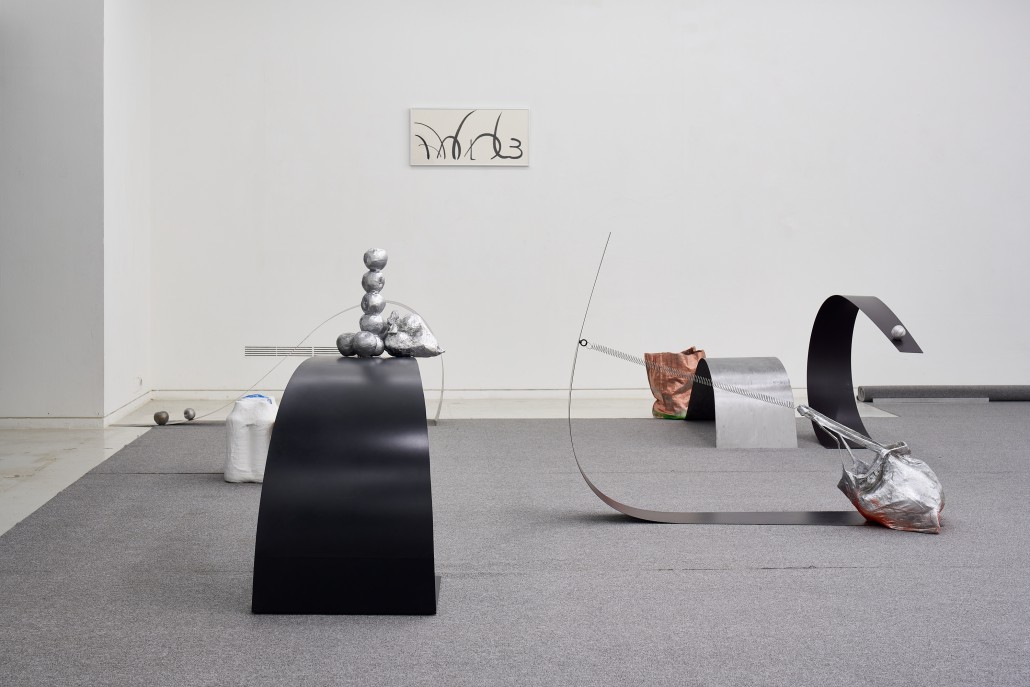
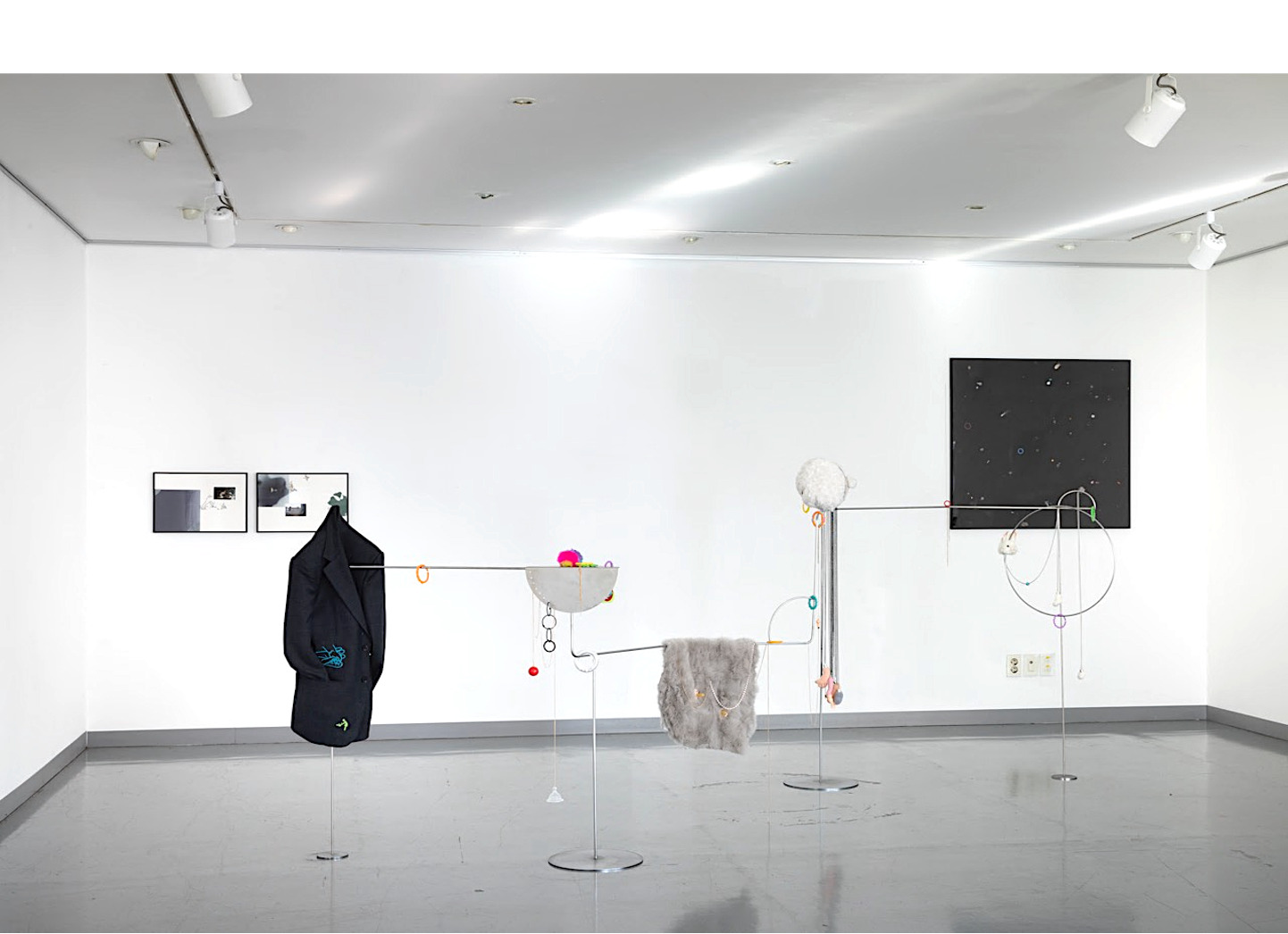
Jangyeun Jun visualized in 《Encountered Universe》 the enormous changes in time and space that she was experiencing in one life, and through this, viewers encounter the artist’s new life. Preparing a solo exhibition after a major change in life, she used everyday objects, as in her previous practice, but made various first attempts: attaching children’s toys, pacifiers, and dolls—objects she had not used before—to various everyday objects, or disassembling and recombining them into a new kind of “installation.”
These elements are very unfamiliar and strange combinations, yet they were made to become a single assemblage “as if nothing were unusual.” At first, these combinations of heterogeneous objects feel unfamiliar, but as one continues to look at the works and becomes visually accustomed to them, small delicacies come forward. The artist turns into works the reality of a life in which she must simultaneously hold the identities of “herself as an artist” and “herself as the subject of childcare.”
Gender-role identity, one element of individual identity, is a collection of personality traits and behavioral characteristics that defines an individual, and a concept used to evaluate the extent to which an individual possesses masculine or feminine traits. However, such gender-role identity is said not to arise entirely from the individual’s inner self.
According to the British educational sociologist Hughes(2010), gender roles are in fact identities assumed by the mainstream of society. Individuals effectively achieve “identity congruence,” setting their gender-role identity by aligning their behavior with the settings of society or a group. Women experience disconnection from their own bodies through pregnancy, childbirth, and childcare, and live as “bodies preparing for pregnancy,” “bodies protecting a child during pregnancy,” and “bodies suited to childcare after childbirth.”
Although pregnancy, childbirth, and childcare are processes and experiences that cannot occur without the body, narrators experience being “alienated” from and “othered” by their own bodies. This arises from a social atmosphere in which pregnancy, childbirth, and childcare are treated as “natural,” should not be “questioned,” and allow for “no differing opinions.”(Adair, 1992)
Foucault also attends to the “body” as the point where power is exercised, focusing on the process by which docile bodies are produced. To this end, Foucault discusses the forms and practices of the body that become socially and culturally acceptable by disciplining the body in specific ways within particular cultural contexts(Foucault, 1979).
The “docile body” Foucault describes is a body regulated by cultural norms of life. Foucault argued that our bodies are trained and formed through the organization and regulation of time, space, and everyday life, and that historically dominant selves, desires, masculinities, and femininities are inscribed upon such bodies.
New Planets of the Big Dipper
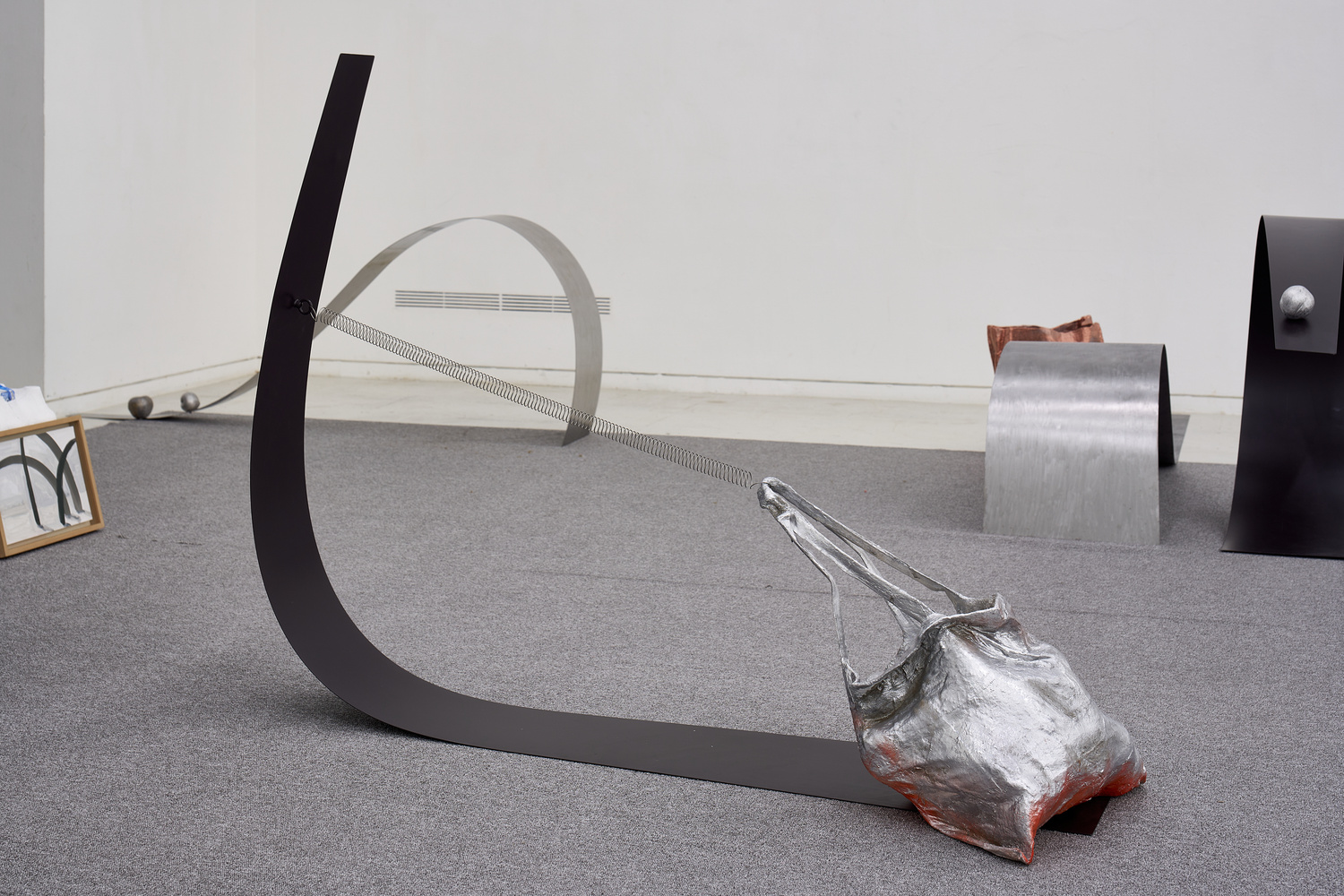
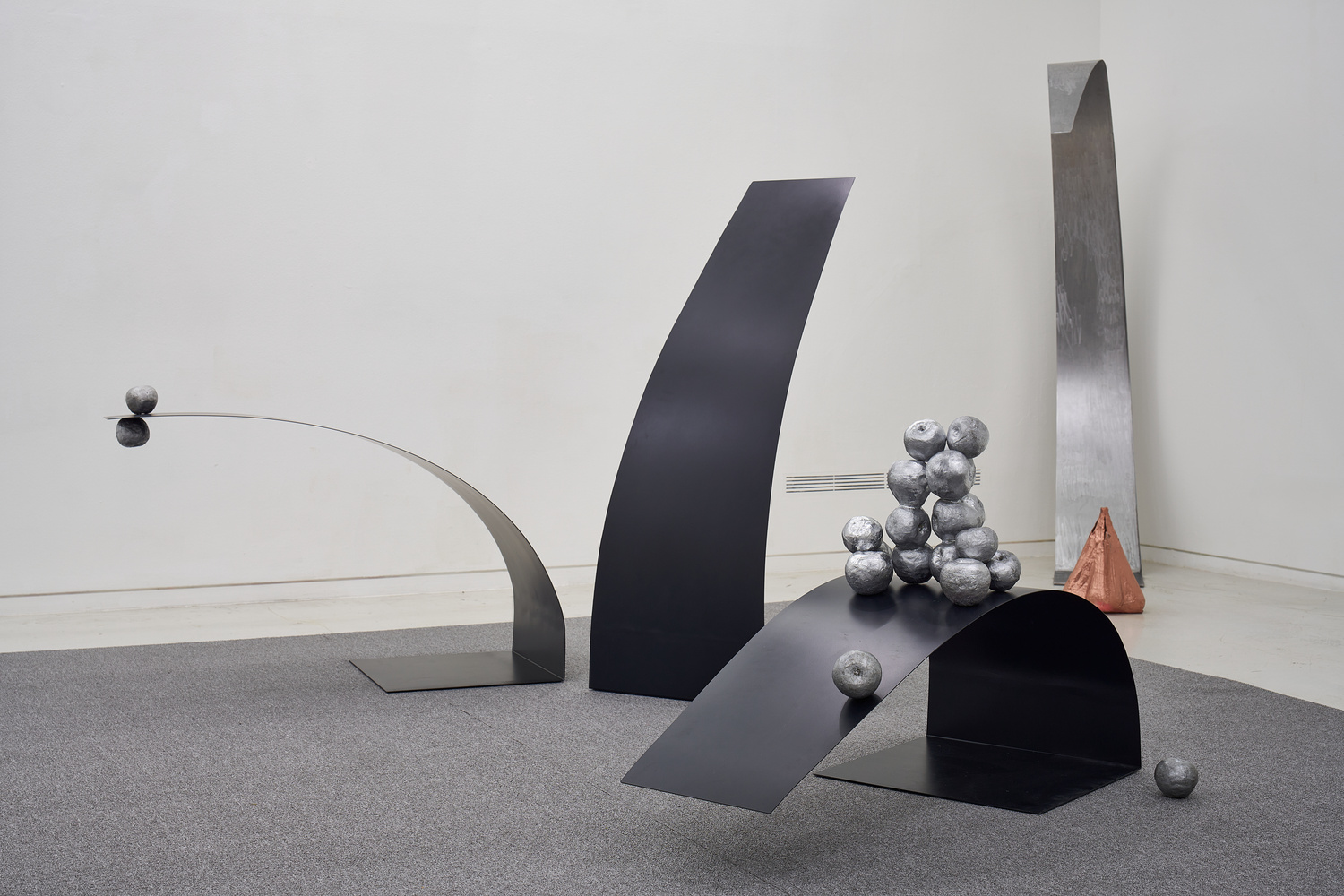
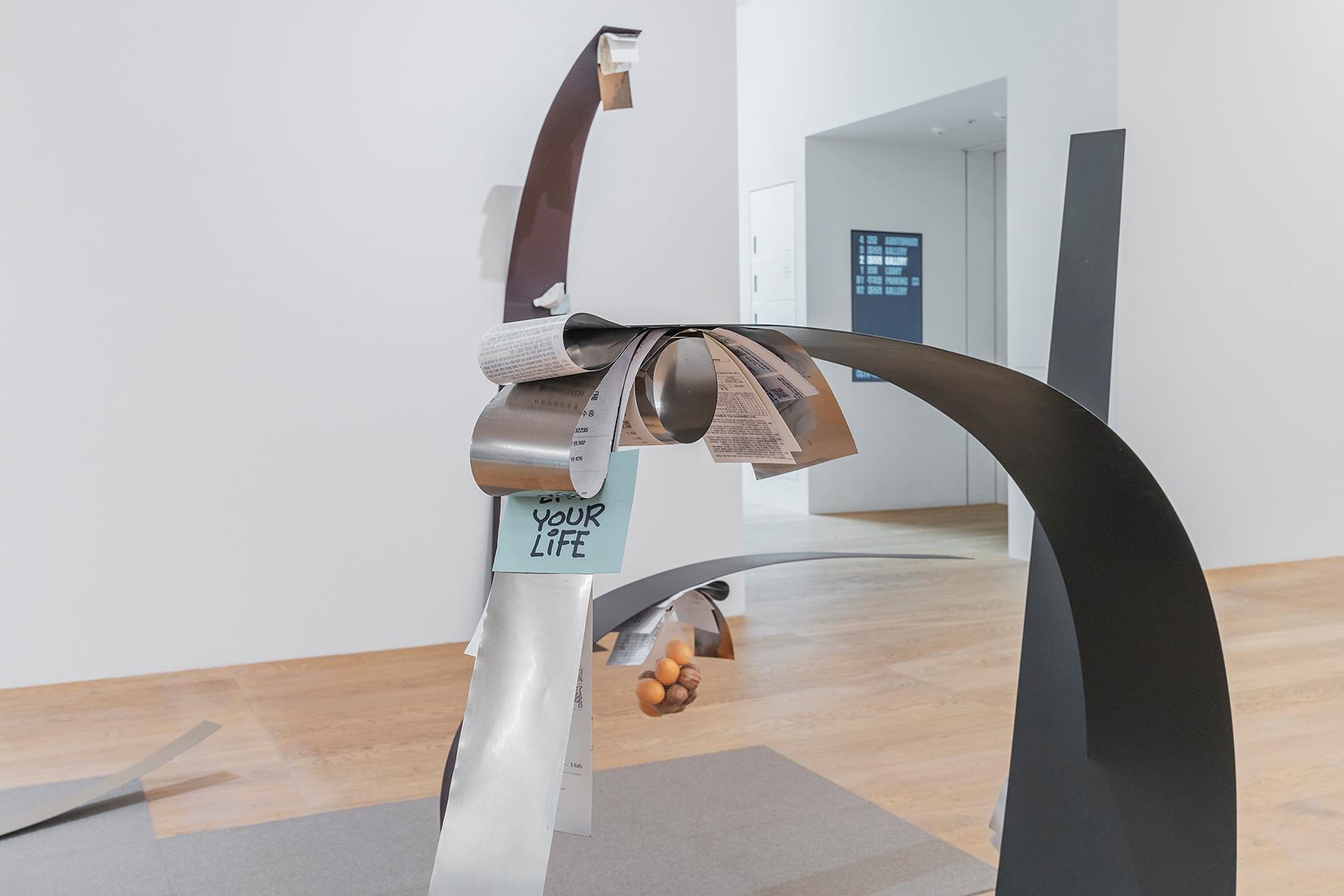
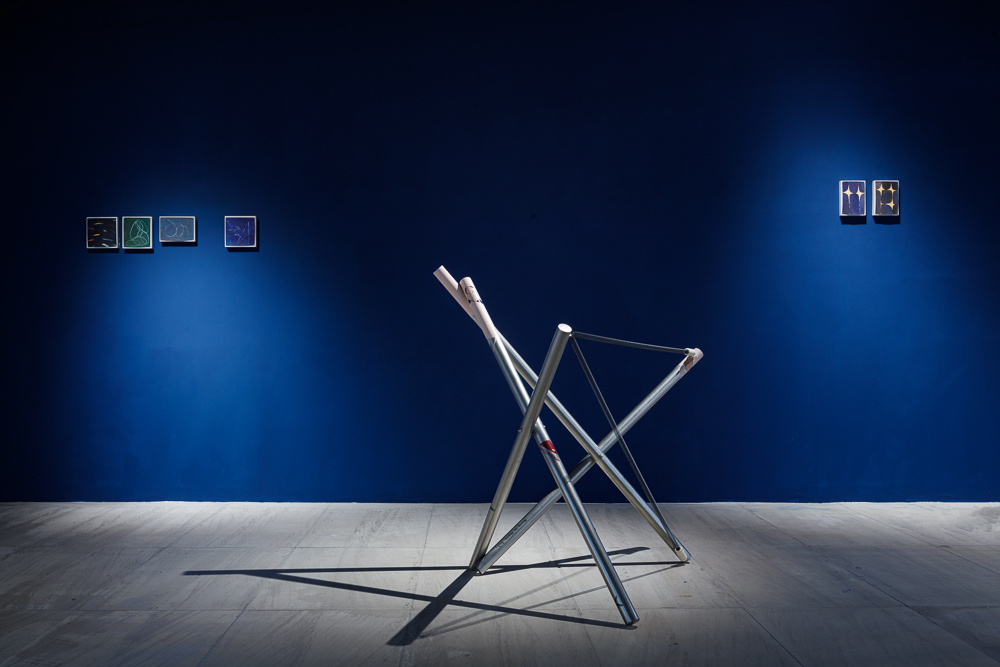
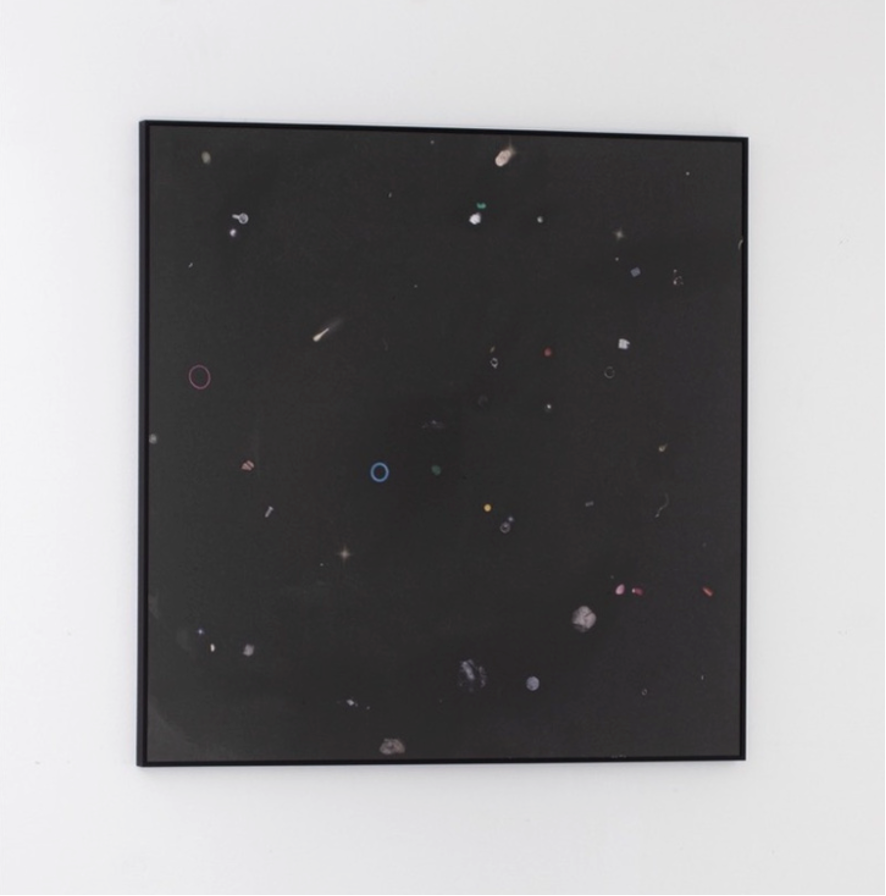
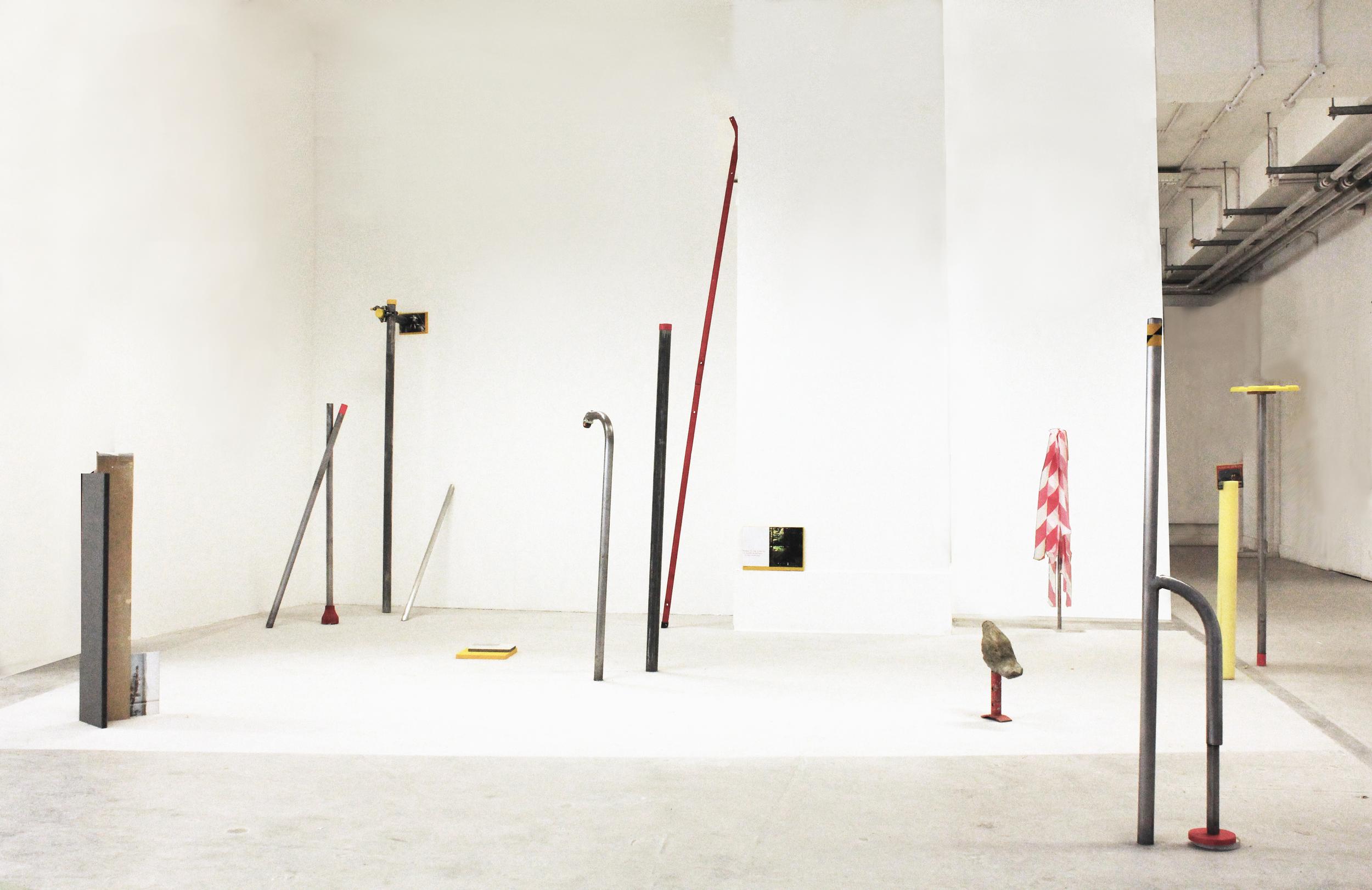
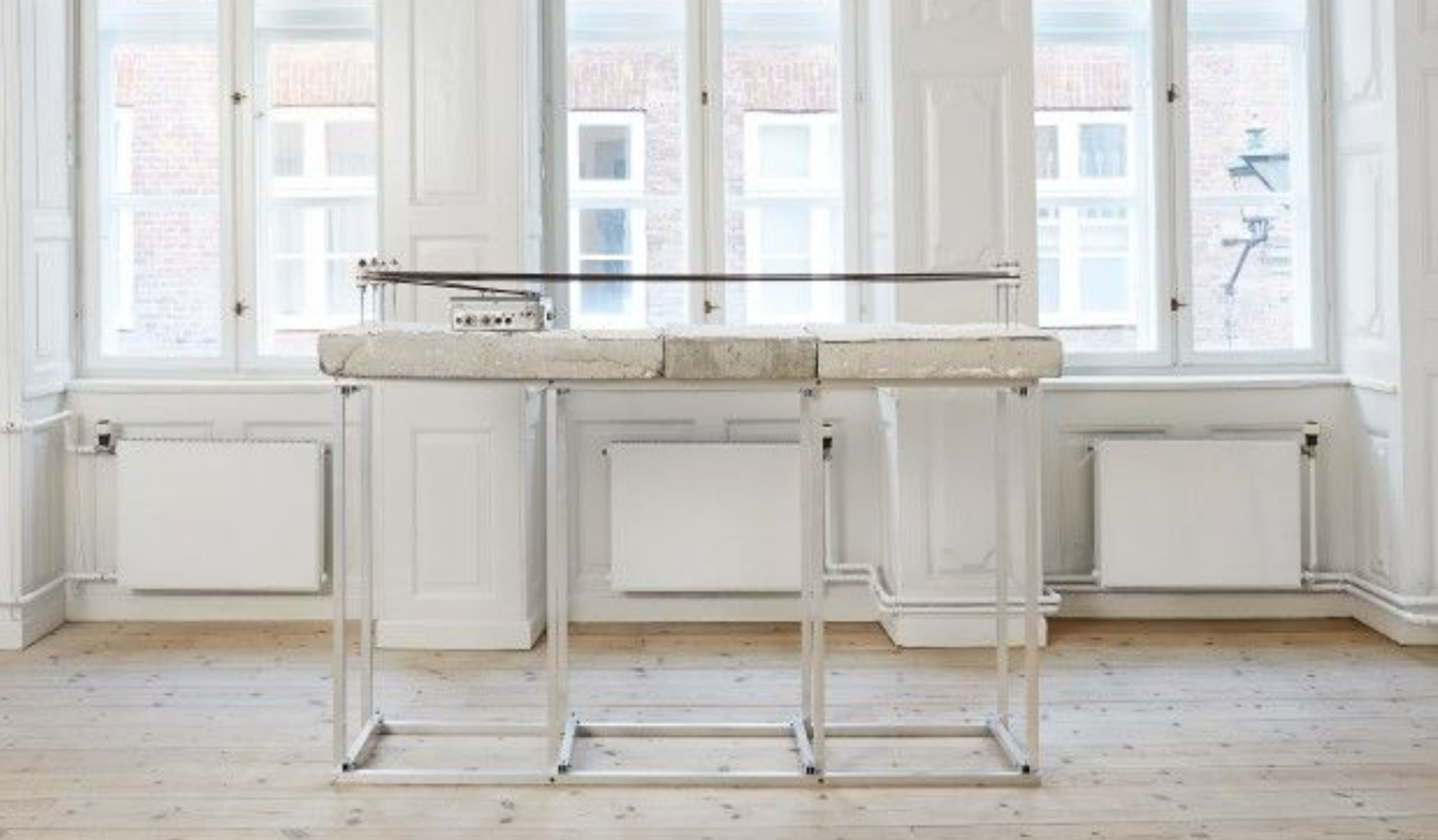
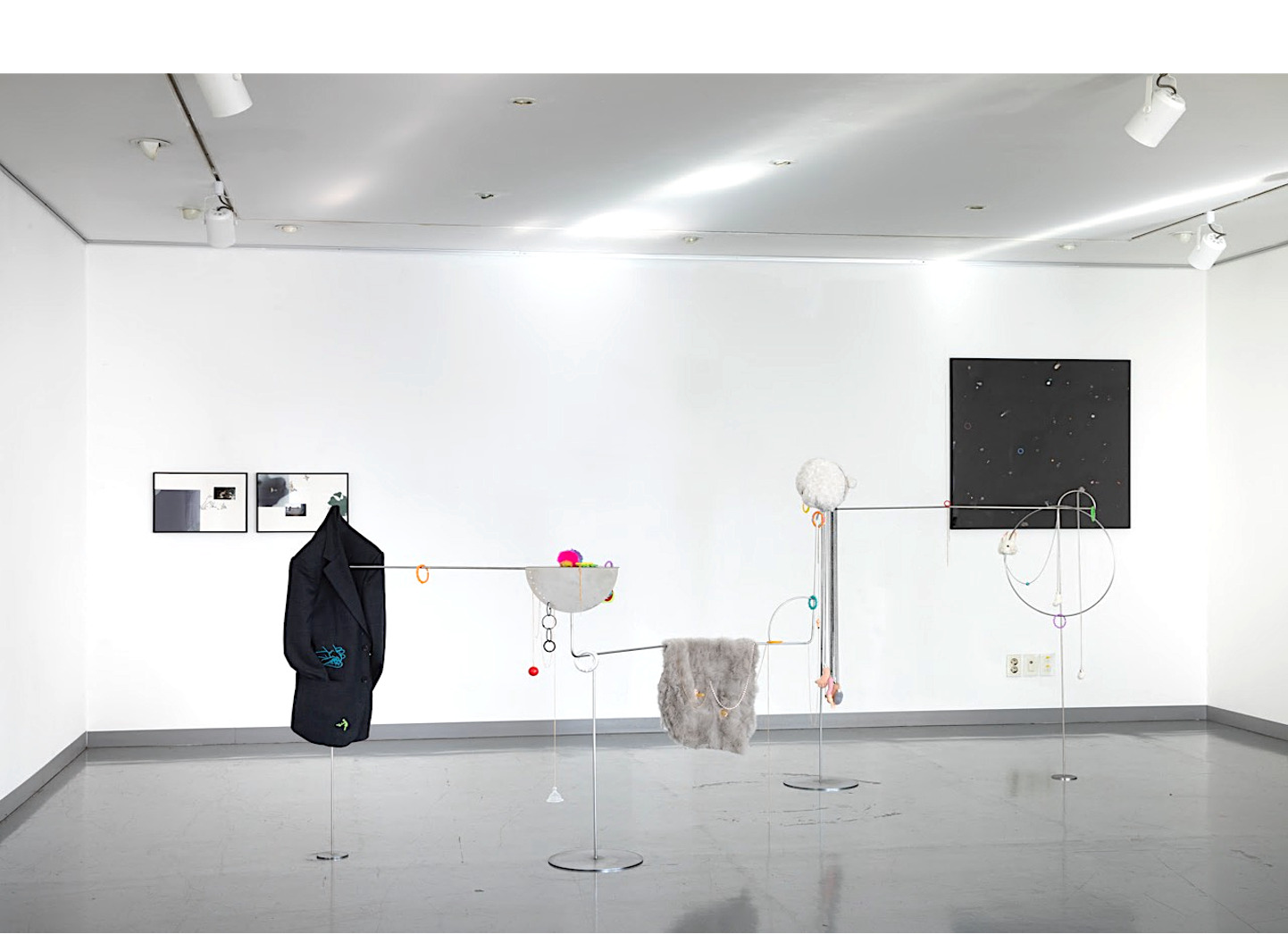
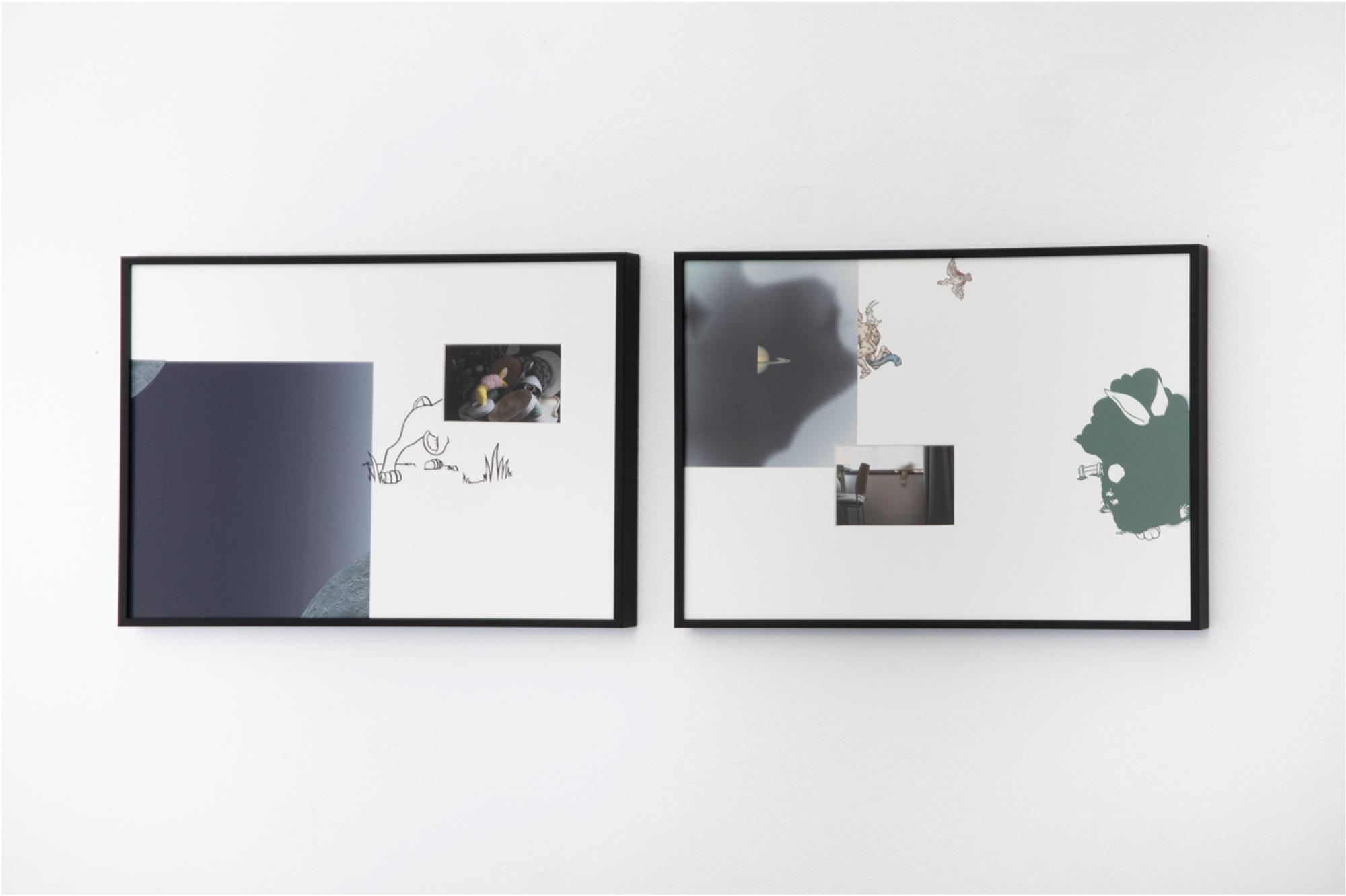
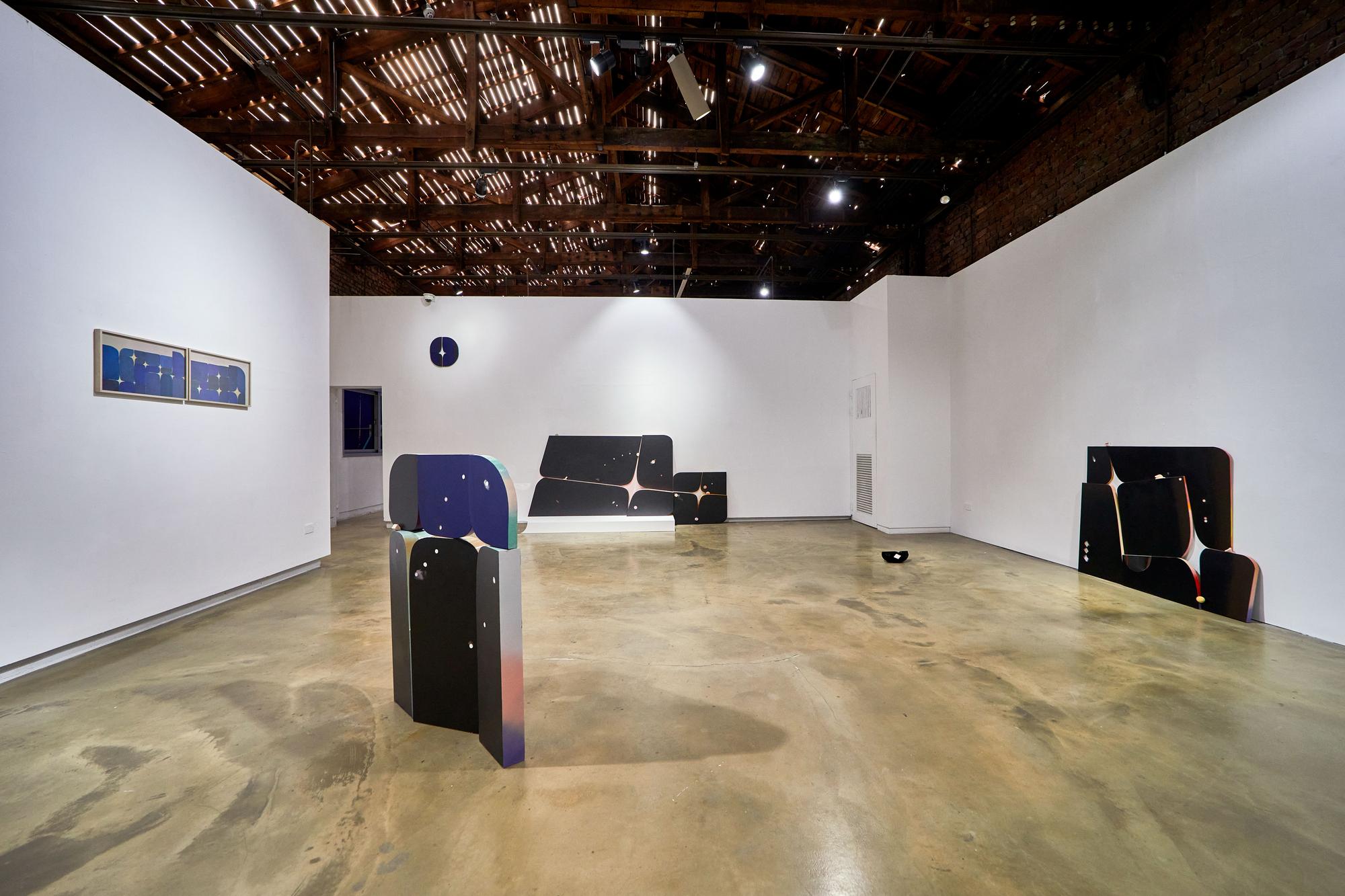
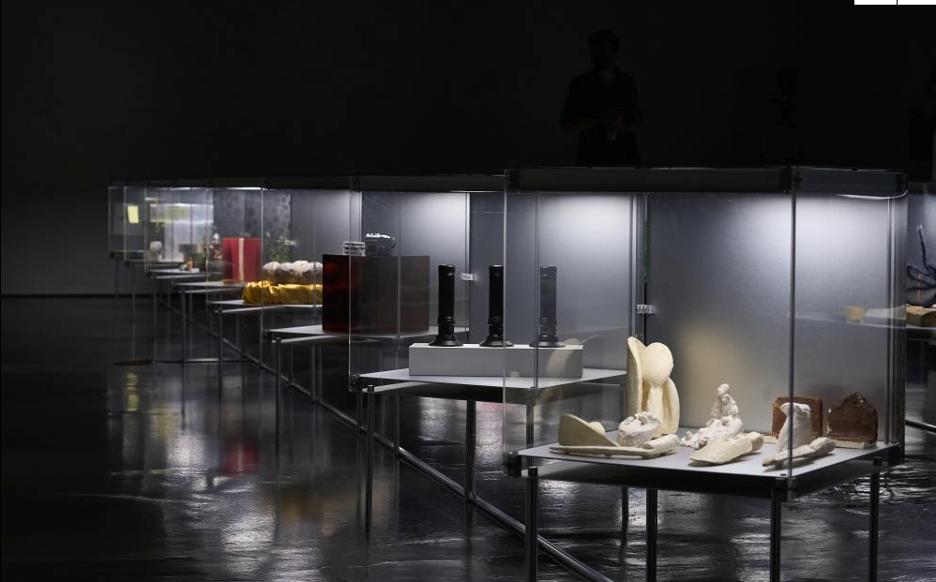
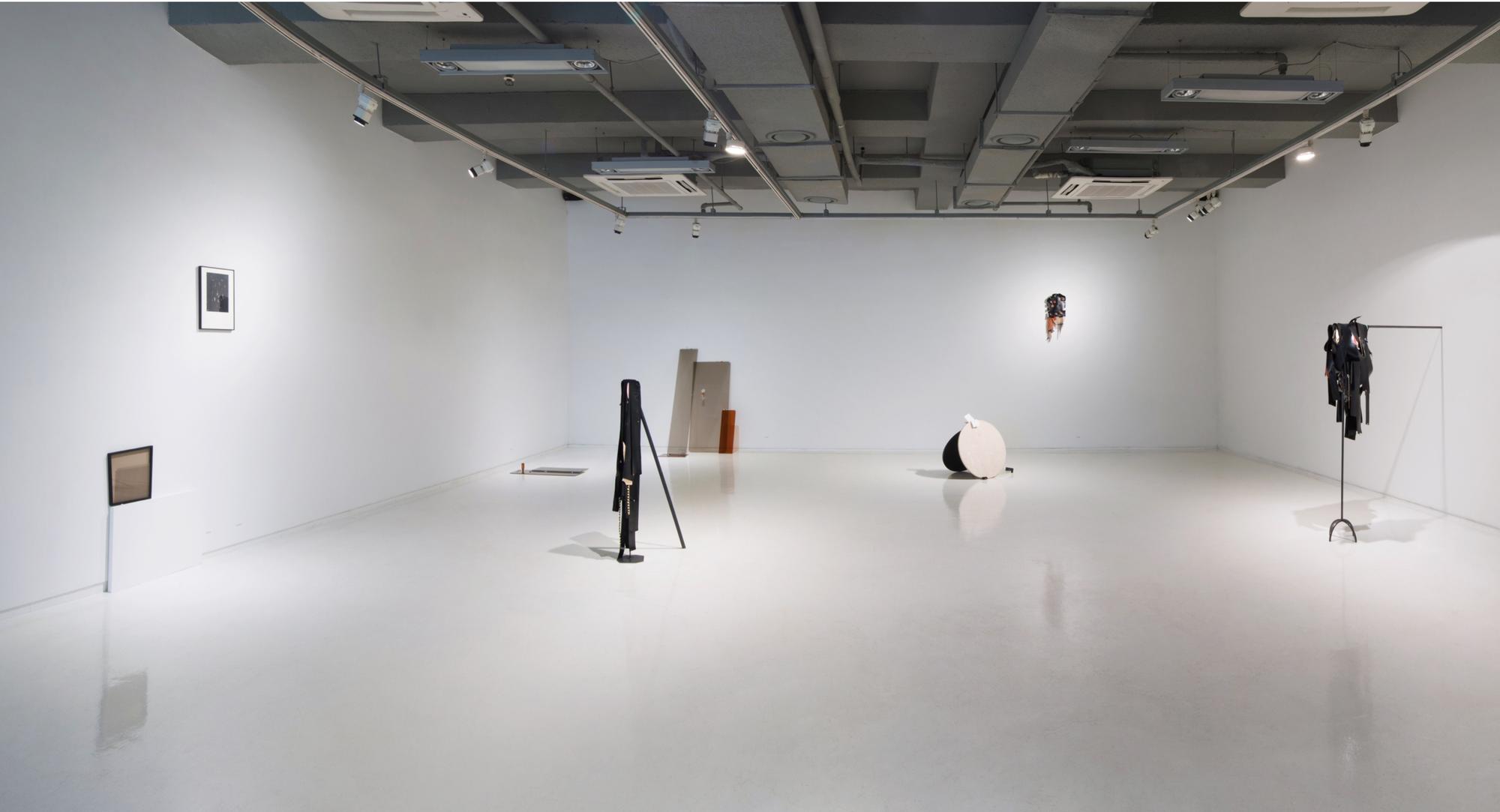
The exhibition 《Encountered Universe》 was broadly composed of three parts: ‘Encountered Night’, ‘Hide-and-Seek’, and ‘Hidden Ear’, which are prints made by scanning everyday objects with a scanner; the Big Dipper, constructed as a steel structure in the exhibition space; and seven types of transformed object-objects that compose the structure of the Big Dipper.
The scanned images of objects, made using the artist’s long-standing working method, reveal the expressive texture of the subjects more faithfully than photographed objects. The three images combine scanned images of infant toy objects with the artist’s imagined image drawings, changing the original appearance of the objects.
The transformed objects become metaphors for the artist’s own life or change in form and function, transforming themselves into autonomous subjects of art. In this exhibition, the Big Dipper, newly chosen by the artist as a motif, is a group of stars that rotates once a day around the North Star in the sky. This constellation has long been believed to govern human lifespan, and according to folk painting, we are born by the designation of the immortals of the Big Dipper.
Yet the Big Dipper was believed to be involved not only in birth, but also laid on the floor of traditional burial coffins, and it was believed that one passed through the Big Dipper when moving from this world to the next.(Park Seokjae, 2013) The artist created seven planets with objects to which she assigned new meanings, based on the constellation said to govern life.
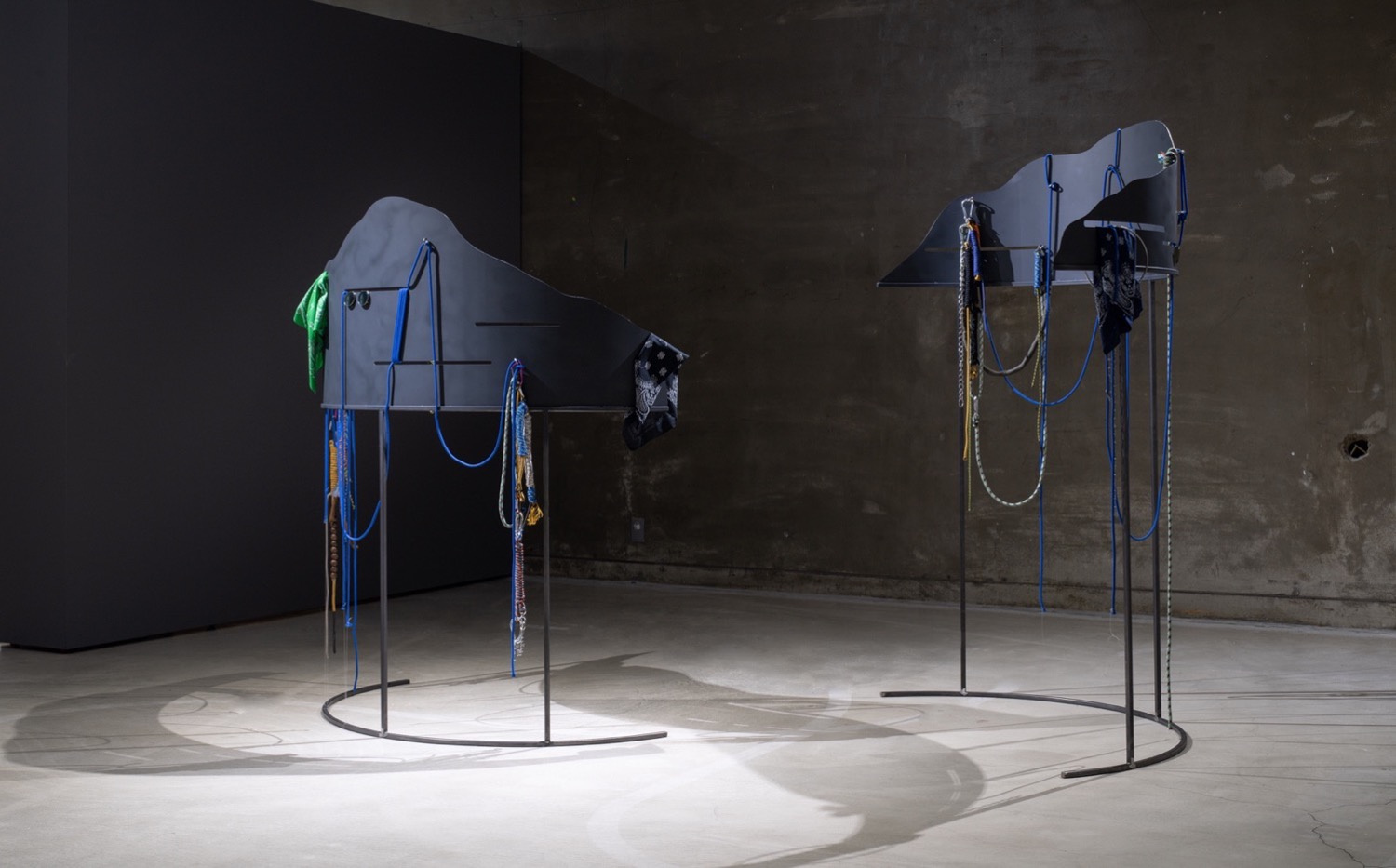
The names of the seven planets are ‘Rabbit Foot Luck’, ‘Slender Time’, ‘Four Hands’, ‘Stroller Elevator’, ‘Nomadic Childcare’, ‘Cosmic Combination’, and ‘Super Mom’. They are composed of playful combinations of objects that metaphorize the realities of the artist’s life and the realities she imagines. The first planet of the Big Dipper in 《Encountered Universe》 is a work titled ‘Super Mom’, an object in which a feminine medium was inscribed onto a man’s suit jacket through hand embroidery.
For this work, the artist learned embroidery herself and applied the technique to the actual piece. She embroidered images symbolizing “super mom” and the act of changing diapers. The final, seventh planet is titled ‘Rabbit Foot Luck’. The rabbit foot, made using an actual white rabbit doll, is a type of charm that has been believed to bring luck in old legends and has accompanied human history for hundreds of years.
The artist applied two heterogeneous elements at once—familiar everyday objects from our daily lives and objects from superstition and totemic traditions long passed down in society—and turned them into one planet of the Big Dipper. The head of the rabbit doll hangs from a thin circular steel ring, and brightly colored circular plastic toys that infants play with are used as detailed elements composing the small planet.
‘Four Hands’, ‘Nomadic Childcare’, and ‘Stroller Elevator’ embody the image of a woman who has become a mother engaged in “childcare,” which has come to occupy a large portion of the artist’s life. In addition, “feminine” items such as pearl necklaces and fur textiles appear, and between them are attached infant pacifiers that symbolize the period when a child spends a long time with the mother.
A pearl necklace, a feminine object distant from childcare, is also treated on the same level as a baby toy. Viewers encountering objects made through this kind of combination witness objects symbolizing feminine elegance suddenly losing their original form within the social gender role of a woman engaged in childcare.