I. Frieze Seoul, Klein’s Gold, and Mo Kim’s Time
In September, the COEX exhibition halls in Seoul became a testing ground where the capital of the global art world converged and circulated with unusual intensity. Leading international galleries such as Gagosian, Hauser & Wirth, Pace Gallery, and David Zwirner gathered under one roof, filling their booths with works priced in the billions of won.
On the VIP opening day, a large-scale canvas by Mark Bradford sold for USD 4.5 million (approximately KRW 6.26 billion), setting a new record for Frieze Seoul, while new works by George Condo and sculptures by Louise Bourgeois were likewise traded at remarkable speed.
Here, an artwork is not merely an aesthetic object but something assigned value through a pricing mechanism shaped by networks of capital, scarcity, and global demand. Once hung within the white cube, the work is no longer simply a singular “artwork”; rather, it acquires meaning within the language of the market, where price and value are bound together in an equation much like a financial commodity.
Yet the moment price becomes equated with value, the artwork loses dimensions of artistic experience. The market determines the status of a work through its price, but in doing so transforms the work into an index of capital, structurally erasing its sensory and contemplative potential. This tension had already been exposed through an unprecedented experiment by the French artist Yves Klein in the 1950s.
In March 1959, while participating in 《Vision in Motion》, Klein left his exhibition space completely empty. Instead of hanging artworks, he proclaimed to the audience gathered at the opening, “First there is nothing, then there is a deeper nothing, and then a blue depth.” When a curator asked where the artwork was, Klein replied, “Here, at this very moment as I am speaking,” and demanded a one-kilogram bar of pure gold as the price of the work.
According to Klein, painting was merely the ashes of art, while its true essence, once created, became invisible and was reduced to matter within pictorial sensibility. He therefore argued that, at the moment the artist spoke, pictorial sensibility itself became specified as raw material and could consequently be exchanged for pure gold.
Klein pushed this experiment further by situating the “immaterial” within actual economic exchange and ritual. In Zone of Immaterial Pictorial Sensibility (1959), the artist divided and sold a work with no physical object in exchange for the value of gold, while the buyer who paid in gold received a receipt certifying ownership of an “immaterial zone.”
Genuine ownership, however, could be completed only through a ritual in which the buyer burned the receipt and Klein threw half of the gold into the Seine. What ultimately remained was neither material nor record, but the acts of burning and casting away themselves. This ritualistic performance was not simply an eccentric gesture of selling an “invisible artwork.”
Klein sought to shift the essence of art toward that which cannot be possessed—the dimensions of emptiness and sensibility. He thus posed the longstanding question, “What is an artwork?” in one of its strangest forms. There was no painting, sculpture, or installation; instead, he presented transaction and ritual, burning and relinquishment, as the work itself.
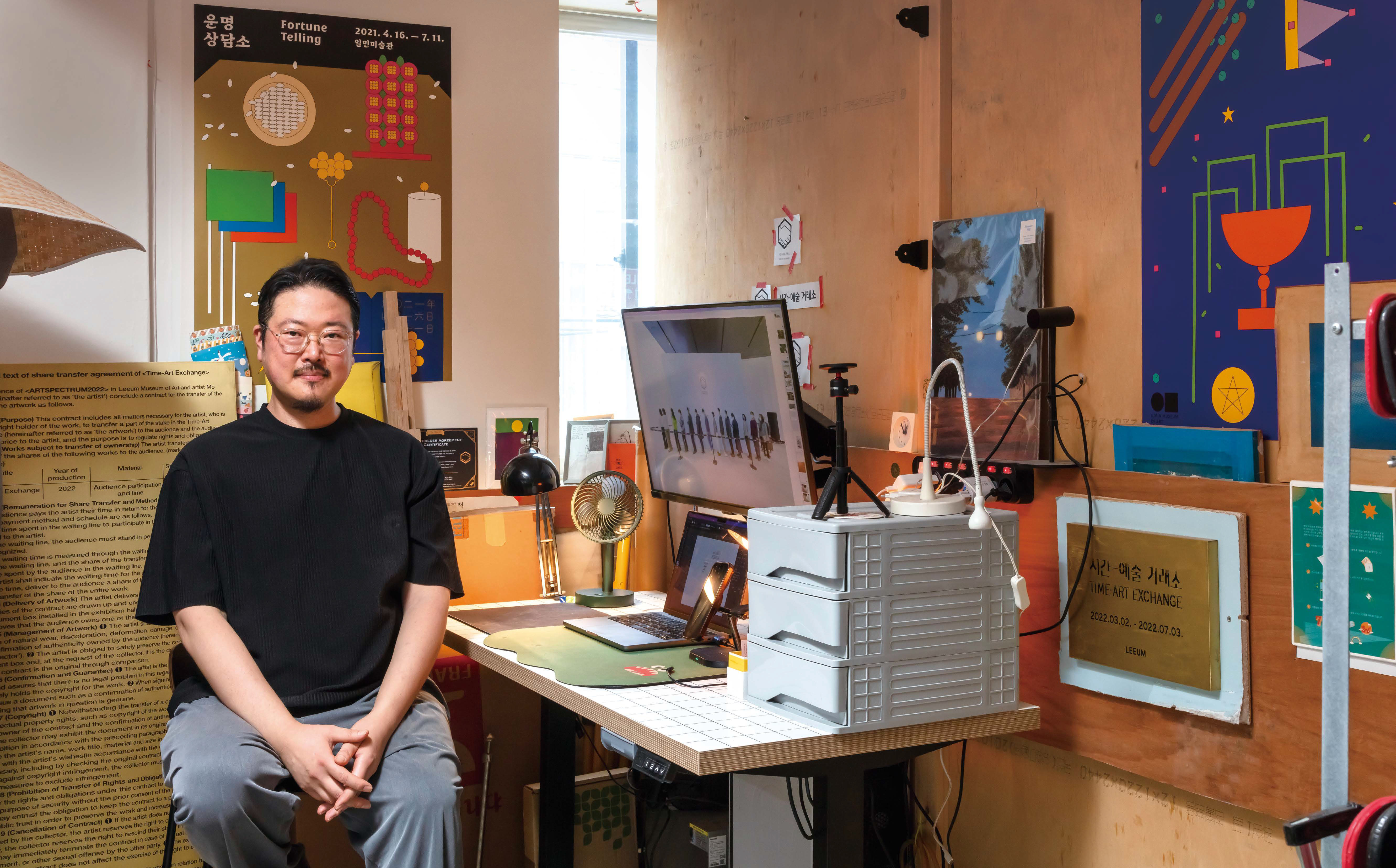
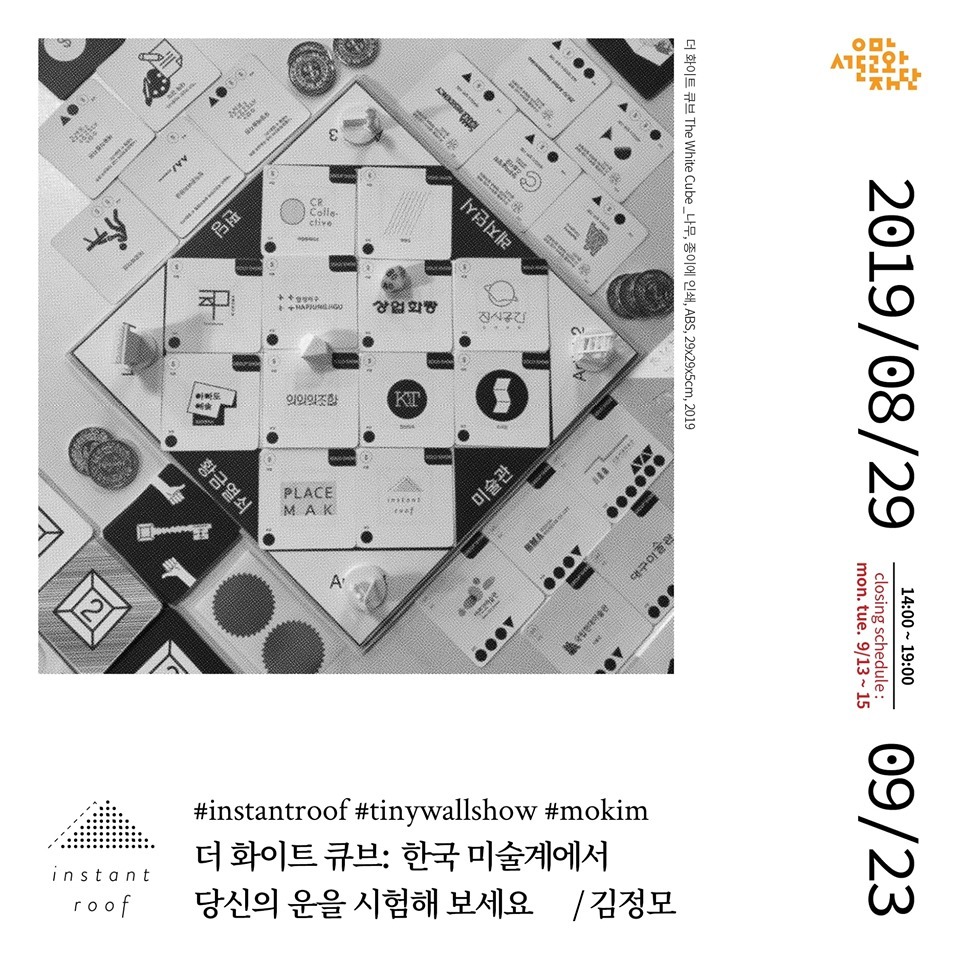
Mo Kim’s practice contemporaneously renews Klein’s experiment of separating the value of an artwork from its material object and locating it within pure exchange value. Taking up the questions Klein opened, Kim asks anew, within contemporary Seoul and its art institutions, what constitutes artistic value, unproductivity, and immateriality.
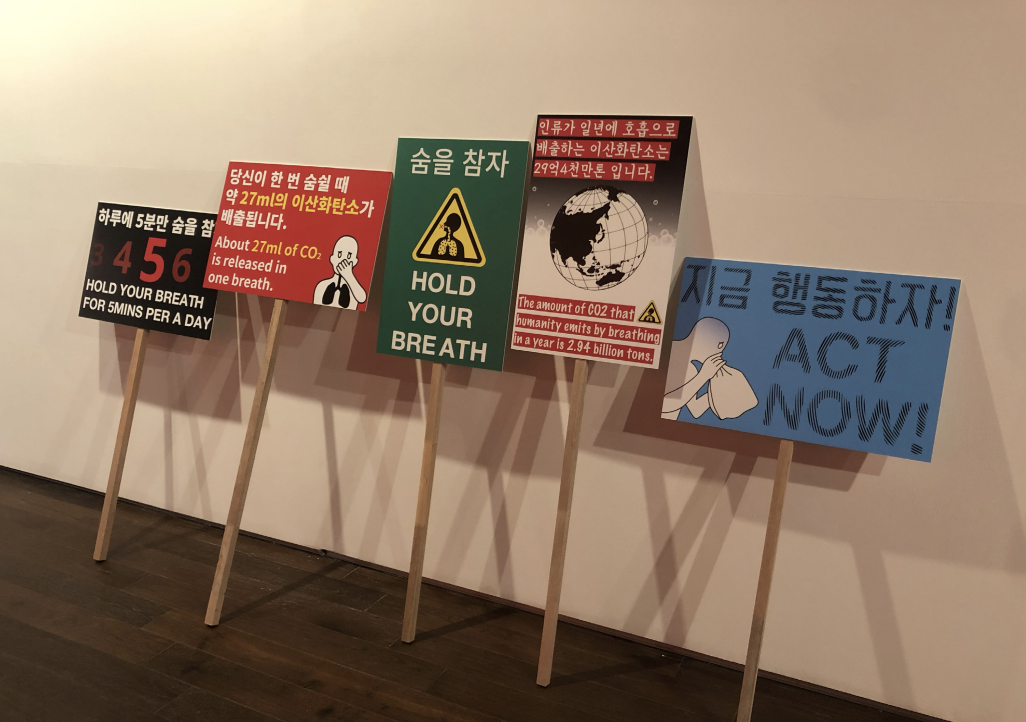
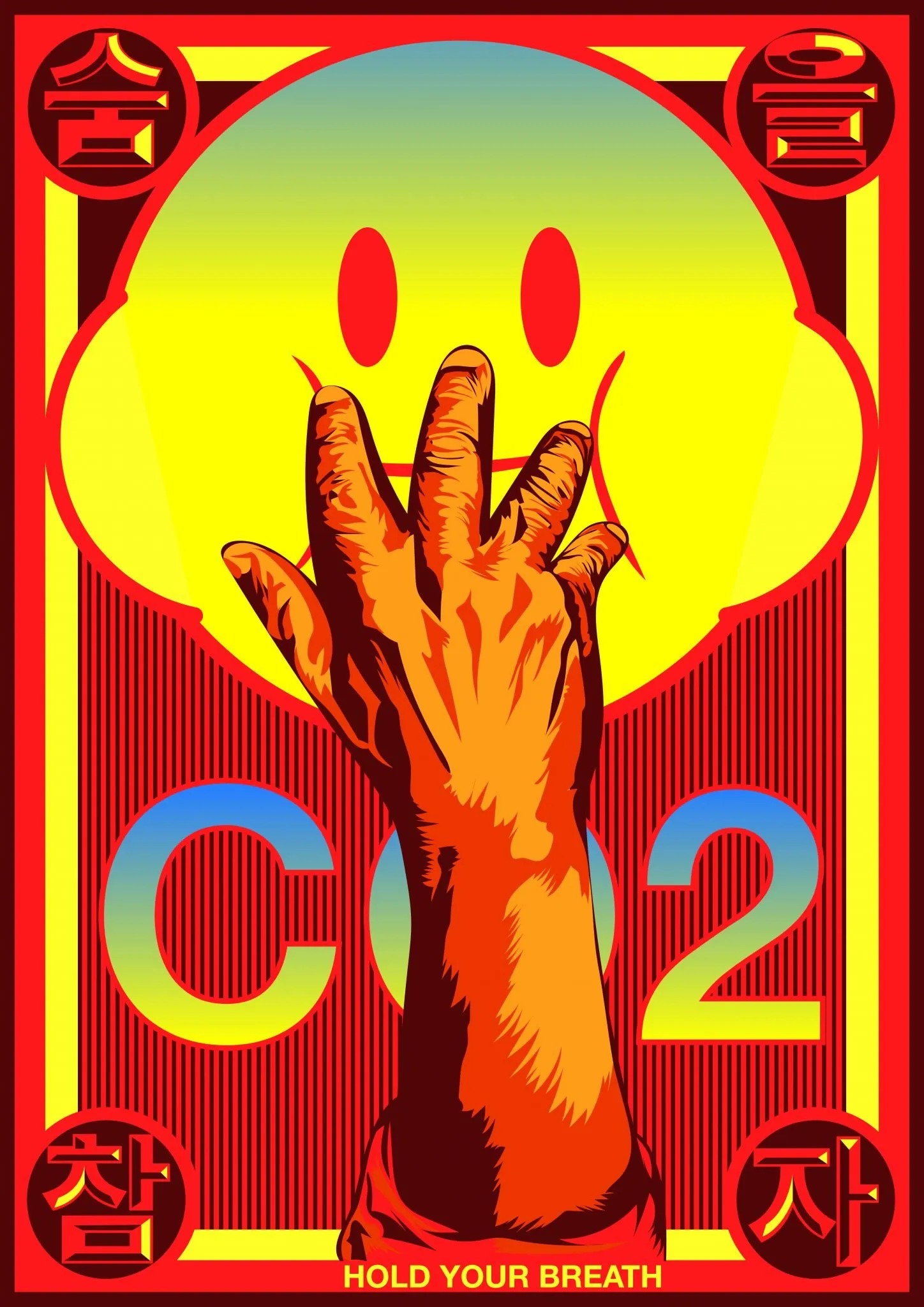
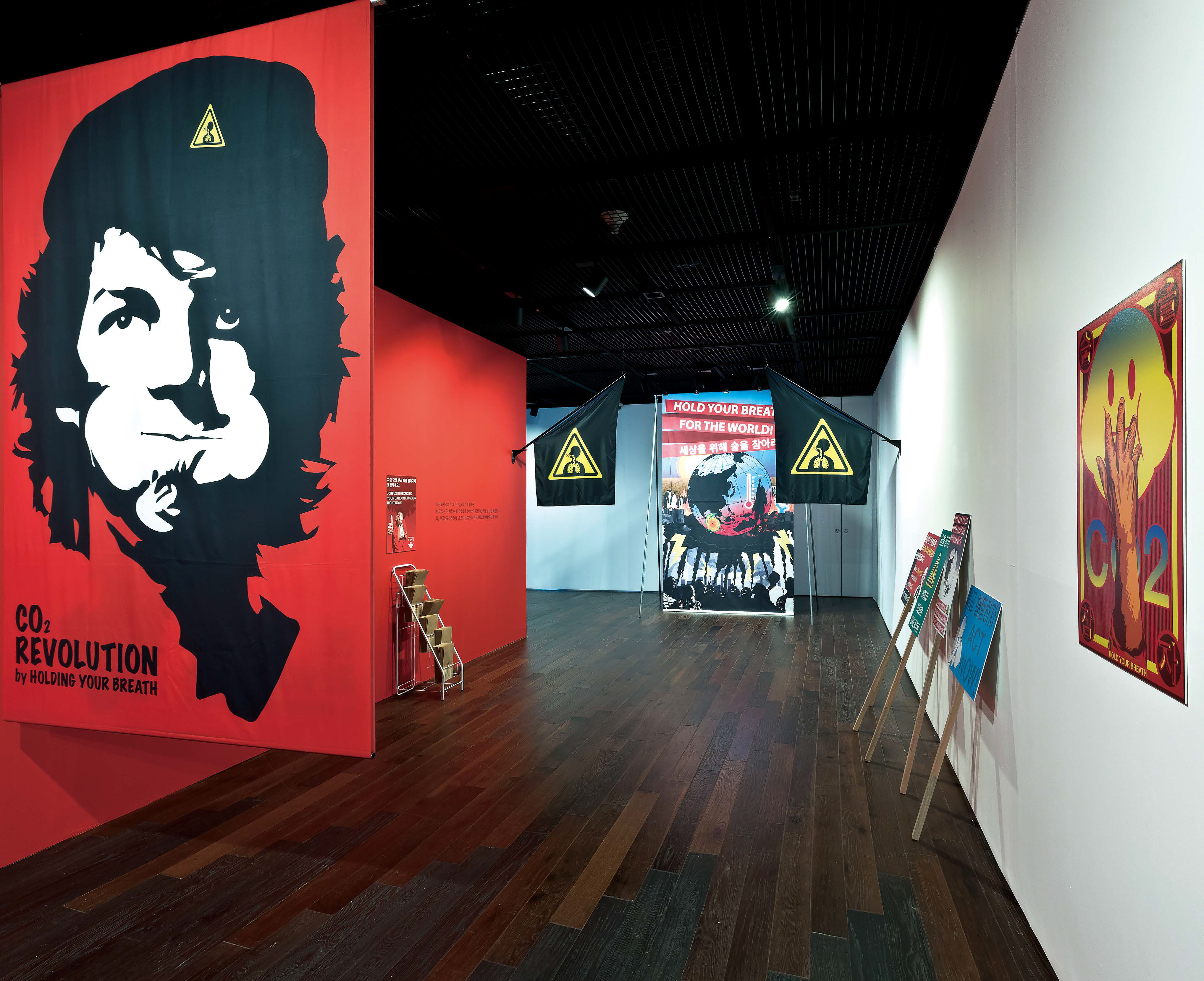
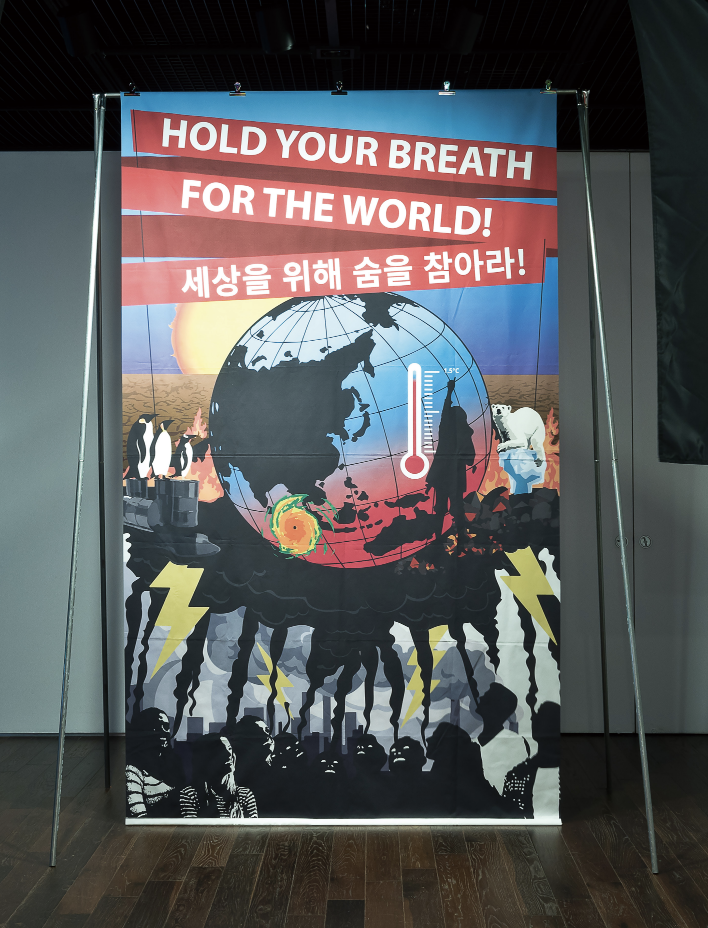
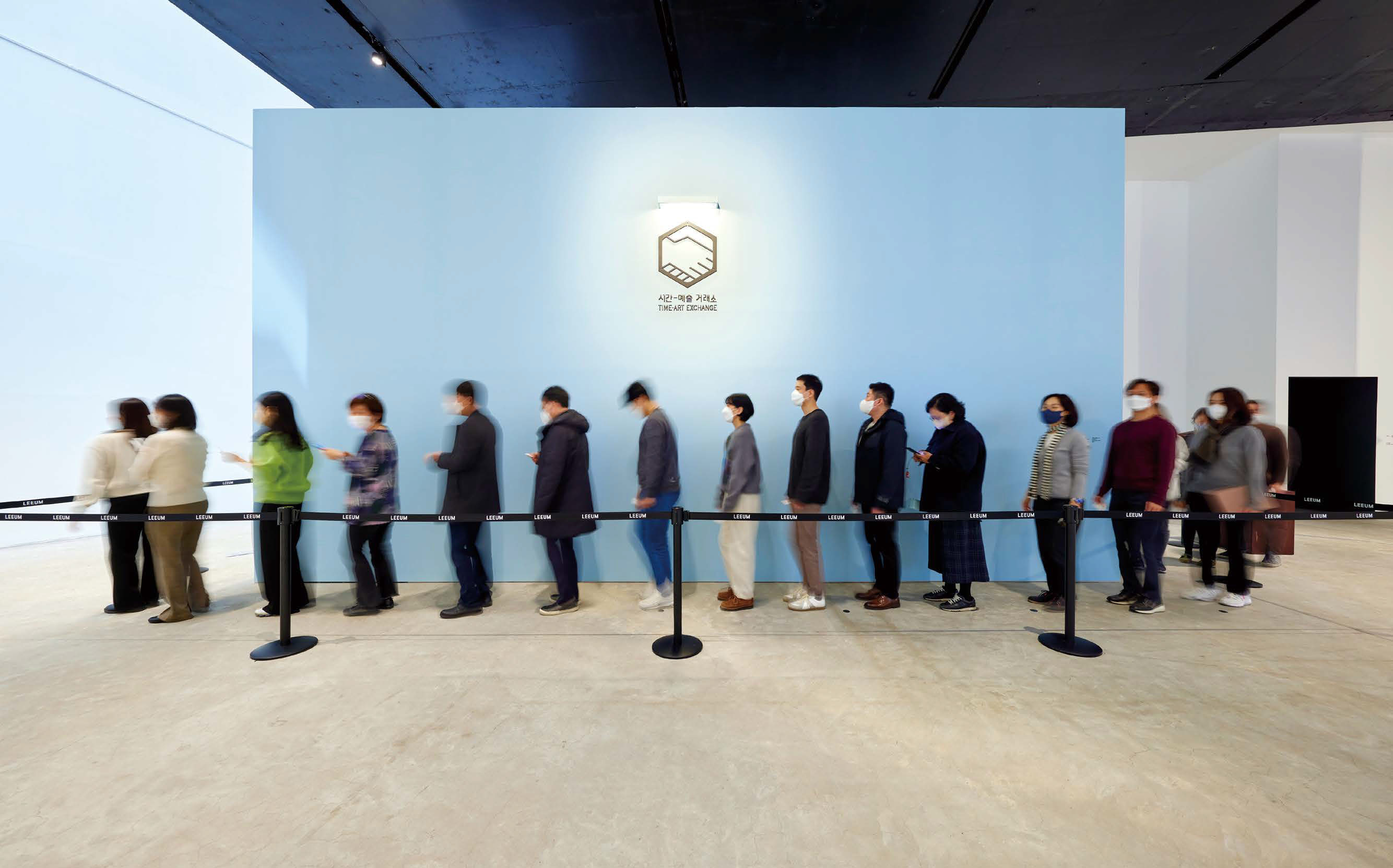
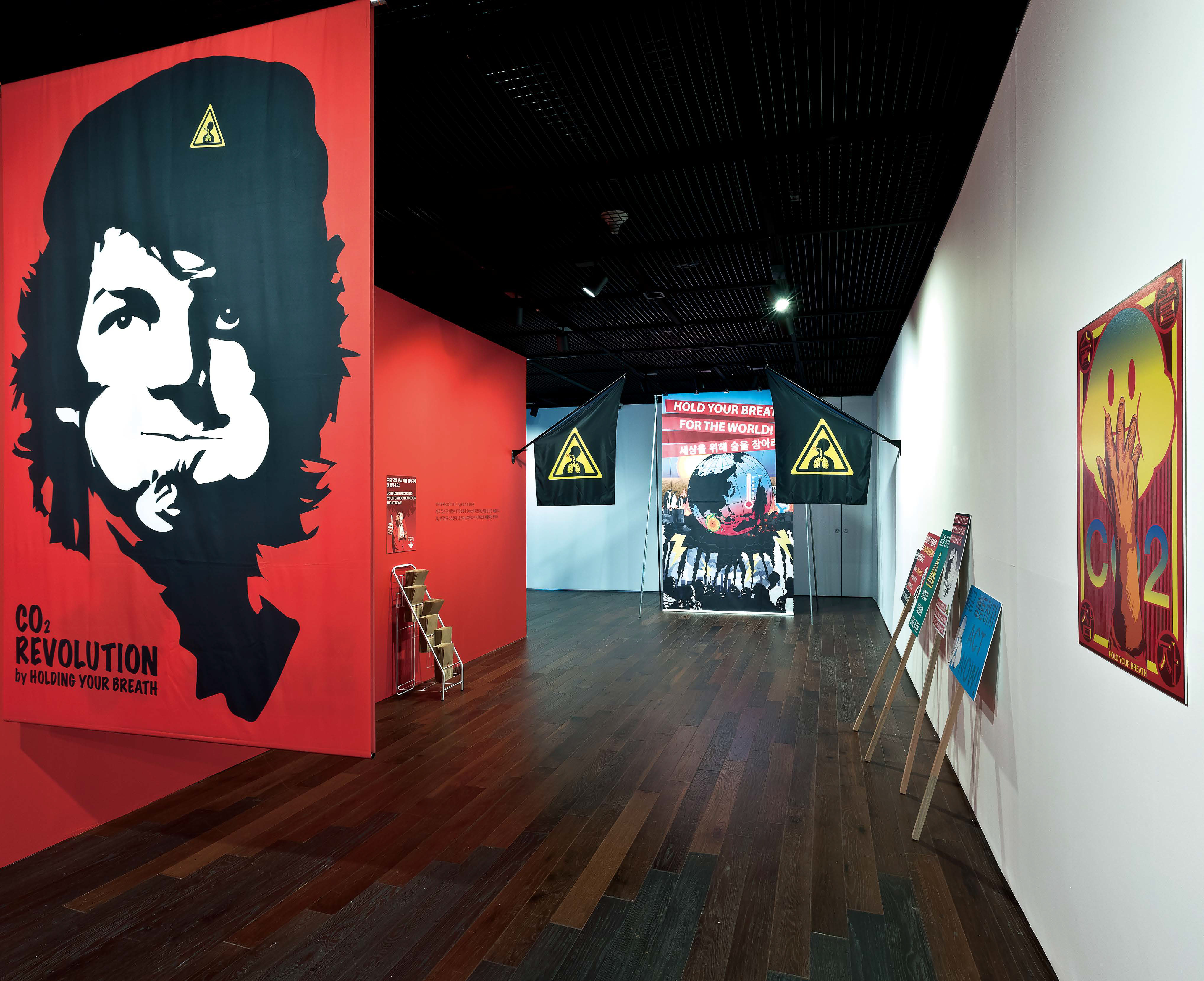
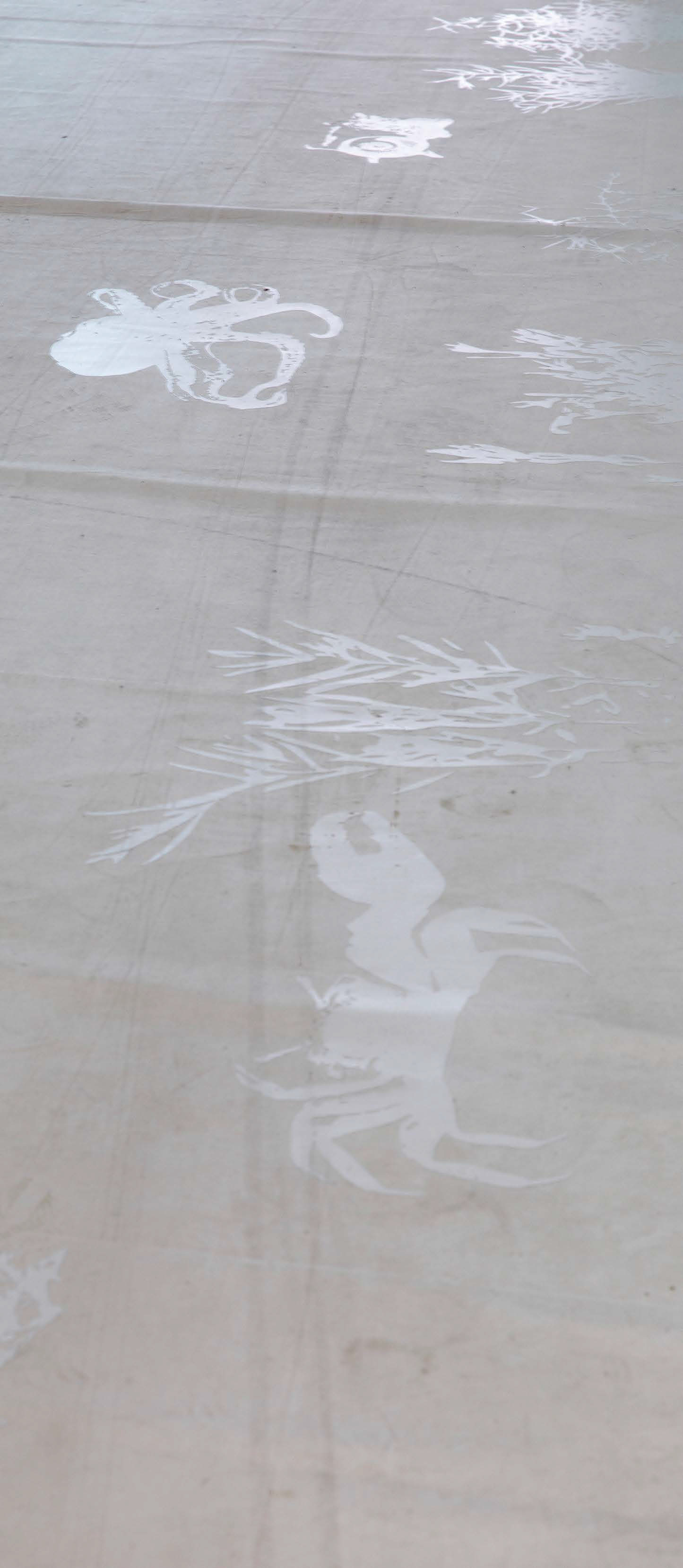
Since beginning to work actively in the Korean art scene in 2013, Kim has developed a practice that creates fissures within the efficient and productive systems of value generated by institutions and markets. He places devices such as contracts and envelopes, time spent waiting in line, performances of holding one’s breath, and casually imprinted footprints at the center of his work.
Unlike conventional artistic media, these devices produce no tangible outcome and offer viewers no certainty of “ownership.” Instead, the work can be experienced only through minor traces such as wasted time, empty envelopes, and futile gestures.
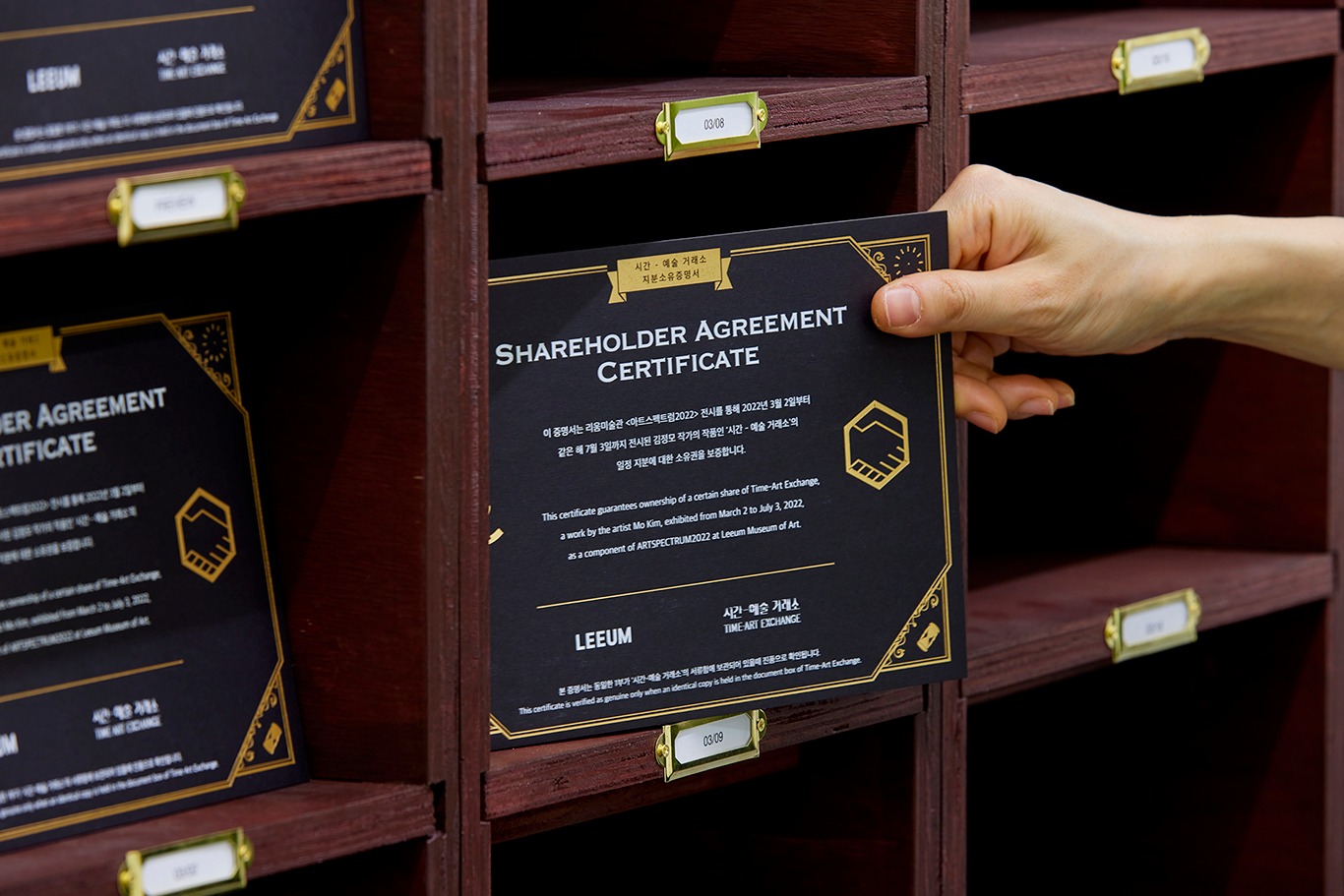
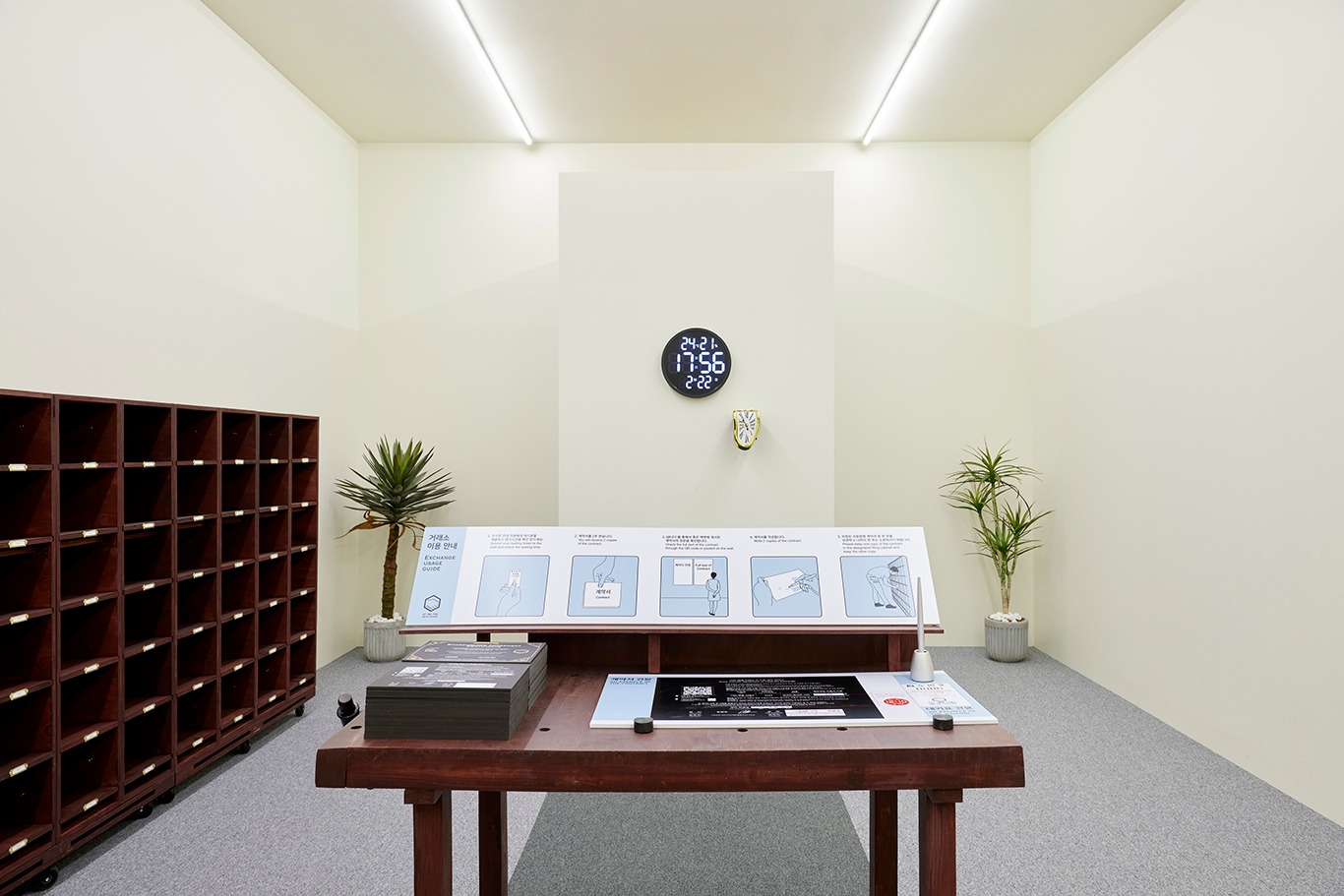
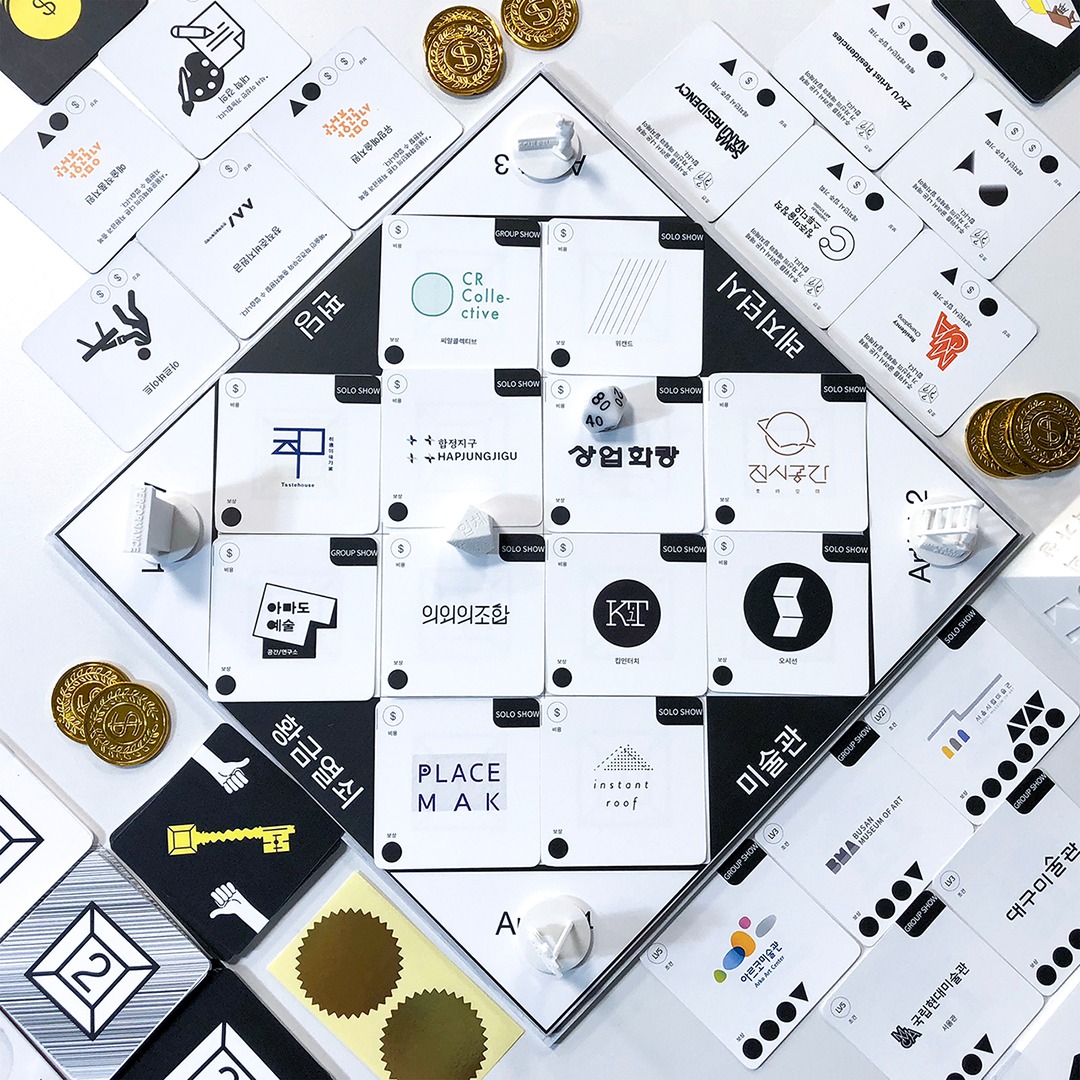
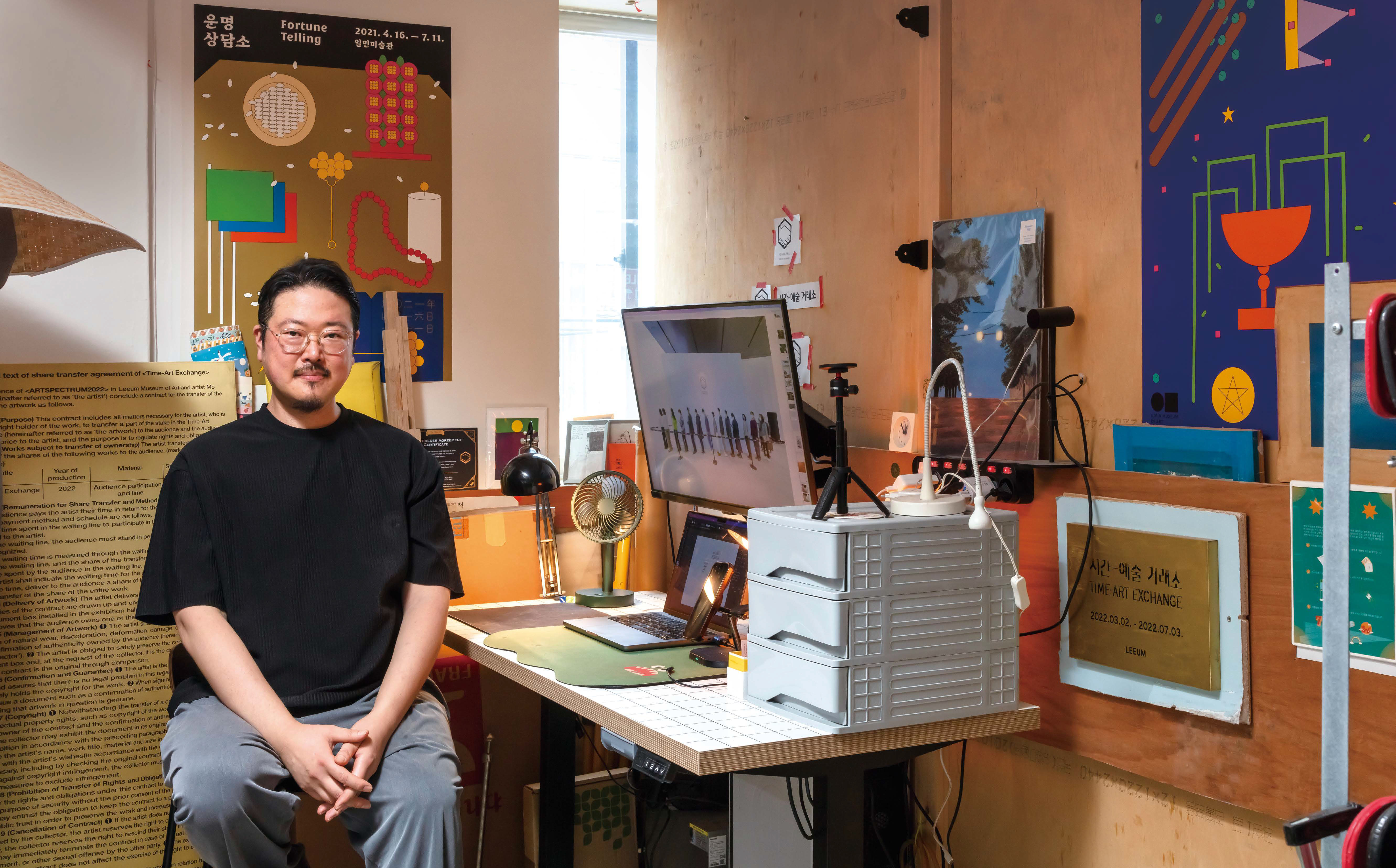
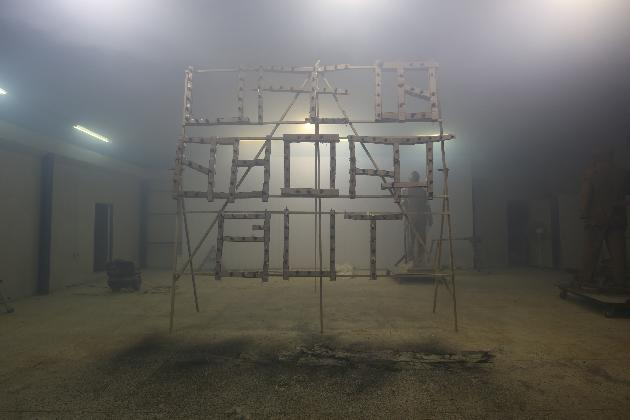
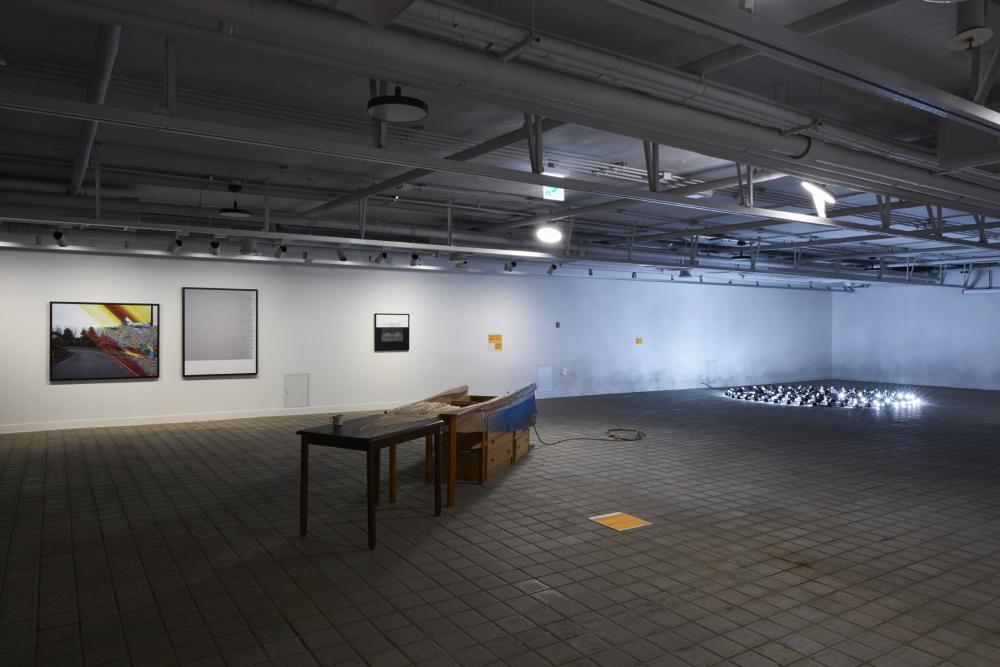
This essay traces Kim’s major works—Time-Art Exchange (2022), Propaganda Room (2022), Under Your Feet (2021, 2025), and his recent work Ritual for Unproductive Art (2025)—to examine how his practice, through “rituals of unproductivity,” disrupts contemporary art institutions and opens new sensory and conceptual horizons.