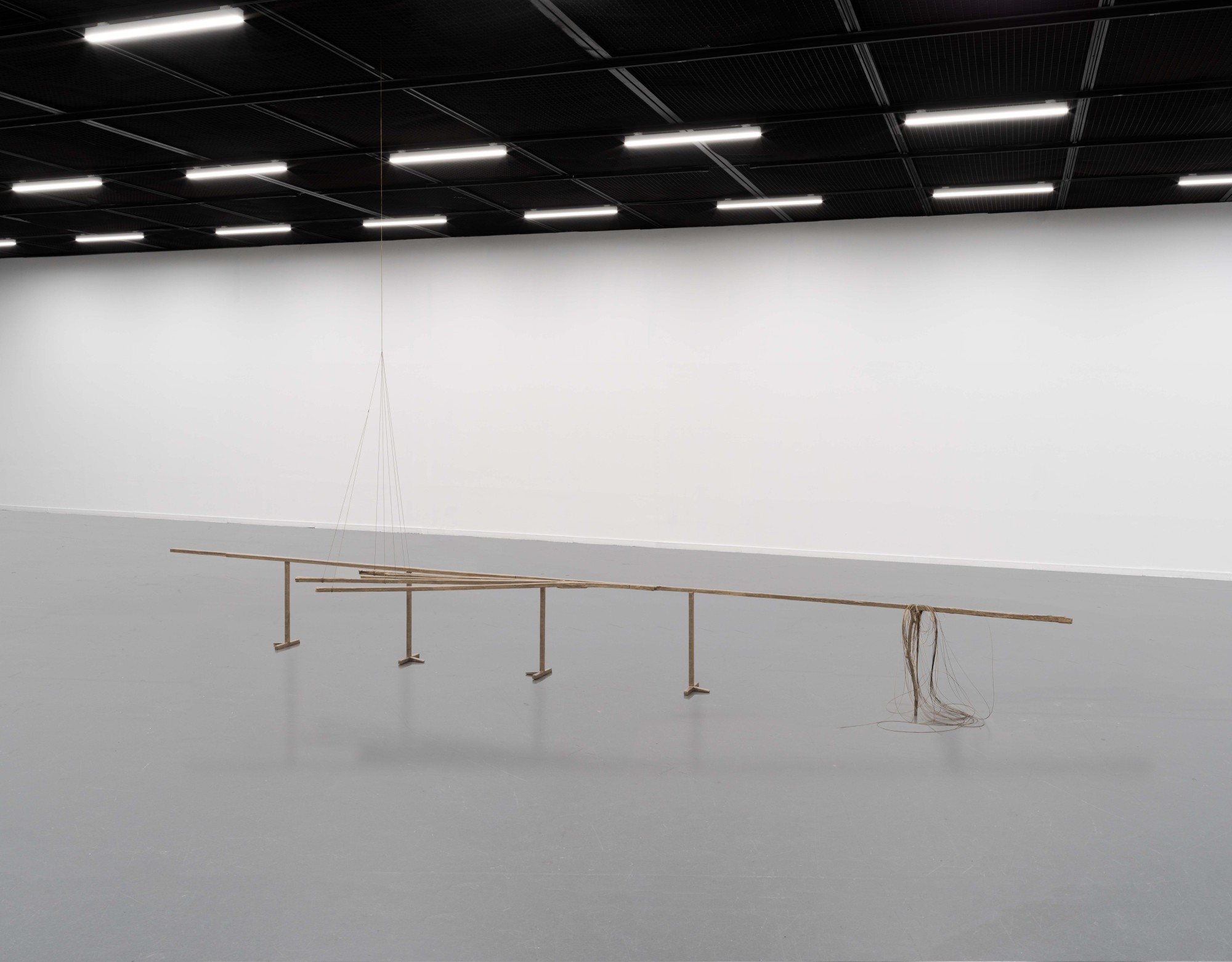
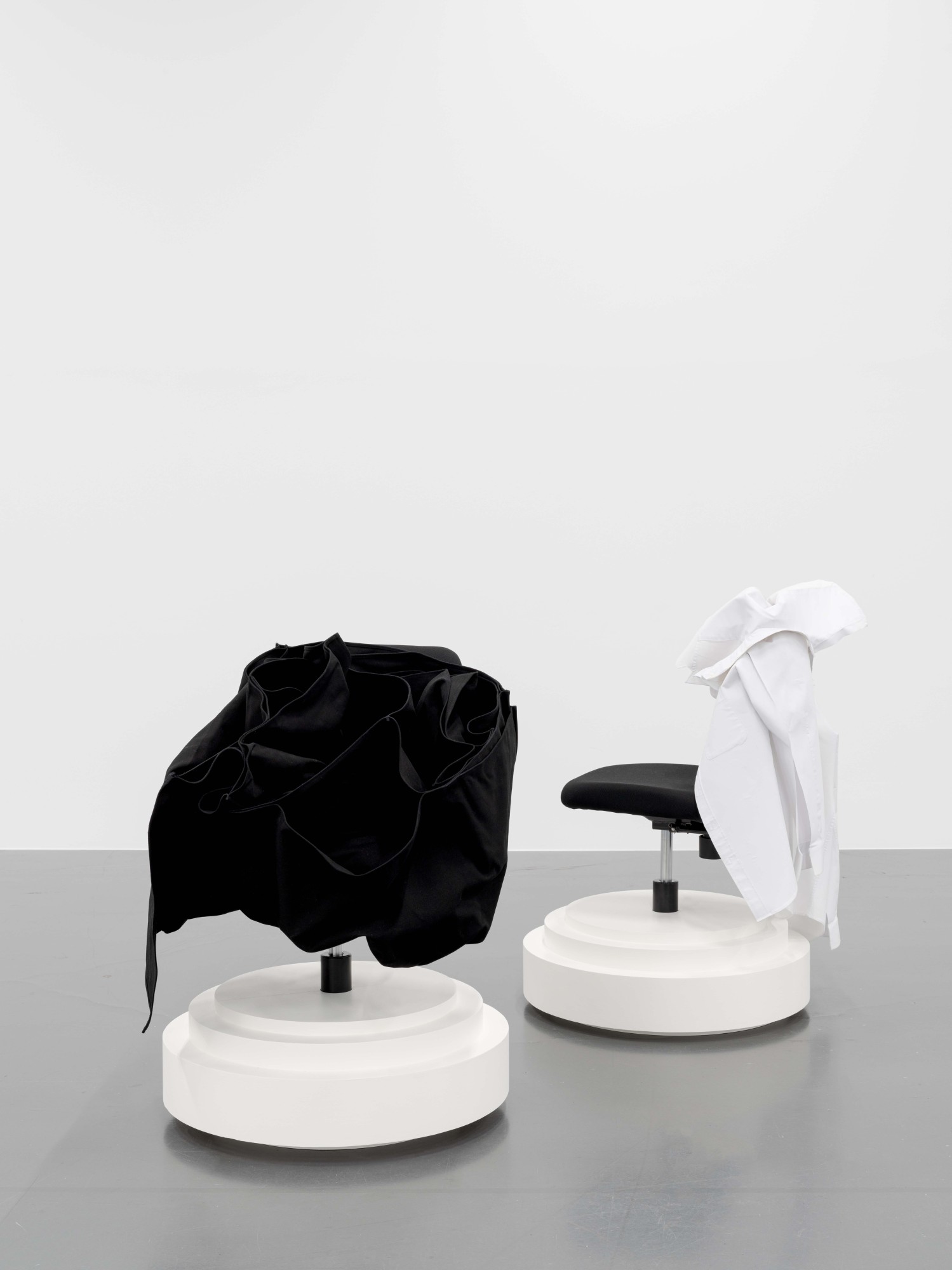
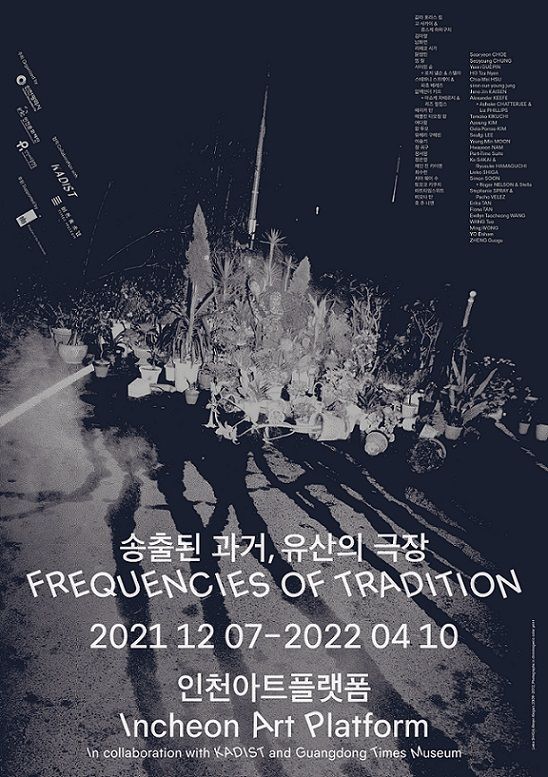
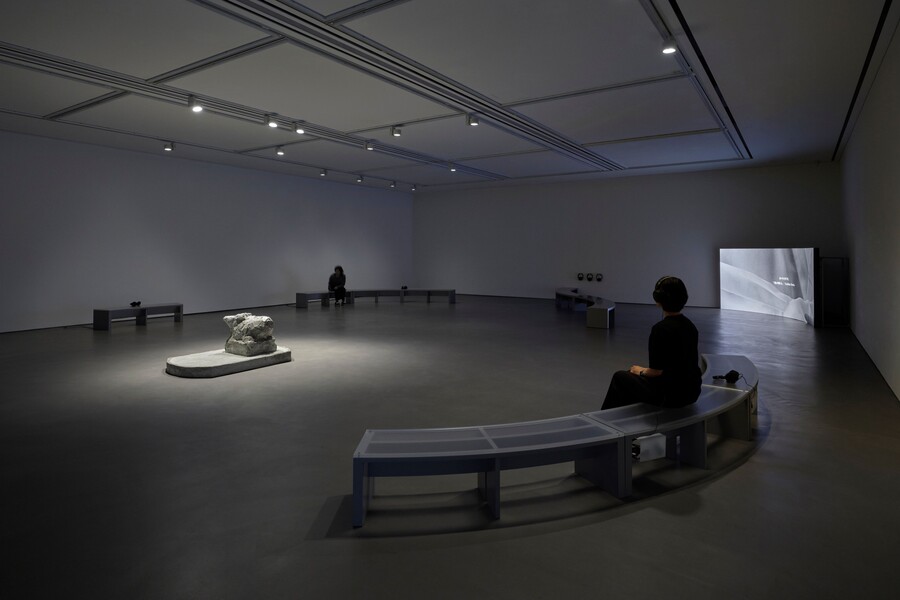
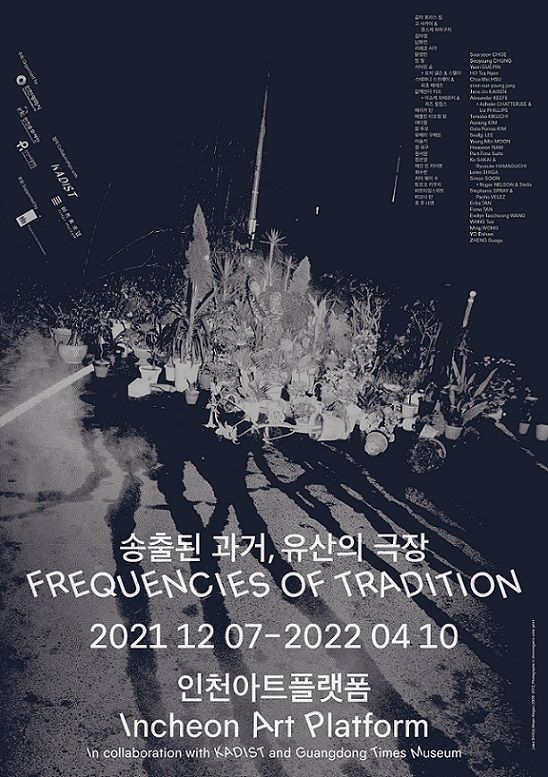
《FREQUENCIES OF TRADITION》 departs from an understanding of tradition as a space of
contestation, where one can critically reflect on Asian modernization and
pluralize our comprehension of the regional modern. Tradition is still a part
of people’s daily lives in Asia, connecting generations and serving as a living
archive of the future emergence of cultures.
On the other hand, tradition is
also estranged by perceptions as a source of patriarchy, authoritarianism, and
outdated customs. It has also been further refracted and complicated through
other prisms of pan-Asianism, Orientalism, the Cold War ideology, and
nationalism.
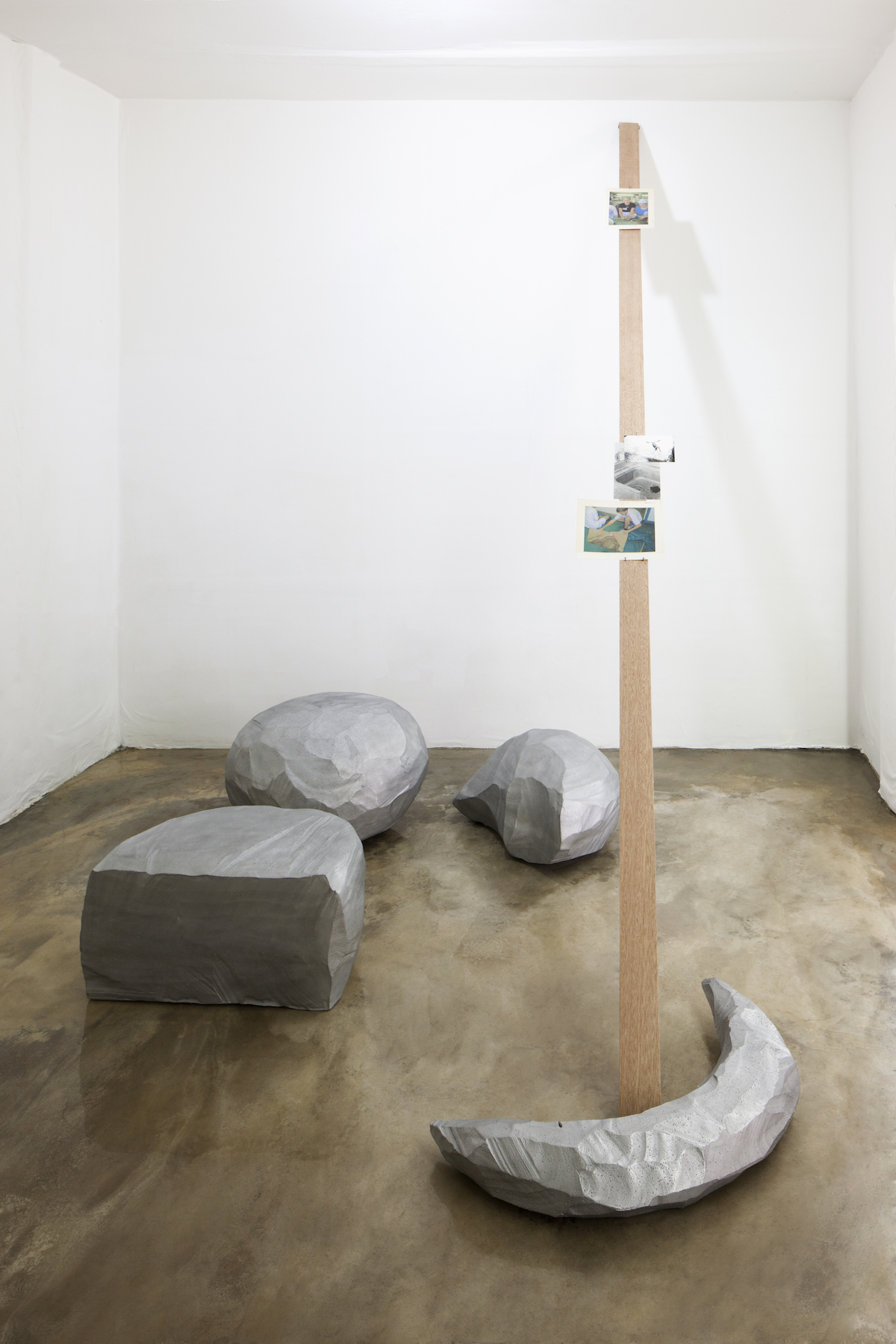
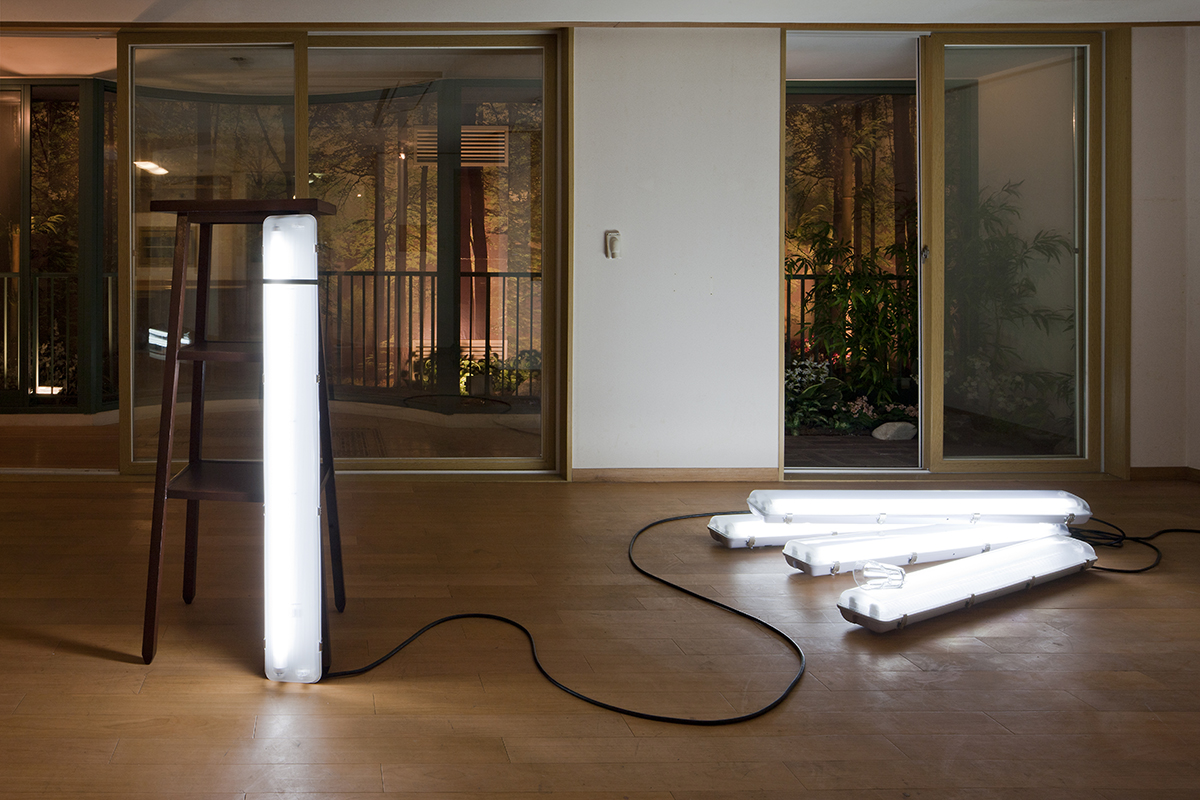
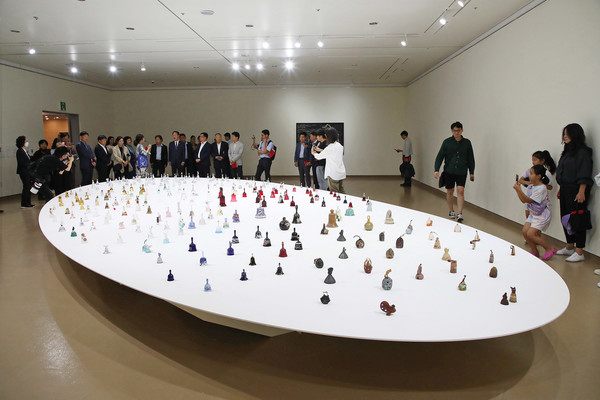
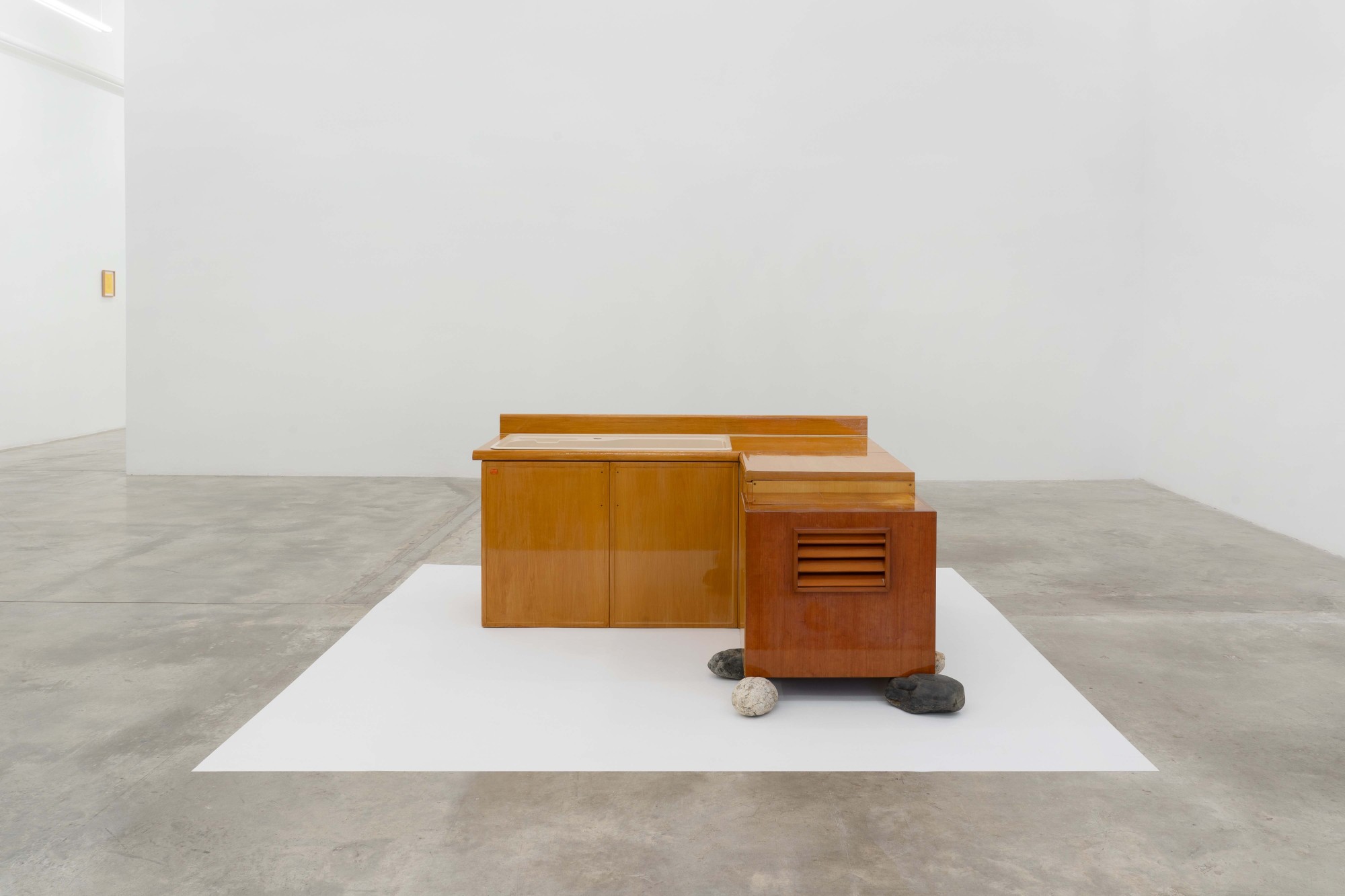
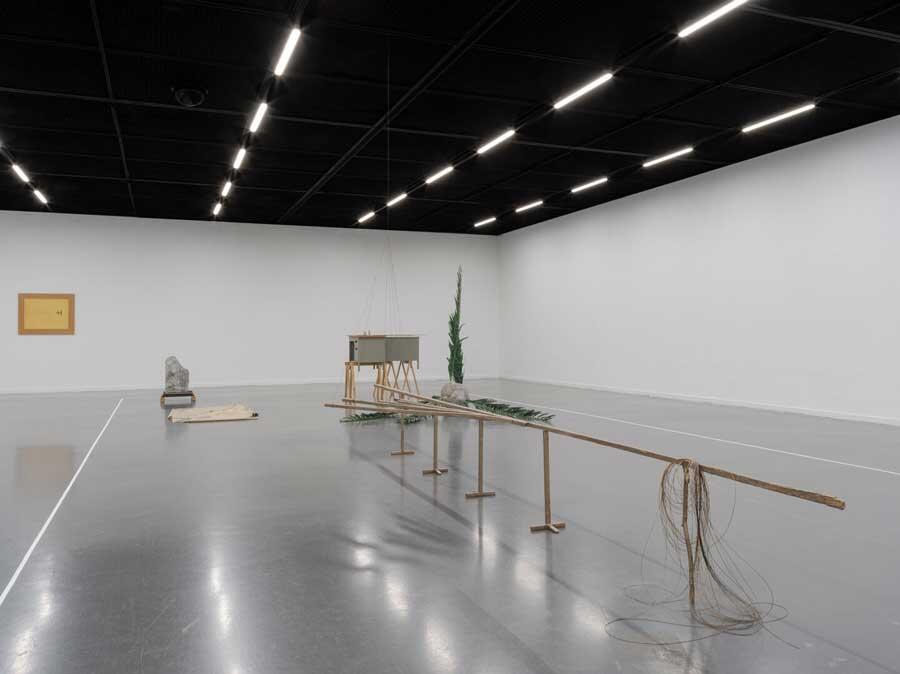
The works in the exhibition
unravel this comprehensive notion of tradition. They illuminate the art of
narrating and reenacting the old; old and ancestral symbols that bring a sense
of belonging and spirituality; cultural things that sustain and stimulate the
community’s belief system; all relating to on-going cultural reproductions, and
the substantive nature of tradition in vulnerability and transformation.
They
bring attention to historical narratives where tradition collides with 20th
century modernization in Asia while presenting the practice of ideas,
beliefs and methods as an intriguing medium today, one far from authentic
traditionalist approaches or a museological taxidermy of the past. Old
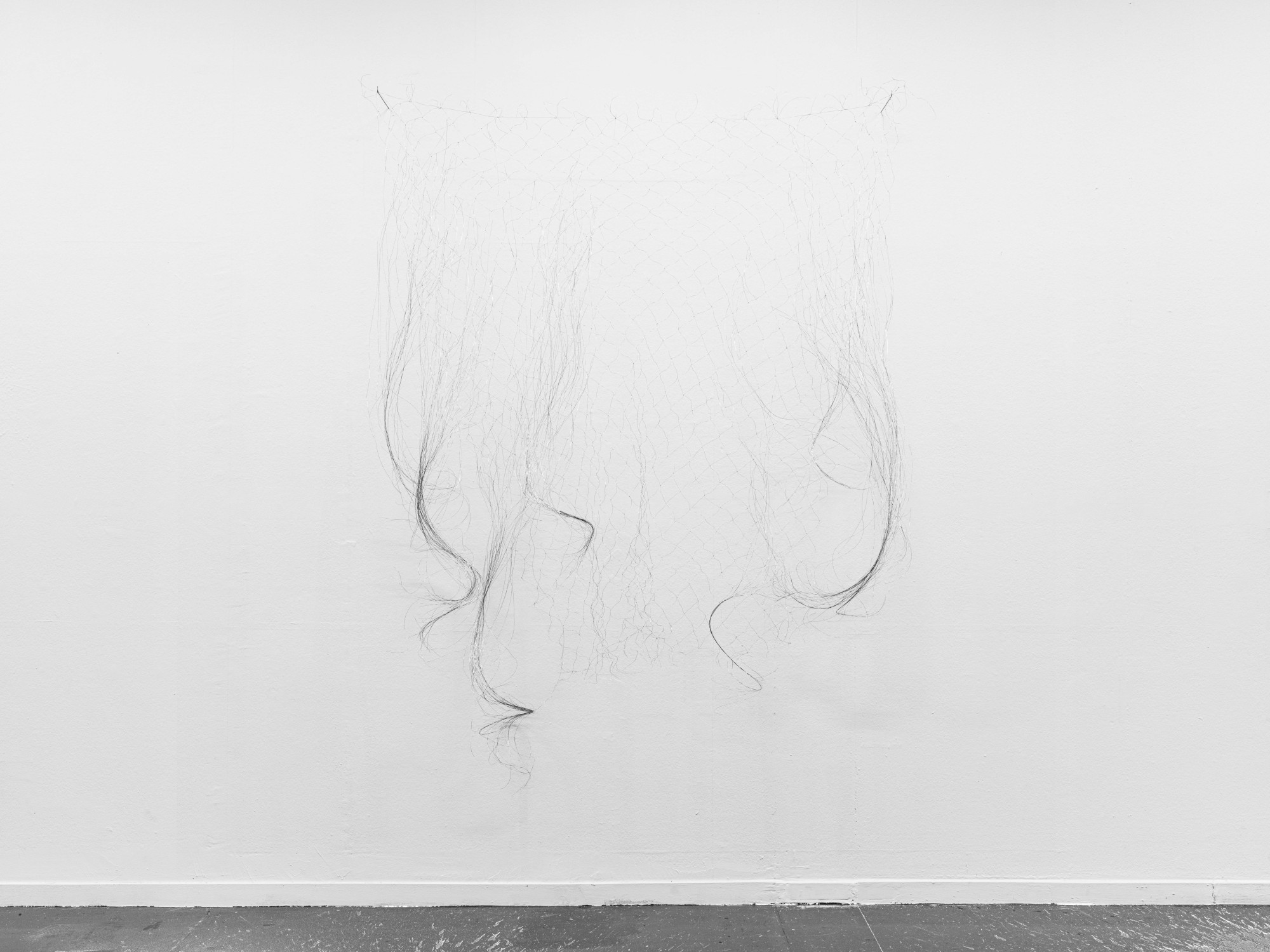
traditional techniques such as crafts are invoked, like weaving and traditional
ink paintings. Ancient animism reveals the speculative memory potential of the
Earth. Ruins summon an emotionally and psychologically complex reality that
sways between the modern and the non-modern.
Lastly, the portraits of unruly
women who go beyond colonial borders, the oral transmissions of the elderly
that empower a ravaged community, generations of delightful pilgrimage
sustained by modern machines; and the queering traditions that entangle with
the gender-other community show us how the ebb and flow of tradition is not
reliant on certain official authorities.
Through fascinating collective
memories, spirituality, archival imagination, different technological
engagements, and empowerment, the exhibition finally reveals a mode of the
ungovernable. While asking how the development, modernization, the violence of
conventions, nationalism, and the norms of such histories still manifest and
continue today, the exhibition uncovers an enthralling artistic space that
entangles with a new imagination of tradition, where one can encounter the
vernacular, disparate, and plural state of regional modernization.
The bodies,
singing, chanting, and dancing with sound and rhythm, became a sphere to
transmit the memories of community, stories of nature, and therefore the coming
of another regional historical narrative.