No.9 Cork Street concludes its 2022 programme with solo shows of Yunchul
Kim, representative of 2022 Venice Biennale Korean Pavilion, Chung
Seoyoung, a defining sculptor of the Korean contemporary art scene since
1990's, and Sojung Jun, awardee of 18th Hermes Foundation
Missulsang. The exhibitions are presented by Seoul-based gallery Barakat
Contemporary and will run from 1-17 December 2022, with
an Artist Talk of Chung Seoyoung with Chus Martinez (Director
of FHNW Academy of Art and Design, Basel) taking place on 1 December,
4-6pm at No.9 Cork Street.
Barakat Contemporary: Yunchul
Kim, Chung Seoyoung & Sojung Jun
The ground floor exhibition
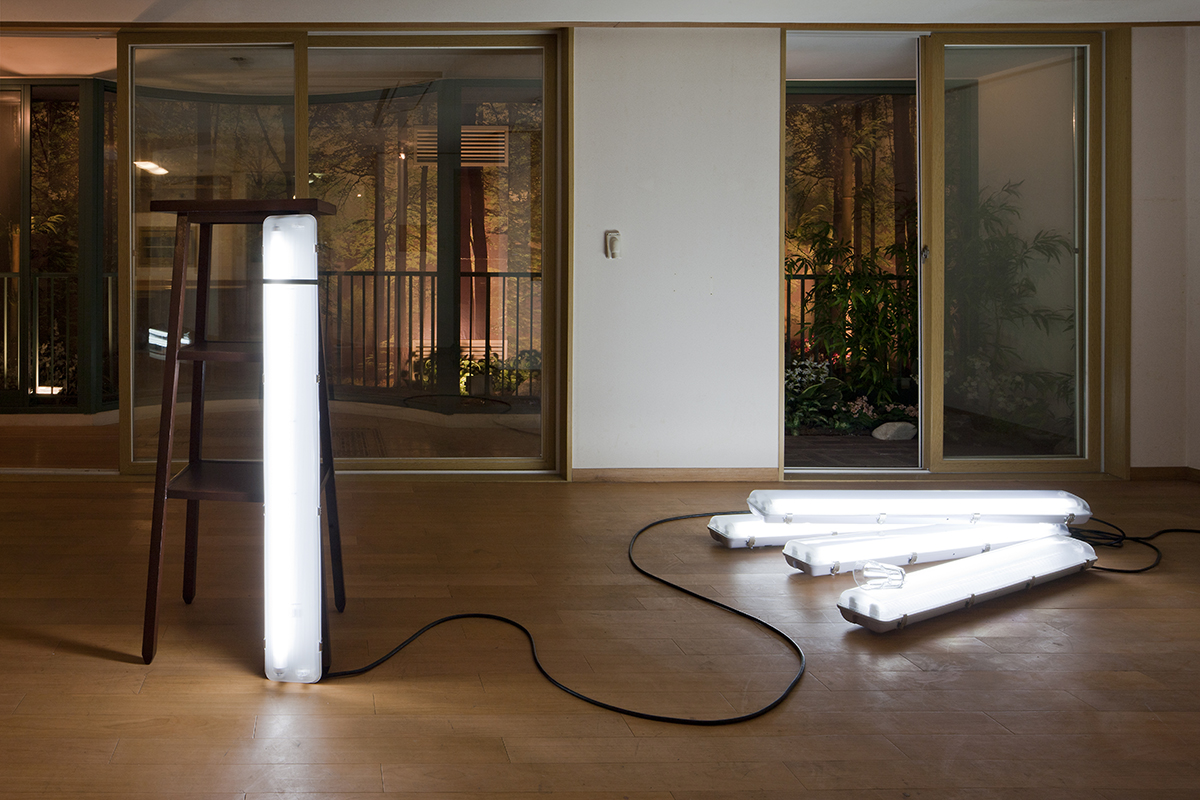
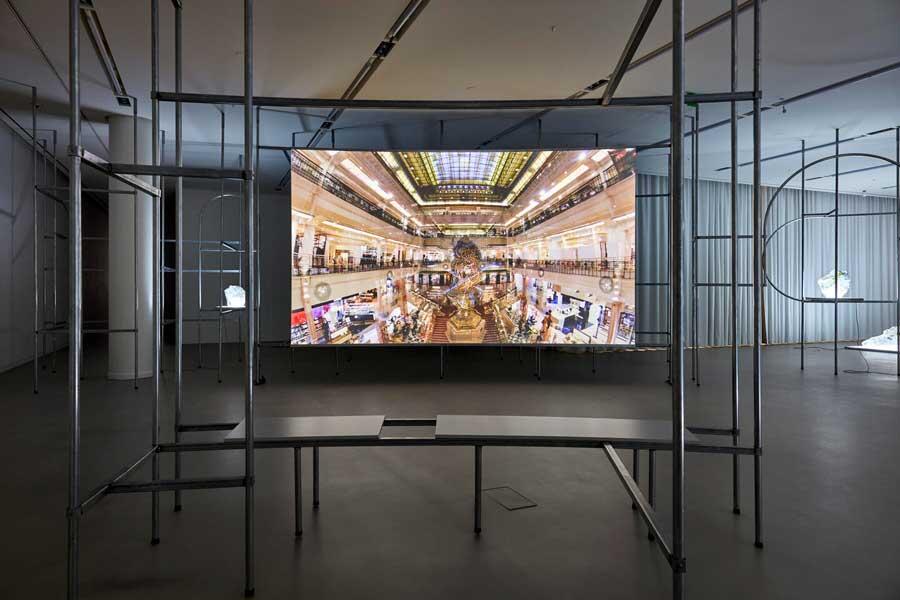
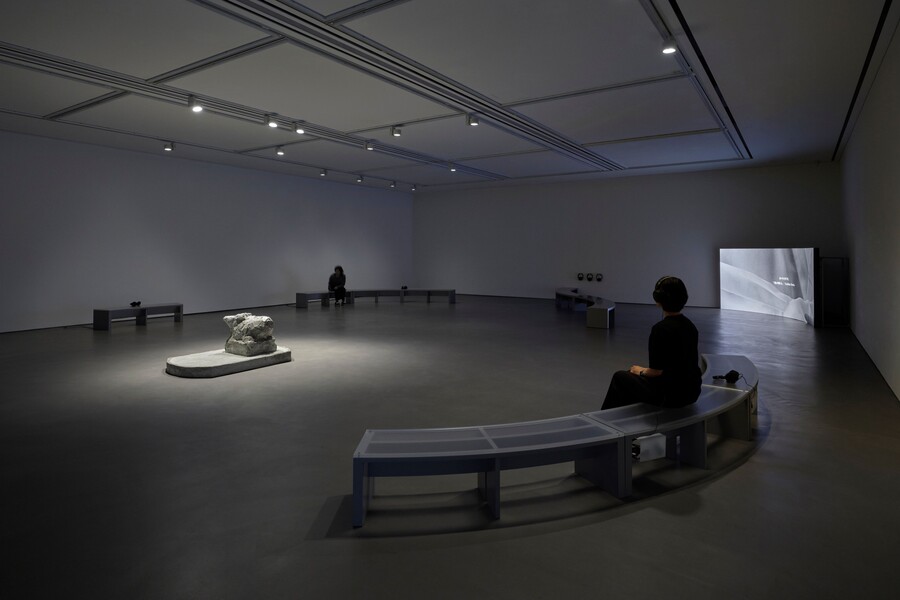
includes a new variation of Yunchul Kim's installation 〈i.La Poussière de Soleils (The Dust of Suns), 2022, first
shown at the Korean Pavilion at 2022 Venice Biennale. A nod to French poet
Raymond Roussel’s play ‘La Poussière de Soleils (The Dust of Suns)’, the
installation is a living sculpture that merges the artificial and natural to
create a kaleidoscope of colours. The exhibition continues with a new triptych
drawing by the artist titled Dawns, Mine, Crystal,
2022, as well as the latest of his iconic kinetic installation series ‘Chroma
VI’, 2022.
At the foundation of Kim's "living" creatures is his
interest in the essence or the innate physical properties of materials, making
visible a different kind of reality from what is immediately perceptible to our
human senses. Exploring the artistic potential of the "world of
materials" - a universe perceived as an embodied, physical precursor
of linguistic expression, Kim calls attention to the world where humans,
objects, materials, and matter interact in continuous entanglement.
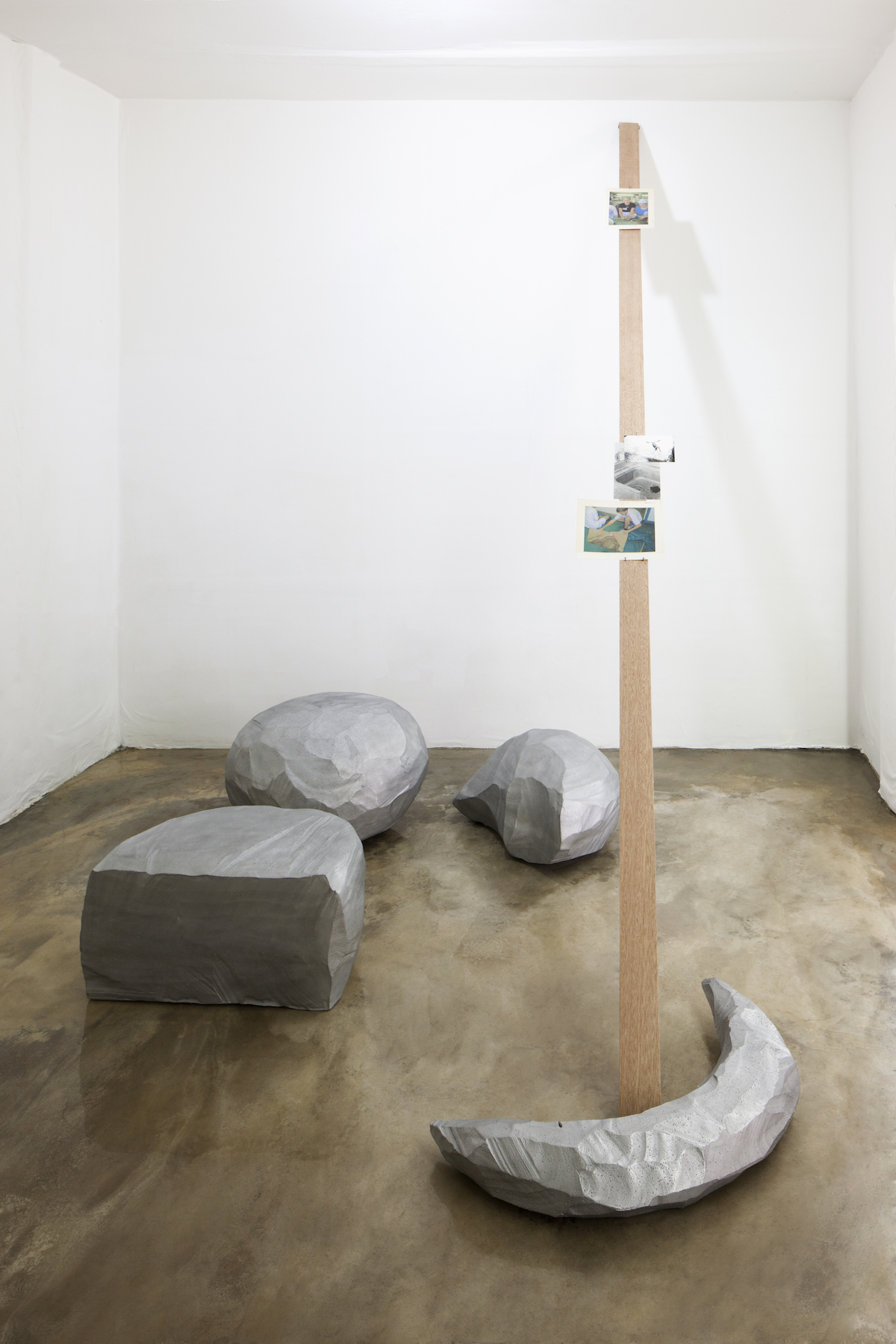
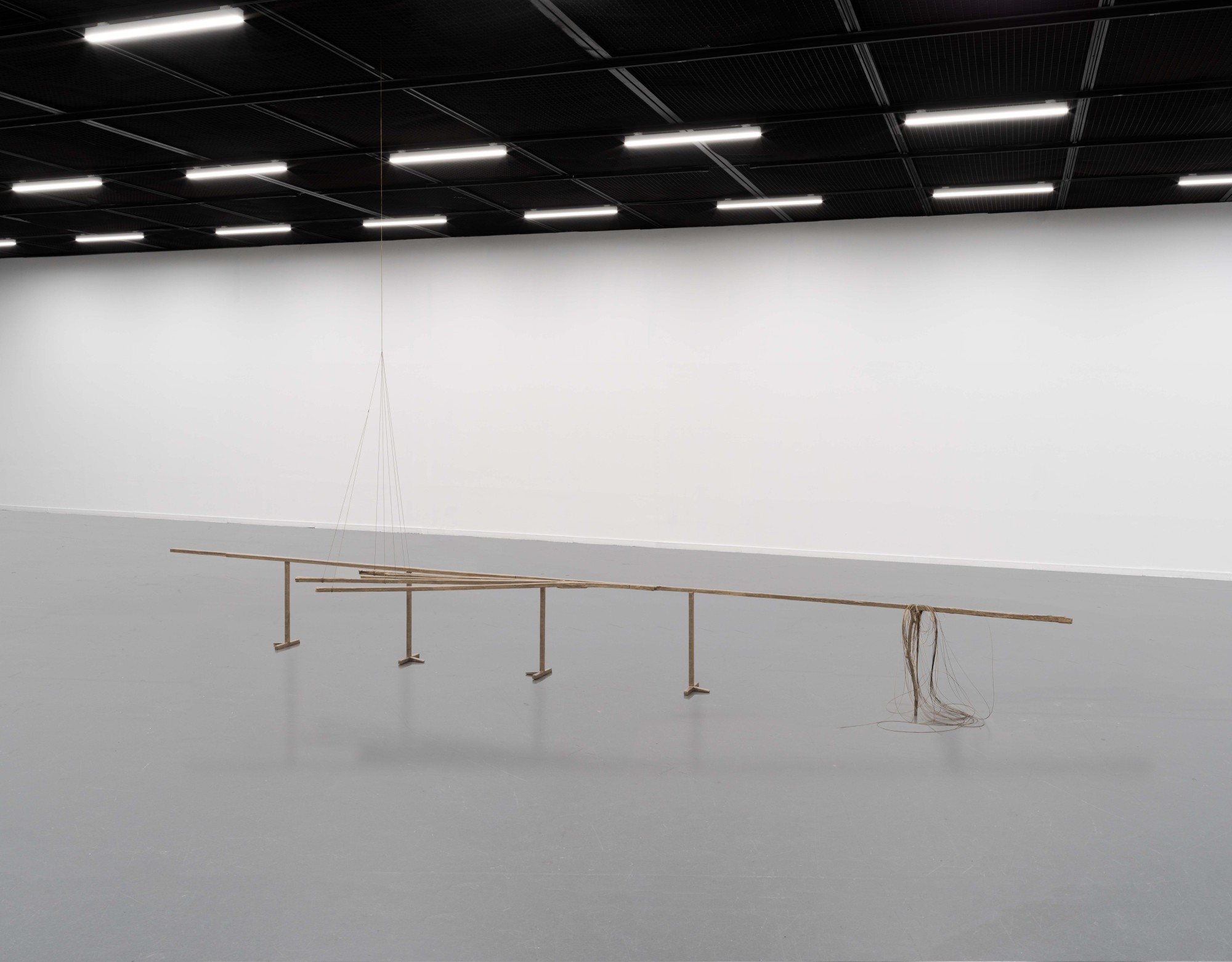
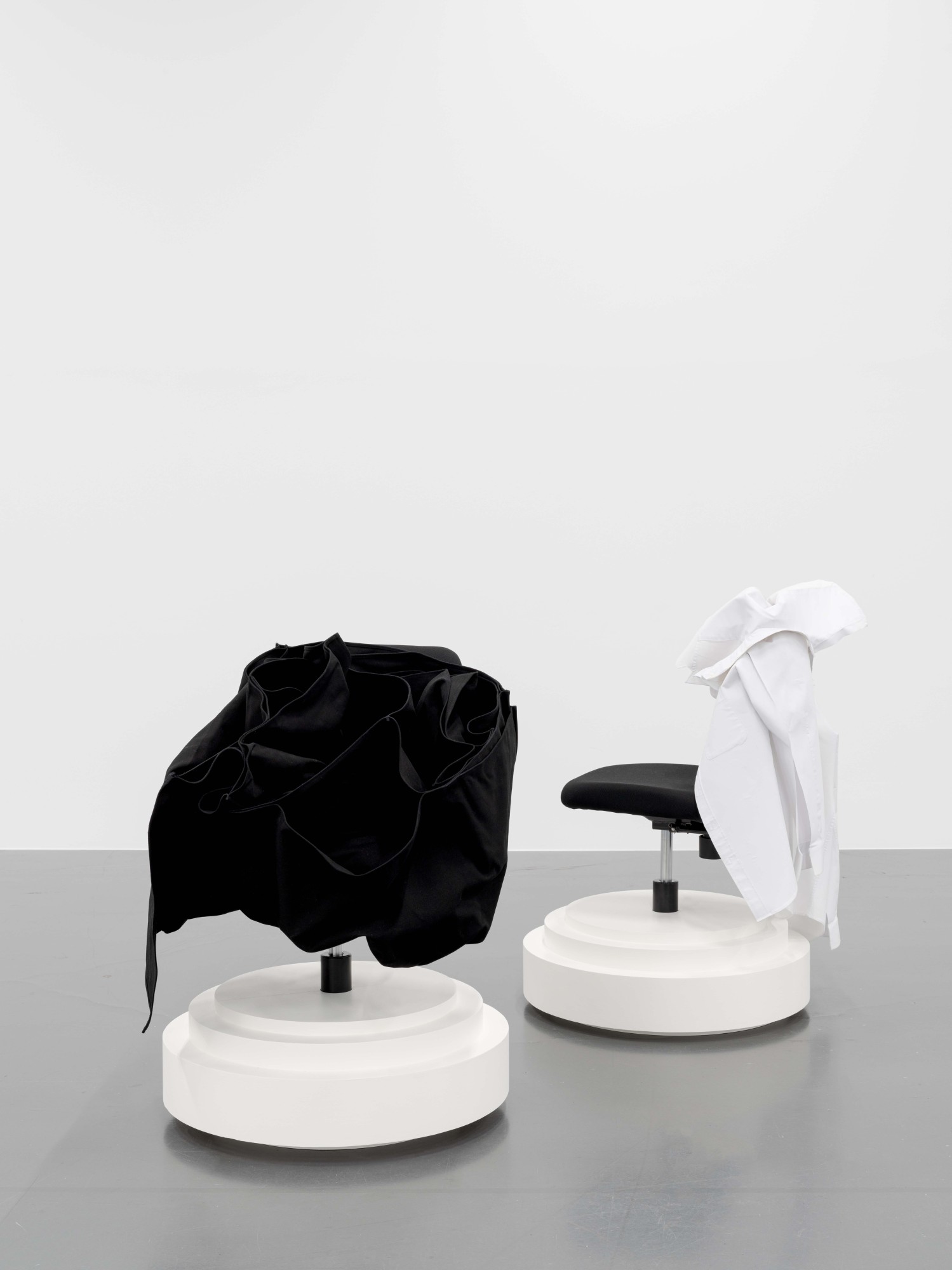
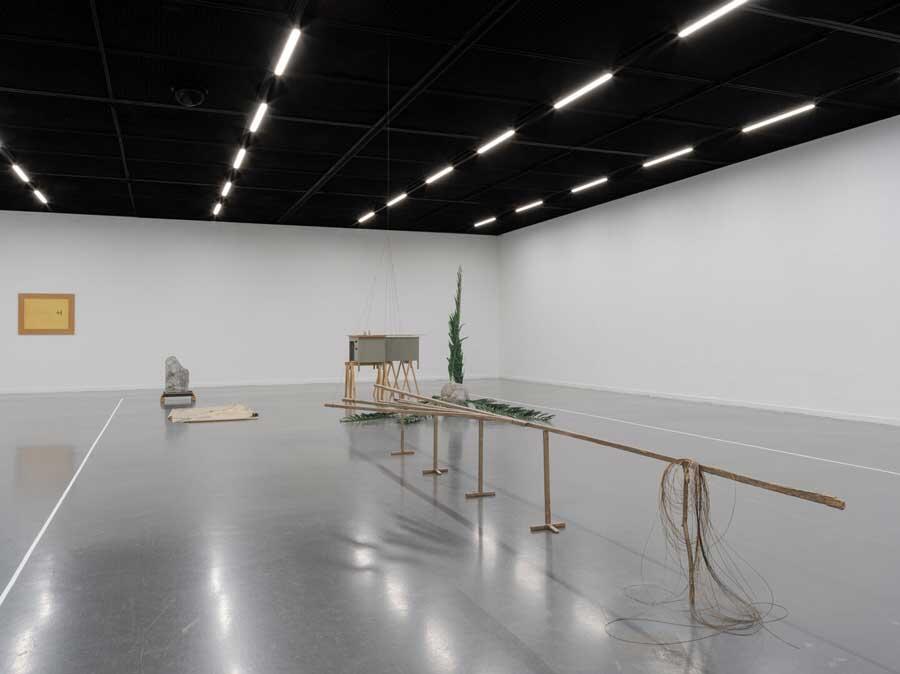
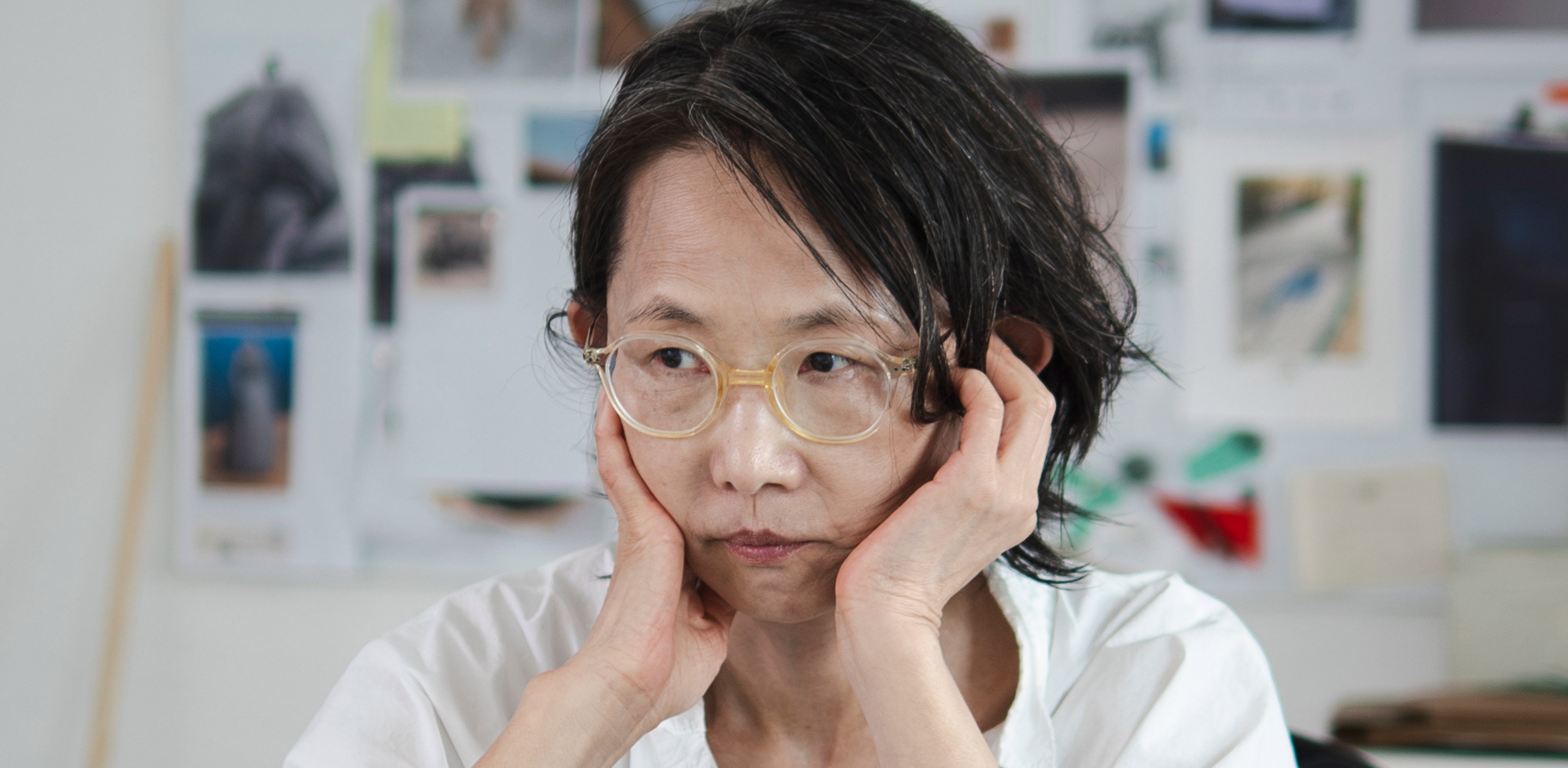
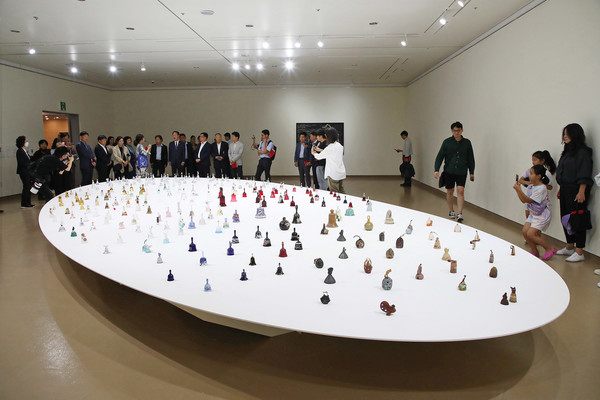
Gallery 2 presents a solo
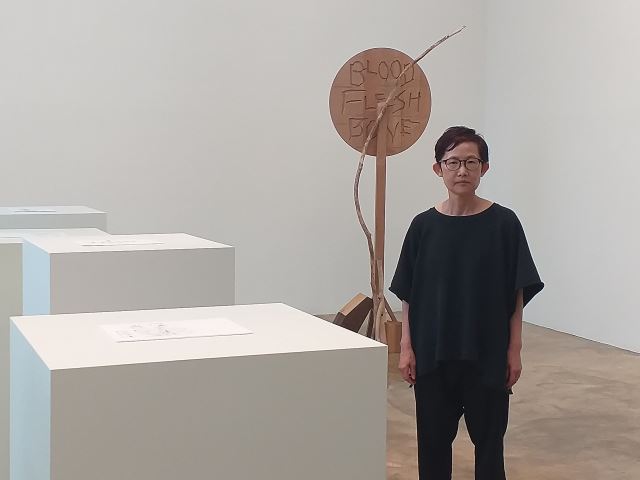
exhibition of Chung Seoyoung, previously shown at Seoul Museum of Art (Seoul)
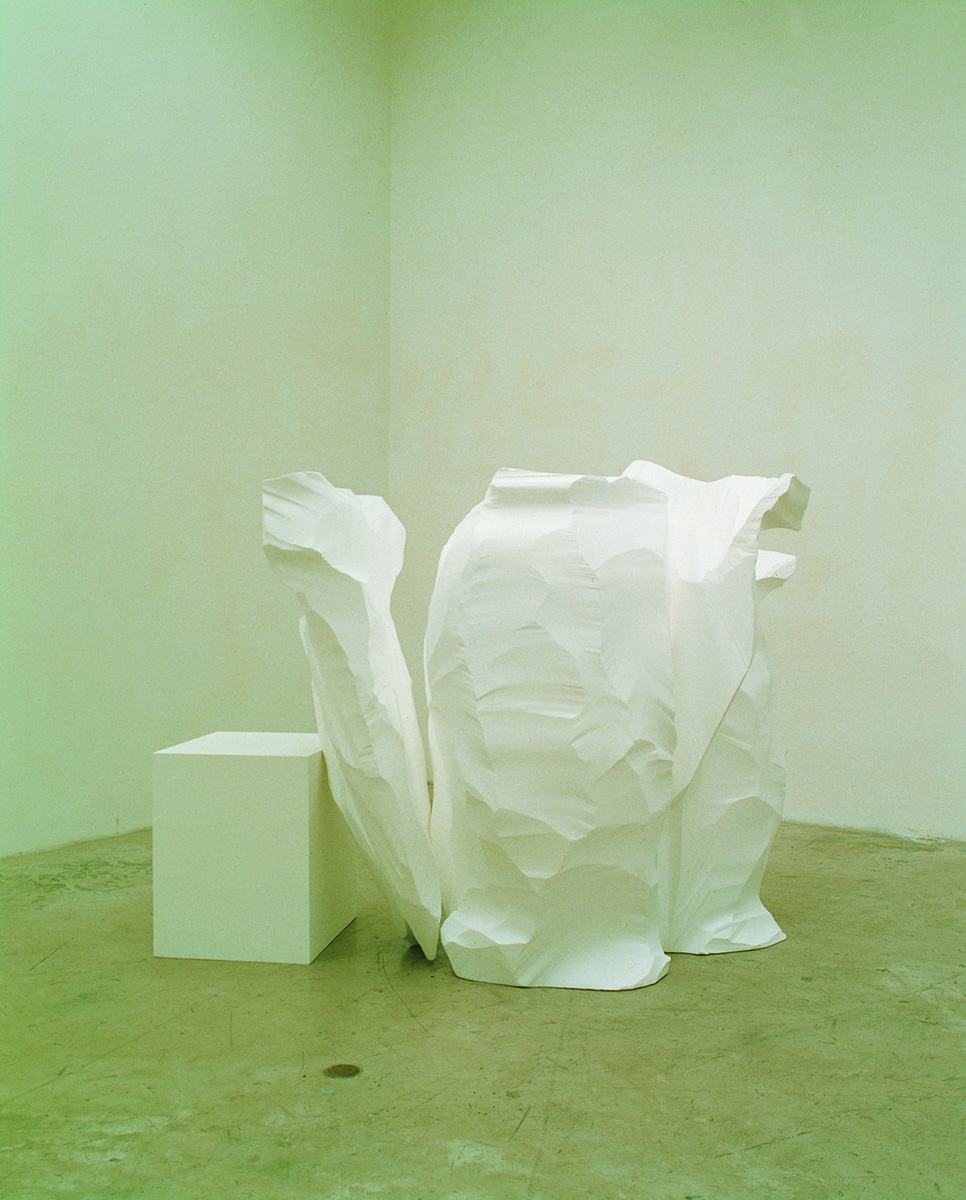
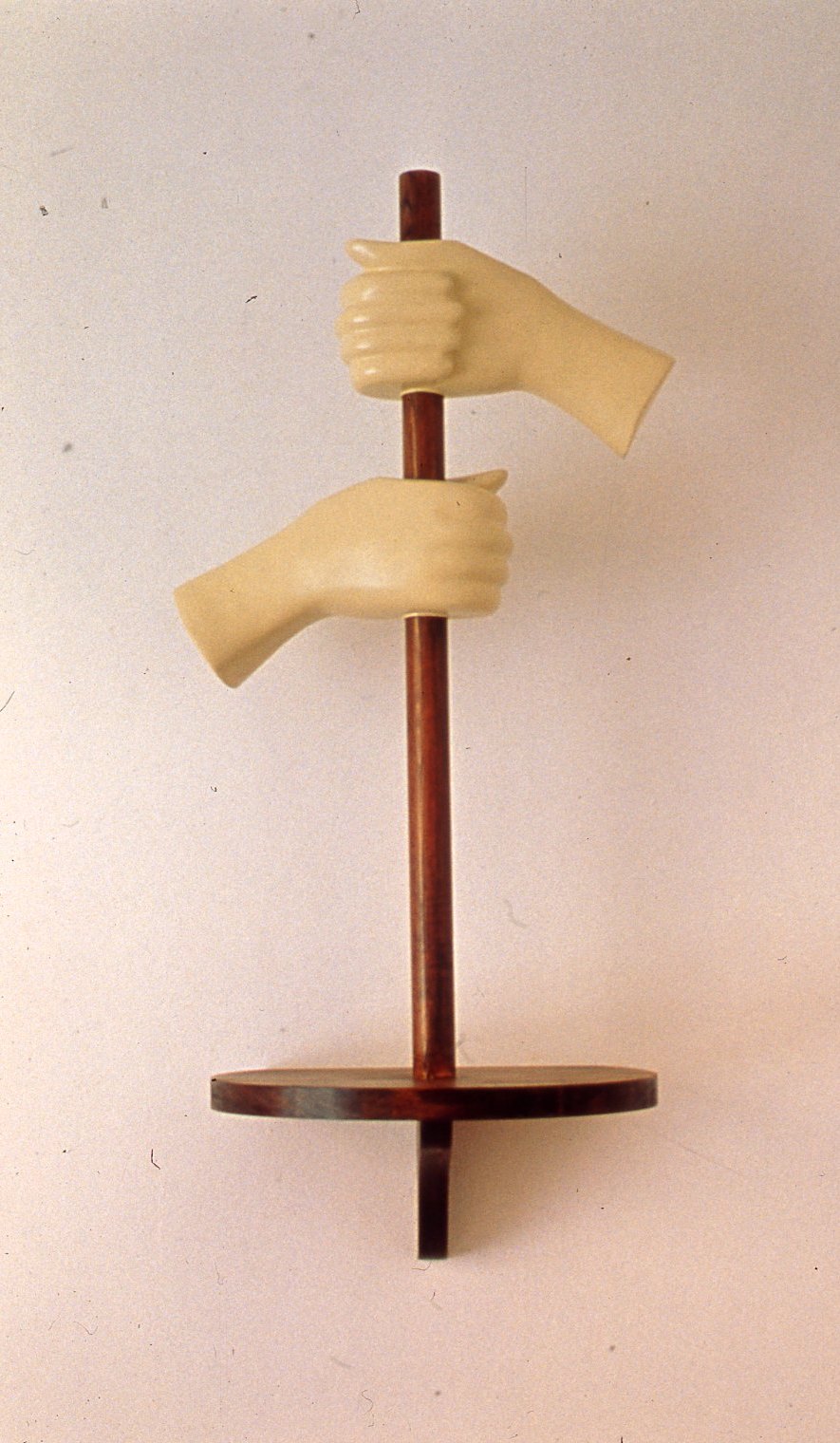
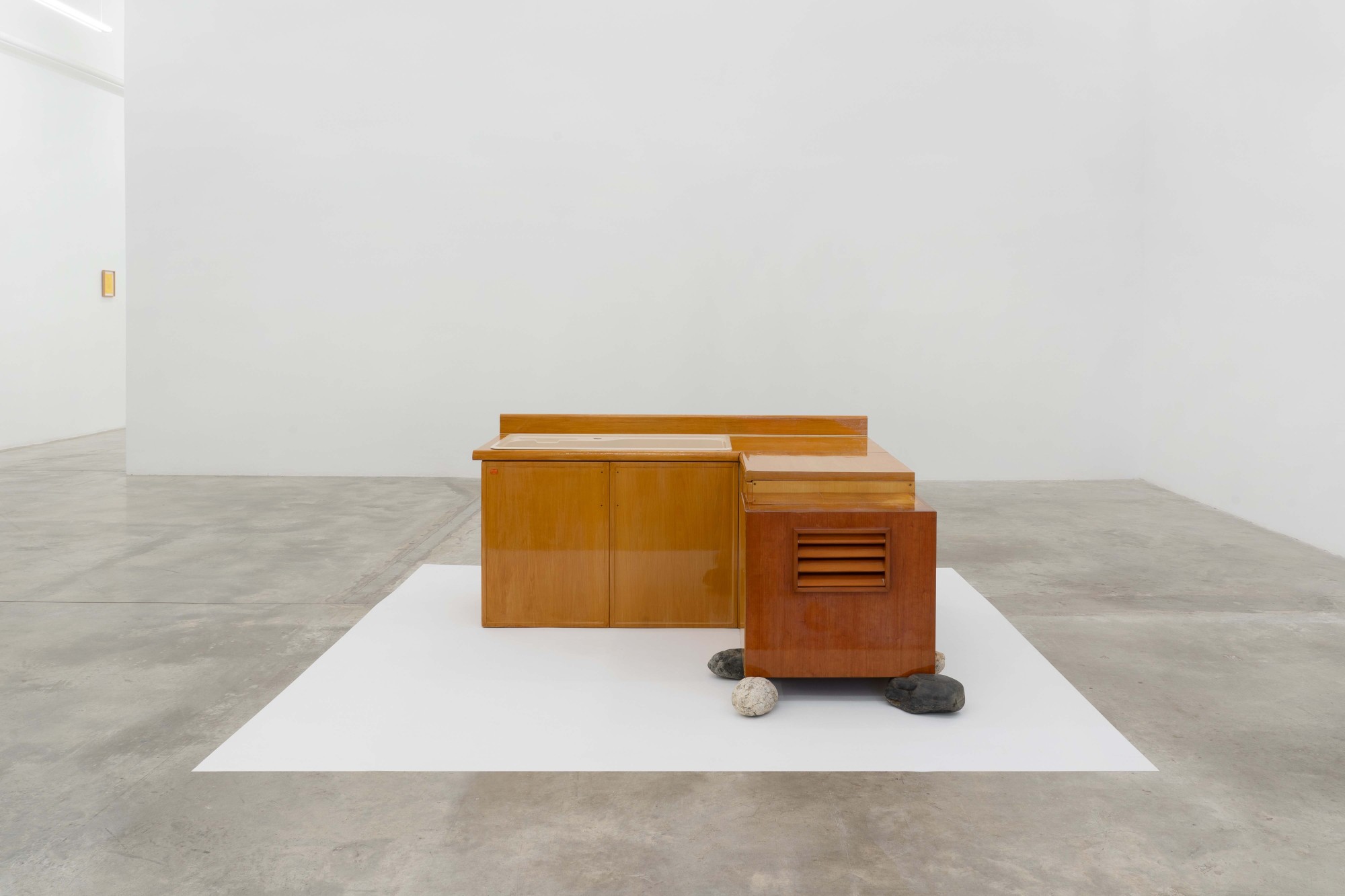
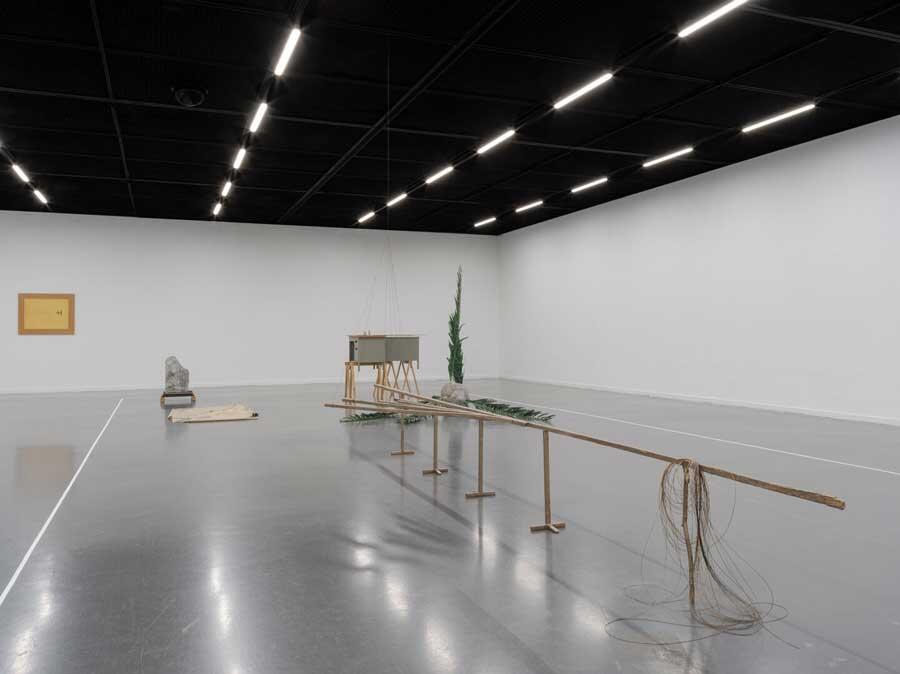
earlier this year. Chung explores the changed status of found objects through
sculptural acts of casting, assembling, and balancing. She visualises the
unknown area, which unexpectedly protrudes from the combination of objects that
are seemingly unrelated or cannot be accessed through the existing semantics,
while prompting the autonomous aesthetic language of sculpture.
Since the
1990s, Chung has been an influential figure in shaping contemporary Korean
art, most famously known for her sculptural investigation on the byproducts,
which the artist refers to as “social evidence”, that came from the rapidly
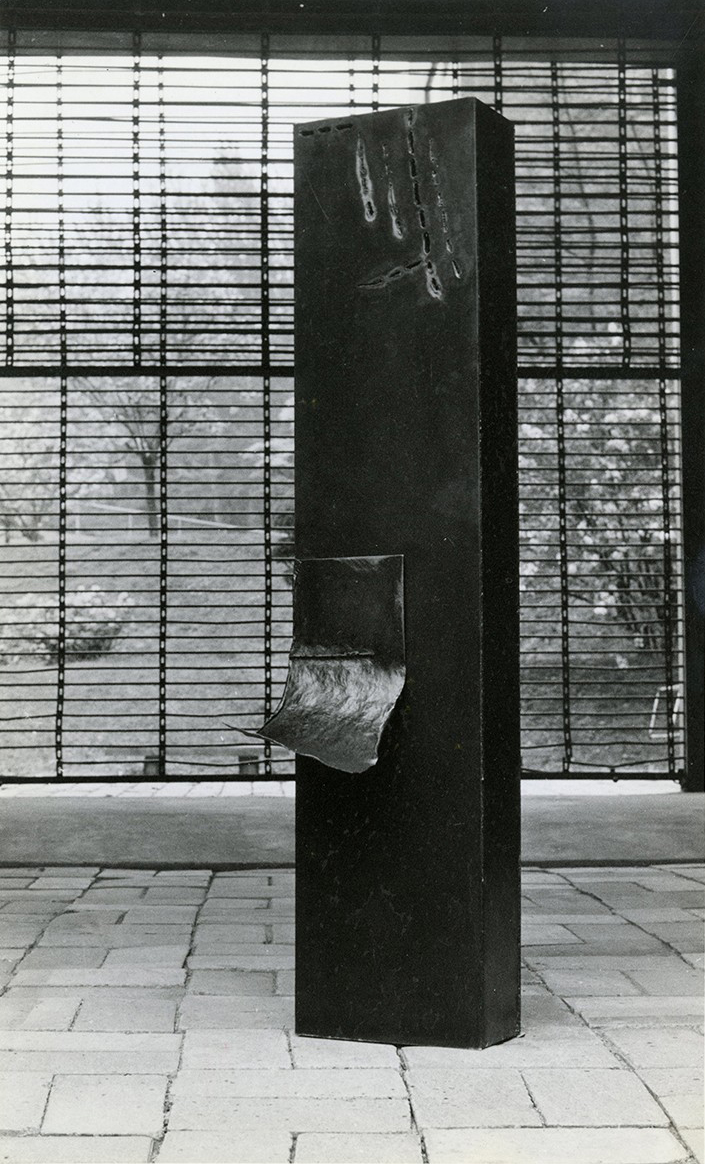
reorganising structure of Korean society. In using the commonly found
industrial materials such as styrofoam, linoleum, plastics, sponges, and
plywood, Chung exposes their material properties in their rawest state while
presenting a form full of implications.
As a result, her sculptures carry
radical and commanding agencies of their own. Chung’s contemplation on the
language-object relationship, multiplicity of sculptural practice, and
transformation of an object into an artwork continues to expand the definition
of matter and material.