Exhibitions
《The 57th Venice Biennale》, 2017.05.13 – 2017.11.26, Giardini Garden (Venice)
May 12, 2017
Yunkyoung Hyun | Yohap News Journalist
The
Venice Biennale, considered the world’s largest contemporary art festival, is
renowned for its prestige within the global art scene and its rigorous artist
selection process. For the 57th edition, which opened this year, 120 artists
from 51 countries were invited to participate in the main exhibition. Among
them, two Korean artists proudly made the list.
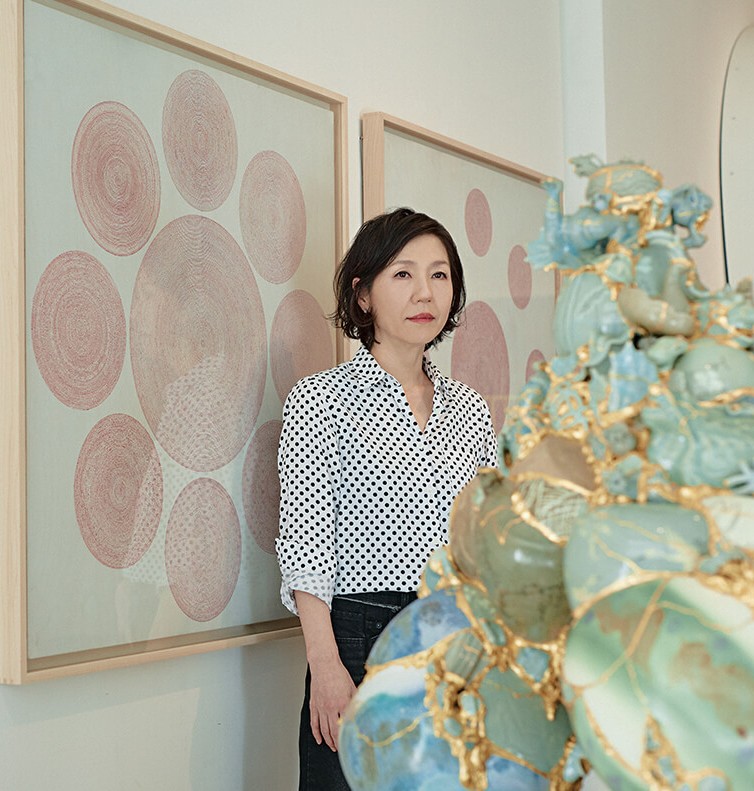
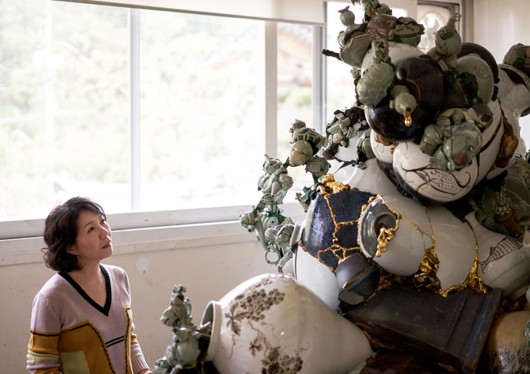
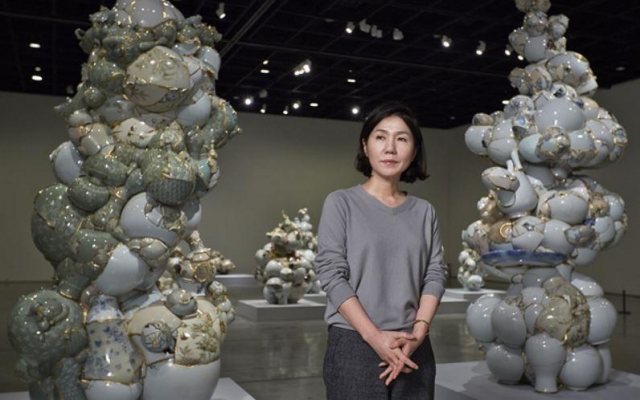
Yeesookyung
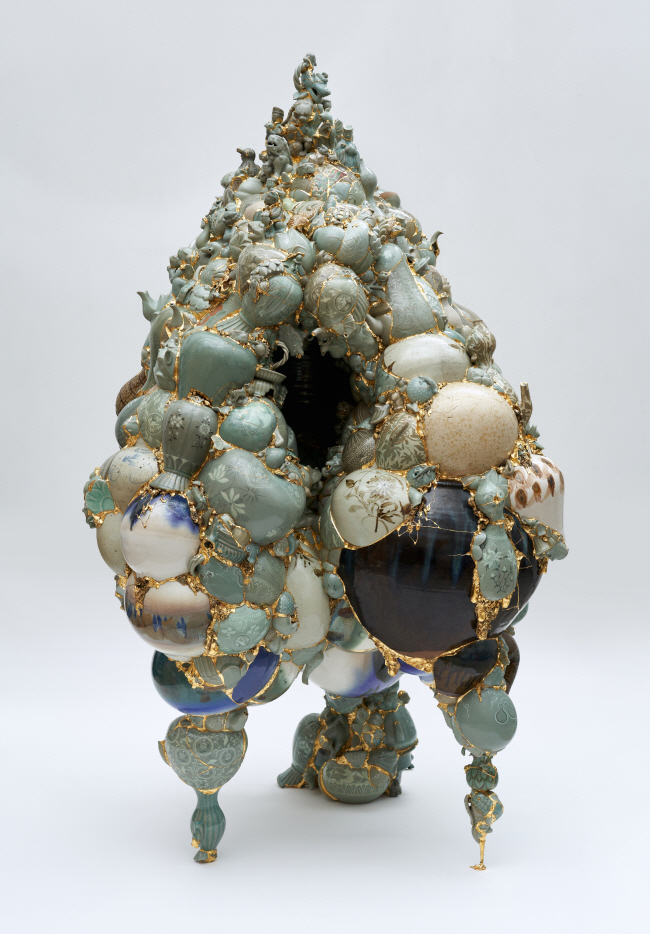
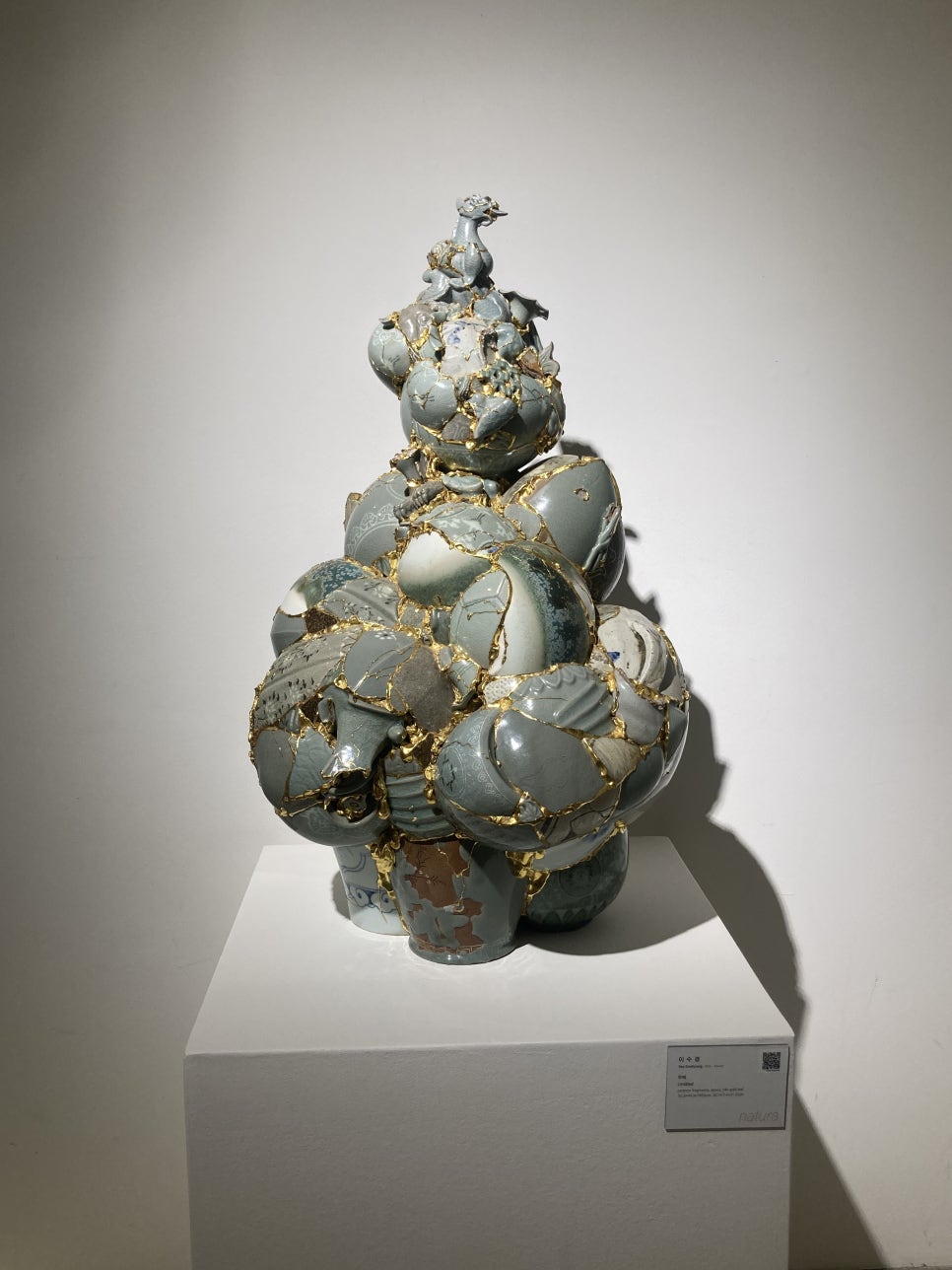
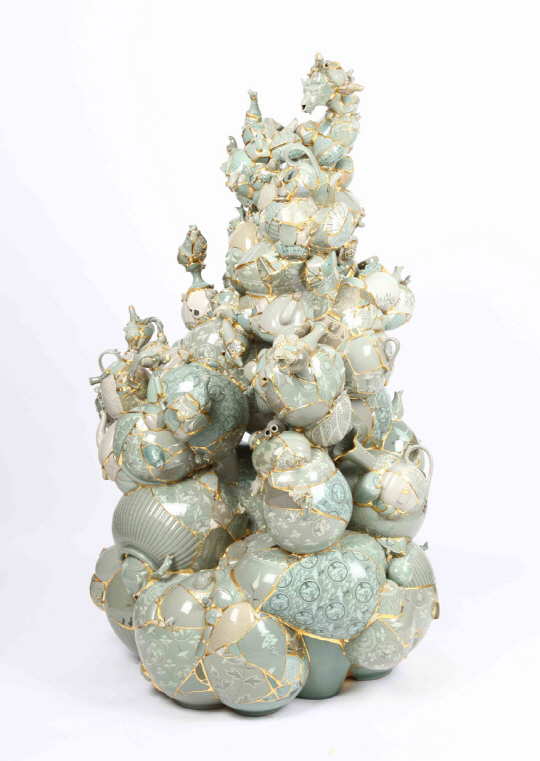
(age 54), known for her Translated Vase series
that reassembles broken ceramic fragments into new sculptural forms, and Sung
Hwan Kim (age 42), a multidisciplinary artist based in the U.S. working across
video, sound, light, sculpture, and drawing, were the featured Korean artists.
Among
the nine sections of the Venice Biennale’s main exhibition, Yeesookyung was
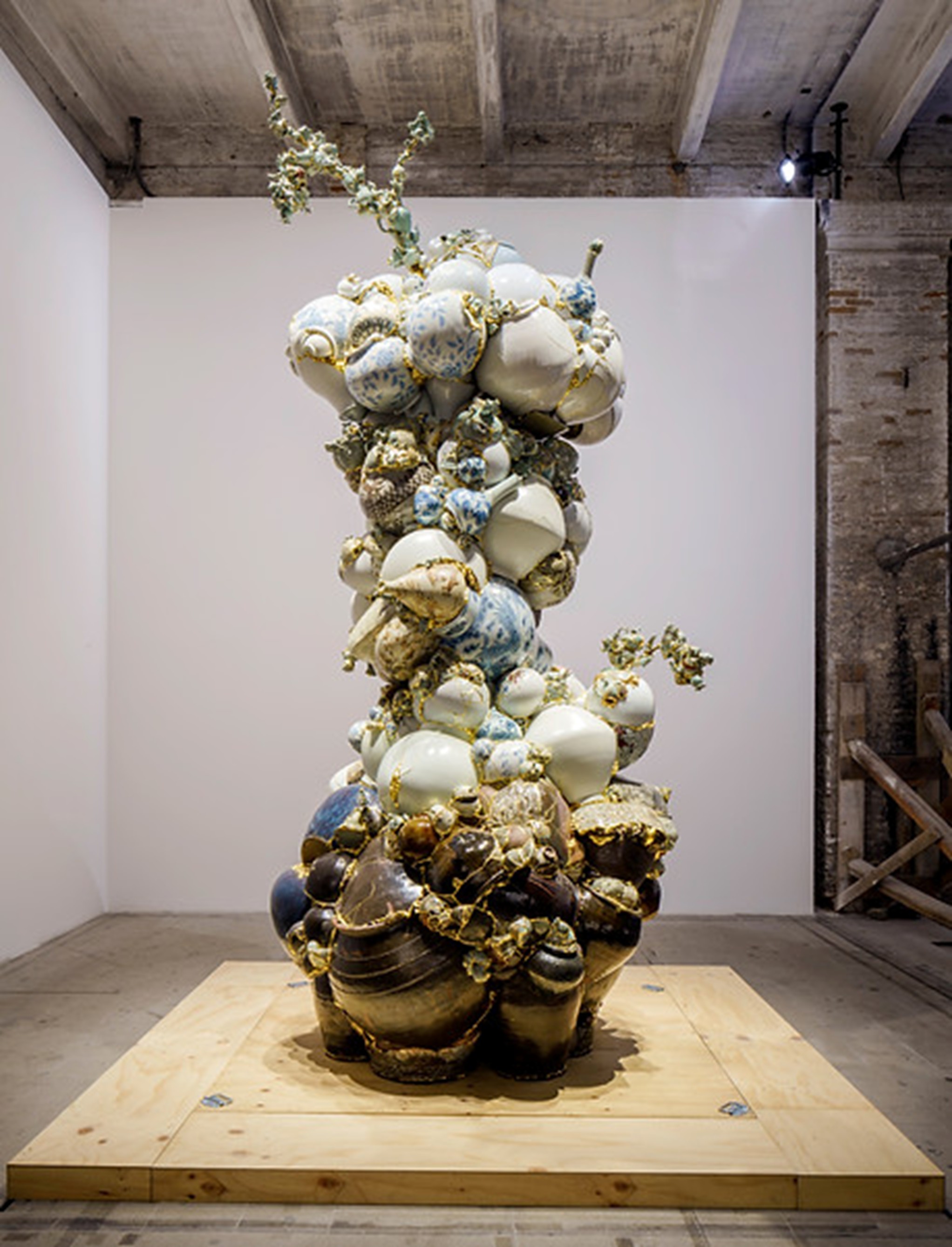
invited under the "Tradition" category. On May 11, she presented her
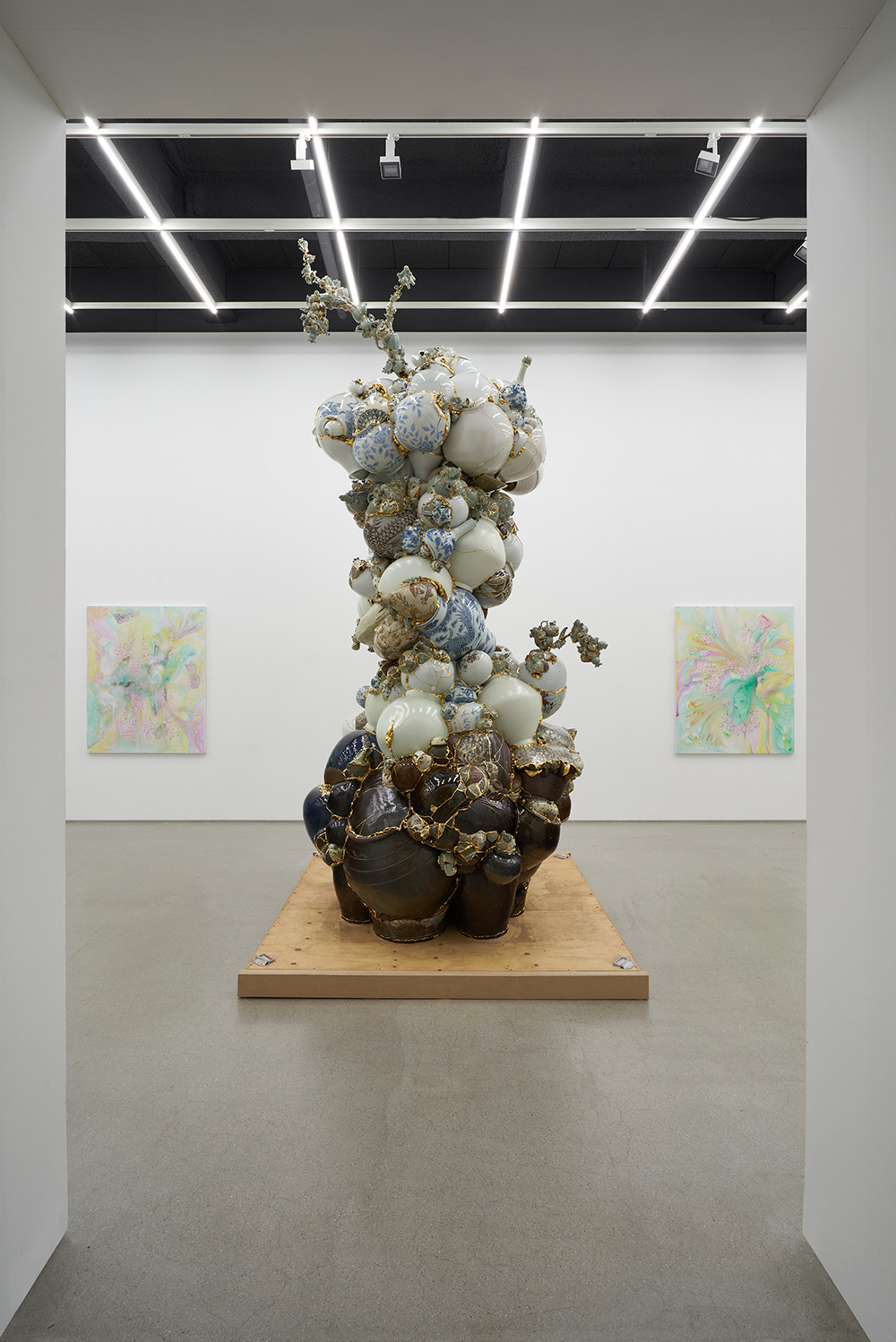
monumental work titled Translated Vase: Nine Dragons in
Wonderland, installed at the Arsenale, a historic Venetian shipyard
converted into an exhibition space.
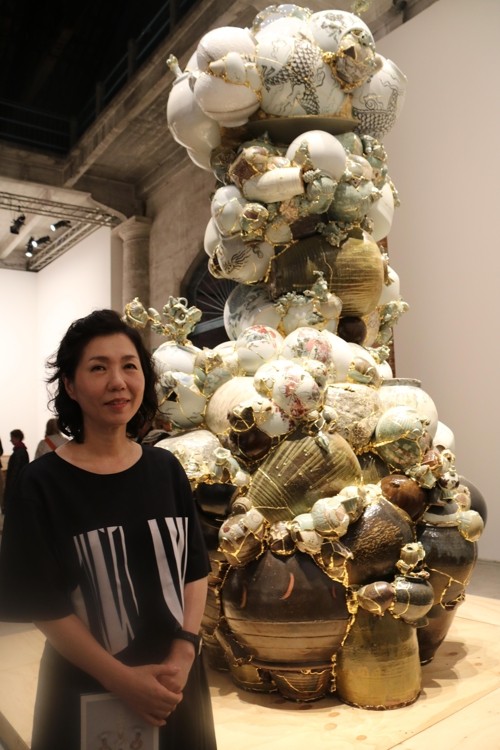
Yeesookyung,
invited to the Venice Biennale main exhibition, presents her work Translated
Vase: Nine Dragons in Wonderland on May 11 at the Arsenale in
Venice. ©Yonhap News
Measuring
5 meters in length and weighing 1.5 tons, her work occupied a commanding
central position within the Arsenale exhibition hall.
The
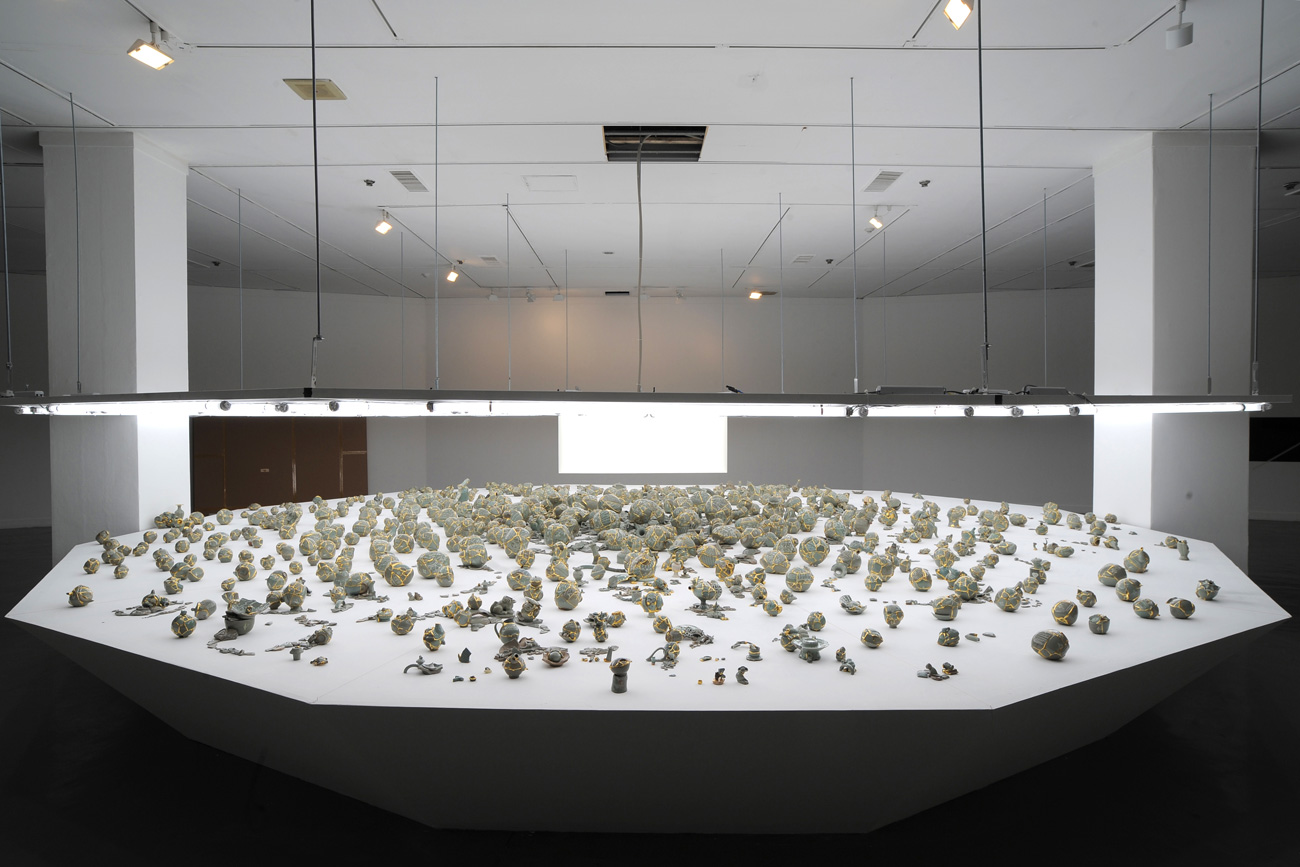
artist explained, “I probably used around 400 to 500 broken ceramics to create
this work. The title is inspired by a Chinese legend about the nine offspring
of a dragon who perform magical feats in the human world.”
Yeesookyung
reinterprets ceramic fragments discarded by master artisans as worthless,
assembling them puzzle-like into new ceramic forms. The cracks are gilded using
the same technique applied to Buddhist statues, resulting in endlessly
expanding sculptural pieces.
Canadian
curator Tyler Russell, after viewing the work, remarked, “Just as Korea,
throughout its history, has endured invasions and fragmentation but continued
its lineage, these broken ceramic pieces unite to be reborn as something new
and even more beautiful. It’s impressive.”
The
artist added, “Interpretation is entirely up to the viewer. But given the
strong perception of ceramics as a traditional East Asian medium, most
questions from visitors inevitably circle back to tradition.”
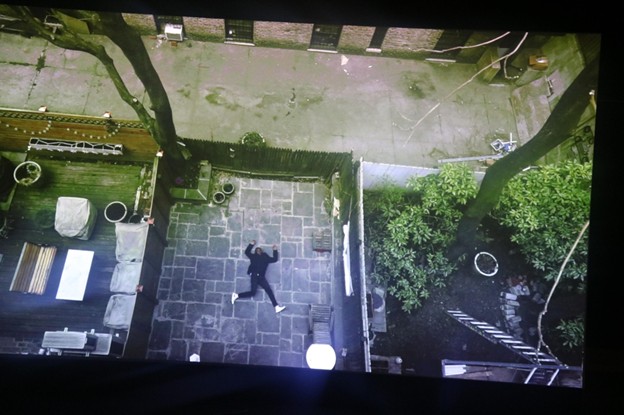
Kim
Sung Hwan’s Love before Bond, presented at the Venice
Biennale main exhibition. ©Yonhap News
She
continued, “One phrase I personally dislike is ‘reinterpretation of tradition.’
Who am I to dare reinterpret tradition? Still, even as a contemporary artist,
tradition has inevitably become an inescapable topic.”
This
perspective led Yeesookyung, a graduate of Seoul National University’s
Department of Western Painting, to study and be captivated by traditional
Korean art forms such as Salpuri Gyobang Dance and Jeongga (classical Korean
vocal music).
The
artist acknowledged that being labeled “old-fashioned” for pursuing tradition
is common but stated, “I’m not bothered by that. Yet, being invited to the
Biennale’s ‘Tradition’ section certainly feels like a heavy responsibility.”
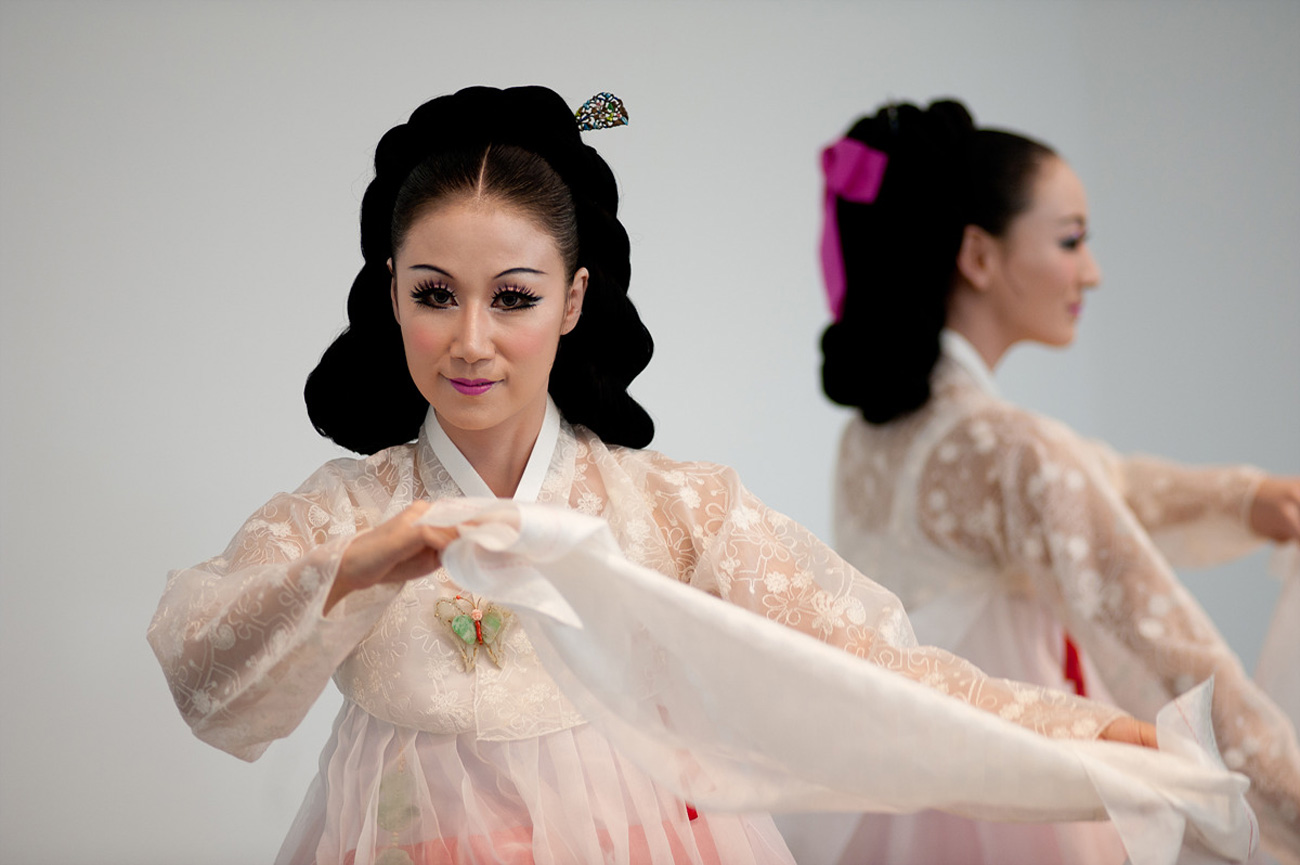
On
the same day, Yeesookyung also captivated audiences in central Venice with a
performance titled Following the Orbit of the Sun,
which she directed herself.
She
explained, “Through this performance, where Korean traditional music and dance
meet bodybuilding and contemporary music, I aimed to reveal the strange beauty
that tradition holds—continuing to explore tradition without being confined by
it.”
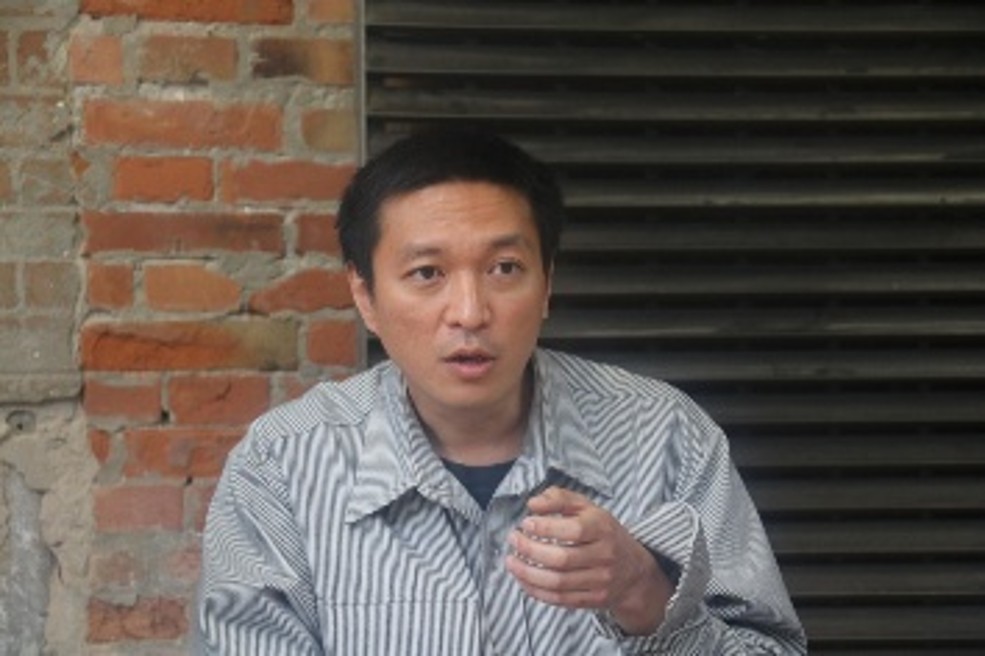
Artist
Sung Hwan Kim explains his work at the Giardini exhibition venue in Venice on
May 11, after being invited to the Venice Biennale main exhibition. ©Yonhap
News
Invited
under the "Joys and Fears" section, Sung Hwan Kim presented his
work Love before Bond at the Giardini exhibition
hall.
The
piece features his teenage niece and a Sudanese boy living in the U.S., both 15
years old, grappling with identity crises and latent anger stemming from
adolescence and racial issues within American society. The video work was
created in a workshop format in New York, combined with unique sound elements
and structural components.
The
piece reflects Kim’s ongoing interest in figures such as Philip Johnson,
regarded as the “father” of American architecture, and James Baldwin, a
literary giant who explored African American identity in the 1950s.
The
artist, who has an unusual background in both architecture and mathematics,
commented, “Before irrational numbers were discovered, people believed rational
numbers were everything. Similarly, within society, there are those who
physically and historically exist but are treated as invisible.”
He
concluded, “My work expresses this personal interest in the visible versus the
invisible.”