In his
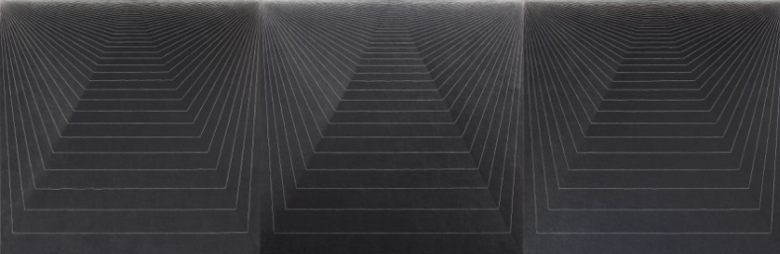
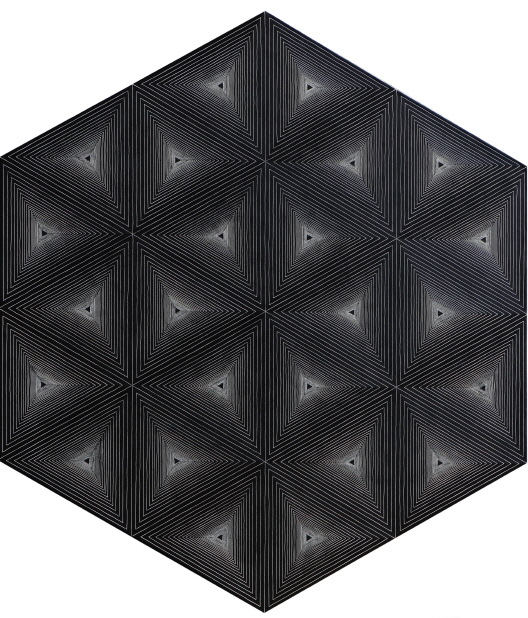
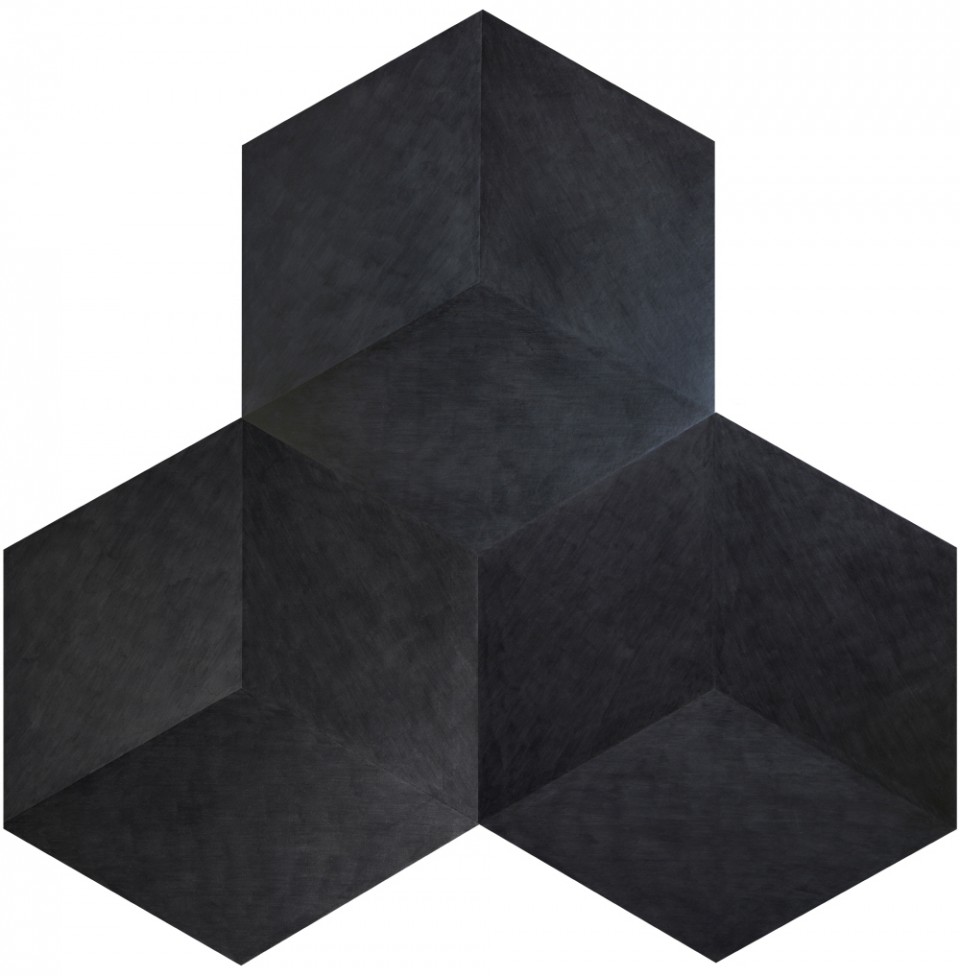
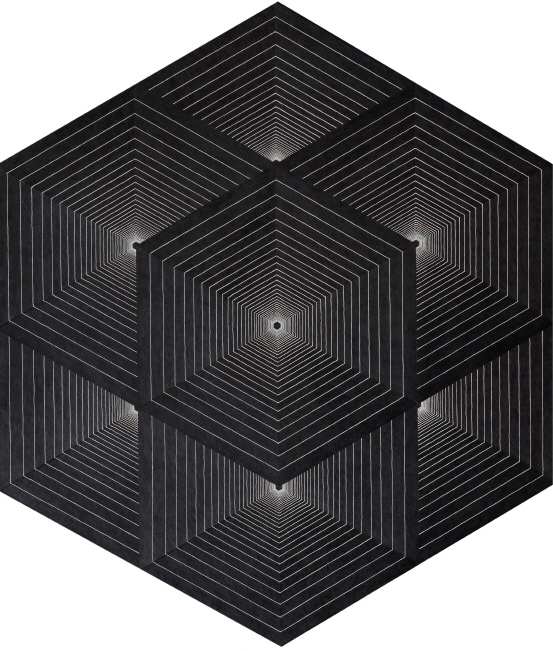
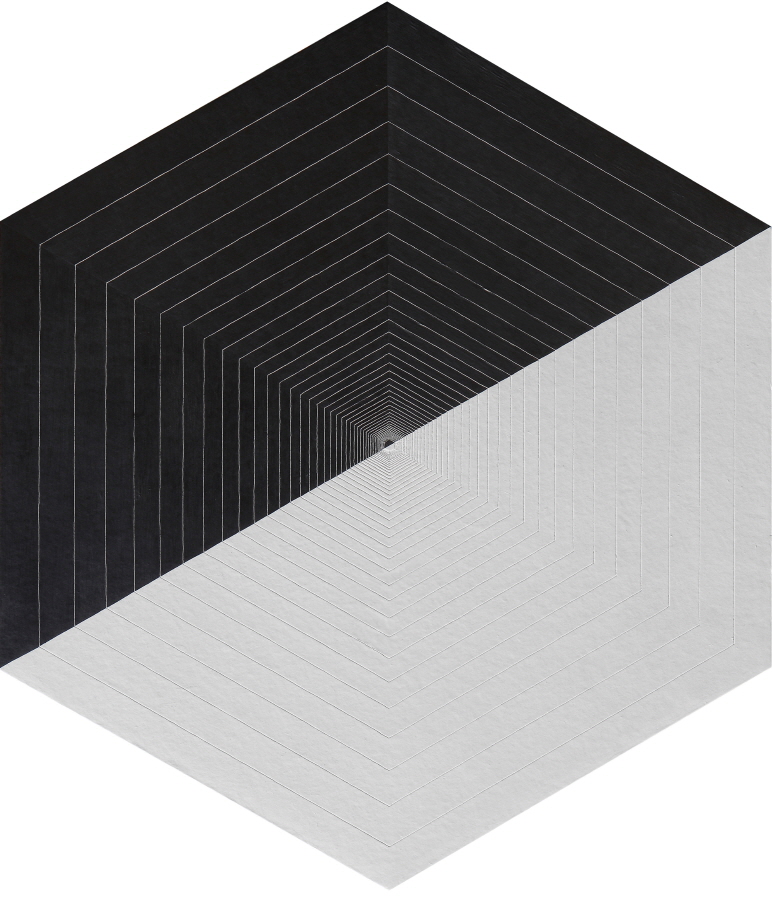
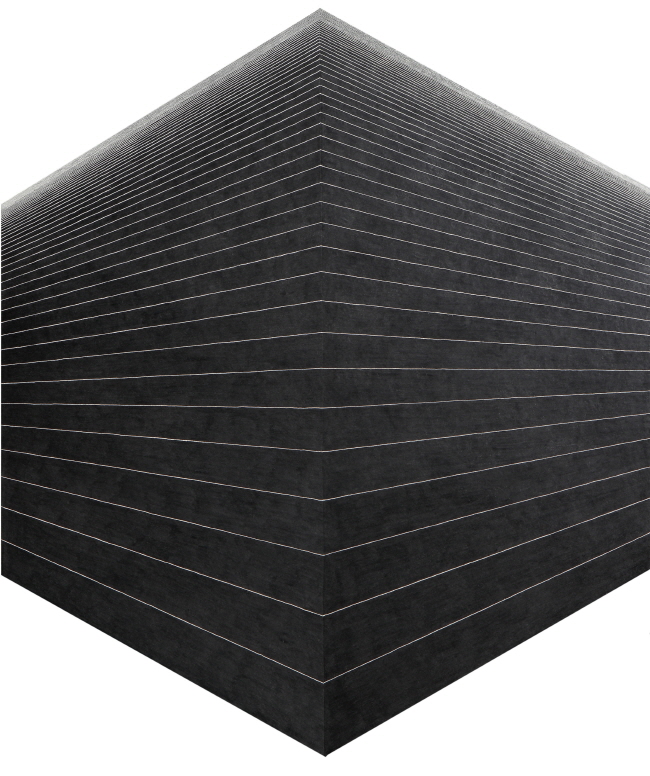
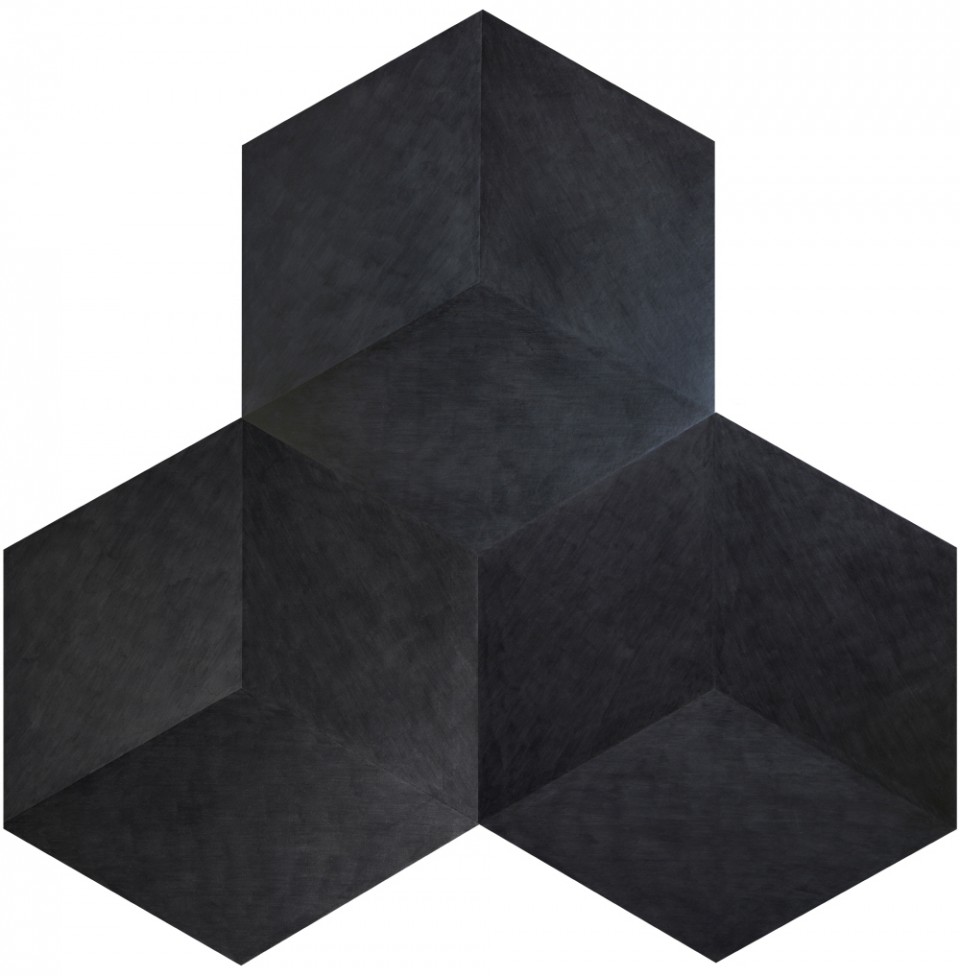
early practice, Pyoun mounted several layers of hanji, pressed geometric plans
into the surface, and repeatedly covered the areas surrounding the engraved
lines with pencil. The paintings presented in 《ILLUSION》(2014) and 《ENGRAVE》(2015) used geometric diagrams,
black-and-white contrast, and the reflective quality of graphite to create
optical illusions between flatness and three-dimensionality.
As mathematically
calculated structures were combined with shading executed by hand, precision
and error remained together on the surface. Lines that appeared rigid from a
distance revealed subtle tremors at close range, while the white texture of the
paper remained visible within the blackened areas. These qualities demonstrate
the difference between a mechanically perfect image and the traces left by a
working body.
As the
scale of his works increased, the surface expanded from an autonomous painting
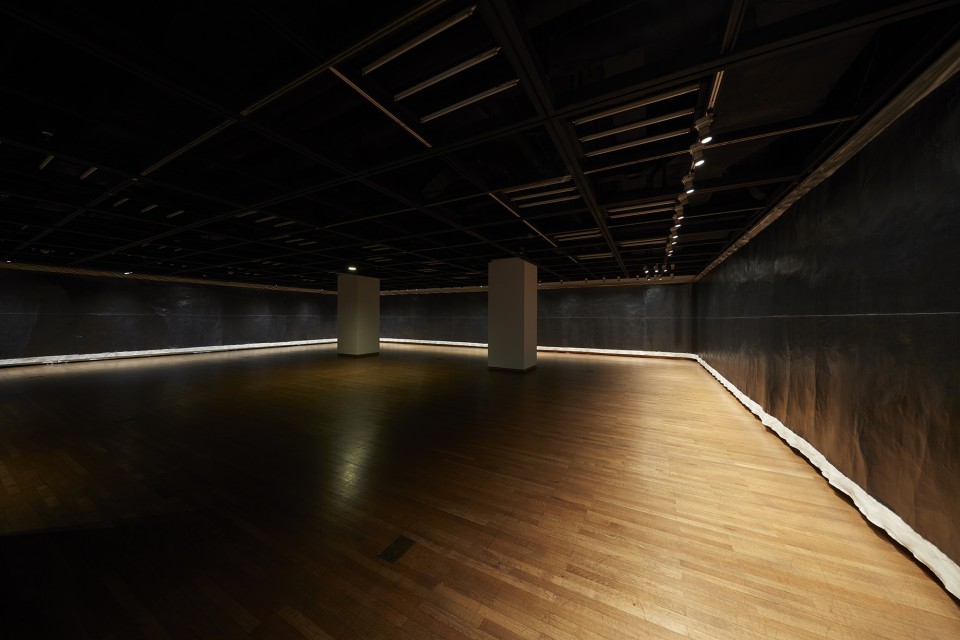
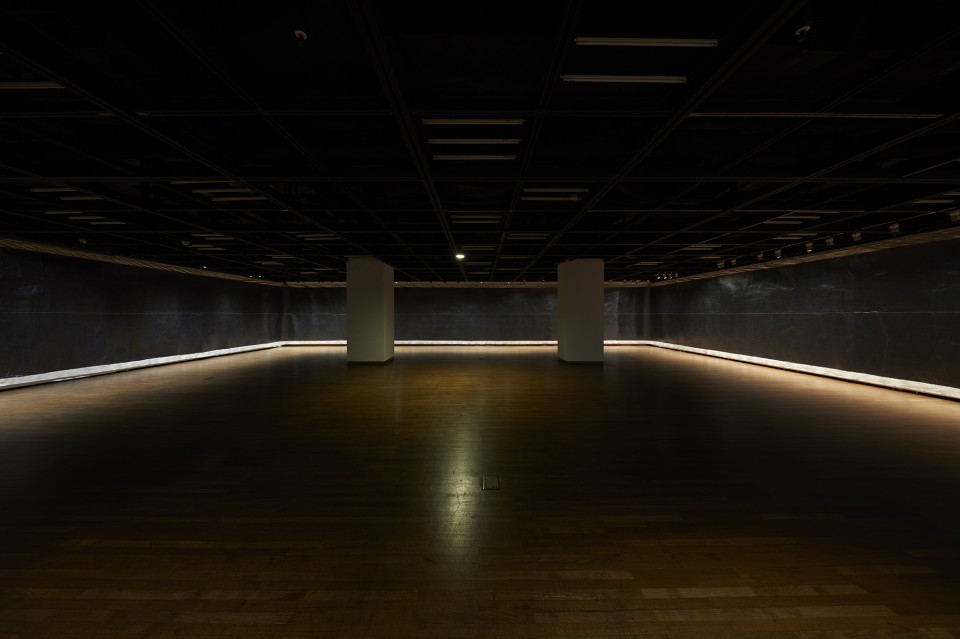
into a space surrounding the viewer’s movement. Untitled
(moments) and Moment, installed in the
group exhibition 《The Accumulated
Ghosts》(Daecheong Ho Museum of Art, Cheongju, 2019),
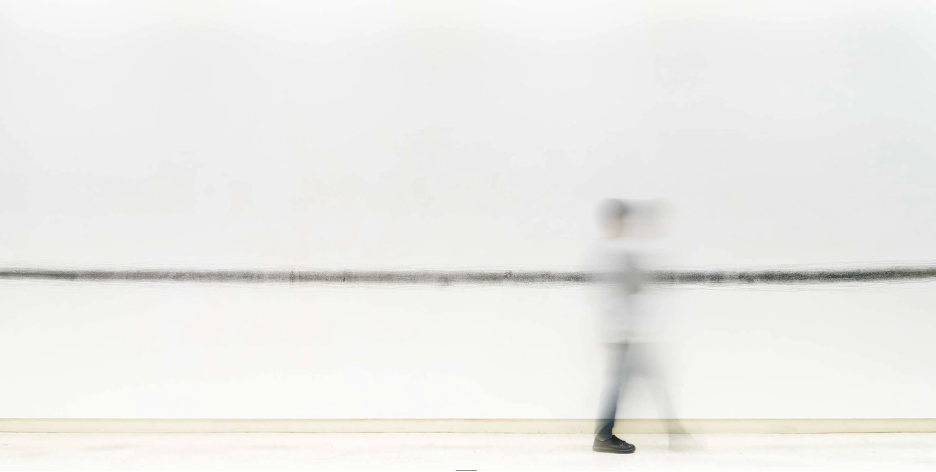
extend long rolls of paper along the gallery walls, allowing repeated lines and
layers of graphite to be experienced as an environment.
Because their scale
makes them difficult to grasp at a single glance, viewers must walk alongside
the surfaces and encounter different moments and sections sequentially. The
content of painting is formed here not through a specific object or narrative,
but through the duration accumulated in the work and the viewer’s movement as
they experience that duration.
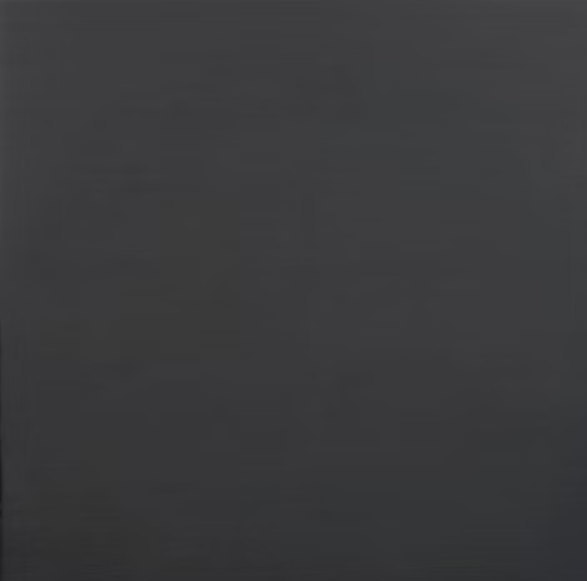
Beginning
with 《ENCOUNTER》(Hongti Art
Center, Busan, 2020), Pyoun expanded his supports from hanji to wooden panels
and the walls of the exhibition space. When pencil is repeatedly applied to a
smoothly sanded wooden surface, the graphite produces a sheen resembling
polished metal or a mirror. Viewers encounter the traces of the past
accumulated on the surface while simultaneously seeing their own bodies and the
surrounding space reflected upon it.
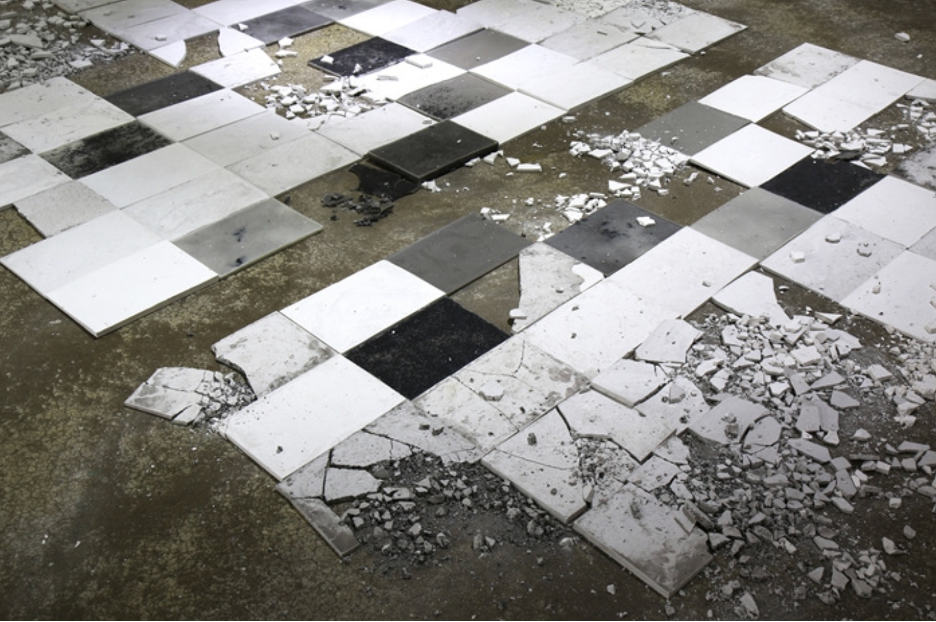
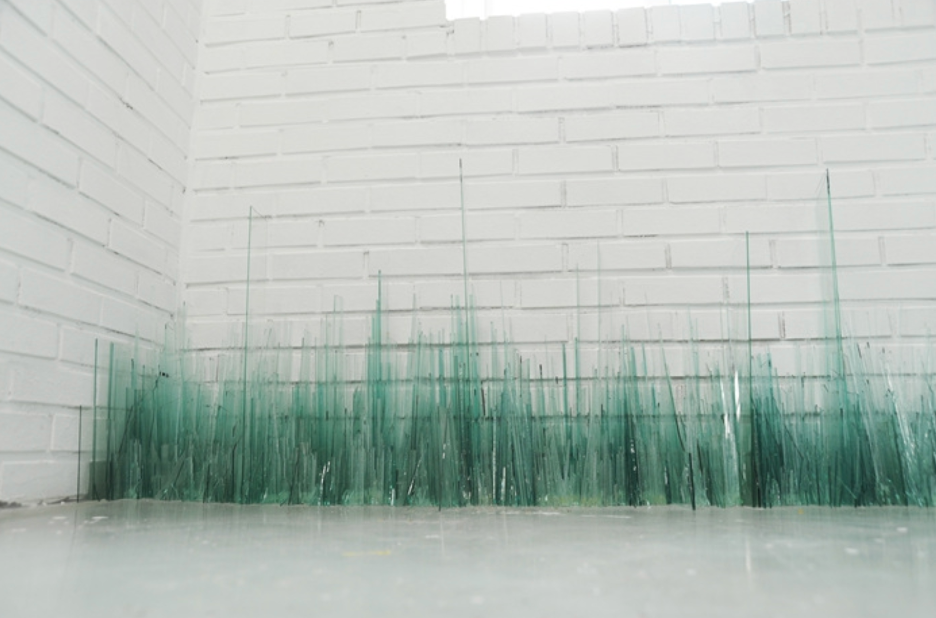
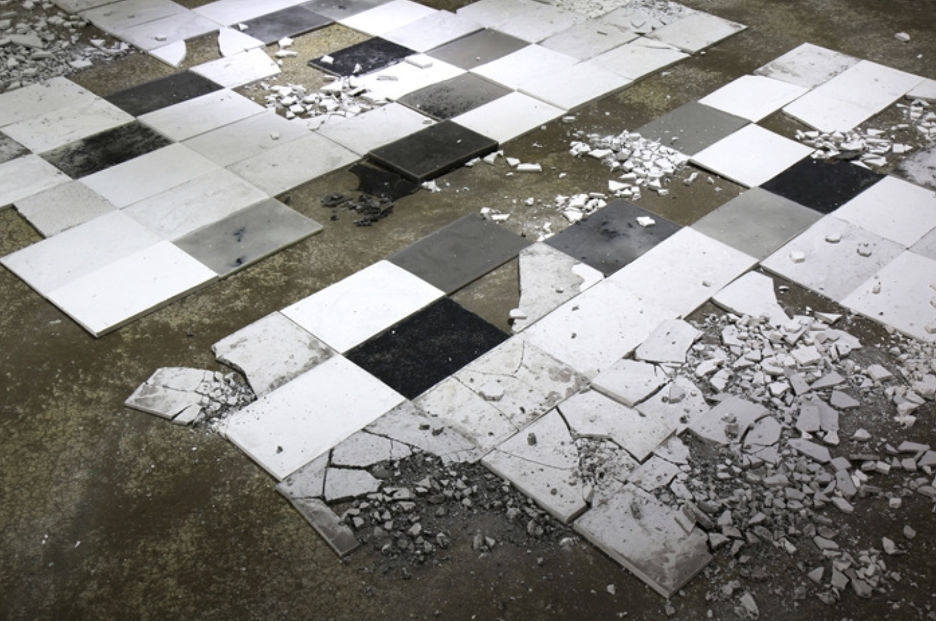
In 《Equivalence》(Incheon Art Platform, Incheon, 2021), this approach extended to the
architecture of the exhibition space itself. Over fourteen days, the artist
sanded sections of the walls and covered them with pencil, incorporating the
dust that settled on the floor, his movements through the space, visitors’
footprints, and the changing light entering through the doorway into the
exhibition. Painting no longer remains confined to a fixed surface but operates
as a site where past labor and present events continuously overlap.
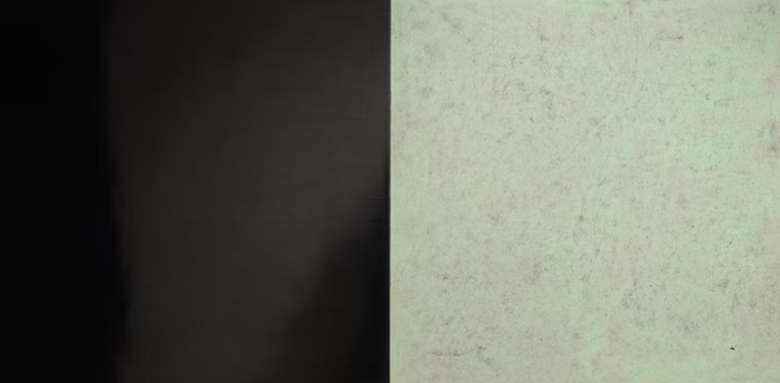
In the
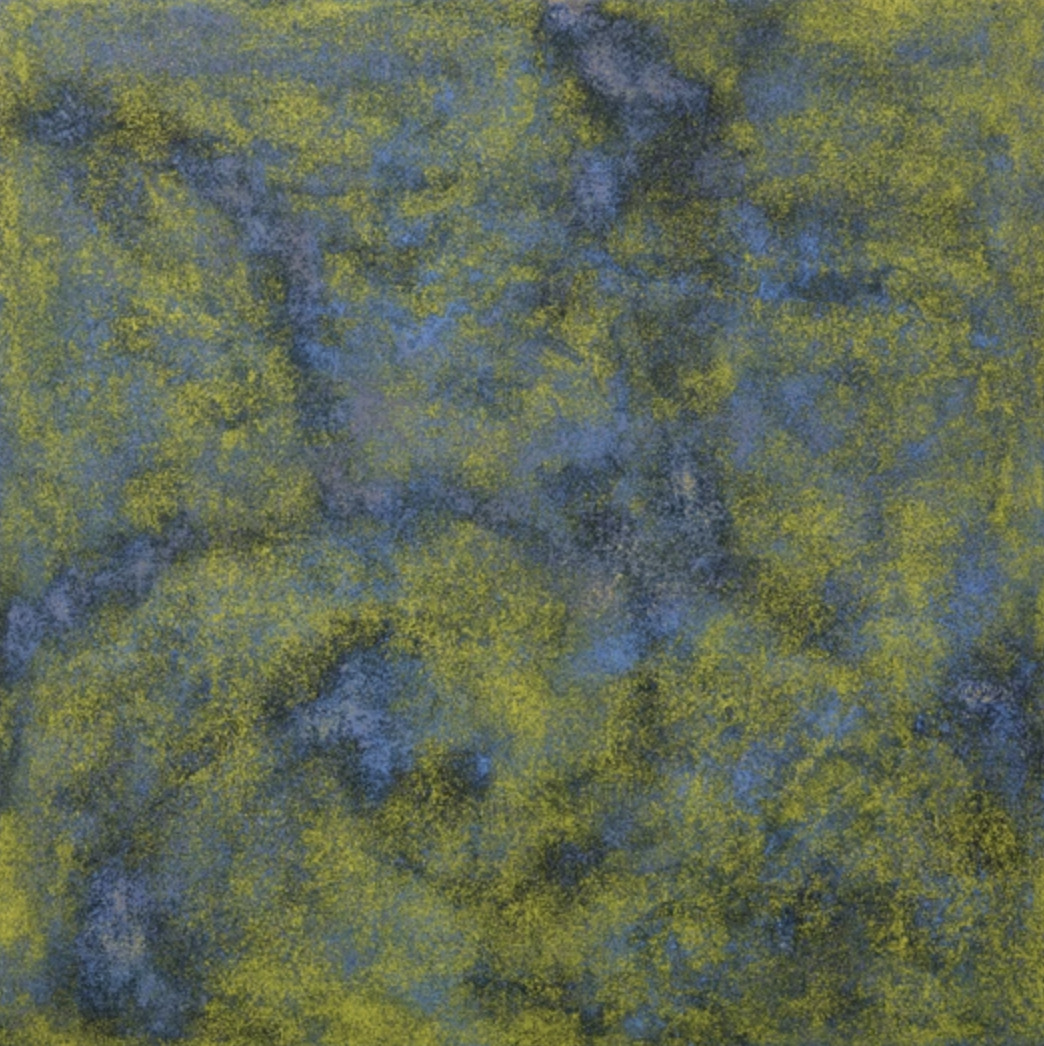
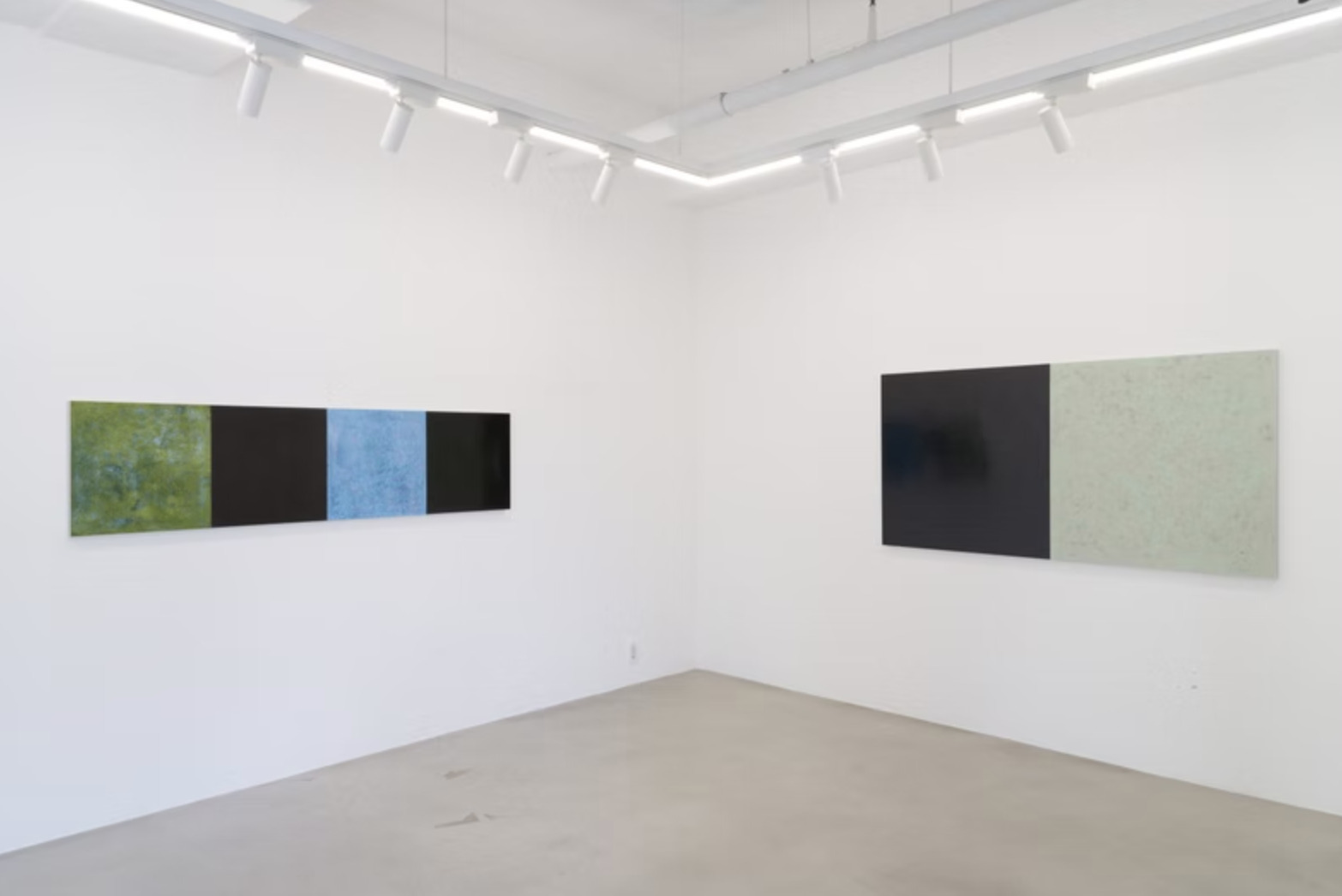
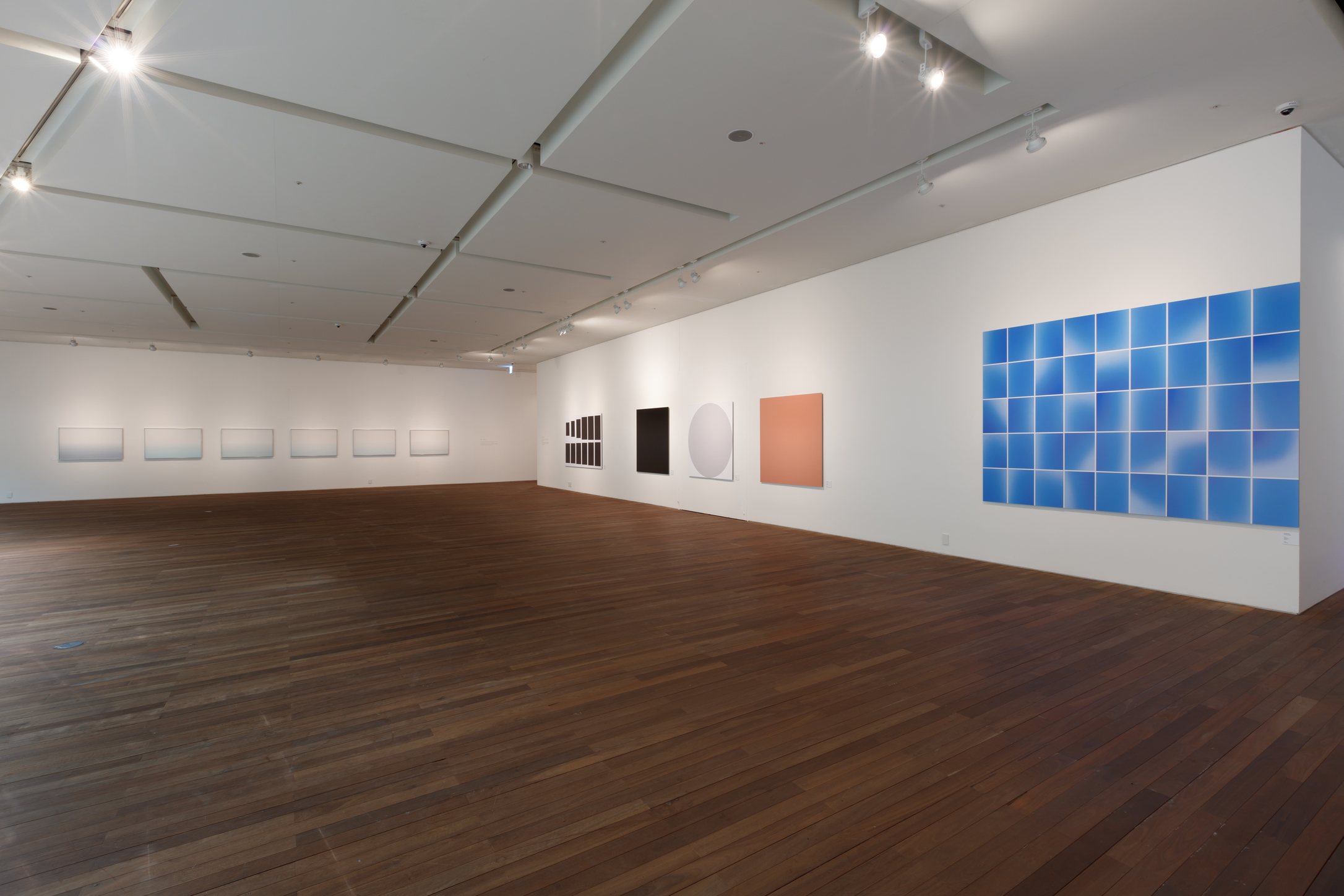
recent exhibition 《Proxy Data》(Art Project CO, Seoul, 2025), color and the observation of nature
were added to the artist’s predominantly black-and-white graphite surfaces.
During his residency at Art Lab Sanyang in Jeju, Pyoun recorded colors observed
along the coast and in the forest, translated them into acrylic paint, layered
them repeatedly on wooden panels, and then sanded them down. As a result, the
processes through which colors emerged and disappeared remain on the surface
of Proxy Data(2025) like a cross section of geological
strata.
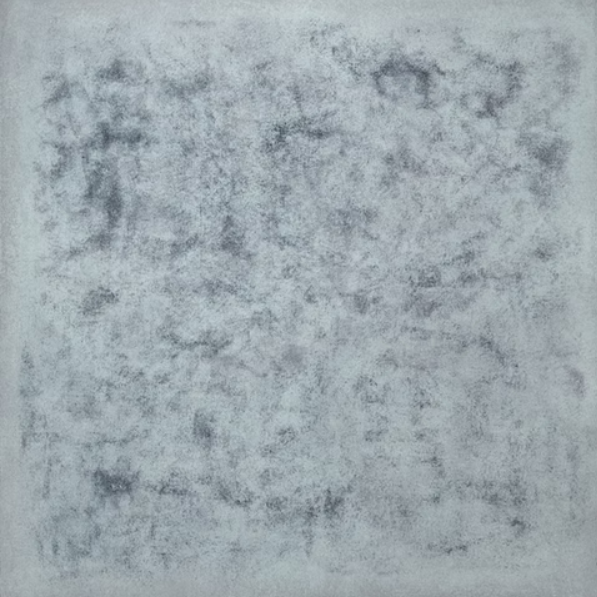
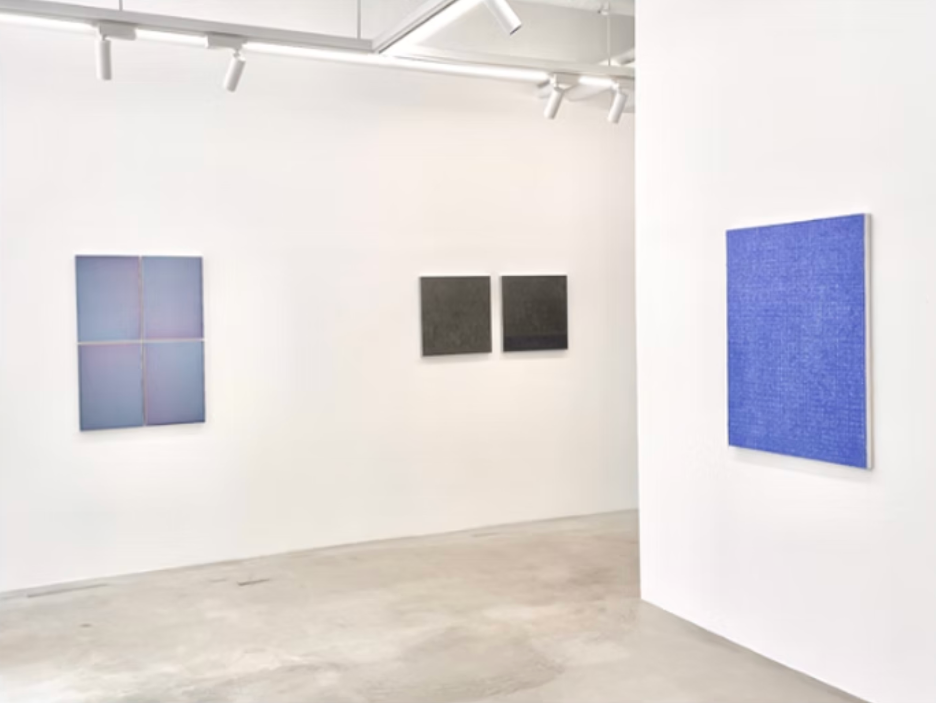
Presented alongside it, ‘The Record’ series densely accumulates traces
of graphite on surfaces prepared with putty and paint, directly recording time
through the repetition of pencil. The two series visualize time respectively
through layers of color and the density of action, expanding the artist’s
long-standing materialization of time through the different painterly languages
of black and white, color, record, and observation.