Park Seok
Min’s work begins by questioning the basic conditions that constitute the
world, such as time, space, gaze, and sensation, through the medium of
painting. The artist is drawn to moments when an object appears different from
its original form, diverges from past experience, or cannot be explained
through precise language.
Rather than dismissing such states as simple illusion
or emotional fluctuation, he collects related sensory clues from everyday
objects, urban scenes, science fiction novels, documentaries, landscapes
encountered during walks, and conversations with fellow artists. For Park, painting
is not a flat surface that represents an already given subject, but closer to a
device through which sensations, misreadings, and emotional disturbances that
cannot be fully explained in language acquire structures of time and space.
The
‘Temporary Orbit’(2013-early 2020s) series marks the period in which this
inquiry began to take shape in earnest. “Temporary” refers to provisional,
mutable, and fleeting states, while “orbit” suggests repetition, trace, and
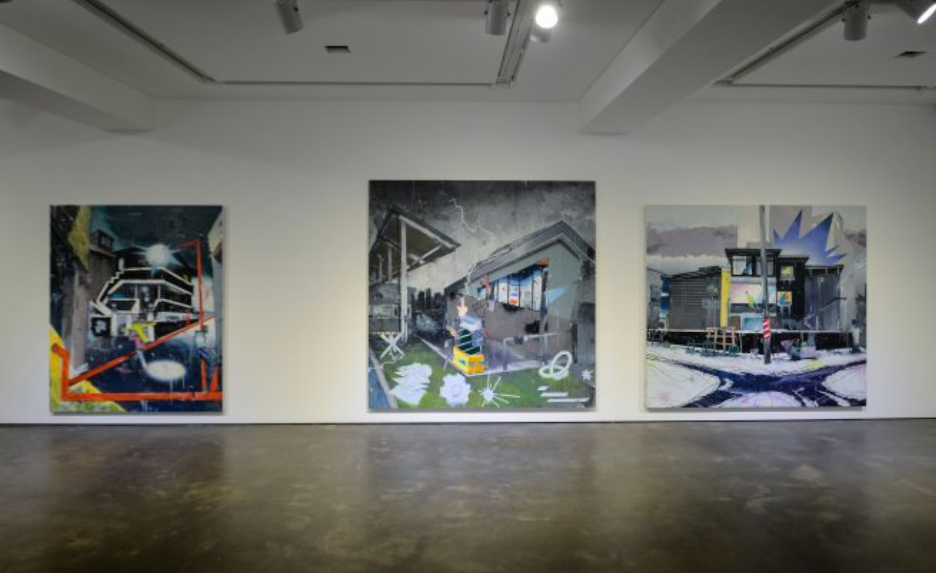
paths of movement. In 《New
satellite-Temporary Orbit》(OCI Museum of Art, Seoul,
2016), the artist recomposed visual fragments and everyday routes collected
through his exploration of urban spaces, transforming familiar reality into
something like an unknown outer-space environment.
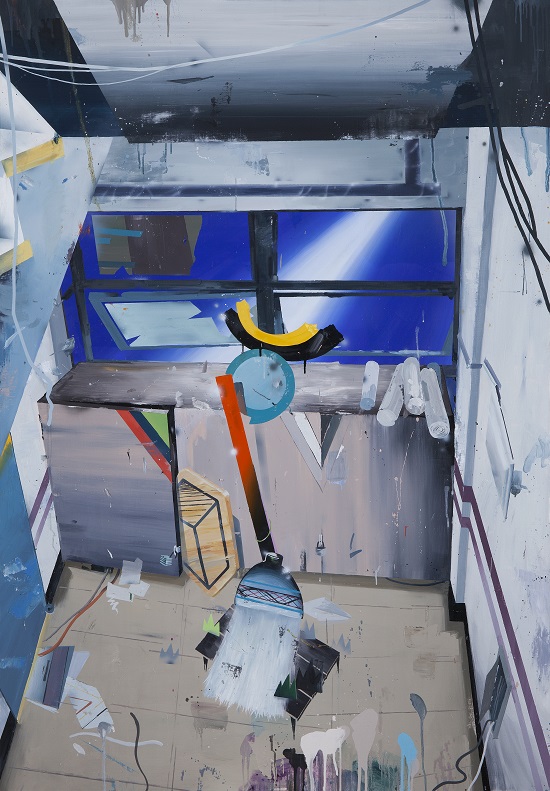
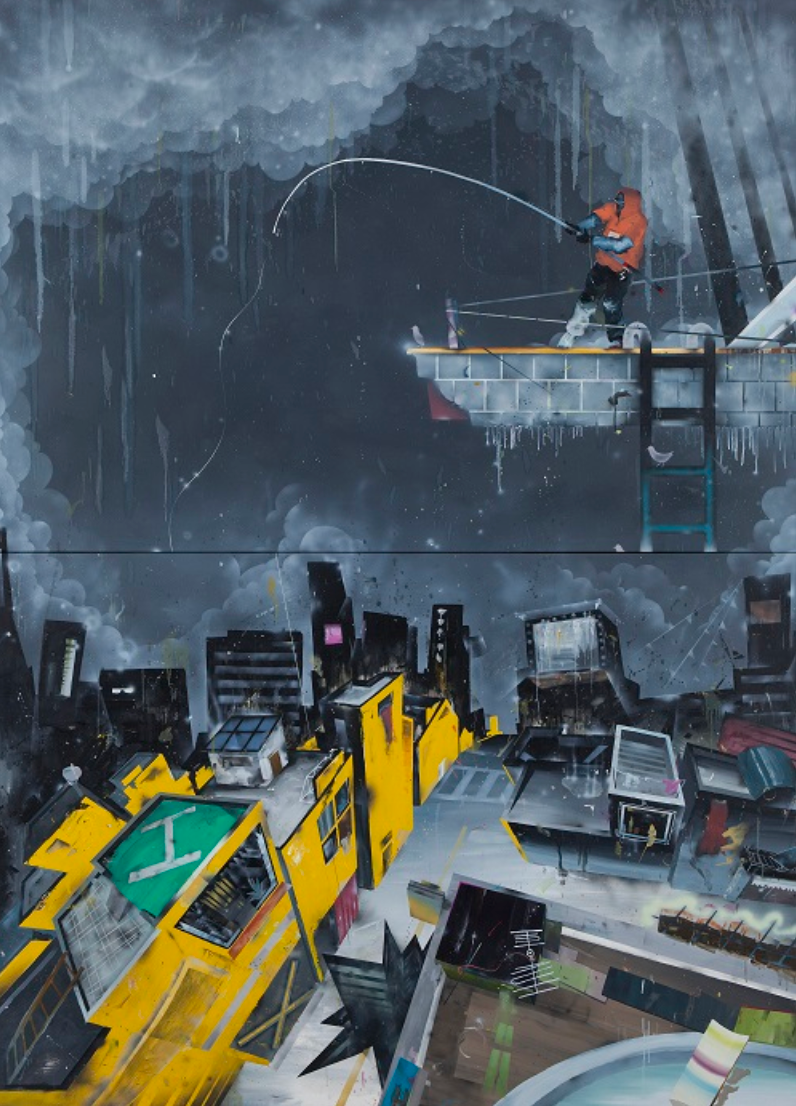
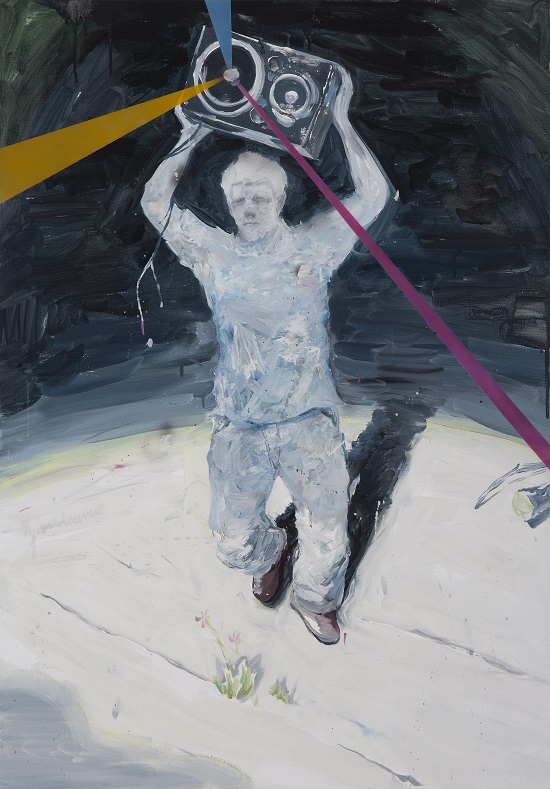
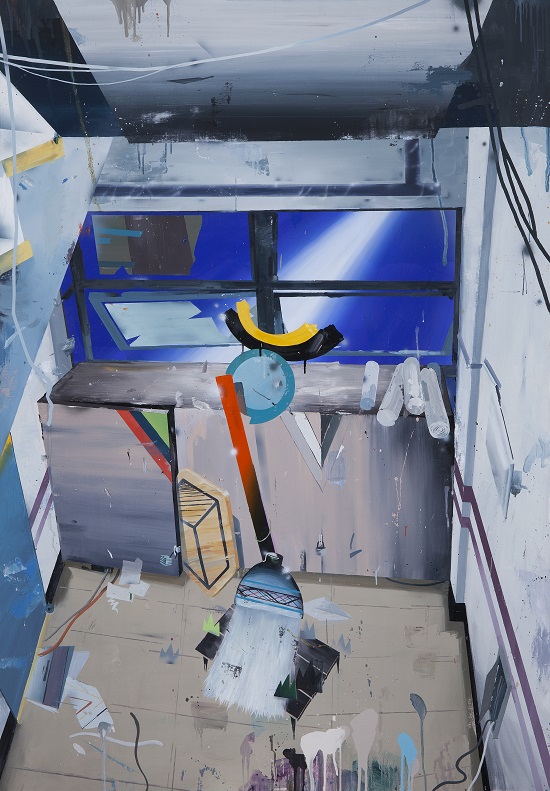
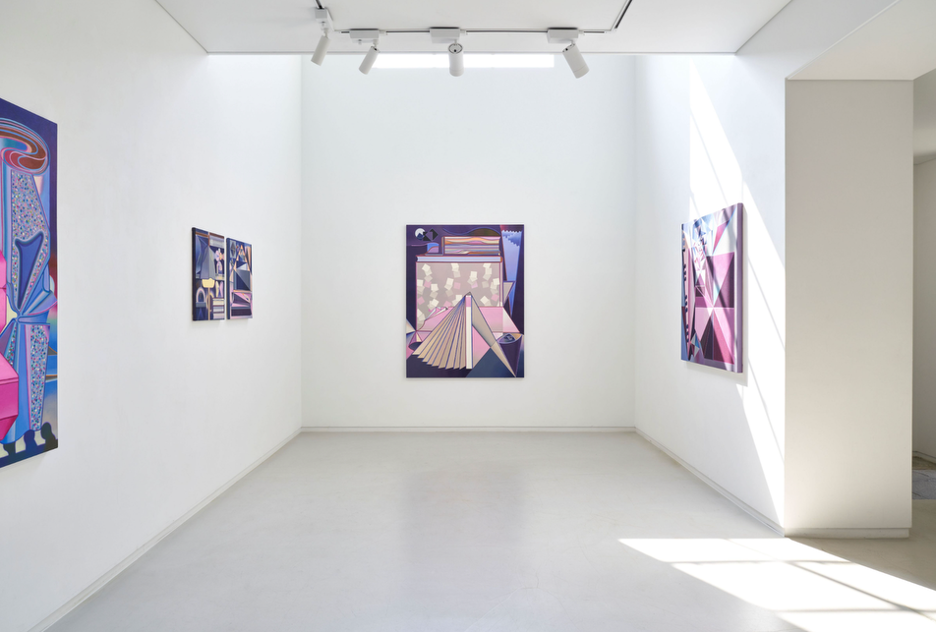
In works such as Temporary
Orbit(2016), Phantom Pain(2016),
Co-orbit(2016), Event field(2016), and
Back room(2016), architecture, theater, rooms, figures, and
light do not converge into one stable scene, but disperse across different
directions and viewpoints.
Here, the picture plane becomes a place that
maintains the order of real space while simultaneously undoing it, questioning
the boundaries between truth and falsehood, reality and fiction, inside and
outside. The reflected and refracted light that appears in Quiet
Play and Vagabond(2015) also leads to questions
about what we see and believe within social and political situations.
After
2018, Park’s attention shifted toward doubt and curiosity about the
spatiotemporal condition of the “present” itself. He composed paintings that
store the subject as though it were image data divided into temporal frames, or
as if a single object had been photographed from multiple angles within the
same moment, exploring how incomplete stimuli can be perceived as a total form.
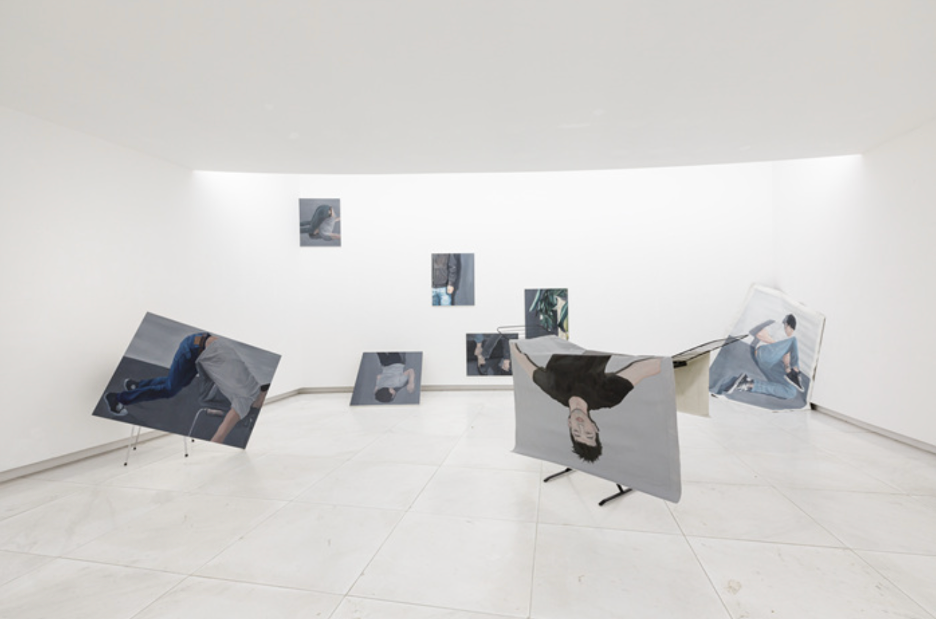
《Melting a Lump Sugar》(Artspace
Boan 2, Seoul, 2020) is an exhibition that shows this transition.
Through the
impossible thought experiment of a sugar cube dissolving in air, the artist
considers the essence of an object not as a fixed form, but as a potential for
transformation. Sugar, sweetness, lightness, void, lighting, and circulation
become elements that make the entire exhibition into a sensory orbit, rather
than remaining subjects of individual paintings. From this period onward,
Park’s work expands beyond a single complete image into a system in which
surface and space, gaze and body, material and atmosphere operate together.
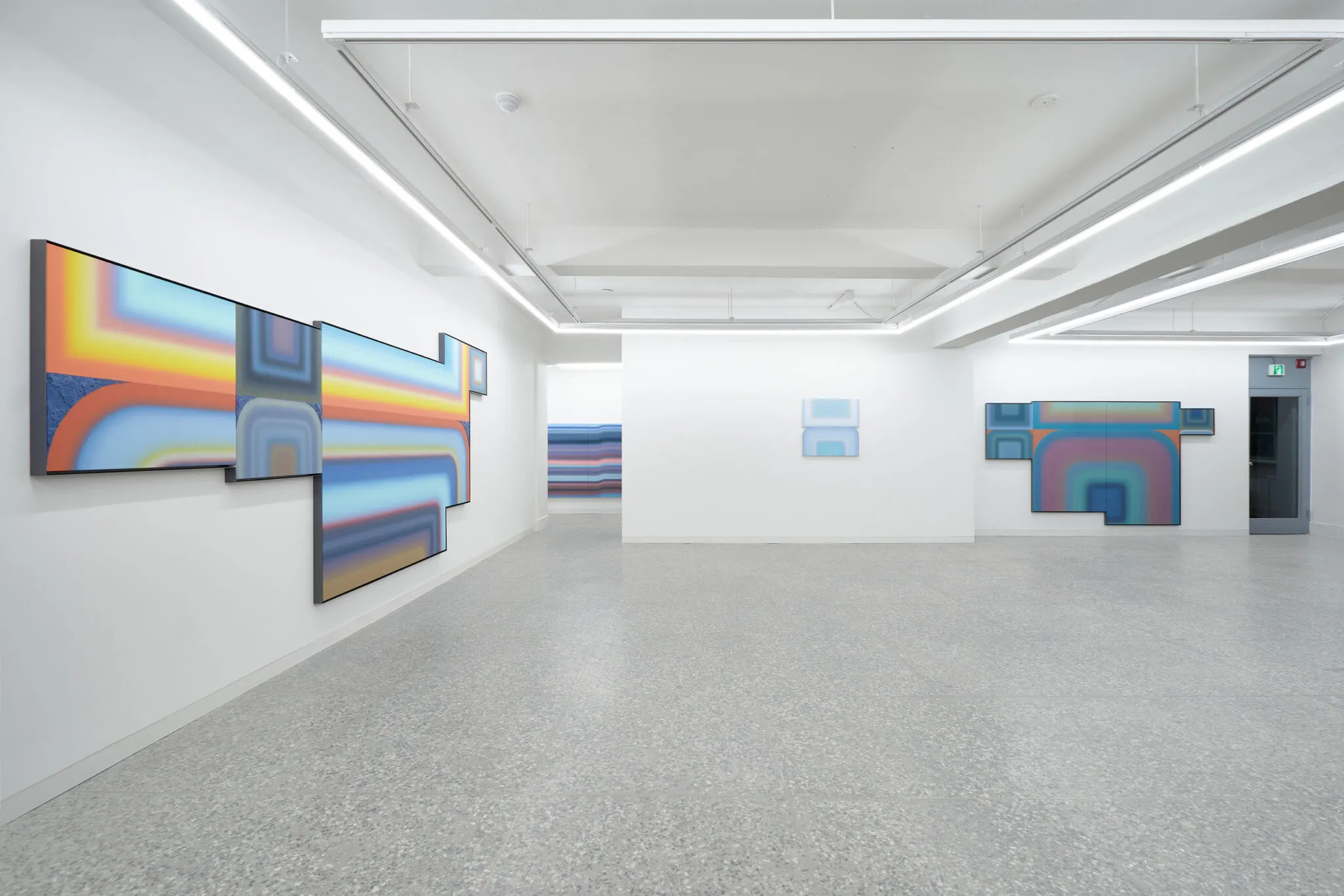
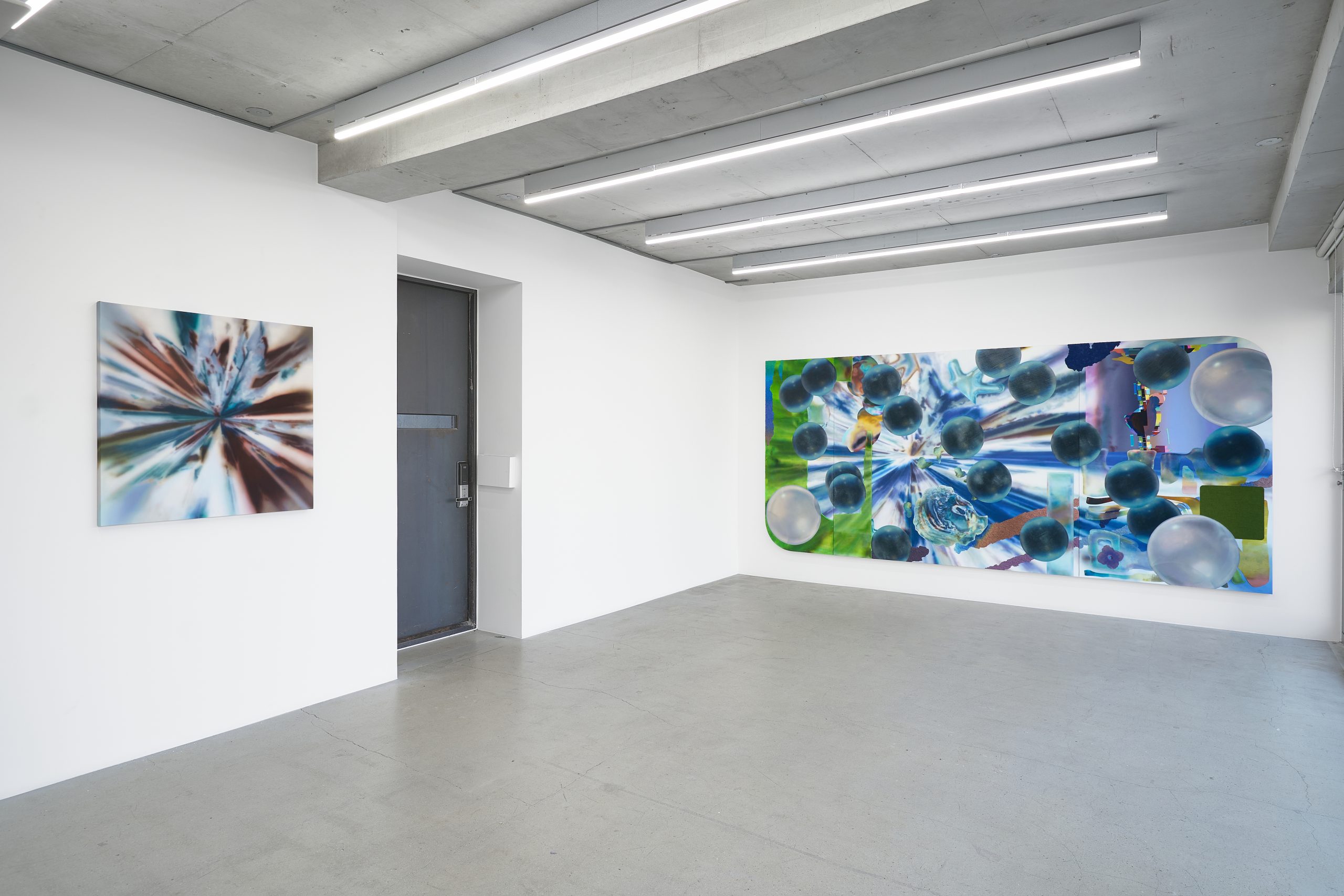
In recent
work, Park brings together speculative narrative, near-futuristic imagination,
movement and ecosystem, immaterial modes of image production, and material
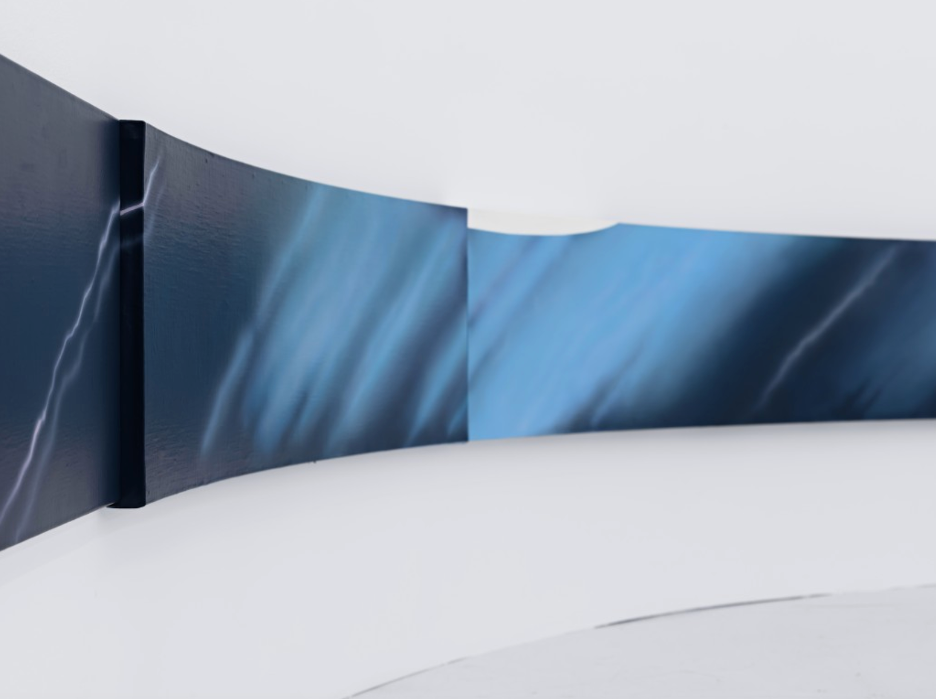
experiments in painting. In 《Angel Tail》(Everyart, Seoul, 2022) and the ‘Mining Depth’(2022-2023) series,
waves of light, empty corners, and canvases of different sizes induce the
viewer’s bodily movement, extending the question of looking beyond the picture
plane.
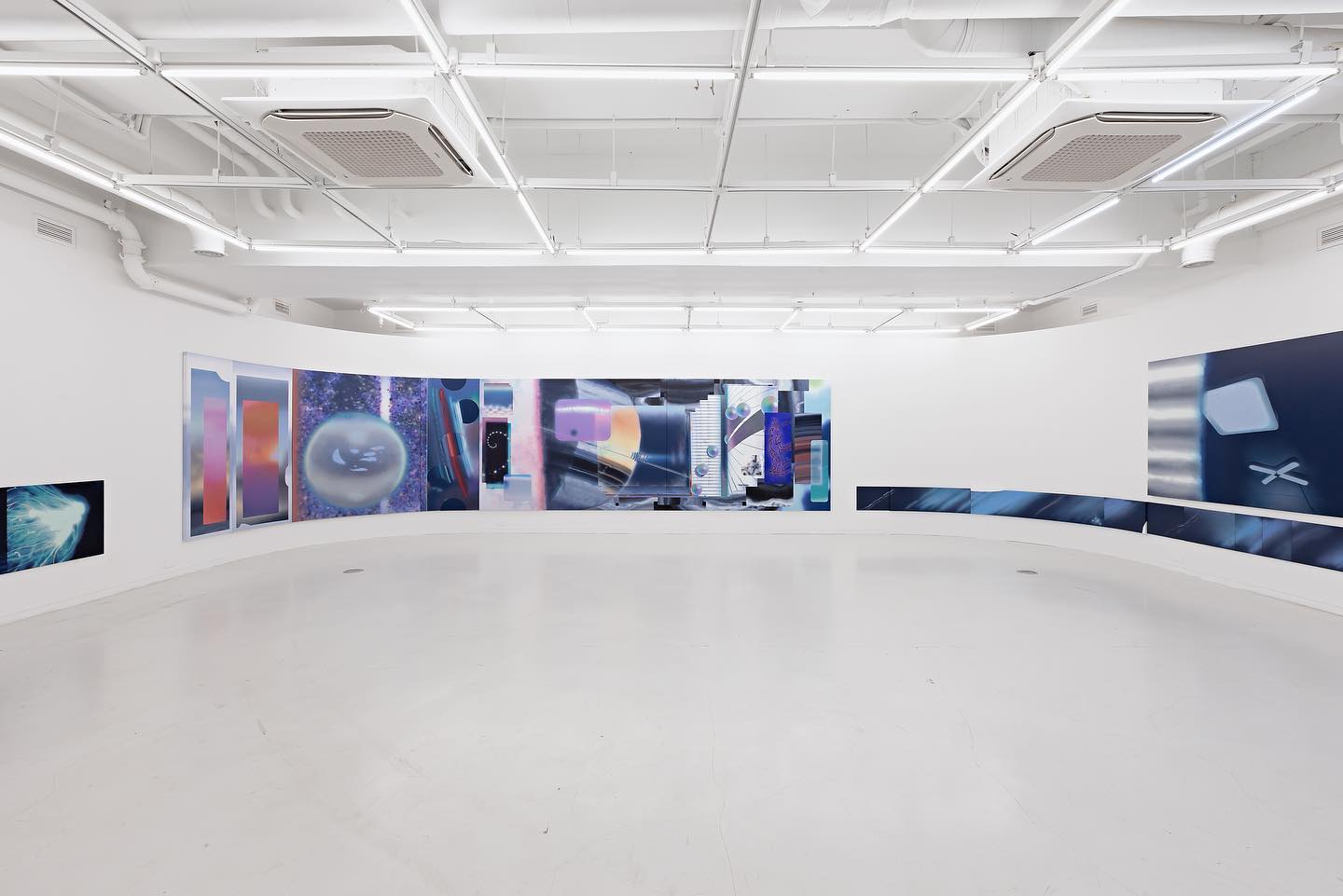
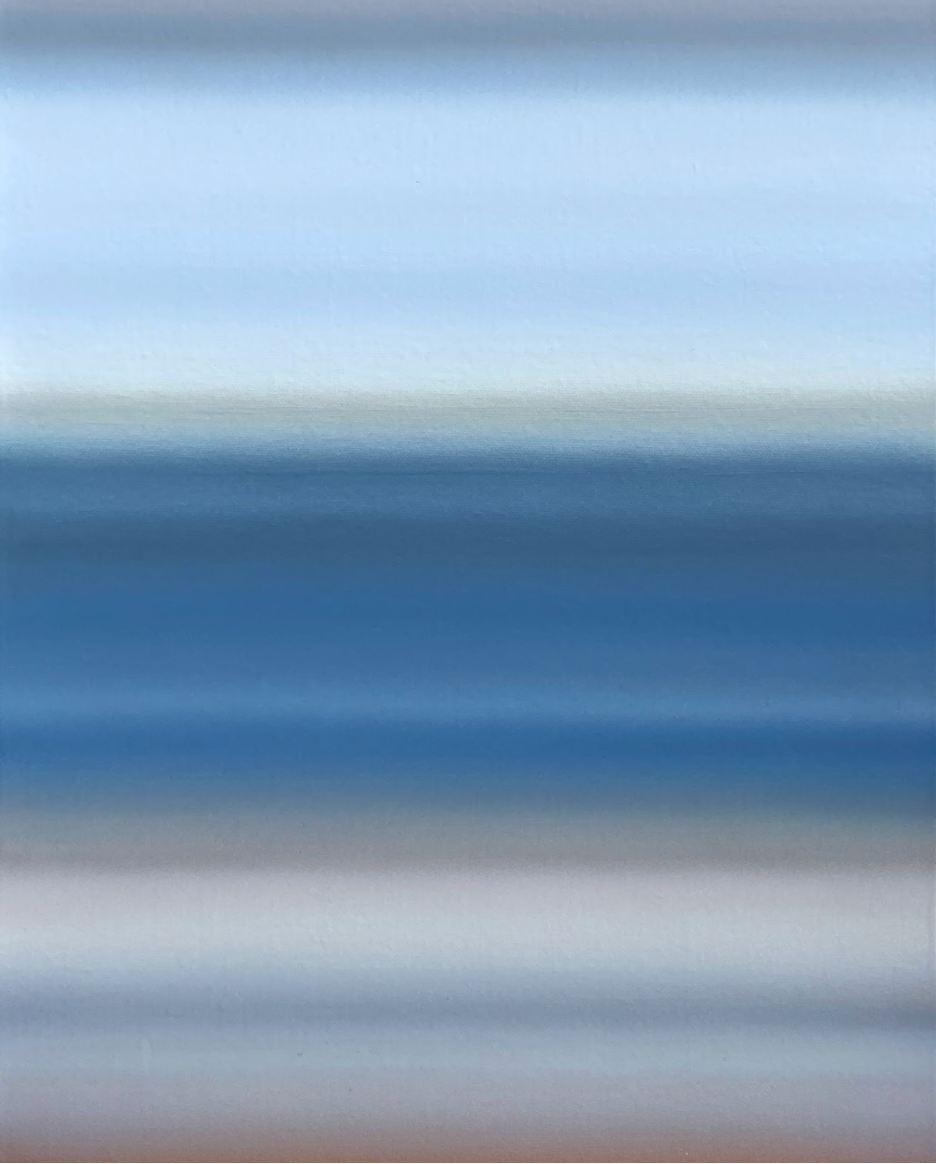
His solo exhibition 《Vortex 8》(A-Lounge Contemporary, Seoul, 2023) translated movement itself into
painting through the movement of the solar system, the vortex, and
counterpoint, while 《Teal Greenhouse》(WWNN, Seoul, 2024) borrowed the structure of closed-loop ecosystems
found in post-apocalyptic science fiction to imagine the exhibition space as a
fictional greenhouse where paintings are transplanted and cultivated.
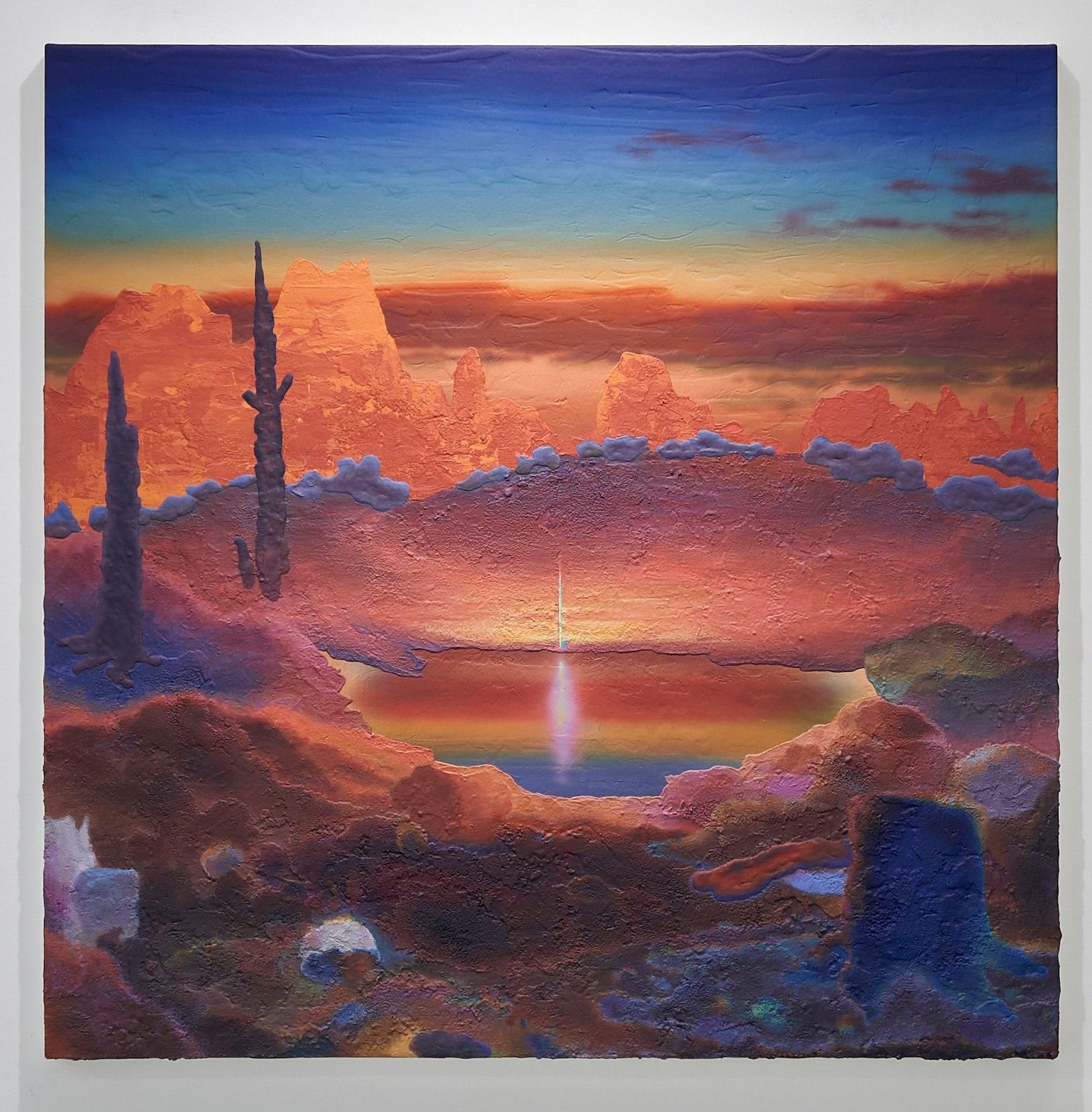
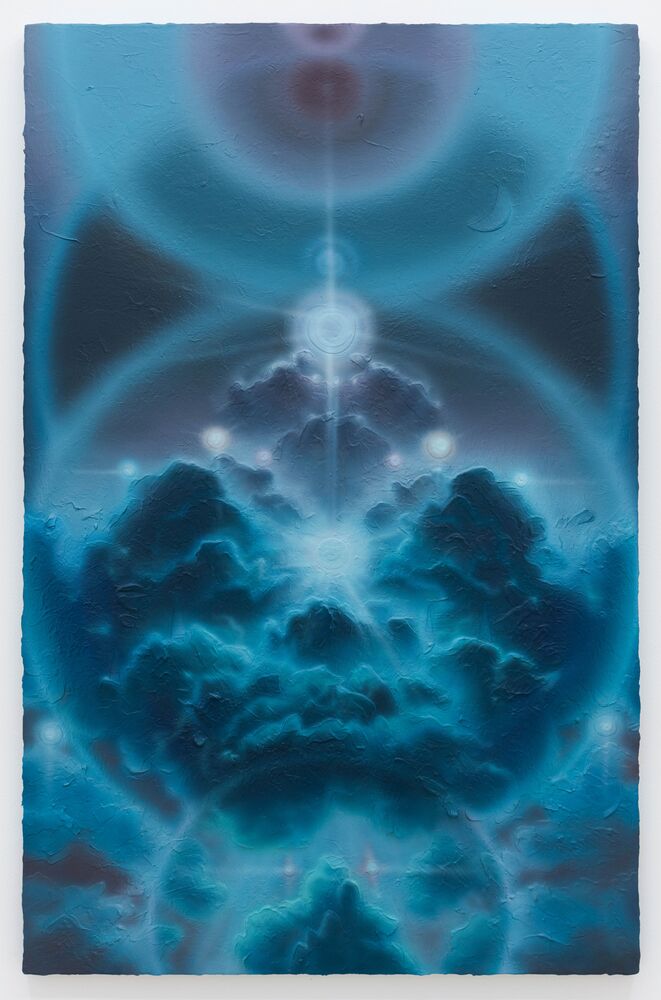
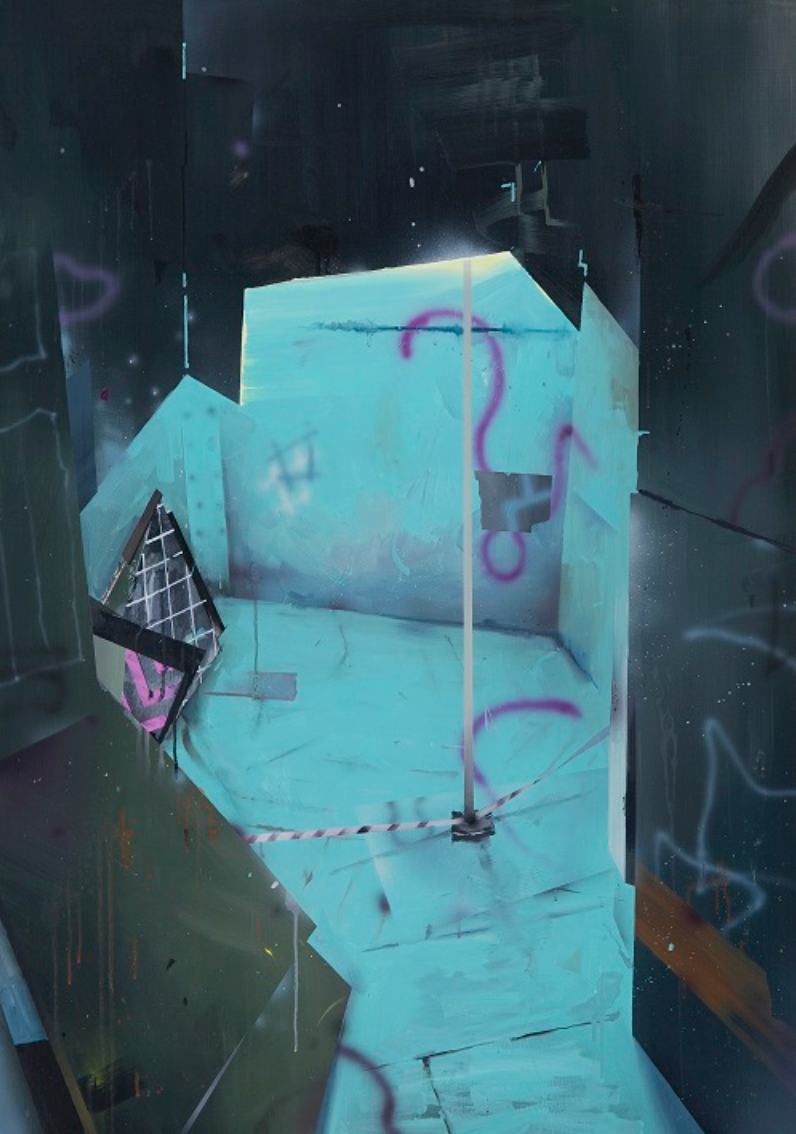
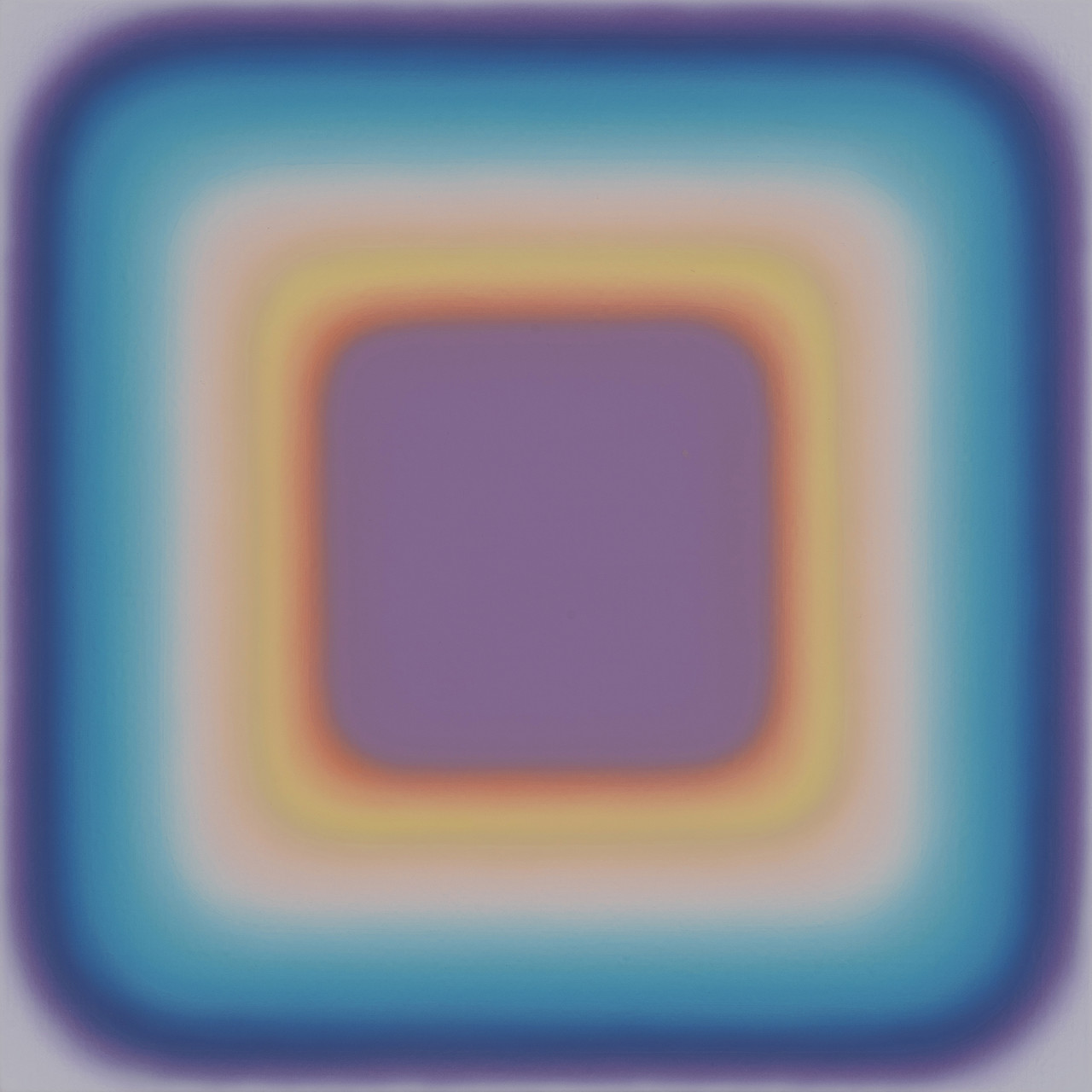
In works
such as Teal Greenhouse 01(2024), Teal Greenhouse
02(2024), Terrarium 01(2024), and Temple
Dawn 02(2024), forms whose identities remain uncertain—whether traces
of ruin or signs of life—ask about the uncertainty of the future and the
vitality of painting at the same time.
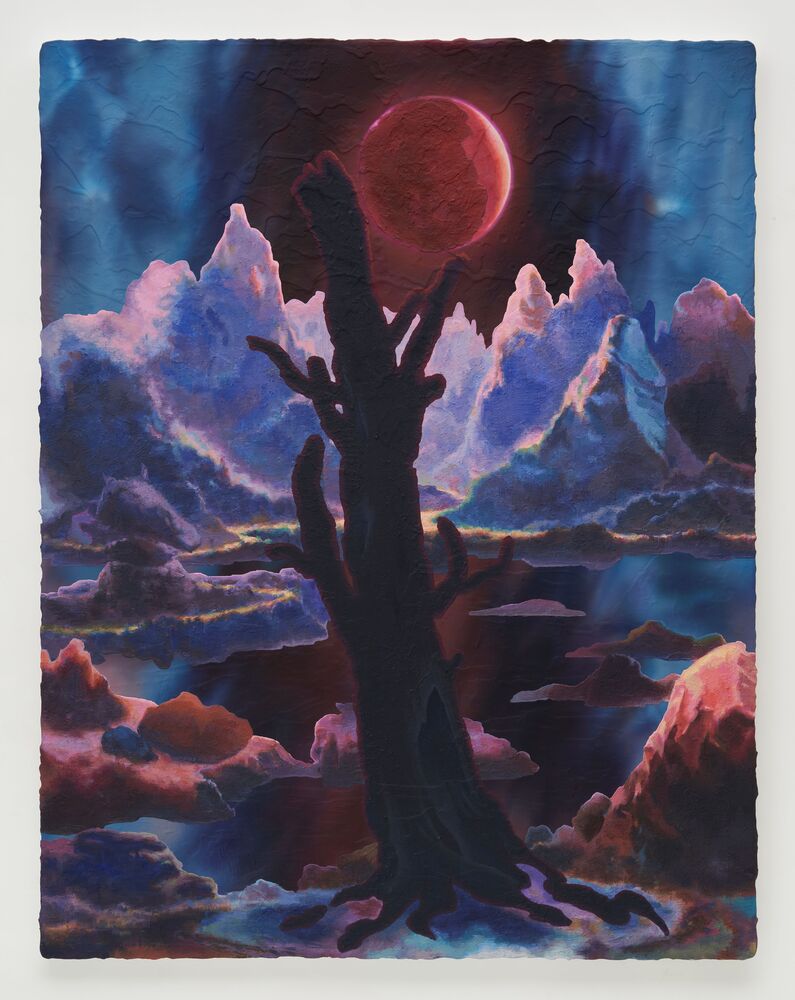
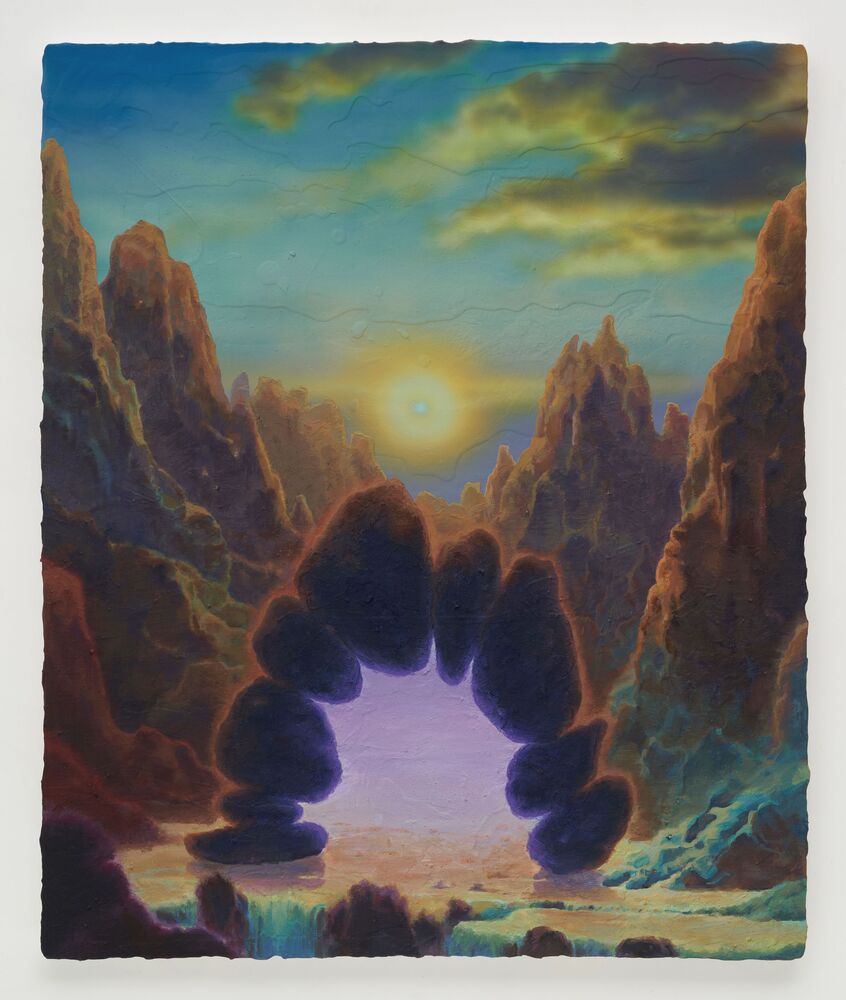
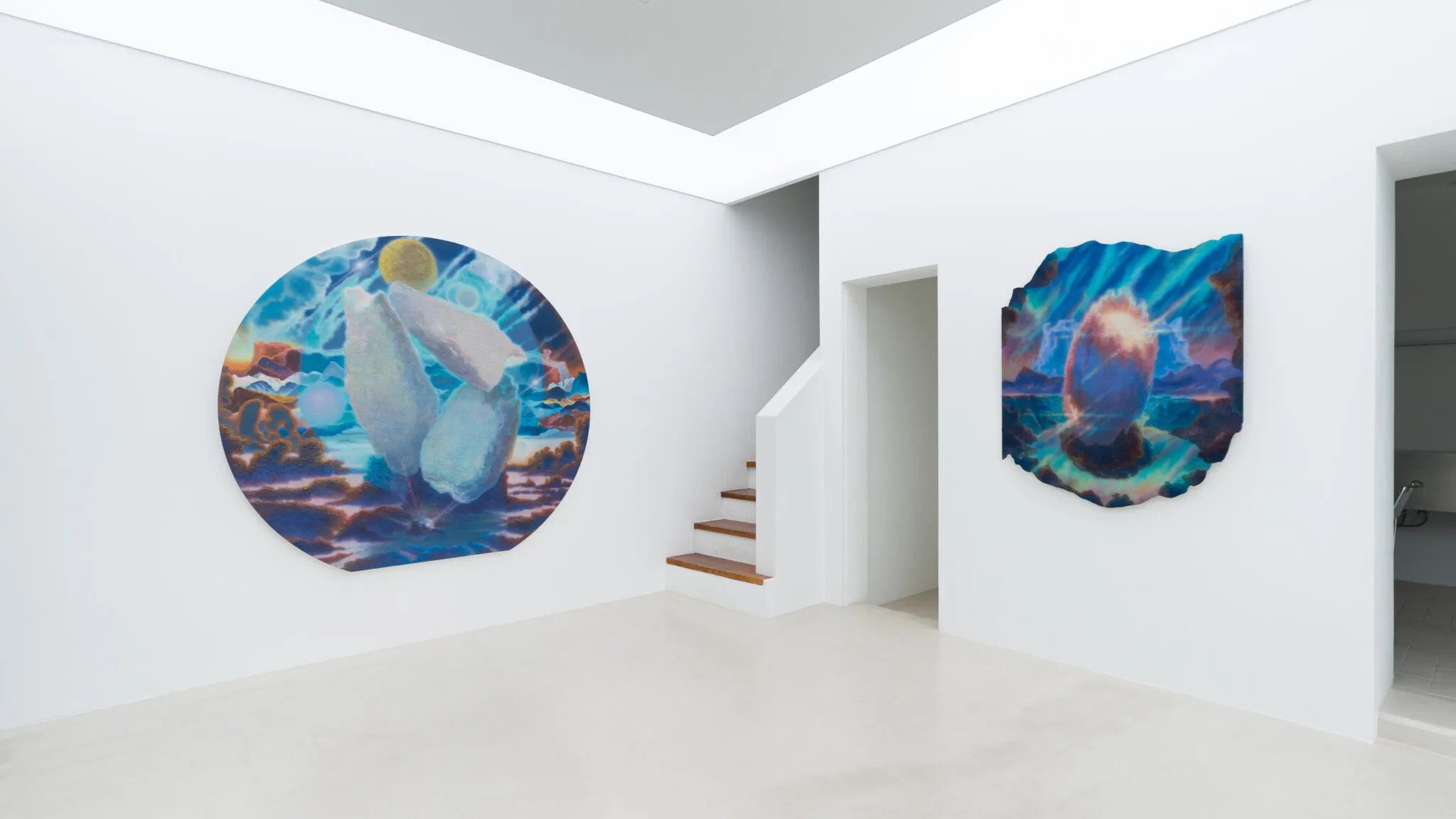
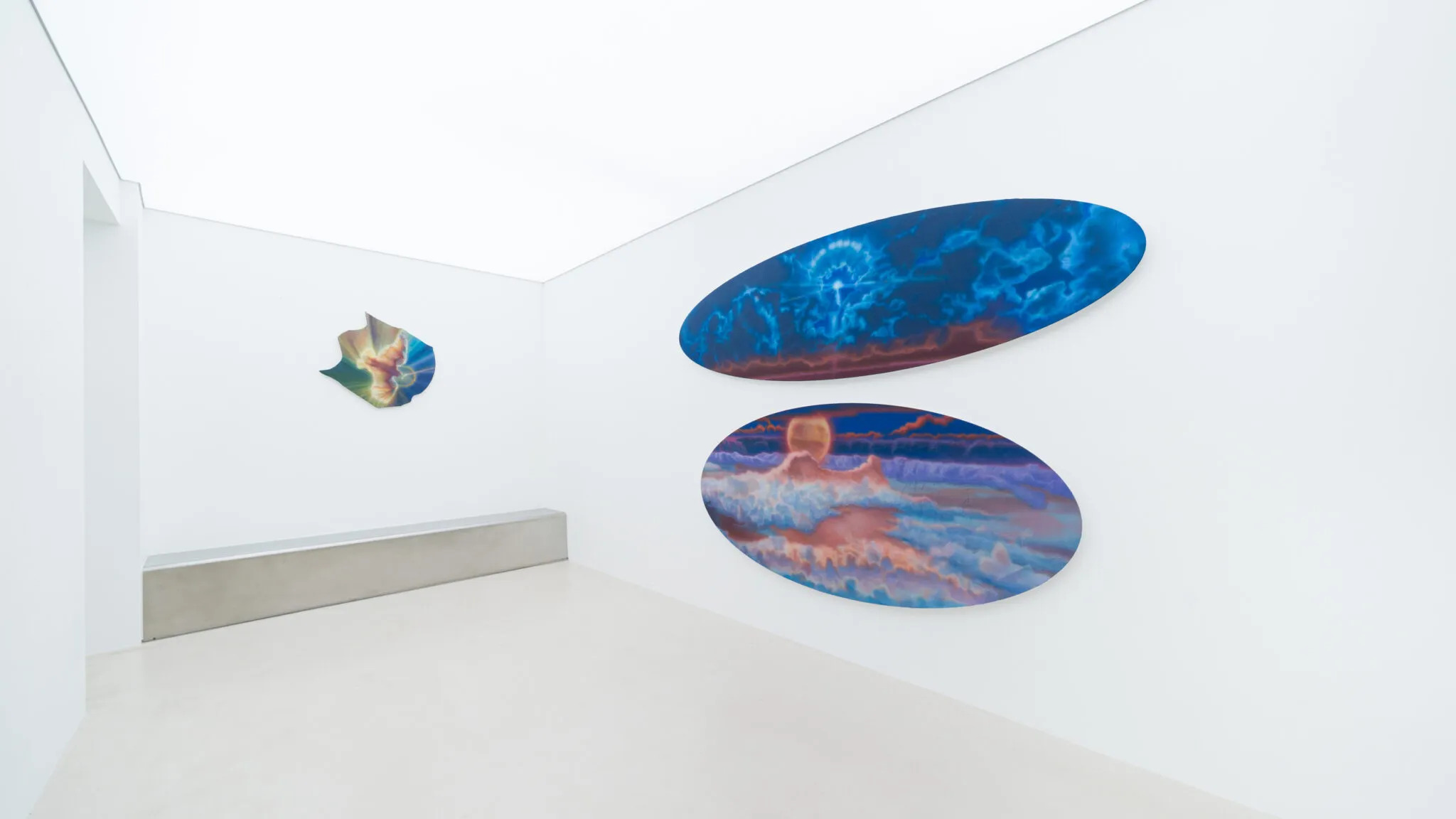
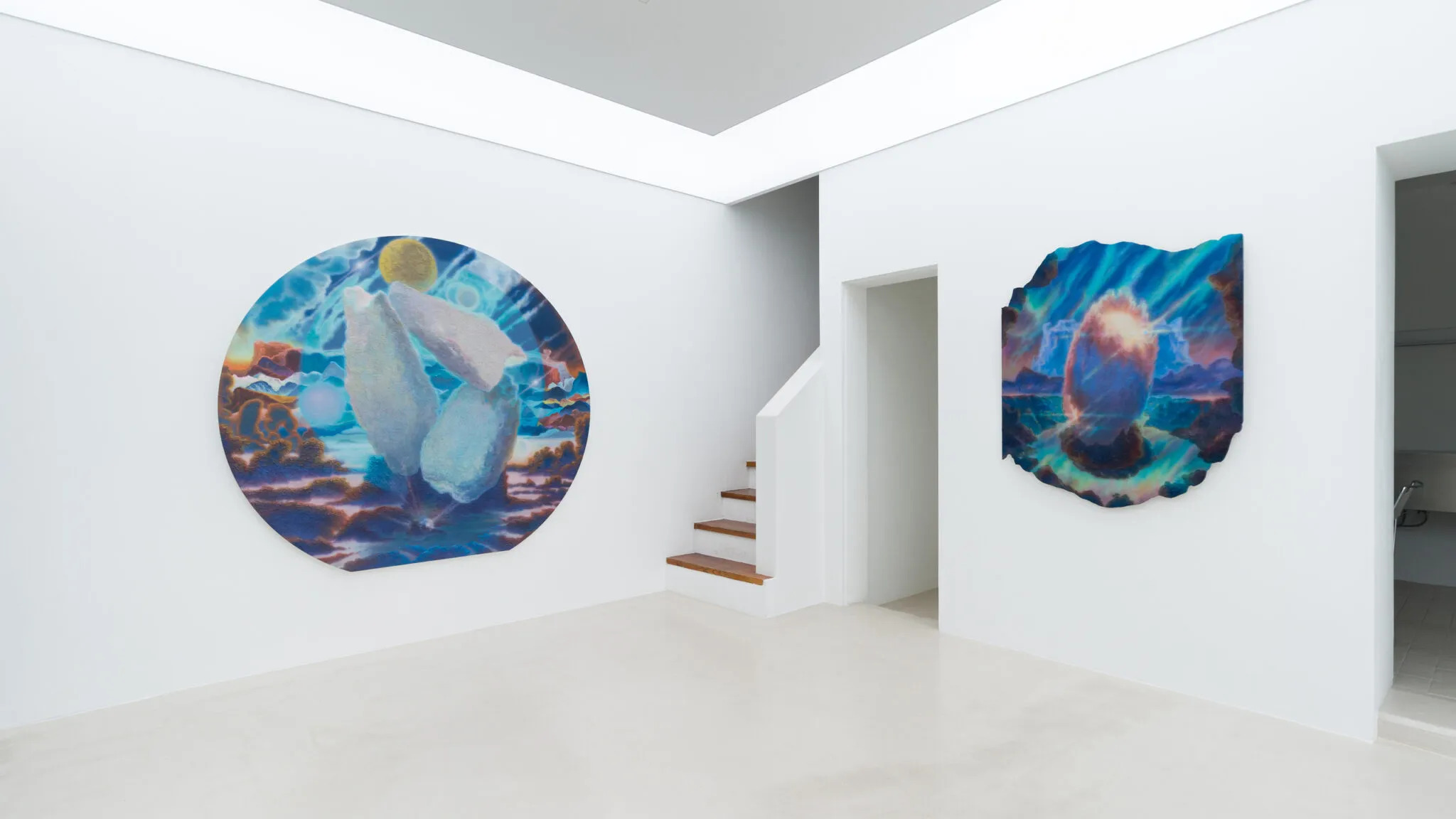
In later works presented in the group
exhibition 《Rabbit Hole》(KICHE,
Seoul, 2025), including Temple Dawn 06(2025),
Temple Incognita 01(2025), and Terra Incognita
01(2025), geographical features such as burnt trees, stone towers,
and pools of water appear as objects connecting the physical and transcendental
realms, and the relationship between form and energy emerges as a new axis of
inquiry.