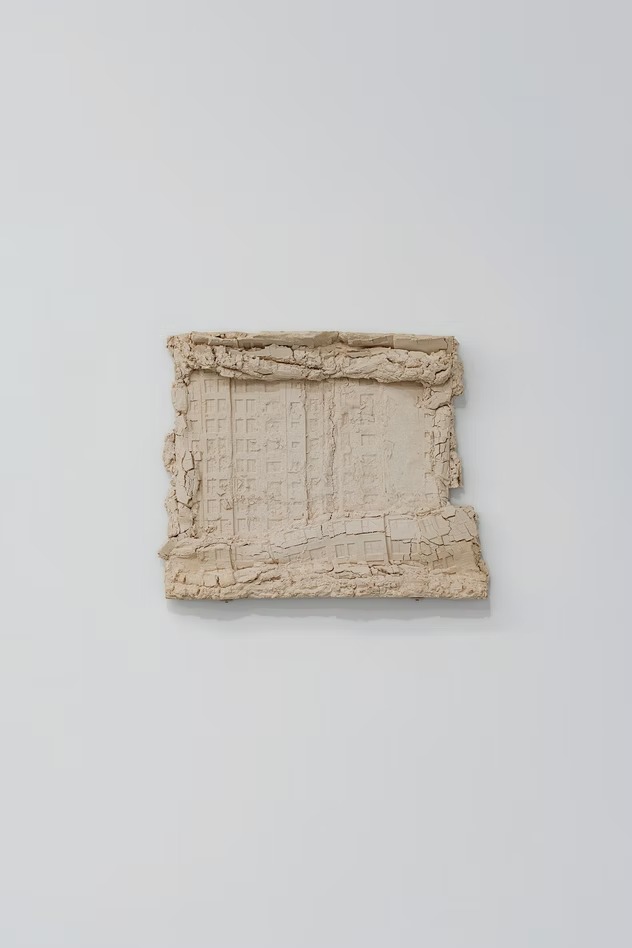
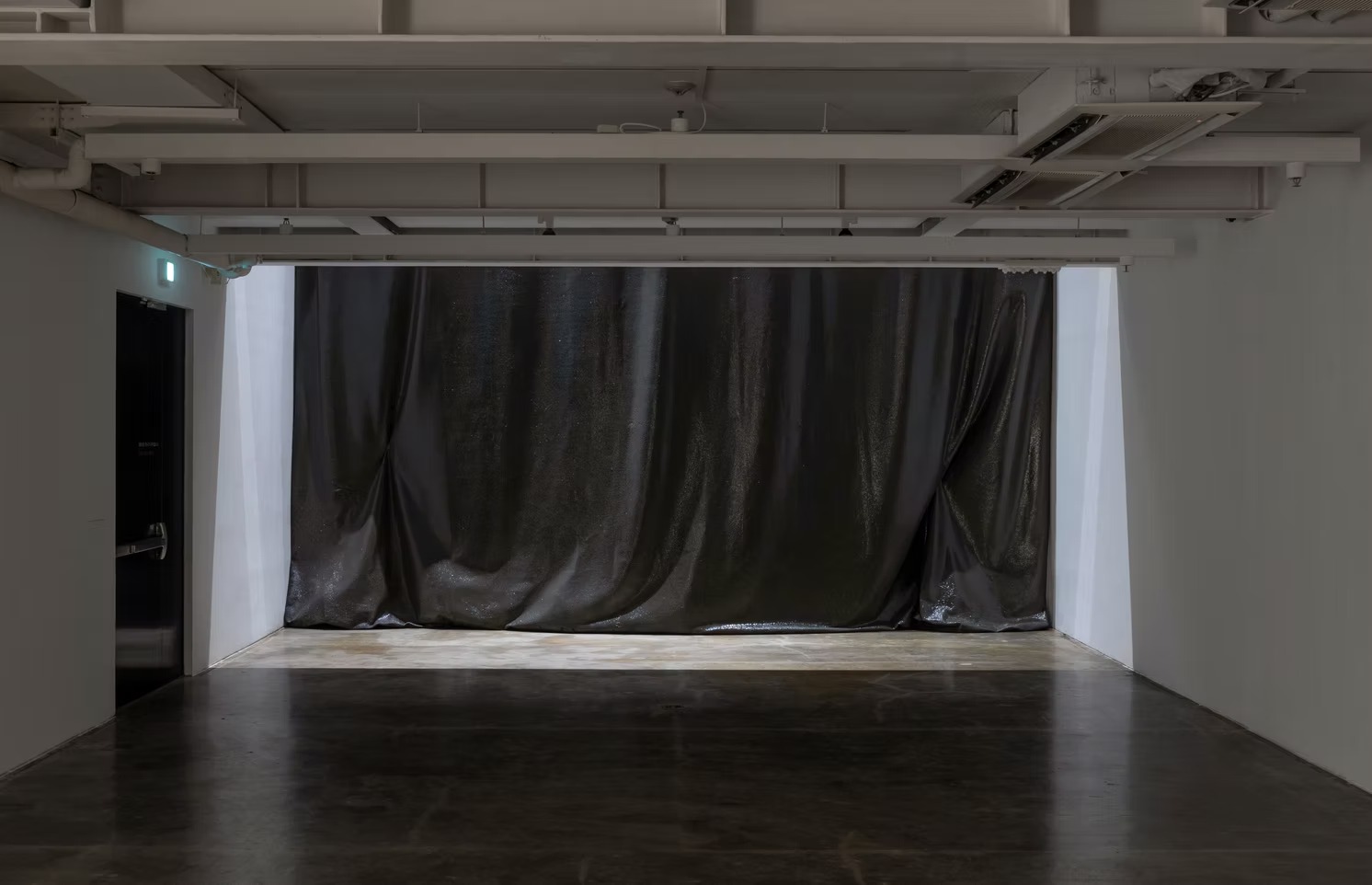
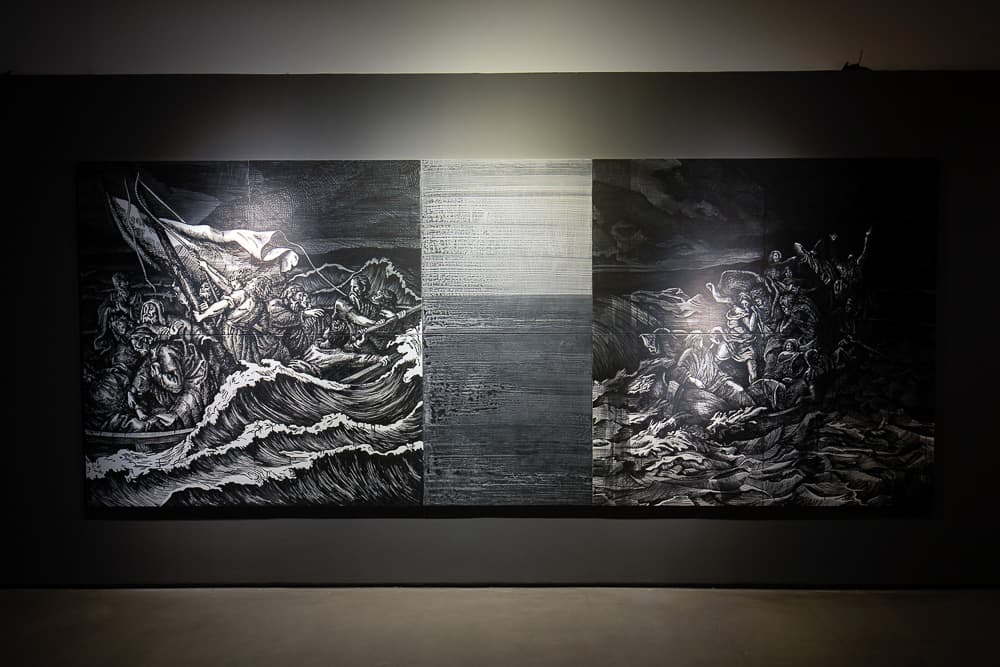
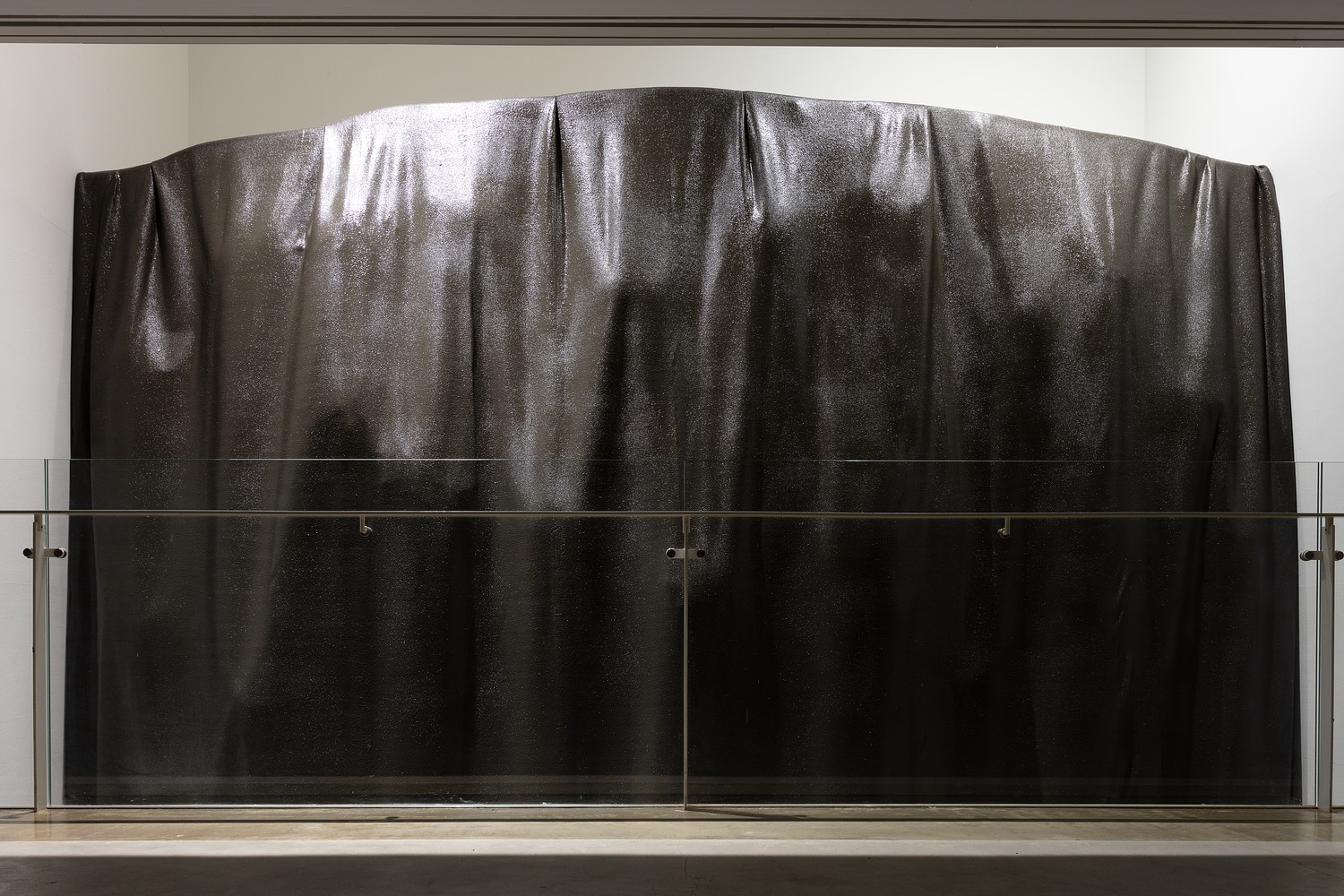
Poster image of 《Seoul-Style》 © SPACE ÆFTER

Anticipating Ruin

A living city circulates. Like an organism, it flows, generates, and moves. The here and now of the vast city in which we live is no different. Each day, we travel along roads connected like blood vessels and struggle to establish a foothold within the city’s skeletal boundaries.

From skyscrapers of wealth rising vertically through capital to clusters of old houses seemingly yearning for ruin, the city wrestles with the ground, distances itself from earth, and gradually constructs the dazzling landscape of the metropolis. If such a city has an “end,” it would be the moment when its struggle with the ground ceases and all that has drifted away from earth undergoes a material return.

The hollow remains of collapsed and extinguished ancient civilizations mark the worn-out margins of vanished cities. They are at once indicators of a world without humans and faint spatial afterimages being overtaken by the time of land and earth.

The ornate Corinthian, graceful Ionic, and restrained Doric columns that once supported pediments repeatedly crack and collapse; their ornamentation grows blunt, their bases snap, and they lie scattered across the ground.


Installation view of 《Seoul-Style》 © SPACE ÆFTER

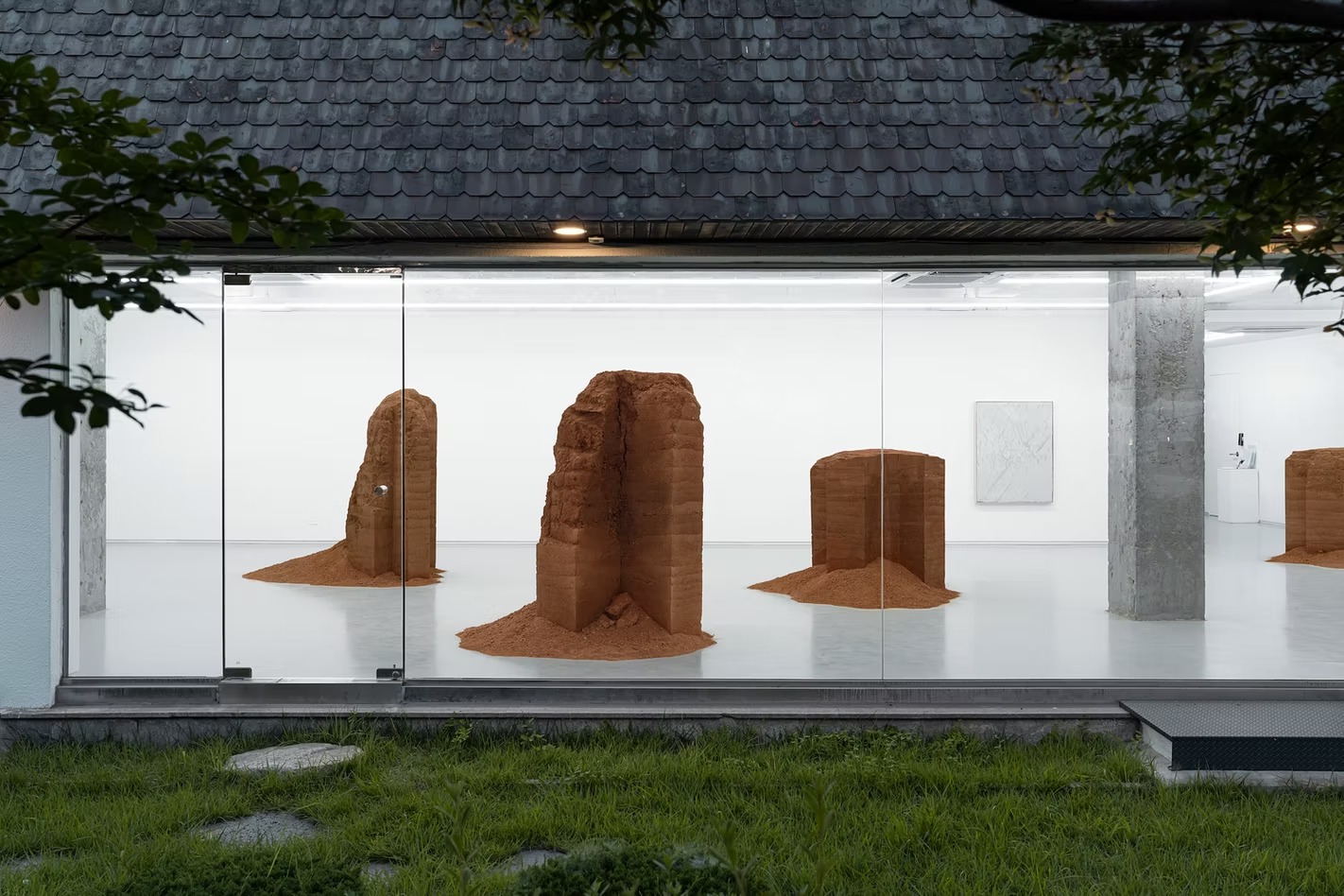
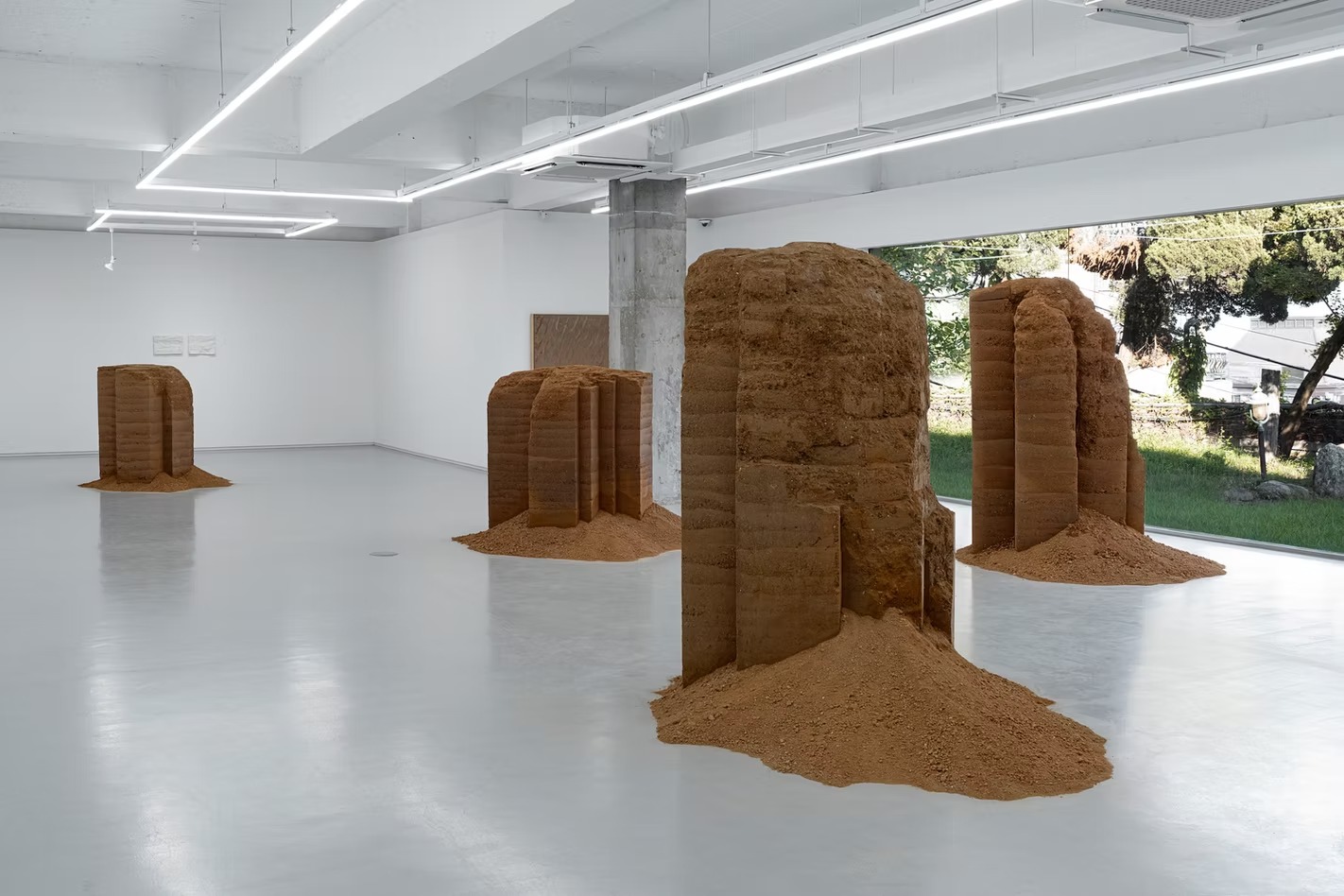
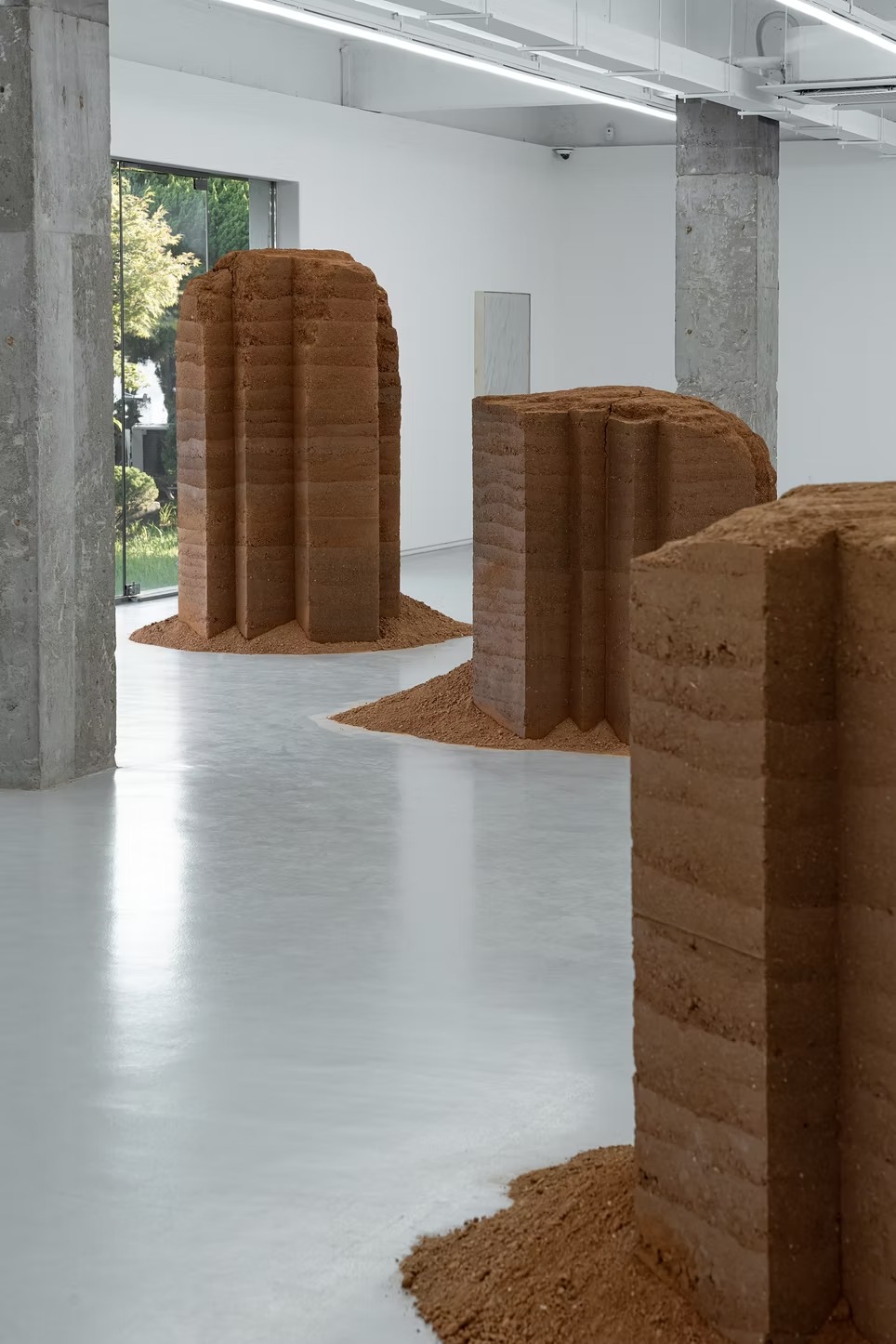
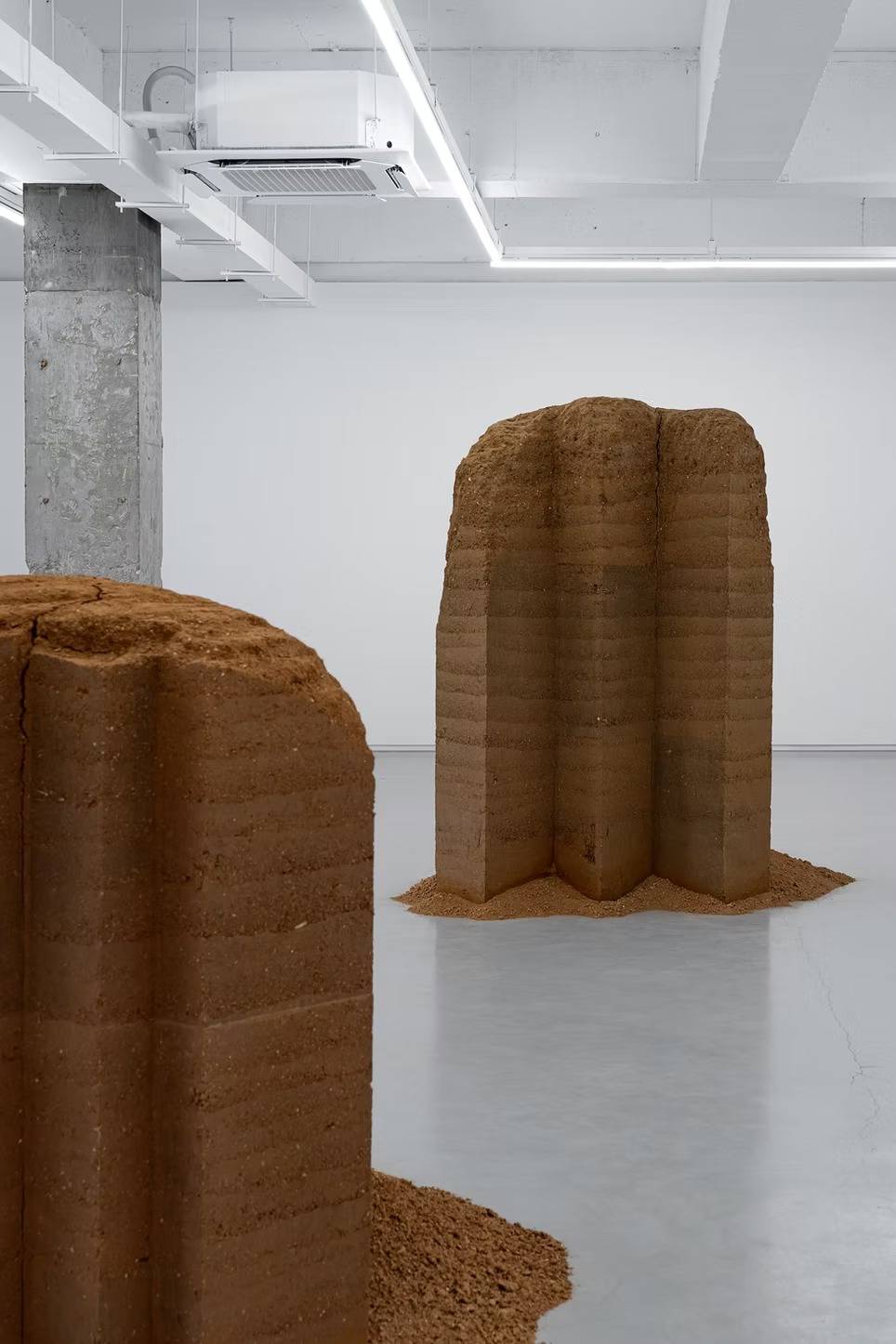
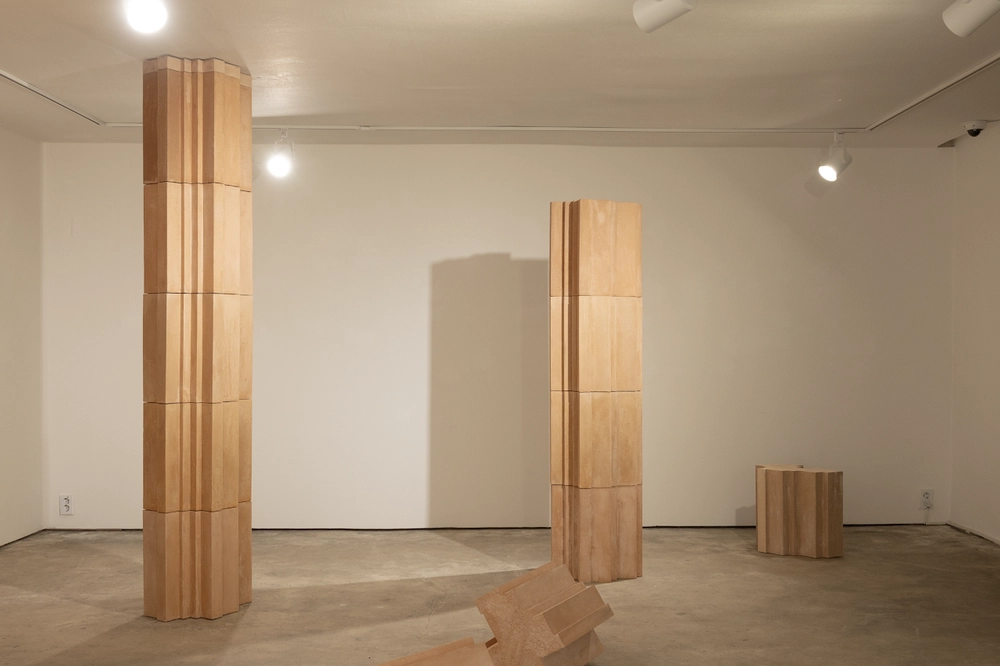
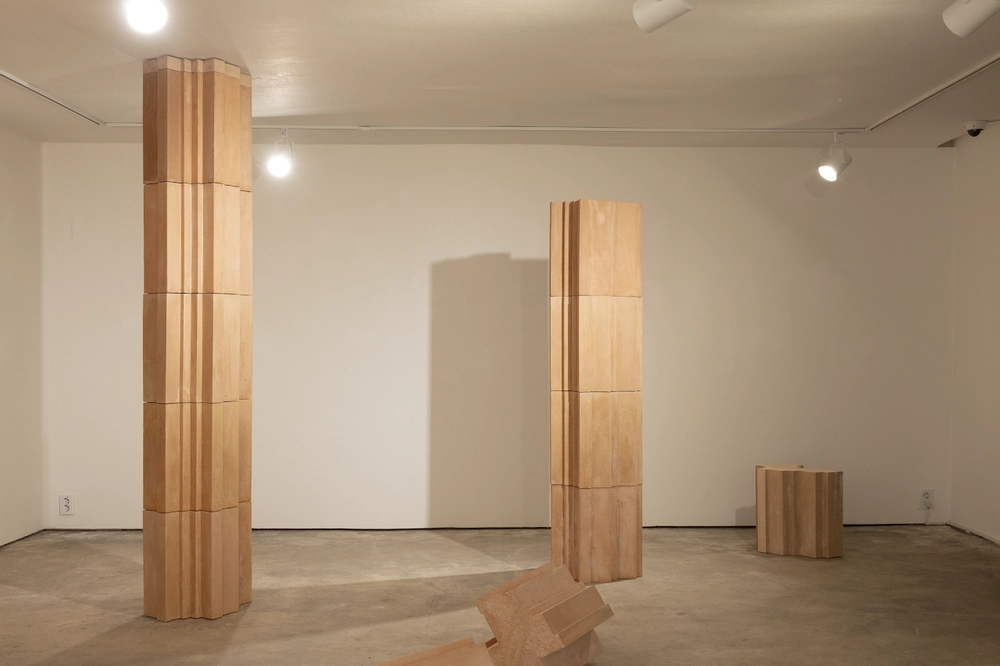
The columns Juree Kim presents in the exhibition 《Seoul-Style》 likewise take the form of high-rise apartment floor plans, rising fiercely in ignorance of a precarious and distant future. Beyond serving as comfortable dwellings, these Seoul-style columns—objects of aspiration like monuments—precariously support the urban landscape like the pillars of a metropolitan temple.

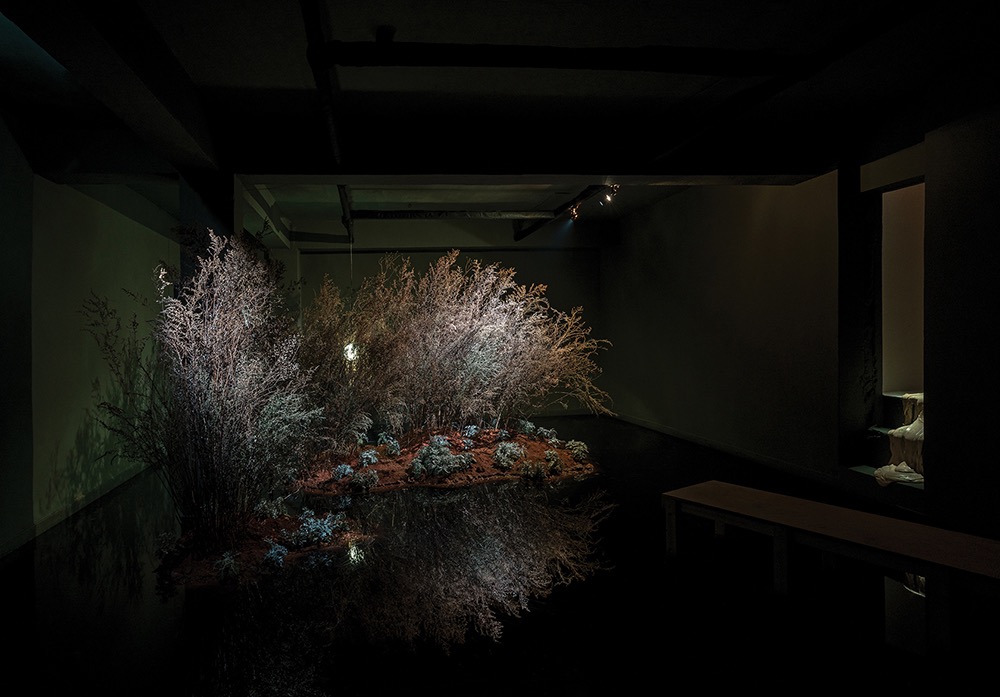
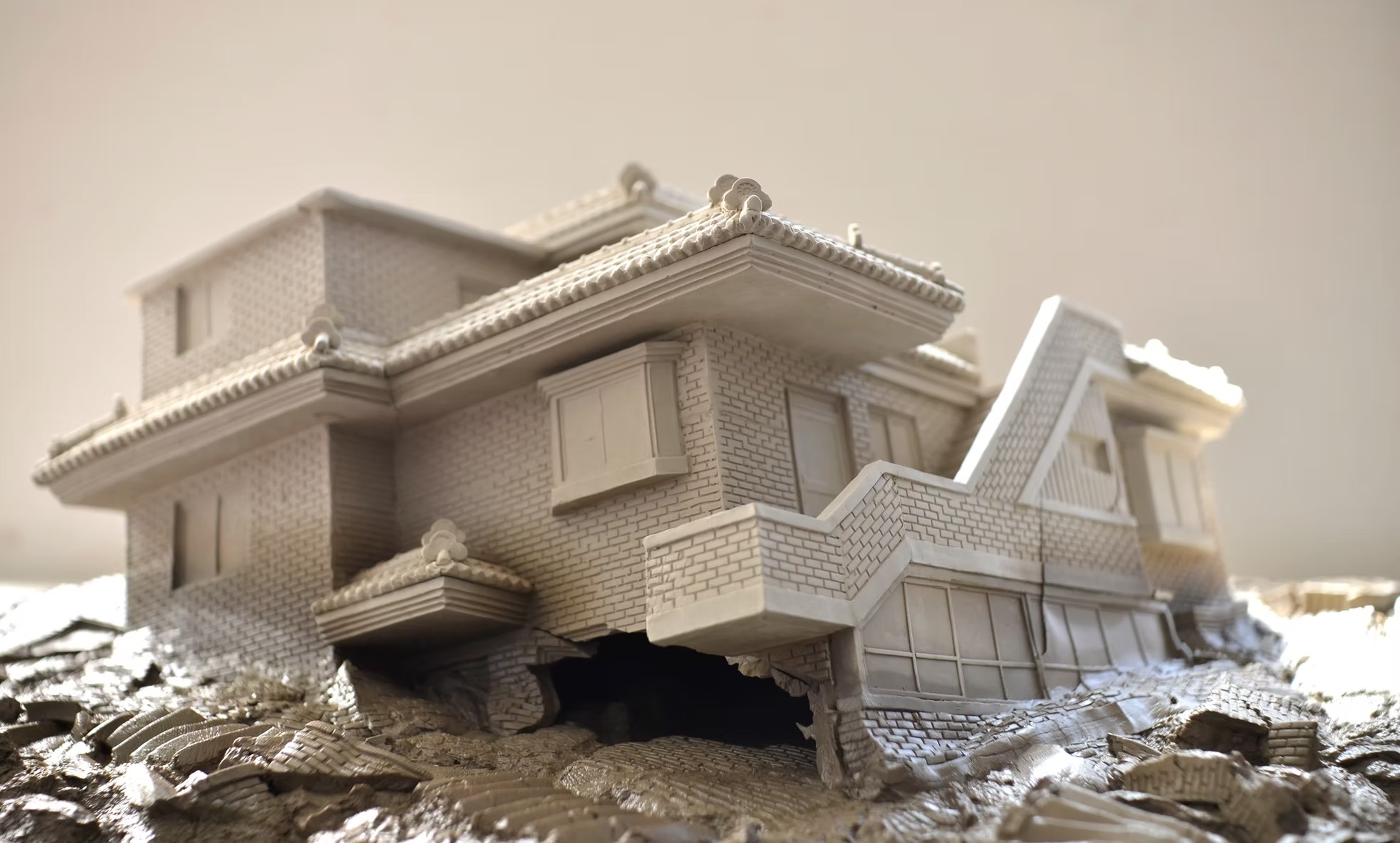
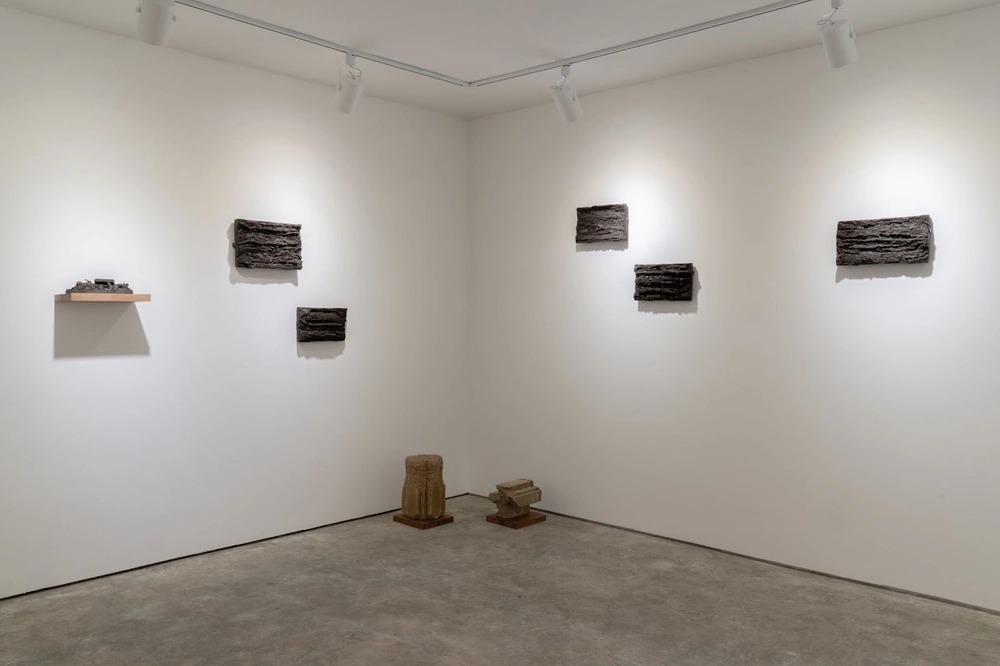
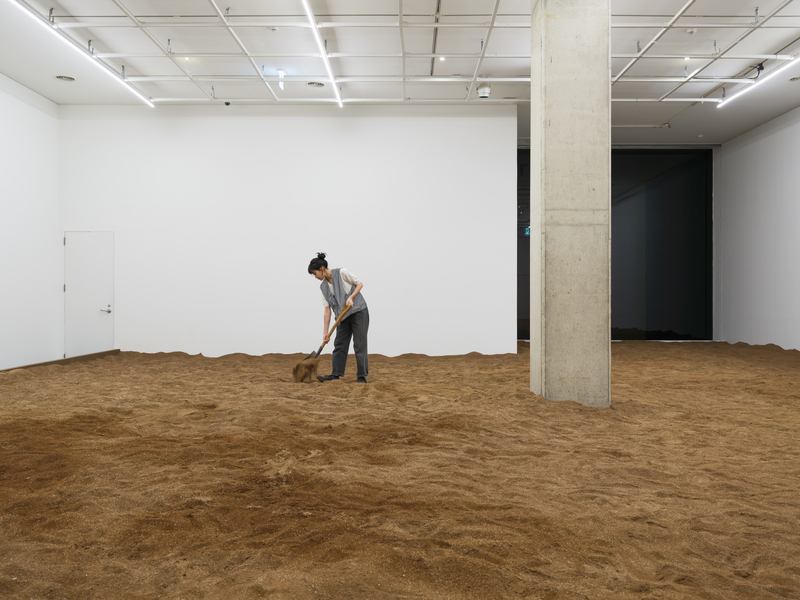
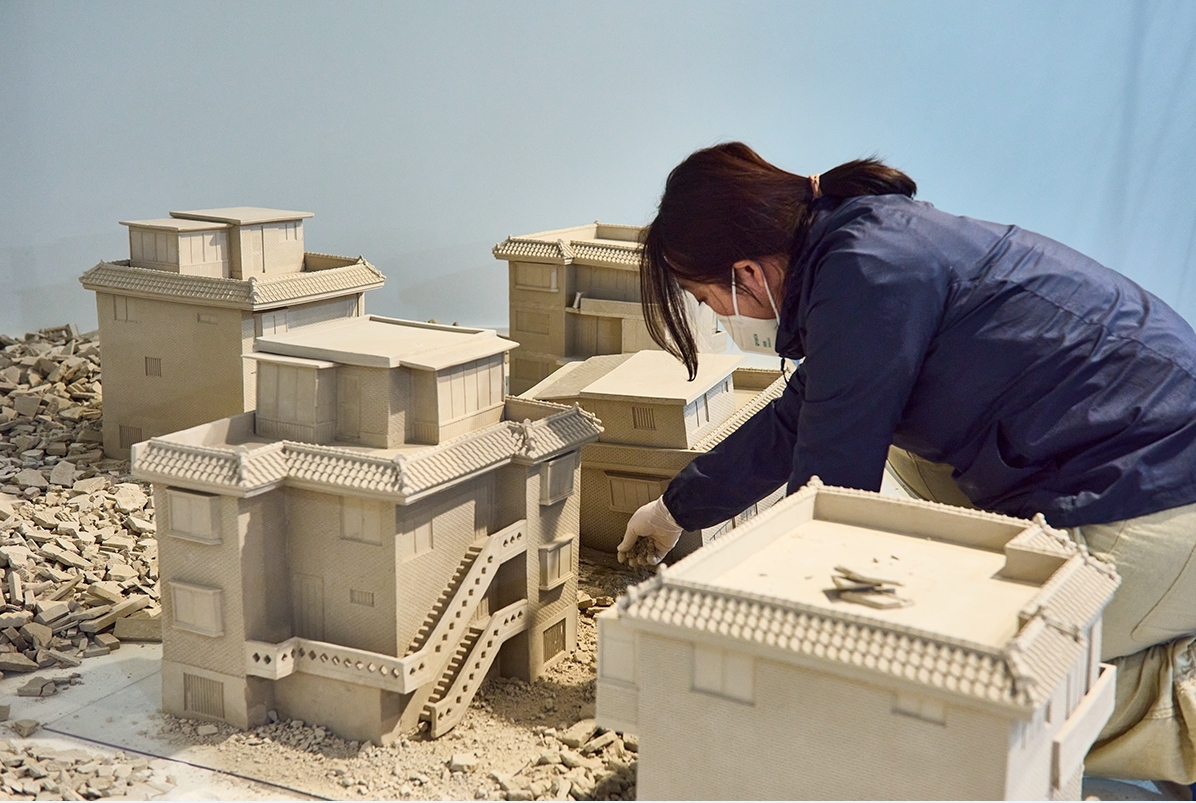
Within the city’s endless cycle of destruction and construction, Kim has long created landscapes that emerge through an arduous process of formation. In her earlier 'Hwigyeong_Evanescent Landscap​e' series, she constructed residential areas and historic buildings out of clay, then slowly poured water over them to reveal desolate scenes as they gradually collapsed.

The transformation of once-crowded neighborhoods into abandoned ruins, followed by their complete demolition, disappearance, and evaporation, has become a familiar urban habit under the name of “redevelopment.” Landscapes of destruction absorbed into the bodies of city dwellers shape an urban life increasingly insensitive to what vanishes, turning the unstable desires embodied by Seoul’s terrain into a familiar temporality.

In discussing the rhythms of the metropolis, Henri Lefebvre explains that urban rhythm emerges when forms of repetition produced through the interaction of time and space, and of cyclical and linear processes, become measurable. The rhythm Juree Kim presents in this exhibition forms a vast cycle that arises not only from the rhythm of the city but also from the material remnants of its time and space.

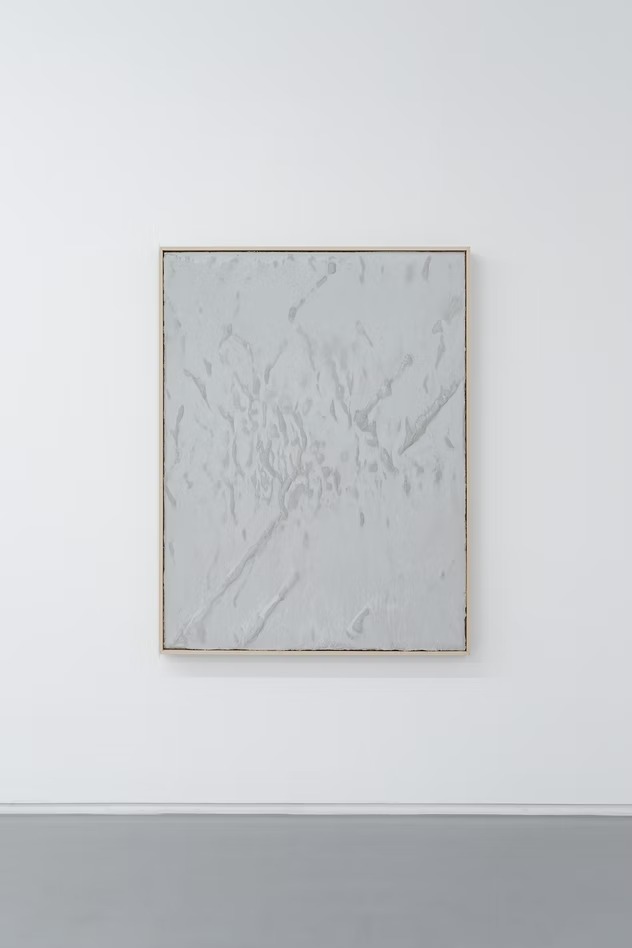
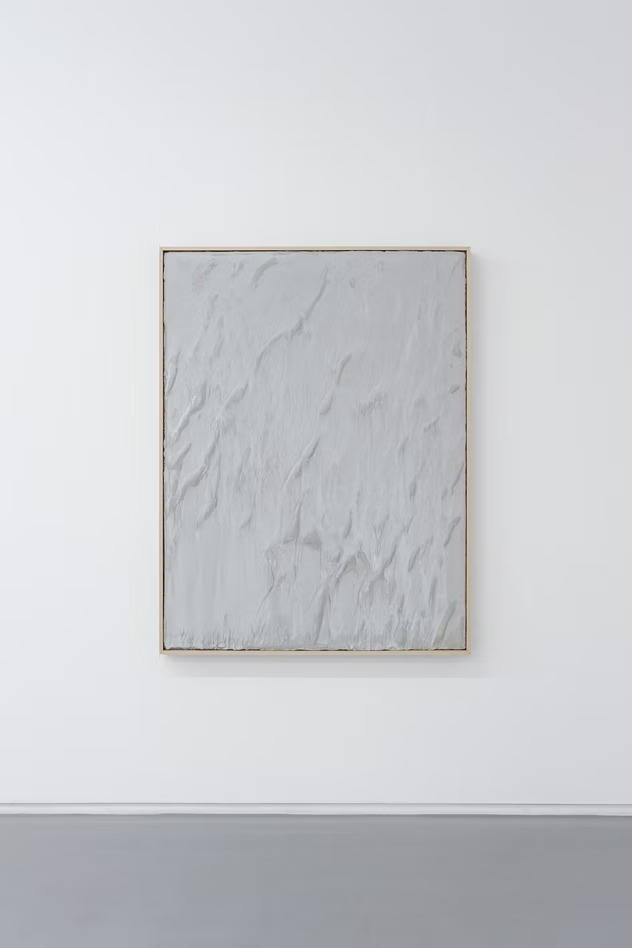
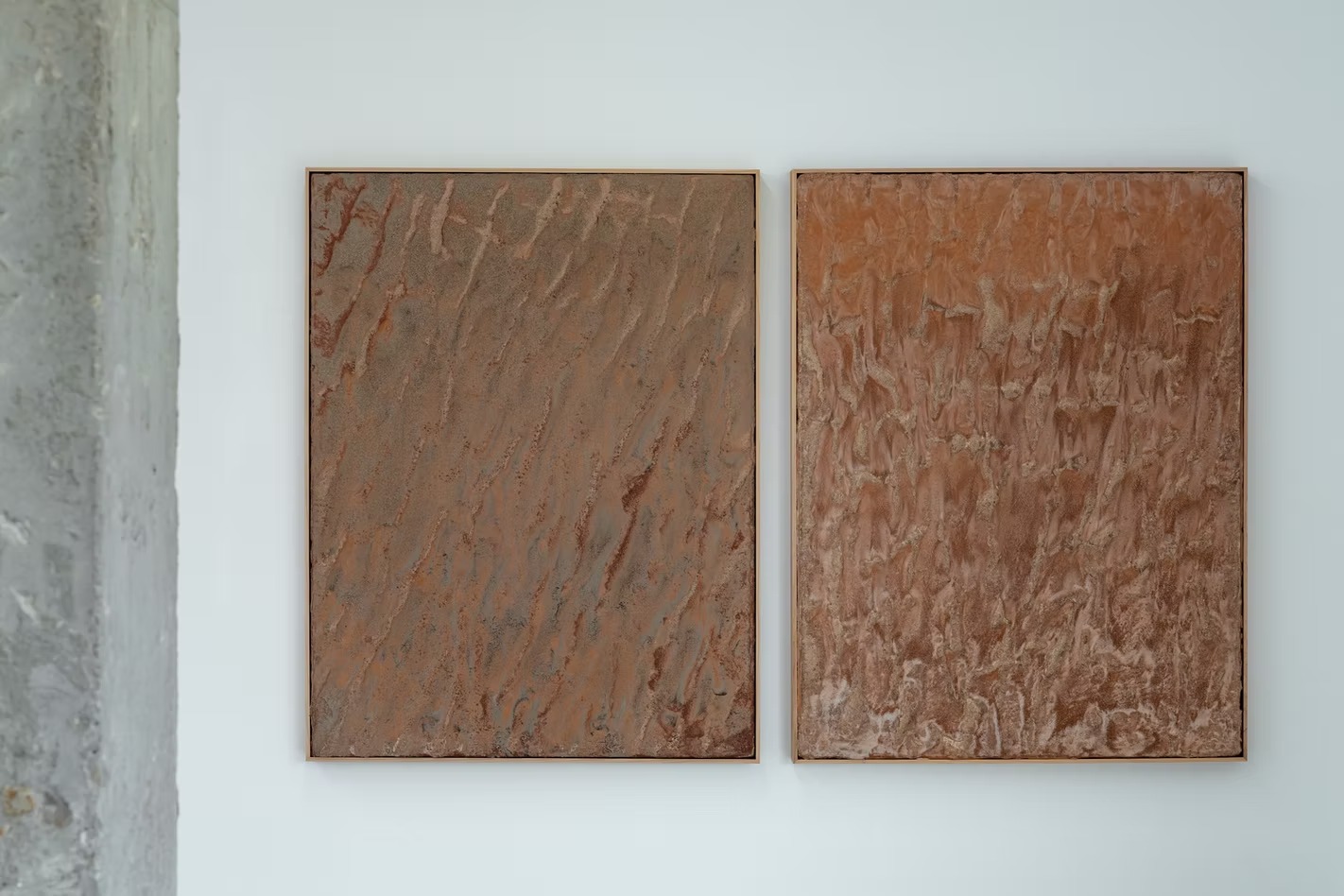
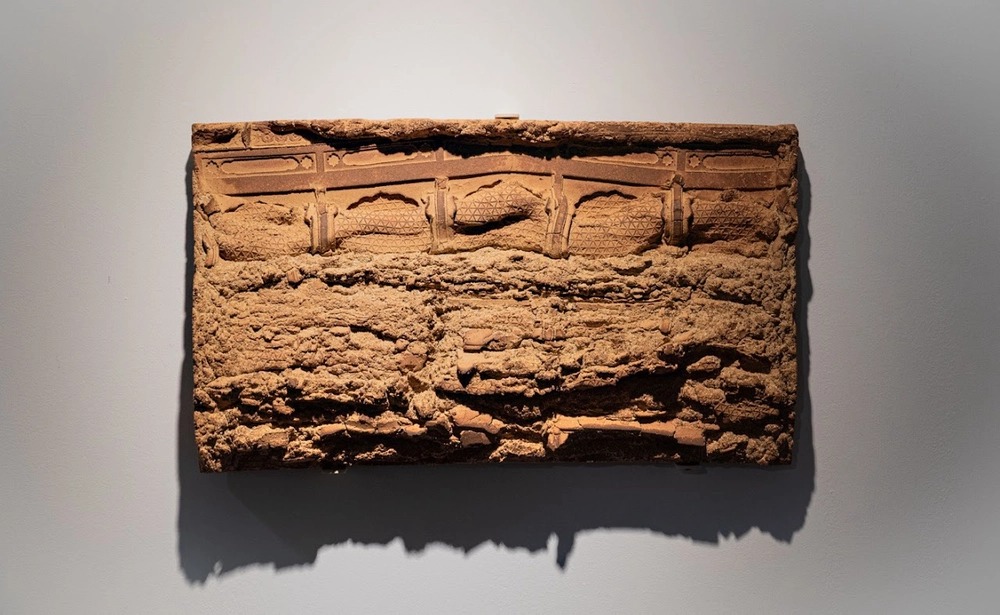
Residential areas and buildings gradually eroded by water collapse, slowly returning to earth as clay and being absorbed into the ground. Unfolding a scene from the midst of this cycle of erosion and dissolution, the 'Clay Tablet' series arrests the all-too-familiar transformation of the metropolis and evokes a sense of transience rooted in the finitude of the time given to us and in our mortality.


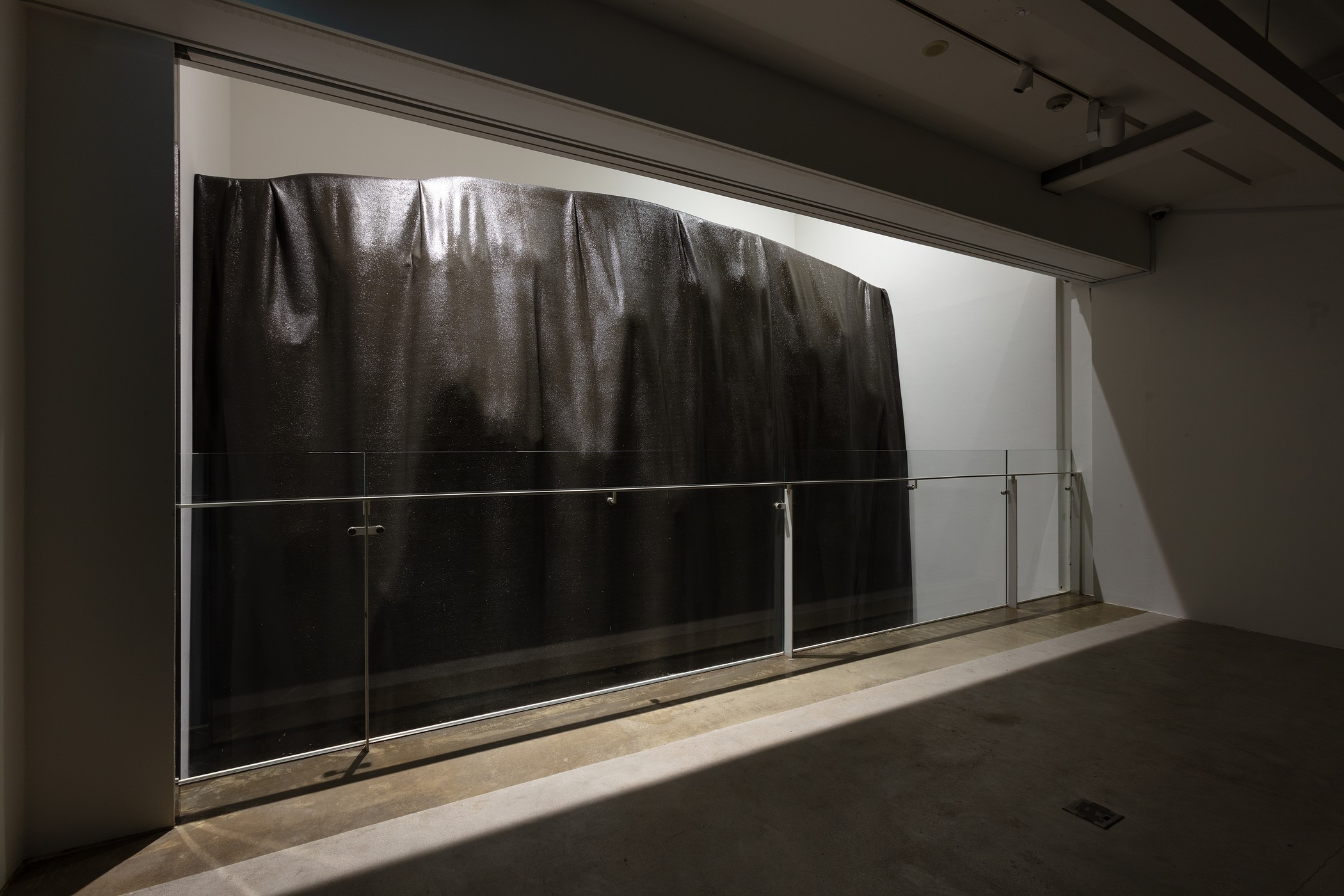
Installation view of 《Seoul-Style》 © SPACE ÆFTER

Whereas Juree Kim’s earlier 'Hwigyeong_Evanescent Landscap​e' series was saturated with water from the opening of the exhibition and continuously eroded throughout its duration, eventually corroding and wearing away into evaporated remnants of ruin by the exhibition’s close, the clay tablet works in this exhibition condense that prolonged process into a single scene.

Borrowing the form of the “clay tablet,” an object resembling an ancient vocabulary, the works record the rhetoric of disappearance so frequently encountered in metropolitan life as a narrative between architectural form and natural material. Through this process, the relationship formed by urban space and time is transformed from the simple witnessing of a physical phenomenon into a form of contemplation sensed through the body.

Solidified within the ceaseless action of erosion, the 'Clay Tablet' series contains matter—and thus the city—in which earth hardens and then liquefies again in a continuous cycle. These materials, moving autonomously while forming dense strata, generate a procession of naturalization that cannot be deliberately fashioned through humanized structures.

The metropolis in which we live shows a particular preference for the tense of the “present,” illuminating the profits to be gained within it. To exchange this urban tense for the temporality of matter, which encompasses the past, present, and future, is to adopt the vocabulary of nature’s ceaseless cycles as the rhythm of the city.

This is also why material is so important to Juree Kim: earth, as both the material and medium of sculpture, becomes for the sculptor a prelude that invokes the vast cyclical rhythm of natural time. Through the 'Wet Matter' series, she has previously presented primordial masses predating civilization, or the awe of nature from which the dawn of humanity originated in megalithic culture.
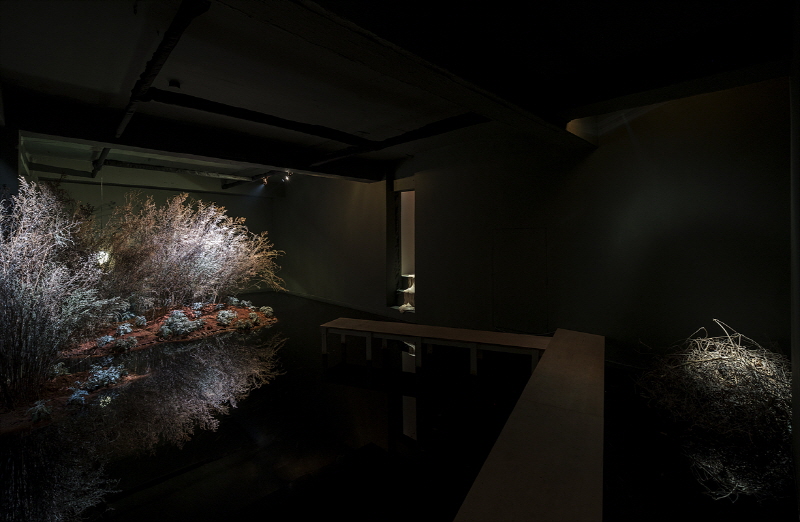
This relates to Kim’s attempt to present an all-encompassing cycle by reversing the forward progression of human civilization and arriving at what Gaston Bachelard described as “an image filled with rich and dense oneiric matter, an infinite mode of material imagination.” In this exhibition, the 'Column' series approaches the premonition of ruin embedded in the contemporary city, much like the temple architecture of ancient civilizations.
The myths of megaliths and temples built in relation to the sun and starlight have, in the present day, been transformed into blind faith and totems centered on skyscrapers and capital. Kim personally collects debris from old residential buildings demolished for apartment reconstruction, repeatedly grinds and molds it into a new material, and uses it to erect columns shaped after the floor plans of the apartment complexes that replaced them.

Like the remains of columns in a devastated temple, they stand precariously without capitals or lie fallen across the floor. Walking among these urban columns, where time and space seem to have reversed and returned the city to antiquity, we intuit that no one can remain exempt from the histories civilizations have endured or from the landscapes at their end.


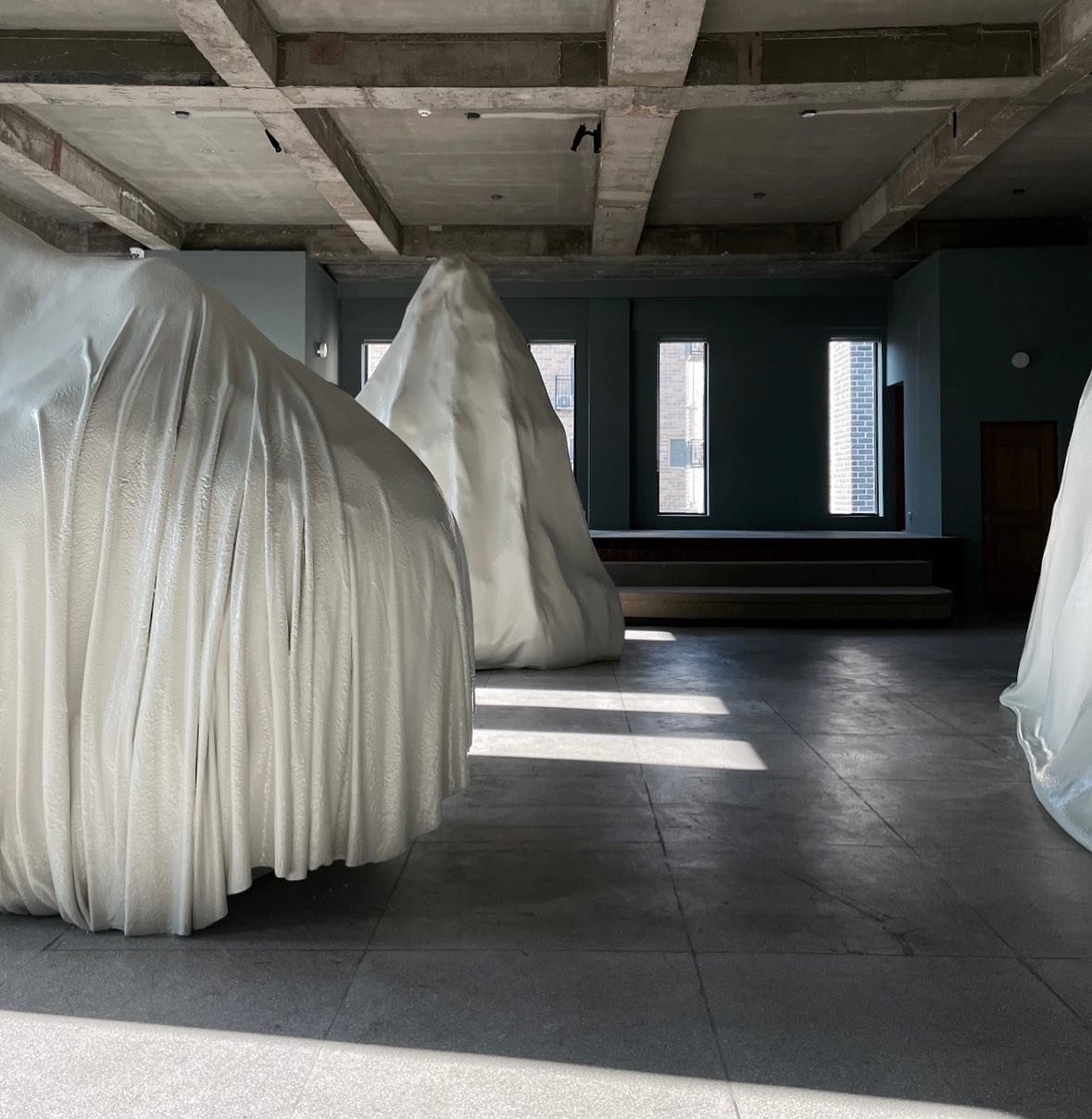
Installation view of 《Seoul-Style》 © SPACE ÆFTER

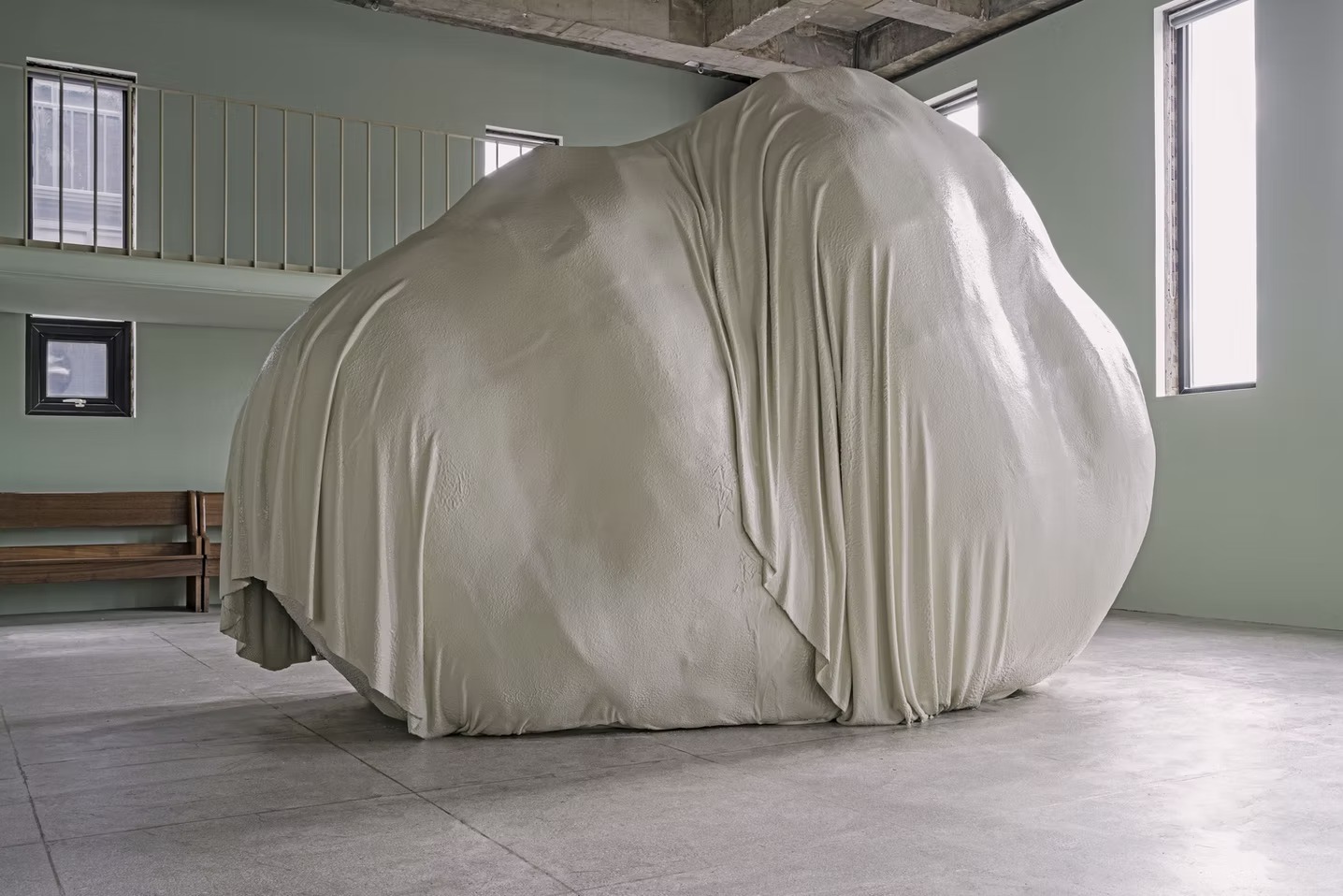
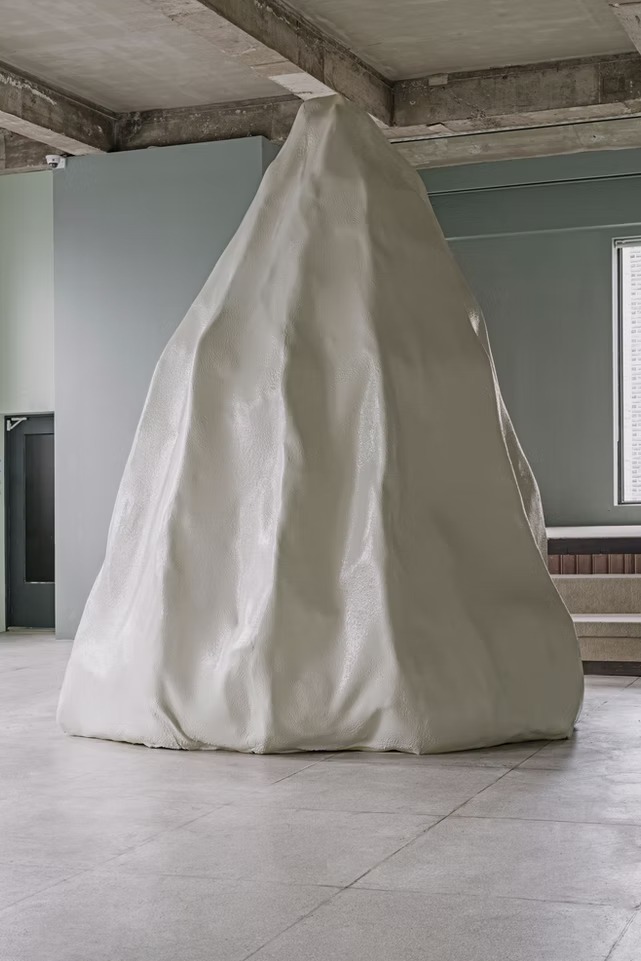
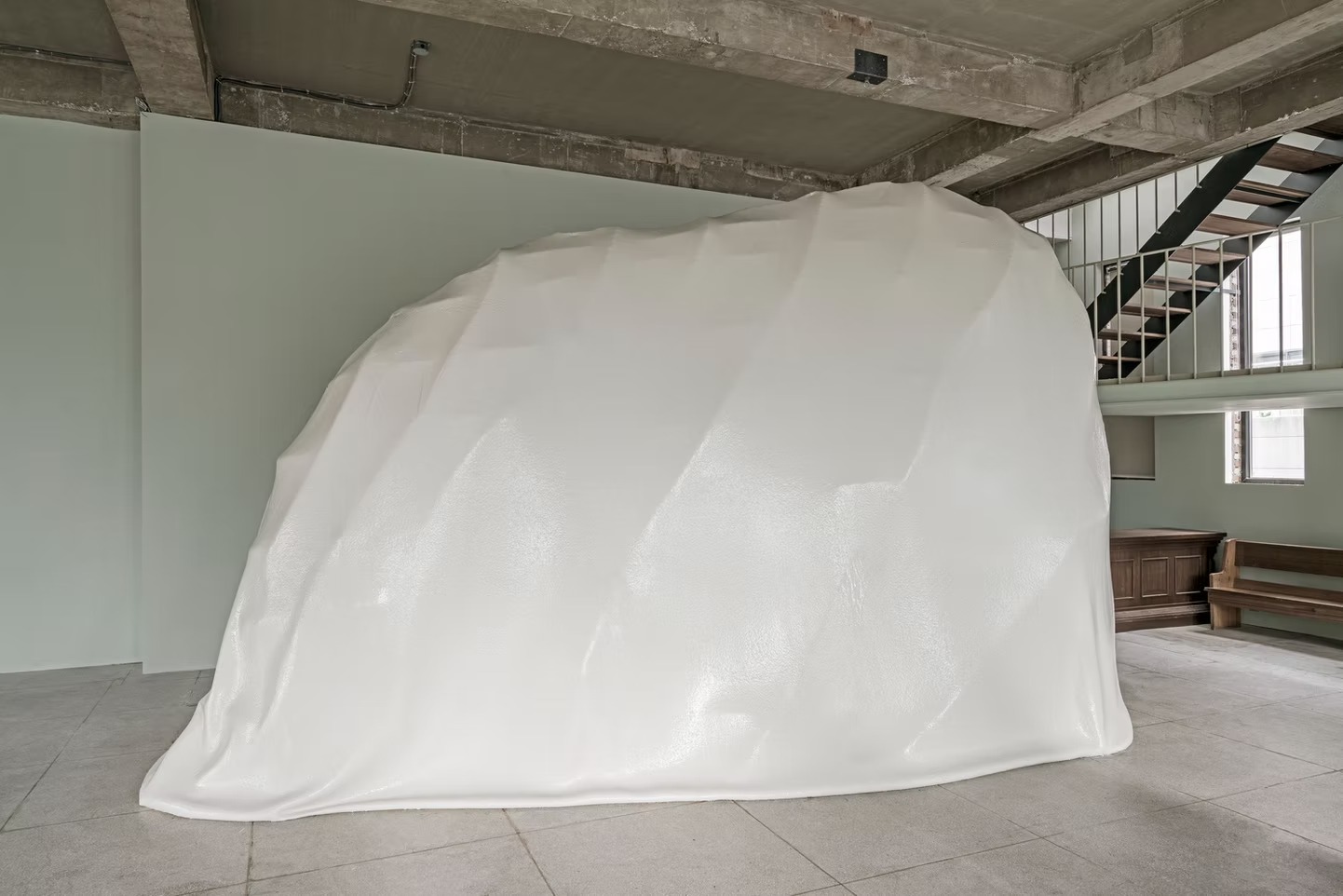
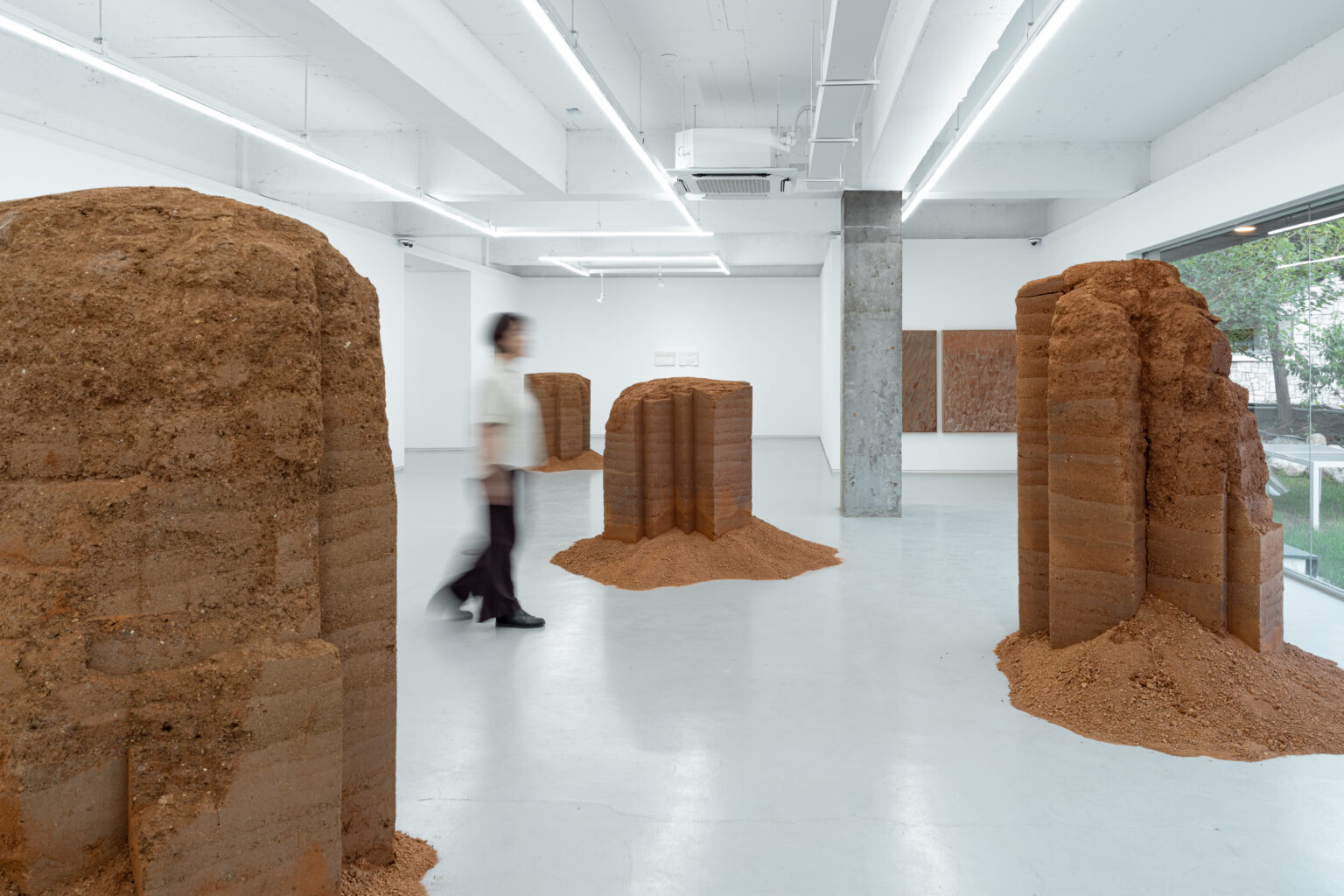
This, too, is ultimately the rhythm of civilization, which cannot help but move in cycles, and at the same time the inevitable rhythm of nature. The destination of this rhythm is the complete weathering, or the fully restored ground, urged onward by the 'Peaks' series. These works are at once the remains of a city and the force of nature in the process of regenerating itself.

We hesitate to describe the 'Peaks' series as either degeneration or destruction because it clearly originates in nature, and thus in humanity, before returning once again to nature. In Juree Kim’s work, the sense of futility inherent in classical Romanticism intersects with a longing for generation that emerges from material itself.

It embodies the present containing antiquity while reflecting upon the violent proliferation of ruins in the process of collapse. The exhibition thus converges into a landscape shaped by contemplation of the cyclical time that will inevitably arrive. A vast cycle in which “anticipating ruin” becomes an anticipation of nature and, at the same time, an anticipation of the city, lends substantial weight to her practice.

Rather than merely surveying the conditions of the metropolis in a critical tone, the exhibition functions as a form of celebration for the civilization of the city; to walk through the exhibition space is therefore to dwell momentarily within a city of infinite creation and dissolution.

References