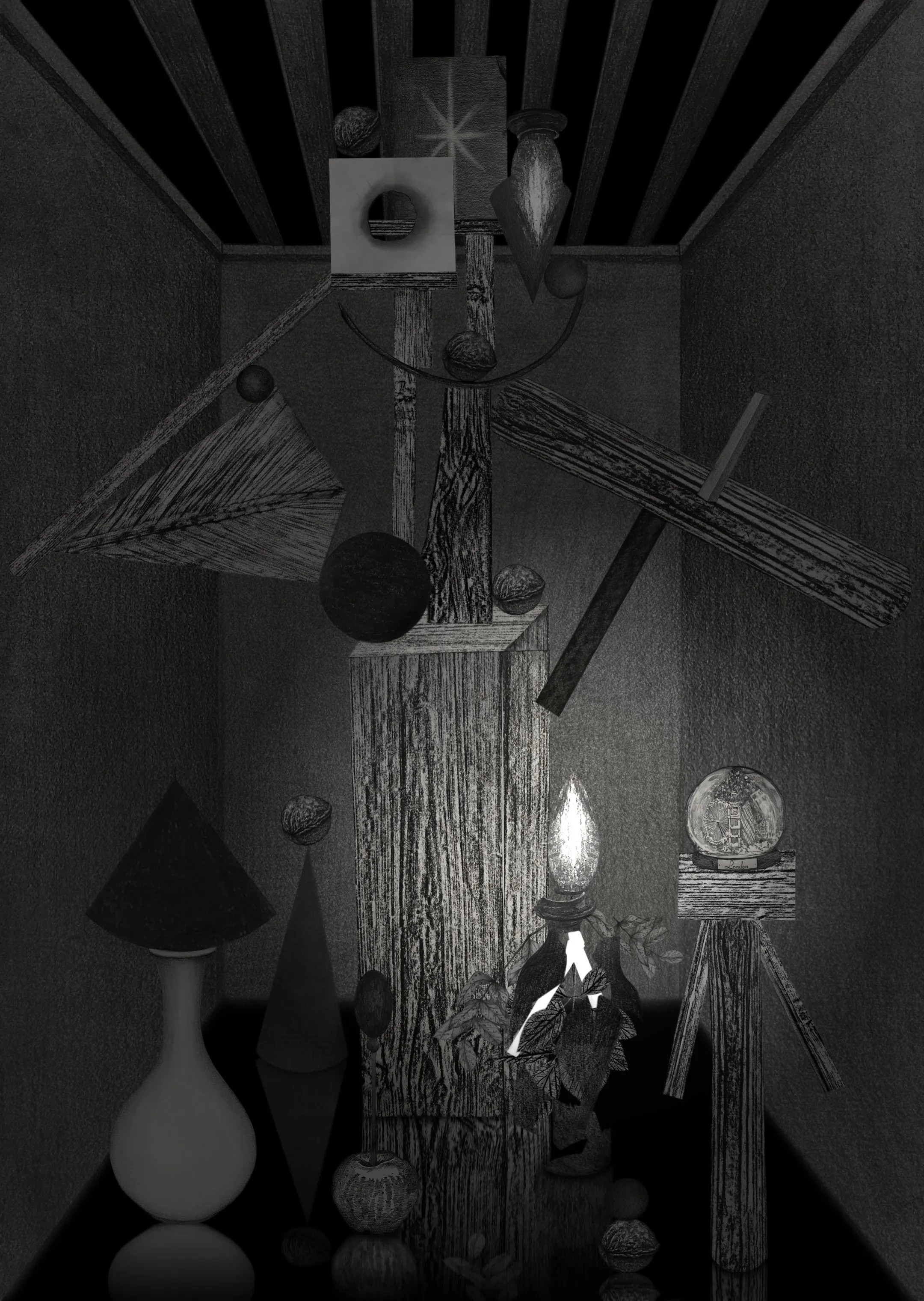
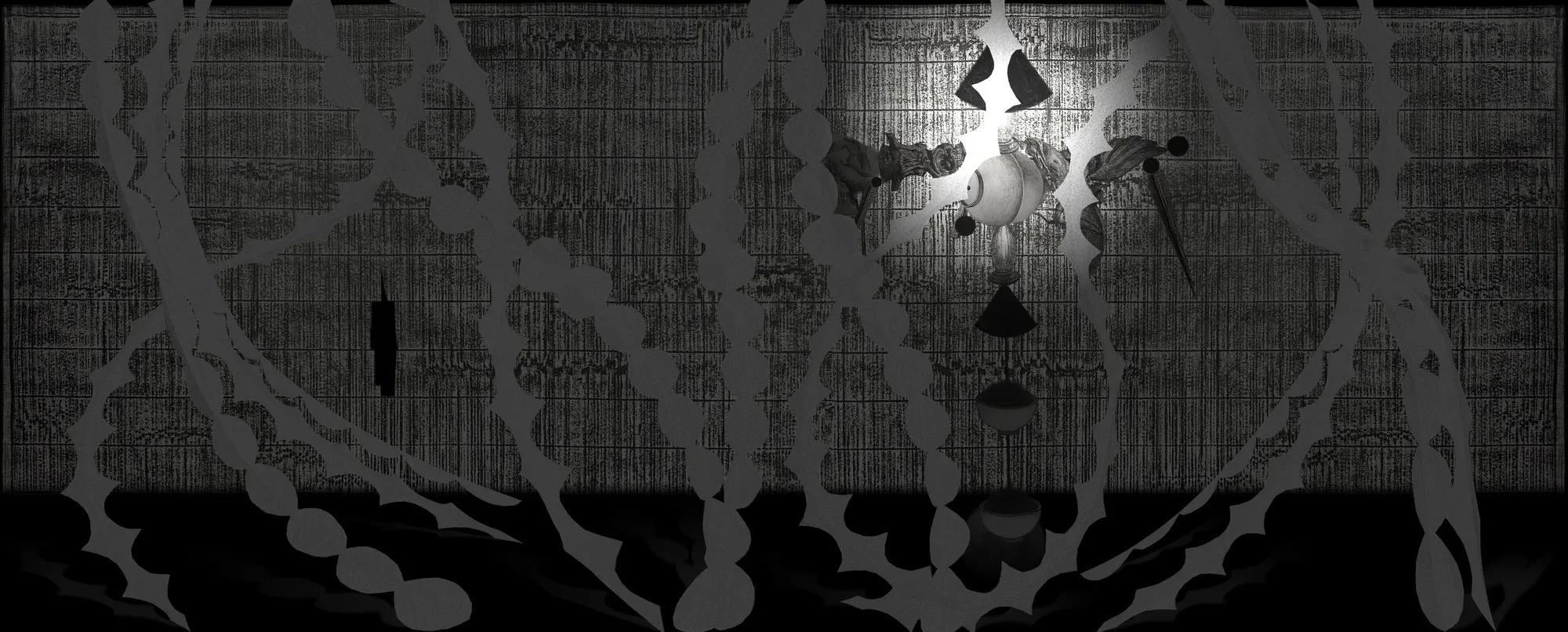
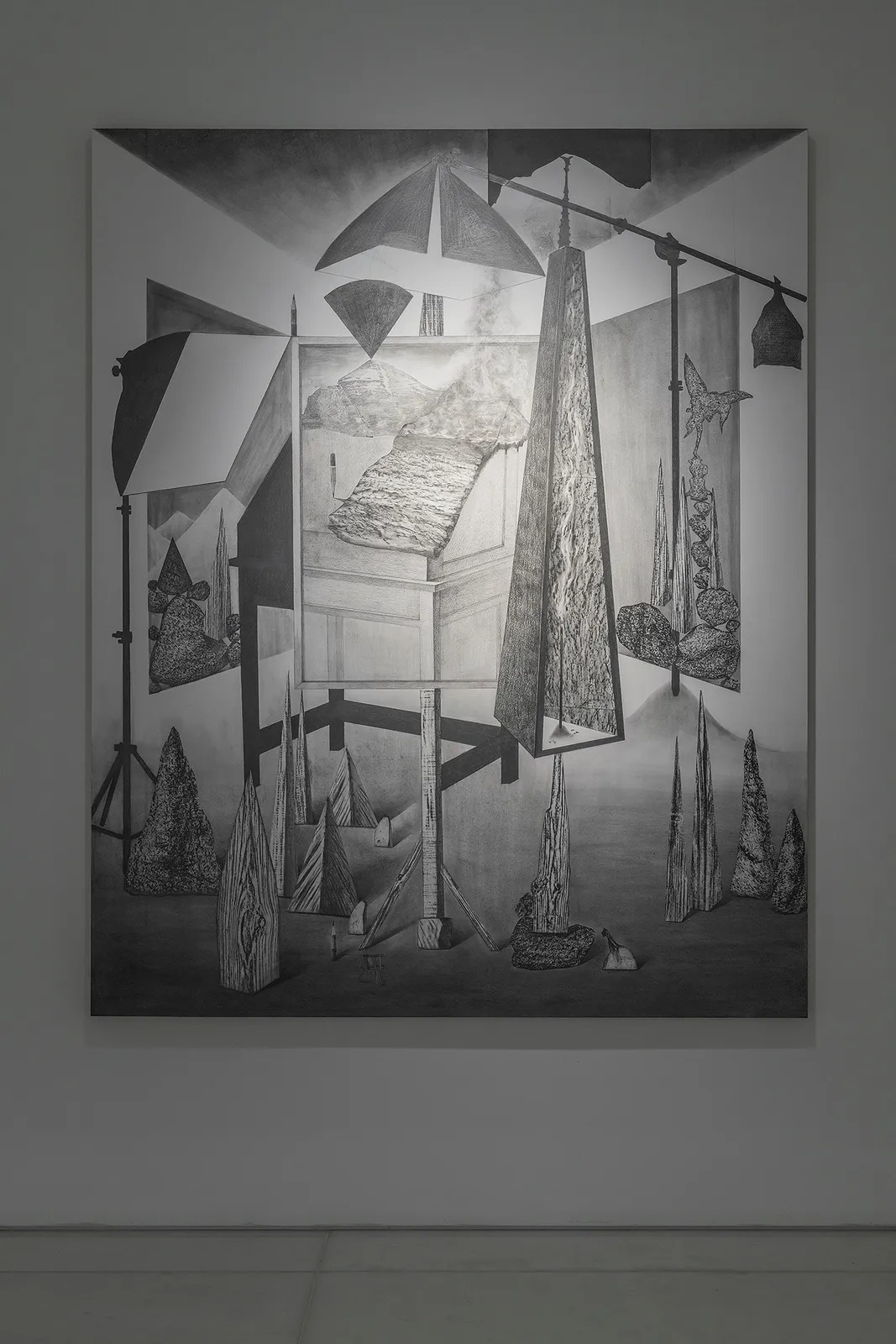
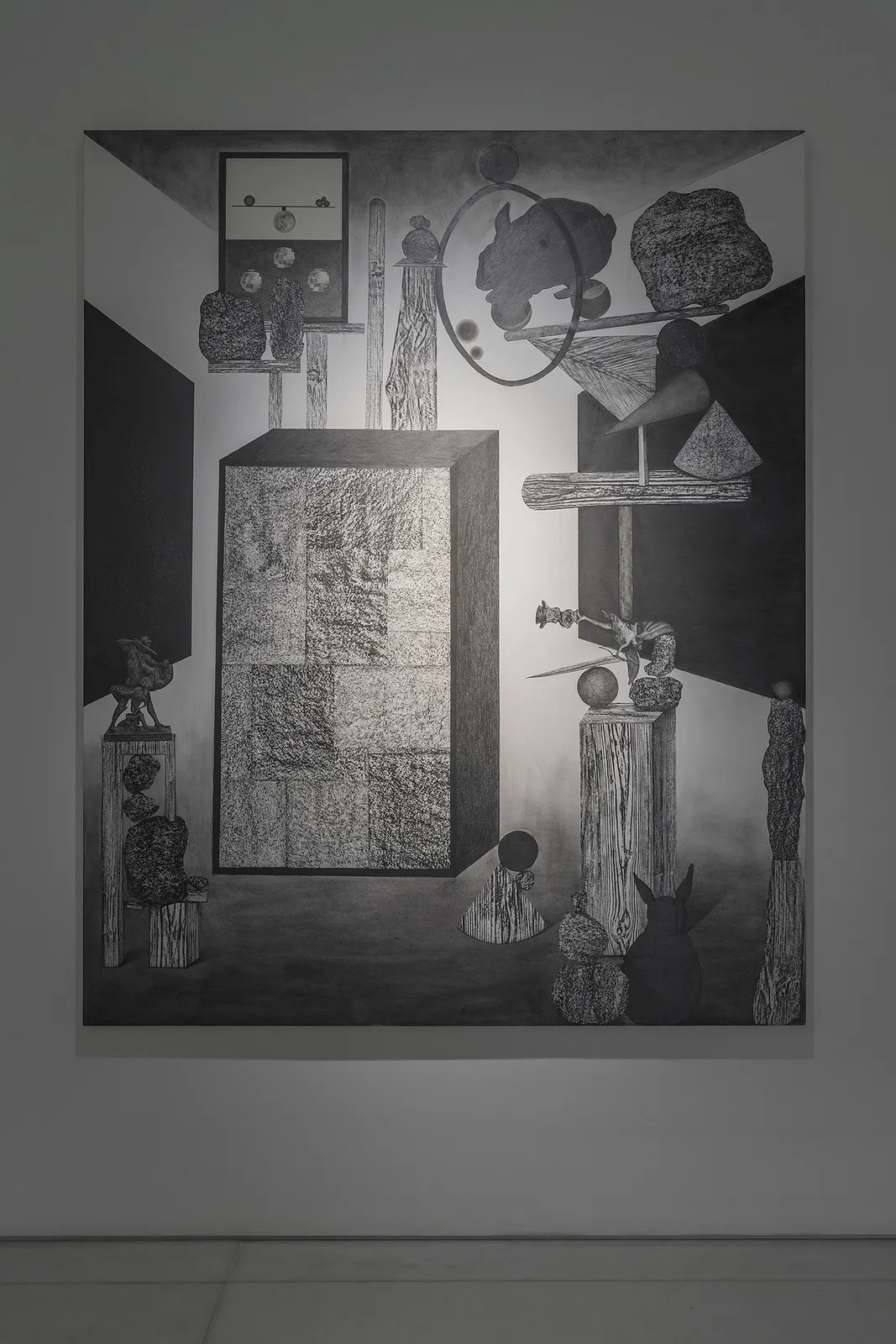
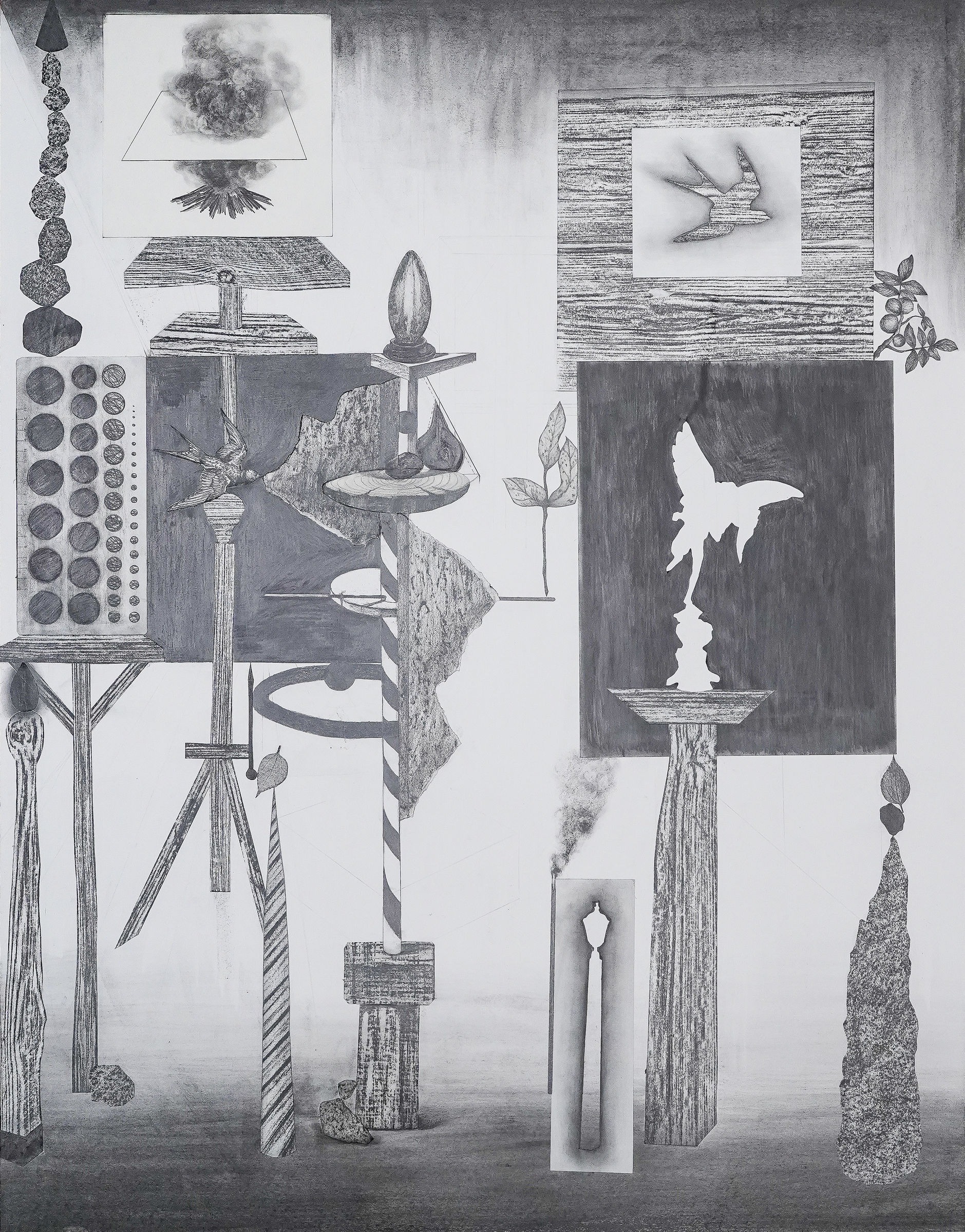
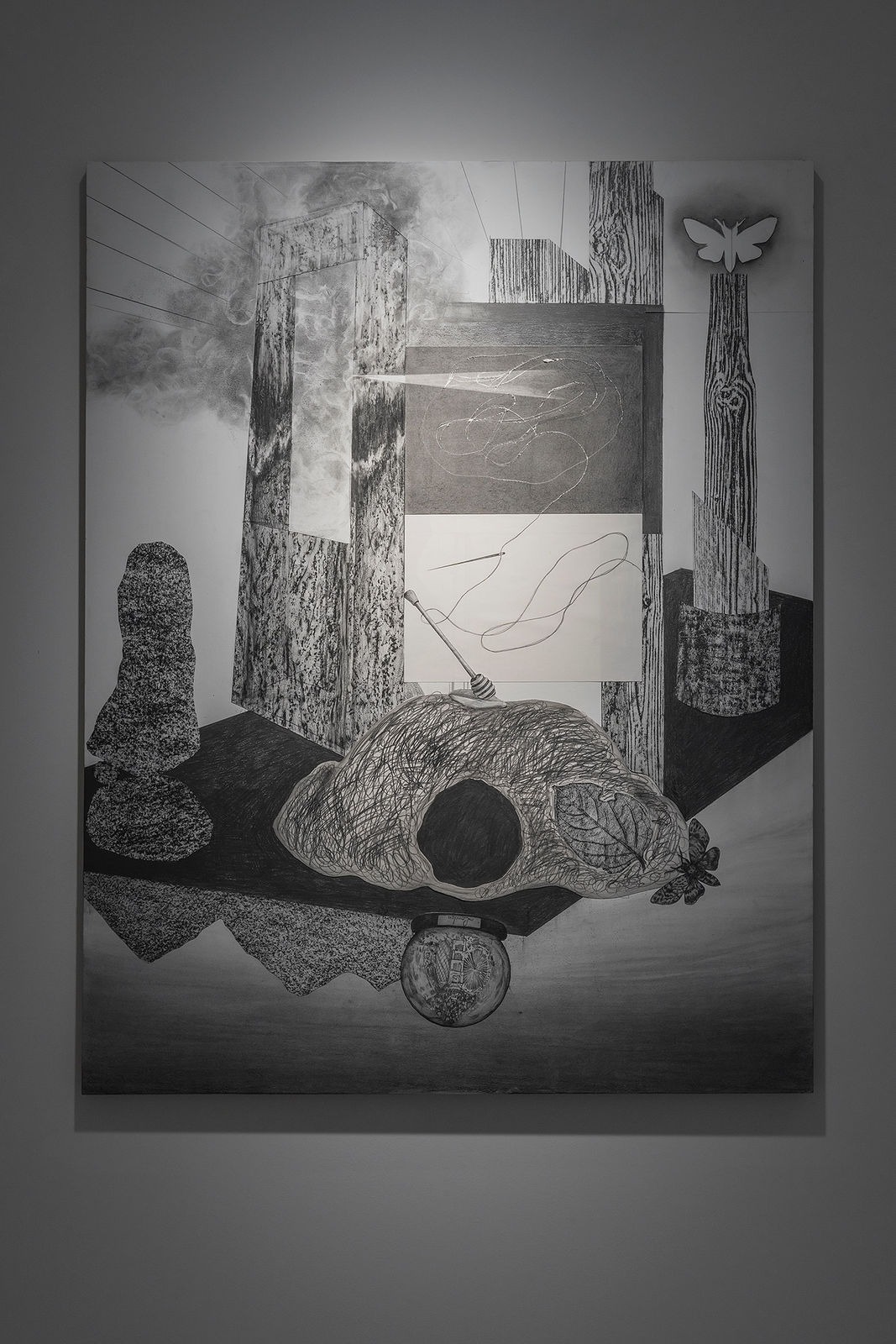
Seung Ae Lee’s practice begins with the restricted materials of pencil and paper and expands into drawing, collage, mural installation, and stop-motion animation. Graphite functions not only as a tool for inscribing lines but also as a material that leaves dust, stains, sheen, and traces of friction. By varying pressure and working with erasers, cotton swabs, and her fingers, Lee produces a wide tonal spectrum ranging from faint mist to hard, metallic textures.
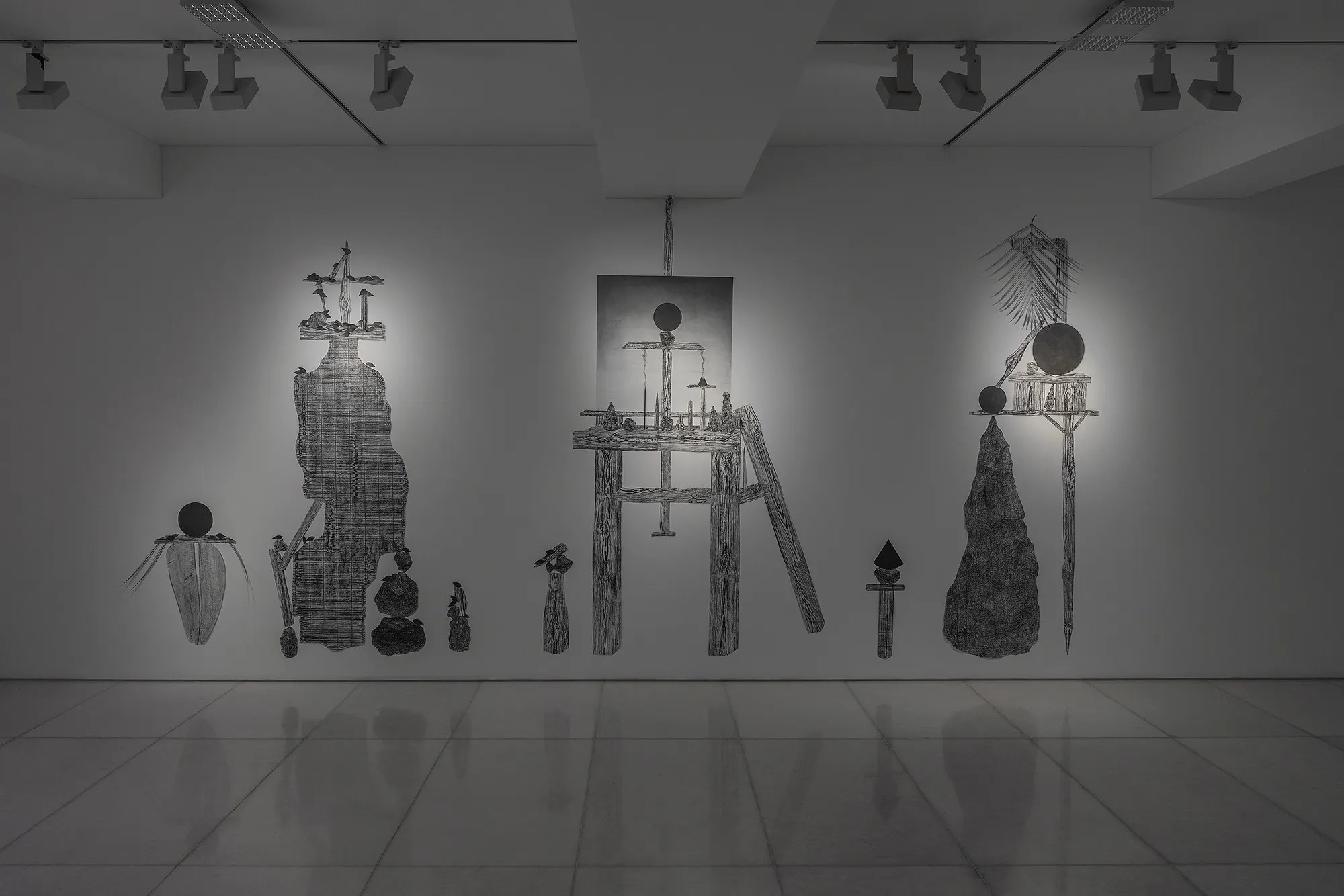
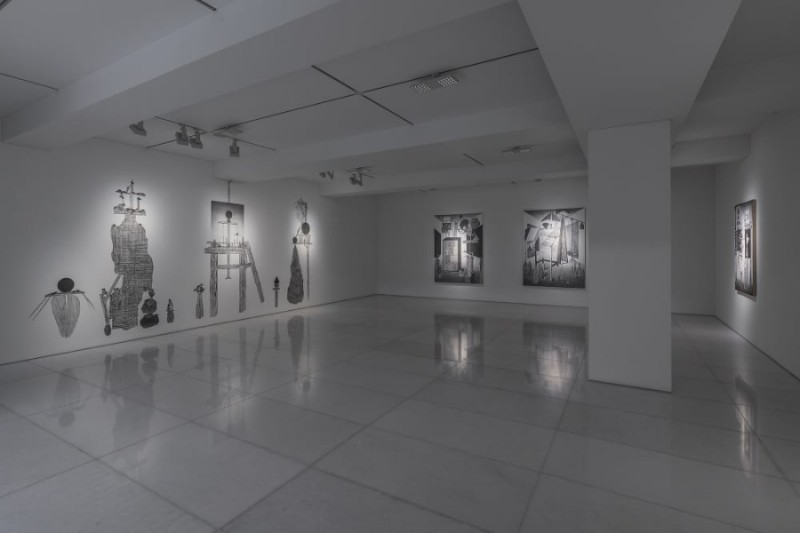
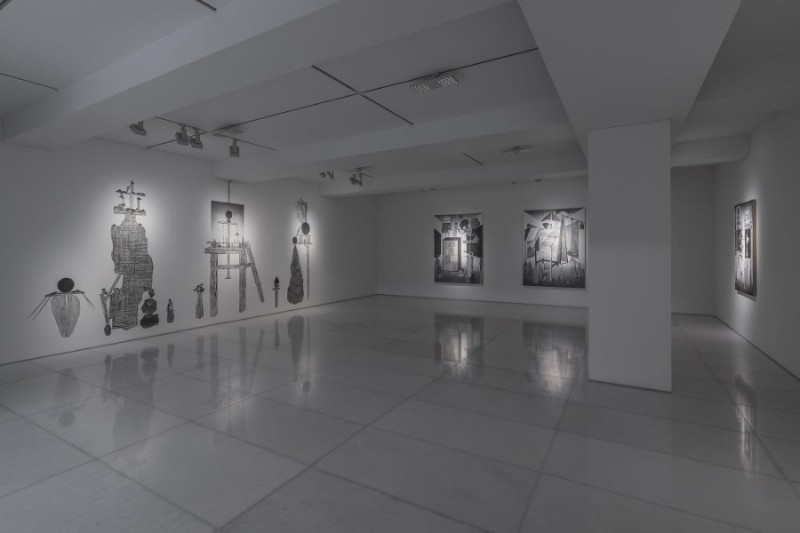
She joins multiple sheets of paper or extends drawings across walls, transforming the small and direct gesture of the pencil into an environment that surrounds the viewer’s body. The fragility and mutability of graphite are closely aligned with her exploration of unstable forms and imperceptible sensations.
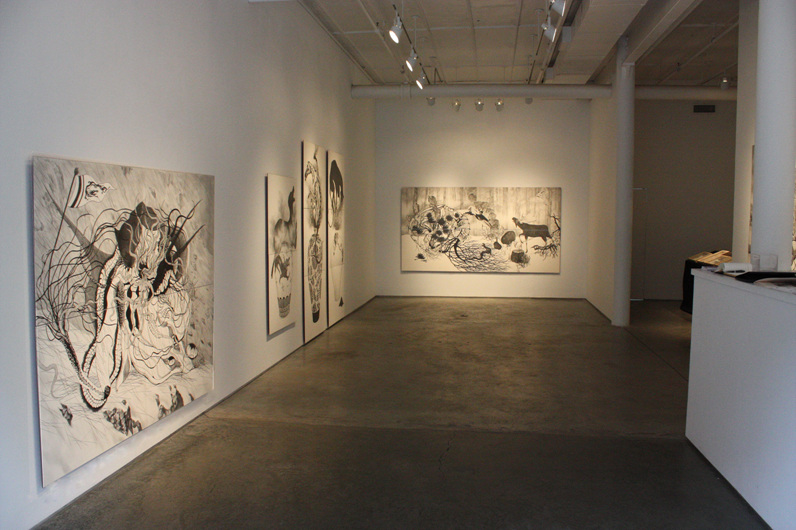
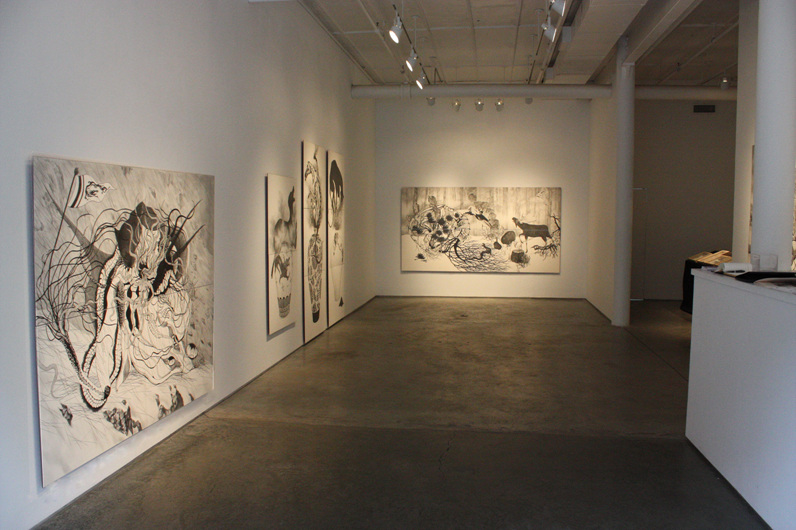
Her early large-scale drawings meticulously portray imaginary organisms composed of vegetal and animal forms, organs, bones, tentacles, fur, and scales. Their detailed rendering, reminiscent of biological encyclopedias and anatomical specimens, lends the monsters a persuasive physical presence, while bodies assembled from different species and developmental stages escape established systems of classification.
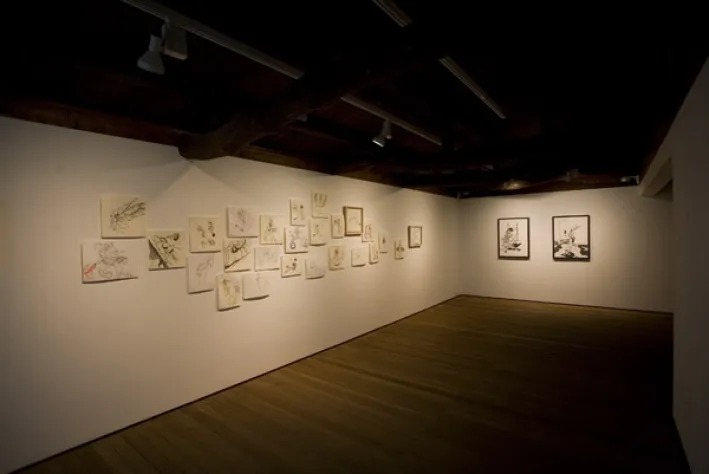
Each monster is assigned a habitat, lifespan, constitution, mission, and order of derivation, with functions such as defense, healing, revenge, and transformation shaping both its form and narrative. In the ‘Mummy’ series, these beings are fixed inside small specimen cases and given gray-toned, humanlike faces, producing a sense of vulnerability and compassion that contrasts with the dynamic energy of the larger monsters.
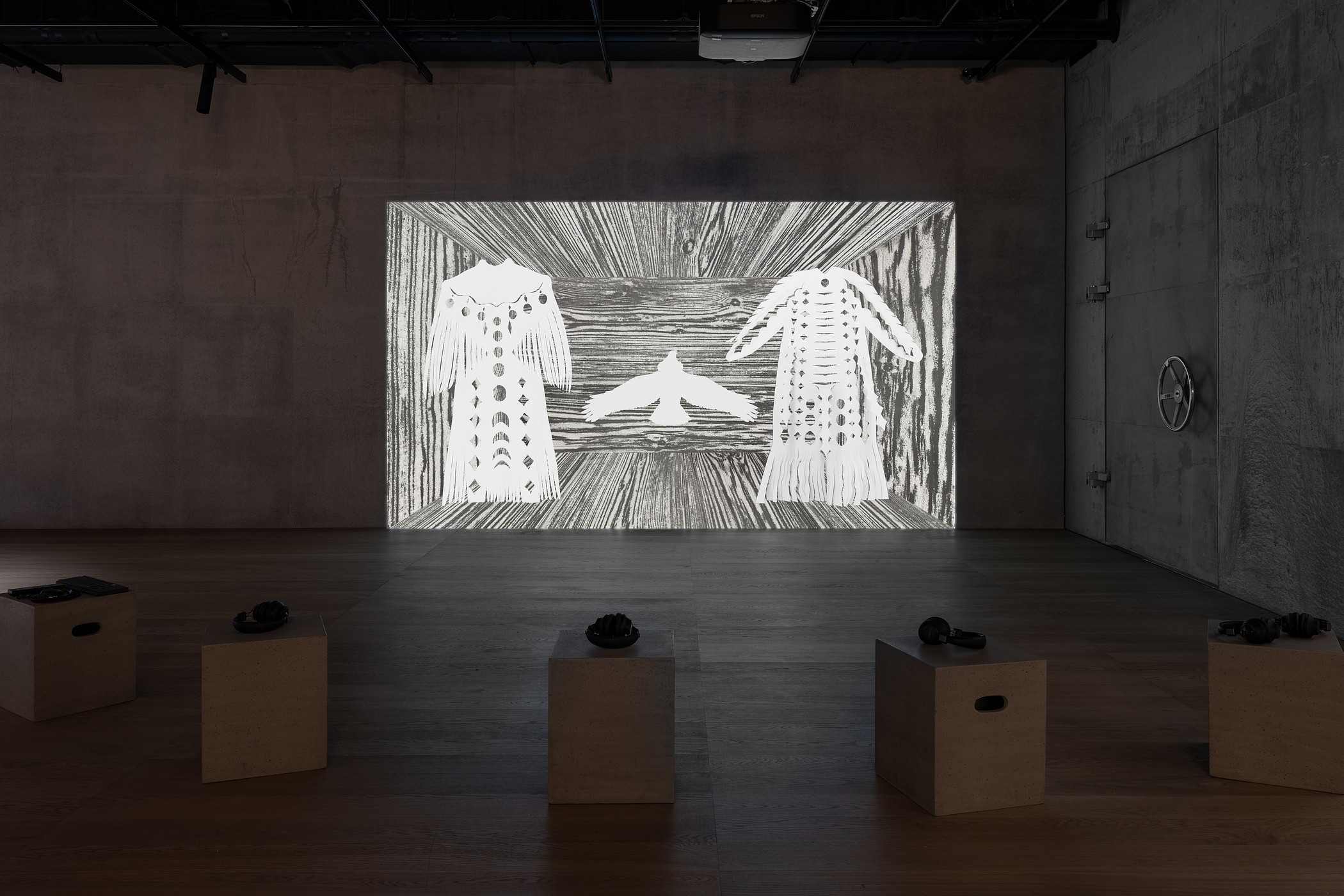
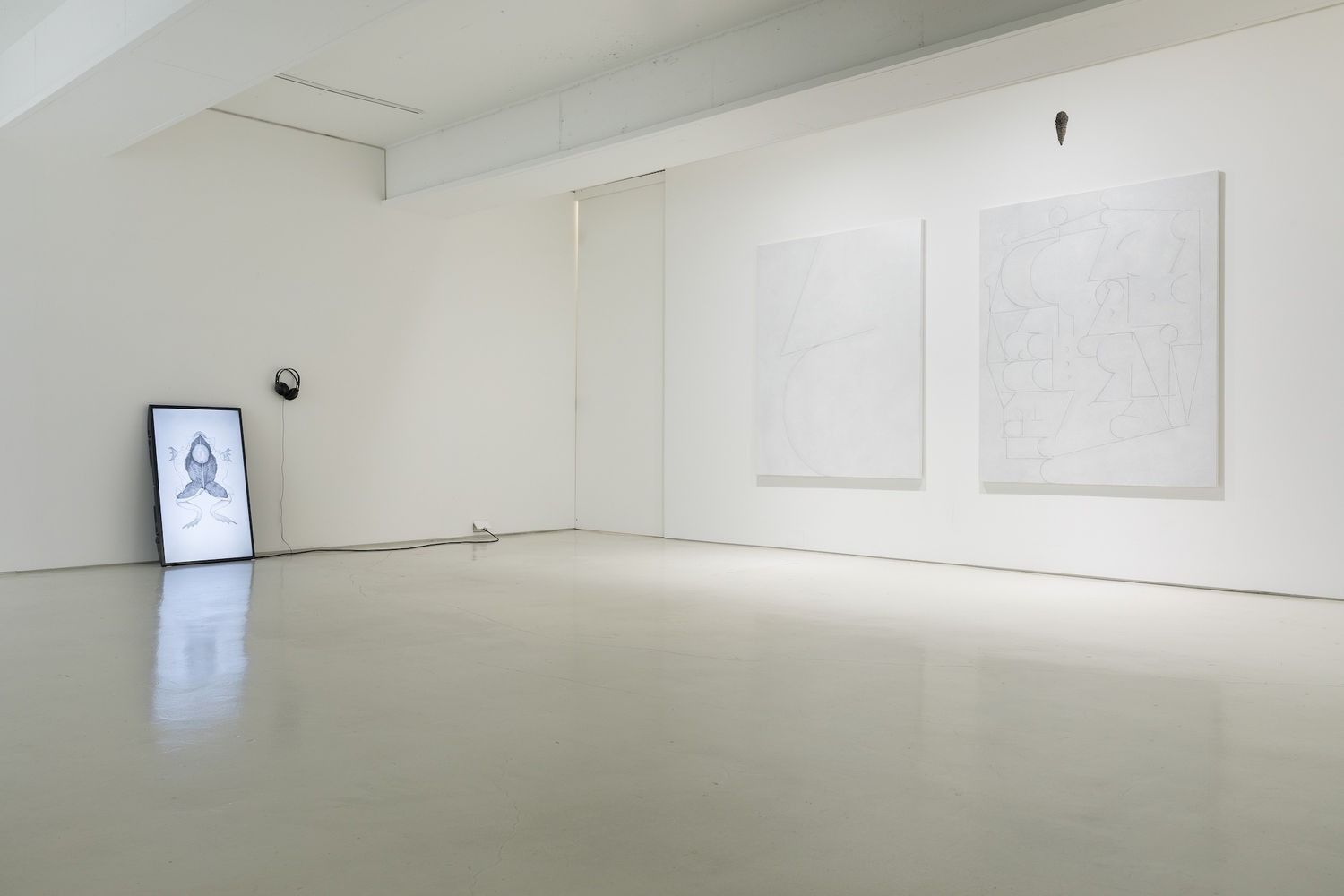
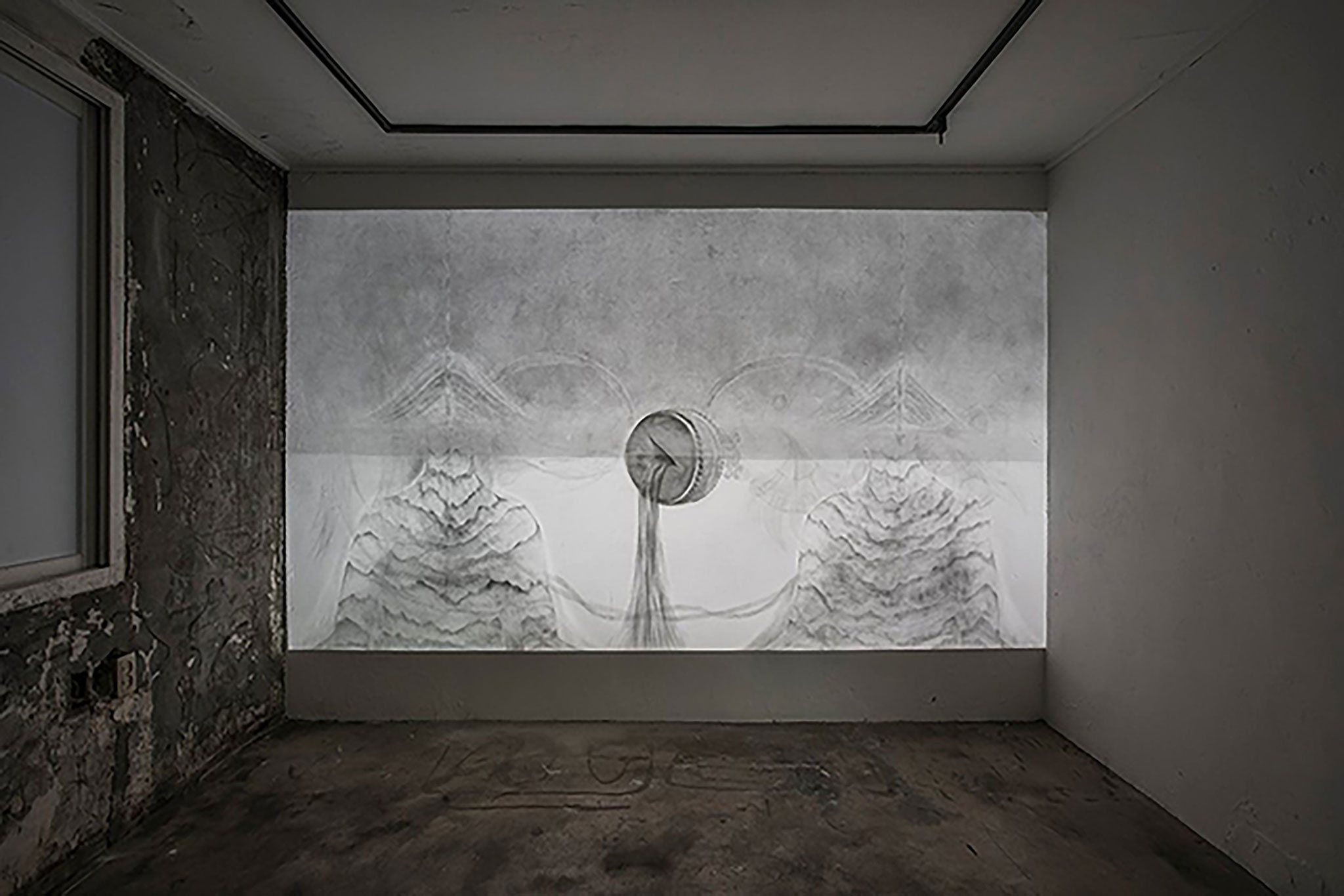
Lee introduced time into drawing by photographing the repeated process of drawing and erasing an image on a single sheet of paper and editing the frames into continuous movement. Because each preceding image remains as a residual trace and becomes the point of departure for the next, her animations unfold through emergence, disappearance, transformation, and association rather than fixed causal narratives.
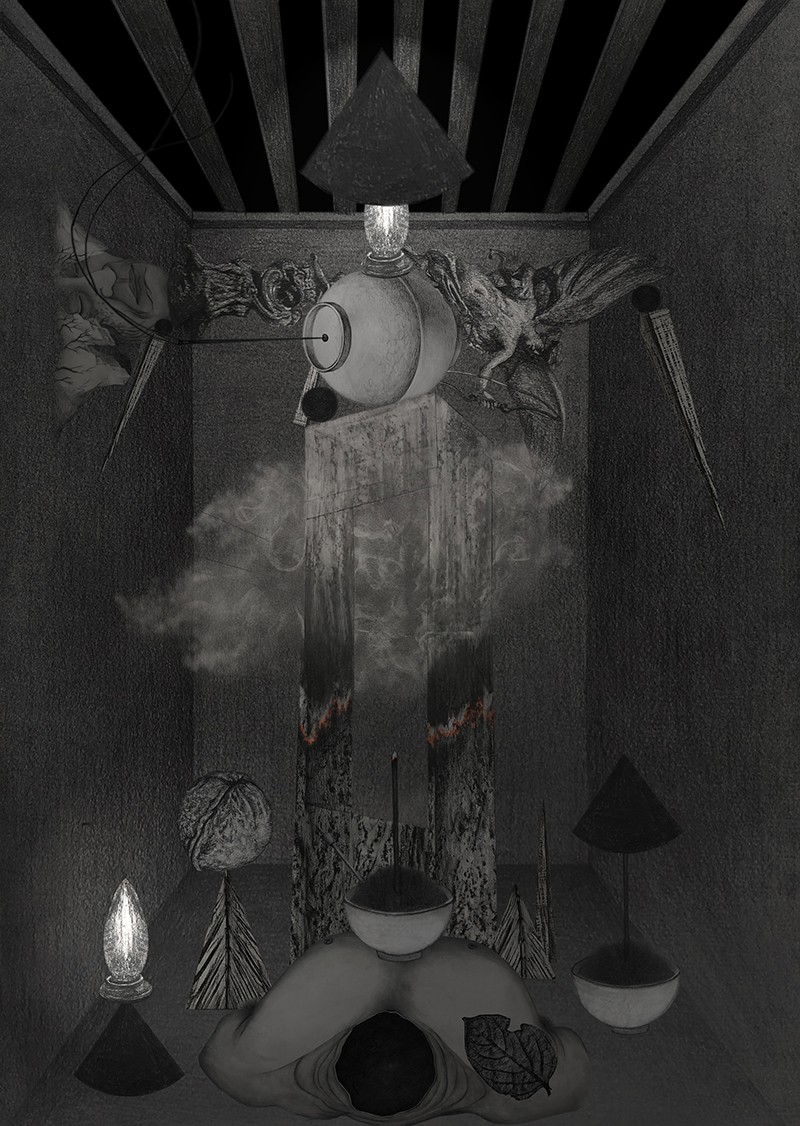
In works including Lamp and Becoming, objects and organisms continually shift between states through events involving light, fire, smoke, and falling. Their looping structures reconnect endings with beginnings, extending the physical duration of drawing and erasure into a cyclical movement of generation and dissolution.
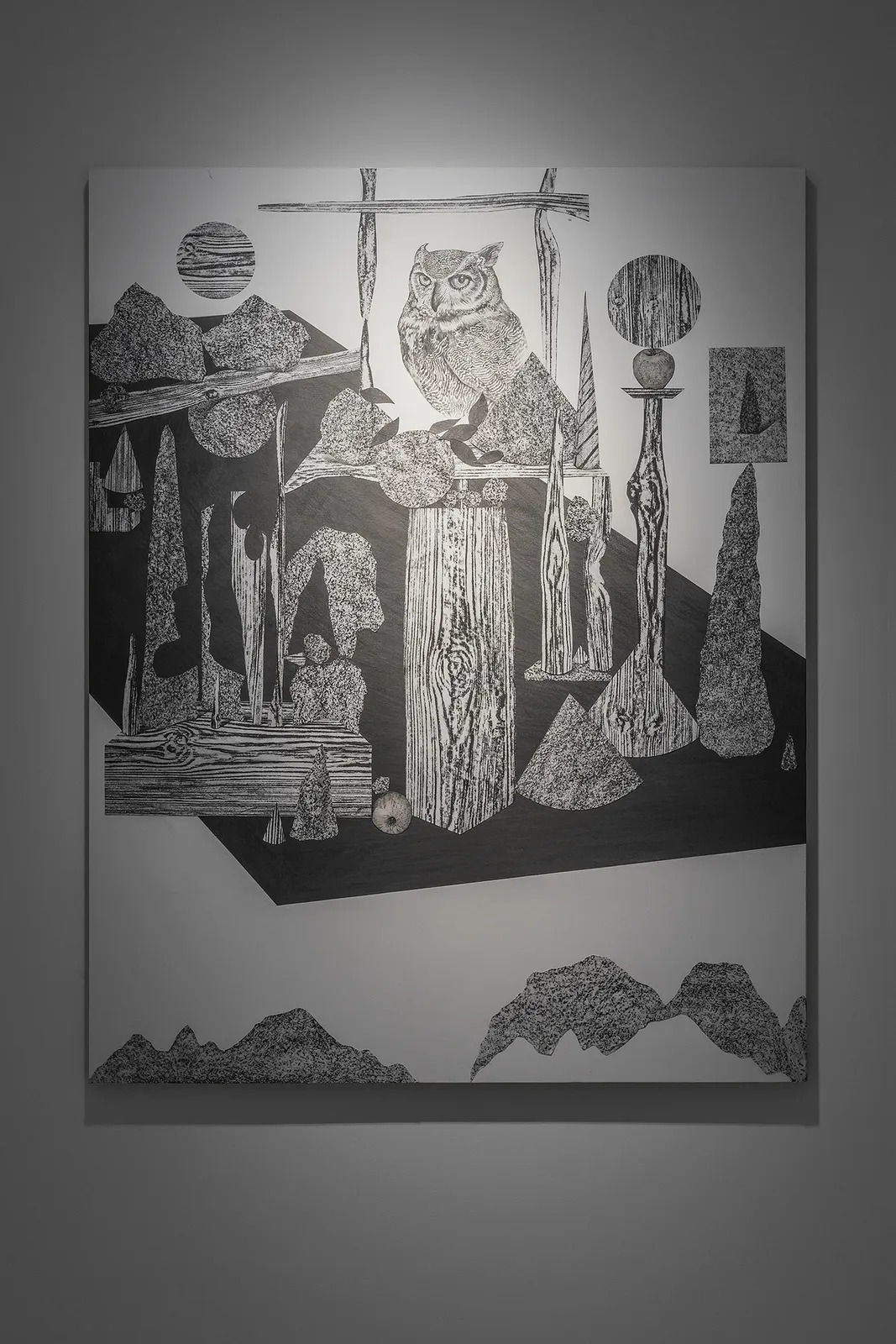
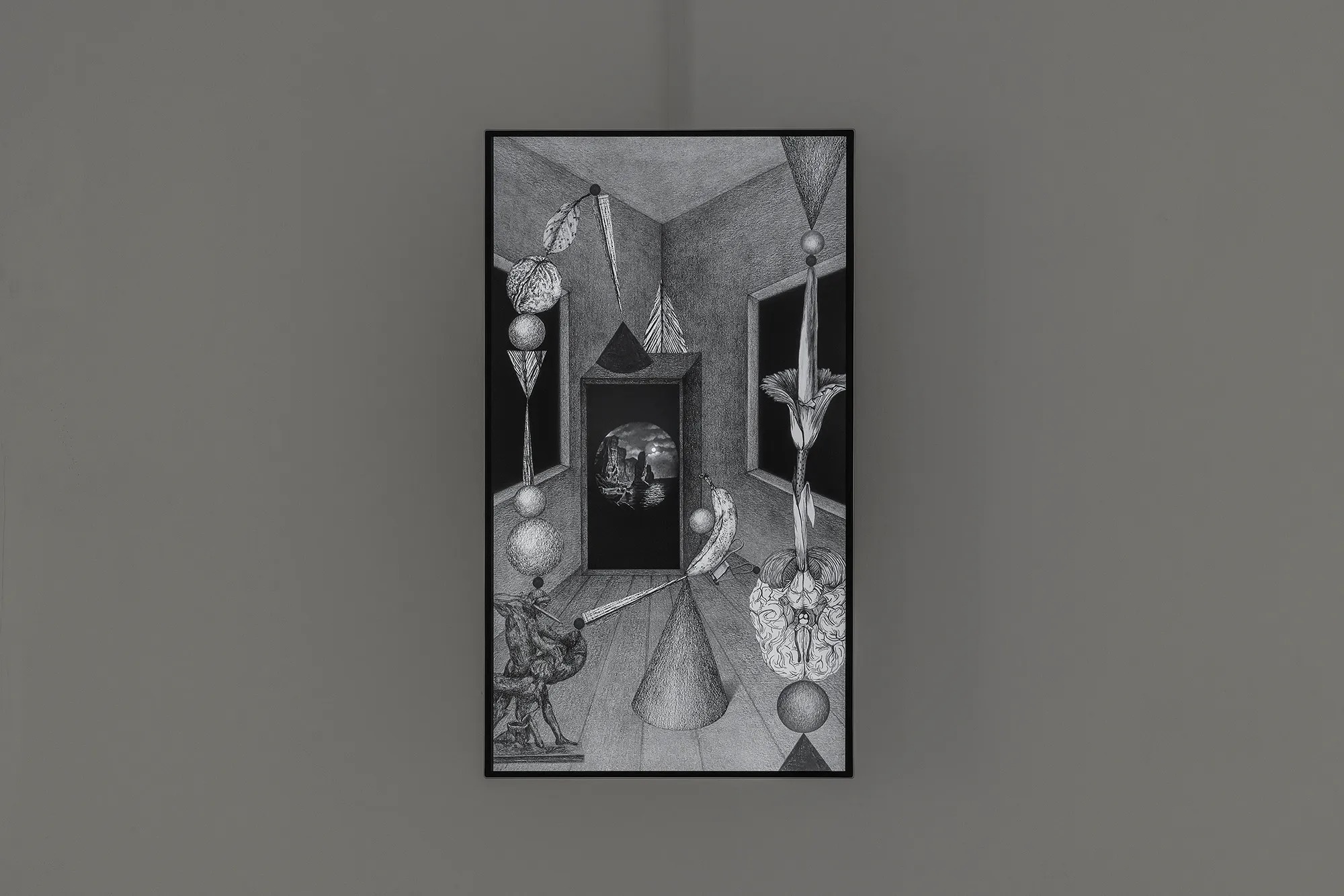
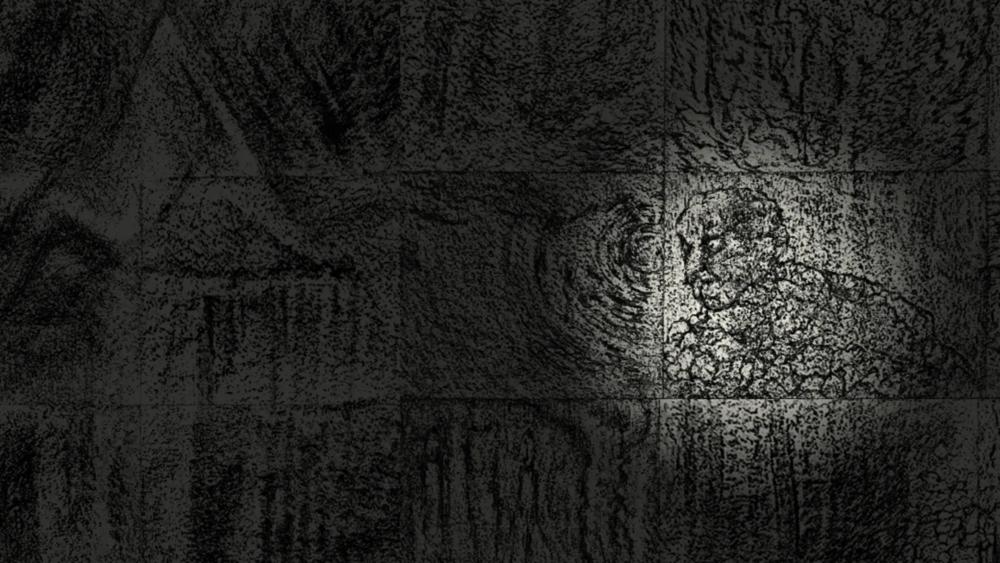
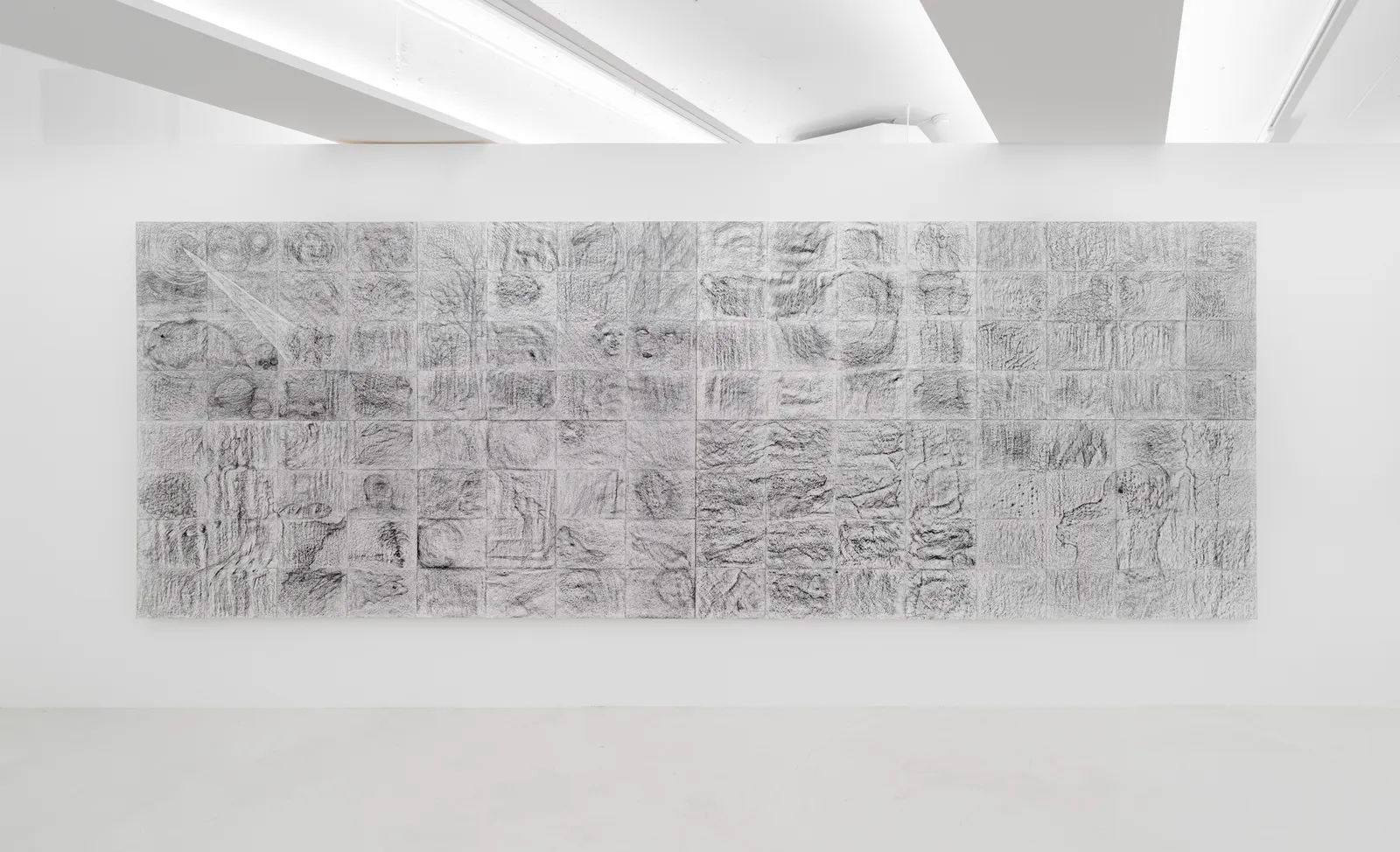
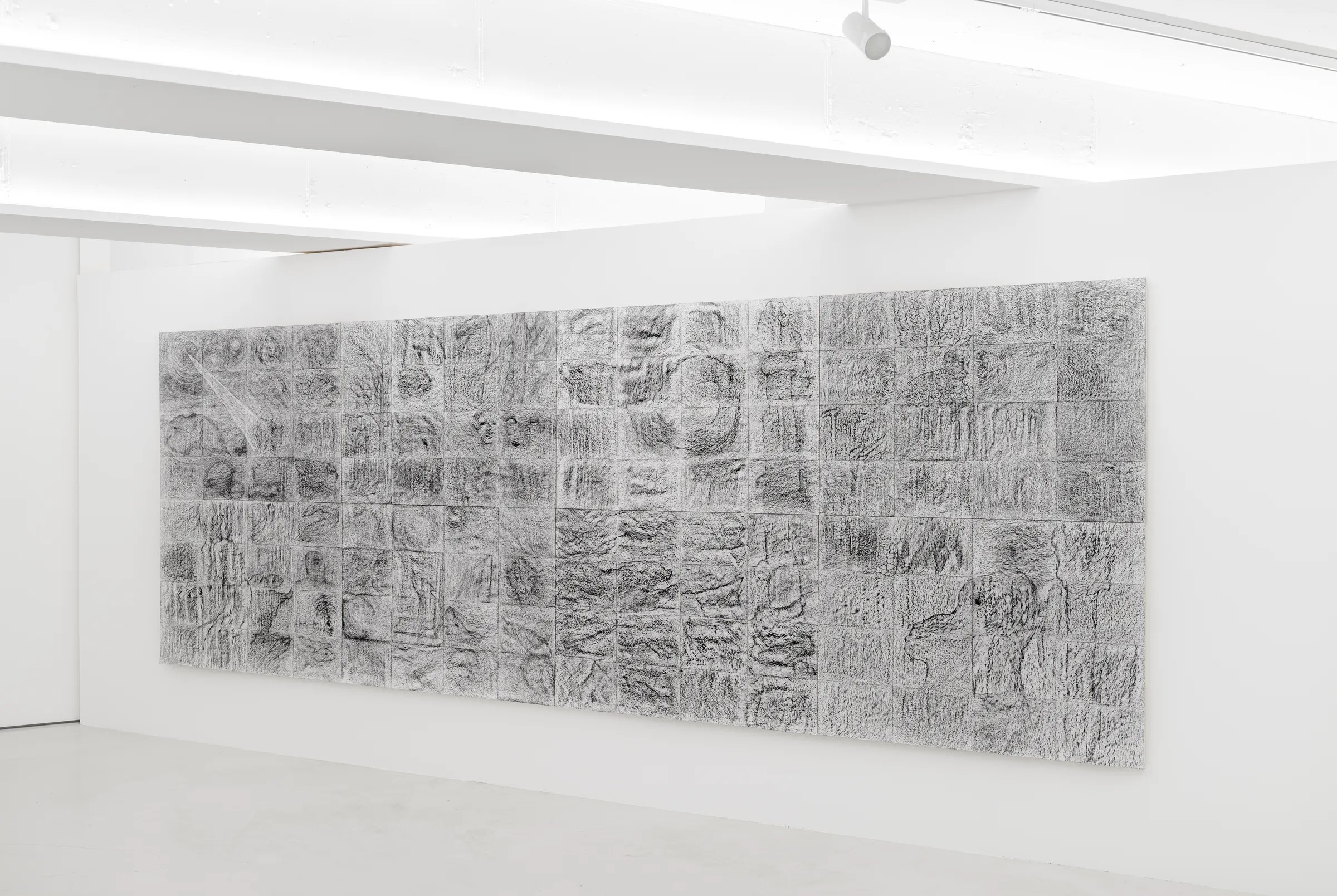
Since The Accidental Night, frottage and collage have become central to Lee’s visual methodology. She places paper against walls, wood, stone, soil, and everyday objects, rubbing the surfaces with graphite to collect their textures and traces before rearranging or cutting the sheets apart from their original coordinates. Where the intention to depict a specific object is reduced, accidentally revealed patterns proliferate into figures, spaces, and organisms that migrate between drawing and animation.
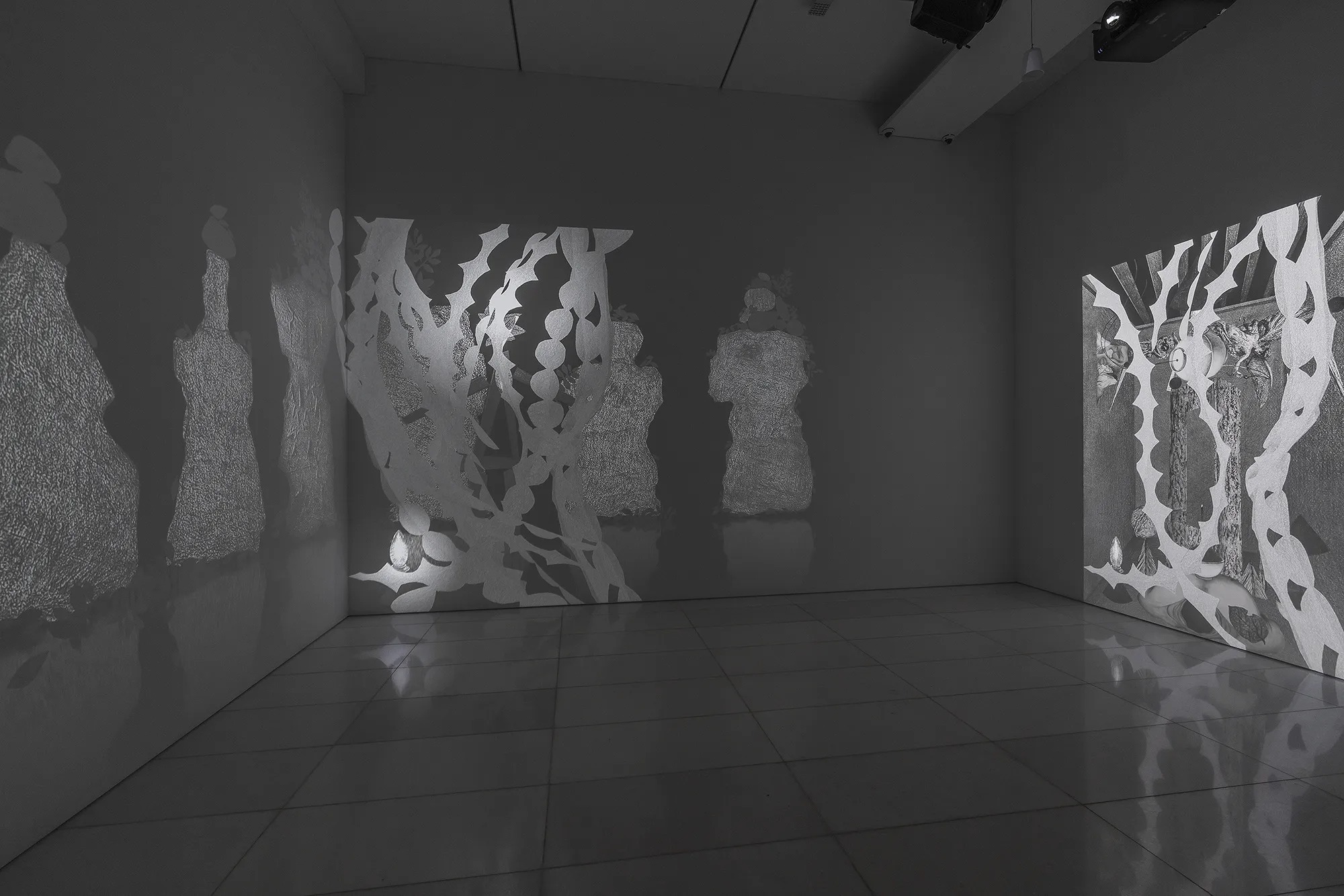
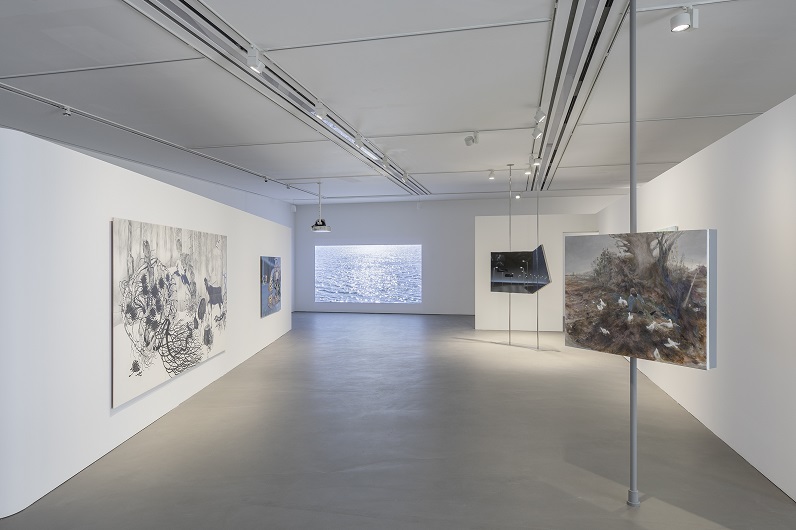
In the recent ‘Distant Room’ series and The Wanderer, video, collage drawing, projection, murals, organic sound, and the ringing of bells are interconnected across the exhibition space. As images on paper overlap with physical architecture, the boundaries between interior and exterior, material and immaterial, and reality and memory become fluid, shifting viewers from observing a scene to bodily passing through it.