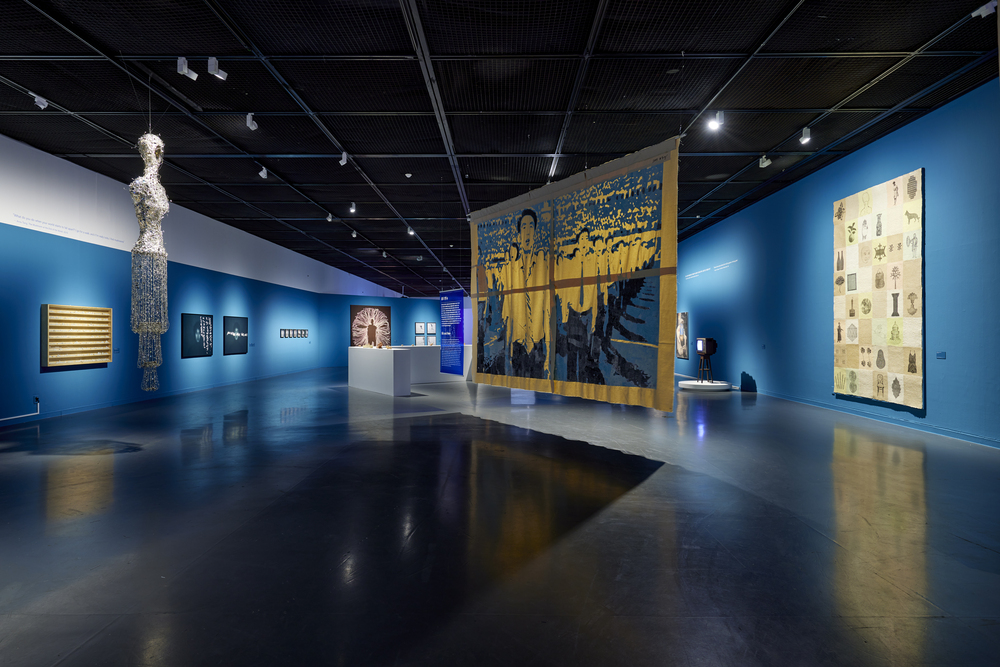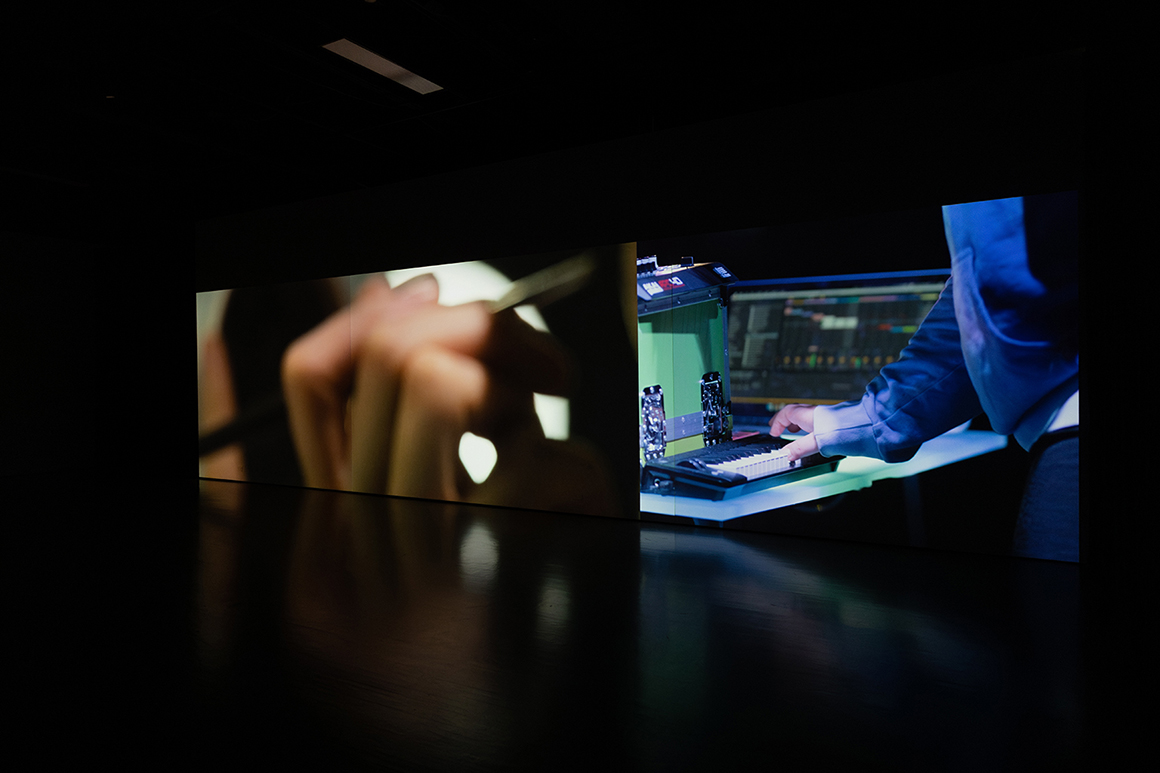



Organized and presented since 2012 by National Museum of Modern and Contemporary Art, Korea and SBS Foundation, 《Korea Artist Prize 2018》 is a program whose objective is to support and promote representative artists of Korea leading the 21st century art scene. Each year, four nominated artists are given the financial backing for the production of their works and an opportunity to show them at MMCA.

《Korea Artist Prize 2018》 is an exhibition that intends to feature those artists who have been most active and been placed under the spotlight of the year. How do the artists of 2018 represent this 'year'? What attitudes do these 'artists' demonstrate and what visions do they present to us? What do we find in their works? In what respects are their arts 'contemporary'? 《Korea Artist Prize 2018》 is a platform in which these questions are asked and probed.


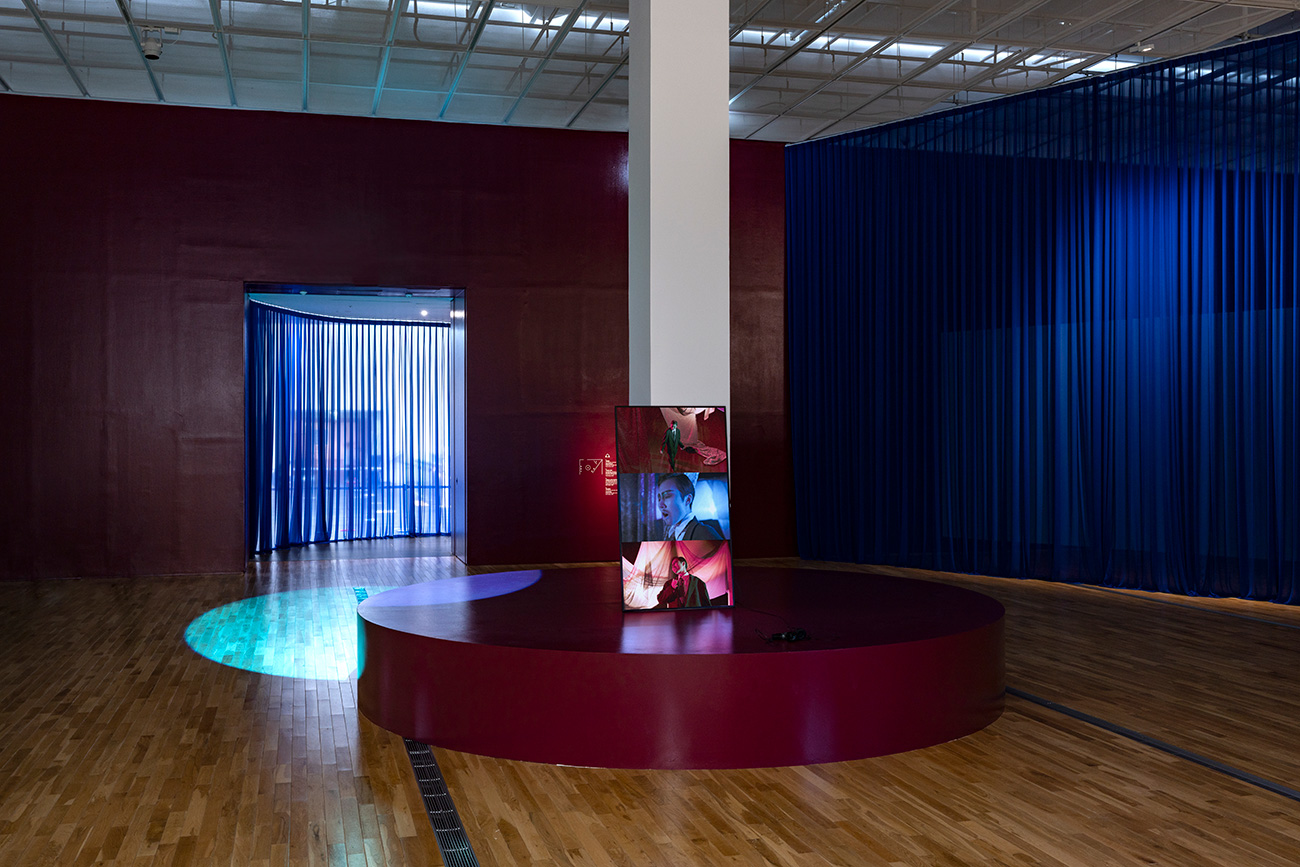
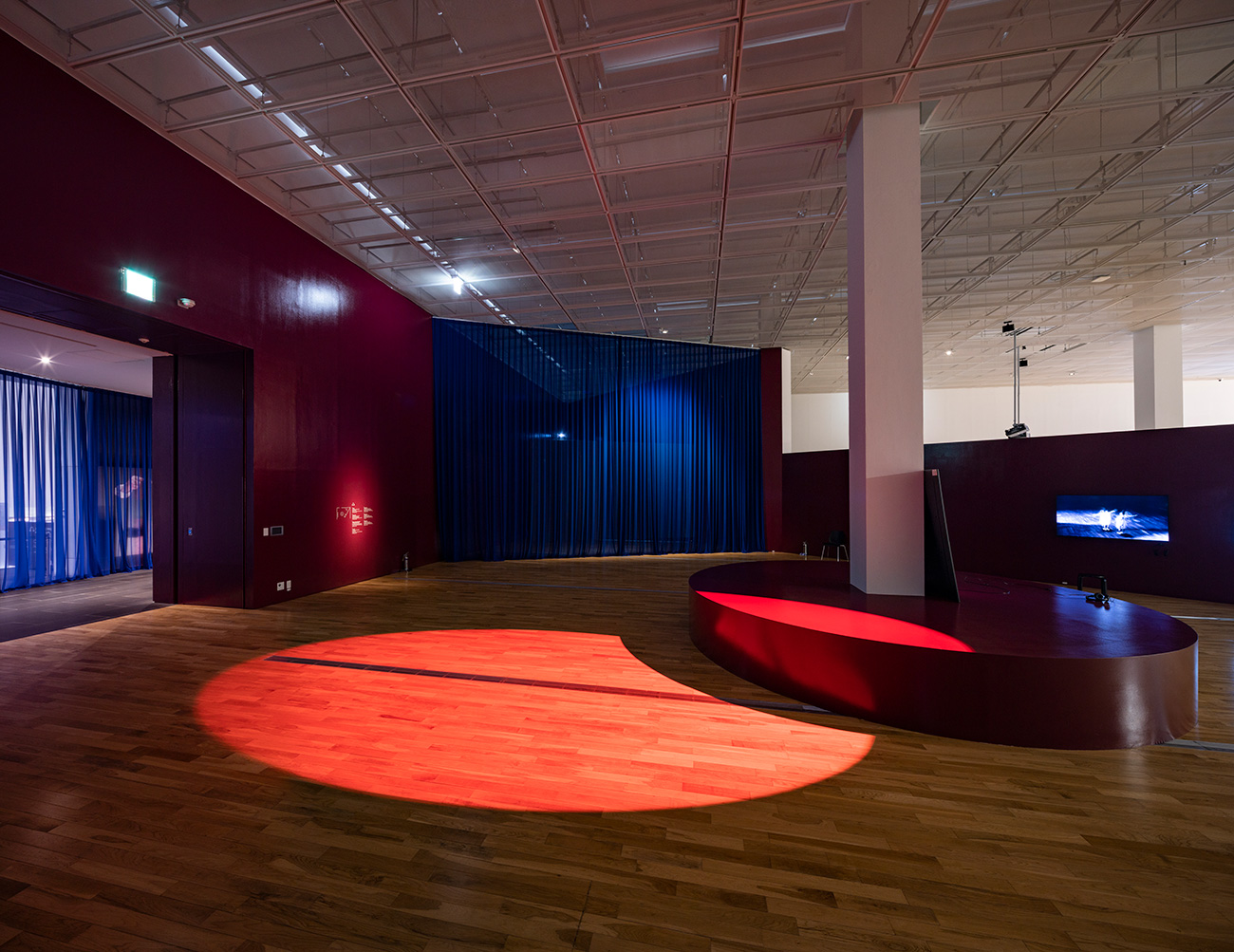
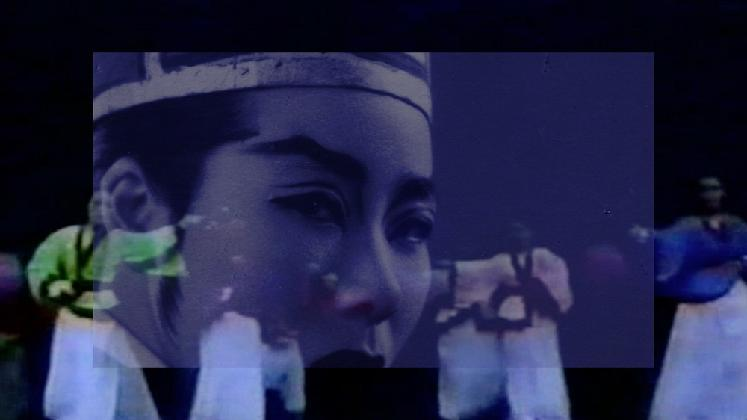
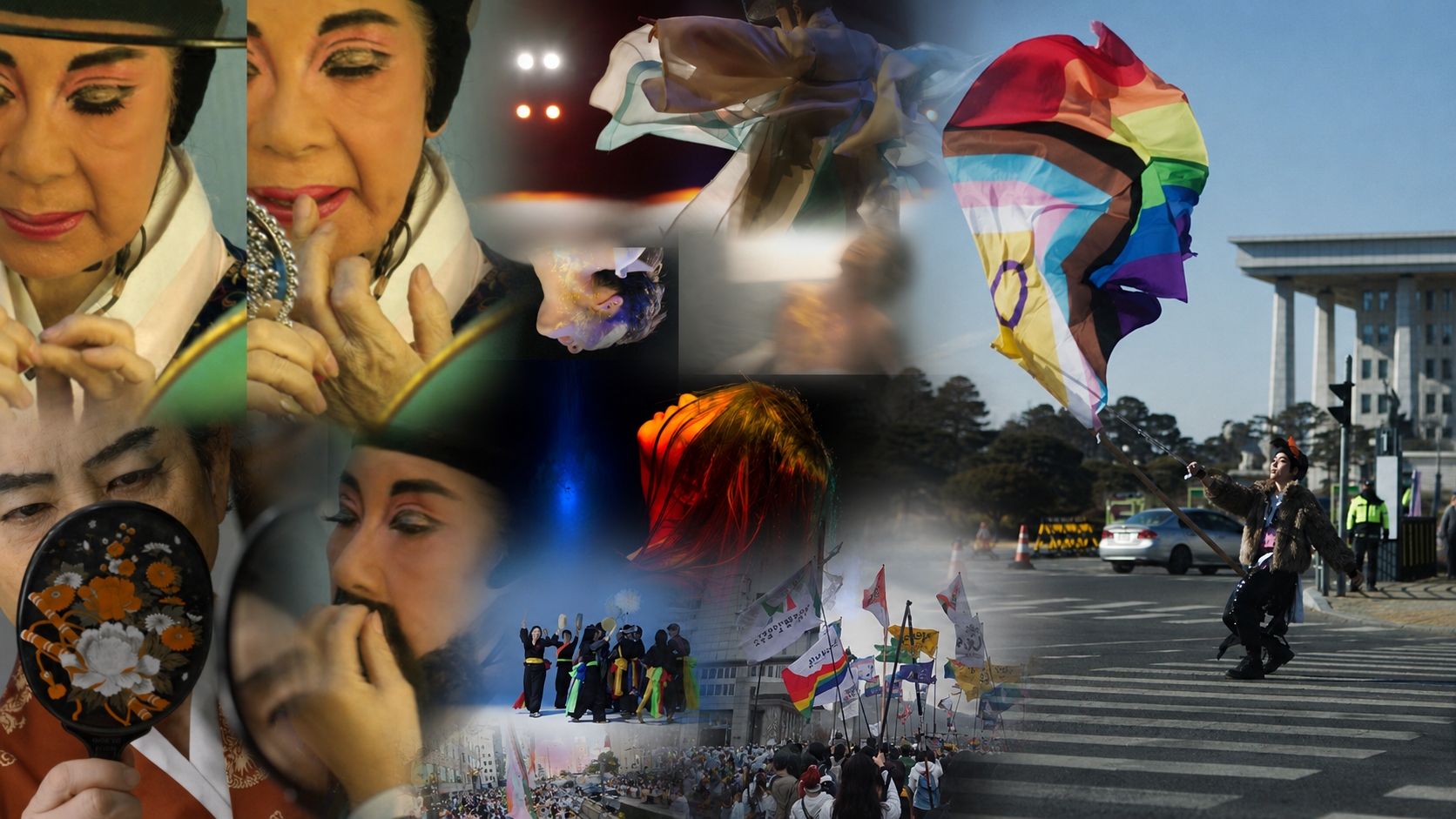
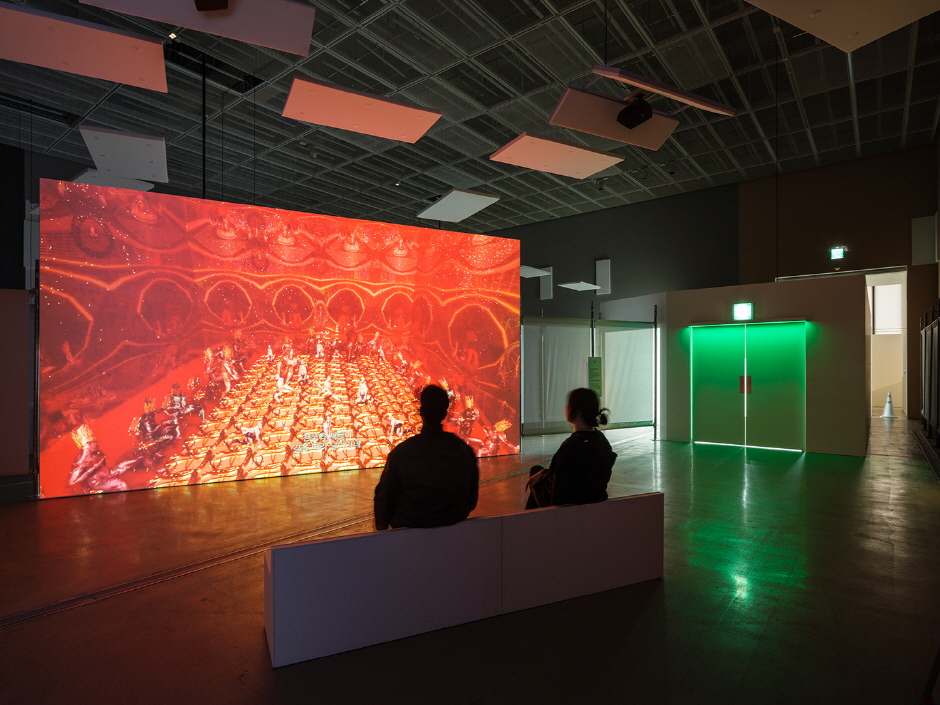
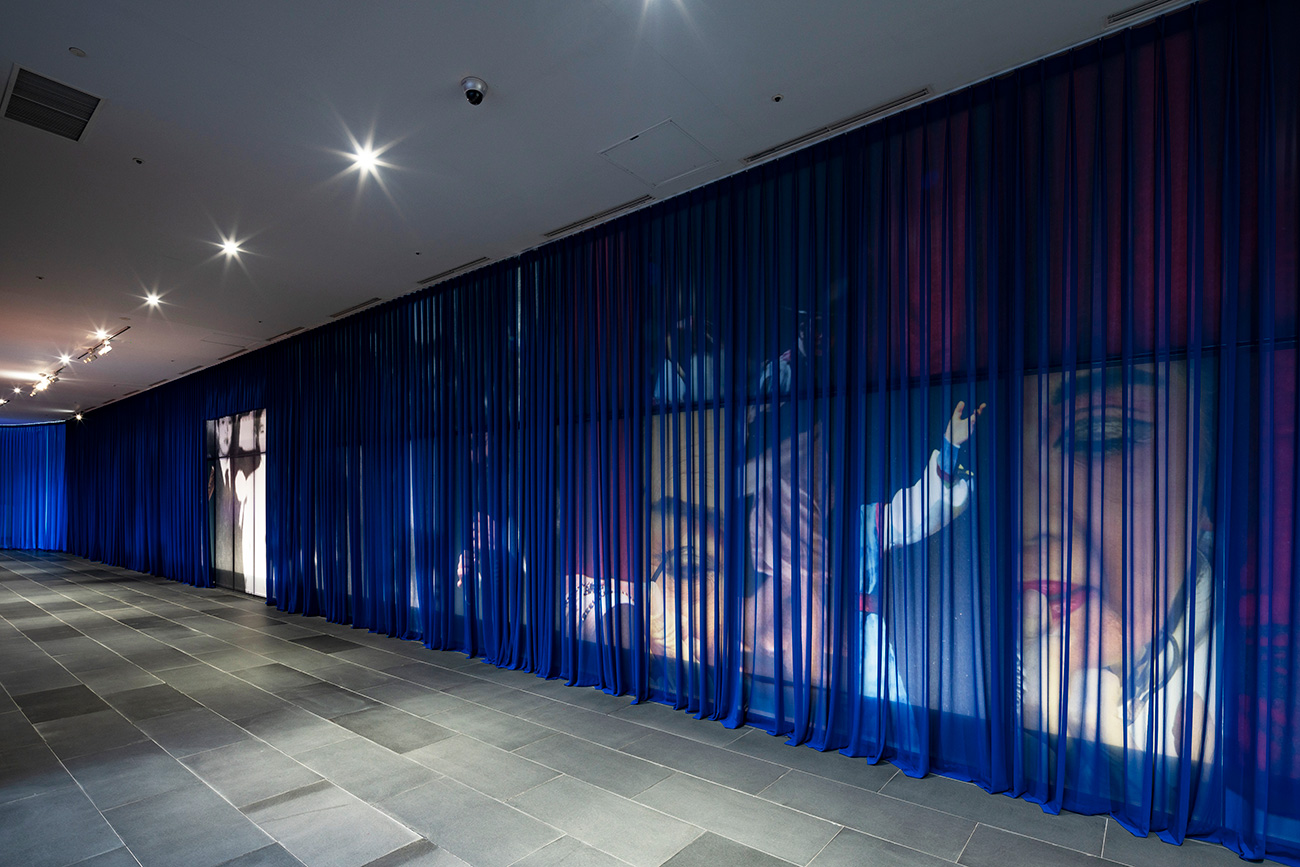
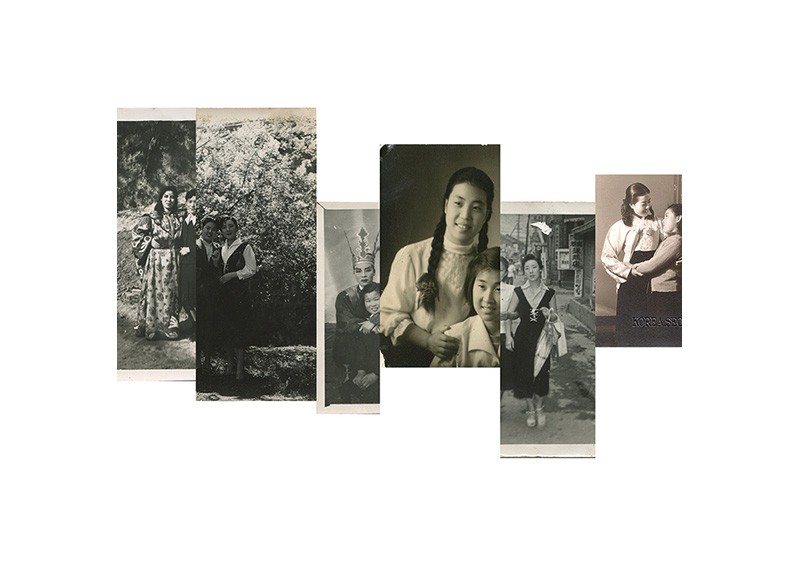
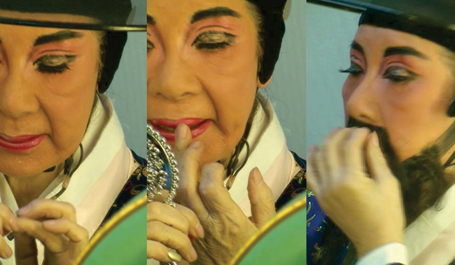
siren eun young jung, Deferral Theatre, 2018 ⓒ MMCA

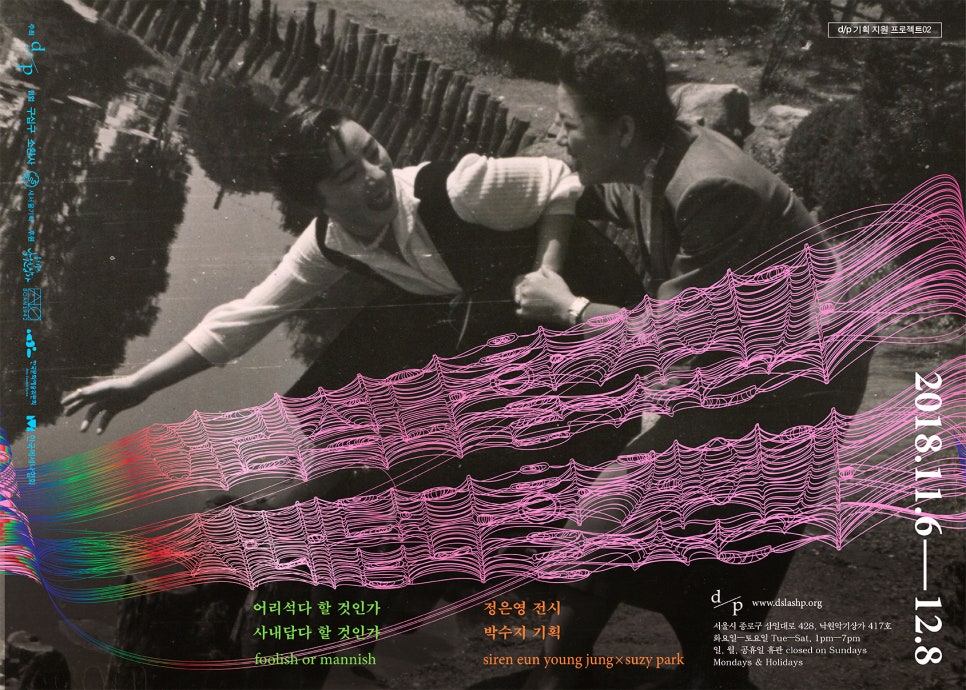
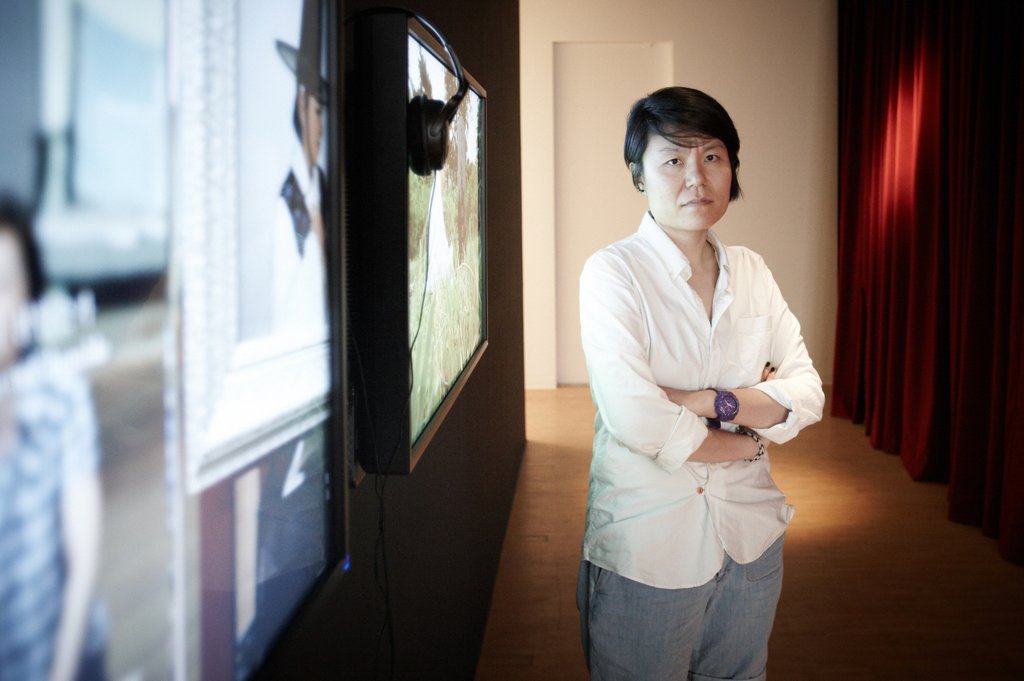
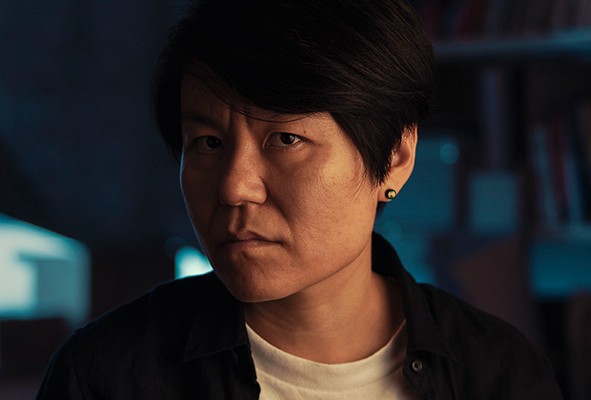
siren eun young jung: What becomes contemporary art and how?

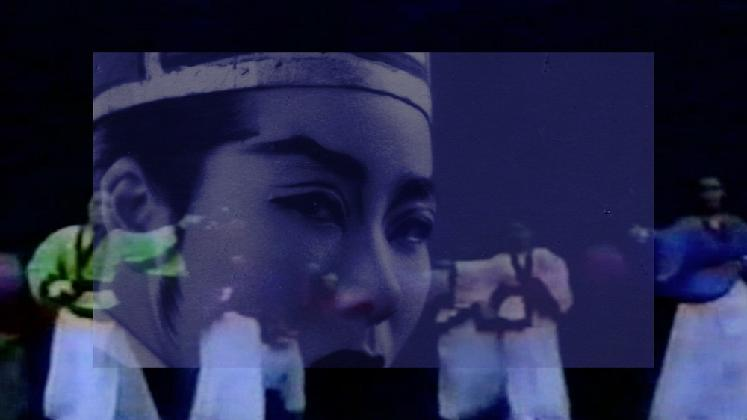
siren eun young jung (1974- ) is known for her art projects that are based on her own studies, researches, and analyses of traditional Korean female theatre called "yeoseong gukgeuk," which refers to a genre of performing art that was popular in the 1950s but has been forgotten without ever being established as either a traditional or modern form of Korean theatre. Her emphasis is not given to the restoration of the intrinsic legitimacy of yeoseong gukgeuk. Rather, this sense modification of jung underlines the political power of more anomalous and queer artistic practices.


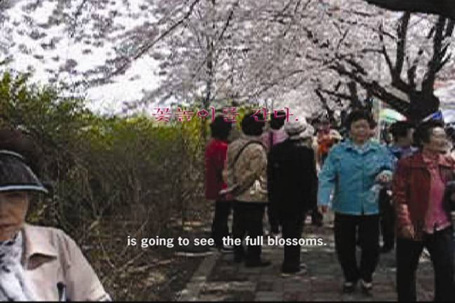
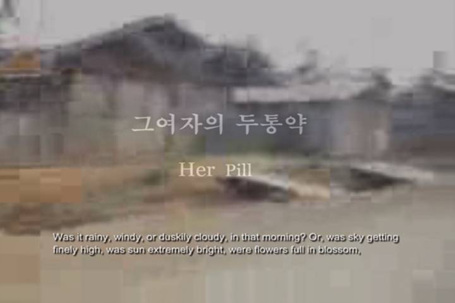
Minja Gu, Island of the Day Before, 2018 ⓒ MMCA

Minja Gu: Can one live a day twice? What happens when civilization intervenes in nature?

Through her performances and video works, Minja Gu (1977- ) lets one rethink those experiences universal and fundamental to all human beings such as labor, time, and love and the notions related to them. Gu poses the question, "can one live one day twice?" and look into the irreversibility of time's passage and the meaning of life.

She constantly inquires into the possibility that much of what one believes as true might be man-made and that quite the opposite can be regarded as truth in another culture. Gu often get ideas for her works from the questions triggered by her being in different spaces and societies, and in this exhibition are also shown the objects that she collected and made in those time periods.


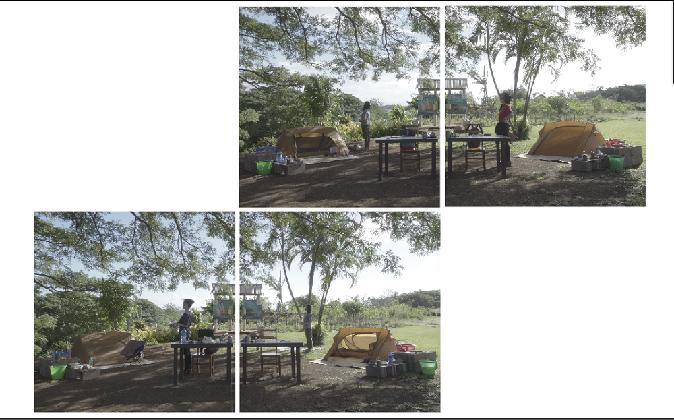
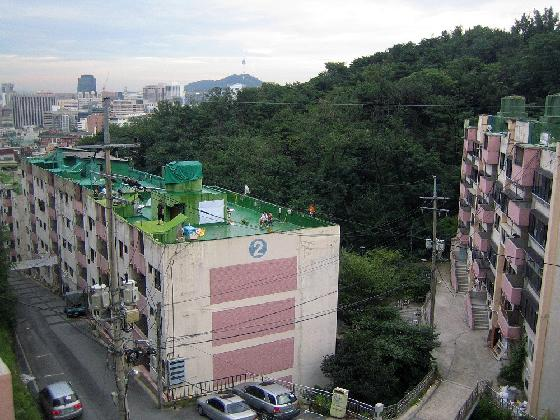
Okin Collective, From the Outside, 2018 ⓒ MMCA

Okin Collective: Why do we create communities and how they are maintained?

Okin Collective (Hwayong Kim, Joungmin Yi, and Shiu Jin/formed in 2009) is an artists' collective that was initiated to address the eviction of the residents of the Okin Apartment complex in Jongno District due to the tearing-down of the apartment complex. The Collective has been interacting with audiences inside and outside of the community through its videos, performances, and radio broadcastings while delving into the social issues arising in the cities under redevelopment with its focus on the relationship between communities and individuals.

Okin Collective has been doing practices that traverse the boundaries between everyday life and art, and in this exhibition it presents: From the Outside which includes the record of its practices and process on the constitution of Okin Collective for the first time; their recent works for which it sought out communities in the three cities of Seoul, Jeju, and Incheon.


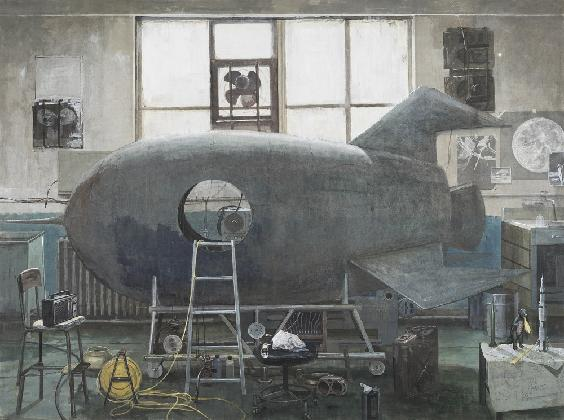
Jae Ho Jung, A Pilot’s Lab, 2018 ⓒ MMCA

Jae Ho Jung: At the time, why did boys dream of a utopia to be delivered by the development of science and technology?

The artistic concern of Jae Ho Jung (1971- ) has been what lies beyond the cityscape, which is the symbol of modernization-the prosperity and development during the state-led rapid economic growth period. Jung’s work can be divided into three methodologically different categories: he records the surfaces of the buildings constructed in 1960~1970s in the central parts of Seoul such as Euljiro and Jongno; he creates new archives by translating into paintings selected images published in government publications, sci-fi comics, and news articles published in the same period; finally, he creates a rocket for the trip to the Moon that the protagonist's attempt is not successful in the sci-fi comic book entitled "Yocheol Balmyeongwang (junk inventors)."


Several commonalities can be observed among the aforementioned artists. First, they question the validity of social norms and ideologies surrounding them. They challenge whether the discrimination and norms based on biological sex are truly justified and whether the phenomenon of changing dates at arbitrary points set by Western countries is indeed natural.

Second, they are not confined by genre distinctions centered on mediums. For example, siren eun young jung, who began with video, naturally expanded her work into the form of performance. Minja Gu, Okin Collective, and Jae Ho Jung similarly transcend traditional genre boundaries—Gu and Okin Collective document performances through video, while Jung's paintings take on the appearance of neutral and objective records. Regardless of their mediums, they define themselves simply as contemporary artists.

Third, they share a common perspective on contemporary art's role and meaning, believing that art should provoke a sense of ‘discomfort’ in the audience. To them, art is not merely an object for visual pleasure but serves as a catalyst for cognitive shifts that allow viewers to perceive and sense the world differently.

Although these commonalities have been identified, they are merely temporary observations derived from the current context. It is impossible to predict the directions they will take in the future as they encounter various experiences and inspirations.

During the process of preparing for 《Korea Artist Prize 2018》 after being selected through studio visits and museum evaluations, the artists reflected that the experience either served as "an opportunity to review and organize their past works" or allowed them to become "completely immersed in experimenting with things they had never tried before, temporarily setting aside concerns about outcomes."

Therefore, this exhibition is not intended to measure how well the audience understands their artistic worlds so far but to inspire curiosity about how much more we will come to learn about them in the future. If one believed they already had a firm grasp of these artists' practices from their previous activities, this exhibition aims to counter that perception, emphasizing that this is just the beginning and that we need to observe their works more deeply and for a longer time.

References