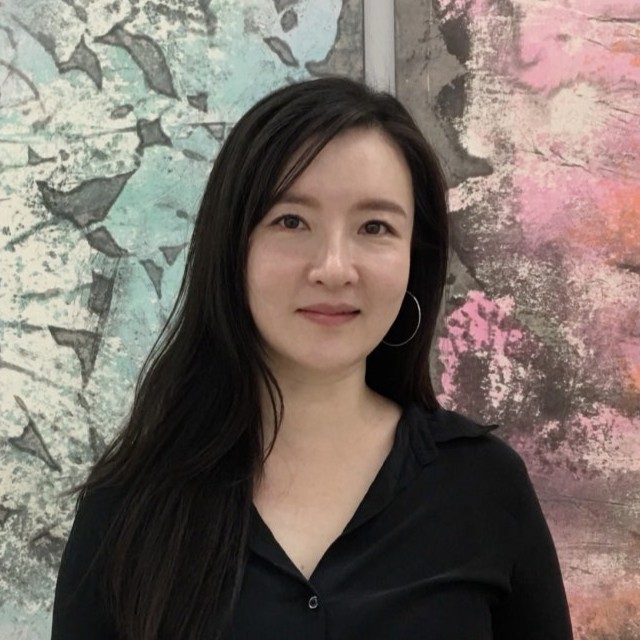
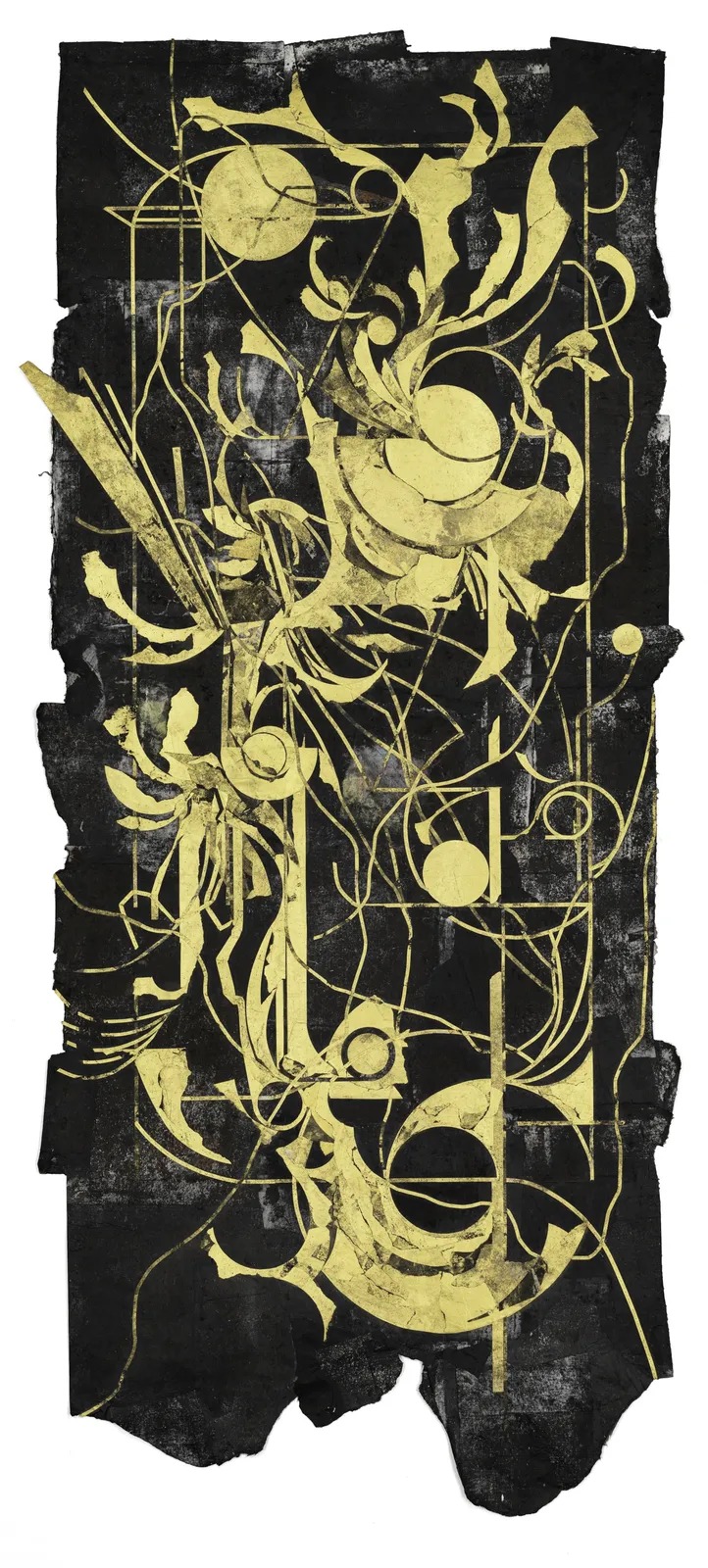
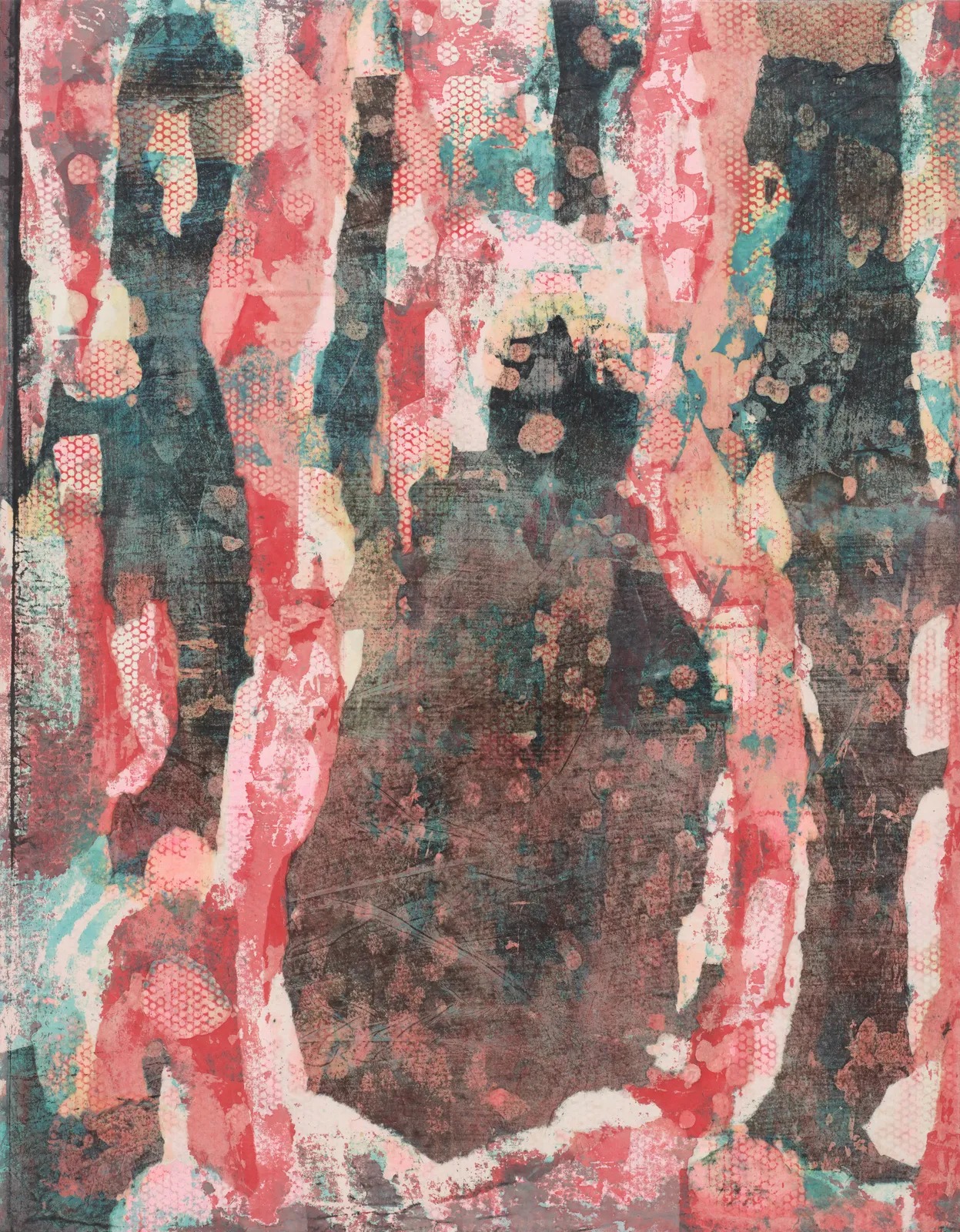
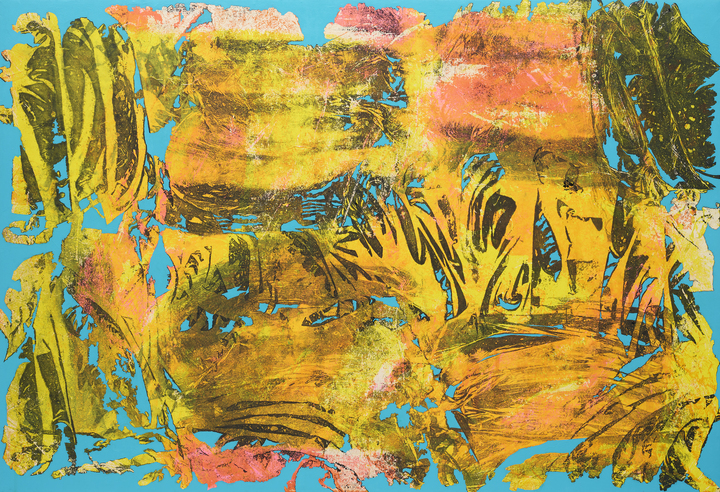
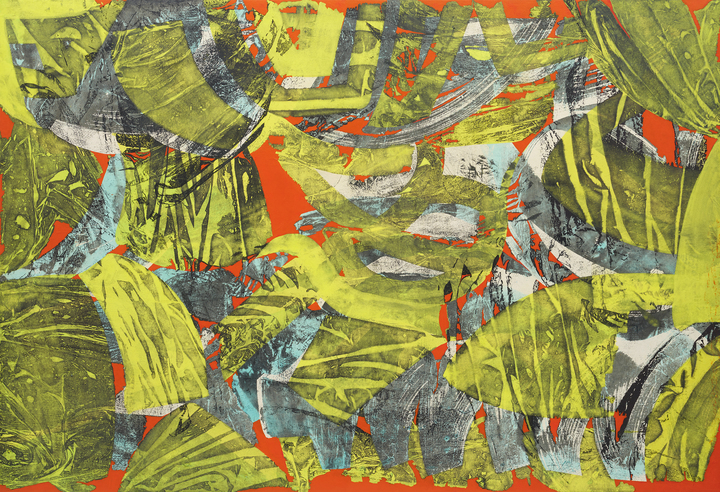
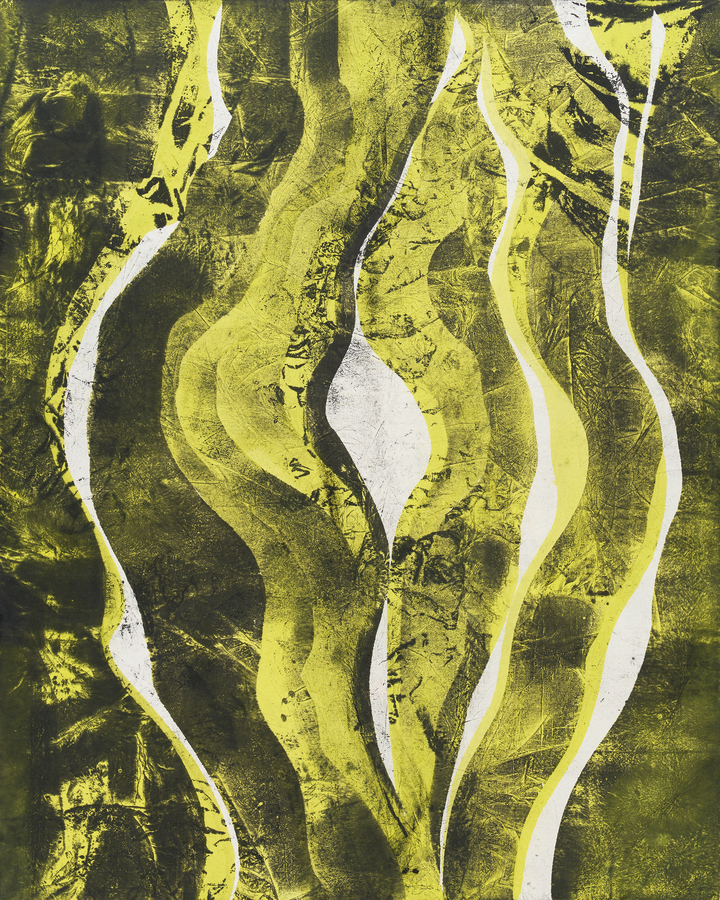
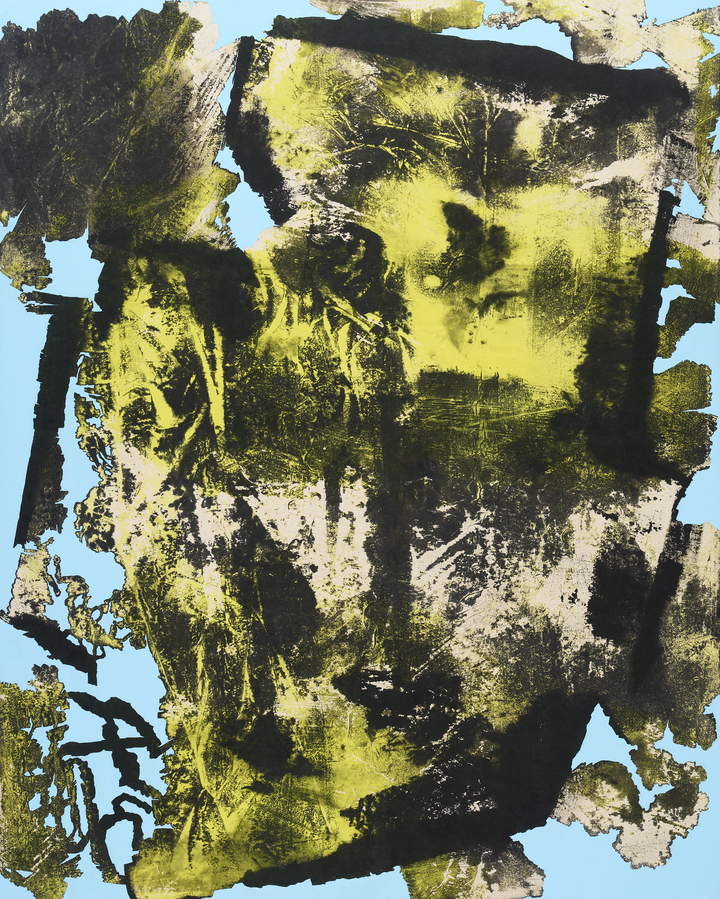
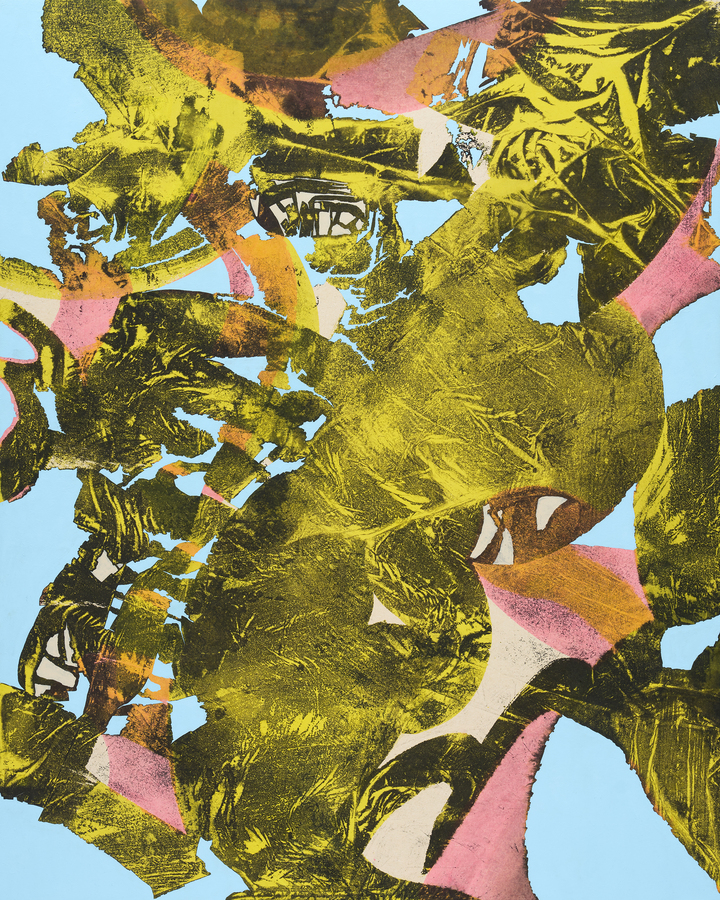
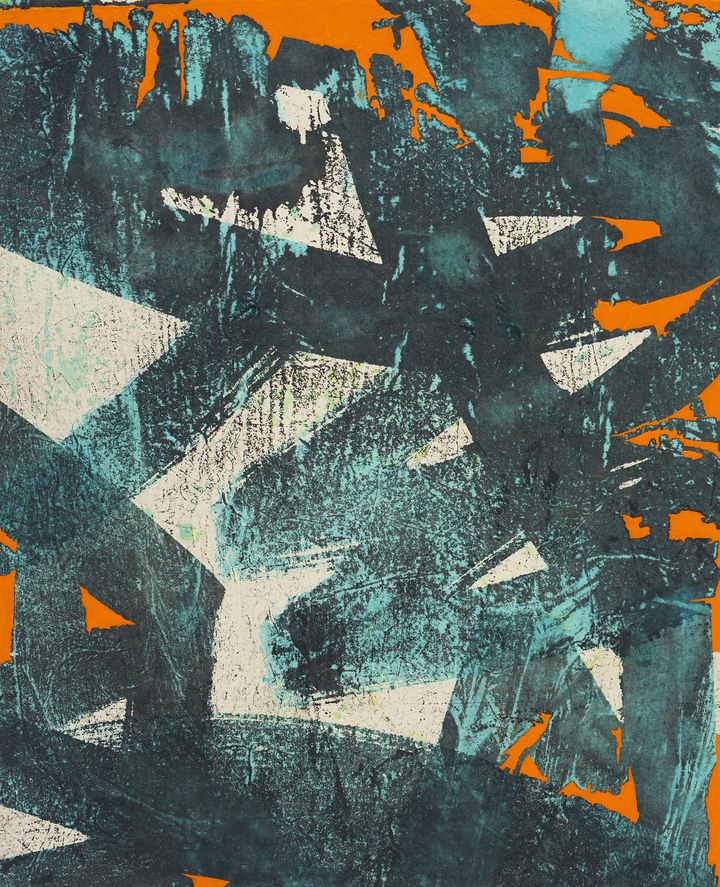
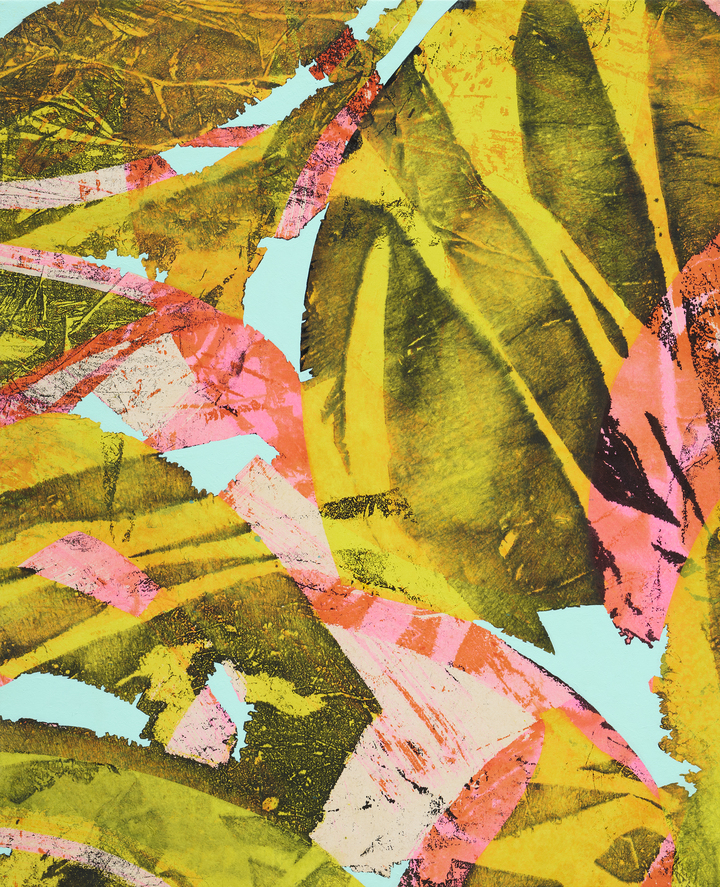
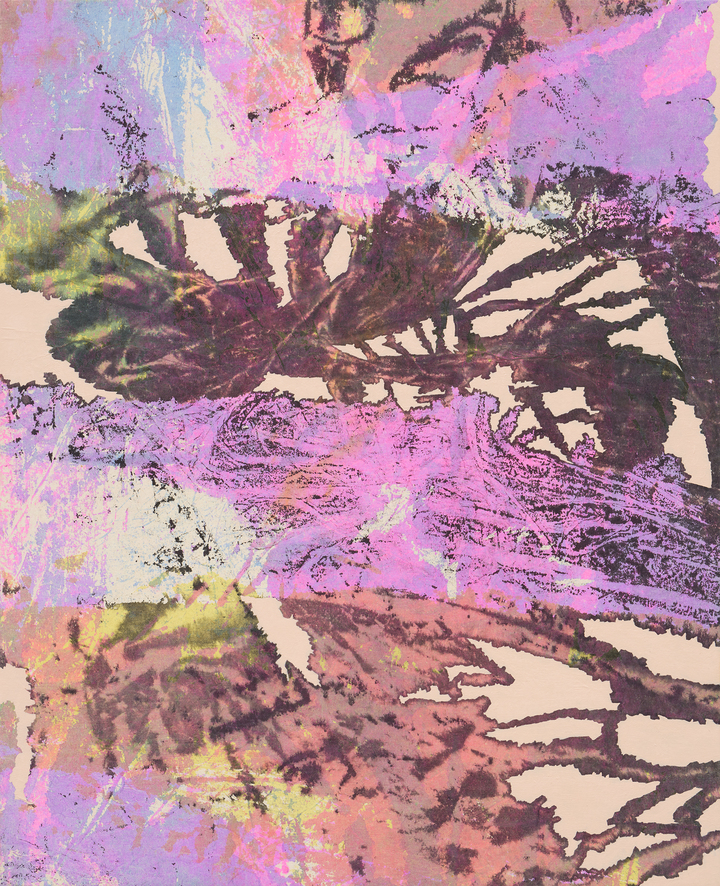
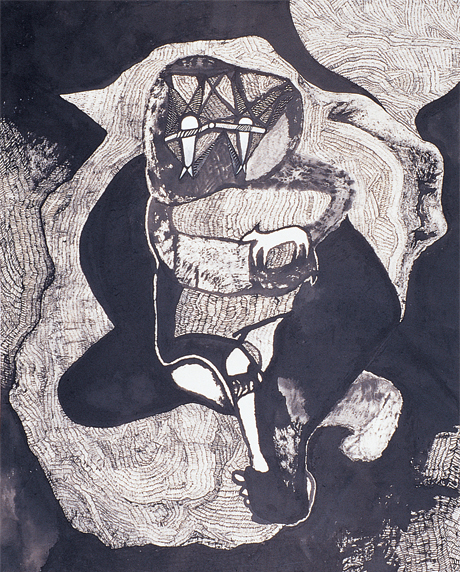
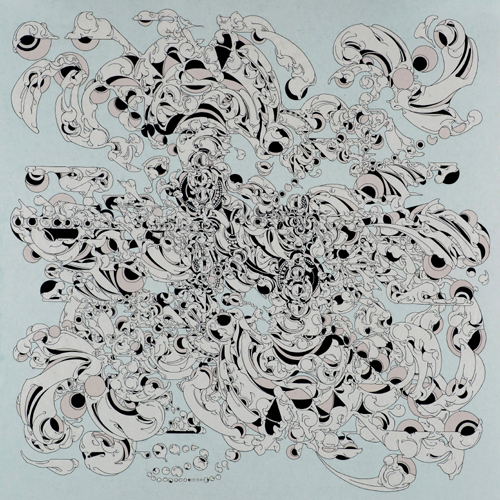
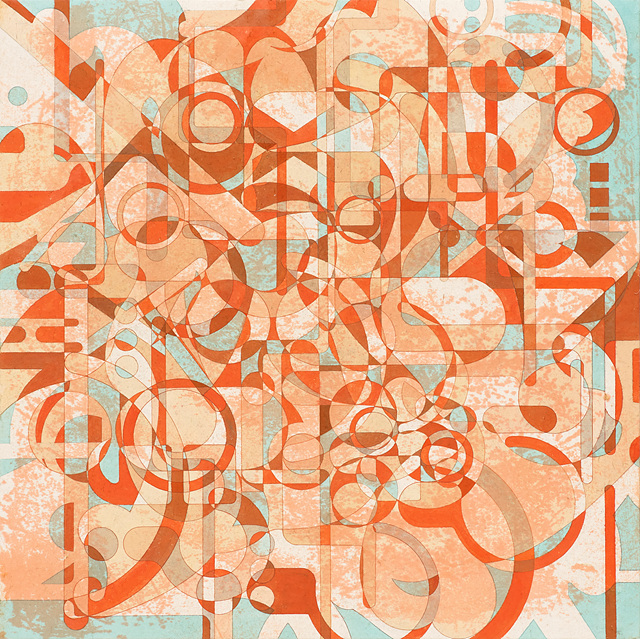
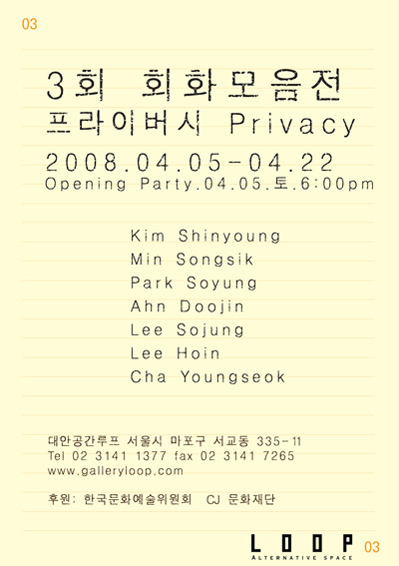
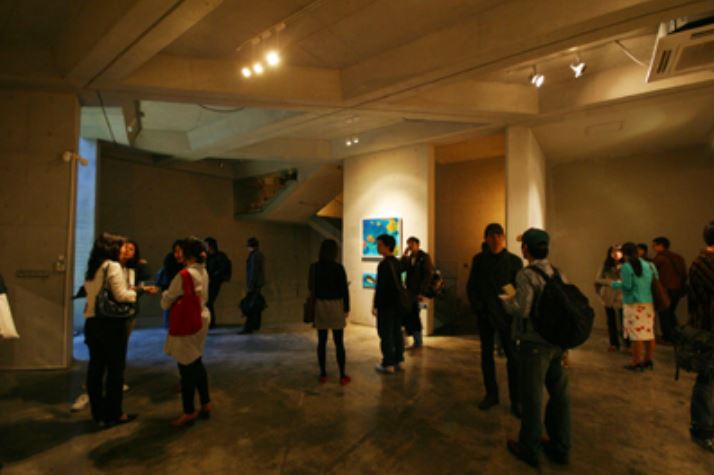
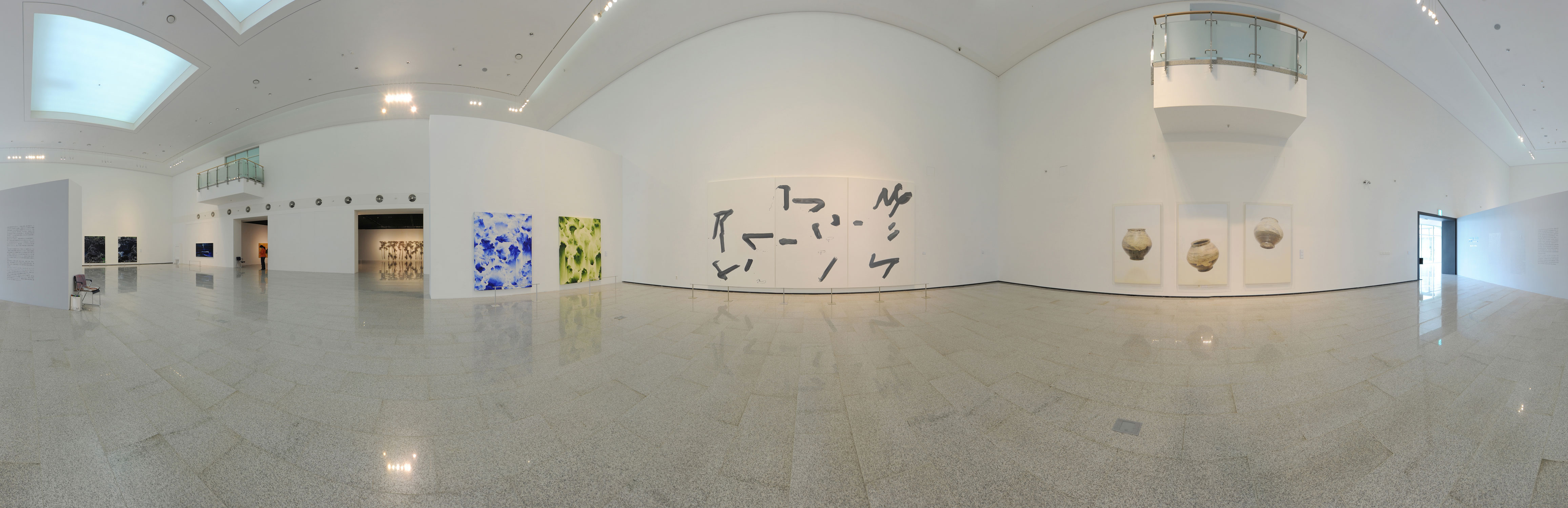
Poster image of 《Privacy》 © Alternative Space LOOP

In the late 1940s, Clement Greenberg declared that "the easel painting is dead." Until media art swept through the contemporary art world in the 1990s, his prediction was widely accepted as reality. In the late 1990s, Loop, an alternative art space, sought to revitalize painting—a "marginalized" medium at the time—through the first and second editions of its painting survey exhibitions.

Ironically, only a few years later, by 2008, the Korean contemporary art scene had become saturated with easel painting, to the extent that works in other media had become comparatively difficult to find. How should this phenomenon be understood? In response to this resurgence of painting, Alternative Space LOOP presents a new painting survey exhibition with a meaning distinct from its first and second editions.

Since works of art have increasingly come to be regarded as objects of private ownership, this exhibition examines the current trajectory of painting at the center of that development, presenting works by emerging Korean painters in a traveling exhibition held in both Korea and Singapore.


Private Ownership

The desire to possess property for self-preservation is an innate human instinct. Human beings are also capable of deriving pleasure simply from the fact of ownership itself, regardless of the inherent value of the object possessed.

The recent revival of painting is closely intertwined with the industrialization of contemporary art and the financialization of the art market since the 1990s. It cannot be overlooked that the expansion of private ownership driven by the accumulation of wealth has become one of the defining factors behind this phenomenon.

Contemporary society is simultaneously experiencing widening economic inequality and the emergence of new patterns of consumption shaped by wealth concentrated among a small segment of the population.

While the concept of noblesse oblige has gained wider recognition and social expectations surrounding philanthropy have intensified, society has also become increasingly tolerant of conspicuous consumption by the wealthy. Late capitalism, together with the financialization of society, continues to reshape everyday patterns of life.

From the perspective of ownership, painting possesses advantages over many other artistic media. The originality inherent to painting offers a sense of rarity while allowing for an immediate and comfortable aesthetic engagement.

When the current boom in painting is considered alongside broader social developments, it becomes difficult to deny that the expansion of capitalism, the growing desire for private ownership as a means of aesthetic enjoyment, and the perception of artworks as objects of investment are all interacting to shape this phenomenon.


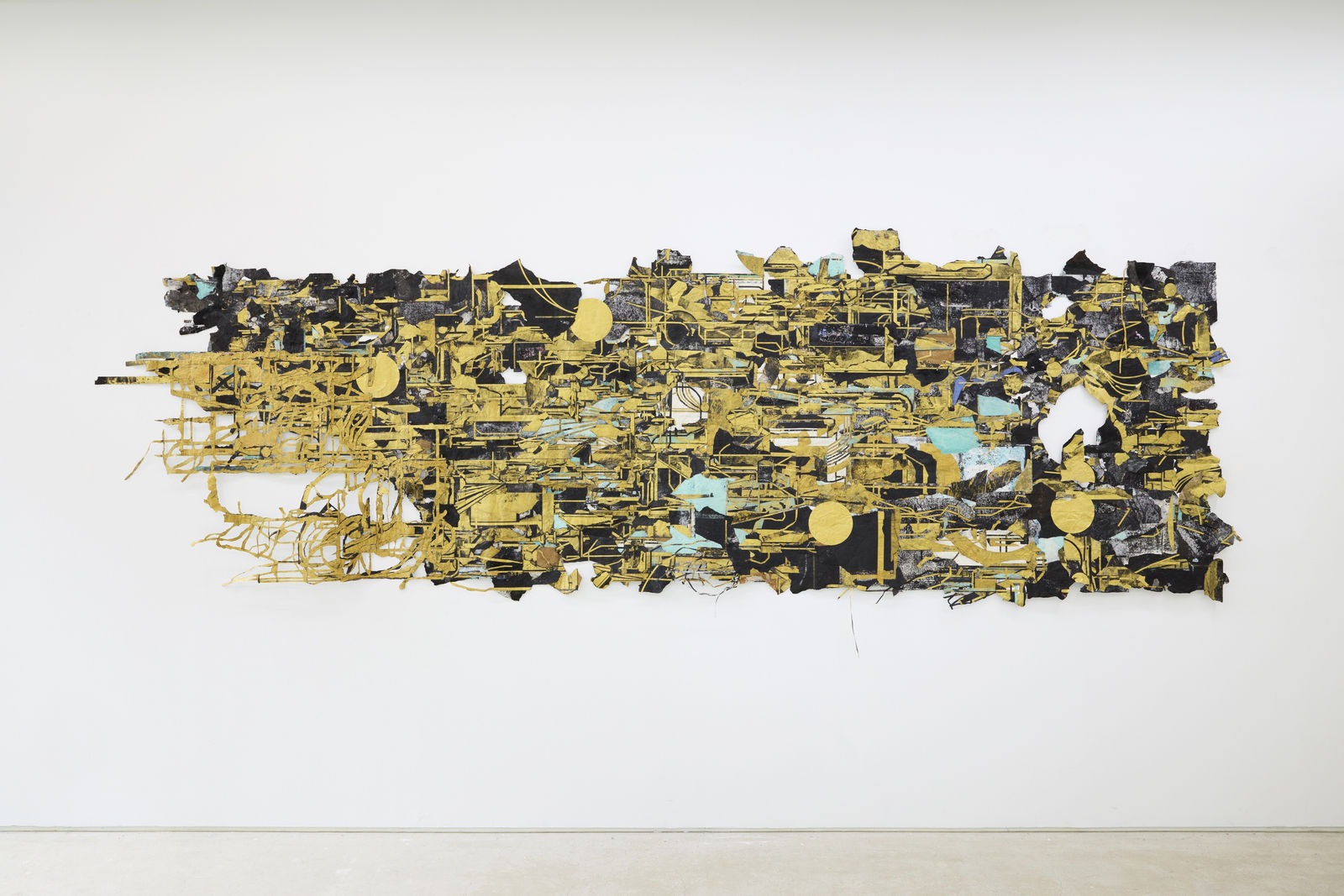
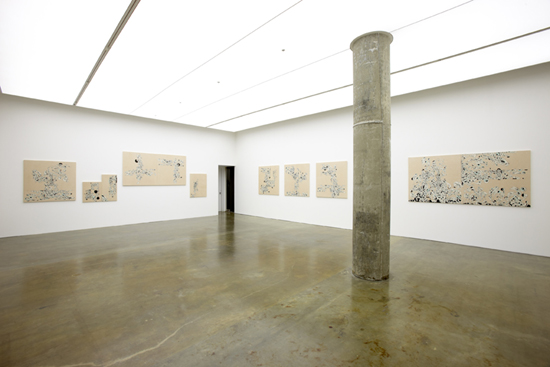
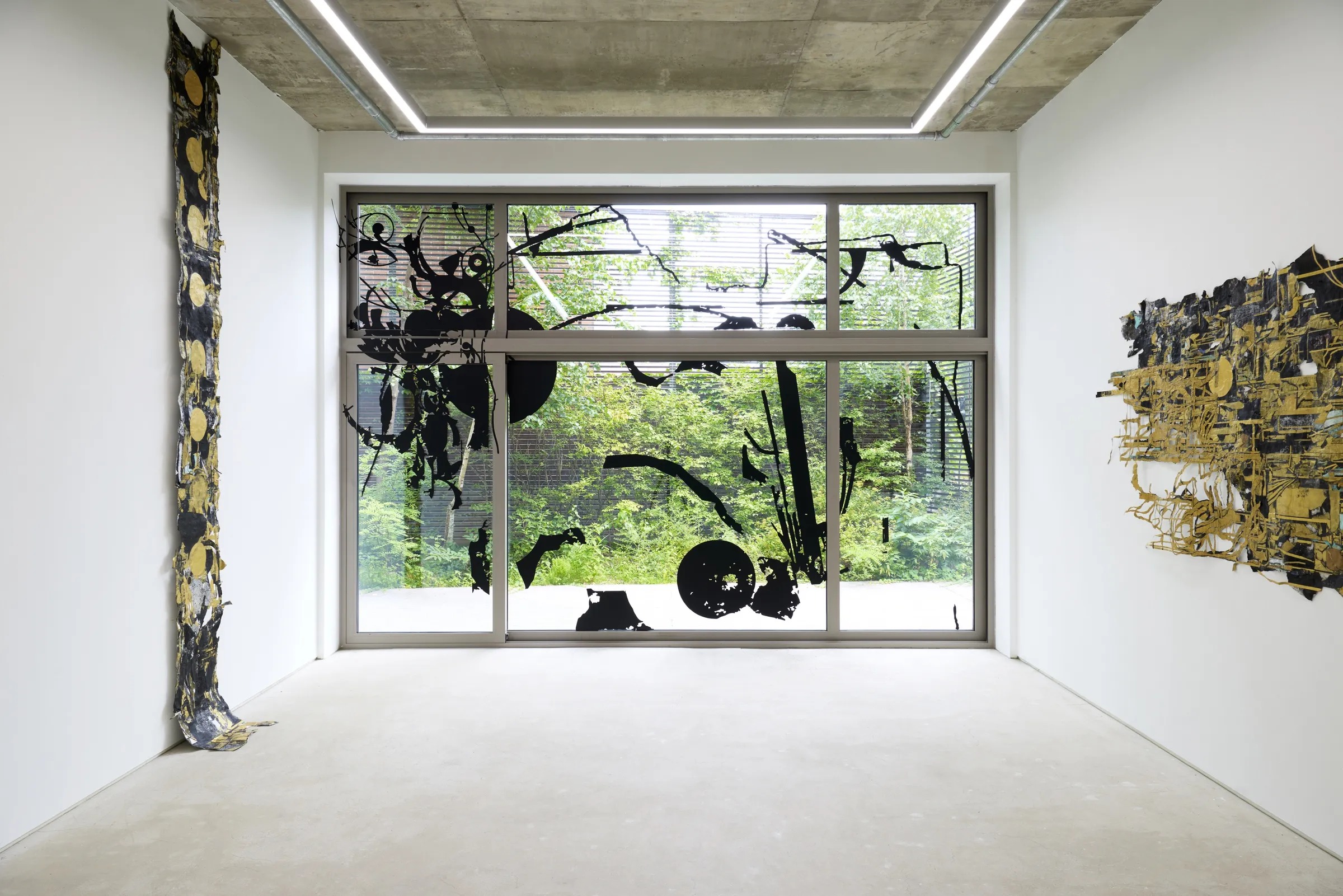
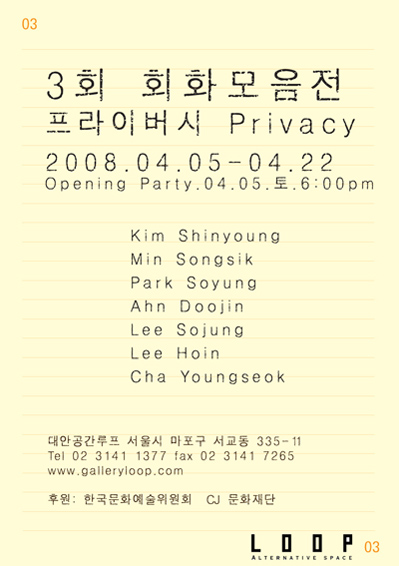
Installation view of 《Privacy》 © Alternative Space LOOP

Figuration

One of the defining characteristics of the resurgence of contemporary painting is its emphasis on figuration. Martin Jay has argued that, among the five human senses, vision accounts for more than ninety percent of our perception of the world. In engaging the visual sense, ambiguity often functions as an obstacle.

If the saying "we see only as much as we know" holds true, it may equally be said that "we feel only as much as we see." Works that attract greater visual attention are more likely to leave a stronger impression, and for this reason audiences tend to favor visual images with recognizable forms.

Today, we live amid an overwhelming flood of images and information. Within a global community where the boundaries between online and offline have largely dissolved, countless images flash across our retinas in an instant. The number of advertising images that relentlessly penetrate even our unconscious is beyond measure.

As a physiological response to this visual overload, our ability to filter and select images has inevitably changed. Contemporary life demands that we not only absorb an endless stream of images but also make instantaneous choices among them. Under such conditions, images capable of delivering a powerful impression within a brief moment are the ones most likely to endure. The renewed significance of figuration can therefore be understood as a reflection of this broader cultural condition.

However, it would be misleading to interpret this return to figuration simply as a revival of representational painting. While figuration employs the framework of recognizable forms, the ideas it seeks to communicate extend beyond representation toward abstract and non-representational messages. As an artistic medium, painting embodies the artist's rigorous creative inquiry.
The framework of representation alone is insufficient to convey the intangible meanings drawn from the artist's consciousness. Figuration, then, may be understood as the outcome of an effort to capture the viewer's eye while simultaneously conveying immaterial ideas. In much of today's painting, one can clearly observe the desire to inherit the visual language of representation while embracing the freedom of expression traditionally associated with abstraction.


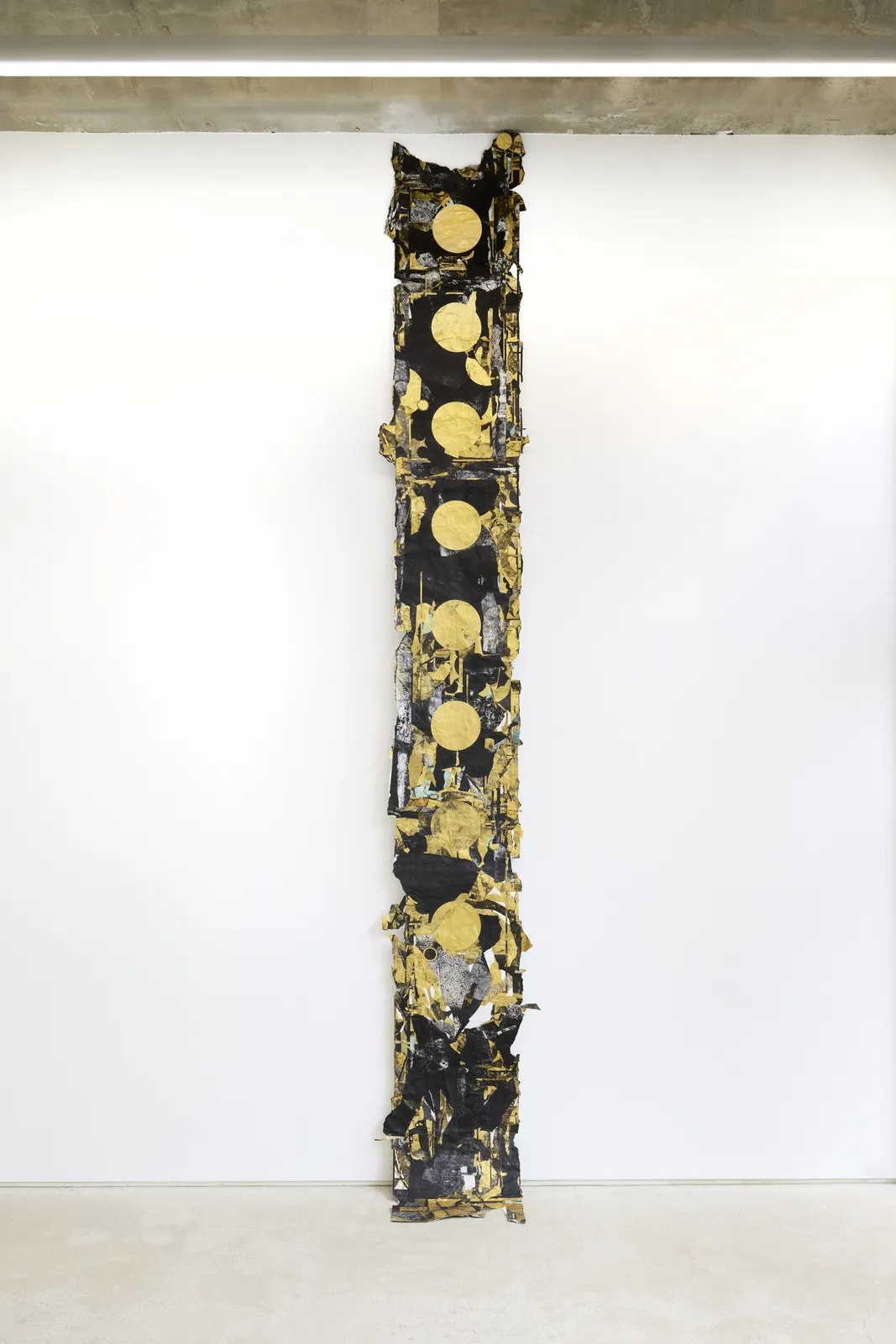
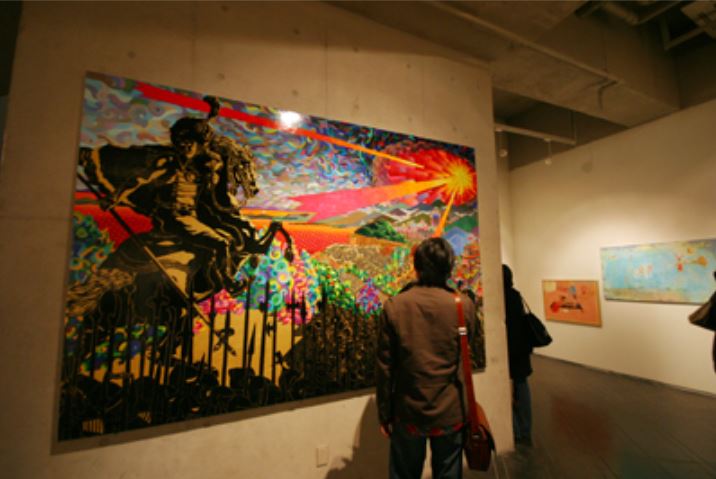
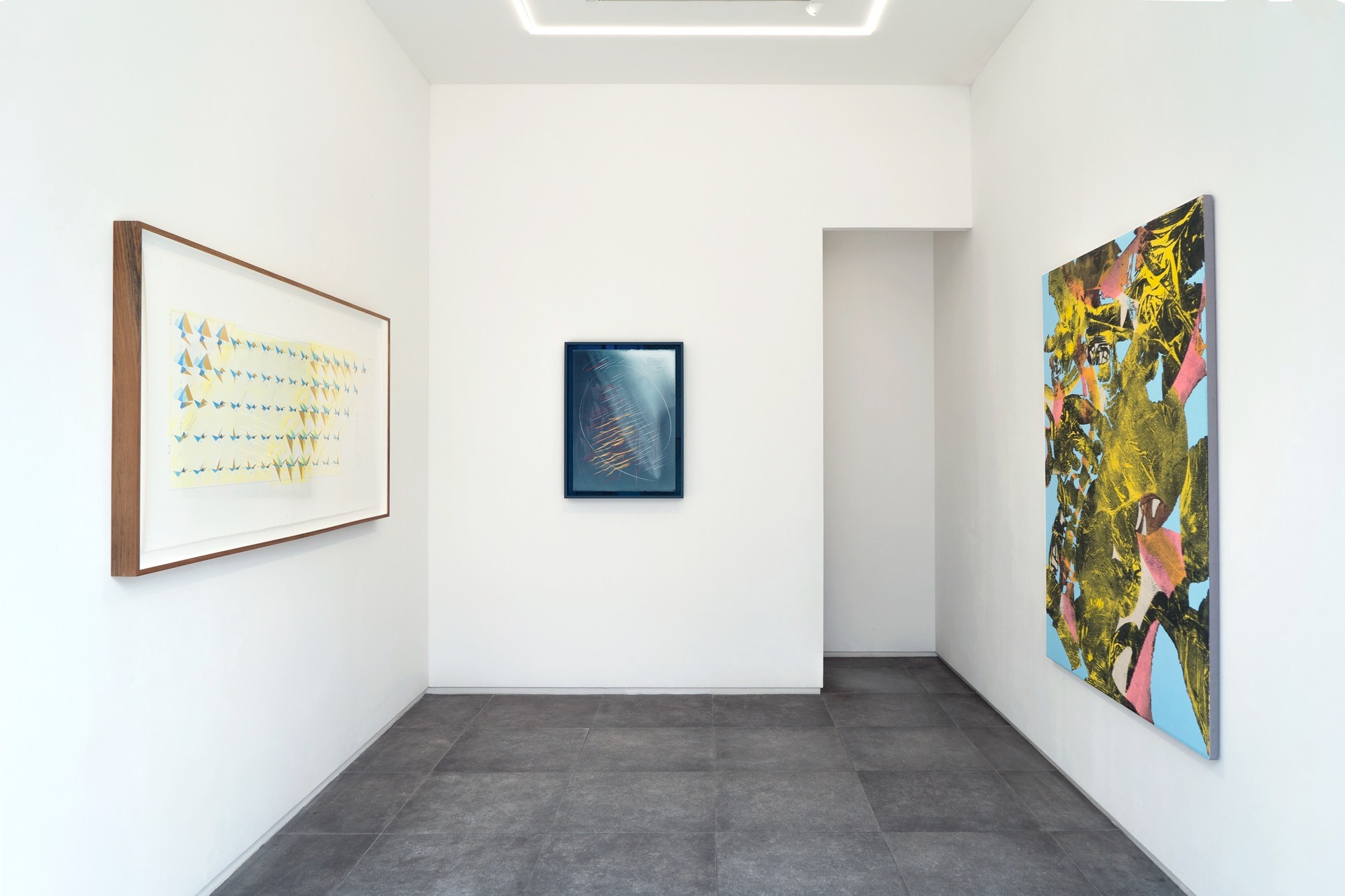
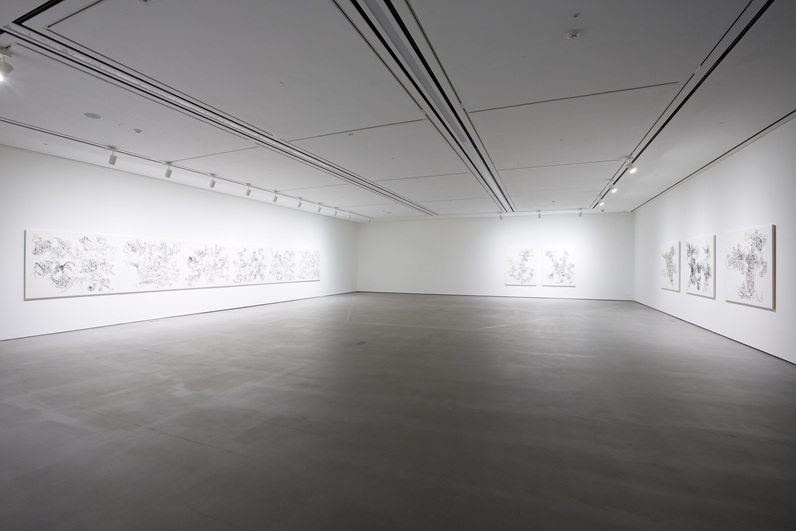
Installation view of 《Privacy》 © Alternative Space LOOP

Unreality (Virtuality)

At first glance, the notions of unreality or virtuality may evoke the concept of Surrealism from the early twentieth century, yet the two are fundamentally different. The form of unreality that dominates contemporary painting is, in its essence, closer to reality—that is, to the conscious self capable of deliberate, artificial intention—than to the realm of the unconscious. In this sense, it may be regarded as more profoundly human.

Can an unreal message be human? Though this proposition may initially seem unfamiliar, it is nonetheless true. The unreality found in contemporary painting may be understood as "the appropriation of a world that does not yet exist but that one wishes to realize." At the end of the nineteenth century, Europeans looked toward scientific progress and modernization with the expectation that the coming twentieth century would usher in an extraordinary new world.

Artists appropriated their visions of the future, depicting mechanical paradises and civilizations transformed by machines. Jules Verne wrote novels about submarines that did not yet exist, while George Orwell foresaw the emergence of Big Brother. Ideas that once seemed entirely unreal are now accepted as part of everyday reality.
At the beginning of the twenty-first century, humanity is once again imagining new utopias. Advances in digital technology, biotechnology, and other scientific fields are widely expected to transform our lives dramatically before the middle of this century. Many young artists have likewise returned to appropriating the future. Unlike their predecessors, however, they are less concerned with achieving broad social consensus and instead depict deeply personal visions and aspirations.
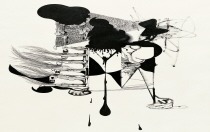

Nevertheless, the surreal worlds they create are perceived not as manifestations of the unconscious but as realms that could, in fact, be realized. In this sense, they remain closely tied to reality. Pierre Lévy argued that the actualization of the virtual is itself a process of humanization, one that humanity has pursued throughout history.

As Lévy suggests, the unreality found in the current resurgence of painting is fundamentally human precisely because it neither remains confined to the virtual nor serves merely as an exploration of the unconscious; rather, it maintains a close and tangible relationship with reality.


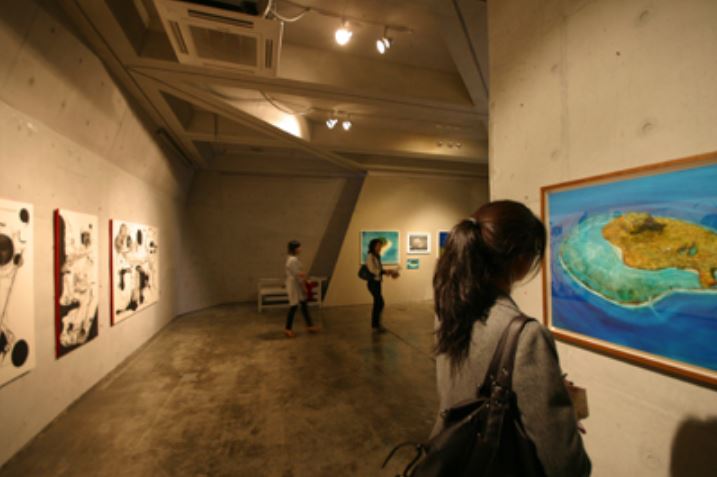
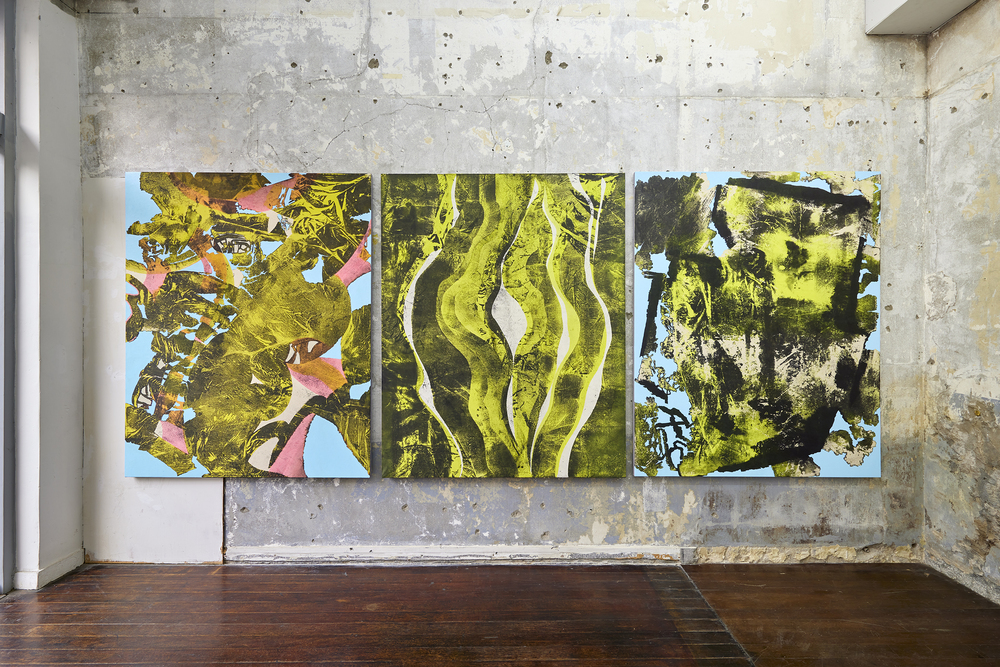
Installation view of 《Privacy》 © Alternative Space LOOP

The Private Sphere

Another notable characteristic of recent painting is the increasing emphasis on the private sphere. Emerging in the mid-1970s, postmodernism sought to dismantle the rigid structures of modernism and boldly challenged previously untouchable theses. Among its many strategies was the "return of painting" as a medium of narrative imagery.

Movements such as Neo-Expressionism, characterized by polyphonic systems of meaning, and New Painting, which explored personal sensibilities and collective histories, expanded rapidly after the 1980s through developments in information technology and, in the 1990s, through their convergence with the Internet as a new, third space.

A close examination of the work of young Korean painters reveals that they are continually engaged in a kind of "play" of coding and decoding their own narratives within highly private and enclosed personal domains. This phenomenon is by no means unique to Korean artists. Indeed, the more culturally and economically advanced a society becomes, the more its members tend to withdraw from social interaction and pursue the self within increasingly isolated spheres.

In general, societies that have reached advanced stages of economic and cultural development experience the dissolution of hierarchical distinctions between classes and generations. From a macro perspective, while broad cultural currents and trends continue to exist, they emerge only as common denominators extracted from the diversity of individual experiences.

As society develops, vertically transmitted cultural structures gradually lose their influence, giving way to more horizontal forms of culture characterized by plurality and diversity.

The tendency for individuality and personal identity to remain preserved in an idealized and emotional state, without being fully tempered by the realities of everyday life, can be observed in many contemporary social phenomena. Representative examples include the "Peter Pan syndrome," marked by a resistance to socialization, and artistic practices that seek refuge in cyber worlds detached from reality.

When highly personal tastes and individual consciousness emerging from the private sphere are reflected in works intended for public audiences, they become valuable clues for understanding broader social conditions.

The reason recent painting feels so fundamentally different from earlier generations of painting lies in these changes within contemporary society and the emergence of new artistic tendencies rooted in individual consciousness. At the same time, this phenomenon serves as evidence that a distinct new trend is taking shape within the contemporary Korean art scene.

References