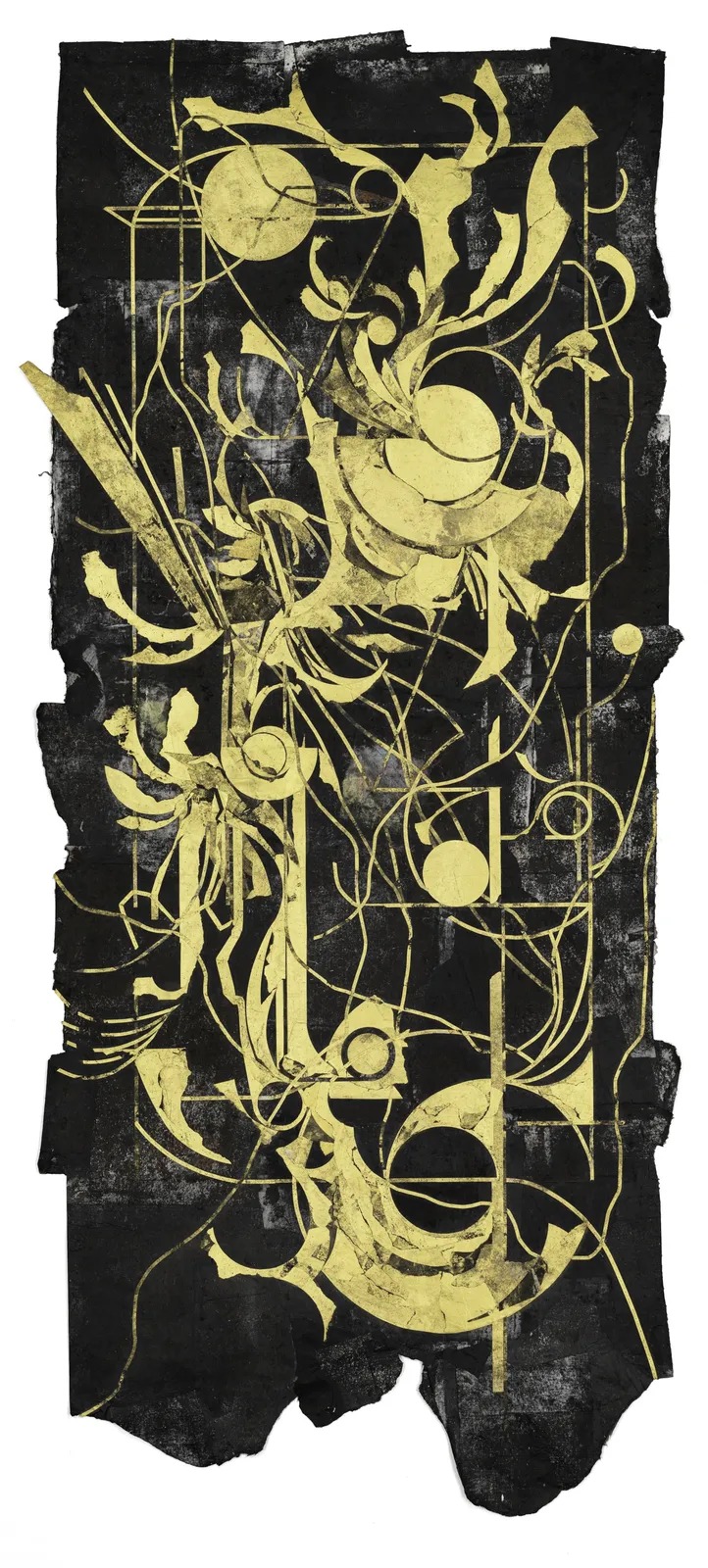
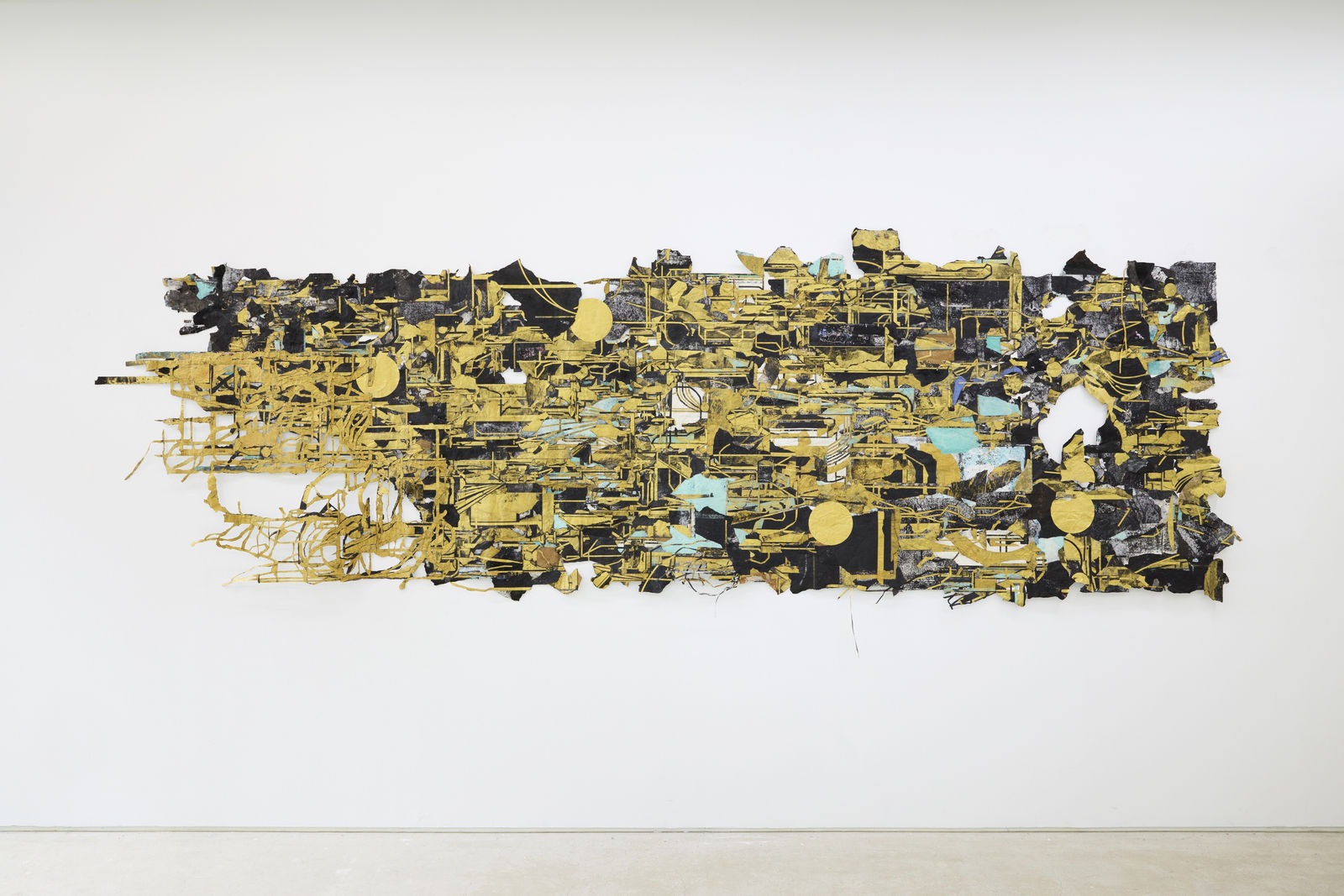
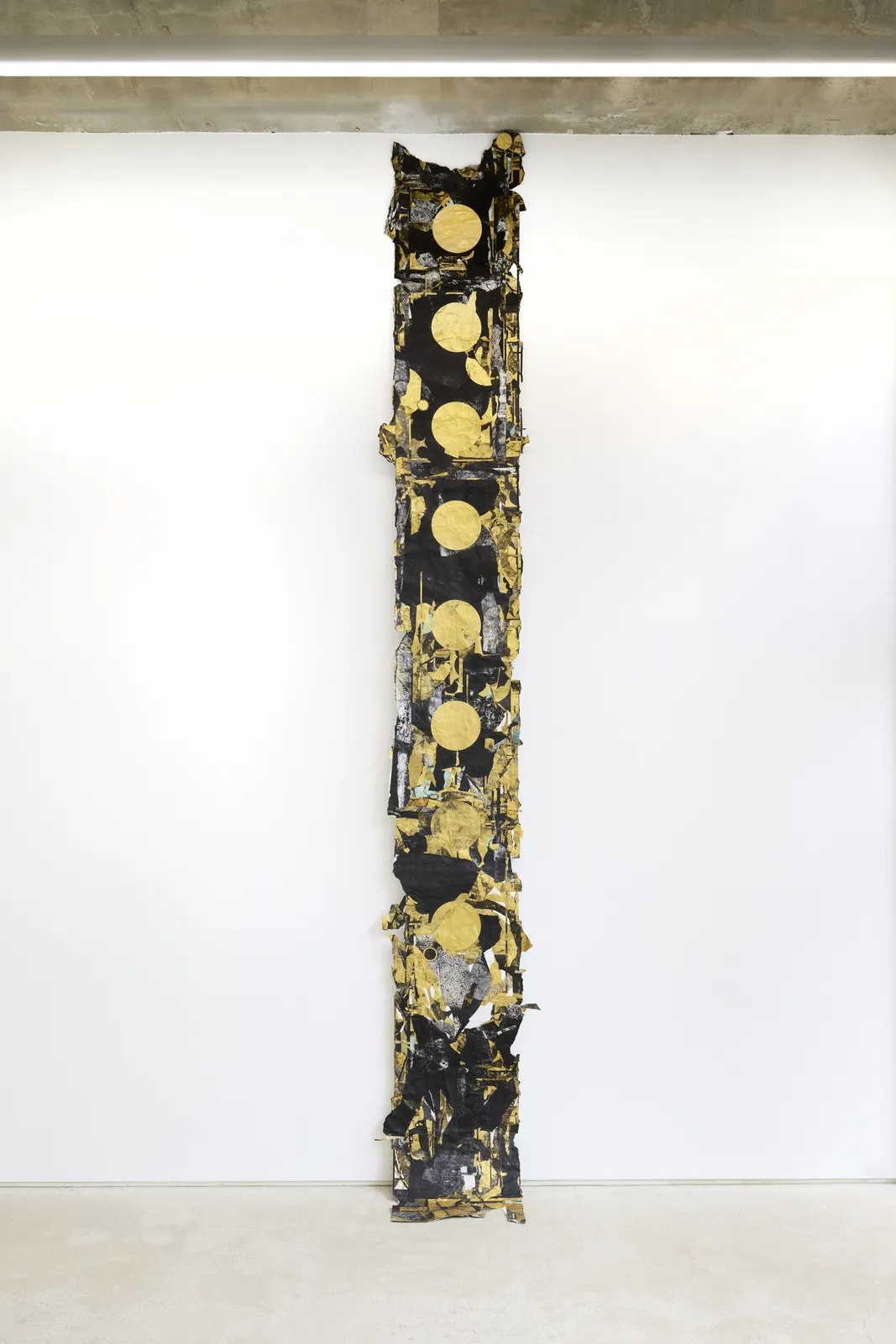
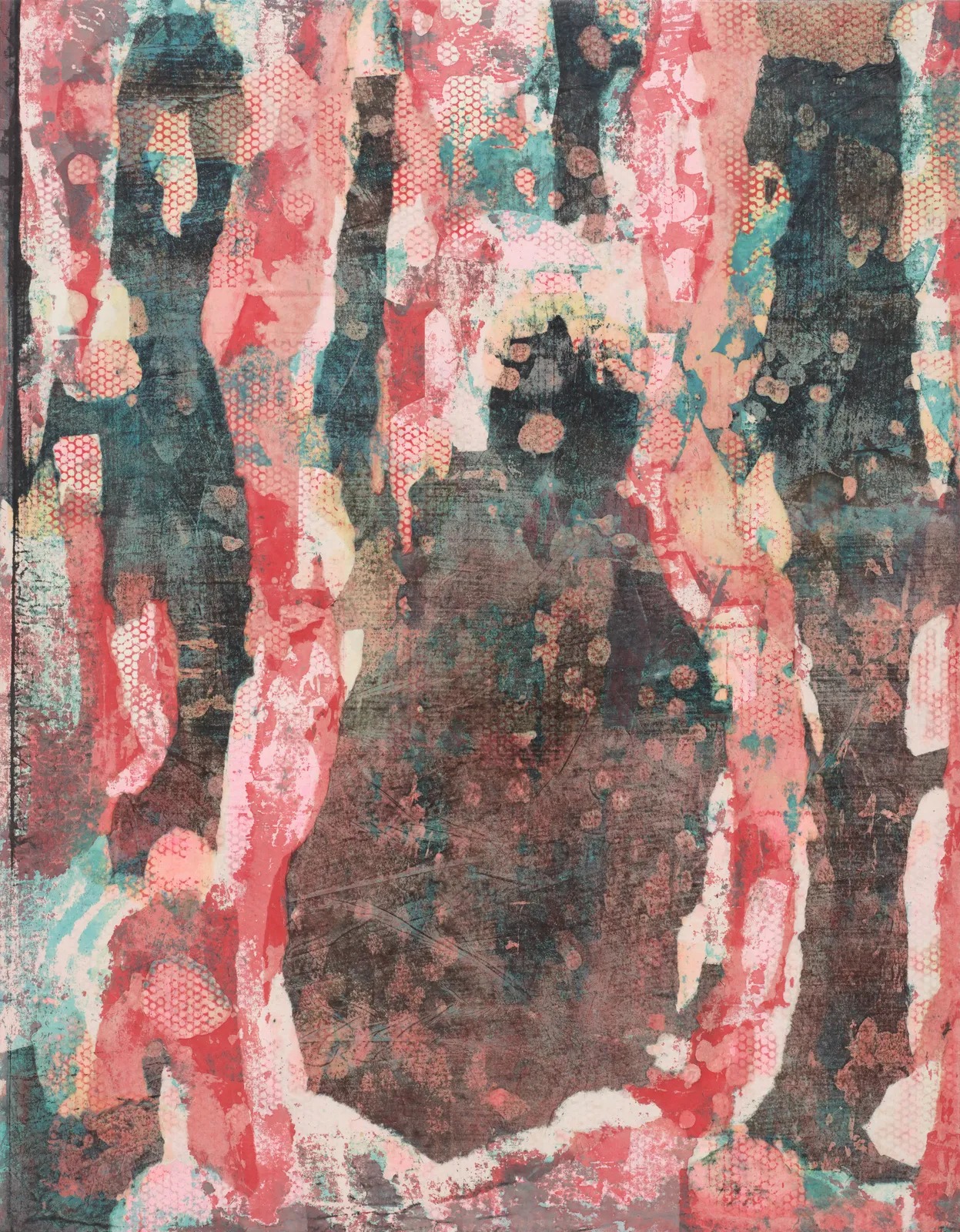
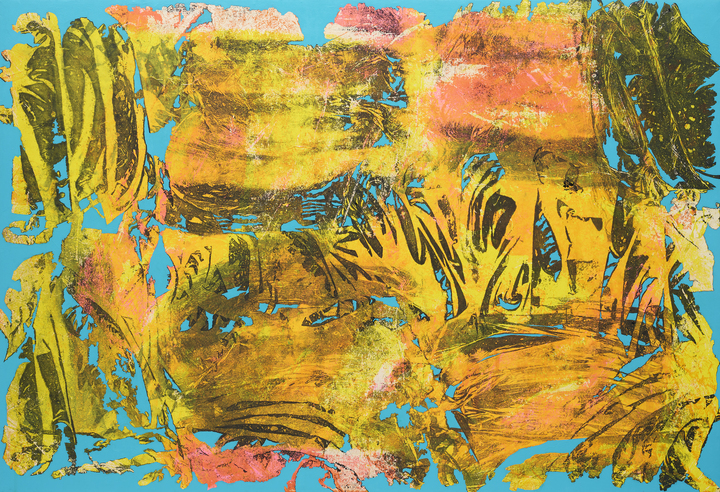
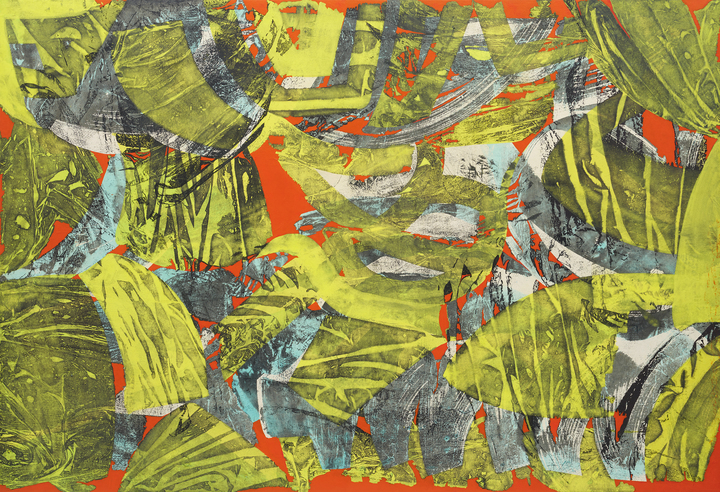
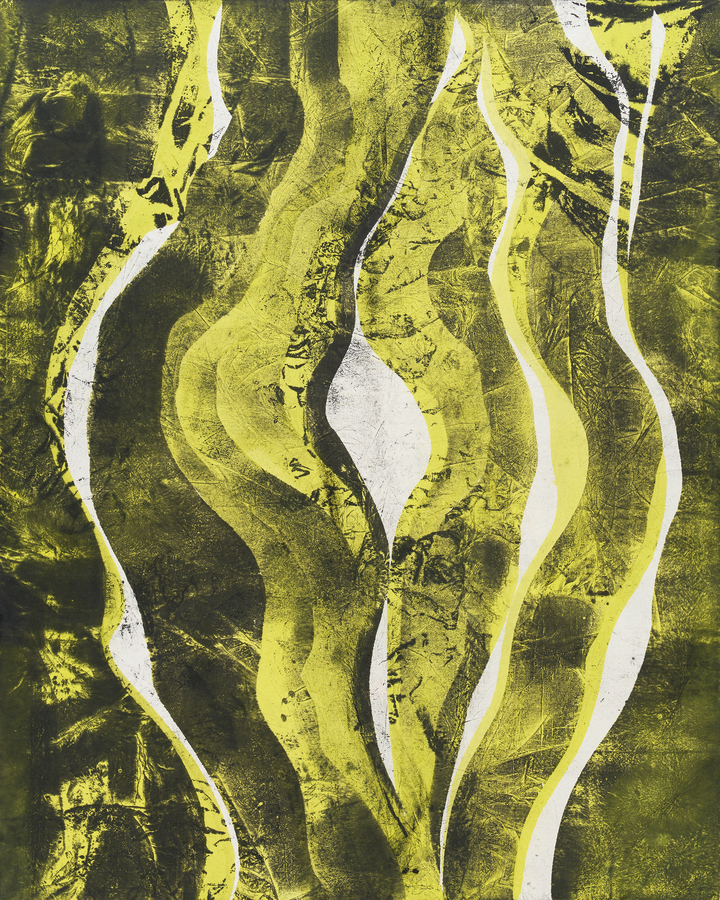
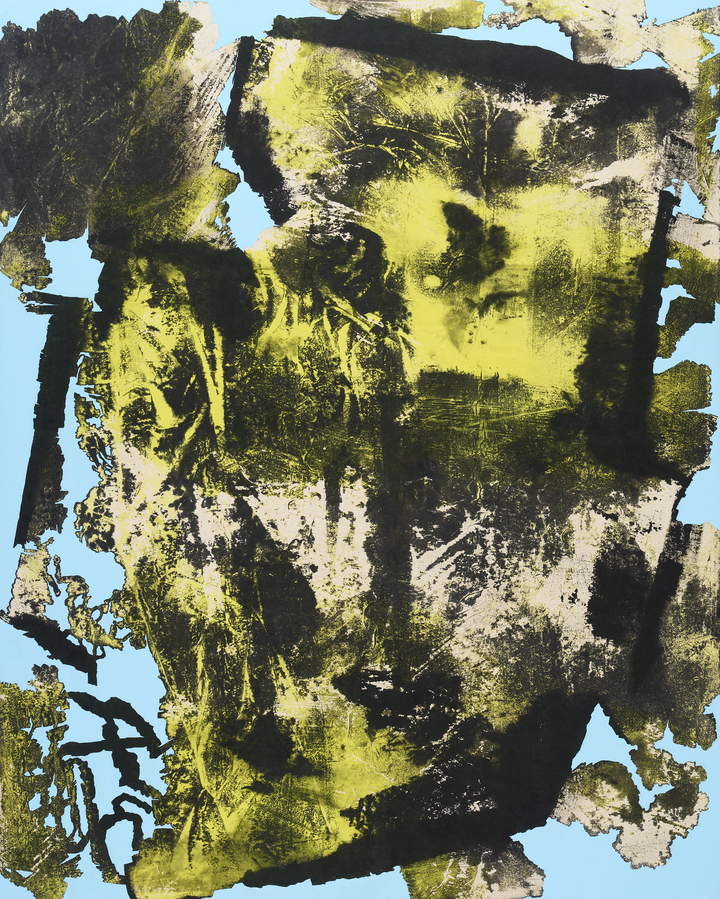
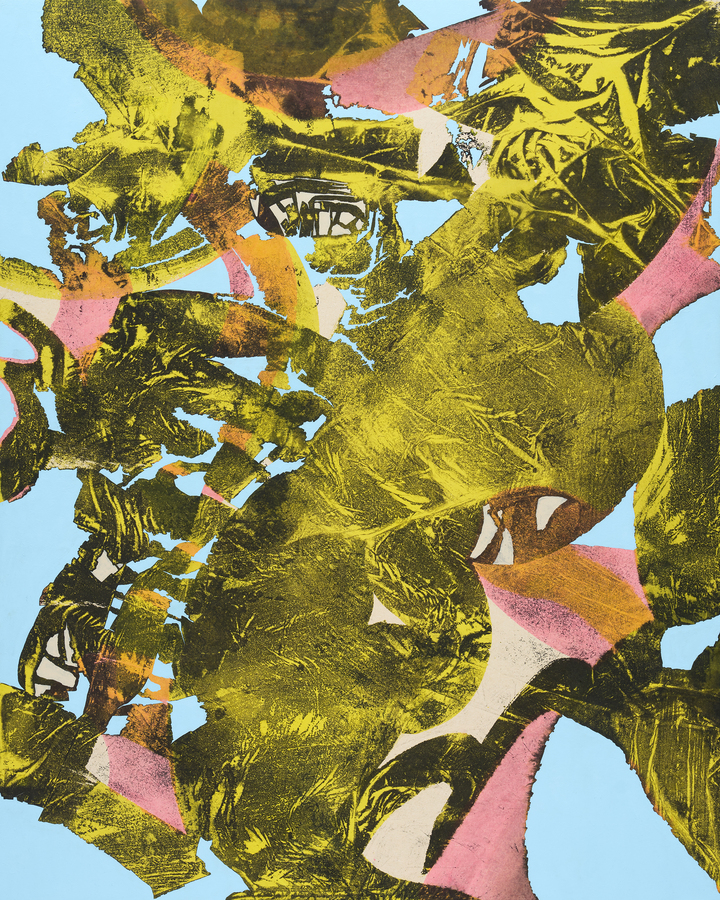
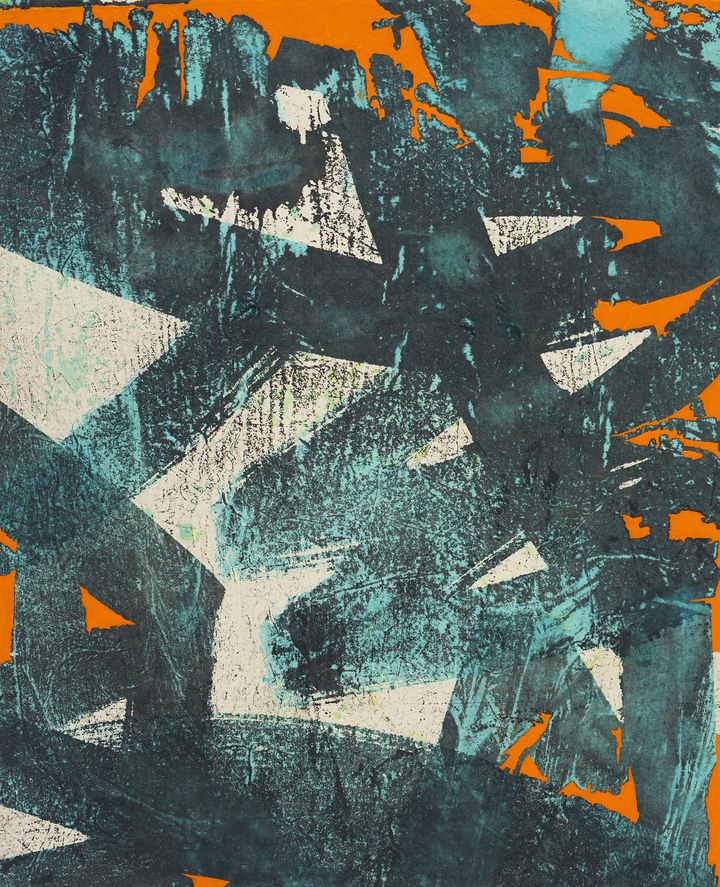
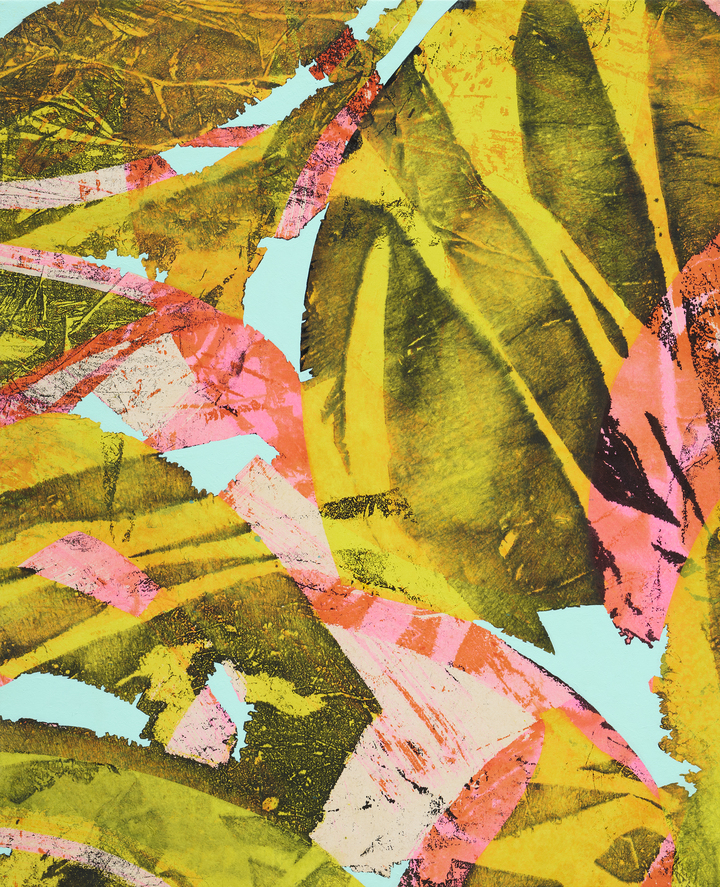
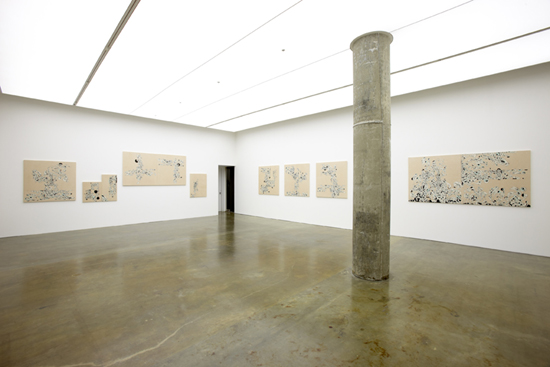
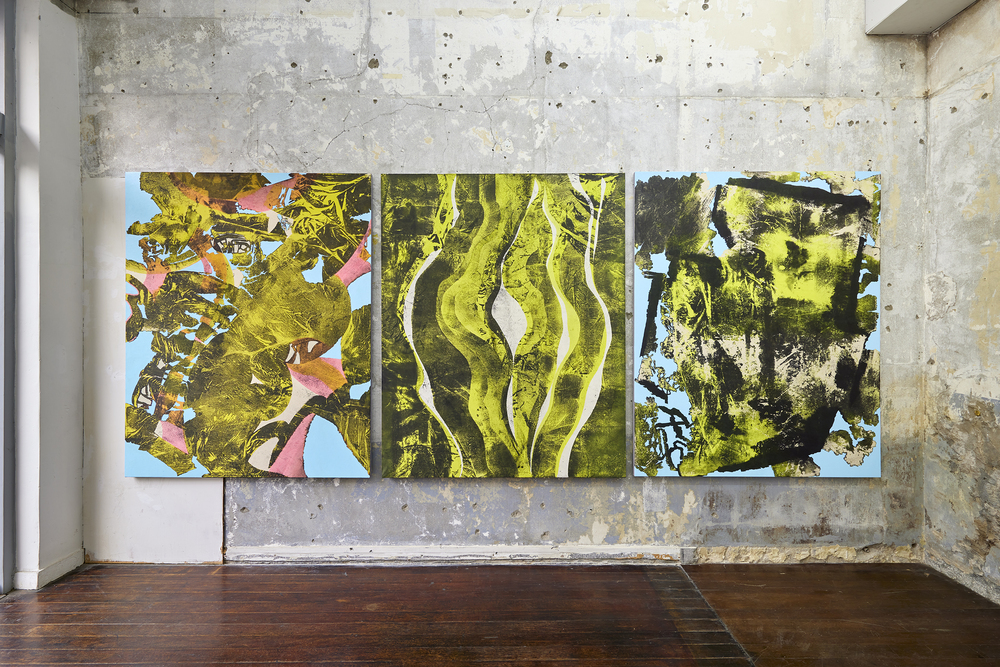
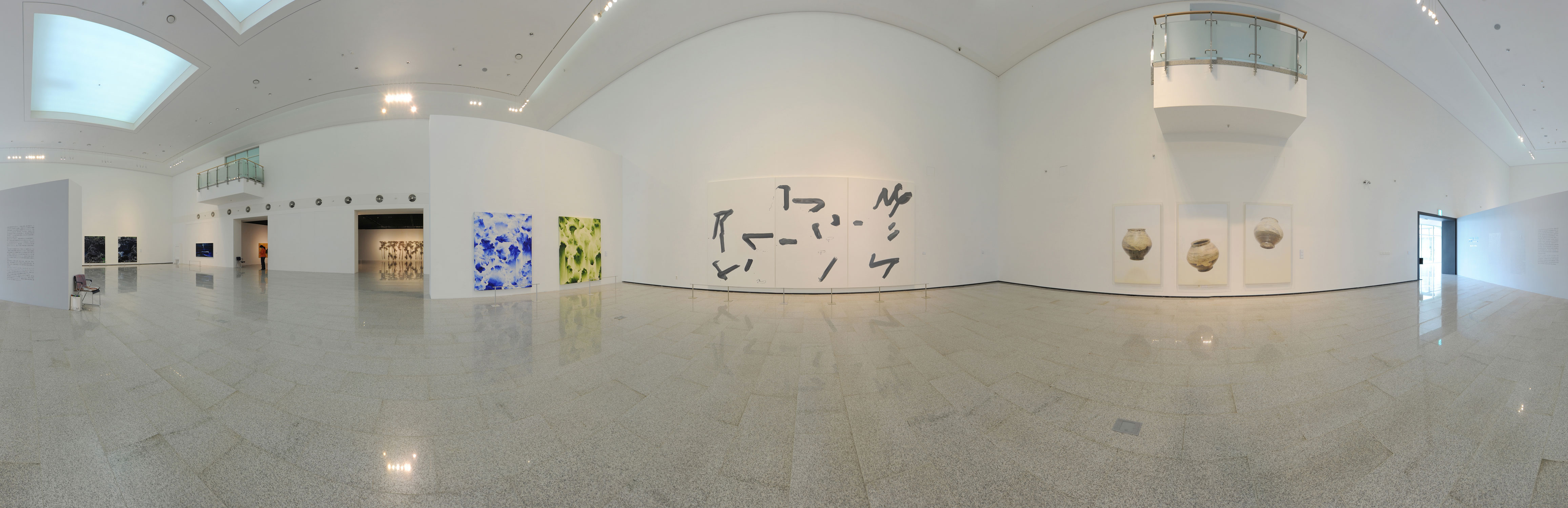
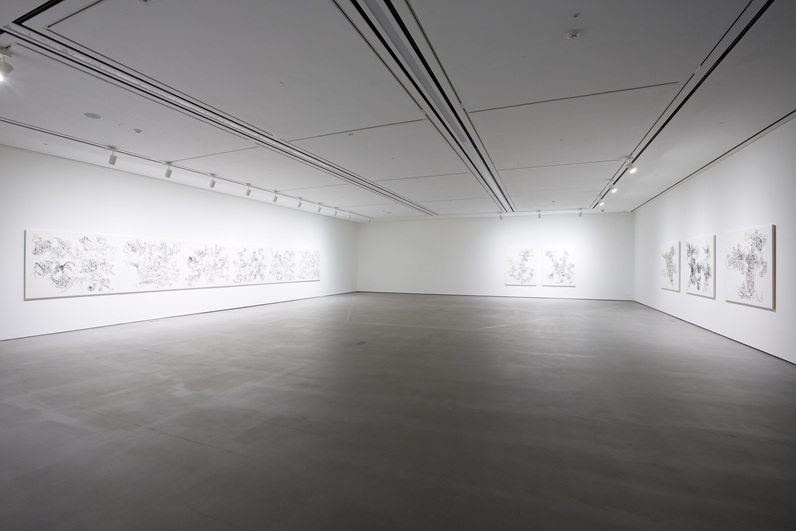
Lee's paintings are built through an iterative dialogue between material, process, and image. Working primarily with ink, mineral pigments, acrylic, hanji, and layered jangji, she approaches the materials of Korean painting not as traditional mediums of expression but as conditions for image generation.
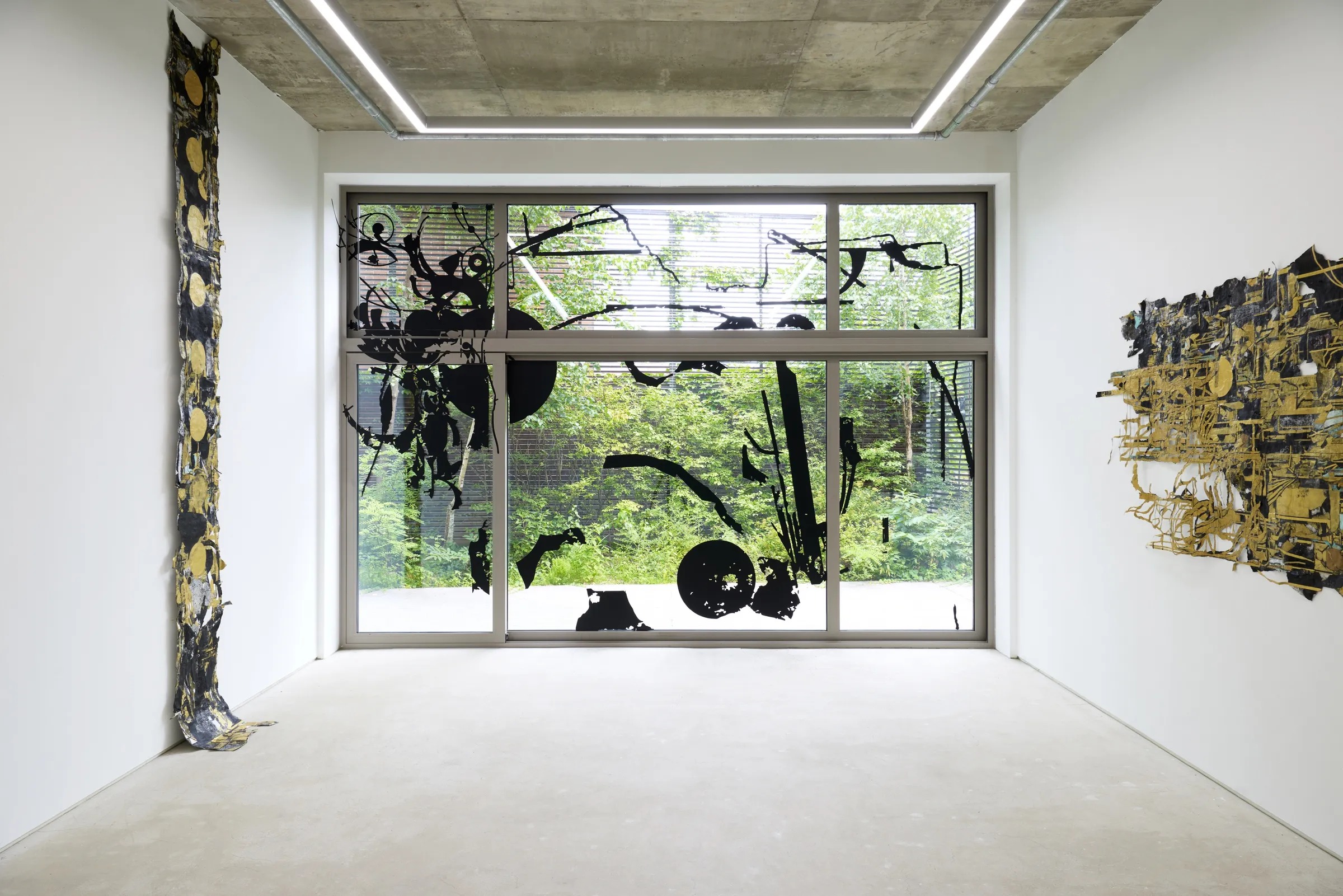
Ink absorbed into paper, wrinkles formed during drying, layered sheets of paper, and accumulated pigments become the material foundation of each composition, from which the artist discovers and refines emerging forms.
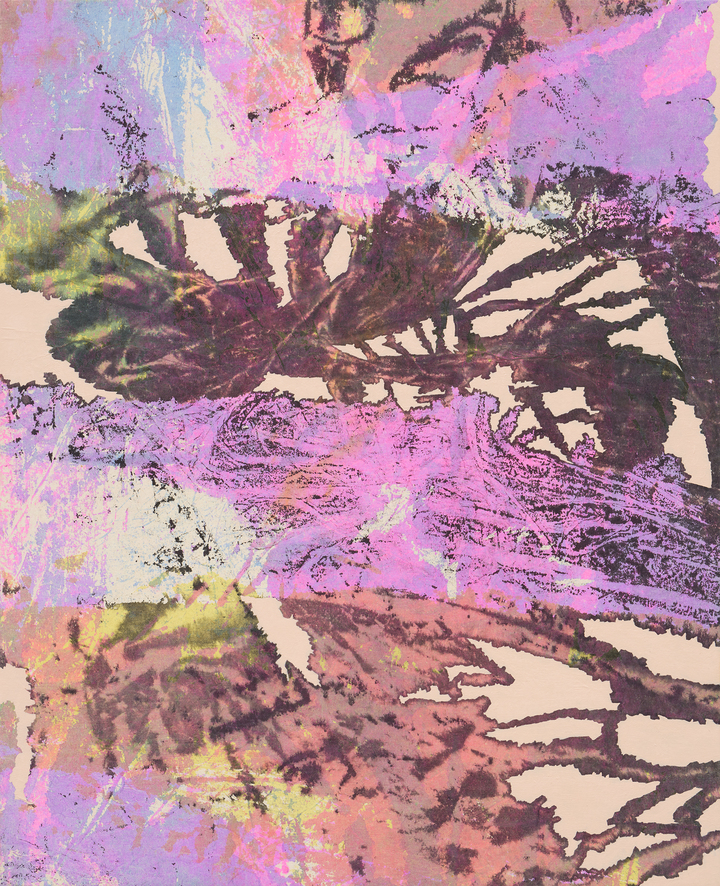
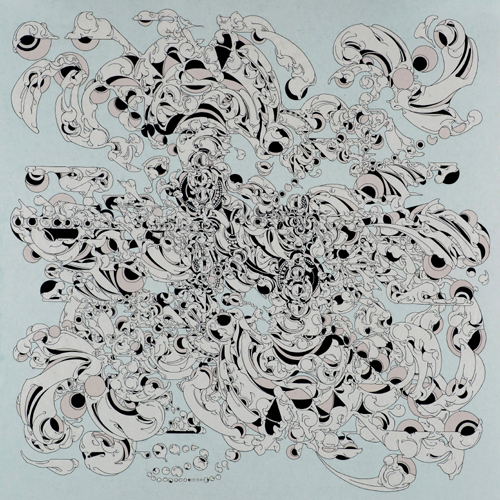
Her working process is characterized by a continual negotiation between systematic procedures and material contingency. Earlier works established logical frameworks through symbols, manuals, and templates, within which organically generated images unfolded. More recent works have increasingly embraced accidental traces produced through the interaction of ink and paper, allowing material events themselves to suggest latent forms.
These traces become clues for image-making, while Lee intervenes only where necessary, bringing the composition to completion. The resulting process resembles an act of uncovering forms already embedded within the surface rather than inventing entirely new imagery.
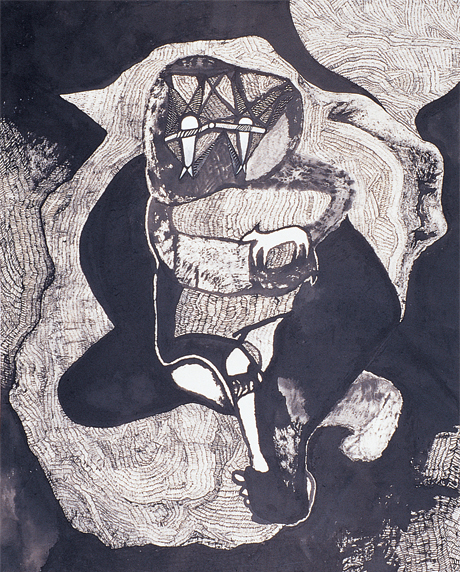
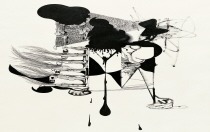
The visual language of her work has also undergone a gradual transformation. Earlier paintings combined biomorphic forms with symbolic motifs such as scissors, mirrors, arrows, and punctuation marks, constructing layered visual narratives.
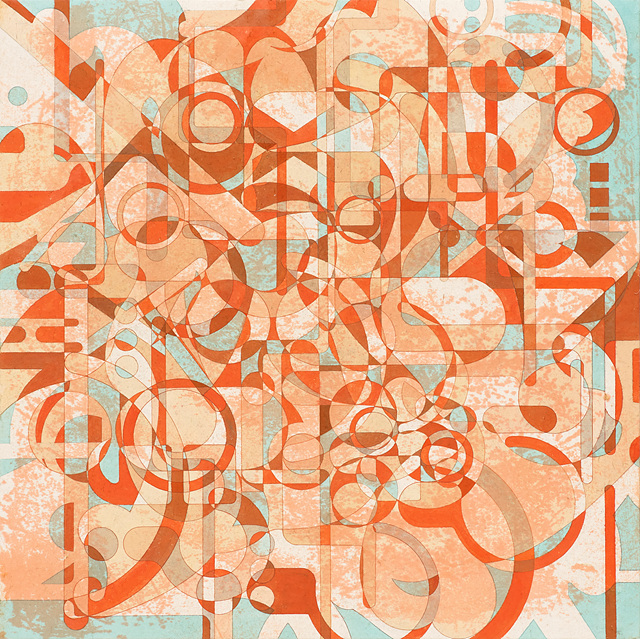
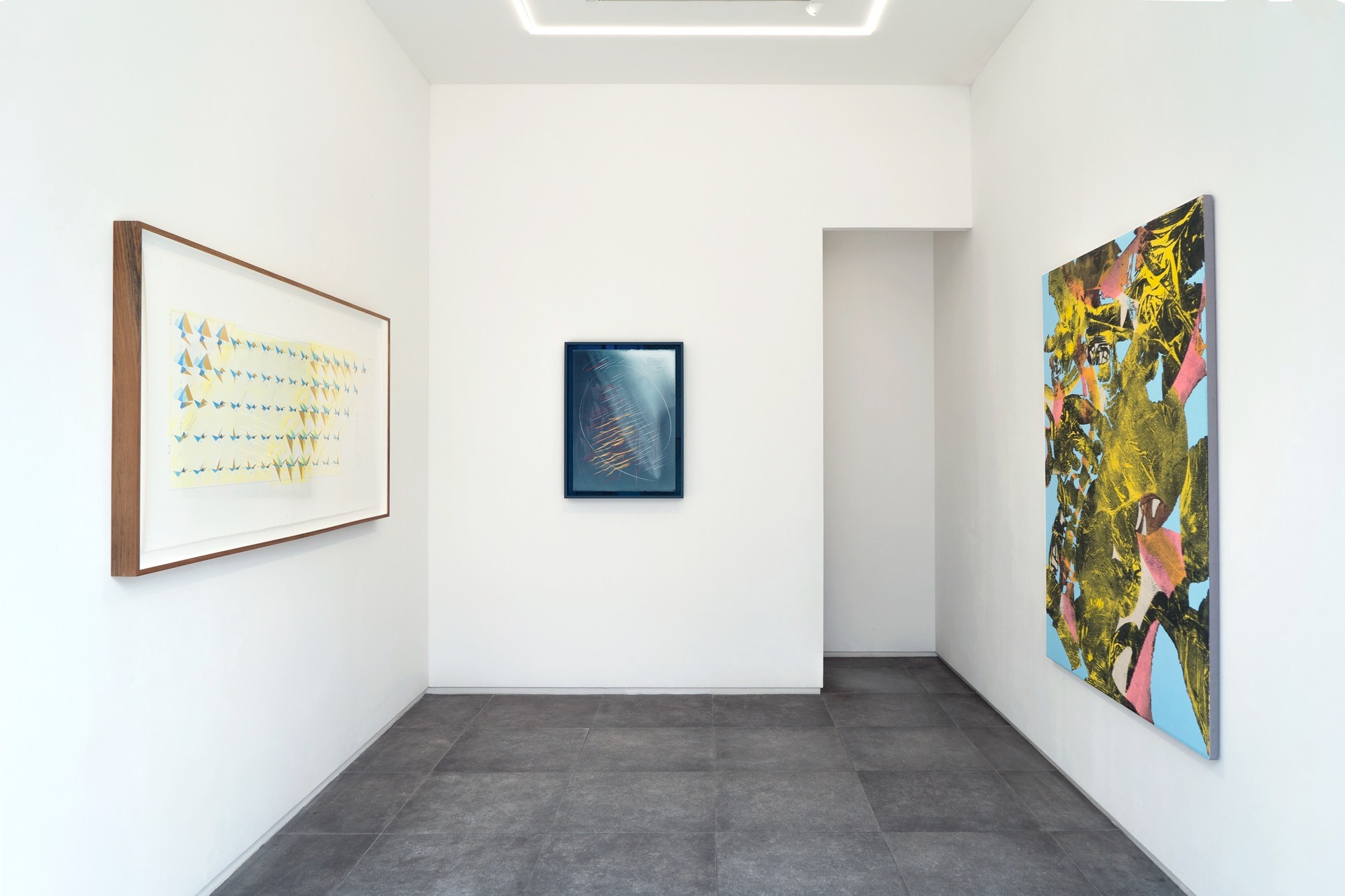
In recent works, these explicit signs have largely receded, giving way to increasingly abstract compositions defined by color fields, layered surfaces, and material textures. Forms no longer refer to identifiable subjects but emerge as the outcome of relationships generated through materials and process, allowing the picture plane to embody simultaneous processes of accumulation, erosion, formation, and disappearance.
Throughout these developments, Lee's paintings maintain a careful balance between compositional structure and material autonomy. The image is neither the result of spontaneous expression nor rigid planning, but of sustained repetition, adjustment, and negotiation.
By extending the physical properties of ink and paper into a contemporary visual language, her formal experiments ultimately question not only the possibilities of material itself, but also the very mechanisms through which painting generates images.