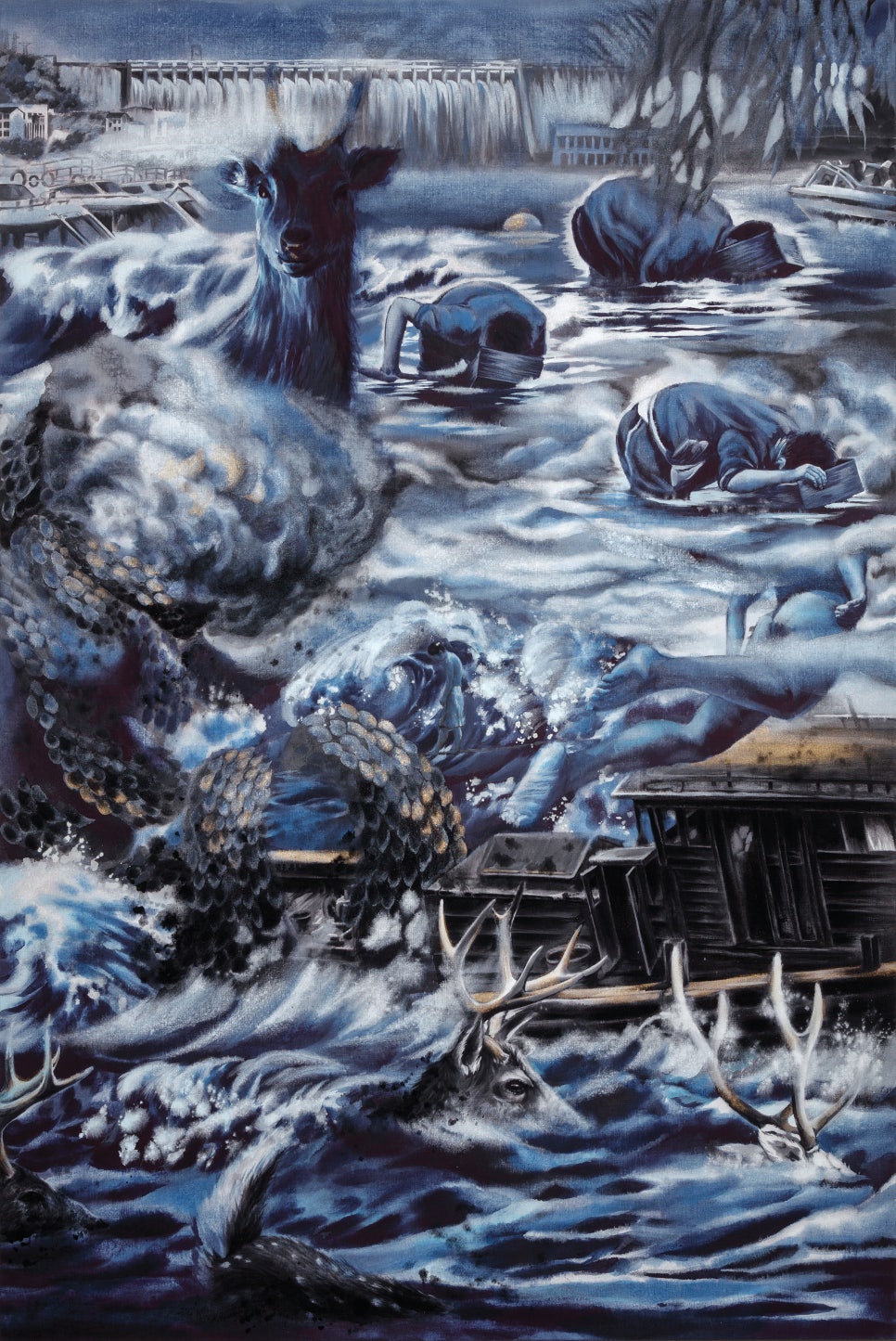
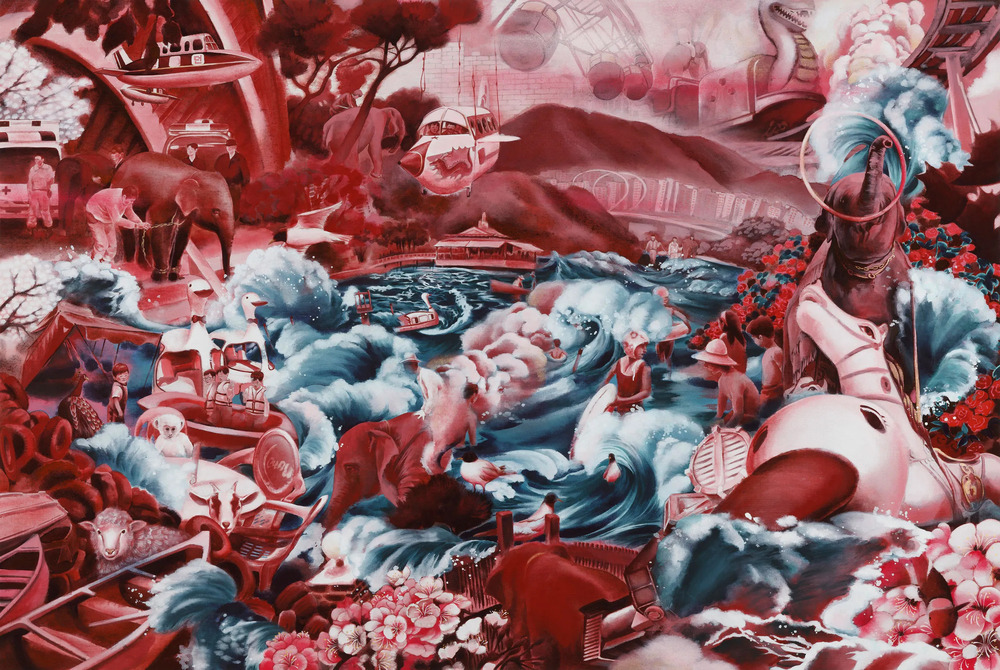
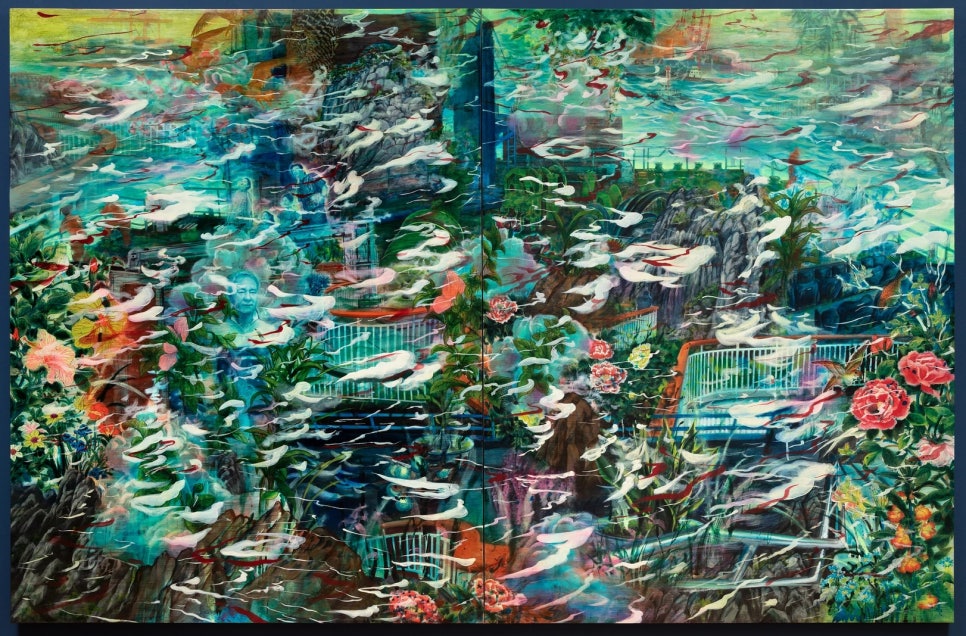
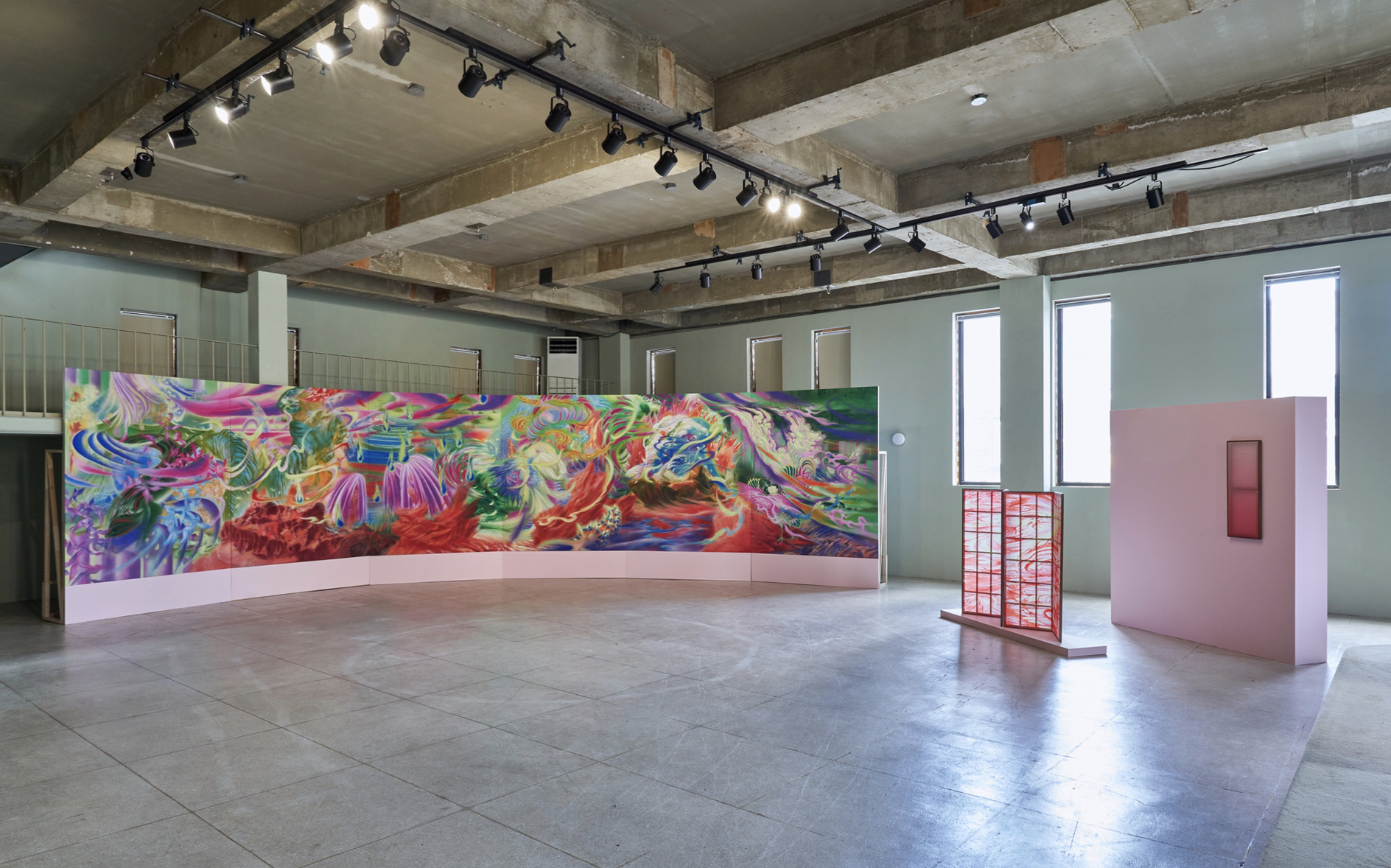
While researching Bukseong Fishing Port, which was undergoing land reclamation, the artist came to focus on the fact that a shipboard pasi (波市) landscape could be seen at this site, and upon actually encountering it, witnessed that its distinguishing features were fading away.
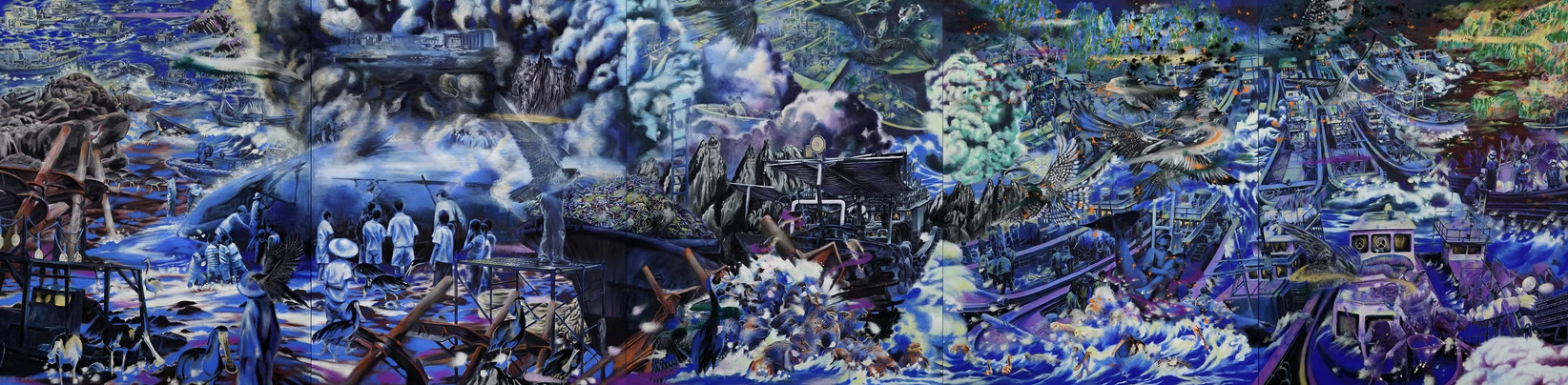
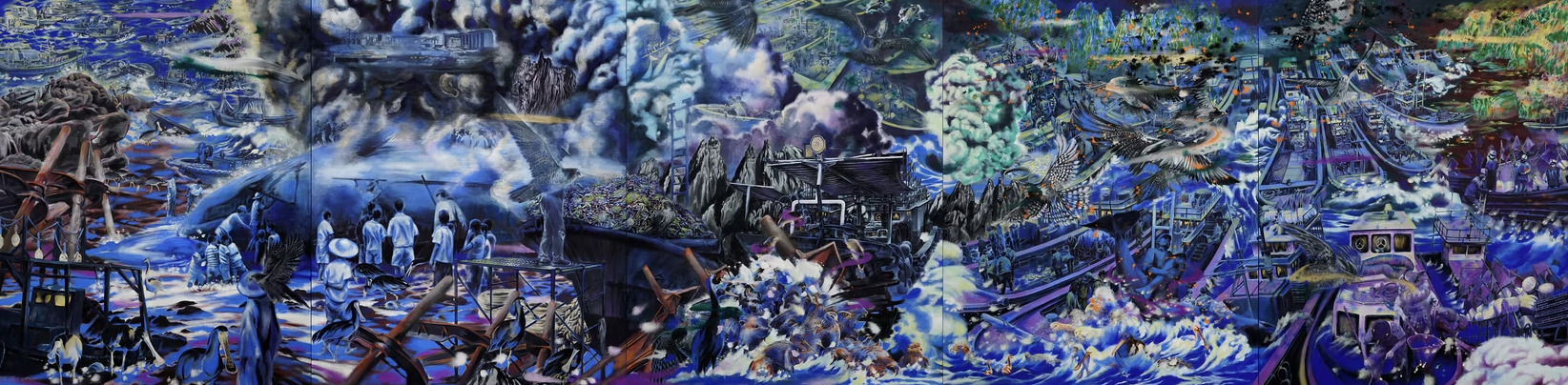
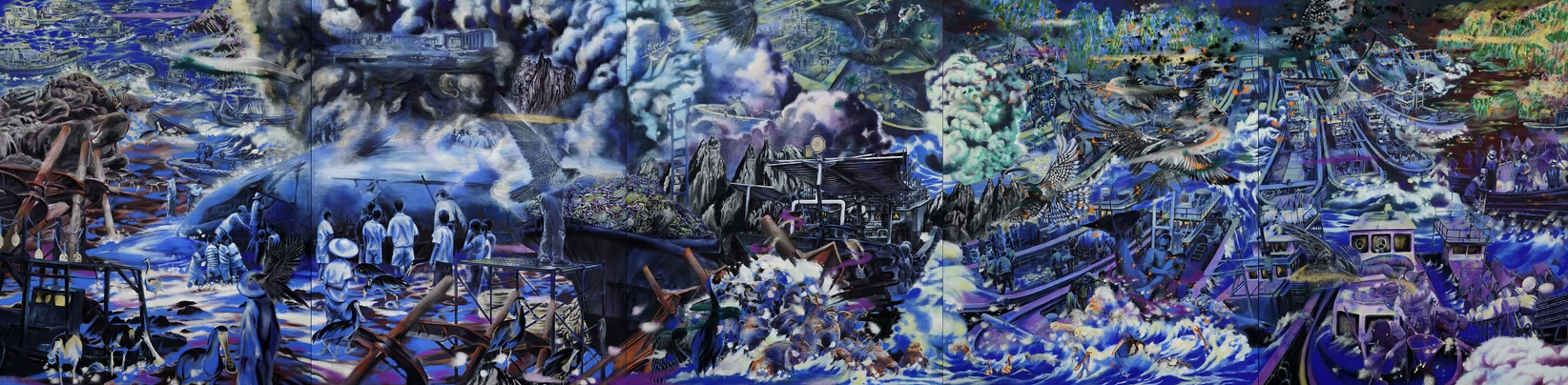
Pasi was a scene of an offshore market where fishing boats moved about like fish migrating north along the ocean currents, and by viewing modern and contemporary photographs recording the pasi of Yeonpyeong Island, the artist was able to recall its afterimage. Because of its temporary and mobile character, a transient landscape unfolded, as though a floating city were being generated and then dissolved.
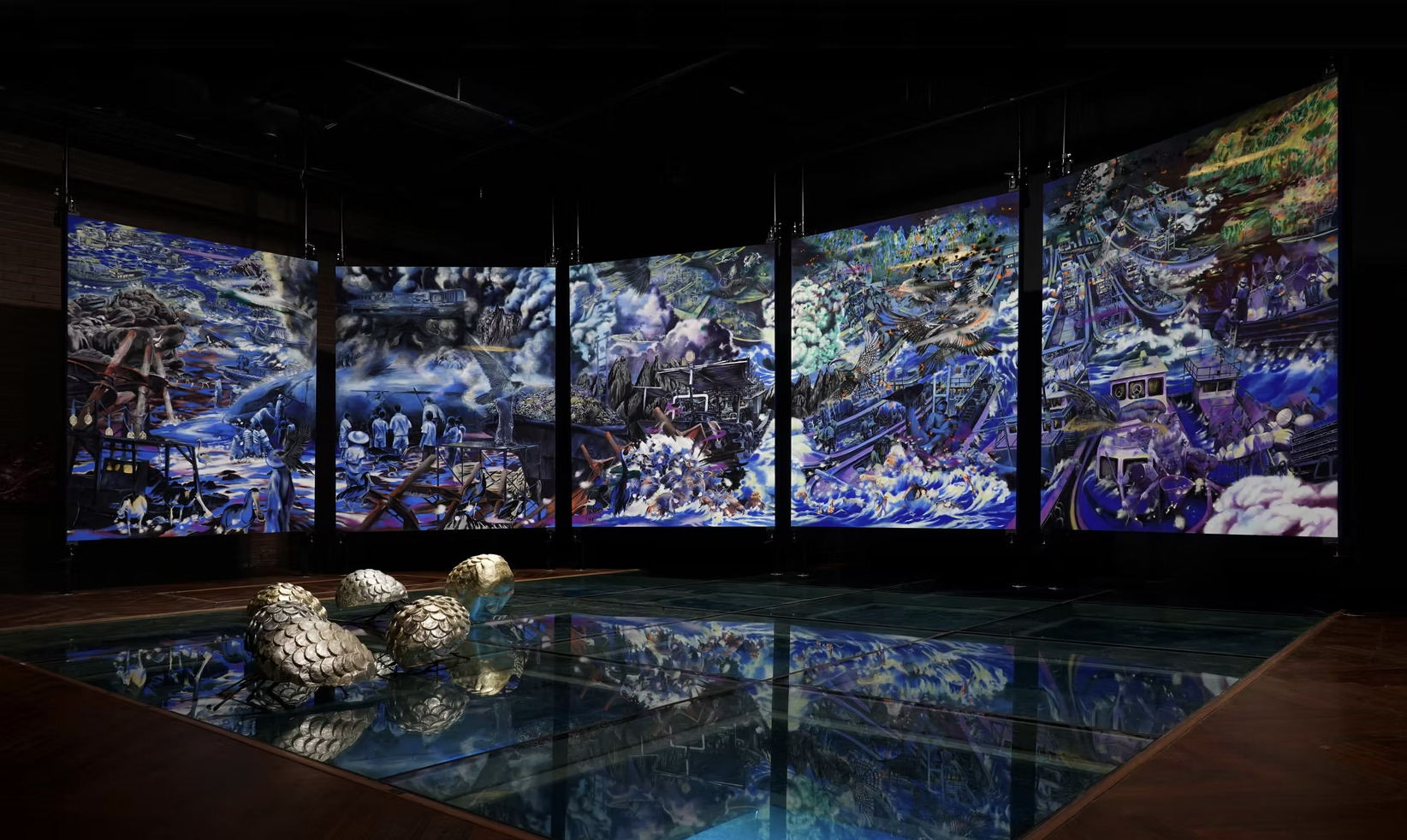
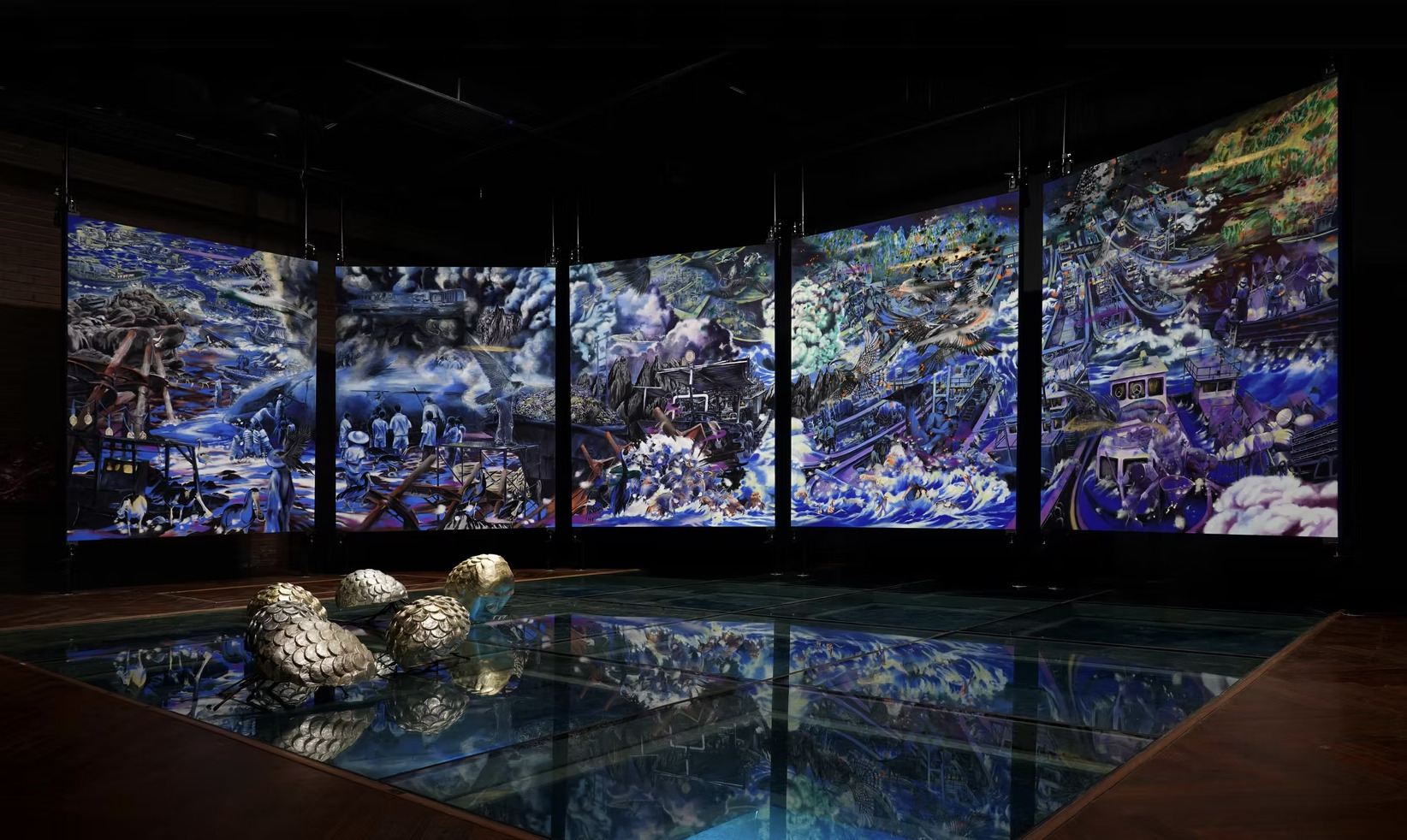
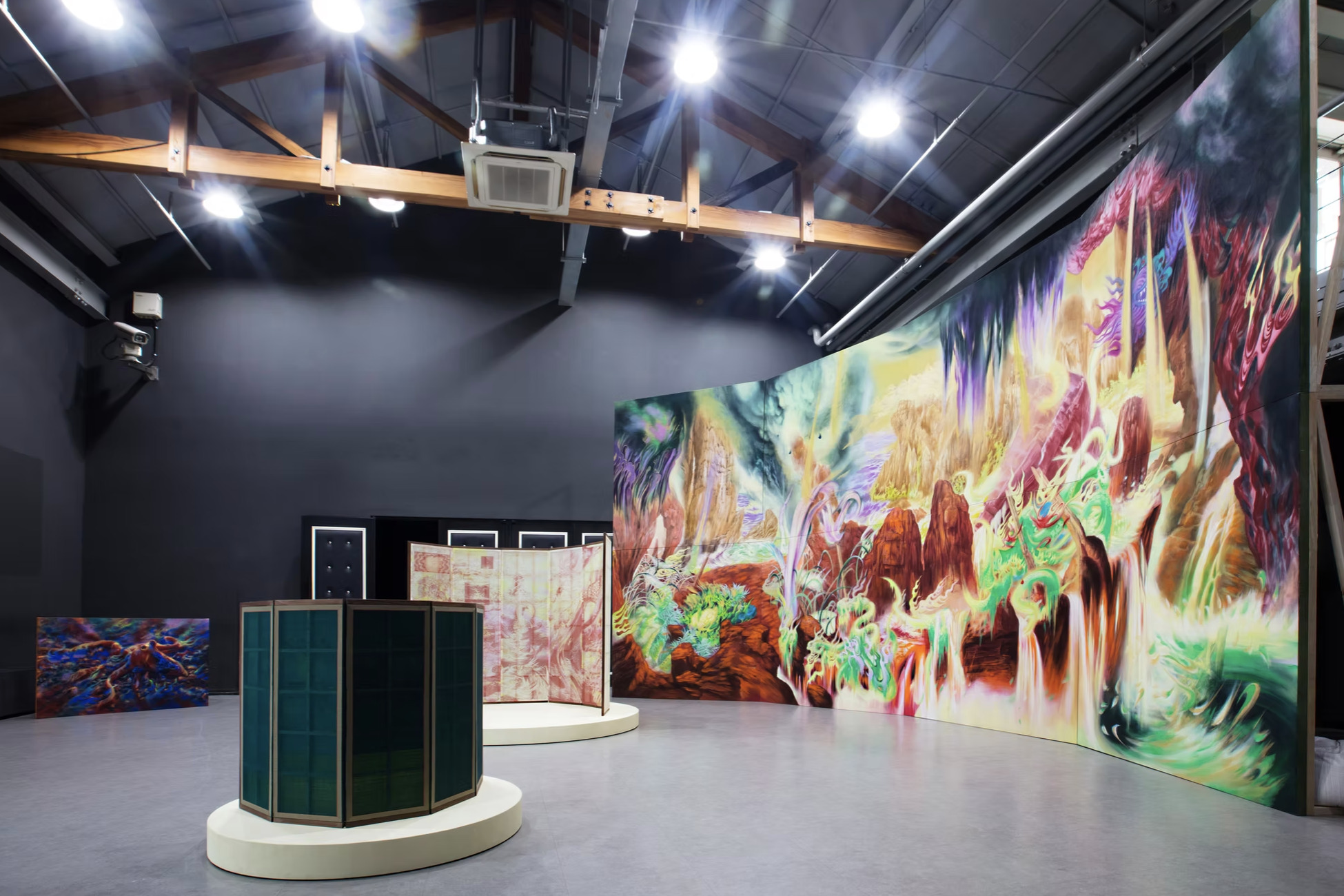
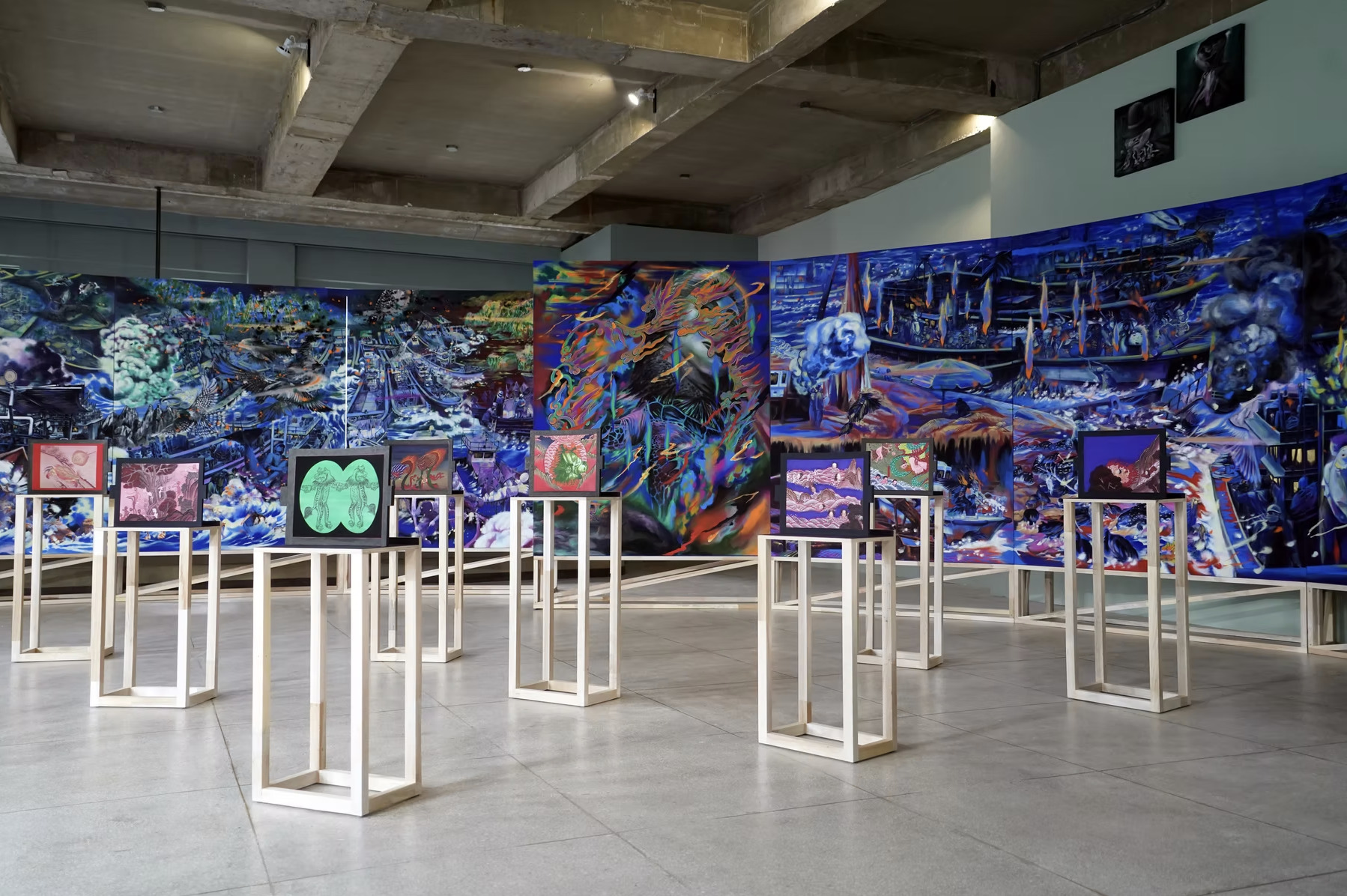
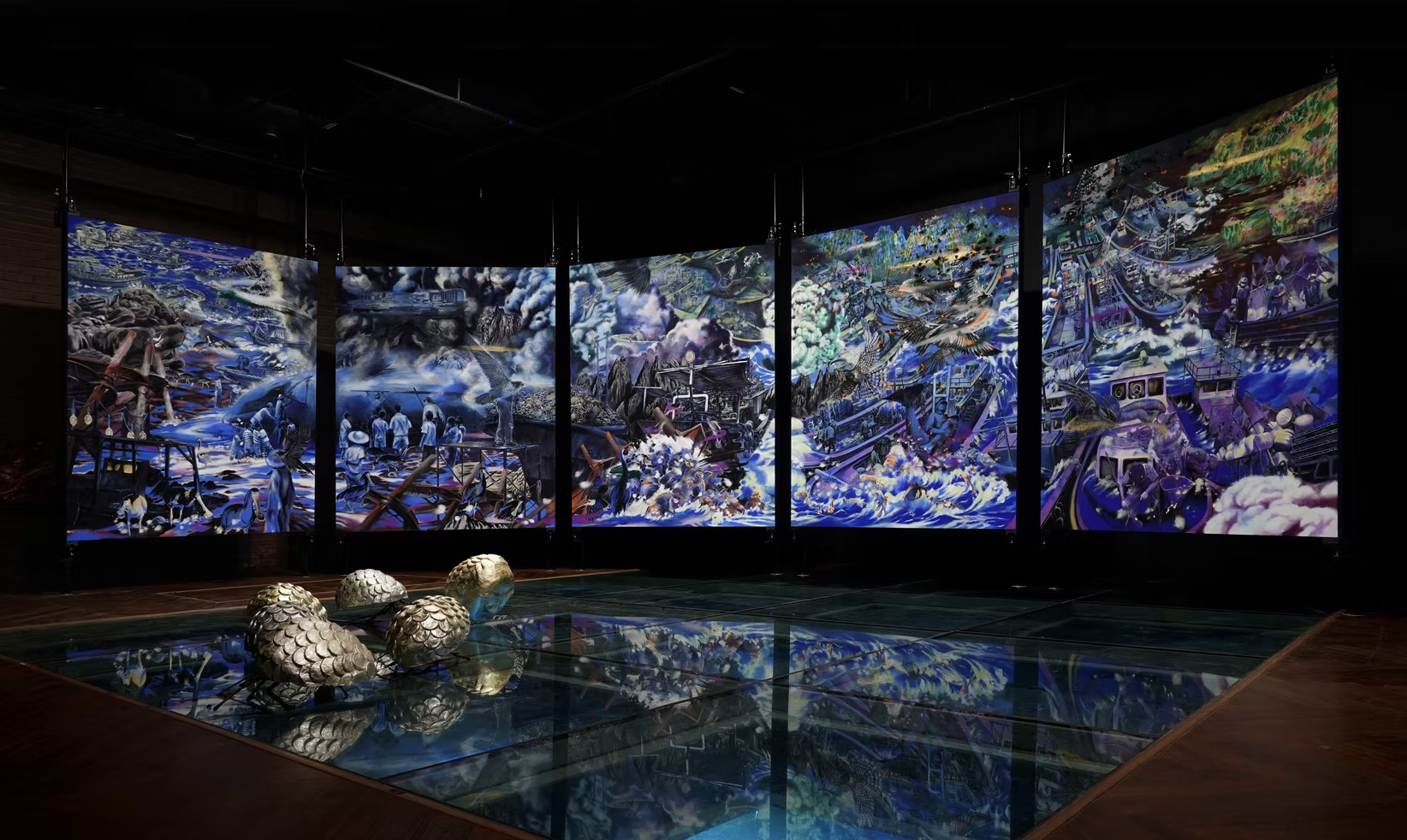
The work Pasi 波市_Lost village on the sea develops this transient landscape as a narrative in the form of a diorama. It paints into scenes vanished landscapes — boats becoming land, a sea without a horizon, the whale hunting at Daecheong Island by the Oriental Whaling Company founded by the Japanese — alongside the present-day coast where there are no longer boats, only anchors left behind, and portraits of birds and fish disappearing amid the ecological disruption caused by reclamation and development.
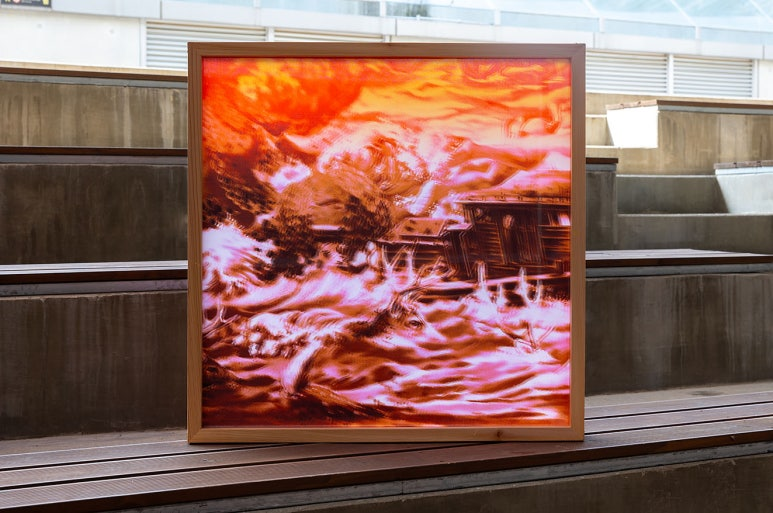
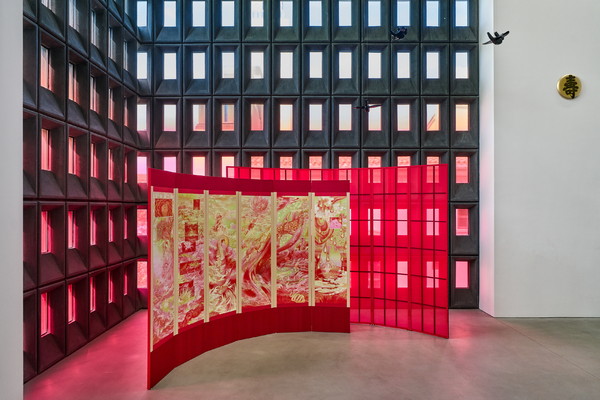
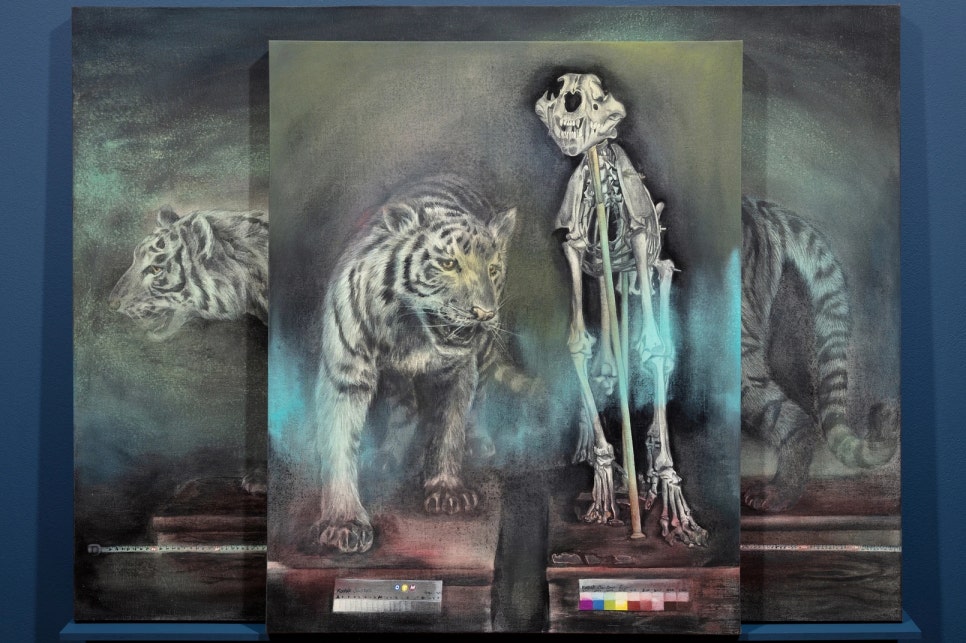
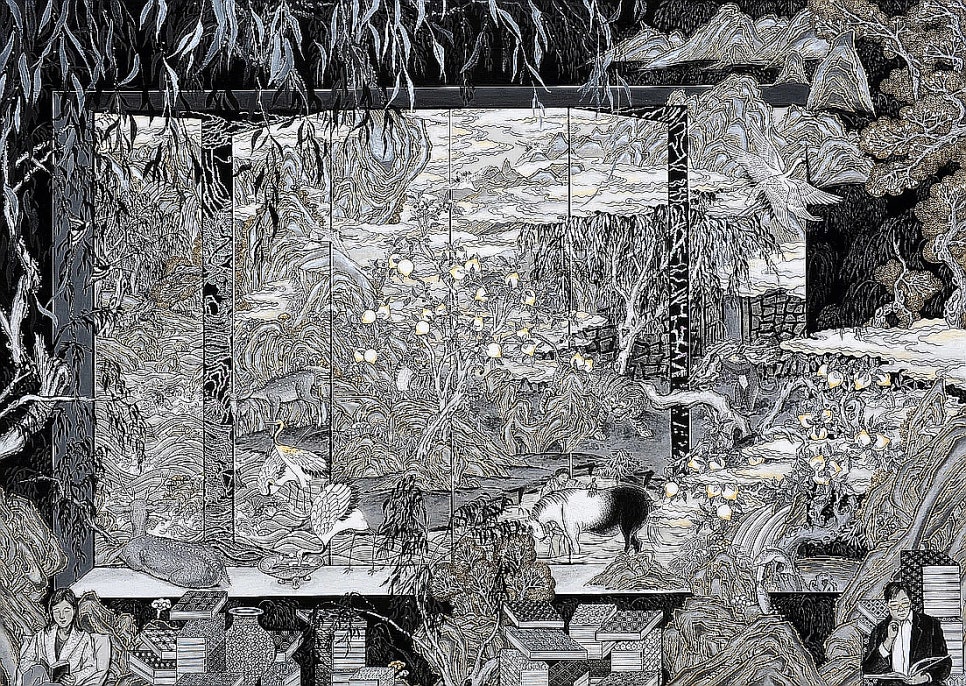
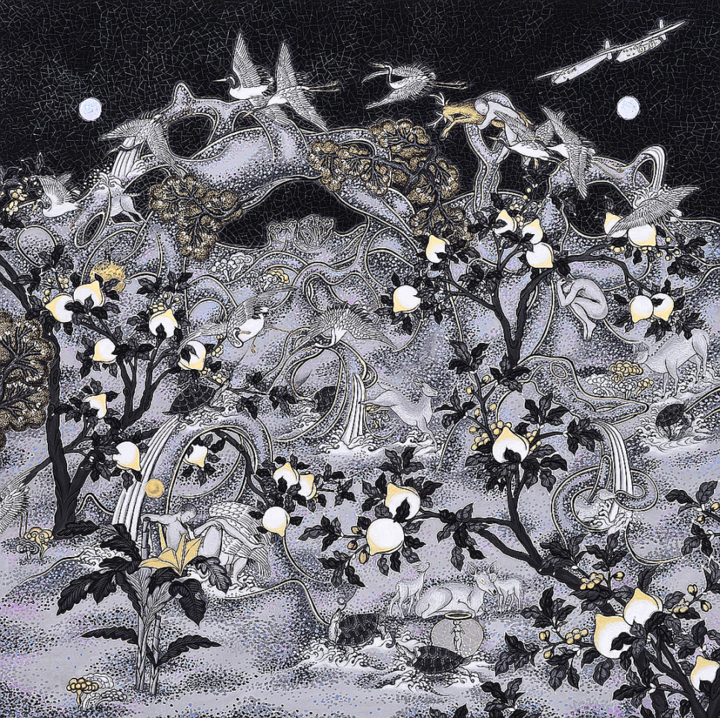
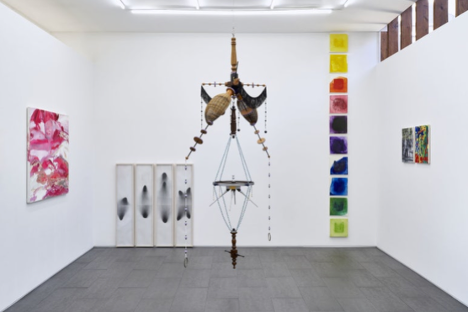
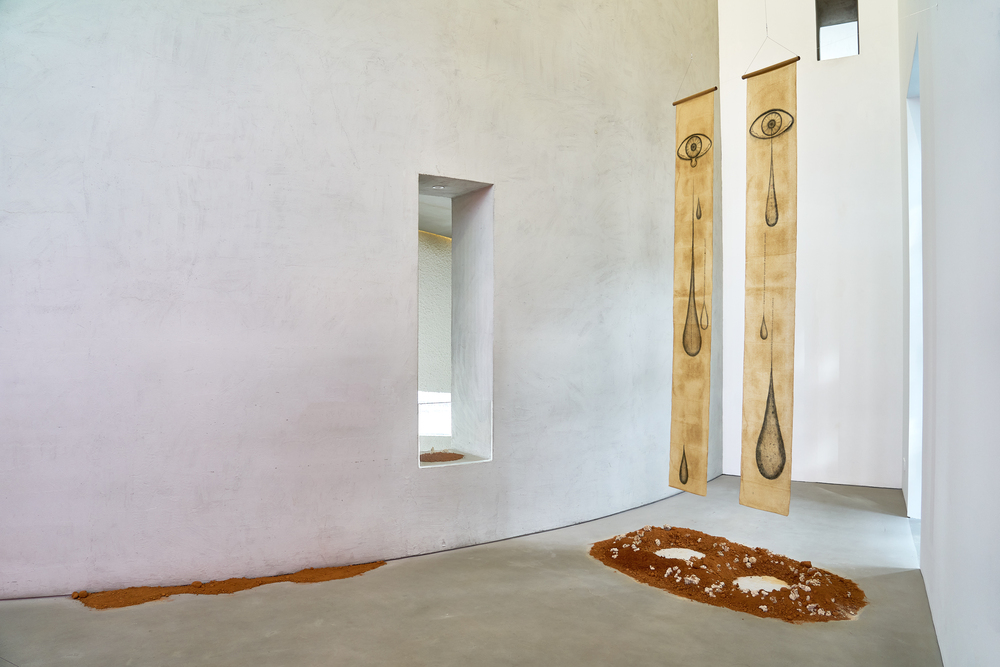
Where Pasi expressed a vanished landscape, the work Birds and Fish Weeping, Calling Their Own Names sought to name the fish and birds that are elements of that landscape, and to record and render them as images in the form of a field guide. Fish Mask, an object made of silver-foil scales placed at the center of the exhibition hall, is a work that symbolizes the skin of fish as though it were a death mask, seeming to represent a substance that is gradually fading away.
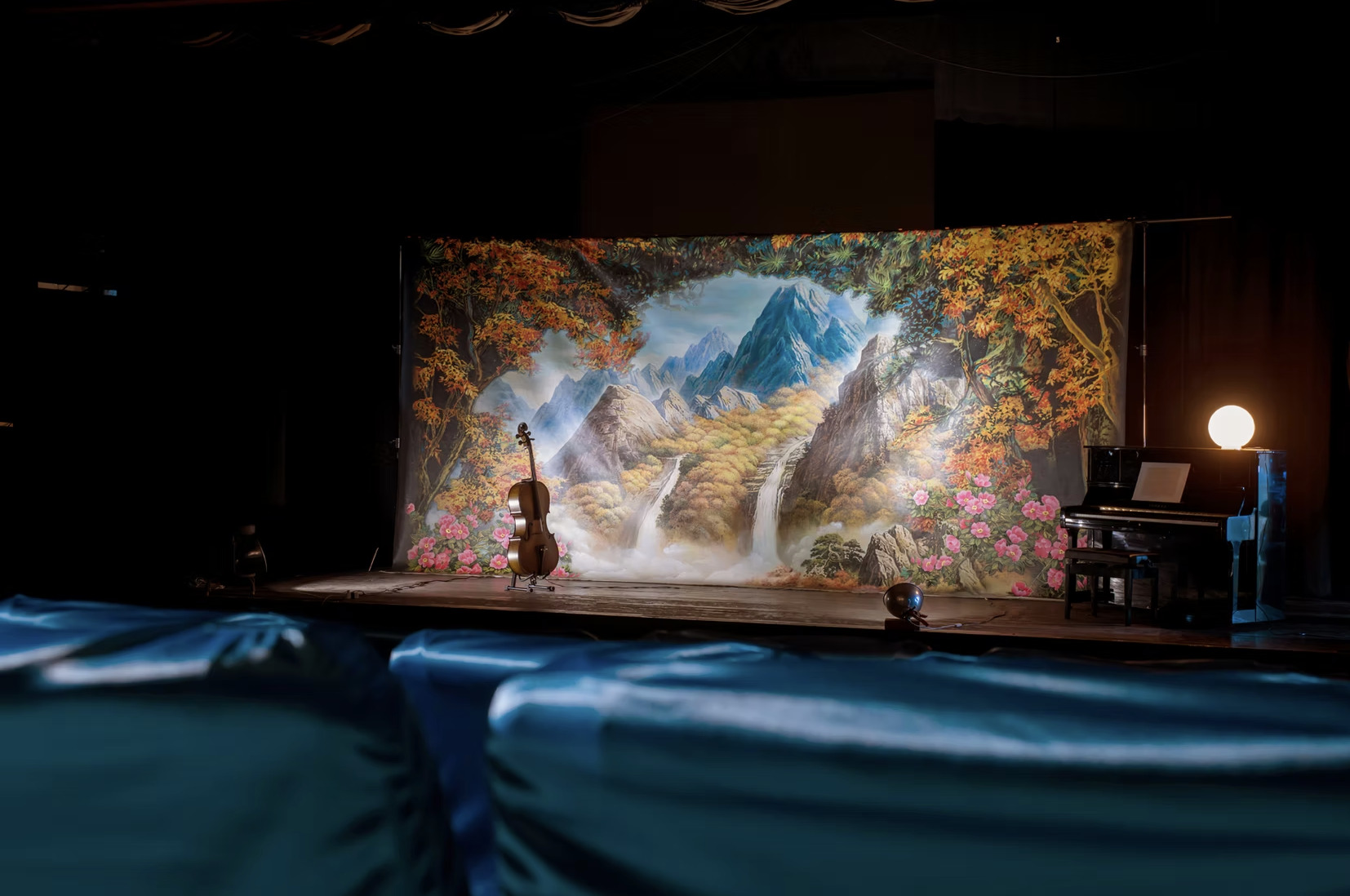
Behind the paintings, outside the landscape, is placed the video God of the Sea, God Who Crossed the Sea. Grounded in the regional and historical character of the Yellow Sea, the artist came to know the mansin Yi Jeong-ja (b. 1955), who enshrines General MacArthur as a god of the sea; the MacArthur shaman painting (musindo) was judged to be a counter-memory image she herself created, shaped by the absence of fathers caused by the Korean War, the era in which a U.S. military base stood in Incheon, and the erection of the MacArthur monument (1957).
These images felt, to those who did not directly experience that era, like a medium connecting the past to the present. By contrast, the god who crossed the sea, the White-Robed Goddess statue, is Ungnyeo of the Dangun myth, now erected as a massive 18-meter stone statue in Mancheonseong National Park in the Yanbian Korean Autonomous Prefecture, China. In this way, General MacArthur has, following Generals Choe Yeong and Im Gyeong-eop, newly become a god of the sea in the present day, while Ungnyeo has become the god who crossed the sea.