

Solo Exhibitions (Brief)
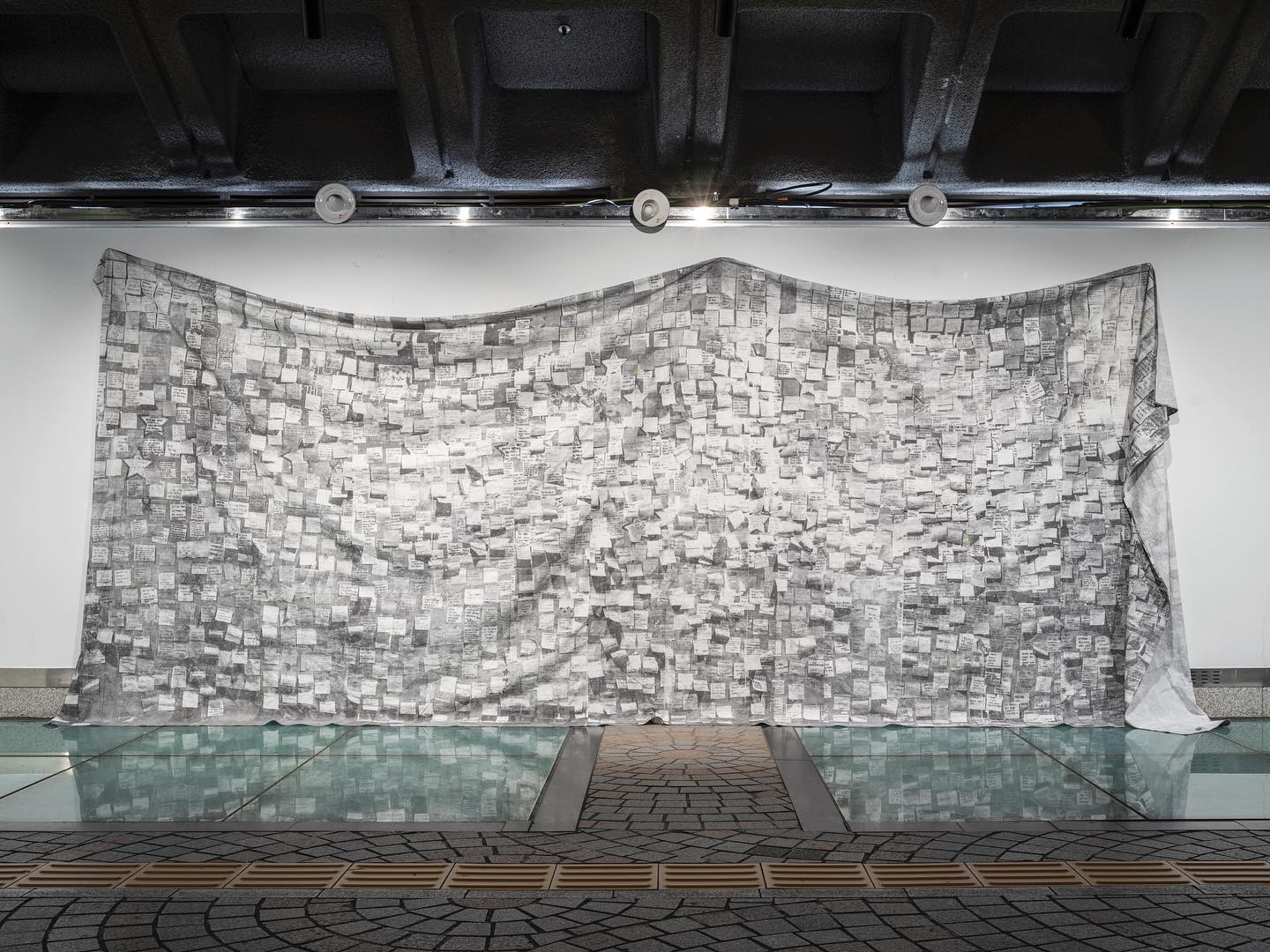
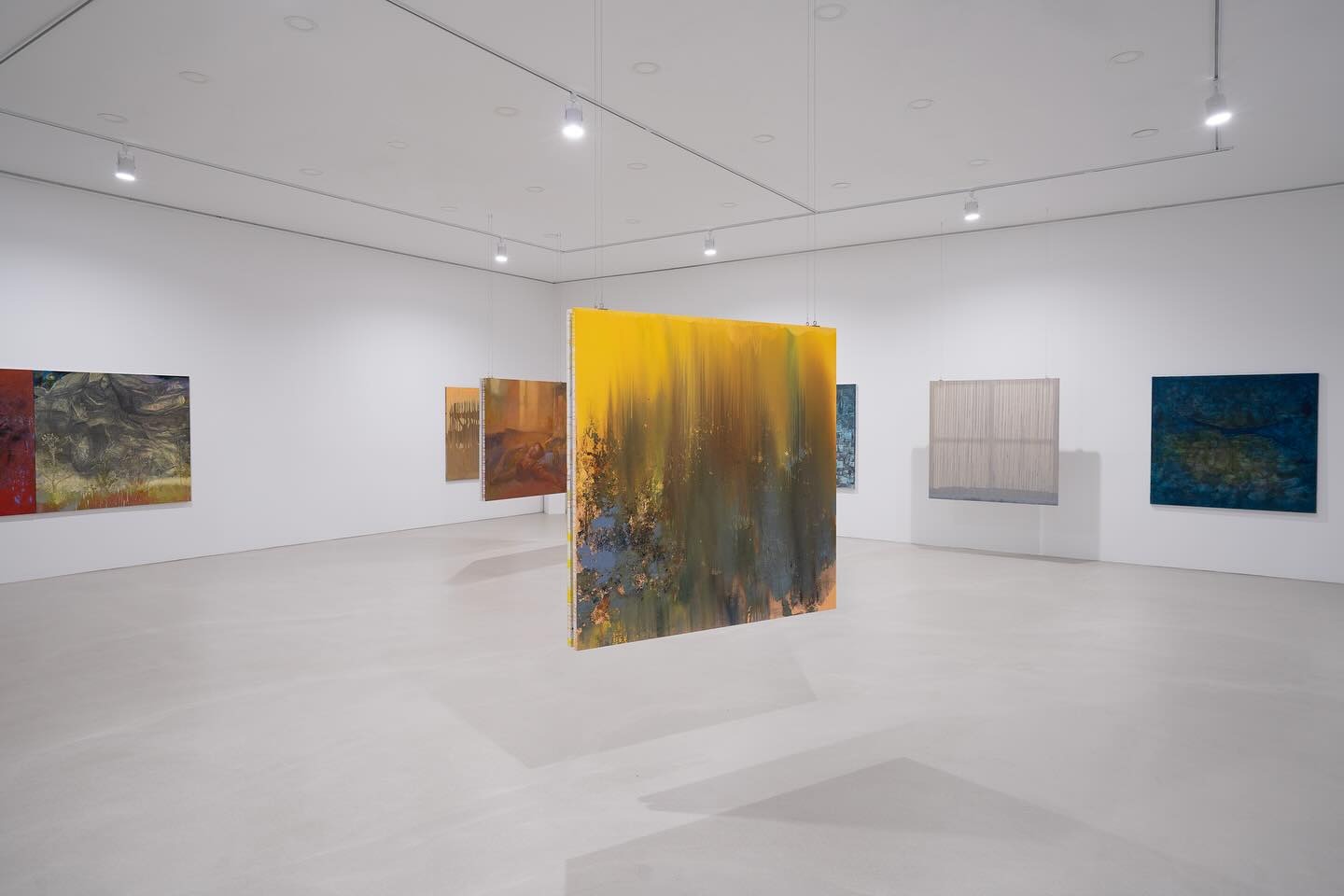
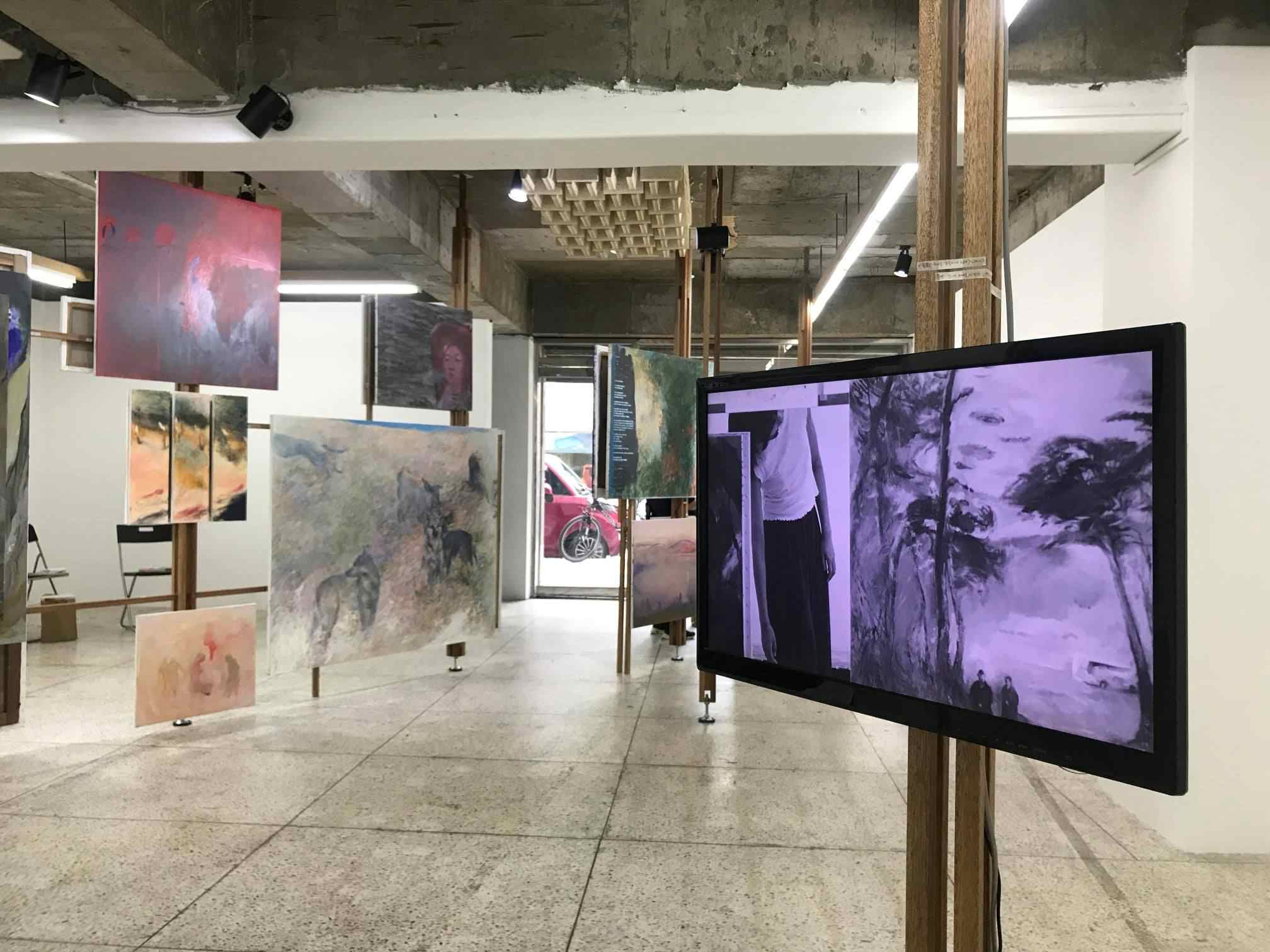
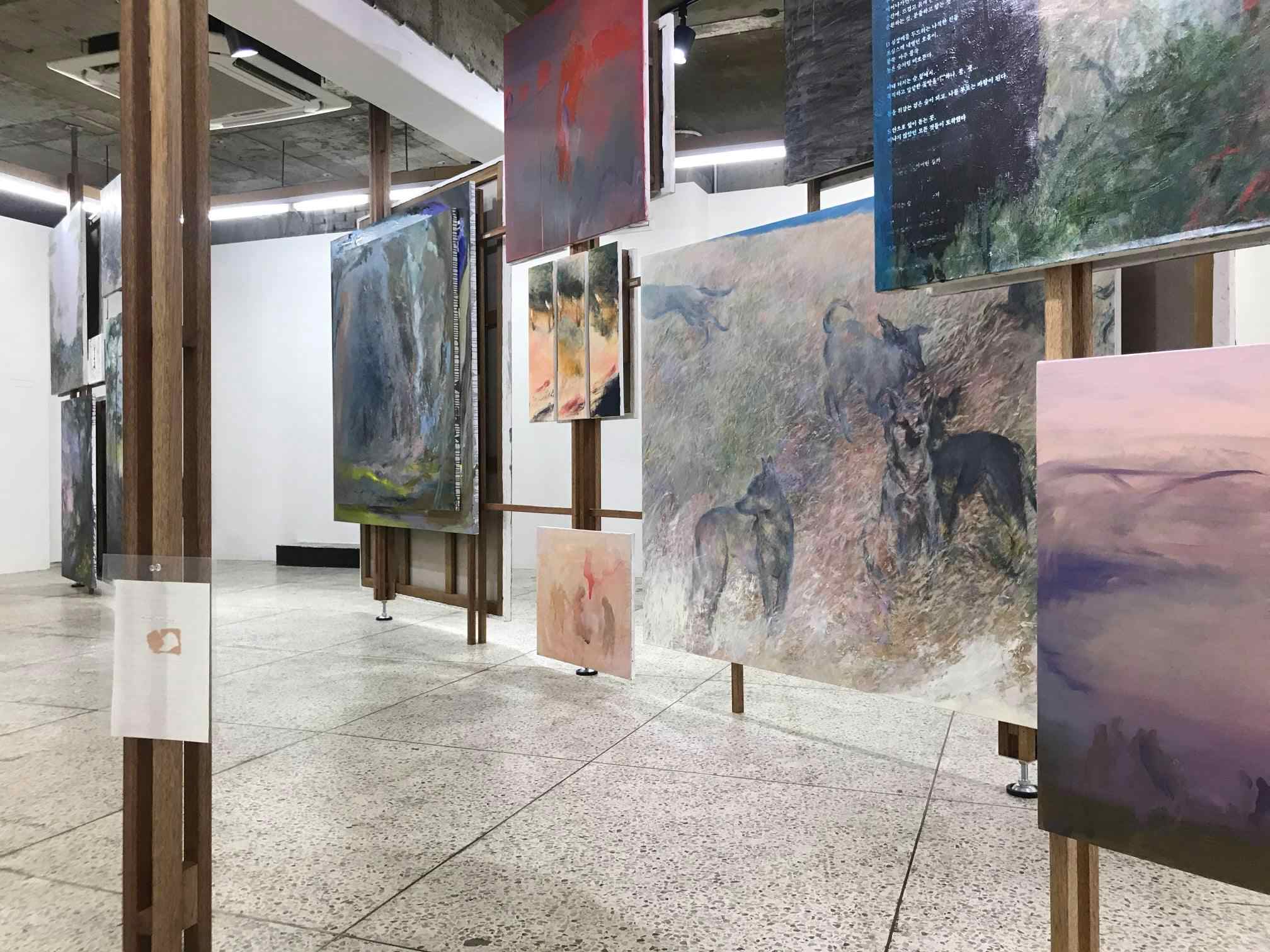
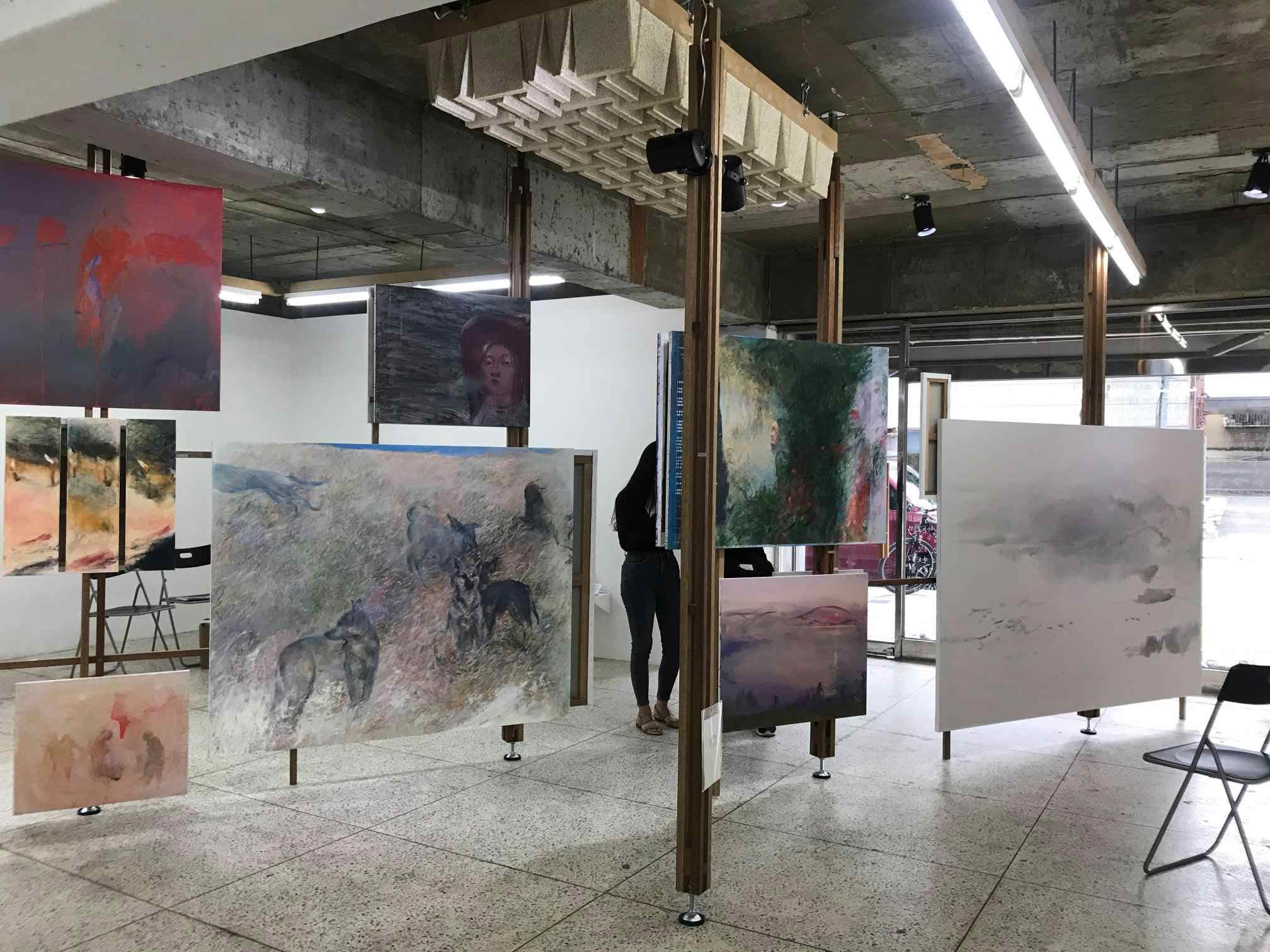
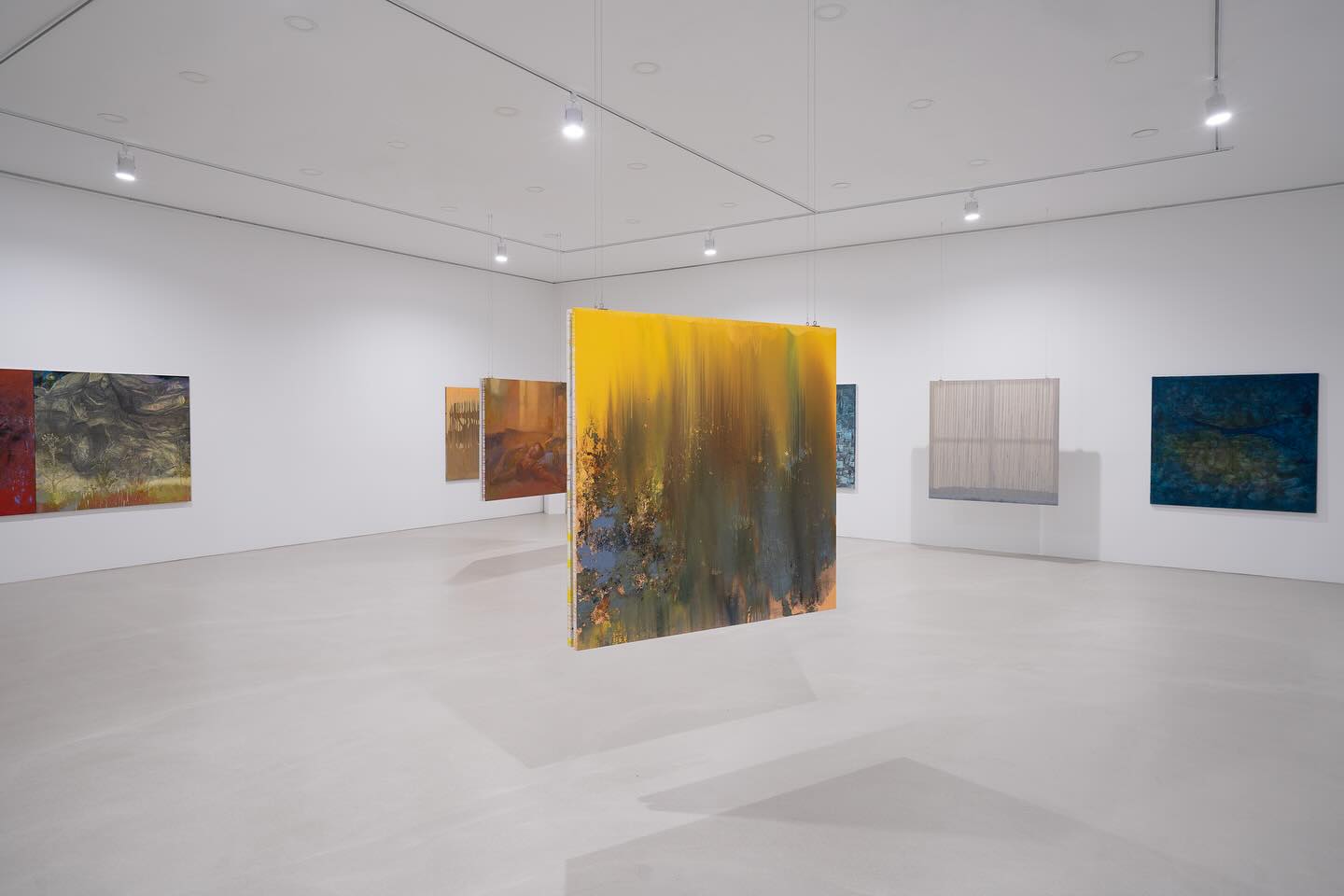
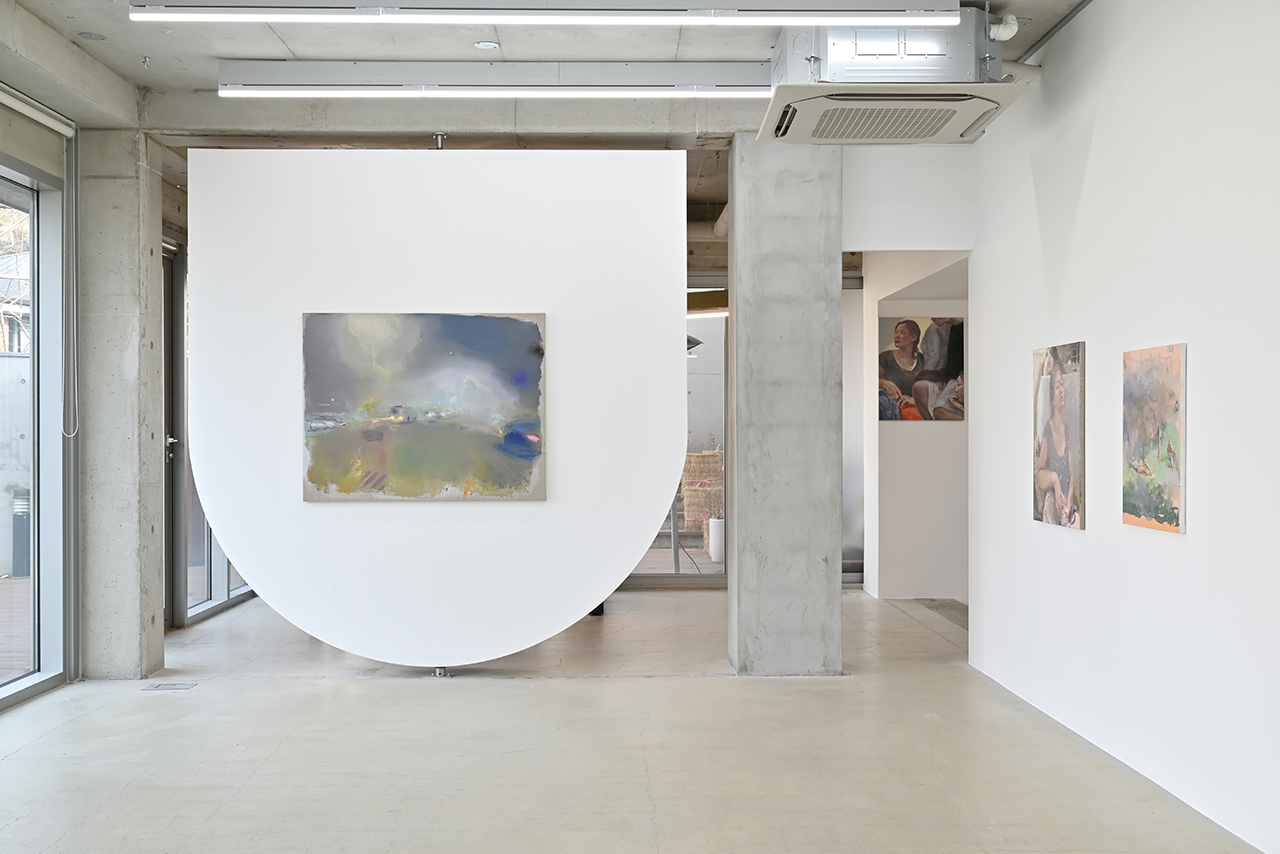
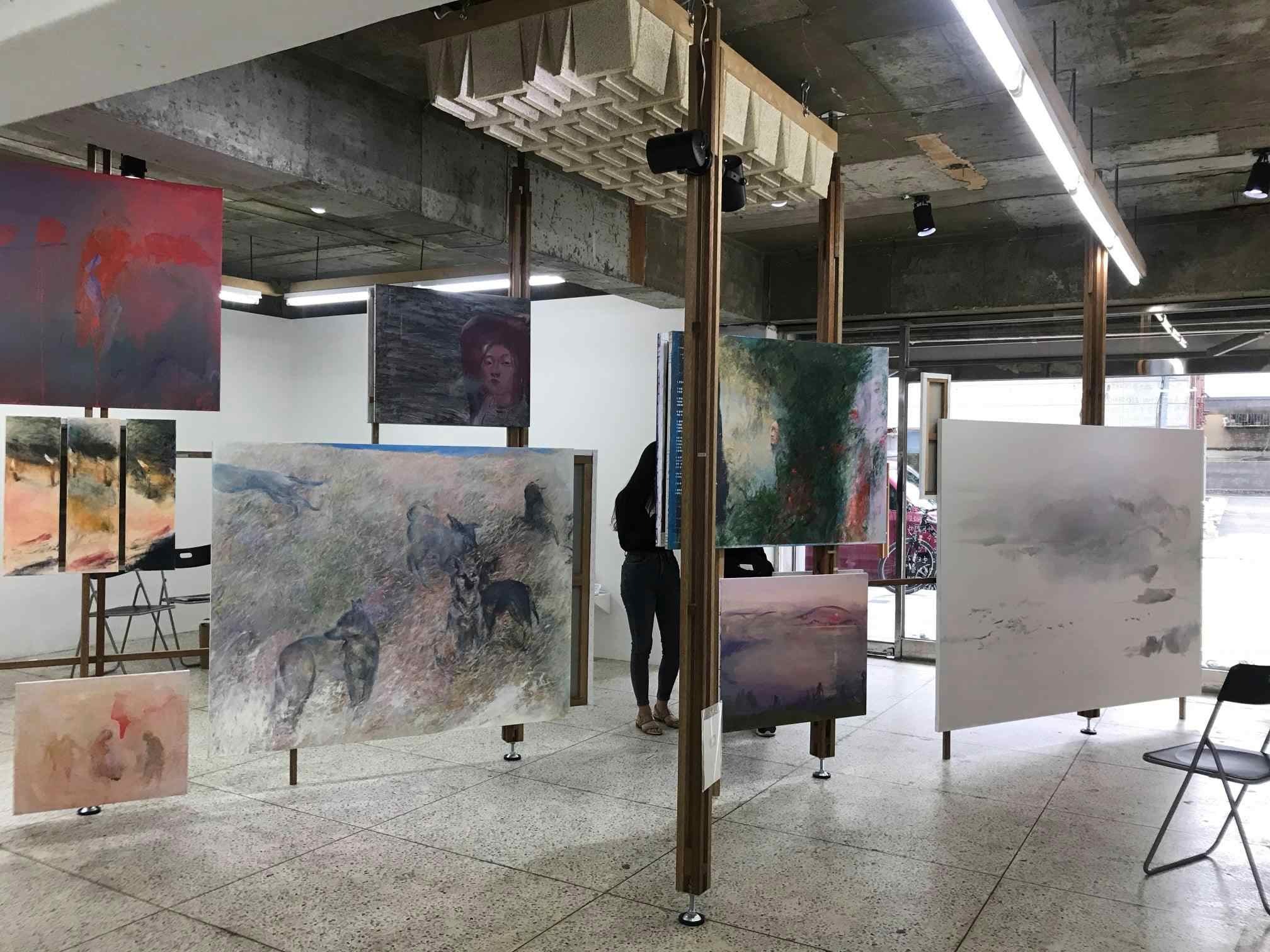
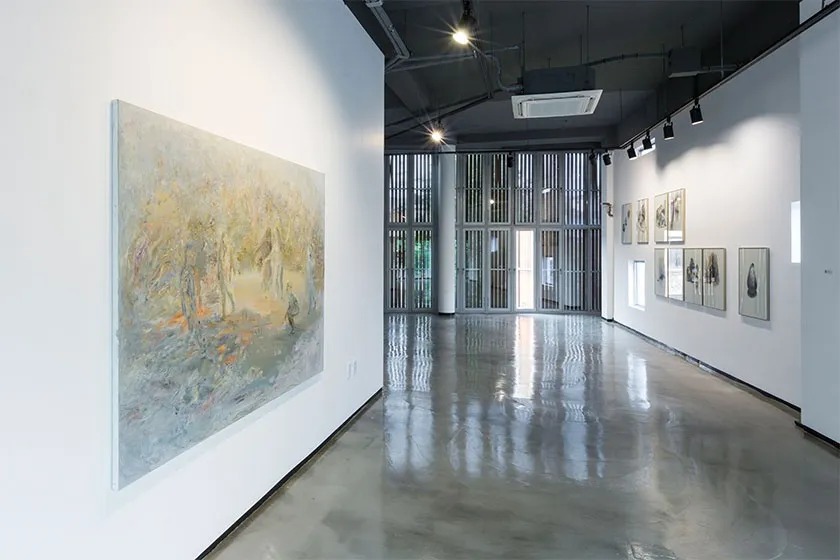
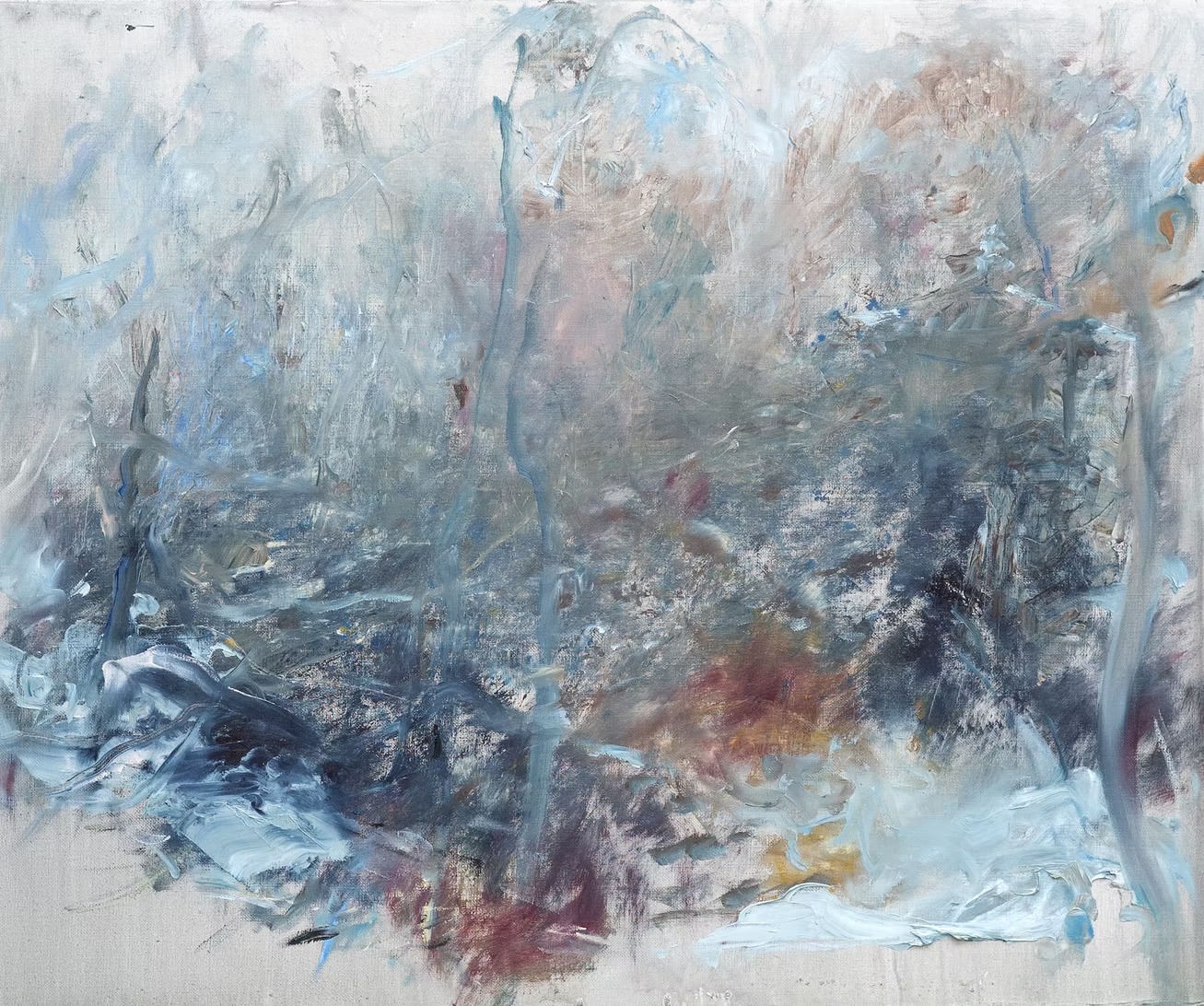
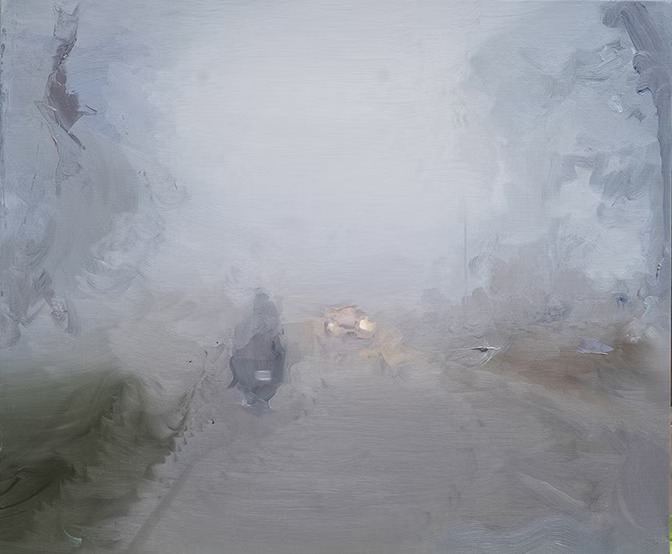
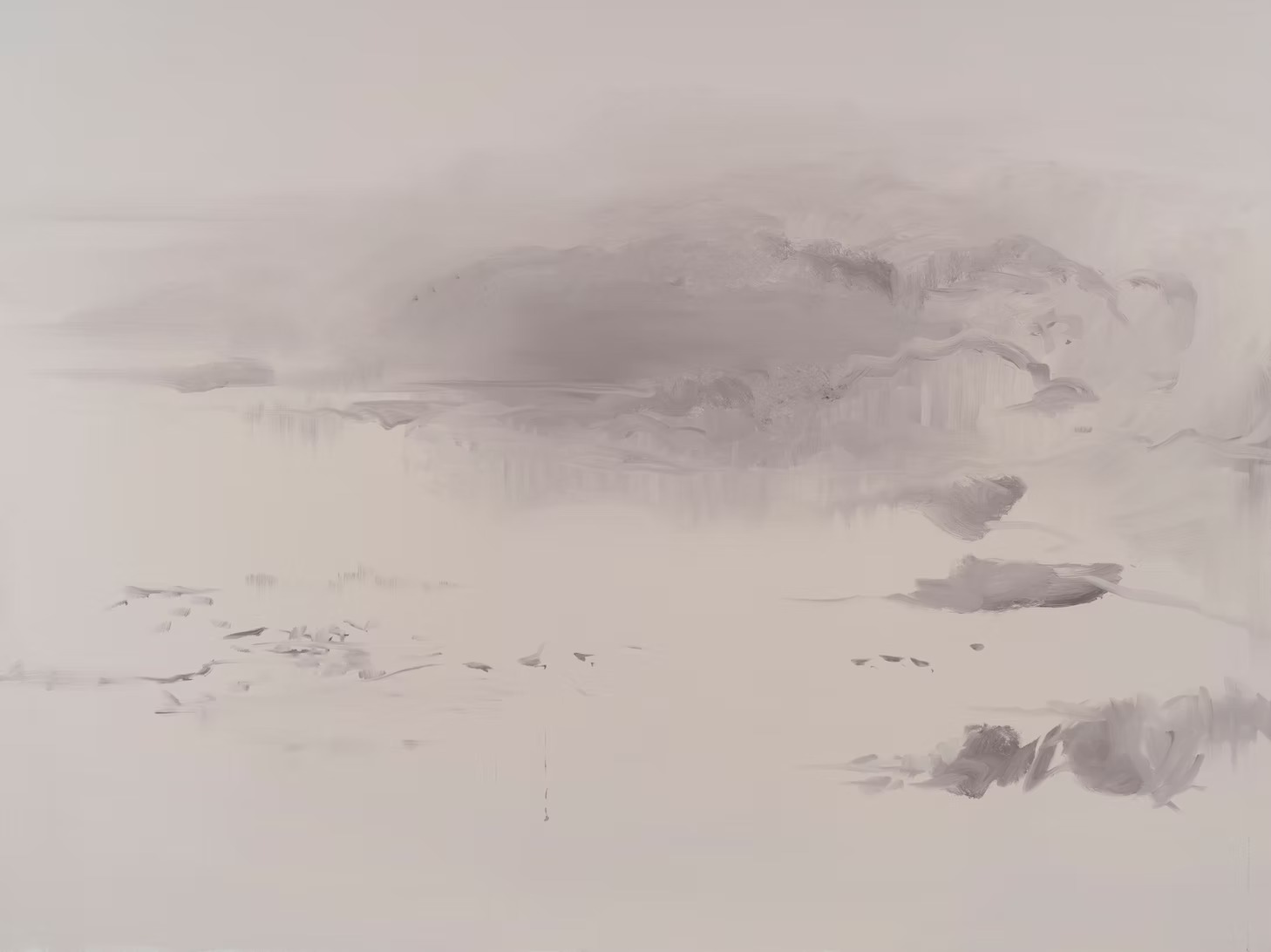
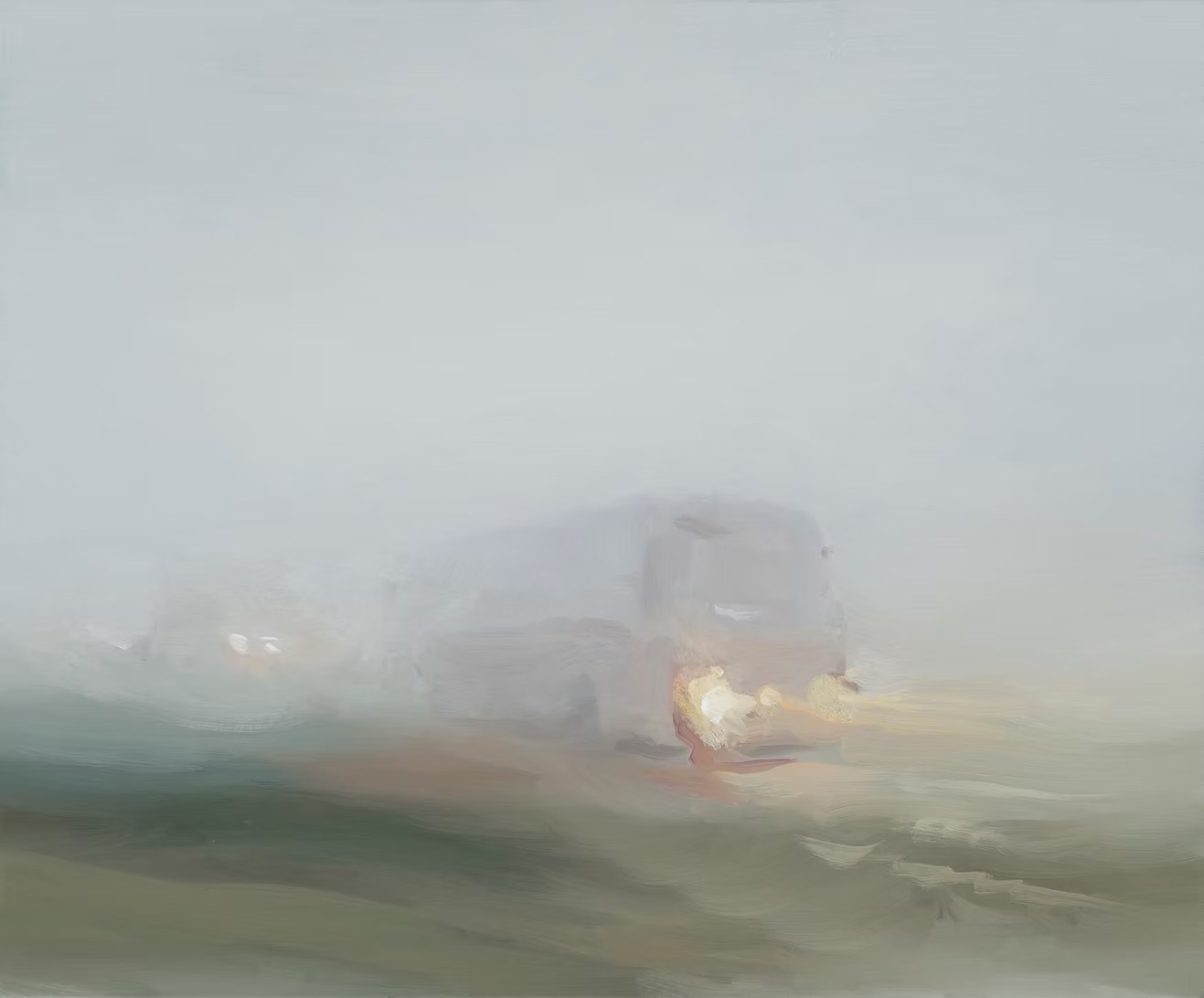
Since her first solo exhibition at Joheung Gallery in 2005, Leeje has presented solo exhibitions at Alternative Space LOOP, OCI Museum of Art, Gallery Chosun, and Gallery Button, culminating in a solo exhibition at the MMCA Residency Changdong Exhibition Hall in 2024.
Group Exhibitions (Brief)
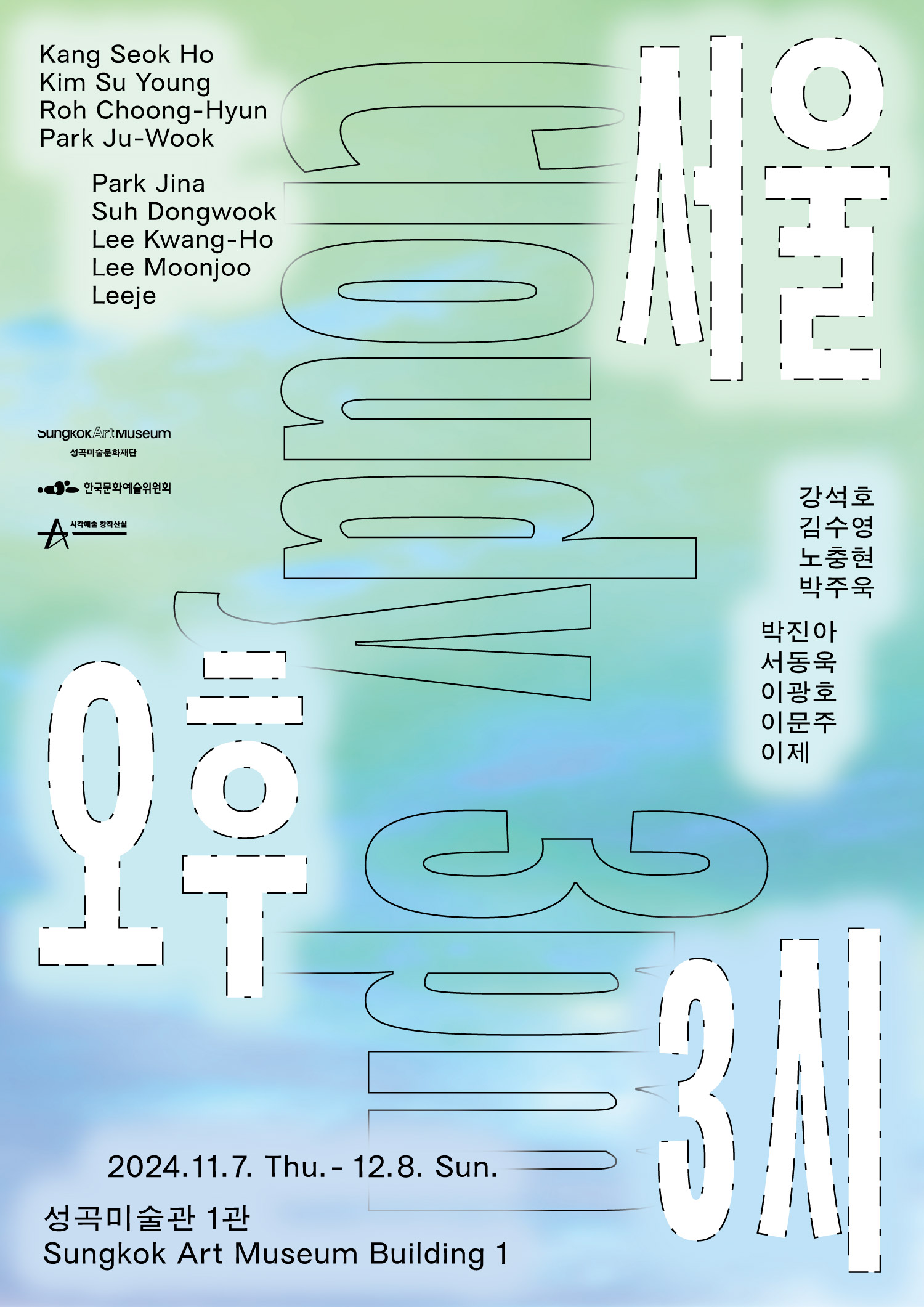
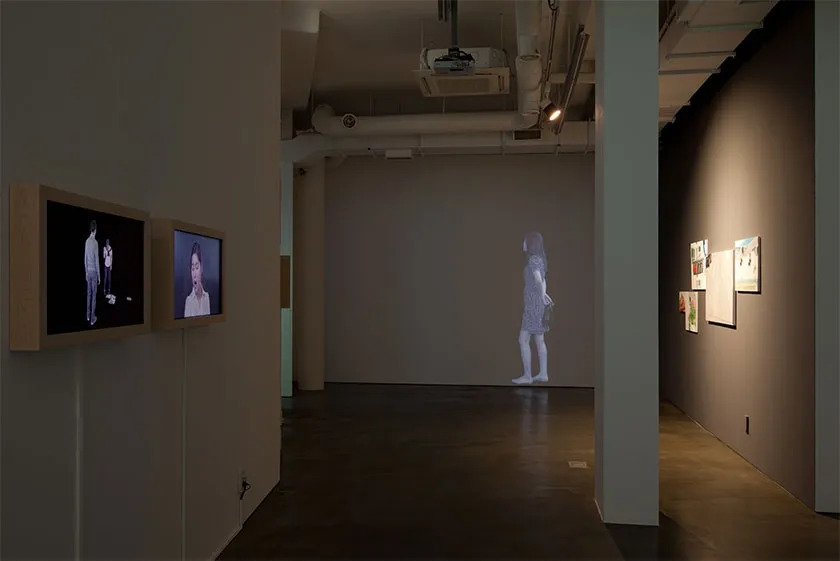
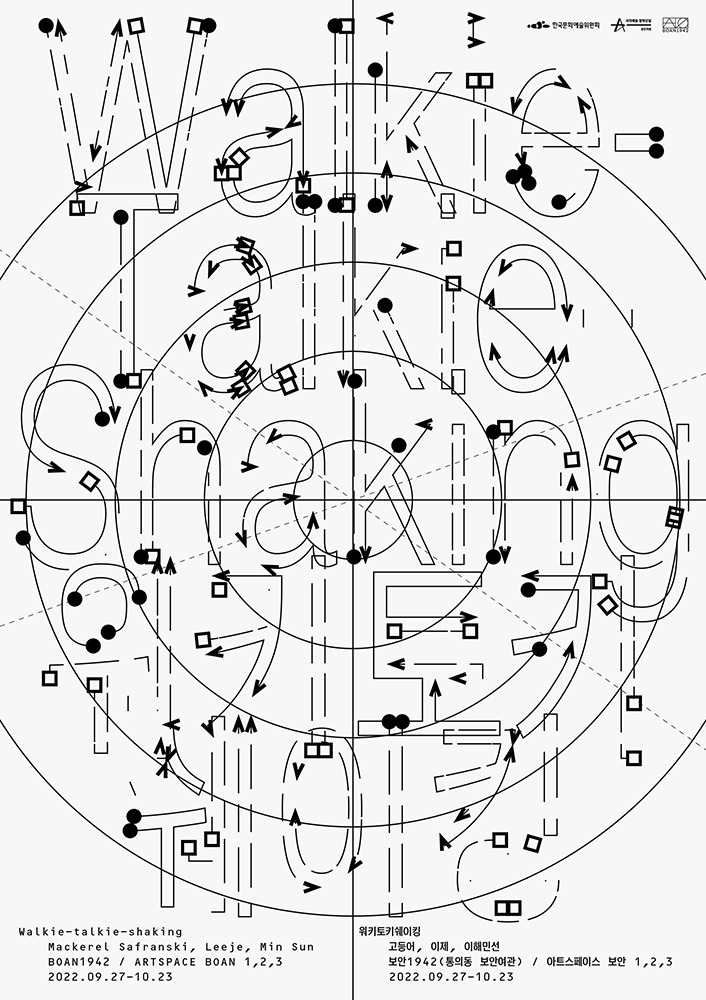
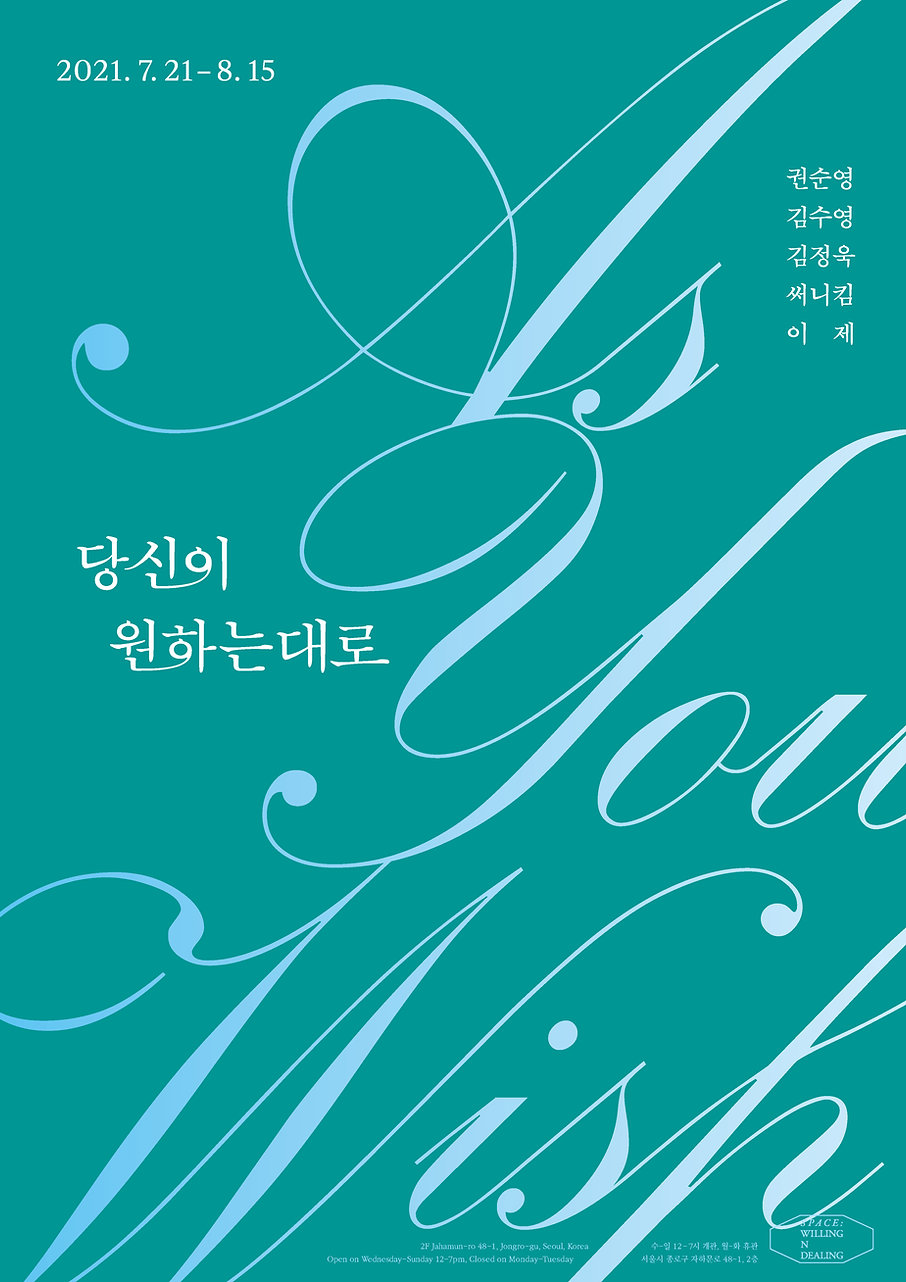
Leeje has participated in major group exhibitions at the Seoul Museum of Art, the National Museum of Modern and Contemporary Art, Korea (MMCA), the Buk-Seoul Museum of Art, Sungkok Art Museum, Seoul Olympic Museum of Art (SOMA), Sejong Museum of Art, Ilmin Museum of Art, and Arko Art Center, as well as international exhibitions including Centre d'art Meymac in France.
Awards (Selected)
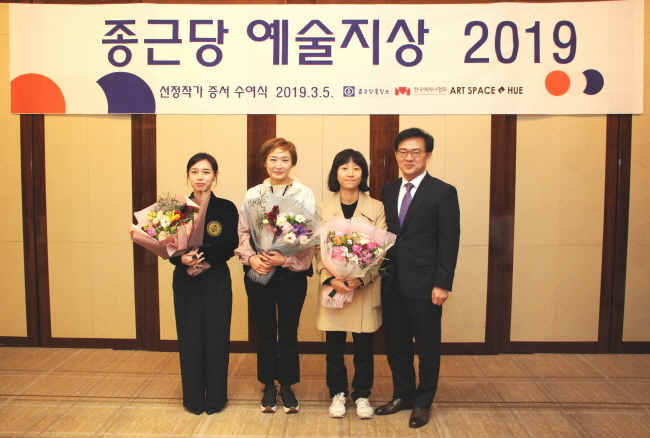
Leeje has been recognized through major awards and artist programs, including the OCI YOUNG CREATIVES (2010), the 63 Sky Art Museum New Artist Project (2014), and the Chongkundang Yesuljisang (2019).
Residencies (Selected)
Leeje participated in the MMCA Residency Changdong in 2024 and the Seoul Art Space Geumcheon Residency Program in 2025.
Collections (Selected)
Leeje’s works are held in the collections of the Art Bank, National Museum of Modern and Contemporary Art, Korea (MMCA), Seoul Museum of Art (SeMA), OCI Museum of Art, Art Space Pool, and Chong Kun Dang.