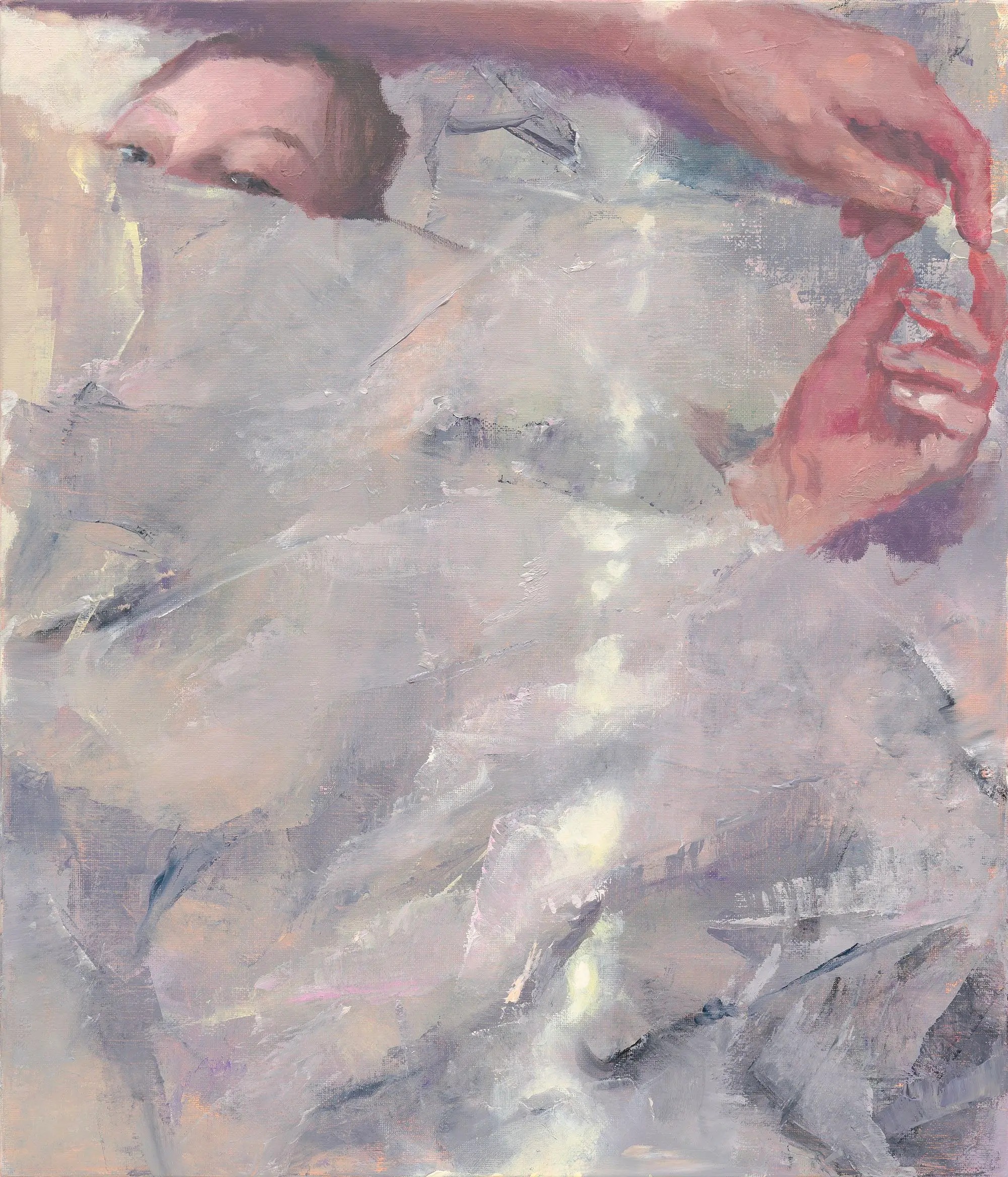
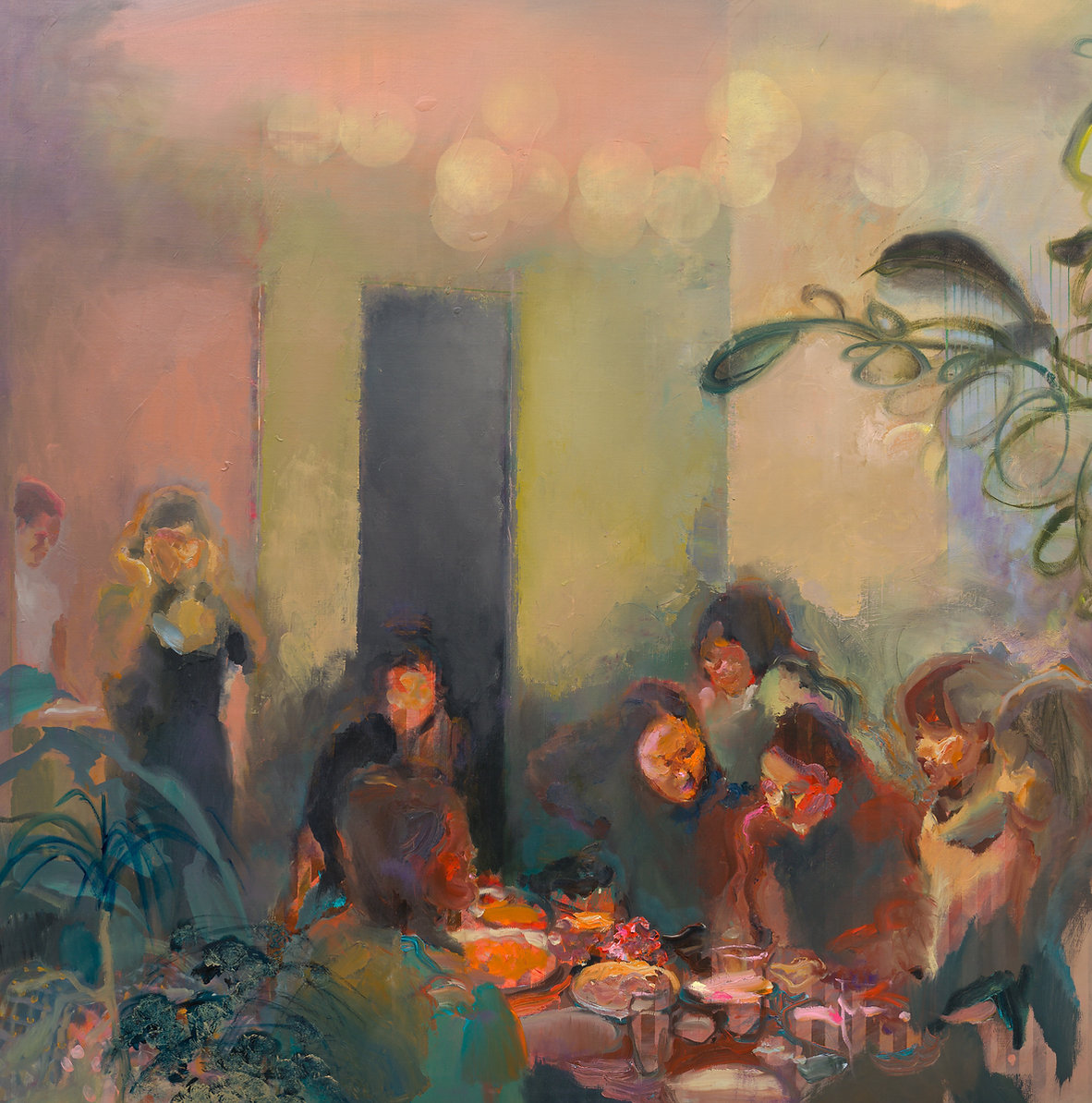
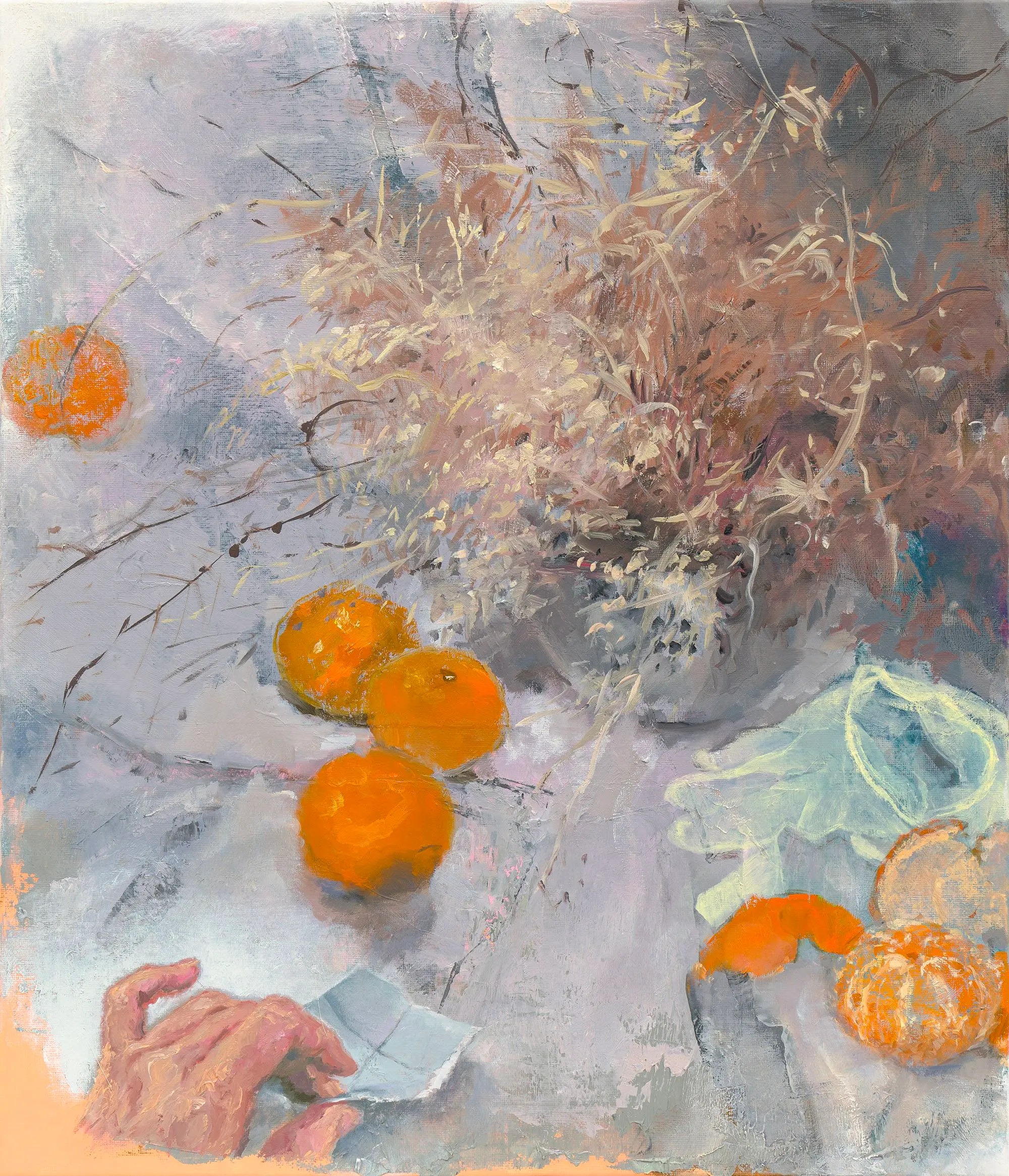
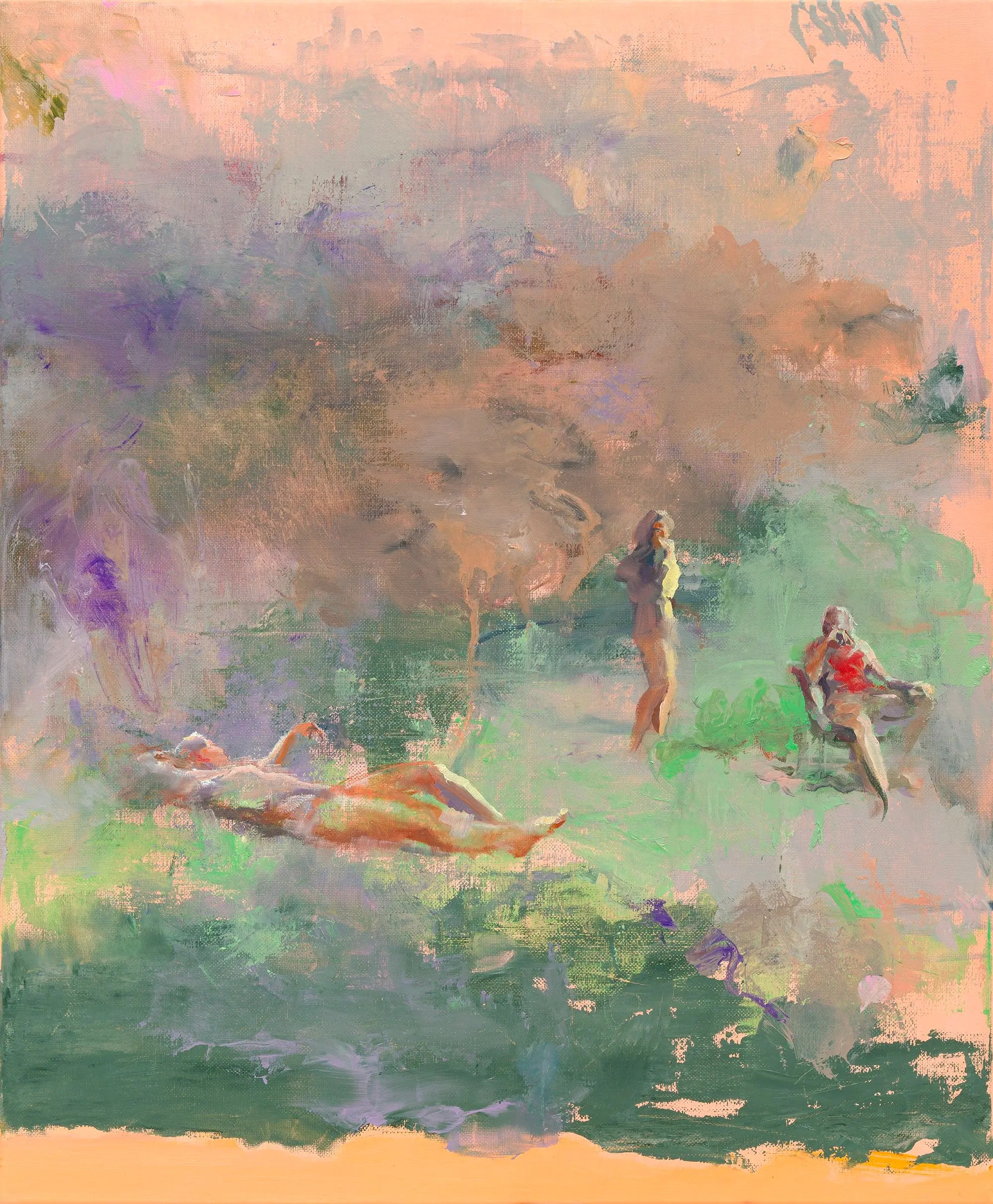
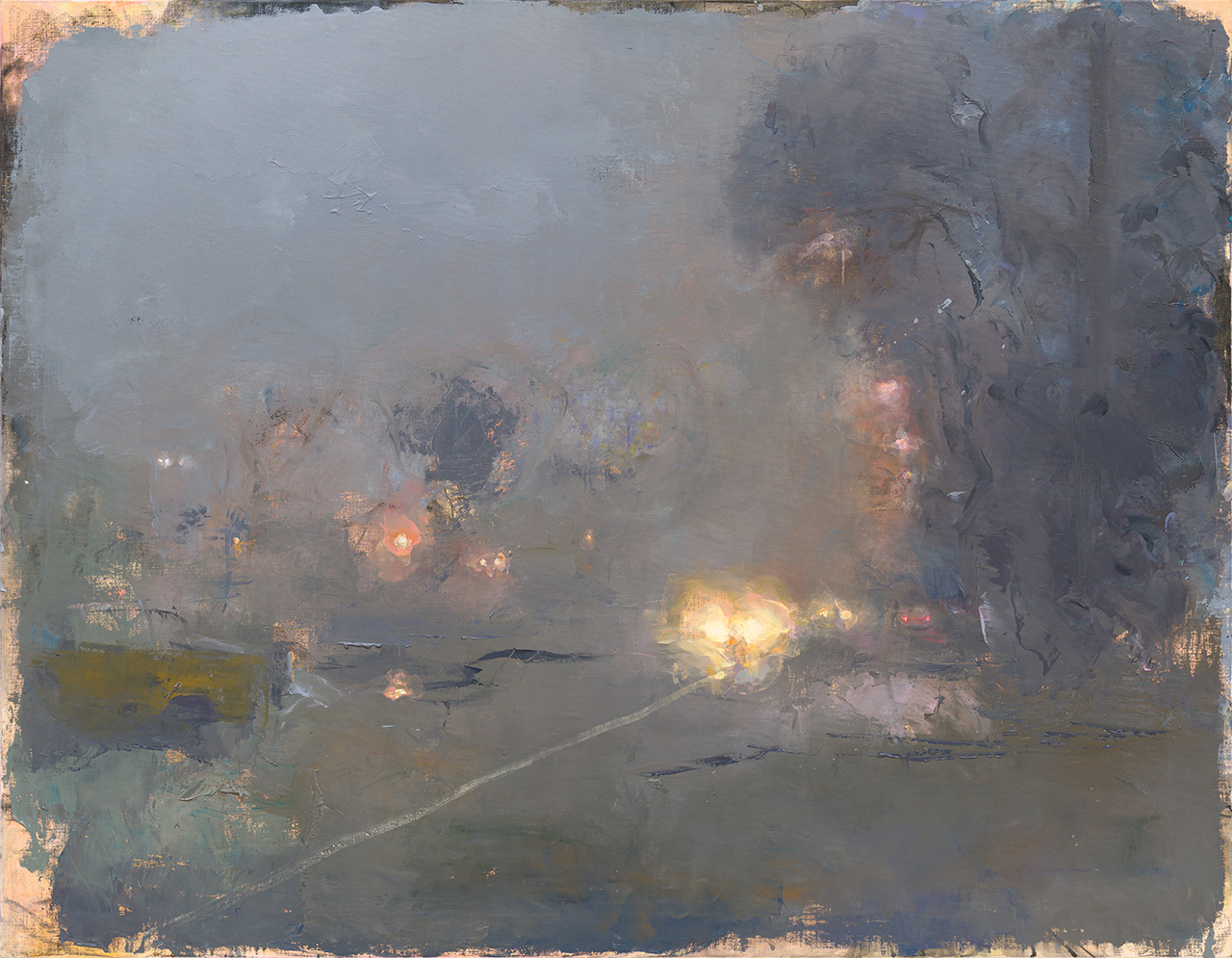
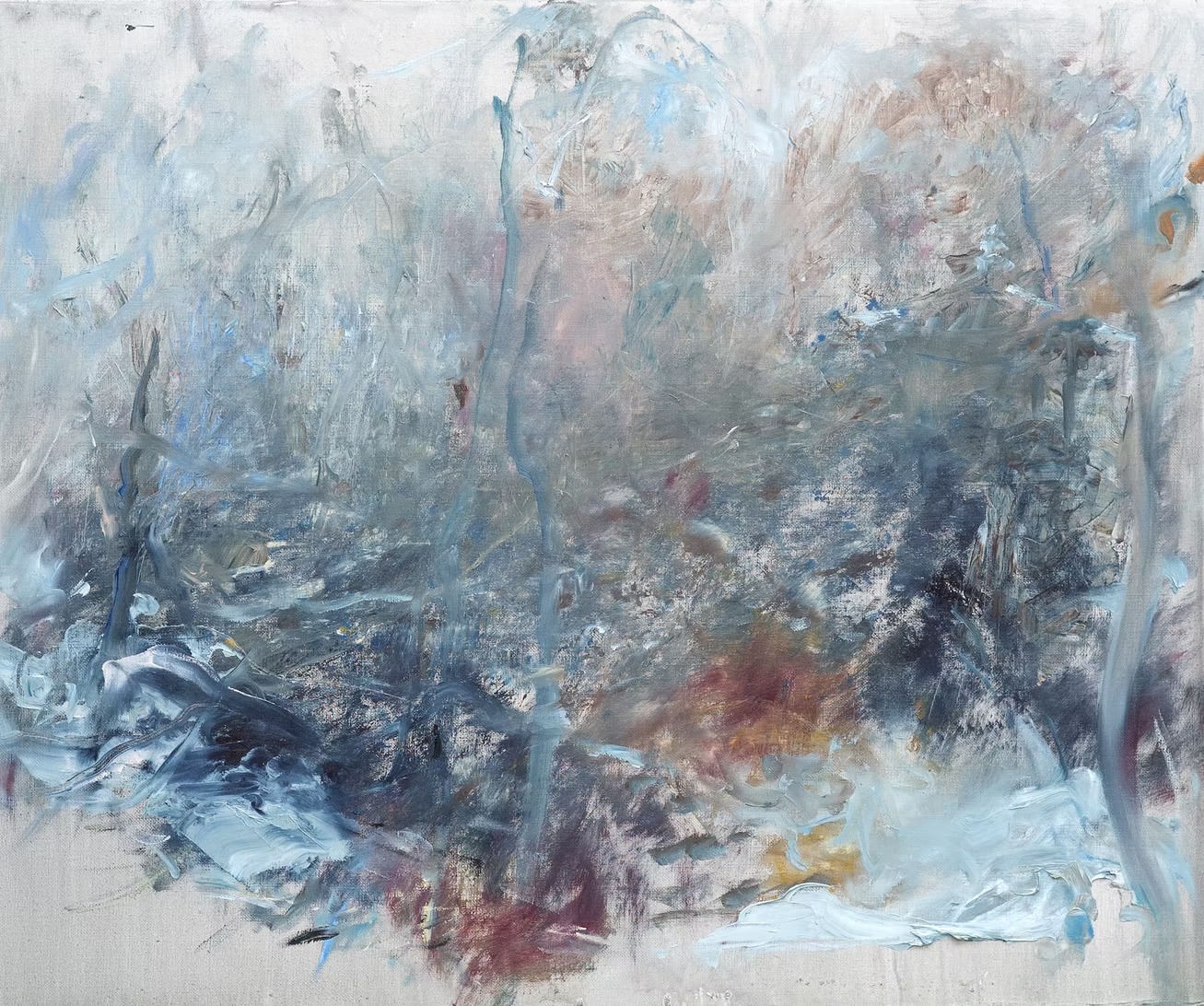
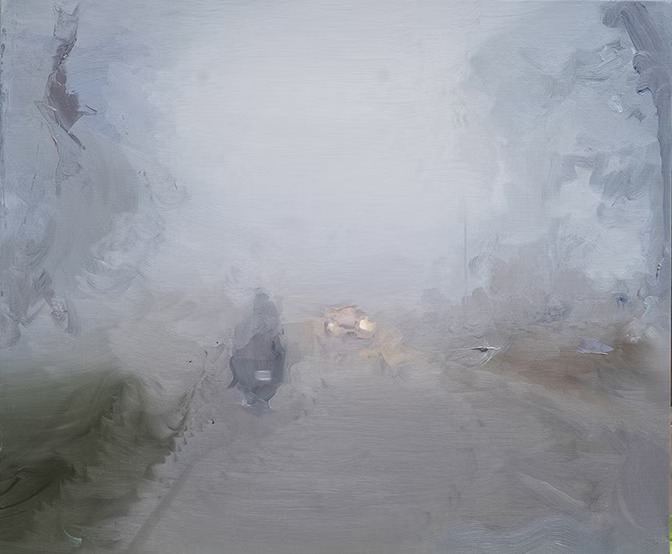
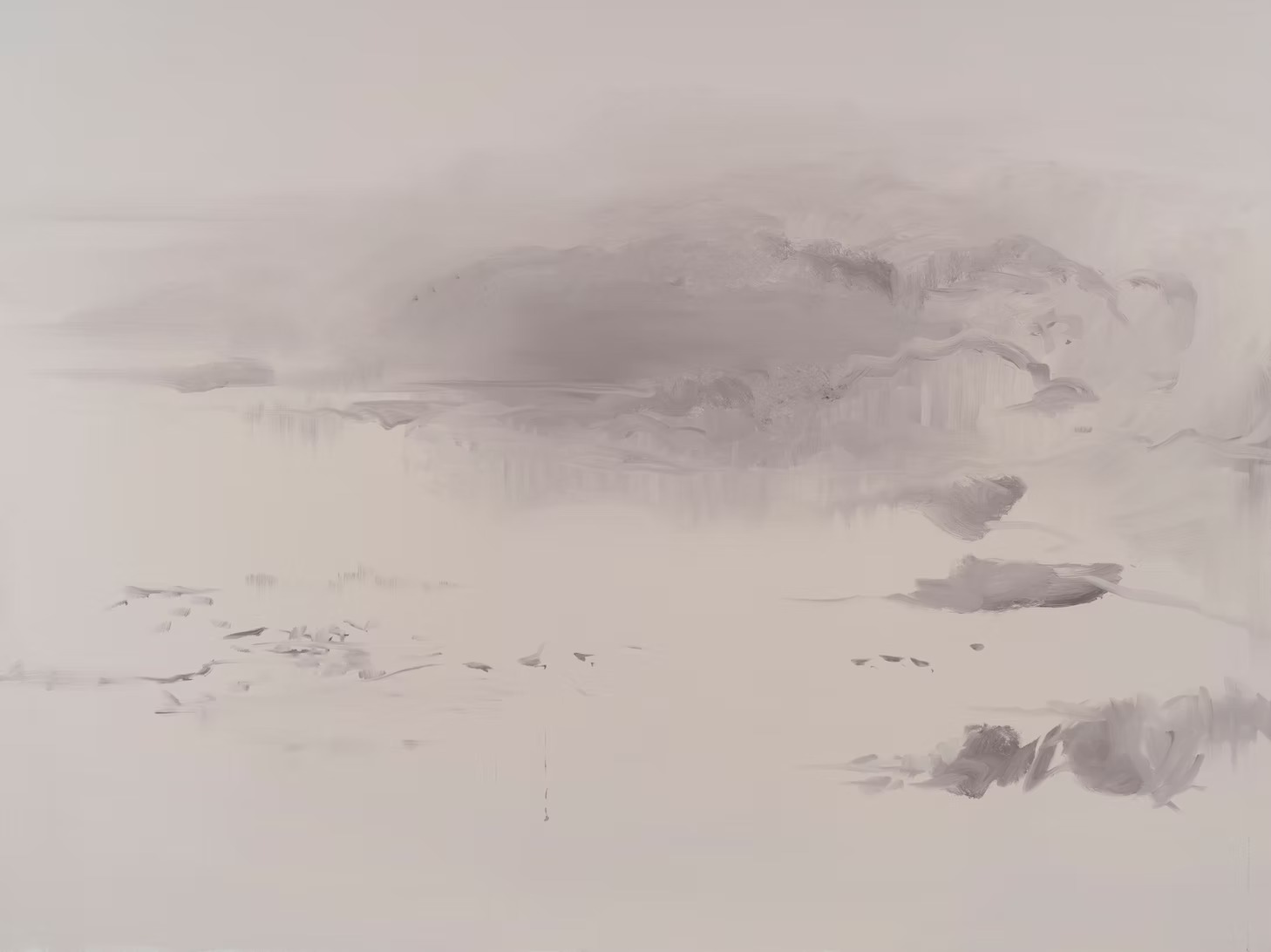
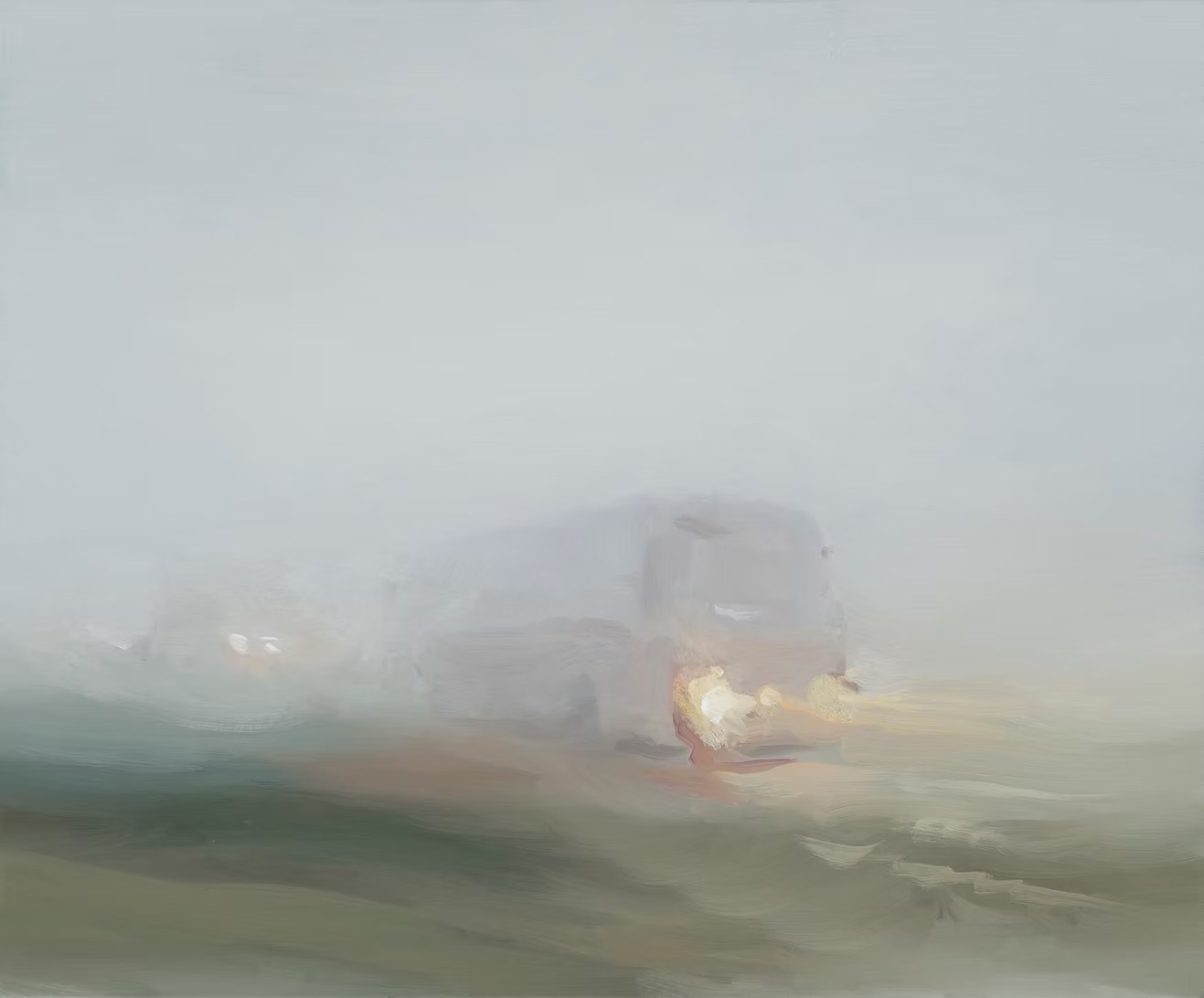
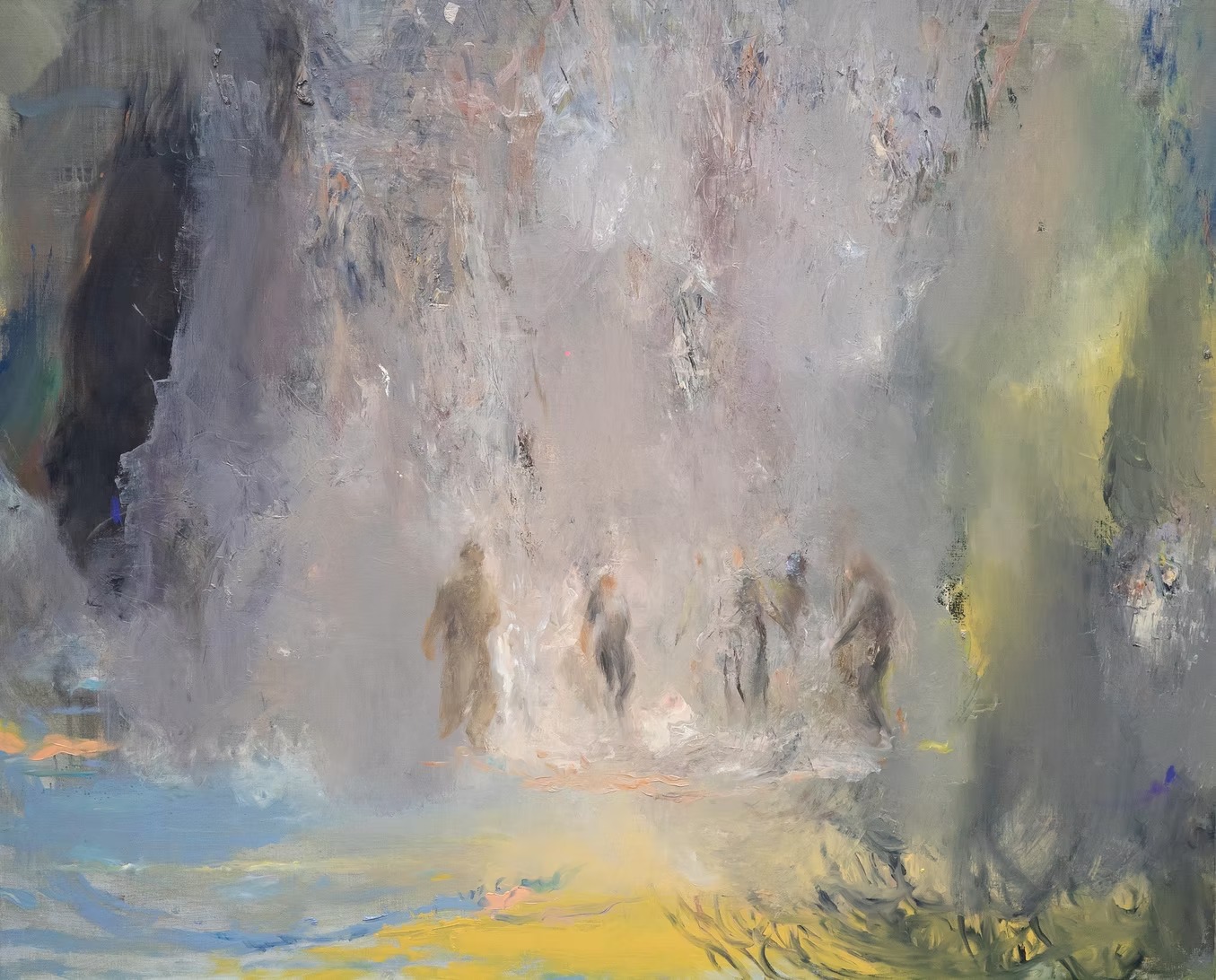
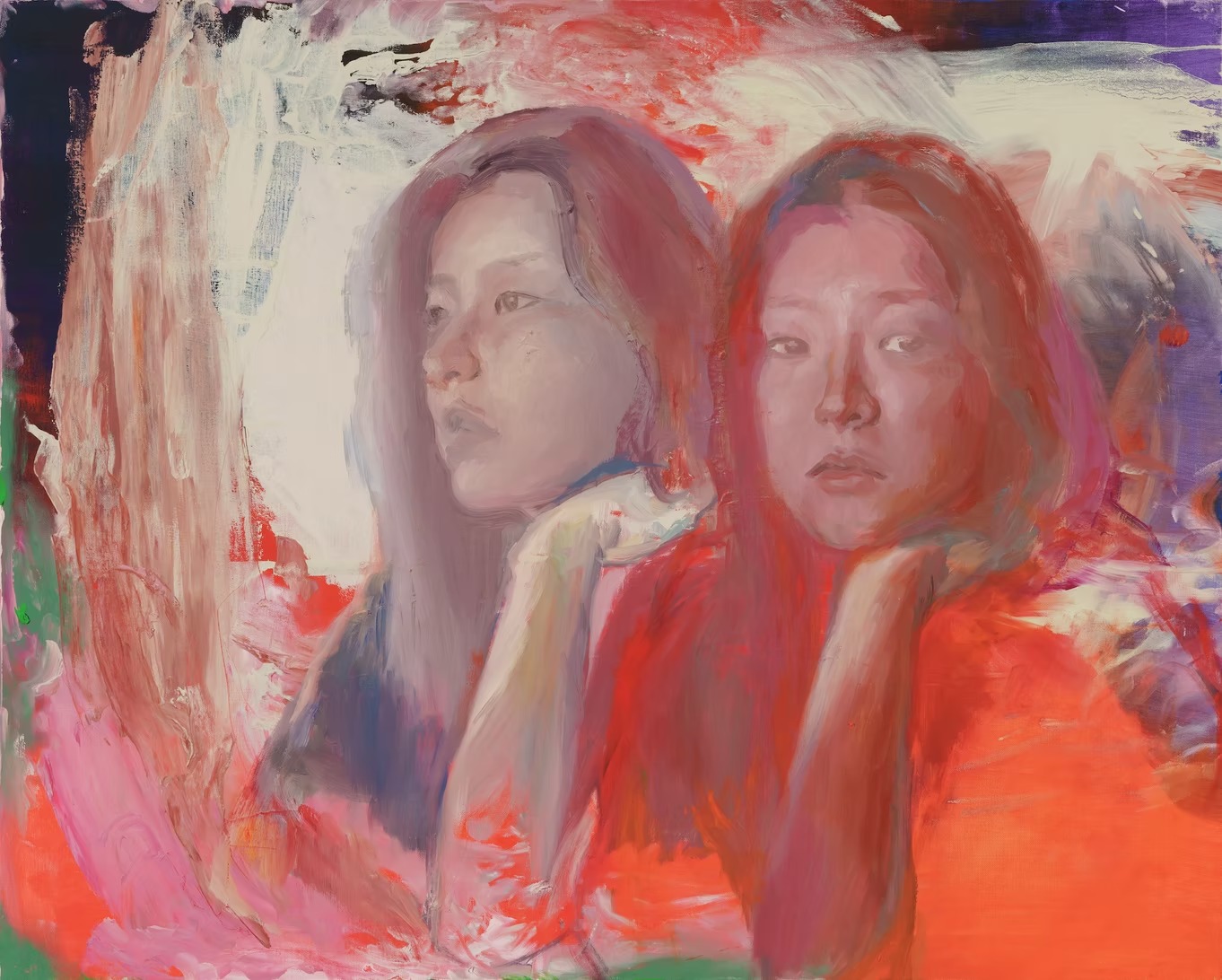
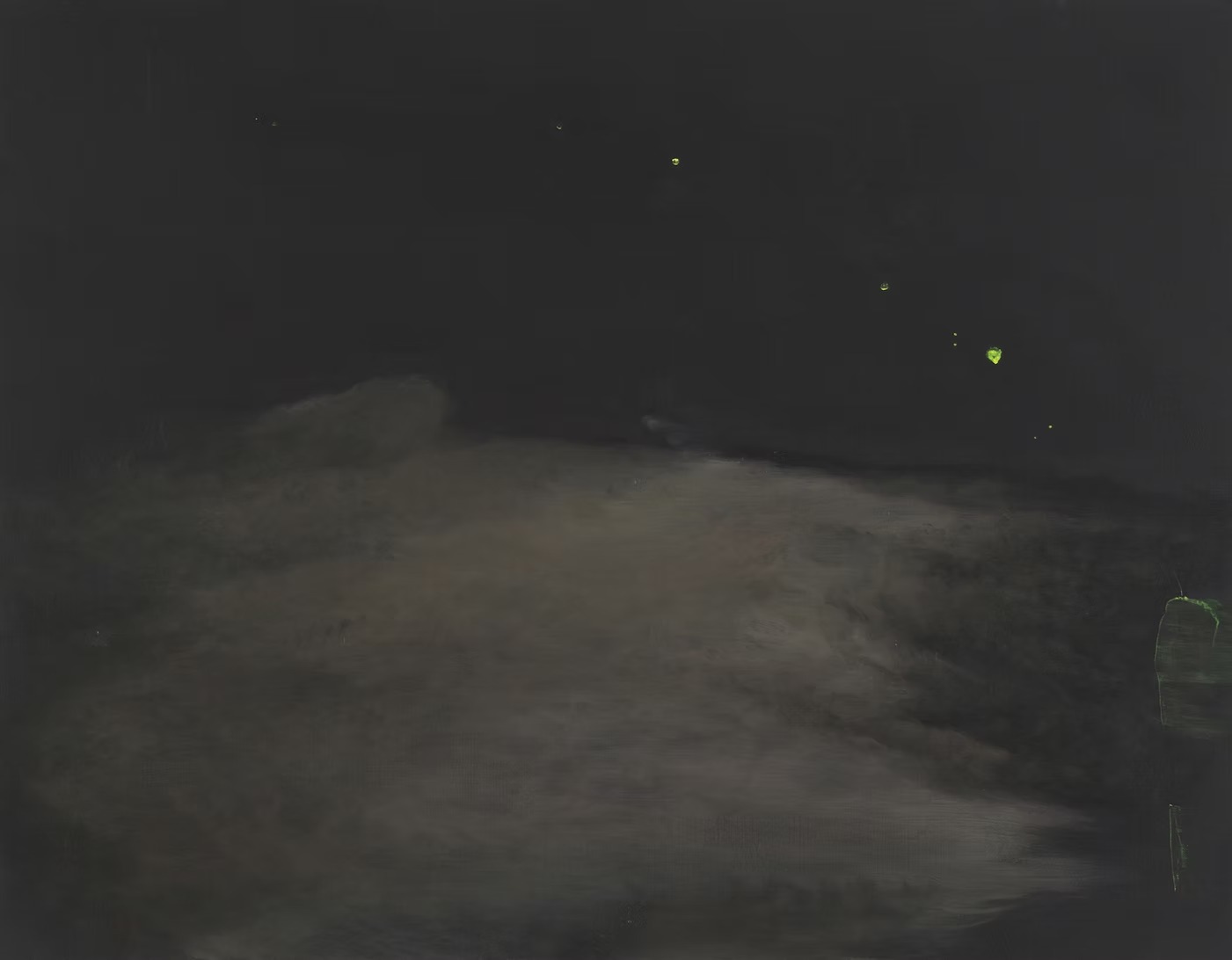
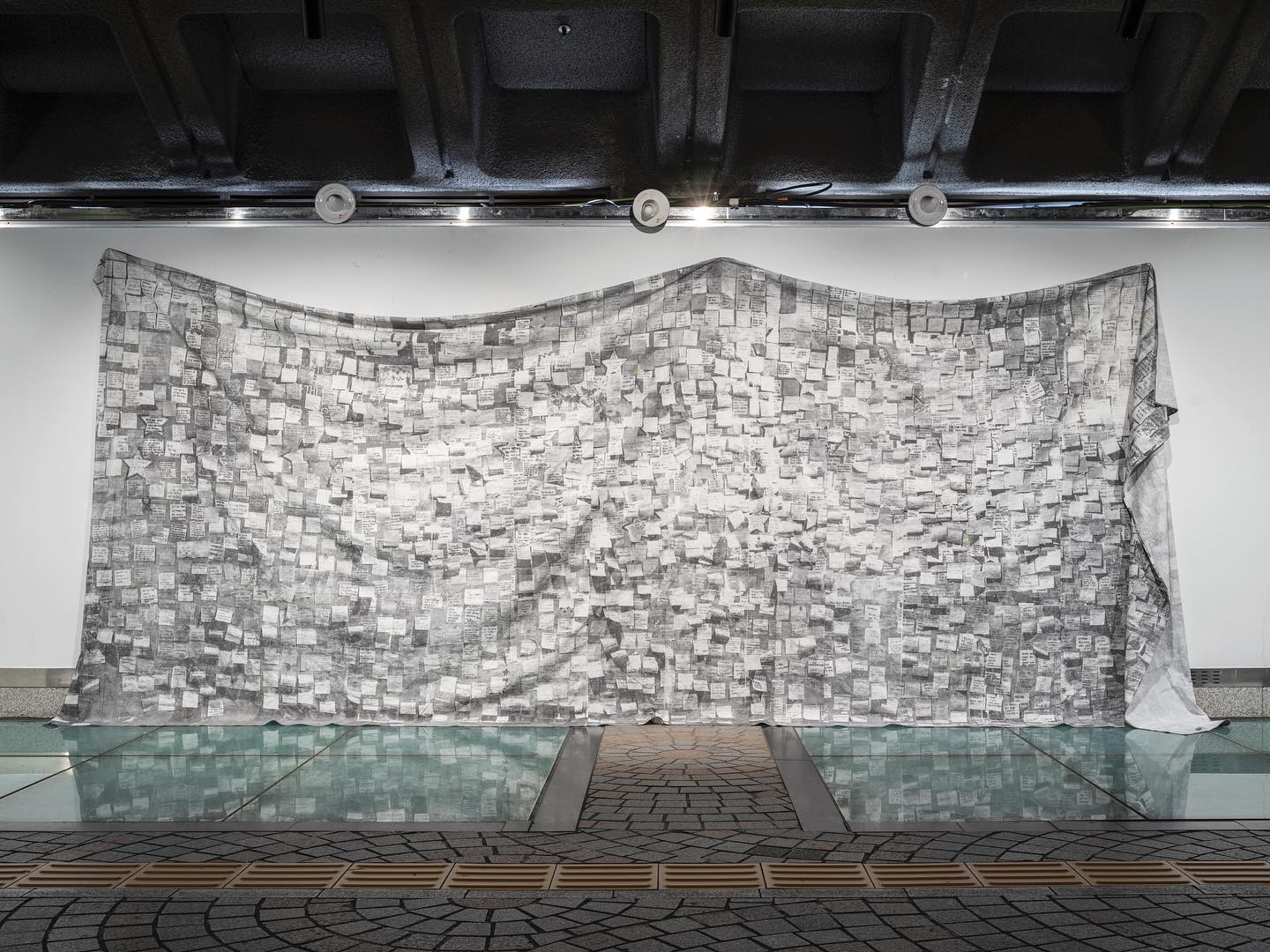
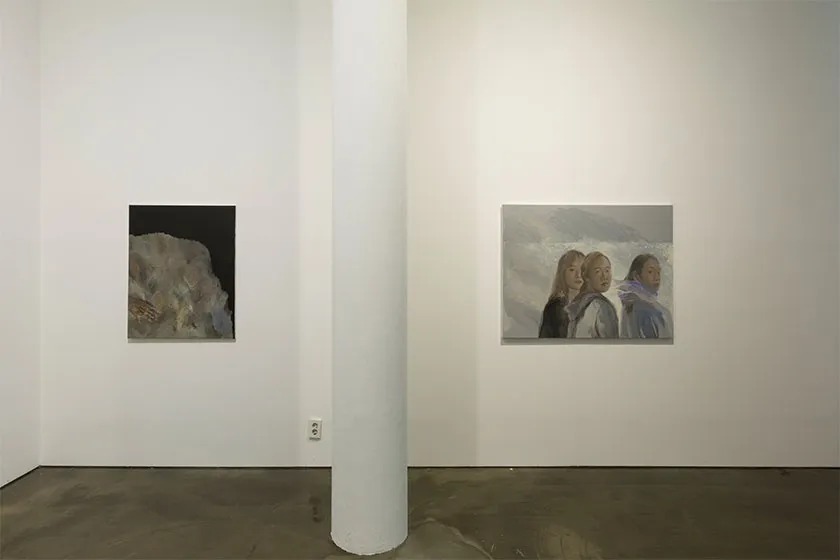
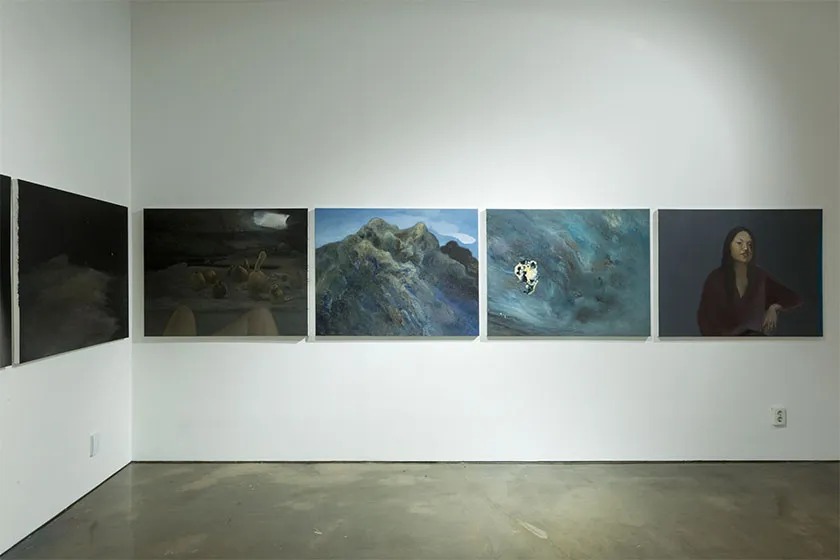
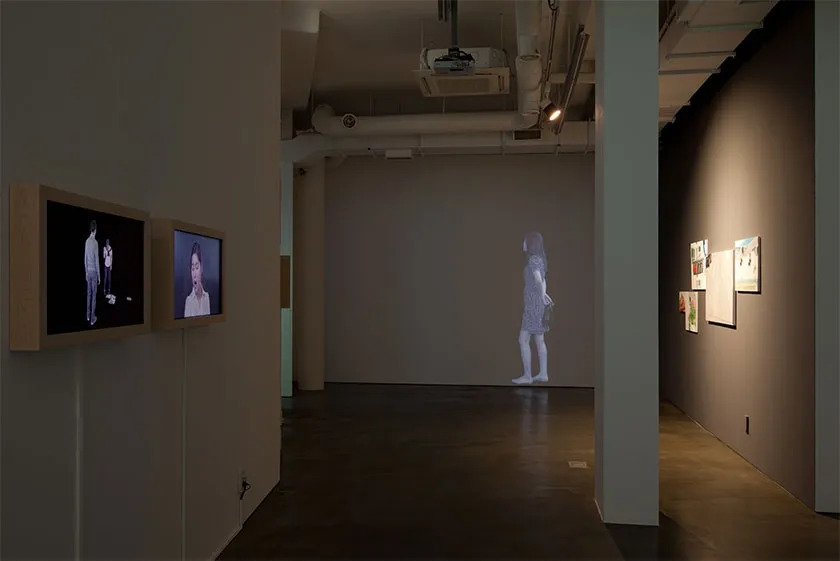
She is even more precise when dealing with figures. In Don't Look Back(2015), where a brief moment of a figure is broken into several scenes to form a continuous sequence, the figures represent ordinary women being pushed from place to place within Korean society. The figure in the frame can be seen as multiple figures, yet also as a single person.
In particular, their partly twisted posture invites mixed readings of the outside world, or of the viewer as another. It could be a response to someone calling out, or a will to keep moving forward without turning back. In this unresolved situation, the figure’s inner conflict and the realities that lie before and behind her head can be read in many ways, depending on where the viewer stands and how they look.
The quiet narratives held within each work make me feel as if I am standing beside the artist’s work. If we call this an invisible sense of connection between the painter, the image, and the viewer, then storytelling is in fact an active act of creating context between unrelated things and bringing them face to face.
These stories travel from the artist to me, then are reshaped, expanded, and transformed through personal distortions and reinterpretations. In this way, the newly formed stories gain greater force and return to the artist with a context of their own. That may be why her work feels like a performative act of painting, where life and painting are closely bound together.
Of course, our conversations are rarely made of complete sentences. They are filled with fragments like this, that, ah, along with gestures, glances, and silent emotional exchange. Conversations often pause or break off, and these nonverbal elements that never become full sentences cling like residue between the artist and me. If we call the texture of these feelings a shared affect of “us”, then this is my first response to see Leeje’s painting.
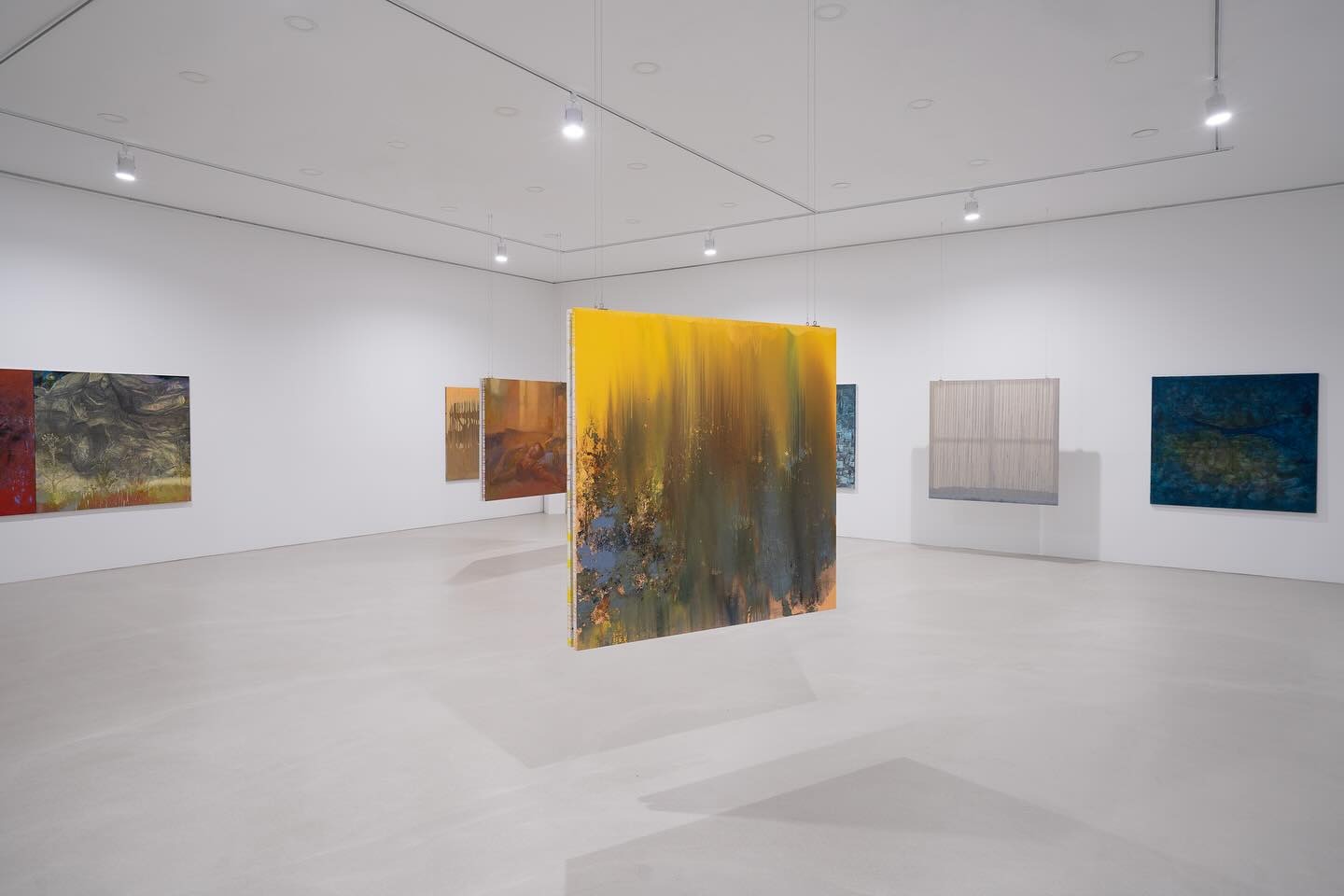
Despite the unavoidable mistranslations that come with conversation and storytelling, if my role is to convey in words the painterly attitude surrounding her work, then turning that into painting is Leeje’s task. While preparing her solo exhibition 《Halfway Round The Wrist》, she seems to have reflected on these nonverbal residues of language that surround the act of painting, and on how to unravel them.
Her interest is not in a clear object that can be named as a what, but in what lies in between: the shape of the pointing finger, the movement of the wrist, the motion itself, and how these can be revealed through drawing. This is not a purposeless act. Like the emotional gestures that allow her and me to communicate and share feelings, it is a way of uncovering something that is hard to express within existing language.
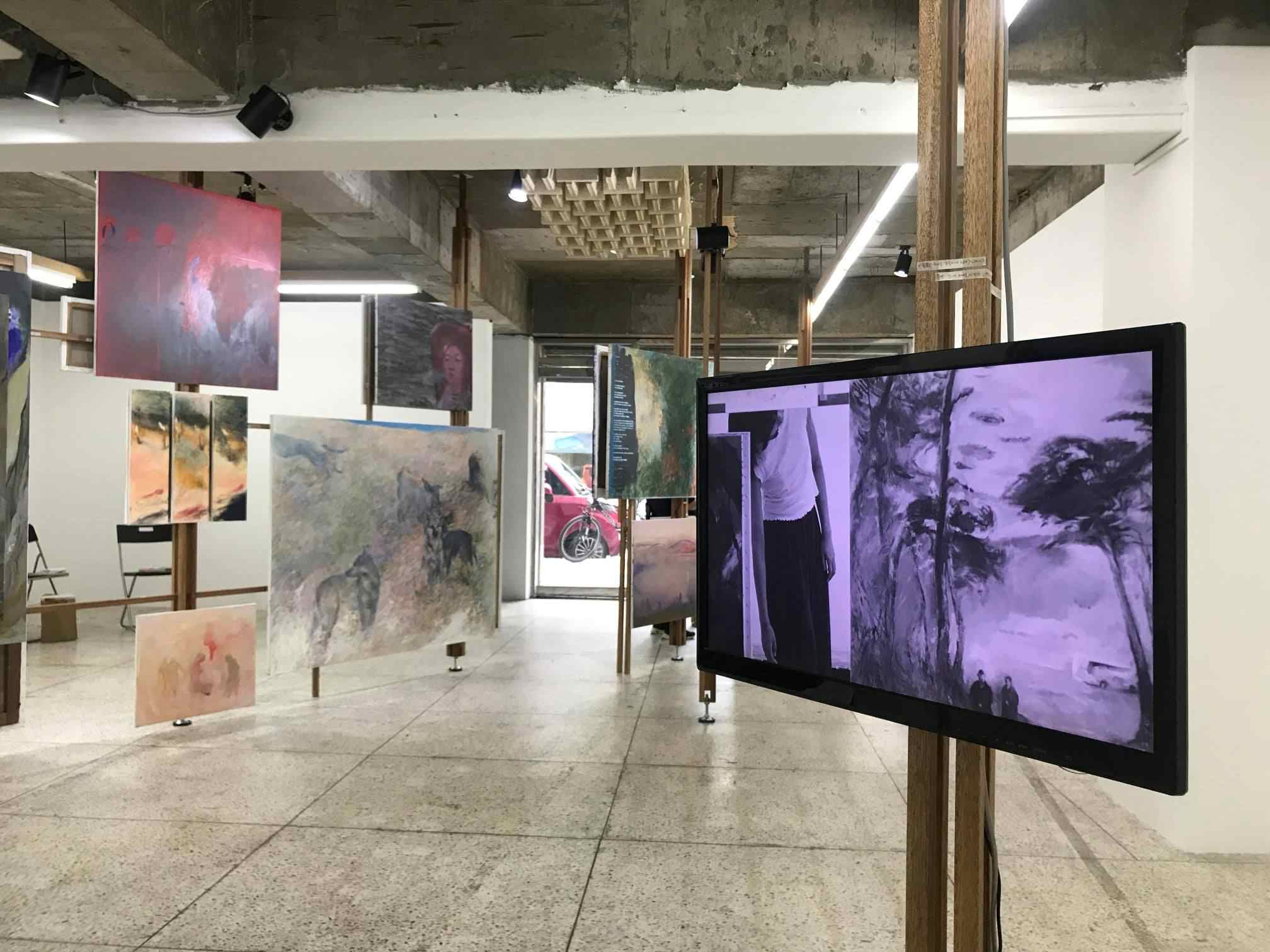
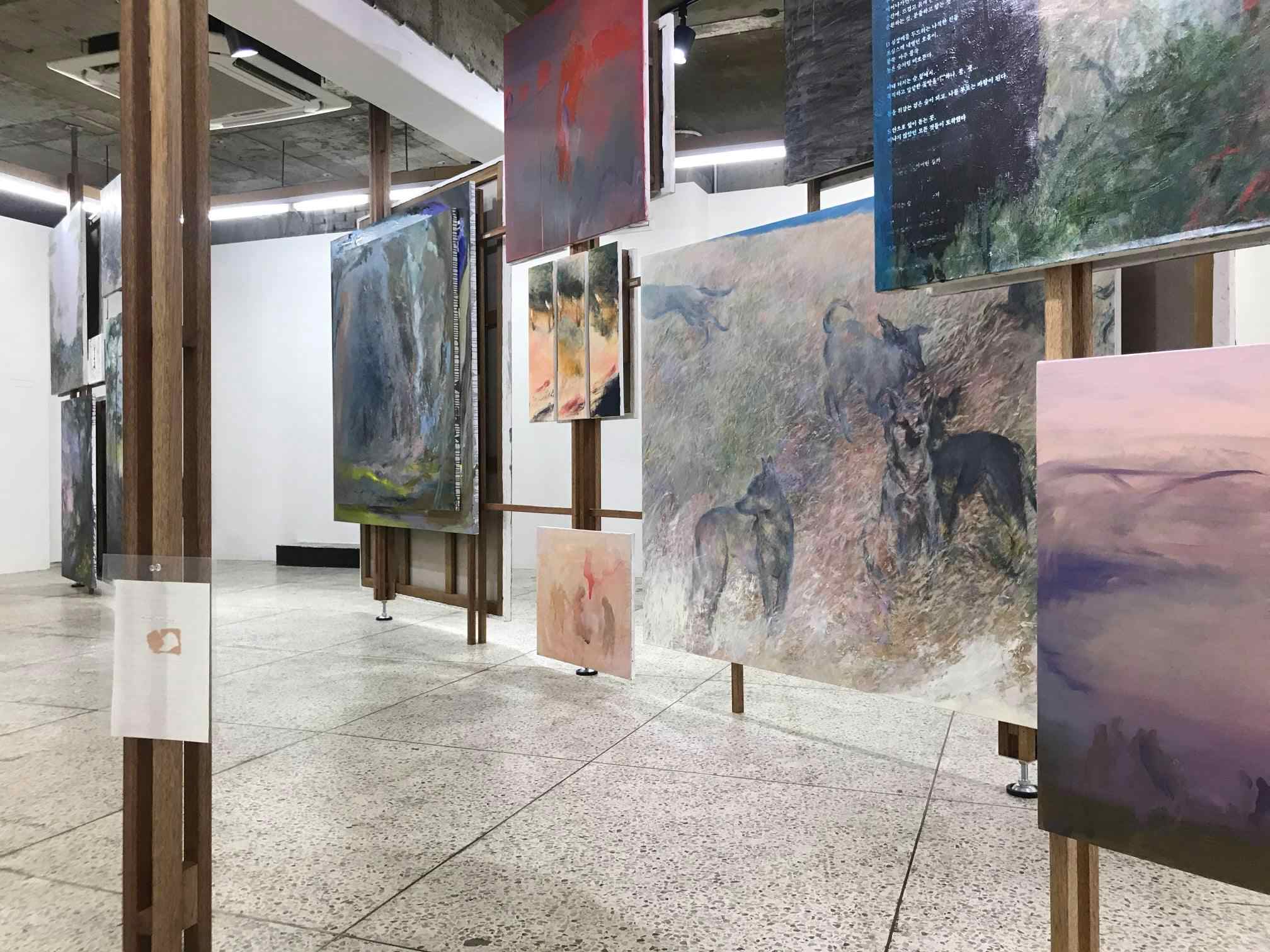
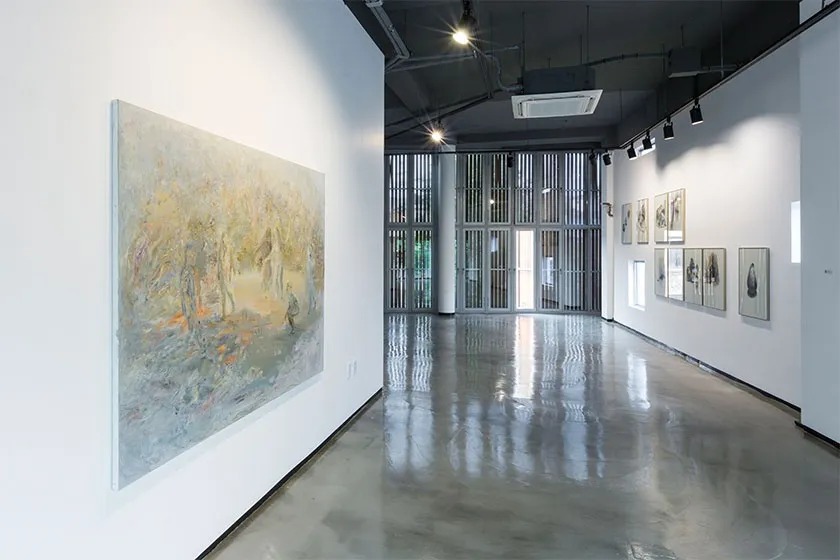
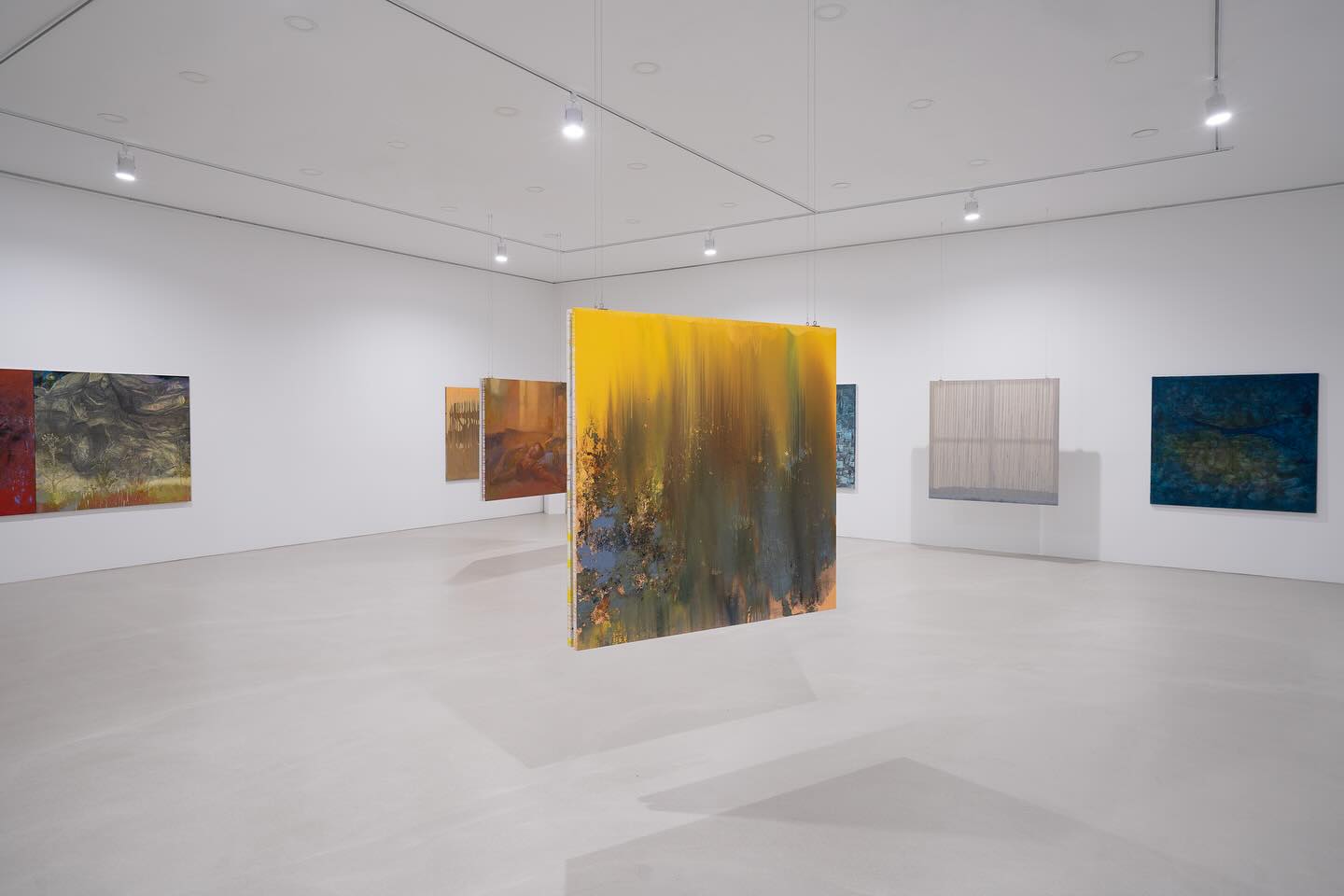
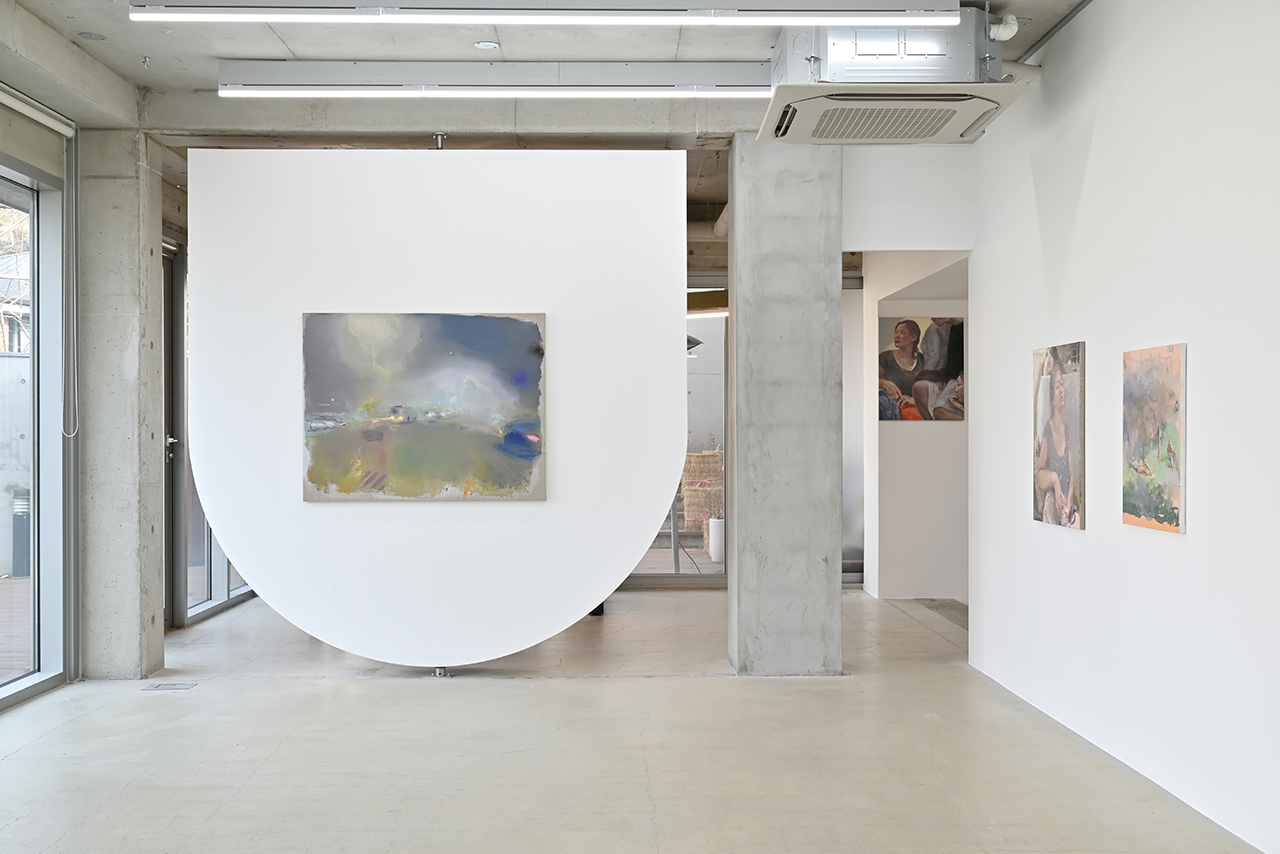
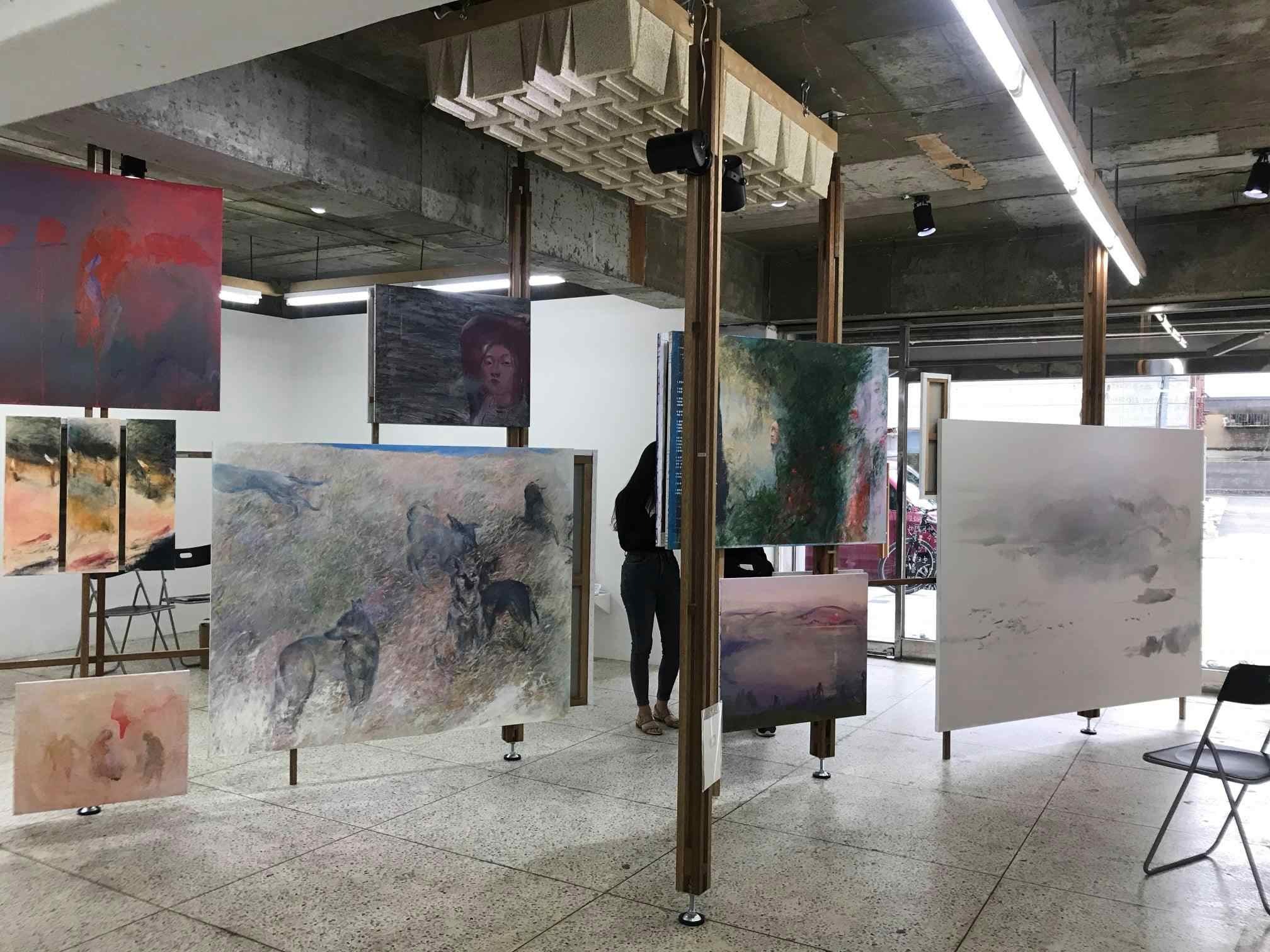
For this exhibition, drawing alone may not have been enough to express such an effect, so the artist proposes what she calls a kind of abstract theatre. Within this theatre appear things that have never gathered in one place before: clay, vessels, wrinkled hands, portraits of women, retaining walls, cats, and wind sweeping across open fields. These are things that make up and shape the world, felt through uneven, rough textures rather than smooth surfaces.