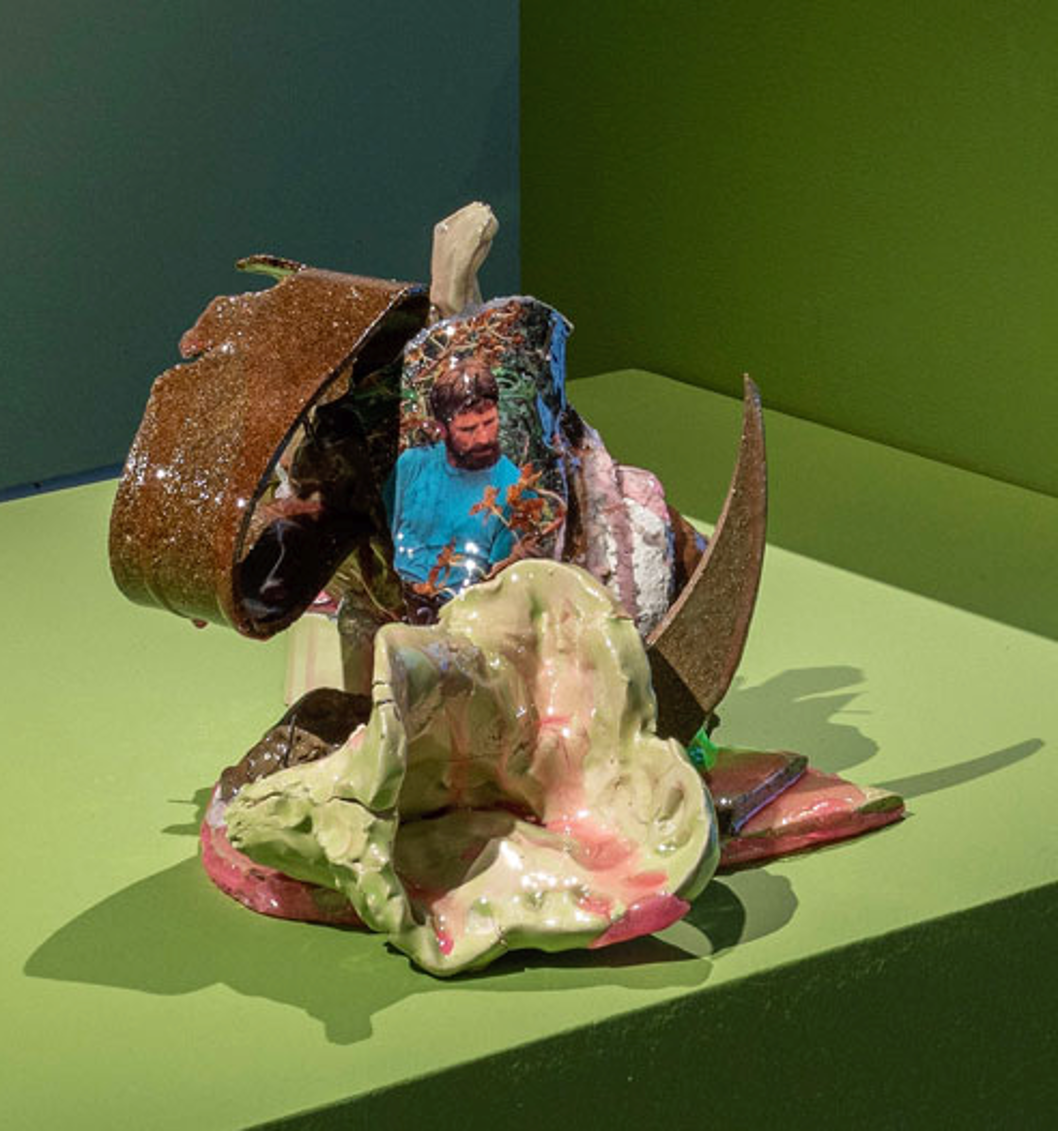
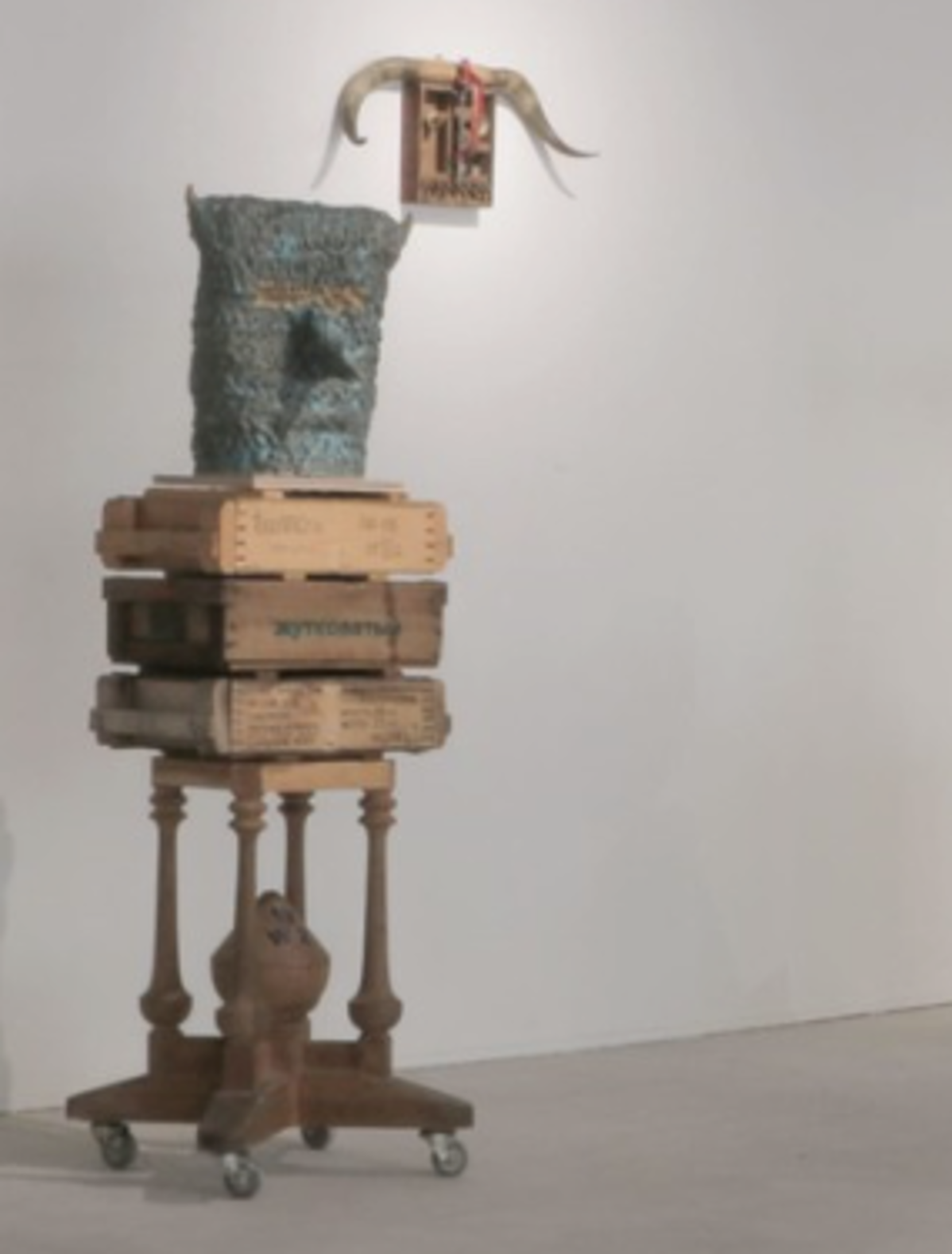
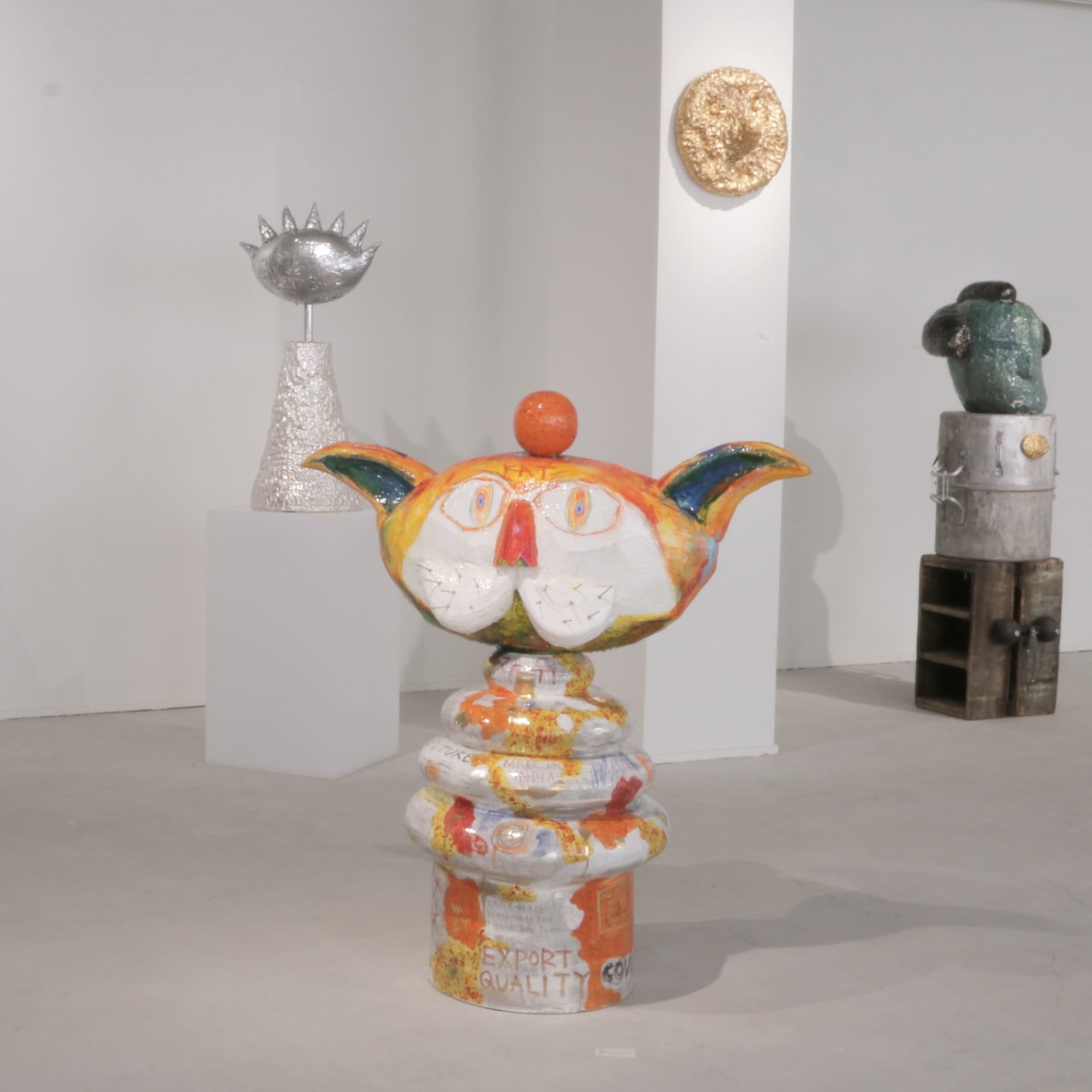
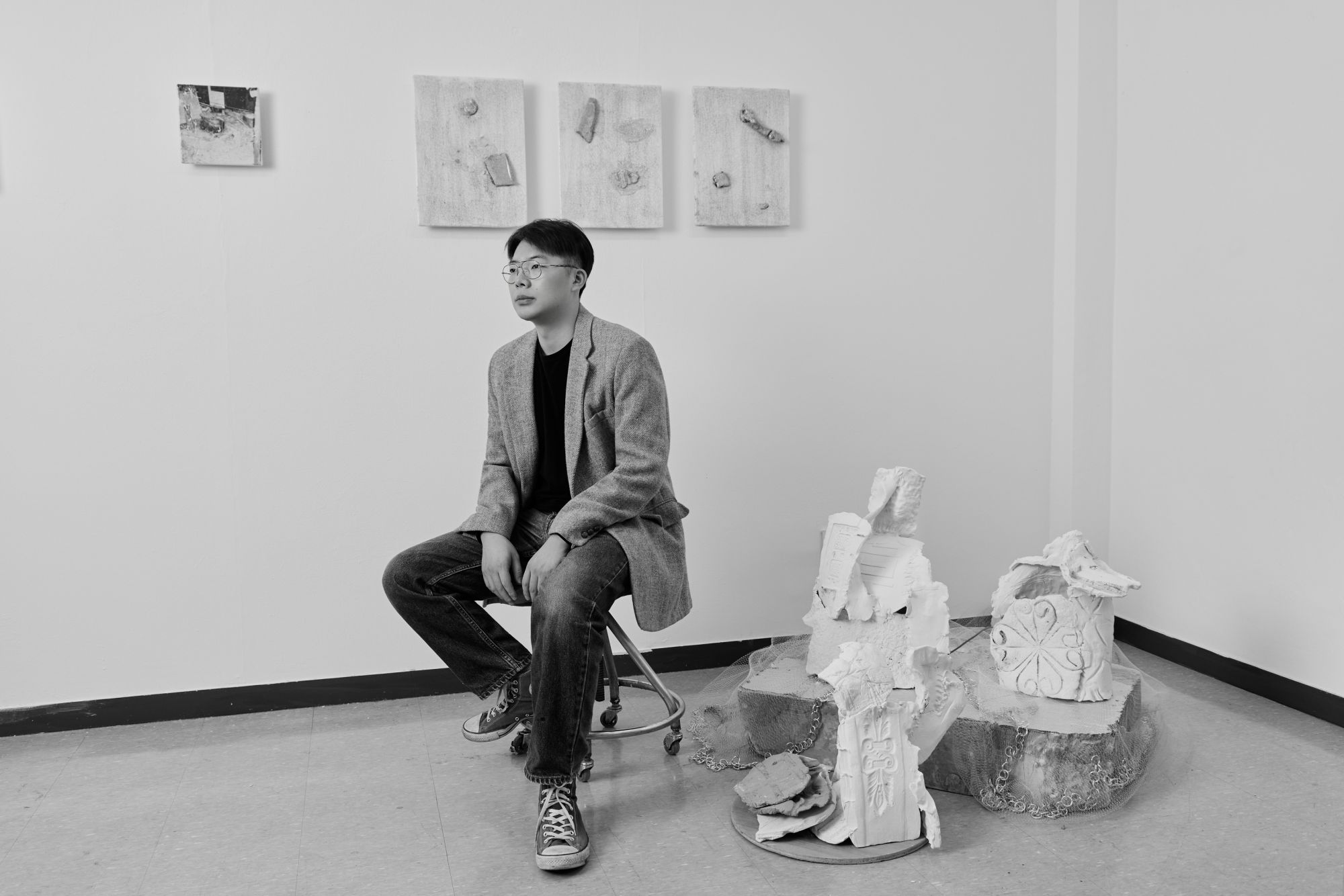
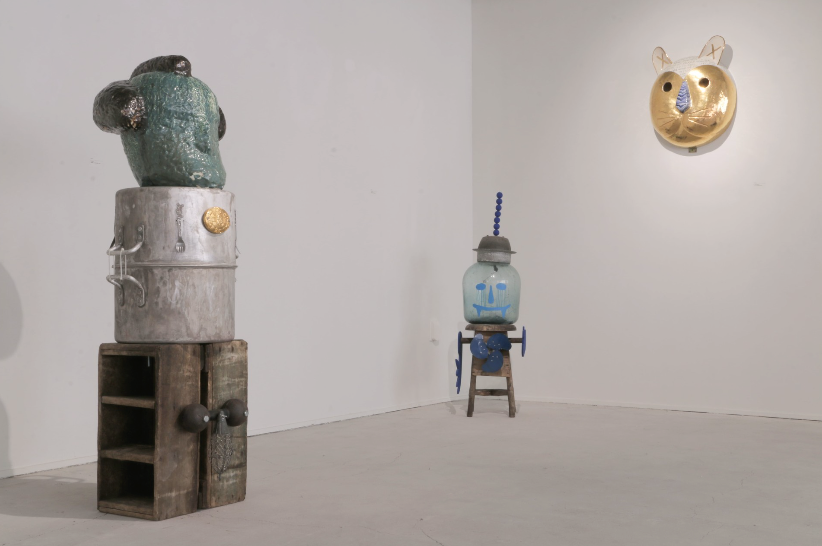
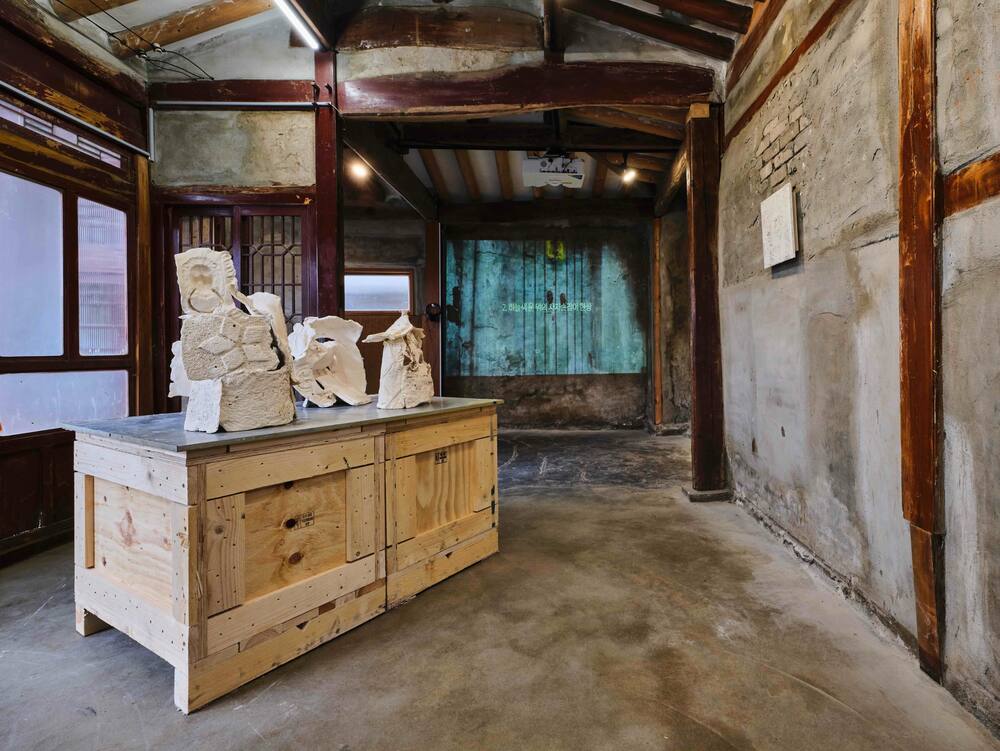
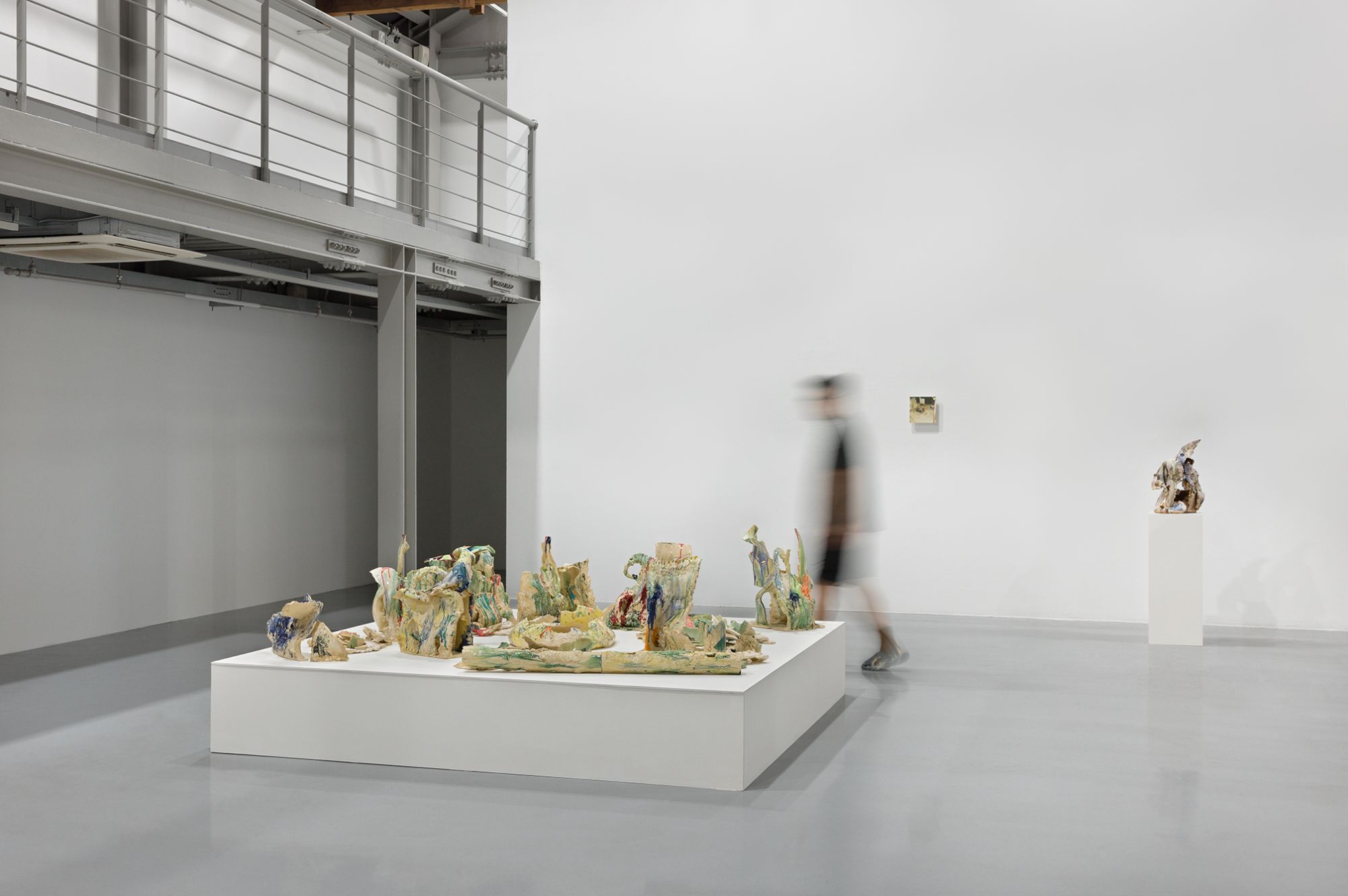
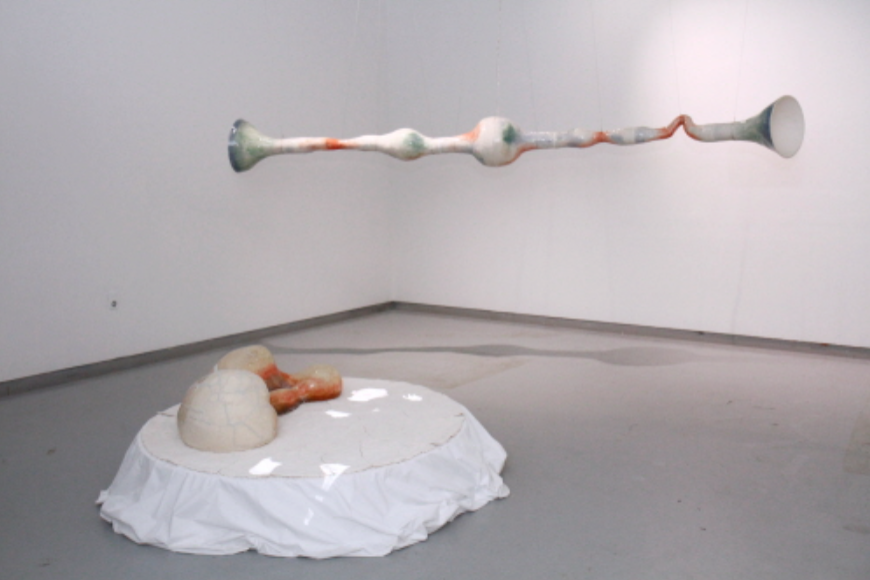
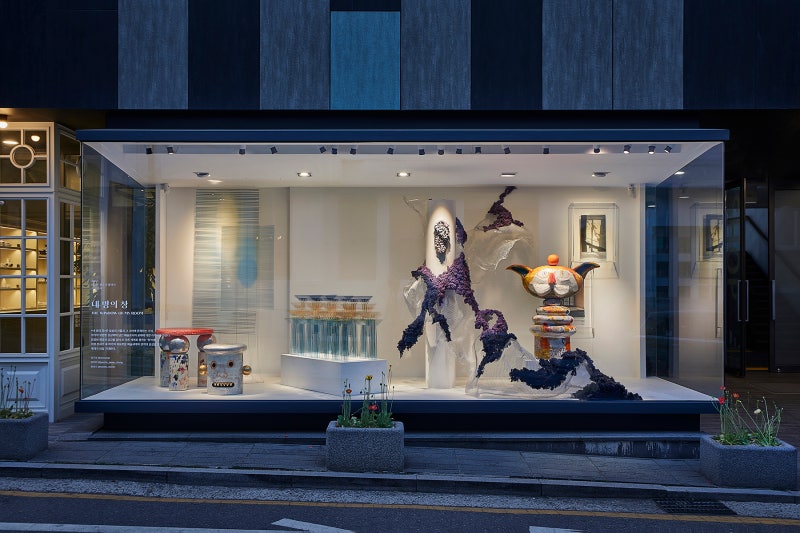
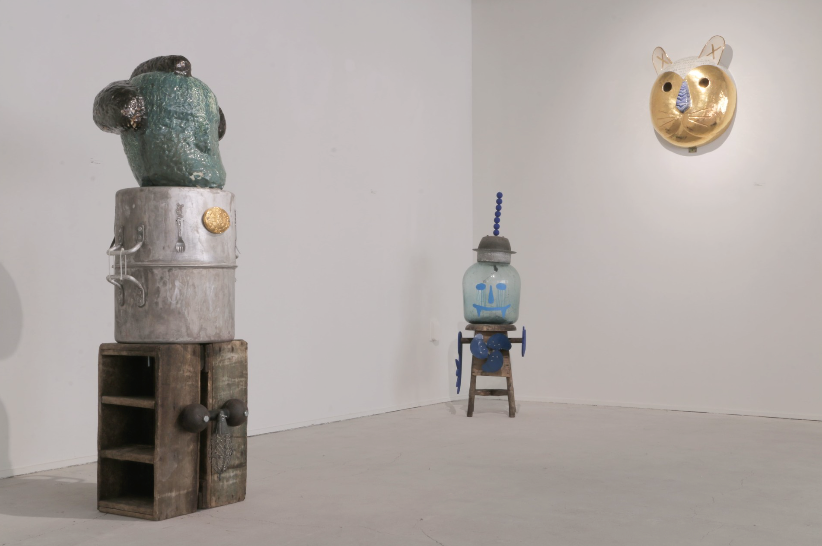
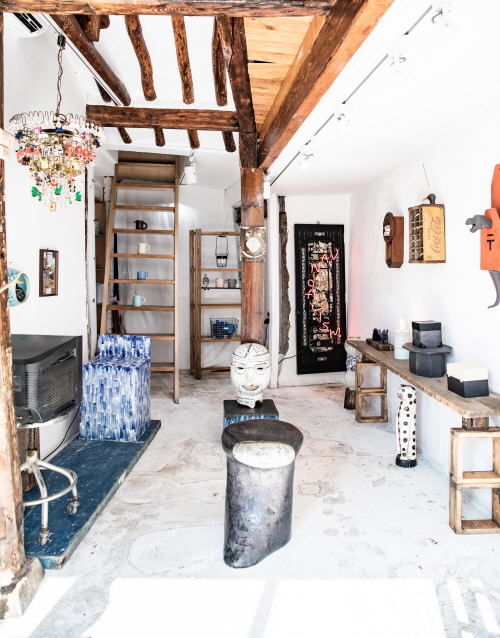
Installation view of 《Incomplete Harmony》 (Art Soombi Center, 2021) © Eum Kixung

Art Soombi presents Eum Kixung’s solo exhibition 《Incomplete Harmony》 from March 10 to April 3, with the aim of showing the diverse experiments and creations of a young ceramic artist.

This exhibition seeks to unfold various forms of contemporary ceramics in an approachable way, ranging from ceramic furniture to three-dimensional sculptures that combine ceramics with other materials, as well as new objects inspired by masks.

Eum Kixung’s work begins with observing his surroundings and collecting objects. He uses things that are not usually considered materials for artworks as materials in his practice.

From everyday materials commonly found around us, such as household waste, Styrofoam, stainless steel, synthetic resin, and toys, to expensive materials such as glittering neon, gold, and silver, he combines materials selected according to his own taste with ceramics or adds them as decoration.

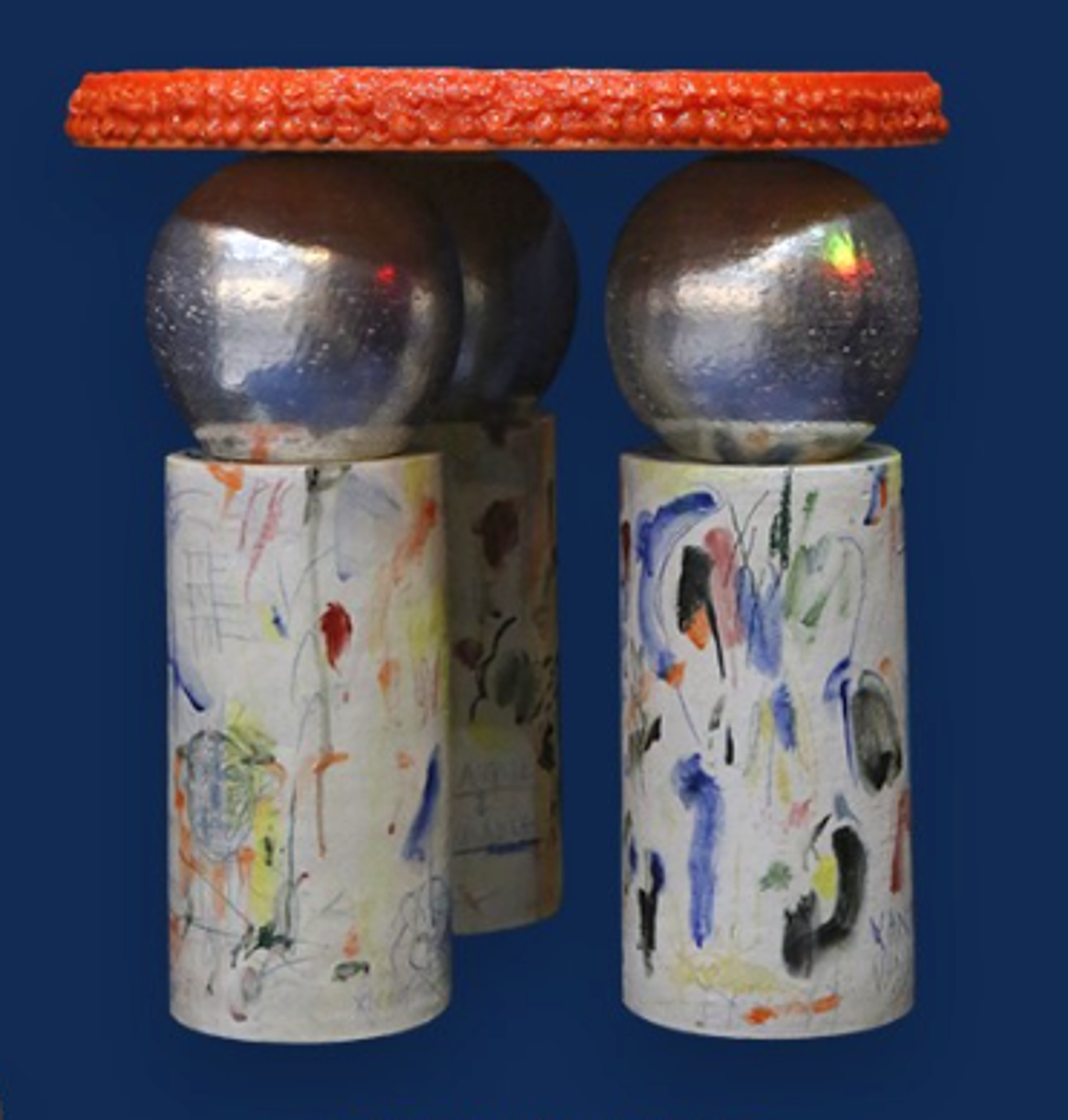
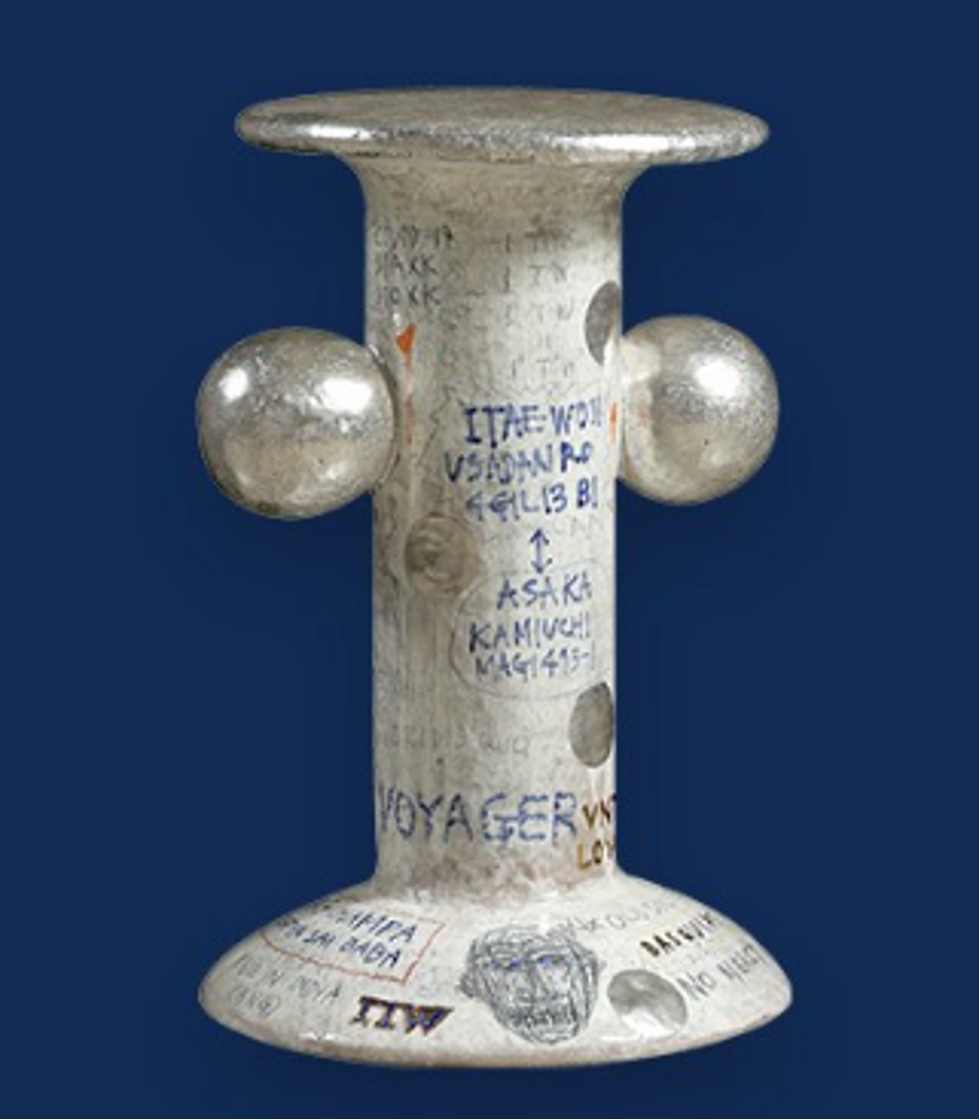
The first works encountered upon entering the exhibition space are ceramic furniture pieces such as tables, stools, and chandeliers, which have both decorative and practical qualities.

Eum Kixung’s ceramic furniture approaches the viewer less as useful ceramic craft objects than as singular works of art. As can be seen from the titles of the 2020 series, the works are pieces in which ceramics are lavishly plated with gold and silver and freely drawn on like a child’s scribbles.

Rather than using patterns or designs merely to decorate the surface, the artist freely arranges key words surrounding him—such as NAG CHAMPA, VOYAGER, COVID-19, ITAEWON, and ASAKA—and expresses them through spontaneous images.

The 2019 work hangs from the ceiling above the ceramic furniture, flaunting humor and splendor. Instead of expensive jewels, the chandelier is decorated with 1980s McDonald’s Happy Meal toys collected by the artist. The artist overturns the general function and meaning of the chandelier, which was once used to decorate the most splendid spaces, and reveals his own taste through plastic toy ornaments.

As viewers step into the exhibition space where the chandelier and ceramic furniture are displayed, they encounter material desires in contemporary society through the expensive materials painted on the surfaces of the ceramics, and face the kitsch sensibility of a young artist through disorderly drawings and Happy Meal toys.

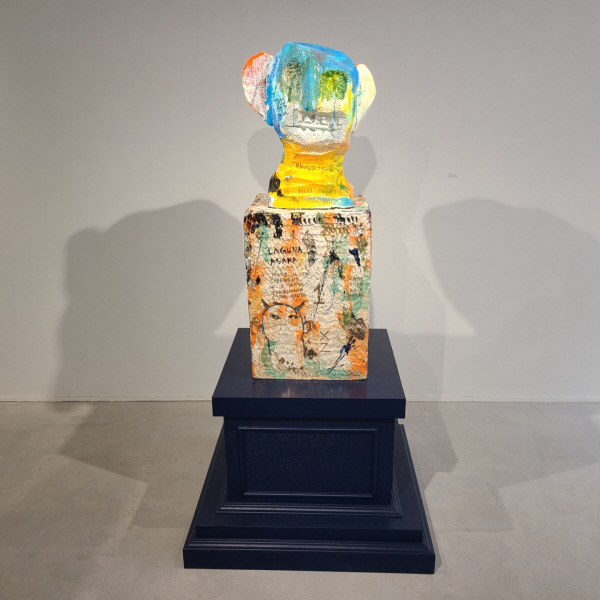
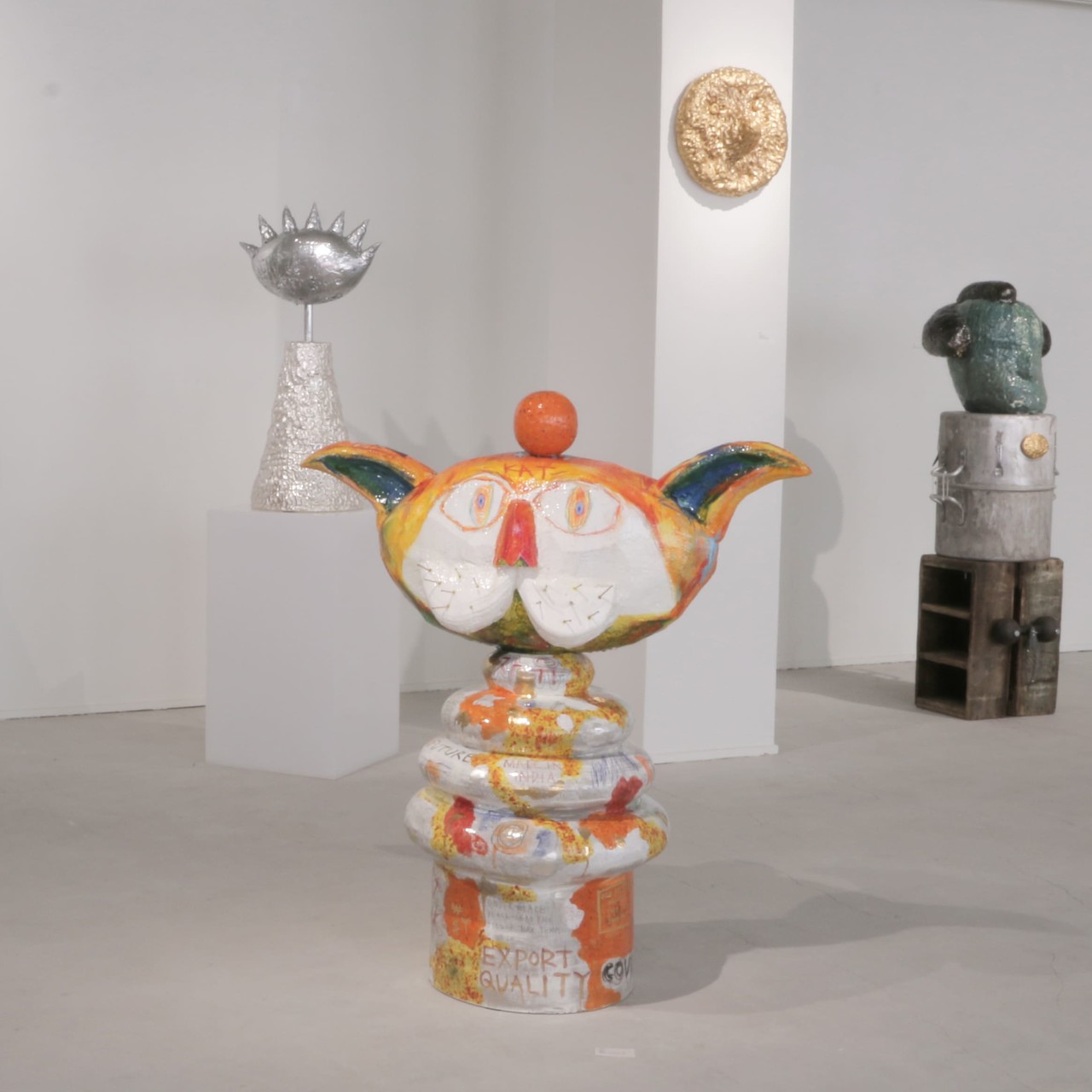
Eum Kixung, KAT , 2021, Mixed media, 98x45x108cm © Eum Kixung

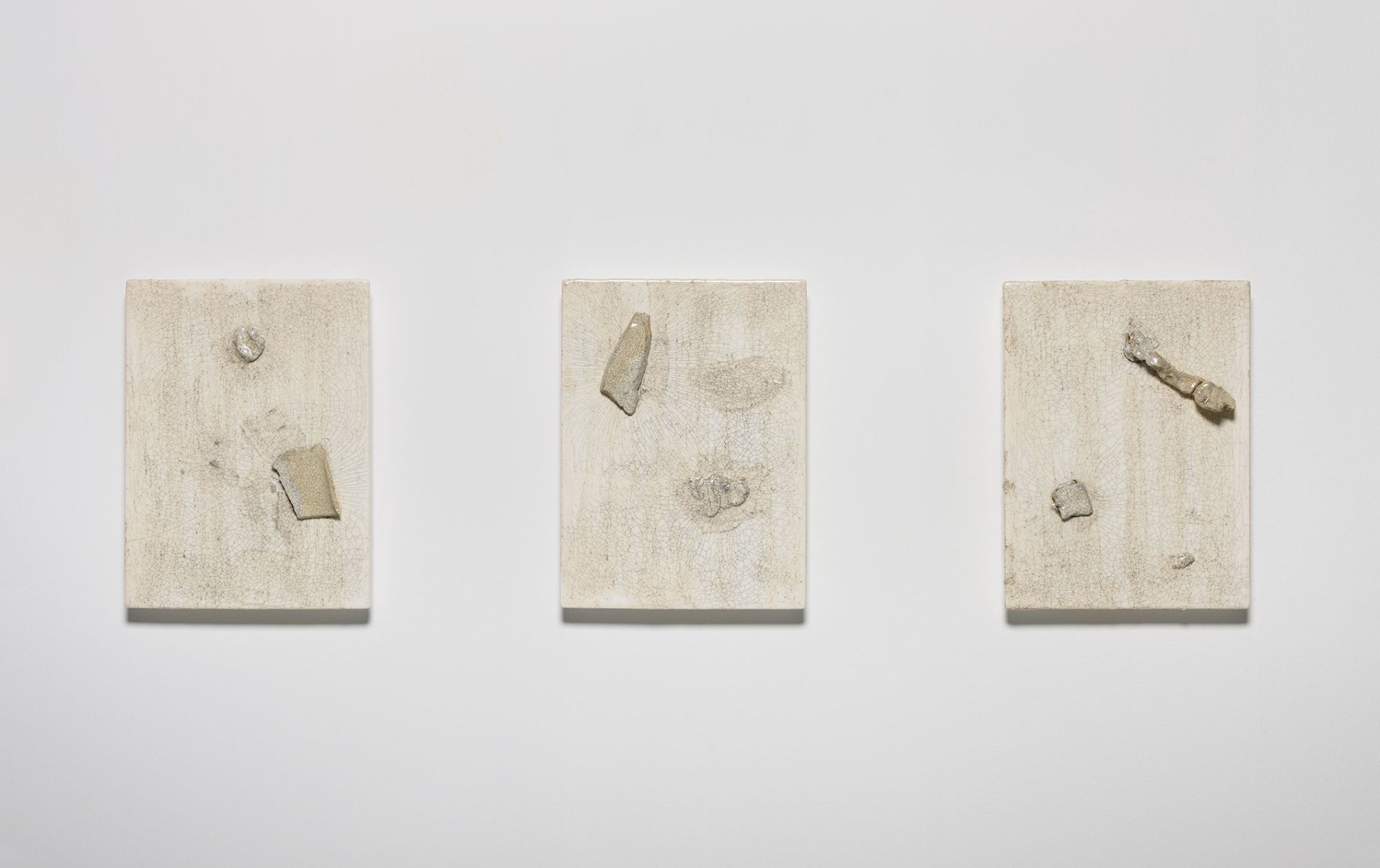
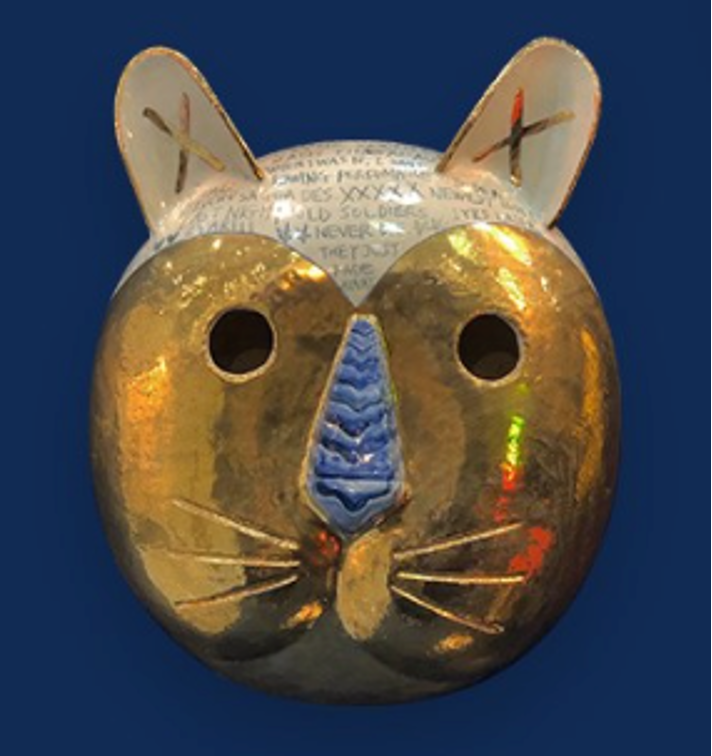
If ceramic furniture moves across the boundary between art and use, the mask reliefs and three-dimensional sculptures that combine ceramics with heterogeneous objects pursue pure sculptural form and abstraction rather than utility. Due to the nature of its production process, ceramics requires considerable concentration and intense labor. Eum Kixung originally made lidded vessels known as hap (盒).

Although he possesses skilled techniques for handling clay, he makes ceramic materials approachable through popular images. Works influenced by Japan, comics, animation, and kabuki, as well as the ‘TAL’ series (2020-2021), made with masks as its motif, humorously reinterpret familiar objects and images.

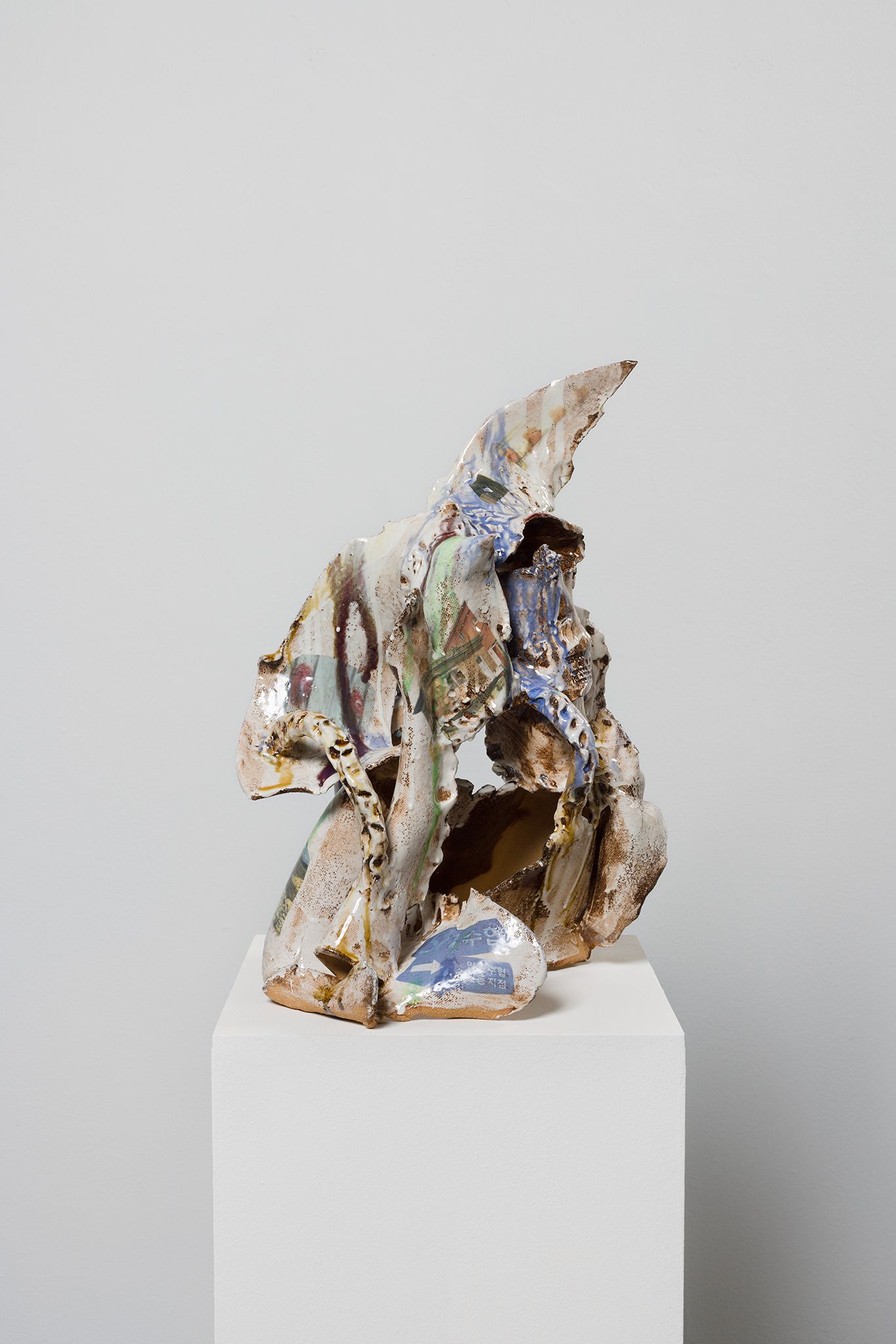
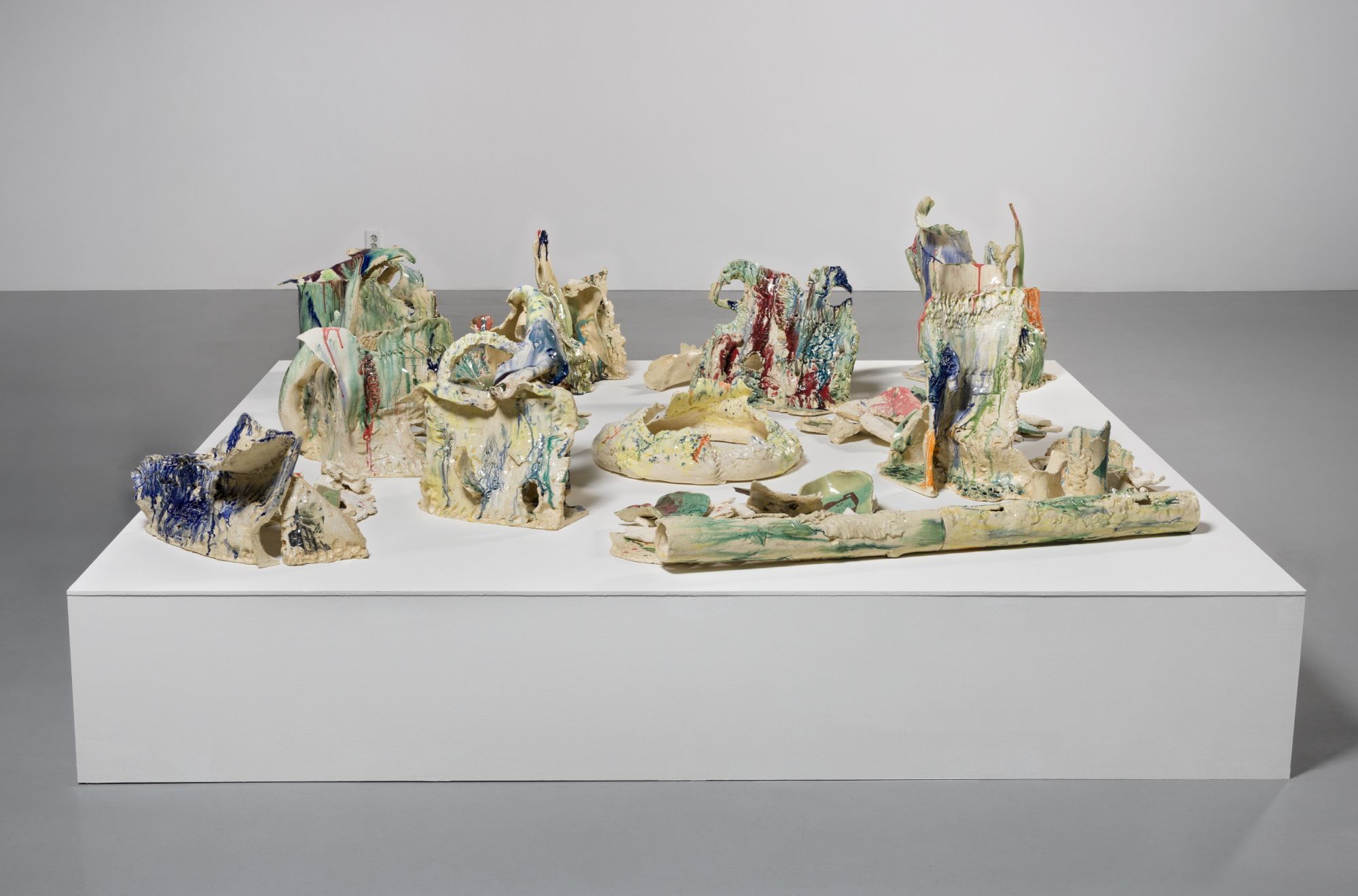
Comical forms such as animals combining cats, rabbits, and tigers, distorted faces of Kozubu, and the fictional character ZYAKI evoke popular empathy and amusement. The three-dimensional sculptures that combine ceramics with heterogeneous materials translate the artist’s thoughts born from his own experiences, or stories encountered in his environment, into ceramics.

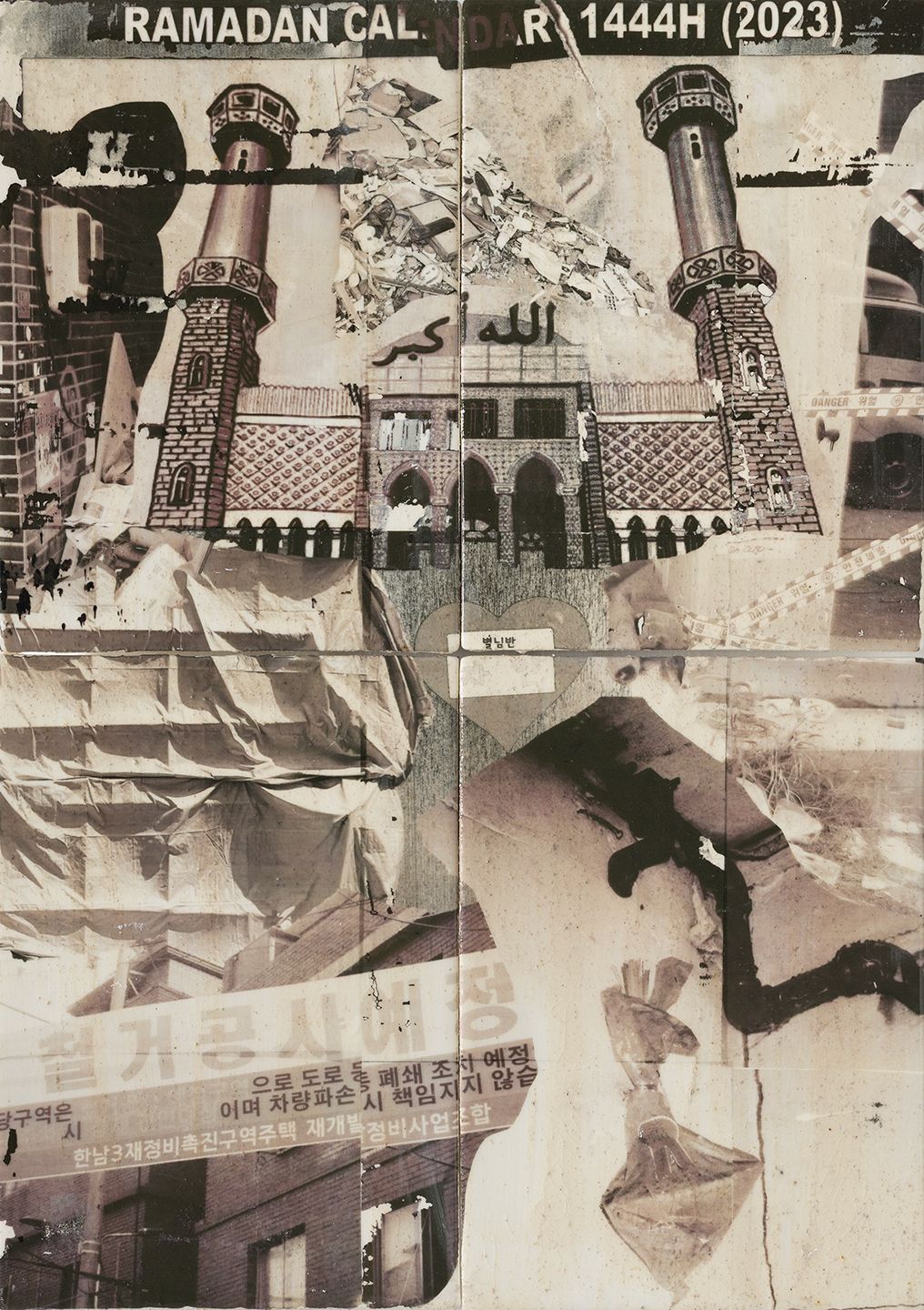
His studio is located on Usadan-gil in Itaewon, where the most diverse races, classes, and sexualities in Seoul are mixed together. The streets of Usadan-gil are filled with foreign cultures and unfamiliar landscapes, including the area around the former U.S. military base, the neighborhood around the Seoul Central Mosque where African immigrants and Muslim immigrants gather and live, restaurants and shopping districts for foreigners, and “Gay Hill,” where LGBT pubs and clubs are concentrated.

The artist says that “an indefinable identity” is formed in a space where everything is mixed and jumbled together, and that this becomes the source of his work. He expresses in his works his life and experiences in Itaewon, where incomplete harmonies coexist, such as the foreign and the Korean, the old and the new.

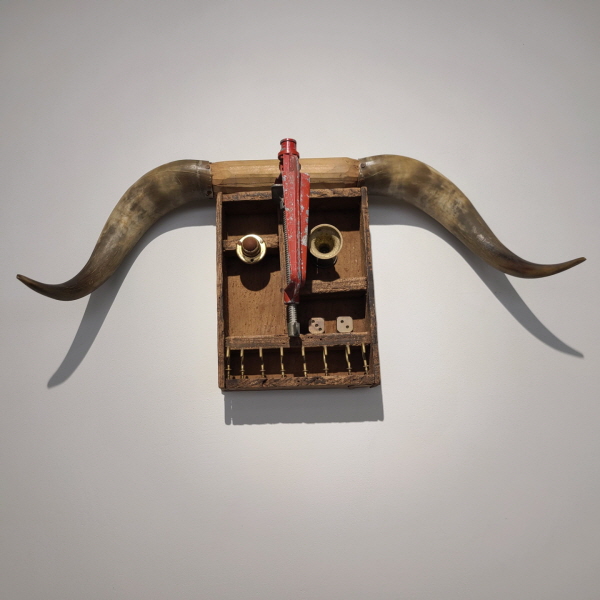
Walking through various parts of Itaewon, where diverse cultures are mixed together, the artist collects objects discarded by migrants and uses them as materials for his work. These discarded objects become objects within the work and are freely combined with ceramic forms made by the artist, regardless of their original use.

The works mainly take the form of three-dimensional sculptures composed of heads and bodies, while their surfaces are given painterly expression through various coloring materials such as acrylic and oil paint.

The artist says that he feels “a spiritual energy that new objects do not have” from “things that are somehow tilted and clumsy, discarded objects,” and that this inspiration is reborn as images where heterogeneous and incomplete things are mixed together.

The rough and irregular ceramic forms, and the strange tension and harmony that arise from the combination of heterogeneous materials, resemble the multicultural character of Itaewon, where communities of various races, religions, and cultures coexist while maintaining the boundaries of their differences.

Eum Kixung’s solo exhibition 《Incomplete Harmony》, prepared by Art Soombi, shows the aesthetic sensibility of a young ceramic artist who attempts free expression beyond the ceramic categories of use and function. Eum Kixung expands the limits of creation by presenting various genres and expressive techniques, including three-dimensional sculpture, installation, and drawing.

His works, which combine ceramics with discarded everyday objects or use splendid decoration and popular materials, offer viewers cheerful imagination and pleasure. Through this solo exhibition by Eum Kixung, who explores his own original artistic world without being bound by a fixed framework, we hope viewers experience a time of play.

References