Centered
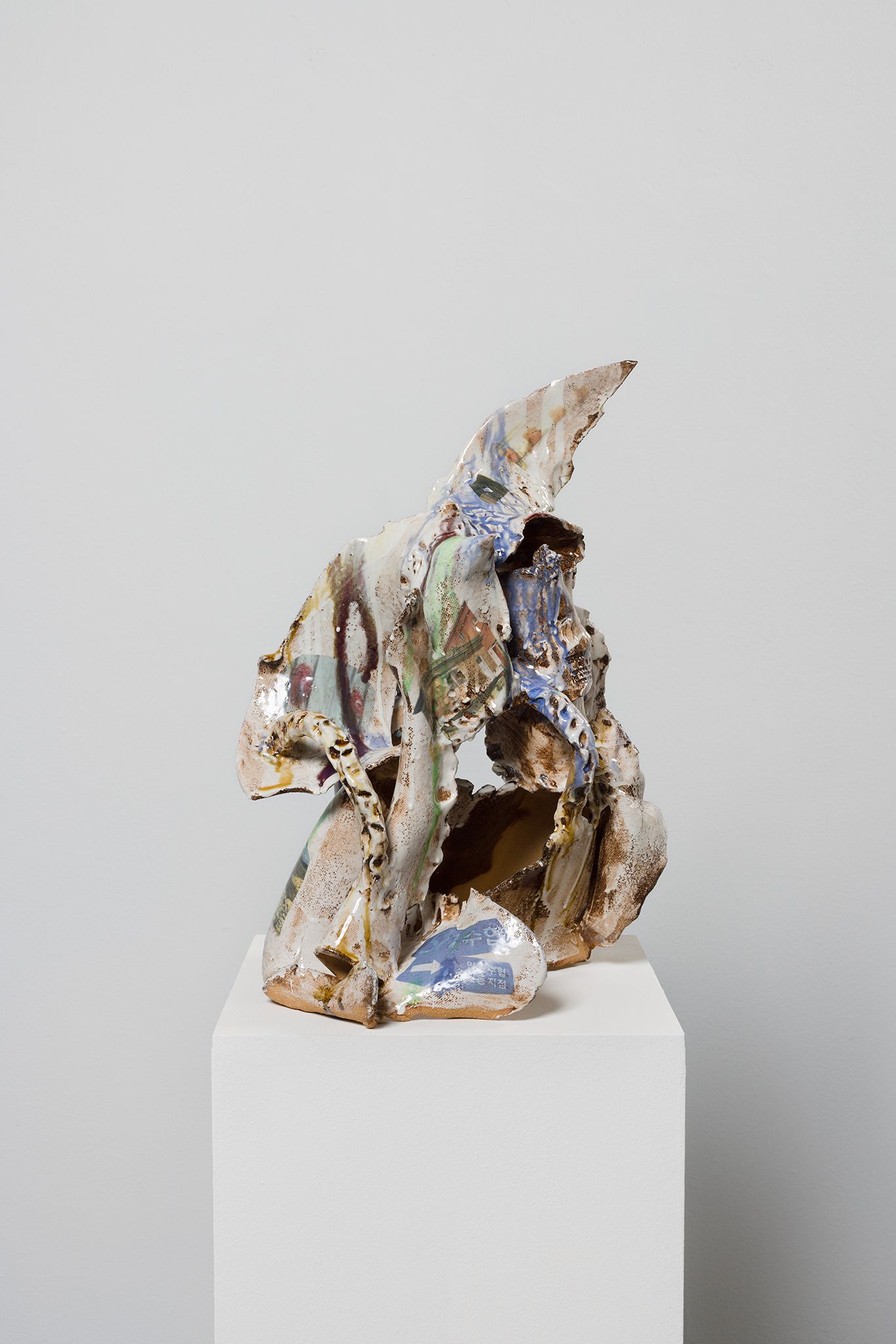
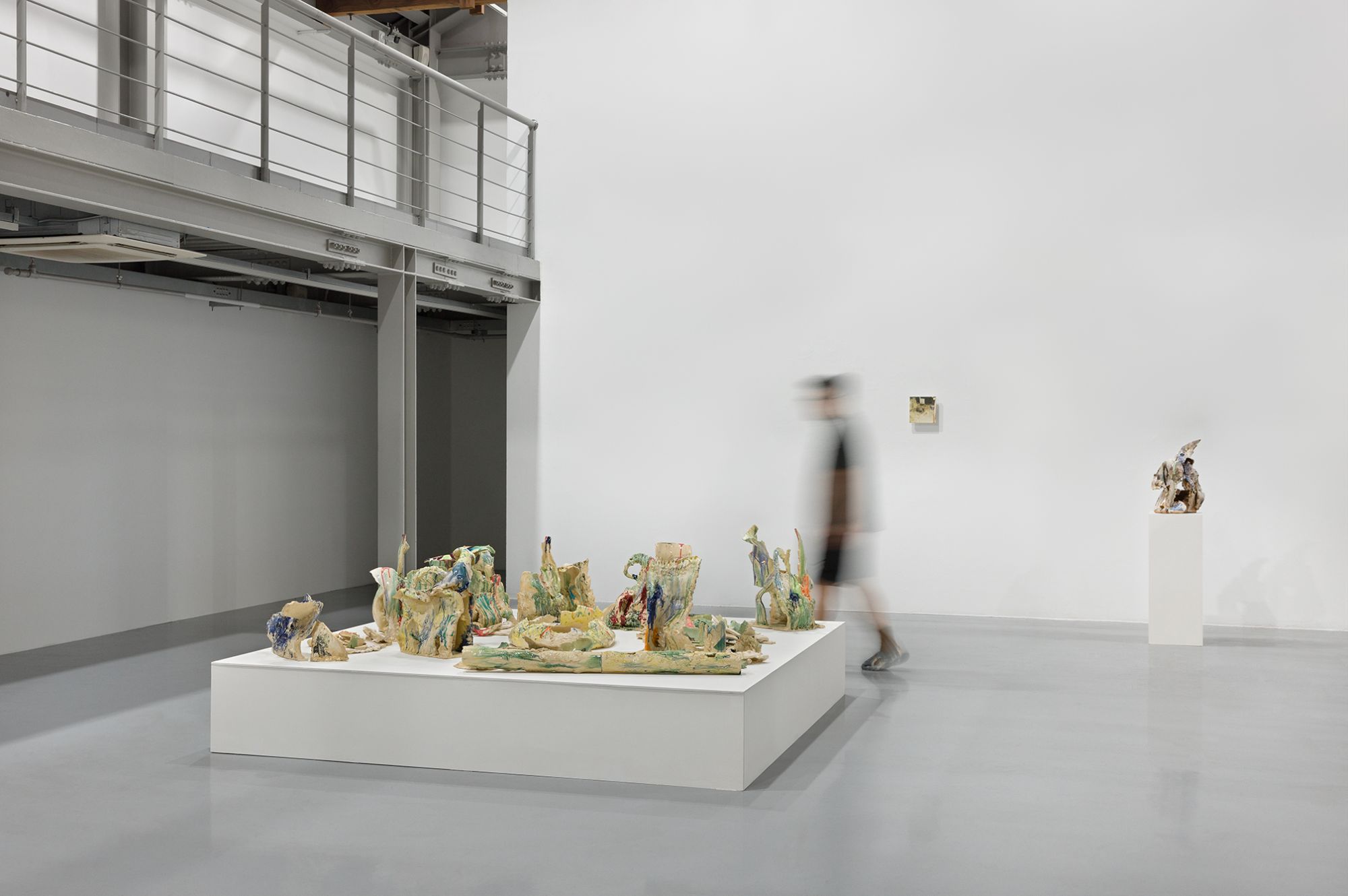
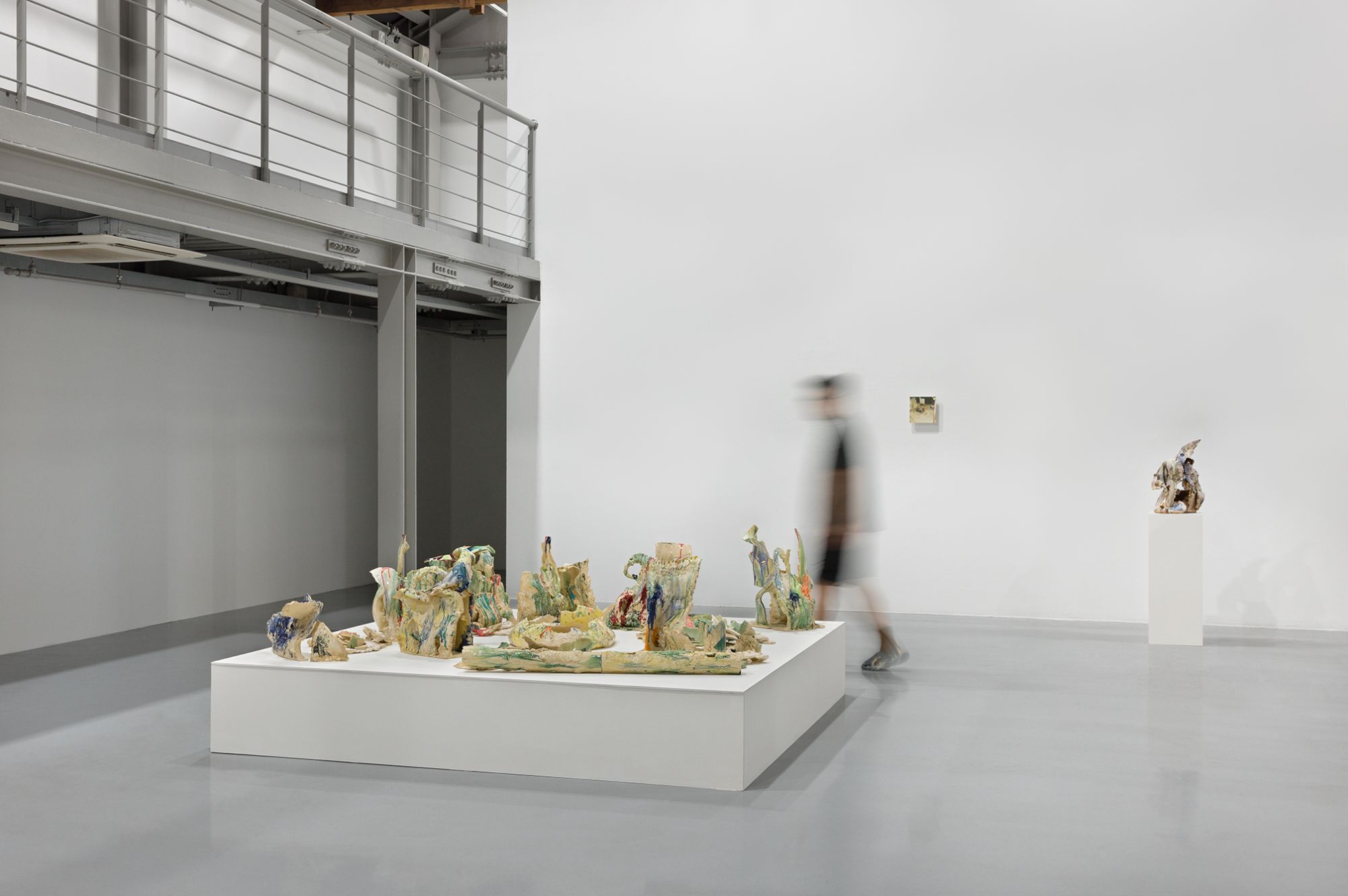
on ceramics, Eum Kixung’s practice freely combines materials such as household
waste, Styrofoam, stainless steel, synthetic resin, toys, neon, gold and
silver, digital ceramic decals, resin, paper, wire, and epoxy. The ceramic
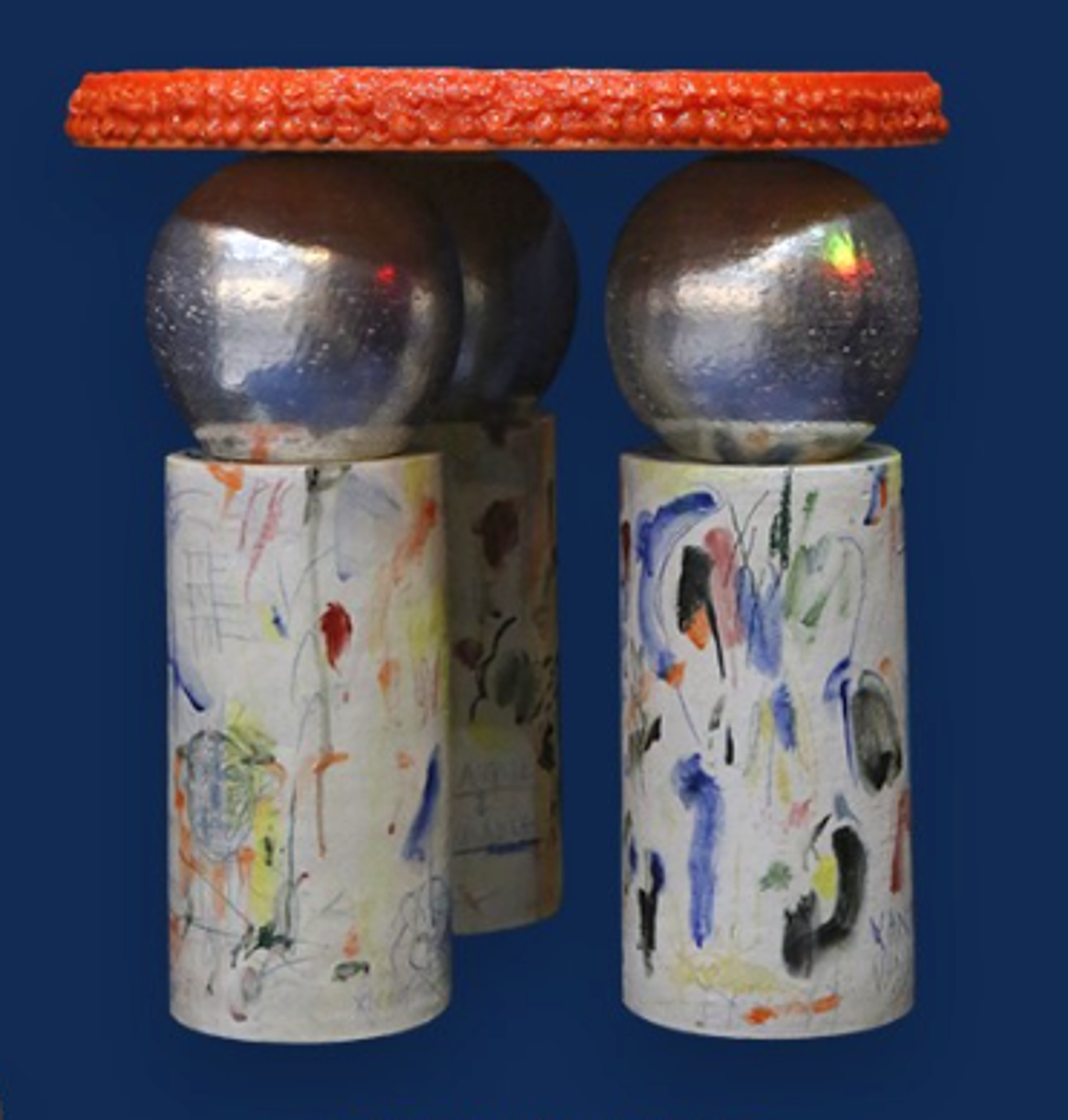
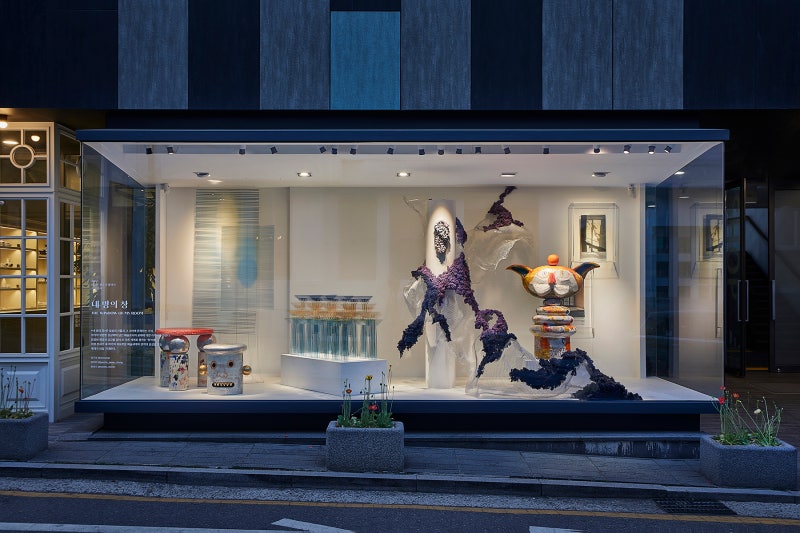
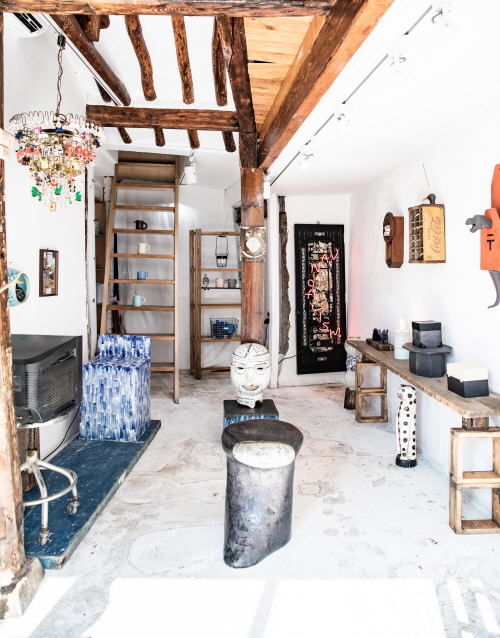
tables, stools, and chandelier-like works presented in 《Incomplete Harmony》 have decorative and
practical qualities, but in practice, they are closer to sculptural objects
than functional craft pieces.
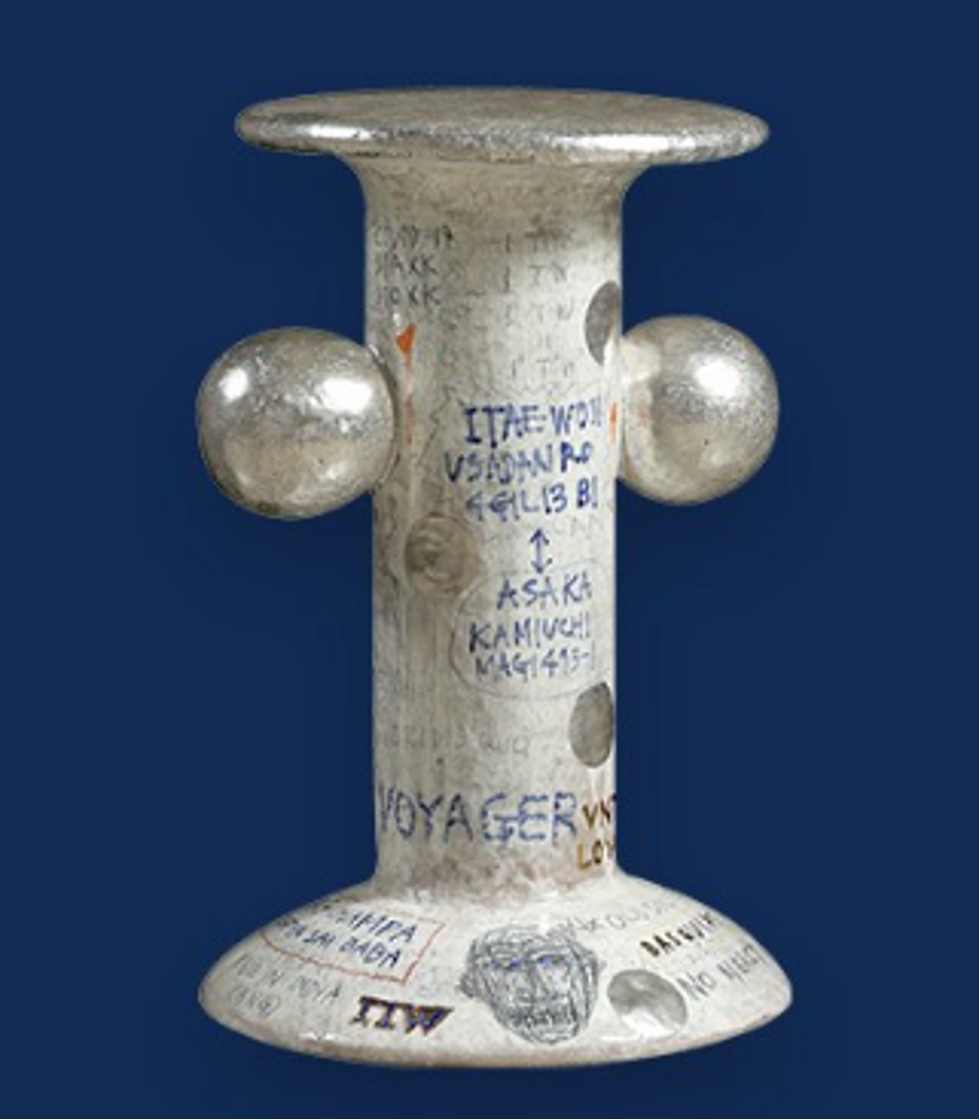
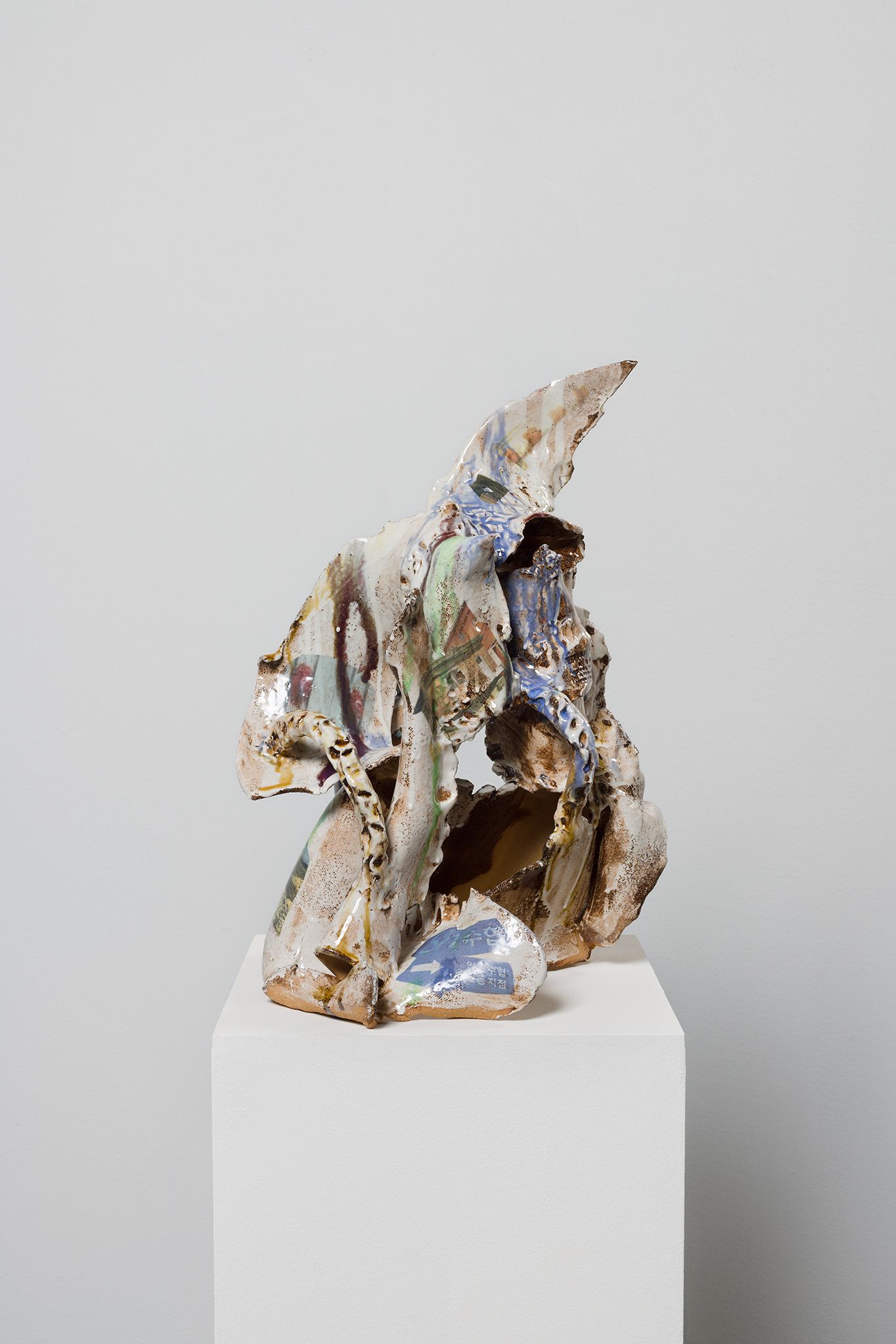
On the surfaces of ceramics, the artist places
keywords such as NAG CHAMPA, VOYAGER, COVID-19, ITAEWON, and ASAKA like
scribbles, layering decoration, message, personal taste, and the atmosphere of
the time onto a single surface.
While
being aware of the weight and limitations of clay, the artist has expanded
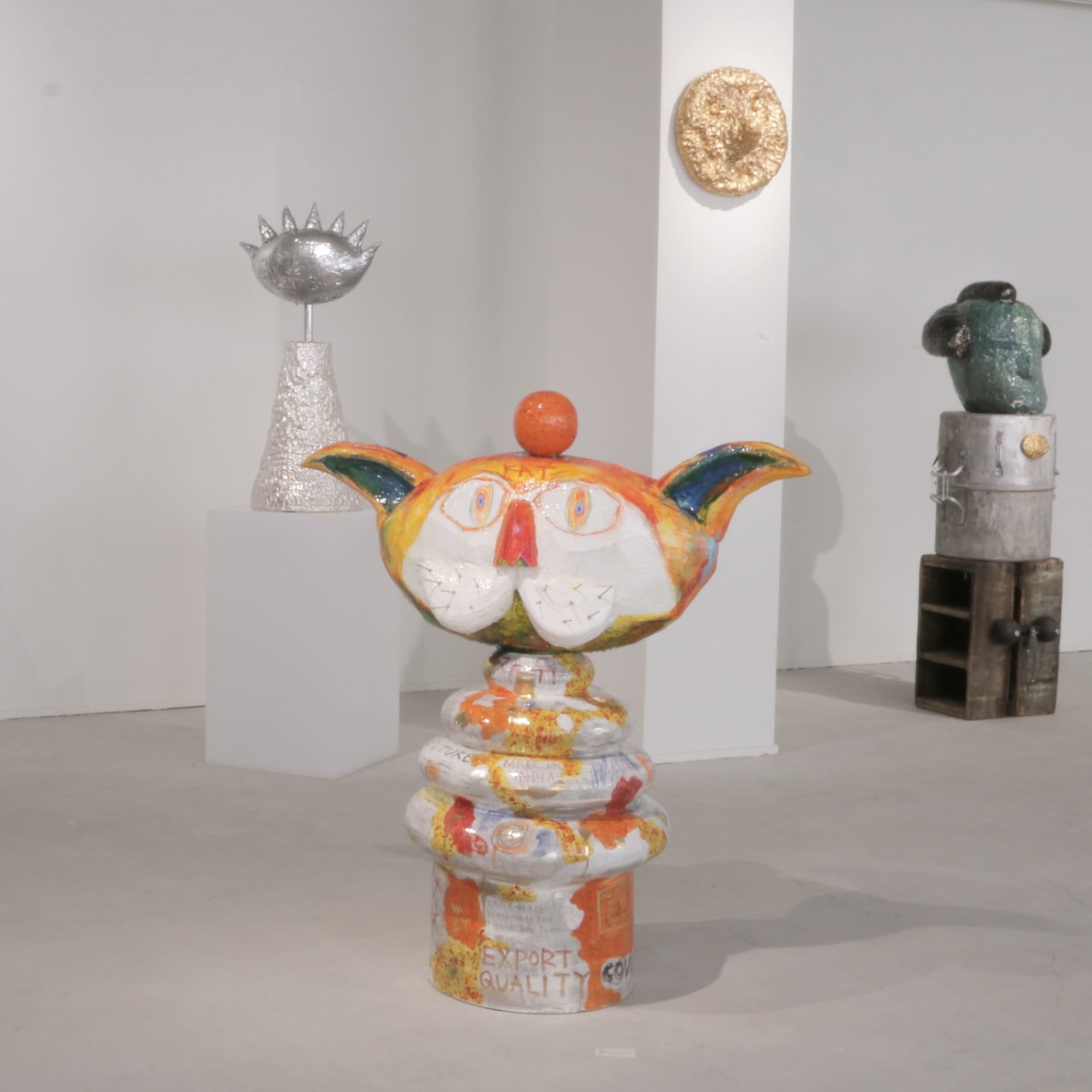
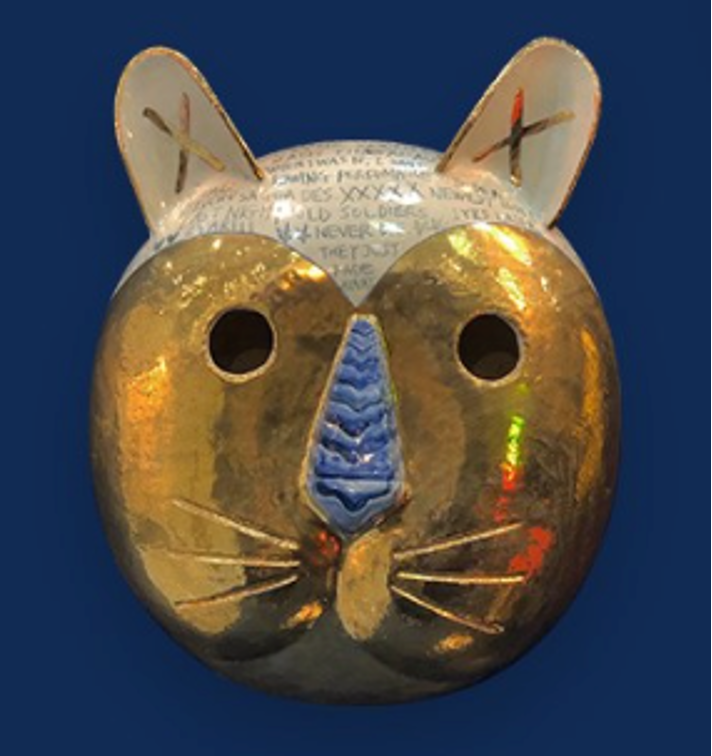
those limits through combinations with other materials. KAT
was developed as an extension of the 2020 work TAL(NEO
SCULPTURE), using two opposing materials, ceramics and Styrofoam,
together. Ceramics, with its weight, solidity, and glossy glaze, and Styrofoam,
light yet capable of creating a large sense of mass, produce different textures
and densities within a single work.
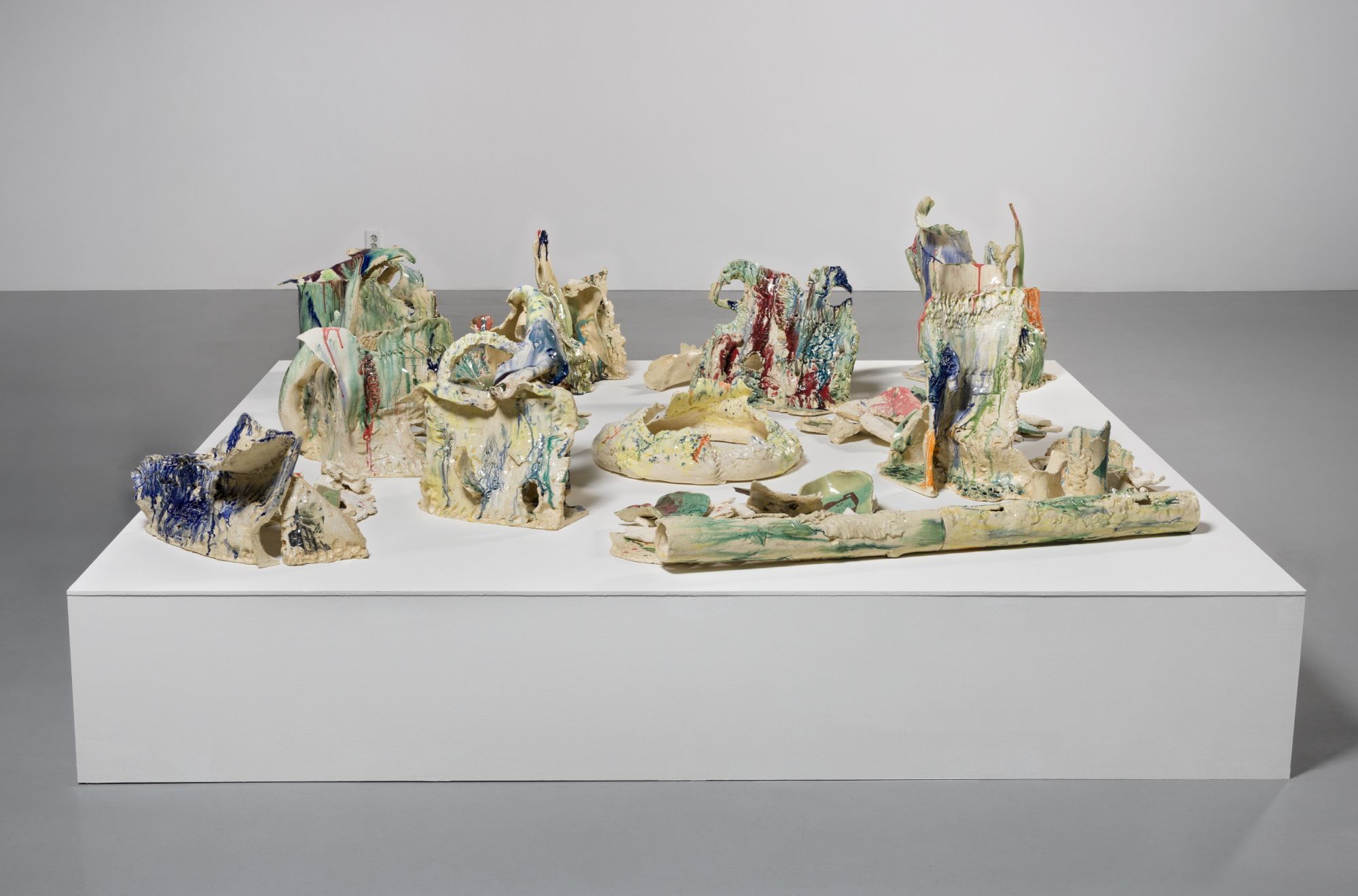
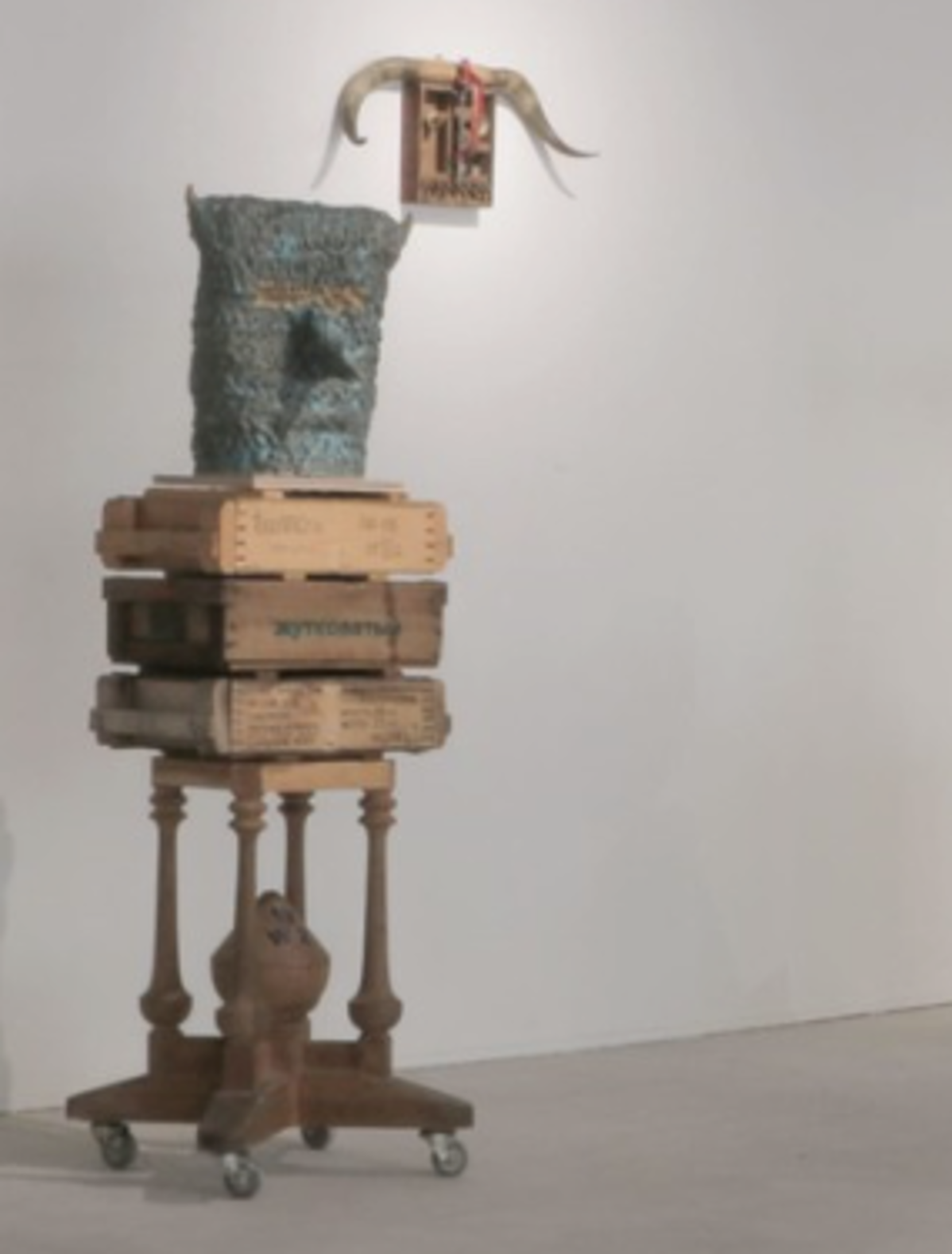
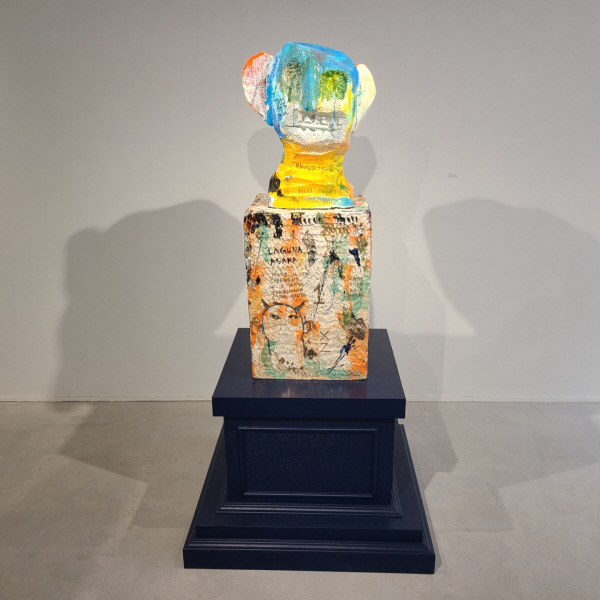
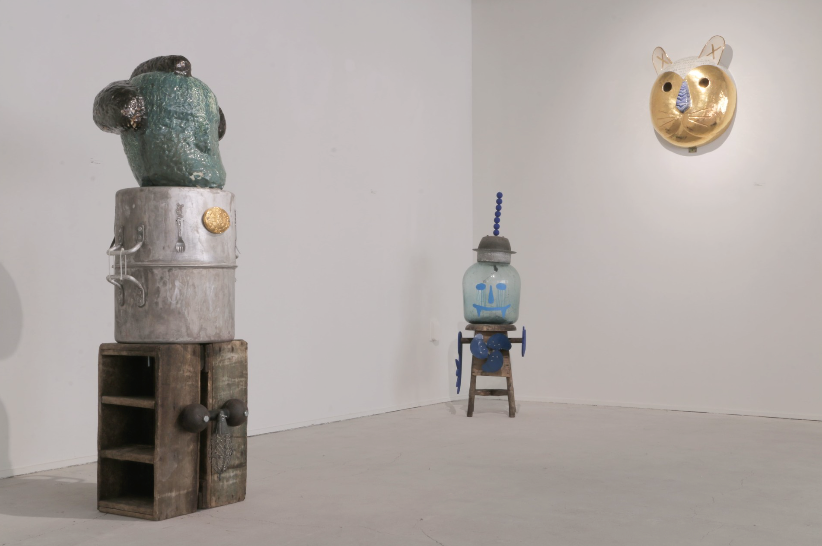
TERRIBLE Hybrid is also
a work in which heterogeneous elements come together as though forming one
body, revealing the artist’s sense of looseness, grotesqueness, humor, and
incomplete harmony. Here, hybridity is not simply a style, but a way in which
different cultures, objects, and identities collide and coexist within one
space.
After
2025, Eum’s material experiments became connected to ways of recording place.
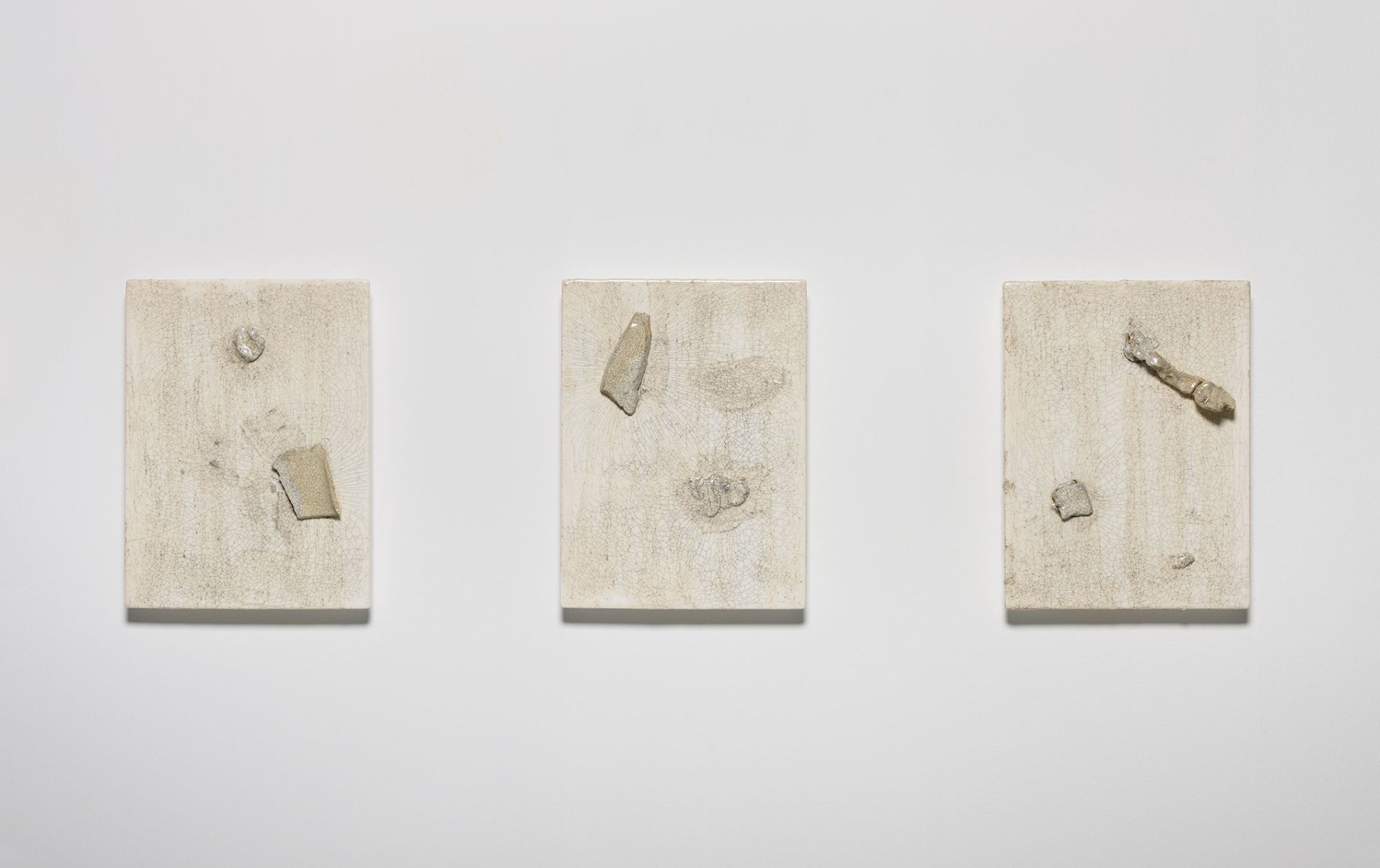
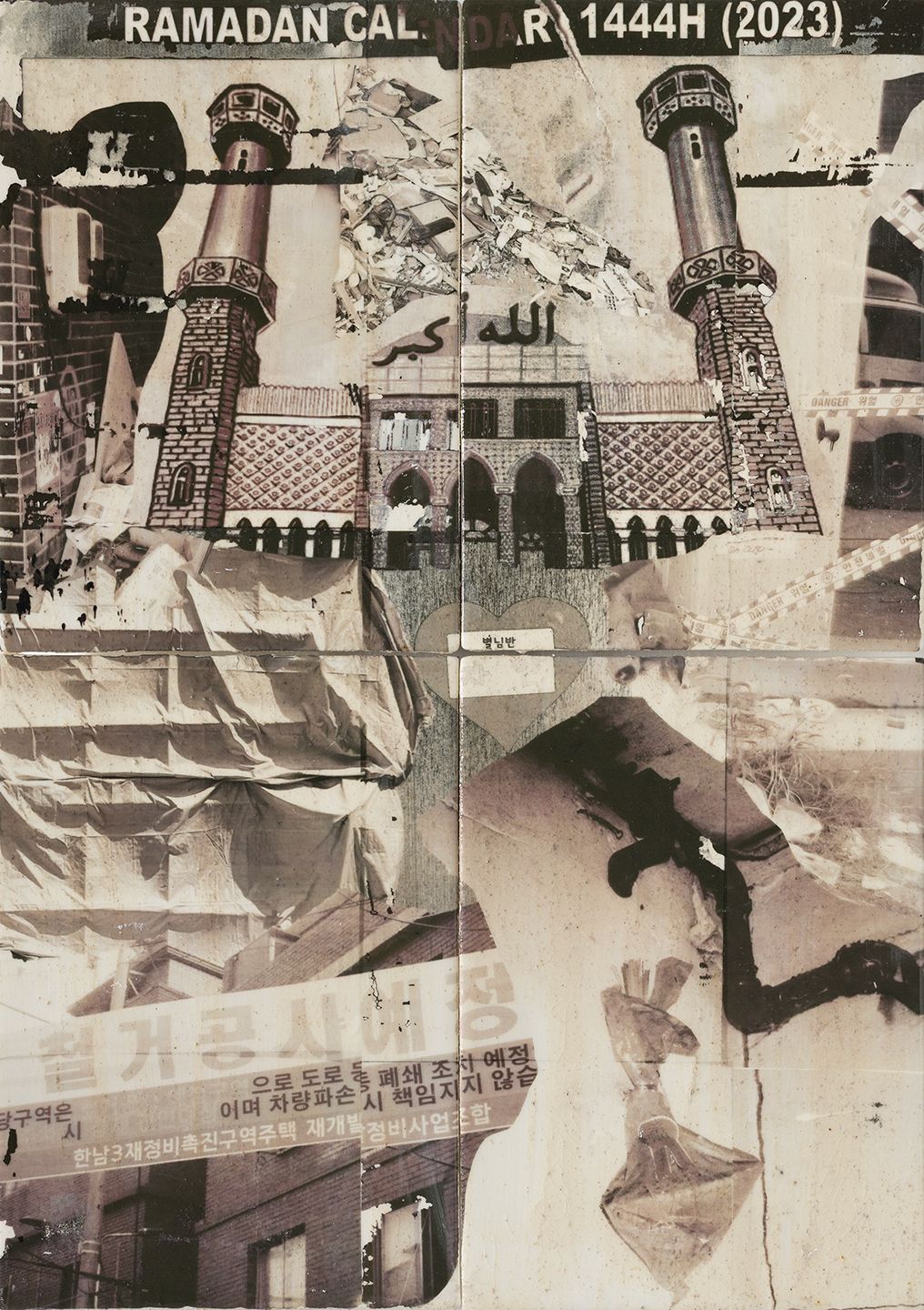
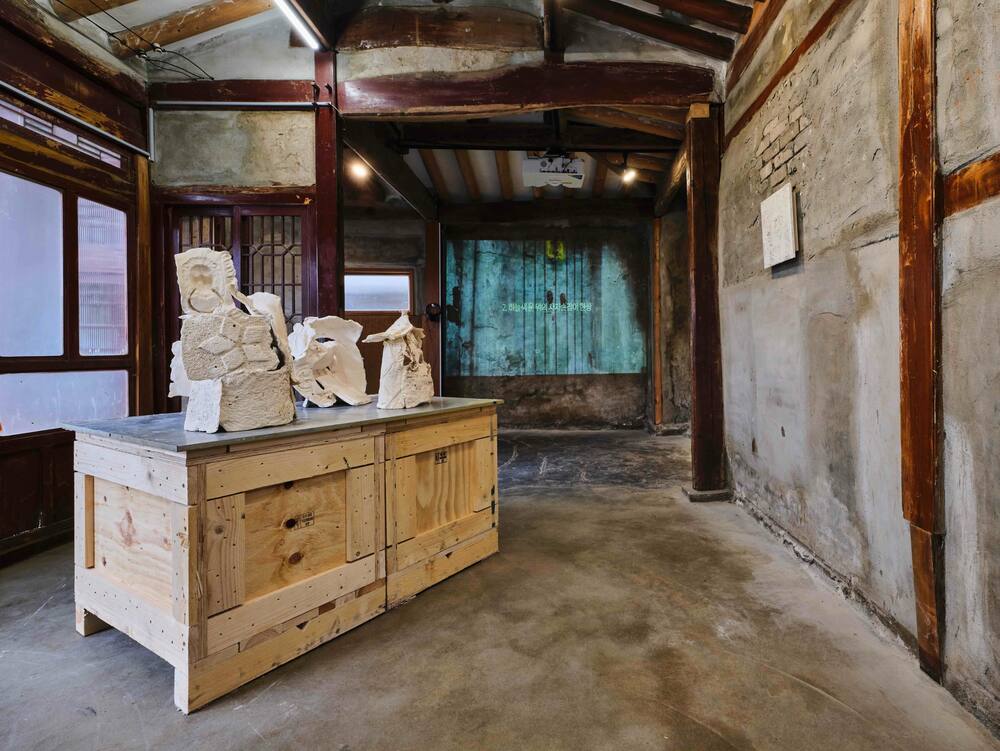
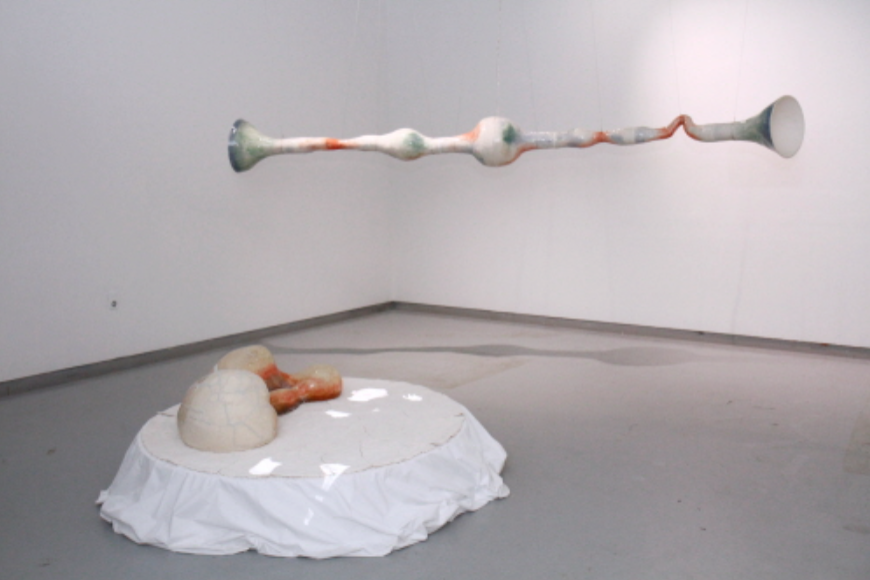
In 《Afterimages of Blurred Boundaries》, the artist translates cracks and fragments from redevelopment
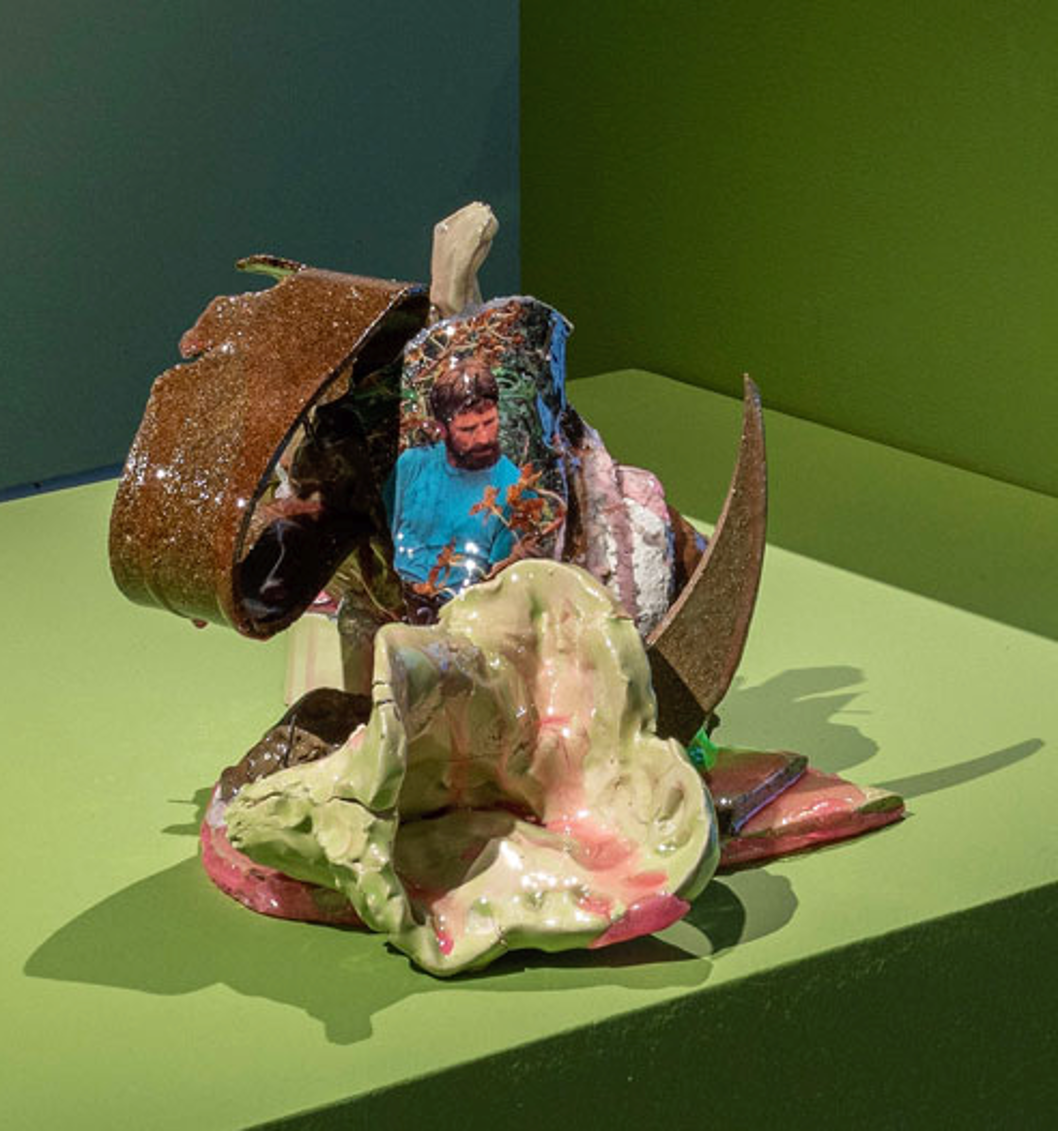
zones, vanished routes, and collapsed structures into ceramics, digital ceramic
decals, and glaze cracks. Cracked surface deliberately
reveals the cracking that occurs when clay and glaze meet, and visualizes the
sensations of destruction and injury through cracks made in glass and traces of
ink.
In 《Takvonsuzip Project 01 – Site Records》, rubbing appears as a new sculptural methodology.
Songwol-dong Red Clay(2026) translates geological samples
into a flat surface, while Terra-Cart(2026) combines mined
clay, steel plate, wheels, sound, and photographs to show the process by which
a place moves into another time and space. In this way, Eum’s form expands from
ceramic objects to installation, surface, record, sound, and moving sculpture.