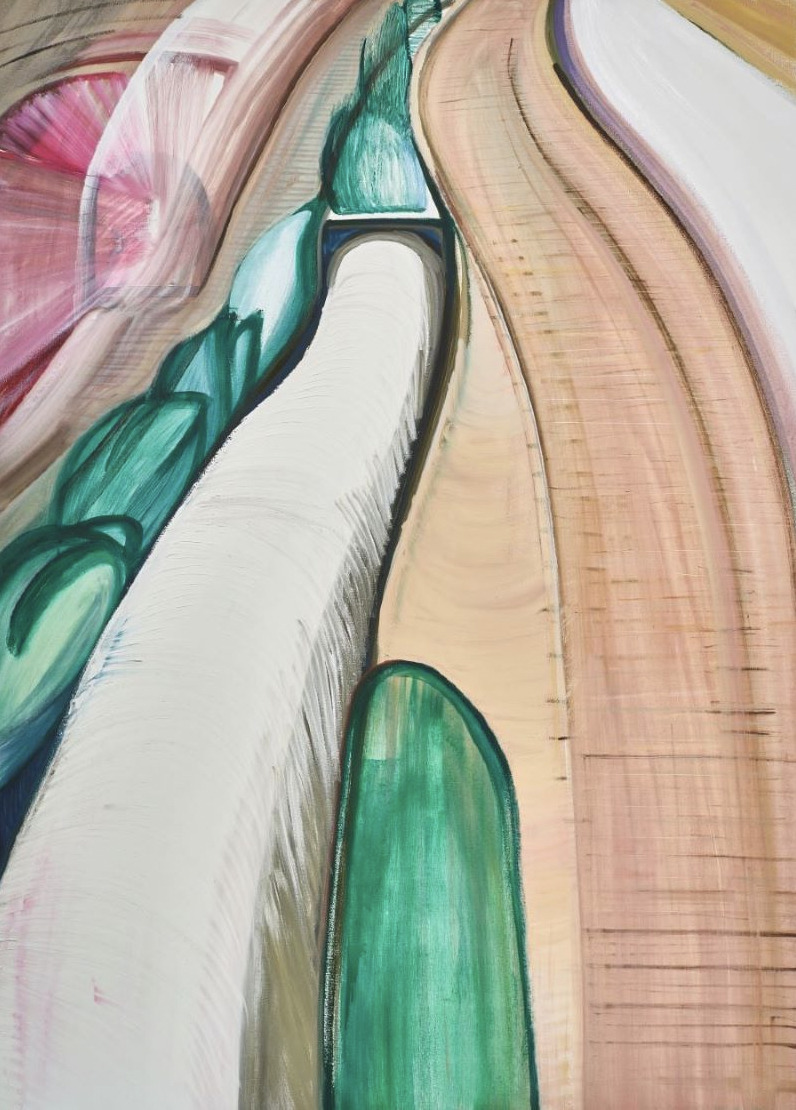
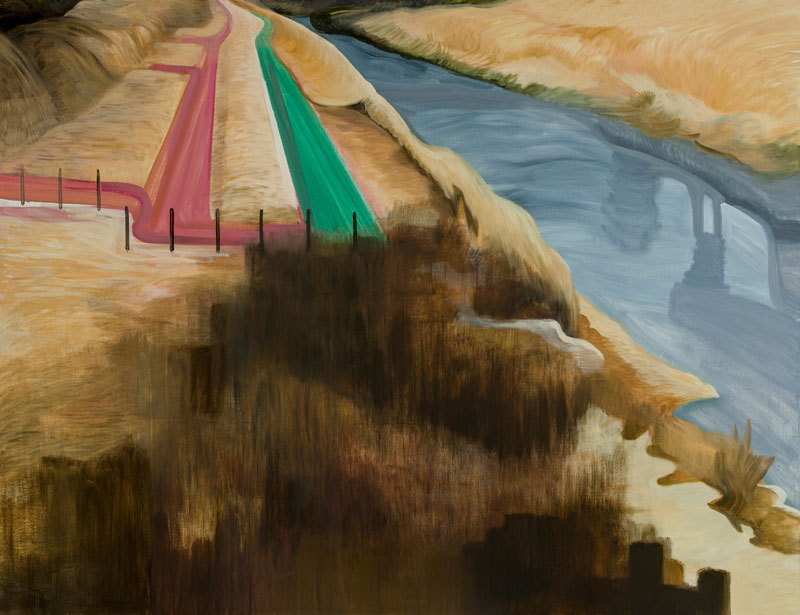
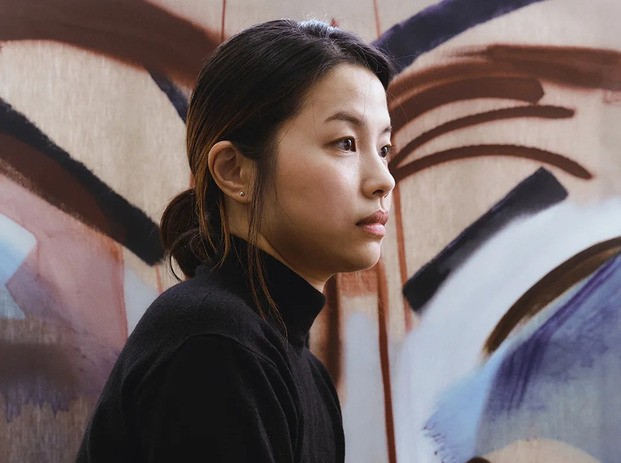
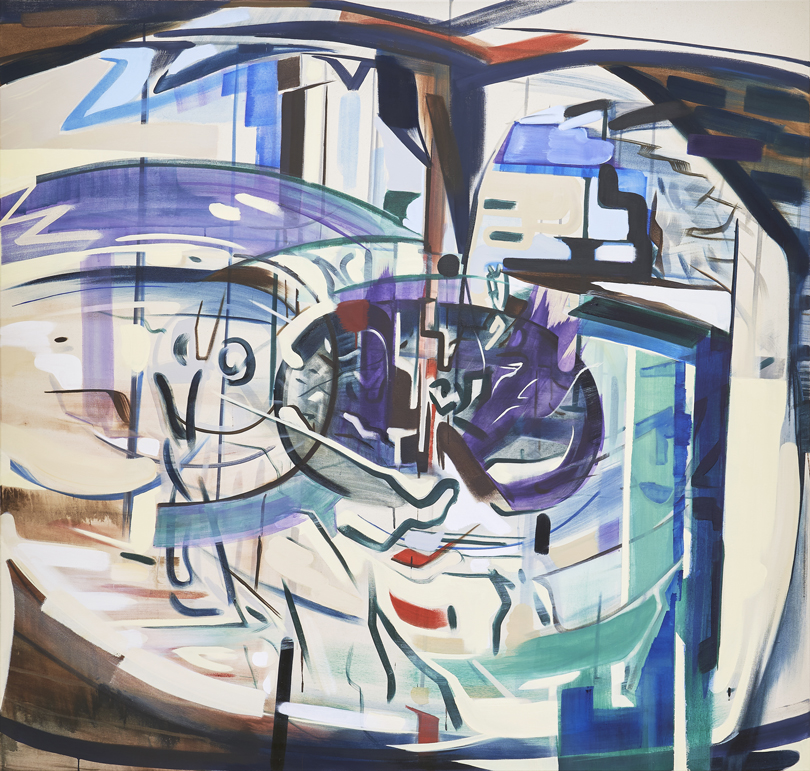
Artists who indulge in various
media, styles, and themes participate in the exhibition: Muyeong Kim, Seeun Kim,
Wonjin Kim, Taedong Kim, Issac Moon, Wunggyu Park, Hyeran Park, Vagyoomoo,
Hocheol Shin, Chorong An, eobchae, Kai Oh, Jungmin Oh, Jeisung Oh, Miryu Yoon,
Hyunsoo Lee, Nosik Lim, Doen Jang, Seo Young Chang, Hyerim Jun, Kyeongbin Jeong,
Eugene Jung, Taehoon Choi, Jihyoung Han (a total of 24 people/teams). And
Curators based in seoul write essays for the exhibition book: No-Won Kwak,
Malgeum Kim, Mijung Kim, Jinjoo Kim, Hyun Jeong Moon, Hyung Shin Yoon (Ho Cheon
Yoon), Minjoo Lee, Jintaeg Jang, Seawoo Chung, Yuki Konno, Hojeong Hur (a total
of 11 people). At this exhibition/market, set up as a public domain of sorts,
where actual sales would take place, gathered participants seem to play alone
at first glance, unrelated to the space or to the others.
In fact, most of the
participating artists have no real market experience, such as selling works,
and they do not share any special solidarity or bond regardless of it. It can
be said that each of them has continued creating their own art, and though the
degrees and types are varied, some have received constant and sometimes much
attention from the market. Nevertheless, they are somewhat distanced from the
aforementioned quirks of the art market. Artists in the exhibition become aware
of the fact that they are distanced from a certain market but at the same time
engage as participants, causing an anonymous crowd, a two-faced, arbitrary
existence, to thoroughly examine their own status.
Hoping to reveal new forms of
contemporary tensions, Derby Match: Watchman and Spy
evidently positions itself as a market, and encourages the artists to enter
this market place. Within this clarity, the artists partially or completely
recognize their special relationship with the market in their own ways. Some
reject the market and others show how intimate they are with it. Some mock,
admire, ignore, and obsess over it. Others would self-deprecatingly stare at
their opponents.
What’s clear from this, they do not shortsightedly lean toward
either “destruction” or “creation” in market affairs, and rather than expecting
immediate results, they measure its internal/external effects based on the
theme and form of their previous works. In other words, the exhibition’s
strategy to “take part” reaffirms the – subtle – existence that continuously
checks the distance between itself and the market. That existence just might be
upcoming movements of potential, if not youth or novelty.
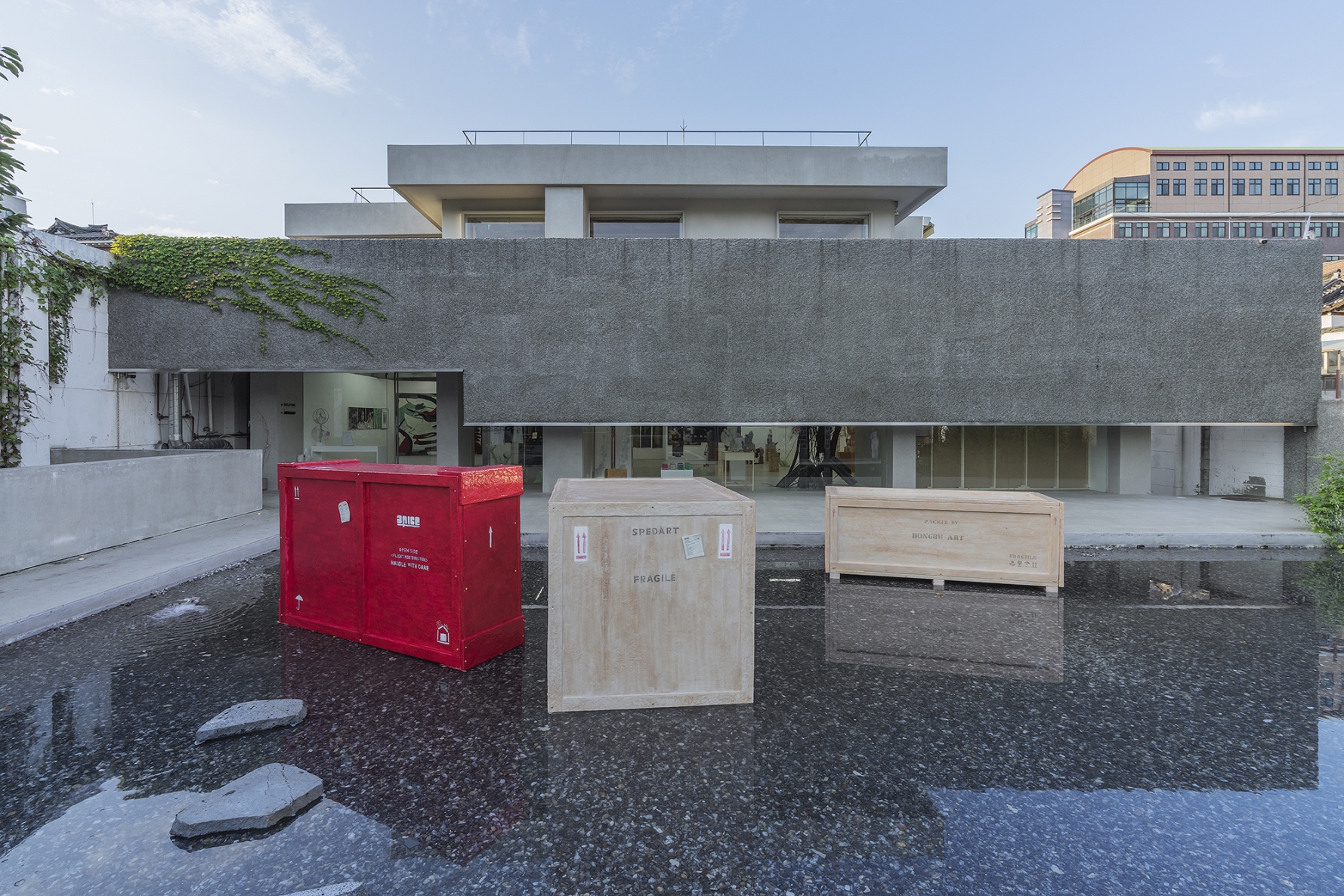
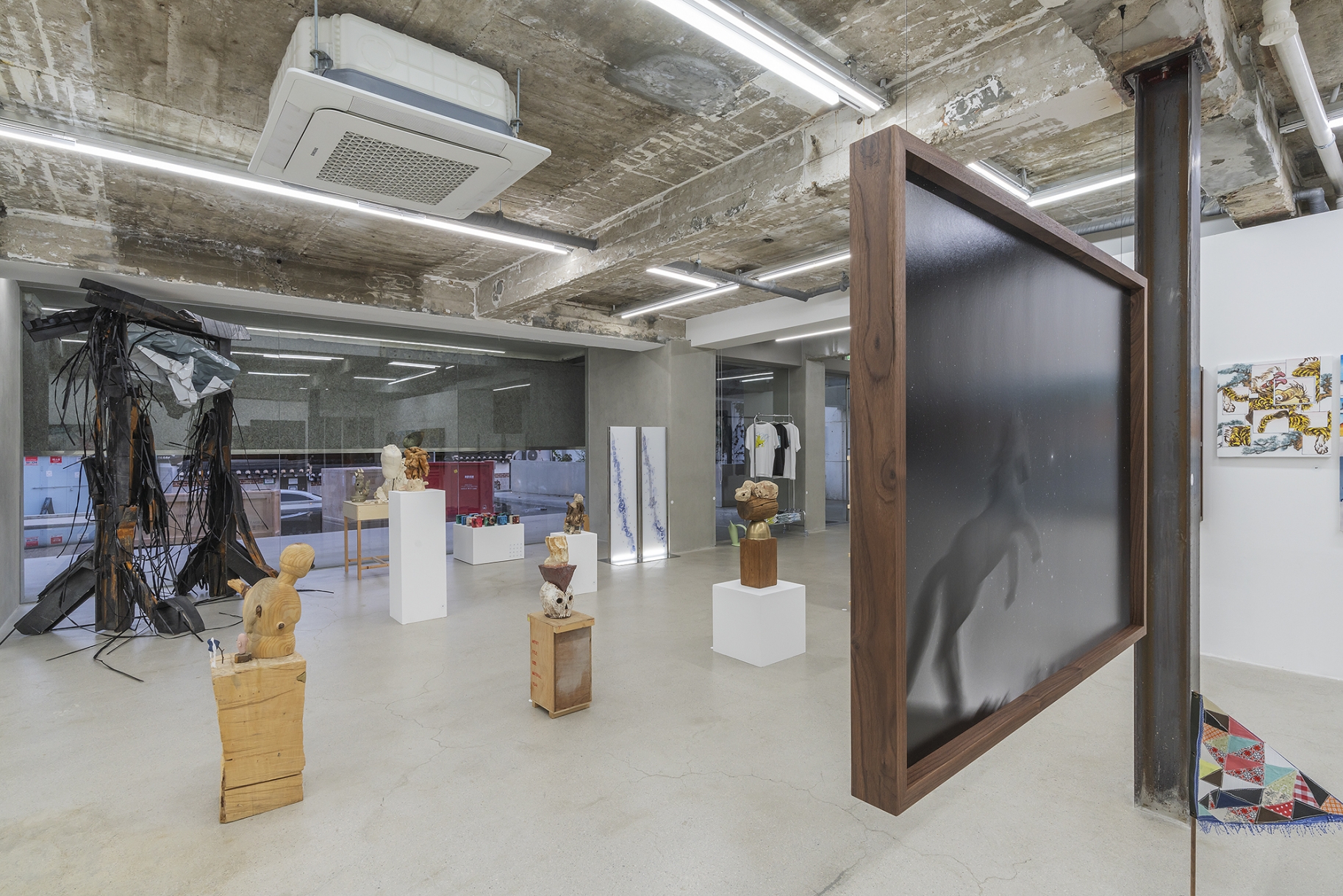
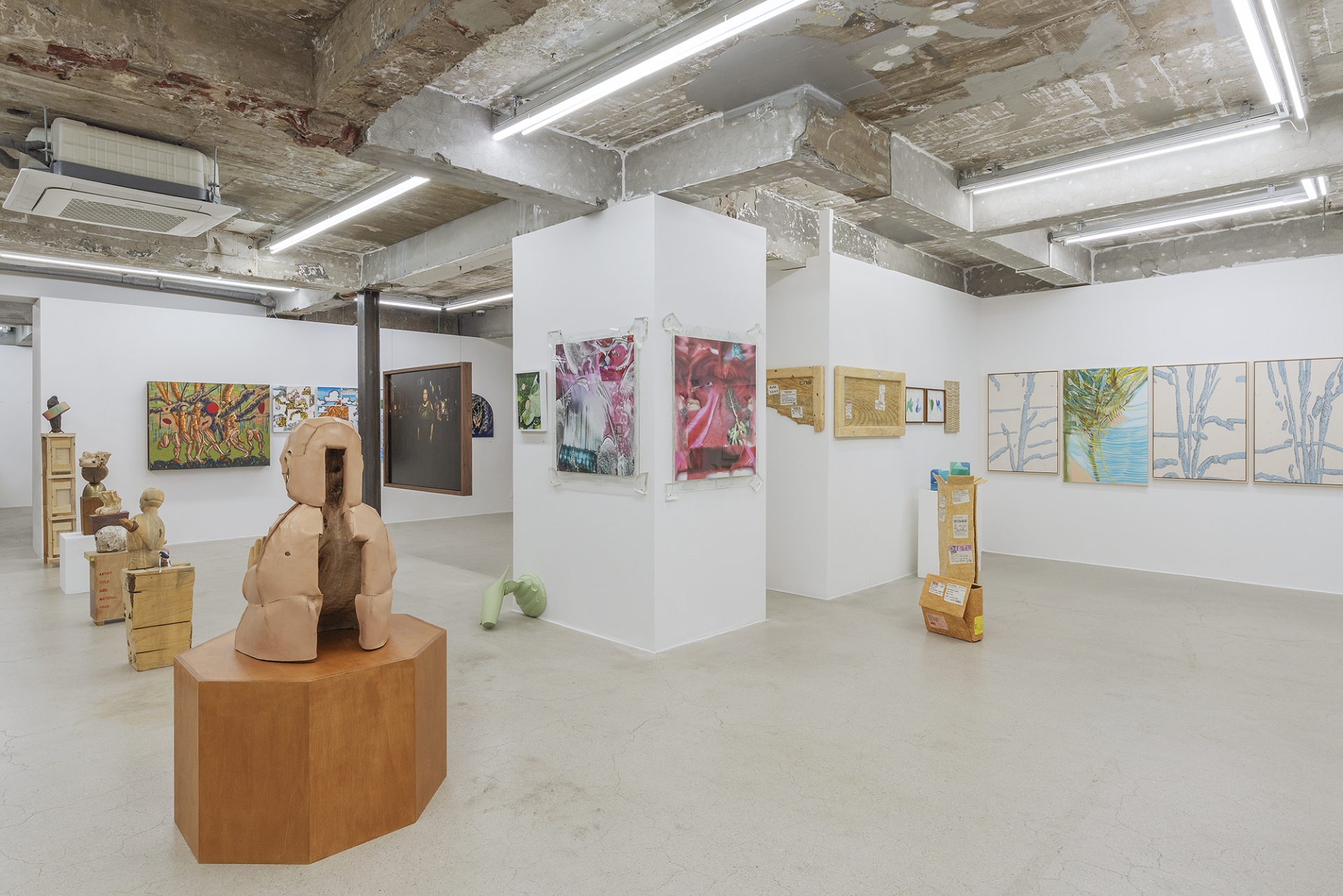
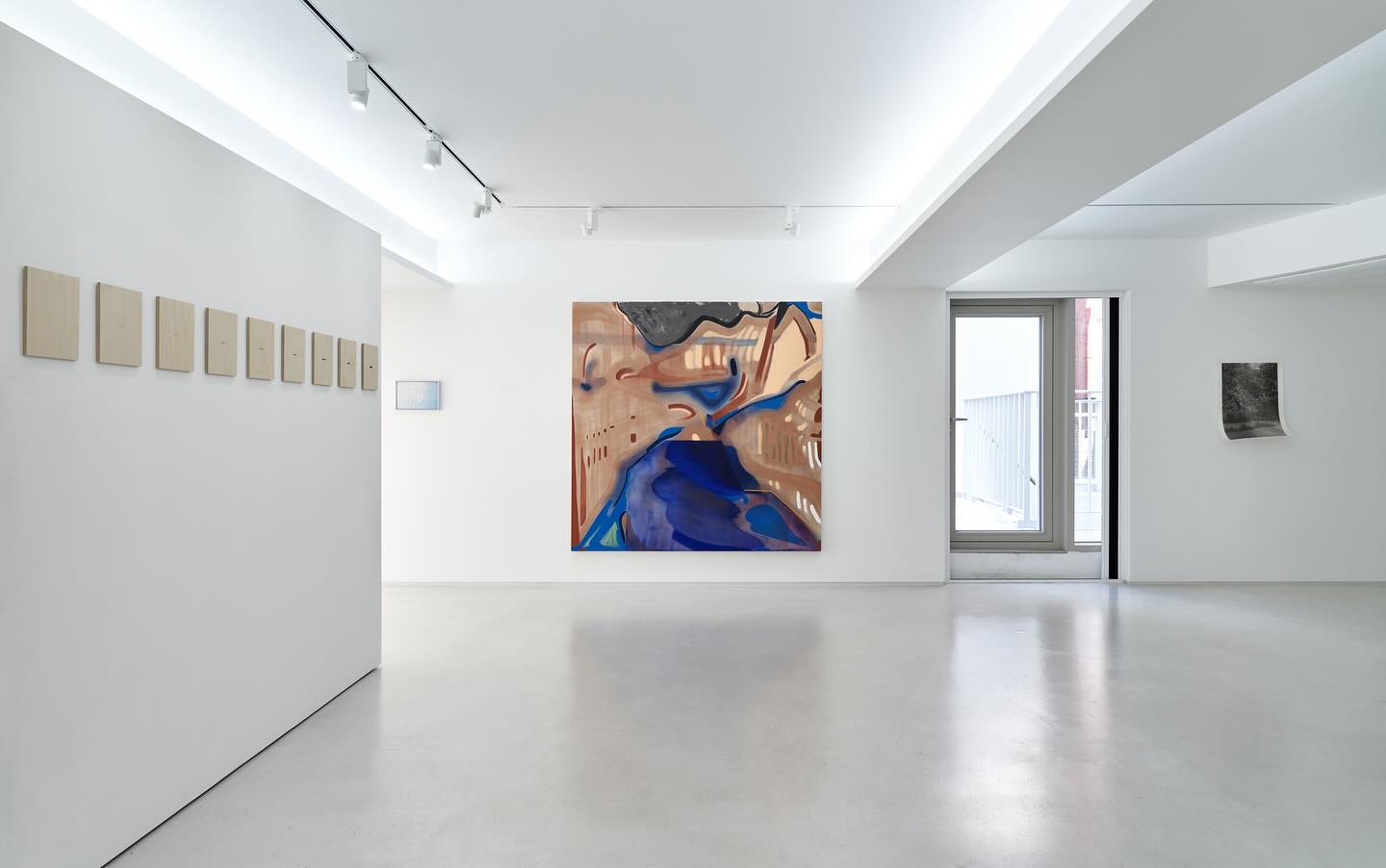
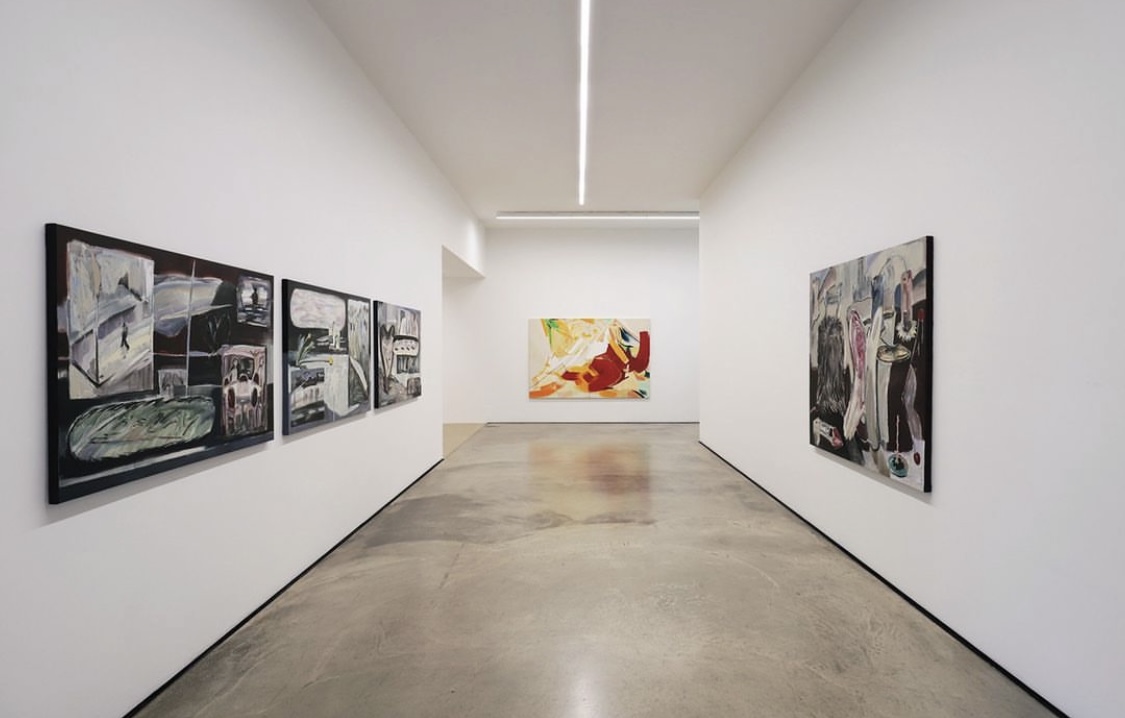
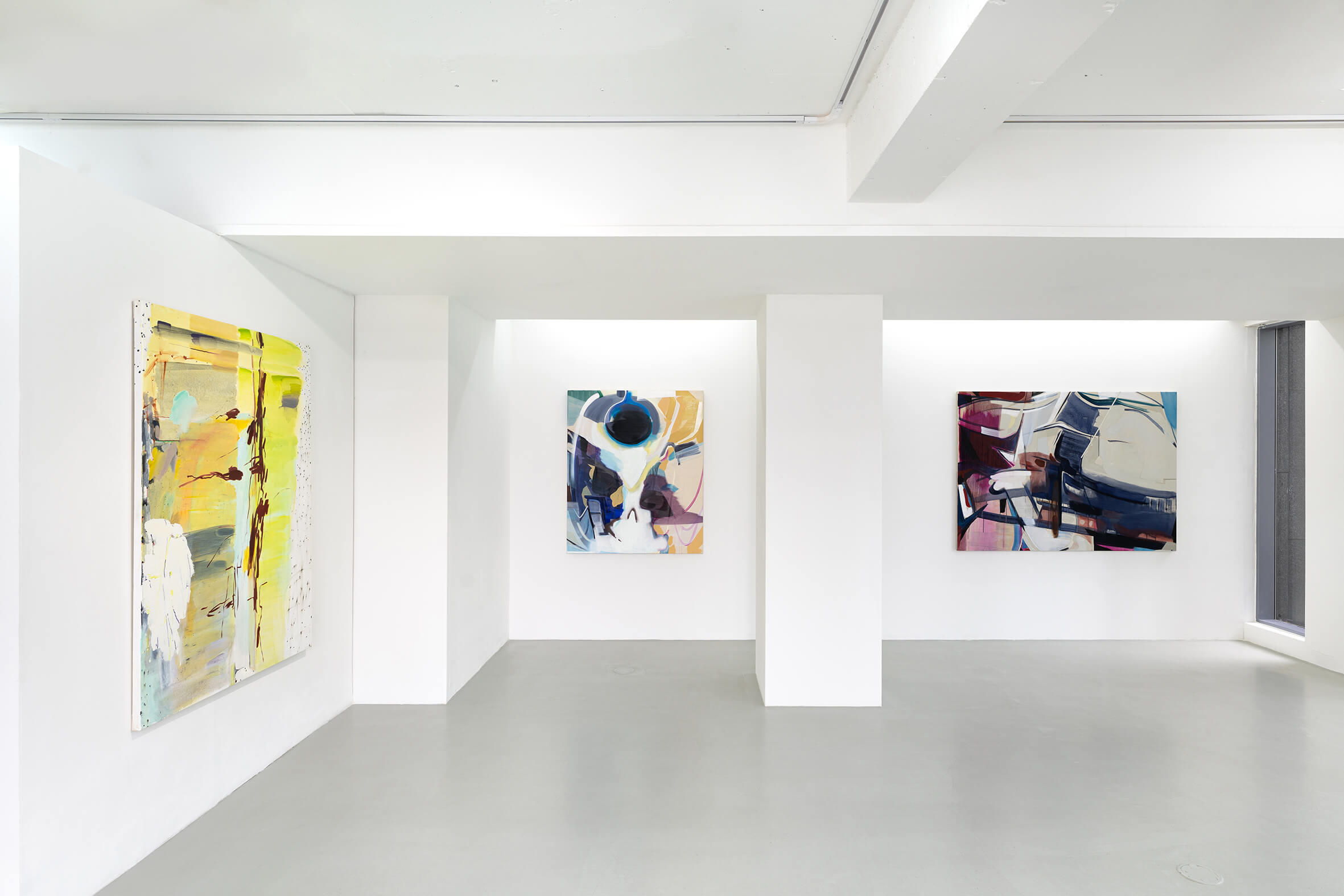
These movements are lined up in
the exhibition under the same conditions. All works, no matter their size,
theme, or medium, are tightly hung and put on the same line. Through this, the
exhibition attempts to display the market as a public space and show the
individuals/groups out of it. As a singular event and
a response to the tradition of “rooms” that embody the history of art and to
the “show rooms” from art fairs, the exhibit quite aggressively eliminates all
directions on presenting image/substance.
Perhaps this may be another
spectacular strategy that would counter the market spectacle, but without the
spangles or fantasies. This is also applied in performances of Muyeong Kim and
( )(Rakta, Minhee Park, Joyul, Hwi) which would be parts of this
exhibition. These visualities of the exhibition would partially result in
giving up the traditional atmosphere of exhibition that is aesthetic and
contemplative, but at the same time evidently display this loss. The exhibit
aspires to function as a window or a mirror, a dual space in which both sides
are simultaneously recognized, where the viewers are encouraged to speculate on
the current situation they are faced with.
The double tension that occurs in
the process of checking the distance and reaffirming the existence related to
the exhibition/market leads to another space: the exhibition book, at the end
of the show. To be precise, it is lifted and newly organized. The 11 curators
who participate as writers conduct free writing in their positions, and the
works of the participating artists can be their starting point. Through various
approaches and propositions, articles that would issue the world outside of and
after the exhibition/market disassociate the art works from clarity or misuse..
This dissociation would probably fail to be a complete success, but there is no
reason not to try. Though it may not be a heroic achievement, the attempt would
escape from the incontestable truth of the spectacle, and provide a path that
heads towards varying times, the now, and individuals.
The act of “taking parttaking
part” referenced in Derby Match: Watchman and Spy takes a much
clearer form than expected. It follows a strategy of protocol instead of
unconditionally criticizing or attacking the opponent. It accepts the
inevitability that is found in the peculiar phenomenon of the art market in
September with pleasure and aspires to mimic its fashion. Surely there is a
certain urge to criticize and dismantlein this scheme. That urge evaporates as
soon as it is audibly expressed, but the space of mimicry that is soon to be
closed is quite vast; more than one can imagine.
In that space, you might not
successfully overthrow the opponent, but would speculate upon and dwell on it.
In the same process, participants of the exhibition may become watchmen or
spies who conceal their faces. Return to A Confederacy of Dunces,
Ignatius attempts a dual collusion by diving into the world, which he labels as
full of fools, where he himself is labeled a fool. He fails to find any real
gains, but there remain a messy comedy, gleaming episodes, and touching,
tearful scenes and lines.
Both parties who attempt to mimic and those who
observe indulge in the excitement and tension of the market. We hope that our
camouflage, which needs not one but many interpreting methods, to shine, and
that beyond the uniform generality, clear acts and movements of individuals
would be noticed. Do chase the footsteps of (exhibit-less) exhibitions and
(sale-less) sales that confront and mimic the market and fantasize about a
second scheme; thus attract the phenomena around them and re-solve the shattered
puzzles.
Artist: Muyeong Kim, Seeun Kim, Wonjin Kim, Taedong Kim, Isaac
Moon, Wunggyu Park, Hyeran Park, Vagyoomoo, Hocheol Shin, Chorong An, eobchae,
Kai Oh, Jungmin Oh, Jeisung Oh, Miryu Yoon, Hyunsoo Lee, Nosik Lim, Doen Jang,
Seo Young Chang, Hyerim Jun, Kyeongbin Jeong, Eugene Jung, Taehoon Choi,
Jihyoung Han