Exhibitions
《Korean Traditional Painting in Alter-age》, 2022.10.28 – 2023.01.08, Ilmin Museum of Art
October 26, 2022
Ilmin Museum of Art
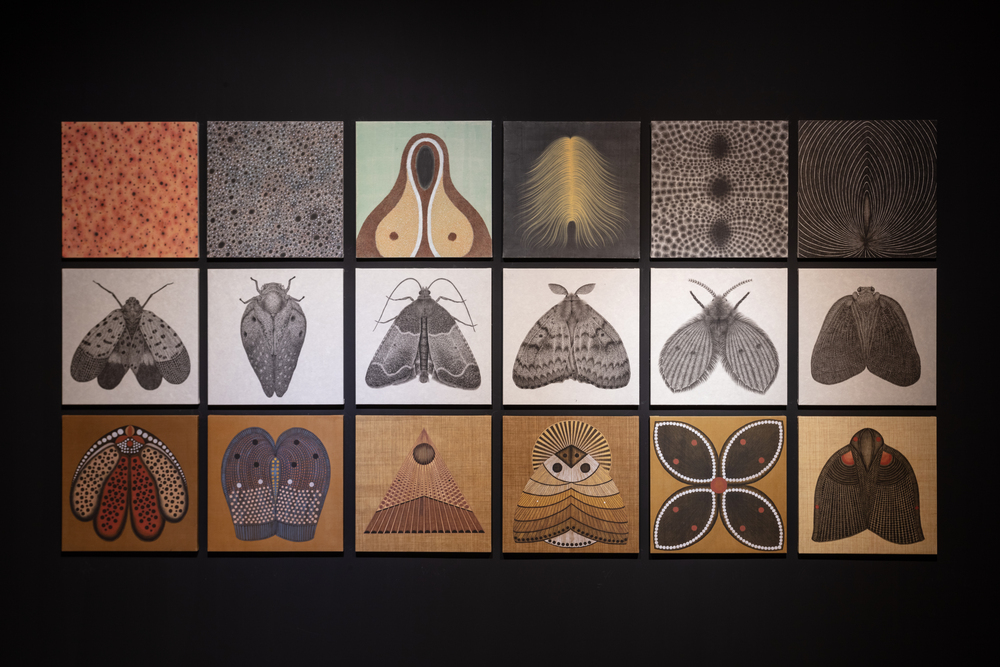
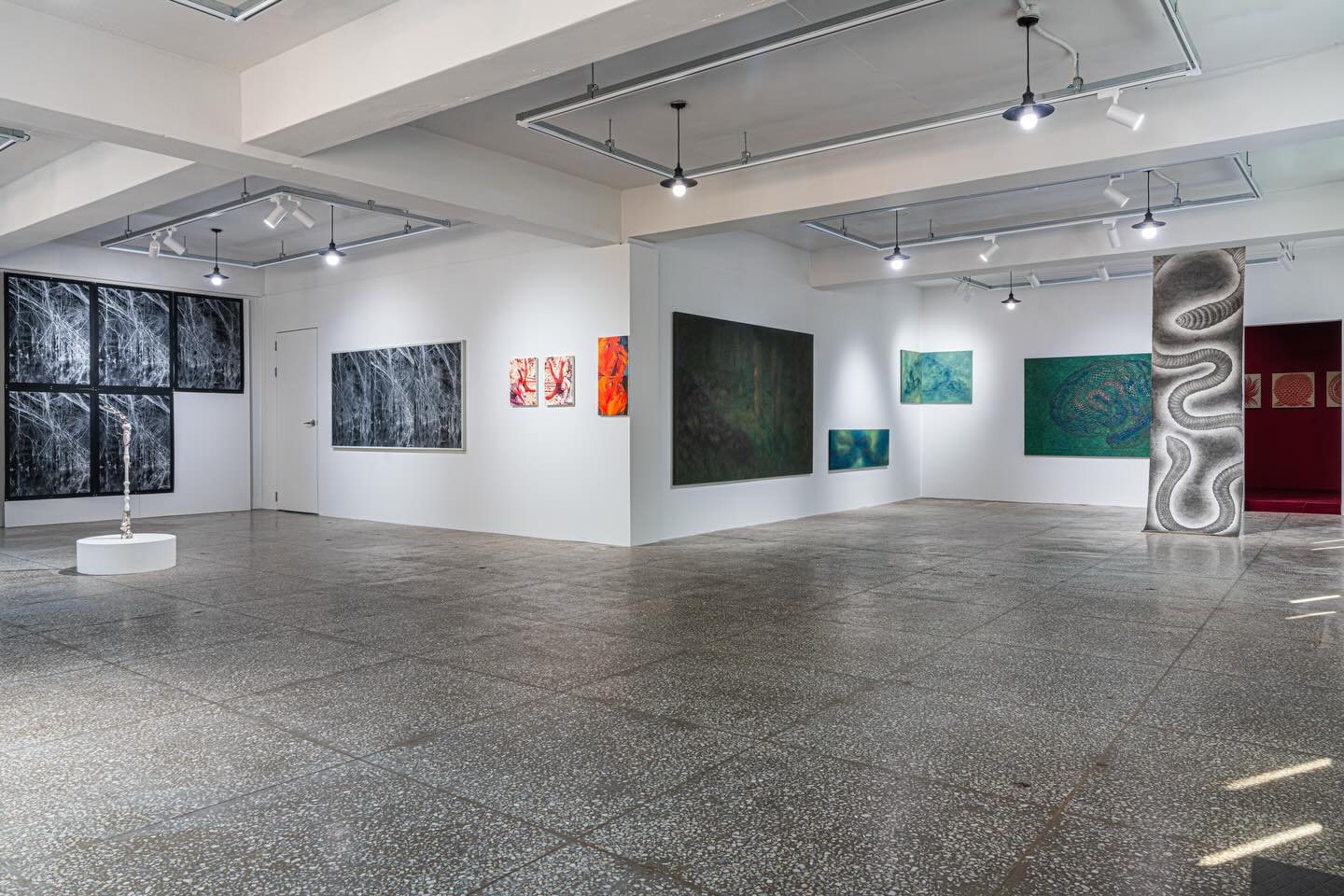
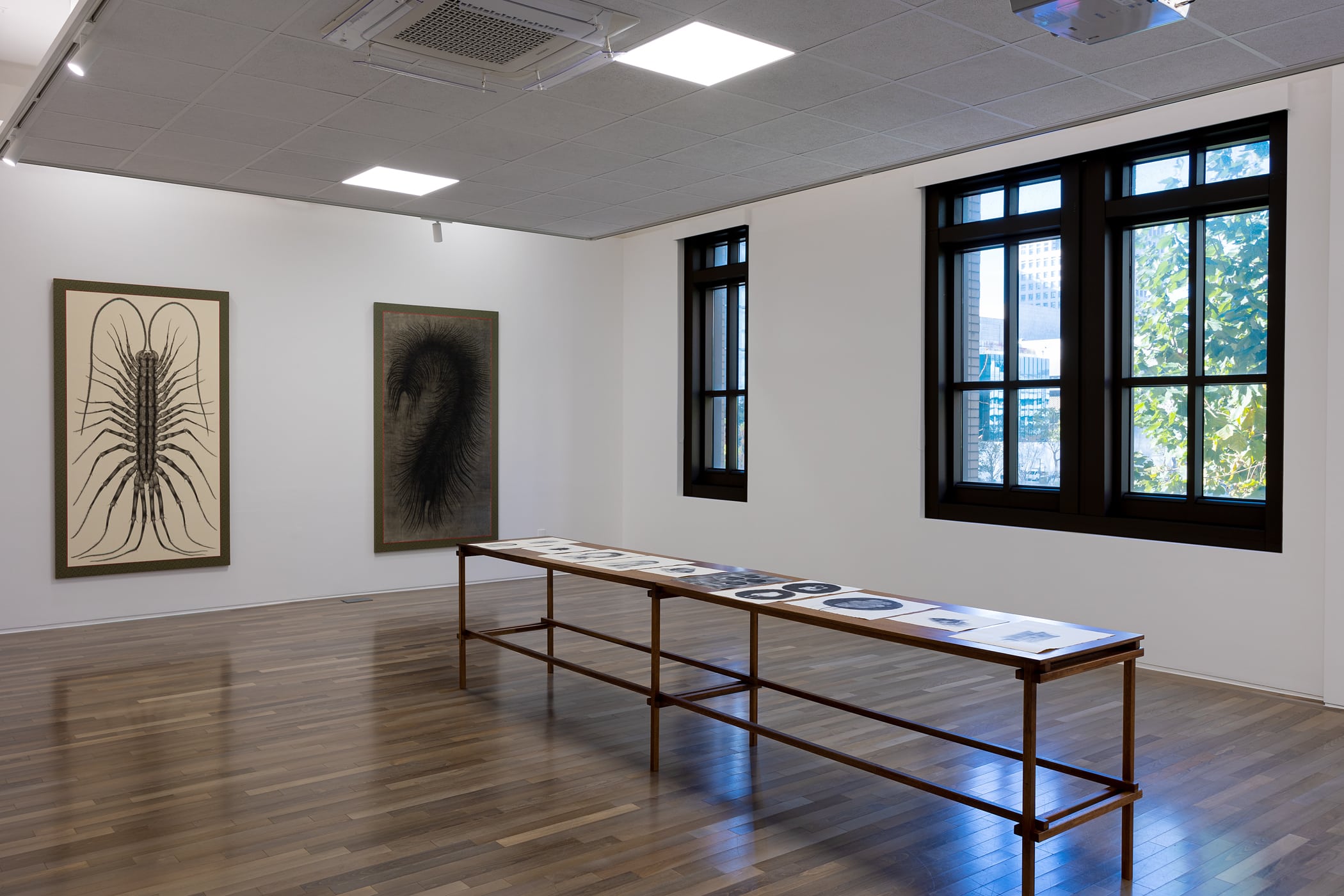 Installation view of 《Korean Traditional Painting in Alter-age》 (Ilmin Museum of Art, 2022) © Ilmin Museum of Art
Korean
traditional painting refers to “hwa” (畵, painting) as distinct from “suh” (書,
calligraphy) among “suh-hwa” (書畵) that make up a
significant branch in Korean traditional art. In other words, Korean
traditional painting is a modern genre distinct from traditional art and
naturally, at the same time, a counterpart to modern Western painting. The
concept of Korean traditional painting gradually developed in the 1950s and
became established in various parts of Korean society in the early 1980s.
Unlike the Chinese Guohua (國畵) or the Japanese Nihonga,
Korean traditional painting accommodated a more comprehensive theory of Eastern
painting, allowing for ideological causes such as “eschewing the remains of
colonial culture from the Japanese occupation” and “recovering national
identity” to enter the artistic discourse. Consequently, research around Korean
traditional painting has a twofold motivation: to preserve the historical
heritage and to sustain and elevate the interest of the Korean people.
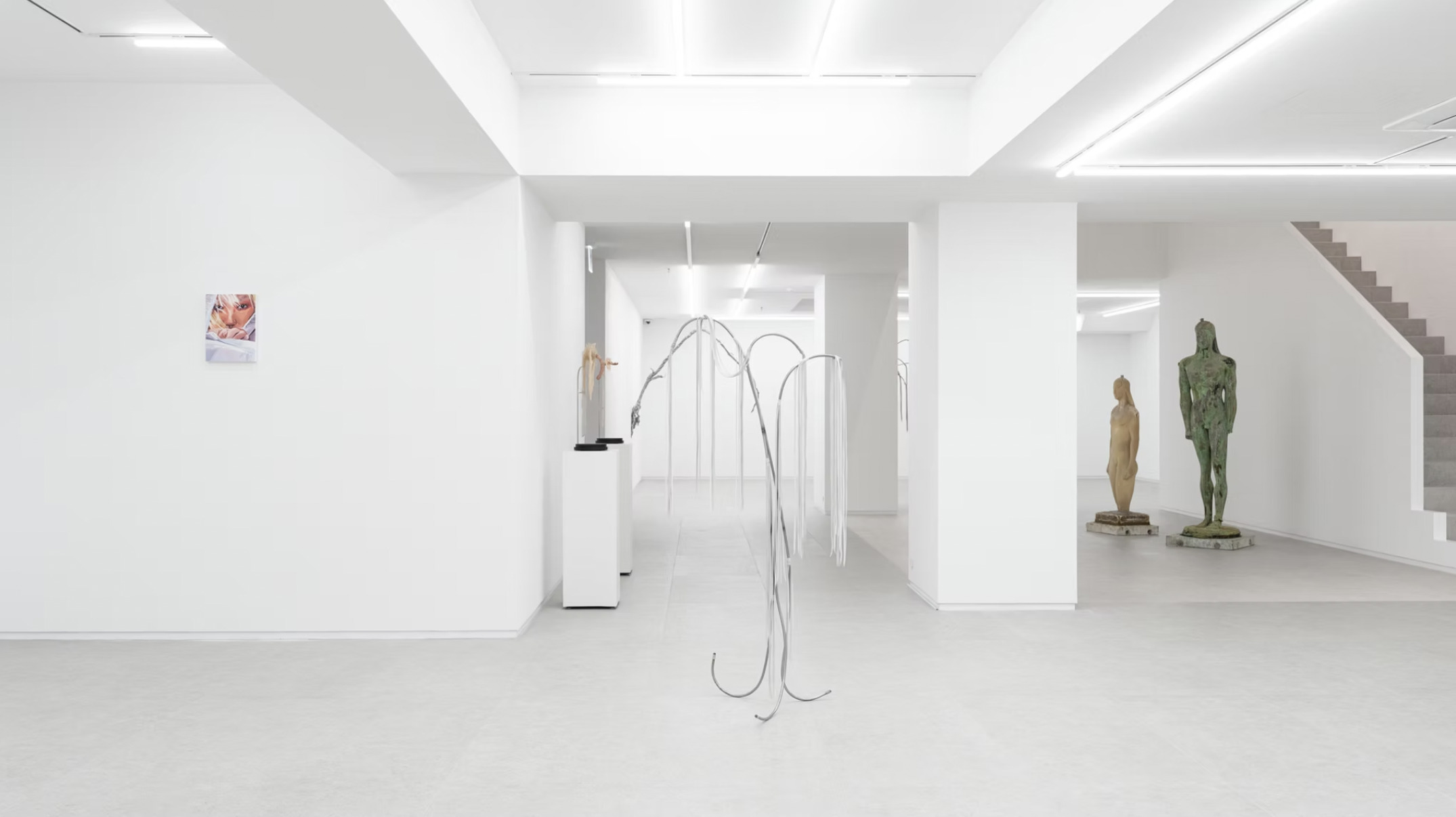
 Installation view of 《Korean Traditional Painting in
Alter-age》 (Ilmin Museum of Art, 2022) © Ilmin Museum
of Art
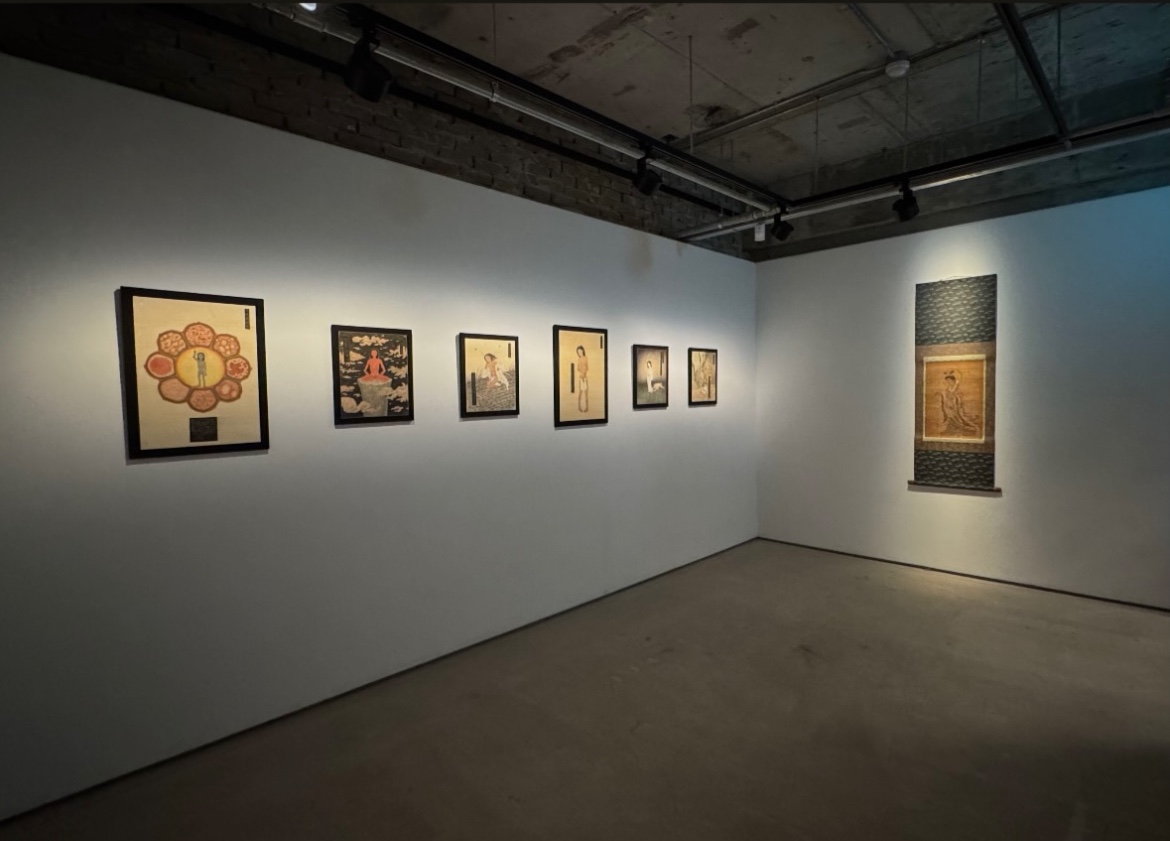
Installation view of 《Korean Traditional Painting in
Alter-age》 (Ilmin Museum of Art, 2022) © Ilmin Museum
of Art
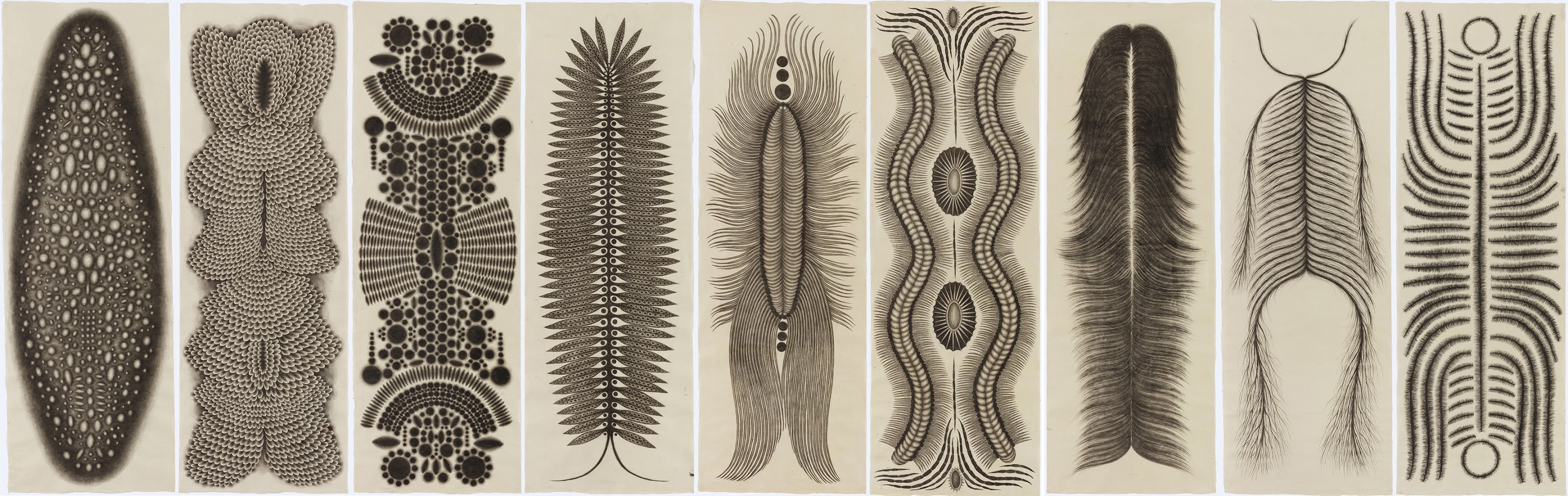
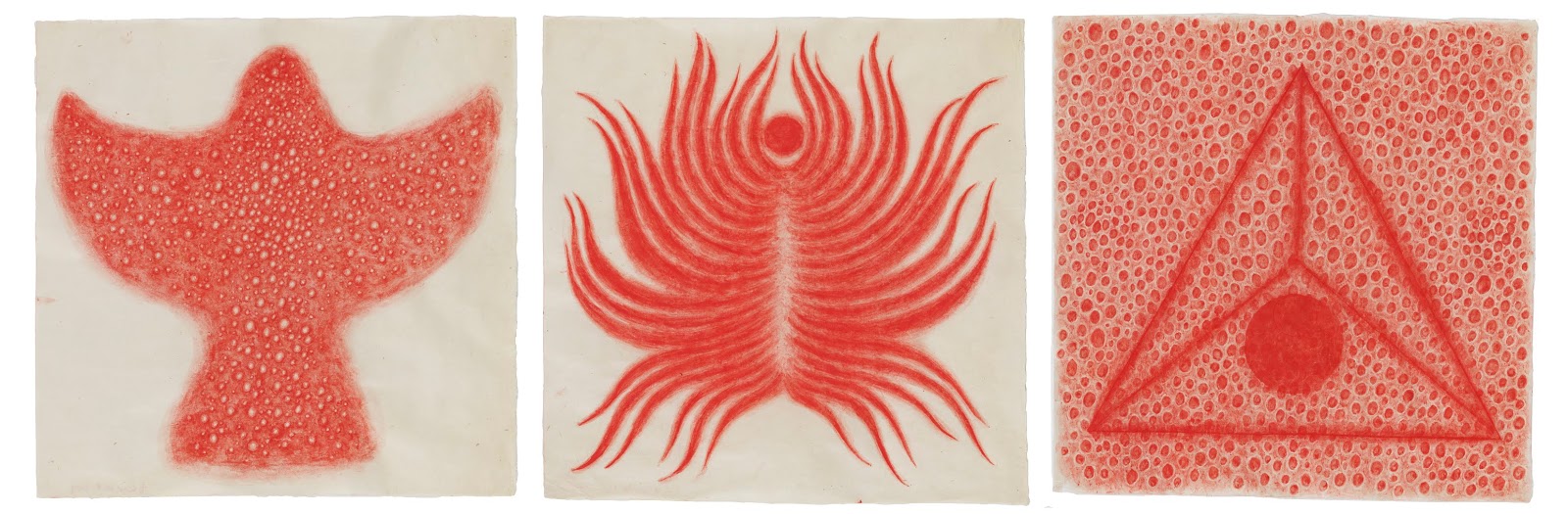
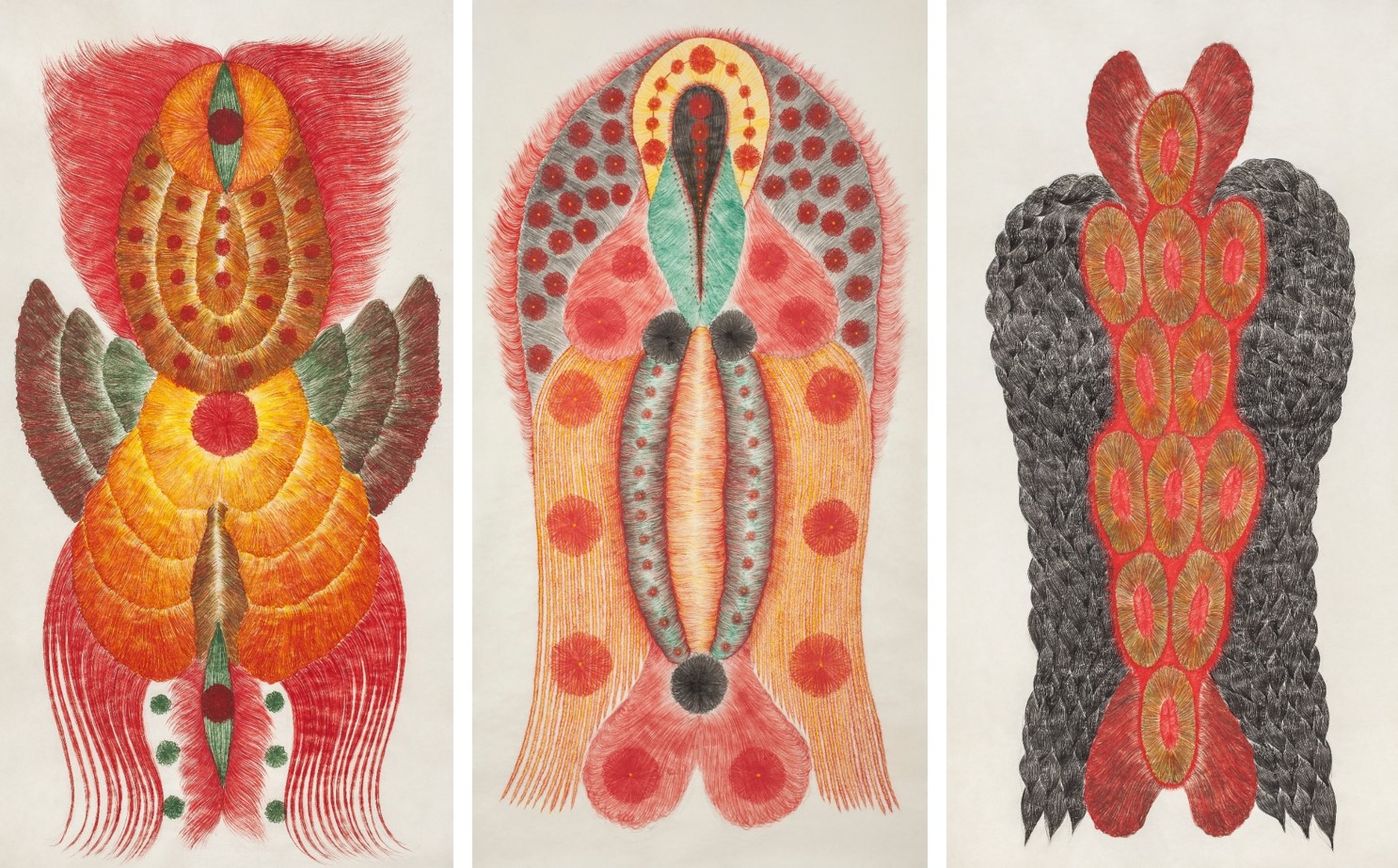
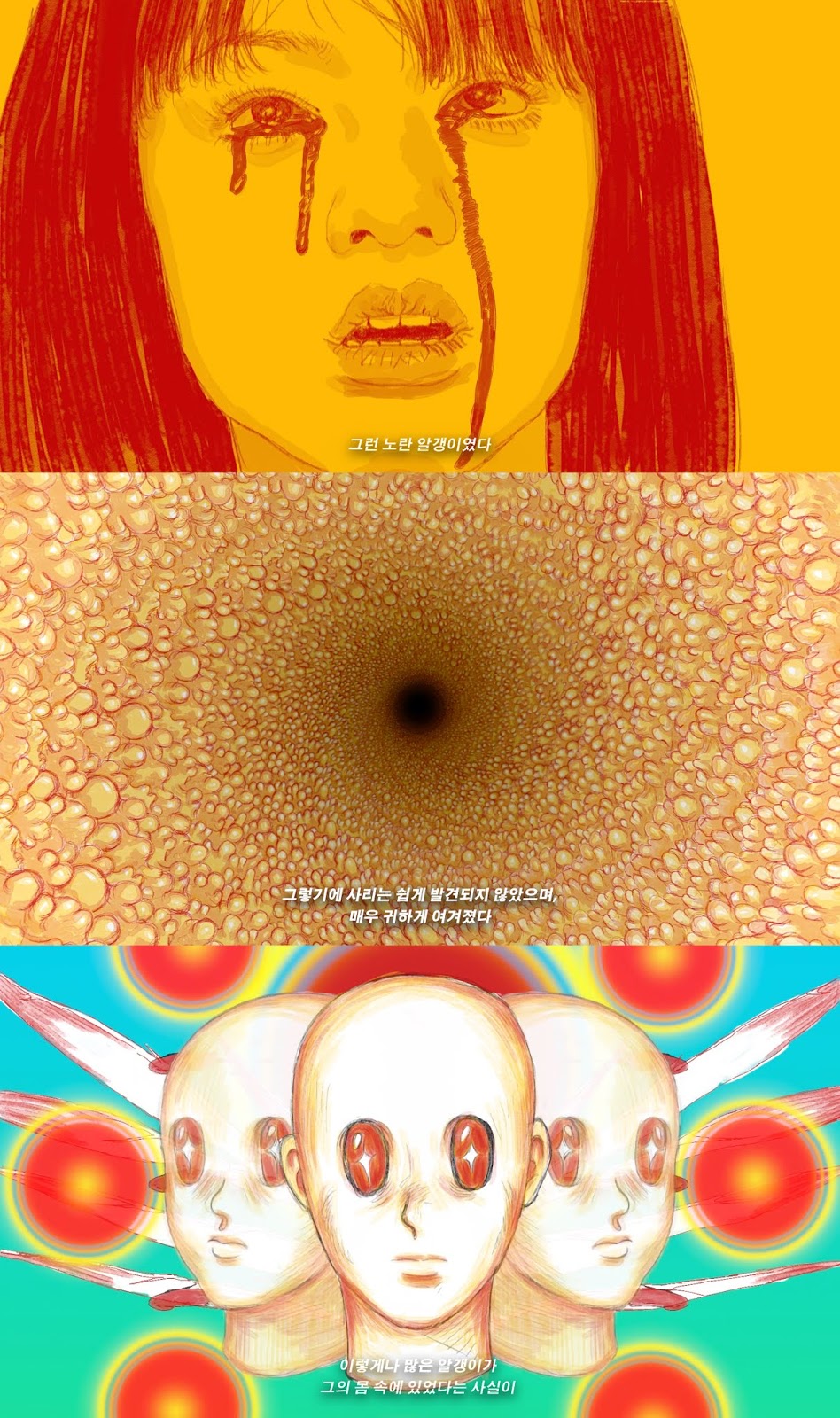
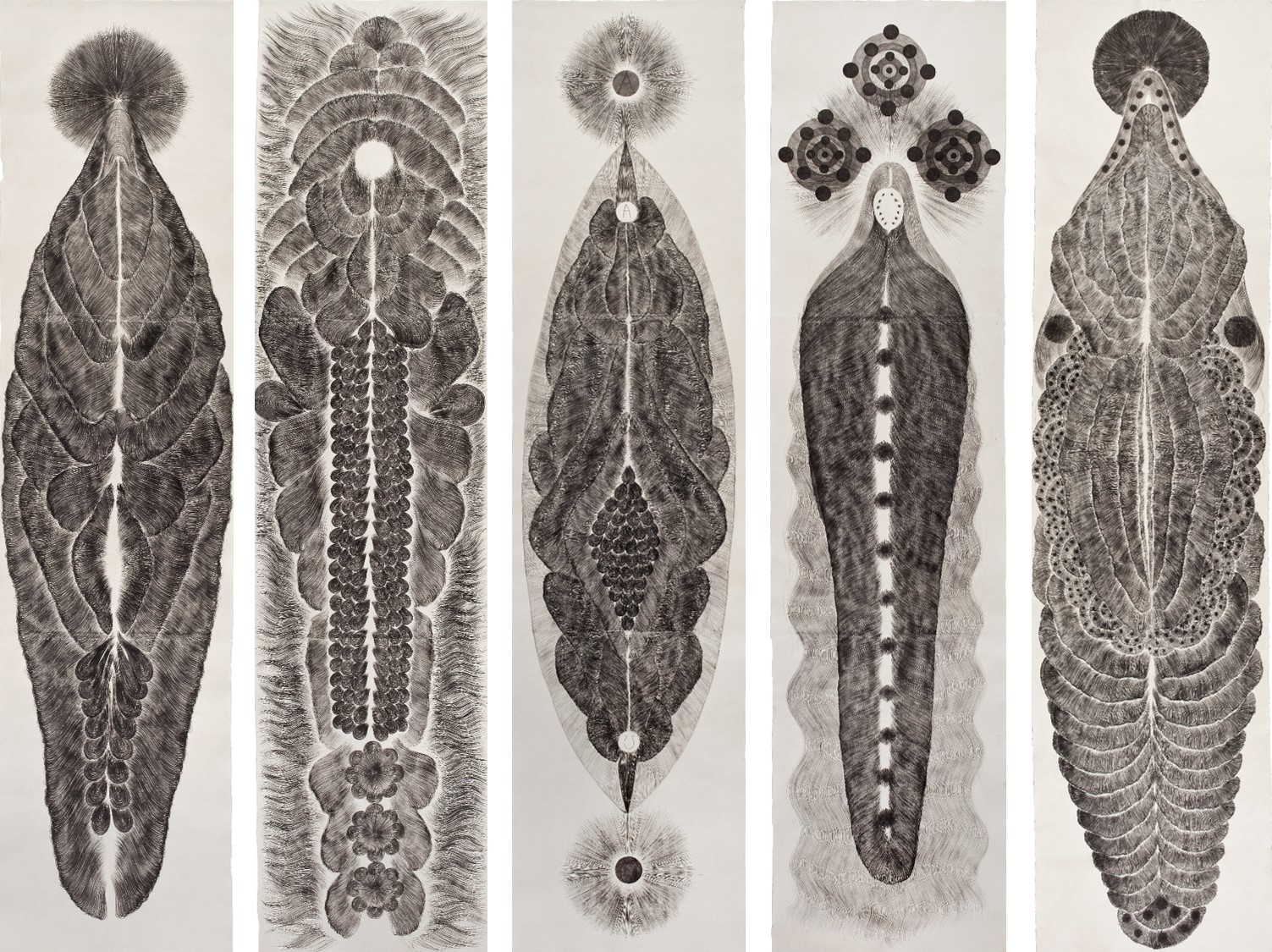
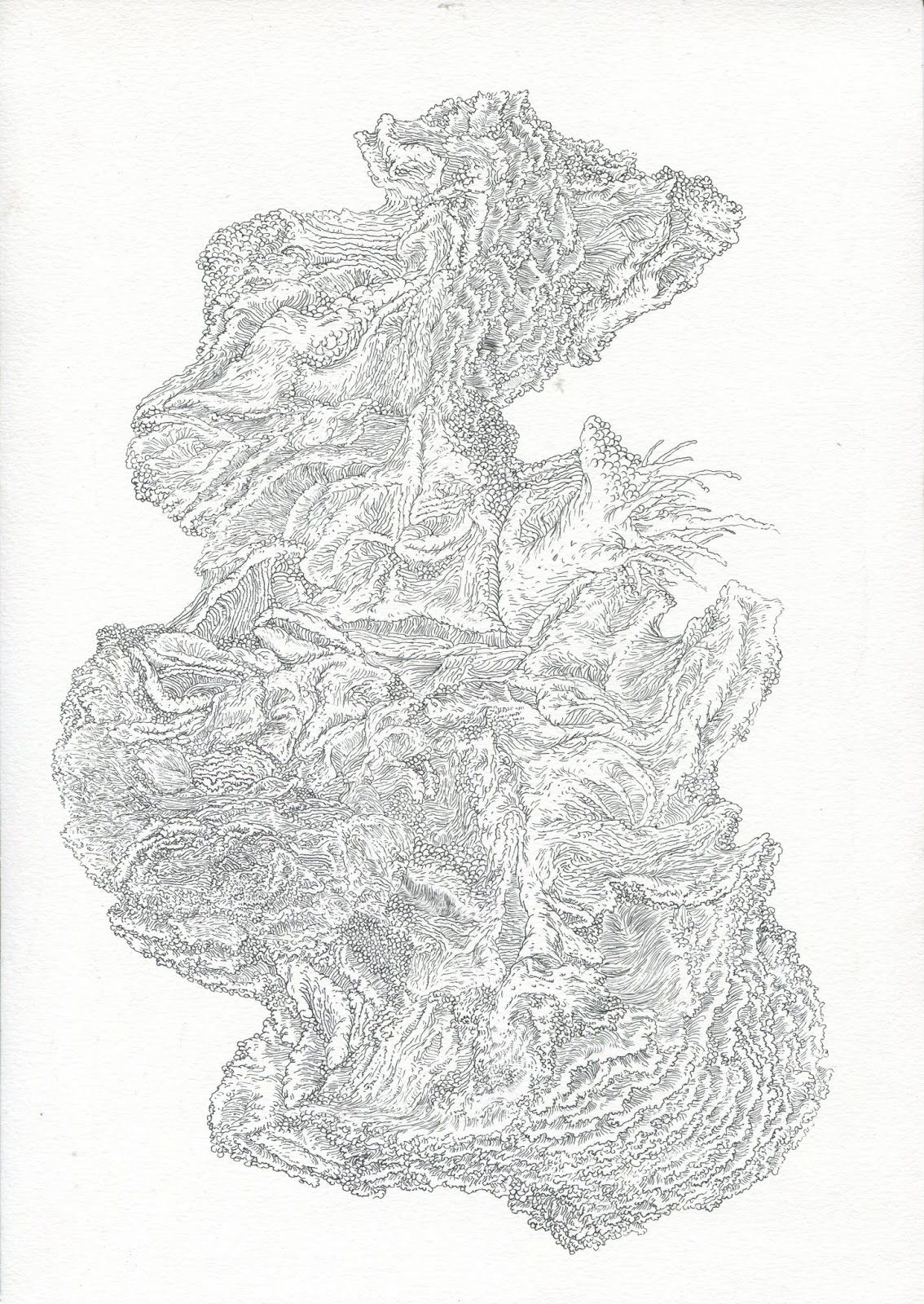
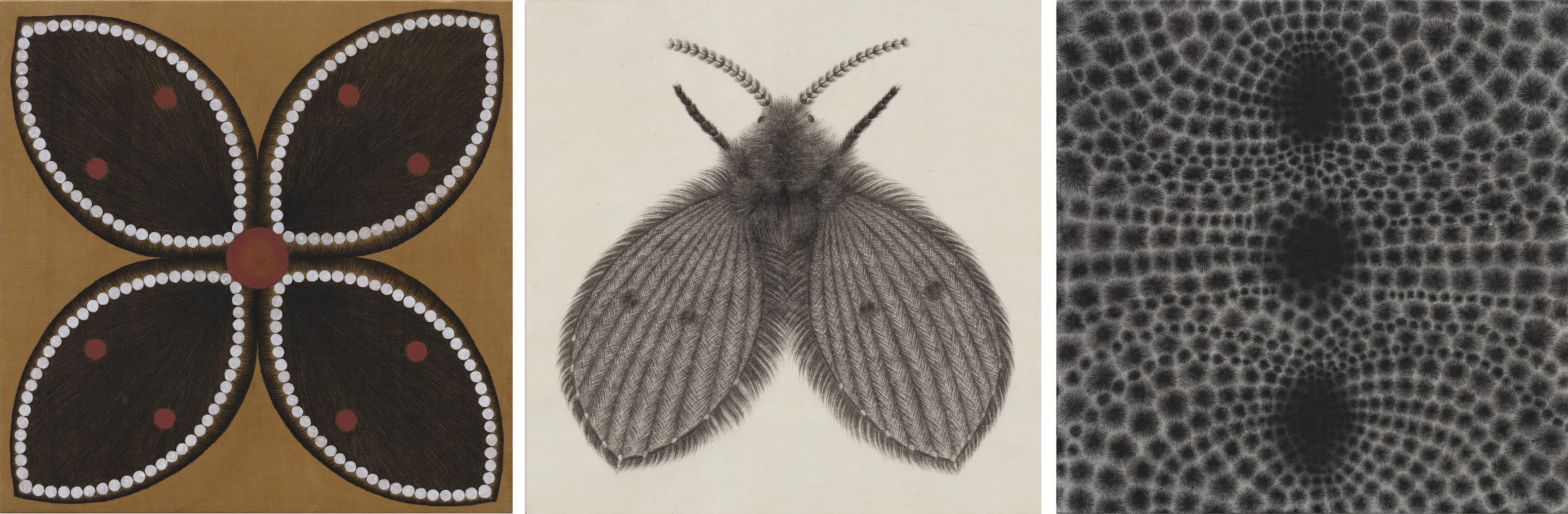
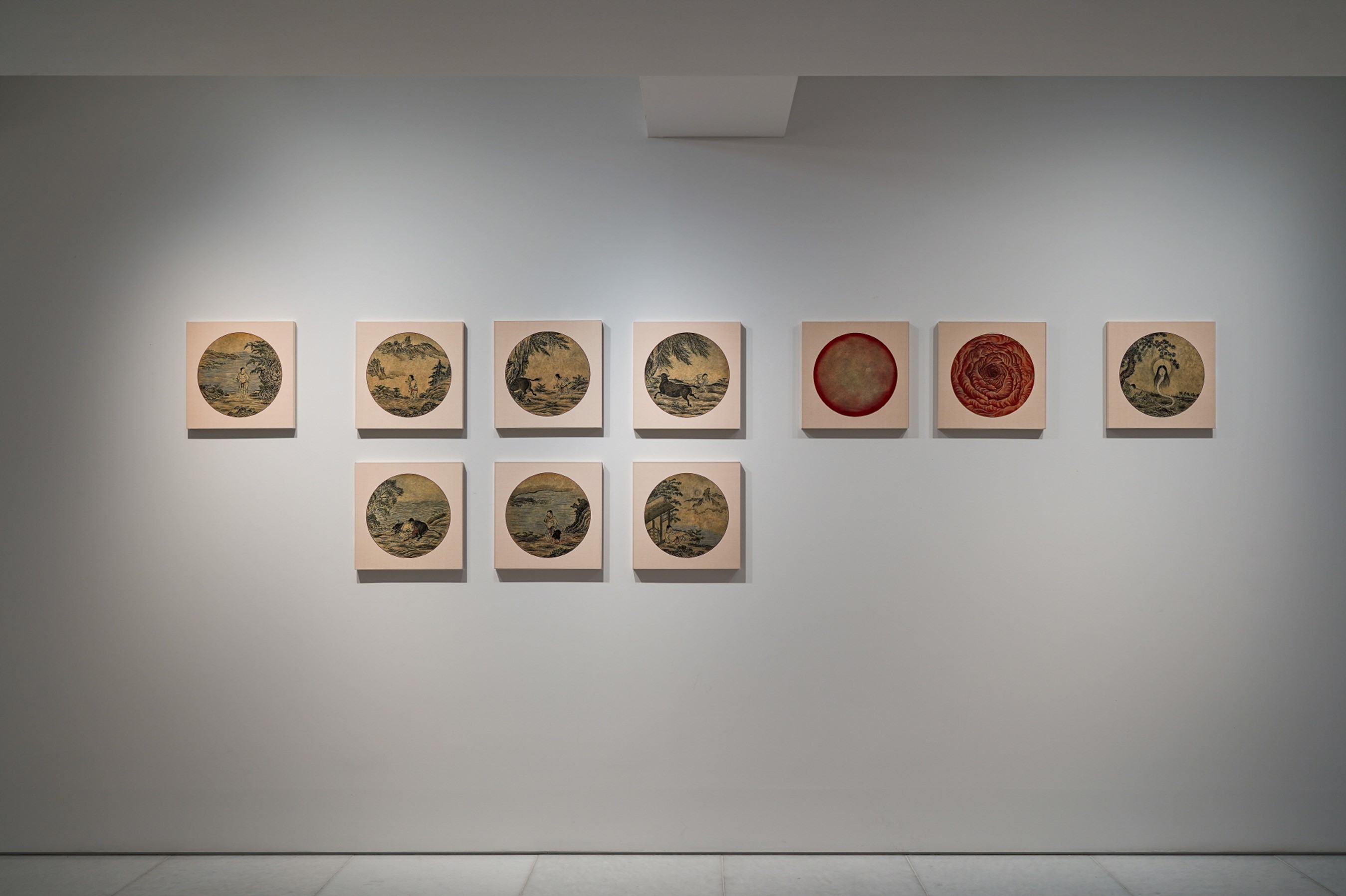
《Korean Traditional Painting in Alter-age》
showcases a collection of works representative of Korean traditional painting’s
subjects, materials, and techniques to examine the present-day Korean
traditional painting as a genre of contemporary art. The exhibition introduces
13 contemporary artists who emerged in the 2000s along with icons of Korean
traditional painting―who have been championed “indices” in the construct of
history―including Kim Jeonghui (the father of Korean calligraphy and painting),
his 22 pupils in the museum’s collection, Jeong Seon, Yi Hwang, Saimdang Shin
and Yi I.
The show’s organization foments, on the one hand, an investigation of
how Korean traditional painting abides in today’s art world and, on the other
hand, an imagination of the big-picture tradition under the keywords
“continuation” and “discontinuation” after parts of it has faded and perished.
Here, the world is “re-imagined” through imitation, citation, and active
reformation, which are crucial methods through which Korean traditional
painting embraces, transcends, and, finally, re-presents the missing gaps, the
empty sections in history that are like unanswered puzzles.
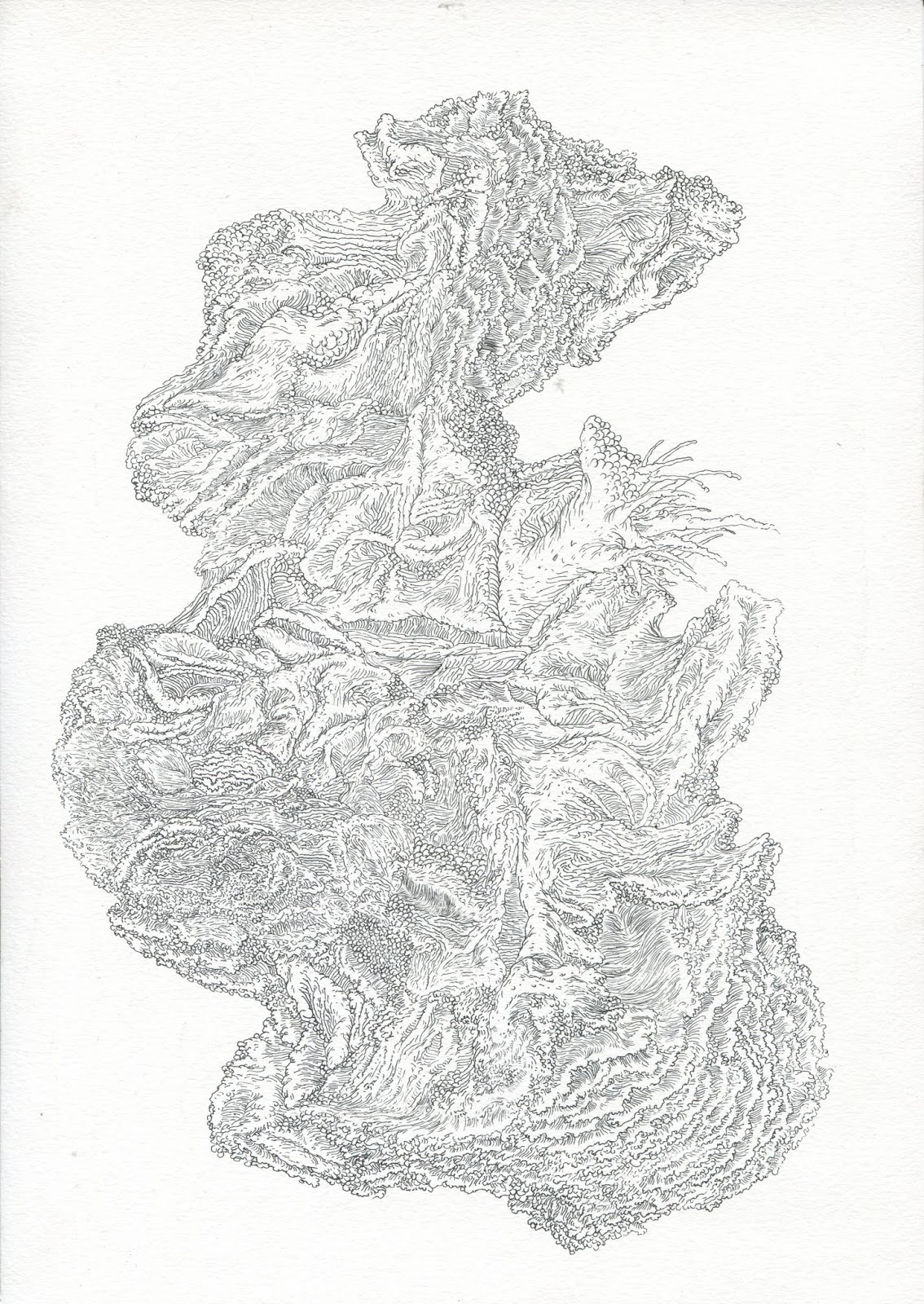
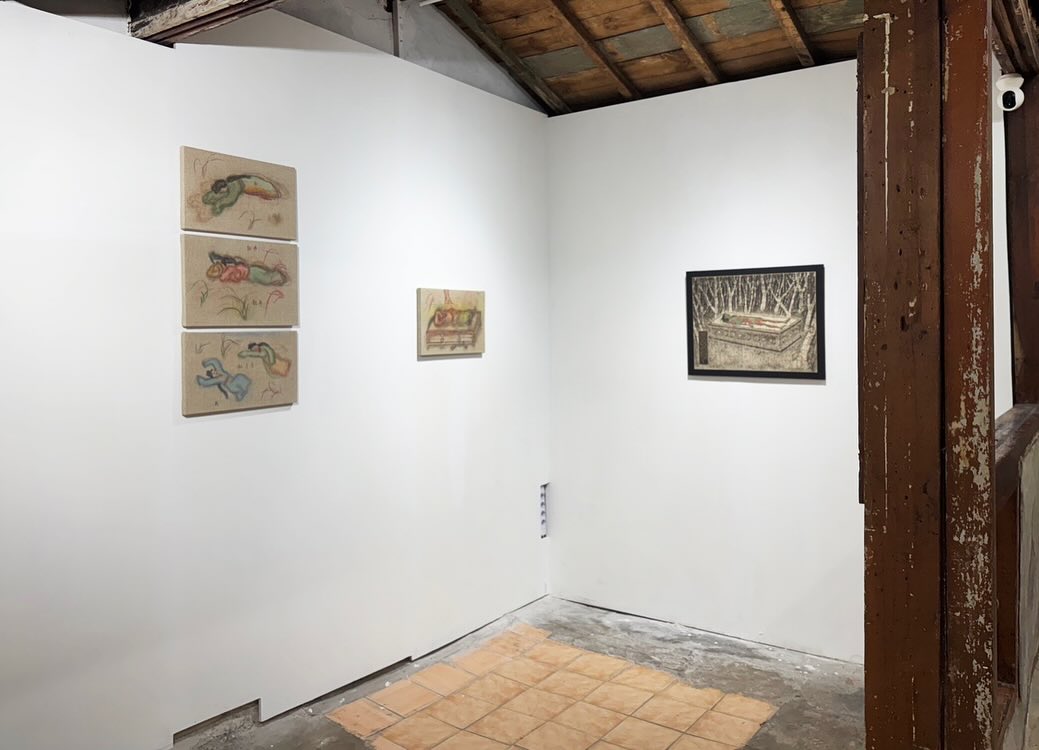
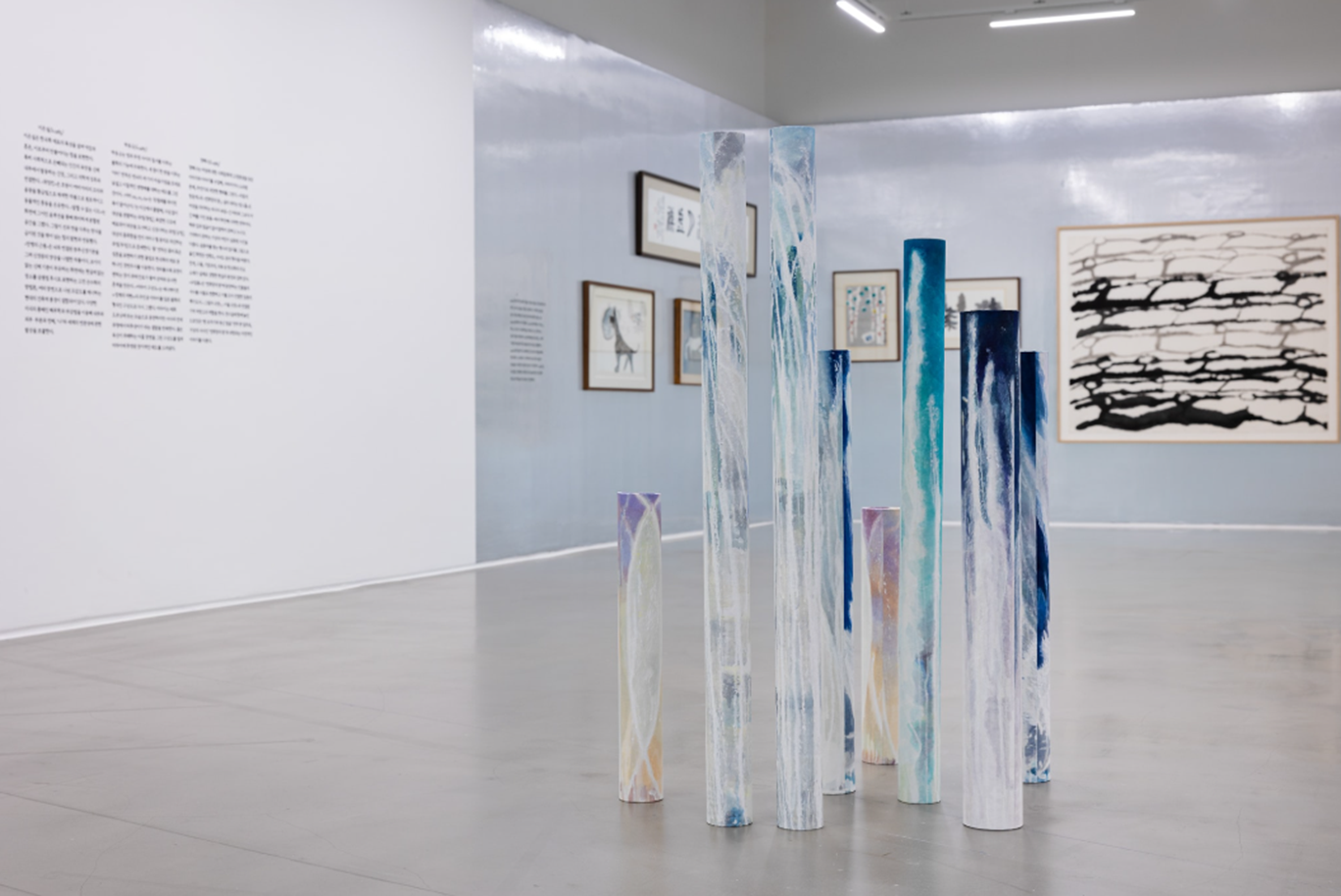 Installation view of 《Korean Traditional Painting in
Alter-age》 (Ilmin Museum of Art, 2022) © Ilmin Museum
of Art
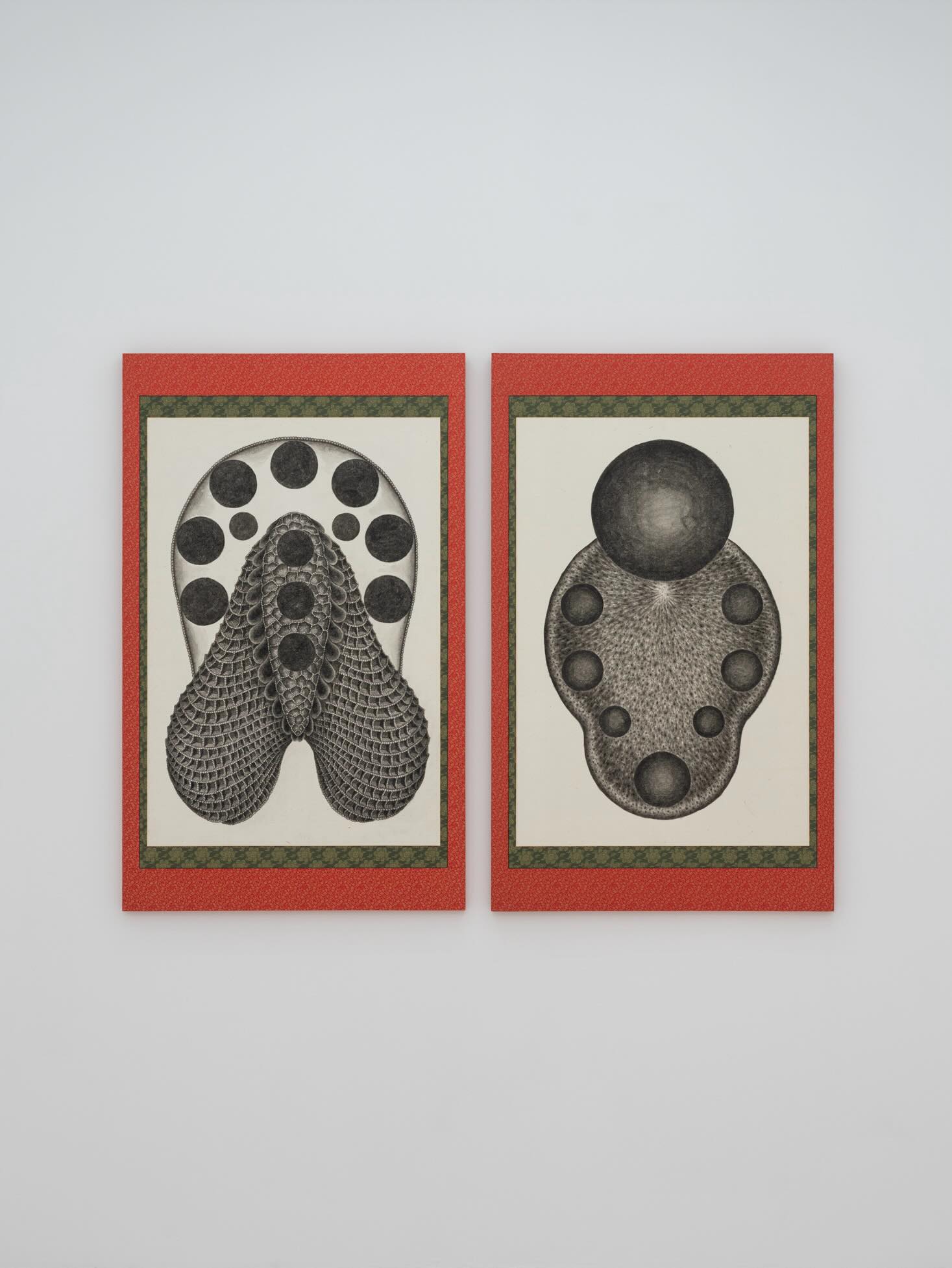
Installation view of 《Korean Traditional Painting in
Alter-age》 (Ilmin Museum of Art, 2022) © Ilmin Museum
of Art
The
concept of Korean traditional painting is founded on the general
characteristics of modernity and the uniqueness of Korea’s locality combined.
This concept is deeply connected with our contemporary sensibilities. The
debated trajectory of Korean traditional painting’s development was a journey
through which a community, upholding Koreanness, reconstructed modernity via
its inflected experience and unique lens.
《Korean Traditional Painting in Alter-age》
imagines the resulting complex modernity to be a type of “alter-age.”
“Alter-age” is a means to reaffirm tradition via “self-enrichment,” independent
of the hegemonic historical canon, the decolonialist discourse, or the infinite
pluralism theory. The Ilmin Museum of Art presents historical and contemporary
artworks―from its collection and other sources―that demonstrate the qualities
of Korean traditional painting. Further, the museum, as a contemporary art
institution, aims to explore anew the reality today’s art faces.