

Solo Exhibitions (Brief)
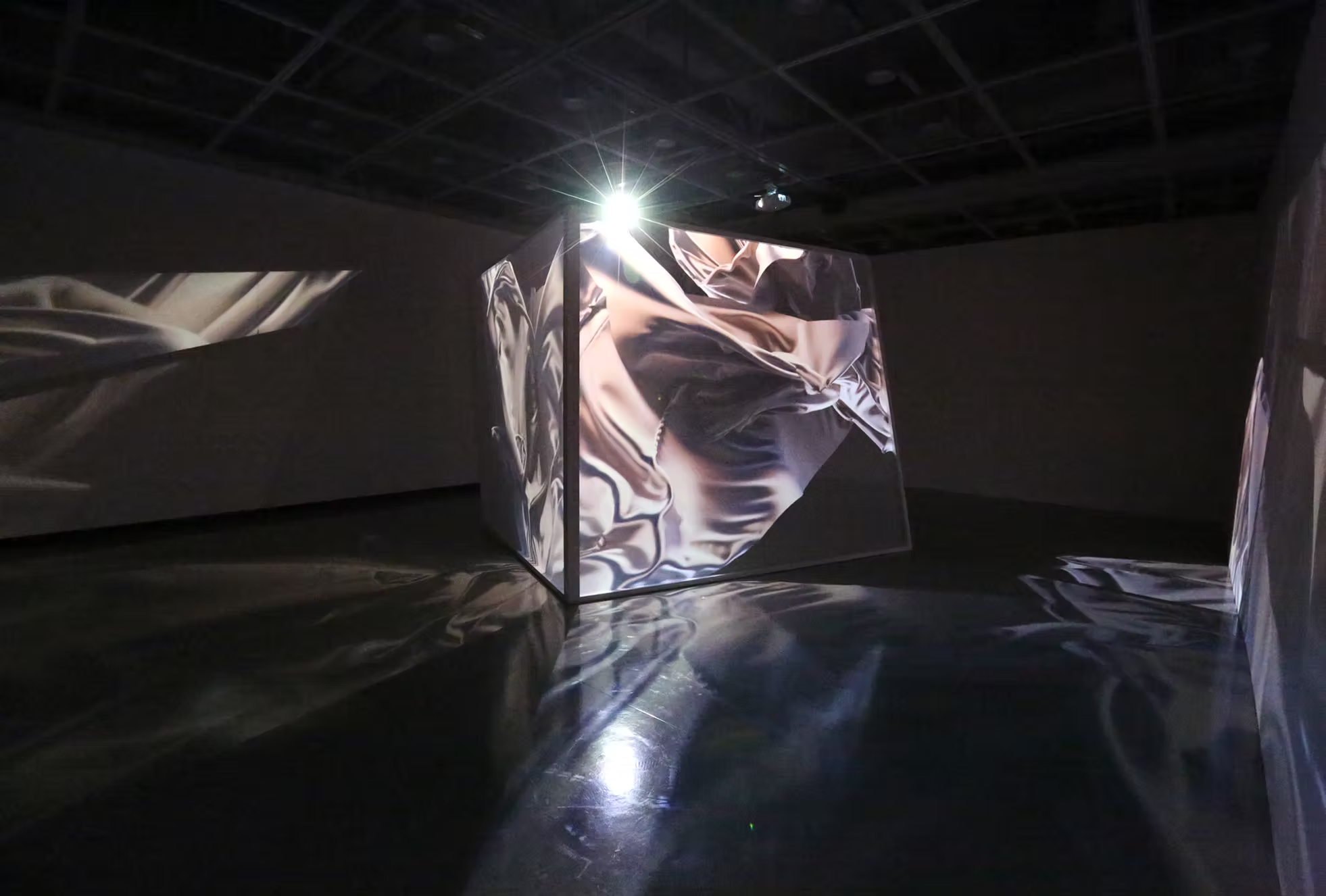
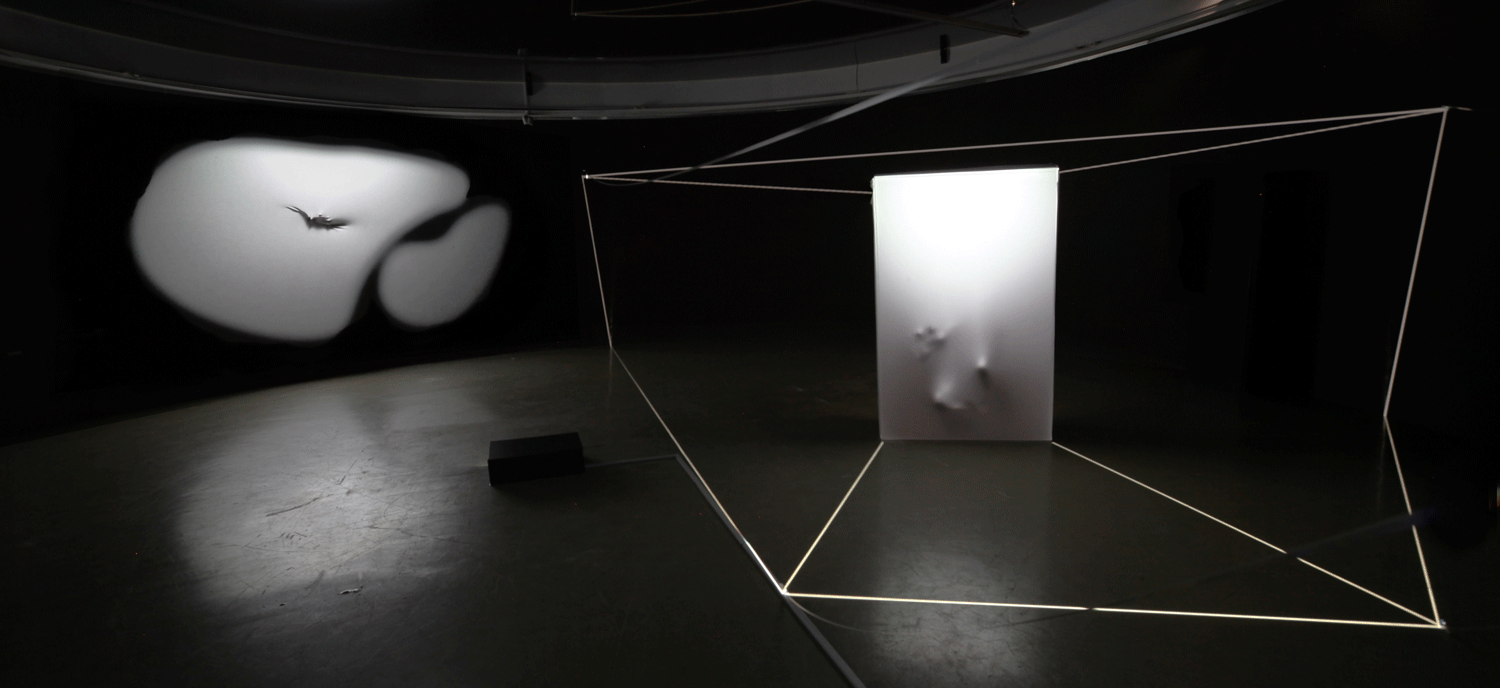
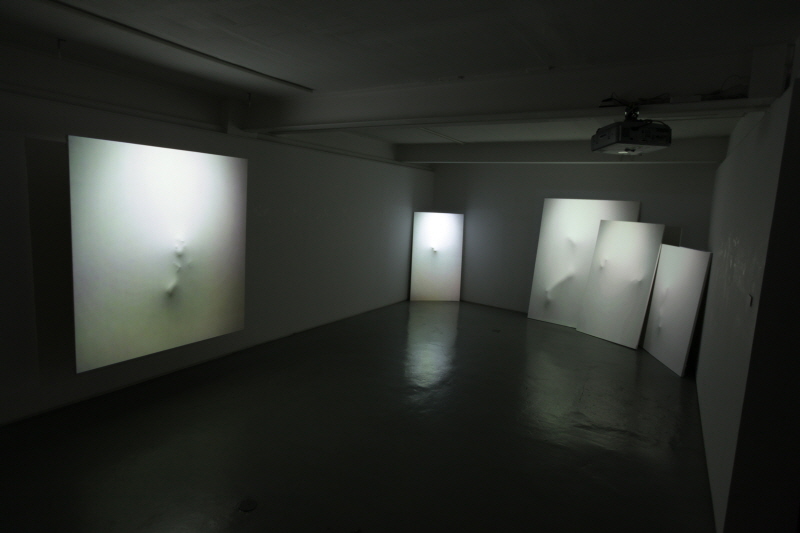
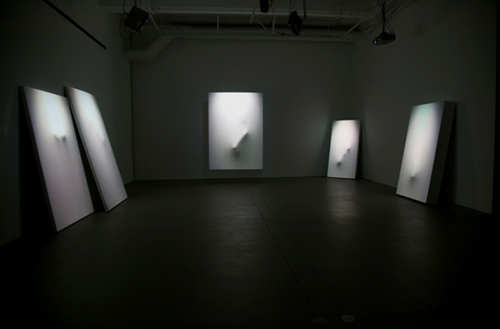
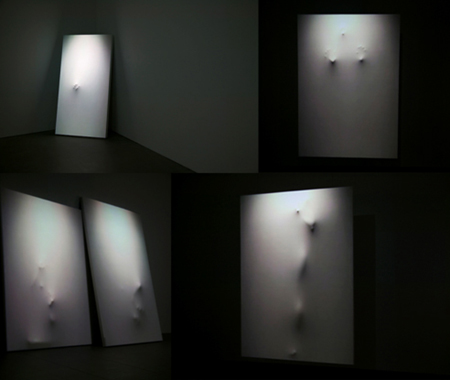
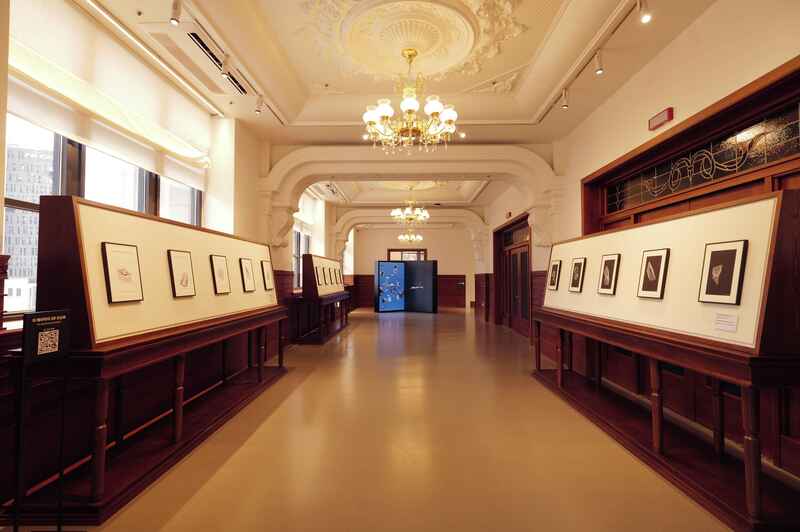
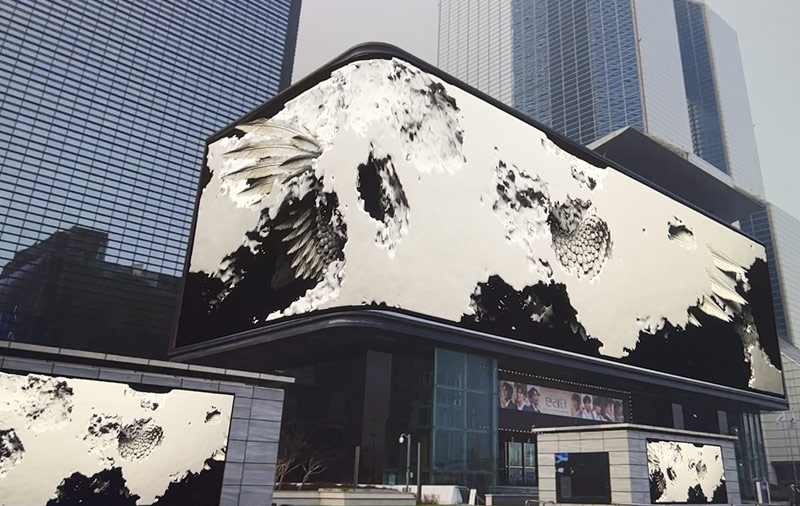
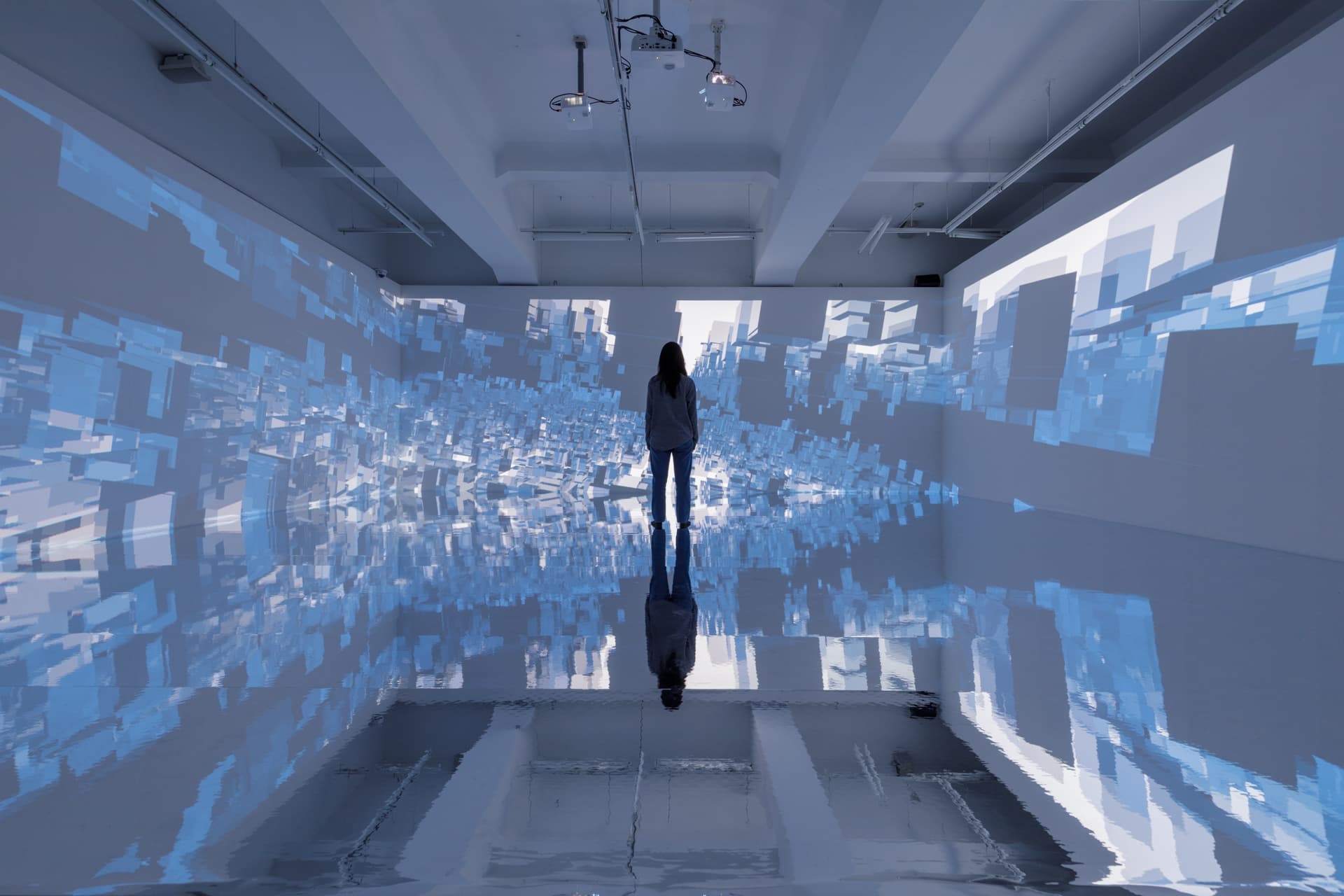
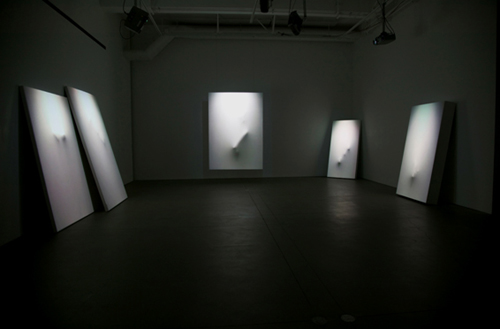
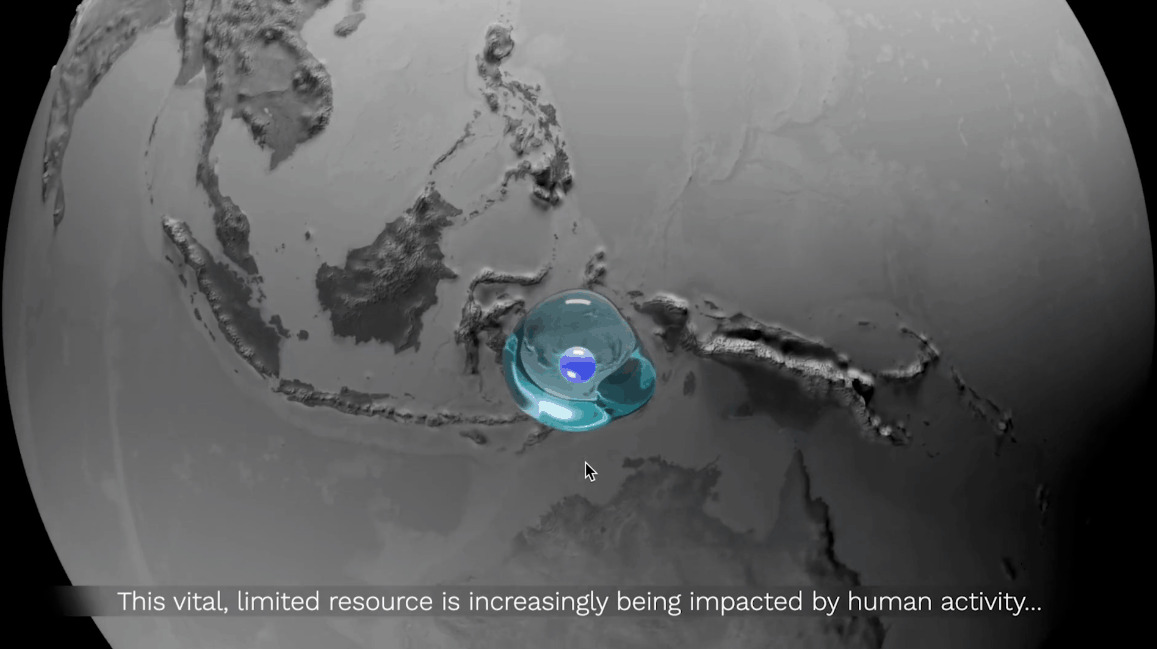
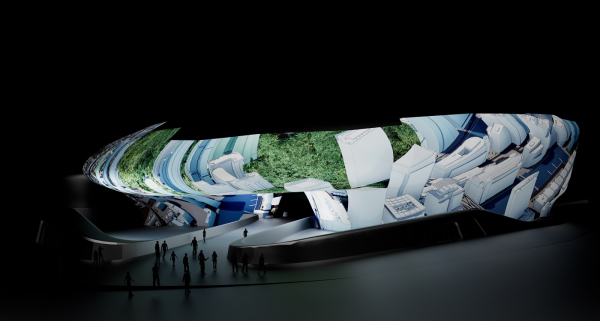
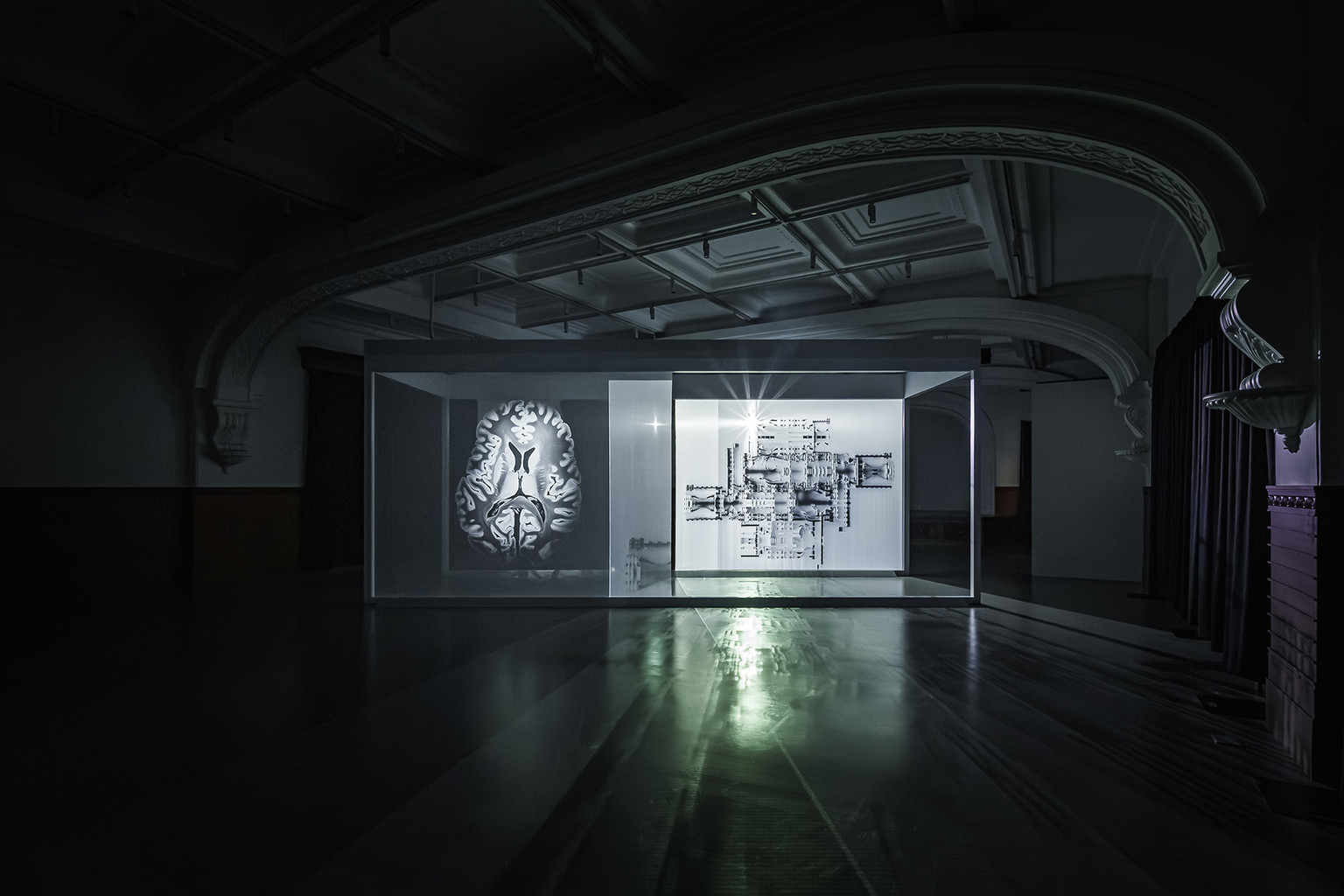
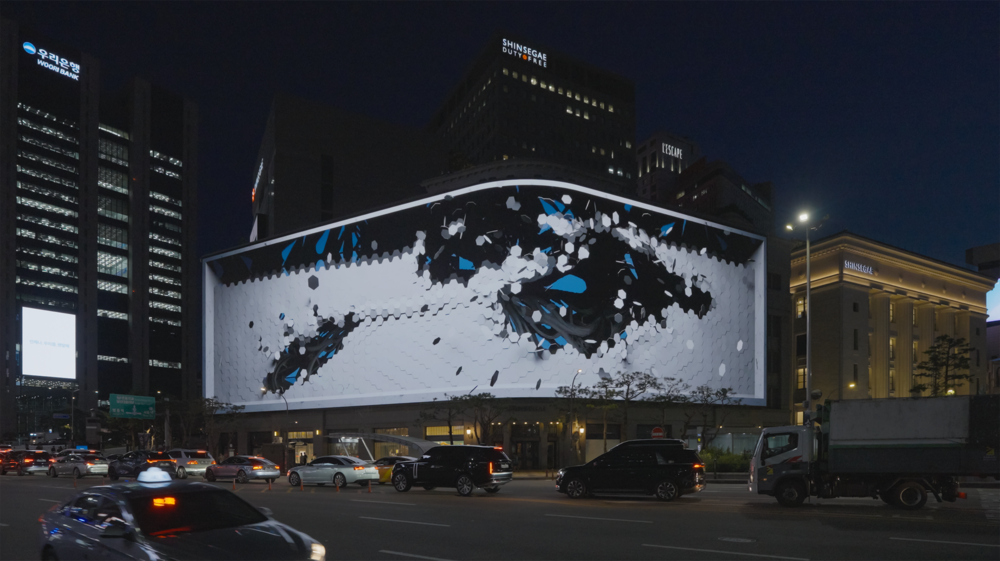
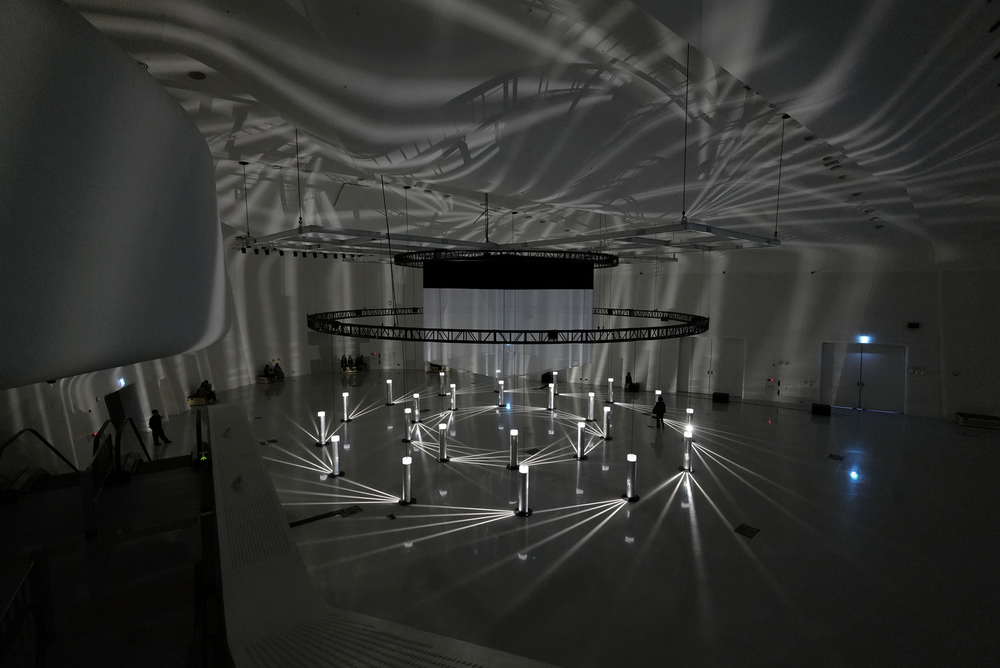
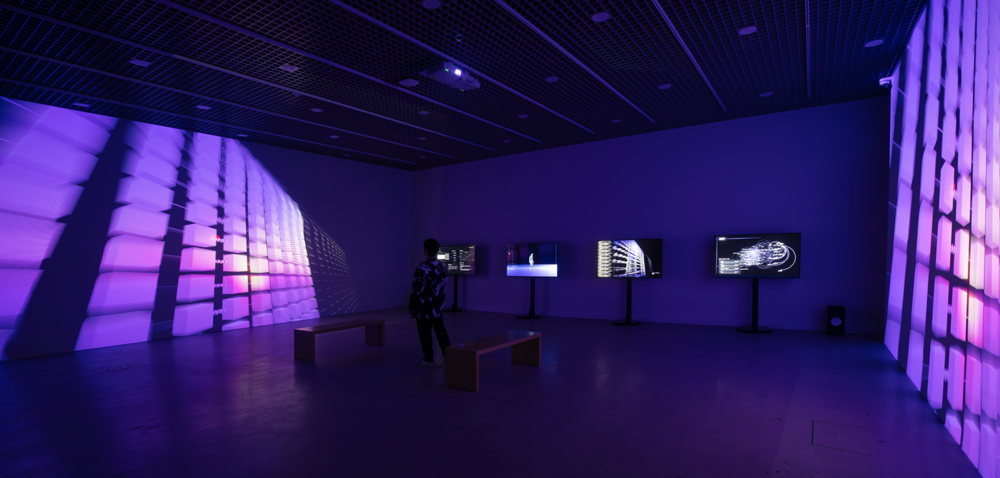
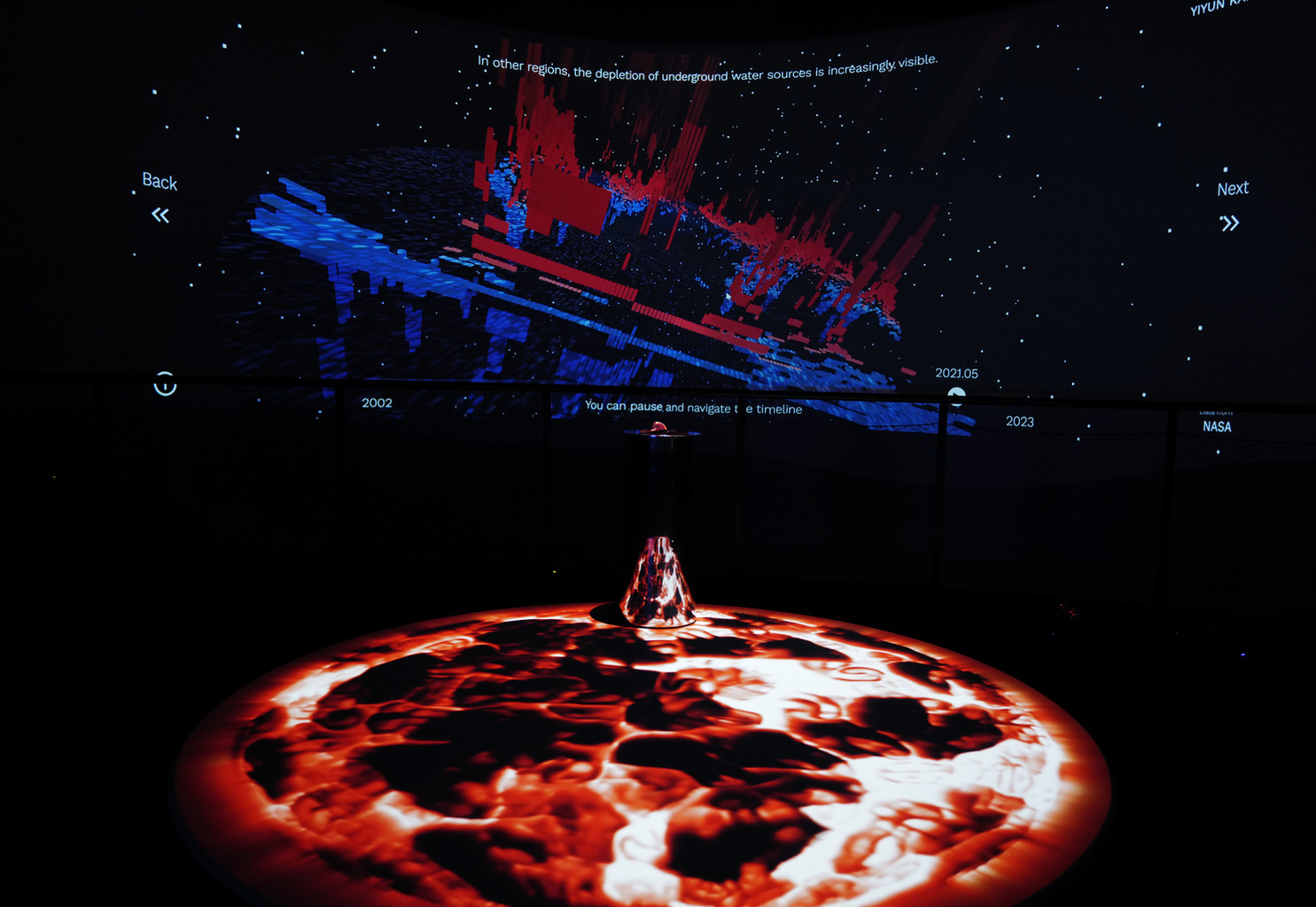
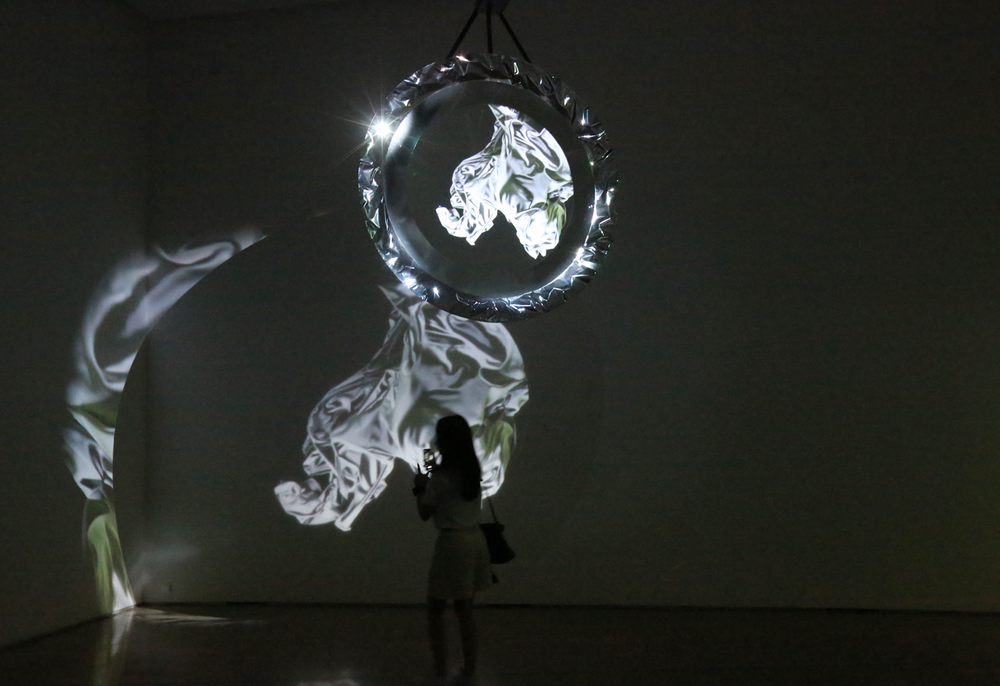
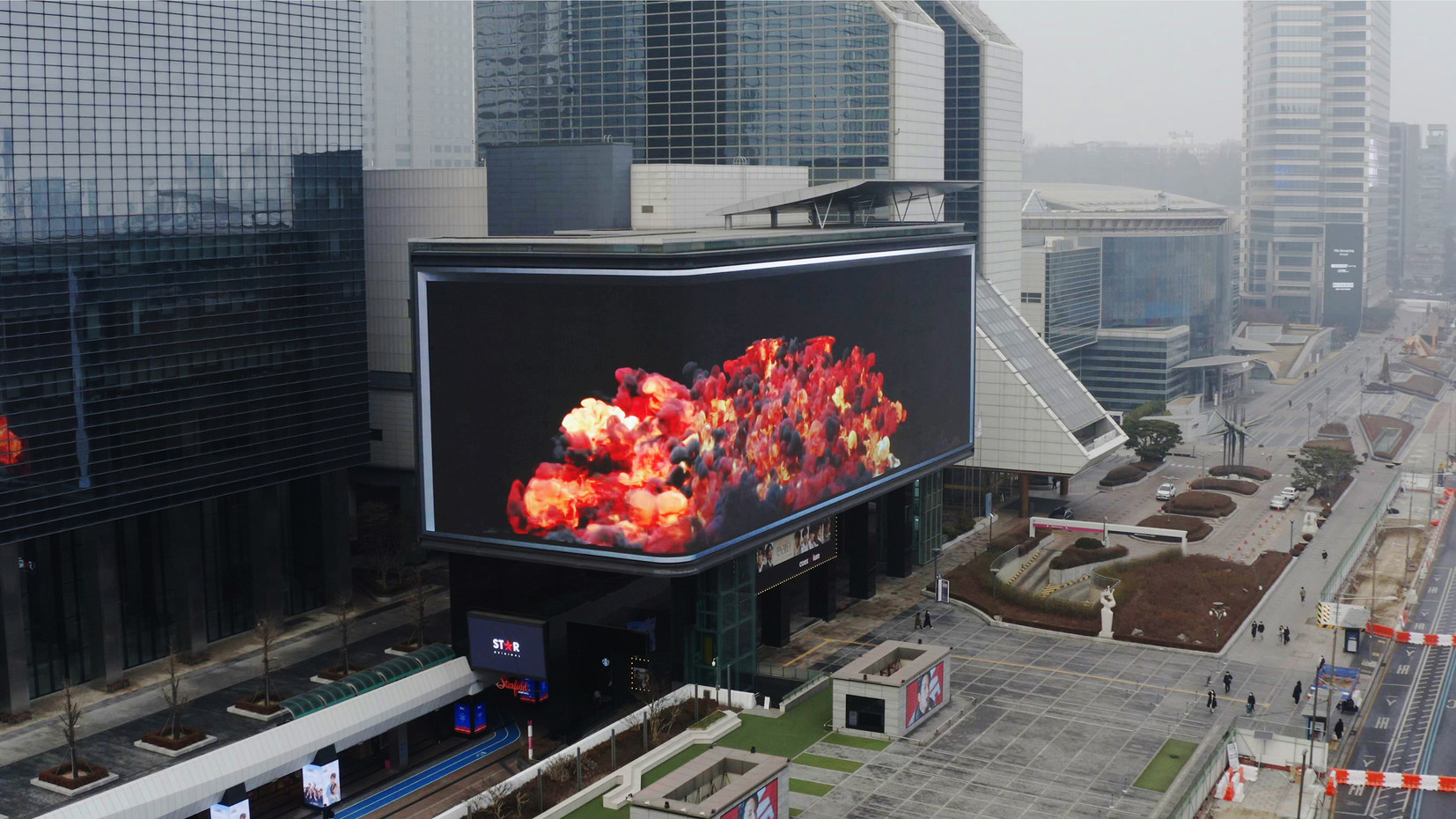
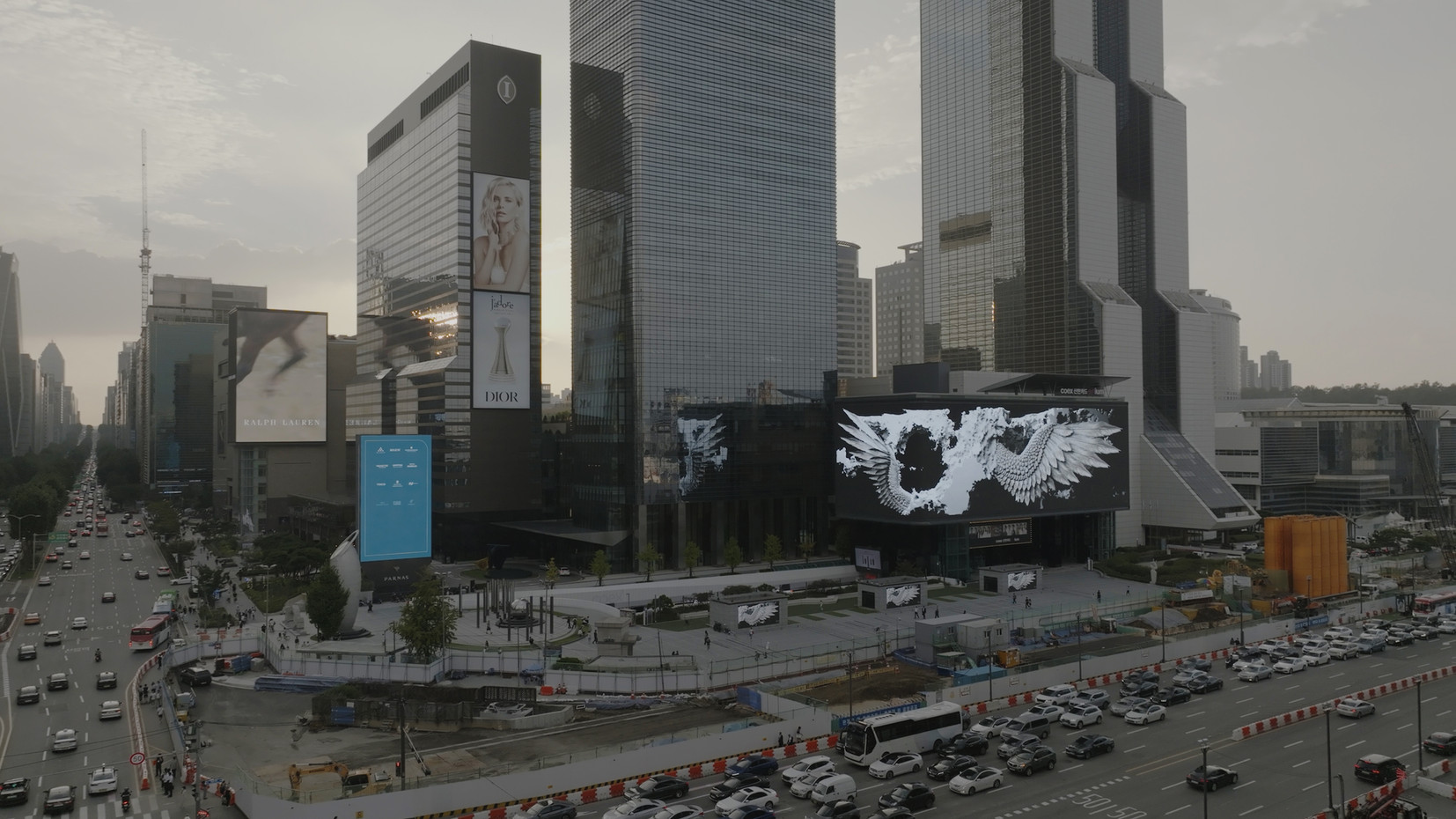
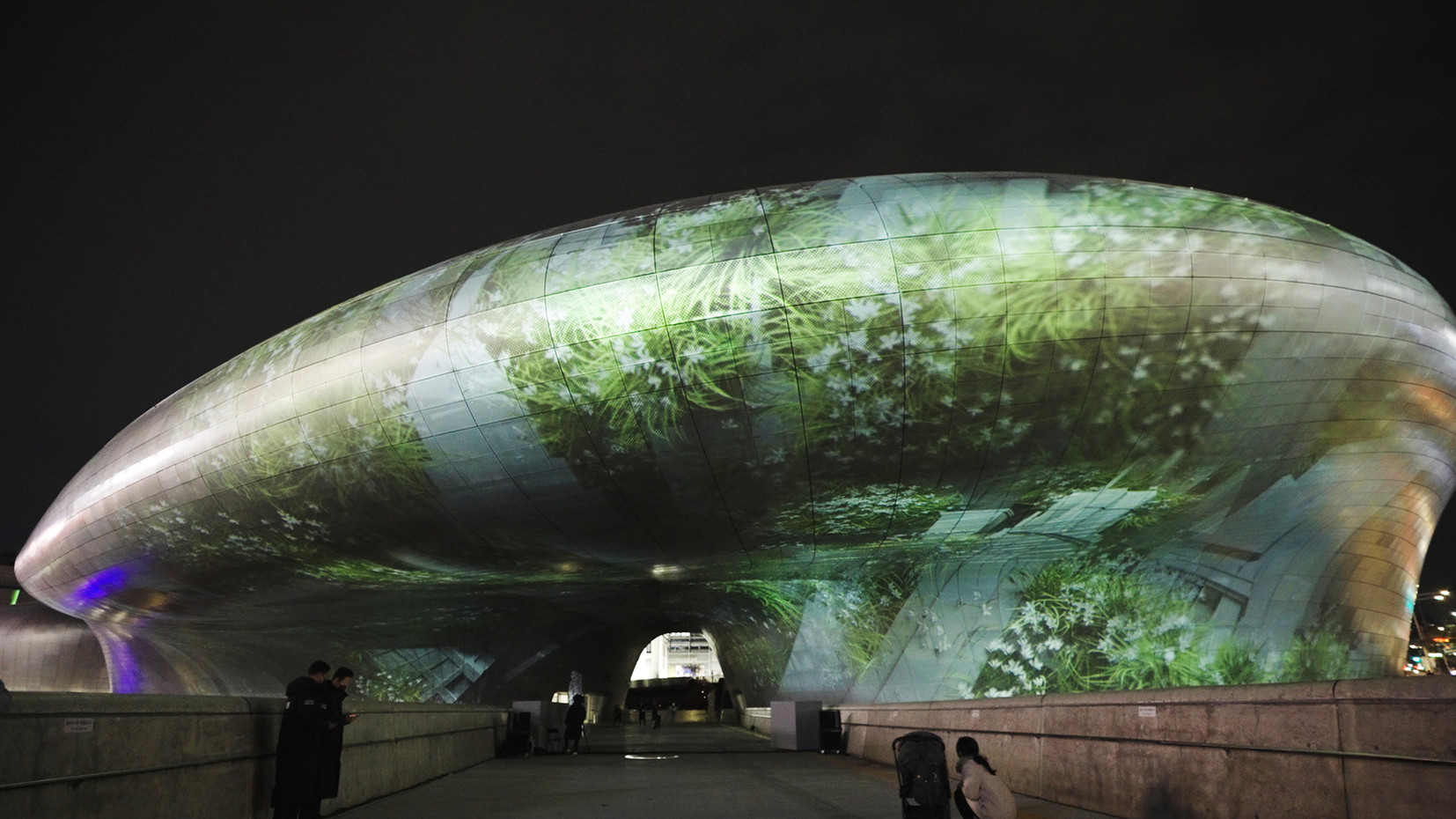
Since her first solo exhibition at Gallery KONG in 2009, Yiyun Kang has presented solo exhibitions and large-scale commissioned projects at institutions and venues including the Victoria and Albert Museum (2016), Dongdaemun Design Plaza (2017, 2022, 2024), PKM Gallery (2021), the Heritage Museum at SHINSEGAE (2025), and Fondation Fiminco in France (2026).
Group Exhibitions (Brief)
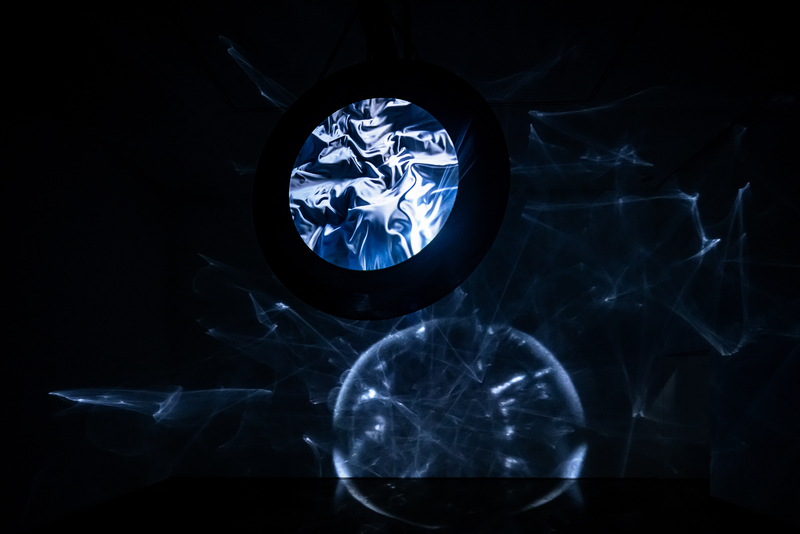
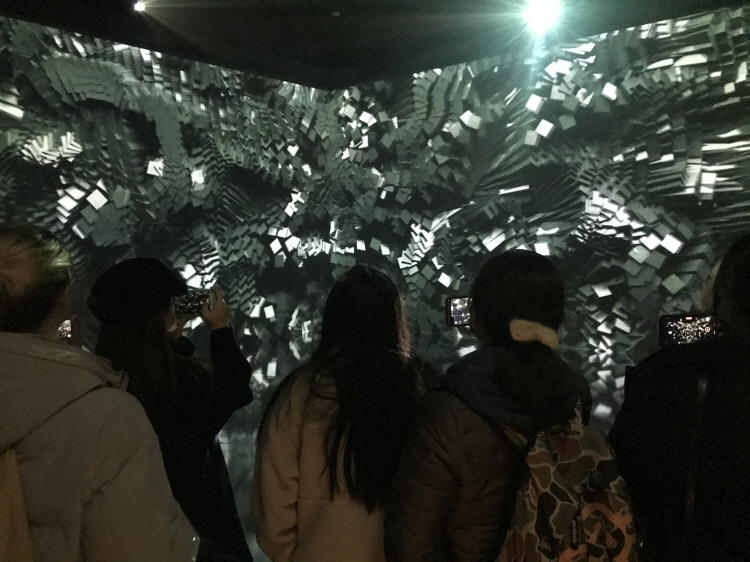
Yiyun Kang has presented her work in major international exhibitions and institutions, including a collateral exhibition of the Venice Architecture Biennale (2014), the Victoria and Albert Museum (2016), the Gwangju Design Biennale (2019), the Shenzhen Biennale (2019), Ilmin Museum of Art (2019), the Jeju Biennale (2022), the touring exhibition at UNESCO Headquarters in Paris and Korean Cultural Centers worldwide (2021–2022), Grand Palais Immersif (2024), and the Nam June Paik Art Center and KAIST Art Museum (2025), establishing an active presence within the international discourse of media art.
Awards (Selected)
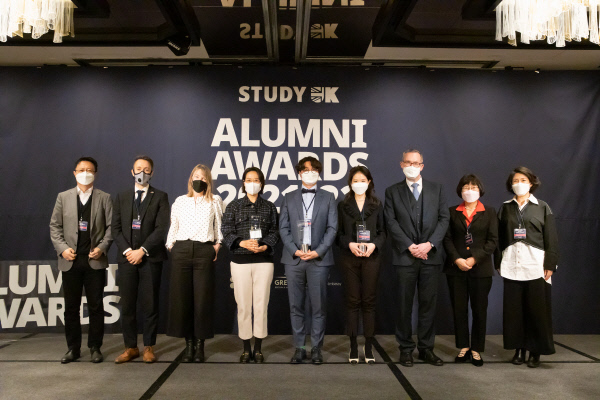
Yiyun Kang is the recipient of the iF Design Award in the Cultural Exhibitions category (2024), the KAIST Best 10 Research Award and the Lee Soo-young Teaching and Learning Innovation Award (2024), the British Council Alumni Award for Culture and Creativity (2022), the Red Dot Design Award (2017), the MADATAC Installation Art Award (2014), the POSCO Steel Art Award (2009), and the Grand Prize and Minister of Culture Award at the Samsung Life Digital Fine Art Competition (2004).
Residencies (Selected)
Yiyun Kang participated in the Changdong National Art Studio of the National Museum of Contemporary Art, Korea (2011), Nanji Art Studio of the Seoul Museum of Art (2012), and the Samsung Korean Digital Art Residency at the Victoria and Albert Museum in London (2015–2016).
Collections (Selected)
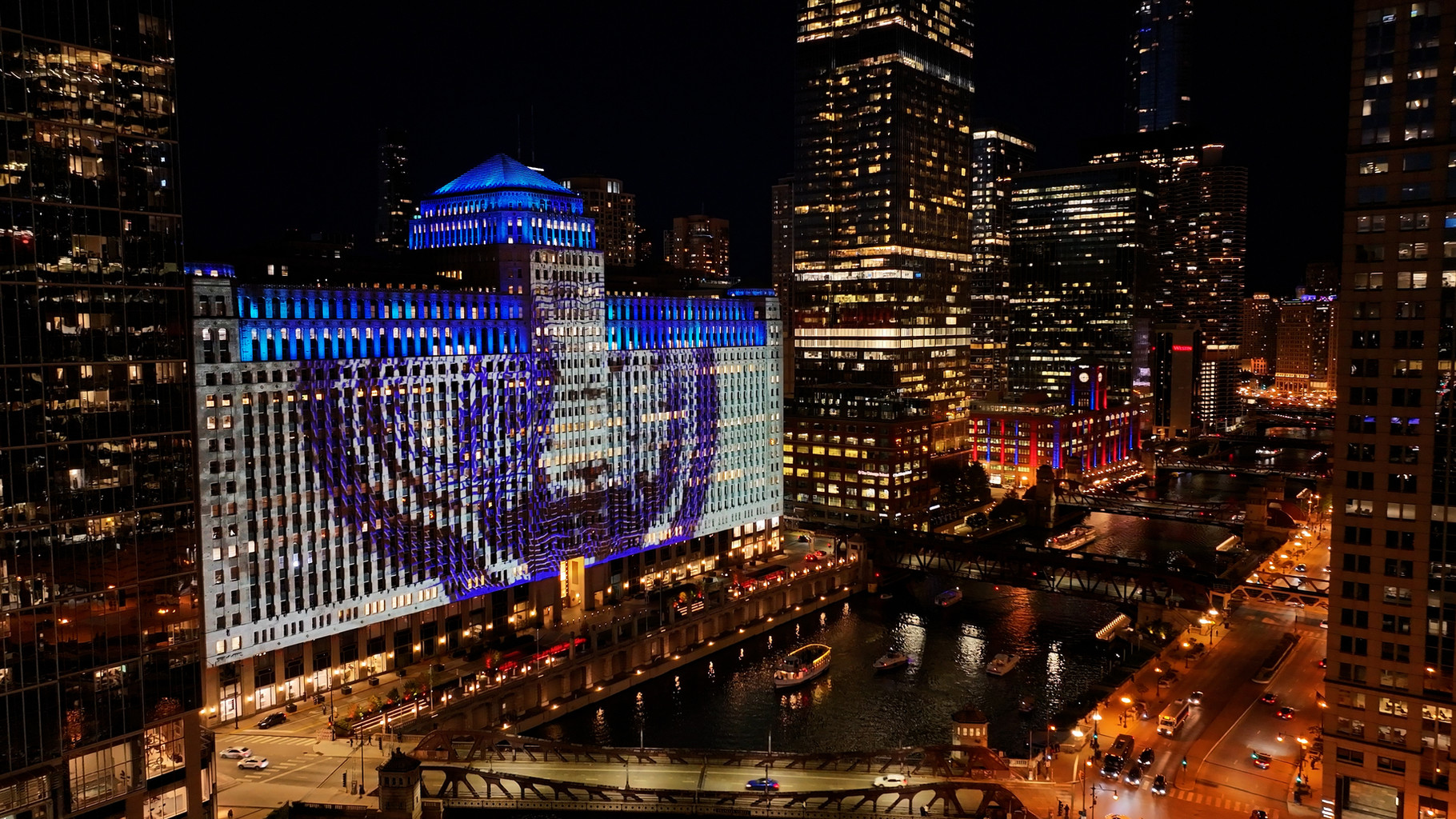
Yiyun Kang’s works are held in the collections of the Victoria and Albert Museum and HYBE. In particular, CASTING (2016) became the first projection mapping work to enter the collection of the Victoria and Albert Museum, with its entire creative process—including sketches and drawings—archived alongside the final work.