Kolon’s
cultural and artistic sharing space, Space K_Gwacheon, presents the emerging
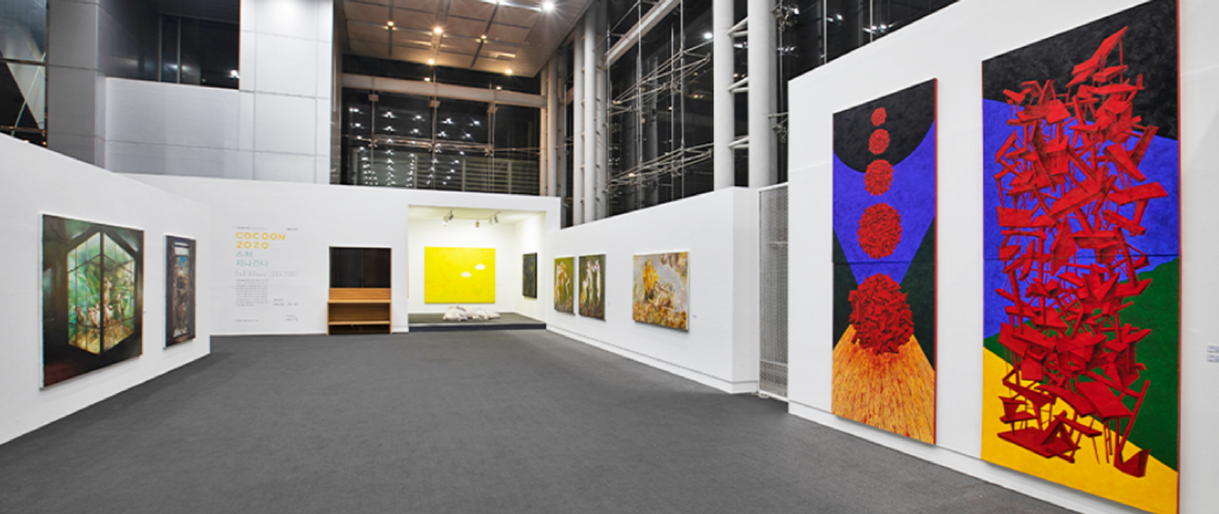
artist exhibition "COCOON 2020: Passes By." This annual exhibition,
which discovers promising emerging artists, marks its ninth edition this year,
featuring four artists: Lee So, Jaeseok Lee, Changwoon Lee, and Heejae Lim.
Each artist has developed a distinct visual language, working across different
media such as painting and installation. Under the subtitle "Passes
By," the exhibition examines how these artists are inspired by specific
phenomena and translate them into visual expressions.
Artists
Lee So
Lee
So, a painter who works between Korea and Japan, considers the canvas a medium
for self-expression. He believes that no matter how grand a philosophical
message or how complex a social meaning a work may carry, it ultimately
converges on the artist’s voice. For years, he has depicted moments where
everyday life and self-identity intersect. In particular, the dragon, which has
fascinated him since childhood, serves as a crucial motif and persona that
stands in for the artist himself.
Exploring the rich metaphors, symbolism, and
visual imagination surrounding dragons in both Eastern and Western traditions,
Lee projects his emotions and reflections onto this supernatural and
fantastical being, regarding it as a possible alternative existence. The works
featured in this exhibition express various representations of dragons against
a background imbued with either yellow or black as a dominant hue.
Whether
evoking the illusion of spring haze, the solitude of night, or the atmosphere
of a deserted seaside at dusk, Lee captures moments of lyricism that he
encounters in everyday life. By eliminating realistic depiction and employing
indirect techniques, the artist explores a being that feels both familiar and
yet exists nowhere in reality.
Jaeseok Lee
Jaeseok
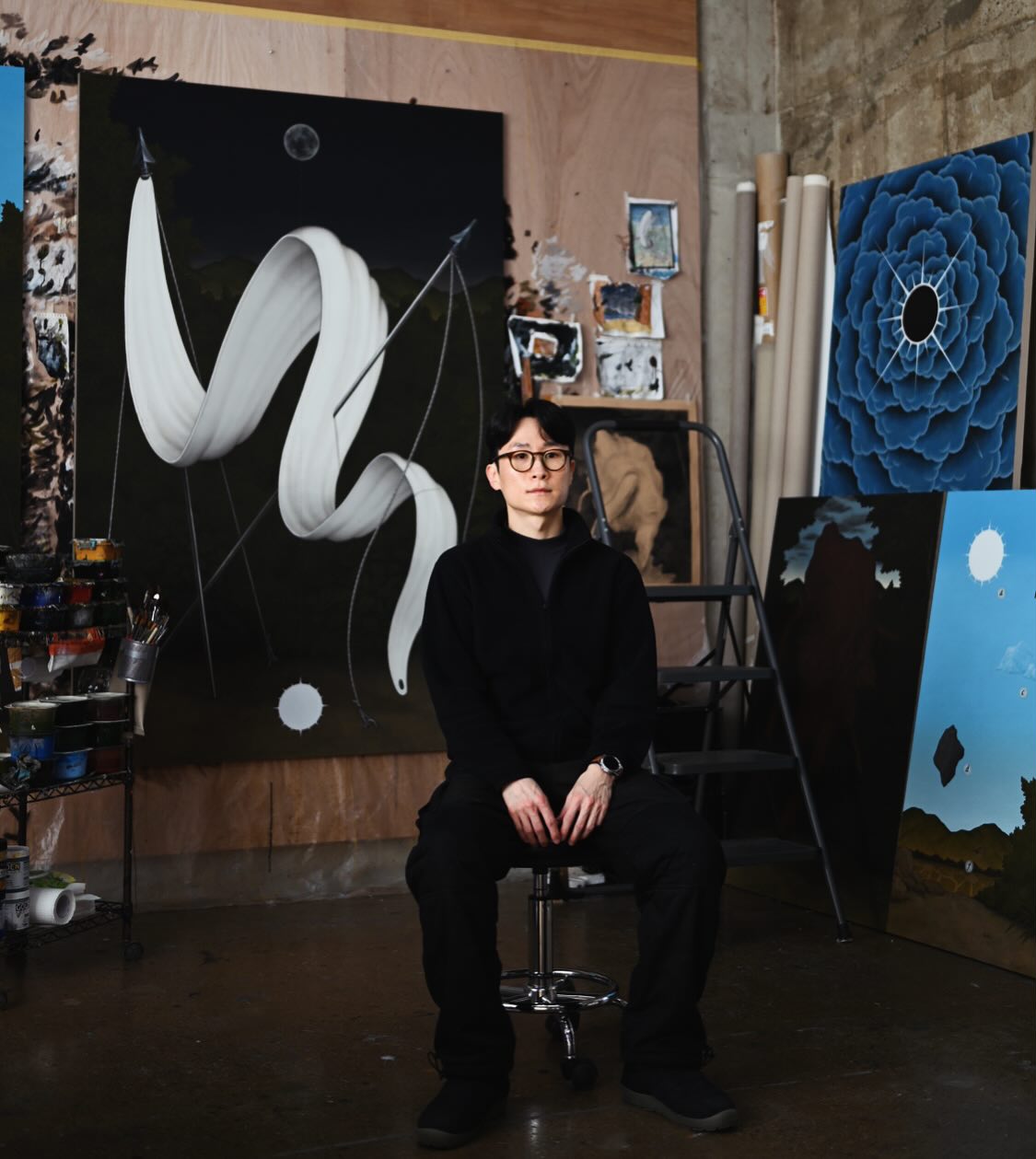
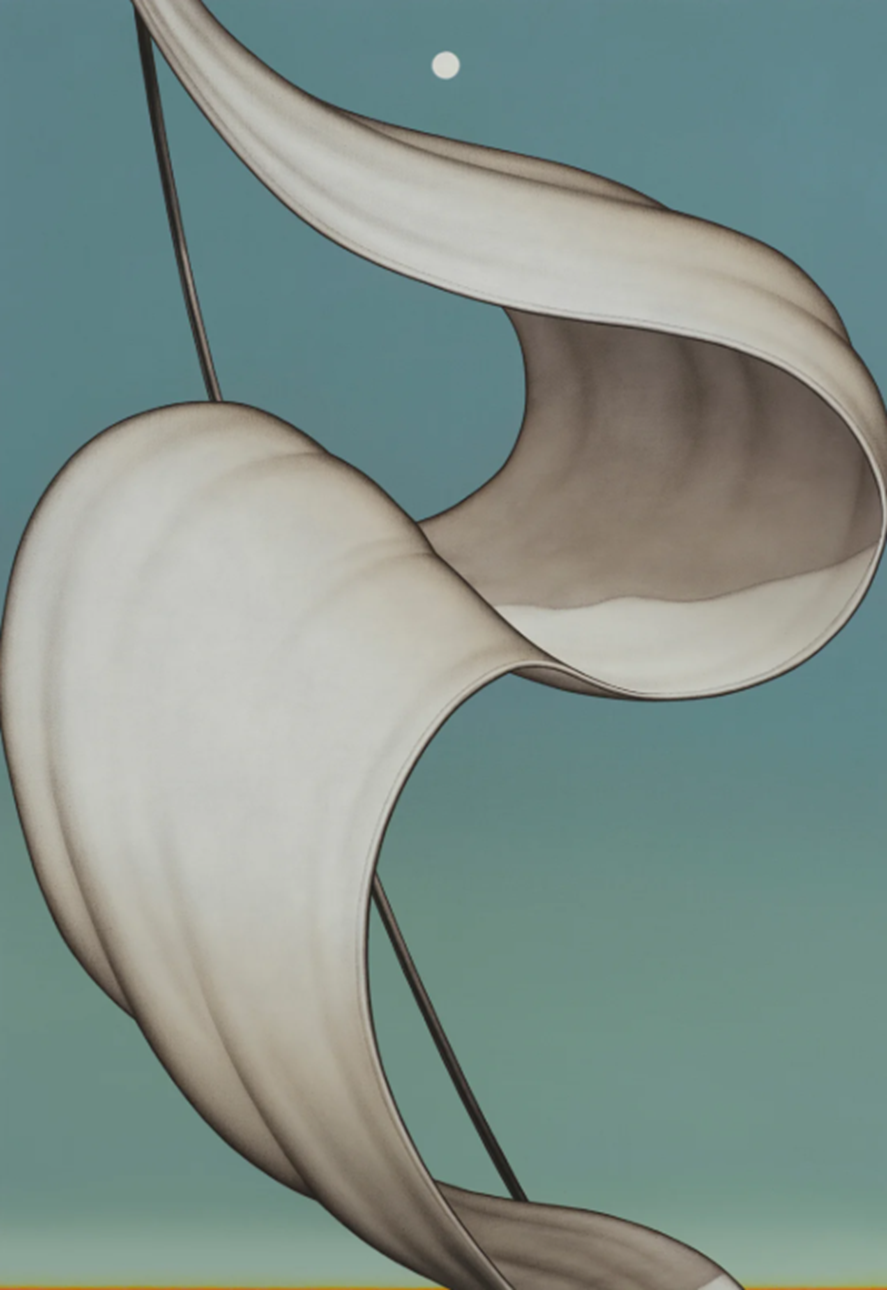
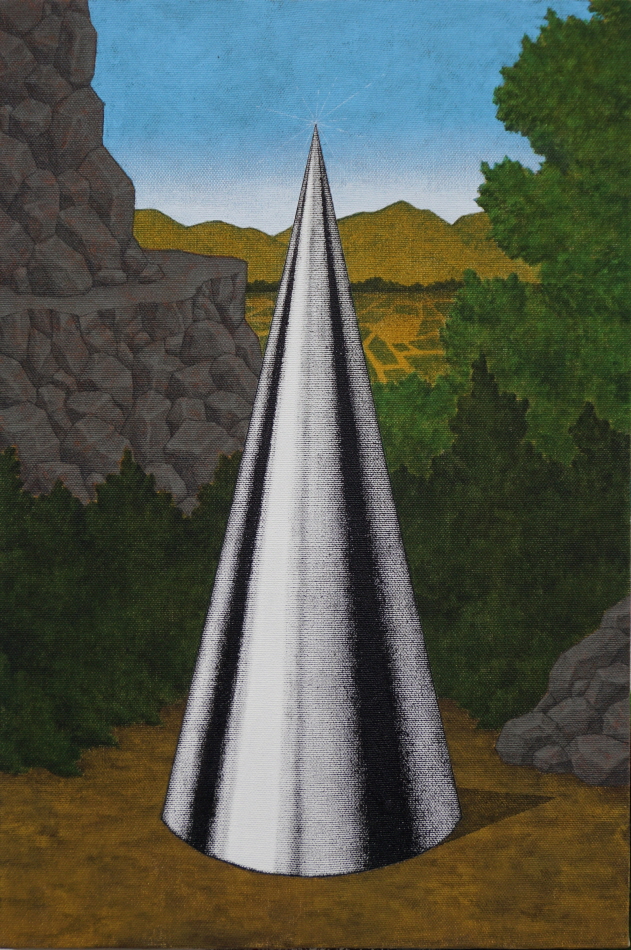
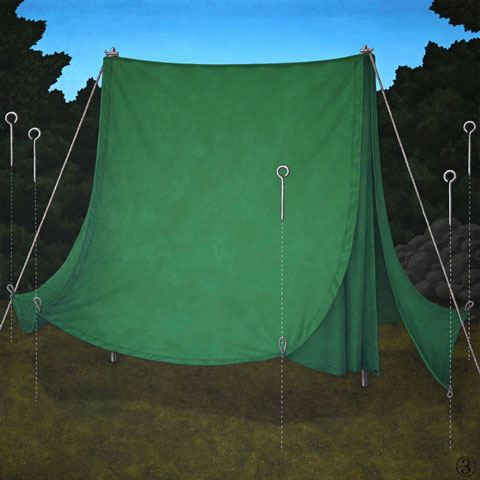
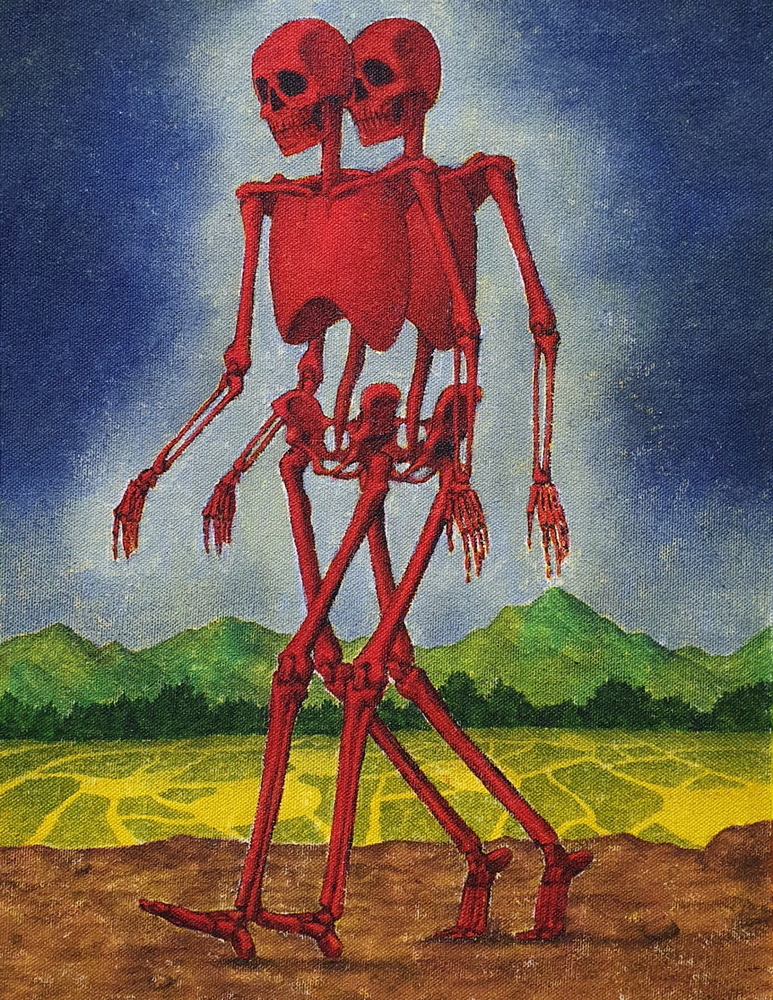
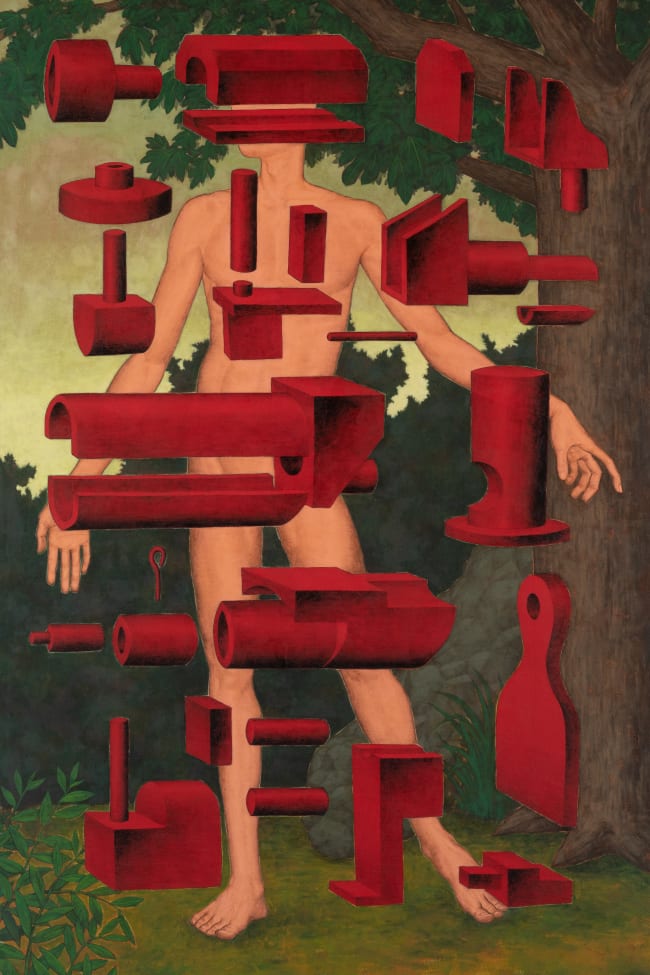
Lee translates the invisible structures of social order onto the canvas. His
artistic inspiration stems from an unexpected surgery he underwent during
military service. The experience of having screws inserted into his body led
him to perceive his own physicality in a new and unfamiliar way.
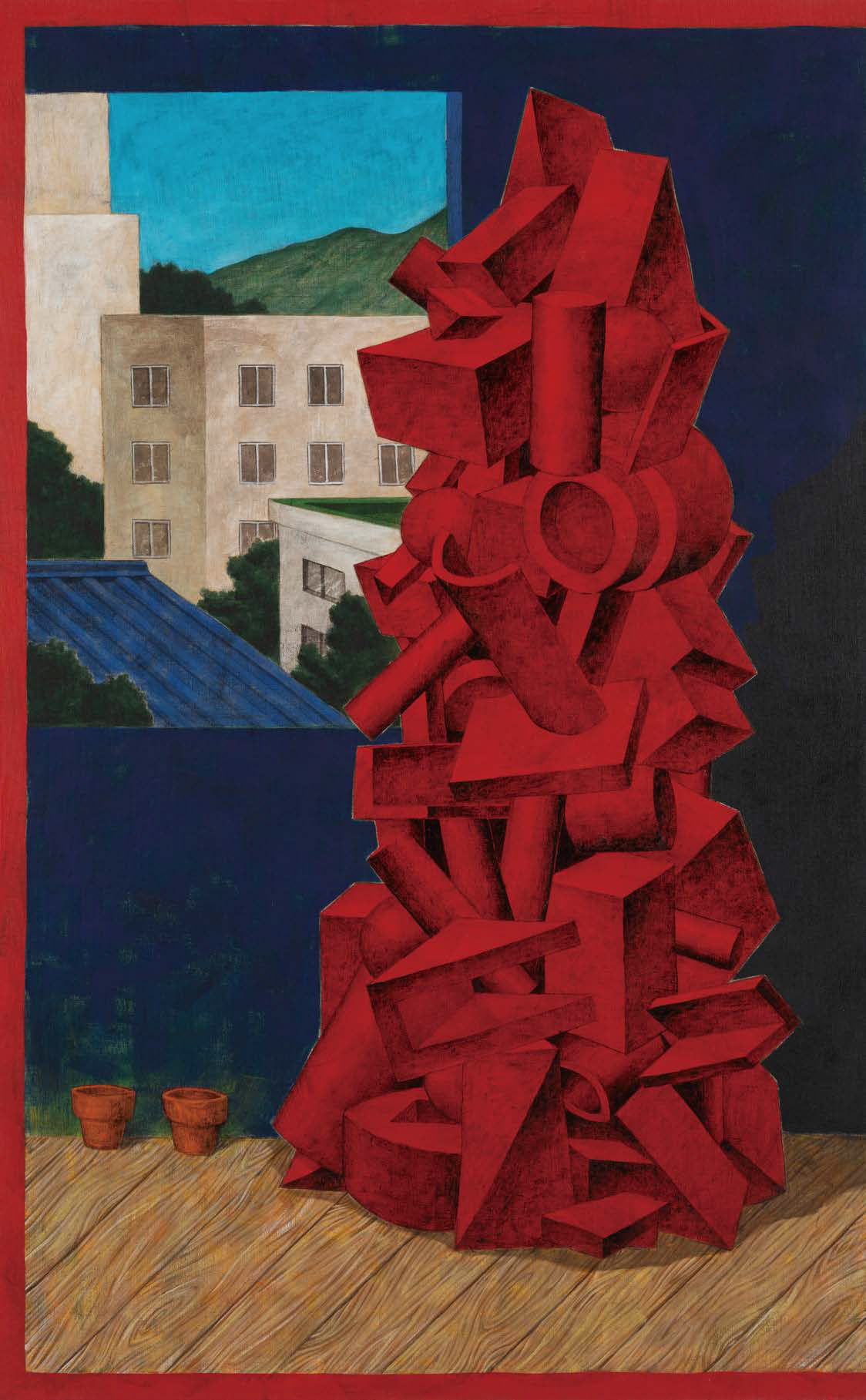
From this
realization, he began to visually connect the structure of firearms he used in
the military, the human body, and society, expressing these connections through
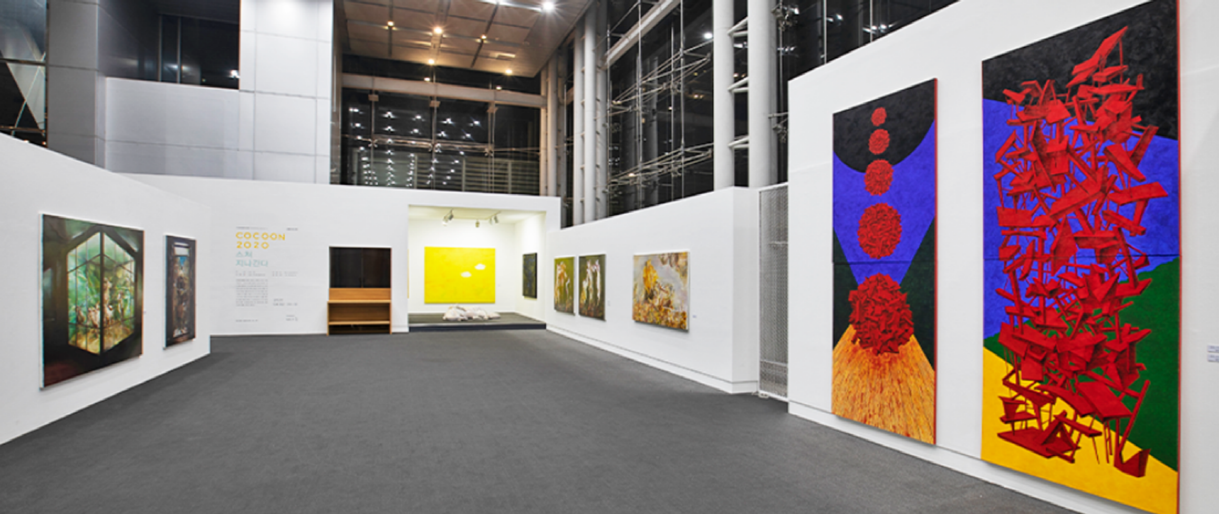
painting. The red components in his paintings, resembling internal organs, each
function according to their designated roles, but if any one part fails to
operate correctly, the entire system loses its rhythm.
Just as the precise
arrangement of small components strengthens the functionality of a gun, and the
proper operation of multiple organs sustains a healthy body, Lee suggests that
an inevitable sense of order within freedom is what constructs a so-called
"sublime society." His technique, rooted in the solidity of classical
painting, does not merely enhance the depth of color but also serves to
integrate fragmented images into a cohesive whole. The juxtaposed elements in
his paintings, seemingly unrelated, ultimately reflect an aspect of our world
that, though unseen, is deeply interconnected.
Changwoon Lee
Changwoon
Lee presents installation works that visualize the monotonous routine and
physical movement of modern individuals. His works stem from the question:
"Why do we live such repetitive lives?" The massive rail structure,
built in a way that only allows one-way movement, serves as a metaphor for
contemporary society as the artist perceives it.
The capsules rattling along
this predetermined path resemble a conveyor belt assembly line—seemingly stable
yet mirroring the precarious state of modern individuals, who must continue
moving forward or risk being left behind. Despite the uniform movement, the
rhythm it generates brings a sense of vitality and offers small comfort to
those observing.
Through situations of repetition and tension, the artist
carefully illuminates fragments of reality and the problems inherent within it.
The intricately intertwined rails and mechanically operated elements in his
work prompt viewers to reflect on their own daily existence, inviting them to
rediscover their present moment within an otherwise standardized routine.
Heejae Lim
Heejae
Lim focuses on the physical frames that exist between a visual subject and the
observer. His work particularly examines the objectification of living beings,
as seen in taxidermied animals or animals depicted in documentaries. While
natural history museum exhibits function as a means of conveying realistic
experiences of living creatures, taxidermied specimens encased in glass are
ultimately just illusions of life.
The transparent glass barrier in display
cases acts as a partition, preventing the unsettling realities of killing,
violence, suffering, and death from seeping into the outside world. Lim
recreates taxidermied images in painting, effectively
"re-taxidermizing" them in his own way to retrace their fading
narratives. Even documentaries, which capture moments of animals in vibrant
motion, share a similar mechanism in Lim’s view.
Recognizing the same dynamic
at play in video images encased within television panels—a contemporary
technological equivalent to a glass barrier—the artist deliberately fragments
these images, attempting to escape the established context of the documentary
format. His free-flowing brushstrokes traverse the borders of these glass
enclosures, weaving together scattered illusions in pursuit of a more complete
representation. His intense and fleeting painting style dissolves boundaries,
liberating images from the confinement of objectification imposed by glass
frames.