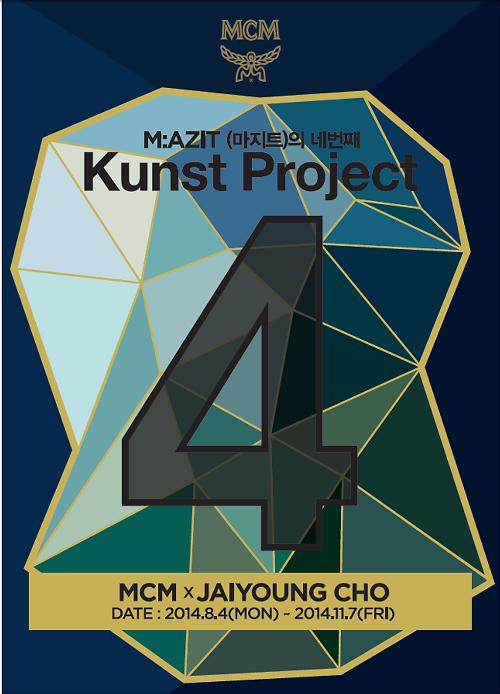
Jaiyoung Cho's practice begins with the premise that the ways we understand the world are not absolute, but are constructed through linguistic and social systems of perception. The processes of naming, assigning functions, and establishing hierarchies become the very criteria through which objects are recognized, while simultaneously obscuring countless other possibilities and indeterminate conditions.
Rather than accepting these cognitive structures as fixed, Cho investigates how they are formed and maintained, continually reexamining objects, spaces, and the body through alternative modes of perception. Her work is not an act of dismantling the familiar world for its own sake, but an exploration that reveals the latent relationships and conditions embedded within it.
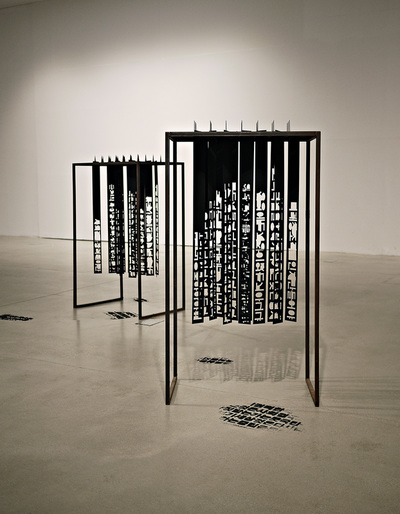
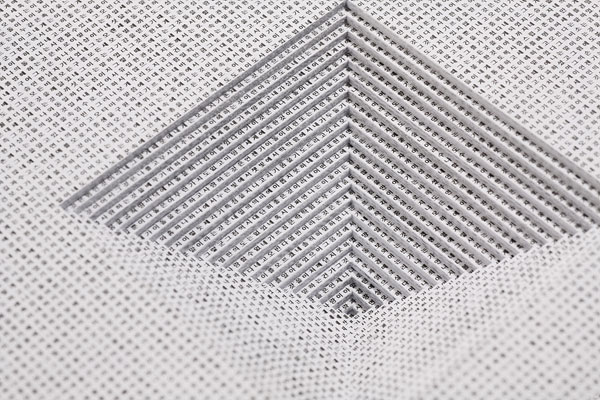
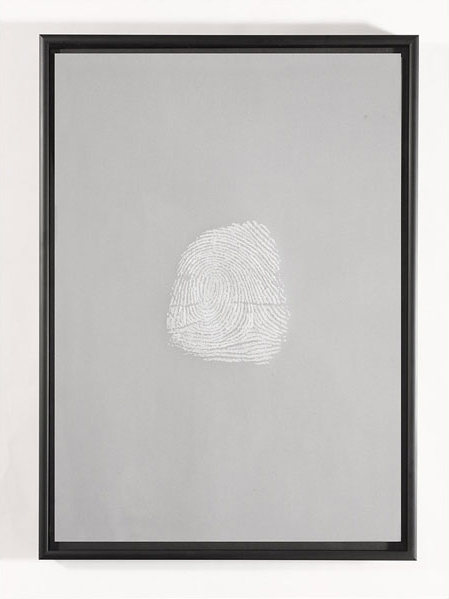
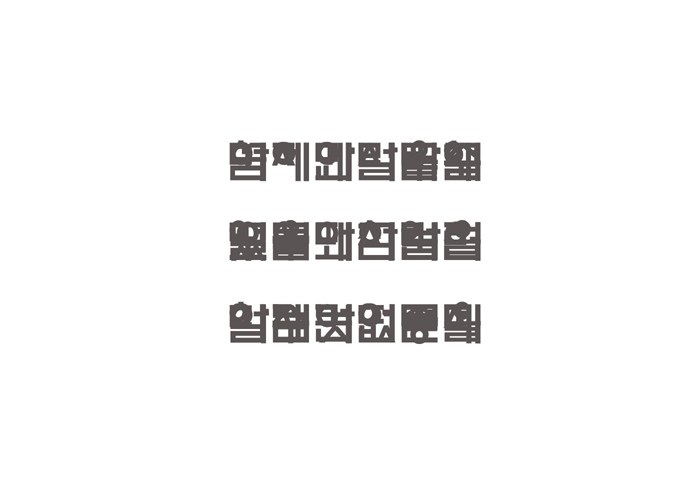
Her early works focused on repetitive acts of stitching and perforating signs such as letters, numbers, fingerprints, and banknotes, questioning the authority and stability of language and symbolic systems. Repetition functioned not as a means of reproducing identical forms, but as a process of destabilizing fixed meanings and reducing signs to their material traces.
This sustained inquiry gradually expanded from language into the physical structures of objects and space, transforming conceptual questions into sculptural investigations.
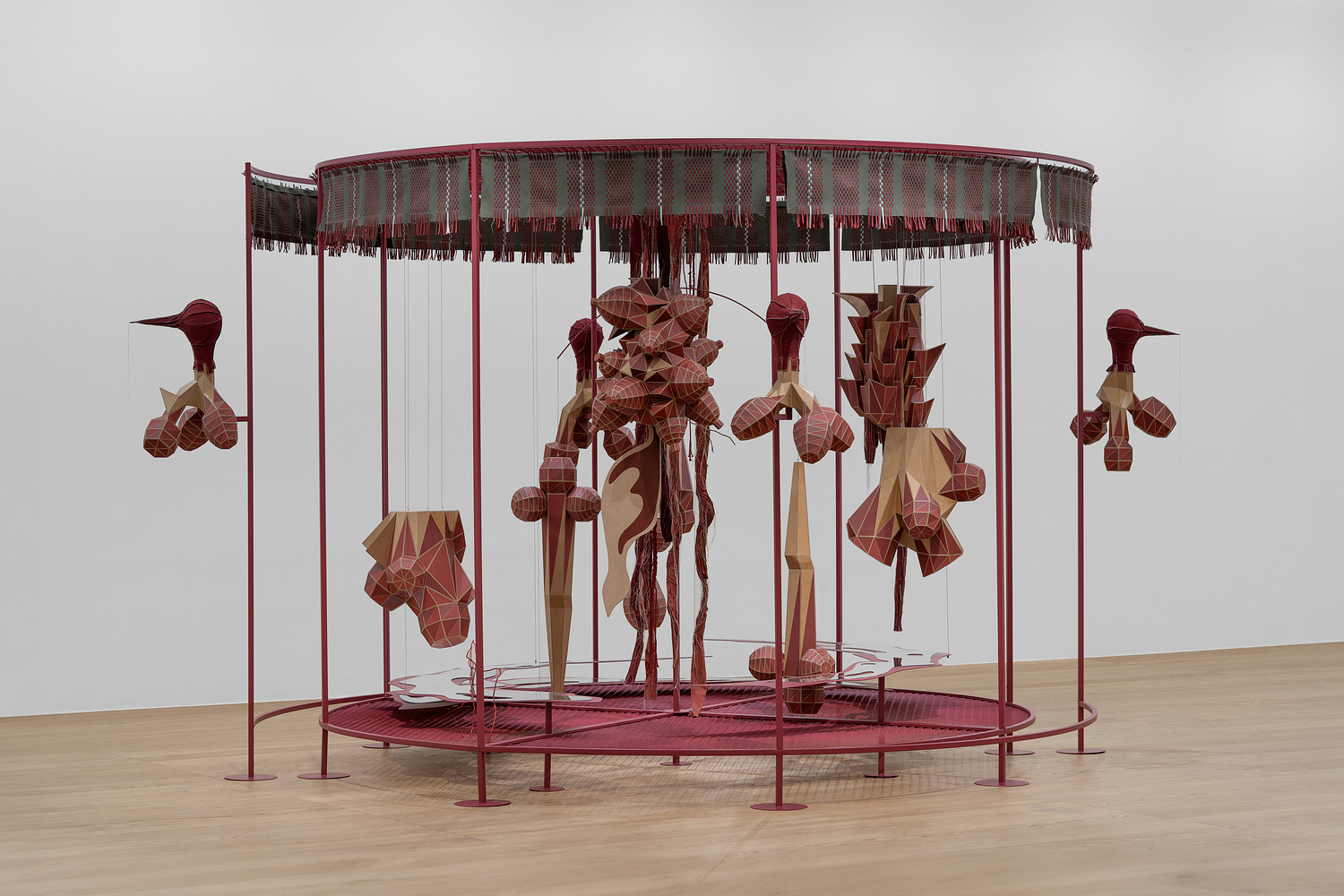
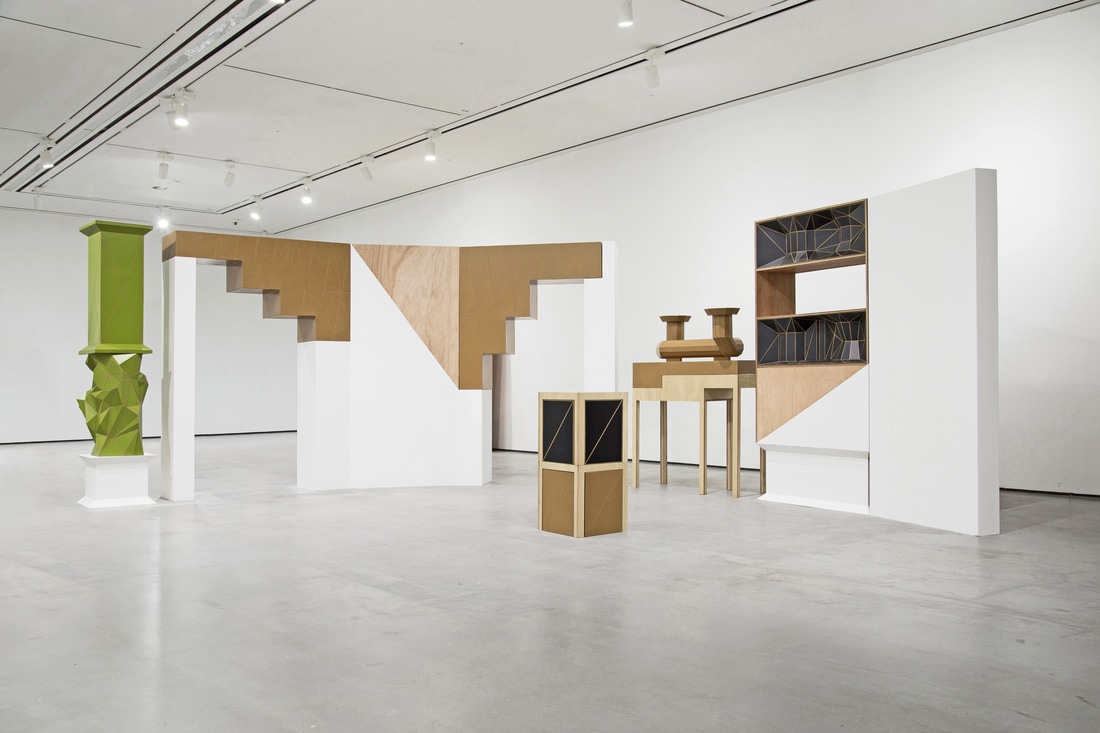
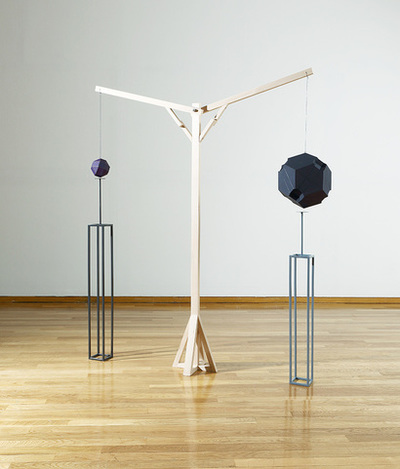
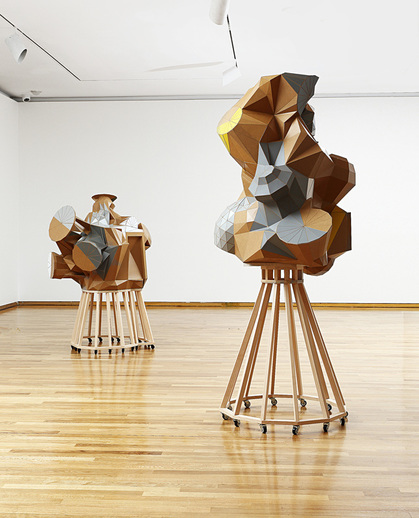
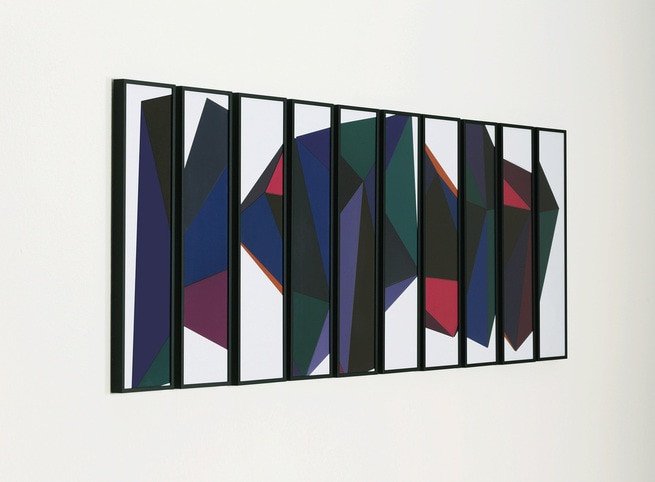
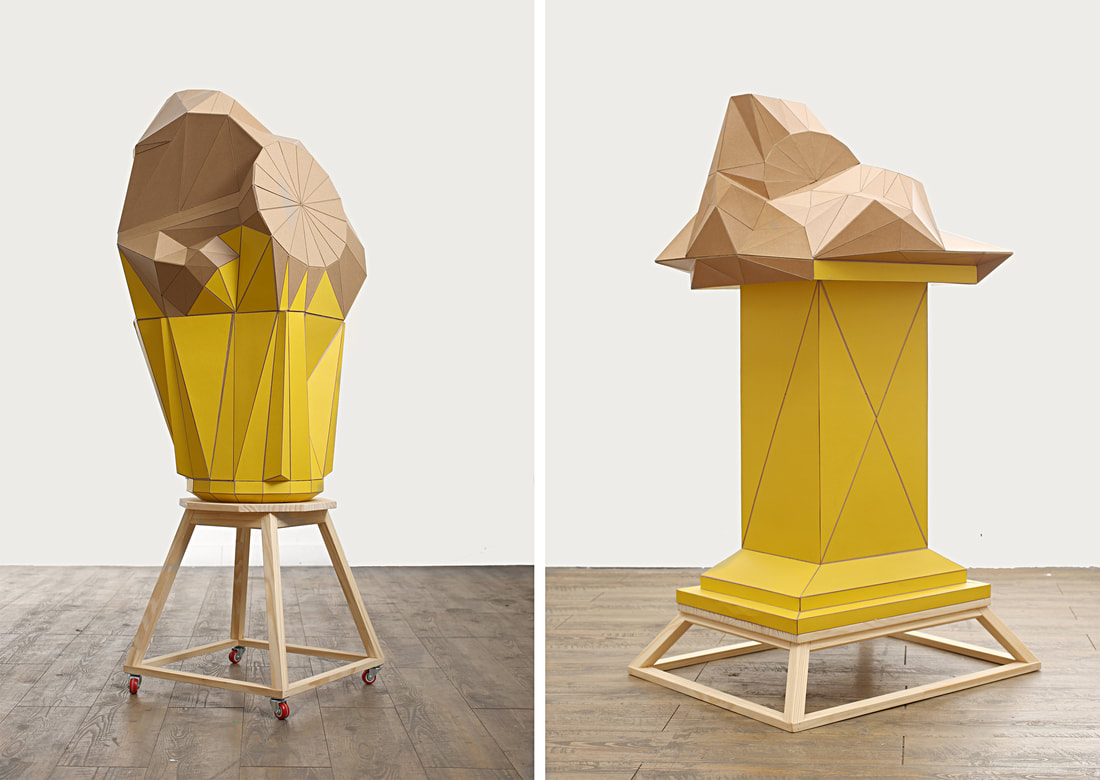
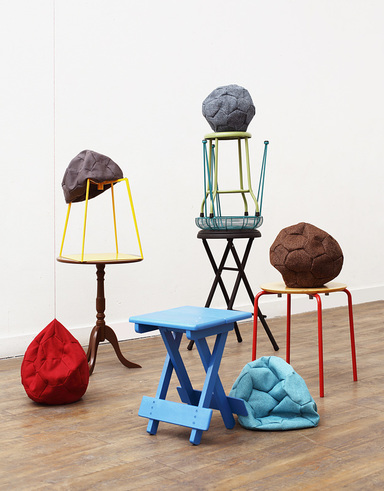
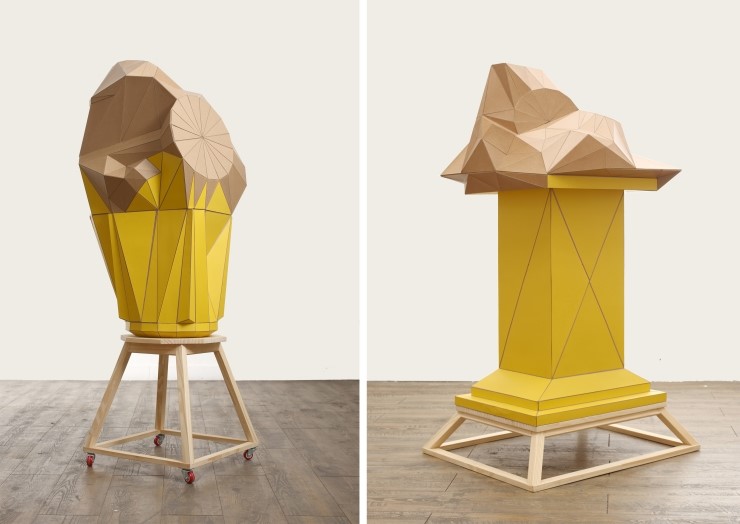
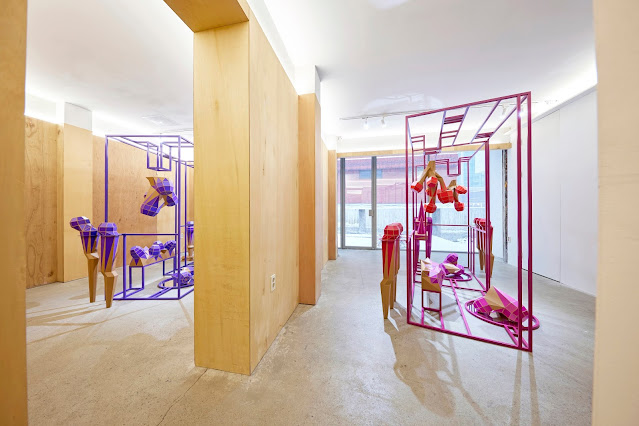
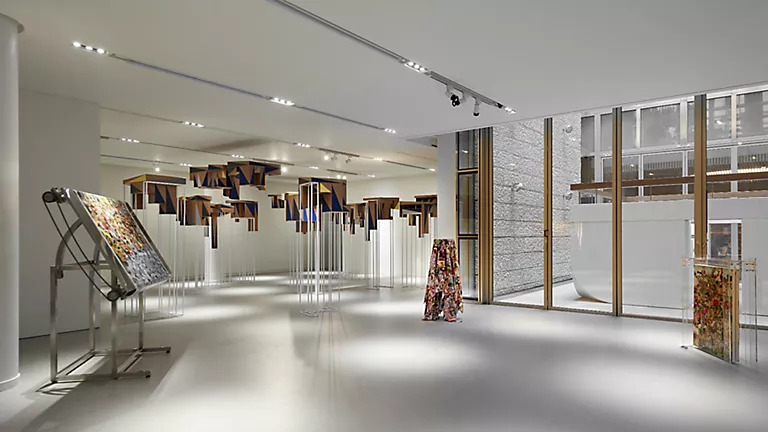
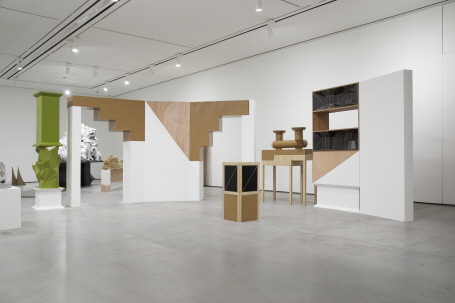
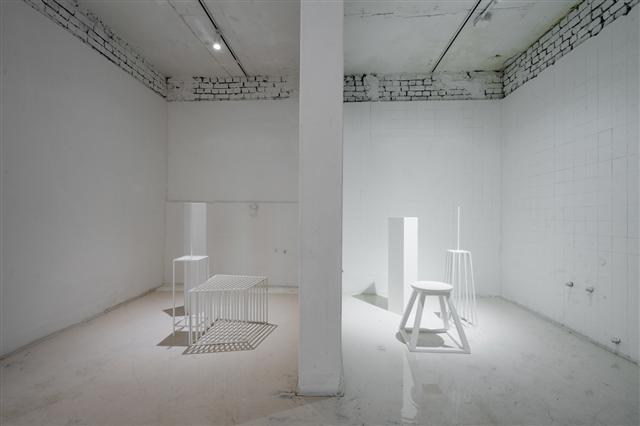
Since the early 2010s, Cho has developed a distinctive body of work that reconstructs objects into polyhedral forms and cardboard "skins," examining how systems of perception operate through material and spatial structures. Her sculptures do not seek to replicate original forms.
Instead, familiar objects are dismantled and reassembled, temporarily released from their assigned functions, names, and hierarchies to generate new relationships and modes of existence. Through this process, the work renders visible not the object itself, but the cognitive frameworks through which it is understood.
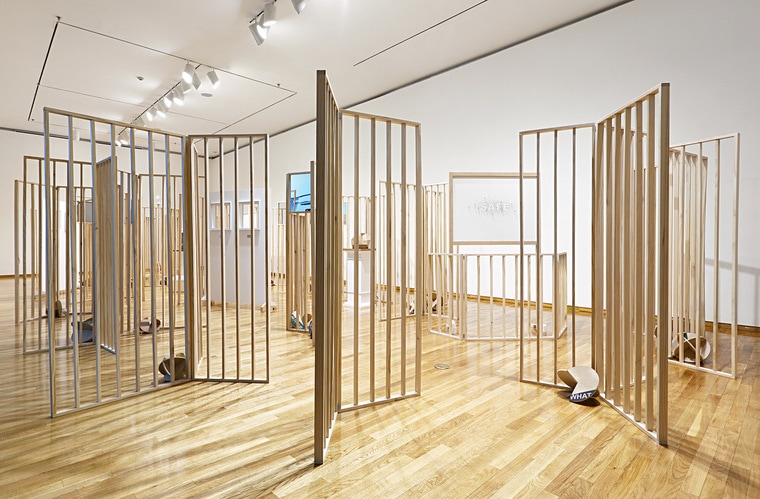
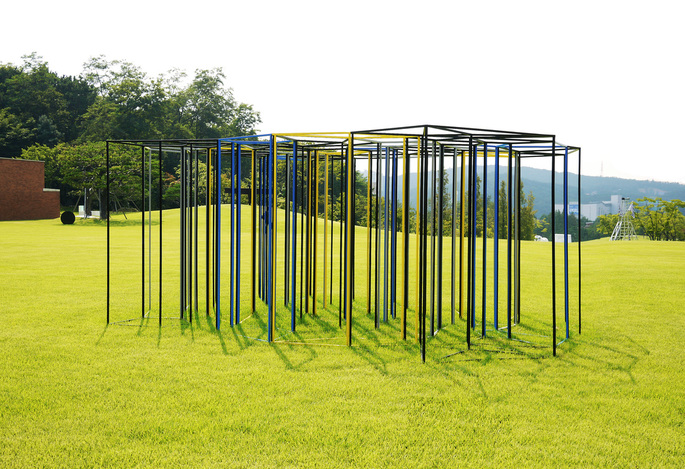
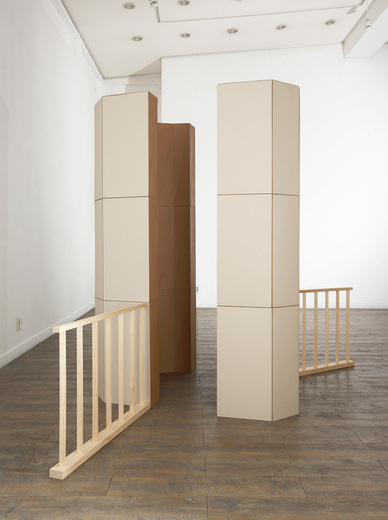
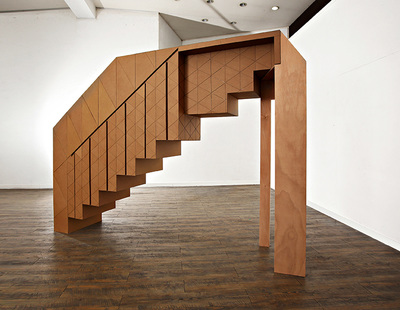
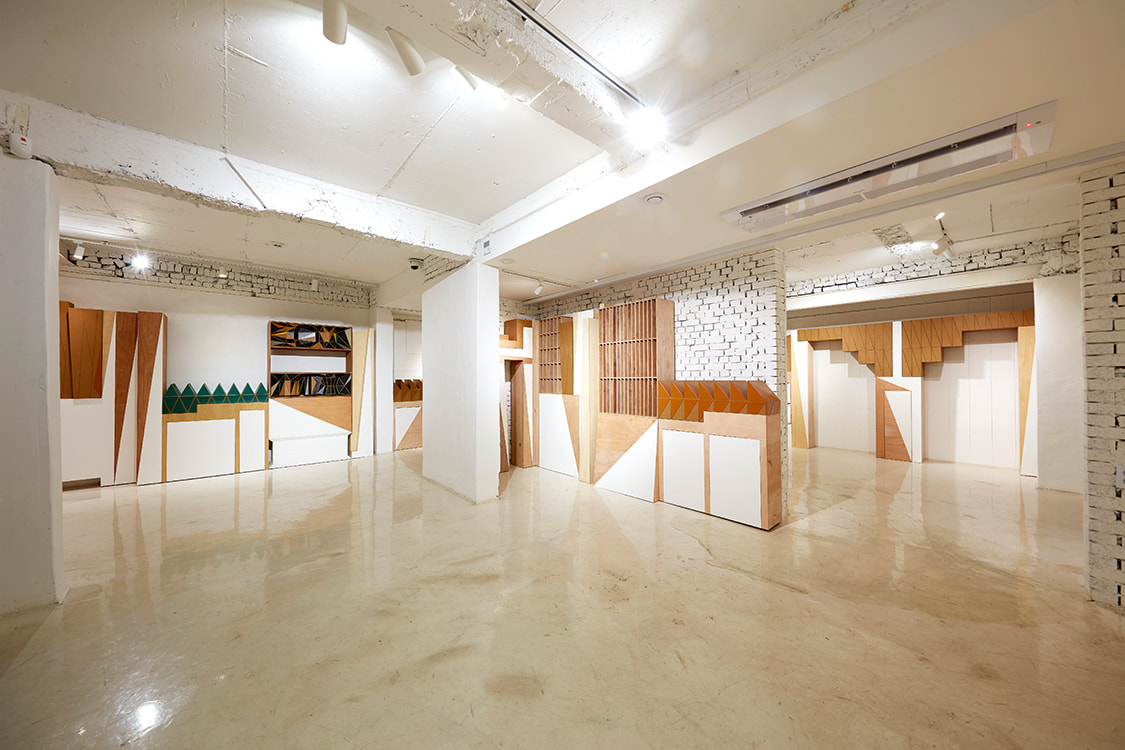
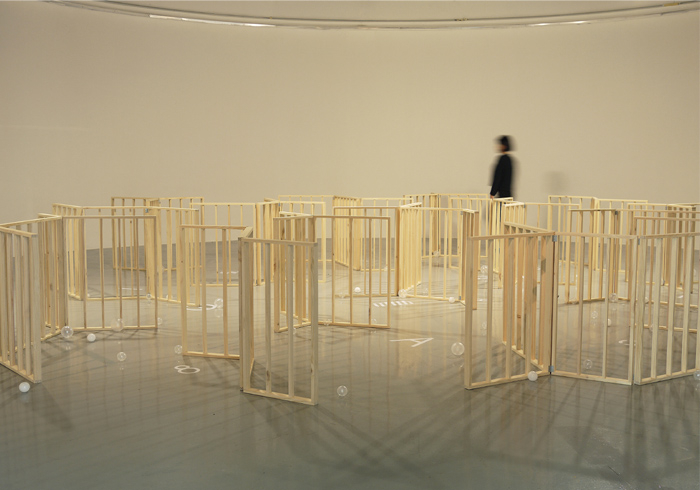
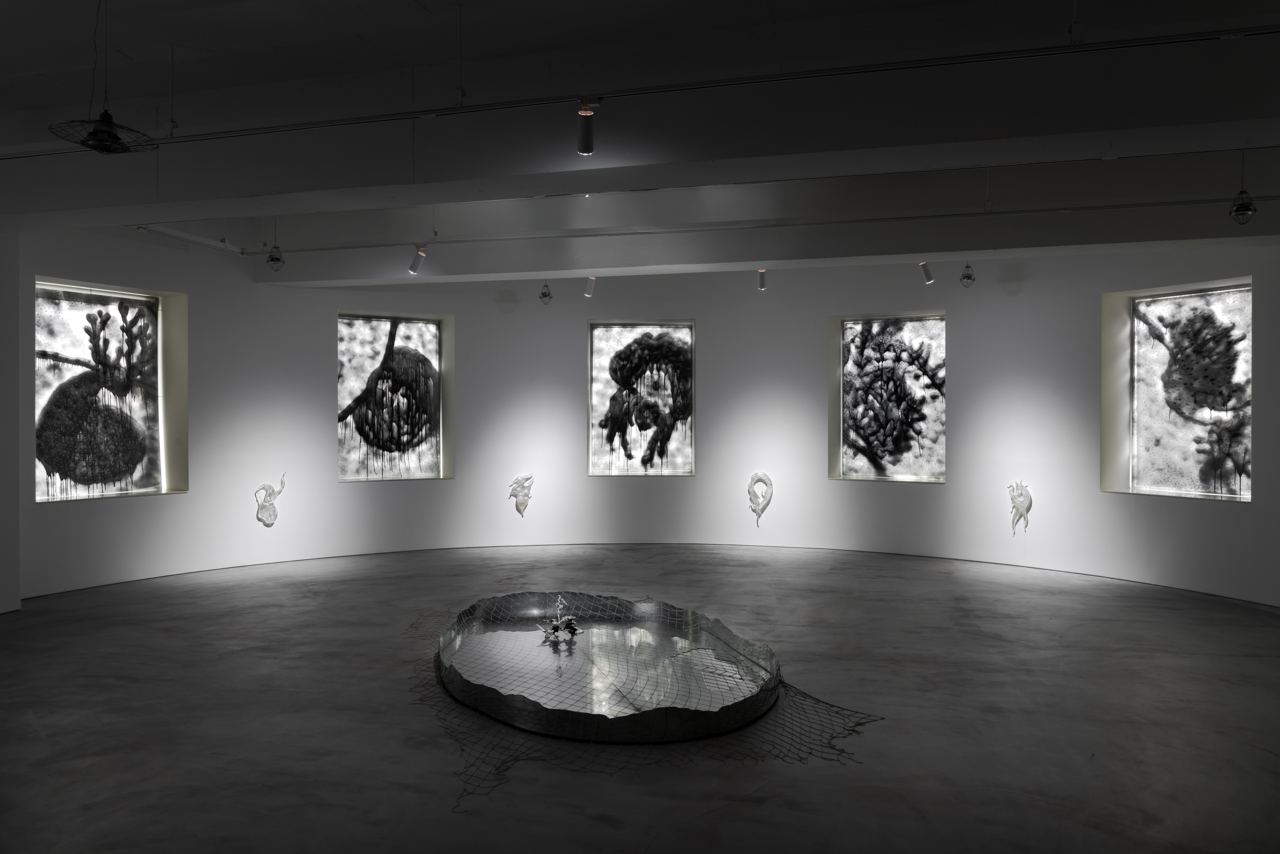
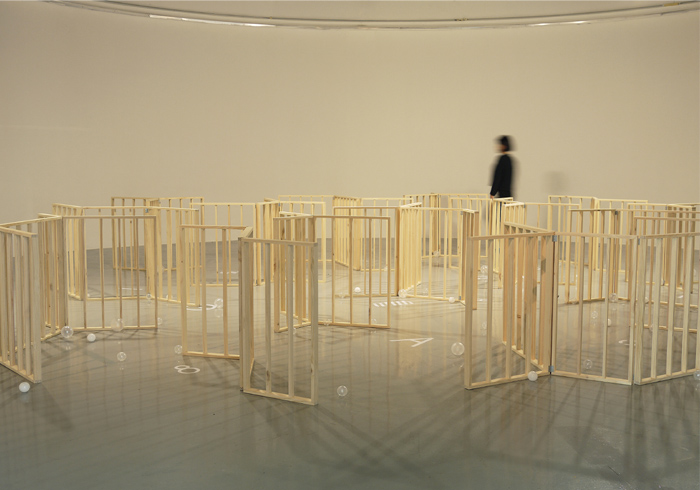
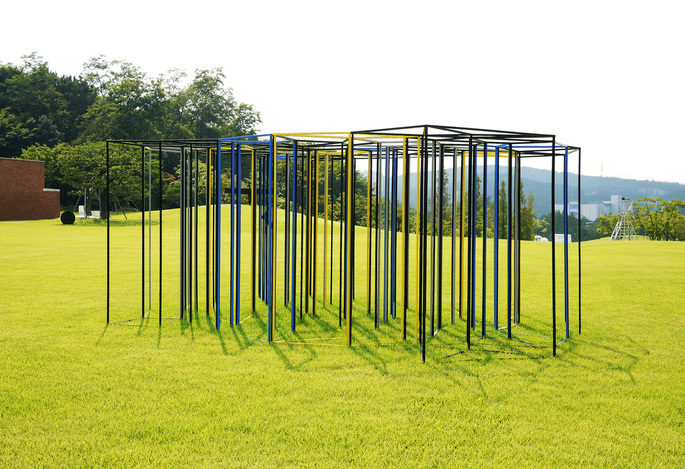
More recently, this investigation has expanded toward architecture, exhibition space, and the human body. Space appears not simply as a backdrop but as a structure shaped by social orders and systems of control, while the body is presented as an entity continuously reorganized through relationships rather than as a fixed presence.
By approaching objects, spaces, and bodies through a shared sculptural language, Cho explores the invisible rules that organize reality and the numerous possibilities that exist between them.