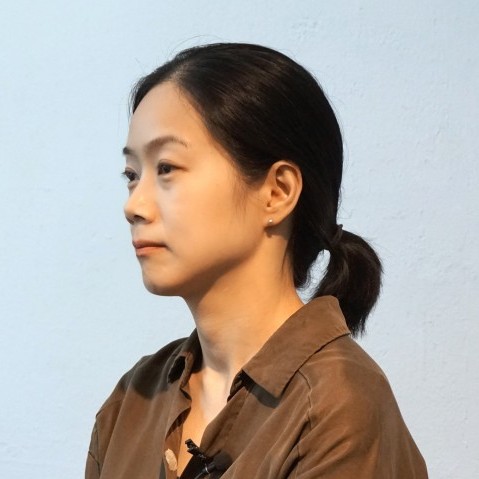
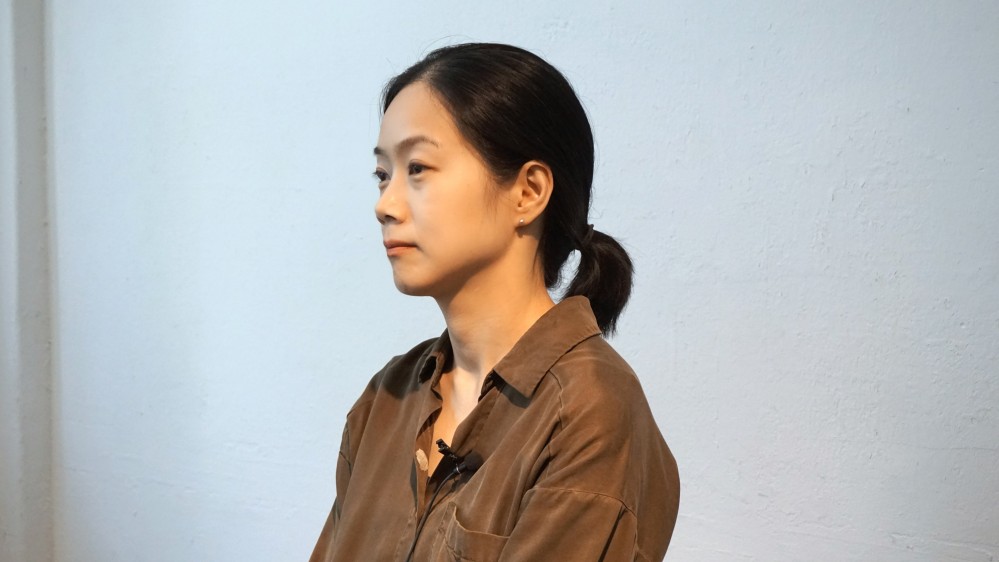
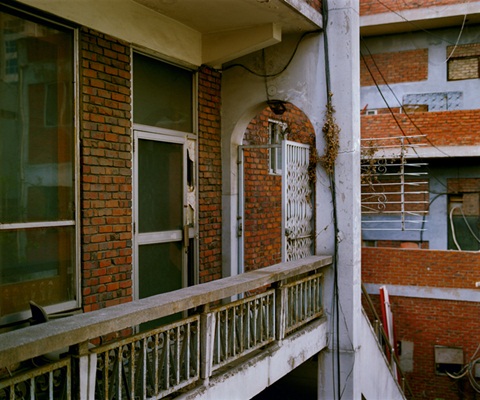
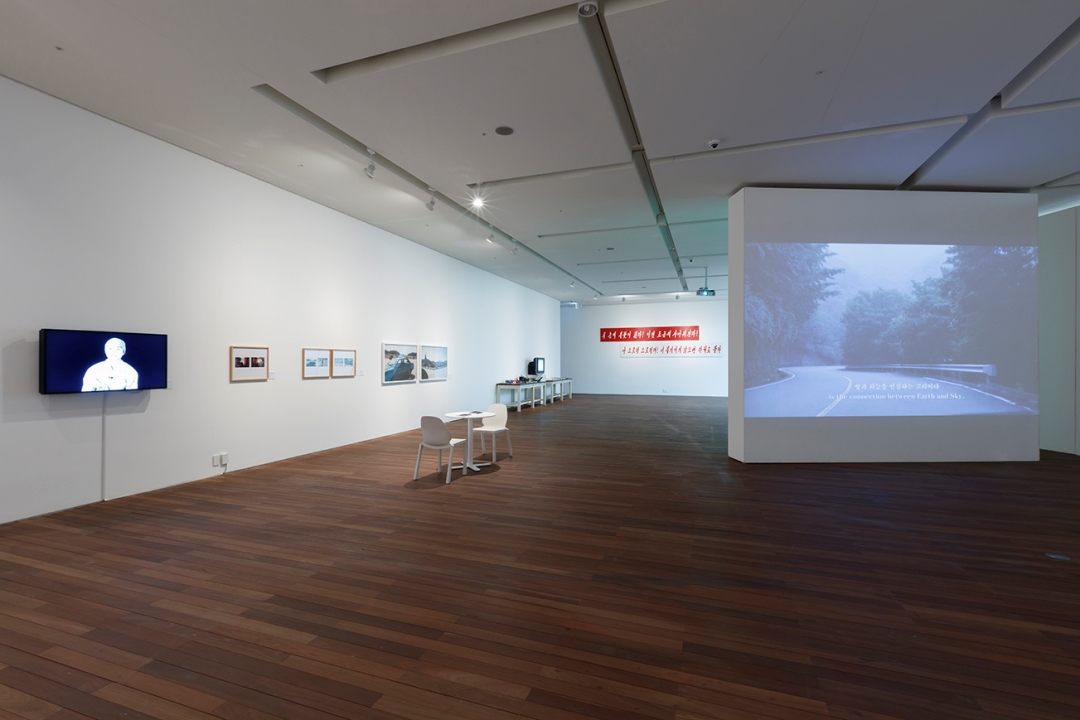
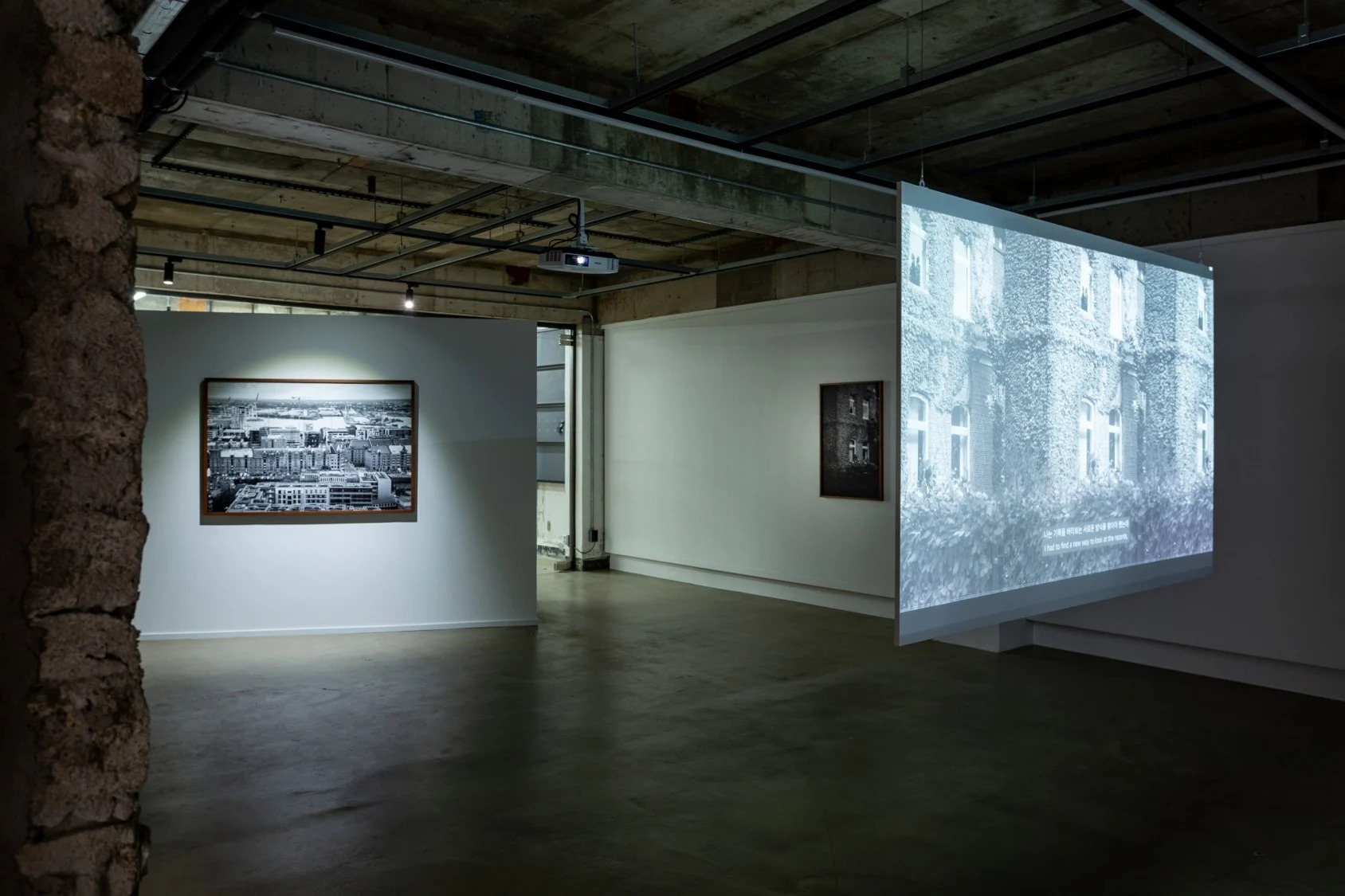
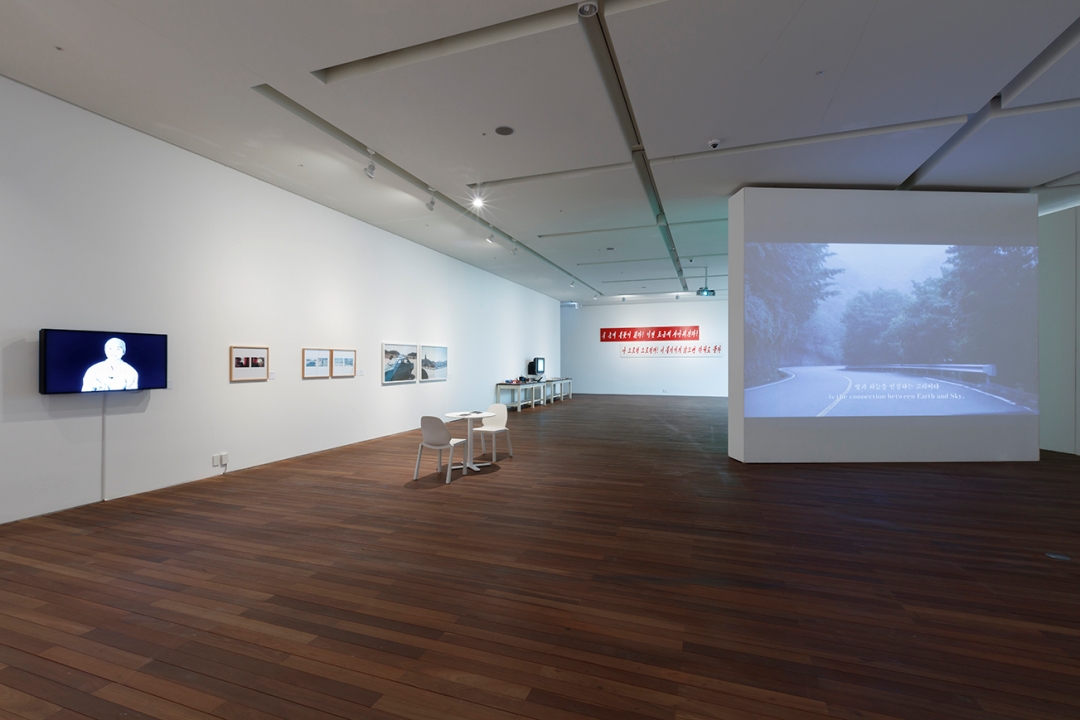
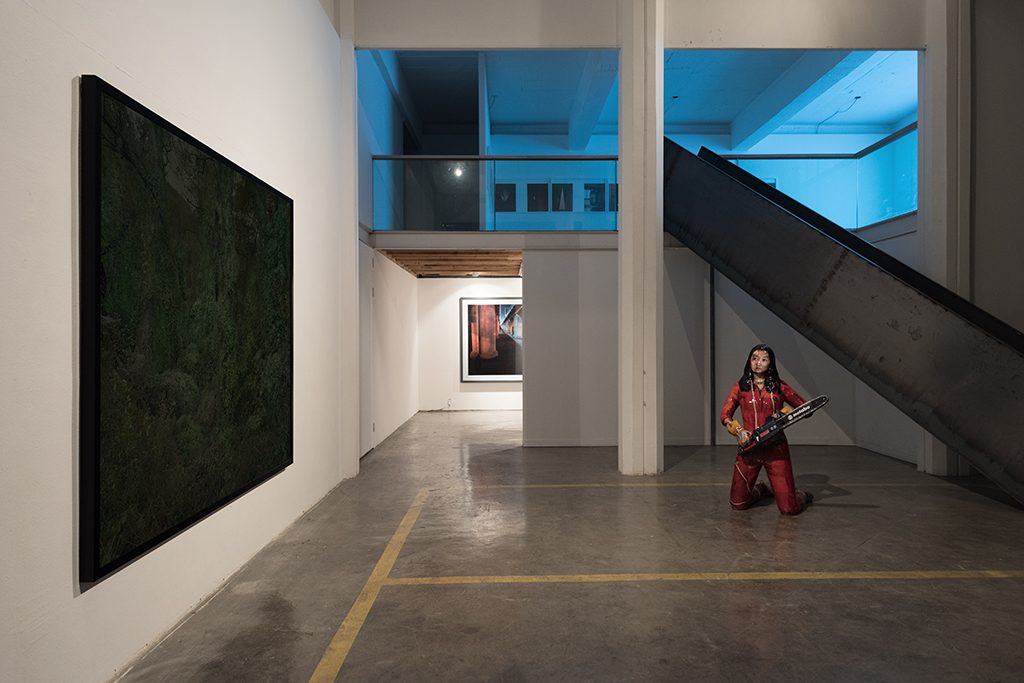
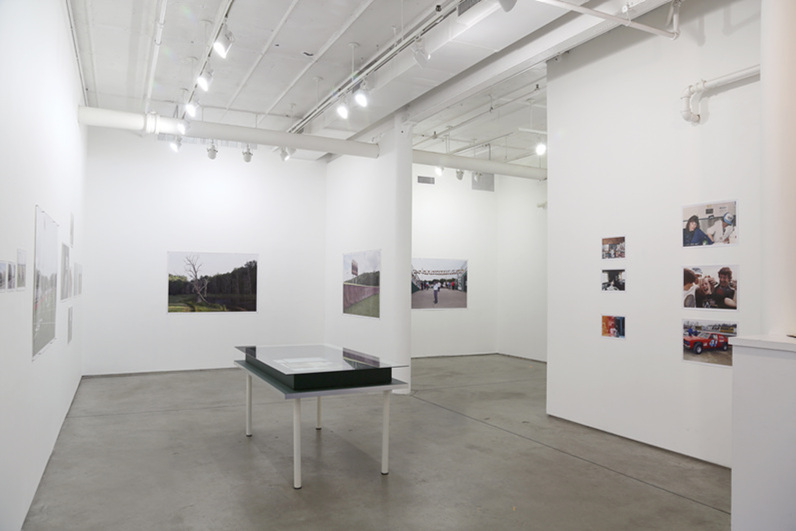
Boyun Jang works with photography as her primary medium while organically integrating photography, video, text, publications, and installation to expand a single project across multiple forms.
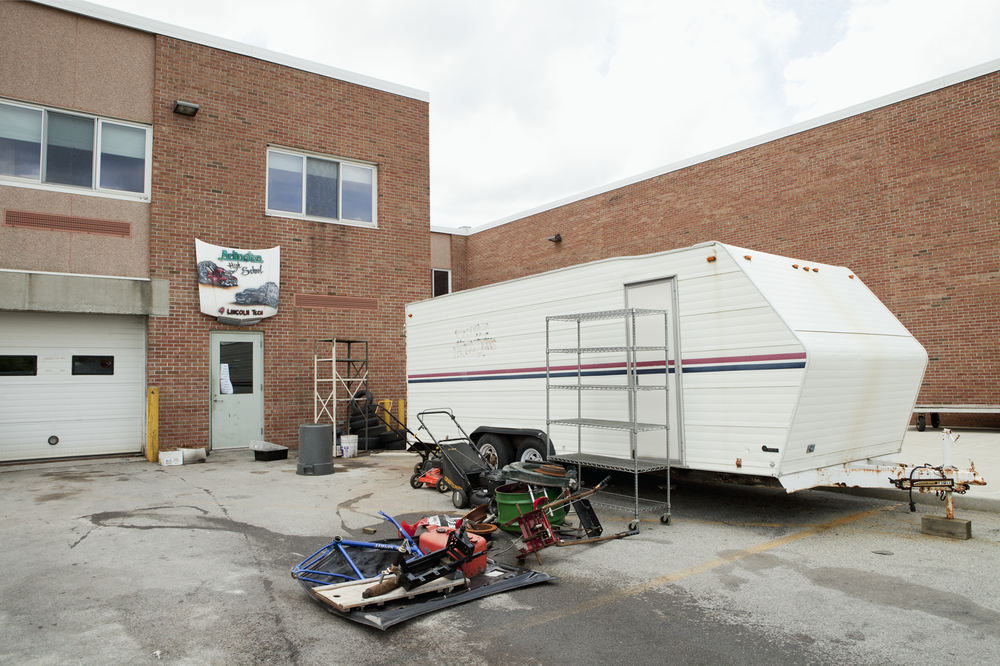
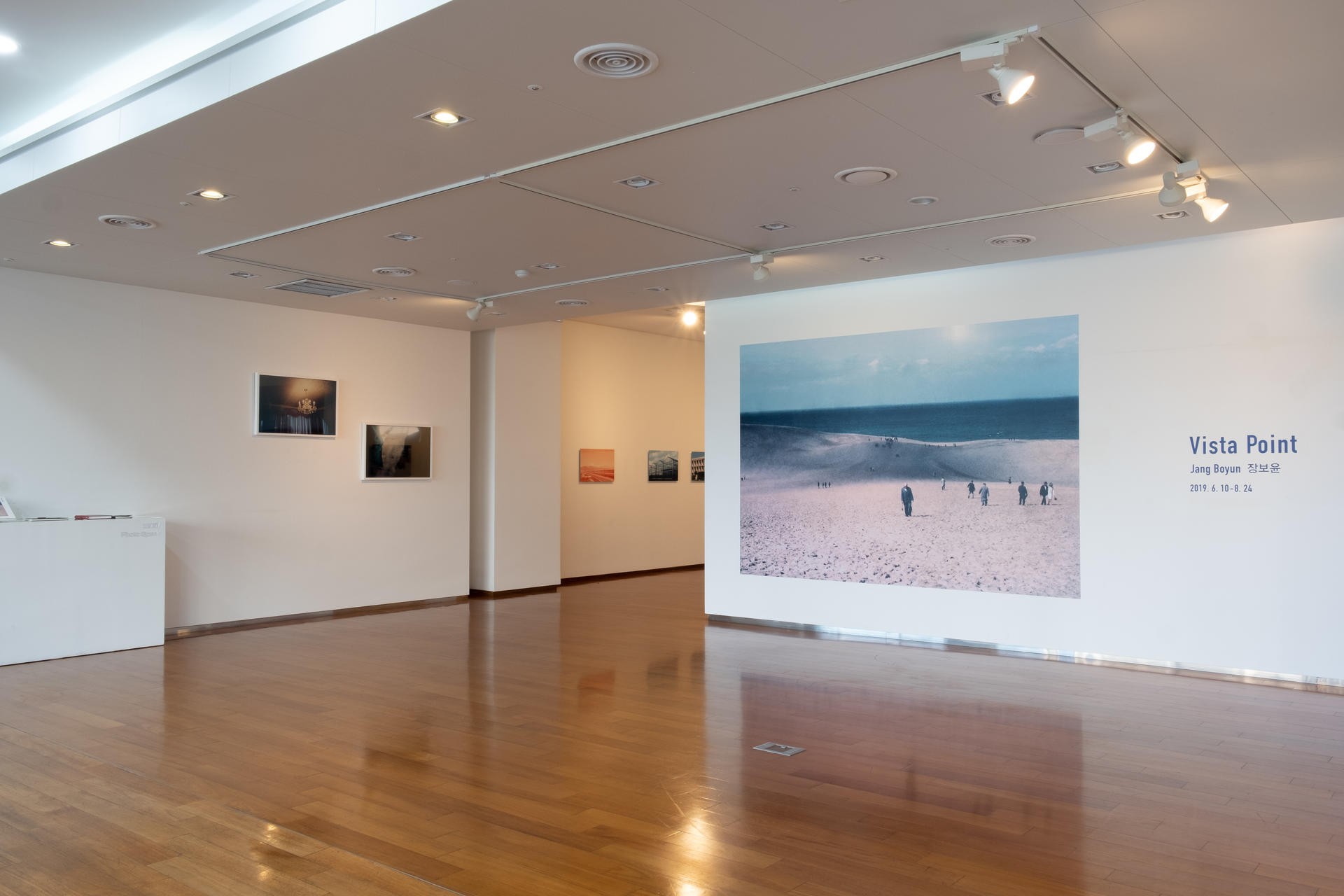
Her early practice began by documenting abandoned houses, discarded objects, found film, and photographs, but gradually evolved into research-based projects that reconstruct archival materials through site visits and historical investigation. In her practice, photography functions not simply as the outcome of capturing a moment, but as a medium that encompasses the entire process of research, travel, collection, and documentation.
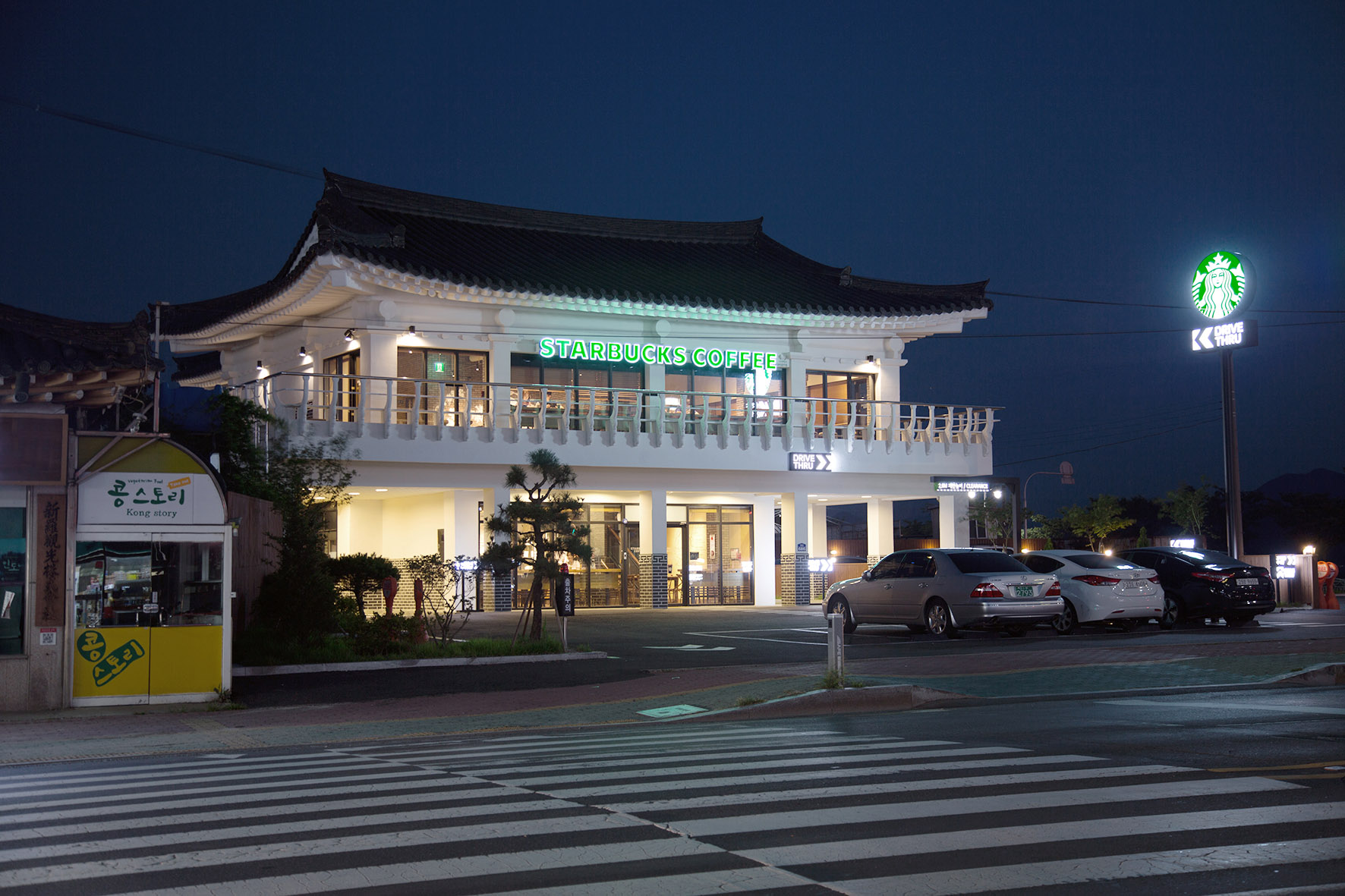
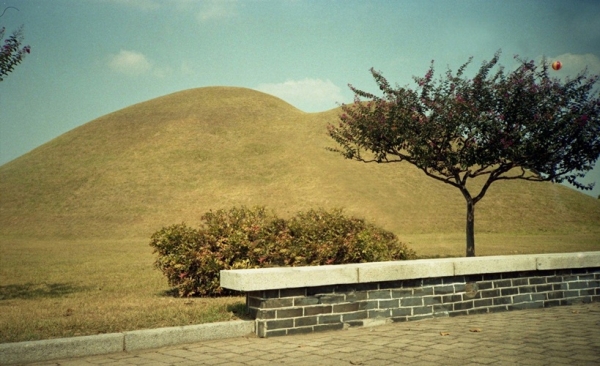
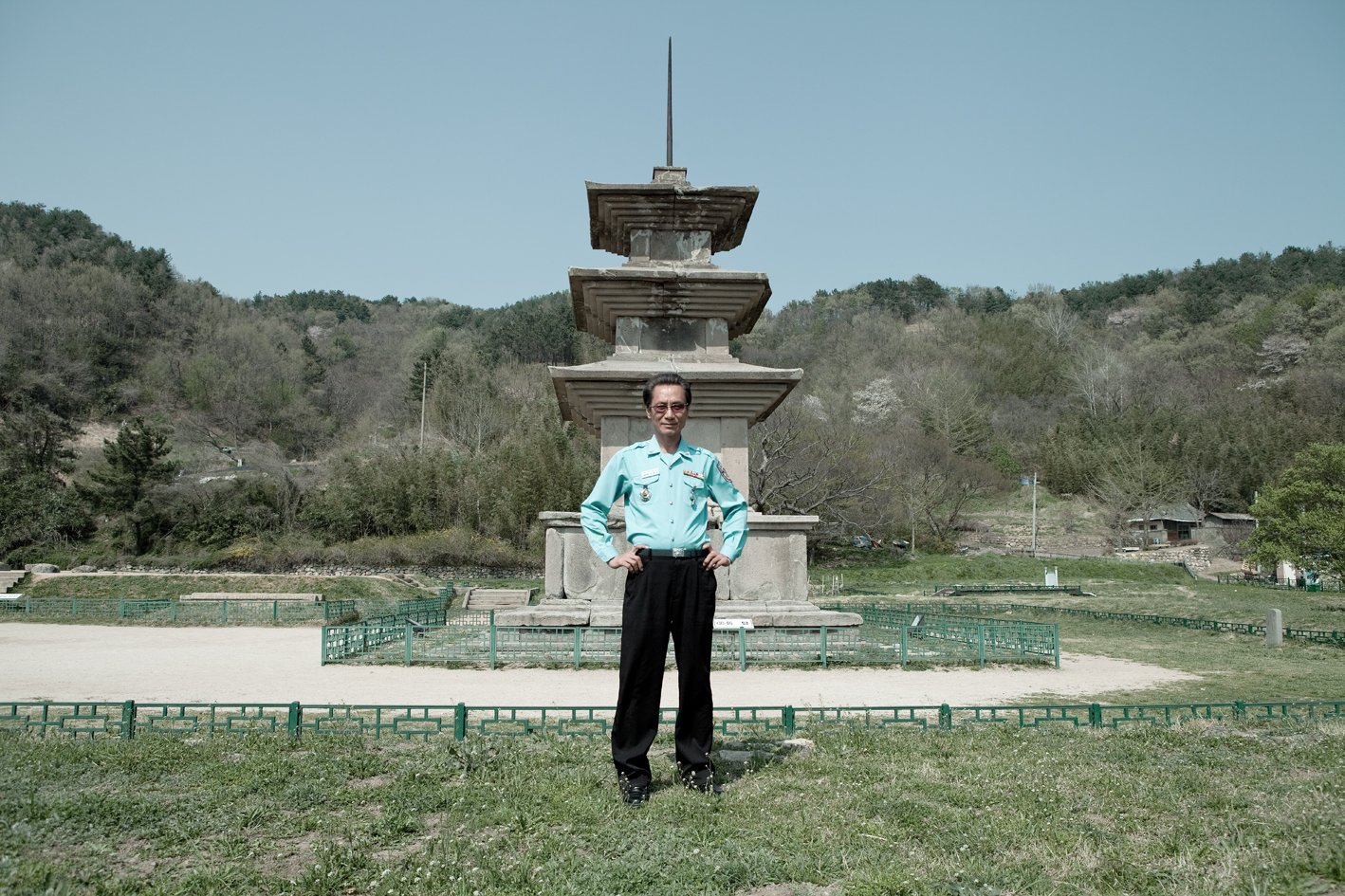
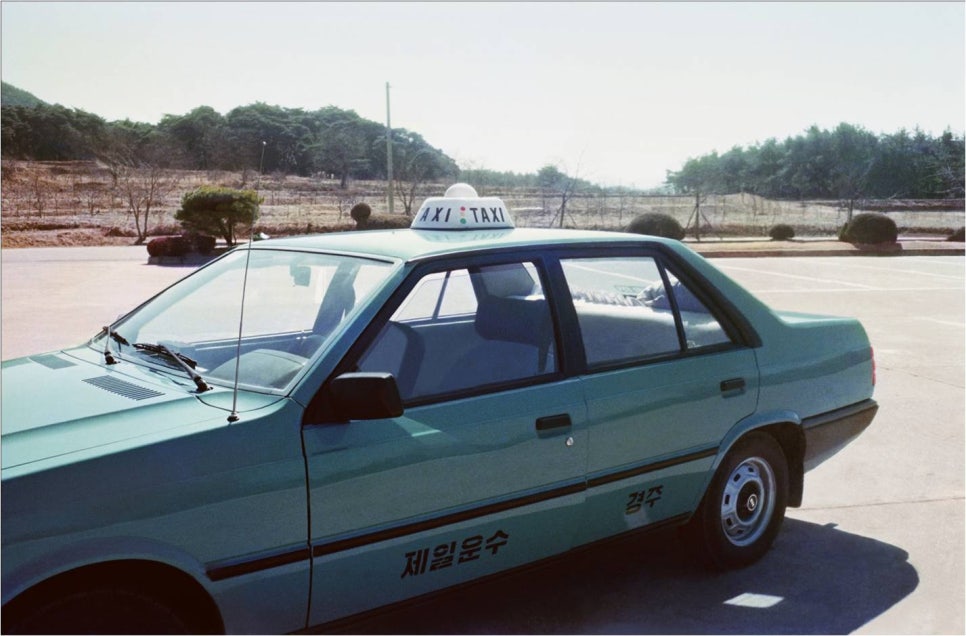
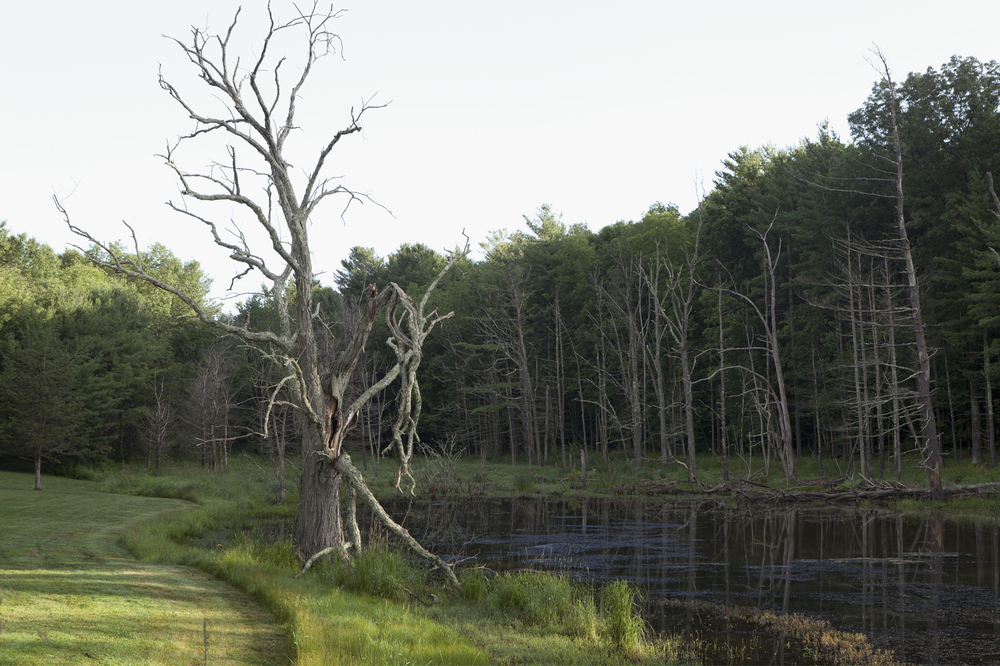
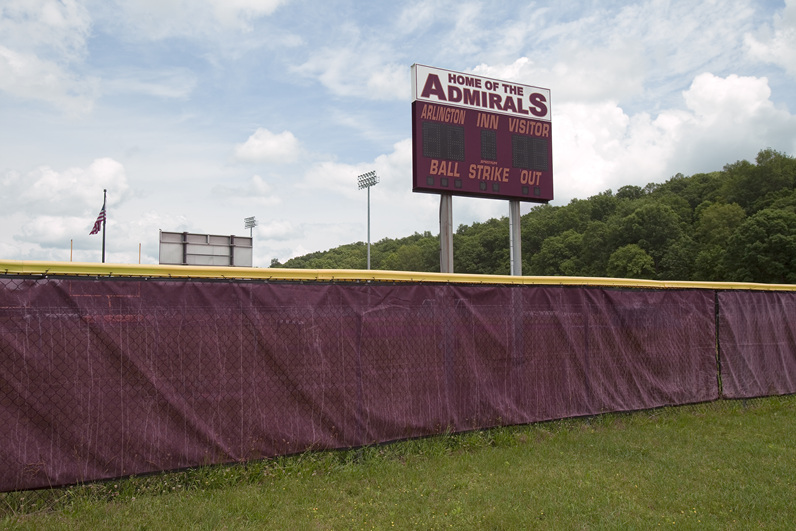
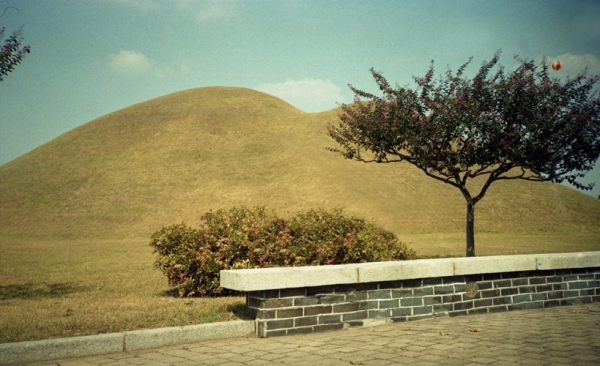
A performative methodology of revisiting actual sites consistently characterizes her work. She retraces the routes of an anonymous traveler found in discarded slides through Japan, follows the life of Lisa—a figure preserved in found photographs—by visiting locations across the United States, and records places where history and personal memory intersect in Gyeongju, Hamburg, and Okinawa.
Within this process, photography no longer serves as evidence that reproduces the past; instead, it becomes an event reconstructed through embodied experience in the present. The artist continually shifts between the roles of documentarian and participant.
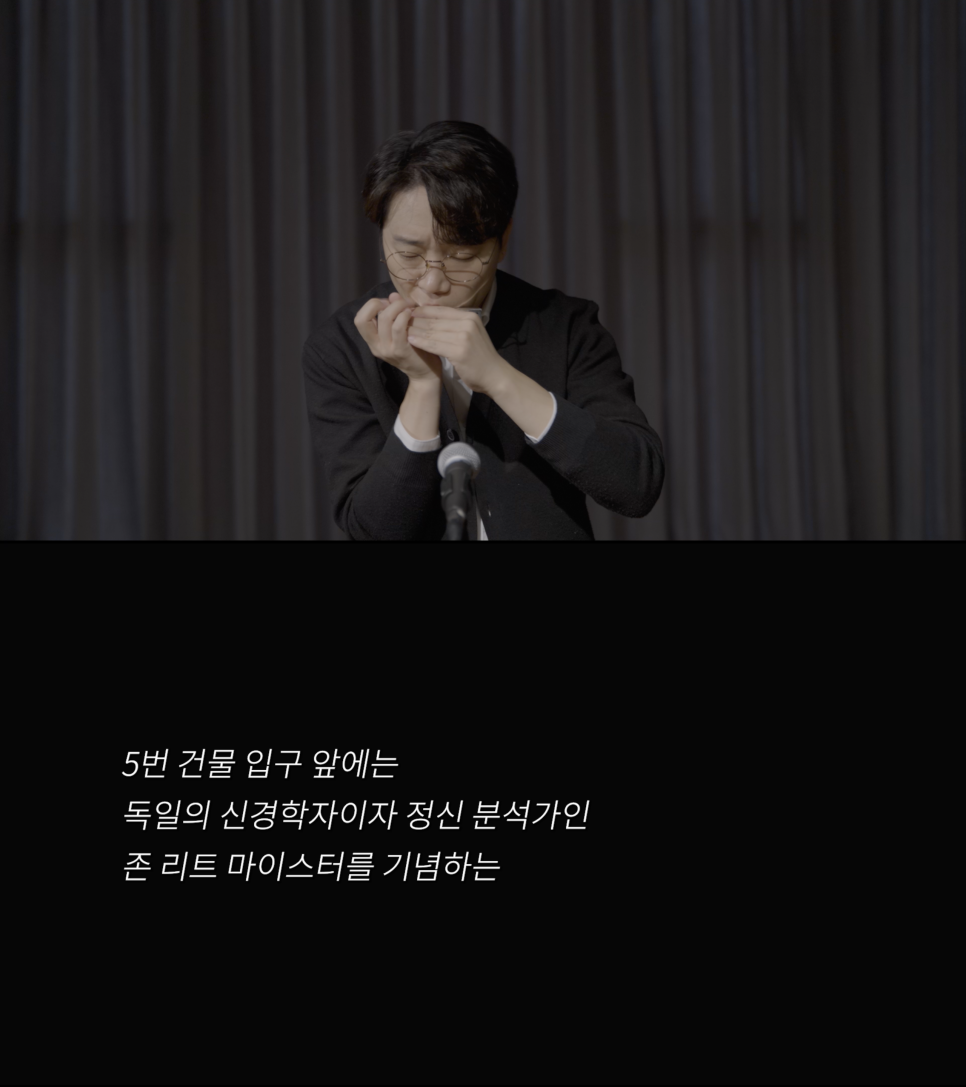
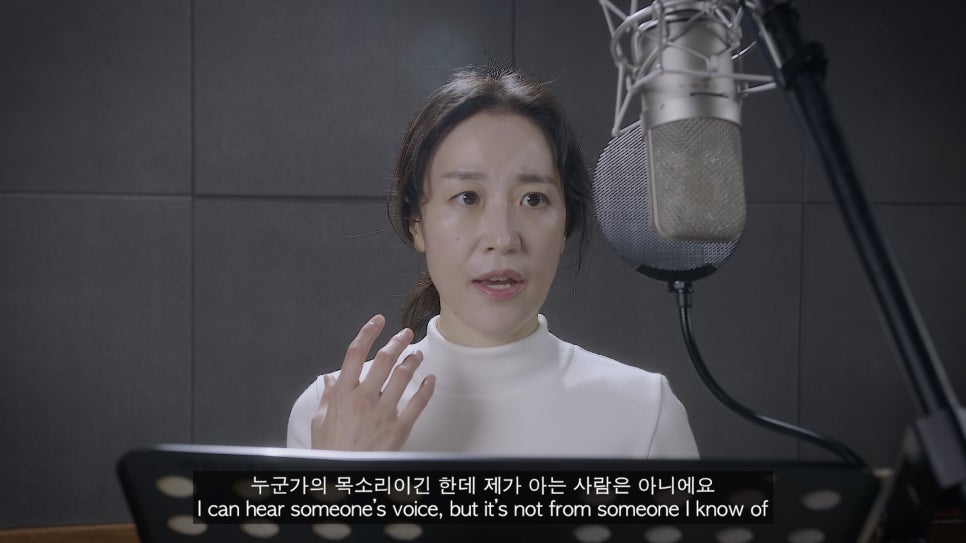
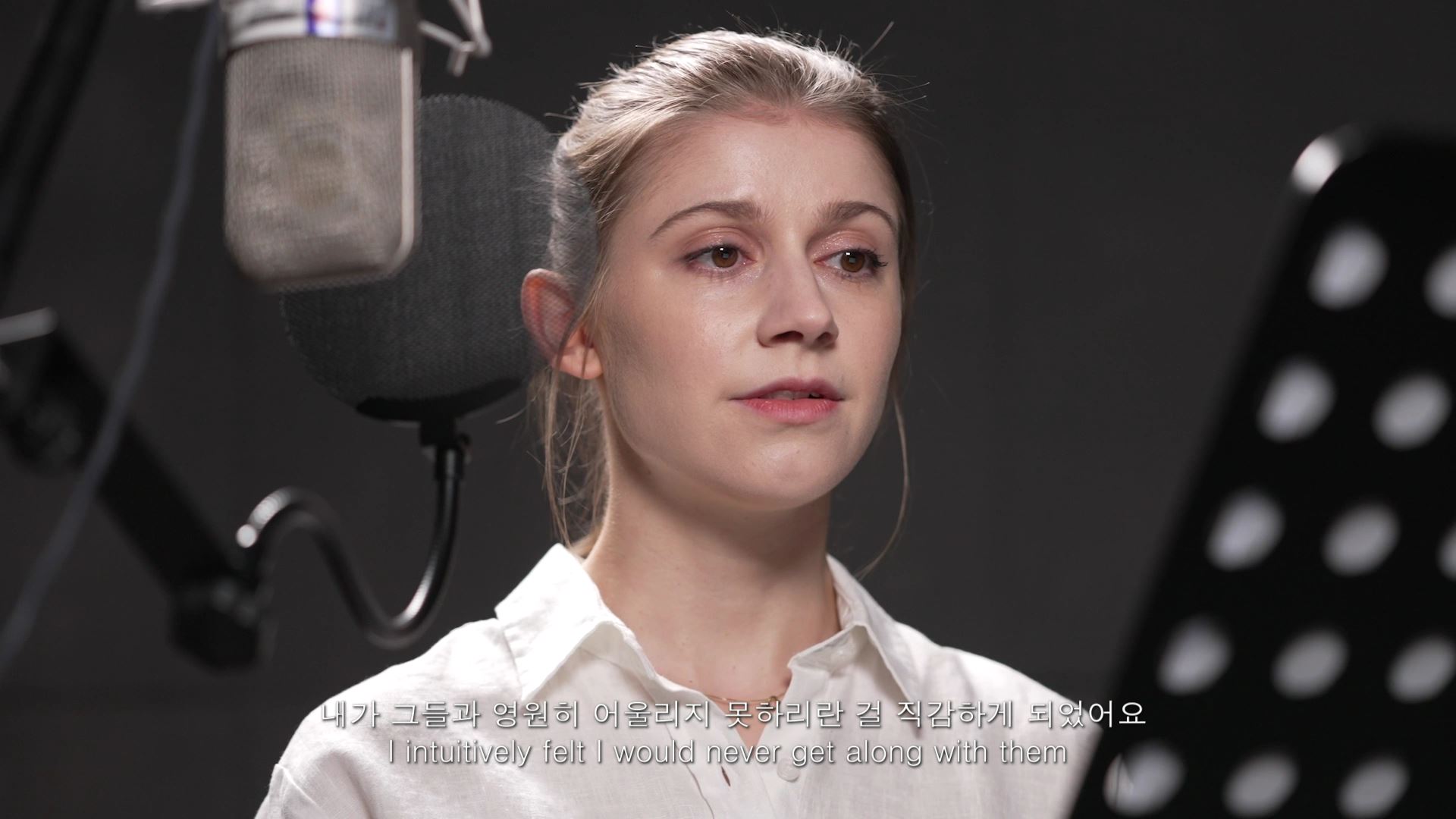
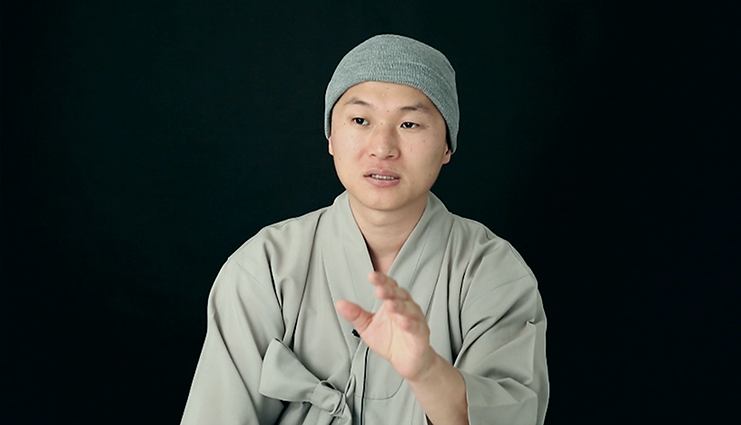
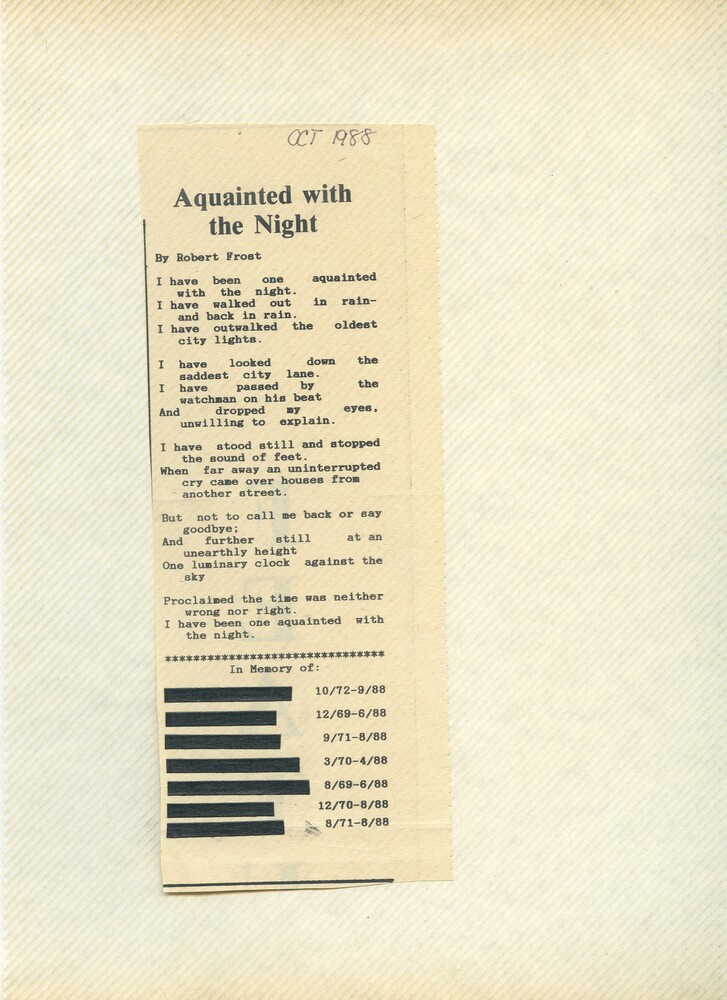
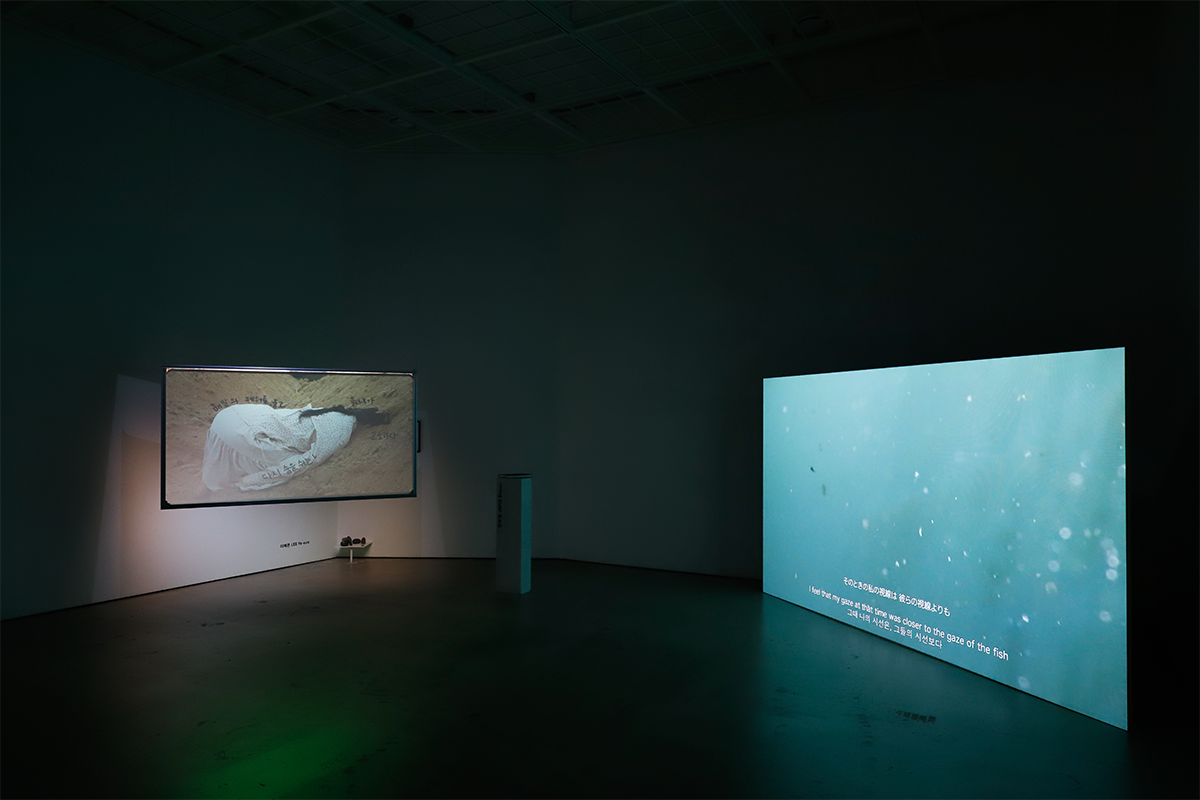
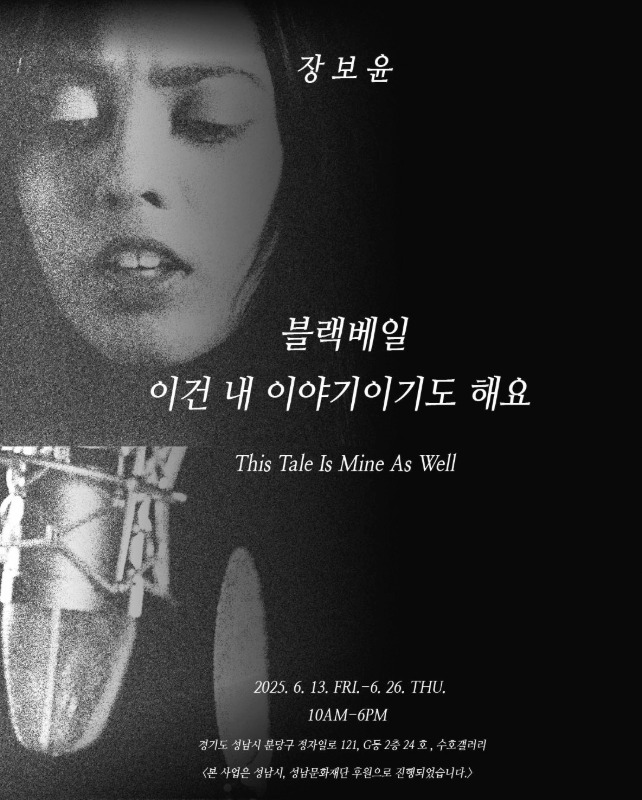
In her recent practice, moving images and voice have assumed a more prominent role. In the 'Black Veil' series, readers from Germany, India, and Korea connect historical records with personal emotions through the act of reading letters aloud, while their voices, intonations, and breathing evoke the presence of otherwise invisible narrators in the present.
By interweaving multiple perspectives, testimonies, documentary sources, and fictional narratives, Jang reveals the ways memory is constructed and transformed rather than presenting a singular truth. Video complements the temporal and vocal dimensions that photography alone cannot convey, while publications further expand each narrative into a multilayered experience.
Jang constructs a distinctive narrative structure that moves fluidly between documentary and fiction. Although her projects begin with archival materials, interviews, and historical research, she introduces fictional characters, letters, diaries, and acts of reading aloud to transform the gaps within historical records into spaces for reflection.
Rather than attempting to reproduce factual reality, these strategies reveal emotional and mnemonic dimensions that remain inaccessible through documentation alone. Following the artist's constellation of images, voices, and texts, viewers become active readers who connect multiple temporalities and perspectives instead of simply consuming a single narrative.